Youth sports programs serve purposes that extend far beyond winning games. They teach perseverance, build character, develop teamwork skills, and create formative experiences that shape young people’s lives. Recognition programs that celebrate diverse achievements—not just scoring statistics—reinforce these broader values while motivating young athletes across all skill levels.
This comprehensive guide presents 100 youth sports awards ideas organized into practical categories. Whether you’re coaching a recreational league, managing a competitive travel team, or leading a school athletic program, you’ll find recognition concepts that align with your values and inspire your athletes.
Youth sports recognition programs work best when they celebrate achievements across multiple dimensions. Young athletes develop at different rates and excel in different areas. Recognition systems that honor only the highest-scoring players or fastest runners miss opportunities to motivate the majority of participants who contribute in equally valuable ways.
The awards ideas presented here cover performance achievements, character development, teamwork contributions, improvement and effort, position-specific excellence, and program values. This multidimensional approach ensures every athlete has opportunities for recognition while reinforcing the specific qualities your program wants to cultivate.
Performance-Based Achievement Awards
Performance awards recognize measurable athletic accomplishments. These traditional recognition categories remain important for acknowledging athletic excellence and competitive success.
Individual Performance Awards
1. Most Valuable Player (MVP): Overall top performer combining statistics, leadership, and impact
2. Offensive Player of the Year: Highest contributor to team scoring and offensive production
3. Defensive Player of the Year: Outstanding defensive performance and opponent limitation
4. Most Improved Player: Greatest measurable improvement from season start to finish
5. Rookie of the Year: Top first-year player in the program
6. Comeback Player: Outstanding return after injury, absence, or performance decline
7. Captain’s Award: Recognition from team leadership for excellence and contributions
8. Coach’s Award: Honors determined by coaching staff for qualities they most value
9. Statistical Leader Awards: Recognition for leading specific measurable categories (points, assists, saves, batting average, etc.)
10. Record-Breaking Achievement: Setting new program records in any measurable category
Team Achievement Awards
11. Championship Recognition: Team victories at tournament, league, or championship level
12. Undefeated Season: Recognition for perfect competitive records
13. Winning Streak Award: Longest consecutive victories during a season
14. Tournament Champions: Recognition for specific tournament victories
15. League Champions: Regular season conference or league title winners
16. Best Record: Team with the strongest win-loss record in program history
17. Perfect Team Defense: Fewest goals/points allowed in a season
18. Highest Scoring Team: Most productive offensive season in program history
19. Comeback Team: Greatest improvement in team record from previous season
20. Consistency Award: Most balanced performance throughout entire season
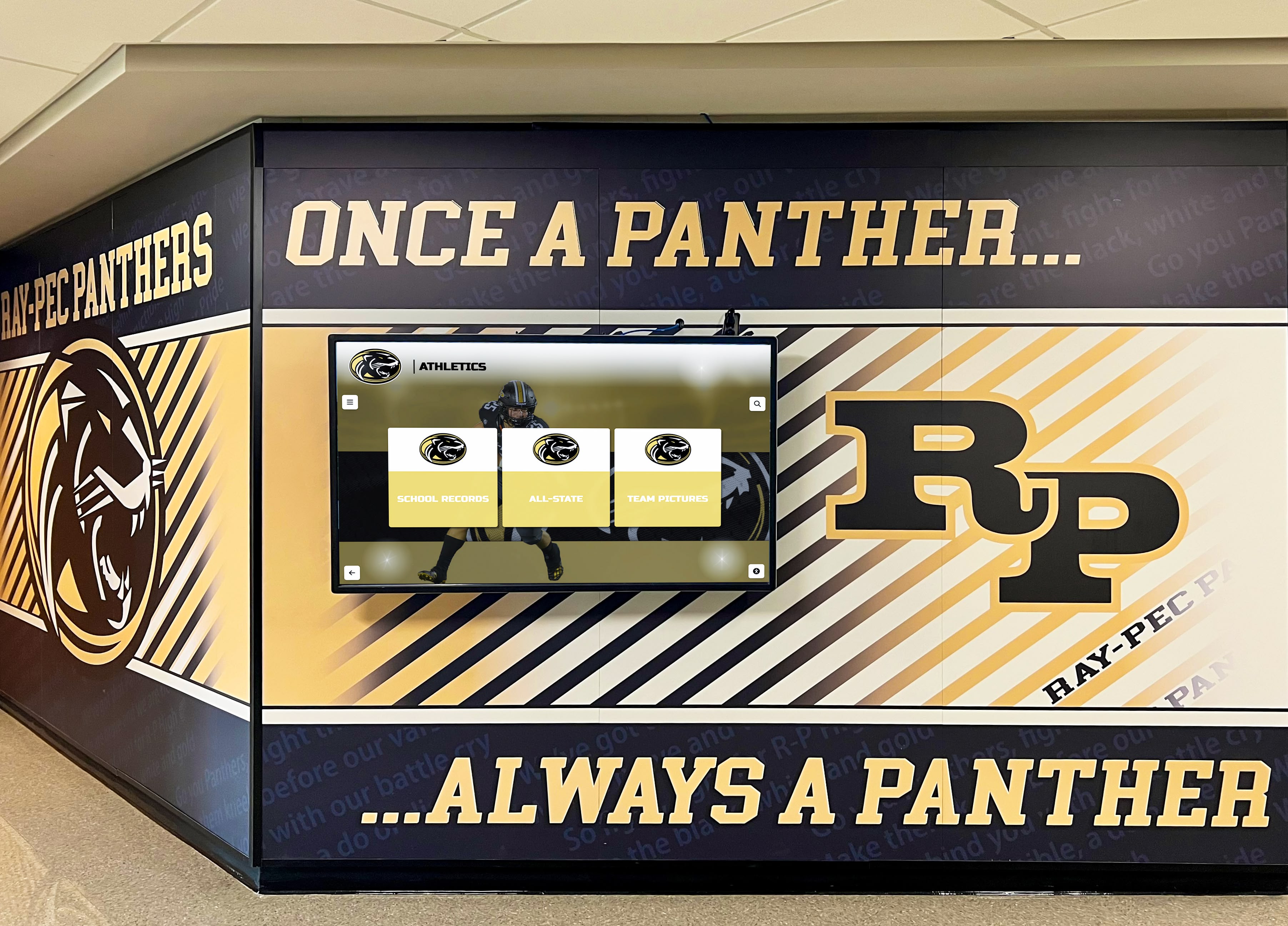
Solutions like Rocket Alumni Solutions help programs showcase both individual and team achievements through digital recognition displays that can accommodate unlimited awards without space constraints.
Character and Sportsmanship Awards
Character development represents one of youth sports’ most important outcomes. These awards recognize qualities that extend beyond athletic performance.
Core Character Awards
21. Sportsmanship Award: Exemplary conduct, respect for officials, and grace in victory and defeat
22. Leadership Award: Demonstrated leadership both on and off the field
23. Hustle Award: Maximum effort and intensity in every practice and competition
24. Heart Award: Playing through adversity with courage and determination
25. Dedication Award: Consistent attendance, preparation, and commitment to the program
26. Integrity Award: Honest conduct, ethical behavior, and doing what’s right
27. Respect Award: Respectful treatment of teammates, coaches, opponents, and officials
28. Perseverance Award: Overcoming obstacles and continuing despite challenges
29. Courage Award: Facing fears, taking risks, and competing beyond comfort zones
30. Positive Attitude Award: Maintaining optimism and encouraging outlook regardless of circumstances
Community and Values Awards
31. Community Service Award: Volunteer work and community contributions
32. Role Model Award: Exemplifying program values for younger athletes
33. Ambassador Award: Outstanding representation of the program in the broader community
34. Spirit Award: Enthusiasm, energy, and positive team culture contributions
35. Mentor Award: Supporting and developing younger or less experienced teammates
36. Citizenship Award: Demonstrating good citizenship in school and community
37. Character Champion: Overall excellence in character development
38. Values Award: Best embodiment of specific program core values
39. Fair Play Award: Ethical competition and respect for game rules
40. Humility Award: Grace in success and lack of arrogance
Programs that recognize character alongside performance create environments where young athletes develop life skills that extend far beyond athletics. Academic and athletic recognition programs demonstrate this balanced approach.
Teamwork and Contribution Awards
Team sports teach collaboration and collective achievement. These awards recognize how athletes contribute to team success.
Team Culture Awards
41. Ultimate Teammate Award: Outstanding support and encouragement of teammates
42. Glue Player Award: Holding team together through leadership and positive influence
43. Unsung Hero: Critical contributions that don’t show up in statistics
44. Sixth Player Award: Top contributor among non-starters
45. Energy Award: Bringing enthusiasm and motivation to practices and competitions
46. Vocal Leader Award: Positive communication and on-field/court leadership
47. Team First Award: Prioritizing team success over individual recognition
48. Chemistry Award: Building connections and relationships within the team
49. Locker Room Leader: Positive influence in team spaces and off-field settings
50. Practice Player: Outstanding effort and focus during practice sessions
Specific Contribution Awards
51. Assist Leader: Most assists or setup contributions (applicable across multiple sports)
52. Defensive Specialist: Outstanding defensive contributions regardless of offensive statistics
53. Clutch Performer: Best performance in high-pressure situations
54. Iron Player: Most minutes/innings played or games started
55. Utility Player: Excellence across multiple positions
56. Substitute Excellence: Outstanding contributions in backup role
57. Special Teams Award: Excellence in specialized roles (kickoffs, penalty kills, etc.)
58. Transition Excellence: Outstanding performance in transition phases of games
59. Sacrifice Award: Personal sacrifices for team benefit
60. Rally Starter: Initiating comebacks and momentum shifts
Development and Improvement Awards
Growth and development deserve recognition equal to absolute performance levels. These awards motivate athletes at all skill levels.

Individual Development Awards
61. Most Improved Technical Skills: Greatest advancement in sport-specific techniques
62. Most Improved Fitness: Biggest gains in conditioning, strength, or endurance
63. Breakthrough Performance: Single performance significantly exceeding previous standards
64. Consistency Improvement: Reduced performance variation and increased reliability
65. Mental Game Development: Improvement in focus, composure, or competitive mindset
66. Coachability Award: Outstanding responsiveness to coaching and instruction
67. Learning Curve Award: Fastest skill acquisition for new athletes
68. Adaptation Award: Best adjustment to new position, role, or level of competition
69. Work Ethic Award: Outstanding dedication to skill development
70. Off-Season Development: Greatest improvement during off-season training
Program Development Awards
71. Rising Star Award: Young athlete showing exceptional potential
72. Future Leader: Younger athlete demonstrating emerging leadership qualities
73. Sleeper Award: Unexpected development from overlooked athlete
74. Breakthrough Athlete: First-year athlete exceeding expectations
75. Development Program Graduate: Recognition for completing multi-year development program
76. Skills Competition Winner: Excellence in technical skills competitions
77. Fundamentals Champion: Outstanding mastery of basic techniques
78. Position Transition Success: Successful switch to new position
79. Level-Up Award: Successful promotion to higher competition level
80. Long-Term Commitment: Recognition for multi-year program participation
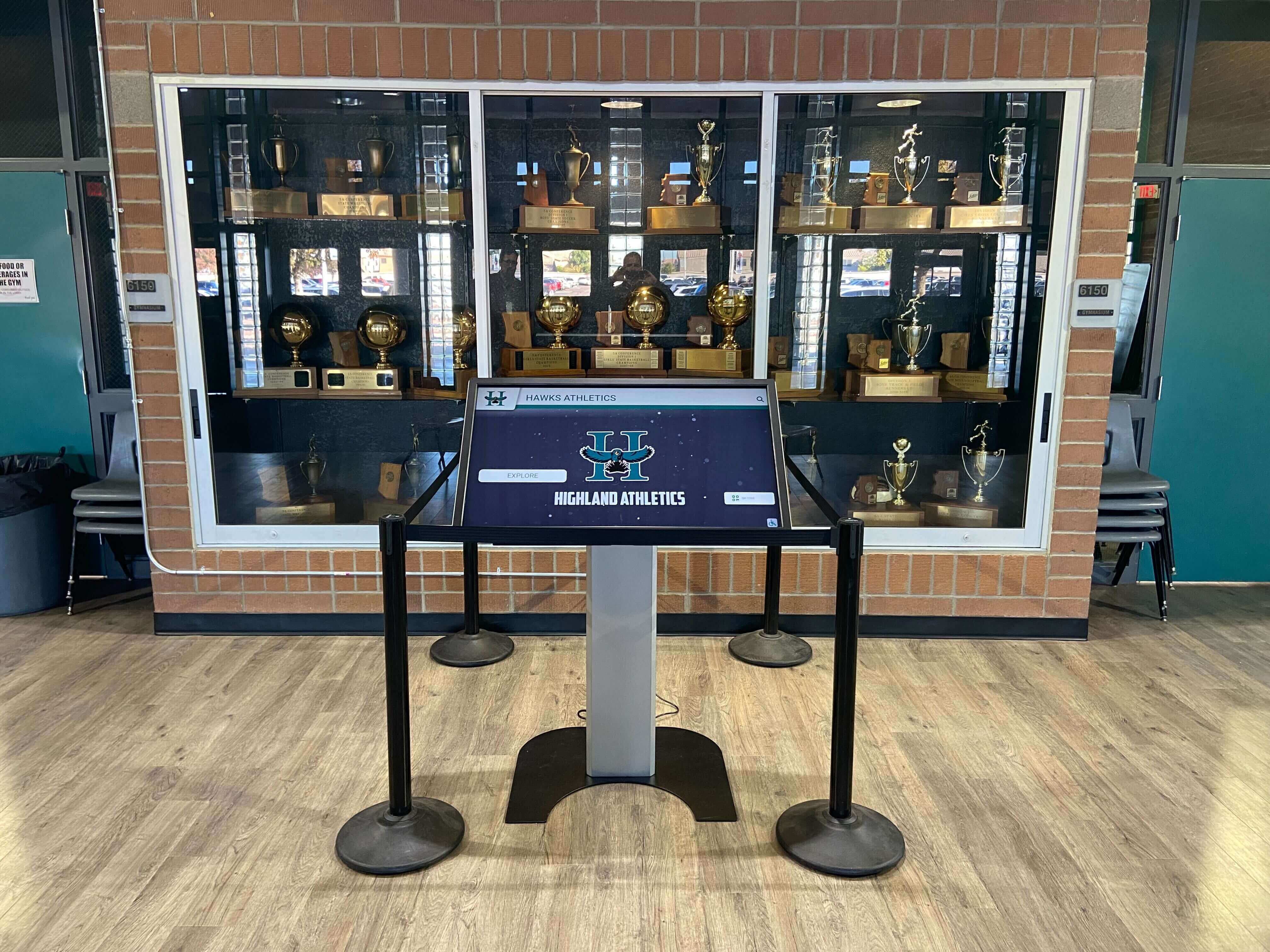
Programs can showcase development progression through interactive touchscreen displays that document athlete growth over multiple seasons.
Position-Specific Excellence Awards
Different positions require specialized skills. Position-specific awards recognize excellence in these distinct roles.
Sport-Specific Position Awards
81. Best Goalkeeper/Goaltender: Outstanding performance in net (soccer, hockey, lacrosse)
82. Best Pitcher/Hurler: Pitching excellence (baseball, softball)
83. Best Catcher: Defensive excellence behind the plate
84. Best Quarterback: Outstanding signal-caller performance (football)
85. Best Point Guard: Floor leadership and playmaking (basketball)
86. Best Center: Post excellence (basketball, hockey)
87. Best Midfielder: Two-way excellence in midfield (soccer, lacrosse)
88. Best Defender/Defenseman: Back-line excellence across sports
89. Best Forward: Offensive production from forward positions
90. Best Setter: Outstanding distribution (volleyball)
Position-specific recognition validates specialized contributions and helps young athletes understand the importance of every role. Basketball recognition programs demonstrate this position-focused approach.
Fun and Creative Recognition Awards
Not all recognition needs to be serious. Fun awards celebrate personality while building team culture.
Personality and Culture Awards
91. Best Pre-Game Ritual: Most entertaining or unique preparation routine
92. Team DJ Award: Best practice music selections
93. Best Celebration: Most memorable goal/score celebrations
94. Fashion Forward: Best or most unique style in team gear
95. Team Comedian: Keeping the team laughing and spirits high
96. Social Media All-Star: Best team content creator
97. Trivia Champion: Best knowledge of sports history and team facts
98. Best Nickname: Most creative or fitting team nickname
99. Snack Champion: Best post-game snack provider
100. Best Team Parent: Recognition for outstanding parent support and contributions
Implementing Effective Youth Sports Recognition Programs
Creating awards represents just the first step. Effective implementation maximizes recognition impact.
Establishing Clear Recognition Criteria
Recognition credibility depends on fair, consistent criteria. Define specific standards for each award category. Measurable performance awards should use objective statistics. Character awards should identify observable behaviors that demonstrate desired qualities. Improvement awards should measure actual change between defined timepoints.
Document criteria in writing and share them with athletes and families at season start. When athletes understand recognition standards, awards motivate throughout the season rather than surprising at the end.
Creating Inclusive Recognition Systems
The goal is ensuring every athlete receives meaningful recognition for authentic achievements. Programs that honor only top performers miss opportunities to motivate the majority of participants.
Design recognition systems with multiple award categories celebrating different contribution types. Track various statistics beyond traditional performance metrics. Consider improvement, effort, attitude, and character alongside results. Create position-specific awards recognizing specialized contributions.
Most young athletes remember who recognized their efforts more than they remember wins and losses. Inclusive recognition systems create positive experiences that keep young people engaged in athletics.
Presentation and Ceremony Planning
How awards are presented affects their perceived value. End-of-season award ceremonies create memorable experiences when planned thoughtfully.
Consider timing (separate from regular games vs. standalone event), location (gymnasium, banquet hall, outdoor venue), attendance (athletes only vs. including families), format (formal ceremony vs. casual celebration), and documentation (photos and videos for lasting memories).
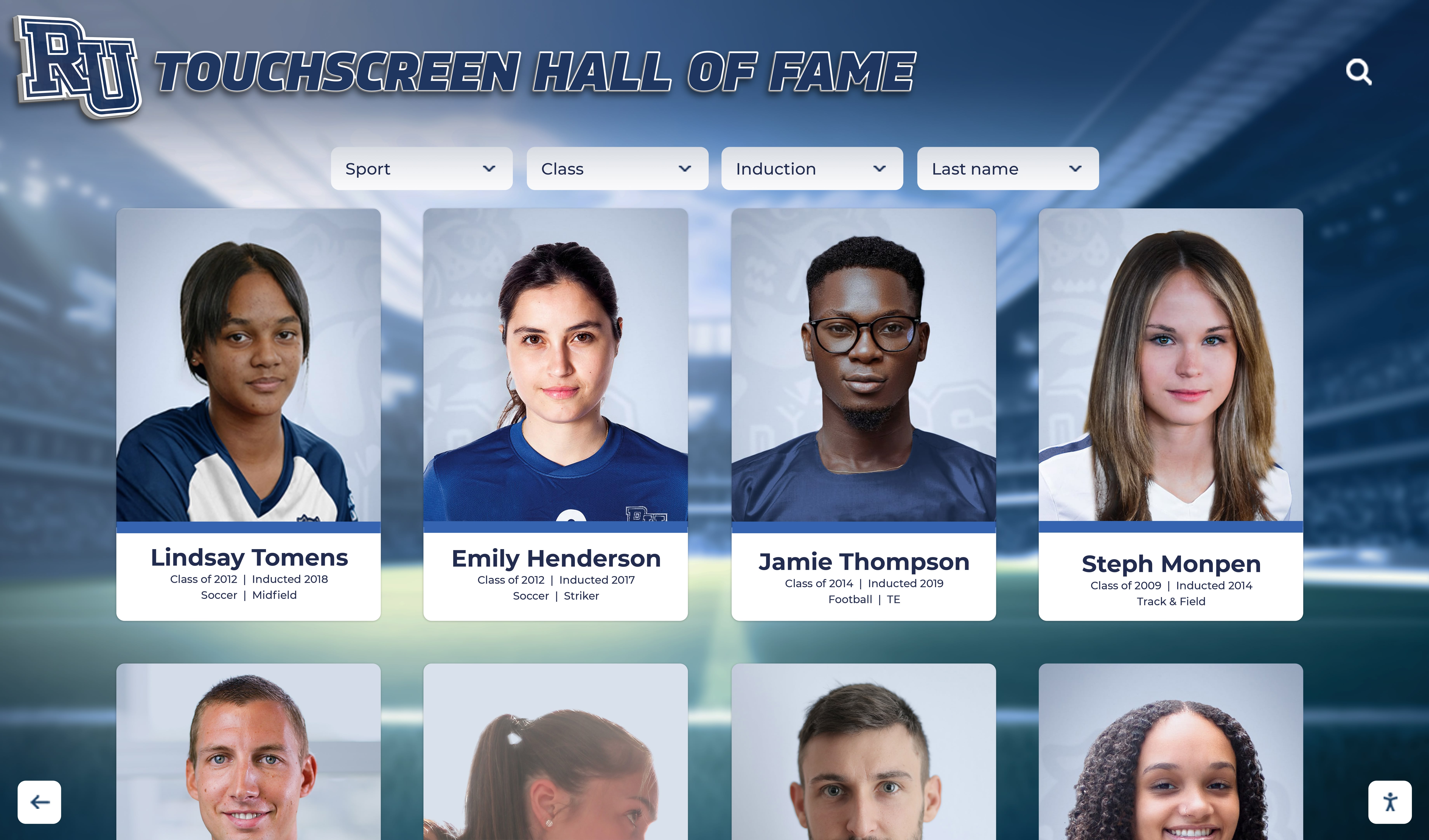
Digital recognition platforms extend award impact beyond single ceremonies. Athletes and families can access recognition online, share achievements on social media, and revisit accomplishments years later. Digital trophy displays provide year-round visibility.
Physical Award Options
Physical awards reinforce recognition and create tangible reminders of achievements.
Award Format Options:
- Trophies and plaques for major awards
- Medals for broader recognition categories
- Certificates suitable for all award types
- Ribbons and patches for uniform display
- Custom apparel with recognition
- Photo plaques combining images with text
- Digital displays for permanent program recognition
Budget constraints affect format choices. Mix prestigious physical awards for major recognitions with certificates for broader categories. The personal presentation matters more than award cost.
Digital Recognition Integration
Modern recognition programs combine physical awards with digital platforms that extend reach and longevity.
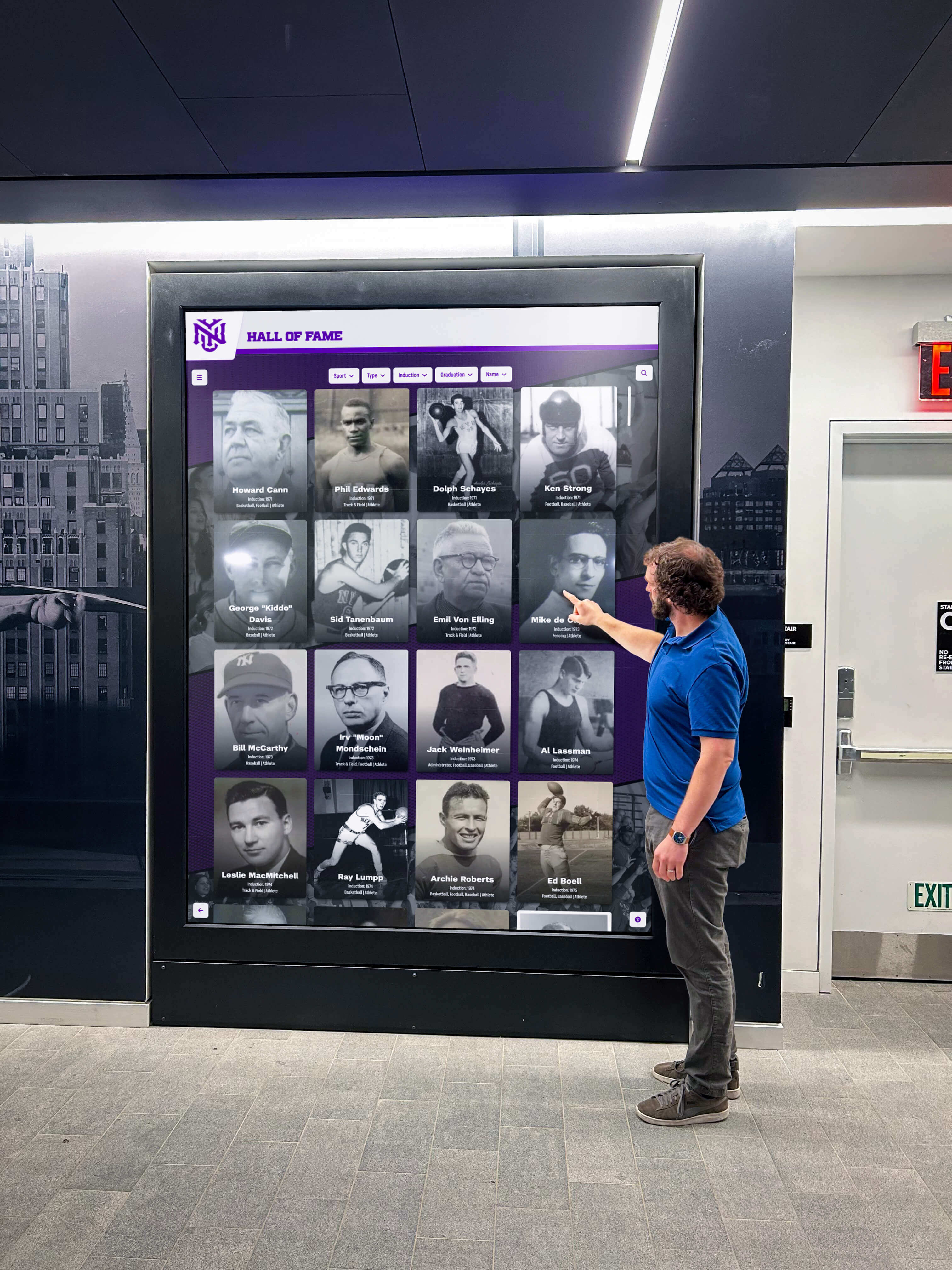
Digital recognition advantages include unlimited recognition capacity without physical space constraints, rich media integration (photos, videos, statistics, biographical information), remote accessibility for families unable to attend ceremonies, searchable databases allowing easy access to specific athletes or achievements, and permanent preservation protecting against loss or deterioration.
Platforms like Rocket Alumni Solutions specialize in youth sports recognition, providing intuitive systems for documenting achievements across seasons while creating engaging displays that motivate current athletes.
Best Practices for Youth Sports Awards
Successful recognition programs share common characteristics regardless of sport or age level.
Age-Appropriate Recognition
Adjust recognition approaches to developmental stages. Very young athletes (ages 5-8) benefit from frequent, participation-focused recognition. Elementary-age competitors (ages 9-12) appreciate recognition mixing fun categories with emerging skill development. Middle school athletes (ages 13-14) respond to increasingly performance-based recognition balanced with character emphasis. High school competitors (ages 15-18) value sophisticated recognition similar to college athletics while maintaining educational focus.
Balancing Competition and Participation
Youth sports programs exist on a spectrum from recreational participation to elite competition. Recognition systems should align with program philosophy.
Recreational leagues emphasize broad participation, fun, skill development, and positive experiences. Recognition should honor every participant while celebrating various achievement types. Competitive programs may emphasize performance more heavily but should still recognize character, improvement, and contributions beyond statistics.
Communicating Program Values
Awards communicate what your program values. Athletes internalize priorities based on what receives recognition and celebration.
If your program values effort equally with results, recognize hustle and work ethic alongside performance statistics. If character development is central to your mission, character awards should receive equal prominence to MVP honors. If teamwork defines your culture, highlight assist leaders and unsung contributors.
Ensure recognition patterns authentically reflect stated program values. Disconnect between stated values and actual recognition undermines both.
Seasonal Recognition Rhythm
Recognition works best as an ongoing process rather than a single end-of-season event.
Consider weekly recognition during team meetings for specific achievements or efforts, mid-season awards highlighting progress and maintaining motivation through long seasons, end-of-season ceremonies for major awards and comprehensive recognition, and year-round display through digital platforms maintaining visibility between seasons.
Regular recognition maintains motivation throughout entire seasons while end-of-season ceremonies provide formal celebration of comprehensive achievement.
Measuring Recognition Program Impact
Effective recognition programs demonstrate measurable benefits justifying time and resource investment.
Quantitative Success Indicators
Track athlete retention rates comparing return participation across seasons. Monitor attendance at practices and competitions. Survey athlete and family satisfaction with the program. Measure skill development through objective assessments. Document behavioral indicators like reduced conflicts or improved sportsmanship.
Qualitative Impact Assessment
Observe team culture changes and relationship quality among athletes. Solicit coach feedback about motivation and effort levels. Gather parent testimonials about athlete experiences. Note attitude changes toward practice and competition. Monitor athlete goal-setting behavior and achievement focus.
Programs that systematically recognize diverse achievements typically see improved retention, higher motivation, better team culture, greater family satisfaction, and enhanced skill development compared to programs focusing exclusively on winning.
Technology Solutions for Youth Sports Recognition
Modern platforms simplify recognition program management while enhancing presentation quality.
Digital Display Systems
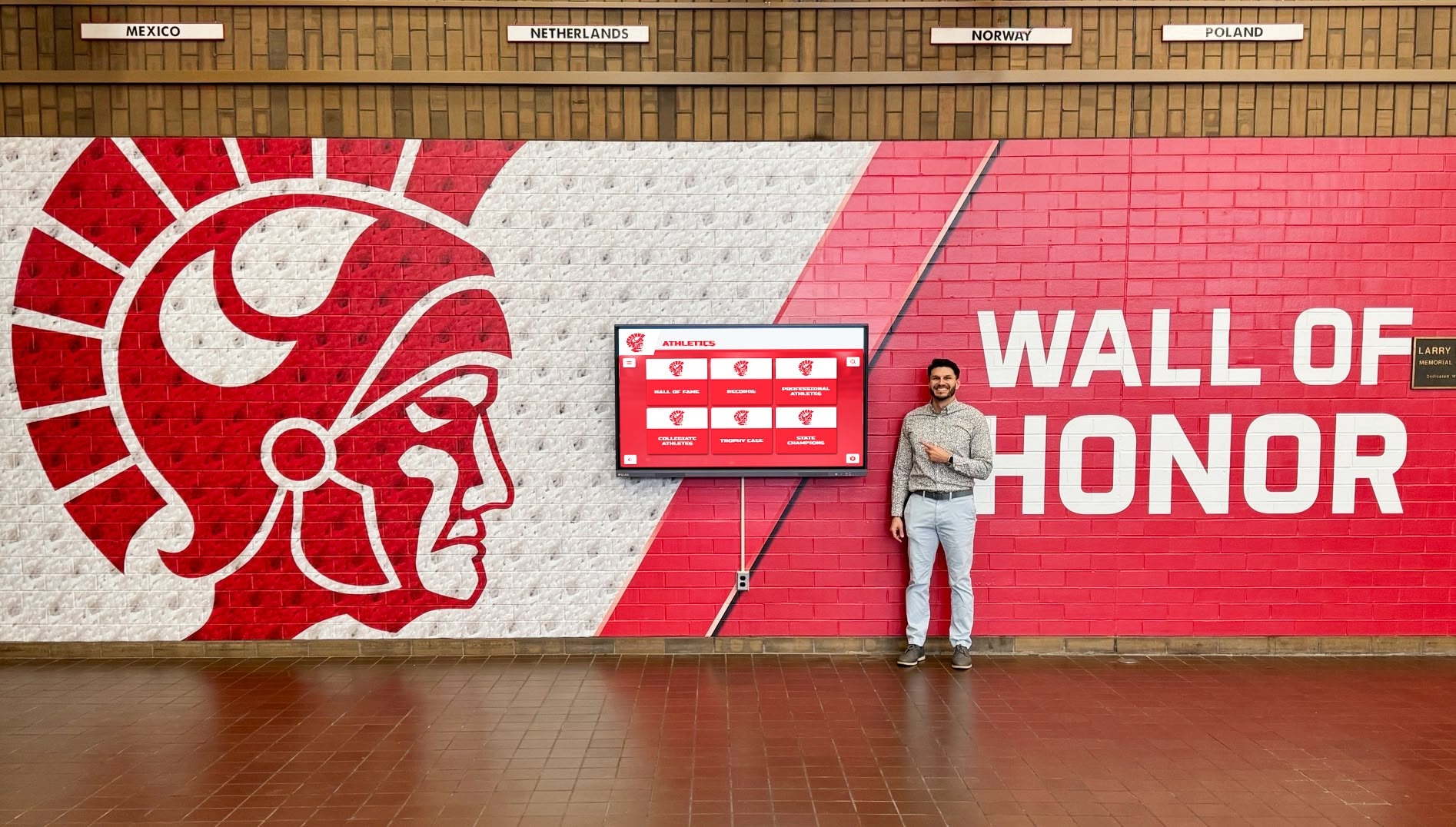
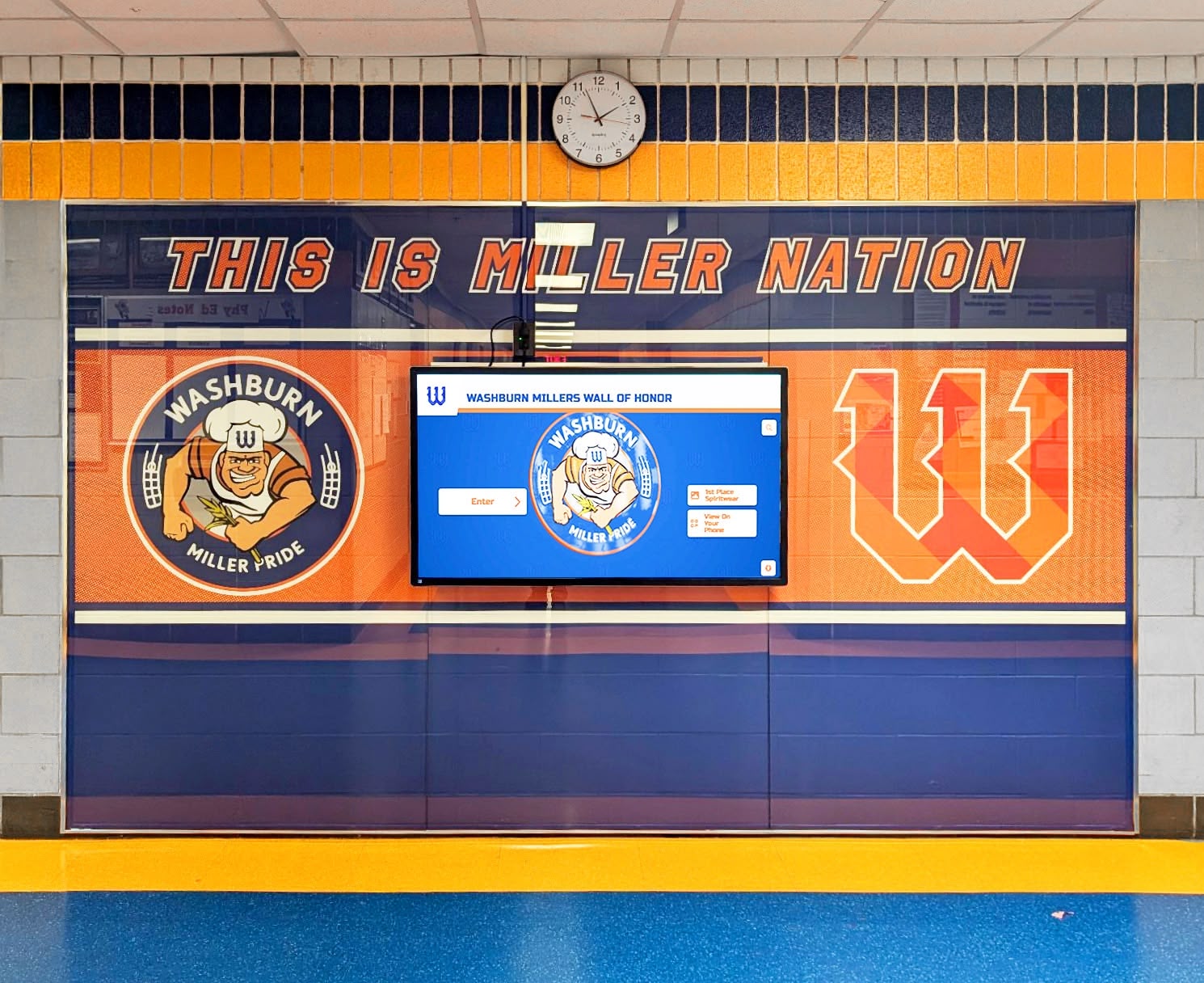
Interactive touchscreen displays transform how youth sports programs present recognition. These systems allow programs to showcase unlimited athletes without space constraints, include rich multimedia content (photos, videos, detailed profiles), provide searchable databases for finding specific athletes, enable remote updates through cloud-based management, and extend access beyond physical locations through web platforms.
Digital hall of fame displays work particularly well for programs wanting permanent recognition that grows as new athletes earn awards each season.
Content Management Platforms
Cloud-based content management simplifies recognition program administration. Look for platforms offering intuitive interfaces requiring no technical expertise, template-based content creation ensuring consistency, media libraries organizing photos and documents, role-based permissions controlling access appropriately, mobile optimization allowing management from any device, and automated backup protecting against data loss.
Integration Capabilities
Recognition systems work best when integrated with existing program tools. Consider integration with league management software, social media platforms for sharing recognition, team communication apps, fundraising platforms, and school information systems.
Building Multi-Season Recognition Programs
Recognition programs create greater impact when designed for multi-year continuity rather than single-season implementation.
Creating Recognition Traditions
Establish consistent annual awards that become program traditions athletes aspire to win. Traditional awards gain prestige over time as athletes see multiple years of past winners. Name major awards after program founders or influential contributors to deepen meaning.
Tracking Long-Term Development
Document athlete progression across multiple seasons. Multi-year participation in youth sports provides opportunities to recognize cumulative achievements, improvement trajectories, and developing leadership.
Digital platforms excel at presenting this longitudinal view. Athletes can see their own progression over time while comparing their development to past program participants.
Alumni Recognition and Connection
Youth sports alumni represent valuable program resources. They serve as mentors, volunteer coaches, financial supporters, and role models for current athletes.
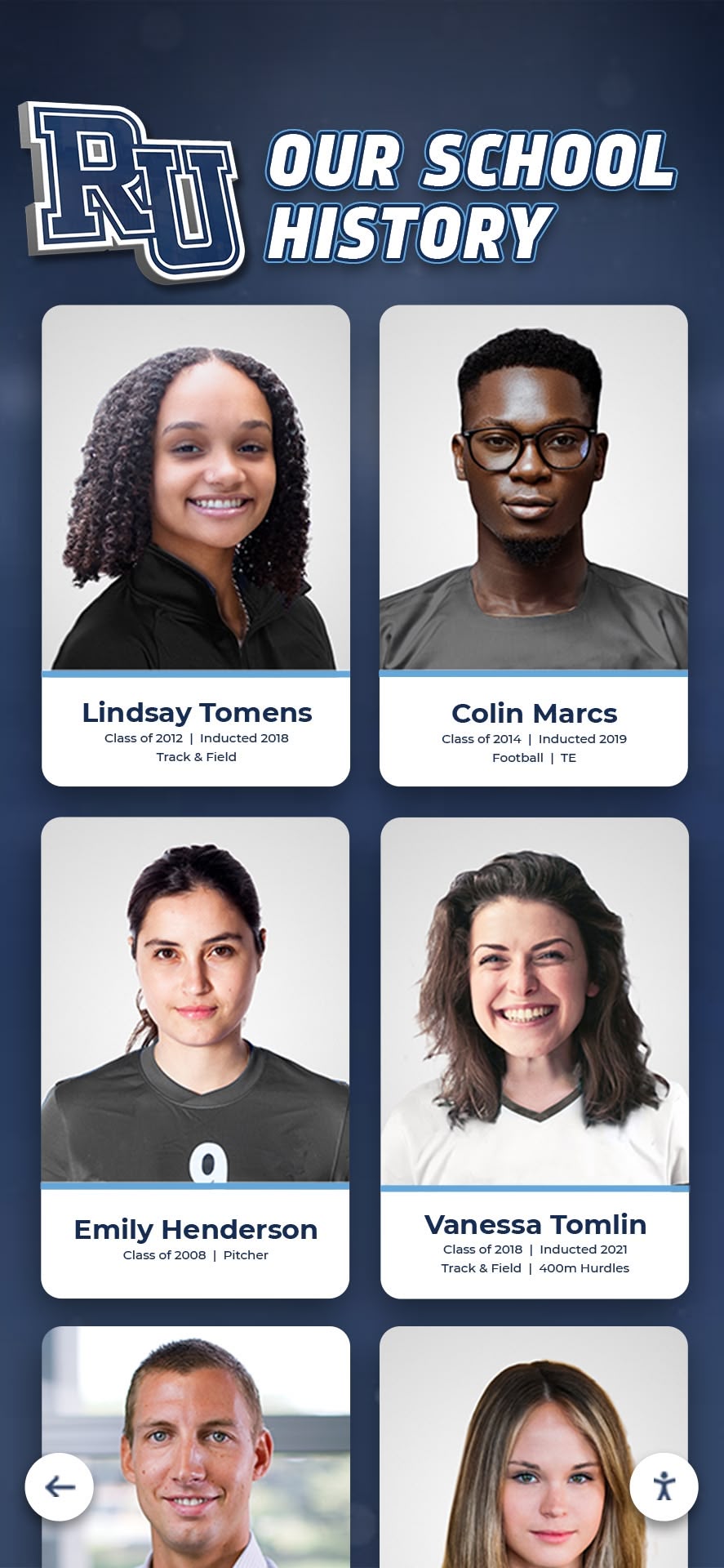
Recognition systems that include alumni achievements help maintain these connections. Current athletes see where alumni have gone after the program. Alumni feel continued connection to programs that honor their contributions. Alumni recognition displays demonstrate this intergenerational approach.
Common Recognition Program Mistakes to Avoid
Learn from common implementation challenges that undermine recognition effectiveness.
Limited Award Categories
Programs that only recognize top performers exclude most participants. Expand categories to celebrate character, improvement, teamwork, position-specific contributions, and other dimensions beyond pure performance statistics.
Inconsistent Criteria
Changing recognition standards arbitrarily undermines credibility. Document clear criteria and apply them consistently across seasons and different teams within the program.
Predetermined Winners
Recognition loses motivational power when winners seem predetermined. Ensure legitimate evaluation processes rather than automatically awarding the same athletes regardless of actual achievement or contribution.
Inadequate Presentation
Rushed or poorly planned award presentations diminish perceived value. Dedicate appropriate time to recognition ceremonies. Provide context about what each award represents and why recipients earned it.
Missing Documentation
Failing to document recognition means awards exist only in short-term memory. Photograph ceremonies, maintain records of all award winners, and create systems ensuring achievements are permanently preserved.
Budget-Friendly Recognition Solutions
Effective recognition doesn’t require large budgets. Creative approaches deliver impact within modest financial constraints.
Low-Cost Recognition Ideas
Printed certificates provide cost-effective recognition for broad award categories. Handwritten notes from coaches carry personal meaning beyond expensive trophies. Photo displays create visual recognition requiring only printing costs. Team-created awards involve athletes in designing recognition for teammates. Social media recognition extends reach without physical costs. Digital-only awards eliminate manufacturing expenses while providing shareable recognition.
Phased Implementation
Start with core award categories and expand over time. Initial seasons might include only major awards with physical trophies. Later seasons can add broader recognition categories as budget allows. Digital recognition platforms suit phased approaches since content capacity is unlimited regardless of initial investment.
Fundraising for Recognition
Recognition programs often attract donor support because results are visible and meaningful. Booster clubs, parent organizations, and local businesses may sponsor awards. Some programs offer naming opportunities where donors sponsor specific awards in perpetuity.
Conclusion: Building Youth Sports Recognition That Matters
Youth sports recognition programs succeed when they celebrate authentic achievement across multiple dimensions, align with stated program values and mission, include every participant through diverse award categories, create memorable experiences for young athletes, and document accomplishments for lasting preservation.
The 100 awards ideas presented here provide starting points for building recognition systems appropriate to your program’s size, competitive level, and values. Select categories that align with what your program wants to cultivate. Establish clear criteria that ensure fairness and consistency. Create presentation formats that make recognition feel meaningful and special.
Whether you implement traditional end-of-season banquets with physical trophies, modern digital recognition platforms providing year-round visibility, or hybrid approaches combining both, the commitment to recognizing young athletes’ diverse contributions creates positive experiences that keep youth engaged in athletics while developing character, resilience, and life skills that extend far beyond the playing field.
The awards you present this season become the memories your athletes carry forward throughout their lives. Make those memories meaningful by recognizing the full spectrum of valuable contributions every young athlete can make to your program.
Transform Your Youth Sports Recognition Program
Discover how digital recognition displays can help you celebrate all athlete achievements, build program culture, and create lasting memories that inspire young athletes for years to come.
Book a Demo






























