Scoring 1,000 career points in basketball stands as one of high school athletics’ most prestigious individual achievements—a milestone requiring consistent excellence, sustained dedication over multiple seasons, and scoring prowess that distinguishes elite players from solid performers. When student-athletes join this exclusive club, they deserve recognition matching the significance of an accomplishment achieved by only a small percentage of high school basketball players nationwide.
Yet many schools struggle to appropriately celebrate 1,000-point scorers. Recognition often defaults to brief halftime announcements quickly forgotten, single social media posts that disappear from feeds within hours, or jersey numbers added to gymnasium walls without context explaining achievement significance. Meanwhile, athletes who dedicated thousands of practice hours developing skills that enabled this milestone deserve comprehensive, lasting recognition that honors their excellence while inspiring younger players to pursue similar achievements.
This comprehensive guide explores proven strategies for recognizing 1,000-point scorers effectively through modern digital displays, traditional celebration programs, and systematic recognition approaches that ensure scoring milestone achievements receive the visibility and lasting acknowledgment these student-athletes have earned.
Basketball scoring milestones create powerful recognition opportunities that celebrate individual excellence while building program culture and motivating future generations of athletes. When schools systematically acknowledge 1,000-point achievements through multiple channels and permanent displays, they demonstrate genuine commitment to athletic recognition while providing concrete examples of sustained excellence that inspire younger players.

Modern digital recognition systems enable schools to celebrate 1,000-point scorers with comprehensive profiles and multimedia content
Understanding the Significance of 1,000 Career Points
Before implementing recognition programs, schools must understand what scoring 1,000 career points actually represents and why this achievement deserves prominent celebration that extends beyond momentary acknowledgment.
The Mathematics of Milestone Achievement
Reaching 1,000 career points requires remarkable consistency and sustained performance across multiple seasons. The mathematics reveal achievement magnitude clearly.
Typical Path to 1,000 Points
Most 1,000-point scorers accumulate points across three or four seasons, requiring averages ranging from approximately 8-10 points per game over four years to 13-15 points per game if scoring primarily across three varsity seasons. Players who reach this milestone as juniors demonstrate exceptional talent, typically averaging 15+ points per game from freshman year. Senior-year achievers who played limited minutes as underclassmen must average 20+ points during their final seasons.
The calculation underscores that 1,000 points doesn’t result from single spectacular performances but from consistency—delivering productive scoring nights game after game, season after season, through wins and losses, against strong and weak opponents alike.
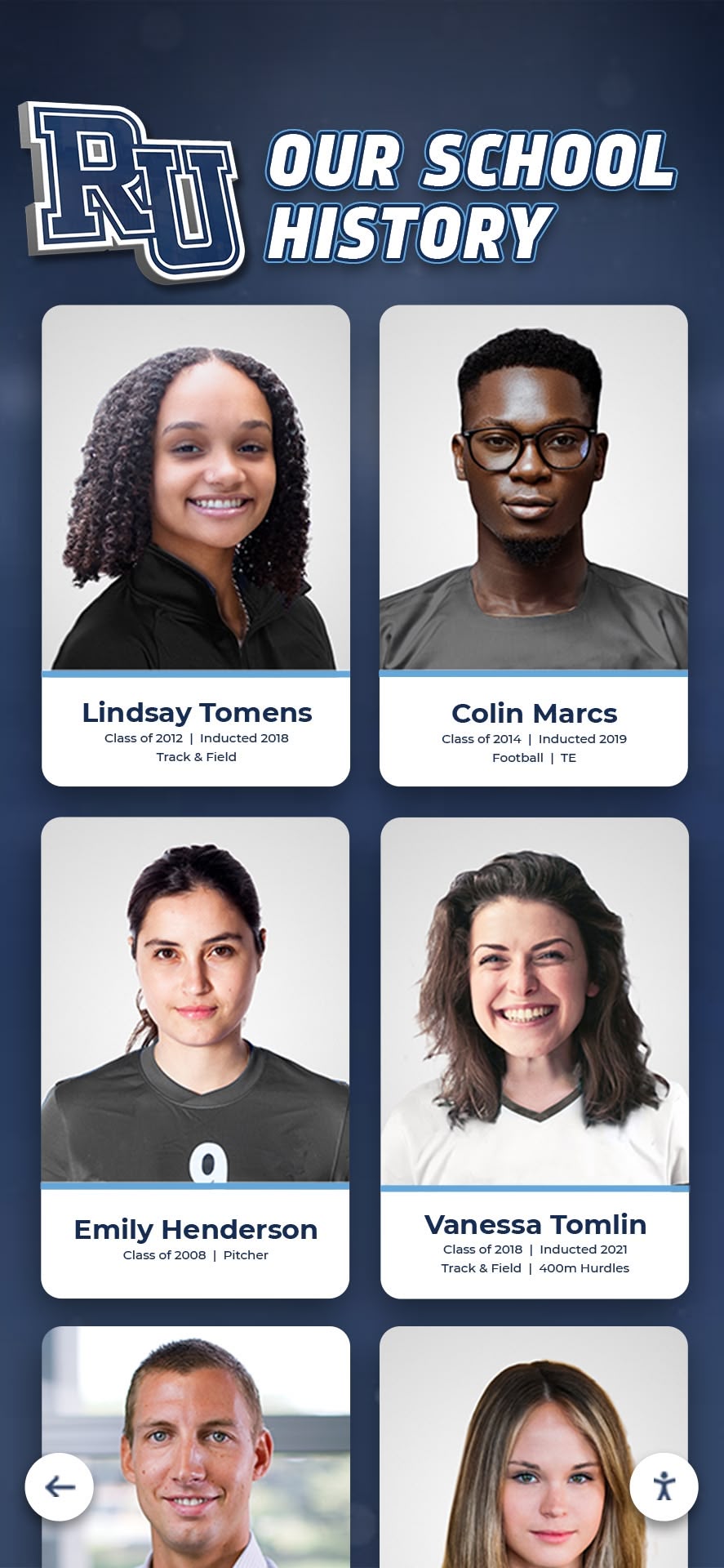
Comprehensive athlete profiles document complete basketball careers including scoring milestones
Required Attributes Beyond Scoring Ability
Reaching 1,000 points demands more than shooting skill. Players must maintain health and avoid serious injuries that sideline them for extended periods, demonstrate consistent work ethic earning significant playing time across multiple seasons, develop complete offensive games rather than relying on single scoring methods, perform under defensive pressure as opponents increasingly focus on limiting their scoring, and maintain academic eligibility throughout high school careers enabling participation.
This combination of ability, health, consistency, and dedication explains why 1,000-point scorers represent rare achievements worthy of prominent recognition within basketball programs.
Historical Context and Elite Company
Schools should help communities understand where 1,000-point scorers rank within institutional history and what company they join through this achievement.
Program-Specific Significance
The rarity of 1,000-point scorers varies by program history and competitive level. Smaller schools with limited basketball traditions might celebrate their first-ever 1,000-point scorer—a transformational achievement establishing new program standards. Mid-sized programs might have a select few 1,000-point scorers per decade, creating exclusive clubs connecting generations of program excellence. Larger schools with rich basketball traditions might produce multiple 1,000-point scorers per generation, yet the achievement remains prestigious even within elite programs.
Understanding this context enables schools to frame recognition appropriately. A school’s first 1,000-point scorer joins exclusive company that literally didn’t exist previously. The 15th member of an established 1,000-point club continues tradition while potentially approaching all-time scoring records.
Comprehensive recognition systems document where current achievers rank in program scoring history, identify previous 1,000-point scorers they join, and preserve historical perspective showing achievement rarity. Solutions like digital athletic recognition displays enable schools to maintain searchable databases connecting 1,000-point scorers across decades of program history.
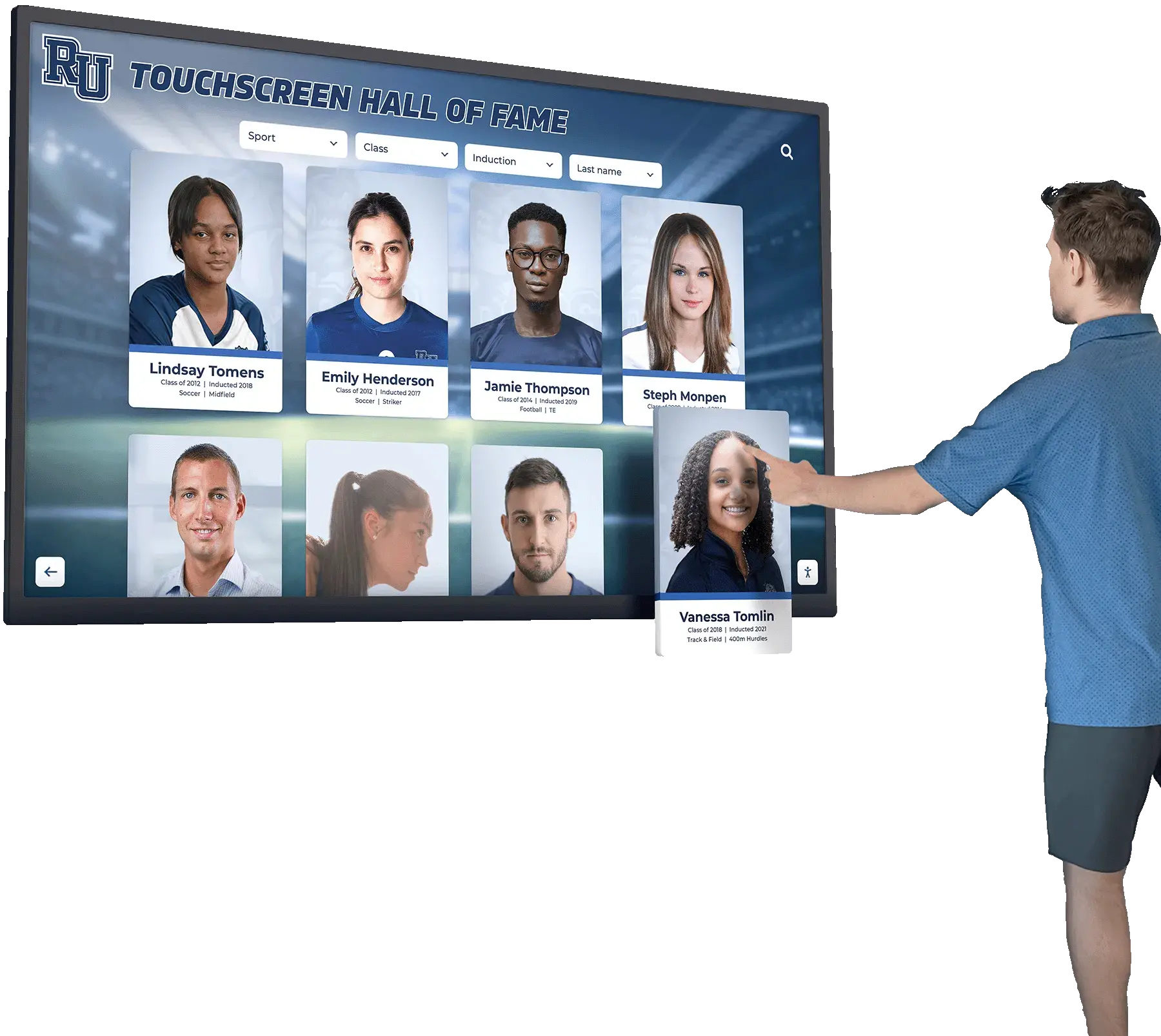
Interactive displays allow visitors to explore complete basketball program history including scoring milestone achievements
Career-Long Excellence Versus Single-Season Performance
The 1,000-point milestone specifically rewards career excellence rather than single-season brilliance—an important distinction influencing recognition approaches and messaging.
Multi-Year Achievement Value
Single-season scoring records certainly merit recognition, but 1,000 career points represents sustained achievement across high school careers. This longevity dimension distinguishes milestone scorers from players who enjoyed exceptional individual seasons without matching career consistency.
Recognition should emphasize this sustained excellence through career statistics showing scoring progression across seasons, documentation of games played and seasons completing the journey, season-by-season point accumulation demonstrating consistency, career scoring averages revealing sustained offensive productivity, and comparison with all-time career scoring leaders within programs.
This framing helps younger players understand that reaching 1,000 points requires commitment extending across entire high school careers, not just exceptional junior or senior seasons. Programs seeking strategies for recognizing complete athletic careers can explore student athlete recognition approaches that celebrate comprehensive achievements.
Traditional 1,000-Point Scorer Recognition Methods
Understanding conventional recognition approaches provides context for evaluating their effectiveness while identifying limitations that modern solutions address.
Halftime Ceremony Recognition
The most common traditional approach recognizes 1,000-point scorers during halftime of subsequent home games through brief ceremonies presenting commemorative basketballs or plaques while announcing achievement details to crowds.
Ceremony Advantages and Limitations
Halftime recognition provides immediate public acknowledgment when basketball program attention and community pride run highest, creates memorable moments for honorees and families during actual basketball games, involves team and community in celebrating milestones, and requires minimal planning beyond scheduling and preparing recognition items.
However, these ceremonies face significant constraints. Recognition visibility lasts only minutes before games resume and attention shifts. Absent attendees miss acknowledgment entirely, with no permanent documentation beyond brief mentions. Recognition doesn’t extend to students, staff, or visitors not attending that specific game. And physical recognition items like commemorative basketballs provide personal keepsakes but offer no ongoing visibility celebrating achievements within program facilities.
Recognition Boards and Gymnasium Wall Displays
Many programs maintain physical boards or wall sections listing 1,000-point scorers chronologically or by achievement order, typically including names, graduation years, and final point totals.
Physical Display Challenges
Traditional 1,000-point scorer boards create lasting recognition but face capacity constraints as lists grow over decades. Space limitations eventually force difficult decisions about display expansion, list continuation onto additional panels, or font size reduction compromising readability. Physical displays provide minimal context beyond basic names and numbers—no photos, career narratives, or season statistics enriching recognition. Updates require professional installation adding names, creating delays between achievement and recognition visibility and incurring ongoing costs each time additions occur.
Perhaps most significantly, static displays cannot accommodate interactive exploration enabling visitors to learn more about recognized athletes, search for specific graduates, or discover connections between 1,000-point scorers across different eras.

High-visibility hallway locations ensure recognition reaches entire school communities daily
Jersey Retirement and Number Preservation
Some programs retire jersey numbers of 1,000-point scorers, hanging their jerseys from gymnasium rafters or displaying them in cases as permanent recognition.
Jersey Retirement Considerations
Jersey retirement creates powerful visual recognition honoring exceptional achievement while demonstrating program tradition. However, this approach requires careful consideration since available jersey numbers are limited—programs can eventually exhaust practical number options if retiring numbers too liberally, creating challenges for future players seeking specific numbers.
Many programs reserve jersey retirement for the most exceptional athletes—all-state performers, state champions, or players continuing to collegiate/professional success—while using alternative recognition forms for 1,000-point scorers who achieved significant but not transcendent accomplishments. This tiered approach maintains jersey retirement prestige while still acknowledging milestone scoring achievements appropriately.
Social Media and Website Recognition
Modern programs supplement physical recognition with digital acknowledgment through social media posts announcing milestone achievement and website pages documenting 1,000-point club membership.
Digital Recognition Benefits and Gaps
Social media provides immediate, far-reaching recognition extending beyond those physically present when milestones occur. Posts enable family and community sharing, amplifying recognition visibility exponentially. Website documentation creates more permanent records accessible to anyone researching program history.
However, social media recognition proves fleeting—posts disappear from feeds within days as new content pushes them lower. Website pages often receive minimal maintenance, becoming outdated as new athletes join 1,000-point clubs or when site redesigns eliminate carefully maintained recognition pages. And neither approach creates the immersive, exploratory recognition experiences that truly honor achievement while inspiring younger athletes.
Modern Digital Recognition Solutions for Scoring Milestones
Contemporary technology fundamentally enhances how schools recognize 1,000-point scorers through capabilities traditional approaches cannot match, creating engaging experiences that honor achievement while preserving accomplishments permanently within institutional memory.
Unlimited Recognition Capacity and Permanent Archives
Perhaps the most transformative advantage of digital recognition: unlimited capacity for acknowledging 1,000-point scorers without space constraints forcing difficult decisions about which athletes receive prominent recognition versus relegated to secondary displays.
Comprehensive Documentation Without Compromise
Solutions like Rocket Alumni Solutions enable schools to recognize every 1,000-point scorer throughout program history with equal prominence, maintain complete archives documenting all milestone achievements from program founding forward, add new 1,000-point scorers instantly as achievements occur without physical display modification, and preserve comprehensive athlete profiles including photos, statistics, career narratives, and video highlights.
This unlimited capacity ensures schools never face the unfortunate situation where space constraints prevent proper recognition of significant athletic achievements. Every 1,000-point scorer, regardless of when they played or what other recognition they received, maintains permanent visibility within comprehensive program archives.
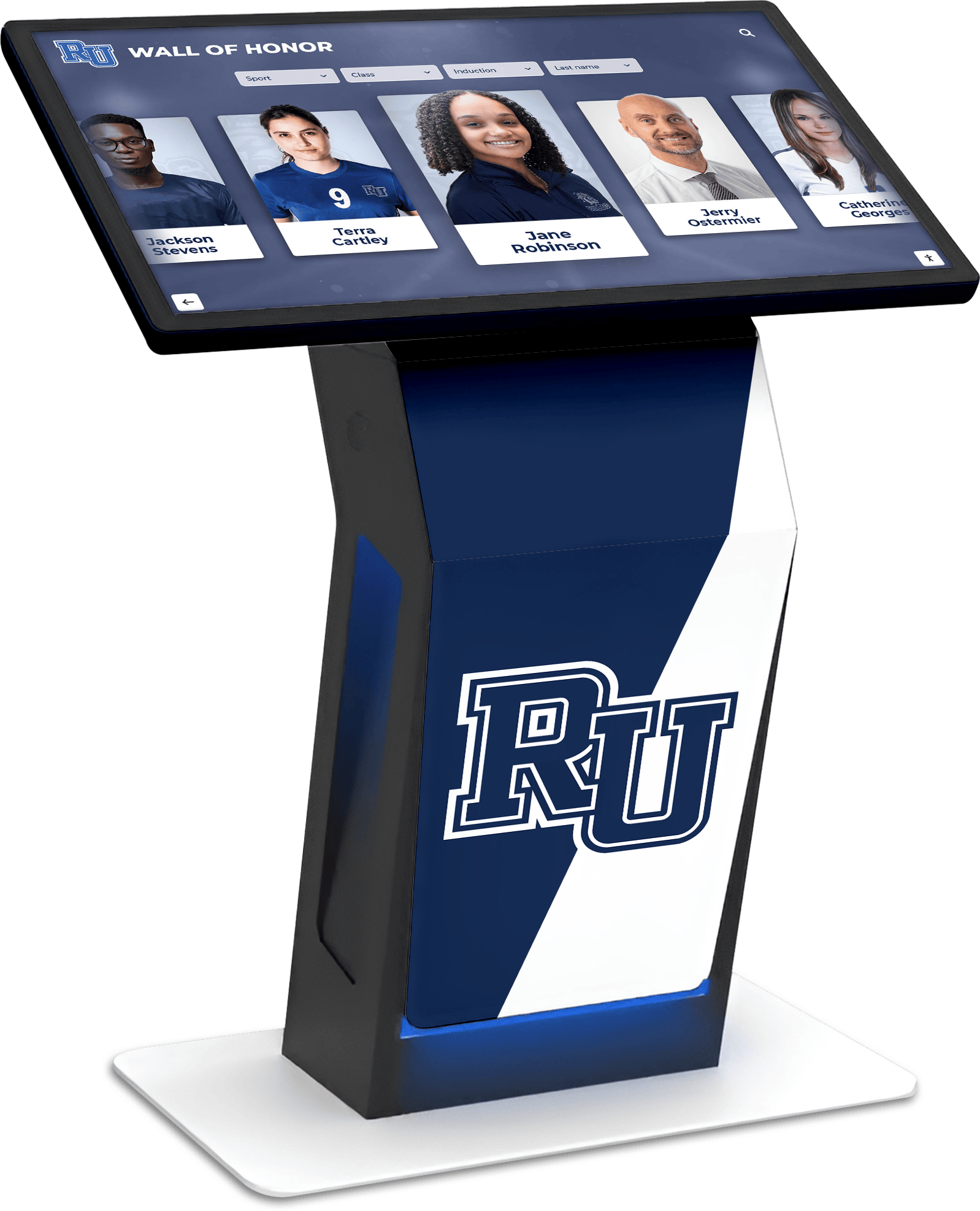
Modern touchscreen kiosks provide comprehensive, searchable recognition accessible to all visitors
Rich Multimedia Athlete Profiles
Digital platforms transform recognition from simple name listings into compelling stories that honor 1,000-point scorers comprehensively while providing inspirational examples for younger players.
Enhanced Profile Content
Rather than seeing “Jennifer Martinez - 1,247 Career Points (Class of 2023),” visitors encounter comprehensive profiles including professional athlete photographs in uniform or action shots, complete career statistics showing season-by-season scoring progression, achievement narratives explaining how athletes developed scoring abilities, team accomplishments during their careers contextualizing individual success, post-graduation updates about college basketball or other achievements, and personal reflections where athletes discuss what reaching 1,000 points meant to them.
This multimedia richness creates emotional connections simple lists cannot generate, helping visitors understand the dedication required to achieve 1,000 career points while celebrating athletes as complete individuals beyond statistical accomplishments. Programs can explore digital storytelling approaches for athletic programs that bring recognition to life through compelling narratives.
Interactive Exploration and Discovery
Modern touchscreen recognition systems enable visitors to actively engage with 1,000-point scorer content through search, filtering, and exploration features transforming passive viewing into participatory experiences.
Engagement Capabilities
Digital systems provide search functionality enabling instant lookup of specific athletes by name, filters allowing visitors to view only boys’ or girls’ 1,000-point scorers, sorting options organizing athletes chronologically, by total points, or alphabetically, comparison tools showing statistical relationships between different era scorers, timeline views displaying when various athletes achieved milestones, and related content connections linking 1,000-point scorers to championship teams, all-conference honors, or hall of fame inductions.
This interactivity dramatically increases engagement time—visitors typically spend 5-10 minutes exploring interactive recognition compared to brief glances at traditional static lists. Extended engagement creates deeper appreciation for program tradition while inspiring students to pursue their own athletic excellence. Schools can examine interactive athletic recognition strategies that maximize community engagement.
Real-Time Updates and Simple Content Management
Cloud-based content management systems enable athletic directors or designated staff to update 1,000-point scorer recognition immediately when milestones occur, without requiring physical display access or technical expertise.
Instant Recognition Publication
When athletes score their 1,000th career points, schools can add recognition profiles that evening or the following morning through simple web interfaces, upload photos and enter statistics through intuitive forms requiring no coding knowledge, schedule recognition for automatic publication if timing matters, and update displays remotely from any internet-connected device without visiting physical locations.
This simplicity ensures timely recognition while athletes and communities maintain excitement about milestone achievements rather than waiting weeks or months for physical display updates requiring professional installation. Schools report that ease of digital updates encourages more comprehensive recognition since adding content involves minimal effort compared to traditional approaches.

Strategic lobby placement ensures maximum visibility for athletic recognition displays
Implementing Comprehensive 1,000-Point Recognition Programs
Creating effective recognition requires systematic planning addressing milestone identification, celebration timing, content development, and integration with broader athletic recognition programs.
Establishing Clear Milestone Criteria and Communication
Defining What Counts
Schools must establish transparent criteria determining which points count toward 1,000-point milestones. Most programs count only varsity game points, excluding junior varsity or freshman competition to maintain milestone prestige. Some include playoff and tournament games while others recognize regular season only. Programs should document decisions clearly and apply criteria consistently across all athletes.
Communication ensures students and families understand exactly how milestone tracking works through published criteria on athletic department websites, season-start communications explaining point accumulation rules, regular season updates posted where athletes can track progress, and advance notice when athletes approach milestones enabling preparation.
Transparent criteria prevent confusion or disappointment when athletes believe they’ve reached 1,000 points using different calculation methods than schools employ.
Planning Milestone Achievement Celebrations
Multi-Tiered Recognition
Comprehensive programs recognize 1,000-point achievements through multiple complementary approaches rather than single acknowledgment methods.
Immediate Game-Day Recognition
When athletes score their 1,000th career points during games, immediate acknowledgment creates memorable moments. Brief game stoppages allow announcements sharing achievement significance, presentation of commemorative basketballs or plaques, standing ovations from crowds celebrating milestones, photo opportunities with coaches, teammates, and families, and social media posts sharing news immediately with broader communities.
These immediate celebrations honor achievements when excitement runs highest while creating powerful memories athletes cherish throughout lives.
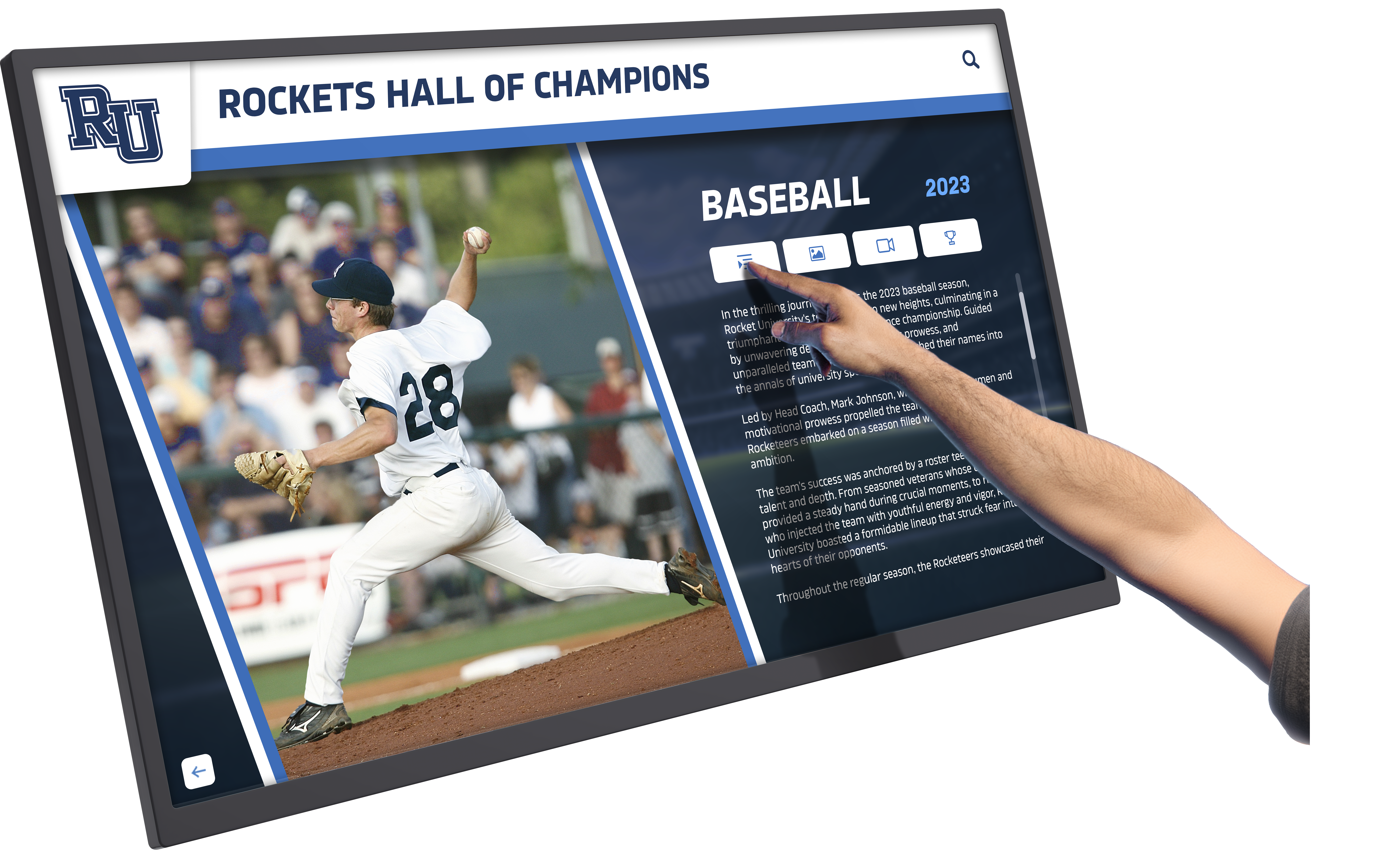
Intuitive touchscreen interfaces make exploring athletic achievements engaging and accessible
Subsequent Home Game Recognition
Programs often conduct more elaborate recognition during subsequent home games when families can attend planned, allowing extended ceremonies without disrupting competitive games, enabling preparation of recognition materials and comprehensive announcements, accommodating family attendance who may have missed actual milestone games, and creating multiple recognition touchpoints reinforcing achievement significance.
These follow-up ceremonies provide opportunities for more comprehensive acknowledgment than possible during the momentum of competitive games when milestone points occur.
Permanent Facility Recognition
Beyond momentary celebrations, lasting recognition ensures 1,000-point achievements remain visible within program facilities through additions to digital recognition displays immediately following milestones, updates to 1,000-point scorer boards if schools maintain traditional displays, inclusion in athletic hall of fame or record board documentation, and integration with broader athletic recognition systems celebrating diverse achievements.
This permanent visibility extends recognition far beyond single seasons, creating ongoing inspiration for younger players who encounter 1,000-point scorer recognition throughout their high school careers.
Content Development for Comprehensive Recognition
Essential Profile Information
Compelling 1,000-point scorer recognition includes fundamental athlete information like full name, graduation year, and final career point total, career statistics including season-by-season scoring, games played, and scoring averages, milestone game details documenting where and when 1,000th points occurred, team accomplishments during their careers providing success context, personal statements or quotes about what achievement means, post-graduation updates about college basketball or other pursuits, and high-quality photographs showing athletes in uniform or action.
This comprehensive documentation transforms simple name listings into complete narratives honoring athletes while preserving program history thoroughly.
Narrative Storytelling
Beyond statistics, recognition should tell achievement stories through career development arcs showing progression from role players to leading scorers, obstacles overcome including injuries, academic challenges, or position changes, leadership contributions beyond scoring statistics, memorable games or signature performances defining careers, and impact on program tradition and younger players.
These narratives create emotional connections helping visitors understand and appreciate what 1,000-point achievements represent beyond numerical milestones. Schools exploring effective athletic storytelling can examine state championship display approaches applicable to individual milestone recognition.
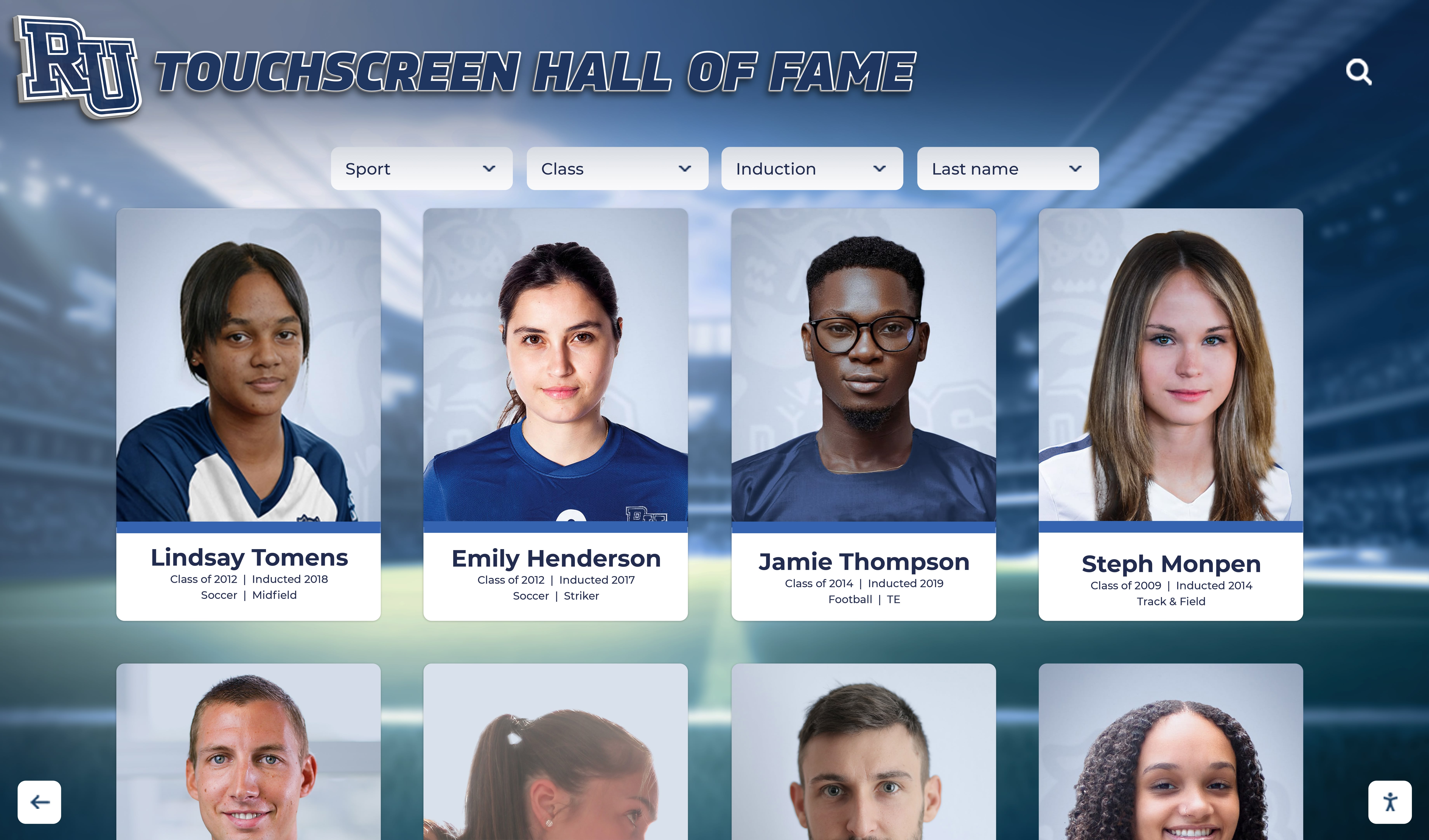
Modern displays present athlete profiles with comprehensive information accessible through simple touch interactions
Inspiring Future 1,000-Point Scorers Through Recognition
Beyond celebrating current achievements, effective recognition programs motivate younger players to pursue scoring milestones through visible examples of what dedicated athletes accomplish.
Creating Aspirational Visibility
Motivation Through Exposure
When underclassmen encounter 1,000-point scorer recognition regularly through hallway displays, gymnasium features, and digital systems, several powerful motivational dynamics occur. They develop concrete understanding that exceptional achievement is possible and celebrated, gain specific statistical targets to pursue rather than abstract excellence goals, see pathways from freshman participation to milestone accomplishment, understand that dedication receives lasting recognition, and connect with program tradition creating responsibility for maintaining standards.
This consistent exposure makes milestone achievement feel attainable rather than reserved for rare talents, increasing the number of athletes who set 1,000-point goals and work systematically toward them.
Connecting Recognition to Development
Effective programs explicitly connect 1,000-point recognition to athlete development processes through skill development content showing how scorers built complete offensive games, work ethic narratives emphasizing practice dedication enabling achievement, academic success documentation demonstrating eligibility maintenance, multi-season progression showing gradual improvement rather than instant success, and leadership examples modeling behaviors contributing to milestone achievement.
This educational dimension helps younger players understand concrete steps they can take pursuing similar accomplishments rather than viewing 1,000-point scorers as naturally gifted athletes whose success cannot be replicated through effort.
Celebrating Diverse Scoring Approaches
Multiple Paths to 1,000 Points
Recognition should acknowledge that various player types reach 1,000 career points through different offensive approaches including versatile scorers succeeding through diverse methods like perimeter shooting, post play, and transition scoring, three-point specialists accumulating points primarily through long-range shooting, interior players dominating through post moves and offensive rebounding, athletic scorers excelling in transition and attacking baskets, and efficient role players contributing consistent scoring without dominating offensive possessions.
Highlighting these diverse approaches ensures players with different skills and styles see achievable pathways to milestone scoring rather than believing only certain player types can accumulate 1,000 career points.
Programs can explore basketball hall of fame recognition strategies that celebrate diverse forms of basketball excellence including various scoring styles and player contributions.
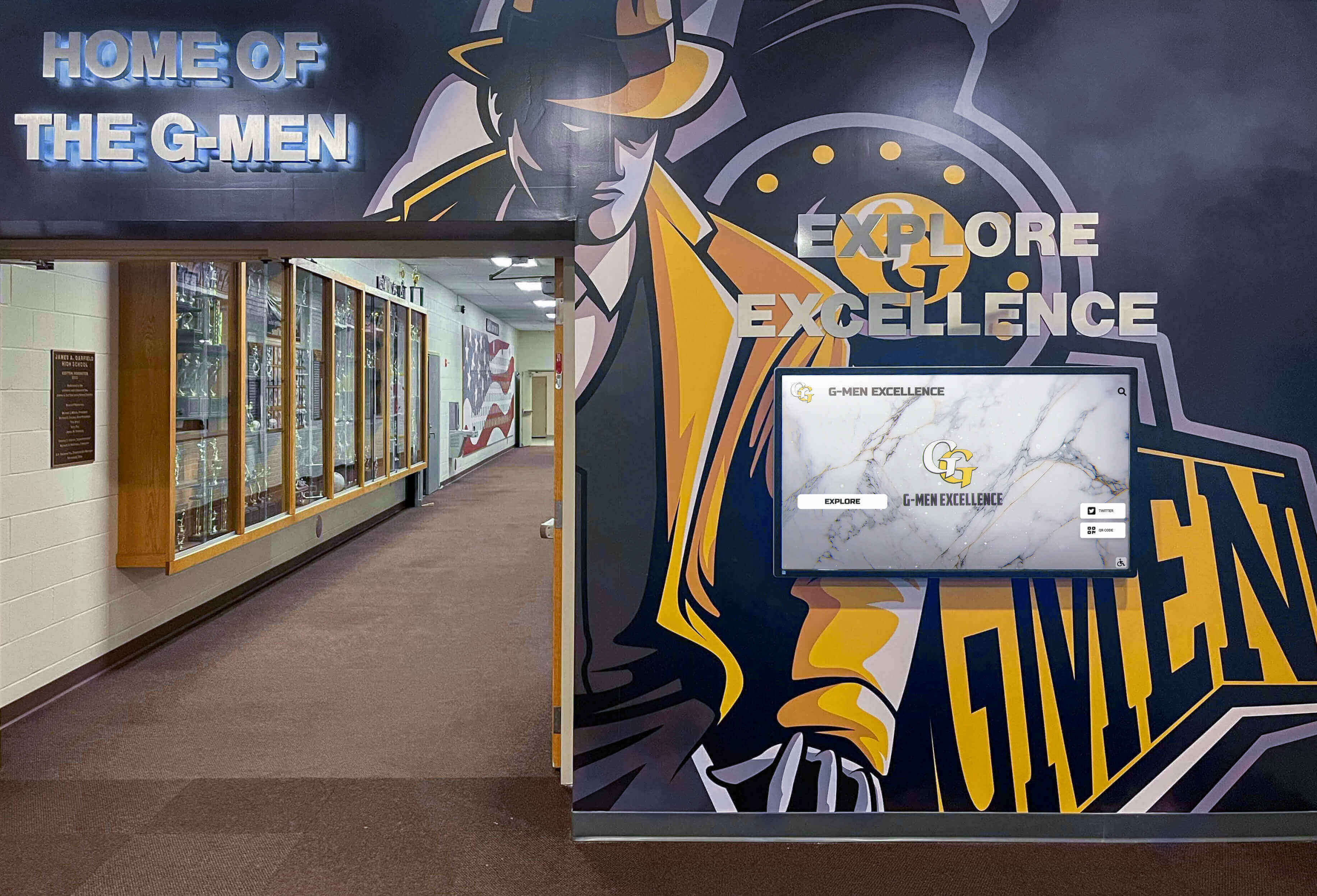
Integrated recognition systems combine traditional displays with modern digital capabilities
Integrating 1,000-Point Recognition With Broader Programs
Scoring milestone recognition operates most effectively when integrated with comprehensive athletic recognition systems rather than existing as isolated programs.
Connecting to Athletic Hall of Fame Programs
Milestone Recognition Within Larger Frameworks
Many schools maintain athletic halls of fame recognizing diverse excellence including championship teams, all-conference performers, state qualifiers, and individual record holders. Reaching 1,000 career points represents natural hall of fame consideration, though programs should determine whether milestone achievement alone guarantees induction or serves as strong qualification considered alongside other criteria.
Integration approaches include automatic hall of fame induction for all 1,000-point scorers, milestone achievement as primary but not sole qualification considered with other factors, expedited consideration path where 1,000-point scorers receive priority review, and tiered recognition where hall of fame represents highest honor with 1,000-point club as separate but prestigious distinction.
Whichever approach schools select, clear communication about relationships between 1,000-point achievement and hall of fame membership prevents confusion while ensuring milestone scorers receive appropriate recognition through some systematic program.
Coordinating With Other Basketball Achievements
Comprehensive Basketball Recognition
Effective programs celebrate multiple basketball achievement types through coordinated recognition ensuring all excellence receives appropriate acknowledgment. Beyond 1,000-point scorers, recognition might include all-conference and all-state selections, season and career record holders in various statistical categories, players reaching 1,000 career rebounds or assists, championship team members, state tournament qualifiers, and players continuing basketball at collegiate levels.
Coordinated recognition ensures comprehensive program documentation while preventing 1,000-point achievements from overshadowing other significant accomplishments or creating perception that only scoring matters.
Schools can examine academic honor roll recognition approaches that celebrate diverse forms of student excellence, applying similar comprehensive frameworks to athletic recognition.
Gender Equity in Milestone Recognition
Equal Celebration Standards
Programs must ensure boys’ and girls’ 1,000-point scorers receive equal recognition through consistent criteria applied without gender distinction, equal prominence in displays and communications, comparable celebration events and ceremonies, balanced historical documentation preserving achievements from all programs, and proportional visibility ensuring no program dominates recognition at others’ expense.
This equity demonstrates institutional commitment to honoring all athletic excellence equally regardless of gender, sport visibility, or competitive level.

Modern recognition systems integrate seamlessly with school branding and traditional displays
Technology Solutions Transforming Milestone Recognition
Modern digital platforms specifically designed for athletic recognition address traditional limitation while enabling capabilities that make 1,000-point scorer celebration more effective, sustainable, and inspiring.
Comprehensive Recognition Platforms
Integrated Management Systems
Purpose-built recognition platforms like Rocket Alumni Solutions provide intuitive interfaces allowing athletic staff to create rich 1,000-point scorer profiles without technical expertise, upload photos and videos documenting careers and milestone moments, enter comprehensive statistics and achievement details, publish recognition instantly across multiple display locations, and manage content remotely from any internet-connected device.
Cloud-based access eliminates requirements for physical display access or specialized software, enabling updates within minutes of milestone achievement while maintaining professional presentation quality.
Automated Distribution and Archiving
Modern systems automatically distribute recognition content across multiple channels including touchscreen displays in athletic facilities and common areas, website recognition pages maintaining searchable athlete databases, social media integration enabling easy sharing, mobile-responsive access allowing smartphone exploration, and permanent archives preserving all recognition indefinitely.
This automated distribution ensures comprehensive visibility without maintaining separate content for each recognition channel, dramatically reducing administrative burden while extending recognition reach.
Analytics and Engagement Tracking
Measuring Recognition Impact
Digital recognition platforms provide valuable analytics revealing how communities engage with 1,000-point scorer content including total visitor interactions and unique users, most-viewed athlete profiles identifying popular content, search queries showing what information visitors seek, engagement duration indicating content effectiveness, and traffic sources revealing how visitors discover recognition.
These insights demonstrate recognition program value to administrators, guide content development priorities, identify opportunities for enhanced engagement, and justify continued investment in recognition technology and programs.
Programs seeking data-driven recognition strategies can explore football records recognition approaches that leverage analytics for continuous improvement.
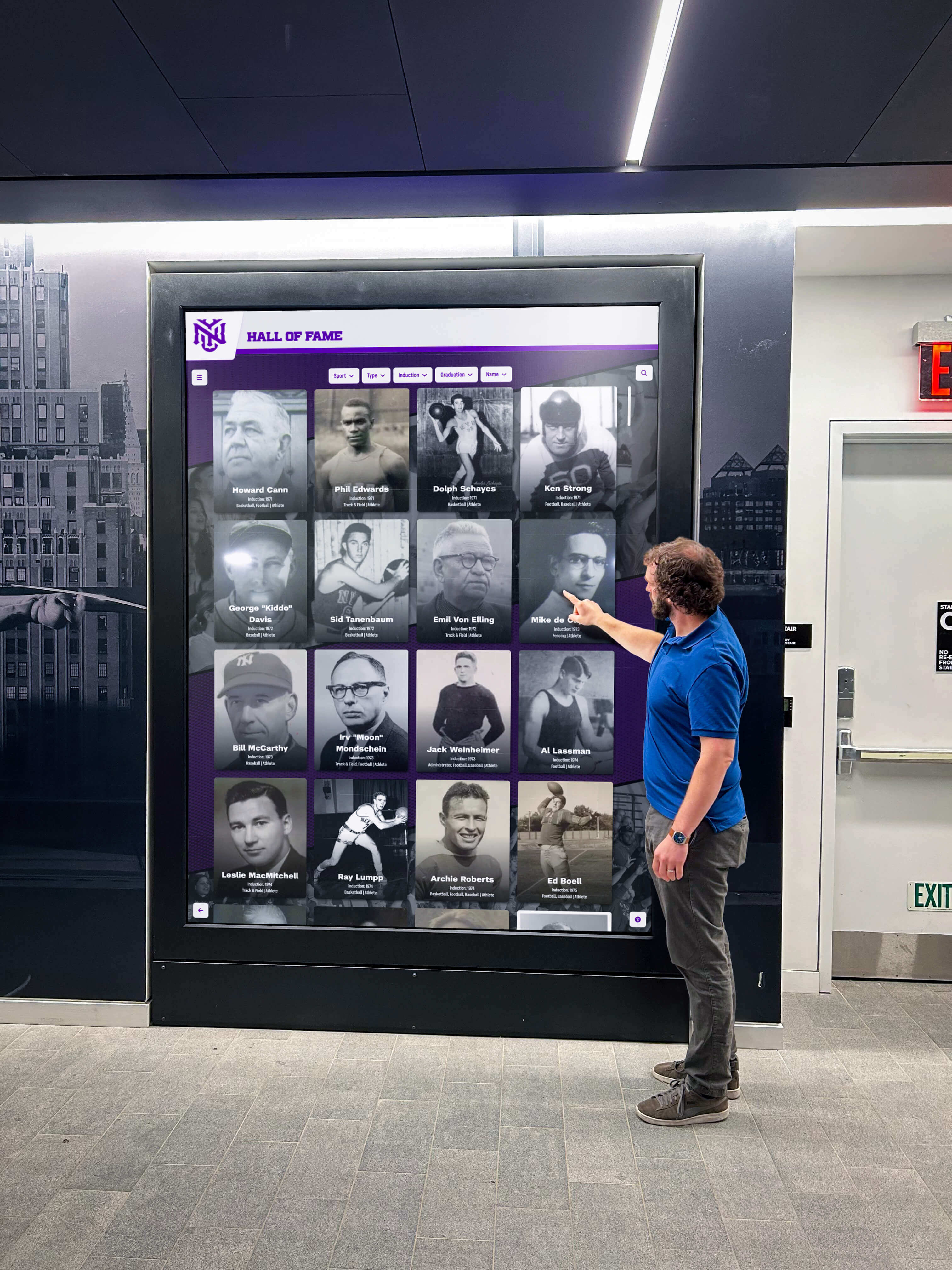
High-quality displays create gathering points where communities celebrate athletic achievements
Best Practices From Successful Recognition Programs
Schools implementing effective 1,000-point scorer recognition share common approaches maximizing program impact and sustainability.
Immediate Recognition Following Achievement
Timely Acknowledgment
Successful programs prioritize rapid recognition following milestone achievement rather than waiting for convenient opportunities. When athletes score 1,000th career points, immediate actions include game-day acknowledgment during or immediately after contests, same-evening social media posts sharing achievement news, next-day website updates announcing milestones, and updates to digital recognition displays within 24-48 hours.
This immediacy demonstrates institutional appreciation while capitalizing on excitement when achievements feel fresh and communities maintain heightened attention to milestone accomplishments.
Balancing Individual and Team Recognition
Contextualizing Personal Achievement
While 1,000-point milestones represent individual accomplishments, recognition should acknowledge team contexts enabling achievement through teammates creating scoring opportunities through assists and screens, coaching developing offensive skills and creating systems maximizing effectiveness, program traditions establishing cultures where excellence is expected, and team success providing platforms for extended playoff opportunities increasing scoring games.
This balanced approach prevents individual recognition from overshadowing team-oriented values while helping younger players understand that personal achievement connects inextricably to team contexts and collective efforts.
Maintaining Historical Perspective
Documenting Program Evolution
Comprehensive recognition preserves historical context showing how programs and players have evolved including scoring average comparisons across different eras accounting for rule changes and playing style evolution, achievement frequency documenting whether 1,000-point scorers have become more or less common over time, career length analysis showing whether current athletes reach milestones faster than predecessors, and coaching tenure connections showing patterns during different program leadership periods.
This historical documentation enriches recognition while preserving institutional memory that might otherwise fade as generations change and institutional knowledge disperses.
Conclusion: Honoring Exceptional Achievement Through Comprehensive Recognition
Scoring 1,000 career points represents exceptional basketball achievement deserving recognition matching accomplishment significance. When schools systematically acknowledge these milestones through modern digital displays, thoughtful celebration programs, and sustained institutional commitment, they honor individual excellence while building program cultures where achievement is expected, celebrated, and preserved within enduring tradition.
The strategies explored in this guide provide concrete frameworks for schools seeking to recognize 1,000-point scorers effectively. Whether implementing new milestone recognition or enhancing existing approaches, fundamental principles remain constant: athletes who dedicate themselves to basketball excellence deserve acknowledgment that validates effort, inspires peers toward similar achievement, and preserves accomplishments within institutional memory.
Transform Your Basketball Milestone Recognition
Discover how modern digital recognition solutions can help you celebrate every 1,000-point scorer comprehensively while building athletic cultures that inspire continued excellence and honor exceptional achievement appropriately.
Explore Recognition SolutionsTraditional recognition methods including halftime ceremonies, physical boards, and jersey retirement serve important purposes but face limitations including fleeting visibility, space constraints, minimal context, expensive updates, and inability to accommodate interactive exploration. Modern recognition solutions overcome these constraints while creating engaging experiences through unlimited capacity, rich multimedia storytelling, permanent searchable archives, simple remote management, and extended reach through web accessibility.
Your 1,000-point scorers demonstrated exceptional dedication to basketball through sustained excellence, effective skill development, and competitive performance distinguishing them from peers. They deserve recognition proportional to achievement significance—lasting, visible, comprehensive acknowledgment that honors accomplishment while inspiring younger players to pursue their own basketball excellence.
Ready to transform your basketball milestone recognition? Explore comprehensive digital recognition platforms specifically designed for schools and athletic programs that make celebrating 1,000-point scorers as systematic, engaging, and impactful as these exceptional athletes deserve.































