The transition from middle school to high school represents one of the most significant milestones in a young person’s educational journey. Eighth grade graduation ceremonies provide opportunities to reflect on growth, celebrate achievements, and inspire students as they prepare for new challenges ahead. Yet crafting meaningful graduation speeches that resonate with 13- and 14-year-olds while honoring the significance of this moment requires careful thought and planning.
Whether you’re a principal preparing commencement remarks, a teacher tasked with the faculty address, or a student selected to speak on behalf of your classmates, finding the right words to capture this pivotal moment matters. Effective 8th grade graduation speeches balance celebration with inspiration, acknowledge the journey completed while looking forward to adventures ahead, and speak authentically to young people standing at the threshold of adolescence.
This comprehensive guide provides graduation speech examples, practical writing strategies, structural frameworks, and creative ideas for making middle school commencement ceremonies memorable for students, families, and school communities.
Eighth grade graduation marks the culmination of elementary and middle school education—typically spanning nine years of foundational learning, social development, and personal growth. Unlike high school or college graduations that mark clear transitions into adult responsibilities, middle school graduation represents a more complex moment: students are no longer children but not yet fully independent teenagers. This unique developmental stage requires speeches that acknowledge students’ maturity while remaining age-appropriate and genuinely inspiring.
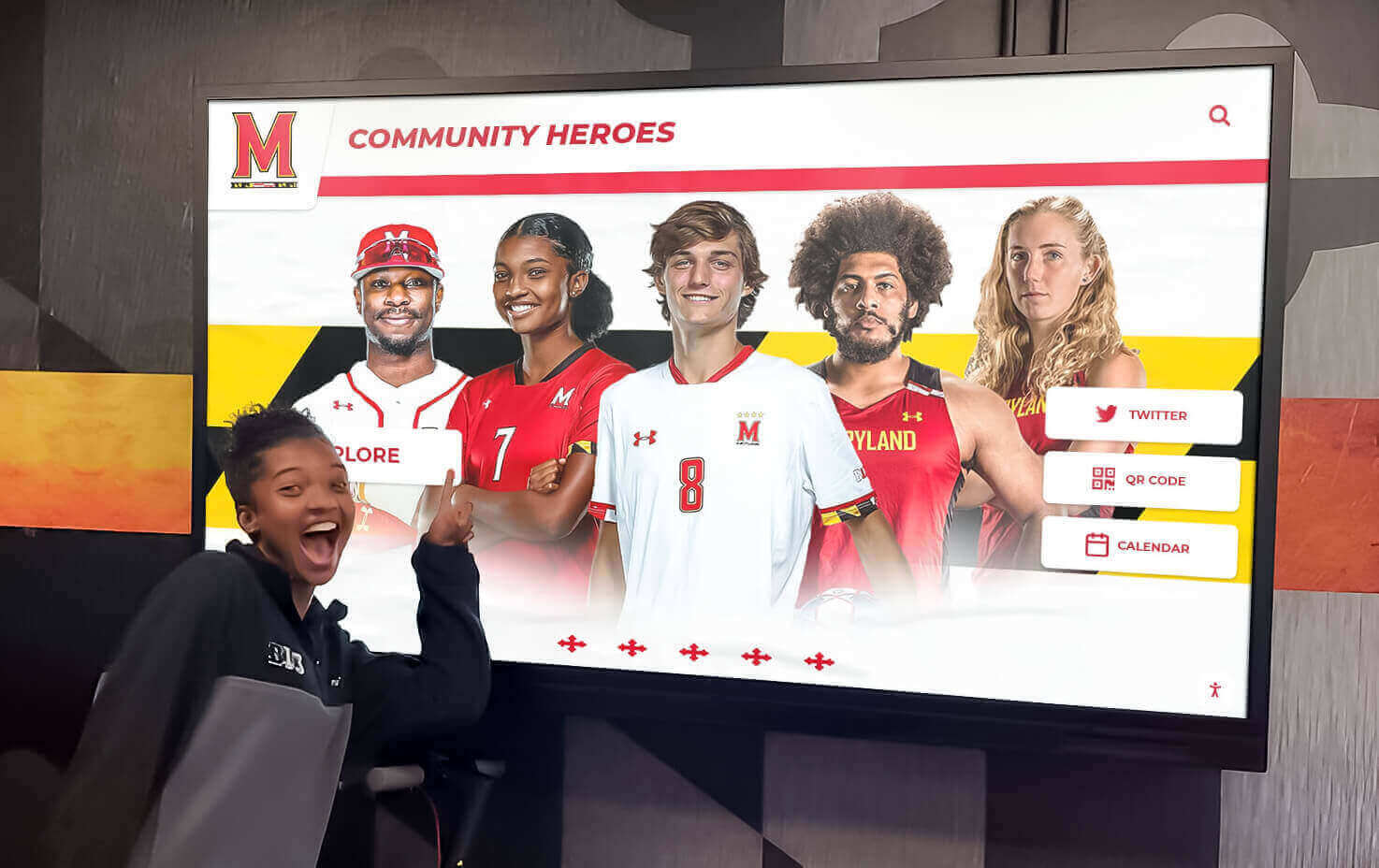
Modern middle schools create lasting memories by celebrating student achievements through interactive recognition displays
Understanding Your Audience: What Makes 8th Grade Graduation Unique
Before crafting your graduation speech, understanding the unique characteristics of your audience ensures your message resonates effectively.
The Middle School Mindset
Eighth graders occupy a distinctive developmental space. They’ve outgrown many childhood interests but haven’t fully developed the abstract thinking and self-awareness that characterizes older teenagers. Effective speeches acknowledge this reality by:
Respecting Their Growing Maturity: Avoid overly simplistic language or condescending tones that suggest you’re speaking to children. Middle schoolers are acutely aware of being treated as “kids” and respond better to speeches that recognize their developing independence and capability.
Maintaining Age-Appropriate Content: While respecting their maturity, recognize that 13-year-olds aren’t ready for college-level philosophical discussions or complex metaphors requiring extensive life experience to understand. Find the balance between sophisticated and accessible.
Acknowledging Social Awareness: Middle school students are intensely social, deeply concerned with peer perception, and navigating complex friendship dynamics. Speeches that acknowledge these realities without being dismissive resonate more effectively than those ignoring social dimensions of their experience.
Addressing Mixed Emotions: Unlike younger children who view graduation as purely celebratory, many 8th graders experience mixed feelings—excitement about high school combined with anxiety about leaving familiar environments, nervousness about increased academic demands, and uncertainty about maintaining friendships through transitions. Acknowledging these complex emotions validates their experience.
The Audience Beyond Students
Remember that graduation ceremonies include multiple constituencies beyond the students themselves:
Parents and Families: Parents often experience heightened emotions at middle school graduations, recognizing how quickly their children are growing. Speeches that acknowledge family support and sacrifice resonate powerfully with adults in attendance.
Teachers and Staff: Educators who’ve invested years nurturing these students appreciate recognition of their contributions and validation that their work matters profoundly during formative developmental years.
Younger Students: When younger grades attend ceremonies, they see glimpses of their own futures. Speeches that inspire without intimidating help younger students look forward to their own educational journeys.
Community Members: School board members, local officials, and community partners often attend graduations. Speeches that acknowledge community support and position graduates as future contributors strengthen broader school-community relationships.
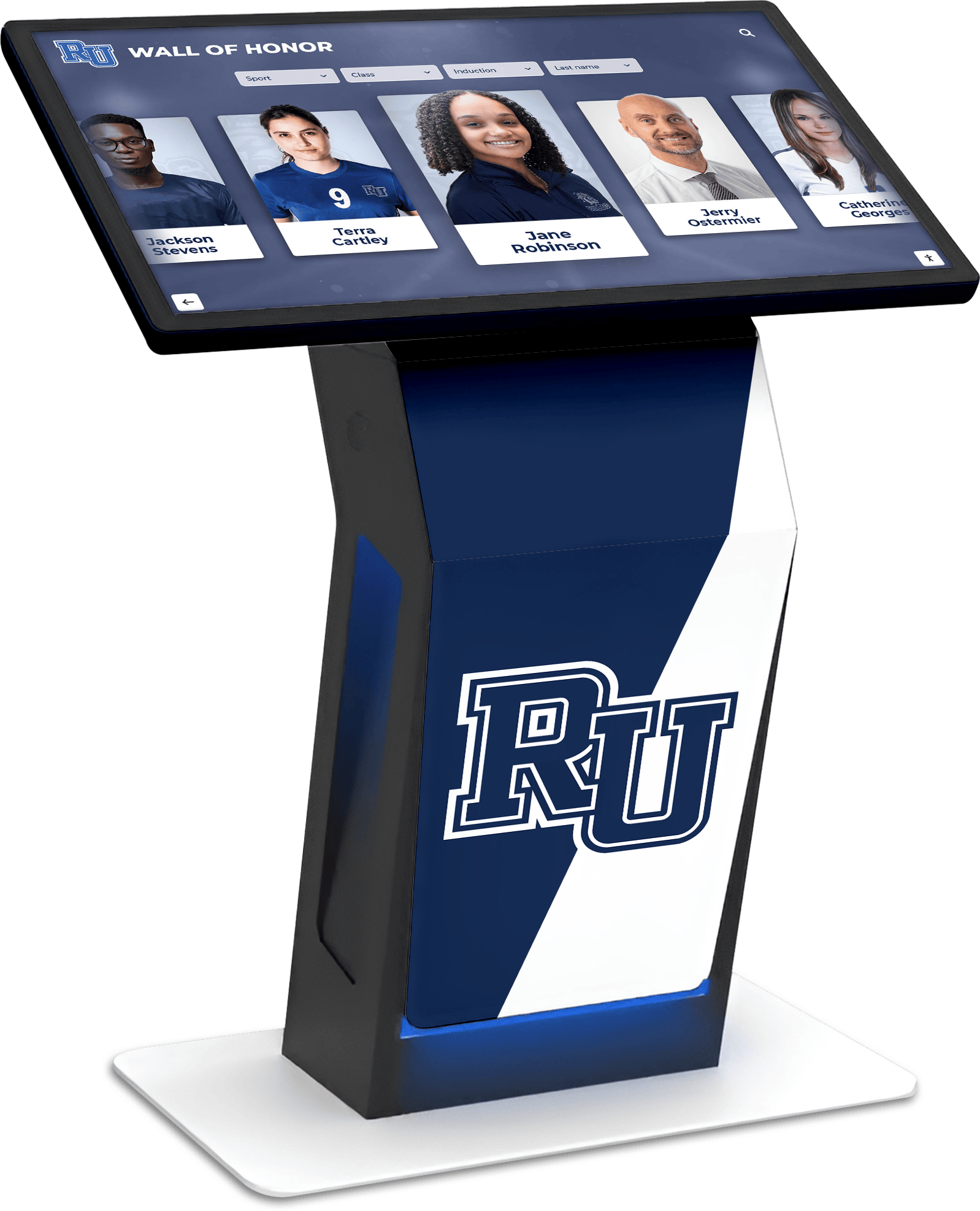
Digital recognition systems help middle schools showcase student accomplishments year-round, extending celebration beyond graduation day
Essential Elements of Effective 8th Grade Graduation Speeches
Regardless of who’s speaking, the most memorable and impactful graduation speeches share common structural and thematic elements.
Opening Strong: Capturing Attention Immediately
The first 30-60 seconds determine whether your audience truly listens or mentally checks out. Effective openings include:
Relevant Stories: Brief, relatable anecdotes that immediately connect with students’ experiences create instant engagement. Stories about memorable school moments, shared experiences, or common challenges establish rapport.
Surprising Statistics: Unexpected facts about the class’s collective accomplishments—total hours spent in class, number of books read, distance walked through school hallways—provide concrete ways to visualize shared experiences.
Thought-Provoking Questions: Opening with questions that prompt reflection engages audiences actively rather than positioning them as passive listeners. Questions like “When you started 6th grade, could you have imagined the person you’ve become?” or “What would your 5th grade self think if they could see you today?” invite introspection.
Humor (When Appropriate): Age-appropriate humor that doesn’t demean or embarrass individuals can establish positive tone. Self-deprecating humor from speakers works better than jokes at students’ expense.
The Journey Reflection: Honoring Growth and Achievement
The middle portion of effective speeches acknowledges the journey completed while celebrating growth:
Specific Accomplishments: Generic praise rings hollow. Reference specific achievements—championship wins, academic recognition programs, successful fundraisers, memorable school events, or community service projects that demonstrate concrete impact.
Growth Beyond Academics: Acknowledge that middle school learning extends far beyond classroom subjects. Social-emotional development, friendship skills, resilience through challenges, and character growth matter as much as grade point averages.
Overcoming Challenges: Whether referencing pandemic-related disruptions, facility challenges, or universal middle school struggles, acknowledging difficulties overcome validates students’ resilience and demonstrates that obstacles are normal parts of meaningful journeys.
Teacher and Staff Appreciation: Students may not yet fully appreciate educators’ impact, but families and teachers deeply value acknowledgment. Brief recognition of faculty dedication honors those who made growth possible.
Looking Forward: Inspiration Without Intimidation
The strongest conclusions balance realistic preparation with genuine inspiration:
High School Preview: Provide honest but encouraging perspectives about high school. Acknowledge increased academic demands and social complexities while emphasizing available support systems and exciting opportunities ahead.
Life Skills Emphasis: Highlight transferable skills developed during middle school—perseverance, collaboration, time management, adaptability—that will serve students regardless of specific paths they follow.
Individual Path Validation: Students enter high school with diverse strengths, interests, and aspirations. Speeches that validate multiple definitions of success prevent students from feeling inadequate if they don’t fit traditional academic or athletic excellence models.
Call to Action: Conclude with specific challenges or encouragements—remain curious, support one another, stay connected to family, embrace opportunities that scare you—that give students concrete takeaways rather than vague platitudes.
Schools can extend graduation recognition beyond ceremony day through permanent acknowledgment systems. Solutions like interactive recognition displays enable schools to showcase graduating classes alongside academic honors, athletic achievements, and student leadership, creating year-round celebration of student success.

Strategic placement of recognition displays in high-traffic areas ensures graduating students' accomplishments remain visible to the entire school community
8th Grade Graduation Speech Examples and Templates
Examining specific speech examples provides concrete models you can adapt for your situation.
Principal’s Commencement Address Example
Good evening, families, faculty, staff, and most importantly, the outstanding graduating class of 2026.
When you walked through our doors three years ago as 6th graders, many of you barely reached the water fountains. Some of you were still figuring out how to open your lockers without jamming your fingers. And I distinctly remember several of you getting lost trying to find the cafeteria during that chaotic first week.
Today, you’re leaving as confident young people ready for high school’s challenges. But let me share something you might not realize: your transformation has been remarkable not just in obvious ways—your academic growth, athletic achievements, and artistic development—but in countless small moments that collectively define who you’ve become.
I’ve watched you support classmates struggling with difficult material instead of competing against them. I’ve seen you include new students who arrived mid-year, making them feel welcome when they were anxious and uncertain. I’ve witnessed your creativity during talent shows, your determination during academic competitions, and your compassion during community service projects.
These experiences taught you skills that transcend any single subject: collaboration, perseverance, empathy, and resilience. When you face challenges in high school—and you absolutely will face challenges—remember that you’ve already developed the tools to overcome them.
To our families: thank you for trusting us with your children during these formative years. Your partnership made this growth possible. To our faculty: your dedication, patience, and genuine care shaped these students in ways they won’t fully appreciate until years from now, but that will influence them forever.
And to our graduates: as you transition to high school, remember three essential truths. First, it’s okay to be uncertain. Not knowing exactly who you’ll become or what path you’ll follow is normal at 14, at 24, at 44. Embrace the exploration.
Second, your worth isn’t determined by any single test score, social media metric, or comparison to peers. You each possess unique strengths, perspectives, and potential. Honor what makes you distinctively you rather than trying to fit someone else’s template for success.
Third, stay connected to the people and values that matter most. High school will present countless opportunities and distractions. Let your core values guide your choices, and maintain relationships with family and friends who see and celebrate your authentic self.
You’re ready for this next chapter. We believe in you, we’re proud of you, and we’re excited to watch you continue growing into the remarkable people you’re becoming. Congratulations, Class of 2026!
Student Valedictorian Speech Example
Good evening, Principal Rodriguez, teachers, families, and fellow graduates.
When Mrs. Chen asked me to speak tonight, my first thought was “What could I possibly say that captures everything we’ve experienced together?” Then I realized—maybe that’s exactly the point. No single speech can fully capture three years of inside jokes, embarrassing moments, last-minute project completions, and shared victories. But I can try to reflect what I think we’ve learned together.
Remember our first day of 6th grade? I walked into the wrong classroom three times before finding homeroom. Half of us couldn’t figure out the combination lock system. And I’m pretty sure everyone got lost trying to navigate the hallway system that felt like a maze.
Fast forward to today. We’ve mastered schedule complexity, figured out exactly how long we can talk in the hallway before being late to class (four minutes, by the way), and developed sophisticated strategies for group projects that actually work.
But more importantly, we’ve learned things they don’t test on standardized assessments. We learned that asking for help isn’t weakness—it’s wisdom. We discovered that the classmates we thought we had nothing in common with became some of our closest friends when we gave them a chance. We found out that failure isn’t the opposite of success—it’s part of success.
I want to acknowledge that middle school hasn’t been easy for everyone. Some of us struggled with classes that didn’t come naturally. Some navigated friendship conflicts that felt overwhelming. Some dealt with family challenges, health issues, or personal difficulties that made school extra hard. But we showed up. We supported each other. We kept going.
To our teachers: thank you for seeing potential in us even when we couldn’t see it in ourselves. Thank you for staying after school to help us understand concepts we were struggling with. Thank you for creating classroom environments where it felt safe to participate, to make mistakes, and to try again.
To our families: thank you for early morning drives, for helping with homework you sometimes didn’t understand either, for attending our games and performances and concerts, and for believing in us even when we didn’t always make it easy.
And to my classmates: we’re heading into high school, and honestly, that feels both exciting and terrifying. We’ll face harder classes, more complex social situations, and increasing pressure to figure out our futures. But I think we’re ready—not because we have all the answers, but because we’ve learned how to handle not having all the answers.
So here’s what I want us to remember: Be kind, because everyone you meet is fighting battles you know nothing about. Be curious, because learning doesn’t stop when you walk out of a classroom. Be brave, because the most worthwhile experiences usually require stepping outside your comfort zone. And be yourself, because the world needs your unique perspective, not a copy of someone else.
We’ve completed an important chapter together. Some of us will attend the same high school; others will head to different schools. But we’ll always share these middle school years—the good, the awkward, and the memorable.
Congratulations, Class of 2026. We did it!
Teacher/Faculty Speech Example
Good evening, everyone. I’m honored to speak on behalf of the faculty who’ve had the privilege of teaching this exceptional group of students.
Eight years ago, these students walked into kindergarten carrying backpacks bigger than they were. Today, they’re leaving middle school prepared for challenges their kindergarten teachers couldn’t have imagined. But here’s what hasn’t changed: their curiosity, their potential, and their capacity to surprise us.
As educators, we see patterns across years of teaching. We recognize when students understand concepts, when they’re struggling, when they’re engaged, and when they’re just going through the motions. But every class teaches us something new, and this class taught us plenty.
You taught us that traditional teaching methods don’t work for everyone. You pushed us to be more creative, more flexible, and more willing to meet you where you were rather than insisting you meet us where we expected you to be. You reminded us why we became teachers in the first place—not to fill heads with facts, but to inspire minds to think, to question, and to grow.
I want to address something specific to this class. You’ve navigated unprecedented disruptions to your education. You’ve adapted to changing circumstances with resilience that many adults struggle to demonstrate. You’ve maintained compassion and community even when circumstances made connection more difficult. These experiences developed strengths you might not recognize yet but will serve you throughout your lives.
To students who excelled academically: your achievements reflect dedication and intellectual capability that will continue serving you well. But remember that intelligence without empathy, knowledge without application, and success without generosity are hollow victories. Use your gifts to lift others, not just advance yourself.
To students who struggled academically: your worth isn’t determined by grade point averages. Some of the most successful, fulfilled people we know weren’t straight-A students in middle school. What matters most is that you keep learning, keep trying, and keep believing that effort leads to growth, even when results aren’t immediate.
To all of you: high school will challenge you differently than middle school. The academic expectations increase. The social dynamics grow more complex. The decisions carry more significant consequences. But you’re ready—not because you’re perfect, but because you’re capable of learning, adapting, and persevering.
Stay curious. Question assumptions. Stand up for classmates who need support. Pursue interests that genuinely excite you, even if they’re not popular. Make mistakes, because that’s how learning happens. And remember that growth isn’t linear—everyone faces setbacks, and temporary struggles don’t define ultimate potential.
We’re incredibly proud of who you are and excited about who you’re becoming. You’ve left lasting impressions on this school, and you’ll always be welcome back. We can’t wait to hear about your high school adventures, achievements, and the positive impact you’ll make on your communities.
Congratulations, graduates. Go forward with confidence, compassion, and courage.

Interactive touchscreen displays enable graduating students to explore their class's collective achievements and share memories with families
Speech Writing Tips: From Brainstorming to Delivery
Understanding effective speech elements is important, but actually writing and delivering your address requires practical strategies.
The Writing Process
Start Early: Don’t wait until the week before graduation to begin writing. Start at least 3-4 weeks ahead to allow time for drafting, revising, getting feedback, and practicing delivery.
Brainstorm Before Writing: Before drafting sentences, spend time brainstorming key themes, memorable moments, important acknowledgments, and core messages. Mind mapping, listing, or free-writing helps generate raw material you’ll later refine.
Write How You Speak: Graduation speeches aren’t academic essays. Write in conversational language that sounds natural when spoken aloud. Avoid overly formal vocabulary or complex sentence structures that work on paper but sound awkward when delivered.
Read Aloud Frequently: As you draft, read your speech aloud repeatedly. This helps identify awkward phrasing, sentences that are too long, and sections where you run out of breath. If something sounds clunky when you read it, it will sound clunky during delivery.
Get Feedback: Share drafts with trusted teachers, family members, or friends. Ask specifically: Does this resonate? Is anything confusing? What parts are most memorable? Is the length appropriate? Fresh perspectives catch issues you’ll miss after reading your own work multiple times.
Time Your Speech: Middle school graduation speeches typically run 5-7 minutes for student speakers, 8-12 minutes for administrators. Time yourself reading at a natural pace (not rushed) and edit to fit appropriate length. Audiences lose attention with speeches that drag on too long.
Revise Ruthlessly: First drafts are rarely great. Be willing to cut sections that don’t serve your core message, even if you like the writing. Every sentence should earn its place by contributing to your overall purpose.
Avoiding Common Pitfalls
Too Many Clichés: Phrases like “the future is bright,” “reach for the stars,” or “follow your dreams” become forgettable when overused. If you include common expressions, add specific details or unexpected twists that make them fresh.
Inside References Nobody Understands: While some shared class experiences create connection, references that only five students understand alienate the broader audience. Balance specific memories with universal themes.
Excessive Length: Longer doesn’t mean better. Focused, well-crafted shorter speeches impact audiences more effectively than rambling lengthy addresses. Respect your audience’s attention span.
Inappropriate Humor: What seems funny to friends might be offensive to families or embarrassing to individuals. Avoid jokes involving bathroom humor, romantic relationships, physical appearances, or anything that could humiliate specific students.
Neglecting Acknowledgments: Failing to thank teachers, families, or support staff comes across as self-centered. Genuine appreciation for those who made graduation possible demonstrates maturity and gratitude.
Delivery Preparation
Practice, But Don’t Memorize: Aim for familiarity rather than word-for-word memorization. Know your content well enough that you can speak naturally even if you lose your place. Use note cards with key points rather than reading a full manuscript.
Rehearse in the Actual Space: If possible, practice in the venue where graduation occurs. Familiarize yourself with the podium, microphone system, and acoustics. This reduces nervousness on graduation day.
Prepare for Nerves: Even experienced speakers feel nervous before important speeches. Develop strategies that work for you—deep breathing, positive self-talk, focusing on your message rather than yourself, or visualizing successful delivery.
Speak Slowly and Clearly: Nervousness makes people speak faster. Consciously slow down, articulate clearly, and pause between major ideas. Silence isn’t awkward—it gives audiences time to absorb your words.
Make Eye Contact: Rather than reading from notes or staring at the back wall, make genuine eye contact with different sections of the audience. This creates connection and demonstrates confidence.
Handle Mistakes Gracefully: If you stumble over words or lose your place, pause briefly, recover, and continue. Audiences are forgiving of minor mistakes and respect speakers who handle errors with composure.
Many schools extend graduation celebration beyond ceremony day by recognizing graduating students through permanent displays. Digital recognition platforms enable schools to showcase graduating class photos, accomplishments, and milestones alongside ongoing student achievements, creating year-round visibility for this important transition.
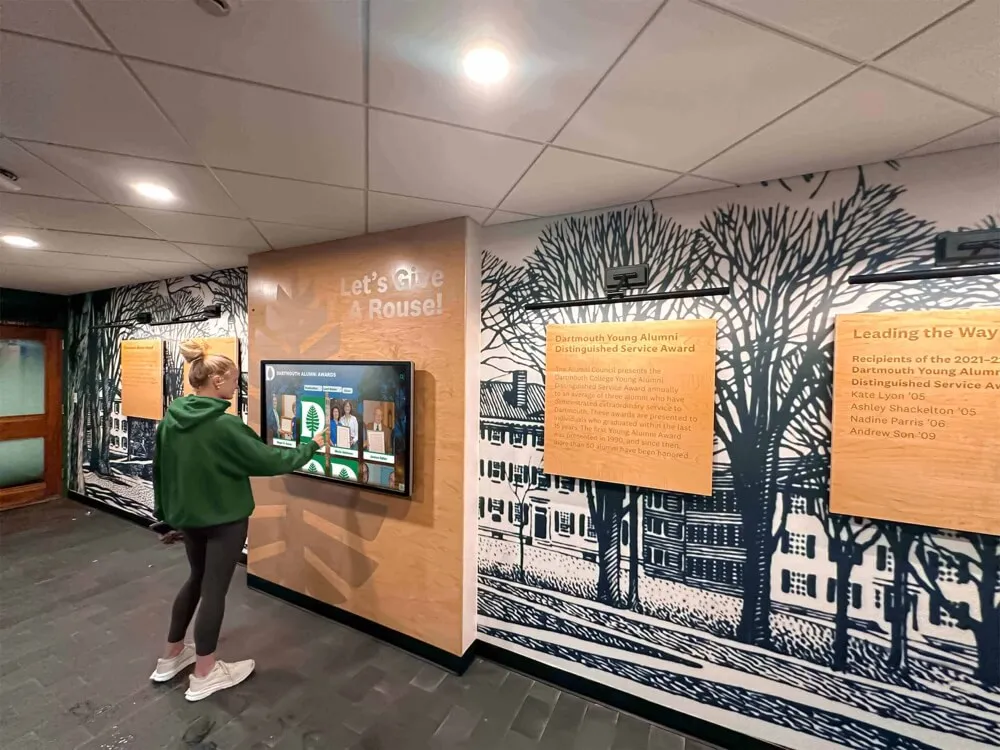
Modern recognition technology helps middle schools celebrate graduating classes while inspiring younger students who see glimpses of their own future achievements
Thematic Approaches for Different Speaking Contexts
Different speakers and situations call for varied thematic approaches that resonate with specific audiences and purposes.
For Principals and Administrators
Leadership Perspective: Administrators can draw on broader institutional perspective, connecting this graduating class to school history, traditions, and long-term vision. You’ve watched countless classes graduate and can provide reassuring context that this transition, while feeling enormous to students, is something hundreds before them have successfully navigated.
Community Connection: As the most visible school representative, principals can effectively position graduates as emerging community contributors whose education serves purposes beyond individual advancement. This frames graduation as both personal achievement and civic milestone.
Institutional Values: Commencement provides opportunities to reinforce school mission and core values, helping students understand that their education aimed to develop not just academic knowledge but character, citizenship, and compassion.
For Teachers and Faculty
Personal Relationship: Teachers know students in ways administrators don’t—you’ve witnessed daily struggles and triumphs, breakthrough moments, and gradual growth. Draw on this intimate knowledge to deliver messages that feel personal and authentic.
Subject-Based Metaphors: Science teachers might frame graduation using concepts like metamorphosis or chemical reactions. English teachers could use literary journeys or story arcs. Math teachers might discuss algorithms for success. These subject connections remind students how classroom learning extends beyond content mastery.
Realistic Encouragement: While maintaining optimism, teachers can provide honest perspectives about high school challenges grounded in understanding what awaits students. This balanced realism demonstrates respect for their maturity while offering genuine preparation.
For Student Speakers
Peer Voice Authenticity: Student speakers have unique credibility with classmates because you’ve shared the exact same experiences. Use this peer perspective to acknowledge truths that adults might miss or minimize—social anxieties, academic pressures, friendship complexities.
Balancing Humor and Heart: Student speeches can incorporate age-appropriate humor more easily than administrator addresses. Balance lighthearted moments with genuine emotion and meaningful messages. The best student speeches make audiences laugh and cry, sometimes within the same minute.
Representative, Not Personal: While drawing on your experiences, remember you’re representing your entire class. Avoid speeches that feel like personal reflections that exclude classmates who didn’t share your specific activities or friend groups. Find universal experiences that resonate broadly.
For Special Recognition Speakers
Some graduations include speeches from school board members, local officials, distinguished alumni, or community partners. These speakers face unique challenges:
Establishing Credibility Quickly: Audiences might not know external speakers, so establish why your message matters. Share relevant personal connections—you attended this school, your children graduated here, or your organization partners with students.
Avoiding Lecturing: Resist the temptation to deliver advice-heavy speeches that feel like lectures. External speakers sometimes fall into patronizing tones that alienate students. Instead, share stories demonstrating principles rather than explicitly stating directives.
Brief and Memorable: External speakers should typically deliver shorter addresses (5-7 minutes maximum) that complement rather than overshadow student-focused ceremony elements. Make one or two memorable points rather than trying to cover everything.
Connecting Graduation Recognition to Year-Round Student Celebration
Effective schools recognize that graduation represents one moment in continuous journeys of growth and achievement deserving ongoing celebration.
Creating Lasting Recognition Systems
While graduation ceremonies provide important ceremonial milestones, the most impactful recognition systems extend beyond single events. Modern digital recognition platforms enable schools to:
Document Complete Middle School Journeys: Rather than only acknowledging final 8th grade accomplishments, comprehensive systems showcase students’ growth trajectories across all middle school years—academic improvements, athletic development, leadership progression, and character demonstration.
Celebrate Diverse Achievement: Not every student earns traditional honors, but all students achieve milestones worth celebrating. Recognition systems should accommodate academic excellence, athletic achievement, artistic accomplishment, service contributions, improved attendance, character growth, and countless other worthy achievements.
Maintain Historical Records: Today’s 8th graders become tomorrow’s alumni. Recognition systems that preserve class histories create resources that graduates access years later, reminiscing about their middle school experiences and showing their own children where their educational journeys began.
Solutions like Rocket Alumni Solutions help middle schools implement comprehensive recognition approaches that honor graduating classes alongside ongoing student achievements. Interactive touchscreen displays and web-based platforms provide unlimited recognition capacity that static plaques and bulletin boards can’t match, ensuring every deserving student receives appropriate acknowledgment.
Integrating Recognition Throughout the School Year
Rather than concentrating recognition exclusively on graduation day, effective middle schools weave celebration throughout the academic calendar:
Quarterly Academic Recognition: Regular honor roll celebrations, improved GPA acknowledgment, and subject-specific excellence awards provide frequent positive reinforcement rather than once-yearly recognition that many students never experience.
Monthly Character Highlights: Spotlighting students demonstrating kindness, perseverance, leadership, or other character strengths ensures that recognition extends beyond traditional academic and athletic metrics to honor the full range of valuable qualities.
Milestone Celebrations: Acknowledging 100th book read, perfect attendance achievements, service hour milestones, or artistic accomplishments creates ongoing opportunities for students to experience recognition throughout their middle school careers.
Senior Legacy Projects: Many middle schools implement 8th grade legacy initiatives—murals, community service projects, fundraising campaigns, or other contributions that graduating classes leave behind. These projects provide meaningful recognition while strengthening school culture for students following.
Learn more about comprehensive approaches to student leadership recognition that celebrates achievement beyond academics.
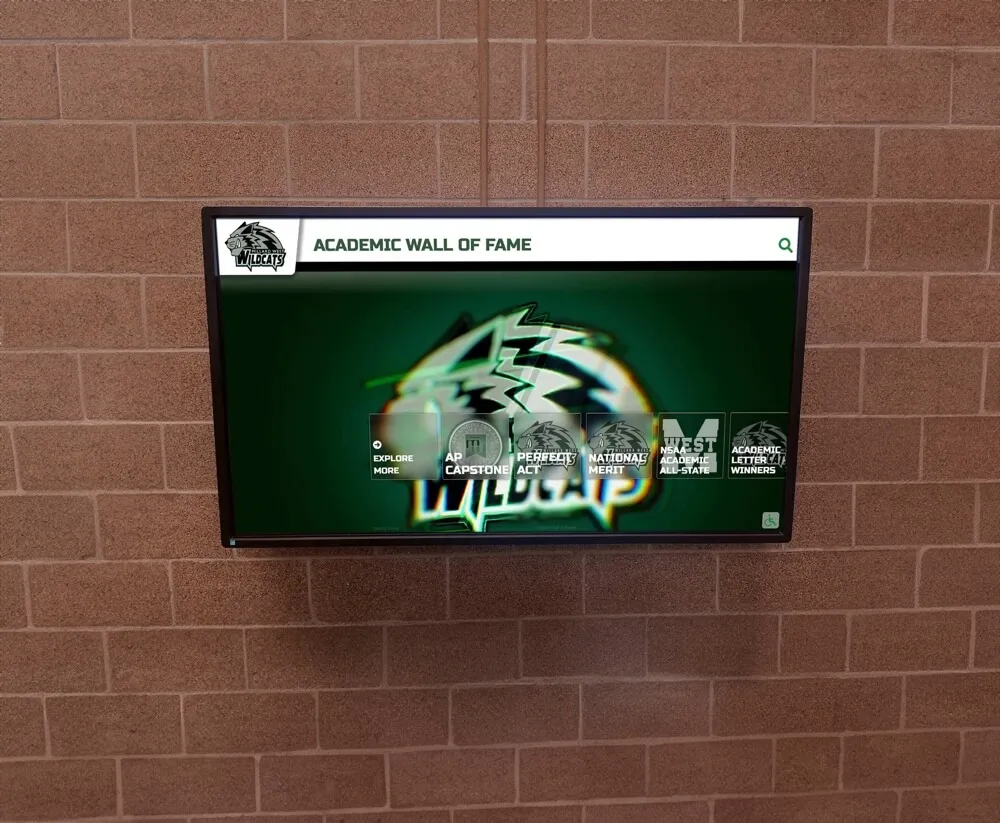
Permanent recognition displays ensure graduating students' achievements remain visible to school communities long after ceremony day
Beyond the Speech: Making Middle School Graduations Memorable
While speeches represent ceremony centerpieces, comprehensive graduation experiences incorporate multiple elements that collectively create lasting memories.
Ceremony Planning Considerations
Appropriate Length: Middle school graduation ceremonies should typically run 60-90 minutes. Longer ceremonies tax the attention spans of young adolescents while testing families’ patience. Pack maximum meaning into reasonable timeframes.
Student Involvement: Beyond student speakers, incorporate graduating class participation through musical performances, dramatic presentations, video montages, or processional participation that makes students feel actively involved rather than passive recipients.
Family Inclusion: Consider elements that acknowledge family contributions—brief parent reflections, family photo opportunities, or symbolic moments like presenting roses to families. These touches recognize that student success reflects family investment.
Visual Documentation: Professional photography, videography, and live streaming enable absent family members to participate virtually while creating keepsakes families treasure for years. Consider the growing importance of digital sharing in how families experience and memorialize important milestones.
Creative Graduation Additions
Video Yearbooks: Digital compilations featuring graduating students’ photos, memories, advice for younger students, and visions for their futures create lasting keepsakes while providing entertainment during ceremonies. Schools can explore digital yearbook approaches that complement traditional formats.
Time Capsule Creation: Graduating classes can contribute letters to their future selves, predictions about high school experiences, or reflections on middle school memories that are sealed and opened at their high school graduation four years later.
Legacy Donations: Some middle schools establish traditions where graduating classes collectively fundraise for lasting contributions—library book collections, outdoor benches, digital displays, or other permanent additions that honor their time at school.
Peer Recognition: Beyond official awards, consider elements where students recognize one another—superlative awards, peer-nominated acknowledgments, or shared memories that celebrate the entire class rather than only top performers.
Post-Graduation Celebration Ideas
Many families extend graduation celebration beyond ceremonies through personal or group events. While high school graduation parties receive significant attention, middle school graduations deserve celebration too:
Class-Wide Celebrations: Organized events like bowling parties, recreation center gatherings, or picnics where entire graduating classes celebrate together help maintain friendships even as students prepare to attend different high schools.
Smaller Friend Group Events: More intimate celebrations with close friends provide opportunities for meaningful reflection, memory sharing, and acknowledgment of friendships that sustained students through middle school challenges.
Family Celebrations: Dedicated family time recognizing this milestone—special dinners, weekend trips, or simple home celebrations—communicates that families view this transition as genuinely significant rather than merely another school year ending.
Resources for Writing Exceptional Graduation Speeches
Developing your speech benefits from examining additional resources, examples, and planning tools beyond this guide.
Research and Inspiration Sources
Published Speech Collections: Libraries and online databases contain commencement address collections featuring speeches from famous speakers. While aimed at college audiences, these can inspire structural approaches, opening strategies, and closing techniques adaptable to middle school contexts.
TED Talks and Motivational Speakers: Short, powerful presentations from platforms like TED demonstrate effective storytelling, audience engagement techniques, and message clarity applicable to graduation addresses.
Previous School Speeches: If your school records past graduation ceremonies, reviewing previous years’ speeches helps understand what worked well, what fell flat, and how you might offer fresh perspectives rather than repeating familiar themes.
Literary Resources: Poems, quotes, and literary passages can provide powerful openings, transitions, or conclusions when thoughtfully incorporated. Ensure any borrowed material receives proper attribution and serves your message rather than substituting for original content.
Planning and Organization Tools
Speech Outline Templates: Structure your thoughts using traditional speech formats:
- Introduction (Attention-getter, credibility establishment, preview of main points)
- Body (2-4 main themes with supporting examples and transitions)
- Conclusion (Summary of key messages, memorable closing, call to action)
Timing Guides: Create detailed timing breakdowns ensuring each speech section receives appropriate emphasis. Knowing that your introduction should consume roughly 15-20% of total time, body 60-70%, and conclusion 10-15% helps structure balanced addresses.
Feedback Forms: When soliciting input on drafts, provide specific questions rather than asking generically “What do you think?” Ask reviewers to identify: most memorable moment, confusing sections, appropriate length assessment, emotional impact, and one specific improvement suggestion.
Conclusion: Words That Matter at Meaningful Moments
Eighth grade graduation represents a threshold moment deserving thoughtful recognition. Students stand between childhood and adolescence, between the familiar structure of elementary/middle school and the increased independence of high school. The speeches delivered at this transition have power—to validate growth, to inspire courage, to acknowledge anxiety, to celebrate achievement, and to send students forward with confidence and hope.
Whether you’re crafting remarks as a school leader recognizing years of institutional relationships, a teacher reflecting on daily interactions with students, or a student representing peer perspectives, remember that your words matter. Students and families will remember key phrases, meaningful acknowledgments, and authentic emotions conveyed through your address long after forgetting most ceremony details.
The most effective graduation speeches balance celebration with realism, acknowledge accomplishment while inspiring continued growth, and speak authentically to young people navigating complex transitions. They recognize that 13- and 14-year-olds deserve sophisticated messages delivered with age-appropriate accessibility. And they honor the fact that middle school completion, while not as culturally prominent as high school or college graduation, represents genuine achievement deserving meaningful recognition.
As you prepare your graduation address, trust your knowledge of your audience, draw on genuine experiences and emotions, and deliver your message with conviction. Your words have the potential to inspire, to comfort, to challenge, and to celebrate at exactly the moment students need all of those things.
Celebrate Your Graduating Class Year-Round
Discover how modern digital recognition solutions help middle schools honor graduating students alongside ongoing achievements, creating comprehensive celebration systems that inspire current and future students while building lasting school pride.
Explore Recognition SolutionsBeyond graduation day ceremonies, schools can extend recognition through permanent systems that honor each graduating class. Rocket Alumni Solutions provides interactive touchscreen displays and cloud-based platforms specifically designed for educational institutions, enabling unlimited student recognition across academic, athletic, and character dimensions. These systems ensure that graduating students’ accomplishments remain visible to school communities year after year, inspiring younger students while maintaining connections with alumni who’ve moved on to high school and beyond.
Whether you’re preparing to deliver a graduation speech next week or planning ceremonies months in advance, thoughtful preparation ensures your message resonates with authenticity and impact. Your graduating students deserve words that honor their journey, validate their growth, and inspire their futures. With careful crafting and genuine delivery, your graduation address can provide exactly that—meaningful recognition at a moment that truly matters.































