Intent: Define and demonstrate how to build sustainable ACT 30+ leaderboard displays that celebrate academic excellence while remaining technically simple and administratively maintainable.
When students achieve ACT composite scores of 30 or above—placing them in the top 7% nationally—they demonstrate exceptional college readiness that deserves public celebration equal to any athletic championship. Yet most schools struggle to give these achievements visibility beyond brief announcements or static wall plaques that quickly become outdated, overcrowded, or administratively burdensome.
Digital leaderboard displays solve these challenges by providing unlimited recognition capacity, instant content updates, engaging interactive features, and comprehensive student profiles that inspire younger students while honoring achievement permanently. This guide provides complete technical specifications, installation requirements, content workflows, and proven recognition strategies for athletic directors, IT coordinators, and academic administrators implementing ACT 30+ leaderboard systems.
An ACT 30+ leaderboard creates a visible culture where academic excellence receives celebration comparable to athletic success. When schools systematically recognize standardized test achievement through prominent digital displays, they motivate preparation investment while demonstrating institutional values that prioritize intellectual accomplishment alongside competitive athletics.
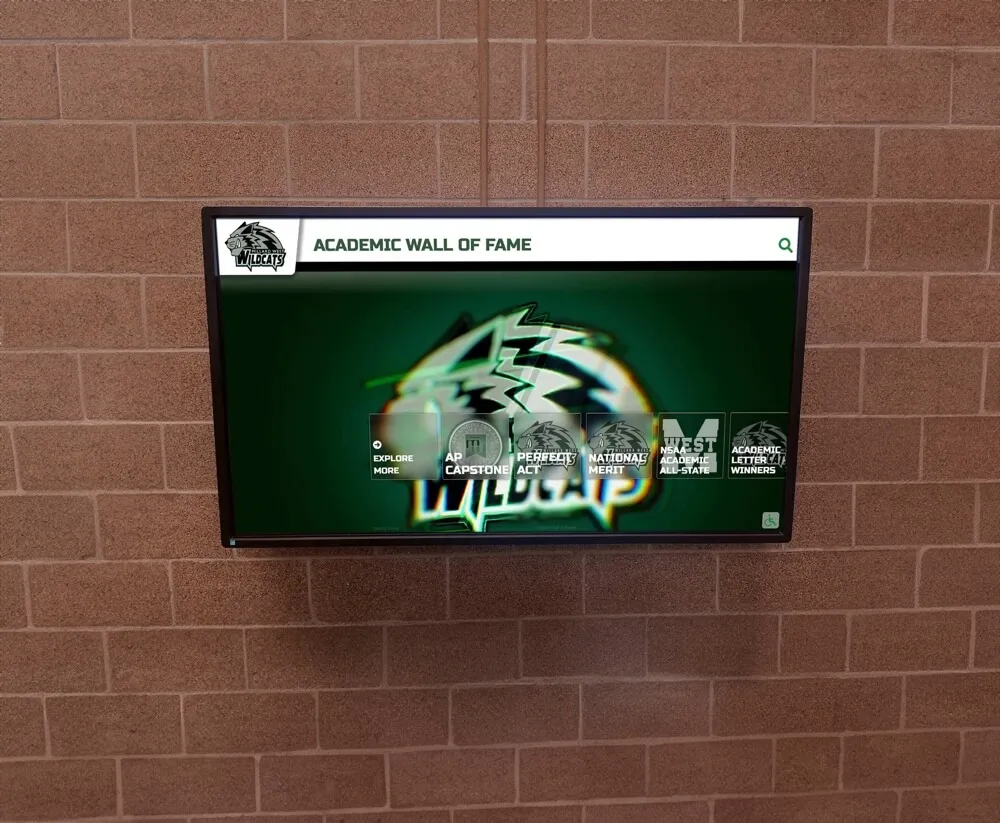
Modern digital leaderboards provide unlimited capacity for recognizing ACT 30+ achievers without space constraints
Before You Start: ACT 30+ Achievement Significance
Understanding what ACT 30+ scores represent helps position your leaderboard appropriately within broader academic recognition systems.
National Performance Context
The ACT composite score ranges from 1 to 36, with national averages consistently around 20 points. Achieving 30 or higher places students in elite academic territory with significant implications:
Percentile Rankings
- ACT 30: 93rd percentile (better than 93% of test-takers)
- ACT 32: 97th percentile
- ACT 34: 99th percentile
- ACT 36: 99.9th percentile (approximately 1 in 4,000 students)
These rankings demonstrate exceptional mastery across English, Mathematics, Reading, and Science sections—not just test-taking ability but genuine college-level readiness.
Scholarship Impact Many universities offer automatic merit scholarships requiring minimum ACT scores between 30-34, with full-tuition awards frequently tied to these thresholds. For many families, ACT 30+ achievement represents tens of thousands of dollars in scholarship funding over four years.
Selective Admissions Competitiveness Most highly selective universities admit students with ACT scores predominantly in the 30+ range. While holistic admissions review multiple factors, these scores open doors to institutions that shape career trajectories and professional networks.
Why Recognition Matters
Visible celebration of ACT 30+ achievement serves multiple strategic purposes:
Motivation Through Example Students who see peers recognized for test score excellence gain concrete examples of achievable success. Research shows that visible academic recognition significantly increases preparation effort among younger students who aspire to similar acknowledgment.
Balanced Excellence Culture When academic achievements receive prominence equal to athletic championships, schools communicate authentic values where multiple pathways to excellence exist and receive celebration.
College Counseling Support Prominent leaderboards reinforce counselor messages about standardized test importance while providing peer examples of students who invested strategic effort in score improvement.
Family Engagement Parents take tremendous pride in ACT 30+ achievement. Recognition programs that include families create stronger school-community relationships while celebrating accomplishments that impact college access and affordability.
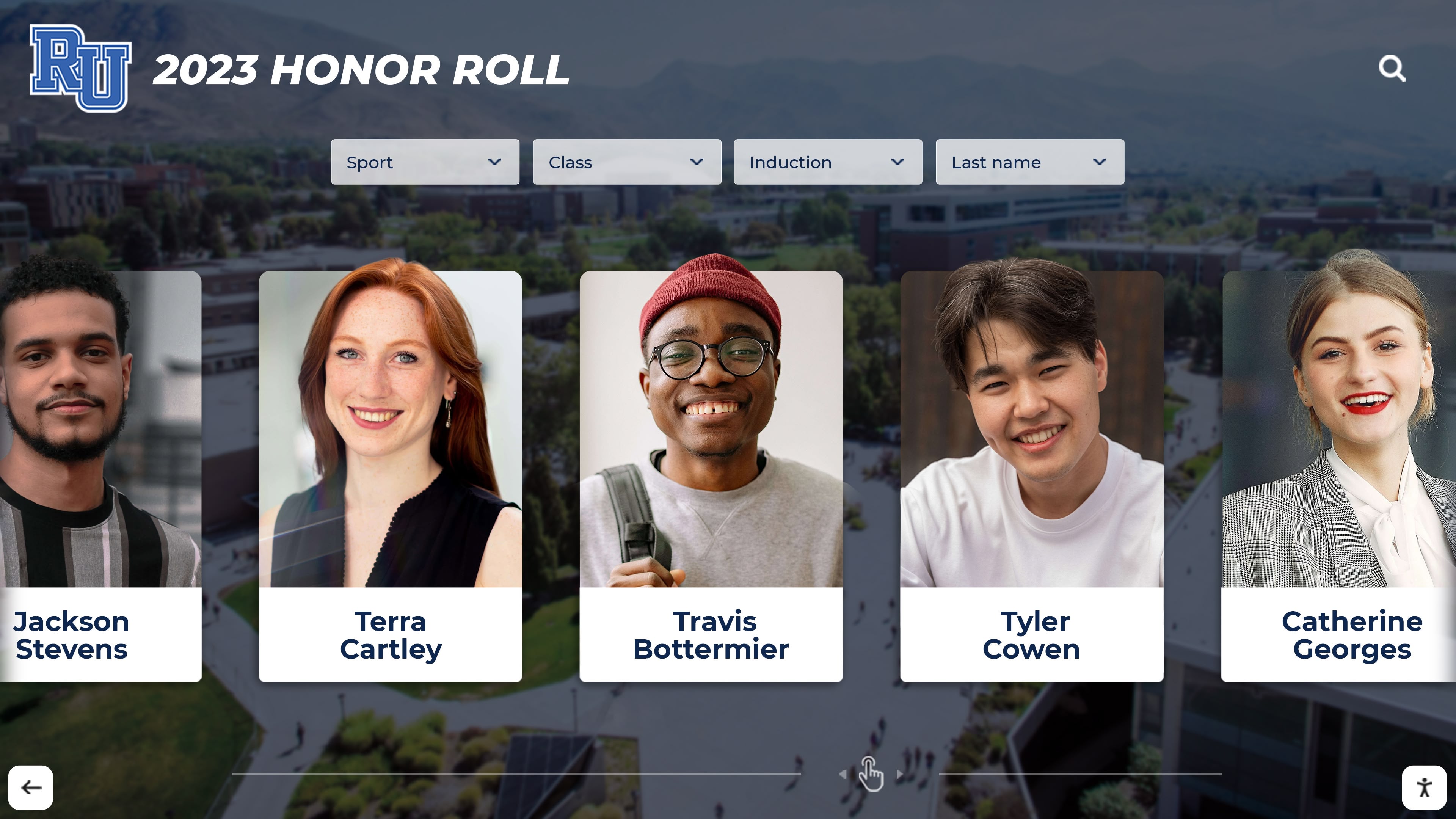
Individual student profiles showcase scores, academic interests, and college destinations
Phase 1: Requirements Gathering and Planning
Document these inputs before procurement or installation begins to ensure your leaderboard meets technical and programmatic requirements.
Stakeholder Identification
Assign clear roles and responsibilities:
Primary Administrators
- Academic coordinator or counseling director (program oversight, policy decisions)
- College counselor or test coordinator (score verification, student consent)
- IT coordinator (technical implementation, network connectivity, troubleshooting)
- Communications director (announcements, promotion, family engagement)
Secondary Stakeholders
- Principal or head of school (budget approval, policy alignment)
- Faculty representatives (academic standards verification)
- Student services staff (coordinating with broader recognition programs)
- Facilities manager (installation logistics, power, mounting)
Designate one primary content manager responsible for adding new ACT 30+ achievers and establish backup administrators ensuring continuity during personnel transitions.
Program Parameters Definition
Establish clear criteria before implementation:
Recognition Threshold Decisions
- Minimum composite score for inclusion (30, 31, or 32)
- Whether to recognize superscore combinations across multiple test dates
- Recognition for exceptional section scores even if composite falls below threshold
- How to acknowledge students achieving qualifying scores multiple times
- Whether to display actual numeric scores or simply list students meeting threshold
Privacy and Consent Framework Federal education privacy laws (FERPA) require student consent before publicly displaying specific test scores. Develop clear consent forms where students and families authorize score sharing through leaderboard displays, social media posts, and public communications.
Some students prefer privacy despite meeting criteria. Your program should accommodate these preferences while celebrating students who consent to recognition.
Timeline Development ACT testing occurs seven times annually—February, April, June, July, September, October, and December. Students receive scores approximately two weeks after test dates, creating ongoing recognition opportunities rather than single annual events.
Establish whether you’ll add new achievers immediately upon score release or batch additions for quarterly celebrations. Digital displays enable instant updates; traditional programs might consolidate recognition timing.
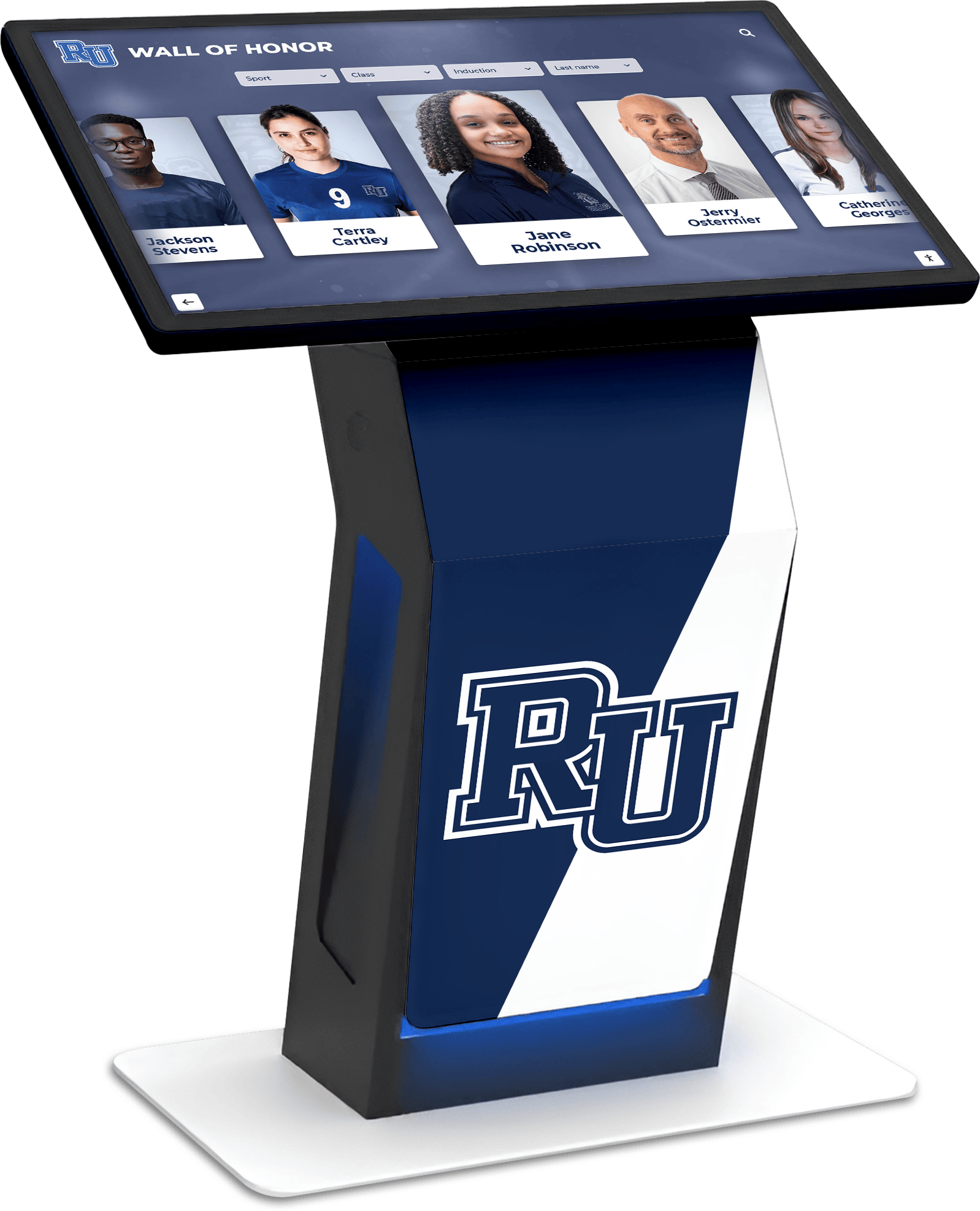
Freestanding kiosk configurations work well when wall mounting isn't feasible
Location Assessment and Installation Planning
Identify display placement with systematic evaluation:
Traffic Pattern Analysis Measure foot traffic during different times to determine optimal visibility. Prime locations include:
- Main academic building entrances creating first impressions
- Guidance office lobbies where students visit for college planning
- Library or media center entrances with extended student exposure
- Cafeteria or commons areas with daily high traffic
- Athletic facility entrances balancing academic and athletic recognition
Physical Site Requirements For each candidate location, document:
- Available wall space dimensions (height, width, depth clearance for mounting)
- Electrical outlet proximity (within 10 feet preferred to avoid extension cords)
- Network connectivity options (wired ethernet strongly preferred over WiFi)
- Ambient lighting conditions (avoid direct sunlight causing screen glare)
- Mounting surface type (drywall requiring stud anchors, concrete/brick needing masonry hardware)
- ADA-compliant clear floor space (minimum 30" x 48" approach area)
Environmental Considerations
- Temperature range stability (displays operate optimally 32-104°F)
- Humidity levels (20-80% relative humidity without condensation)
- Protection from moisture, dust, or potential physical contact
- Security measures preventing theft or vandalism
- Viewing angles ensuring readability from natural approach paths
Photograph each candidate location and create detailed measurement documentation before finalizing placement decisions.
Content Inventory Development
Build comprehensive lists of students you’ll recognize:
Historical Data Collection
- Review counseling office records for past ACT 30+ achievers
- Consult yearbook archives and academic award records
- Request test coordinator historical data
- Search school newsletters and announcement archives
- Contact alumni database managers for graduated student records
Required Data Fields Per Student
- Full name (including preferred name if different from official records)
- Graduation year and current grade level
- ACT composite score (with consent)
- Section score breakdown (English, Math, Reading, Science)
- Number of attempts and score progression
- High school GPA (if policy permits display)
- Academic honors (AP Scholar, National Merit, honor roll)
- College destination or top choices
- Intended major or academic interests
- Student photo (high-quality portrait minimum 1200x1600 pixels)
- Optional personal statement about preparation strategy or experience
Organize data in spreadsheets with consistent formatting facilitating efficient input into your chosen display platform.
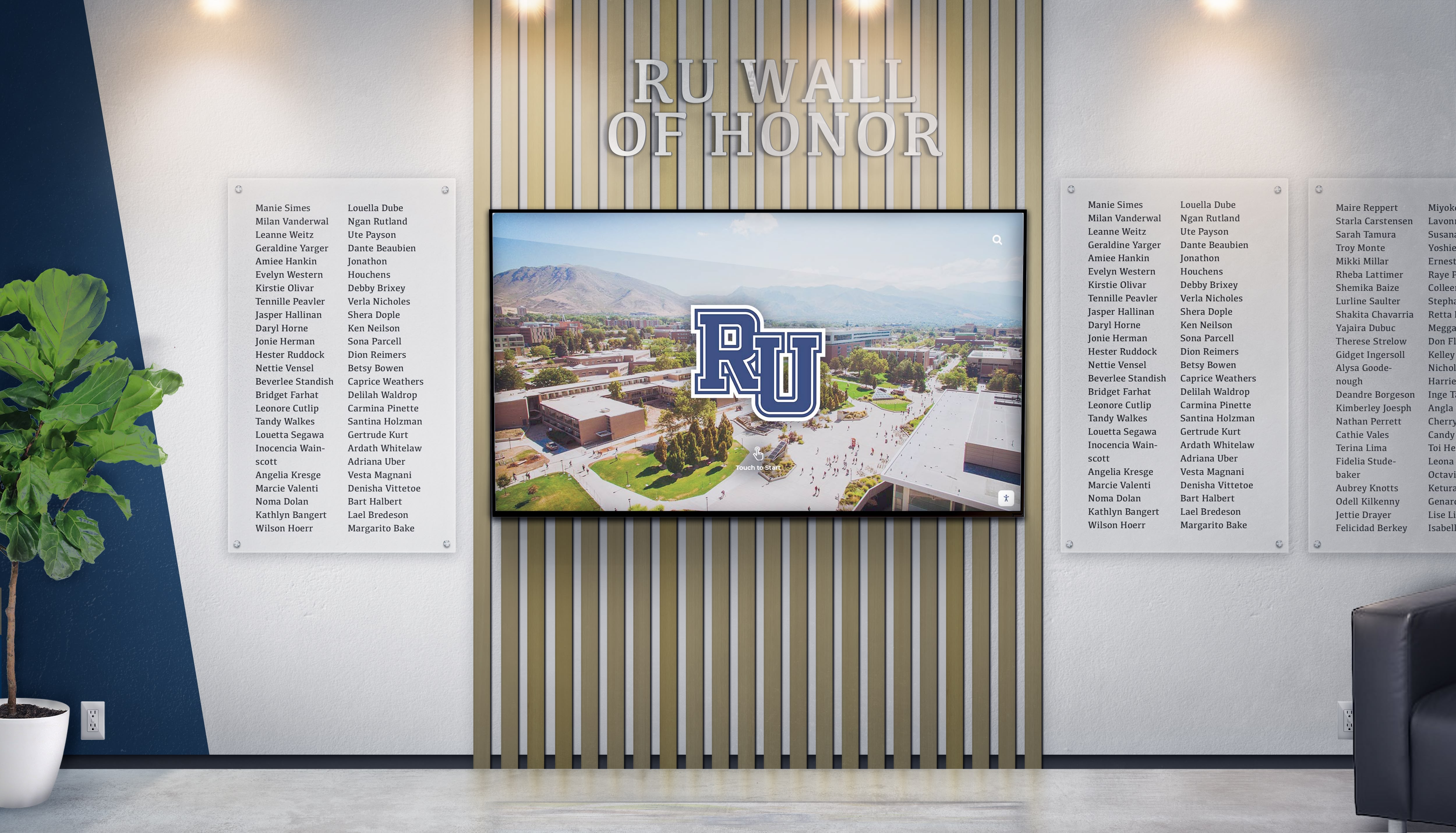
Comprehensive systems combine digital flexibility with traditional physical elements
Phase 2: Technical Specifications and Hardware Selection
Define precise technical requirements ensuring reliable long-term operation.
Display Hardware Requirements
Screen Size Determination Calculate appropriate display size based on primary viewing distance:
- 5-8 foot viewing distance: 43-50" displays
- 8-12 foot viewing distance: 55-65" displays
- 12-20 foot viewing distance: 75-86" displays
Large open spaces often benefit from multiple coordinated displays rather than single oversized screens creating uncomfortable viewing angles.
Commercial vs Consumer Display Comparison Commercial-grade displays designed for continuous public operation provide:
- Extended operating hours (16-24 hours daily vs 8-10 hours consumer models)
- Enhanced thermal management and durability components
- Longer warranty coverage (3-5 years vs typical 1-year consumer warranties)
- Superior touchscreen accuracy and responsiveness for interactive features
- Anti-glare coatings performing better in varied lighting conditions
- Mounting systems designed for permanent installations
While consumer displays cost less initially, commercial displays deliver better total cost of ownership across typical 6-8 year deployment cycles.
Touchscreen Technology Selection Capacitive touchscreen technology provides most responsive interaction:
- Multi-touch gesture support (pinch, zoom, swipe)
- Precise touch registration without calibration drift
- Familiar smartphone-like interaction patterns
- Glass surface facilitating cleaning and maintenance
- Simultaneous multi-touch accommodating group exploration
Verify selected displays support at least 10-point simultaneous touch for optimal user experience.
Brightness and Viewing Specifications
- Brightness: 350-500 nits for indoor controlled lighting, 700+ nits near windows
- Contrast ratio: minimum 3000:1 for clear text readability
- Viewing angle: 178° horizontal and vertical preventing color shift
- Response time: under 8ms eliminating motion blur during transitions
- Resolution: 4K (3840 x 2160) ensuring crisp text at all sizes
Network Connectivity Planning
Bandwidth Requirements Minimum network specifications for cloud-managed leaderboard displays:
- Download speed: 10 Mbps minimum, 25 Mbps recommended
- Upload speed: 2 Mbps minimum, 5 Mbps recommended for analytics
- Latency: under 100ms for responsive content updates
- Consistency: stable connection without frequent drops
These requirements support content synchronization, remote management, and usage analytics without degrading campus network performance.
Connection Type Selection Wired ethernet connections provide superior reliability:
- Consistent bandwidth without wireless interference
- Enhanced security compared to WiFi networks
- No authentication complications or credential management
- Simplified troubleshooting when connectivity issues arise
If wired connections aren’t feasible, WiFi deployment requires:
- Signal strength minimum -65 dBm at display location (closer to access point preferred)
- Dedicated VLAN for display traffic (optional but recommended for security)
- Reserved DHCP addresses or static IP assignment
- WPA2-Enterprise or WPA3 authentication for security
- 5GHz band preferred over 2.4GHz for higher bandwidth
Document network credentials, VLAN assignments, MAC addresses, and any firewall exceptions needed for your chosen recognition platform.
Required Firewall Exceptions Most cloud-based display platforms require outbound access to:
- HTTPS (port 443) for content management systems
- NTP (port 123) for accurate time synchronization
- DNS (port 53) for name resolution
- Analytics endpoints for usage reporting
Work with IT security staff to document required exceptions and obtain approvals before installation.
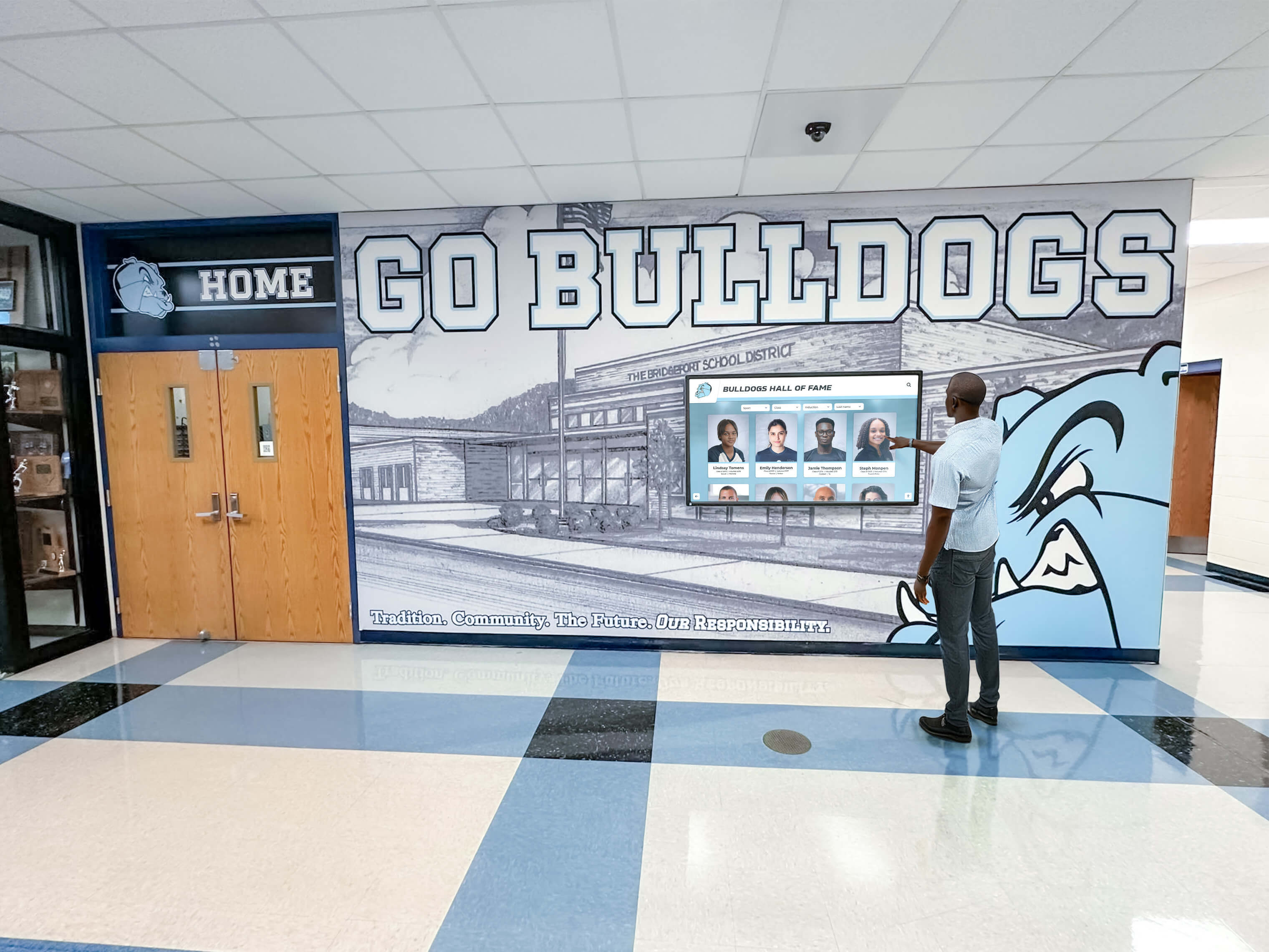
Strategic placement in high-traffic corridors maximizes daily visibility and student engagement
Power and Electrical Requirements
Standard Electrical Specifications Commercial displays typically require:
- 120V AC, 60Hz power (standard US outlets)
- Power consumption 150-400 watts depending on screen size
- Dedicated 15-amp circuit preferred but not required for single displays
- Grounded three-prong outlets for safety and surge protection
Multiple displays in close proximity may require load calculations preventing circuit overload. Consult facility electricians for installations exceeding 800 watts on shared circuits.
Backup Power Considerations While not essential, UPS (uninterruptible power supply) systems provide protection:
- Data corruption prevention during power fluctuations
- Display component protection from voltage spikes
- Content management continuity during brief power outages
- Graceful shutdown capabilities during extended outages
A 600-1000VA UPS provides adequate protection for single display installations, with runtime supporting 10-15 minutes of operation during power loss.
Mounting Hardware and Installation
Wall Mount Selection Choose mounting solutions appropriate to surface type:
Drywall/Stud Mounting
- Fixed or tilting wall mounts rated for display weight ($150-400)
- Requires attachment to wall studs with 3/8" lag bolts
- Professional installation recommended for displays exceeding 55 inches
- Stud finder and proper tools essential for secure attachment
Concrete/Brick Mounting
- Heavy-duty anchors or expansion bolts ($50-150 hardware cost)
- Professional installation with masonry drill equipment necessary
- Consider vibration-dampening washers in high-traffic areas
- Load-bearing capacity verification required for older structures
Freestanding Floor Stand Options
- Floor kiosks when wall mounting isn’t feasible ($800-2,500)
- Weighted bases or floor anchoring preventing tipping hazards
- Cable management channels maintaining professional appearance
- Mobility options if display requires occasional relocation
ADA Compliance Requirements Mount displays meeting accessibility standards:
- Operable touchscreen elements positioned 15-48 inches above finished floor
- Clear floor approach space: minimum 30" x 48" unobstructed area
- Forward approach preferred for touchscreen interaction
- Screen angle minimizing glare for wheelchair users (10-15° downward tilt optimal)
Compliance ensures all community members can engage with recognition displays. See digital display accessibility standards for detailed ADA implementation guidance.
Phase 3: Software Platform Selection and Configuration
Choose content management systems enabling efficient administration while providing engaging user experiences.
Essential Platform Capabilities
Effective leaderboard platforms provide:
Cloud-Based Content Management
- Web-based administration requiring no software installation
- Access from any internet-connected device (desktop, laptop, tablet)
- Role-based permissions appropriate for different staff members
- Automatic content synchronization to displays
- Version control tracking who changed what when
Intuitive Content Input
- Simple forms for adding new ACT 30+ achievers
- Drag-and-drop image upload functionality
- Template systems ensuring consistent presentation
- Bulk import capabilities via CSV spreadsheet files
- Preview functions reviewing changes before publication
Interactive User Features
- Text search by student name or graduation year
- Filtering by score range, current grade, or college destination
- Sortable leaderboards ranking by composite score
- Detailed student profiles with photos and achievements
- Touch-optimized navigation for intuitive exploration
Mobile and Web Extensions
- Online recognition pages mirroring physical displays
- Social media sharing capabilities for student profiles
- Mobile-responsive design functioning on smartphones and tablets
- QR code generation linking physical displays to extended content
- Embed codes for integration into school websites
Analytics and Reporting
- Usage tracking showing daily interactions
- Popular search queries and most-viewed students
- Average session duration indicating engagement depth
- Peak usage times informing content refresh schedules
- Export capabilities for board reporting and stakeholder communication
Solutions like Rocket Alumni Solutions provide purpose-built platforms specifically designed for academic recognition, eliminating complexity of adapting generic digital signage software for leaderboard purposes.
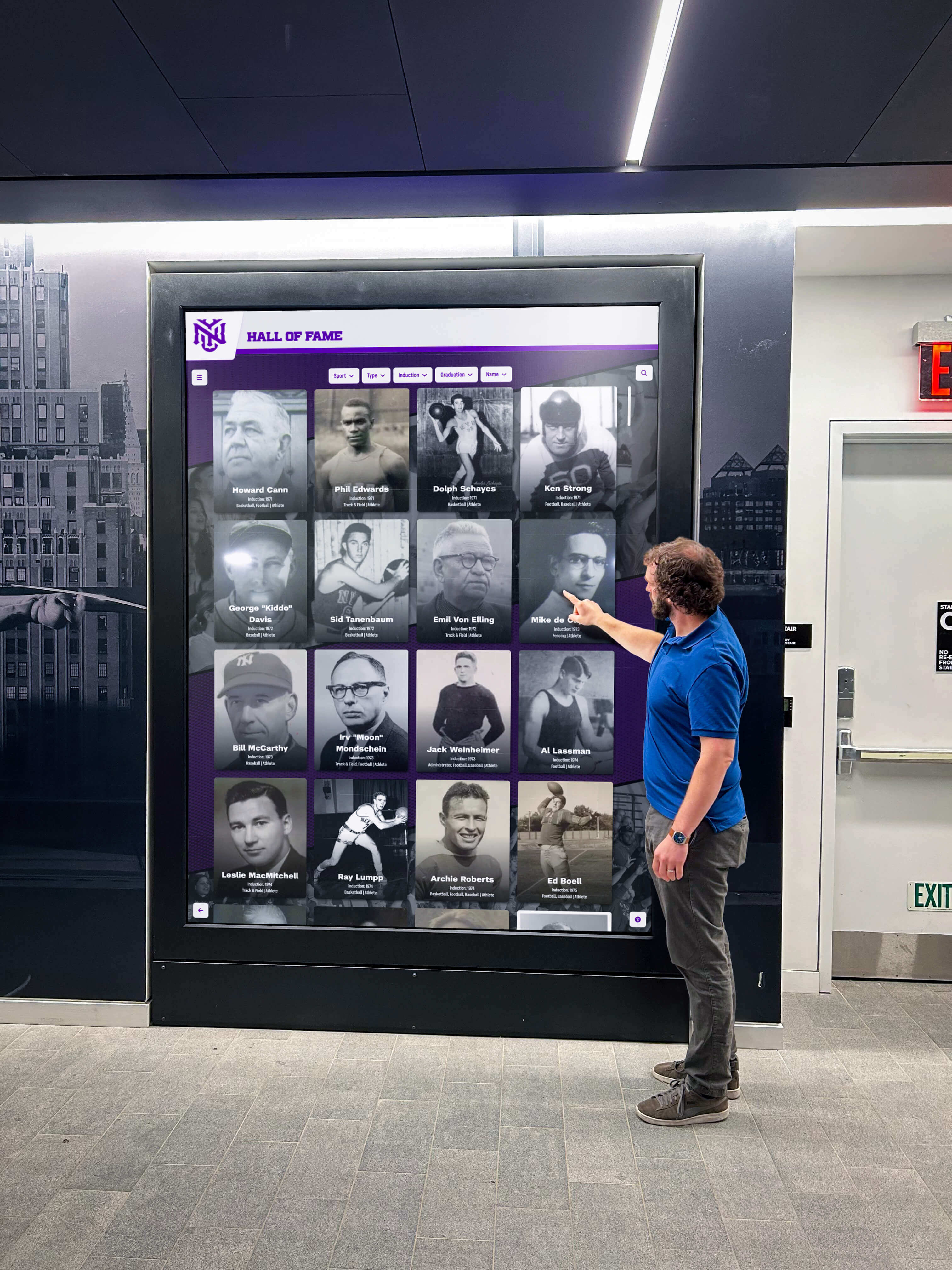
Interactive features enable exploration of achievement details and student profiles
Content Organization Structure
Design information architecture supporting intuitive navigation:
Primary Organization Options
By Graduation Year
- Groups students by class year
- Facilitates chronological browsing and historical context
- Enables comparison of achievement rates across years
- Supports reunion-based engagement for alumni
By Score Range
- Creates achievement tiers (30-32, 33-35, 36 perfect scores)
- Highlights exceptional performance within already elite group
- Motivates students to pursue higher scores through retesting
- Demonstrates score distribution patterns
By Current Grade Level
- Shows current juniors and seniors separately
- Highlights peers students know personally
- Creates near-term role models for younger students
- Facilitates targeted recognition during class events
By College Destination
- Groups students by university choice
- Demonstrates connection between test scores and selective admissions
- Provides examples for students targeting specific institutions
- Creates networking opportunities among students attending same universities
Most effective implementations combine multiple organizational schemes, allowing users to filter and explore via their preferred dimension.
Secondary Filtering Capabilities
Enable visitors to refine displays by:
- Academic interests or intended major
- Gender (for balanced recognition visibility)
- Number of attempts (celebrating score improvement)
- Additional academic honors (National Merit, AP Scholar)
- Scholarship awards received (when data available)
- Athletic participation (highlighting student-athlete achievement balance)
Rich filtering transforms large leaderboard databases into manageable, explorable collections that engage users while celebrating individual achievements.
Role-Based Access Control Configuration
Establish appropriate administrative permissions:
Academic Administrator (Full Control)
- Add, edit, and remove all leaderboard content
- Configure display settings, layouts, and themes
- Manage user accounts and permission levels
- Access analytics and generate usage reports
- Approve content before publication if workflow requires
College Counselor (Content Manager)
- Add and edit ACT 30+ achiever profiles
- Upload student photos and verify information accuracy
- Update existing student information (college choices, scholarships)
- Schedule content publication dates coordinating with ceremonies
- View analytics showing which students receive most engagement
Test Coordinator (Verifier)
- Confirm ACT scores against official reports
- Verify student consent for public recognition
- Flag inaccuracies requiring correction
- Access reports showing which students lack complete data
IT Coordinator (Technical Administrator)
- Monitor system health and network connectivity
- Manage display hardware settings and troubleshoot issues
- Configure network parameters and firewall exceptions
- Access technical logs for troubleshooting
- Coordinate software updates and security patches
Role-based access prevents unauthorized changes while distributing content management workload across appropriate staff members.
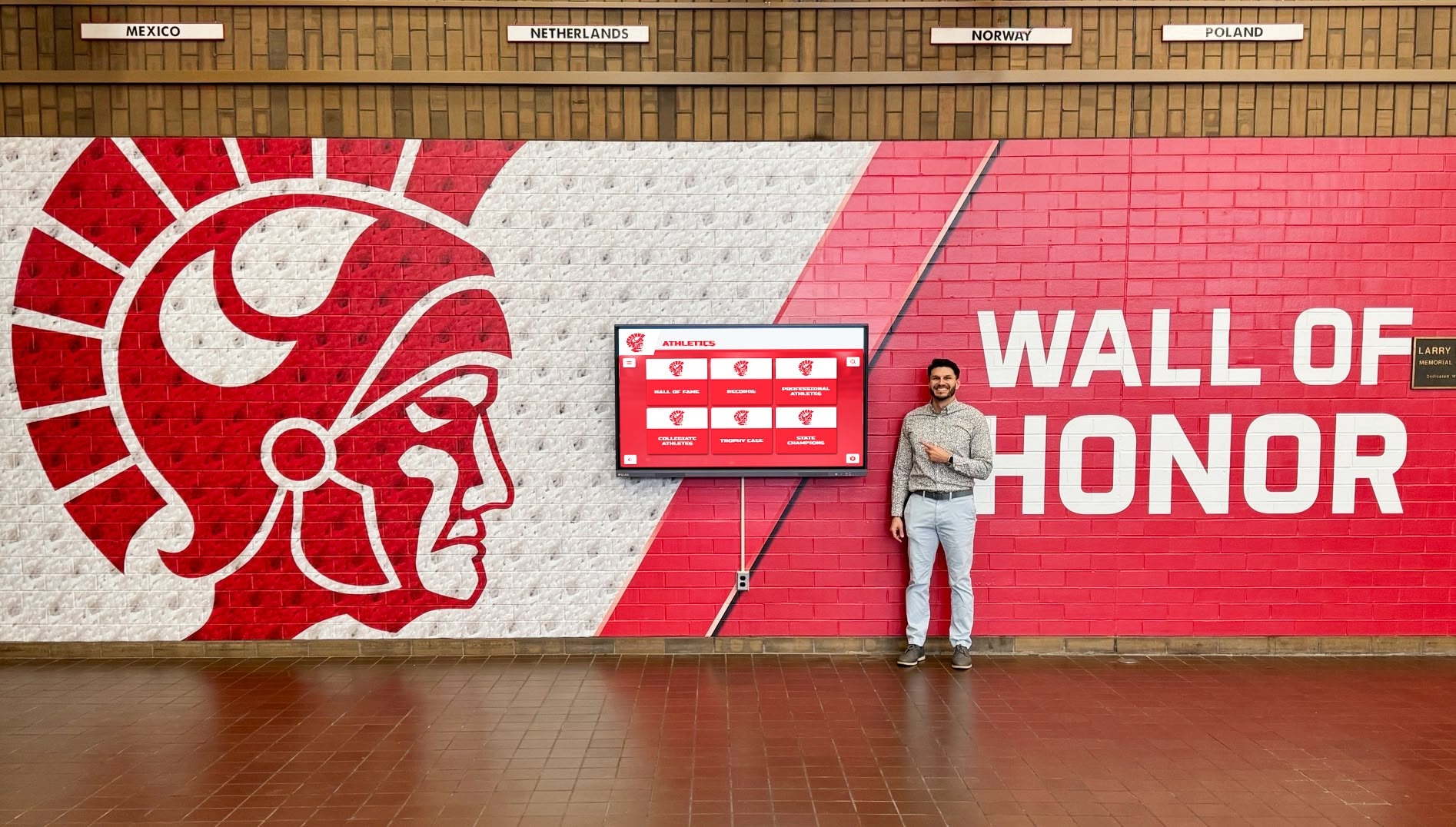
Leaderboards integrate with broader recognition systems celebrating multiple achievement types
Phase 4: Content Development and Workflow Implementation
Establish efficient processes for adding students and maintaining accurate information.
Student Profile Content Standards
Create comprehensive profiles that inspire and inform:
Essential Information Fields
- Full name (confirm preferred name vs legal name)
- Graduation year and current grade
- ACT composite score (with documented consent)
- Test date when score was achieved
- High-quality student photo (portrait style, professional appearance)
- Academic major interest or career aspiration
- College destination or top choices
Enhanced Profile Elements
- ACT section scores (English, Math, Reading, Science)
- Score progression across multiple test attempts
- Preparation strategy brief (resources used, study time invested)
- Advice for younger students pursuing similar achievement
- Academic honors (National Merit status, AP Scholar designation)
- GPA and class rank (if school policy permits sharing)
- Extracurricular activities demonstrating well-rounded excellence
- Scholarship awards received (amount if appropriate to share)
Multimedia Content
- Multiple photos showing academic and extracurricular activities
- Video profiles for recent achievers (15-30 second introductions)
- Quotes from teachers, counselors, or coaches about student dedication
- Links to extended online content or personal achievement portfolios
Consistent formatting across profiles creates professional appearance while rich content does justice to significant student achievement.
Content Addition Workflow
Establish systematic processes ensuring timely, accurate recognition:
Score Release and Verification (Days 1-3)
- Test coordinator receives notification of score availability
- Coordinator reviews scores identifying students meeting 30+ threshold
- Verification of scores against official ACT reports
- Documentation of test date and attempt number
- Cross-reference against previous recognition to prevent duplicates
Student Consent and Information Collection (Days 4-7)
- Contact eligible students via email congratulating achievement
- Request written consent for public recognition (parent consent if under 18)
- Collect high-quality student photos (yearbook photos often suitable)
- Gather additional information via student questionnaire (college plans, preparation advice, activities)
- Document any privacy preferences or display restrictions
Content Creation and Review (Days 8-10)
- Content manager inputs student information into platform
- Upload photos and format profile according to templates
- Write or edit student statements for clarity and appropriateness
- Internal review by counselor or administrator verifying accuracy
- Preview profile reviewing layout and completeness
Approval and Publication (Days 11-14)
- Final approval by academic administrator
- Schedule publication coordinating with announcement timing
- Publish content making student immediately visible on leaderboard
- Generate announcement materials (social media, newsletter, morning announcements)
- Notify student and family that recognition is now live
This two-week workflow ensures accurate, high-quality recognition without requiring significant daily administrative burden. Batch processing multiple students simultaneously improves efficiency.
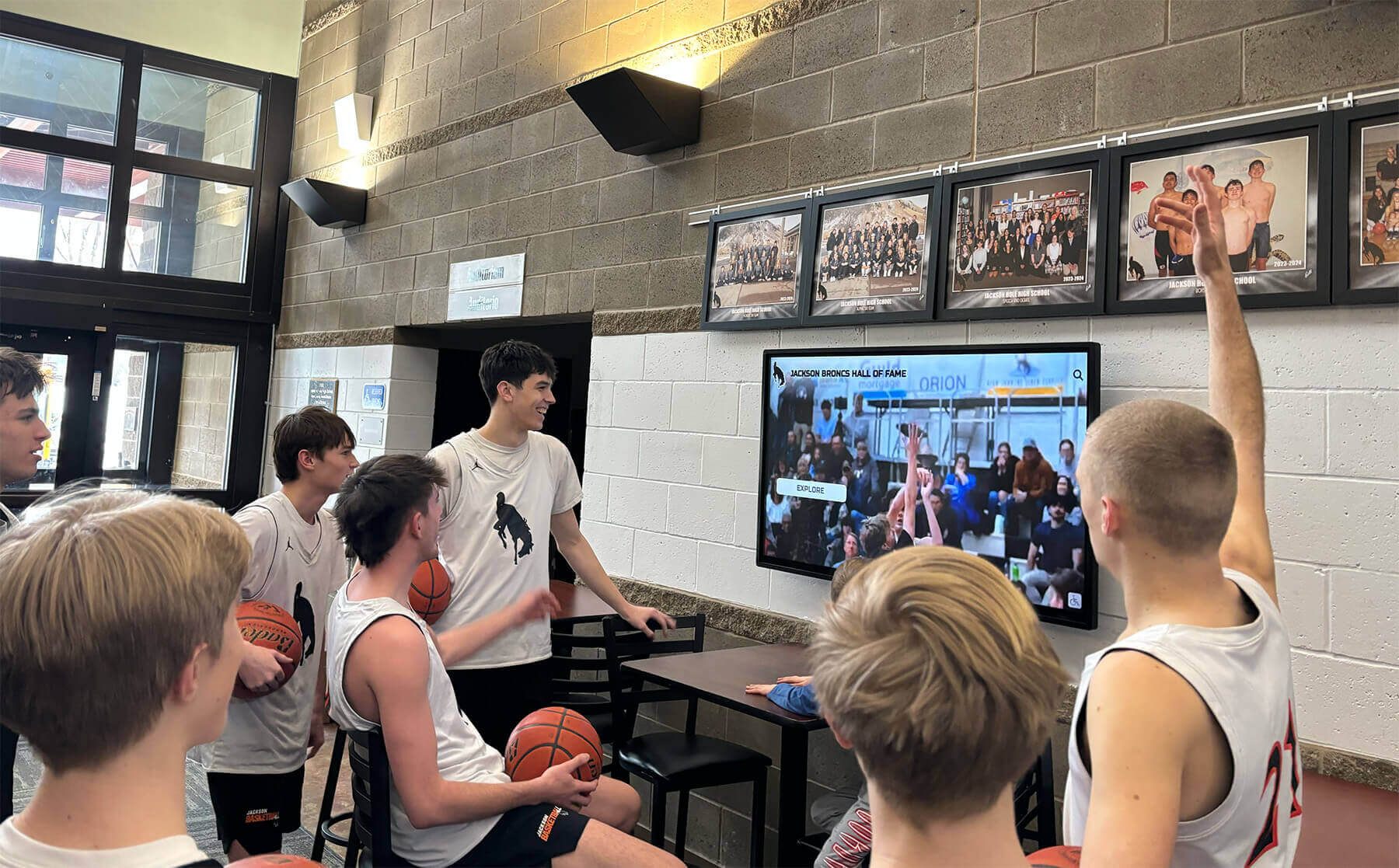
Students engage with leaderboards exploring peer achievements and score details
Historical Data Migration
For retroactive recognition of past ACT 30+ achievers:
Systematic Research Approach
- Assign priority to most recent graduates working backward
- Accept incomplete information initially, enhancing profiles as data becomes available
- Use placeholder photos (team photos, yearbook portraits) when individual photos unavailable
- Document data gaps systematically to guide ongoing research
- Engage student workers or volunteers for archive research projects
Data Quality Standards Establish minimum information requirements for historical inclusion:
- Name and graduation year (essential)
- Verified ACT composite score (essential)
- Photo (preferred but not required for inclusion)
- College destination (preferred, often available through alumni records)
- Additional details (optional, added as discovered)
Lower thresholds for historical records allow faster population while maintaining opportunity for future enhancement as additional information surfaces.
Incremental Addition Strategy Add historical records as discovered rather than delaying launch for complete datasets. Each addition strengthens leaderboard and demonstrates ongoing institutional commitment to academic recognition history.
Alumni often respond enthusiastically when contacted for information about their own ACT achievements or classmates’ accomplishments, creating engagement opportunities while improving historical records.
Phase 5: Validation and Testing Procedures
Conduct thorough verification before public launch ensuring accuracy and usability.
Content Accuracy Verification
Systematic review preventing errors:
Academic Information Validation
- Confirm all ACT scores match official reports (not student self-reporting)
- Verify graduation years against registrar records
- Cross-check college destinations with counseling office acceptances
- Ensure majors and academic interests reflect current student plans
- Validate that GPA displays (if included) comply with FERPA requirements
Student Consent Documentation
- Verify signed consent forms for all displayed students
- Confirm parent/guardian consent for students under 18
- Review privacy preferences ensuring compliance with requests
- Document consent in secure location for future reference
- Establish process for students requesting removal after initial consent
Visual Content Quality Standards
- Confirm photo resolution meets minimum requirements (1200x1600 pixels)
- Verify consistent cropping and composition across all student photos
- Check color balance and lighting consistency
- Ensure photos comply with school appropriateness standards
- Document photo permissions and photographer rights
Biographical Accuracy
- Verify spelling of all student names against official records
- Confirm hometown and high school information
- Validate activity and honor listings against official school records
- Check that quotes are properly attributed with approval documented
- Ensure all personal information complies with privacy regulations
Create checklists enabling systematic review of each profile before approval. Quality assurance at input stage prevents embarrassing errors requiring correction after public launch.
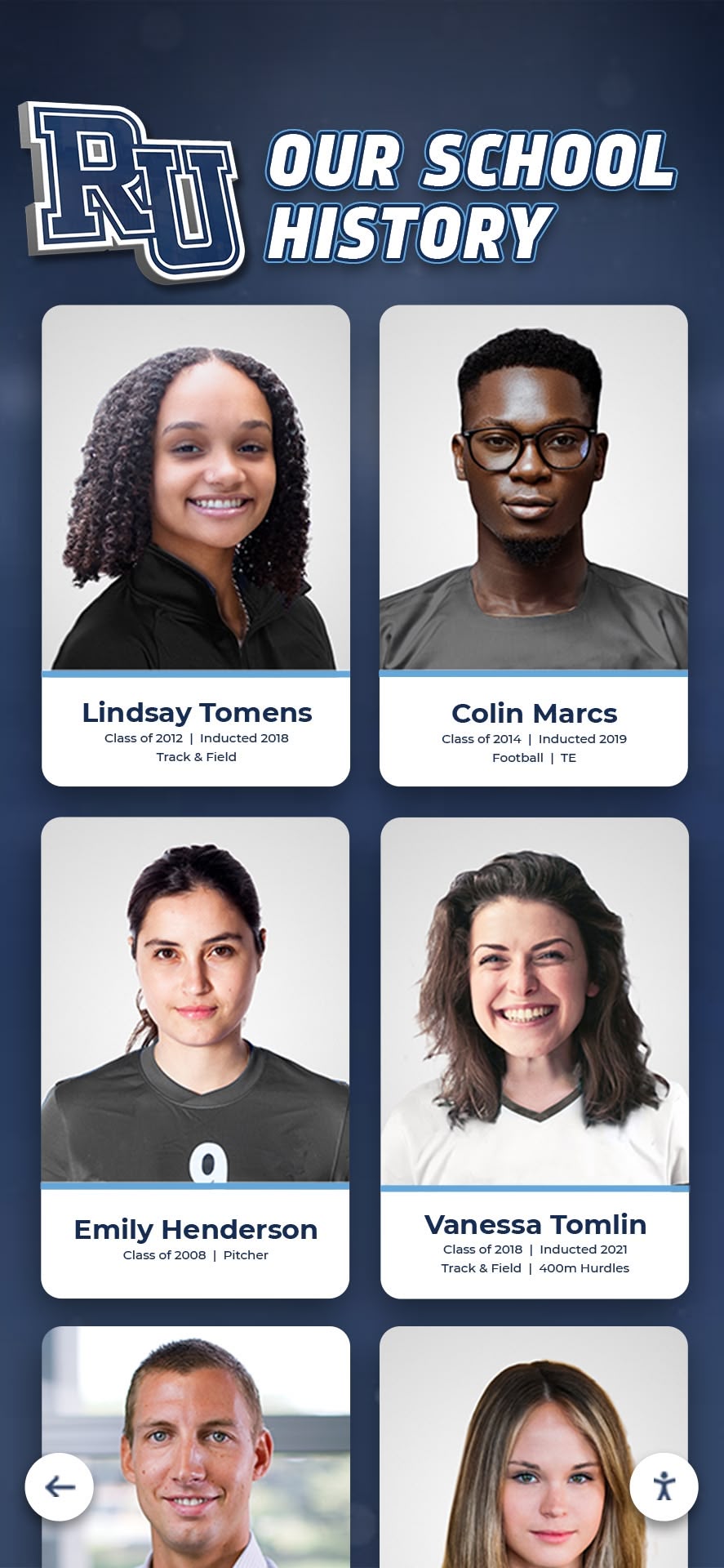
Comprehensive profile cards showcase both academic credentials and broader achievements
Accessibility Compliance Testing
Verify displays meet Web Content Accessibility Guidelines (WCAG 2.1 AA minimum standards):
Physical Accessibility Verification
- Confirm mounting height places touchscreen within 15-48 inch ADA range
- Verify 30" x 48" clear floor space for wheelchair approach
- Check display angle accommodates seated users
- Test that interactive elements respond to light touch pressure
- Ensure navigation controls accessible without requiring pinch or grasp strength
Visual Accessibility Requirements
- Verify color contrast ratios meet 4.5:1 minimum for body text, 3:1 for large text
- Test display with screen reader software (JAWS, NVDA, or VoiceOver)
- Confirm text magnification up to 200% without content loss
- Validate that all color-coded information includes non-color indicators
- Check readability in varied lighting conditions throughout day
Cognitive Accessibility Standards
- Test navigation simplicity with users unfamiliar with system
- Verify consistent navigation patterns throughout interface
- Confirm adequate time for interaction (no automatic timeouts under 60 seconds)
- Validate clear headings and logical information hierarchy
- Ensure search functions provide helpful results and error messages
Language Accessibility Considerations If serving multilingual community:
- Provide Spanish or other relevant language interface options
- Verify translation accuracy with native speakers
- Test language switching ease and consistency
- Ensure all content translates not just interface elements
Document accessibility features in signage near displays so community members with disabilities know accommodation features exist.
User Experience Testing
Conduct usability testing with diverse participants before launch:
Test Participant Recruitment Select diverse users representing your community:
- Current students (freshmen through seniors)
- Recent ACT test-takers familiar with scoring
- Parents visiting for school events
- Teachers and counselors who will reference displays
- Prospective families touring campus
- Alumni returning for reunions or events
Realistic Task Scenarios Ask participants to complete authentic tasks:
- “Find students who scored 34 or higher on the ACT”
- “Locate ACT 30+ achievers from the Class of 2024”
- “Discover what preparation strategies successful students recommend”
- “Learn which colleges students with 32+ scores typically attend”
- “Identify how many students achieved perfect 36 scores”
Observation and Iteration Watch for indicators requiring improvement:
- Confusion or hesitation during navigation
- Search failures or unexpected results
- Features users miss or don’t discover
- Questions requiring clarification
- Time required to complete tasks
- Suggestions for enhancement
Use testing insights to refine navigation, improve search algorithms, enhance content clarity, and optimize layout before public launch.
Document testing findings and implemented improvements creating baseline for future usability evaluations.
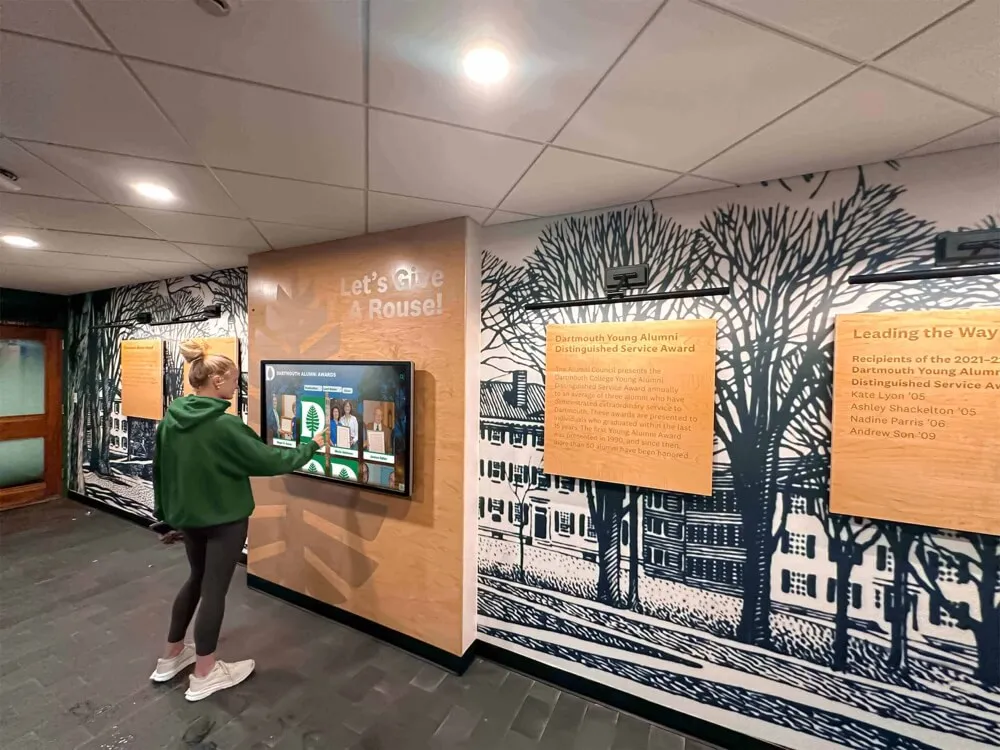
Strategic lobby placement ensures maximum visibility during daily campus activity
Phase 6: Launch Planning and Promotional Strategies
Create memorable unveiling that generates awareness and engagement.
Launch Event Execution
Plan celebration appropriately recognizing student achievement:
Event Timing Coordination Align unveiling with:
- Academic awards night or honors convocation
- National College Decision Day (May 1)
- Homecoming or family weekend with high attendance
- Back-to-school night when families visit campus
- Junior class college planning event
Attendee Invitation Strategy Invite stakeholders who contributed to success:
- All recognized ACT 30+ achievers (current students and recent graduates)
- Student families and siblings
- Counseling staff and test coordinators
- Academic administrators and principal
- School board members
- Major academic program donors
- Local media representatives
Program Elements
- Opening remarks from principal emphasizing academic excellence values
- Student speaker (recent ACT 36 achiever sharing preparation experience)
- Leaderboard unveiling and demonstration of interactive features
- Guided exploration time allowing guests to search for specific students
- Photo opportunities with display for students and families
- Recognition of donors or supporters who funded implementation
- Refreshments creating social atmosphere for networking
Capture professional photography and video documentation for ongoing promotion and historical archives.
Multi-Channel Promotion Strategy
Maximize community awareness through coordinated communications:
Campus-Wide Communications
- All-school email announcement with photos and display location
- Feature article in school newspaper or magazine
- Digital signage across campus directing to leaderboard location
- Posters in counseling offices and classrooms
- Morning announcements during high-traffic weeks
Social Media Campaign
- Instagram carousel featuring multiple ACT 30+ achievers
- Facebook video walkthrough demonstrating navigation
- Twitter/X thread spotlighting individual students with permission
- LinkedIn posts targeting alumni and professional networks
- TikTok content showing student reactions (if appropriate to culture)
Media Relations Outreach
- Press release to local newspapers and education reporters
- Invitation to journalists for private demonstration and interviews
- Fact sheet highlighting school’s ACT 30+ achievement statistics
- B-roll footage available for television stations
- Community access television feature if available
Targeted Stakeholder Communication
- Personal emails to all featured students announcing recognition
- Parent newsletter feature explaining program significance
- Alumni magazine article connecting to institutional traditions
- Donor stewardship report showing impact of academic excellence support
- Prospective student materials highlighting academic achievement culture
Integration with Existing Programs Reference leaderboard during:
- New student orientation (inspiring incoming freshmen)
- College planning meetings with juniors
- Test preparation course promotion
- National Merit Semifinalist announcements
- Senior scholarship recognition events
Sustained multi-channel promotion ensures leaderboard awareness extends beyond initial launch generating ongoing engagement.
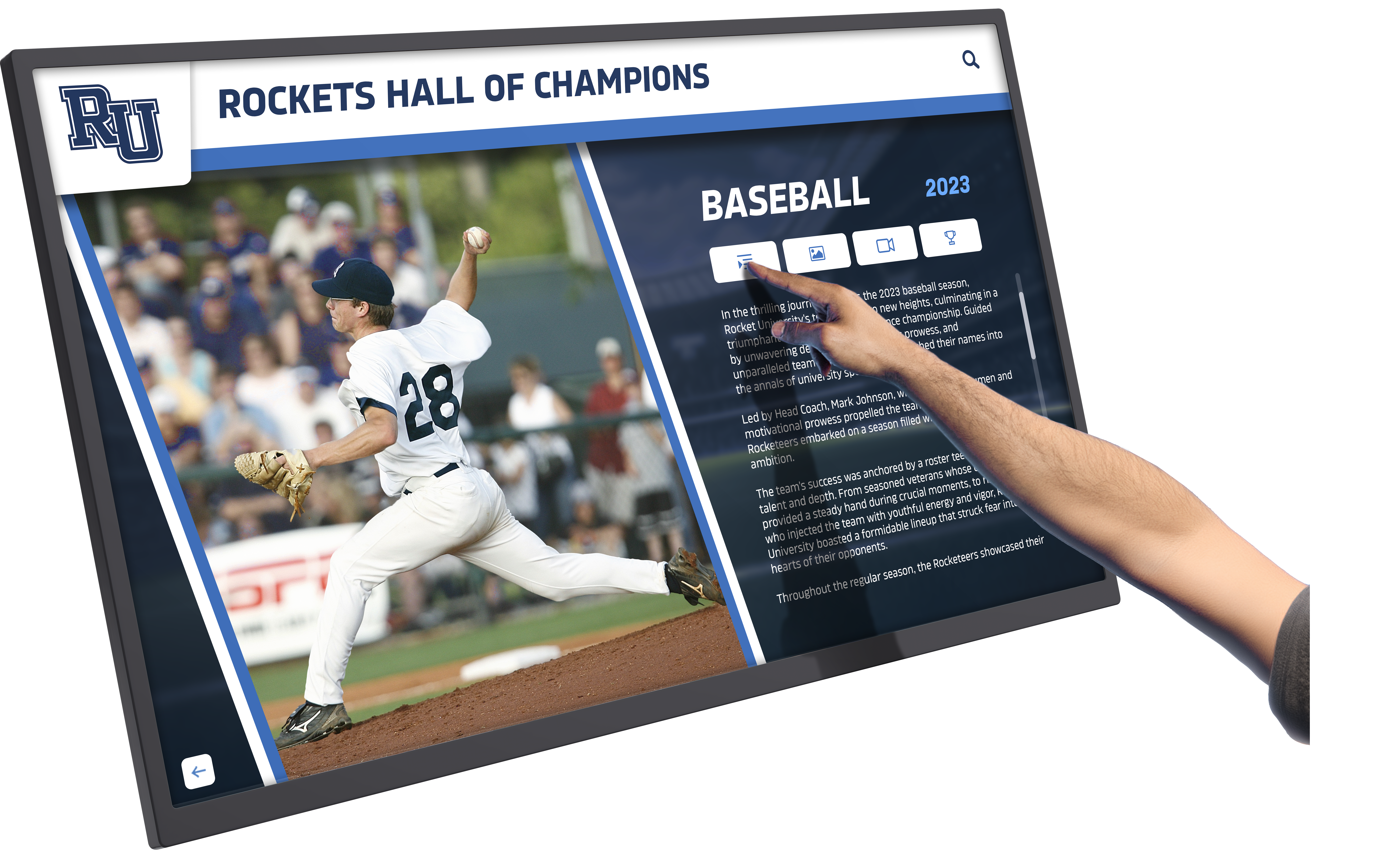
Touchscreen interaction makes exploring achievement details intuitive and engaging
Phase 7: Maintenance and Ongoing Operations
Establish sustainable processes ensuring long-term effectiveness.
Regular Content Updates
Systematic addition of new achievers:
Quarterly Update Schedule
- September: summer test date results
- December: fall test date results
- March: winter test date results
- June: spring test date results and graduating senior final recognition
Feature Rotation Strategy Maintain fresh appearance through:
- Monthly spotlight on specific graduation year or score milestone
- Seasonal themes connecting to school calendar (graduation, homecoming, testing windows)
- Anniversary retrospectives highlighting students from 5, 10, 25 years ago
- “Where Are They Now” updates for historical achievers who consent to alumni features
- Special collections around milestones (100th ACT 36 achiever, 500th total inductee)
Content Enhancement Projects Improve existing profiles through:
- Adding missing photos for historical records
- Updating college destinations as decisions finalize
- Collecting alumni updates about post-graduation achievements
- Gathering preparation advice from recent achievers
- Creating video profiles for willing current students
Ongoing enhancement demonstrates leaderboard remains living recognition system rather than static historical archive.
Technical Maintenance Requirements
Minimal but important attention ensures reliable operation:
Weekly Monitoring
- Visual inspection confirming display operating normally
- Quick content check verifying current featured students display correctly
- Physical cleaning of touchscreen removing fingerprints and smudges
- Verification that network connectivity remains stable
Monthly Review
- Analytics review identifying usage patterns and popular features
- Content audit ensuring all information remains current and accurate
- Software update check for security patches or feature improvements
- Backup verification ensuring content remains protected
Quarterly Maintenance
- Detailed content review with counseling staff verifying accuracy
- User feedback collection from students, staff, and visitors
- Feature utilization analysis identifying underused capabilities
- Hardware inspection checking for screen burn-in, mounting security, or component issues
Annual Assessment
- Comprehensive program review evaluating effectiveness
- Stakeholder satisfaction surveys (students, families, staff)
- Budget review for ongoing subscription costs and potential expansions
- Strategic planning for enhancements or additional display locations
Most digital recognition platforms like Rocket Alumni Solutions provide technical support reducing maintenance burden while ensuring reliable long-term operation.
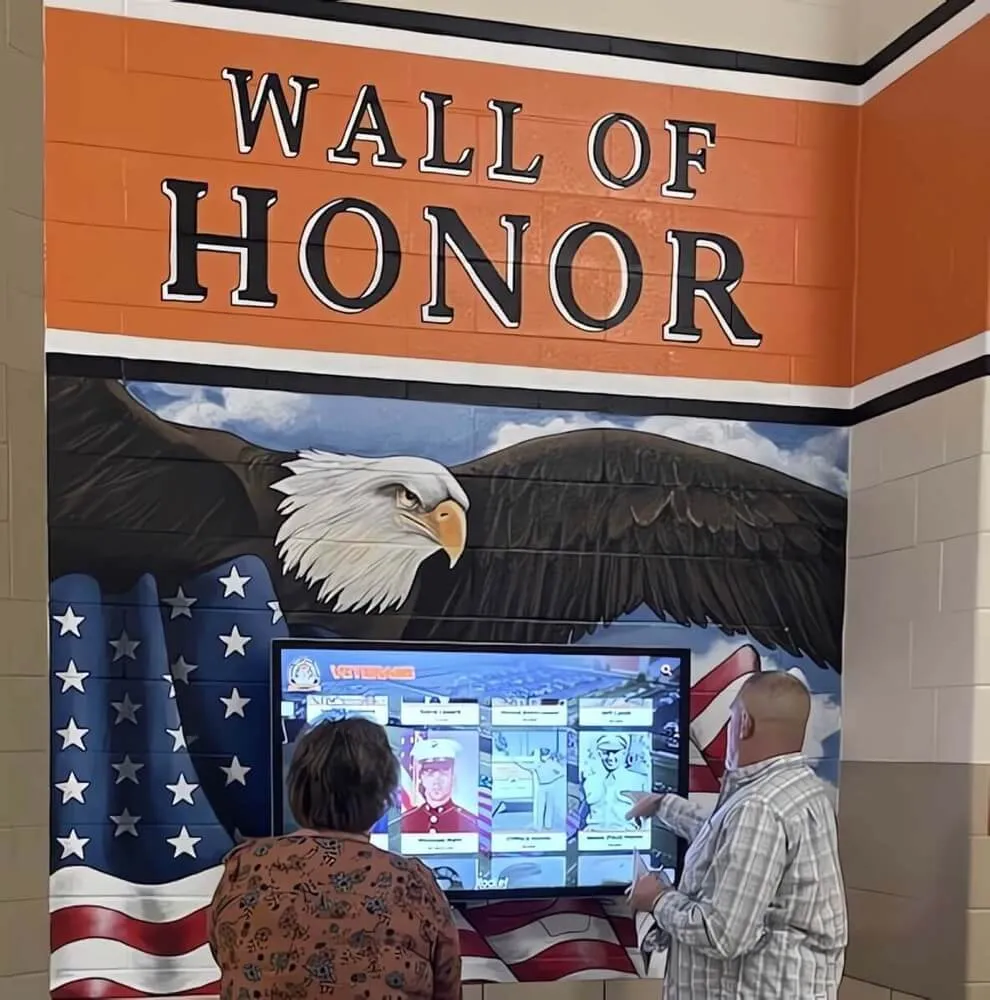
Recognition displays create lasting traditions celebrating academic excellence across generations
Advanced Features and Integration Opportunities
Consider enhancements as your program matures and demonstrates value.
Comprehensive Academic Recognition Integration
Expand beyond ACT scores to celebrate diverse excellence:
Complementary Standardized Test Recognition Integrate SAT score excellence using equivalent thresholds:
- SAT 1390 ≈ ACT 30
- SAT 1450 ≈ ACT 32
- SAT 1520 ≈ ACT 34
- SAT 1570+ ≈ ACT 36
Combined “Standardized Test Excellence” displays honor achievement regardless of test choice, demonstrating institutional values that celebrate results over specific assessment instruments.
National Academic Honors Include students achieving:
- National Merit Semifinalist and Finalist recognition
- AP Scholar awards (AP Scholar, AP Scholar with Honor, AP Scholar with Distinction)
- Presidential Scholar candidates and recipients
- Davidson Fellows or similar exceptional achievement programs
Academic Competition Success Recognize excellence in:
- Academic Decathlon and Quiz Bowl championships
- Mathematics competitions (AMC, AIME, USAMO qualifiers)
- Science Olympiad medals and state competition success
- National History Day state and national qualifiers
- Debate and forensics tournament championships
Comprehensive systems demonstrate that schools value sustained intellectual excellence across multiple assessment types and competitive contexts.
GPA-Based Recognition Tiers Coordinate with:
- Honor roll recognition programs celebrating semester academic achievement
- Latin honors projections for graduating seniors
- Academic letter awards parallel to athletic letter systems
- Subject-specific academic excellence (departmental awards)
Integration creates unified academic recognition culture where students discover multiple pathways to celebration aligned with their unique strengths and interests.
Web and Mobile Extensions
Extend recognition beyond physical campus locations:
Online Hall of Fame Portal Mirror physical leaderboard content through web-accessible platforms enabling:
- Global access for alumni and extended family members anywhere
- Social media sharing of individual student profiles
- Email notifications when classmates achieve recognition
- Mobile-responsive browsing on personal smartphones and tablets
- Search engine indexing improving school reputation
QR Code Integration Place QR codes near physical displays linking to:
- Extended online content with additional student information
- Video profiles and preparation advice
- Social sharing tools enabling family distribution
- Accessibility accommodations for visitors with disabilities
- Feedback forms collecting user suggestions
Mobile-First Content Strategy Optimize for smartphone access since students predominantly engage via mobile:
- Touch-optimized navigation designed for smaller screens
- Vertical-scrolling layouts accommodating mobile conventions
- Fast-loading pages minimizing data consumption
- Social media integration enabling one-touch sharing
- Push notifications announcing new achievers to subscribed users
Virtual Tour Integration Incorporate leaderboard into:
- Prospective student virtual campus tours
- Admissions presentations highlighting academic culture
- Alumni virtual events and reunions
- Development materials for fundraising campaigns
Digital extensions exponentially amplify recognition reach beyond students and families physically visiting campus locations.
Analytics and Continuous Improvement
Use data informing program enhancements:
Usage Pattern Analysis Track metrics revealing engagement:
- Daily/weekly interaction volumes showing traffic patterns
- Average session duration indicating engagement depth
- Most frequently searched students and graduation years
- Popular filtering dimensions (by score, year, college)
- Peak usage times informing content refresh schedules
Content Performance Metrics Identify what resonates with users:
- Most-viewed student profiles
- Features utilized versus unused capabilities
- Search success rates and common failed queries
- Sharing activity to social media platforms
- QR code scans linking physical to digital
Stakeholder Feedback Collection Gather qualitative insights through:
- Student surveys assessing motivational impact
- Family feedback about recognition meaningfulness
- Counselor perspectives on college planning conversations
- Teacher observations about student awareness and aspiration
- Prospective family reactions during campus tours
Continuous Enhancement Use insights driving improvements:
- Content additions addressing revealed gaps
- Interface refinements improving navigation
- Feature prioritization based on actual usage
- Communication strategy adjustments for better awareness
- Budget allocation informed by demonstrated value
Regular assessment ensures leaderboard systems remain relevant, engaging, and aligned with evolving educational priorities.
Measuring Success and Demonstrating Value
Quantify program impact justifying resource investment and informing future decisions.
Key Performance Indicators
Track meaningful metrics demonstrating effectiveness:
Participation Rate Trends Monitor changes in:
- Percentage of students taking ACT exams
- Proportion achieving 30+ scores over time
- Average composite scores for all test-takers
- Number of students retesting to improve scores
- Comparison to state and national benchmarks
Effective recognition programs should correlate with increased participation and higher achievement rates as motivation spreads through student body.
College Outcomes Analysis Track relationships between recognition and college success:
- Percentage of ACT 30+ achievers attending selective institutions
- Merit scholarship amounts earned by recognized students
- College admission success rates for high achievers
- Four-year graduation rates for recognized students
- Graduate school enrollment rates for alumni
These outcomes demonstrate that celebrated achievement translates to college access and success.
Engagement Analytics Digital platform data illuminating program impact:
- Total interactions per month showing sustained engagement
- Unique users (when tracking technology permits)
- Average session duration indicating content interest
- Social media shares extending recognition reach
- Website visits to online leaderboard extensions
Cultural Impact Indicators Observe broader changes in school environment:
- Student attitudes toward standardized testing importance
- Test preparation program participation increases
- Peer conversations celebrating academic versus only athletic success
- School reputation for academic excellence in community
- Student pride and school connectedness measure improvements
Operational Efficiency Metrics Demonstrate administrative advantages:
- Time required for content updates versus traditional plaque systems
- Cost per student recognized compared to engraving expenses
- Administrative hours saved through digital management
- Budget comparison: digital versus traditional five-year costs
Regular reporting to administrators, school boards, and stakeholders ensures sustained support for program maintenance and potential expansion.
Stakeholder Communication and Reporting
Share success demonstrating value:
Quarterly Administrator Updates Provide leadership with:
- Usage statistics summaries showing engagement trends
- Recent content additions and student highlights
- Feature utilization data revealing what works
- Planned enhancements aligned with strategic goals
Annual Impact Reports Create comprehensive reviews including:
- Total ACT 30+ achievers recognized
- Historical records added expanding program completeness
- Usage growth compared to previous years
- Student, family, and visitor testimonials
- Media coverage generated
- College outcomes for recognized students
- Integration with recruitment and development initiatives
Board of Education Presentations When appropriate, present:
- Program overview and implementation success
- Achievement trend data showing improving student outcomes
- Community engagement indicators
- Budget efficiency compared to traditional alternatives
- Future enhancement recommendations
Donor Stewardship Communication If recognition programs received philanthropic support:
- Impact stories showing how investment honored student excellence
- Photos of students and families engaging with displays
- Total students recognized through donor generosity
- Specific success stories enabled by recognition program
- Ongoing program sustainability and growth plans
Consistent communication ensures stakeholders understand program value supporting continued investment in academic recognition infrastructure.
Overcoming Common Implementation Challenges
Anticipate predictable obstacles with proactive solutions.
Budget Constraints Management
Address funding limitations:
Phased Implementation Strategy
- Begin with single display in highest-traffic location
- Implement comprehensive content management supporting future expansion
- Add additional display locations as funding becomes available
- Prioritize recent students initially, adding historical records over time
Alternative Funding Sources Explore non-traditional budget support:
- Academic booster club projects
- Alumni class reunion giving designated for academic recognition
- Corporate partnerships with education-focused foundations
- PTA/PTO fundraising for academic infrastructure
- Grant applications to organizations supporting educational excellence
Cost Reduction Approaches
- Utilize existing school photos rather than commissioning professional portraits
- Leverage student workers for data entry and historical research
- Negotiate multi-year software contracts for reduced annual costs
- Consider certified refurbished displays with full warranty coverage
- Partner with proven digital recognition platforms that eliminate custom development costs
Many schools find digital leaderboards deliver superior return on investment when accounting for eliminated printing costs, reduced administrative time, enhanced student motivation, and improved college counseling outcomes.
Incomplete Historical Data
When records have gaps:
Accept Imperfect Launch
- Begin with complete recent data rather than delaying for perfect historical records
- Add disclaimer that historical archives are being compiled systematically
- Create “Help Complete Our History” campaign enlisting alumni assistance
- Celebrate growth as historical records expand over months and years
Systematic Research Projects
- Assign graduate assistant or student worker to archival research
- Contact retired counselors and long-time staff for institutional memory
- Post requests in alumni communications asking achievers to self-report
- Search old yearbooks, media guides, and school publications
- Request records from district or state education archives
Incremental Addition Over Time Add records as discovered rather than waiting for complete datasets. Each addition strengthens recognition while demonstrating ongoing commitment to celebrating historical achievement.
Alumni often respond enthusiastically when contacted about their achievements, creating engagement opportunities while improving historical completeness.
Privacy and Consent Considerations
Navigate student privacy carefully:
Clear Consent Processes Develop simple, transparent forms explaining:
- Exactly what information will be displayed publicly
- Where recognition will appear (physical display, website, social media)
- How long recognition will remain visible
- Process for requesting removal or modification
- Student and parent rights under privacy laws
Flexible Privacy Options Accommodate varying comfort levels:
- Allow students to appear without specific numeric scores displayed
- Offer options to be recognized without photos if preferred
- Provide social media opt-outs while maintaining physical display recognition
- Respect all privacy requests without pressure or judgment
- Create “opt-in” rather than “opt-out” systems ensuring active consent
Ongoing Preference Management Enable students to:
- Modify privacy preferences after initial consent
- Update information as college plans finalize
- Remove recognition upon request even after initial agreement
- Correct inaccurate information quickly and easily
Position recognition as celebrating achievement rather than ranking students, emphasizing honor and motivation rather than competition or comparison.
Maintaining Long-Term Engagement
Prevent displays from becoming overlooked fixtures:
Content Refresh Schedules Systematic updates maintaining interest:
- Quarterly feature rotations highlighting different eras or achievement tiers
- Seasonal themes aligned with academic calendar and testing windows
- Anniversary spotlights for milestone graduates (5, 10, 25 years)
- “This Day in History” features of past achievements
- Student success stories: “Where Are They Now” alumni updates
Interactive Feature Additions Enhance engagement through:
- Trivia questions about recognized students and achievement patterns
- Leaderboards showing most decorated graduation years
- “Find Your Future College” tools connecting universities to alumni attendance
- Preparation resource libraries linking to study materials
- Challenge badges for users who explore all graduation years
Event Integration Reference leaderboard systematically during:
- New student orientation inspiring incoming freshmen
- Junior class ACT preparation kickoff meetings
- College decision day celebrations
- Academic awards nights and honors convocations
- Prospective student campus tours
Cross-Recognition System Integration Connect ACT leaderboard with:
- Athletic recognition displays celebrating balanced excellence
- Honor roll recognition for semester achievement
- National Merit recognition programs honoring standardized test distinction
- Scholarship award displays connecting test scores to financial aid
Comprehensive systems create recognition ecosystems where students discover multiple celebration opportunities aligned with diverse strengths and interests.
Conclusion: Building Sustainable ACT Recognition Systems
Implementing digital leaderboards recognizing ACT 30+ achievers requires systematic planning, appropriate technology selection, and commitment to ongoing content management. Yet investment creates lasting value traditional recognition approaches cannot match—unlimited capacity to honor achievement, flexibility to update and enhance content, accessibility features ensuring inclusive celebration, and engaging experiences that inspire current and future students.
The most successful implementations begin with clear requirements definition, involve appropriate stakeholders from planning through launch, select technologies aligned with institutional technical capabilities, and establish sustainable maintenance processes before public unveiling.
Whether your institution recognizes dozens or hundreds of ACT 30+ achievers across multiple decades, digital leaderboard solutions provide flexibility to celebrate every achievement appropriately while creating systems that grow and adapt as programs evolve.
ACT 30+ achievement represents exceptional college readiness deserving celebration equal to any athletic championship. When schools systematically recognize these accomplishments through prominent digital displays, they create cultures where academic excellence receives visibility and acknowledgment that motivates all students while honoring those who invested significant effort in outstanding performance.
Ready to Build Your ACT Leaderboard?
Discover how digital recognition displays can help you celebrate ACT 30+ achievers while building cultures of academic excellence that inspire all students.
Schedule a TouchWall DemoBegin where you are—perhaps with simple list-based recognition or annual ceremonies—then systematically expand toward comprehensive digital systems providing lasting, dynamic celebration. Every ACT 30+ achiever who receives meaningful recognition develops stronger connection to their school and greater pride in their accomplishment.
Your students’ academic achievements deserve celebration equal to any other excellence. With thoughtful planning, appropriate technology, and consistent implementation, you can create leaderboard systems that honor every exceptional performance while building positive, motivating academic cultures where all students pursue excellence.
Explore academic recognition display solutions that celebrate diverse achievements or discover how interactive touchscreen displays transform academic recognition from static plaques to engaging digital experiences. Your next ACT 30+ achiever deserves recognition that matches their exceptional accomplishment.































