When students work diligently to achieve academic excellence—whether earning their first honor roll designation, scoring above 30 on the ACT, or mastering challenging Advanced Placement coursework—they deserve recognition that matches the significance of their accomplishment. Yet many schools find themselves limited by outdated bulletin boards, cramped trophy cases, or temporary announcements that fail to give intellectual achievement the lasting visibility it merits.
The most successful schools recognize that academic accomplishments deserve celebration equal to athletic victories. They’ve discovered that the right display solutions don’t just acknowledge past performance—they inspire future excellence by making scholarly achievement visible, celebrated, and aspirational throughout the school community.
This comprehensive guide explores creative academic achievement display ideas proven to transform how schools honor intellectual excellence, from cutting-edge interactive technology to reimagined traditional approaches that ensure every deserving student receives meaningful recognition.
Schools increasingly understand that prominent academic achievement displays serve multiple essential purposes: they motivate students to pursue excellence, validate the effort invested in scholarly success, demonstrate institutional values to families and community members, create positive peer influence by normalizing intellectual achievement, and preserve institutional history documenting academic tradition across decades.
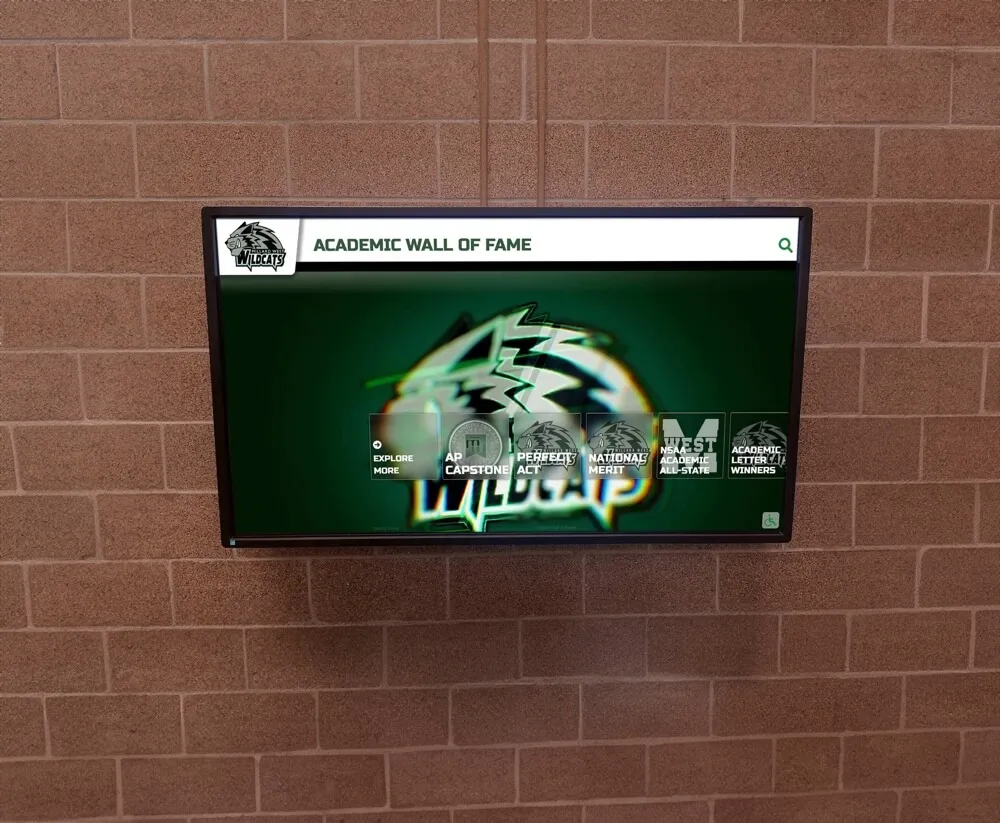
Modern academic achievement displays transform how schools celebrate intellectual excellence and inspire future student success
Why Academic Achievement Displays Matter
Before exploring specific display solutions, understanding the psychological and cultural impact of academic recognition helps schools invest resources strategically in solutions that genuinely influence student motivation and institutional culture.
Research-Backed Benefits of Visible Academic Recognition
Educational research consistently demonstrates that systematic academic recognition significantly influences student behavior and achievement. According to studies from the American Educational Research Association, students who receive consistent academic acknowledgment demonstrate 18-25% higher sustained achievement compared to equally capable peers receiving minimal recognition.
Key Impact Areas:
Student Motivation and Performance
- Visible recognition reinforces behaviors and effort leading to academic success
- Public acknowledgment creates positive peer pressure encouraging excellence
- Display prominence signals institutional priorities students internalize
- Permanent visibility provides sustained motivational influence beyond temporary announcements
School Culture Development
- Academic displays normalize intellectual achievement as valued and celebrated
- Balanced recognition ensures academics receive visibility comparable to athletics
- Comprehensive displays demonstrate commitment to diverse achievement types
- Historical archives connect current students to institutional academic tradition
Family and Community Engagement
- Prominent displays provide talking points for family conversations about achievement
- Recognition creates positive school-family connection opportunities
- Visible academic culture attracts families prioritizing intellectual development
- Community recognition strengthens school reputation and support
The most effective academic achievement displays maximize these benefits through strategic design, prominent placement, and comprehensive content celebrating diverse accomplishments.
Traditional Academic Achievement Display Approaches
While modern technology enables powerful new recognition capabilities, traditional display methods remain valuable components of comprehensive academic recognition programs when implemented thoughtfully.
Bulletin Board Recognition Displays
Bulletin boards represent the most common academic display approach, offering flexibility and low initial costs. However, effectiveness depends on addressing inherent limitations.
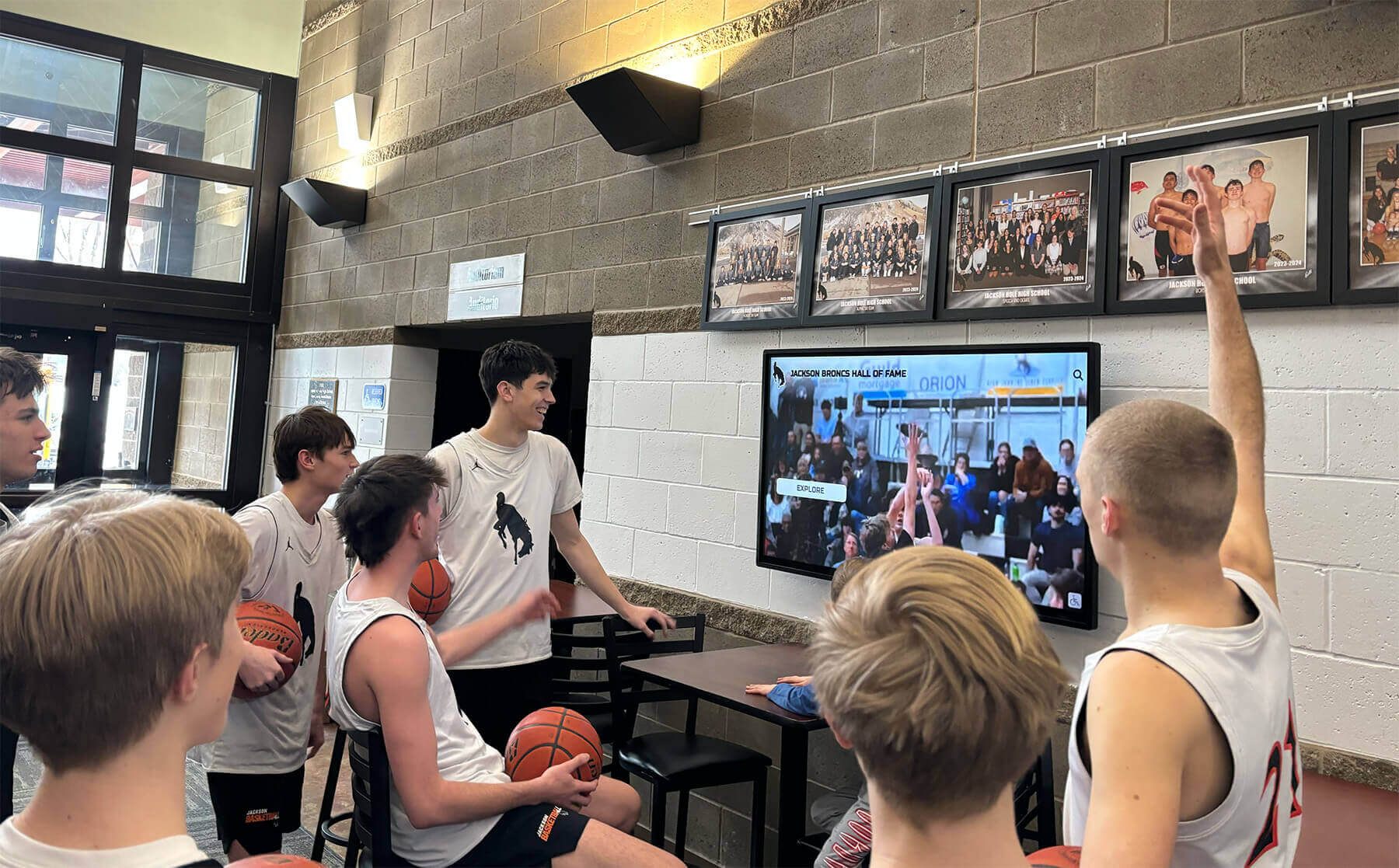
Interactive displays create opportunities for students to explore and connect with academic achievement culture
Maximizing Bulletin Board Effectiveness:
Strategic Location Selection Position bulletin boards in high-traffic areas where students naturally gather—main hallways near entrances, cafeteria approaches, or areas adjacent to administrative offices. Placement determines whether displays receive daily attention or fade into background awareness.
Regular Update Schedules Establish predictable update rhythms aligned with grading periods. Stale content loses impact quickly as displays become invisible through familiarity. Monthly or quarterly refreshes maintain relevance and student awareness.
Visual Design Standards Professional-quality layouts with consistent formatting, quality photography, and readable typography from viewing distances signal that academic recognition matters institutionally. Amateur presentations undermine recognition significance.
Supplementary Information Beyond names, include achievement context explaining what students accomplished, photos creating visual connection, and specific metrics providing concrete evidence of excellence. Context transforms lists into stories that inspire peers.
Engraved Plaque Walls
Permanent engraved plaques provide lasting recognition suitable for exceptional achievements like valedictorians, National Merit Scholars, or sustained multi-year excellence.
Plaque Wall Considerations:
- Reserve for pinnacle achievements deserving permanent commemoration
- Require significant upfront investment in quality materials and installation
- Face capacity constraints necessitating difficult selection decisions
- Cannot accommodate ongoing updates or content modifications
- Provide impressive visual impact communicating institutional prestige
Plaque walls work best as complements to more flexible display systems rather than sole recognition approaches, ensuring schools can acknowledge both exceptional achievements deserving permanent display and broader accomplishments requiring regular updates.
Trophy Cases and Physical Display Cabinets
Glass-front trophy cases historically housed athletic awards but increasingly accommodate academic recognition through trophies, certificates, academic team photos, and competition memorabilia.
Effective Academic Trophy Case Usage:
Balanced Space Allocation Ensure academic achievements receive display capacity proportional to athletic recognition. Many schools dedicate entire cases exclusively to academic accomplishments, demonstrating balanced institutional values.
Achievement Variety Showcase diverse academic successes—science fair awards, debate competition trophies, STEM competition achievements, writing contest recognition, and academic team championships—ensuring comprehensive representation.
Supporting Context Materials Include descriptive placards explaining achievement significance, team photos providing human connection, and competitive context helping viewers understand accomplishment magnitude.
Regular Rotation Strategy Establish procedures for retiring older displays to accommodate current achievements while preserving historical items through photography or archival storage.
While traditional approaches maintain value, their inherent limitations—capacity constraints, update challenges, and limited interactivity—drive schools toward solutions addressing these fundamental restrictions.
Interactive Digital Academic Achievement Displays
Modern technology fundamentally transforms academic recognition possibilities through capabilities traditional approaches simply cannot match, creating engaging experiences that honor diverse achievements comprehensively.
Unlimited Recognition Capacity
Perhaps the most transformative advantage: digital systems accommodate unlimited students across all achievement categories without physical space constraints forcing difficult selection decisions.
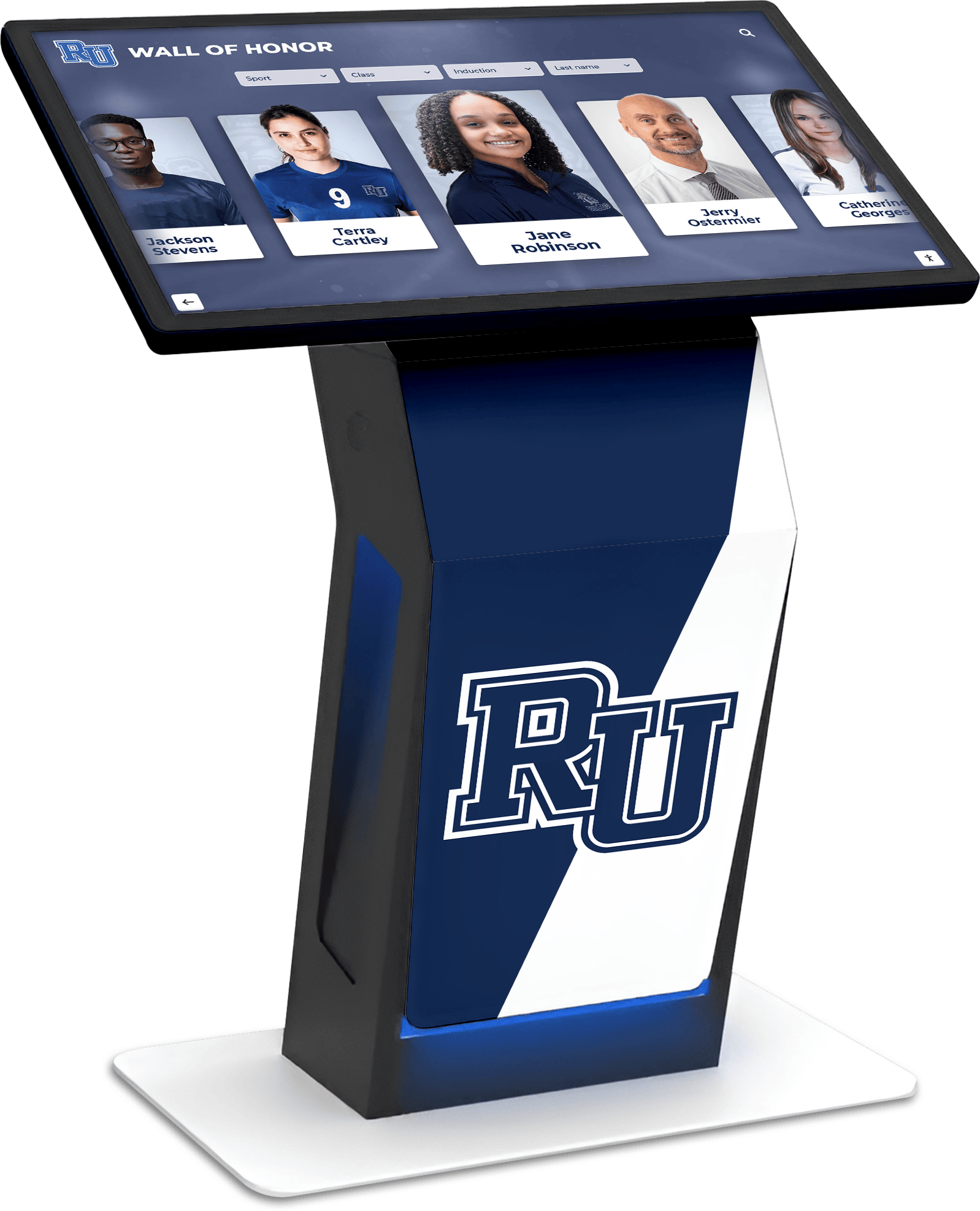
Modern recognition kiosks integrate touchscreen displays with cloud-based content management
Solutions like Rocket Alumni Solutions enable schools to recognize comprehensively through single displays showcasing unlimited students across all achievement levels, complete historical archives preserving institutional tradition across decades, all academic disciplines receiving equal display capacity, and comprehensive recognition without removing past honorees to accommodate current recipients.
This unlimited capacity enables fundamentally different recognition programs. Schools no longer choose whose accomplishments receive visibility—every deserving achievement gets acknowledged permanently. Honor roll recipients from five years ago remain as accessible as current semester honorees. Students accumulating recognition across multiple years see complete achievement journeys documented visually.
Rich Multimedia Recognition Profiles
Digital platforms transform recognition from simple name listings into compelling stories celebrating students comprehensively while inspiring peers effectively.
Enhanced Recognition Elements:
Professional Photography and Video High-quality student photos create immediate visual connection while demonstrating recognition significance. Some schools incorporate brief video interviews where students share achievement journeys, study strategies, or advice for peers pursuing similar goals.
Detailed Achievement Narratives Comprehensive descriptions explain specifically what students accomplished, providing context that makes achievements more meaningful and inspiring. Rather than “Honor Roll - Quarter 2,” detailed narratives might explain: “Marcus achieved honor roll recognition for the first time after implementing new study strategies learned through peer tutoring. His GPA improved from 2.8 to 3.6, with particular growth in mathematics where dedicated effort elevated his grade from C+ to A-. His determination exemplifies how strategic effort produces results.”
Achievement Statistics and Context Quantifiable metrics provide concrete evidence—GPA improvements, test score percentiles, competition rankings, course rigor indicators—helping viewers understand accomplishment magnitude while celebrating specific measurable success.
Course and Activity Integration Recognition profiles can show academic context including specific courses where excellence occurred, advanced or honors designations indicating rigor, extracurricular balance demonstrating well-rounded achievement, and leadership positions held alongside academic success.
This rich multimedia approach transforms recognition from administrative acknowledgment into meaningful celebration that honors student efforts thoroughly while providing inspirational examples for peers.
Interactive Exploration Features
Modern touchscreen displays create active engagement rather than passive viewing, significantly increasing recognition impact through meaningful interaction.
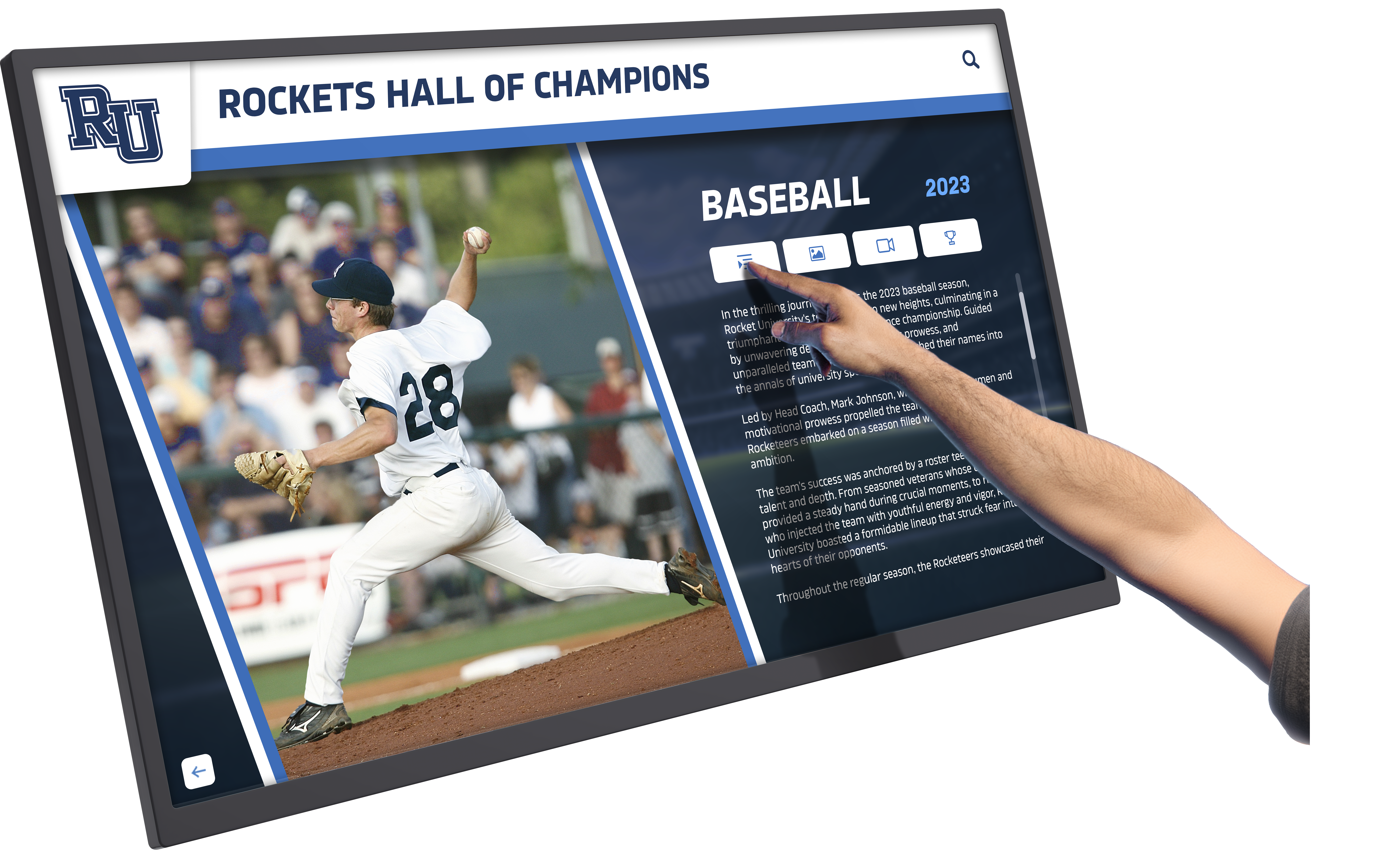
Touchscreen interfaces make exploring academic achievements engaging and intuitive
Key Interactive Capabilities:
Intuitive Search Functionality Students quickly find themselves, friends, siblings, or role models through name search, enabling personal connection with recognition content. This searchability ensures students actually discover their own recognition rather than hoping they encounter it while passing displays.
Sophisticated Filtering Options Browse recognition by achievement type (honor roll, perfect attendance, AP Scholar awards), time period (current semester, specific years, all-time), grade level, academic discipline, or other relevant categories. Filtering helps visitors discover content matching their interests while enabling comprehensive exploration.
Related Content Connections Systems can display multiple achievements by the same students, showing how individuals accumulate recognition across academic careers. Students discovering one achievement encounter related accomplishments, creating comprehensive achievement narratives demonstrating sustained excellence.
Social Sharing Capabilities Appropriate sharing features enable students and families to distribute recognition through personal social networks, extending visibility beyond physical campus while maintaining institutional oversight and privacy considerations.
Research demonstrates visitors spend 5-8 minutes actively exploring interactive academic displays compared to less than one minute viewing static plaques—engagement that creates significantly deeper connection with academic achievement and institutional values.
Simple Cloud-Based Content Management
Sophisticated display capabilities mean little if content management requires extensive technical expertise or consumes excessive administrative time. Modern platforms prioritize administrative simplicity.
Management Features:
- Intuitive web-based interfaces requiring no specialized technical knowledge
- Bulk import capabilities enabling efficient data entry from spreadsheets
- Templates for recognition entries ensuring consistent formatting
- Scheduled publishing automation for predictable update timing
- Remote updates from any internet-connected device
- Multi-user permissions enabling appropriate staff access
- Automatic backups protecting content from loss
Schools report 80-90% reduction in time spent maintaining academic recognition after implementing modern digital systems compared to traditional approaches requiring manual creation, printing, physical installation, and periodic replacement.
Specialized Academic Achievement Display Ideas
Beyond general recognition platforms, schools can implement targeted displays celebrating specific achievement types, creating comprehensive visibility across diverse academic accomplishments.
Honor Roll and GPA Excellence Displays
Honor roll recognition represents one of the most common academic achievements schools celebrate, deserving displays that make this accomplishment feel significant and motivating.
Honor Roll Display Approaches:
Tiered Recognition Presentation Organize displays by achievement level—Principal’s List, High Honor Roll, Honor Roll—clearly communicating performance distinctions while celebrating excellence at multiple levels. Visual hierarchy helps viewers quickly understand achievement significance.
Semester-by-Semester Archives Maintain accessible records showing honor roll recipients across all grading periods, enabling students and families to track achievement consistency over time. Historical access demonstrates sustained excellence while preserving institutional memory.
First-Time Achievement Highlights Special recognition for students achieving honor roll for the first time celebrates improvement and validates effort students invested reaching new performance levels. This emphasis communicates accessibility—honor roll remains attainable for students willing to increase commitment.
Growth Narratives When possible, include stories explaining how students reached honor roll—study strategies adopted, tutoring utilized, time management improvements—providing concrete examples peers can emulate.
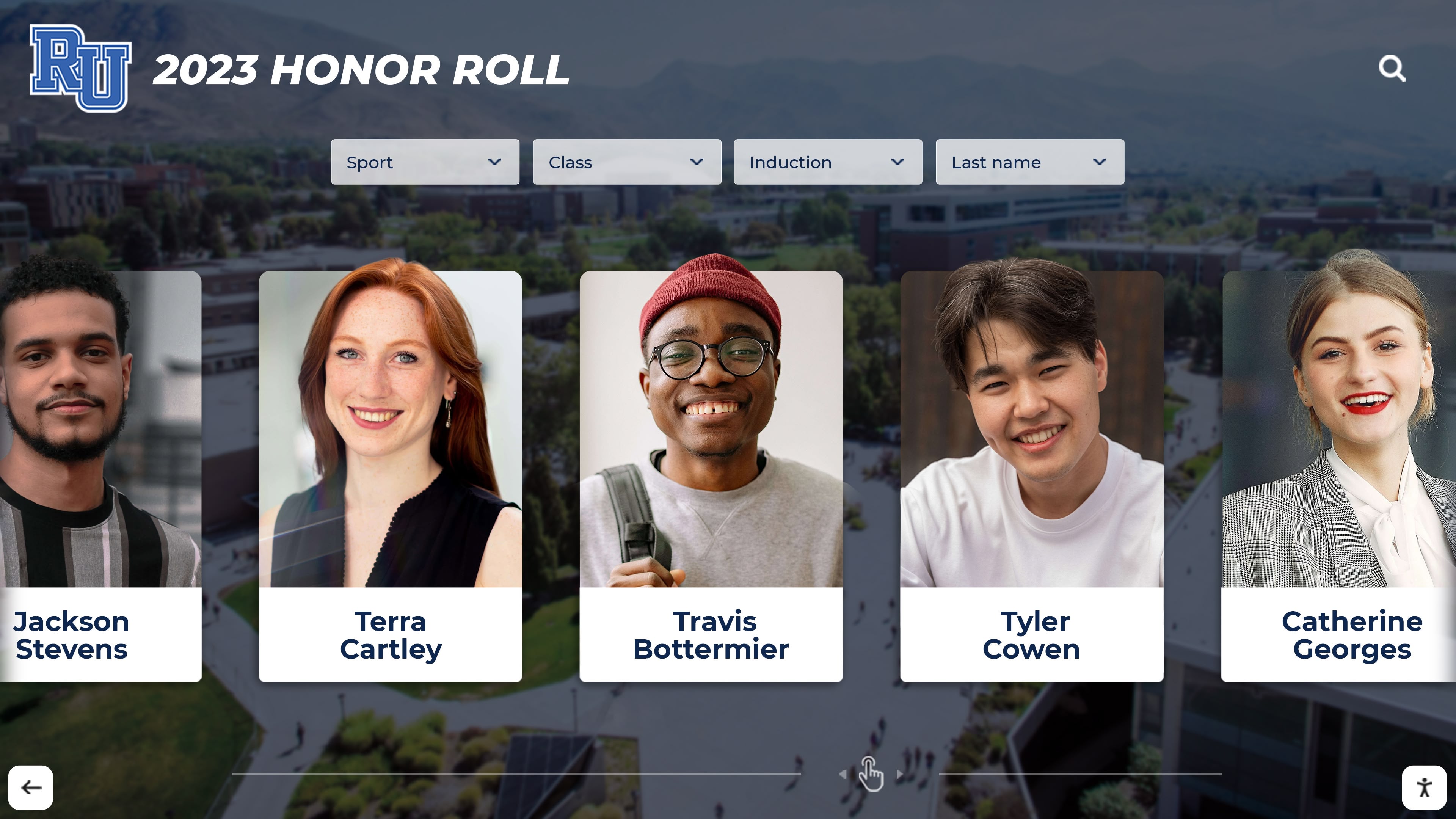
Individual recognition profiles celebrate specific achievements and academic journeys
Standardized Test Achievement Recognition
Exceptional performance on standardized assessments—ACT, SAT, AP exams, state assessments—deserves systematic recognition communicating the value of these accomplishments.
Standardized Test Display Ideas:
ACT 30+ Club Recognition Students scoring 30 or above on ACT examinations demonstrate exceptional achievement worthy of special acknowledgment. Dedicated displays celebrate these scores while motivating underclassmen to pursue similar excellence through effective preparation.
AP Scholar Recognition Boards Students earning AP Scholar, AP Scholar with Honor, AP Scholar with Distinction, or National AP Scholar designations through exceptional AP examination performance deserve visibility. Include specific exam scores and subjects showing breadth and depth of achievement.
SAT Score Milestones Recognize students achieving significant SAT milestones—1500+ composite scores, perfect 800 section scores, or substantial score improvements between test administrations. Score context helps younger students understand target performance levels.
State Assessment Excellence Celebrate students achieving top performance levels on state-required assessments, demonstrating mastery of grade-level standards. This recognition values achievement even for students not yet taking college entrance examinations.
Subject-Specific Academic Displays
Comprehensive academic recognition extends beyond overall GPA to celebrate excellence in specific disciplines, ensuring diverse talents receive acknowledgment.
Discipline-Focused Recognition:
STEM Excellence Walls Dedicate display space specifically to science, technology, engineering, and mathematics achievements including science fair participation and awards, robotics competition success, mathematics competition recognition, engineering challenge accomplishments, and advanced STEM coursework completion.
Humanities and Social Sciences Recognition Create displays honoring literature, history, language, and social studies excellence through writing contest achievements, history competition participation, debate and speech success, foreign language proficiency certifications, and humanities research project recognition.
Career and Technical Education Showcases Ensure CTE programs receive recognition equal to traditional academics by highlighting industry certification achievement, skills competition success, apprenticeship program completion, and technical project excellence.
This disciplinary organization ensures students excelling in specific areas receive acknowledgment even when overall academic performance doesn’t reach honor roll thresholds, communicating that schools value diverse forms of intellectual excellence.
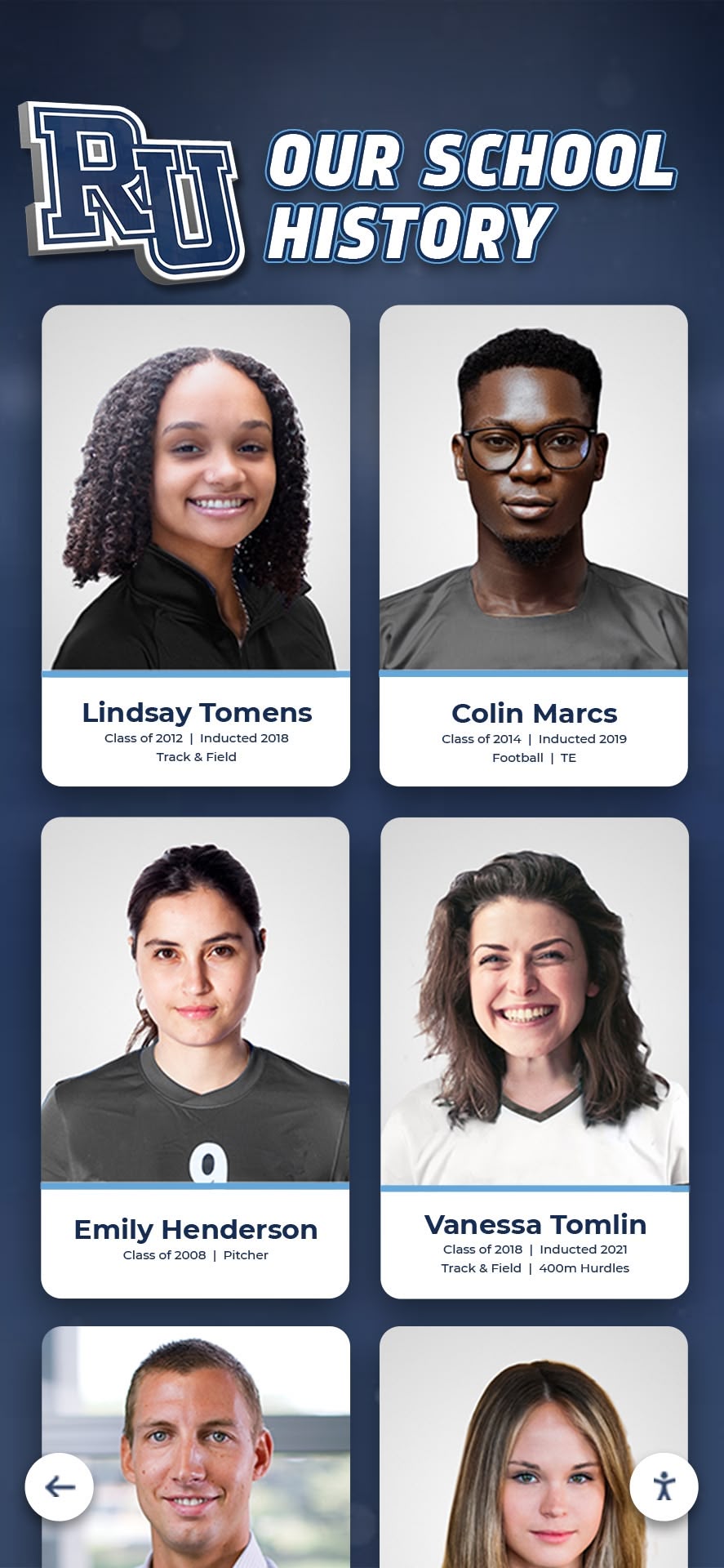
Digital systems document complete recognition journeys showing achievements accumulated throughout academic careers
Academic Competition and Extracurricular Achievement
Beyond classroom performance, academic competitions and intellectually-focused extracurricular activities deserve systematic recognition.
Competition Recognition Displays:
Academic Team Championships Celebrate quiz bowl, scholars bowl, debate team success, math team victories, and similar competitive academic achievements with the same prominence as athletic championships. Include team photos, competition results, and individual contributor recognition.
Science and Engineering Competition Results Showcase science fair participants and winners, engineering design competition achievements, invention convention recognition, and research presentation awards. Include project descriptions and photos when available.
Fine Arts and Performance Excellence Recognize all-state musicians, theater competition achievements, art competition recognition, and writing contest winners. Comprehensive recognition ensures diverse talents receive acknowledgment.
Career-Focused Competition Success Highlight FBLA competition results, DECA achievements, SkillsUSA awards, FFA recognition, and similar career-oriented competition participation and success.
Creative Display Location Strategies
Even excellent recognition content provides limited impact if positioned where students, families, and visitors rarely encounter it. Strategic placement maximizes visibility and engagement.
High-Traffic Interior Locations
Main Entrance and Lobby Areas Position prominent academic displays in main entrances where all visitors pass during campus access. First impressions communicate institutional priorities—academic displays in prime entrance locations demonstrate genuine commitment to intellectual excellence.
Cafeteria and Commons Approaches Students gather in cafeterias and common areas daily, creating natural congregating points. Recognition displays adjacent to these high-traffic areas ensure regular exposure and casual exploration during informal time.
Main Hallway Corridors Long hallways connecting major building sections receive continuous traffic throughout school days. Wall-mounted displays in these corridors provide sustained visibility while students transition between classes.
Library and Media Center Locations Academic recognition displays naturally complement library and media center environments, reinforcing connections between intellectual spaces and academic achievement recognition.
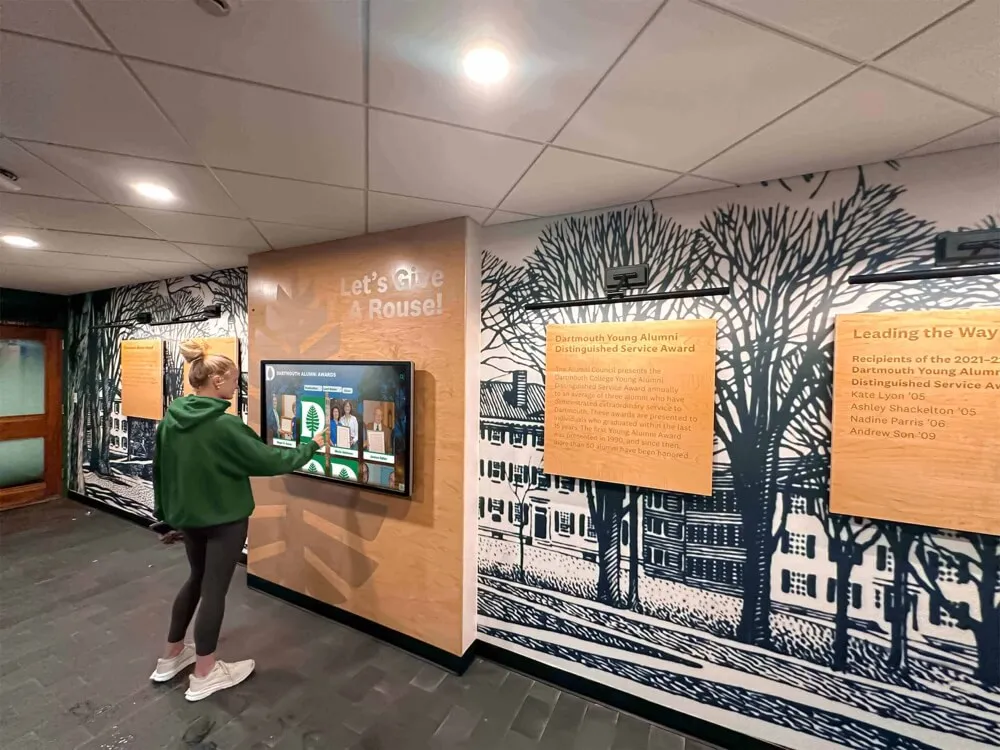
Strategic hallway placement ensures students naturally encounter academic recognition throughout daily routines
Office and Administrative Area Displays
Counseling Office Locations Students visiting counseling offices discuss academic planning, college preparation, and achievement. Recognition displays in these spaces provide conversation starting points while inspiring academic goal-setting during advising meetings.
Main Office and Administrative Areas Family members visiting main offices see recognition displays while conducting business, providing positive impressions about institutional academic culture. These displays communicate priorities to parents evaluating schools.
Academic Department Offices Subject-specific recognition displays in department office areas celebrate discipline-focused excellence while creating sense of community within academic departments.
Digital Extension and Online Access
Physical displays provide essential visibility, but web-accessible recognition extensions significantly amplify impact and accessibility.
School Website Integration Embed recognition content on school websites where students, families, alumni, and community members access information remotely. Web access ensures geographically dispersed families can view current student achievements.
Mobile-Responsive Display Design Ensure recognition platforms display effectively on smartphones and tablets, meeting families where they already consume digital content. Mobile optimization makes recognition accessible anytime, anywhere.
Social Media Content Distribution Share recognition content through school social media channels where families already follow institutional updates. Social distribution significantly extends recognition reach beyond physical campus and official website visitors.
QR Code Access Points Place QR codes on physical displays enabling visitors to access complete recognition content on personal devices, extending exploration beyond what touchscreen interfaces accommodate while enabling easy social sharing.
Implementing Comprehensive Academic Recognition Programs
Moving from concept to implementation requires systematic planning addressing technology decisions, content strategies, communication approaches, and sustainable management practices.
Planning and Needs Assessment
Stakeholder Input Collection Survey students, families, and staff about recognition priorities, gathering perspectives on what academic achievements deserve celebration, how recognition should be presented, and what would make displays most meaningful and motivating.
Current Program Evaluation Assess existing recognition approaches identifying strengths worth preserving, limitations requiring solutions, gaps leaving achievements unrecognized, and opportunities for enhancement through better systems or processes.
Resource Assessment Evaluate available resources including budget for recognition systems, staff time for content management and updates, physical spaces suitable for display installation, and technology infrastructure supporting digital solutions.
Recognition Category Definition Establish comprehensive achievement categories ensuring diverse accomplishments receive acknowledgment—absolute performance thresholds like honor roll, improvement and growth achievements, effort and engagement indicators, subject-specific excellence, and special accomplishments like competitions or certifications.
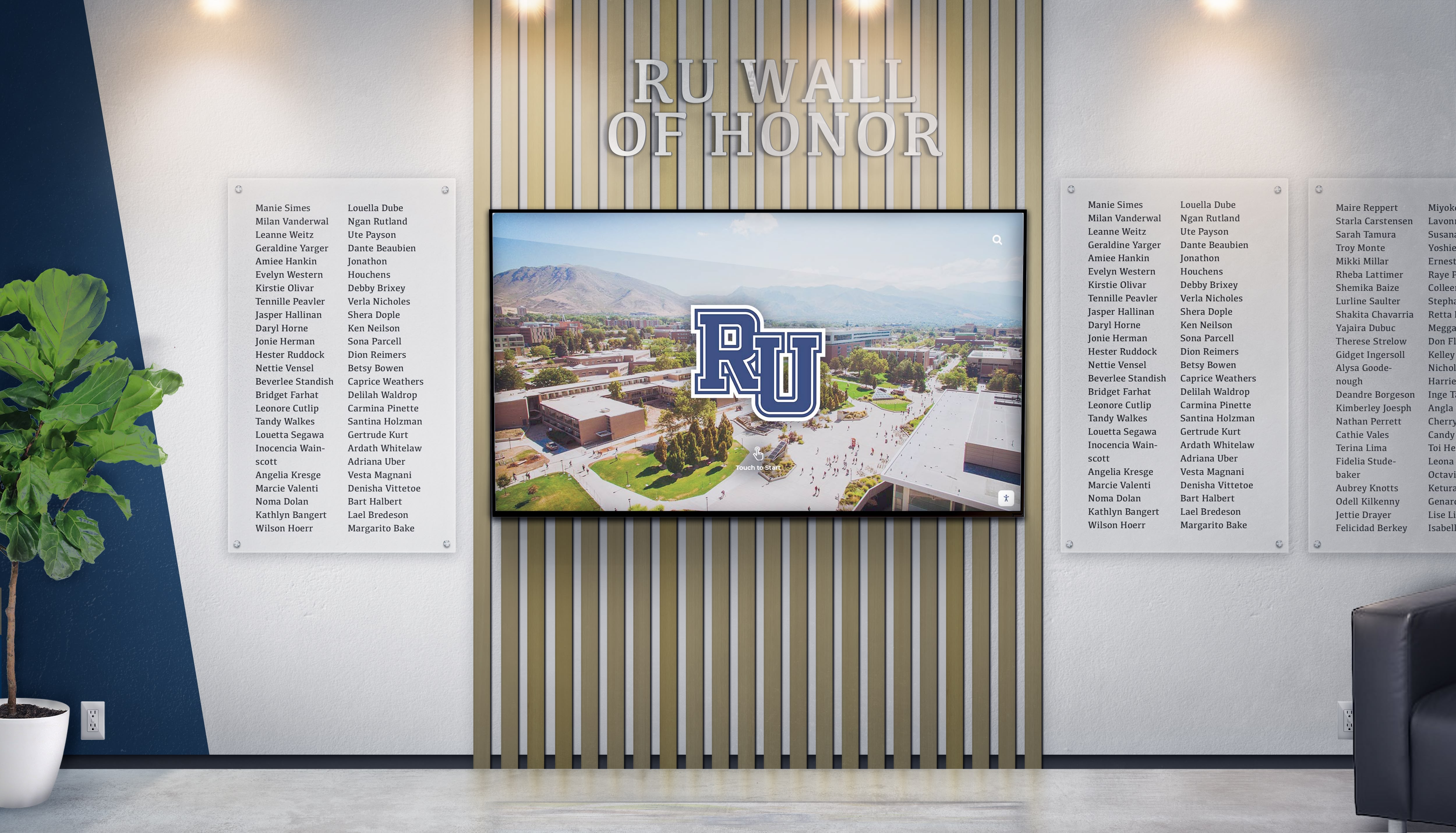
Integrated systems combine digital displays with traditional elements creating comprehensive celebration spaces
Technology Platform Selection
Schools implementing digital recognition should evaluate solution options carefully, considering both immediate needs and long-term sustainability.
Essential Platform Capabilities:
User-Friendly Content Management Non-technical staff members should confidently add and update recognition content through intuitive interfaces requiring minimal training. Complex systems requiring IT intervention for routine updates typically fail sustainability tests.
Recognition-Specific Features General digital signage solutions adapted for recognition rarely match platforms specifically designed for academic achievement displays. Purpose-built systems provide templates, organizational structures, and features optimized for recognition purposes. Learn about comprehensive recognition software options.
Scalable Architecture Select systems accommodating growth as programs expand—adding recognition categories, increasing student numbers, or incorporating additional display locations without requiring platform changes or significant additional investment.
Data Import and Export Capabilities Efficient bulk import from spreadsheets or student information systems saves administrative time while ensuring comprehensive recognition. Export capabilities protect content investment if platforms change.
Analytics and Engagement Tracking Understanding how visitors interact with recognition displays—popular search terms, frequently viewed profiles, session duration—helps schools refine content and assess program effectiveness.
Reliable Support and Updates Ongoing technical support, regular software updates, and platform evolution ensure long-term investment protection. Consider vendors’ track records, support responsiveness, and commitment to continued platform development.
Content Development Best Practices
Recognition quality depends heavily on content thoroughness, accuracy, and presentation standards applied consistently across all achievements.
Photography Standards:
- Professional-quality images suitable for large display viewing
- Consistent lighting, composition, and background approaches
- Authentic expressions capturing genuine student personality
- Regular photography sessions capturing current achievers promptly
Writing Compelling Recognition Narratives:
Move beyond generic acknowledgment to tell specific achievement stories. Compare:
Generic: “Sarah Chen - Honor Roll, Fall Semester”
Meaningful: “Sarah Chen achieved High Honor Roll recognition with a 3.85 GPA while balancing advanced coursework including AP Chemistry, Honors English, and accelerated mathematics. Her academic success stems from disciplined study habits, active participation in peer study groups, and effective time management balancing academics with soccer team commitments. Sarah’s improvement in STEM subjects particularly exemplifies how strategic effort produces excellent results.”
Specific, detailed recognition provides context helping viewers understand achievement significance while offering concrete examples peers can emulate.
Regular Update Schedules: Establish predictable update rhythms aligned with grading periods—typically quarterly, semester, or trimester schedules matching academic calendars. Calendar reminders ensure updates occur consistently rather than sporadically when staff remember.
Building Sustainable Academic Recognition Culture
Technology and displays provide tools, but sustained culture change requires systematic approaches embedding academic recognition into institutional DNA.
Multi-Channel Communication Strategies
Recognition generates motivational value primarily through visibility and communication. Comprehensive approaches ensure achievements reach all stakeholders through preferred channels.
Internal Communication:
- Morning announcements highlighting recent recognition updates
- Digital signage rotation featuring recognized students throughout buildings
- Classroom acknowledgment from teachers celebrating student success
- Library and common area display updates showcasing current achievers
- Student newspaper and media features profiling academic excellence
External Communication:
- School website recognition sections with searchable current and historical content
- Email newsletters featuring academic achievements and student profiles
- Social media posts celebrating recognition through posts families easily discover
- Community media partnerships extending recognition beyond school
- Family notifications when students receive recognition
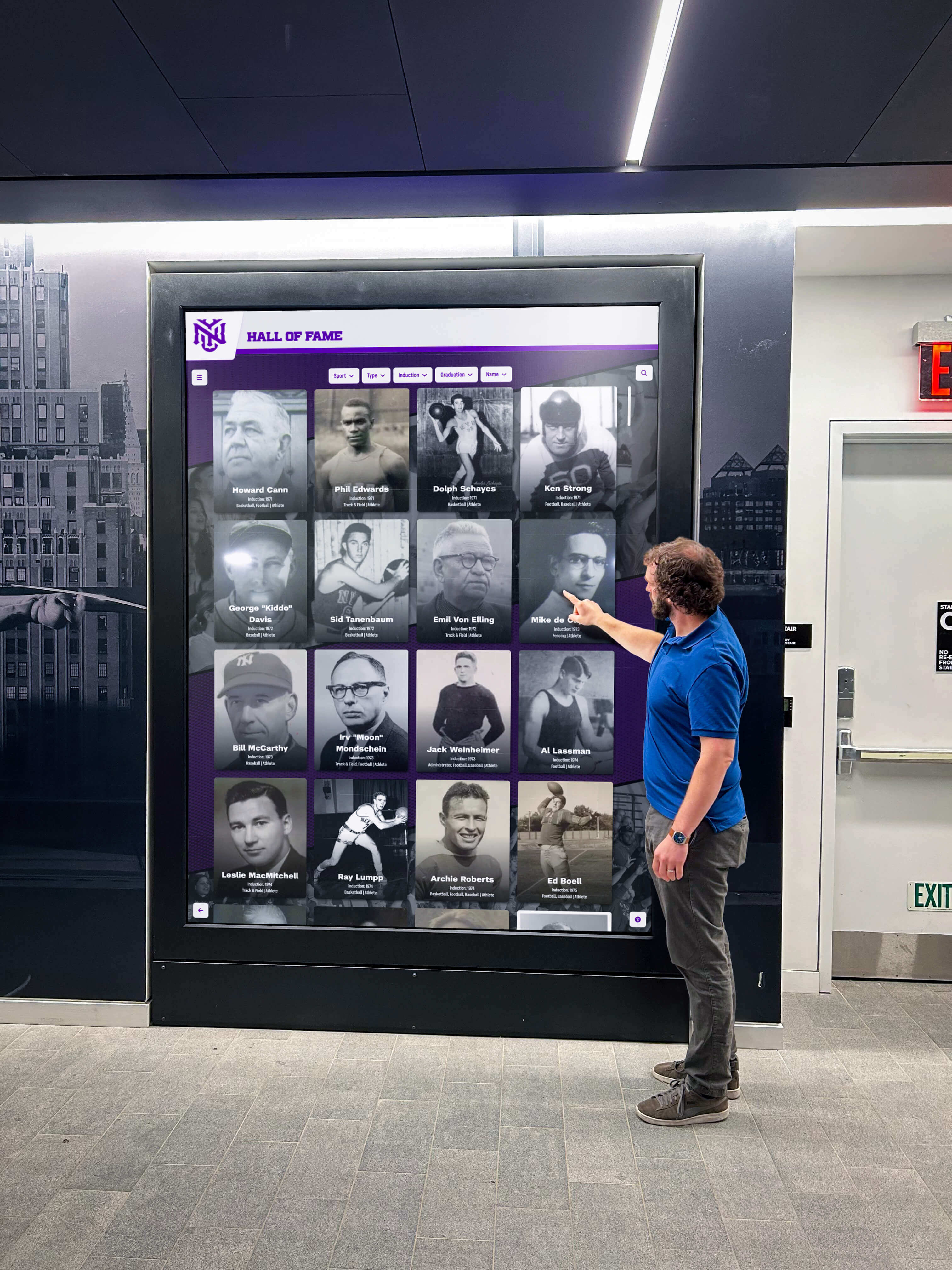
Recognition displays create engagement opportunities for families and community members visiting campus
Balancing Academic and Athletic Recognition
Many schools struggle with perception that athletics receive disproportionate recognition compared to academics. Intentional balance demonstrates genuine commitment to comprehensive excellence.
Achieving Recognition Balance:
Comparable Visibility Ensure academic displays receive physical space, placement prominence, and update frequency equal to athletic recognition. Side-by-side displays communicating equivalent importance.
Similar Celebration Events Conduct academic recognition ceremonies comparable to athletic banquets, demonstrating equal institutional commitment. Annual academic excellence celebrations positioned alongside sports banquets signal balanced values.
Equivalent Resource Allocation Budget similar investments for academic and athletic recognition systems, avoiding perception that athletics receives premium solutions while academics makes do with limited alternatives.
Integrated Recognition Approaches Some schools successfully integrate academic and athletic recognition, celebrating well-rounded student-athletes achieving excellence in both realms while ensuring purely academic achievers receive equal prominence.
Measuring Recognition Program Effectiveness
Regular assessment ensures programs achieve intended goals while identifying improvement opportunities and justifying resource investments.
Quantitative Metrics:
- Percentage of students receiving some form of academic recognition annually
- Recognition distribution across grade levels and demographic groups
- Achievement trends comparing recognized versus non-recognized students
- Display engagement metrics like touchscreen interaction duration
- Web platform usage statistics showing online recognition access
Qualitative Assessment:
- Student surveys about recognition awareness and motivational impact
- Family feedback about recognition program effectiveness and communication
- Staff observations about recognition influence on academic culture
- External stakeholder perception of school academic priorities
- Cultural indicators showing whether intellectual achievement feels celebrated
Regular assessment enables continuous improvement ensuring recognition programs remain meaningful, equitable, and impactful rather than continuing unchanged approaches that may lose effectiveness.
Overcoming Common Implementation Challenges
Understanding predictable obstacles helps schools implement successful recognition programs from the start rather than encountering preventable difficulties.
Challenge: Limited Budget for Recognition Systems
Many schools want comprehensive recognition but face budget constraints limiting immediate investment in advanced solutions.
Budget-Conscious Approaches:
Phased Implementation Start with high-priority recognition categories and expand systematically as budget allows. Initial success with limited recognition builds support and justification for expansion.
Blended Solutions Combine traditional and digital approaches strategically—digital displays for high-traffic main locations, traditional bulletin boards for supplementary recognition in specific departments or grade-level areas.
Fundraising and Donor Support Recognition displays create naming opportunities attracting donor support. Alumni, booster organizations, and community businesses may sponsor academic recognition systems as visible legacy investments.
Technology Leasing Options Some vendors offer leasing arrangements reducing upfront costs while spreading expenses across fiscal years, making advanced solutions more accessible for budget-limited schools.
Challenge: Maintaining Current Content
Even excellent displays lose effectiveness when content becomes outdated, yet staff time limitations make consistent updates challenging.
Sustainability Solutions:
Clear Responsibility Assignment Designate specific staff members responsible for recognition program coordination with adequate time allocation in job descriptions. Ambiguous responsibility typically means nobody maintains systems consistently.
Simplified Update Processes Select platforms minimizing update complexity through bulk import capabilities, content templates, scheduled publishing automation, and remote management eliminating physical display access requirements.
Student and Volunteer Support Train responsible students or parent volunteers to assist with content entry under staff oversight, distributing workload while creating meaningful involvement opportunities.
Integration with Existing Systems Advanced platforms can integrate with student information systems automating honor roll identification and data transfer, dramatically reducing manual work required for comprehensive recognition.
Challenge: Ensuring Equitable Recognition
Recognition programs should inspire all students, yet improperly designed systems may repeatedly acknowledge the same high achievers while others never receive recognition.
Equity-Focused Design:
Multiple Recognition Pathways Create diverse achievement categories ensuring opportunities at various performance levels—absolute achievement recognition, improvement and growth awards, effort and engagement acknowledgment, and subject-specific excellence.
Distribution Monitoring Regularly analyze recognition by demographic groups, grade levels, and achievement categories. Proactively address disparities ensuring no student populations systematically lack representation.
First-Time Achievement Emphasis Special recognition for students achieving honor roll or other acknowledgment for the first time celebrates accessibility and validates that excellence remains attainable for students willing to increase effort.
Growth-Oriented Recognition Balance absolute performance recognition with improvement acknowledgment, ensuring students starting at different levels find achievement pathways. The student improving from 2.5 to 3.2 GPA demonstrates commitment equally worthy of recognition as students maintaining 4.0.
The Role of Modern Recognition Technology
While this guide explores diverse display approaches, modern digital solutions provide capabilities that fundamentally transform what schools can achieve with academic recognition.
Rocket Alumni Solutions represents the leading platform specifically designed for educational recognition, offering purpose-built features addressing schools’ unique needs through unlimited recognition capacity eliminating selection decisions, intuitive content management requiring minimal technical expertise, comprehensive achievement organization by type, timeframe, and student, sophisticated search and filtering enabling easy content discovery, mobile-responsive web access extending recognition beyond campus, and ongoing platform updates ensuring long-term functionality.
Schools implementing comprehensive recognition platforms report transformative benefits including 80-90% reduction in administrative time compared to traditional approaches, measurably higher student engagement with recognition content, improved academic culture metrics from climate surveys, enhanced family satisfaction with academic communication, and preserved institutional history through permanent digital archives.
Future Trends in Academic Achievement Recognition
Understanding emerging developments helps schools make forward-looking investments remaining relevant as technology and student expectations evolve.
Emerging Capabilities:
Enhanced Personalization Through Artificial Intelligence AI-powered platforms will provide intelligent content recommendations based on viewer behavior, automated achievement narrative generation from data, natural language search enabling conversational exploration, and predictive analytics identifying students likely to achieve recognition with targeted support.
Augmented Reality Integration Students pointing smartphones at physical displays could access augmented reality overlays providing expanded content, video interviews, achievement timelines, and social connections—blending physical and digital recognition experiences.
Comprehensive Digital Credentialing Recognition increasingly integrates with portable digital credential systems students include in college applications, scholarship submissions, and employment portfolios, creating verifiable achievement documentation extending beyond school walls.
Advanced Data Visualization Recognition platforms will present achievement trends through engaging infographics, demonstrating program comprehensiveness, celebrating school-wide improvements, and making institutional academic culture visible through compelling visual data storytelling.
Schools investing in flexible, modern recognition platforms position themselves to adopt these emerging capabilities as they mature, ensuring academic displays remain engaging and effective into the future.
Conclusion: Transforming Academic Culture Through Meaningful Recognition
Academic achievement represents students’ dedication to intellectual growth, effective time management, personal sacrifice, and sustained effort deserving recognition equal to any competitive success. When schools implement comprehensive academic achievement displays—whether through cutting-edge interactive technology, reimagined traditional approaches, or strategic combinations—they create environments where scholarly excellence receives the visibility, celebration, and institutional commitment that inspires broader pursuit of academic goals.
The display ideas explored in this guide provide concrete pathways for schools seeking to honor intellectual accomplishments effectively. From unlimited-capacity digital platforms accommodating every deserving student to traditional approaches implemented with renewed strategic focus, schools have numerous options for creating recognition programs matching their contexts, resources, and communities.
Transform Your Academic Achievement Recognition
Discover how modern digital recognition solutions can help you celebrate every student's academic accomplishments while building a thriving culture of intellectual excellence.
Explore Recognition SolutionsMost importantly, remember that academic achievement displays serve purposes beyond decoration or perfunctory acknowledgment. Effective recognition systems motivate future excellence by making success visible and aspirational, validate student effort demonstrating that dedication produces recognized results, communicate institutional values showing genuine commitment to intellectual development, inspire positive peer influence normalizing academic achievement, and preserve institutional legacy documenting scholarly tradition across generations.
Your students’ academic accomplishments deserve celebration reflecting their significance. Whether implementing comprehensive digital recognition platforms that eliminate traditional limitations or strategically enhancing existing approaches through improved content and placement, schools can create recognition experiences that genuinely honor achievement while inspiring the positive, achievement-oriented academic culture where all students thrive intellectually.
Ready to explore academic recognition solutions? Learn about building positive school culture through recognition or discover comprehensive digital display options designed specifically for celebrating academic excellence.































