Academic honor roll recognition represents one of the most meaningful ways schools can celebrate student achievement, motivate continued excellence, and build cultures where academic success receives the visibility and celebration it deserves. When schools systematically recognize honor roll recipients—from students achieving their first honor roll designation to those maintaining consistent academic excellence semester after semester—they send powerful messages about institutional values while providing motivation that inspires broader student populations.
Yet many schools struggle to give honor roll achievements the prominence they merit. Recognition often defaults to brief announcements that students quickly forget, printed lists posted temporarily on bulletin boards, or static displays that become dated and overlooked. Meanwhile, students who dedicated significant effort to academic excellence deserve comprehensive celebration that validates their hard work while inspiring peers to pursue similar achievements.
This comprehensive guide explores proven strategies for recognizing honor roll recipients effectively through modern digital displays, traditional programs, and systematic approaches that ensure academic excellence receives the visibility and lasting recognition students have earned.
Academic recognition creates powerful motivation while communicating institutional values clearly. When schools celebrate honor roll recipients prominently through multiple channels and lasting displays, they demonstrate genuine commitment to intellectual excellence while providing concrete examples of academic success that inspire younger students and create cultures where scholarly achievement feels aspirational and celebrated.
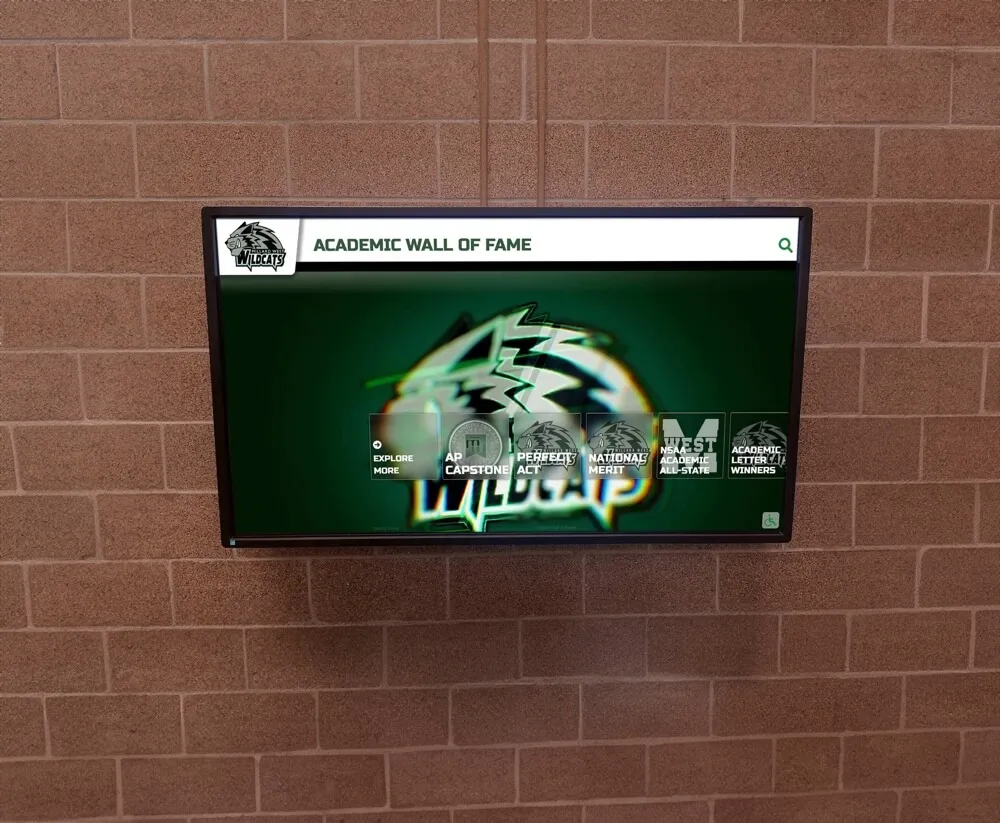
Modern academic recognition displays make honor roll achievements visible and celebrated throughout the school community
Understanding Honor Roll Recognition and Achievement Levels
Before implementing recognition programs, schools must establish clear honor roll criteria that feel meaningful, attainable for motivated students, and aligned with institutional academic standards and expectations.
Common Honor Roll Structures
Most schools implement tiered honor roll systems recognizing different achievement levels:
Principal’s Honor Roll (Highest Distinction) Typically requires a 4.0 GPA (straight A’s) or equivalent, representing exceptional academic performance across all subjects. This highest tier celebrates students maintaining perfect or near-perfect academic records through sustained excellence, time management, and dedication.
High Honor Roll (Distinguished Achievement) Generally requires GPA thresholds between 3.7-3.9, acknowledging students who demonstrate strong academic performance with primarily A’s and perhaps one or two B grades. This tier recognizes excellence while remaining attainable for highly motivated students.
Honor Roll (Academic Excellence) Usually requires GPAs between 3.3-3.7, celebrating students who maintain solid academic performance with mostly A’s and B’s. This broader recognition tier ensures more students experience acknowledgment for academic commitment and achievement.
Schools should establish thresholds appropriate for their contexts—criteria that feel meaningful without becoming either trivially easy or unrealistically difficult for their student populations. Learn more about comprehensive academic recognition programs that celebrate diverse achievements.
Frequency of Honor Roll Recognition
Schools typically recognize honor roll recipients on different schedules:
Quarter or Marking Period Recognition More frequent recognition (every 6-9 weeks) provides regular opportunities for acknowledgment and creates multiple chances throughout the year for students to achieve honor roll status. This approach maintains sustained focus on academic achievement.
Semester or Trimester Recognition Recognition twice or three times annually (every 12-18 weeks) provides substantial achievement periods while limiting administrative burden. This timing allows teachers adequate time to establish grades while creating meaningful recognition intervals.

Individual recognition profiles celebrate specific honor roll achievements and academic excellence
Annual Recognition Year-end honor roll celebrates cumulative academic achievement, often recognizing students who maintained honor roll status for multiple grading periods. Annual recognition provides opportunities for special acknowledgment of sustained excellence over complete school years.
The most effective programs combine regular recognition throughout the year with special annual acknowledgment for sustained achievement, creating both immediate motivation and long-term achievement goals.
The Limitations of Traditional Honor Roll Recognition
While traditional recognition methods remain valuable, they face significant constraints that limit effectiveness and long-term impact on student motivation and school culture.
Temporary Recognition Loses Impact
Many schools announce honor roll recipients during morning announcements, assemblies, or through brief newsletter mentions. While these moments provide immediate acknowledgment, recognition visibility quickly fades as normal routines resume and students focus on current concerns rather than past achievements.
Common Recognition Limitations:
- Brief announcements during morning or end-of-day announcements that students quickly forget
- Bulletin board postings that become background noise as students pass repeatedly
- Newsletter lists providing one-time acknowledgment to limited audiences
- Recognition visible only during specific ceremonies or assemblies
- Printed certificates stored in personal folders without ongoing visibility
This temporary recognition fails to create sustained visibility that drives long-term benefits. Prospective families touring campuses don’t encounter evidence of academic excellence. Younger students miss ongoing exposure to achievement examples that could inspire their own academic goals.

High-traffic hallways provide ideal locations for prominent academic recognition displays
Physical Space Constraints
Traditional honor roll displays using printed materials or engraved plaques face inevitable capacity limitations. A typical bulletin board or recognition wall accommodates perhaps 50-100 names before exhausting available space. Schools with hundreds of honor roll recipients per semester quickly face these constraints.
Space limitations force difficult decisions—should schools recognize only the highest achievers, limiting Principal’s List recipients while excluding Honor Roll students? Should they display only current semester honorees, removing historical achievement to make room? Should they rotate recognition, meaning students appear briefly then disappear?
Each approach creates problems. Recognizing only top achievers makes honor roll feel exclusive and unattainable for many students. Displaying only current semester achievement loses historical context showing sustained excellence. Rotating displays mean students might never see their own recognition if visiting at the wrong time.
Limited Information and Context
Physical honor roll displays typically provide minimal information—student names, perhaps graduation years, and honor roll levels. The stories behind accomplishments remain untold. Did students overcome learning challenges to achieve honor roll? Did they maintain perfect grades while participating in demanding extracurriculars? Did they improve dramatically from previous performance?
Traditional displays cannot communicate these narratives that make recognition more meaningful and inspirational for other students. Visitors see names without context, reducing emotional impact and limiting motivational potential.
Digital Recognition Solutions for Honor Roll Excellence
Modern technology fundamentally enhances honor roll recognition through capabilities traditional approaches cannot match, creating engaging experiences that honor achievement while inspiring future excellence throughout school communities.
Unlimited Recognition Capacity
Perhaps the most transformative advantage: digital recognition systems accommodate unlimited students across all honor roll levels without space constraints. Solutions like Rocket Alumni Solutions enable schools to recognize comprehensively through single displays showcasing unlimited students across all achievement levels, complete historical archives documenting institutional academic tradition across decades, all subject areas and achievement types receiving equal display capacity, and comprehensive recognition without removing past honorees to accommodate current recipients.
This unlimited capacity enables truly inclusive recognition programs that celebrate diverse forms of academic success rather than forcing schools to choose whose accomplishments receive visibility.
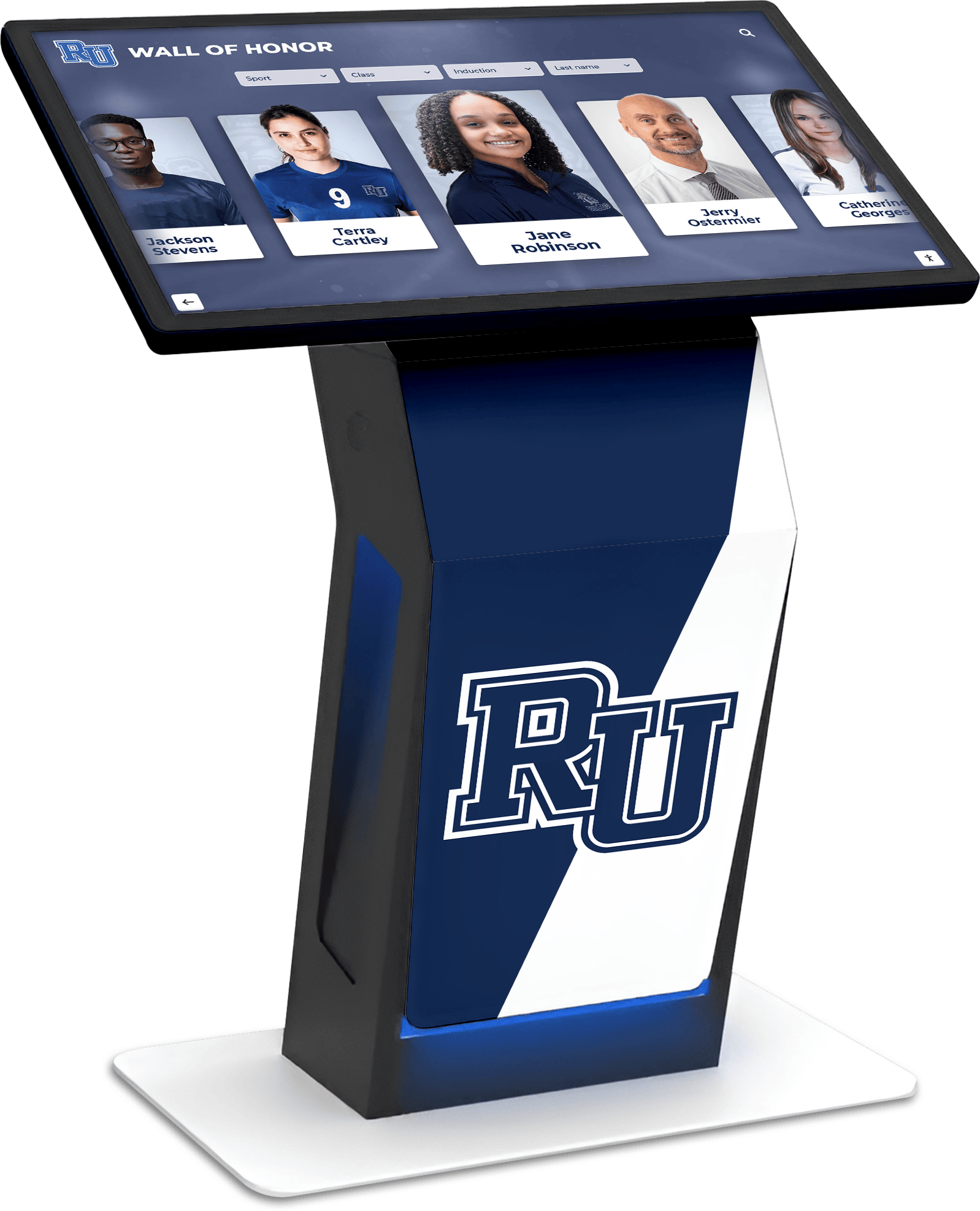
Modern recognition systems integrate touchscreen displays with cloud-based management platforms
Interactive Exploration Features
Modern touchscreen systems create engagement impossible with static displays through search functionality enabling students to find themselves and peers instantly, filtering by honor roll level, subject area, graduation year, and other criteria, detailed profile pages telling complete academic stories beyond simple name listings, photo galleries and achievement documentation bringing recognition to life, and progress tracking showing students’ academic journeys across multiple semesters or years.
Research shows visitors spend an average of 5-8 minutes exploring interactive academic recognition displays compared to less than one minute viewing traditional plaques. Extended engagement creates deeper connections with academic achievement and institutional values.
Rich Multimedia Profiles
Digital platforms transform recognition from simple name listings into compelling stories honoring students comprehensively. Rather than seeing “Sarah Martinez - Principal’s Honor Roll,” visitors encounter comprehensive profiles including professional photographs showing students in academic contexts, achievement narratives explaining how students earned recognition, course information showing rigor and breadth of academic programs, extracurricular balance demonstrating well-rounded excellence, and personal statements where students reflect on their achievement journeys or offer advice to peers.
Learn about semester highlights recognition approaches that celebrate diverse student achievements across multiple recognition dimensions including academic excellence.
Simple Content Management
Cloud-based management systems eliminate administrative burden traditionally associated with recognition updates. School administrators can add new honor roll recipients within minutes through simple web interfaces, upload photos and enter achievement information through intuitive forms that require no technical expertise, schedule recognition for automatic publication when grades finalize, and update displays remotely from any internet-connected device without visiting physical locations.
Schools report 80-90% reduction in administrative time spent maintaining academic recognition after implementing digital systems compared to traditional approaches requiring manual updates, reprinting, and physical installation.
Implementing Comprehensive Honor Roll Recognition Programs
Creating effective honor roll recognition requires systematic planning addressing technology selection when using digital solutions, content strategy ensuring meaningful acknowledgment, communication approaches maximizing visibility, and sustainable management keeping programs vital year after year.
Establishing Clear Criteria and Communication
Transparent Eligibility Standards
Students and families should understand honor roll criteria clearly through published GPA thresholds for each recognition level, explanation of how grades convert to GPAs, clarification of which courses count toward honor roll calculations, and information about timing and publication of honor roll lists each grading period.
Clear communication ensures students can set realistic goals and understand exactly what achievement levels they’re pursuing. Ambiguous or inconsistent criteria create confusion and undermine recognition program credibility.

Touchscreen interfaces make exploring academic achievements engaging and intuitive
Recognition Timeline Communication
Students and families should know when to expect honor roll recognition including specific dates when honor roll determinations occur each grading period, how quickly recognition will be published after grades finalize, where students can view honor roll lists online and in buildings, and when recognition ceremonies or celebrations will occur if schools conduct them.
Predictable timing enables families to acknowledge achievements promptly and helps students understand when their efforts will receive recognition.
Multi-Channel Recognition Visibility
Effective honor roll recognition utilizes diverse communication channels ensuring broad awareness across school communities:
Digital Channels:
- School website features with searchable honor roll databases updated each grading period
- Social media posts celebrating honor roll recipients with photos when families grant permission
- Email announcements to families when students receive honor roll recognition
- Digital signage throughout buildings displaying current honor roll lists
- Interactive touchscreen displays in high-traffic areas providing comprehensive recognition
Traditional Channels:
- Certificates presented to students acknowledging honor roll achievement
- Printed newsletters and bulletins listing honor roll recipients
- Display cases and bulletin boards in prominent hallway locations
- Morning or afternoon announcements highlighting recent honor roll publication
- Recognition during family engagement events like parent conferences
This multi-channel approach ensures honor roll achievements receive visibility comparable to athletic recognition, demonstrating that schools value intellectual excellence as highly as competitive success.
Recognition Ceremony Design
Formal ceremonies create memorable recognition experiences beyond digital displays and printed lists:
Quarter or Semester Recognition Events Schools can conduct honor roll assemblies or ceremonies each grading period including recognition presentations organized by grade level or achievement tier, principal or administrator remarks emphasizing achievement significance, opportunities for honored students to receive physical certificates or recognition items, family invitation and participation when scheduling permits, and student speaker opportunities where honor roll recipients share success strategies.
These ceremonies demonstrate institutional commitment to academic recognition while creating memorable moments students associate with their achievements. Even brief recognition during regular assemblies provides more impact than purely administrative honor roll publication.
Annual Academic Excellence Celebrations Year-end comprehensive academic recognition creates culminating celebrations including special acknowledgment for students maintaining honor roll status all year, recognition of improvement and academic growth throughout the year, presentation of academic awards and scholarships, and celebration connecting honor roll achievement to college admission success and future opportunities.
Annual celebrations positioned alongside or comparable to athletic banquets demonstrate balanced institutional values regarding academic and athletic excellence.
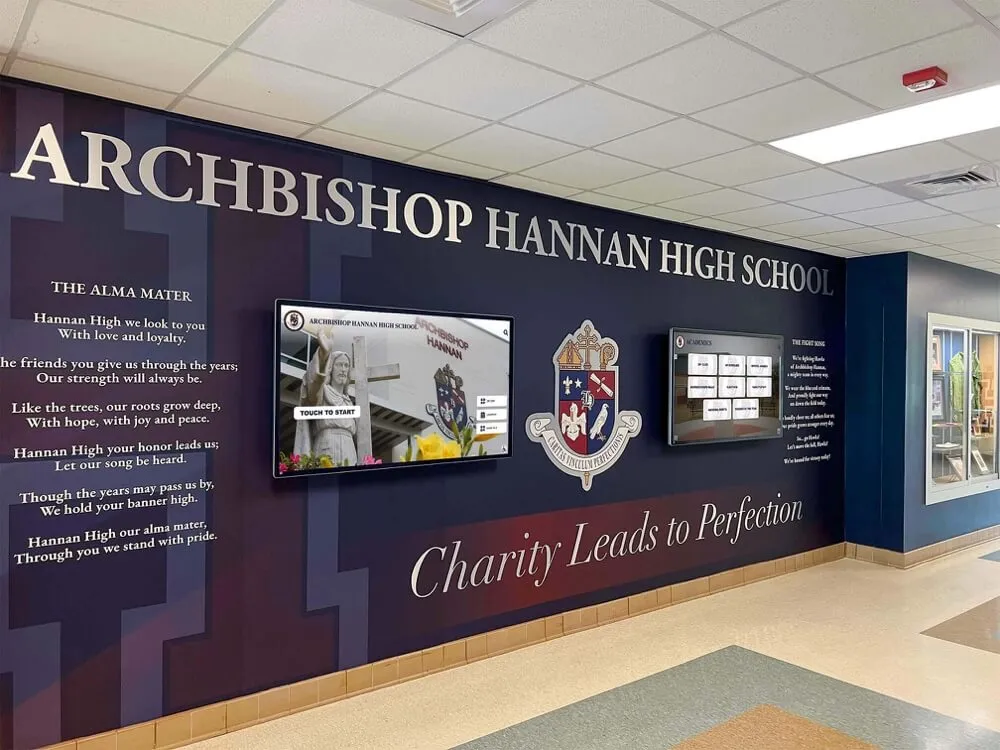
Digital displays complement traditional school artwork creating comprehensive recognition spaces
Motivating Broader Student Populations Through Honor Roll Recognition
Beyond celebrating current honor roll recipients, effective recognition programs inspire students not yet achieving honor roll status to pursue academic excellence.
Highlighting First-Time Honor Roll Achievers
Students achieving honor roll for the first time deserve special recognition. This acknowledgment celebrates academic improvement and validates effort students invested reaching new achievement levels. Schools can feature first-time honor roll students specially through dedicated recognition sections in displays and communications, student profiles sharing what helped them achieve honor roll status, advice from first-time achievers to peers pursuing similar goals, and celebration of growth mindset and improvement alongside absolute achievement.
This emphasis communicates that honor roll remains attainable for students willing to increase academic effort and adopt effective study strategies, making excellence feel accessible rather than reserved for traditionally high-performing students only.
Showcasing Diverse Honor Roll Pathways
Students achieve honor roll through various approaches worth celebrating including exceptional performance across all subjects demonstrating well-rounded excellence, specialized excellence in particular subject areas paired with solid performance elsewhere, and improvement from previous performance levels showing growth and increased commitment.
Recognizing these diverse pathways ensures more students see achievable routes to honor roll recognition rather than viewing it as reserved only for students who’ve always earned top grades effortlessly.
Connecting Honor Roll to Future Opportunities
Help students understand how honor roll achievement supports broader goals including strengthening college and university applications, qualifying for academic scholarships and financial aid, developing study skills and work habits supporting future success, building academic confidence and self-efficacy, and demonstrating commitment and consistency to future educators and employers.
When students view honor roll as meaningful beyond immediate recognition—as investment in their futures—motivation increases significantly. Schools should explicitly connect academic recognition to college admission processes, scholarship opportunities, and career preparation. Explore teacher and staff recognition programs that honor the educators who support student academic success and honor roll achievement.
Creating Inclusive Honor Roll Recognition
Effective programs ensure recognition opportunities exist for students across all learning profiles and backgrounds while maintaining meaningful standards.
Multiple Achievement Pathways
Recognition systems should acknowledge various forms of academic excellence through absolute achievement recognition for students meeting GPA thresholds, improvement recognition celebrating students who raised GPAs significantly regardless of absolute level, effort-based recognition valuing consistent work ethic demonstrated through completed assignments and study habits, and subject-specific recognition acknowledging excellence in particular disciplines even when overall GPAs fall below honor roll thresholds.
This multi-pathway approach prevents recognition systems from feeling exclusive to elite performers, instead creating cultures where students at various achievement levels can pursue meaningful acknowledgment.
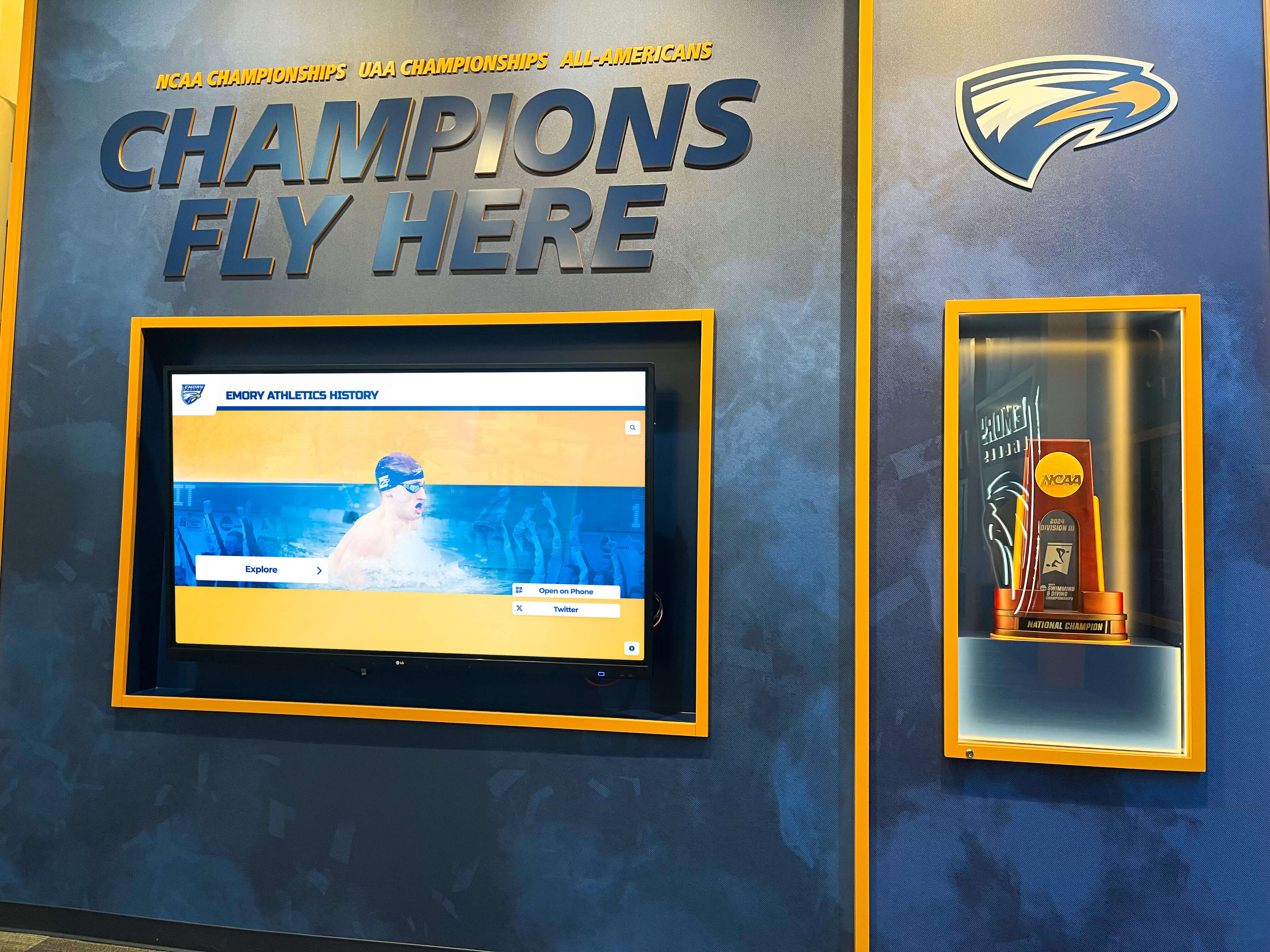
Schools can integrate academic and athletic recognition celebrating diverse forms of student excellence
Accessibility Considerations
Digital recognition platforms should incorporate comprehensive accessibility features including ADA-compliant physical placement and mounting heights ensuring students with mobility limitations can access displays, screen reader compatibility for visual accessibility, high-contrast viewing modes and text magnification options, multilingual content options for diverse communities when appropriate, and mobile access for students and families viewing recognition from home.
Socioeconomic Inclusivity
Recognition programs should not create financial barriers through recognition opportunities requiring no fees or purchases, school-provided materials for recognition ceremonies, no premium levels or paid enhancement options distinguishing recognition quality, equal celebration regardless of student resources, and recognition criteria focusing on achievement rather than participation requiring payment.
When designed thoughtfully, honor roll recognition remains accessible to all capable students regardless of family circumstances.
Technology Infrastructure for Digital Honor Roll Recognition
Schools implementing digital recognition systems should ensure reliable technology infrastructure including stable network connectivity supporting display updates, adequate device security protecting student information, regular software updates maintaining system functionality, user-friendly content management requiring minimal training, and technical support access for troubleshooting issues when they arise.
Most modern recognition platforms like Rocket Alumni Solutions provide comprehensive support including remote monitoring ensuring systems remain operational, software updates delivered automatically, training resources for administrators managing content, and responsive assistance when schools encounter technical questions.
Integration with Student Information Systems
Advanced digital recognition platforms can integrate with school student information systems to automate honor roll identification and recognition processes. Rather than manually identifying honor roll recipients from grade reports, integration enables automatic data transfer from SIS to recognition displays, scheduled publication when grading periods conclude, elimination of manual data entry and associated errors, and consistent recognition criteria application across all students.
This automation reduces administrative burden significantly while ensuring comprehensive, accurate honor roll recognition each grading period.
Measuring Honor Roll Recognition Program Success
Regular assessment ensures programs achieve intended goals while justifying resource investments:
Participation Metrics
Track quantitative indicators showing program reach including number of students achieving honor roll recognition annually, percentage of student body receiving honor roll acknowledgment, trends in honor roll recipients over multiple years, distribution across grade levels and demographic groups, and recognition frequency per student throughout their academic careers.
These metrics demonstrate program effectiveness while identifying opportunities for improvement or expansion.
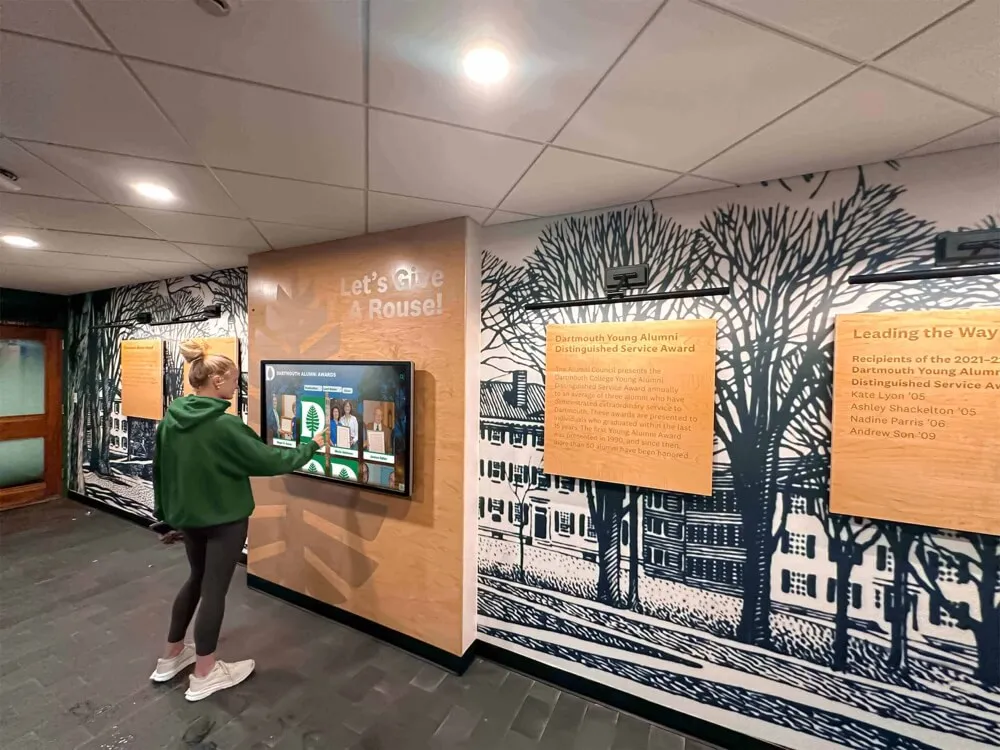
Strategic placement of recognition displays in high-traffic areas maximizes visibility and engagement
Academic Outcomes
Monitor relationships between honor roll recognition and broader academic achievements including achievement trends among honor roll recipients versus non-recipients over time, impact of recognition on course selection patterns like enrollment in advanced classes, college acceptance and scholarship rates for students with sustained honor roll achievement, long-term academic trajectory analysis showing recognition’s lasting effects, and attendance and engagement metric correlations with honor roll achievement.
These outcome measures justify recognition program investments by demonstrating tangible benefits beyond ceremonial acknowledgment.
Cultural Indicators
Assess qualitative changes suggesting recognition programs shape school culture positively including student survey responses about academic achievement importance, family satisfaction with academic recognition emphasis, staff observations about academic culture evolution and student motivation, external perception of school academic reputation, and balance between academic and athletic recognition prominence in school culture.
Regular assessment enables continuous improvement ensuring recognition programs remain meaningful and impactful.
Best Practices for Sustainable Honor Roll Recognition
Long-term program success requires systematic planning and sustainable management approaches:
Establishing Clear Responsibility
Assign specific individuals responsible for honor roll recognition program coordination including monitoring grade completion and honor roll eligibility each grading period, gathering student information and photos for digital displays or printed materials, updating recognition displays and communications consistently, coordinating ceremony presentations when schools conduct them, and maintaining historical records documenting institutional achievement across years.
Clear accountability prevents recognition from falling through cracks during busy periods while ensuring consistent quality across grading periods.
Building Historical Archives
Comprehensive recognition programs preserve institutional memory by documenting all honor roll recipients across decades through searchable databases accessible to current students, families, and alumni, historical photo preservation showing student achievement journeys, trend analysis demonstrating academic program growth and effectiveness over time, and permanent records surviving beyond staff turnover and administrative changes.
Digital systems facilitate this archiving through cloud-based storage protecting recognition content indefinitely, tagged content organization enabling easy filtering and discovery, export capabilities ensuring data portability if systems change, and backup protocols preventing data loss from technical failures.
Communication and Visibility Strategies
Recognition generates motivational value primarily through communication and visibility. Ensure comprehensive reach through digital displays in high-traffic locations where students gather, school website recognition sections with searchable current and historical content, social media posts highlighting recent honor roll publication and individual achievers, email newsletters featuring honor roll achievements and student profiles, and morning announcements celebrating recent honor roll recipients.
Multi-channel communication ensures recognition reaches all stakeholders through their preferred information sources while creating sustained visibility extending beyond brief recognition moments.
Conclusion: Celebrating Academic Excellence Through Meaningful Recognition
Honor roll recipients demonstrate remarkable academic achievement deserving recognition equal to any competitive success. When schools systematically acknowledge these distinctions through modern digital displays, comprehensive communication strategies, and sustained institutional commitment, they create cultures where intellectual excellence receives prominence comparable to athletic achievement while inspiring broader student populations to pursue academic goals.
The strategies explored in this guide provide concrete pathways for schools seeking to honor honor roll achievements effectively. Whether implementing new recognition programs or enhancing existing approaches, the fundamental principle remains constant: students who dedicate themselves to academic excellence deserve acknowledgment that validates their effort, inspires peers to similar achievement, and preserves their accomplishments within institutional tradition and memory.
Transform Your Honor Roll Recognition Program
Discover how modern digital recognition solutions can help you celebrate every honor roll recipient's achievements while building lasting appreciation that motivates continued academic excellence.
Explore Recognition SolutionsModern recognition solutions overcome traditional limitations while creating engaging experiences that celebrate achievement comprehensively. Digital platforms eliminate space constraints forcing difficult recognition decisions, enable rich multimedia storytelling providing meaningful context, provide permanent searchable archives accessible to all stakeholders, facilitate easy semester-by-semester updates maintaining current recognition, and extend celebration reach beyond physical campus through web access.
Your honor roll recipients have demonstrated exceptional commitment to academic excellence through sustained effort, effective time management, and intellectual dedication. They deserve recognition proportional to their achievements—lasting, visible, engaging acknowledgment that honors their accomplishments while inspiring the academic cultures where all students can thrive intellectually.
Ready to begin transforming your honor roll recognition? Explore comprehensive digital recognition platforms specifically designed for educational institutions that make celebrating academic excellence as systematic, engaging, and impactful as your honor roll recipients deserve.































