Academic recognition programs represent one of the most powerful tools educational institutions have to motivate student achievement, reinforce educational values, and create cultures of excellence. When schools systematically celebrate academic accomplishments—from perfect attendance to National Merit recognition—they send clear messages about what matters while providing motivation that extends far beyond individual recognized students.
Yet many schools struggle to create academic recognition systems that truly resonate. Recognition often defaults to honor roll announcements that feel impersonal, award ceremonies that highlight only the highest achievers, or static displays that quickly become outdated. Meanwhile, students achieving significant growth from different starting points go unnoticed, and accomplishments in specialized subjects receive less attention than traditional metrics.
This comprehensive guide explores evidence-based strategies for designing and implementing academic recognition programs that celebrate diverse achievements, motivate all students, and create lasting impact throughout your educational community.
Effective academic recognition extends beyond identifying top performers—it creates systematic approaches that acknowledge excellence across multiple dimensions while ensuring recognition opportunities exist for students at all achievement levels. Schools that excel at academic recognition create environments where intellectual achievement receives the same visibility and celebration as athletic success.
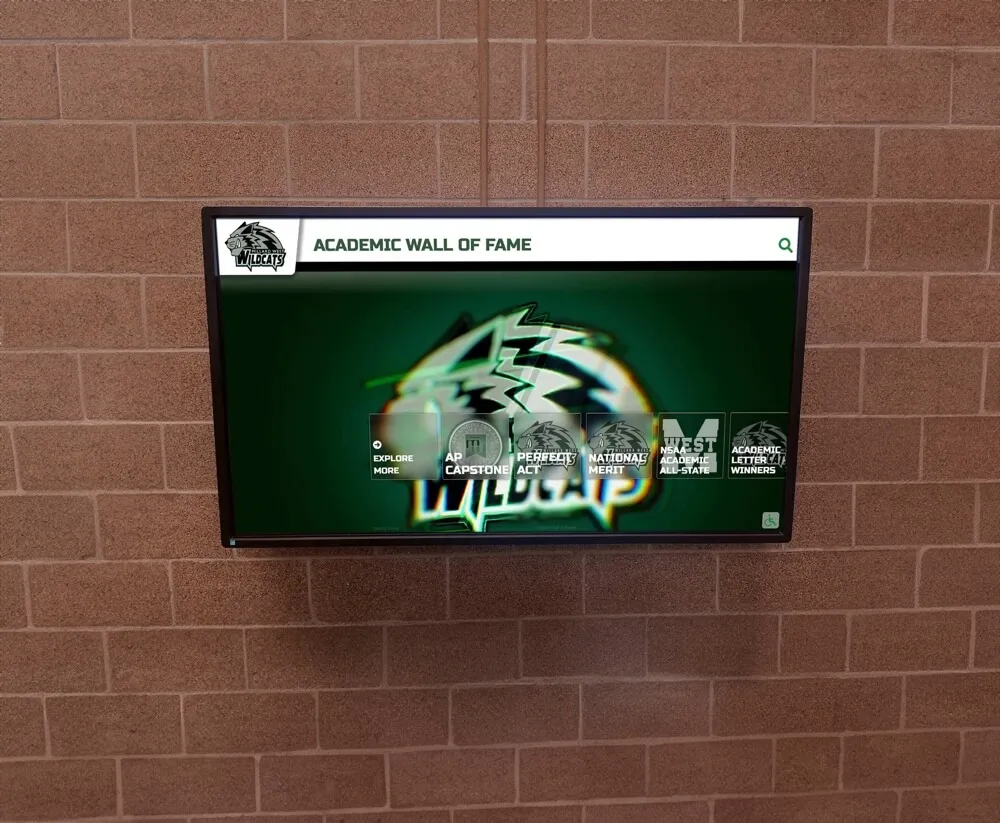
Modern academic recognition displays make intellectual achievement visible and celebrated throughout the school community
The Psychology and Impact of Academic Recognition
Understanding how recognition affects student motivation and achievement helps schools design programs that maximize positive outcomes.
Research-Based Benefits of Academic Recognition
Educational research consistently demonstrates the power of appropriate academic acknowledgment:
Academic Performance Enhancement
- Students receiving regular recognition demonstrate 18-25% higher sustained achievement over time
- Public recognition creates positive peer pressure encouraging academic excellence
- Visible academic accomplishments normalize intellectual achievement as desirable
- Recognition reinforces specific academic behaviors worth repeating
Student Engagement and Belonging
- Recognized students show significantly higher school connectedness scores
- Academic recognition reduces achievement gaps by motivating underperforming students
- Systematic recognition increases student participation in advanced coursework
- Multiple recognition pathways ensure diverse learners find success opportunities
According to research published by the American Educational Research Association, students who receive academic recognition are significantly more likely to pursue challenging coursework and maintain achievement trajectories through high school and beyond. The motivational impact extends beyond individual recipients to create cultural shifts that elevate academic achievement school-wide.
Recognition’s Ripple Effects
Academic recognition impacts extend throughout educational communities:
Family Engagement
- Academic celebration increases family involvement in education
- Recognition provides concrete talking points for parent-student conversations
- Visible achievement builds family pride and support
- Recognition events create positive school-family connection opportunities
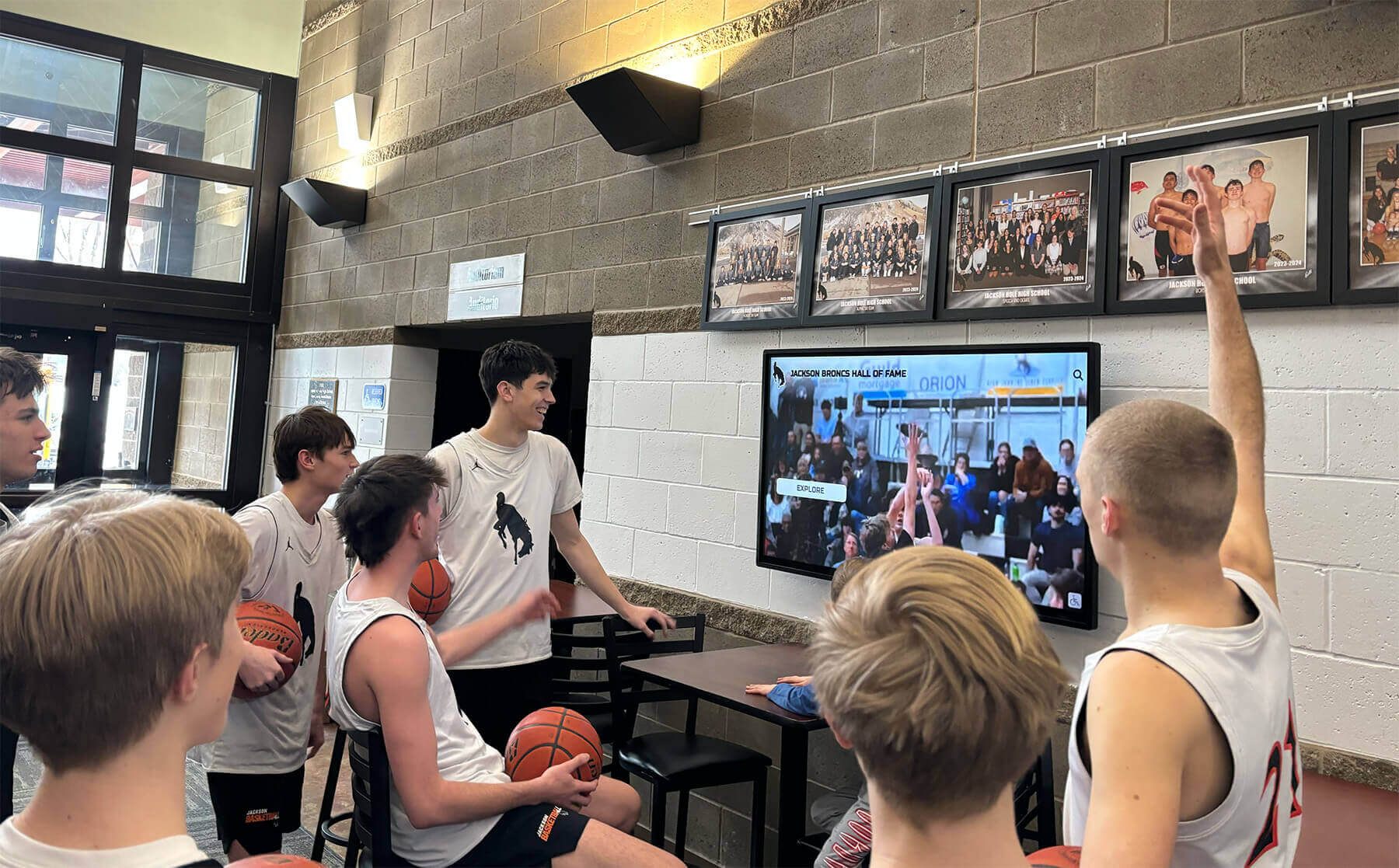
Interactive displays create opportunities for students to explore academic achievements and connect with school culture
Institutional Culture Development
- Schools with strong academic recognition create achievement-oriented cultures
- Recognition signals institutional values and priorities
- Visible intellectual achievement reduces anti-academic peer pressure
- Comprehensive recognition programs improve overall school climate metrics
The key to maximizing these benefits lies in designing recognition systems that feel meaningful, attainable, and aligned with your institution’s educational mission.
Core Components of Effective Academic Recognition Programs
Successful academic recognition programs share essential characteristics that maximize impact and sustainability.
Multi-Dimensional Recognition Criteria
Moving beyond single metrics ensures comprehensive achievement celebration:
Absolute Achievement Recognition
- Grade point average thresholds and honor roll designations
- Standardized test score milestones and percentile achievements
- Course-specific excellence awards in individual subjects
- Advanced Placement and International Baccalaureate accomplishments
- Academic competition success and subject-specific contests
Growth and Improvement Recognition
- Most improved GPA by marking period or semester
- Reading level advancement and literacy milestones
- Subject-specific skill progression and mastery demonstrations
- Grade improvement in challenging courses
- Attendance and engagement improvement tracking
Learn more about comprehensive approaches in student recognition that increases future success.
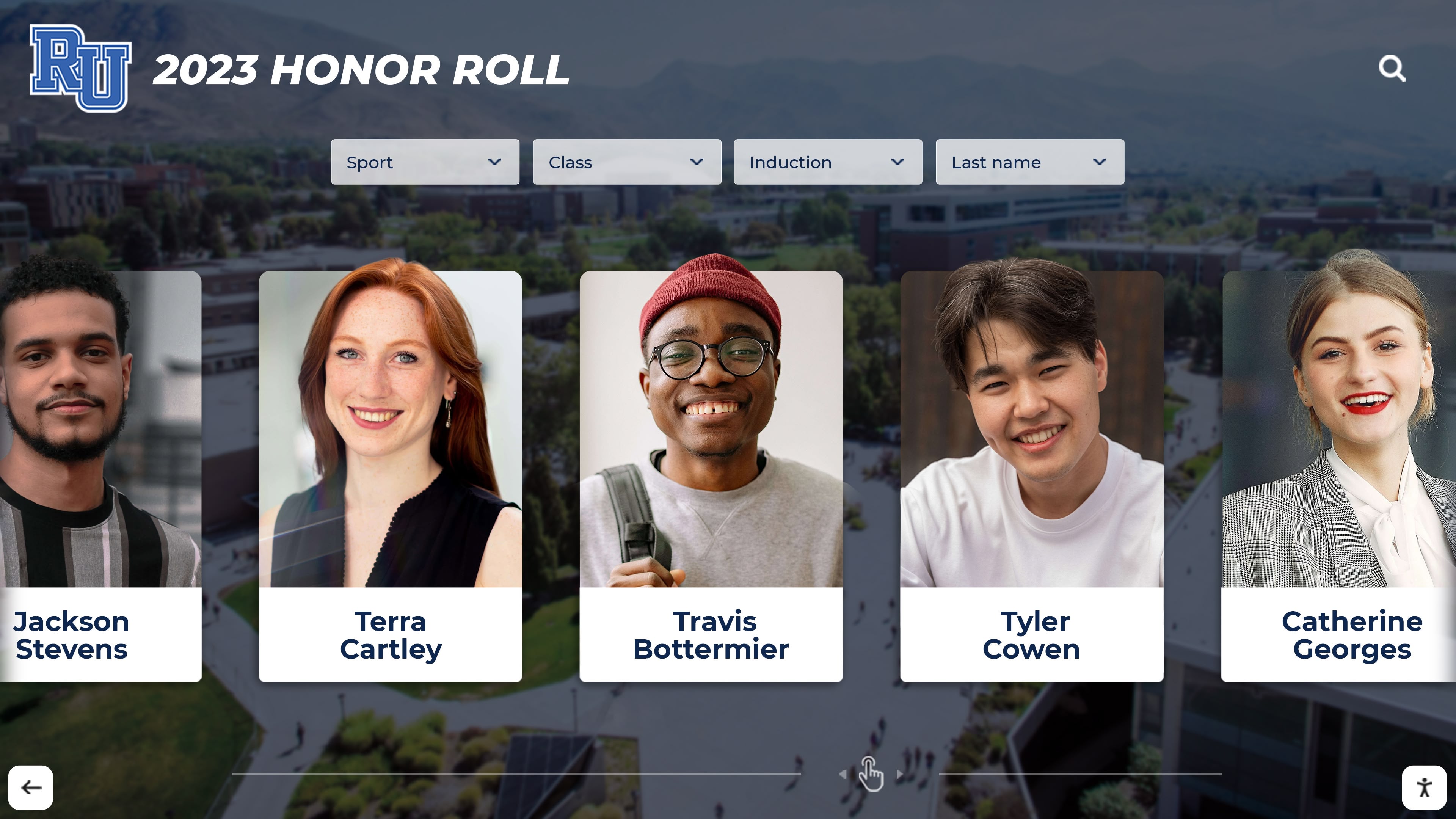
Individual recognition profiles celebrate specific achievements and academic journeys
Effort and Persistence Recognition
- Consistent study habits and homework completion
- Participation quality in class discussions and activities
- Academic perseverance through challenging coursework
- Self-directed learning projects and independent research
- Academic goal-setting and achievement tracking
Specialized Achievement Recognition
- STEM competition achievements and science fair recognition
- Writing contest awards and publication achievements
- Foreign language proficiency certifications
- Career and technical education certifications
- Interdisciplinary project excellence
This multi-dimensional approach ensures recognition opportunities exist for students across different learning profiles, starting points, and achievement trajectories.
Tiered Recognition Structures
Creating multiple recognition levels ensures appropriate acknowledgment at different achievement scales:
Pinnacle Academic Recognition
- Valedictorian and salutatorian honors
- National Merit Scholar designations
- Perfect GPA maintenance across multiple years
- State and national academic competition championships
- Comprehensive academic excellence encompassing multiple dimensions
These highest honors receive special ceremony, permanent digital hall of fame displays, and prominent visibility throughout the institution.
Regular Recognition Programs
- Quarterly honor roll acknowledgment
- Monthly subject-specific achievement awards
- Weekly standout student highlights
- Daily positive academic acknowledgments
- Milestone achievement celebrations
Explore implementation strategies in student of the month recognition programs.
Threshold Achievement Recognition
- First honor roll qualification for previously non-honored students
- Benchmark test score achievements
- Grade level advancement milestones
- Attendance requirement fulfillment
- Course completion in challenging subjects
This tiered structure maintains meaning and prestige for top achievements while ensuring recognition opportunities exist for students at all performance levels.
Subject-Specific Recognition Programs
Academic recognition should celebrate excellence across the full curriculum, not just traditional core subjects.
STEM Achievement Recognition
Science, technology, engineering, and mathematics accomplishments deserve systematic celebration:
Competition and Contest Recognition
- Science Olympiad medals and team achievements
- Math competition success and problem-solving awards
- Robotics competition participation and victories
- Engineering challenge accomplishments
- Technology and coding competition recognition
Project-Based Achievement
- Science fair participation and awards
- Engineering design project excellence
- Research presentation achievements
- STEM internship and mentorship participation
- Laboratory skill development and certification
Standardized Achievement Milestones
- Advanced Placement STEM exam scores
- SAT Math section achievement
- Science assessment proficiency levels
- Industry certification accomplishment
- College-level STEM course completion
Humanities and Social Sciences Recognition
Literature, history, social studies, and languages require equal systematic acknowledgment:
Writing and Communication Excellence
- Essay contest achievements and publication
- Speech and debate competition success
- Creative writing awards and recognition
- Research paper excellence in humanities subjects
- Literary magazine contributions and leadership
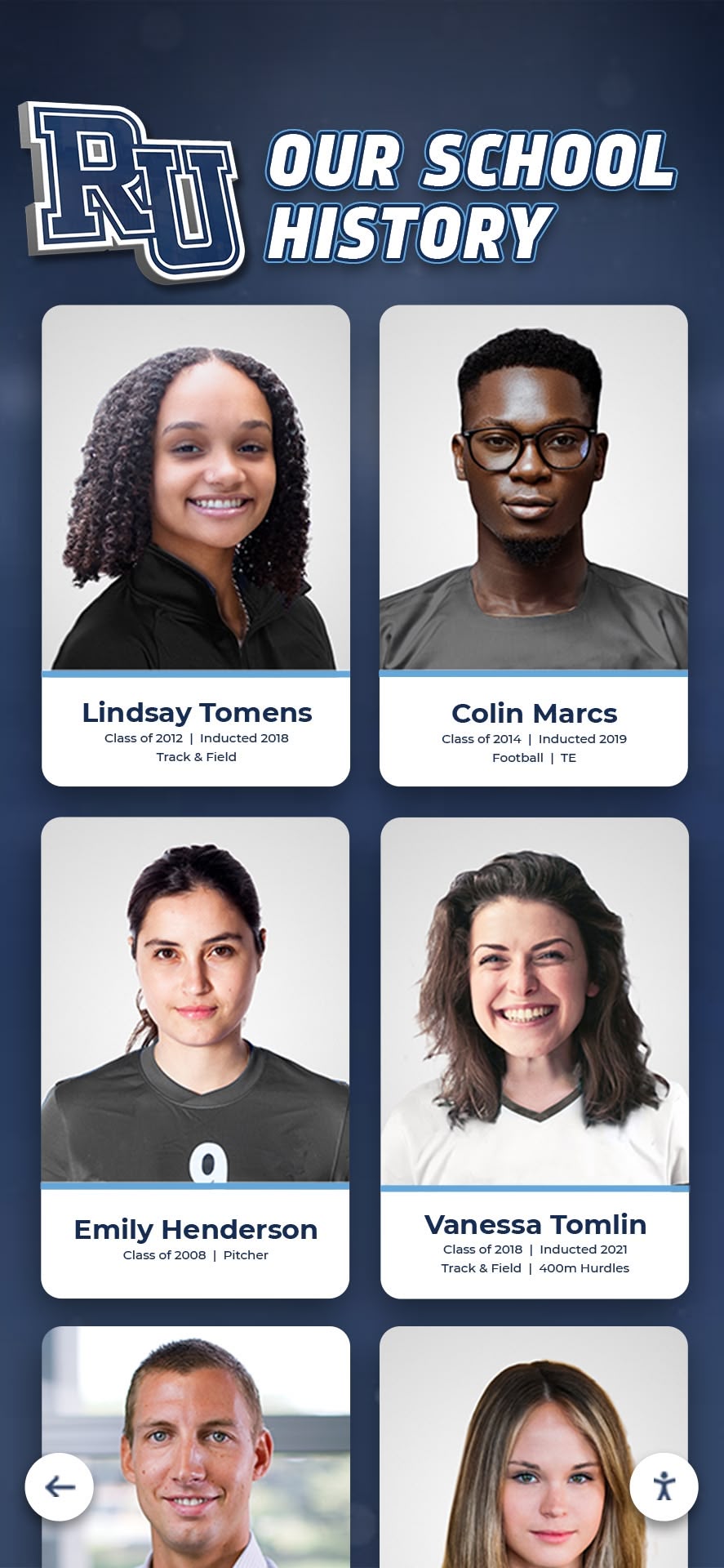
Comprehensive recognition systems document achievement journeys across academic careers
Historical and Social Science Achievement
- History Day competition participation and awards
- Geography competition recognition
- Model United Nations achievement
- Social studies research project excellence
- Civics education engagement and understanding
World Language Proficiency
- Foreign language honor societies induction
- Proficiency certification achievement
- Language competition success
- Study abroad program participation
- Multilingual communication demonstrations
Career and Technical Education Recognition
CTE programs provide essential preparation deserving systematic recognition:
Technical Skill Achievement
- Industry certification completion
- Skills competition success at regional, state, and national levels
- Apprenticeship program participation and completion
- Technical portfolio development excellence
- Workplace readiness skill demonstration
Applied Learning Recognition
- Project-based learning showcase achievements
- Internship and work-based learning success
- Entrepreneurship competition participation
- Community problem-solving project recognition
- Cross-disciplinary application demonstrations
Learn about comprehensive student achievement approaches in best ways to highlight student accomplishments.
National and State Academic Recognition Programs
Schools should connect local recognition with broader achievement designations that enhance college applications and demonstrate excellence.
College Board National Recognition Programs
The College Board National Recognition Program offers prestigious designations for high-achieving students:
Recognition Categories (2025)
- School Recognition Award: Honoring top-performing students in each high school nationwide
- First-Generation Recognition Award: Celebrating students on track to be first in their family to complete college
- Rural and Small-Town Recognition Award: Elevating students from smaller communities often less known by colleges
Eligibility Requirements Students must earn cumulative GPA of B+ or higher (at least 3.3 or 87-89%) and either be in top 10% of test takers in their category OR earn 3 or higher on 2+ distinct AP Exams in 9th or 10th grade, according to College Board program requirements.
Schools should actively promote these programs, help students understand eligibility, and celebrate recipients through multiple channels.
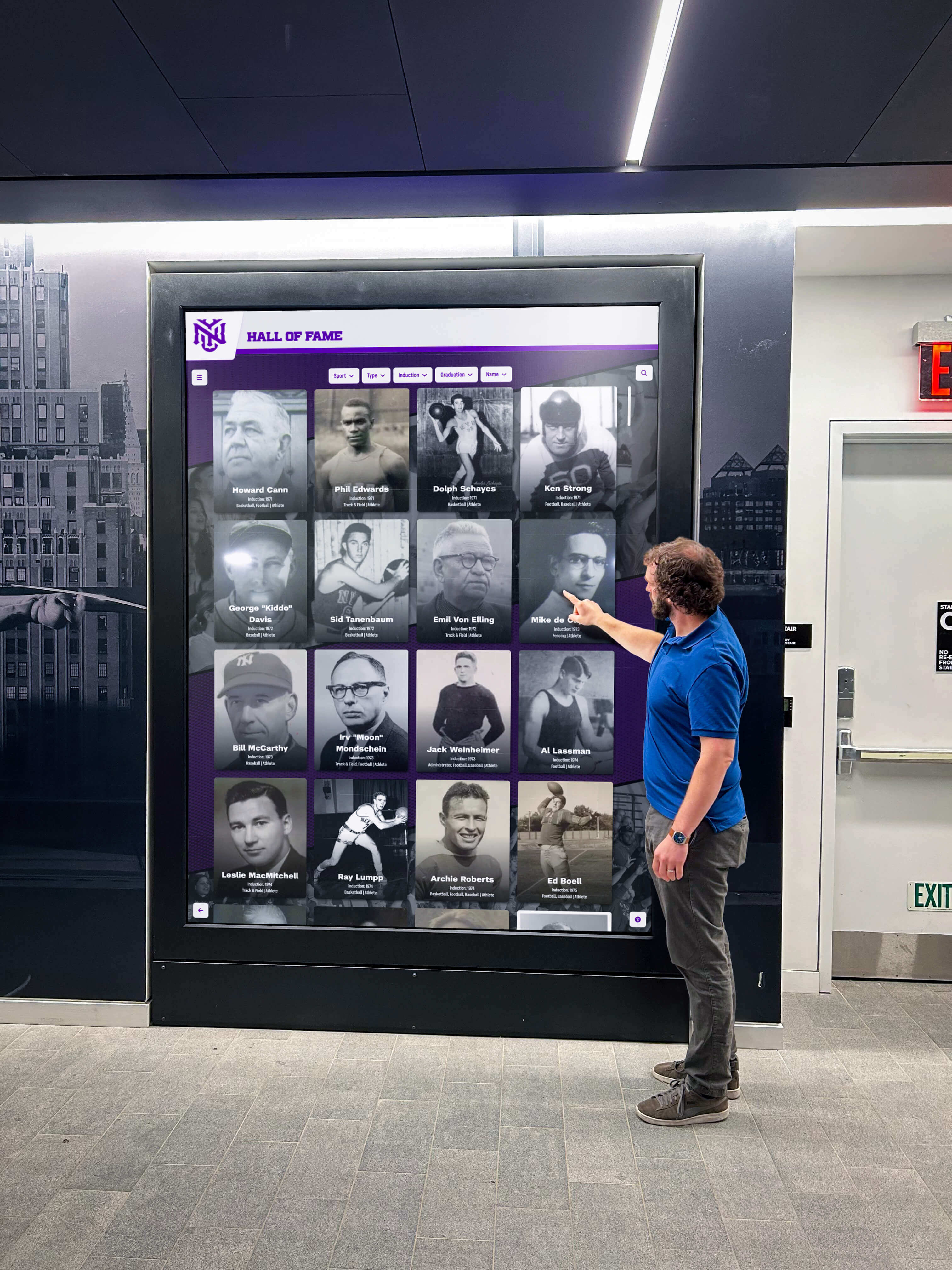
Interactive displays enable families and community members to explore academic excellence
Federal Academic Recognition Programs
Multiple federal programs honor academic excellence:
President’s Education Awards Program (PEAP) Recognizes elementary, middle, and high school students for achievement and hard work, according to U.S. Department of Education programs. Schools should incorporate these federal awards into local recognition systems.
U.S. Presidential Scholars Program Honors distinguished graduating high school seniors, providing prestigious national recognition that schools should celebrate prominently.
State-Level Academic Recognition
Many states offer recognition programs specific to their educational systems:
State Scholar Programs
- Top academic achievement designations by state
- Subject-specific state recognition awards
- State competition achievements
- State university system scholar recognitions
- Governor’s scholar programs
Schools should track relevant state programs and ensure eligible students receive nomination and appropriate celebration when recognized.
Implementing Modern Academic Recognition Systems
Traditional approaches to academic recognition—printed honor roll lists, static plaques, and annual award ceremonies—struggle to create the visibility and engagement modern students need.
Digital Recognition Display Solutions
Solutions like Rocket Alumni Solutions transform academic recognition through interactive displays that eliminate traditional limitations:
Unlimited Recognition Capacity Digital recognition displays overcome physical space constraints that force schools to choose whose accomplishments receive visibility:
- Single display showcases unlimited students across all academic categories
- No need to remove historical achievements to accommodate current recognition
- Comprehensive archives preserve institutional academic tradition
- All subject areas and achievement types receive equal display capacity
Interactive Exploration Features Modern touchscreen systems create engagement impossible with static displays:
- Search functionality enables students to find themselves and peers
- Filtering by achievement type, subject area, year, and other criteria
- Detailed profile pages telling complete academic stories
- Photo galleries and achievement documentation
- Progress tracking across multiple years
Learn about comprehensive platforms in best platforms for building virtual halls of fame.
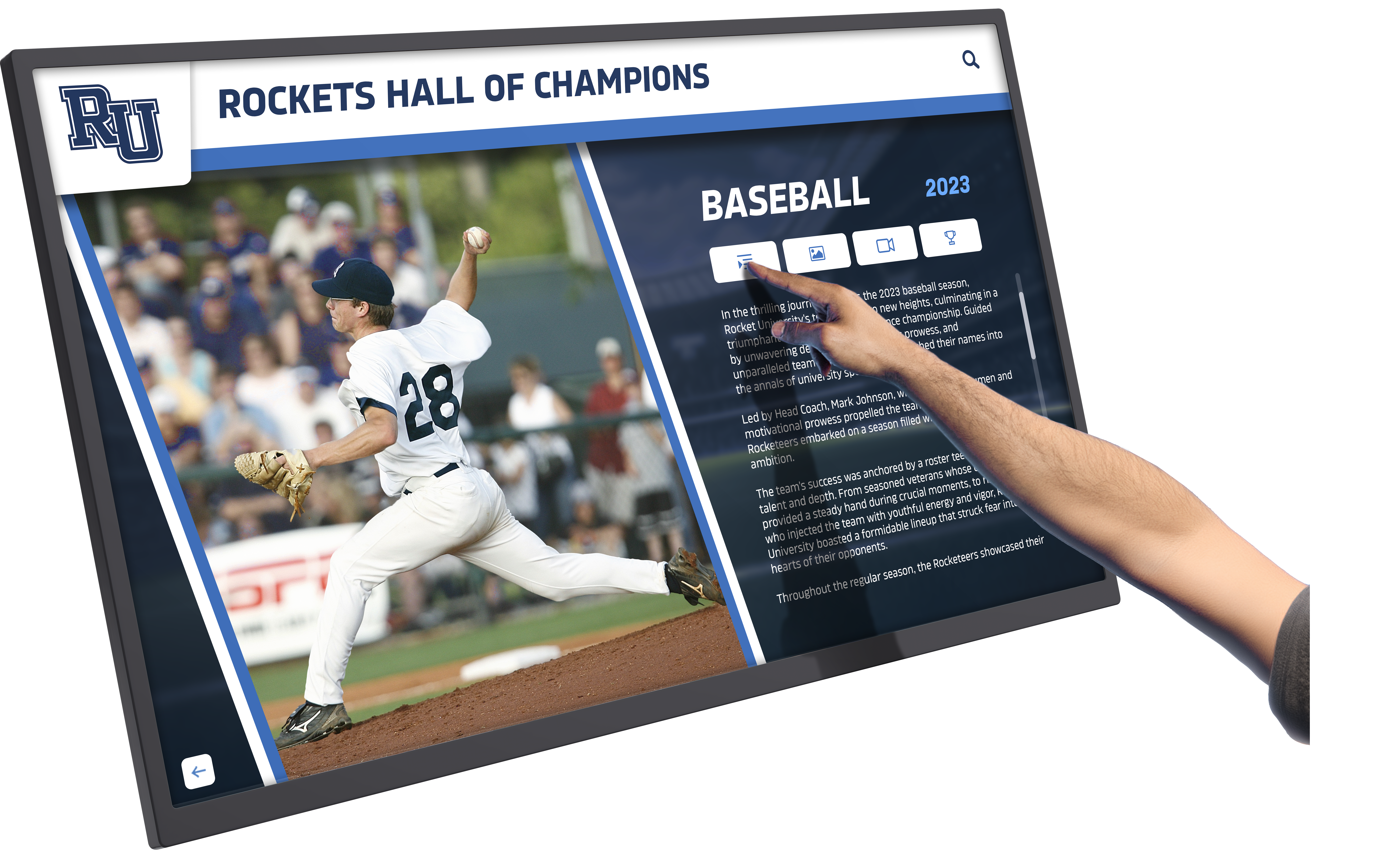
Touchscreen interfaces make exploring academic achievements engaging and intuitive
Simple Content Management Cloud-based management systems eliminate administrative burden:
- Remote updates from any internet-connected device
- Bulk import tools for historical achievement data
- Scheduled publishing automation for semester and year-end recognition
- Role-based permissions enabling appropriate staff access
- Drag-and-drop interfaces requiring no technical expertise
Schools report 80-90% reduction in administrative time spent maintaining academic recognition after implementing digital systems.
Web-Based Recognition Extensions
Academic recognition should extend beyond physical campus to engage families and community:
Online Recognition Platforms Web-accessible systems amplify recognition impact:
- Alumni and families worldwide can view current academic achievements
- Social sharing capabilities enabling students to celebrate accomplishments
- Mobile-optimized displays ensuring accessibility across devices
- Integration with school websites and communication platforms
- Analytics tracking engagement and recognition program effectiveness
Explore online hall of fame website approaches for extended reach.
Recognition Communication Strategies Systematic communication ensures maximum visibility:
- Email announcements to families when students receive recognition
- Social media posts celebrating academic achievements
- Newsletter features highlighting recognition program success
- Morning announcement integrations providing daily acknowledgment
- Community media partnerships extending recognition beyond school
This multi-channel approach ensures academic achievements receive visibility comparable to athletic recognition.
Recognition Ceremony Design
Formal ceremonies create memorable recognition experiences:
Quarterly Academic Recognition Events
- Honor roll recognition ceremonies each marking period
- Subject-specific award presentations
- Academic improvement celebration
- Family invitation and participation
- Student speaker opportunities
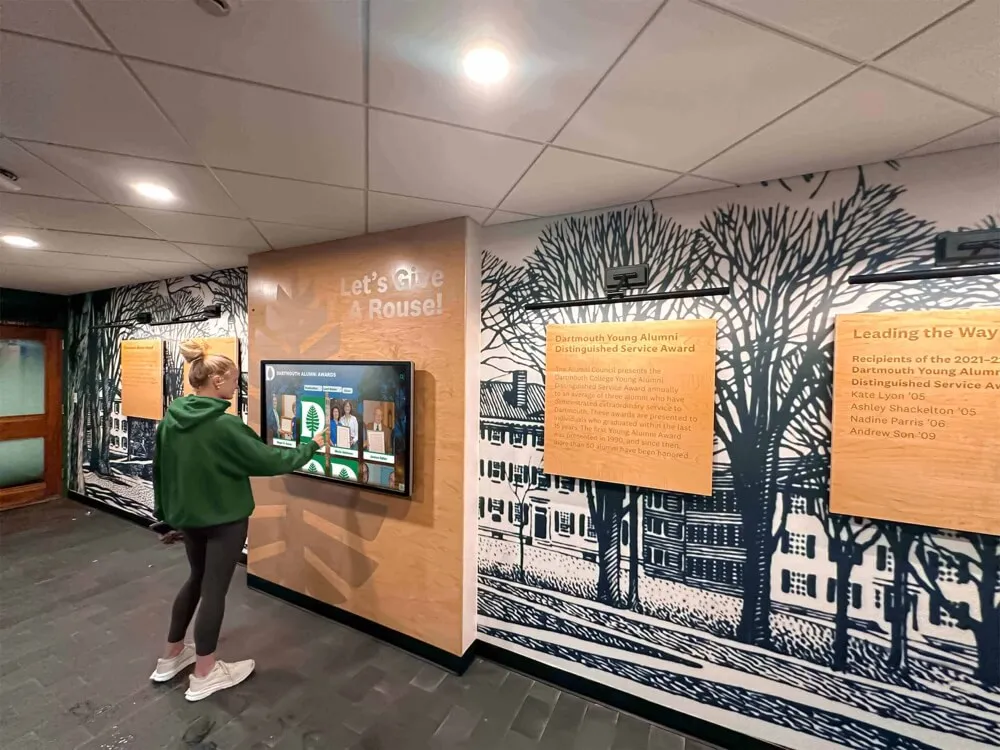
Strategic placement of recognition displays in high-traffic areas maximizes visibility and engagement
Annual Academic Excellence Celebrations
- Year-end comprehensive academic recognition
- Department-specific award presentations
- Special recognition for pinnacle achievements
- Senior academic legacy acknowledgment
- Community partner participation
Learn about homecoming awards and recognition events that can incorporate academic celebration.
Creating Inclusive Academic Recognition
Effective programs ensure recognition opportunities exist for students across all learning profiles and backgrounds.
Equity in Recognition Design
Recognition systems must address equity concerns systematically:
Multiple Pathway Recognition
- Achievement recognition for students starting at all performance levels
- Growth and improvement measures ensuring non-traditional high achievers receive acknowledgment
- Effort-based recognition valuing work ethic regardless of outcome
- Specialized talent recognition beyond traditional academic metrics
- Character-based academic recognition for persistence, collaboration, and intellectual courage
Accessibility Considerations Digital recognition platforms should incorporate comprehensive accessibility:
- ADA-compliant physical placement and mounting heights
- Screen reader compatibility for visual accessibility
- High-contrast viewing modes and text magnification
- Multilingual content options for diverse communities
- Mobile access for students without regular campus access
Socioeconomic Inclusivity Recognition programs should not create financial barriers:
- Recognition opportunities requiring no fees or purchases
- School-provided materials for recognition ceremonies
- No premium levels or paid enhancement options
- Equal celebration regardless of student resources
- Recognition criteria focusing on achievement, not participation requiring payment
Avoiding Recognition Pitfalls
Common mistakes undermine academic recognition effectiveness:
Recognition Inflation Prevention
- Clear criteria distinguishing recognition levels
- Meaningful standards maintaining recognition value
- Balance between inclusivity and significance preservation
- Regular evaluation of criteria appropriateness
Narrow Focus Avoidance
- Recognition across all subject areas, not just traditional academics
- Multiple achievement dimensions beyond GPA
- Rotating recognition ensuring diverse students receive acknowledgment
- Intentional tracking of recognition distribution
Learn about comprehensive student recognition in showcasing student achievement approaches.
Program Implementation and Management
Successful academic recognition requires systematic planning and sustainable management.
Planning Phase
Needs Assessment
- Evaluate current recognition programs and gaps
- Survey stakeholders about recognition priorities
- Analyze achievement data identifying recognition opportunities
- Review available resources and budget considerations
- Assess physical spaces and technology infrastructure
Program Design
- Define recognition categories and criteria
- Establish tiered recognition levels
- Develop nomination and selection processes
- Create communication strategies
- Plan implementation timeline
Launch Strategy
Initial Implementation
- Begin with achievable programs building momentum
- Train staff on nomination, selection, and management processes
- Communicate recognition opportunities to students and families
- Create clear documentation of criteria and procedures
- Establish content management responsibilities
Technology Integration When implementing digital recognition displays:
- Select appropriate hardware based on placement and budget
- Choose content management platforms matching staff capabilities
- Plan for web integration extending recognition reach
- Consider solutions like Rocket Alumni Solutions offering comprehensive recognition systems
- Train multiple staff members ensuring management sustainability
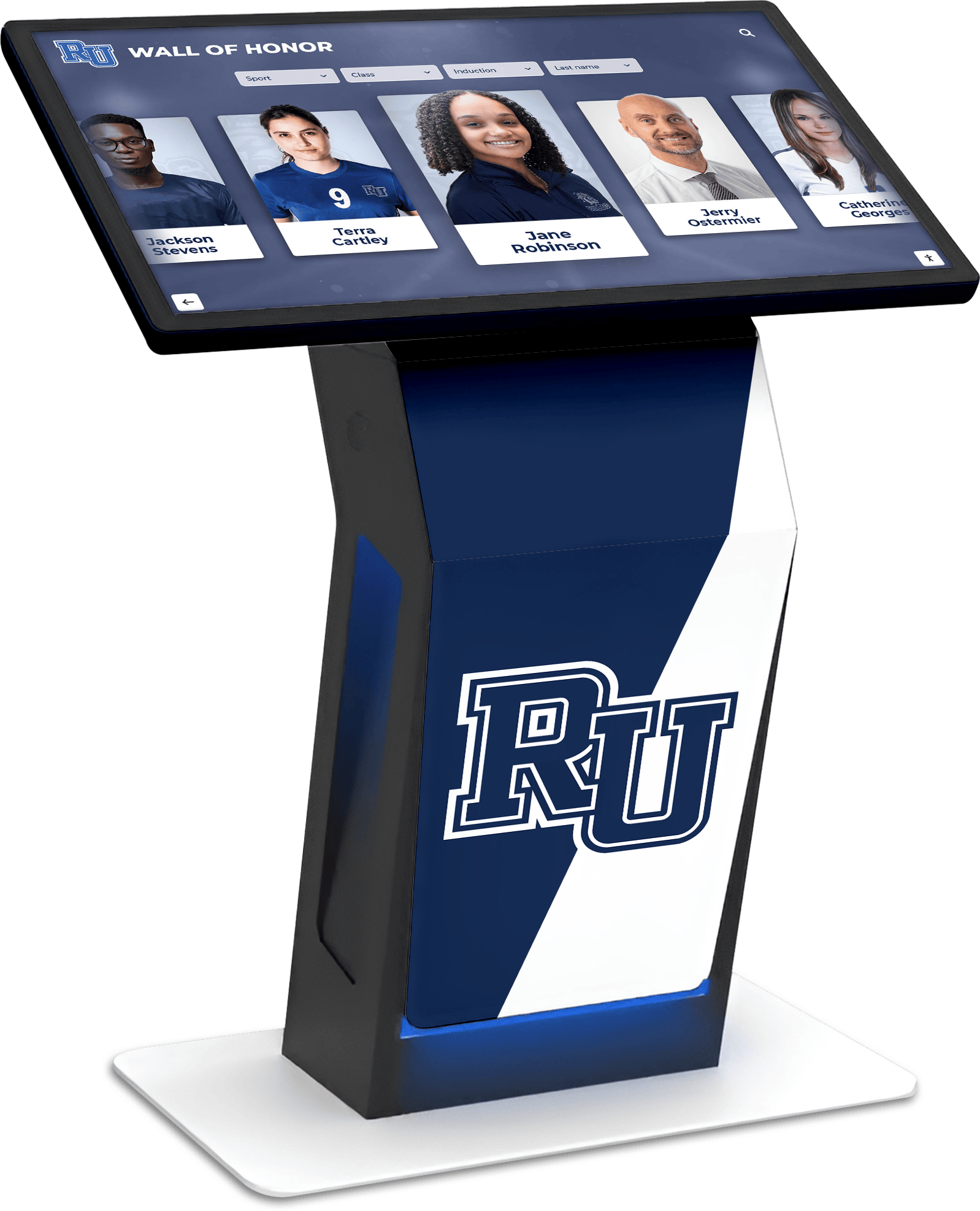
Modern recognition systems integrate touchscreen displays with cloud-based management platforms
Sustainability and Continuous Improvement
Ongoing Management Requirements
- Assign clear responsibilities for recognition program maintenance
- Establish regular update schedules and deadlines
- Create nomination and submission processes
- Budget for ongoing program needs and enhancements
- Train new staff members as responsibilities change
Assessment and Refinement
- Track recognition distribution across student populations
- Gather stakeholder feedback on program effectiveness
- Monitor engagement with recognition displays and communications
- Analyze relationship between recognition and academic outcomes
- Adjust criteria and approaches based on assessment data
Regular evaluation ensures recognition programs remain effective, equitable, and aligned with educational goals.
Academic Recognition Communication Strategies
Recognition impact depends on systematic, multi-channel communication.
Internal Communication Approaches
Daily Recognition Touchpoints
- Morning announcement highlights of recent achievements
- Digital signage rotation featuring recognized students
- Classroom acknowledgment and celebration
- Hallway display updates showcasing current achievers
- Library and common area recognition features
Regular Recognition Communications
- Weekly email updates to families about academic achievements
- Monthly newsletter features highlighting recognition recipients
- Quarterly recognition program summaries
- Social media posts celebrating academic excellence
- Student newspaper and media coverage
External Community Engagement
Media Partnership Strategies
- Local newspaper recognition announcements
- Community media academic excellence features
- Regional publication recognition submissions
- Online community platform sharing
- Local business partnership recognition
Alumni Connection Programs Academic recognition creates alumni engagement opportunities:
- Alumni profiles showcasing academic legacy
- Historical achievement archives connecting past to present
- Alumni speaker programs linking recognition to career success
- Mentorship connections between recognized students and accomplished alumni
- Recognition of alumni achievements reinforcing lifelong learning values
Explore alumni engagement strategies that build on academic recognition foundations.
Measuring Academic Recognition Program Success
Regular assessment ensures programs achieve intended goals and justify resource investment.
Quantitative Metrics
Participation and Coverage Data
- Percentage of students receiving some academic recognition
- Distribution across grade levels and demographic groups
- Recognition frequency per student
- Number of recognition categories utilized
- Year-over-year participation trend analysis
Engagement Indicators
- Digital display interaction rates and session duration
- Web-based recognition platform usage statistics
- Social media engagement with academic recognition content
- Recognition ceremony attendance rates
- Family response rates to recognition communications
Academic Outcome Correlation
- Achievement trends among recognized versus non-recognized students
- Impact of recognition on course selection patterns
- College acceptance and scholarship rates for recognized students
- Long-term academic trajectory analysis
- Attendance and engagement metric correlations
Qualitative Assessment
Stakeholder Feedback
- Student surveys about recognition program awareness and impact
- Family perception of recognition program fairness and effectiveness
- Staff assessment of recognition program manageability
- Alumni reflection on how academic recognition influenced their experience
- Community perception of institutional academic priorities
Cultural Indicators
- Observed changes in academic culture and peer attitudes
- Student motivation and engagement anecdotal evidence
- Behavioral data relating to academic focus
- School climate survey results
- Student sense of belonging measures
Regular assessment enables continuous improvement ensuring recognition programs remain meaningful and impactful.
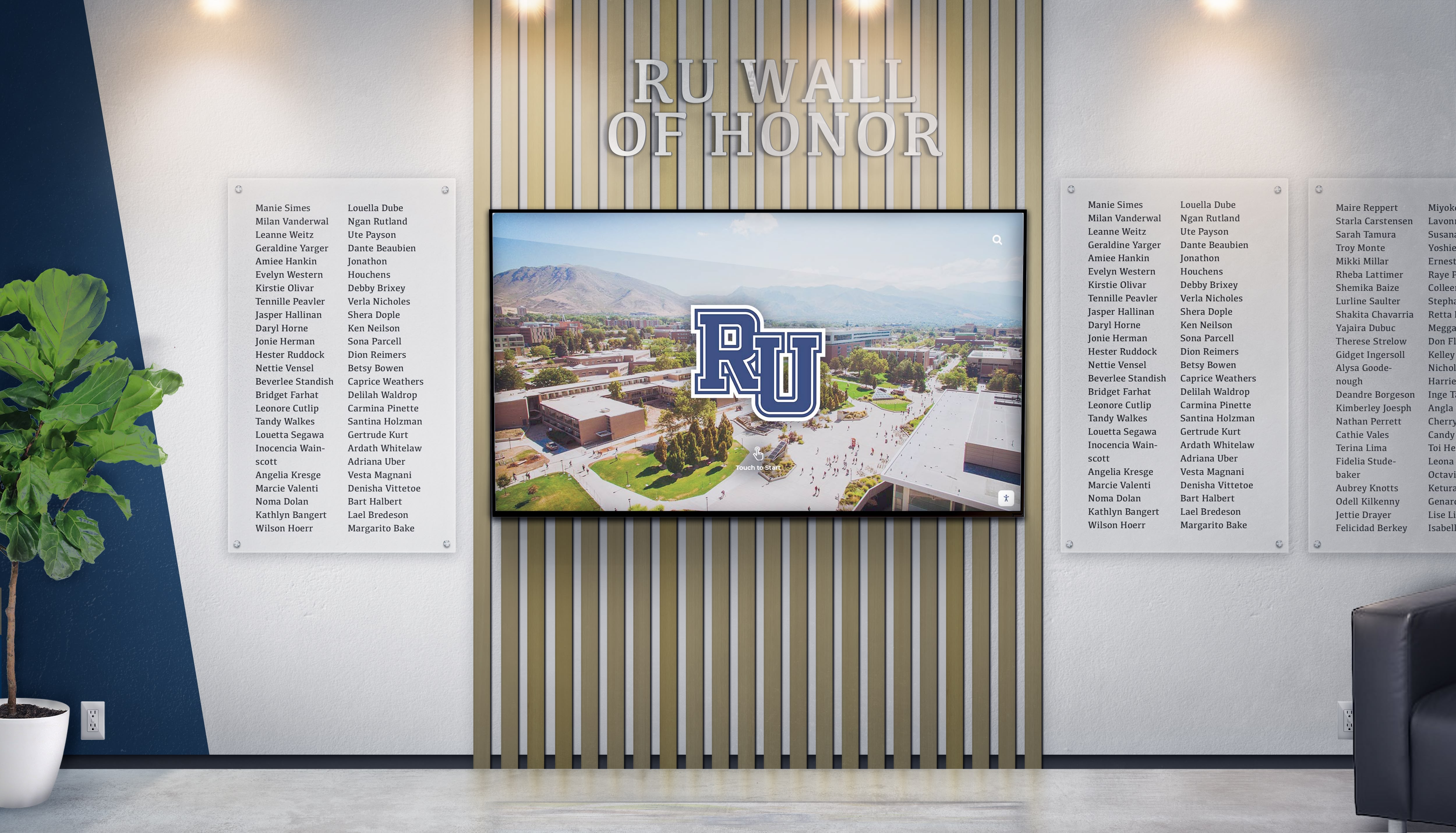
Integrated recognition systems combine digital displays with traditional elements creating comprehensive celebration spaces
Special Considerations for Different Educational Levels
Academic recognition approaches should adapt to developmental levels and institutional contexts.
Elementary School Recognition
Early education recognition builds foundation for lifelong learning:
Age-Appropriate Recognition
- Frequent, immediate acknowledgment of academic effort
- Visual recognition systems students can understand
- Positive reinforcement of learning behaviors
- Reading milestone celebrations
- Growth mindset recognition emphasizing improvement
Inclusive Elementary Approaches
- Recognition opportunities for all students throughout the year
- Character-based academic recognition for persistence and effort
- Collaborative achievement celebration alongside individual accomplishment
- Parent partnership in recognition process
- Fun, engaging recognition formats
Middle School Recognition
Transitional years require careful recognition design:
Adolescent-Appropriate Recognition
- Balance between peer visibility and not singling out achievers
- Subject-specific recognition as students develop interests
- Team and collaborative achievement recognition
- Growth and improvement emphasis during developmental changes
- Connection between recognition and future opportunity
Middle School Engagement Strategies
- Student voice in recognition criteria and design
- Peer nomination opportunities
- Recognition of diverse intelligence types
- Digital recognition formats appealing to adolescents
- Recognition integrated with advisory and homeroom structures
High School Recognition
Secondary recognition prepares students for post-graduation success:
College and Career Connection
- Recognition aligned with college application enhancement
- National recognition program participation and celebration
- Advanced coursework achievement acknowledgment
- Connection between recognition and scholarship opportunities
- Senior recognition programs honoring accumulated achievement
Comprehensive High School Programs
- Cumulative academic achievement tracking across four years
- Subject-specific departmental recognition
- Academic competition and contest celebration
- College admissions success acknowledgment
- Career and technical education certification recognition
Conclusion: Creating Academic Excellence Culture Through Recognition
Effective academic recognition programs represent strategic investments in student motivation, institutional culture, and educational mission fulfillment. When schools systematically celebrate intellectual achievement across multiple dimensions—from subject-specific excellence to growth and improvement—they create environments where academic success becomes aspirational, celebrated, and central to student identity.
The strategies explored in this guide provide comprehensive frameworks for building recognition systems that honor diverse achievements while remaining sustainable, equitable, and aligned with educational goals. From digital recognition displays that eliminate space constraints to multi-tiered programs ensuring recognition opportunities at all achievement levels, these approaches transform academic acknowledgment from occasional token gestures to systematic celebration woven throughout school culture.
Transform Your Academic Recognition Program
Discover how modern digital recognition solutions can help you celebrate every student's academic achievements and build a thriving culture of intellectual excellence.
Explore Recognition SolutionsBuilding effective academic recognition requires moving beyond limiting assumptions about who deserves acknowledgment and how recognition should appear. Digital platforms make comprehensive recognition achievable across unlimited students and achievement categories, while systematic approaches ensure consistent implementation reaching all deserving students.
Start where you are with recognition programs you can implement immediately, then systematically expand to create comprehensive approaches your students deserve. Every student who receives meaningful recognition for their academic accomplishments develops stronger connection to education and greater motivation to continue growing intellectually.
Your students’ academic achievements deserve celebration equal to any other accomplishment. With thoughtful planning, appropriate technology, and consistent implementation, you can create recognition systems that honor every achievement while building the positive, motivating educational culture where all students thrive academically.
Ready to begin? Explore student awards recognition program approaches or learn more about showcasing community partnerships that can support comprehensive academic recognition.































