Academic Student of the Month recognition represents one of the most powerful tools schools have to motivate academic excellence, reinforce educational values, and build cultures where scholarship receives celebration equal to athletic achievement. When implemented effectively, Student of the Month programs create regular opportunities to honor diverse academic accomplishments—from grade improvement and perfect attendance to advanced coursework success and subject-specific mastery—ensuring students across all achievement levels see pathways to recognition.
Yet many schools struggle with Student of the Month programs that feel outdated or ineffective. Recognition often defaults to paper certificates stored in drawers, bulletin board postings updated inconsistently, or brief assembly mentions quickly forgotten. Meanwhile, deserving students go unrecognized due to space limitations, administrative burden prevents timely updates, and recognition impact diminishes as traditional approaches fail to engage contemporary, digitally-native students.
This comprehensive guide explores how Academic Student of the Month digital displays transform recognition programs from administrative obligation into powerful motivational tools that genuinely drive student success, examining implementation strategies, best practices, and the technology solutions that make comprehensive, engaging recognition achievable for schools of all sizes.
Academic Student of the Month programs serve multiple essential purposes beyond simple acknowledgment—they motivate continued excellence, provide clear achievement targets, create peer role models, strengthen school culture, and demonstrate institutional commitment to celebrating scholarly accomplishment. Digital recognition displays amplify these benefits by eliminating capacity constraints, enabling rich multimedia storytelling, maintaining permanent accessibility, and creating interactive experiences that resonate with modern students and families.
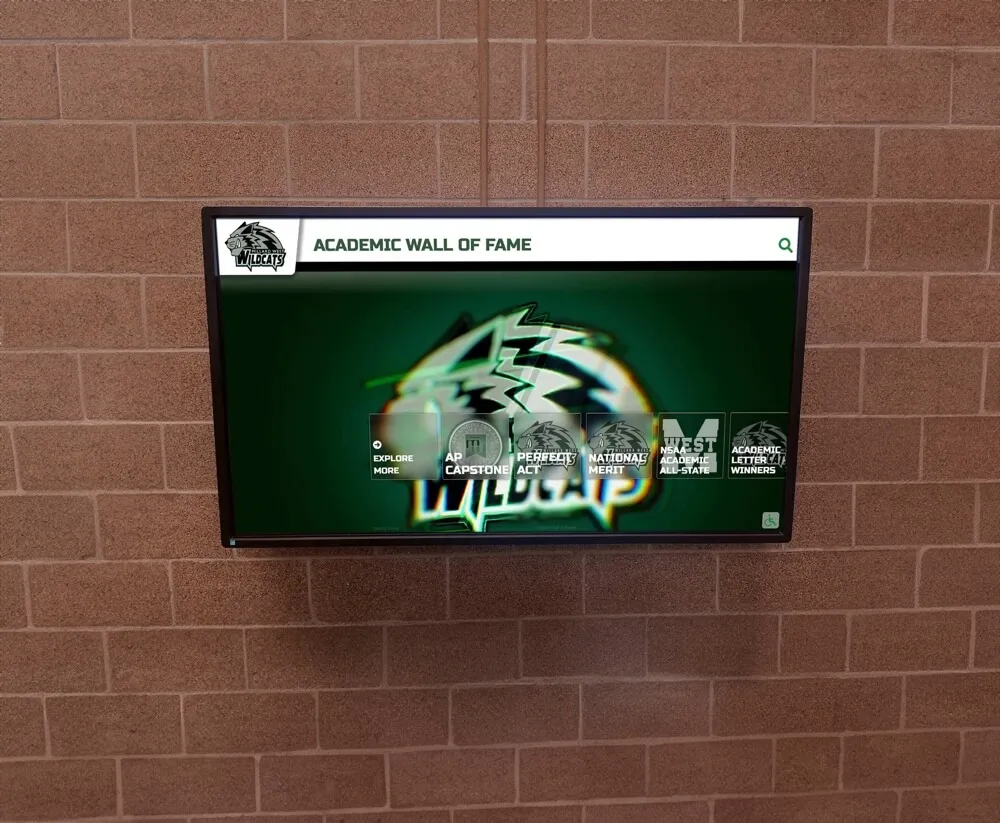
Modern digital displays transform Student of the Month recognition from temporary bulletin boards into permanent, engaging celebration of academic excellence
Why Student of the Month Recognition Matters
Understanding the psychological and educational impact of systematic monthly recognition helps schools design programs that genuinely influence student motivation and achievement rather than implementing perfunctory acknowledgment.
The Research Foundation Behind Recognition Programs
Educational research consistently demonstrates that regular, meaningful recognition significantly influences student behavior, motivation, and long-term academic trajectories. According to research from the American Educational Research Association, students who receive consistent academic recognition demonstrate 18-25% higher sustained achievement over time compared to equally capable peers receiving minimal acknowledgment.
Key Research Findings on Student Recognition:
- Recognition strengthens self-efficacy, students’ beliefs in their capacity to succeed
- Public acknowledgment creates positive peer pressure encouraging academic excellence
- Visible academic accomplishments normalize intellectual achievement as desirable
- Regular recognition reinforces specific academic behaviors worth repeating
- Recognition reduces achievement gaps by motivating underperforming students
The motivational impact extends beyond individual recipients to create cultural shifts that elevate academic achievement school-wide. When schools prominently celebrate monthly academic achievers through visible digital displays, they establish clear markers of excellence that all students can work toward, while demonstrating institutional commitment to valuing scholarly accomplishment.
Monthly Recognition Rhythm and Psychological Impact
The monthly recognition cycle provides ideal timing for student motivation and program sustainability. Unlike quarterly or annual recognition that feels too distant to influence daily effort, monthly acknowledgment creates predictable rhythm where students can regularly pursue recognition goals.
Benefits of Monthly Recognition Cycles:
- Regular opportunities ensure more students receive acknowledgment throughout the year
- Predictable timing allows students to set and pursue monthly achievement goals
- Frequent updates maintain program visibility and student awareness
- Multiple chances for recognition throughout school year support sustained motivation
- Recovery opportunities for students who narrowly miss recognition in previous months
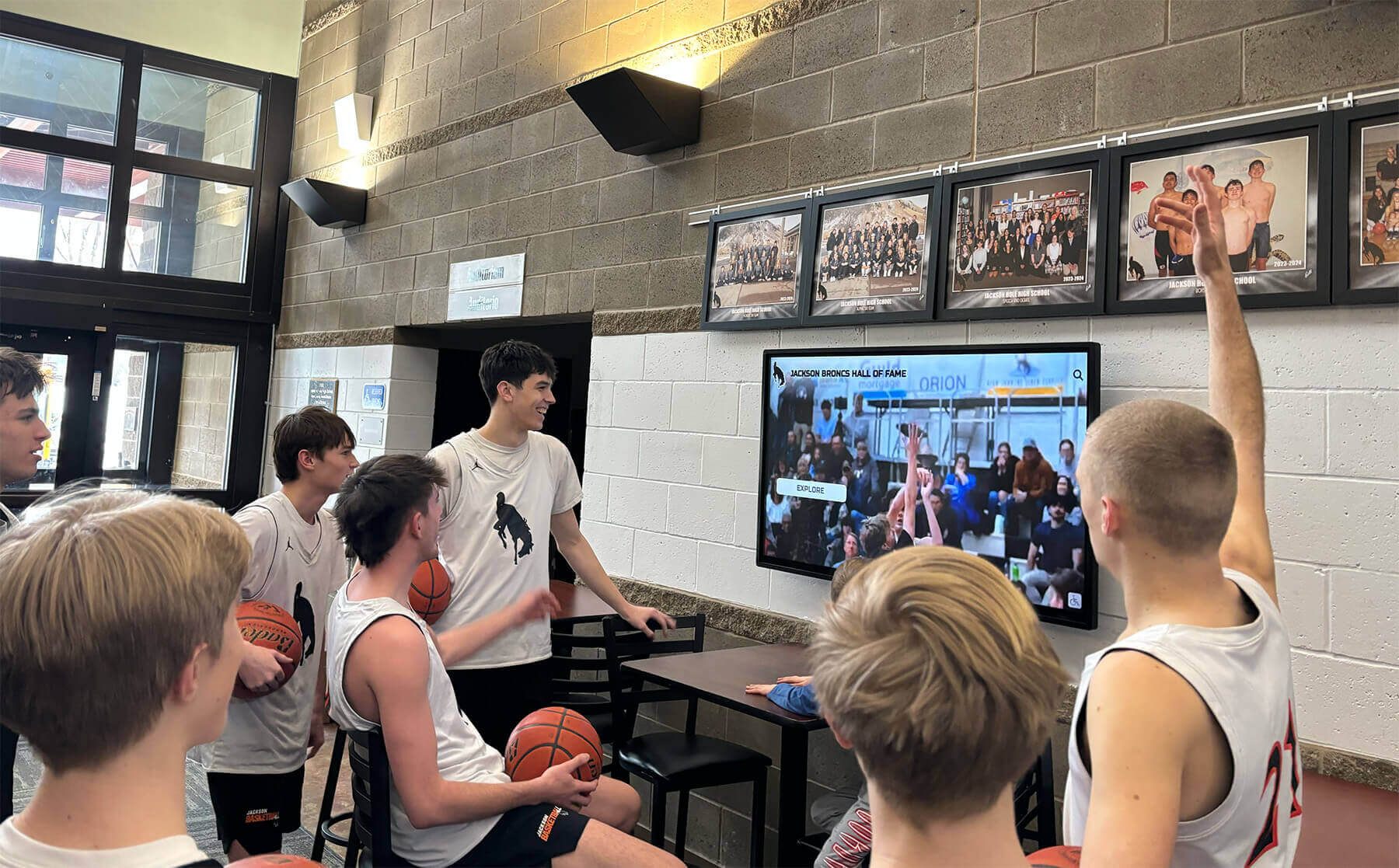
Interactive displays create opportunities for students to explore monthly recognition and connect with academic achievement culture
Monthly recognition also provides manageable administrative burden compared to weekly updates while avoiding the staleness that quarterly or annual programs experience. Schools can establish sustainable update processes that maintain consistent acknowledgment without overwhelming staff responsible for recognition management.
Core Elements of Effective Student of the Month Programs
Successful Academic Student of the Month programs share essential characteristics that maximize impact while remaining sustainable and equitable.
Comprehensive Recognition Criteria
Moving beyond single metrics ensures Student of the Month programs celebrate diverse achievements rather than repeatedly honoring the same highest-performing students.
Multi-Dimensional Recognition Categories:
Absolute Academic Achievement
- Highest grade point average by grade level or subject area
- Perfect test scores or exceptional assessment performance
- Advanced Placement and honors course excellence
- Academic competition success and scholarship recognition
Academic Growth and Improvement
- Most improved GPA from previous grading period
- Significant grade improvements in challenging subjects
- Progress milestones in reading or mathematics levels
- Demonstrated mastery of previously struggling concepts
Learn more about comprehensive recognition approaches in our guide to celebrating academic excellence digitally.
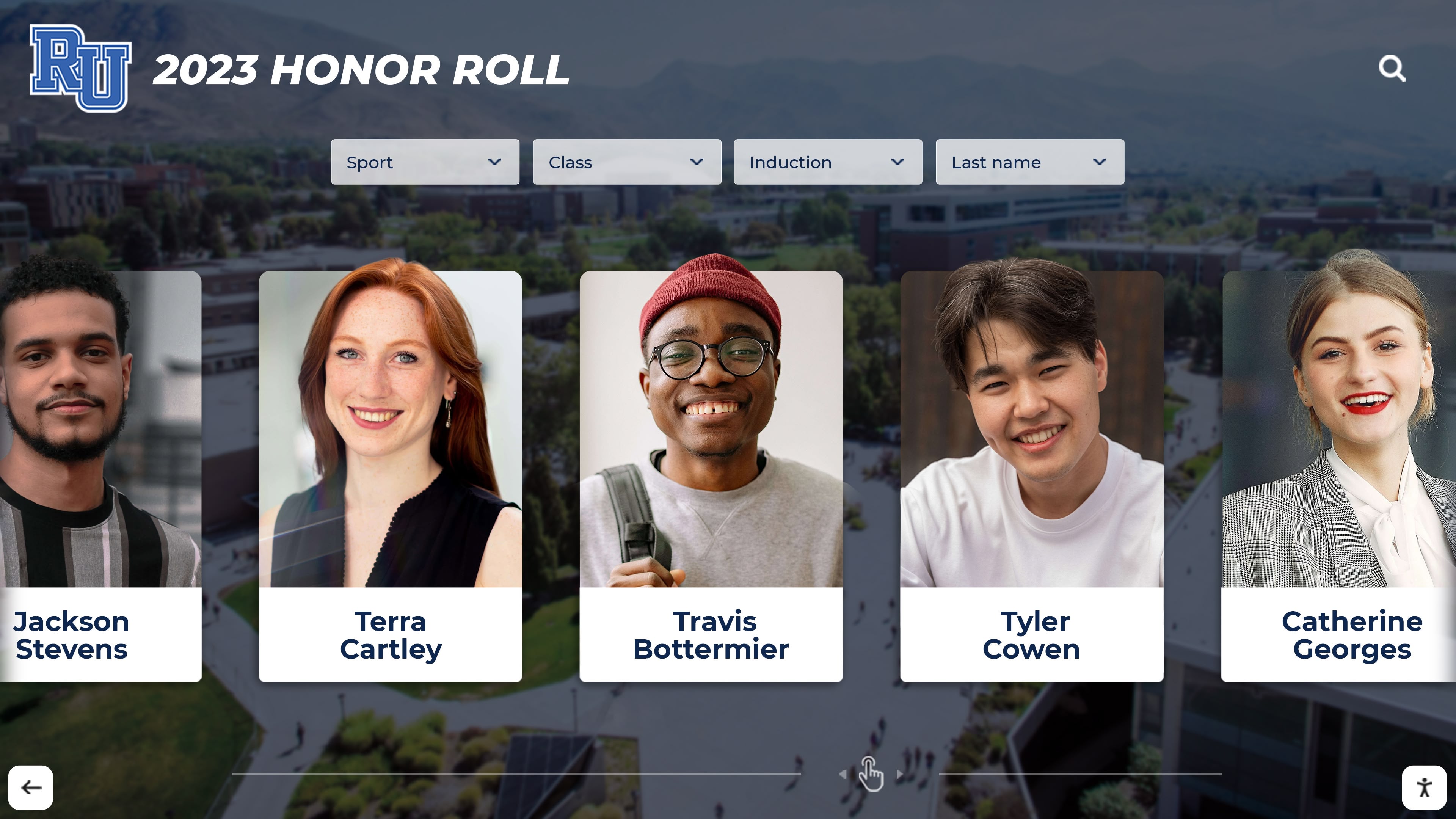
Detailed recognition profiles celebrate specific achievements and academic journeys of monthly honorees
Effort and Engagement Recognition
- Perfect attendance for the month
- Exceptional class participation and engagement
- Completion of challenging optional assignments
- Demonstrated academic curiosity through independent projects
Character-Based Academic Recognition
- Academic integrity and honesty demonstration
- Peer tutoring and collaborative learning support
- Positive attitude toward learning challenges
- Academic perseverance through difficult material
This multi-dimensional approach ensures recognition opportunities exist for students across different learning profiles, starting points, and achievement trajectories, keeping all students motivated to pursue excellence in areas where they can succeed.
Selection Processes and Criteria Transparency
Recognition maintains credibility only when students perceive selection processes as fair and transparent. Student of the Month programs should clearly communicate eligibility criteria that students can work toward, ensuring everyone understands what accomplishments earn recognition.
Essential Selection Elements:
- Clear published criteria explaining qualification requirements
- Transparent nomination processes teachers and students understand
- Consistent application of standards across months and grade levels
- Documentation supporting selection decisions when questioned
- Regular review ensuring criteria remain appropriate and effective
For Student of the Month programs specifically, many schools successfully implement rotating criteria emphasizing different achievement dimensions each month—September recognizing improvement, October celebrating subject-specific excellence, November honoring service and character alongside academics—ensuring diverse students receive recognition throughout the year while maintaining clear standards for each category.
Digital Recognition Displays: Transforming Student of the Month Programs
Modern technology fundamentally enhances Student of the Month recognition effectiveness through capabilities traditional approaches cannot match.
Unlimited Recognition Capacity and Historical Archives
Traditional Student of the Month displays face severe constraints that limit program comprehensiveness:
Traditional Display Limitations:
- Bulletin boards accommodate only current month’s honorees
- Space constraints force rotation removing previous recognition
- Physical capacity limits how many students receive acknowledgment
- Historical achievement visibility disappears after brief display periods
- Growth patterns across months remain invisible

Touchscreen interfaces enable students to explore current and historical Student of the Month recognition easily
Solutions like Rocket Alumni Solutions transform these limitations through interactive digital displays providing unlimited capacity:
Digital Display Advantages:
- Simultaneous display of current month and complete historical archives
- Permanent accessibility allowing students to revisit their recognition anytime
- Capacity for comprehensive profiles including photos, achievements, and testimonials
- Year-over-year comparisons showing achievement trends and growth patterns
- Search and browse functionality helping students explore recognition easily
This unlimited capacity creates fundamentally different program dynamics. Schools no longer face difficult decisions about whose recognition deserves limited space—every monthly honoree receives equal, permanent visibility that remains accessible throughout students’ academic careers.
Rich Multimedia Student Profiles
Digital platforms transform Student of the Month recognition from simple name listings into engaging stories that honor students comprehensively while inspiring peers effectively.
Enhanced Recognition Elements:
Professional Photography High-quality student photos creating visual connection and making recognition feel significant. Professional imagery demonstrates that monthly recognition represents meaningful acknowledgment worthy of quality presentation.
Detailed Achievement Narratives Comprehensive descriptions explaining specifically what students accomplished, how they achieved excellence, and why their recognition matters. Rather than “Student of the Month for Academic Excellence,” detailed narratives might explain: “Sophia earned Student of the Month recognition for improving her mathematics grade from C to A through dedicated after-school tutoring attendance, exceptional homework completion, and peer study group leadership. Her determination to master challenging concepts exemplifies growth mindset values.”
Video Integration Short video clips featuring student interviews about their achievement journey, teacher testimonials celebrating accomplishment, or demonstrations of recognized projects bring recognition to life in ways static displays cannot match.
Achievement Context and Statistics Quantifiable metrics providing concrete evidence—grade improvements, test score percentages, attendance records, competition rankings—help viewers understand accomplishment magnitude while celebrating specific measurable success.
Interactive Engagement Features
Modern touchscreen displays create active engagement rather than passive viewing:
- Search capabilities helping students find themselves and peers
- Filtering by month, grade level, or achievement type
- Browse functions encouraging discovery across recognition history
- Related content showing multiple achievements by same students
- Social sharing enabling digital distribution beyond campus
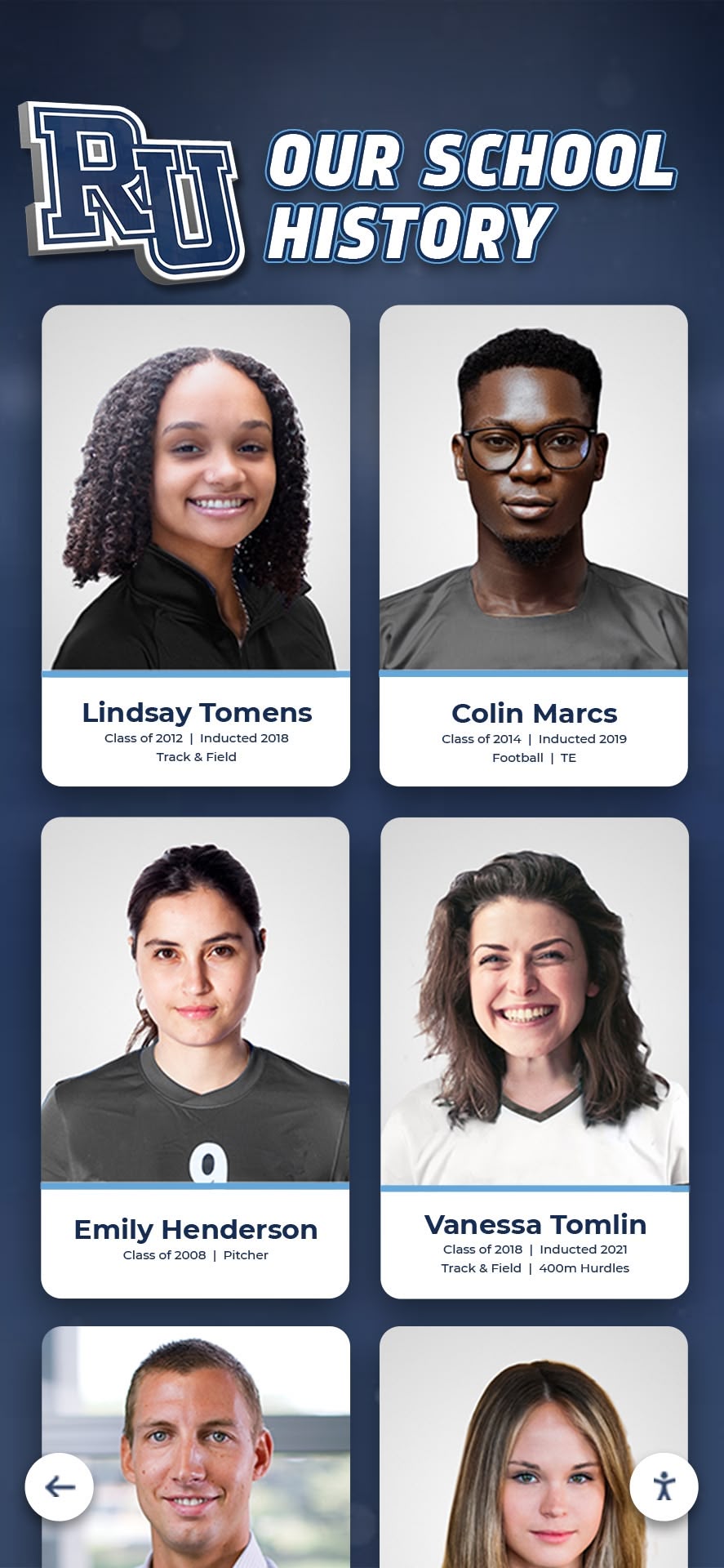
Digital systems document complete recognition journeys showing monthly honors accumulated over academic careers
Interactive features particularly resonate with contemporary students who expect digital experiences similar to smartphones and tablets they use daily. Student recognition programs incorporating interactive technology demonstrate significantly higher engagement compared to traditional static displays.
Implementing Comprehensive Student of the Month Digital Recognition
Successful implementation requires systematic planning addressing technical, organizational, and cultural dimensions while ensuring programs remain sustainable long-term.
Planning and Needs Assessment
Initial Assessment Steps:
- Evaluate current Student of the Month approaches identifying strengths and limitations
- Survey stakeholders about recognition priorities and desired improvements
- Analyze student achievement patterns understanding recognition opportunities
- Assess available resources including budget, staff time, and technology infrastructure
- Review physical spaces identifying optimal display locations
Program Design Decisions:
- Define recognition categories ensuring diverse achievement types receive acknowledgment
- Establish selection criteria and nomination processes teachers and students understand
- Determine update frequency and timing coordinating with academic calendar
- Plan content requirements including photography, narratives, and supporting materials
- Identify responsible staff members and allocate appropriate time
Comprehensive planning prevents common implementation mistakes while establishing foundations for recognition programs that genuinely motivate students and strengthen school culture.
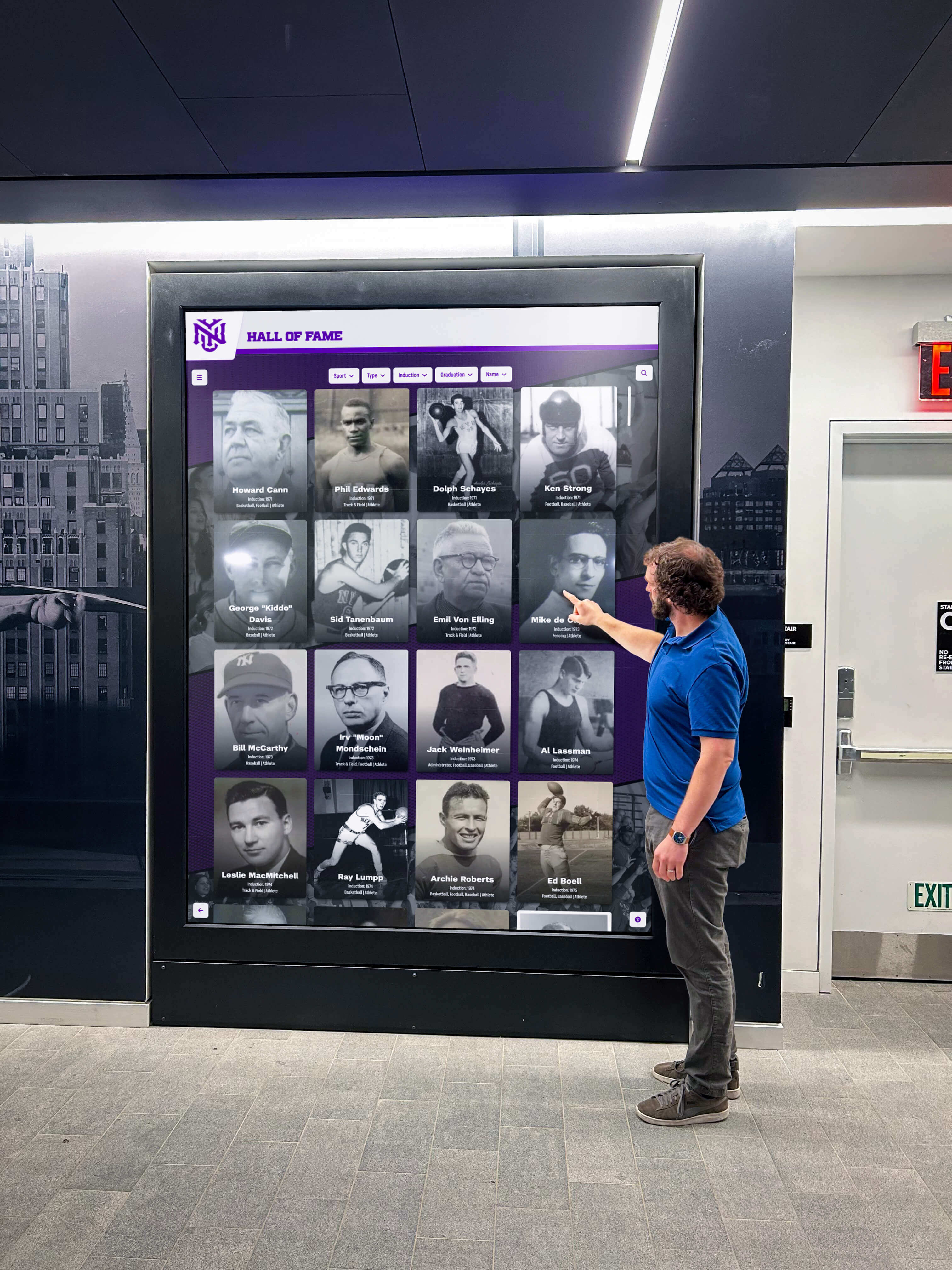
Strategic placement in high-traffic areas ensures Student of the Month recognition receives maximum visibility from students, families, and visitors
Technology Selection and Integration
Schools implementing digital Student of the Month displays should evaluate solution options carefully, considering both hardware and software capabilities.
Hardware Considerations:
Display Size and Type Commercial-grade touchscreens from 43 to 75 inches depending on viewing location and budget. Larger displays suit main entrances and cafeterias where group viewing occurs, while smaller screens work well in academic wings or counseling areas. Commercial durability ratings indicating 50,000-70,000 hours of operation ensure reliability for continuous institutional use.
Mounting Options Wall-mounted installations provide space-efficient solutions suitable for hallways and main areas. Floor-standing kiosks offer flexibility in open spaces where wall mounting isn’t feasible or portable displays provide advantages. Consider viewing heights ensuring accessibility for all students including those using wheelchairs.
Connectivity Requirements Reliable network connectivity—wired ethernet preferred for stability—enables cloud-based content management supporting remote updates. Adequate electrical power with appropriate surge protection prevents technical disruptions affecting recognition visibility.
Software Platform Selection:
Purpose-built recognition systems like Rocket Alumni Solutions provide templates, organizational structures, and features optimized for Student of the Month programs. Purpose-designed platforms typically offer better user experiences than general digital signage systems adapted for recognition purposes.
Essential Software Features:
- Intuitive content management systems non-technical staff can operate confidently
- Templates for Student of the Month entries ensuring consistent formatting
- Search and filtering capabilities helping visitors find specific content
- Mobile responsiveness extending recognition access beyond physical displays
- Analytics showing engagement metrics demonstrating program effectiveness
For schools exploring recognition technology, comprehensive guides to middle school recognition digital boards provide detailed evaluation frameworks comparing options and capabilities.
Content Development and Management
Content quality determines recognition program impact. Investment in thorough, accurate, engaging content development pays dividends through effective recognition that motivates students.
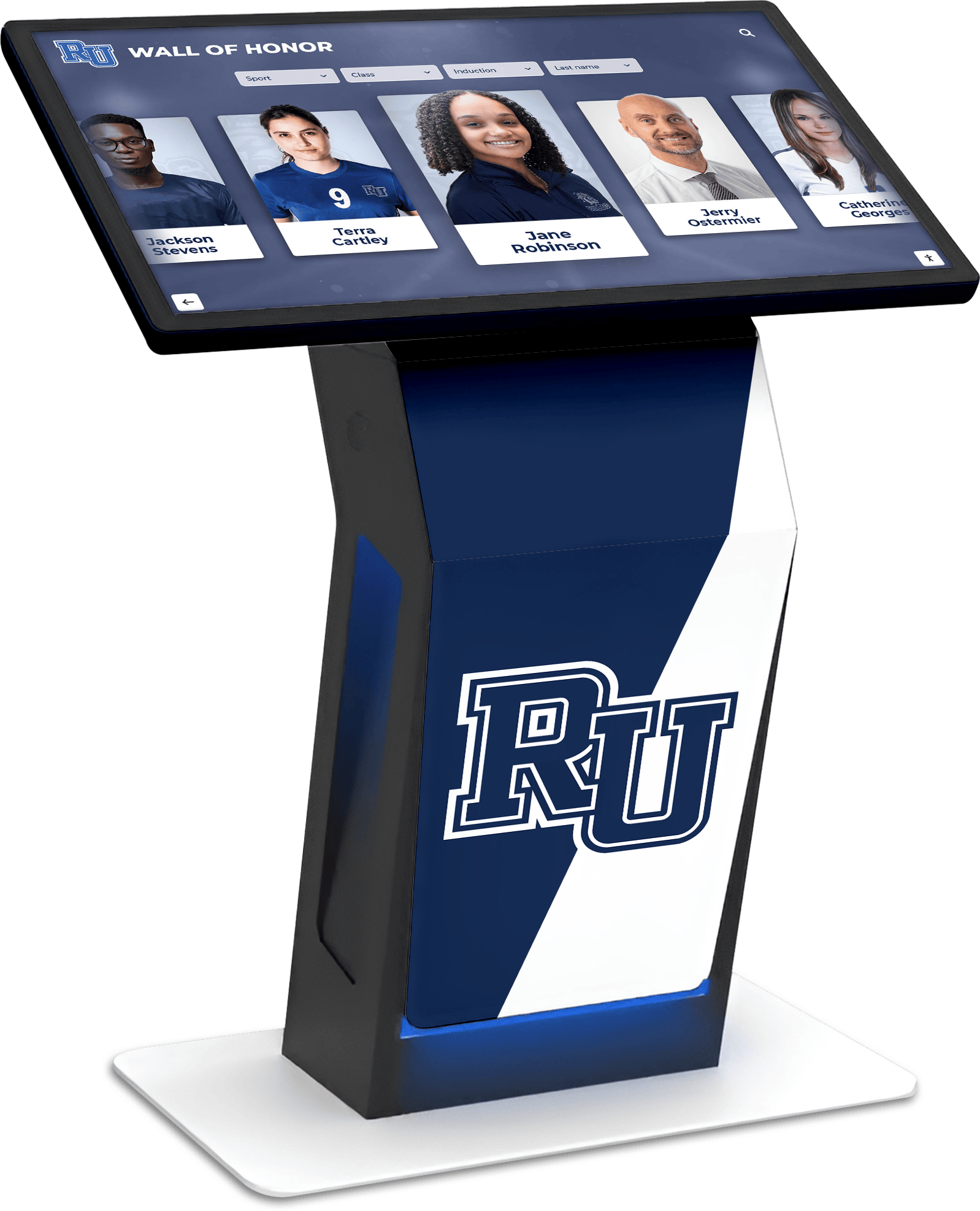
Purpose-built recognition kiosks integrate touchscreen hardware with user-friendly content management platforms
Photography Standards:
Professional-quality images elevate recognition presentation:
- High-resolution photos suitable for large screen display
- Consistent lighting and composition creating polished appearance
- Authentic expressions capturing genuine personality
- Appropriate backgrounds ensuring focus remains on students
- Action shots when relevant to academic achievements being recognized
Schools should designate specific photography times each month capturing Student of the Month recipients promptly after selection, ensuring timely recognition while maintaining consistent visual quality.
Writing Compelling Recognition Narratives:
Effective Student of the Month descriptions move beyond generic acknowledgment to tell specific achievement stories:
Generic Recognition: “Jake Thompson is Student of the Month for November for academic excellence.”
Meaningful Recognition: “Jake Thompson earned November Student of the Month recognition after maintaining perfect attendance throughout first quarter while improving his overall GPA from 3.2 to 3.8. His dedication to after-school study sessions, consistent homework completion, and active class participation demonstrate the commitment and work ethic we celebrate. Jake’s improvement particularly in mathematics—advancing from B- to A average—exemplifies how perseverance and strategic effort produce meaningful results.”
Specific, detailed recognition communicates what students accomplished, how they achieved success, and why their recognition matters, providing clear models other students can emulate.
Sustainable Update Processes:
Monthly recognition requires establishing manageable workflows:
- Clear submission deadlines teachers understand and remember
- Standardized nomination forms gathering necessary information consistently
- Coordinated photography sessions completing images efficiently
- Review procedures ensuring accuracy before publication
- Scheduled update times maintaining consistent monthly recognition
Digital platforms should streamline content entry through templates and bulk upload capabilities, reducing administrative burden while maintaining content quality and consistency.
Best Practices for Student of the Month Program Success
Beyond technology and process, certain approaches maximize Student of the Month program effectiveness and sustainability.
Ensuring Equitable Recognition Distribution
Recognition programs only drive success for all students when acknowledgment is distributed equitably across populations.
Equity Monitoring Practices:
- Regular analysis tracking recognition by gender, race/ethnicity, grade level, and other demographics
- Proactive outreach ensuring teachers across all departments nominate deserving students
- Multiple recognition categories creating pathways accessible to diverse learners
- Balance between absolute achievement and improvement recognition
- Intentional celebration of students overcoming obstacles and disadvantages
Schools should establish target distribution patterns ensuring no student groups are systematically underrepresented in Student of the Month recognition, taking corrective action when analysis reveals disparities requiring attention.
Integration with School Culture
The most effective Student of the Month programs become embedded in school culture:
Cultural Integration Strategies:
- Assembly announcements introducing monthly honorees to peer audiences
- Morning announcements celebrating recent Student of the Month selections
- Newsletter features sharing recognition with families and community
- Social media posts amplifying recognition beyond campus boundaries
- Classroom discussions where teachers reference monthly recognition examples
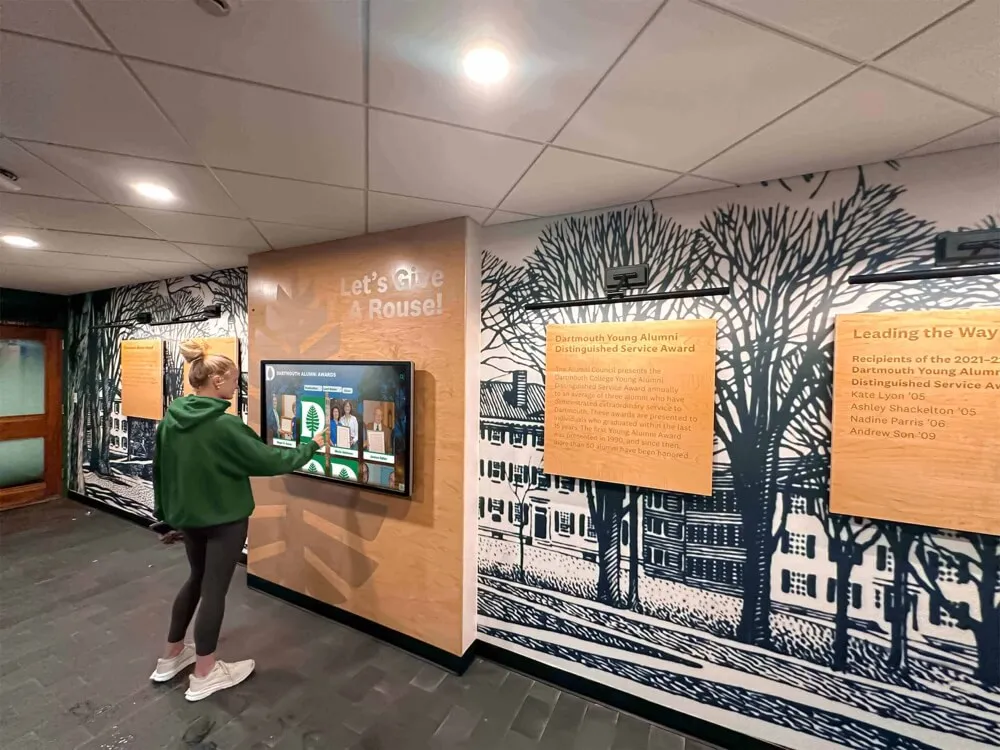
Recognition displays in high-traffic locations ensure students naturally encounter Student of the Month acknowledgment throughout daily routines
When Student of the Month recognition becomes expected and valued within school culture, students internalize that academic achievement matters, creating environments where excellence becomes self-reinforcing rather than exceptional.
Family Engagement and Communication
Engaging families in Student of the Month recognition amplifies impact while strengthening critical school-home partnerships.
Family Engagement Approaches:
Direct Notification Immediately inform families when students earn Student of the Month recognition through phone calls, personalized emails, or text messages. Direct communication ensures families can celebrate accomplishments while strengthening positive school-home connections.
Recognition Ceremony Invitations Host monthly Student of the Month ceremonies where families attend brief celebrations honoring current recipients. Formal ceremonies provide meaningful recognition moments while creating family connection opportunities with school communities.
Digital Access Extension Web-accessible recognition platforms enable families to view Student of the Month achievements remotely through computers and smartphones. Online accessibility proves invaluable for families unable to regularly visit campuses but wanting to celebrate student accomplishments.
Social Sharing Facilitation Make recognition content easily shareable through social media and personal networks. Authentic family advocacy distributes positive school messages throughout communities while amplifying recognition visibility beyond traditional boundaries.
Research consistently demonstrates that family involvement significantly enhances academic motivation and achievement. Student of the Month programs creating strong family engagement opportunities maximize recognition impact while building essential school-home partnerships supporting student success.
Specialized Considerations for Different School Levels
Student of the Month recognition approaches should adapt to developmental levels and institutional contexts, ensuring programs remain age-appropriate and effective.
Elementary School Student of the Month Programs
Early education recognition requires particular attention to inclusivity and developmental appropriateness.
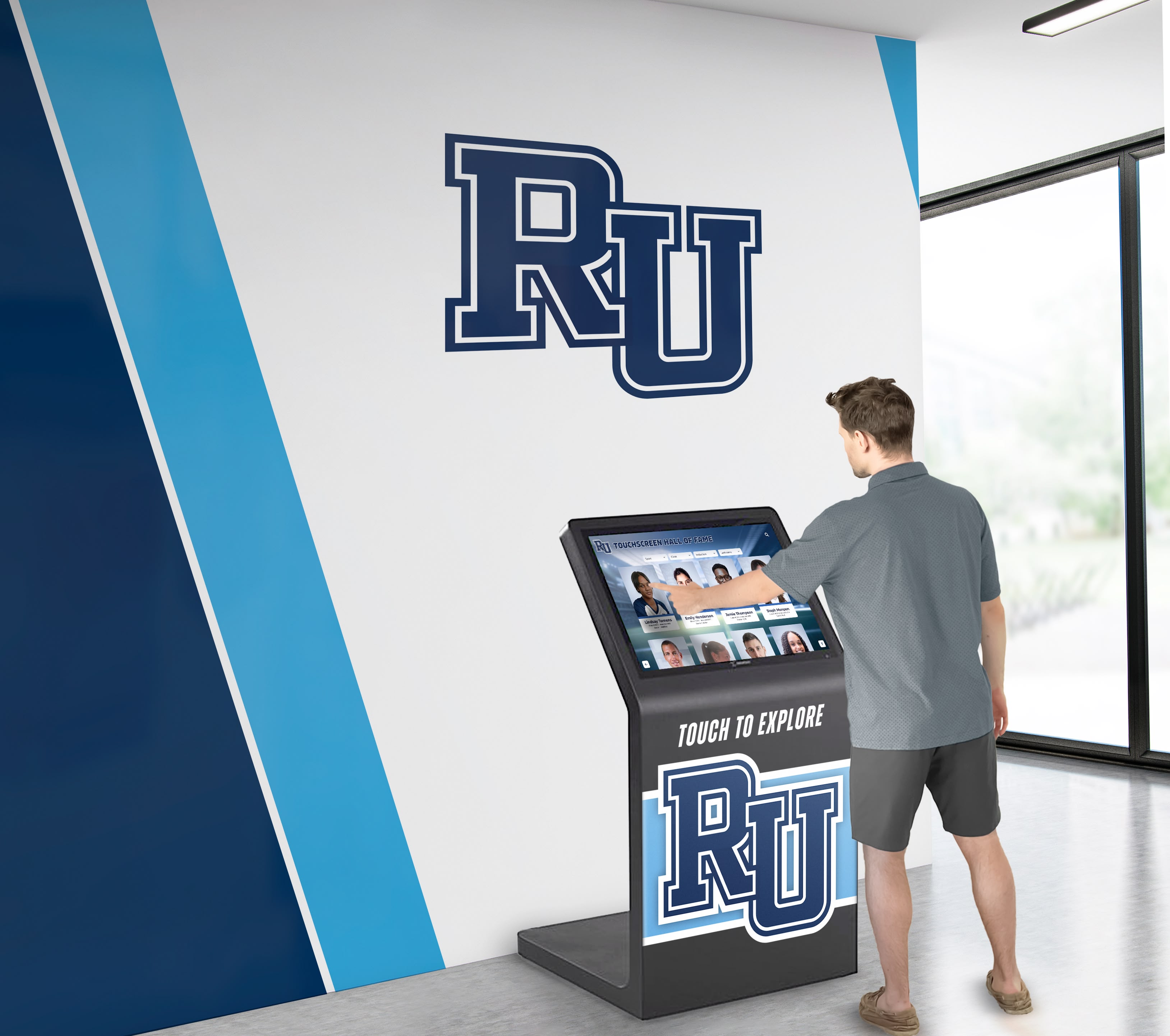
Elementary-level recognition creates foundation for lifelong learning orientation and achievement motivation
Elementary-Appropriate Recognition:
- Frequent recognition ensuring all students receive acknowledgment throughout year
- Multiple monthly honorees per class creating numerous opportunities
- Character and effort emphasis alongside academic achievement
- Visual, engaging presentations appealing to younger learners
- Parent partnership integrating recognition into home celebrations
Elementary Student of the Month programs should ensure every student receives recognition at least once during school year through diverse categories acknowledging different types of excellence, creating positive associations with achievement and school engagement that support lifelong learning orientation.
Middle School Recognition Programs
Transitional years require careful recognition design addressing adolescent developmental needs.
Middle School Considerations:
- Balance between peer visibility and avoiding singling out achievers excessively
- Subject-specific recognition as students develop particular interests and strengths
- Recognition of improvement and growth during significant developmental changes
- Digital formats appealing to technology-comfortable adolescents
- Connection between recognition and future educational opportunities
Comprehensive guidance for middle school recognition digital boards addresses unique challenges of recognizing young adolescents effectively while maintaining programs that motivate rather than discourage diverse learners.
High School Student of the Month Programs
Secondary recognition prepares students for post-graduation success while celebrating current achievement.
High School Recognition Emphases:
- College application enhancement through documented recognition
- Scholarship connection demonstrating academic excellence value
- Leadership and service recognition alongside traditional academics
- Career and technical education acknowledgment ensuring comprehensive celebration
- Senior cumulative recognition honoring sustained achievement
High school Student of the Month programs should explicitly connect recognition to future opportunities, helping students understand how monthly academic acknowledgment supports college admissions, scholarship applications, and career preparation beyond immediate motivational benefits.
Measuring Student of the Month Program Effectiveness
Systematic assessment ensures recognition programs achieve intended goals while identifying improvement opportunities.
Quantitative Impact Indicators
Academic Performance Metrics:
- Grade point average trends comparing recognized versus non-recognized students
- Honor roll participation rates showing broader academic engagement
- Advanced coursework enrollment indicating enhanced academic ambition
- Standardized assessment scores reflecting overall achievement improvements
- Attendance rates demonstrating stronger school engagement
Schools should track whether students receiving Student of the Month recognition demonstrate measurably different academic trajectories compared to equally capable peers not receiving acknowledgment, providing evidence of recognition program impact on student success.
Recognition Distribution Analysis:
- Percentage of student body receiving recognition throughout year
- Distribution across grade levels ensuring equitable opportunities
- Demographic representation matching overall school population
- Recognition category utilization showing program comprehensiveness
- Multiple recognition instances indicating sustained excellence
Comprehensive distribution analysis reveals whether Student of the Month programs successfully reach diverse student populations or inadvertently concentrate recognition among narrow groups requiring program adjustment.
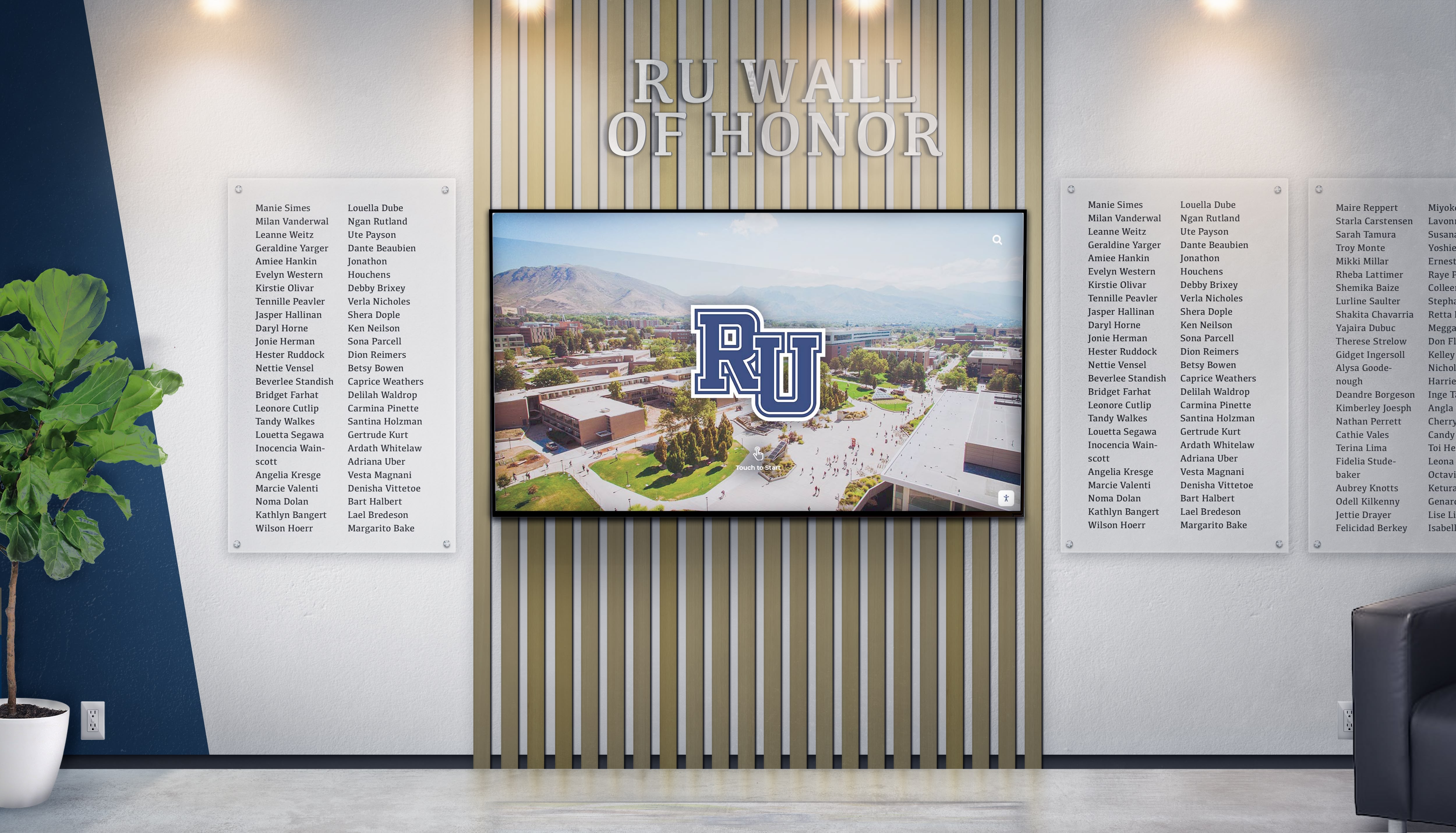
Effective programs ensure Student of the Month recognition reaches students across all demographics and achievement levels
Qualitative Assessment Methods
Student Feedback Collection:
Anonymous surveys asking students whether they notice Student of the Month recognition, whether acknowledgment motivates academic effort, how fair they perceive selection processes, and what program improvements they would value provide honest feedback enabling continuous improvement.
Teacher and Staff Observations:
Educator perspectives about student reactions to recognition, perceived program impact on classroom culture, nomination and selection process experiences, and suggestions for enhancement inform practical program refinements addressing implementation realities.
Family Input:
Parent feedback about recognition communication effectiveness, perceived program value, and family conversations about Student of the Month experiences reveal recognition impact beyond school boundaries while identifying family engagement opportunities.
Regular assessment enables Student of the Month programs to evolve based on evidence of what effectively motivates students and builds positive school culture rather than continuing unchanged approaches that may lose effectiveness over time.
Overcoming Common Student of the Month Program Challenges
Understanding predictable obstacles helps schools implement more successful recognition initiatives from the start.
Challenge: Recognition Fatigue or Predictability
When Student of the Month programs repeatedly honor the same highest-achieving students, recognition loses motivational power for broader student populations who perceive acknowledgment as unattainable.
Solutions:
- Rotate recognition criteria monthly emphasizing different achievement dimensions
- Establish improvement categories accessible to students at all current performance levels
- Limit how many times individual students can receive recognition within academic year
- Create multiple recognition tiers acknowledging different excellence levels
- Celebrate first-time achievers prominently encouraging continued pursuit
Diverse recognition approaches ensure Student of the Month programs maintain freshness and accessibility, keeping all students motivated to pursue excellence in areas where they can succeed.
Challenge: Maintaining Consistent Program Management
Even well-designed recognition programs falter when routine responsibilities compete for staff attention, leading to missed months or outdated content reducing program effectiveness.
Solutions:
- Assign clear responsibility with adequate time allocation in job descriptions
- Calendar automatic reminders for nomination deadlines and update schedules
- Create templates and checklists streamlining monthly processes
- Train multiple staff members ensuring continuity during absences
- Integrate recognition into routine workflows rather than treating as additional task
- Use digital platforms enabling efficient remote content management
Sustainable Student of the Month programs require realistic resource allocation and process design acknowledging staff time constraints while maintaining consistent recognition that students expect and value.
Challenge: Limited Family Awareness and Engagement
Recognition impact diminishes when families remain unaware their students earned Student of the Month honors, missing opportunities for home celebration and reinforcement.
Solutions:
- Immediate notification through multiple channels when students receive recognition
- Regular communication explaining program criteria and encouraging support
- Family-accessible digital platforms extending recognition visibility
- Recognition ceremonies scheduled at family-friendly times
- Social media content families can easily discover and share
- Newsletter features highlighting monthly honorees comprehensively
Enhanced family communication transforms Student of the Month programs from school-only initiatives into comprehensive recognition efforts engaging families as partners supporting academic excellence.
Technology Platforms for Student of the Month Recognition
Selecting appropriate technology ensures recognition systems remain reliable, maintainable, and effective while meeting schools’ specific needs and constraints.
Commercial-Grade Display Hardware
Essential Hardware Characteristics:
Durability and Reliability Commercial displays designed for continuous operation withstand daily use in public environments far better than consumer screens. Commercial-grade equipment providing 50,000+ hours of reliable operation delivers better long-term value despite higher initial costs compared to consumer alternatives failing quickly under institutional use.
Touch-Friendly Interfaces Responsive touchscreen technology enabling intuitive student interaction without requiring instruction. Modern capacitive touchscreens similar to smartphone interfaces provide familiar, accessible interaction students naturally understand.
Professional Appearance Attractive industrial design complementing school aesthetics rather than appearing as technology afterthought. Recognition displays should look intentional and important, communicating that Student of the Month acknowledgment matters to the institution.
Commercial-grade recognition kiosks combine durability with attractive design suitable for prominent school locations
Purpose-Built Recognition Software
General digital signage systems adapted for recognition rarely provide optimal user experiences compared to platforms specifically designed for Student of the Month programs.
Rocket Alumni Solutions Recognition Platform:
Purpose-built for educational recognition, Rocket Alumni Solutions provides comprehensive tools optimized for Student of the Month programs:
- Pre-designed templates for monthly recognition entries
- Intuitive content management requiring no technical expertise
- Automatic organization by month, year, and category
- Built-in search and filtering for easy content discovery
- Mobile-responsive web access extending recognition reach
- Analytics demonstrating engagement and program effectiveness
- Ongoing support and platform updates maintaining functionality
Schools implementing purpose-designed recognition platforms report significantly reduced administrative burden and higher engagement compared to improvised solutions using general tools not optimized for acknowledgment purposes.
Future of Student of the Month Recognition
Understanding emerging trends helps schools make forward-looking investments that remain relevant and effective for decades.
Digital Badging and Credentials
Schools increasingly implement comprehensive digital credential systems where students accumulate verifiable achievement records across school years. Student of the Month recognition can integrate with broader digital badging initiatives, creating portable credentials students include in college applications and employment portfolios.
Enhanced Data Visualization
Advanced analytics will enable schools to present Student of the Month achievement trends through engaging infographics showing recognition patterns, demonstrating program comprehensiveness, and celebrating school-wide academic culture improvements through visual data storytelling.
Artificial Intelligence Personalization
AI capabilities will transform recognition experiences through intelligent recommendation systems suggesting relevant content based on viewer behavior, automated achievement summaries generating narrative descriptions from data, and natural language search enabling conversational exploration.
Social Media Integration
Recognition platforms will increasingly facilitate seamless social sharing, enabling families and students to distribute Student of the Month acknowledgment through personal networks while maintaining appropriate privacy controls and institutional oversight.
Schools investing in flexible, modern recognition platforms position themselves to adopt these emerging capabilities as they mature, ensuring Student of the Month programs remain engaging and effective as technology and student expectations evolve.
Conclusion: Transforming Student Achievement Through Digital Recognition
Academic Student of the Month programs represent powerful opportunities to motivate excellence, celebrate diverse achievement, and build cultures where scholarship receives acknowledgment equal to athletic success. When implemented through modern interactive digital displays, Student of the Month recognition transcends traditional limitations—space constraints that force selectivity, administrative burden preventing timely updates, static formats failing to engage contemporary students, and temporary visibility providing only brief motivational impact.
Digital recognition platforms like Rocket Alumni Solutions enable schools to create comprehensive Student of the Month programs that genuinely transform student outcomes through unlimited capacity acknowledging all deserving students permanently, rich multimedia profiles telling complete achievement stories, interactive features engaging students in active exploration, strategic placement maximizing recognition visibility, and family accessibility extending celebration beyond campus boundaries.
Transform Your Student of the Month Recognition
Discover how interactive digital displays can help you celebrate every student's academic achievements and build a thriving culture of intellectual excellence.
Explore Recognition SolutionsEffective Student of the Month programs require thoughtful design ensuring equitable distribution, transparent selection processes, comprehensive achievement categories, timely recognition delivery, and meaningful content honoring students appropriately. Schools implementing these best practices alongside modern recognition technology report measurable improvements in academic performance, student engagement, school culture, and family connection—outcomes justifying recognition program investment.
Your students deserve Student of the Month recognition that honors their accomplishments, inspires continued excellence, provides clear success models, and demonstrates genuine institutional commitment to celebrating academic achievement. Interactive digital displays provide the capabilities needed to deliver this comprehensive acknowledgment, transforming Student of the Month programs from perfunctory obligation into powerful drivers of student success and school pride.
Whether enhancing existing Student of the Month programs or establishing new recognition initiatives, the combination of thoughtful program design and modern technology creates acknowledgment systems that genuinely motivate students, strengthen school culture, and celebrate the diverse academic excellence your institution nurtures daily. Additional resources on student achievement recognition and academic recognition programs provide schools with comprehensive frameworks for developing programs that authentically celebrate student success while building the positive, achievement-oriented cultures where all students thrive.































