Academic walls of excellence serve as powerful symbols of institutional achievement, celebrating student success while inspiring future generations to pursue their own paths to distinction. Yet across thousands of schools and universities, these recognition displays have fallen into states of disrepair, outdated aesthetics, or physical constraints that limit their ability to honor the full breadth of student accomplishment. What was once a source of pride has become overlooked infrastructure—faded plaques, overcrowded trophy cases, and static displays that fail to capture attention in an increasingly digital world.
The need for renovation extends beyond mere aesthetics. Modern educational environments demand recognition systems that accommodate unlimited achievements, update instantly to celebrate current successes, engage digitally native students through interactive experiences, and extend reach beyond physical walls to connect with alumni worldwide. Traditional renovation approaches—adding more physical displays, expanding trophy cases, or installing additional plaques—merely postpone inevitable capacity problems while missing opportunities that contemporary recognition technology now enables.
This comprehensive 2025 guide explores strategic approaches to academic wall of excellence renovation, addressing everything from assessing current displays and planning comprehensive upgrades to implementing cutting-edge digital solutions that transform how institutions celebrate achievement. Whether you’re undertaking a complete renovation of decades-old recognition areas, upgrading specific elements while preserving valued traditional displays, or planning new construction incorporating state-of-the-art recognition systems, you’ll discover practical strategies, real-world examples, and expert guidance for creating recognition spaces that honor both heritage and innovation.
The academic wall of excellence renovation market has evolved dramatically, with educational institutions increasingly recognizing that outdated recognition displays diminish rather than enhance institutional prestige. Modern renovation approaches balance respect for tradition with embrace of technologies that expand what’s possible in celebrating student, faculty, and alumni achievement across academic, athletic, artistic, and community service domains.
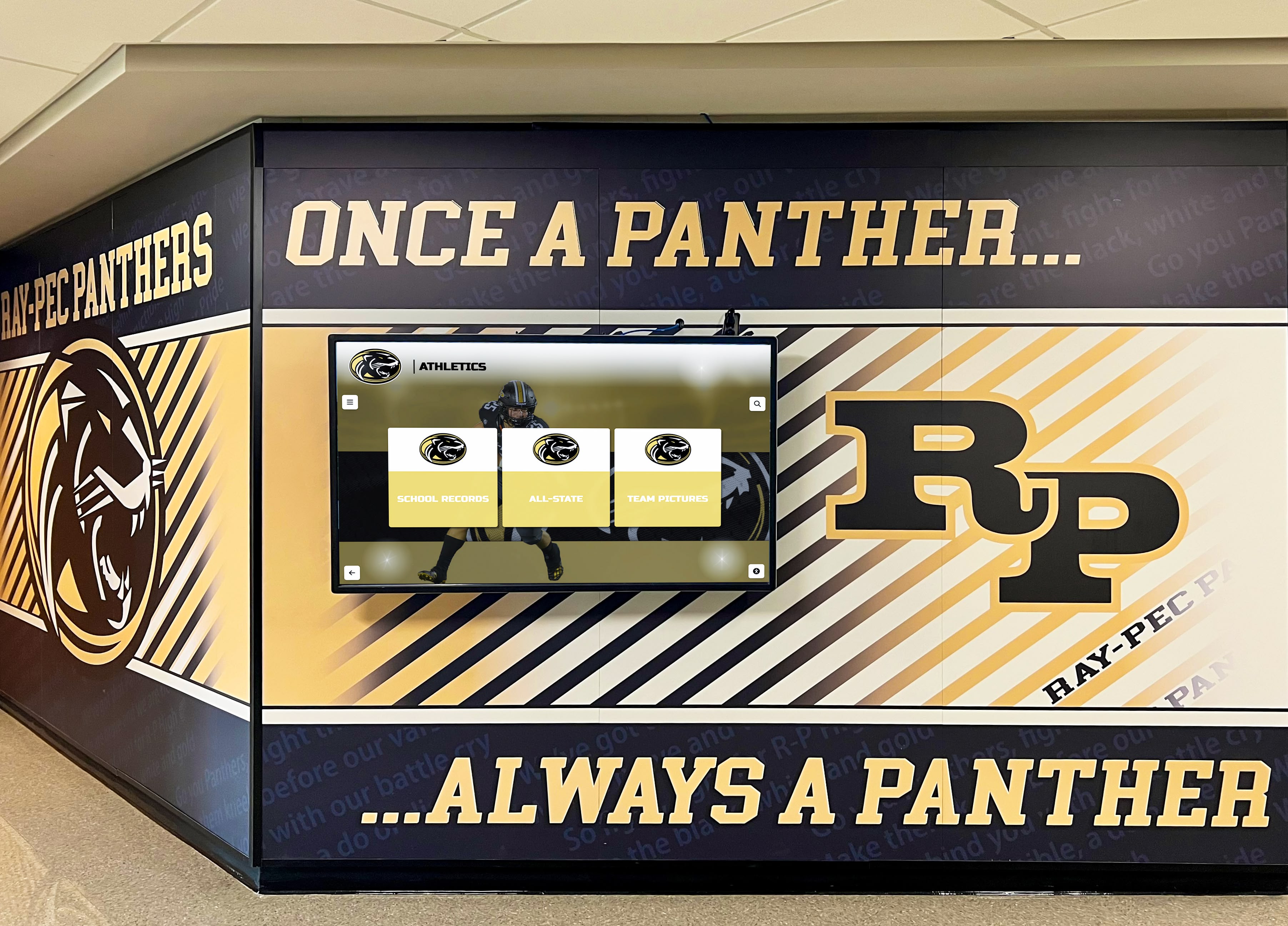
Understanding the Need for Academic Wall of Excellence Renovation
Before launching renovation projects, institutions benefit from understanding why existing recognition displays no longer serve their intended purposes effectively, what has changed in educational recognition best practices, and what modern alternatives address traditional limitations.
Common Problems with Traditional Academic Walls of Excellence
Most academic recognition displays were designed and installed years or decades ago, when institutional achievement levels, student populations, and recognition expectations differed substantially from today’s realities. Over time, predictable problems emerge that renovation must address.
Physical Capacity Constraints
Perhaps the most common challenge facing academic walls of excellence involves simple physical limitations. Trophy cases fill completely, plaque walls run out of mounting space, and display areas exhaust capacity for accommodating new achievements. According to facilities surveys, over 60% of schools with recognition displays report space limitations affecting recognition decisions, with institutions forced to choose which achievements warrant permanent display—creating difficult decisions that marginalize deserving students whose accomplishments occur during capacity-constrained periods.
Traditional solutions like installing additional trophy cases or expanding plaque walls provide only temporary relief while requiring ongoing investment in physical infrastructure. Each expansion requires construction, installation, and recurring costs for new plaques or trophies, creating unsustainable long-term economics that eventually force recognition programs to become selective rather than comprehensive.
Deterioration and Outdated Aesthetics
Recognition displays installed decades ago often show visible deterioration—faded photographs, yellowing nameplates, damaged trophy cases with broken latches or lighting, and architectural styles that appear dated rather than distinguished. When recognition displays look tired and neglected, they communicate unintended messages about institutional values and commitment to honoring achievement.
Beyond physical deterioration, design aesthetics age poorly. Recognition walls incorporating 1980s wood paneling, 1990s brass and green marble, or 2000s contemporary styles that now appear dated fail to convey the prestige and permanence that academic excellence deserves. Renovation provides opportunities to refresh aesthetics while preserving worthy elements deserving retention.
Limited Information and Storytelling
Traditional displays constrain storytelling through physical limitations. Engraved plaques accommodate names, years, and brief achievement descriptions—but cannot convey the fuller stories that make achievements meaningful and inspiring. A plaque listing an academic all-American athlete cannot show game-winning performances, document career statistics, or include the graduate’s reflections on how athletic experience shaped character and career. These storytelling limitations reduce recognition to simple acknowledgment rather than inspiration.
Maintenance and Update Challenges
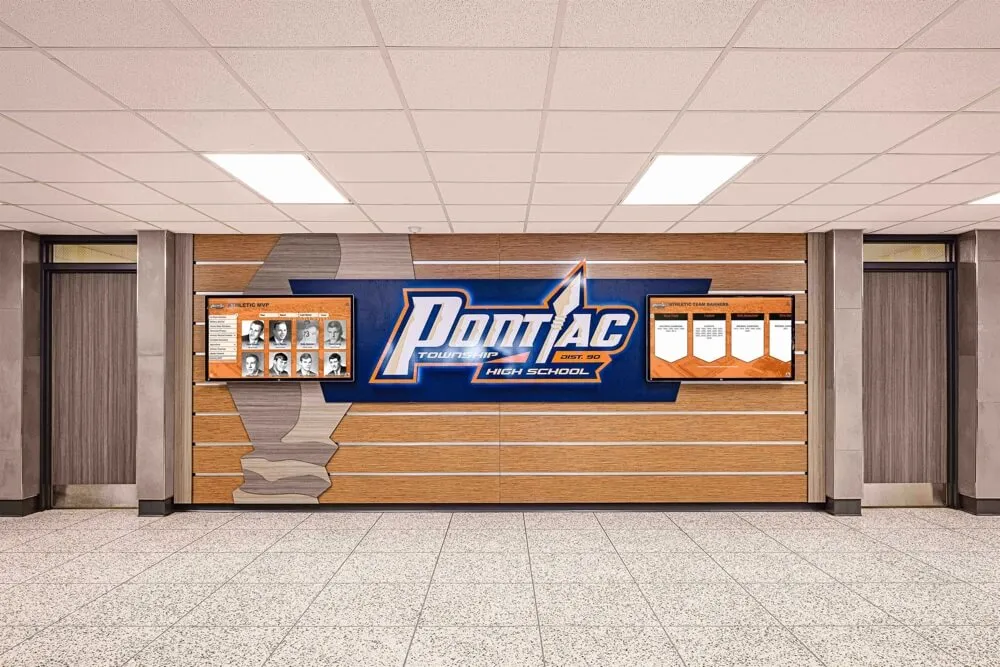
Keeping recognition current requires ongoing maintenance that traditional systems make unnecessarily difficult. Adding new honorees requires ordering plaques, scheduling installation, coordinating with vendors, and often waiting weeks or months between achievement and recognition. This lag diminishes recognition impact while creating administrative burden that competes with other priorities.
Correcting errors proves even more challenging. A misspelled name on an engraved plaque requires manufacturing and installing a replacement—expensive processes that often result in errors remaining uncorrected rather than institutions investing in replacement. Modern recognition systems should enable instant corrections maintaining accuracy and appropriately honoring achievements.
How Educational Recognition Standards Have Evolved
Understanding how recognition best practices have changed helps frame renovation decisions around contemporary expectations rather than historical norms.
From Selective to Comprehensive Recognition
Historical recognition programs emphasized elite achievement—state champions, valedictorians, national merit scholars, and similar highest-tier accomplishments. Contemporary best practices embrace more comprehensive recognition acknowledging that excellence manifests across diverse domains at various levels worthy of celebration. Schools now recognize regional competition success, significant improvement, leadership demonstration, community service contributions, and sustained effort alongside traditional elite achievements.
This shift toward comprehensive recognition creates capacity challenges that traditional physical displays cannot accommodate, making renovation toward higher-capacity systems essential for implementing modern recognition philosophies that celebrate broader student accomplishment.
From Static to Interactive Engagement
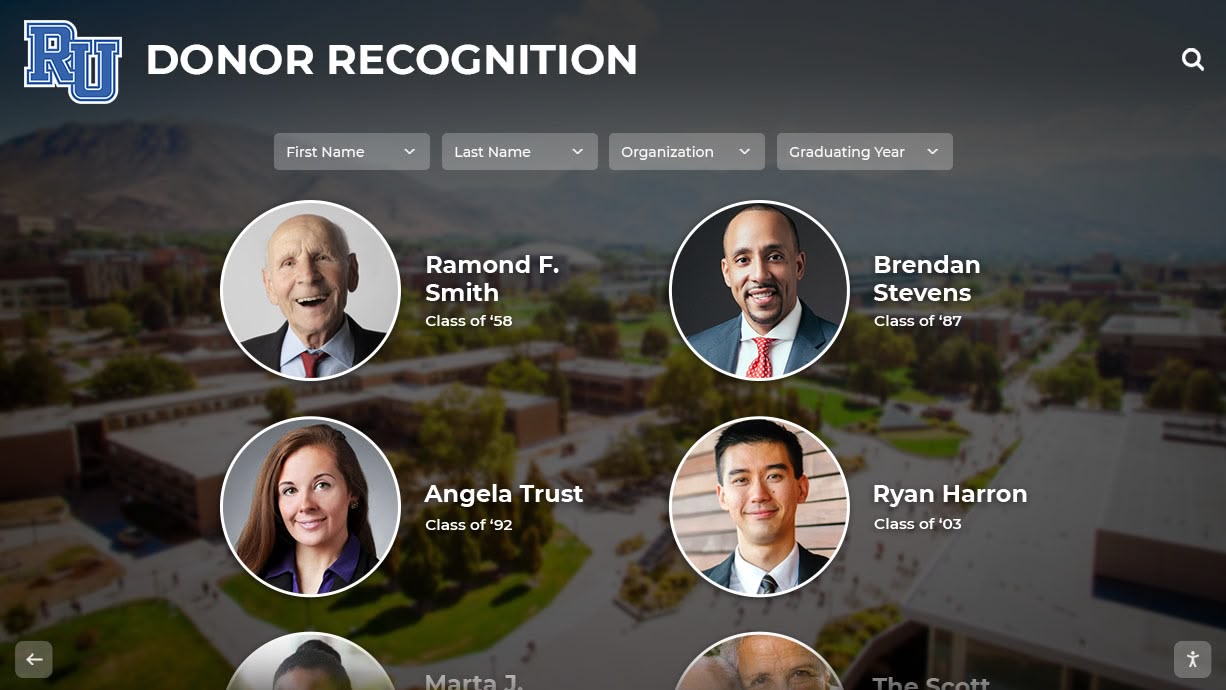
Passive recognition displays that visitors view briefly while walking past no longer satisfy expectations in increasingly interactive digital environments. Modern recognition should invite active engagement—searching for specific individuals, filtering by achievement category or time period, discovering connections among honorees, exploring detailed achievement narratives, and sharing accomplishments through personal social networks.
Research on digital recognition engagement demonstrates that interactive displays generate 5-10 times longer engagement duration than traditional static displays, creating meaningful connections rather than momentary acknowledgment that recognition deserves.
From Campus-Only to Global Accessibility
Traditional recognition displays reach only individuals physically present on campus—current students, visiting families, and returning alumni. Contemporary recognition extends globally through web accessibility enabling alumni worldwide to explore their alma mater’s celebrations of excellence, share personal achievements with professional and social networks, and maintain connections despite geographic distance.
This expanded reach serves institutional advancement and alumni engagement goals that physical displays alone cannot support, making web-accessible recognition components increasingly central to comprehensive renovation strategies.
Assessing Your Current Academic Recognition Displays
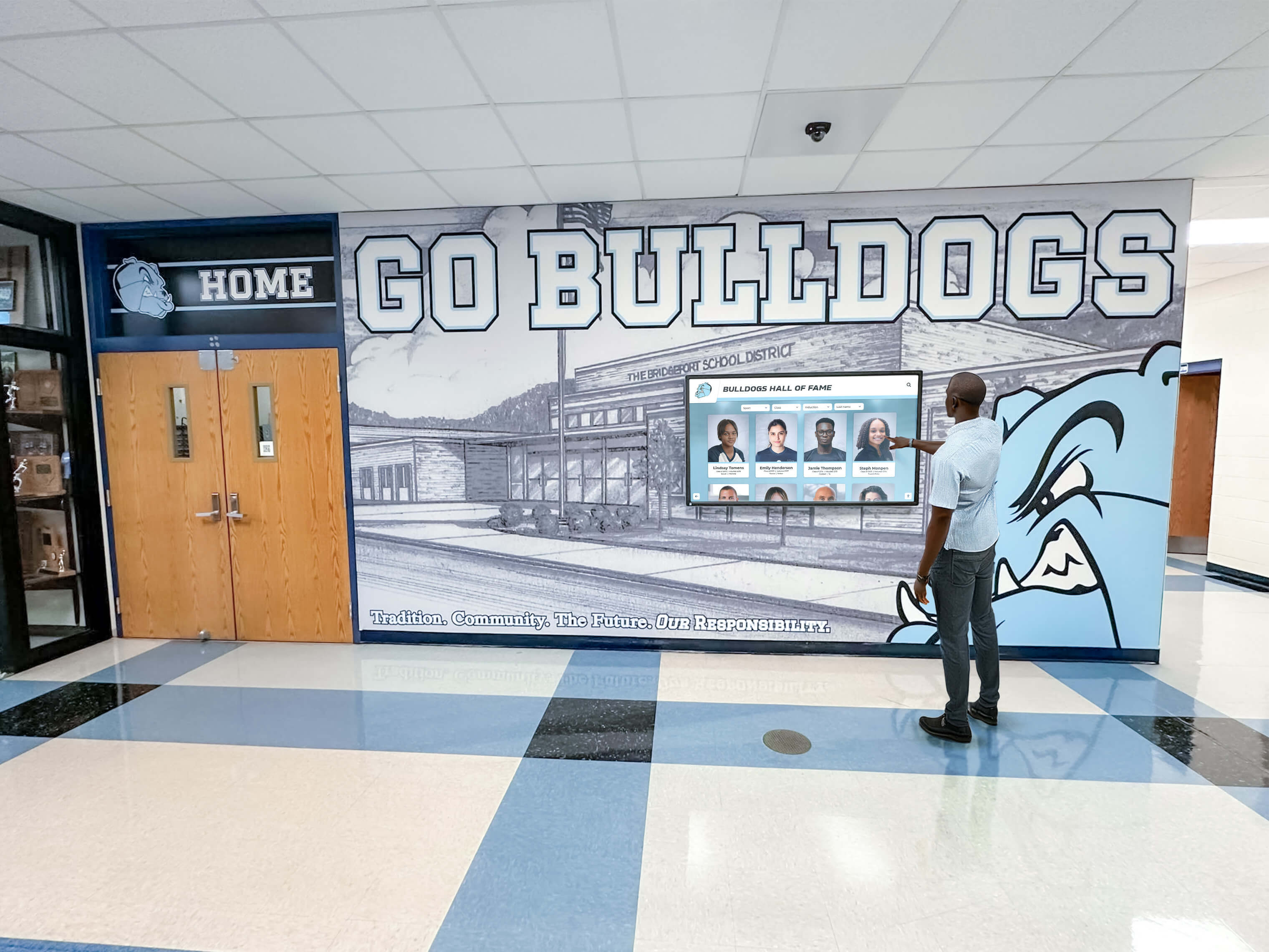
Effective renovation begins with comprehensive assessment of existing conditions, identifying specific problems requiring attention, and determining which elements deserve preservation versus replacement.
Physical Condition Evaluation
Start with systematic evaluation of current display physical conditions documenting what requires repair, updating, or replacement.
Structural Assessment
Examine trophy case structures for damaged doors, broken locks, failing hinges, or compromised structural integrity. Check plaque mounting systems for secure attachment and assess whether additional mounting capacity exists. Evaluate display lighting for functionality, adequacy, and energy efficiency. Inspect flooring and wall surfaces surrounding recognition displays for damage requiring attention during renovation.
Document findings through photographs creating visual records of current conditions useful for planning purposes, contractor communication, and historical documentation preserving memory of original displays.
Content Inventory and Organization
Catalog existing recognition content noting achievement categories represented, date ranges covered, honoring conventions used, and organizational systems. Identify gaps in historical coverage where achievements may have occurred but lack recognition. Assess whether current organization systems remain logical and effective or whether reorganization could improve clarity and accessibility.
Content inventory informs digitization planning for institutions choosing to preserve historical recognition while transitioning toward digital systems offering expanded capacity and functionality.
Capacity Analysis
Calculate remaining capacity in existing systems by determining available mounting space for plaques, open trophy case shelving, and physical room for display expansion. Compare remaining capacity to projected recognition needs over 5-10 years based on historical achievement rates and institutional growth plans.
When remaining capacity falls below 3-5 years of projected needs, renovation becomes urgent rather than optional to avoid imminent recognition program constraints.
Stakeholder Feedback and Priorities
Recognition serves multiple constituencies whose perspectives should inform renovation planning ensuring investments deliver valued outcomes.
Student Input
Current students represent primary recognition audiences whose engagement determines program success. Conduct surveys or focus groups exploring whether students notice and engage with existing displays, what changes would increase relevance and interest, what achievement categories they believe deserve more prominent recognition, and how digital integration might enhance recognition experience.
Student feedback often reveals generational perspectives differing from administrator assumptions—particularly regarding digital integration, social media connectivity, and interactive features that resonate with younger audiences.
Alumni Perspectives
Alumni maintain emotional connections to institutions where they were recognized decades ago. Gather alumni input about what elements of existing recognition systems hold sentimental value deserving preservation, whether they would engage with web-accessible recognition enabling remote exploration, and whether enhanced recognition might strengthen alumni engagement and institutional support.
Alumni feedback helps balance innovation with respect for tradition, identifying specific elements where preservation matters most to communities with longest institutional relationships.
Administrative Priorities
School administrators, athletic directors, advancement officers, and facilities managers each hold perspectives about recognition renovation priorities. Athletics may prioritize sports recognition enhancement, advancement may emphasize donor recognition and alumni engagement, academics may seek better scholarly achievement visibility, and facilities may focus on maintenance reduction and space optimization.
Comprehensive renovation planning reconciles these sometimes competing priorities into coherent strategies serving institutional interests holistically rather than advancing narrow department preferences.
Strategic Renovation Approaches: Traditional Upgrades vs. Digital Transformation
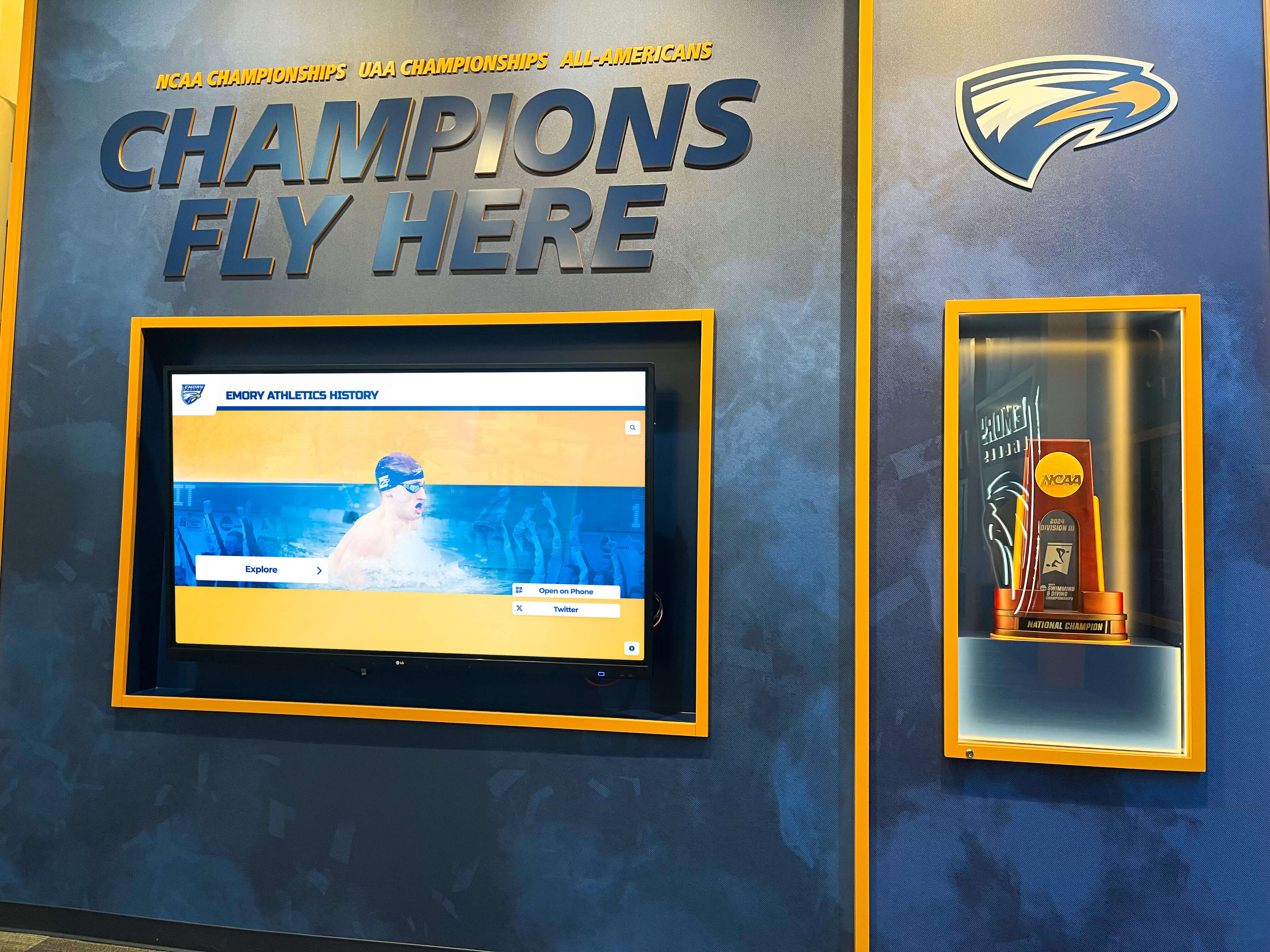
Institutions pursuing academic wall of excellence renovation face fundamental strategic decisions about whether to renovate traditional display infrastructure or transition toward digital recognition systems offering expanded capabilities. Each approach serves specific situations and institutional contexts.
Traditional Display Renovation and Enhancement
Some institutions determine that traditional physical displays remain appropriate but require refreshing, expanding, or reorganizing to serve contemporary needs more effectively.
When Traditional Renovation Makes Sense
Traditional approaches suit institutions with strong attachment to physical recognition traditions, adequate space for physical display expansion, limited technical infrastructure or support, smaller institutional sizes making physical display capacity sufficient, or conservative communities preferring familiar recognition formats.
Additionally, some achievements—particularly athletic trophies, championship hardware, and three-dimensional artifacts—display effectively in physical cases creating tangible connections to competitive success that digital representations cannot fully replicate.
Traditional Renovation Components
Physical renovation projects typically include display case replacement or refurbishment with updated materials and finishes, lighting system upgrades to LED fixtures providing better visibility and energy efficiency, plaque wall expansion or reorganization with fresh backing materials and improved layouts, flooring and wall surface refresh surrounding recognition areas, and architectural enhancements integrating recognition displays more cohesively with surrounding spaces.
Many institutions commission custom millwork creating distinctive recognition installations reflecting institutional character through materials, finishes, and architectural details conveying permanence and prestige traditional displays deserve.
Traditional Renovation Limitations
While traditional renovation refreshes aesthetics and potentially expands capacity, fundamental limitations remain. Space constraints still eventually limit recognition capacity regardless of how effectively space is used. Static displays continue lacking interactivity that engages modern audiences. Maintenance and update processes remain manual and time-consuming. And accessibility stays confined to campus visitors rather than extending to global audiences.
For these reasons, many institutions view traditional renovation as interim improvements rather than long-term solutions—providing 10-15 years of continued service before eventual transition to digital systems becomes necessary for addressing capacity and engagement challenges that physical displays cannot overcome.
Digital Recognition System Implementation
Increasingly, institutions pursue comprehensive digital renovation transforming recognition through interactive technologies addressing traditional limitations while introducing capabilities impossible with physical displays.
Advantages of Digital Recognition Transformation
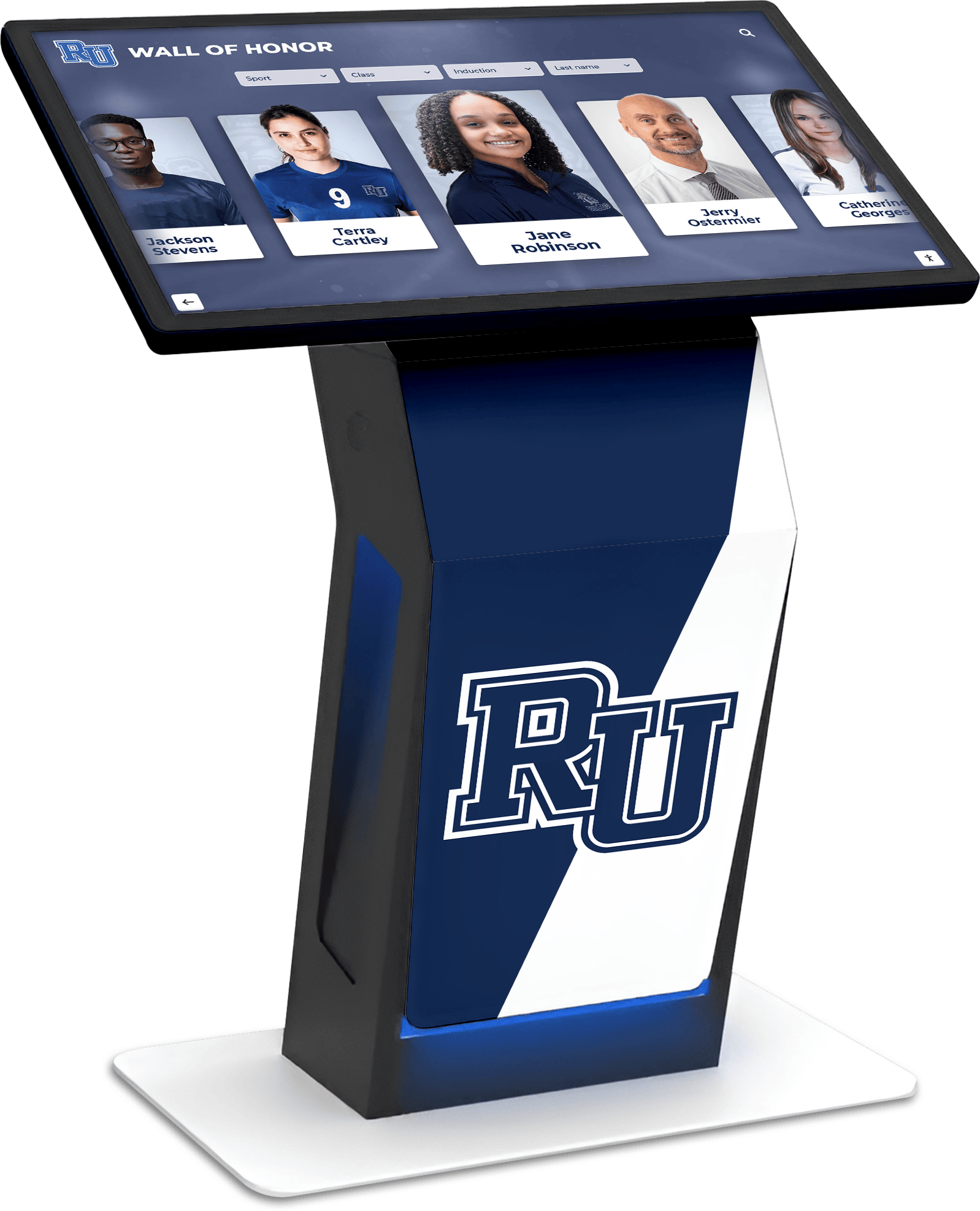
Digital systems eliminate capacity constraints through unlimited profile storage accommodating indefinite recognition growth. Interactive features enable search, filtering, and exploration creating engaging experiences rather than passive viewing. Instant content updates enable timely recognition without production or installation delays. Rich multimedia profiles include photographs, videos, statistics, and comprehensive narratives telling complete achievement stories. And web accessibility extends recognition reach globally to alumni, families, and supporters worldwide.
From cost perspectives, while digital systems require higher initial investment, long-term economics favor digital approaches. Traditional systems incur recurring costs for plaques, trophies, frames, and installations that accumulate indefinitely, while digital systems accommodate unlimited additions without per-achievement costs beyond content development time.
Institutions can explore digital recognition solutions that provide comprehensive platforms purpose-built for educational achievement celebration rather than adapted general digital signage requiring extensive customization.
Digital Implementation Considerations
Successful digital renovation requires addressing technical, aesthetic, and practical considerations ensuring systems integrate seamlessly with institutional environments.
Technical requirements include adequate electrical infrastructure, reliable network connectivity, display mounting suitable for wall or kiosk installations, and environmental considerations for temperature, humidity, and lighting conditions. Most institutions work with technology partners providing comprehensive installation support addressing these technical dimensions professionally.
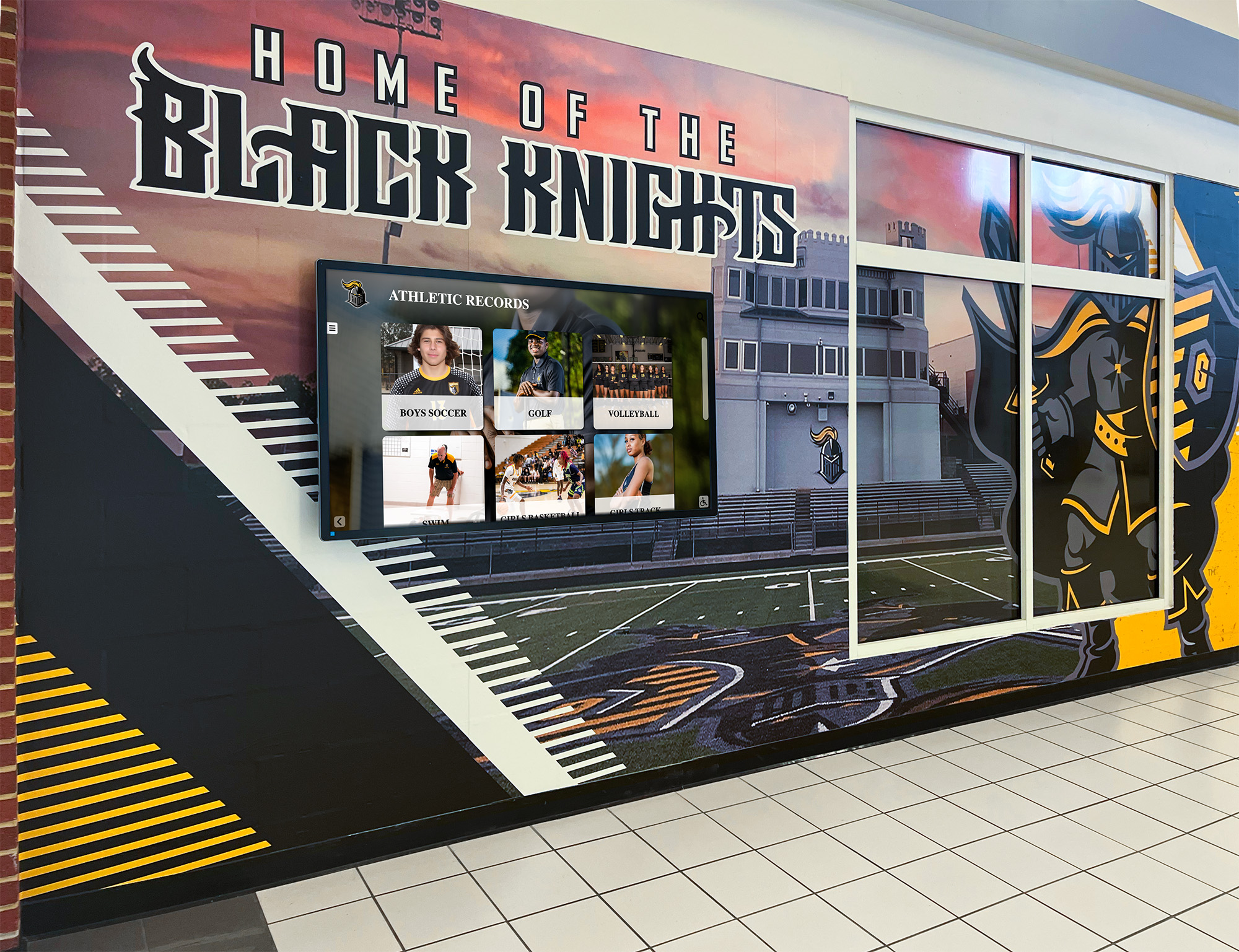
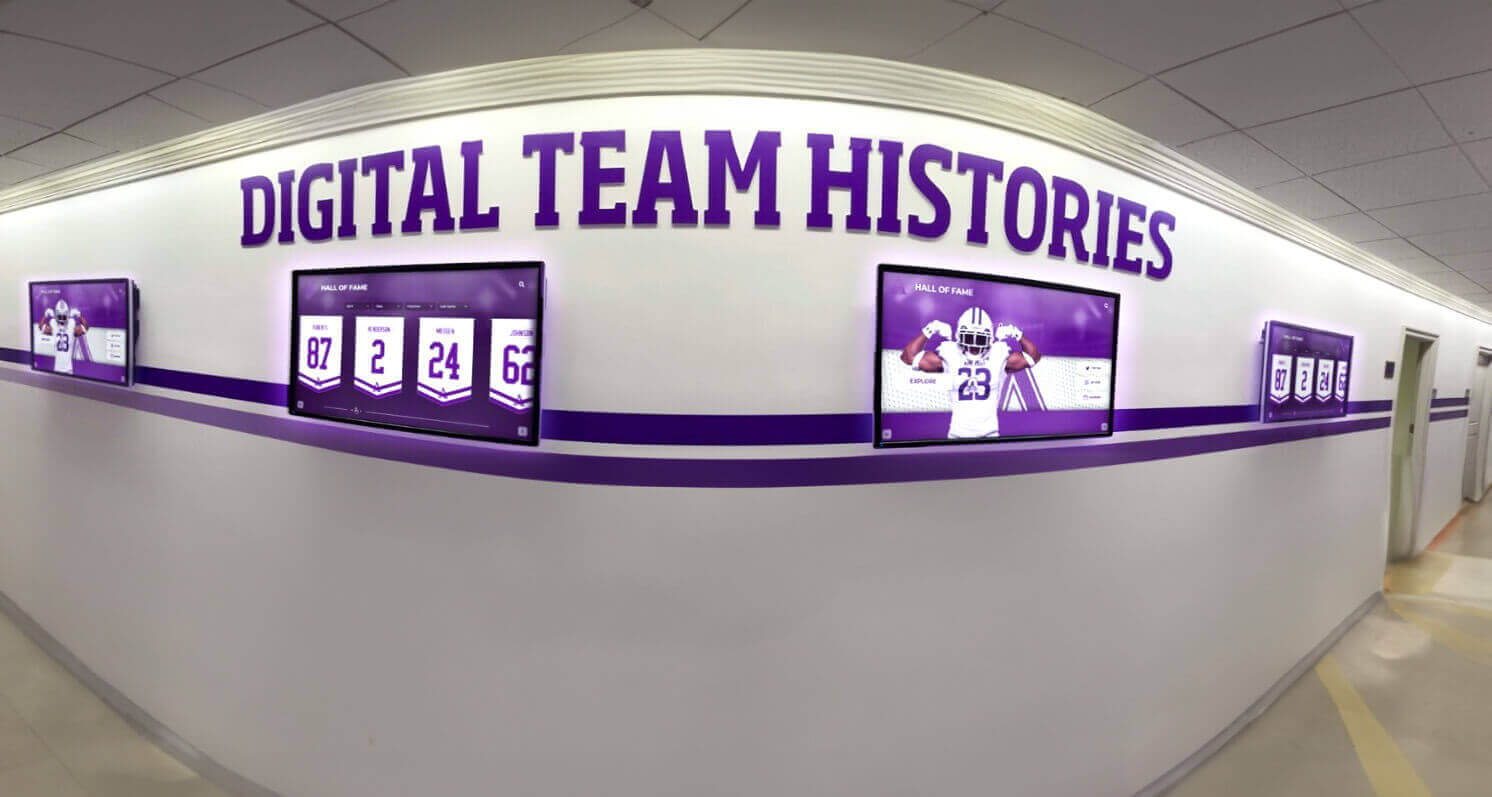
Aesthetic integration matters enormously for acceptance. Digital displays should complement rather than clash with architectural contexts through appropriate framing, mounting, and positioning that conveys permanence and prestige rather than appearing as temporary technology installations. Custom surrounds, architectural integration, and thoughtful placement ensure digital systems enhance rather than detract from physical environments.
Content development represents ongoing consideration requiring planning, resources, and workflows for populating systems with comprehensive achievement information, maintaining currency through regular updates, ensuring quality and accuracy, and developing rich multimedia content maximizing digital platform capabilities.
Hybrid Approaches Combining Traditional and Digital Elements
Many institutions find that hybrid strategies combining selective traditional display preservation with complementary digital recognition offer optimal solutions balancing respect for tradition with embrace of expanded capabilities.
Effective Hybrid Configurations
Common hybrid approaches include maintaining traditional trophy cases for championship hardware and three-dimensional artifacts while implementing digital systems for comprehensive individual achievement recognition, preserving historically significant legacy plaques while adding digital displays for contemporary recognition, or creating traditional entry focal points complemented by nearby digital displays offering deeper exploration.
These combinations honor institutional heritage and community attachment to physical recognition while leveraging digital technology to address capacity limitations, enable richer storytelling, and extend accessibility beyond campus visitors.
Planning Integrated Hybrid Systems
Successful hybrid implementation requires intentional design ensuring traditional and digital elements complement rather than compete with each other. Consider how visitors naturally flow through spaces, how different display types guide attention and exploration, how recognition categories distribute across traditional and digital formats, and how visual coherence creates unified recognition environments rather than disjointed collections of unrelated elements.
Architectural and design professionals experienced with educational environments can provide valuable guidance ensuring hybrid recognition systems achieve both aesthetic integration and functional effectiveness serving institutional recognition goals comprehensively.
Planning Your Academic Wall of Excellence Renovation Project
Comprehensive planning transforms renovation aspirations into successful implementations that deliver lasting value while avoiding common pitfalls that derail less thoroughly prepared projects.
Establishing Renovation Goals and Success Criteria
Clear articulation of what renovation should accomplish provides direction for decision-making throughout planning and implementation while establishing standards for evaluating project success.
Common Renovation Objectives
Institutions typically pursue some combination of addressing physical capacity constraints limiting recognition, improving aesthetic appeal and professional presentation, modernizing recognition through updated technologies, expanding recognition accessibility and reach, reducing maintenance and update administrative burden, and enhancing alumni and student engagement.
Priority-ranking these objectives guides resource allocation and design decisions when competing goals require trade-offs. For example, institutions prioritizing capacity expansion may emphasize digital transformation, while those focused primarily on aesthetic improvement may invest more heavily in architectural enhancements and custom millwork.
Defining Success Metrics
Establish concrete criteria for evaluating renovation success based on objectives. Capacity-focused renovations might measure years of recognition capacity added. Engagement-focused projects could track student interaction rates or session durations. Maintenance goals might monitor time required for recognition updates. Alumni engagement might assess recognition platform usage by graduated community members.
Defined metrics enable objective assessment of whether renovation delivers intended outcomes versus subjective impressions that may not reflect actual performance against stated goals.
Budget Development and Funding Strategies
Realistic financial planning ensures renovations remain affordable while delivering meaningful improvements rather than constrained implementations compromising effectiveness through inadequate investment.
Cost Components to Budget
Comprehensive renovation budgets account for design and planning services, display hardware (cases, digital screens, mounting systems, etc.), installation and construction including electrical work, network infrastructure, architectural modifications, content development for digital systems including historical research, photography, profile writing, and multimedia creation, project management and coordination, and contingency reserves (typically 10-15%) for unexpected challenges or necessary changes.
For traditional renovations, expect costs ranging from $10,000-$50,000 for modest refreshes to $100,000-$500,000 for comprehensive renovations of large recognition spaces with extensive custom millwork. Digital system implementations typically range from $15,000-$40,000 for single-display installations to $75,000-$250,000 for comprehensive multi-display systems with extensive content development.
Funding Source Options
Academic recognition renovation funding commonly comes from facilities capital improvement budgets, alumni fundraising campaigns positioned as community investment opportunities, memorial gifts honoring specific individuals through recognition program support, athletic or academic booster organization contributions, corporate or community sponsorships, grant funding for educational technology or facilities improvement, or multi-year phased funding distributing costs across budget cycles.
Many institutions find that positioning renovation as community investment opportunity generates substantial alumni support from graduates emotionally connected to institutions where they were recognized and eager to ensure future students receive similar honor.
Design and Vendor Selection
Professional design and experienced implementation partners significantly increase renovation success probability while reducing risks of costly mistakes or disappointing outcomes.
Working with Design Professionals
Architects, interior designers, or specialized recognition designers bring expertise that institutions typically lack internally. Professionals help translate conceptual goals into concrete designs, navigate code compliance and accessibility requirements, specify appropriate materials and finishes, integrate recognition displays coherently with architectural contexts, and coordinate with contractors and vendors ensuring quality implementation.
When selecting design professionals, prioritize experience with educational environments, examples of completed recognition display projects, understanding of both traditional and digital recognition approaches, and collaborative working styles receptive to stakeholder input.
Evaluating Digital Recognition Vendors
For institutions implementing digital recognition systems, vendor selection represents critically important decisions with long-term implications. Evaluate potential vendors based on their educational recognition specialization (purpose-built platforms outperform general digital signage requiring extensive customization), implementation support including training and content development assistance, content management ease ensuring non-technical staff can maintain systems, reliability and support quality for ongoing assistance, and system scalability accommodating institutional growth.
Solutions like Rocket Alumni Solutions provide comprehensive turnkey recognition platforms specifically designed for educational institutions, offering extensive templates, intuitive management, professional installation support, and responsive ongoing assistance ensuring long-term success.
Reference Checking and Site Visits
Request references from institutions similar in size, type, and context to your own. Contact references asking about satisfaction levels, whether they would select the same partners again, what challenges arose and how vendors responded, and what they wish they had known before starting projects.
When possible, visit completed installations at reference institutions to see recognition systems in actual operational contexts rather than relying solely on vendor portfolios or marketing materials that may not fully represent typical implementations.
Implementation Best Practices for Renovation Success
Even well-planned renovations can encounter challenges during implementation. Following proven best practices minimizes disruption while maximizing project success probability.
Minimizing Disruption During Renovation
Academic recognition displays typically occupy high-traffic areas like main entrances, hallways, or athletic facilities. Renovation in these spaces requires careful planning to minimize disruption to ongoing institutional operations.
Phased Implementation Strategies
Rather than closing entire recognition areas simultaneously, consider phased approaches that renovate sections sequentially, allowing some recognition displays to remain accessible while others undergo renovation. Phases might address recognition by achievement category, by time period, or by physical location enabling rolling renovations that minimize total downtime.
Summer renovation scheduling during reduced activity periods decreases disruption impact, though careful planning ensures completion before fall opening when students and families return to campus expecting fully operational facilities.
Temporary Recognition Solutions
During renovation, provide interim recognition through temporary displays in alternate locations, digital slideshows accessible via institutional websites, social media recognition campaigns celebrating achievements, and clear communication explaining renovation purposes and timelines managing expectations about temporary inconvenience.
Maintaining some form of ongoing recognition during renovation periods demonstrates continued commitment to honoring achievement despite temporary facility limitations.
Content Migration and Historical Preservation**
For institutions transitioning from traditional to digital recognition, content migration represents substantial undertaking requiring systematic approaches ensuring comprehensive historical preservation.
Historical Research and Documentation
Begin by inventorying existing recognition content cataloging all current honorees, achievement details, years, and any additional information available. Photograph traditional displays creating visual records before disassembly. Research institutional archives, yearbooks, newspaper records, and other historical sources filling information gaps and expanding limited content from traditional displays.
Many institutions discover that historical recognition contains errors, omissions, or inconsistencies requiring research and verification before permanent digital preservation. While time-consuming, this historical investigation ensures accuracy while often uncovering compelling stories that enrich recognition beyond bare facts.
For complex historical research projects, consider engaging local historians, retired faculty or staff with institutional memory, volunteer alumni researchers, or professional researchers specializing in institutional history documentation.

Photography and Multimedia Development
Digital recognition platforms enable rich multimedia content impossible with traditional displays. Develop professional photography of current honorees when possible, scan historical photographs from yearbooks and archives, record video testimonials or interviews with accessible alumni, gather statistics and performance data enriching achievement context, and compile news articles, programs, and other artifacts documenting achievement.
Quality content development distinguishes excellent digital recognition from basic systems merely listing names. Investment in compelling content creation pays ongoing dividends through enhanced engagement and more meaningful recognition experiences.
Training and Change Management
Successful renovation extends beyond physical or technological implementation to ensuring stakeholders understand, embrace, and effectively utilize renovated recognition systems.
Staff Training Programs
For digital systems, comprehensive staff training ensures ongoing content management maintains recognition currency and quality. Training should cover content management system navigation, adding new honorees and achievements, uploading and editing multimedia content, updating existing profiles, running reports and analytics, and troubleshooting common issues.
Plan for multiple training sessions accommodating different staff schedules, create reference documentation for ongoing consultation, and establish internal support contacts who can assist colleagues encountering questions or challenges.
Community Introduction and Promotion
Generate excitement about renovated recognition through launch events or ceremonies unveiling new displays, communications campaigns explaining renovation improvements and new features, guided tours introducing students and families to renovated spaces, social media promotion highlighting specific features or honored individuals, and press coverage positioning renovation as institutional investment in community celebration.
Proactive promotion ensures renovated recognition receives attention and usage rather than remaining unnoticed despite significant investment in improvement. Recognition systems that stakeholders discover and explore deliver far greater return than excellent systems that remain unknown or unused.
Comprehensive guides on student engagement with recognition displays explore strategies for maximizing ongoing interaction and impact after renovation completion.
Emerging Trends in Academic Recognition Display Renovation
Understanding how academic recognition continues evolving helps institutions make forward-looking renovation decisions remaining relevant and effective for decades rather than becoming outdated within years of completion.
Integration of Interactive Technology
Beyond basic digital displays, emerging recognition systems incorporate increasingly sophisticated interactive elements that engage audiences more deeply while providing richer experiences impossible with first-generation digital implementations.
Touchscreen Navigation and Exploration
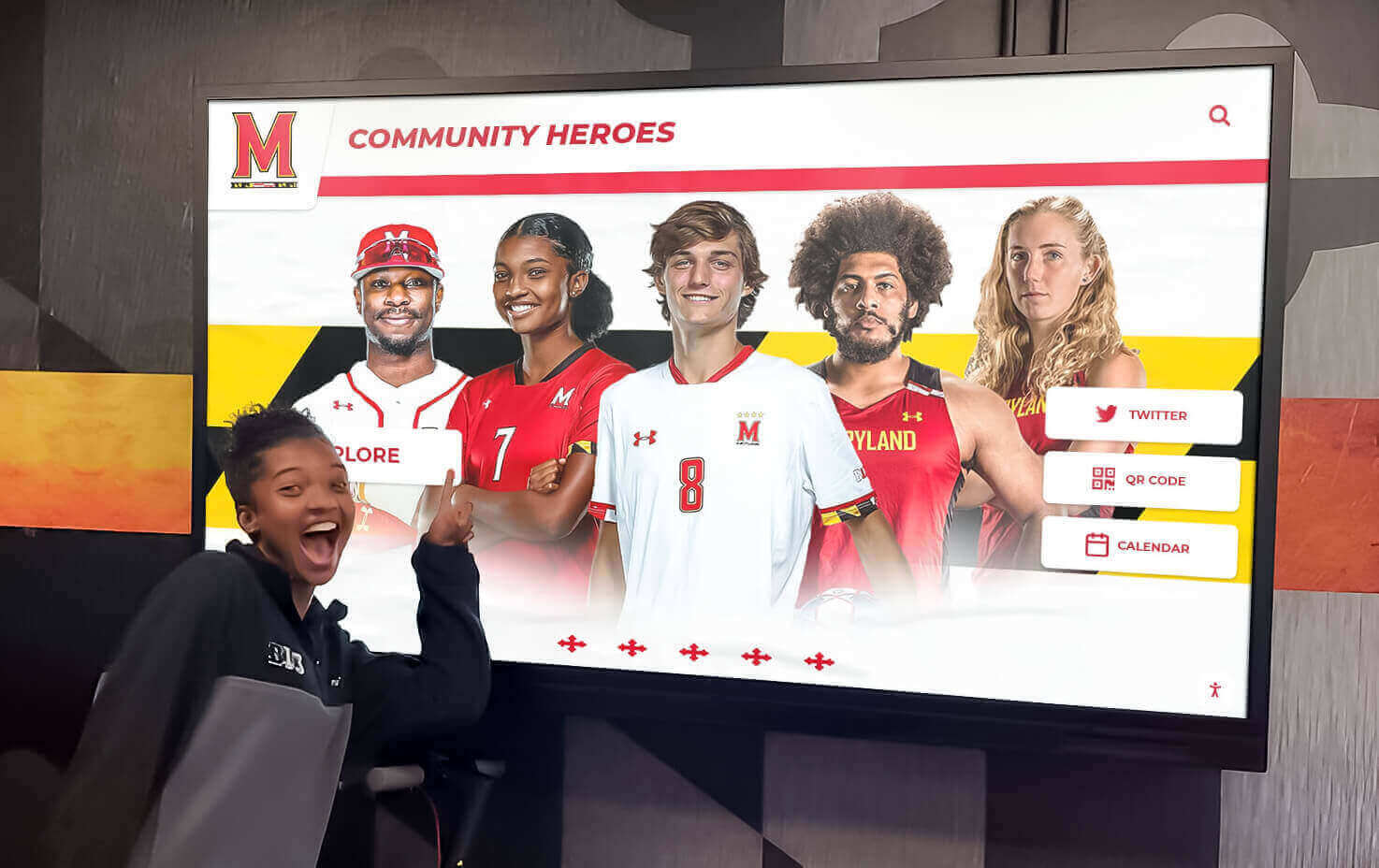
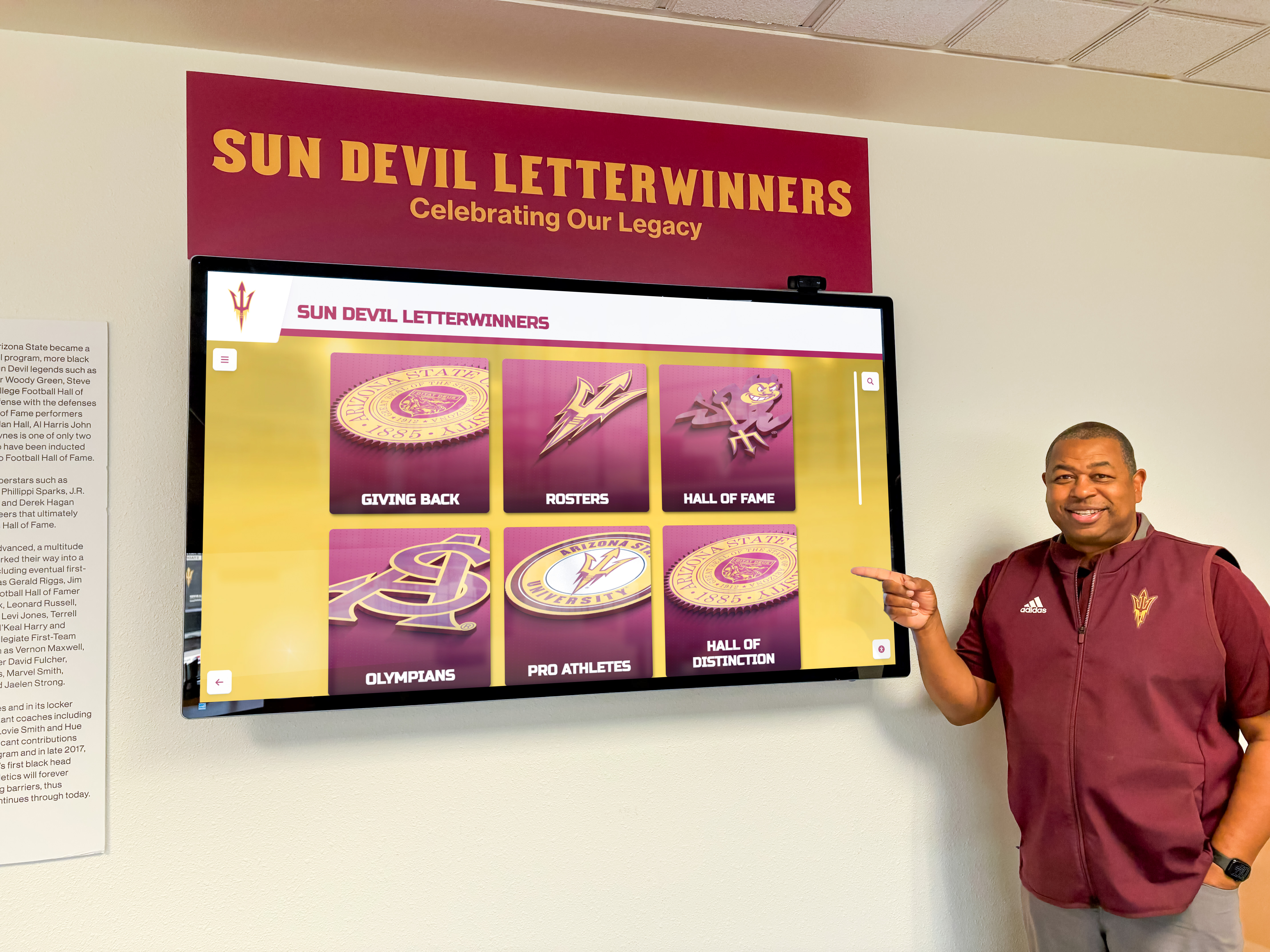
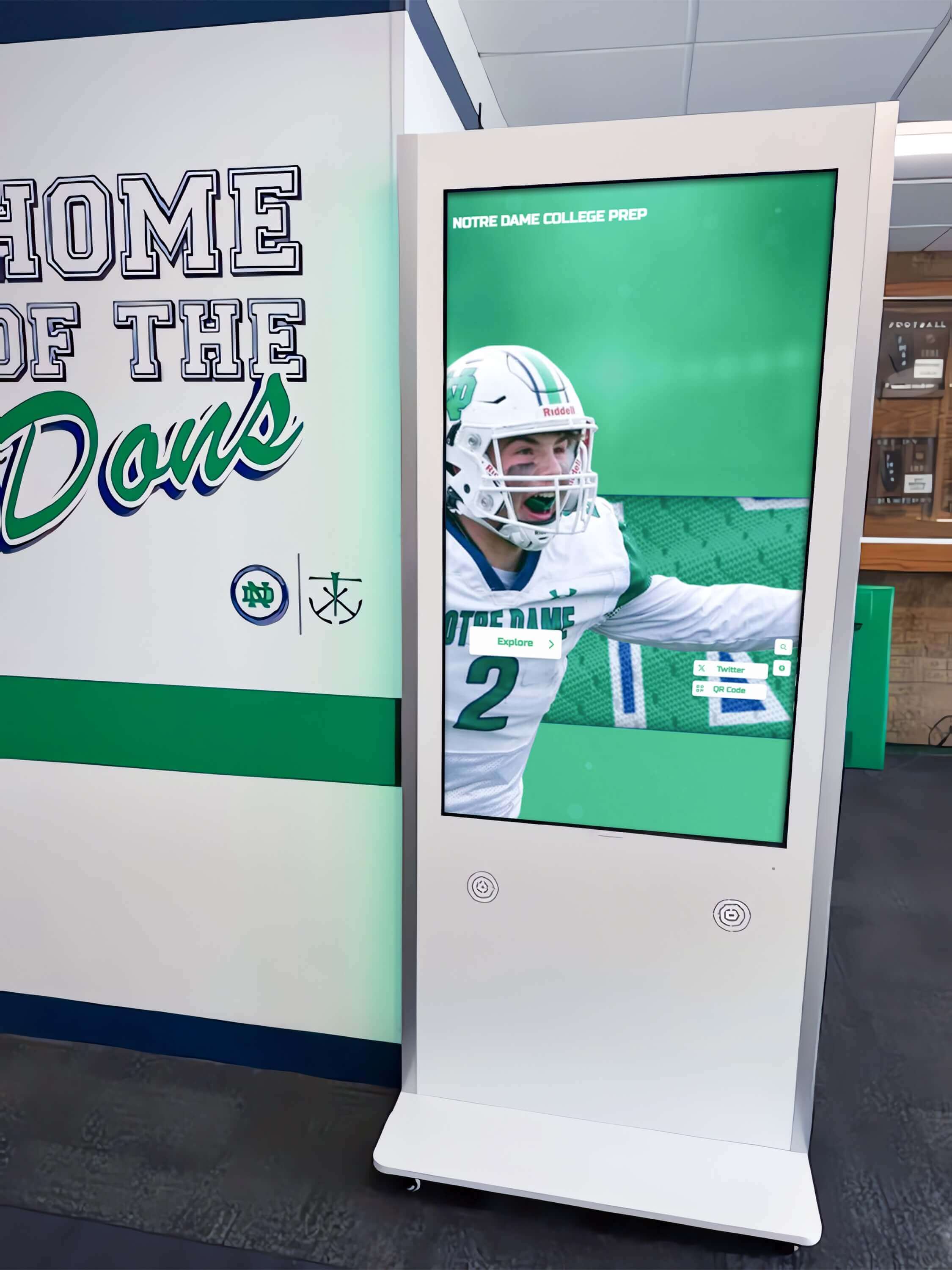
Modern recognition interfaces enable intuitive touch-based navigation where visitors swipe through achievement galleries, pinch to zoom on photographs, tap honorees to access detailed profiles, filter by multiple criteria simultaneously, and discover connections among related achievements or individuals. These interactions create tablet-like experiences that feel natural to users accustomed to consumer technology interfaces.
Advanced systems track engagement analytics revealing which content generates most interest, how visitors navigate recognition databases, common search patterns, and opportunities for content or interface improvement based on actual usage data rather than assumptions about ideal experiences.
Augmented Reality Enhancement
Emerging AR applications enable visitors to point smartphone cameras at physical recognition displays receiving overlays providing additional context, playing video content, showing three-dimensional artifacts, or linking to extended online profiles. This technology bridges physical and digital recognition creating hybrid experiences that leverage both traditional installation permanence and digital information richness.
As AR technology matures and smartphone adoption continues universally across demographics, these enhanced recognition experiences will increasingly become expectations rather than novelties distinguishing early adopters.
Sustainability and Energy Efficiency
Contemporary renovation planning increasingly emphasizes environmental responsibility through energy-efficient technologies and sustainable materials that reduce ongoing operational costs while supporting institutional sustainability commitments.
LED Lighting and Display Technology
Replacing inefficient incandescent or fluorescent lighting with LED alternatives reduces energy consumption by 70-90% while improving visibility and reducing maintenance through dramatically longer lifespans. Modern LED displays consume substantially less power than earlier technologies while providing superior image quality and reliability.
Energy efficiency reduces both environmental impact and long-term operating costs—particularly significant for displays operating continuously or many hours daily. Some digital recognition systems include automatic dimming or sleep modes during low-traffic periods further reducing energy consumption without compromising availability during active periods.
Sustainable Materials and Practices
Renovation material selection can prioritize sustainably sourced woods, low-VOC finishes, recycled content materials, and locally sourced products reducing transportation environmental impact. Responsible disposal or repurposing of removed traditional display materials keeps unnecessary waste from landfills while potentially enabling historic preservation of institutionally significant elements.
These sustainability considerations align with broader educational environmental commitments while demonstrating consistency between stated institutional values and actual facility practices.
Expanded Accessibility and Inclusion
Modern recognition renovation addresses accessibility comprehensively, ensuring all community members can meaningfully engage with achievement celebration regardless of physical, sensory, or cognitive abilities.
ADA Compliance and Universal Design
Physical installations must meet ADA requirements for mounting heights, approach spaces, and operational controls enabling wheelchair accessibility. But universal design extends beyond minimum compliance toward creating recognition experiences genuinely welcoming and effective for diverse abilities.
Considerations include providing visual recognition content in audio formats or text descriptions for screen reader accessibility, offering high-contrast display modes and text magnification for visual impairments, including captions for all audio or video content supporting hearing impairments, and designing navigation systems appropriate for various cognitive abilities through clear organization and optional simplified interfaces.
Language Accessibility
Increasingly diverse educational communities benefit from recognition systems offering multilingual capabilities displaying content in multiple languages serving non-English-speaking families and international communities. This inclusion demonstrates welcoming recognition serving all institutional constituents regardless of primary language.
Comprehensive approaches to inclusive recognition programs ensure celebrations of achievement reach and inspire every community member.
Measuring Renovation Success and ROI
Demonstrating renovation value justifies investment while informing continuous improvement ensuring recognition systems deliver intended outcomes throughout operational lifespans.
Quantitative Performance Metrics
Objective measurement reveals whether renovated recognition achieves goals established during planning while providing data supporting expansion or additional investment requests.
Engagement and Usage Tracking
Digital recognition systems provide detailed analytics revealing daily interaction counts, average session durations, unique versus repeat visitors, popular search terms and filters, most-viewed profiles and achievements, and peak usage times.
Comparing post-renovation metrics to baseline observations of traditional display engagement (when available) or industry benchmarks demonstrates improvement magnitudes. Typical well-implemented interactive systems generate 5-15 minute average session durations compared to 30-60 seconds with traditional static displays—demonstrating substantially enhanced engagement justifying investment.
Operational Efficiency Measures
Track time required for recognition updates post-renovation versus traditional processes, maintenance hours and costs, correction speed when errors are identified, and staff satisfaction with recognition system management.
Operational efficiency improvements create ongoing value through reduced administrative burden freeing staff time for higher-value activities rather than manual recognition maintenance consuming disproportionate resources.
Qualitative Impact Assessment
Beyond quantitative metrics, qualitative feedback reveals how renovation affects school culture, community connections, and intangible outcomes that numbers alone cannot fully capture.
Stakeholder Satisfaction Surveys
Systematically gather feedback from students asking whether they notice and engage with renovated recognition, faculty and staff regarding operational experience, families about pride and satisfaction with achievement celebration, and alumni concerning connections to institutional community and engagement with recognition systems.
Satisfaction feedback identifies both successes worth celebrating and opportunities for refinement improving recognition effectiveness over time.
Cultural and Community Impact
Monitor indicators like student pride measures, family and community engagement at school events, alumni participation rates in institutional activities, media coverage and community conversation about recognition and achievements, and prospective student family responses during tours and recruitment.
While attribution proves difficult when multiple factors influence these outcomes, positive trends following recognition renovation suggest contributing impact worth monitoring and potentially quantifying through more rigorous assessment approaches.
Resources exploring recognition program impact measurement provide frameworks for comprehensive evaluation demonstrating value through diverse evidence beyond isolated metrics.
Overcoming Common Renovation Challenges
Despite thorough planning, renovations commonly encounter obstacles. Anticipating likely challenges and preparing response strategies increases successful navigation probability.
Budget Overruns and Scope Changes
Construction and renovation projects frequently exceed initial budgets through unforeseen conditions, necessary scope adjustments, or underestimated costs.
Prevention Strategies
Minimize budget surprise risks through detailed upfront assessment identifying potential issues, contingency budget allocation (10-15% reserves), clear scope definition with vendor agreements documenting what’s included versus additional costs, and phased implementation enabling adjustment between phases rather than committing comprehensively upfront.
When overruns appear likely, reevaluate priorities determining what represents essential renovation elements versus desirable additions that might phase to future budgets, explore value engineering identifying cost savings without compromising critical objectives, or seek supplemental funding from contingency sources, discretionary funds, or emergency appeals to stakeholders invested in project success.
Technical Implementation Difficulties
Technology integration can encounter unforeseen infrastructure challenges, compatibility issues, or technical problems requiring resolution during implementation.
Mitigation Approaches
Work with experienced technology partners providing comprehensive installation support rather than attempting internal implementation of complex systems. Ensure vendors understand actual site conditions through advance site surveys rather than assumptions. Build testing and commissioning periods into timelines allowing problem identification and resolution before official launch.
Maintain open communication channels with vendors throughout implementation enabling rapid response when issues arise rather than allowing problems to compound through delayed attention or inadequate support responsiveness.
Resistance to Change and Tradition
Some community members may resist renovation, particularly when traditional displays hold sentimental value or when changes appear to disrespect institutional heritage.
Change Management Techniques
Address resistance proactively through early stakeholder communication explaining renovation rationales, soliciting input during planning ensuring community voices shape outcomes, preserving valued traditional elements when feasible demonstrating respect for heritage, commemorating transition through ceremonies or documentation honoring historical displays, and emphasizing how renovation honors tradition through improved rather than abandoned recognition.
Frame renovation as strengthening rather than replacing recognition—expanding capacity to honor more achievements, improving preservation of historical accomplishment, and ensuring future generations receive celebration equal to or exceeding what past generations enjoyed.
Conclusion: Creating Recognition Spaces That Inspire Excellence for Generations
Academic wall of excellence renovation represents far more than cosmetic facility improvement—comprehensive projects transform how institutions celebrate achievement, inspire excellence, connect communities, and demonstrate values through visible commitment to honoring accomplishment across diverse domains. When schools and universities invest thoughtfully in recognition renovation, they create environments where past achievement inspires future success, where diverse excellence receives appropriate celebration, and where every community member understands that extraordinary effort and accomplishment receive lasting institutional acknowledgment.
The most successful renovation approaches share common characteristics: they assess current conditions comprehensively identifying specific problems requiring attention, establish clear goals guiding design decisions toward intended outcomes, balance innovation with respect for tradition and institutional character, invest appropriately in both physical implementation and content quality, and plan for ongoing maintenance ensuring long-term success rather than assuming renovation represents one-time effort.
Whether institutions pursue traditional display renovation refreshing classical approaches, comprehensive digital transformation leveraging contemporary recognition technology, or hybrid strategies combining valued traditional elements with enhanced digital capabilities, fundamental principles remain constant: recognition deserves prominent placement conveying institutional priority, content quality matters enormously for inspiring engagement, accessibility ensures inclusion of all community members, and sustainable ongoing management maintains relevance and currency throughout operational lifespans.
Solutions like Rocket Alumni Solutions provide comprehensive digital recognition platforms specifically designed for educational institutions, offering unlimited achievement capacity, intuitive content management, rich multimedia storytelling, interactive engagement features, web accessibility extending recognition globally, and professional implementation support ensuring successful renovation outcomes. These purpose-built systems address traditional recognition limitations while introducing capabilities that fundamentally transform what’s possible in celebrating educational excellence.
As you plan academic wall of excellence renovation for your institution, remember that recognition investments deliver returns extending far beyond immediate project completion. Effective recognition inspires current students through visible role models, strengthens alumni connections supporting ongoing engagement and philanthropy, attracts prospective students and families demonstrating institutional commitment to celebrating accomplishment, and builds cultural foundations where excellence becomes self-reinforcing through visible celebration creating aspirations for future generations.
Your academic wall of excellence should reflect institutional values, honor genuine achievement, inspire continued pursuit of excellence, and stand as worthy testament to the extraordinary accomplishments that students, faculty, and alumni demonstrate throughout your institutional history. Thoughtful renovation creates recognition spaces serving these purposes for decades, honoring both heritage and future through balanced approaches respecting tradition while embracing innovation that expands what’s possible in celebrating educational excellence.
Additional resources exploring preserving school history through digital displays and comprehensive recognition strategies provide institutions with frameworks for renovation planning that delivers lasting value while strengthening communities through visible celebration of the achievements that define institutional character and inspire excellence across generations.































