The Atlantic Coast Conference stands as one of college basketball’s most prestigious leagues, where elite competition produces some of the sport’s brightest stars. Each season, the ACC recognizes exceptional talent through a comprehensive awards system that honors individual excellence, team achievement, and sustained performance. Understanding how these awards are selected reveals not just who wins, but what values the conference champions and how recognition shapes college basketball culture.
Whether you’re a fan tracking your favorite player’s award chances, an athletic director considering recognition programs for your own institution, or simply curious about how college sports celebrate excellence, this guide breaks down the ACC’s basketball awards structure and the rigorous selection process behind each honor.
ACC basketball awards represent the culmination of a grueling conference season where the nation’s top programs compete at the highest level. From Player of the Year to All-Conference selections, these honors influence NBA draft positions, define individual legacies, and showcase the talent pipeline that makes the ACC a perennial powerhouse. Schools across the conference proudly display these achievements in their athletic facilities, creating lasting tributes to players who reached the pinnacle of college basketball success.
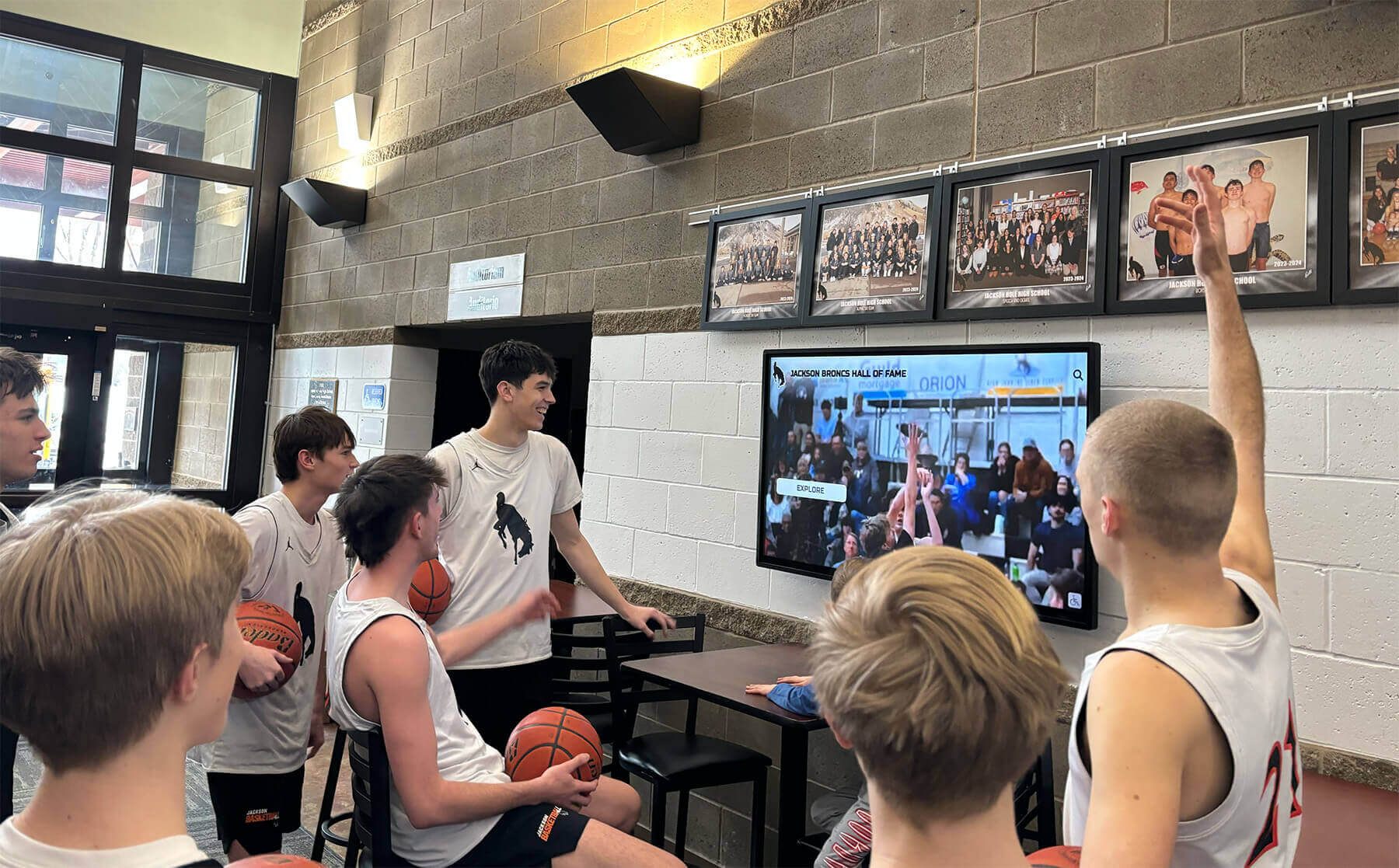
Athletic programs at all levels recognize basketball excellence through comprehensive awards systems
The ACC Basketball Awards Landscape
The Atlantic Coast Conference recognizes basketball excellence through multiple award categories, each serving distinct purposes within the broader recognition framework.
Major Individual Awards
The ACC’s flagship individual honors celebrate season-long excellence across key performance areas:
ACC Player of the Year
The most prestigious individual honor in ACC basketball, this award recognizes the conference’s outstanding player based on regular season performance. Selection criteria emphasize statistical production, team success, and consistent excellence throughout conference play. Winners typically lead the conference in multiple statistical categories while elevating their teams to championship contention.
Player of the Year recipients often become first-round NBA draft picks and permanent fixtures in their school’s athletic history. The award’s prestige stems from the ACC’s competitive depth—winning it means outperforming dozens of future professional players across a 20-game conference schedule.
ACC Rookie of the Year
First-year players making immediate impact earn recognition through the Rookie of the Year award. This honor distinguishes the conference’s most outstanding freshman, evaluating both statistical performance and contributions to team success relative to experience level.
The award highlights players who bypass typical freshman adjustment periods to compete immediately at championship level. Winners demonstrate maturity beyond their years, often becoming team leaders despite their newcomer status.
ACC Sixth Man of the Year
This award recognizes the conference’s most impactful non-starting player, celebrating those who accept bench roles while delivering starter-quality production. Criteria emphasize scoring punch, efficiency, and game-changing contributions during critical moments.
Sixth Man recipients exemplify team-first mentality, sacrificing starting positions for roster balance while providing coaches with versatile weapons. The award validates an often-overlooked role while highlighting the depth that separates good teams from great ones.
ACC Defensive Player of the Year
Defense wins championships, and this award honors the player who best disrupts opponents throughout the conference season. Selection weighs defensive statistics (steals, blocks, defensive rebounds), opponent shooting percentages when guarded, and overall defensive impact measured through advanced metrics.
Winners typically combine individual defensive excellence with leadership in team defensive systems. They set the tone defensively, guard multiple positions, and make opponents uncomfortable every possession.
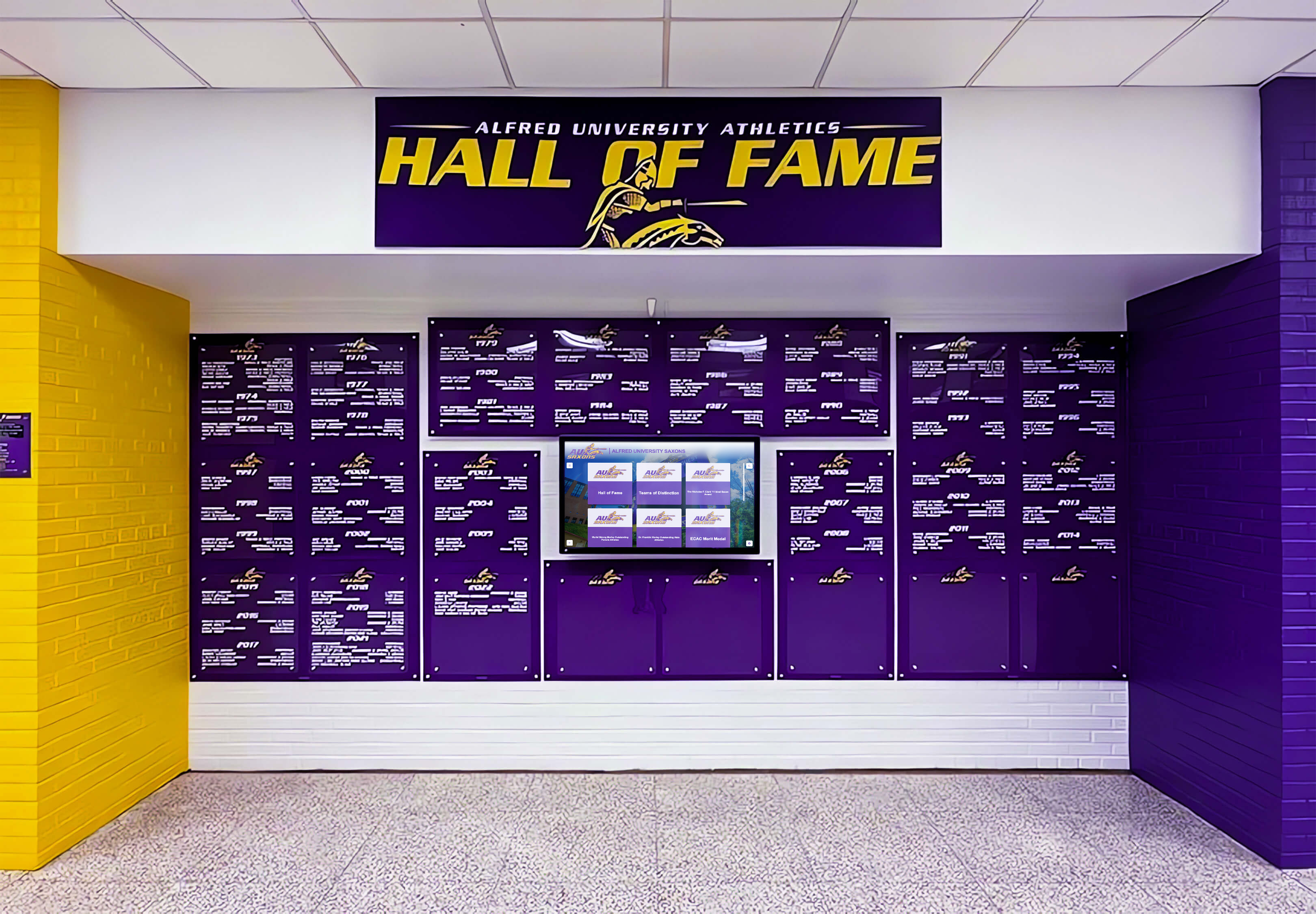
Conference awards join other athletic achievements in permanent recognition displays
ACC Most Improved Player
Recognizing dramatic season-over-season growth, this award celebrates players who elevate their games significantly from previous years. Evaluation compares statistical production, efficiency metrics, and expanded responsibilities year-to-year.
The award validates player development programs and coaching excellence while motivating athletes to continuously improve. Winners often transform from role players into stars, demonstrating the value of dedication and skill development.
Coaching Recognition
ACC Coach of the Year
This honor recognizes the conference’s most outstanding coaching performance during the regular season. Selection considers team improvement, performance relative to preseason expectations, player development, in-game adjustments, and overall program management.
Winning Coach of the Year often requires exceeding projections—taking teams predicted to finish mid-pack and leading them to championship contention through strategic excellence and player maximization.
All-Conference Team Selections
Beyond individual awards, the ACC recognizes broader excellence through All-Conference team designations at multiple levels.
First Team All-ACC
The five players selected to First Team All-ACC represent the conference’s absolute elite. Selection requires dominant statistical production, consistent excellence across conference play, and significant impact on team success. These players typically average 15+ points while contributing across multiple statistical categories.
First Team selection carries immense prestige, often influencing All-American consideration and NBA draft stock. Schools prominently feature First Team selections in athletic awards displays alongside other major honors.
Second Team All-ACC
Second Team recognition honors the conference’s next tier of excellence—players demonstrating consistent high-level performance without reaching First Team statistical thresholds. These athletes often lead specific statistical categories while maintaining well-rounded contributions.
Third Team All-ACC
Third Team selections extend recognition to additional deserving players, typically those excelling in specialized roles or demonstrating strong performance across most of the season. This tier accommodates the ACC’s competitive depth, ensuring more outstanding performers receive conference recognition.
All-ACC Honorable Mention
Honorable Mention designations recognize consistent contributors who performed admirably throughout conference play without reaching the statistical thresholds of the three All-Conference teams. This category ensures broader recognition across the conference’s many talented players.
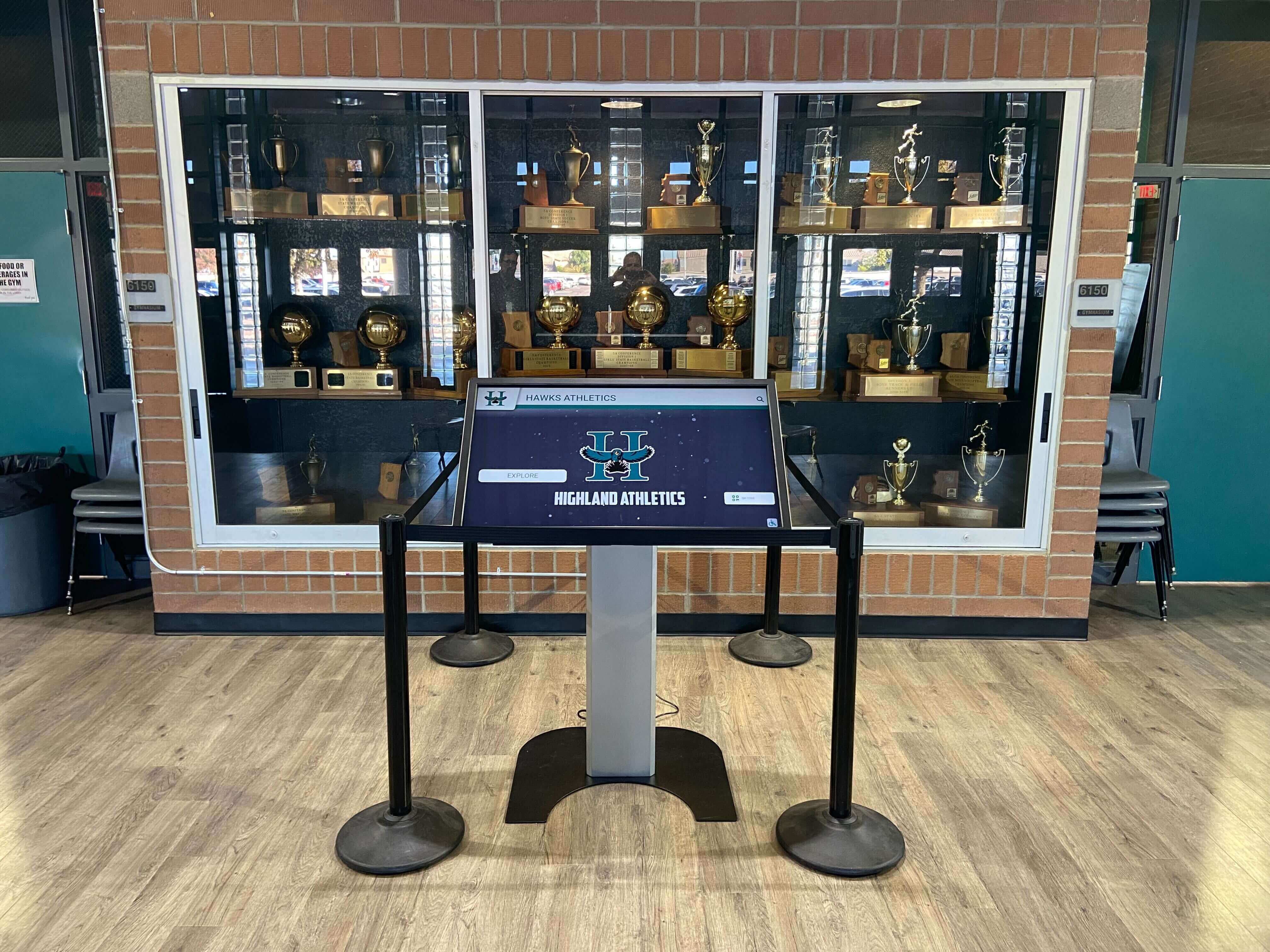
Modern recognition displays showcase comprehensive athletic achievements including conference honors
The Selection Process: How Awards Are Decided
ACC basketball awards follow rigorous selection procedures designed to ensure fairness, credibility, and consistency across years.
Voting Body Composition
The ACC employs a voting system where head coaches and select media members cast ballots for awards and All-Conference teams. This dual-constituency approach balances insider coaching knowledge with media objectivity.
Coach Voting
All 15 ACC head basketball coaches receive votes for awards and team selections. Coaches cannot vote for their own players, preventing bias and ensuring recognition reflects peer assessment. This restriction means coaches evaluate players they’ve competed against directly, providing informed perspectives based on game preparation and head-to-head competition.
Coach voting carries significant weight because these professionals understand basketball nuances that casual observers miss. They recognize defensive impact beyond steals and blocks, appreciate screening and spacing contributions, and value winning plays that don’t appear in box scores.
Media Voting
A selected media panel representing major outlets covering ACC basketball casts votes alongside coaches. Media members watch virtually every conference game, track statistics comprehensively, and evaluate performance across entire seasons rather than single matchups.
Media voting introduces objective statistical analysis and broader season-long perspective. Media voters track consistency across 20 conference games, avoiding recency bias from single impressive performances.
Statistical Criteria and Metrics
While voting involves subjective evaluation, statistical performance provides the foundation for award consideration. Voters reference comprehensive statistics when evaluating candidates.
Traditional Statistics
Basic statistical categories heavily influence recognition:
- Points per game demonstrates offensive production
- Rebounds per game reveals effort and positioning
- Assists per game measures playmaking and unselfishness
- Steals and blocks indicate defensive activity
- Field goal and three-point percentages show efficiency
- Free throw percentage reflects skill refinement
Players leading multiple statistical categories position themselves strongly for awards and All-Conference selection.
Advanced Metrics
Modern analytics provide deeper performance insight:
- Player Efficiency Rating (PER) combines multiple statistics into single effectiveness measure
- Win shares estimate individual contribution to team victories
- True shooting percentage accounts for three-pointers and free throws in efficiency calculation
- Defensive rating measures points allowed per 100 possessions when player is on court
- Usage rate indicates offensive burden and opportunity load
Advanced metrics help voters distinguish between high-volume scorers on weak teams versus efficient contributors on championship-caliber squads.
Team Success Consideration
Individual excellence matters most for awards, but team performance influences evaluation, particularly for Player of the Year and Coach of the Year honors.
Players on conference championship teams or division leaders receive recognition advantages when statistical production approximates competitors on weaker teams. A player averaging 22 points for the conference champion typically edges a player averaging 23 points for a last-place team, all else equal.
This team success weighting acknowledges that winning matters. Players who produce while shouldering championship pressure and facing opponents’ best defensive efforts demonstrate higher-level excellence than those accumulating statistics on non-competitive teams.
Solutions like basketball awards recognition displays help programs showcase both individual and team achievements within comprehensive recognition systems.

Recognition displays allow visitors to explore athlete achievements and conference honors
Award Announcement and Recognition Process
The ACC follows structured timelines and procedures for announcing awards and celebrating recipients.
Selection Timeline
Award voting occurs at the conclusion of the regular season, before conference tournament play. This timing ensures regular season performance determines recognition rather than single-elimination tournament results, though tournament success may influence postseason honors like All-Tournament team selection.
The voting period typically spans 3-5 days following the final regular season games, allowing voters to review complete season statistics and finalize assessments. Conference officials tabulate votes confidentially, preventing leaks and maintaining announcement impact.
Public Announcement
The ACC announces awards through coordinated media releases, typically during the days leading into the conference tournament. This timing maximizes visibility as media coverage intensifies around tournament play.
Announcements follow standard sequence:
- All-Conference team selections released first (Third Team through First Team)
- Individual awards announced subsequently (Rookie of Year, Sixth Man, etc.)
- Major awards conclude announcement period (Player of Year, Defensive Player, Coach of Year)
This staggered approach allows each honor to receive appropriate attention rather than overwhelming audiences with simultaneous announcements.
Recognition Ceremonies
Winners receive physical awards during ceremonies hosted by the conference and their home institutions. The ACC presents awards at its annual postseason meetings, while schools host individual celebrations highlighting their award recipients.
These ceremonies provide photo opportunities, media coverage, and formal recognition that validates achievement. Schools incorporate award presentations into athletic recognition programs, ensuring lasting documentation of conference excellence.
Historical Perspective: Notable ACC Award Winners
Understanding the ACC’s award history reveals the quality of talent recognized through these honors.
Player of the Year Legacy
ACC Player of the Year winners include some of basketball’s all-time greats. Michael Jordan won the award while at North Carolina, launching a legacy that includes six NBA championships. Tim Duncan earned the honor during his dominant tenure at Wake Forest before becoming an NBA Hall of Famer. More recently, Zion Williamson’s Player of the Year season at Duke generated unprecedented attention and confirmed his status as the NBA’s number one draft pick.
The award’s history demonstrates its predictive validity—winners consistently succeed professionally, validating the selection process and criteria employed by voters.
Program Recognition Patterns
Historically dominant programs like Duke, North Carolina, and Virginia regularly produce award winners, reflecting sustained excellence and talent pipelines. However, the award history also shows recognition distributed across the conference, with schools from all corners earning honors during breakthrough seasons.
This distribution demonstrates fair evaluation rather than bias toward traditional powers. Voters recognize excellence wherever it emerges, whether at established blue-bloods or programs experiencing renaissance seasons.

Conference championships and individual awards join comprehensive athletic recognition displays
How Schools Showcase Conference Awards
ACC member institutions prominently feature conference awards within broader athletic recognition programs, creating lasting tributes to individual and team excellence.
Traditional Recognition Approaches
Physical displays in athletic facilities have long served as primary recognition methods for conference awards.
Trophy Cases and Display Walls
Most ACC schools maintain dedicated spaces showcasing trophies, plaques, and awards earned by athletes and teams. Conference awards occupy prominent positions within these displays, often arranged chronologically or by sport.
Traditional trophy cases face limitations including space constraints as awards accumulate, difficulty updating without physical modification, static presentation offering minimal context, and maintenance challenges as materials age and deteriorate.
Hallway Plaques and Name Walls
Individual recognition plaques mounted in hallways or common areas provide lasting acknowledgment of award winners. Names engraved on permanent walls create visual legacy, demonstrating program history and tradition.
However, these static installations lack flexibility for additions, provide minimal information beyond names and years, and struggle to engage younger audiences accustomed to digital interaction.
Digital Recognition Evolution
Forward-thinking athletic departments increasingly supplement or replace traditional displays with digital recognition platforms that overcome physical limitations.
Interactive Touchscreen Displays
Modern touchscreen systems transform recognition by providing unlimited capacity for showcasing awards without space constraints, rich multimedia integration including photos, videos, statistics, and biographical information, searchable databases allowing visitors to quickly find specific athletes or achievements, remote content management enabling updates from any location, and accessibility beyond physical campus through web-based platforms.
Programs like digital trophy displays enable schools to showcase conference awards alongside comprehensive athletic achievement archives.
Cloud-Based Recognition Platforms
Platforms like Rocket Alumni Solutions provide athletic departments with intuitive systems for documenting and displaying conference awards within broader recognition programs. These solutions offer instant content updates when awards are announced, comprehensive athlete profiles combining awards with career statistics and achievements, multimedia storytelling through photos and video highlights, and engagement analytics tracking how audiences interact with recognition content.
Digital platforms ensure conference awards receive lasting recognition rather than fading from memory after initial announcement. Current students explore achievement history, recruits see the program’s tradition of excellence, and alumni maintain connections through ongoing engagement with their achievement legacy.

Digital recognition walls provide prominent, accessible displays of conference awards and athletic achievements
Beyond ACC: Conference Award Systems Across College Basketball
While this guide focuses on ACC awards, understanding broader conference recognition systems provides valuable context.
Conference Award Structures
Major conferences employ similar award frameworks with minor variations:
Big Ten Basketball Awards
The Big Ten recognizes Player of the Year, Defensive Player of the Year, Sixth Man, Freshman of the Year, and Coach of the Year. The conference uses media voting exclusively rather than combining coaches and media, creating slight procedural differences from ACC approach.
Big 12 Basketball Recognition
Big 12 awards mirror ACC categories, though the conference employs only First and Second Team All-Conference selections rather than extending to third teams. This compressed structure reflects the conference’s smaller membership while maintaining recognition for top performers.
SEC Basketball Honors
The Southeastern Conference awards follow ACC precedent closely, including All-SEC teams through three levels plus honorable mention. The SEC emphasizes Scholar-Athlete recognition more prominently, reflecting the conference’s broader commitment to academic and athletic excellence.
Consistency Across Conferences
Despite minor procedural variations, major conferences demonstrate remarkable consistency in award structures, selection processes, and recognition timing. This standardization reflects shared values across college basketball and ensures comparability when evaluating players for national honors.
Implementing Recognition Systems at High School Level
While conference awards operate at college level, high school programs can adapt similar recognition frameworks to celebrate basketball excellence in their own contexts.
Establishing Award Categories
High school basketball programs benefit from comprehensive recognition systems celebrating diverse contributions:
- Team MVP awards recognize overall excellence
- Offensive and defensive player awards acknowledge specialized excellence
- Most Improved honors motivate development
- Leadership and sportsmanship awards emphasize character
- Academic achievement recognition balances athletics with scholarship
Schools creating multi-dimensional recognition ensure all athletes have opportunities for acknowledgment rather than limiting honors to top scorers.
Creating Fair Selection Processes
High school award credibility depends on transparent, consistent selection:
Define specific, measurable criteria for each award category. Establish voting bodies (coaches, team captains, or combined groups) with clear responsibilities. Document selection processes ensuring year-to-year consistency. Communicate criteria to athletes at season start so recognition motivates throughout the year.
Fair processes ensure recognition feels earned rather than arbitrary or political.
Showcasing Awards Effectively
Recognition impact extends beyond announcement ceremonies when schools create lasting displays. High school athletic recognition systems might include end-of-season award ceremonies with family attendance, permanent displays in gymnasiums or athletic facilities, social media celebration extending reach beyond campus, annual recognition integrating current awards with historical achievements, and digital platforms providing accessible, comprehensive documentation.
Effective recognition programs create powerful motivation for current athletes while building program tradition and pride.

Athletic lounges combine trophy displays with modern murals creating inspiring environments celebrating excellence
The Impact of Conference Awards on Athletic Careers
ACC basketball awards influence athletes far beyond the immediate recognition, shaping professional trajectories and long-term legacies.
NBA Draft Implications
Conference awards significantly affect NBA draft evaluations. Player of the Year winners and First Team All-Conference selections receive heightened attention from NBA scouts and front offices. These honors validate performance against high-level competition, demonstrating readiness for professional basketball.
Players on the margin of draft consideration often see stock rise following conference recognition. A Second or Third Team All-ACC selection can push borderline prospects into draft consideration, generating professional opportunities that might not materialize otherwise.
Legacy and Historical Standing
Awards define how athletes are remembered within program history. Player of the Year winners and multiple-time All-Conference selections achieve legendary status within school traditions, their achievements highlighted in hall of fame displays and program histories.
These lasting legacies create powerful connections between current players and program traditions. Young athletes grow up hearing about legendary award winners, aspiring to join that elite company through their own excellence.
Post-Career Opportunities
Conference awards enhance post-playing career opportunities in coaching, broadcasting, and athletics administration. Former award winners bring credibility when pursuing coaching positions, as their achievements demonstrate basketball knowledge and competitive success. Media opportunities often emerge for players with recognizable achievements and compelling personal narratives built around award-winning seasons.
Building Recognition Culture Around Conference Excellence
Athletic departments that celebrate conference awards effectively create cultures valuing excellence and achievement.
Immediate Recognition
When athletes earn conference awards, immediate recognition maximizes impact. Schools should announce awards through all available channels (social media, websites, email, campus displays), host recognition ceremonies honoring recipients with appropriate fanfare, update physical and digital displays within days of announcement, and engage alumni networks celebrating current student success.
Immediate recognition demonstrates institutional pride in athlete achievement while the accomplishment remains fresh and exciting.
Integration With Broader Recognition
Conference awards should integrate within comprehensive recognition programs rather than existing in isolation. Effective programs connect individual awards with team achievements, show career progression leading to award recognition, link current award winners with historical program legends, and demonstrate how awards fit within broader athletic and academic achievement culture.
This integration creates recognition ecosystems where individual honors reinforce broader program values and traditions.
Engaging Alumni and Supporters
Conference award recognition provides opportunities for engaging alumni and supporters. Former award winners feel continued connection when programs honor their achievements alongside current recipients. Supporters celebrate current success while appreciating program tradition and consistency.
Recognition events, displays, and communications built around conference awards strengthen institutional relationships with key constituencies.

Interactive displays provide engaging, comprehensive documentation of awards and achievements
Modern Recognition Technology for Conference Awards
Digital platforms have transformed how athletic departments document, display, and celebrate conference awards.
Content Management Simplicity
Modern recognition systems prioritize ease of use, recognizing that athletic staff manage recognition alongside numerous other responsibilities. Effective platforms provide intuitive content editors requiring no technical expertise, template-based athlete profiles ensuring consistency, drag-and-drop media uploading simplifying content addition, mobile-responsive interfaces enabling updates from any device, and automated publishing eliminating manual technical steps.
When conference awards are announced, athletic staff should update recognition displays within minutes rather than waiting weeks for engravers or installers.
Multimedia Recognition Capabilities
Digital platforms enable recognition depth impossible with traditional static displays. Conference award profiles can include high-quality photos capturing award moments, video highlights showcasing performances that earned recognition, complete statistics documenting season-long excellence, coach and teammate testimonials providing personal context, and biographical information connecting athletic achievement to personal story.
This multimedia depth creates emotional engagement that name-on-plaque recognition cannot match.
Accessibility and Reach
Digital recognition extends far beyond campus boundaries. Web-based platforms allow recruits to explore program achievement history before committing, alumni worldwide to stay connected with current program success, family members unable to visit campus to celebrate athletes’ recognition, media members researching program history to access comprehensive achievement documentation, and future generations to discover athletes who built program traditions.
This accessibility amplifies recognition impact exponentially beyond physical displays limited to campus visitors.
Analytics and Engagement Tracking
Modern platforms provide insights impossible with traditional recognition. Athletic departments can track which athletes and awards receive most engagement, understand peak viewing times and seasonal patterns, measure return visitor rates showing sustained interest, identify content types resonating most with audiences, and demonstrate recognition program value through concrete usage data.
These analytics help justify investment in recognition programs while informing continuous improvement strategies.
Conclusion: Celebrating Excellence Through Comprehensive Recognition
ACC basketball awards represent the conference’s commitment to recognizing excellence across multiple dimensions—from pure performance to defensive impact, from immediate freshman contribution to dramatic improvement, from individual brilliance to coaching excellence. The rigorous selection process, combining coach and media voting with comprehensive statistical evaluation, ensures deserving athletes and coaches receive recognition that influences careers and defines legacies.
For athletic directors and program administrators considering recognition systems, the ACC model offers valuable lessons. Comprehensive award structures celebrate diverse contributions beyond pure scoring. Transparent selection processes built on clear criteria ensure credibility. Timely announcement and recognition maximize impact and excitement. Integration with lasting displays creates traditions that motivate current athletes while honoring past excellence.
Transform Your Athletic Recognition Program
Discover how modern digital recognition displays can help you celebrate conference awards, individual achievements, and team excellence through engaging, accessible platforms that inspire current athletes while honoring program tradition.
Schedule Your Free DemoWhether at conference level like the ACC, within high school leagues, or across youth programs, basketball awards serve purposes beyond acknowledging excellence. They motivate athletes throughout seasons, define program cultures, create lasting legacies, and build traditions connecting generations of players. Recognition programs that balance tradition with innovation—combining physical ceremonies with digital accessibility, honoring statistics alongside character, celebrating immediate achievement while building historical archives—create the most impact for athletes, programs, and communities.
As basketball continues evolving, recognition systems must evolve as well. Digital platforms like Rocket Alumni Solutions enable athletic departments to showcase conference awards and comprehensive achievements through engaging, accessible systems that preserve tradition while embracing innovation. When your program’s next athlete earns All-Conference recognition or Player of the Year honors, will that achievement receive the lasting, comprehensive recognition it deserves?































