ACT 30+ achievement represents exceptional academic readiness, placing students in the top 7% of all test-takers nationwide. When schools systematically celebrate this accomplishment through dedicated recognition programs, they create cultures where academic excellence receives visibility equal to athletic championships while inspiring younger students to pursue rigorous preparation and outstanding performance.
Yet many schools struggle to give standardized test achievements the prominence they deserve. Athletic accomplishments often overshadow academic milestones, and exceptional test scores—though critical for college admissions—may receive only brief mentions in newsletters or announcements. Meanwhile, students who dedicated significant effort to reaching elite performance levels deserve celebration that validates their achievement while motivating peers.
This comprehensive guide explores proven strategies for recognizing ACT 30+ achievers through modern digital showcase boards, traditional programs, and systematic approaches that give academic excellence the prominence it merits.
Academic recognition creates powerful motivation while demonstrating what institutions genuinely value. When schools celebrate ACT 30+ achievement prominently through multiple channels—particularly interactive digital displays—they provide concrete examples of academic success that inspire younger students while communicating authentic commitment to intellectual excellence.
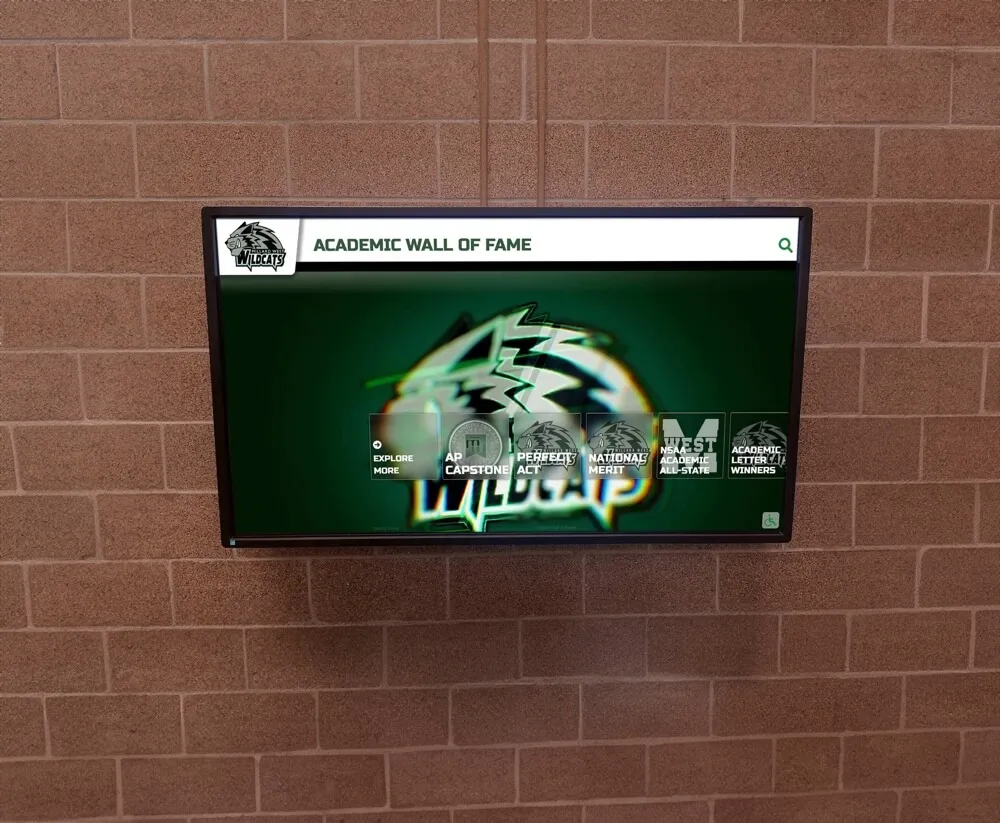
Modern digital showcase boards make ACT 30+ achievements visible and celebrated throughout the school community
Understanding ACT 30+ Achievement Significance
The ACT composite score ranges from 1 to 36, with the national average hovering around 20. Achieving a score of 30 or higher places students in elite academic territory, demonstrating college readiness across all tested subject areas.
What ACT 30+ Scores Represent
College Readiness Benchmarks According to ACT research, students scoring 30 or above demonstrate high probability of earning B grades or higher in first-year college courses across English Composition, College Algebra, Social Sciences, and Biology. These students possess not just test-taking ability but genuine preparedness for rigorous collegiate academics.
Competitive Percentile Rankings A composite score of 30 places students in the 93rd percentile—meaning they outperformed 93% of all test-takers nationally. This achievement becomes even more remarkable at higher scores: a 32 reaches the 97th percentile, while a perfect 36 represents the 100th percentile with fewer than 1 in 4,000 students achieving this distinction.
Impact on College Admissions
Scholarship Opportunities Many universities offer automatic merit scholarships for students achieving ACT 30+ scores. Full-tuition scholarships frequently require minimum composite scores between 30-34, making this achievement financially transformative for families.
Selective Institution Competitiveness Top-tier universities typically admit students with ACT scores in the 30+ range. While holistic admissions consider multiple factors, these scores open doors to institutions that might otherwise remain inaccessible.
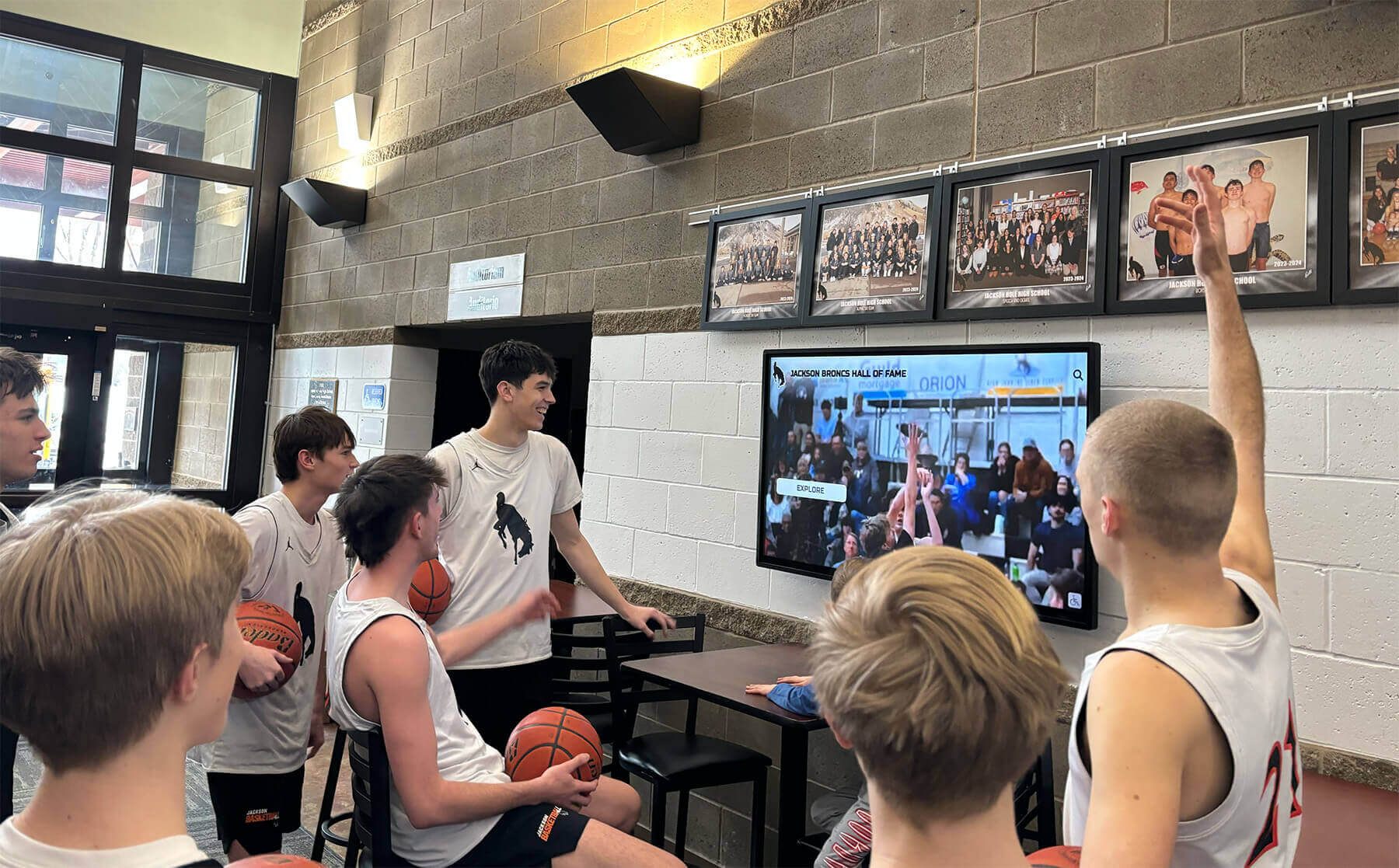
Interactive displays create opportunities for students to explore academic achievements while building motivation
Honors Programs and Opportunities Many universities use ACT scores as gatekeepers for honors programs, specialized learning communities, and research opportunities. ACT 30+ achievement positions students for these enriched educational experiences.
The significance extends beyond numerical achievement. These scores represent sustained academic development across mathematics, science, reading, and English—demonstrating well-rounded intellectual preparation rather than narrow expertise.
Why ACT 30+ Recognition Matters for School Communities
Celebrating exceptional test scores serves strategic purposes within educational institutions beyond simple acknowledgment of individual success.
Creating Academic Achievement Culture
When schools prominently display ACT 30+ achievers alongside athletic champions, they communicate balanced values where intellectual excellence receives celebration equal to competitive success. This visible recognition normalizes high academic achievement, transforming it from unusual to aspirational.
Research in academic recognition programs demonstrates that students who see achievement recognized are significantly more likely to pursue similar accomplishments. Visible ACT 30+ recognition provides concrete goals students can work toward through focused preparation and academic development.
Motivating Test Preparation Investment
ACT success requires sustained effort—students must master content, develop test-taking strategies, and often complete multiple practice exams. When schools recognize resulting achievements prominently, they validate preparation time investment while encouraging younger students to pursue similar dedication.
Students who might view test preparation as burdensome gain motivation when they see the celebration awaiting exceptional performance. Recognition transforms preparation from obligation to opportunity for meaningful achievement and public acknowledgment.

Individual recognition profiles celebrate specific achievements and academic excellence
Supporting College Counseling Efforts
College counselors encourage students to retake ACT exams strategically to maximize scores. Visible recognition of 30+ achievers reinforces counselor messages about score importance while providing peer examples of students who invested effort in score improvement.
Recognition also helps counselors celebrate students pursuing ambitious college plans, as ACT 30+ scores often correlate with applications to selective institutions where academic rigor demands strong standardized test performance.
Building School Reputation
Schools known for producing high-achieving students attract families seeking rigorous academic environments. Visible ACT 30+ recognition—through digital displays, announcements, and communications—demonstrates program quality while building pride among current students, staff, and community members.
Addressing Academic-Athletic Recognition Imbalance
Many schools excel at celebrating athletic championships while giving minimal visibility to academic achievements of equal or greater significance. ACT 30+ recognition helps restore balance, ensuring students pursuing intellectual excellence receive acknowledgment comparable to athletes winning state championships.
This balanced approach benefits all students by demonstrating that multiple pathways to recognition exist. Students can find validation through athletic performance, academic achievement, artistic excellence, or community service—creating inclusive cultures where diverse strengths receive celebration.
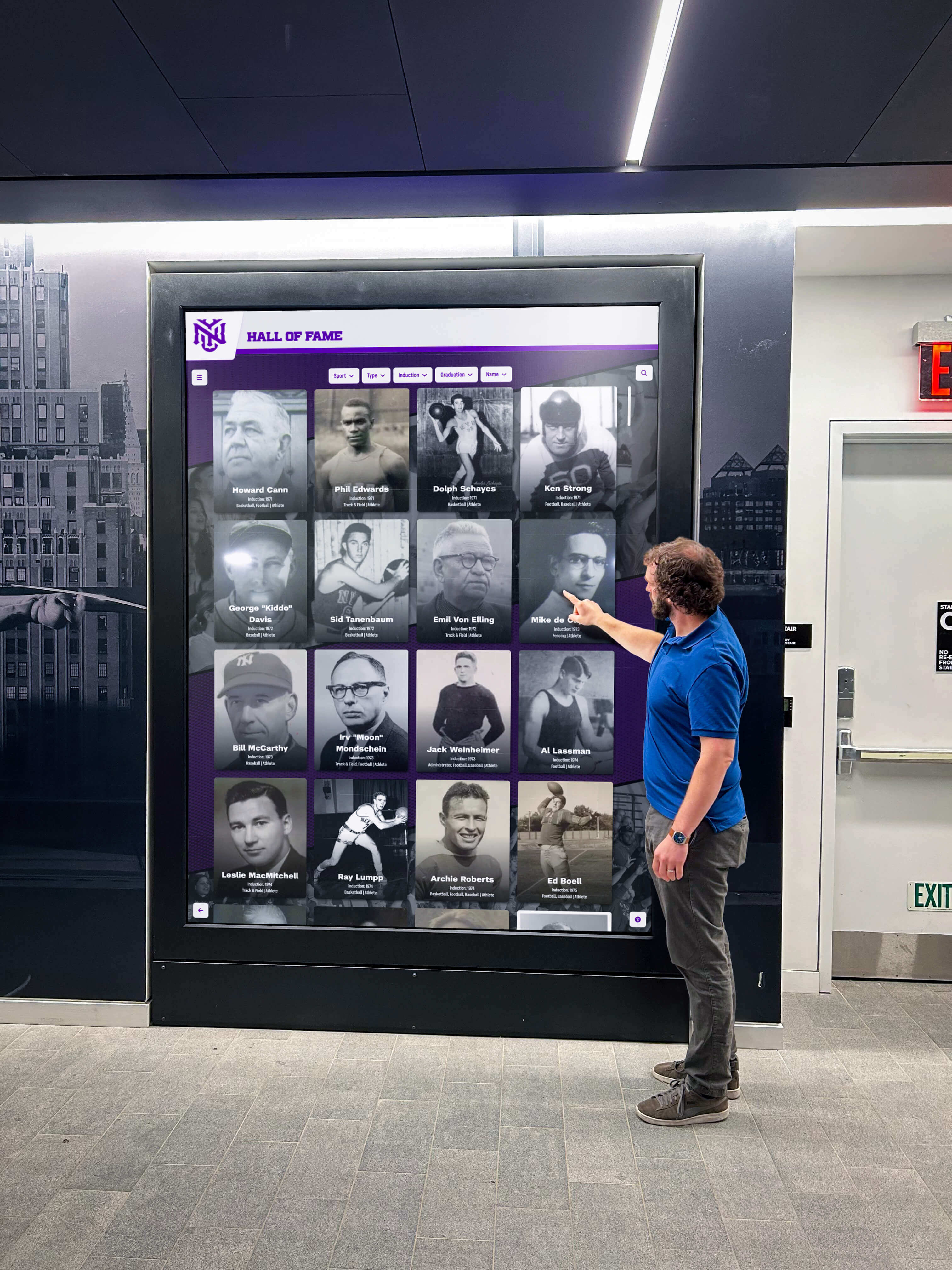
Interactive displays enable families and visitors to explore academic excellence throughout the school
Traditional Approaches to ACT Score Recognition
Schools have celebrated exceptional test scores through various conventional methods, each offering advantages while facing limitations that modern solutions address effectively.
Honor Roll and Academic Excellence Lists
Many schools include ACT 30+ achievers on published honor rolls or academic excellence lists distributed through newsletters, websites, or morning announcements. This approach provides documentation while reaching broad audiences beyond ceremony attendees alone.
Effective list-based recognition includes student names, composite scores (when students consent to sharing), graduation years, and college destinations. Some schools create tiered recognition acknowledging 30-32, 33-35, and perfect 36 scores separately.
However, list recognition often lacks visual impact and permanence. Students and families appreciate acknowledgment, but list appearances feel ephemeral compared to enduring physical displays or engaging digital installations.
Award Ceremonies and Academic Banquets
Formal ceremonies create memorable recognition moments while demonstrating institutional commitment to academic celebration. Schools host academic awards nights, senior recognition banquets, or honors convocations where ACT 30+ achievers receive certificates, medals, or special acknowledgment.
Ceremony presentations validate achievement while allowing families to participate in celebration. Public recognition before peer audiences amplifies motivational impact, particularly for younger students who attend and witness older students receiving acknowledgment.
Timing challenges exist when ACT scores arrive throughout testing cycles. Schools may recognize achievers at multiple points throughout the year or consolidate recognition during annual ceremonies, each approach offering distinct advantages.
Traditional Display Limitations
Physical plaques commemorating ACT 30+ achievement face significant constraints:
Space Limitations: Trophy cases and wall plaques accommodate finite numbers before requiring expansion decisions or difficult choices about whose achievements remain visible versus archived.
Update Difficulties: Adding new achievers requires manufacturing new nameplates or plaques, creating delays and ongoing costs that constrain how quickly schools can celebrate recent accomplishments.
Limited Information: Traditional plaques typically show names and years—missing opportunities to share student stories, college destinations, academic interests, or inspirational messages for younger students.
Visibility Challenges: Static displays in single locations limit how many students encounter recognition regularly. High-traffic placement helps, but traditional formats cannot match digital displays’ engagement capabilities.

Touchscreen technology makes exploring academic achievements intuitive and engaging
These limitations have led schools increasingly toward modern digital recognition solutions that overcome traditional constraints while creating more engaging, comprehensive celebration systems.
Digital Showcase Board Solutions for ACT 30+ Recognition
Modern digital displays revolutionize academic recognition by offering capabilities traditional approaches cannot match, creating engaging experiences that inspire students while honoring achievement permanently.
Interactive Touchscreen Recognition Systems
Digital showcase boards combine unlimited capacity with rich multimedia content and intuitive interactivity. A single touchscreen can highlight hundreds of ACT 30+ achievers with detailed profiles, photos, and achievement information impossible to include on traditional plaques.
Solutions like Rocket Alumni Solutions provide comprehensive platforms designed specifically for educational institutions, enabling schools to recognize standardized test excellence alongside athletic achievements, scholarship recognition, academic competitions, and other accomplishments through unified digital systems.
Core Digital Showcase Board Advantages:
Unlimited Recognition Capacity: Honor every ACT 30+ achiever without space constraints, accommodating program growth indefinitely as more students achieve distinction across multiple test dates and academic years.
Rich Multimedia Profiles: Include student photos, specific composite scores, section score breakdowns, academic interests, college destinations, intended majors, and personal statements about preparation strategies or experiences. This depth creates inspiring stories beyond simple numerical achievement.
Instant Content Updates: Add new ACT 30+ achievers immediately when scores arrive without manufacturing delays, installation costs, or physical modifications. Remote cloud-based management enables updates from any internet-connected device.
Interactive Exploration Features: Students can search by name, filter by graduation year or score range, browse by college destination, or explore achiever profiles through intuitive touchscreen interfaces that encourage engagement.
Cost-Effectiveness Over Time: While requiring higher initial investment than traditional plaques, digital systems eliminate per-recipient costs for additions, becoming dramatically more economical long-term as schools recognize dozens or hundreds of achievers over years.

Comprehensive digital systems document achievement journeys across academic careers
Cloud-Based Content Management Platforms
Modern recognition platforms utilize cloud-based management systems that staff update from any location without technical expertise. This convenience dramatically reduces administrative burden while ensuring recognition remains current and accurate.
Academic coordinators, counselors, or designated administrators add new ACT 30+ recipients within minutes through simple web interfaces. Staff upload student photos and enter achievement information through intuitive forms requiring no specialized training.
Role-based permissions allow appropriate access levels—principals might maintain full administrative control while counselors access only their grade level students. This structured access ensures security while distributing content management responsibilities appropriately.
Web-Based Recognition Extensions
Digital platforms extend recognition beyond physical campus locations, allowing families, alumni, and community members worldwide to explore student achievements through web-accessible displays.
Online recognition platforms enable social sharing where ACT 30+ achievers share their profiles with extended family, college admissions offices, or scholarship programs. Mobile optimization ensures displays work beautifully on smartphones and tablets, meeting students where they engage most frequently with content.
This extended reach amplifies recognition impact exponentially. A student in California can share their digital profile with grandparents in Florida, while prospective families touring school websites discover academic excellence through online showcase boards accessible 24/7 from anywhere.
Integration with Comprehensive Academic Recognition
Digital platforms excel at presenting comprehensive academic excellence through unified interfaces showcasing ACT 30+ achievement alongside related recognitions including SAT score excellence, AP Scholar awards, National Merit recognition, academic competition success, and scholarship achievement.
This integrated approach demonstrates that schools value balanced excellence across multiple dimensions rather than prioritizing any single achievement type. Students exploring digital displays discover peer accomplishments across diverse areas, inspiring pursuit of their own interests and strengths.
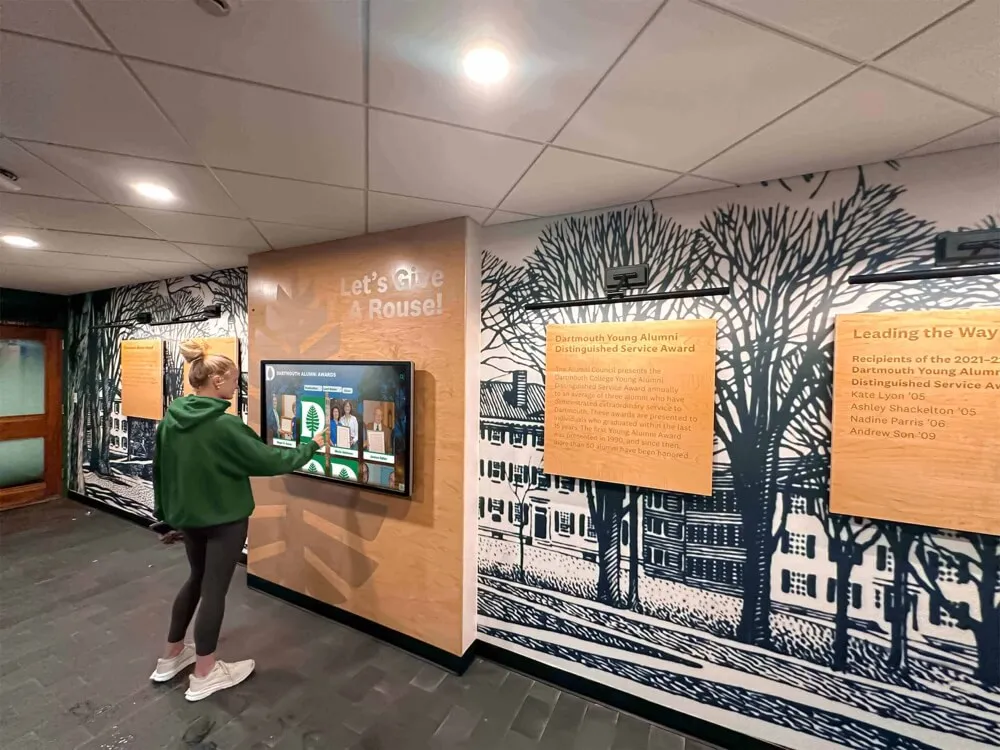
Strategic placement in high-traffic areas maximizes visibility and community engagement
Planning and Implementing ACT 30+ Recognition Programs
Creating effective recognition requires systematic planning addressing logistics, communication strategies, and sustainable implementation that maintains impact year after year.
Establishing Program Parameters
Defining Recognition Criteria Schools must determine precisely which achievements warrant recognition. Most programs celebrate composite scores of 30 or higher, but decisions include:
- Minimum composite score threshold (30, 31, or 32)
- Whether to recognize super scores combining best section performances across multiple test dates
- Recognition for exceptional section scores even if composite falls below threshold
- How to acknowledge students who achieve qualifying scores multiple times
- Whether to display actual scores or simply list students who achieved 30+ status
Privacy and Consent Considerations Federal privacy laws require student consent before publicly sharing specific test scores. Schools should develop clear consent forms where students and families authorize score sharing in recognition programs.
Some students achieving 30+ scores prefer privacy for personal reasons. Recognition programs should accommodate these preferences while still celebrating students who consent to public acknowledgment.
Recognition Timeline Development
Throughout-the-Year Recognition ACT testing occurs multiple times annually—February, April, June, July, September, October, and December. Students receive scores approximately two weeks after test dates, creating ongoing opportunities for celebration rather than single annual events.
Schools should develop systems recognizing new achievers promptly after score releases. Digital displays enable immediate updates, while traditional programs might batch recognition for quarterly celebrations or ceremonies.
Multi-Year Recognition Strategy Many students take the ACT multiple times across junior and senior years. Recognition programs should account for students who initially score below 30 but achieve qualification on subsequent attempts—these improvement stories provide powerful motivation for struggling students.
Historical recognition preserving past ACT 30+ achievers creates lasting school traditions. New students can explore achievements from previous decades, connecting current excellence to long-standing institutional commitment to academic achievement.
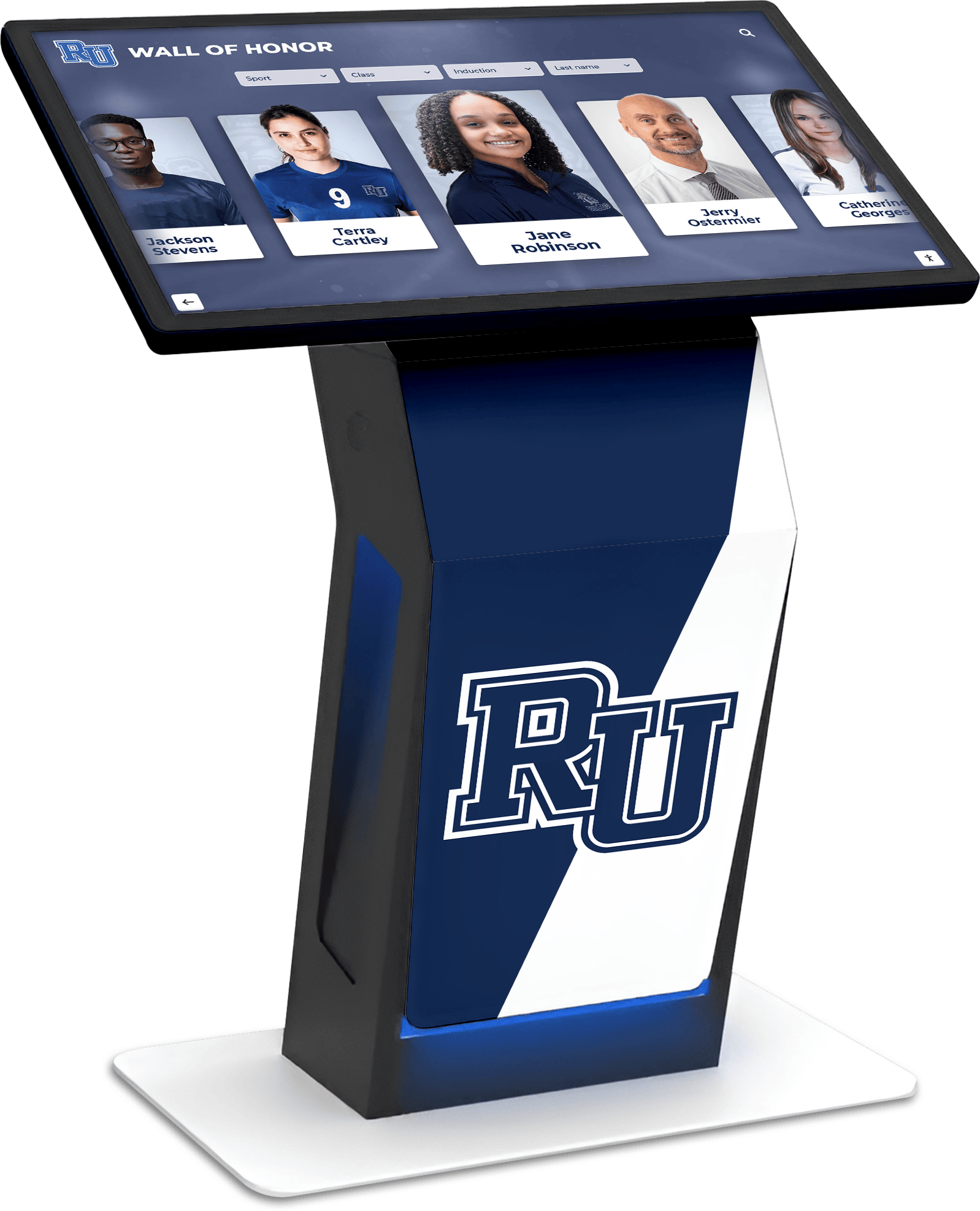
Modern showcase boards integrate touchscreen displays with cloud-based management platforms
Communication Strategies for Maximum Impact
Individual Student Recognition When students achieve ACT 30+ scores, schools should implement multi-channel individual celebration:
- Congratulatory email from principal or counselor acknowledging achievement
- Social media posts (with permission) featuring student photo and achievement
- Morning announcement recognition during school-wide communications
- Certificate or letter suitable for college applications and resumes
- Addition to digital showcase boards with full profile development
Family Engagement Communication Families take tremendous pride in ACT 30+ achievement. Recognition programs should include:
- Letters mailed home congratulating families on student success
- Invitations to special recognition events or receptions
- Opportunities for family members to attend unveiling when student added to displays
- Digital links families can share with extended relatives showcasing achievement
Community-Wide Celebration Broader community notification amplifies recognition impact:
- Local newspaper announcements or press releases featuring ACT 30+ achievers
- School board meeting recognition during public sessions
- District newsletter features highlighting academic excellence
- Alumni communication celebrating continuing tradition of high achievement
Creating Memorable Recognition Moments
Dedicated ACT 30+ Club Induction Ceremonies Some schools formalize recognition through exclusive “ACT 30+ Club” induction ceremonies where new members receive special acknowledgment. These events might include:
- Certificate presentation from administrators
- Student speakers sharing preparation strategies and experiences
- Panel discussions where recent achievers advise younger students
- Reception allowing families to celebrate together
- Formal addition to digital showcase boards during ceremony
Integration with Existing Academic Celebrations Schools with established academic awards nights or honors convocations should integrate ACT 30+ recognition into these existing programs. This integration ensures standardized test excellence receives acknowledgment alongside other academic achievements within comprehensive celebration systems.
Graduation Recognition Senior achievers deserve special recognition during graduation ceremonies through:
- Special honor cords or stoles designating ACT 30+ status
- Mention during senior class recognition or valedictorian addresses
- Graduation program notation listing ACT 30+ achievers
- Final addition to showcase boards celebrating senior class excellence
Best Practices for Digital Showcase Board Implementation
Schools implementing digital recognition displays should follow proven practices ensuring maximum effectiveness and longevity.
Strategic Placement Decisions
High-Traffic Location Selection Digital showcase boards belong in locations where students, staff, visitors, and community members encounter them regularly:
- Main entrance lobbies creating first impressions for all visitors
- Guidance office areas where students visit for college planning
- Library or media center spaces where students spend extended time
- Cafeteria or commons areas with high daily student traffic
- Athletic facility entrances balancing athletic and academic recognition visibility
Multiple display locations amplify impact. A primary comprehensive showcase board might appear in the main lobby while satellite displays in guidance offices or libraries provide focused academic recognition.
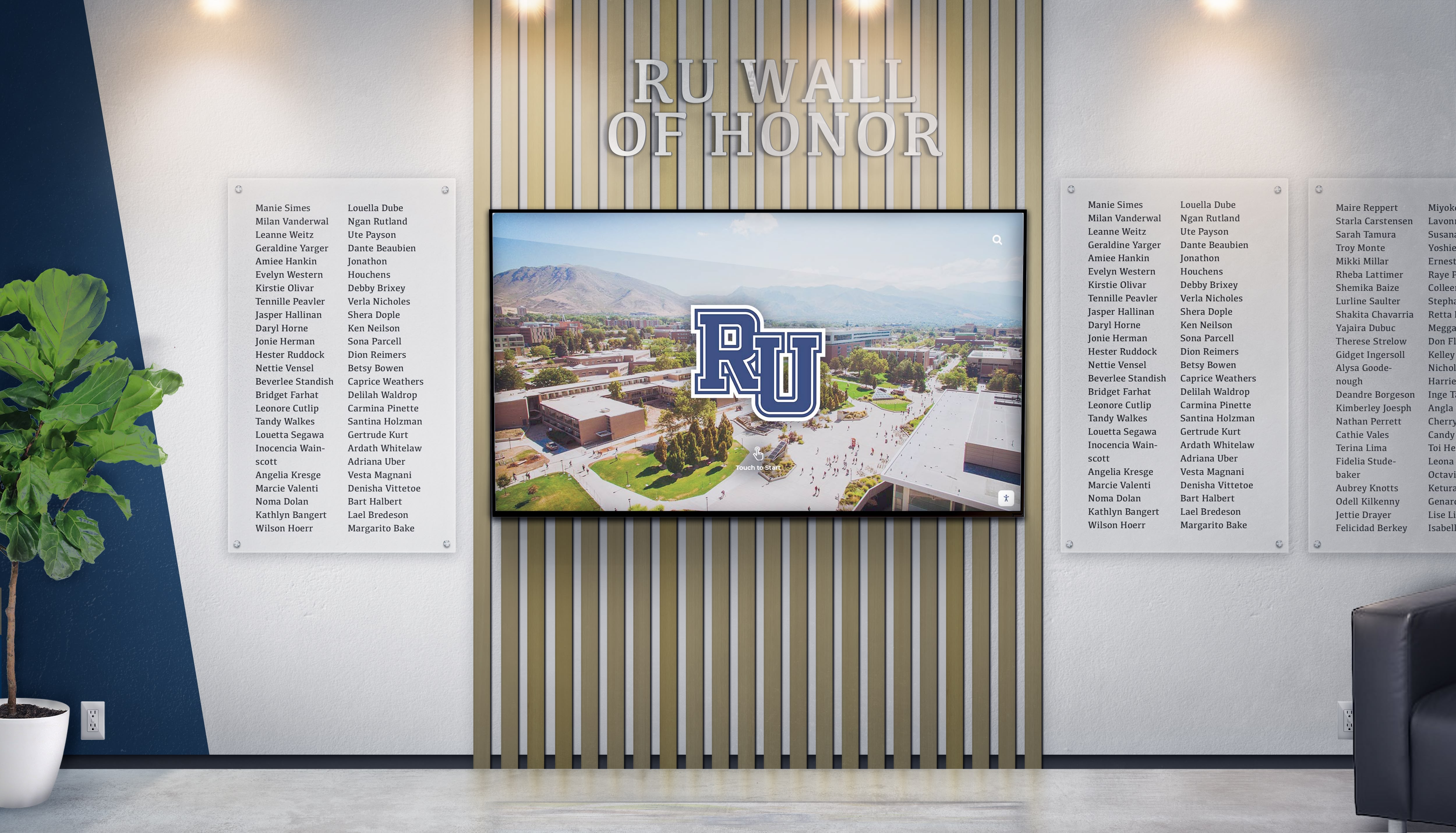
Integrated systems combine digital displays with traditional elements creating comprehensive celebration spaces
Content Development Guidelines
Comprehensive Profile Information Effective ACT 30+ profiles should include multiple information layers creating engaging, inspirational content:
- Student name, graduation year, and hometown
- Composite score (with consent) and section score breakdown
- High school activities, honors, and leadership positions
- College destination, intended major, and career aspirations
- Personal statement about preparation strategy, test-taking experience, or advice for younger students
- Academic interests, favorite subjects, or influential teachers
- Multiple high-quality photos showing students in various contexts
Engaging Visual Design Digital displays should employ professional design principles:
- School colors and branding creating cohesive institutional identity
- High-resolution photography presenting students professionally
- Clear typography ensuring readability from various distances
- Intuitive navigation enabling visitors to explore content easily
- Dynamic elements like rotating featured achievers maintaining fresh appearance
- Search and filter capabilities allowing targeted exploration
Technical Specifications for Showcase Boards
Hardware Requirements Effective digital recognition displays utilize commercial-grade equipment designed for continuous public operation:
- Commercial touchscreen displays (typically 43-75 inches) built for extended daily use
- Durable tempered glass protecting screens from damage
- Professional mounting systems ensuring security and proper viewing angles
- Fanless computing systems requiring no maintenance while providing reliable operation
- Ethernet or WiFi connectivity enabling cloud-based content management
Software Platform Selection Recognition software should provide intuitive operation for both users exploring displays and administrators managing content:
- Web-based content management requiring no specialized software installation
- Drag-and-drop interfaces enabling quick content updates
- Template systems ensuring consistent presentation across all profiles
- User permission levels appropriate for different staff roles
- Analytics tracking engagement and display effectiveness
- Mobile-responsive design functioning on tablets and smartphones
Accessibility and Inclusion Considerations
Digital recognition displays should accommodate all community members:
- Screen placement height complying with ADA accessibility guidelines
- High-contrast viewing modes assisting users with visual impairments
- Text magnification capabilities for detailed reading
- Alternative text descriptions for images supporting screen readers
- Multilingual content options serving diverse school communities
- Digital accessibility compliance ensuring inclusive recognition
Expanding Recognition Beyond ACT Scores
Comprehensive academic recognition systems celebrate diverse achievements rather than narrowly focusing on single metrics.
Complementary Standardized Test Recognition
SAT Score Excellence Schools should recognize exceptional SAT performance alongside ACT achievement. Equivalent SAT scores to ACT 30+ include:
- SAT 1390 ≈ ACT 30
- SAT 1450 ≈ ACT 32
- SAT 1520 ≈ ACT 34
- SAT 1570+ ≈ ACT 36
Integrated displays might feature combined “Standardized Test Excellence” showcases honoring both ACT 30+ and equivalent SAT achievers, demonstrating that schools value strong performance regardless of test choice.
SAT Subject Test and AP Exam Achievements Subject-specific test excellence deserves recognition alongside composite score achievement. Schools might create sections celebrating:
- SAT Subject Test scores above 750
- AP Exam scores of 4 or 5
- College Board AP Scholar awards
- National Merit Semifinalist and Finalist recognition
This broader approach ensures recognition opportunities exist for students demonstrating excellence through multiple assessment pathways.
Academic Competition Success
Digital showcase boards can integrate standardized test achievement with recognition for:
- National Merit Scholars and Commended Students
- Academic Decathlon and Quiz Bowl championships
- Science Olympiad medals and achievements
- Mathematics competition success (AMC, AIME, USAMO)
- Spelling Bee, Geography Bee, and National History Day accomplishments
These additions demonstrate that schools value sustained academic excellence across multiple contexts beyond test scores alone.
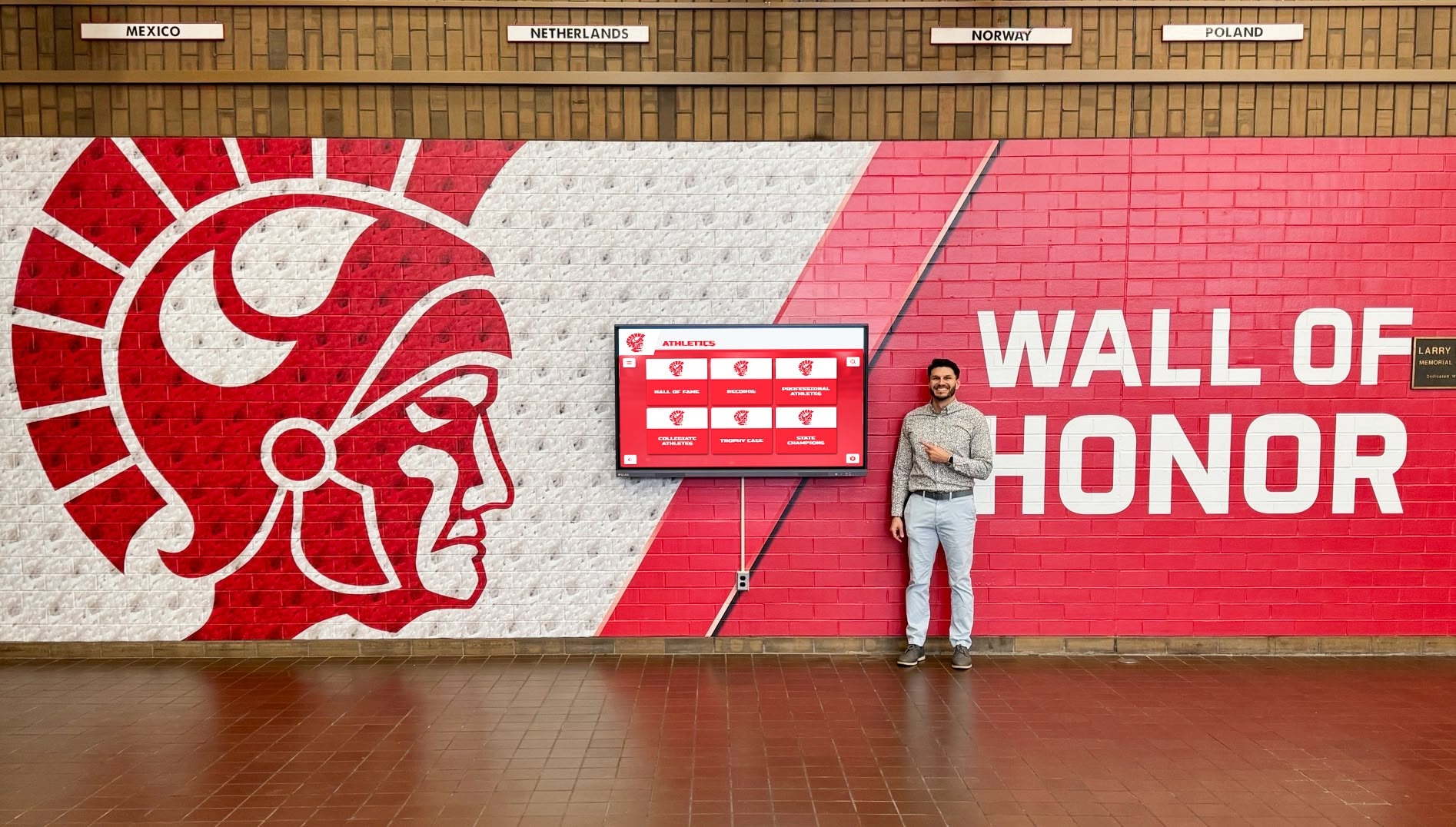
Comprehensive recognition systems celebrate excellence across multiple academic dimensions
Balanced Recognition Philosophy
Schools should position ACT 30+ recognition within comprehensive achievement celebration including:
- Athletic championships and individual sport achievements
- Performing arts excellence and competition success
- Community service hours and leadership accomplishments
- Career and technical education certifications
- Student recognition that increases future success across all domains
This balanced approach creates inclusive cultures where every student finds potential recognition pathways aligned with their unique strengths and interests.
Measuring Recognition Program Effectiveness
Schools should assess ACT recognition programs to ensure intended outcomes and justify resource investment.
Quantitative Impact Metrics
Participation Rate Trends Track the percentage of students taking the ACT and the proportion achieving 30+ scores over time. Effective recognition programs should correlate with increased participation and achievement rates as motivation spreads.
Compare your school’s ACT 30+ achievement rates with state and national benchmarks. Increasing rates suggest recognition programs successfully motivate test preparation investment and academic rigor.
College Outcomes Analysis Monitor relationships between ACT recognition and college destinations. Schools should track:
- Percentage of ACT 30+ achievers attending selective institutions
- Merit scholarship awards earned by recognized students
- College admission success rates for test score achievers
- Four-year graduation rates for recognized students
Engagement Analytics Digital showcase boards provide usage data illuminating program impact:
- Number of interactions with displays monthly
- Average session duration indicating engagement depth
- Most frequently searched achievers or graduation years
- Social media shares of recognition content
- Website visits to online recognition pages
Qualitative Assessment Methods
Stakeholder Feedback Gather input from students, families, and staff about recognition program effectiveness:
- Student surveys assessing awareness, motivational impact, and perceived fairness
- Family feedback about communication quality and celebration meaningfulness
- Staff perspectives on administrative burden and student engagement changes
- Alumni reflection on how recognition influenced their school experience
Cultural Indicators Observe broader impacts on school culture and academic priorities:
- Changes in student attitudes toward standardized testing
- Increased test preparation participation or tutoring requests
- Shifts in peer conversations celebrating academic versus only athletic success
- Enhanced school reputation for academic excellence among community
- Improved student pride and school connectedness measures
Regular assessment enables continuous improvement ensuring recognition programs remain meaningful, motivating, and aligned with educational goals.
Overcoming Common Implementation Challenges
Schools implementing ACT 30+ recognition encounter predictable obstacles. Anticipating these challenges enables proactive solutions.
Budget Constraints and Funding Strategies
Initial Investment Concerns Digital showcase board systems require upfront investment typically ranging from several thousand dollars depending on screen size, quantity, and feature sophistication. Schools facing budget constraints should consider:
Phased Implementation: Begin with single display in highest-traffic location, expanding to additional locations as funds permit.
Booster Club Partnerships: Athletic boosters increasingly support academic recognition when positioned as balancing athletic displays. Academic booster organizations specifically focus on funding educational excellence celebration.
Alumni Fundraising: Class reunion fundraising often targets tangible projects. ACT 30+ showcase boards honoring academic tradition provide compelling giving opportunities for alumni.
Grant Applications: Education foundations and corporate giving programs fund technology enhancing student achievement recognition and college readiness.
Multi-Purpose Justification: Position digital displays as serving multiple recognition purposes beyond ACT scores alone—honoring scholarship recipients, academic competition teams, and National Merit Scholars through single systems justifies higher investment.
Privacy and Score Sharing Concerns
Some families hesitate sharing test scores publicly even when exceeding threshold. Recognition programs should:
- Develop clear, simple consent processes explaining exactly what information appears publicly
- Offer privacy options where students appear in recognition programs without specific scores displayed
- Respect all privacy requests without pressure or judgment
- Create “opt-in” rather than “opt-out” systems ensuring active consent
- Provide ongoing opportunities for students to modify privacy preferences
Schools should position recognition as honoring achievement rather than ranking students, emphasizing celebration rather than competition.
Maintaining Long-Term Program Sustainability
Administrative Continuity Planning Recognition programs succeed when clear responsibilities exist and administrative transitions don’t interrupt operations:
- Document all processes for adding students, updating content, and maintaining displays
- Train multiple staff members ensuring redundancy if personnel change
- Establish annual calendar with regular update schedules
- Create standardized templates and protocols minimizing per-student setup time
- Budget for ongoing technical support and occasional hardware maintenance
Keeping Recognition Fresh and Relevant Long-term programs risk becoming stale if content remains static. Maintain engagement through:
- Regular spotlight rotations featuring different achievers prominently
- Seasonal themes connecting recognition to current school events
- Anniversary celebrations honoring achievers from specific years
- Alumni updates showing college success of past ACT 30+ recipients
- Integration with current events like National College Decision Day or National College Application Week
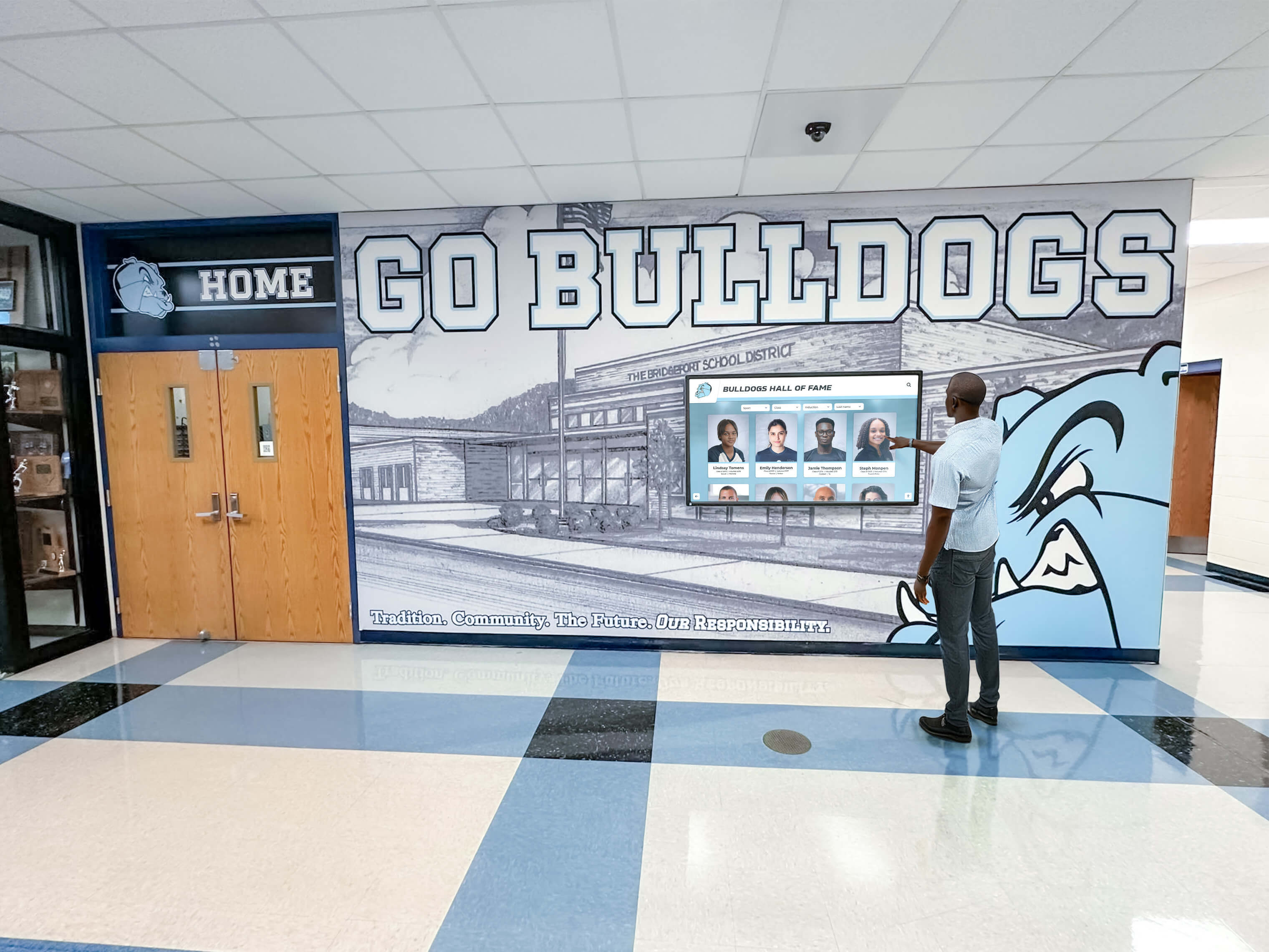
Regular engagement with recognition displays reinforces academic achievement value
Integration with Test Preparation Programs
ACT 30+ recognition programs work synergistically with test preparation initiatives, each reinforcing the other’s effectiveness.
Motivating Preparation Participation
Schools offering ACT preparation courses, workshops, or tutoring programs can leverage recognition displays to motivate participation. When students see concrete celebrations awaiting exceptional performance, they become more willing to invest time in preparation activities.
Guidance counselors should physically bring students to showcase boards during college planning conversations, highlighting achievers and explicitly connecting preparation effort to recognition outcomes. Making this connection explicit transforms abstract test preparation recommendations into concrete pathways toward meaningful celebration.
Preparation Strategy Sharing
Digital showcase boards can include preparation advice from recognized students, creating peer-to-peer learning opportunities. Profile sections might address:
- Recommended test prep resources and strategies
- Time management approaches during actual exams
- Content area study priorities based on personal experience
- Advice about when to take official exams versus additional preparation
- Mental preparation and test anxiety management techniques
This crowdsourced wisdom from peers provides practical guidance while demonstrating that 30+ achievement results from strategic effort rather than simply innate ability.
Tutoring and Support Program Promotion
Schools offering test preparation support should integrate these programs with recognition efforts:
- Display test prep program information near showcase boards connecting preparation opportunity to achievement celebration
- Feature program participants who achieve 30+ scores demonstrating program effectiveness
- Invite recognized students to serve as peer tutors or mentors for younger test-takers
- Create events where ACT 30+ achievers share preparation experiences with students enrolled in prep programs
This integration positions test preparation as worthy investment leading to meaningful recognition rather than isolated academic requirement.
Creating ACT 30+ Club Identity and Culture
Some schools formalize recognition through dedicated “ACT 30+ Club” identities creating exclusive communities around achievement.
Membership Benefits and Recognition
Tangible Recognition Items Schools might provide ACT 30+ Club members with physical items signifying membership:
- T-shirts, hoodies, or apparel featuring club logo or design
- Certificates suitable for framing or portfolio inclusion
- Medallions or pins worn at graduation or school events
- Bumper stickers allowing families to display student achievement
- Special parking passes or privileges during senior year
Exclusive Opportunities Some schools create special programming exclusively for ACT 30+ achievers:
- Invitation to special receptions or breakfast celebrations with administrators
- Priority consideration for competitive academic programs or leadership positions
- Opportunities to mentor younger students in test preparation
- Featured participation in school recruitment materials or presentations
- Special graduation ceremony recognition or seating
Building Multi-Generational Legacy
Long-running ACT 30+ recognition programs create institutional traditions spanning decades. Schools should:
- Archive historical achievers preserving complete recognition records
- Connect current achievers with alumni who achieved similar distinction
- Invite past ACT 30+ recipients to return for program anniversary celebrations
- Track alumni career outcomes demonstrating long-term success patterns
- Position ACT 30+ achievement as joining prestigious school legacy
This historical perspective transforms individual achievement into participation in enduring institutional excellence tradition.
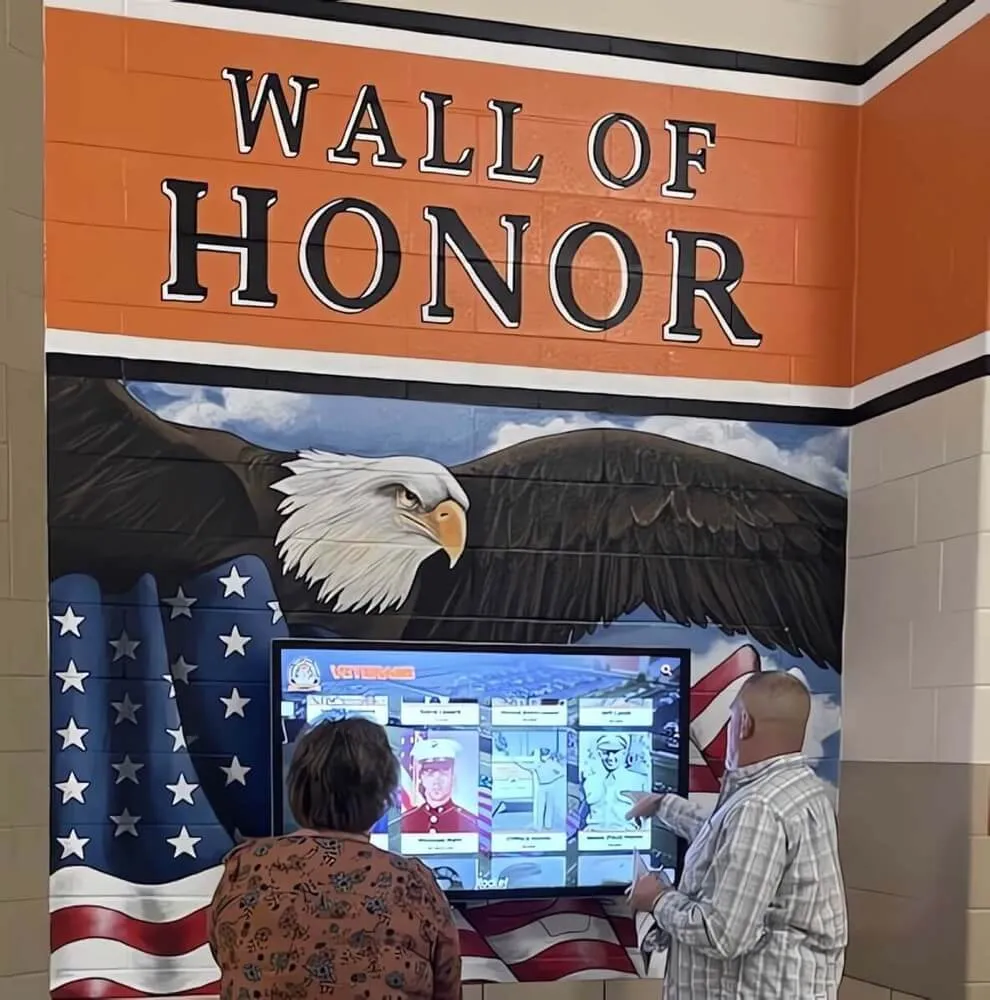
Recognition programs create lasting traditions connecting generations of academic achievers
Technical Setup Guide for Digital Showcase Boards
Schools implementing digital recognition displays should understand setup requirements ensuring smooth installation and operation.
Hardware Selection and Installation
Display Specifications Commercial-grade touchscreen displays appropriate for ACT 30+ showcase boards typically feature:
- Screen sizes between 43-75 inches depending on installation space and viewing distance
- 4K resolution (3840 x 2160) ensuring crisp text and image presentation
- Projected capacitive touch technology providing responsive, accurate interaction
- Commercial panel ratings for 16-18 hour daily operation
- Anti-glare coatings reducing reflection from ambient lighting
- Durable tempered glass protecting against damage
Physical Installation Requirements Professional installation should address:
- Secure wall mounting or floor stand installation appropriate for location
- Height positioning placing interactive elements within ADA compliance range (48-inch maximum)
- Electrical outlet access (standard 120V typically sufficient)
- Network connectivity via ethernet or WiFi depending on infrastructure
- Cable management concealing wires for professional appearance
- Environmental considerations avoiding direct sunlight or extreme temperatures
Software Configuration and Content Management
Initial Platform Setup Digital showcase board software requires initial configuration:
- School branding application including logos, colors, and design elements
- User account creation with appropriate permission levels
- Content template development ensuring consistent student profile presentation
- Navigation structure design enabling intuitive user experience
- Search and filter configuration allowing various exploration methods
Content Addition Workflow Establishing efficient processes for adding new ACT 30+ achievers:
- Student score verification and privacy consent confirmation
- Photo collection requesting high-quality portrait images
- Information gathering for profile sections (activities, college plans, statements)
- Content entry through web-based management interface
- Preview and quality check ensuring accuracy and completeness
- Publishing to live display making recognition immediately visible
Ongoing Maintenance Requirements Long-term operation requires minimal but important attention:
- Periodic content reviews ensuring accuracy and updating information as needed
- Software updates installing security patches and feature improvements
- Hardware cleaning maintaining touchscreen responsiveness and appearance
- Analytics review assessing usage patterns and engagement
- Troubleshooting addressing any technical issues promptly
Solutions like Rocket Alumni Solutions provide comprehensive support throughout setup and operation, ensuring schools successfully implement recognition displays without requiring specialized technical expertise.
Conclusion: Transforming Academic Recognition Culture
ACT 30+ achievement represents extraordinary academic accomplishment deserving celebration equal to any athletic championship. When schools implement comprehensive recognition programs—particularly through modern digital showcase boards—they create cultures where intellectual excellence receives visibility and celebration that motivates all students.
The strategies explored in this guide provide frameworks for building recognition systems that honor exceptional test performance while remaining sustainable, engaging, and aligned with educational goals. From interactive digital displays that eliminate space constraints to systematic communication strategies ensuring timely celebration, these approaches transform academic acknowledgment from occasional token gestures to comprehensive celebration woven throughout school culture.
Transform Your Academic Recognition Program
Discover how modern digital showcase boards can help you celebrate ACT 30+ achievers and build a thriving culture of academic excellence that motivates all students.
Explore Recognition SolutionsDigital platforms make comprehensive ACT recognition achievable across unlimited students without space constraints or per-student costs that traditional plaques impose. Cloud-based management enables immediate updates when new achievers receive scores, while interactive features create engagement impossible with static displays.
Schools should begin where they are—perhaps with simple list-based recognition or annual ceremonies—then systematically expand toward comprehensive digital systems providing lasting, dynamic celebration. Every ACT 30+ achiever who receives meaningful recognition develops stronger connection to their school and greater pride in their accomplishment.
Your students’ academic achievements deserve celebration equal to any other accomplishment. With thoughtful planning, appropriate technology, and consistent implementation, you can create recognition systems that honor every exceptional performance while building the positive, motivating academic culture where all students pursue excellence.
Ready to begin? Explore academic recognition programs that inspire excellence or discover digital hall of fame solutions that transform how schools celebrate achievement.































