Navigating the Modern Advancement Landscape
Advancement professionals at schools, universities, and nonprofit organizations face unprecedented challenges in 2025. With donor expectations evolving, fundraising competition intensifying, and resources remaining limited, development teams need practical advancement help that delivers measurable results. The most successful advancement offices have discovered that strategic technology adoption, streamlined workflows, and modern engagement tools fundamentally transform their capacity to build relationships, steward donors, and achieve ambitious fundraising goals.
This comprehensive guide provides actionable advancement help across the critical areas development teams face daily—from donor engagement and recognition to workflow efficiency and measurable outcomes. Whether you’re a one-person advancement office or part of a larger team, these strategies and tools will help you work smarter, engage supporters more effectively, and demonstrate the impact that justifies continued investment in your programs.

Modern digital recognition solutions help advancement teams honor donors while driving continued engagement
Understanding Today’s Advancement Challenges
Before exploring solutions, it’s essential to understand the specific obstacles advancement professionals encounter in their daily work.
Resource Constraints and Competing Priorities
Most advancement offices operate with lean teams juggling multiple responsibilities. According to advancement professionals, median staffing levels at four-year institutions remain below 20 full-time employees while managing relationships with thousands of alumni and coordinating complex campaigns. This resource reality makes efficiency critical—every hour spent on administrative tasks is an hour not devoted to donor cultivation or strategic planning.
Rising Donor Expectations
Today’s donors expect modern, engaging experiences that reflect organizational innovation. Static recognition methods and generic communications no longer suffice for supporters accustomed to personalized digital experiences in every other aspect of their lives. Donors increasingly want to see concrete impact, receive timely acknowledgment, and engage with institutions through convenient digital channels.
Demonstrating Measurable ROI
Leadership teams and boards demand data-driven evidence of advancement effectiveness. Anecdotal success stories must now be supplemented with concrete metrics showing engagement rates, cost per dollar raised, donor retention percentages, and campaign progress. This accountability requires advancement teams to track, analyze, and report outcomes systematically.

Strategic planning and modern tools help advancement teams maximize limited resources
Keeping Pace with Technology
Technology evolves rapidly, and advancement teams must evaluate which innovations deliver genuine value versus which create complexity without commensurate benefits. The challenge lies not just in adopting technology but in selecting tools that integrate smoothly with existing systems, require reasonable learning curves, and actually improve rather than complicate workflows.
Strategic Advancement Help: Core Solutions
Let’s explore practical solutions addressing these challenges head-on, starting with areas that deliver the highest impact for development teams.
Digital Asset Management for Development
One of the most underestimated advancement challenges is content management. Development teams accumulate thousands of digital assets annually—donor photos, event images, campaign materials, recognition graphics, impact videos, and historical archives. Without proper organization, valuable content disappears into email attachments and forgotten folders, forcing staff to waste hours searching or recreating materials that exist somewhere but can’t be found.
Digital asset management systems for schools transform this chaos into strategic resources. Centralized platforms enable advancement teams to:
Instant Content Retrieval: Find specific photos, documents, or videos in seconds using metadata filtering, visual search, keywords, and custom fields—no more hunting through folder hierarchies or asking colleagues “where’s that donor photo from last spring’s gala?”
Rights Management: Track photo releases, donor privacy preferences, and usage permissions ensuring compliance with regulations while respecting supporter wishes. This documentation protects both institutions and individuals.
Version Control: Maintain complete histories of content updates with audit trails documenting who changed what and when. This accountability prevents confusion while enabling team collaboration.
Automated Organization: Leverage AI-powered tagging that automatically categorizes content, reducing manual data entry time while improving searchability.
Organizations implementing proper digital asset management report 60-70% reductions in time spent locating content—hours freed for direct donor engagement and strategic relationship building.
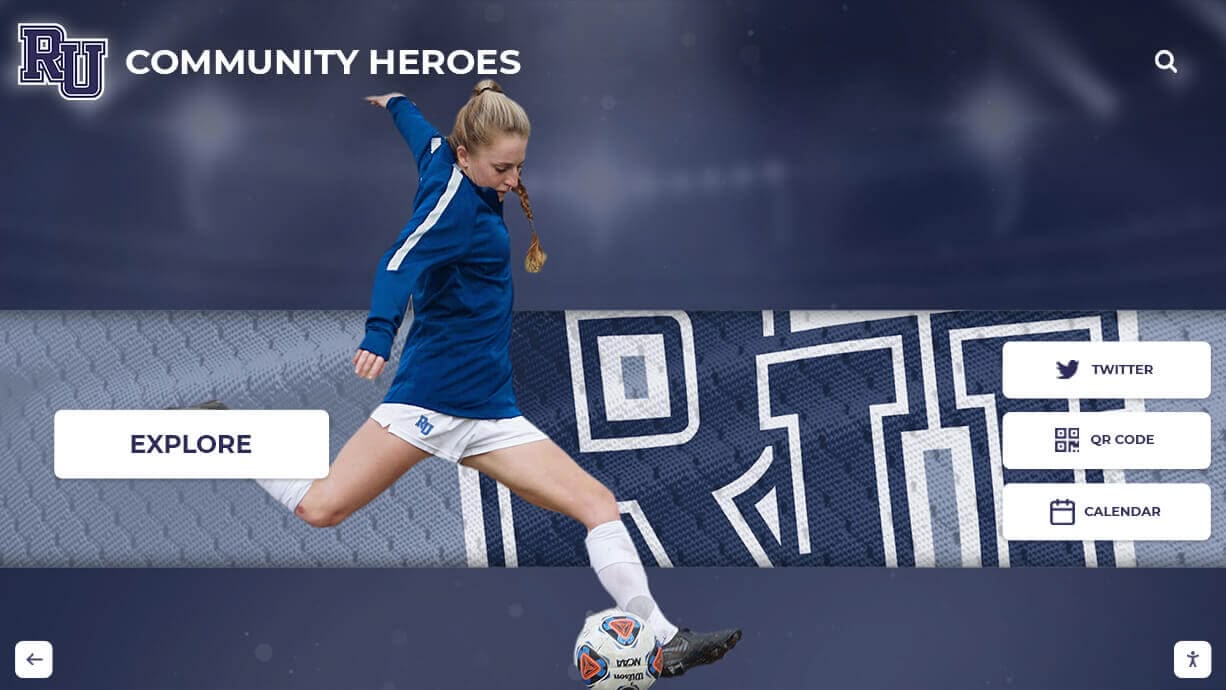
User-friendly content management interfaces enable efficient workflow without technical expertise
Interactive Donor Recognition Solutions
Traditional donor recognition—static plaques, printed directories, physical walls—creates ongoing challenges for advancement teams. Updates require expensive fabrication and installation. Space constraints force difficult decisions about which donors receive acknowledgment. Static displays provide no engagement metrics showing who views recognition or how long they spend exploring content.
Interactive digital donor recognition fundamentally transforms this dynamic by creating engagement opportunities that simultaneously honor supporters and encourage continued giving.
Unlimited Recognition Capacity: Digital platforms accommodate donors at all levels without space limitations. Whether recognizing major gift contributors or annual fund participants, everyone receives appropriate acknowledgment without physical constraints forcing exclusions.
Rich Multimedia Storytelling: Move beyond names and amounts to share donor stories through photos, videos, testimonials, and impact narratives. These emotional connections inspire others while appropriately honoring supporters’ generosity.
Real-Time Updates: Recognize new contributions immediately through cloud-based management requiring no physical modifications. This timeliness demonstrates responsiveness while keeping recognition current.
Measurable Engagement: Track who views recognition, which profiles generate most interest, popular search terms, and engagement patterns. These analytics inform content strategy while demonstrating program effectiveness.
Institutions implementing digital donor recognition solutions frequently report 15-25% increases in giving within the first year as supporters see their impact honored meaningfully while new prospects witness thriving donor communities.
Streamlined Workflow Management
Advancement teams waste significant time on repetitive administrative tasks that, while necessary, don’t directly advance donor relationships. Strategic workflow optimization frees capacity for high-value activities.
Automated Acknowledgment Systems: Configure platforms that automatically generate personalized thank-you messages within 24-48 hours of gift receipt. While automation handles initial acknowledgment, advancement officers add personalized touches for major gifts requiring individualized attention.
Integrated CRM Systems: Ensure advancement tools connect seamlessly with constituent relationship management platforms, eliminating redundant data entry while maintaining comprehensive donor records across all touchpoints.
Template Libraries: Develop branded templates for common communications—event invitations, campaign updates, impact reports, recognition certificates. Templates maintain consistency while reducing creation time for frequently needed materials.
Scheduled Content Publishing: Plan recognition updates, social media posts, and email campaigns in advance, scheduling publication for optimal times without requiring staff availability at specific moments.
These workflow efficiencies compound over time. Hours saved weekly translate to hundreds of hours annually—capacity redirected toward major gift cultivation, volunteer coordination, and strategic planning that directly advance institutional goals.

Engaging events strengthen donor relationships when supported by efficient advancement operations
Alumni Engagement Strategies That Work
Strong alumni engagement forms the foundation of successful advancement programs. Connected graduates give more frequently, in larger amounts, and become voluntary ambassadors encouraging peer participation.
Building Comprehensive Digital Communities
Modern alumni engagement platforms create spaces where graduates connect with each other, access career resources, explore institutional updates, and maintain meaningful relationships with their alma maters.
Professional Networking Features: Enable alumni to search directories by industry, geographic location, graduation year, or academic program—facilitating career connections and mentoring relationships that provide ongoing value beyond nostalgia.
Recognition and Achievement Sharing: Showcase alumni accomplishments through searchable databases, featured profiles, and interactive displays accessible both on campus and remotely. This recognition strengthens institutional pride while inspiring current students.
Event Integration: Coordinate virtual and in-person events through integrated platforms managing registrations, communications, and post-event follow-up. Hybrid approaches maximize inclusive participation for both local and distant alumni.
Mobile Optimization: Ensure all alumni engagement tools function seamlessly on smartphones and tablets where many supporters primarily interact with digital content.
Organizations that view alumni engagement as ongoing relationship cultivation rather than episodic fundraising campaigns build sustainable support networks delivering benefits across multiple institutional priorities.
Personalized Communication Strategies
Generic mass communications generate minimal engagement in an era when supporters expect personalized experiences. Segmentation and customization dramatically improve response rates while demonstrating genuine attention to individual preferences.
Demographic Segmentation: Divide alumni databases by graduation decade, academic program, geographic location, giving history, or engagement patterns. Targeted messaging to specific segments outperforms generic communications by substantial margins.
Behavior-Triggered Outreach: Configure automated but personalized messages triggered by specific actions—first-time gifts, milestone giving anniversaries, event attendance, or significant life transitions. These timely touchpoints strengthen relationships through relevant, contextual communication.
Preference Management: Enable supporters to indicate communication frequency preferences, content interests, and channel selections. Respecting stated preferences reduces unsubscribes while increasing engagement among those who receive content matching their interests.
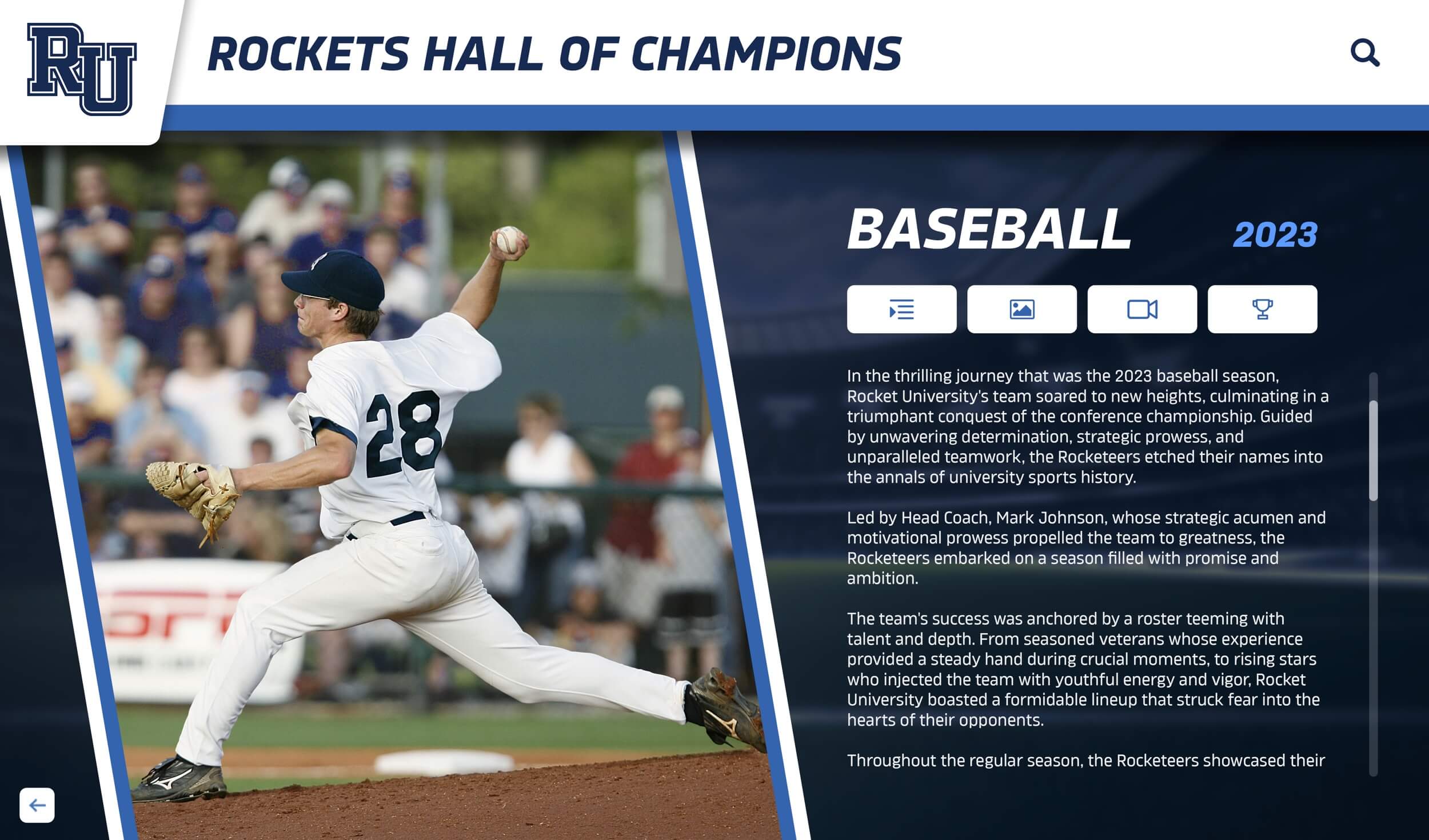
Personalized profiles and targeted communications drive higher engagement than generic mass messaging
Recognition Programs That Inspire Participation
Effective recognition accomplishes dual purposes—honoring current supporters while inspiring others to join giving communities.
Tiered Recognition Levels: Establish clear giving societies with corresponding benefits creating aspirational progression. When donors see recognition for higher giving levels, many naturally increase contributions to reach those thresholds.
Peer Influence Visualization: Display class participation rates, society memberships, and campaign progress creating social proof that encourages broader participation. People naturally want to join thriving communities rather than lagging efforts.
Impact Demonstration: Connect donor support directly to tangible outcomes through stories, photos, videos, and data showing exactly how contributions translate to student scholarships, faculty research, facility improvements, or program enhancements.
The key insight: Recognition isn’t merely acknowledgment of past giving—it’s strategic communication encouraging continued and increased support while attracting new participants.
Technology Solutions Providing Practical Advancement Help
Modern technology platforms provide advancement teams with capabilities that multiply capacity without proportional budget increases.
Comprehensive Recognition Platforms
Solutions like Rocket Alumni Solutions provide integrated platforms specifically designed for educational advancement needs. These purpose-built systems combine multiple capabilities:
Physical and Digital Displays: Manage both on-campus touchscreen displays and web-accessible recognition portals through unified content management systems. Create content once and distribute across multiple channels automatically.
Intuitive Administration: Cloud-based platforms enable content updates from any internet-connected device without technical expertise or IT department involvement. User-friendly interfaces ensure staff can manage systems independently.
Integration Capabilities: Connect recognition platforms with existing advancement databases, CRM systems, and communication tools through APIs and standard integrations. This connectivity prevents data silos while enabling comprehensive donor views.
Analytics and Reporting: Access detailed engagement metrics showing display interactions, popular content, search patterns, and usage trends. These insights inform content strategy while demonstrating program ROI to leadership.
Scalable Solutions: Implement systems that grow with institutional needs—starting with core functionality and expanding as budgets allow and programs mature.
Purpose-built advancement technology delivers better outcomes than generic solutions because these platforms anticipate specific development team workflows and challenges.

Intuitive touchscreen interfaces engage visitors while requiring no technical expertise to manage
Mobile-First Engagement Tools
With many supporters primarily accessing digital content through smartphones, mobile optimization isn’t optional—it’s essential.
Responsive Recognition: Ensure donor walls, alumni directories, and engagement platforms automatically adapt to screen sizes, delivering excellent experiences whether accessed via desktop computers, tablets, or smartphones.
Mobile Giving Integration: Streamline mobile donation processes with one-click giving options, saved payment methods, and simplified forms that respect limited screen space and touch-based navigation.
Text Communication: Supplement email with text message campaigns for time-sensitive communications, event reminders, or giving day promotions. Text messages generate higher open rates than emails, particularly among younger alumni.
Event Management Systems
Advancement offices coordinate numerous events annually—reunions, donor appreciation gatherings, fundraising galas, and cultivation receptions. Integrated event management streamlines these efforts.
Registration Management: Handle registrations through customizable online forms capturing necessary information while processing payments securely.
Communication Tools: Automate pre-event reminders, share preparation details, and follow up afterward with thank-you messages and impact reports—all through unified platforms maintaining conversation histories.
Integration with Recognition: Display attendee recognition during events, showcase campaign progress, and feature donor stories on large screens creating professional event production while reinforcing giving communities.
Measuring Success: Advancement Metrics That Matter
Demonstrating advancement ROI requires tracking meaningful metrics that connect activities to outcomes.
Fundamental Performance Indicators
Donor Retention Rates: Track year-over-year giving continuation percentages, particularly comparing retained versus lapsed donors. Retention typically costs far less than new donor acquisition, making this metric critical.
Average Gift Size: Monitor trends in contribution amounts across donor segments, looking for increases that indicate deepening engagement and growing capacity utilization.
Participation Rates: Calculate what percentage of your potential donor base actively contributes—particularly important for annual fund programs measuring alumni participation as key health indicators.
Cost Per Dollar Raised: Determine total advancement expenses divided by dollars raised, enabling efficiency comparisons across time periods and against peer institutions.
Campaign Goal Progress: Track major campaign progress toward established goals with clear milestone identification and timeline projections enabling proactive strategy adjustments.
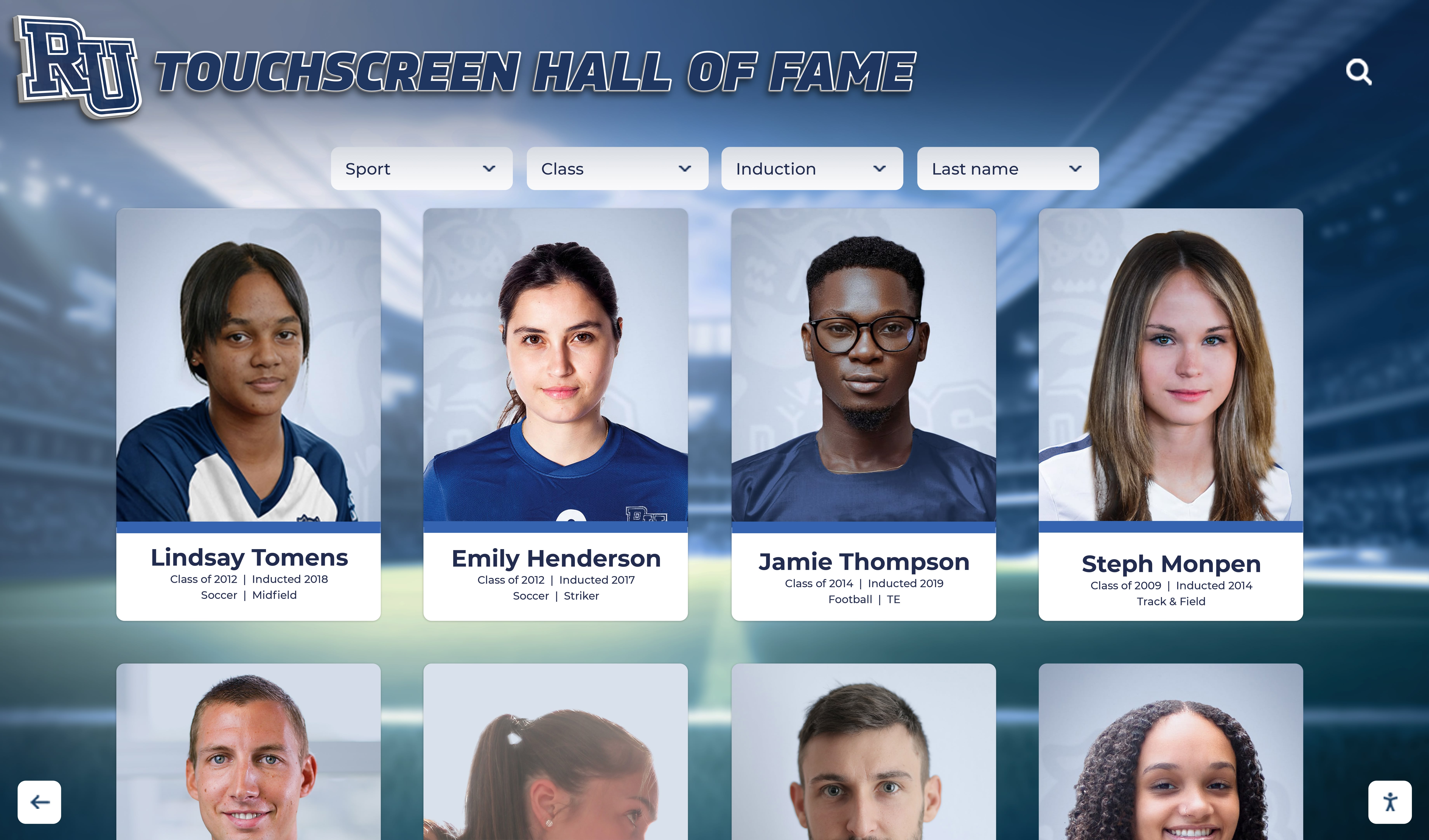
Data-driven insights enable advancement teams to optimize strategies based on actual performance
Engagement Quality Metrics
Beyond financial indicators, engagement quality reveals relationship strength:
Event Attendance Trends: Compare participation across recurring events identifying programs gaining or losing momentum, informing resource allocation decisions.
Communication Engagement: Monitor email open rates, click-through rates, social media engagement, and website visits revealing content resonance and optimal communication channels.
Volunteer Participation: Track alumni who serve on committees, mentor students, or contribute expertise—indicators of deep institutional connection that often precede increased giving.
Recognition Platform Usage: Analyze how often supporters interact with digital recognition, which content generates most interest, and engagement pattern trends demonstrating program effectiveness.
These metrics collectively paint comprehensive pictures of advancement health, enabling data-informed strategy refinement and evidence-based justification for continued program investment.
Practical Implementation: Getting Started
Understanding concepts matters, but implementation determines success. Here’s how advancement teams begin:
Assess Current Operations
Content Audit: Catalog where digital assets currently reside, identifying organizational gaps, redundancies, and retrieval challenges staff face daily.
Technology Inventory: List existing advancement tools, evaluating integration capabilities, user satisfaction, and functionality gaps requiring new solutions.
Process Mapping: Document current workflows for common tasks like gift acknowledgment, event planning, and recognition updates—identifying inefficiencies and bottlenecks consuming disproportionate time.
Stakeholder Input: Interview advancement staff, volunteers, and key donors gathering perspectives on what works well and what frustrations need addressing.
This assessment creates baselines for measuring improvement while ensuring new initiatives address actual pain points rather than perceived problems.

Professional implementation support ensures smooth technology adoption without overwhelming teams
Prioritize Strategic Initiatives
With limited resources, advancement teams must focus on high-impact initiatives delivering greatest returns:
Quick Wins: Identify improvements requiring minimal investment but generating immediate efficiency gains—creating momentum while demonstrating initiative value.
Core Capabilities: Invest in foundational systems like CRM platforms and digital asset management that support multiple functions rather than point solutions serving single purposes.
Scalable Solutions: Select technologies that grow with institutional needs rather than requiring replacement as programs expand or requirements evolve.
Secure Leadership Support
Advancement initiatives succeed when institutional leadership provides visible support and necessary resources:
ROI Projections: Develop realistic financial models showing expected returns on proposed investments based on peer institution benchmarks and conservative assumptions.
Pilot Programs: Propose limited initial implementations proving concepts before requesting comprehensive commitments, reducing perceived risk while demonstrating value.
Success Stories: Share examples from comparable institutions that achieved measurable results through similar approaches, providing evidence-based confidence in proposed strategies.
Multi-Benefit Positioning: Emphasize how advancement tools support multiple institutional priorities—student recruitment, alumni engagement, institutional reputation—beyond fundraising alone.
Invest in Training and Adoption
Technology value depends entirely on effective use. Comprehensive training ensures staff embrace rather than resist new systems:
Hands-On Workshops: Provide practical training sessions where staff actually use new systems with real content and scenarios, building confidence through direct experience.
Documentation Resources: Create quick-reference guides, video tutorials, and knowledge bases that staff access when needed without waiting for scheduled training sessions.
Ongoing Support: Establish help desk resources, regular office hours, and designated internal champions who become go-to experts for colleagues with questions.
Continuous Learning: Schedule periodic refresher training highlighting new features, sharing best practices, and ensuring institutional knowledge remains current as staff roles evolve.
Organizations that treat training as ongoing commitments rather than one-time events achieve dramatically higher technology adoption and satisfaction rates.
Common Advancement Challenges and Solutions
Let’s address specific obstacles advancement teams frequently encounter and practical approaches for overcoming them.
Limited Budget Constraints
Phased Implementation: Rather than comprehensive deployment, start with core functionality and expand as budgets allow and demonstrated value justifies additional investment.
Donor-Funded Technology: Frame technology initiatives as opportunities for donor support, creating naming opportunities or recognition for supporters funding advancement capability improvements.
Efficiency Gains: Calculate staff time savings from workflow improvements, quantifying how technology investments free capacity currently consumed by inefficient manual processes.
Collaborative Funding: Pool resources across departments that benefit from shared systems—advancement, alumni relations, athletics, and communications—creating sustainable funding models.
Staff Capacity Limitations
Volunteer Leverage: Build structured volunteer programs distributing workload while creating meaningful participation opportunities for engaged alumni.
Student Employment: Engage students in content development, research, and event support—providing valuable learning experiences while extending team capacity.
Process Automation: Identify repetitive tasks suitable for automation, freeing staff for relationship-building activities requiring human judgment and personal attention.
Priority Focus: Concentrate limited resources on highest-impact activities rather than spreading efforts thinly across too many initiatives simultaneously.

Effective team collaboration and smart tool selection maximize impact within resource constraints
Technology Resistance
User-Centered Selection: Involve end-users in technology evaluation and selection, ensuring chosen solutions address actual staff needs rather than theoretical requirements.
Change Management: Communicate clearly about why changes are necessary, what benefits they deliver, and how implementations will proceed—reducing uncertainty that fuels resistance.
Early Adopter Champions: Identify naturally tech-comfortable staff who can serve as enthusiastic champions, providing peer support that often proves more persuasive than top-down directives.
Gradual Transitions: When possible, implement changes incrementally rather than wholesale replacements, reducing disruption while enabling learning curves to develop naturally.
Demonstrating ROI to Leadership
Baseline Establishment: Document current state metrics before implementing new initiatives, creating comparison points that clearly demonstrate improvements attributable to specific changes.
Regular Reporting: Provide quarterly updates showing key performance indicators, progress toward goals, and evolving trends—keeping leadership informed rather than surprising them at year-end.
Qualitative Evidence: Supplement quantitative metrics with donor testimonials, staff efficiency stories, and volunteer feedback illustrating human impact behind numbers.
Peer Benchmarking: Compare institutional performance against peer institutions, demonstrating competitive positioning and highlighting areas requiring continued investment or strategic adjustment.
Future Trends in Advancement Work
Understanding emerging trends helps advancement teams prepare for evolving landscapes and make strategic decisions about long-term investments.
Artificial Intelligence Applications
AI tools increasingly support advancement work through predictive analytics identifying prospects most likely to give, natural language processing personalizing communications at scale, and automated research compiling prospect information from public sources.
Virtual and Hybrid Engagement
Post-pandemic, hybrid engagement models combining in-person and virtual participation have become permanent features enabling inclusive participation regardless of geography while reducing travel costs and time commitments.
Emphasis on Impact Transparency
Donors increasingly expect clear, detailed reporting on exactly how their contributions create impact. Advancement teams must develop sophisticated impact measurement and communication capabilities demonstrating tangible outcomes from supported programs.
Intergenerational Giving Strategies
As wealth transfers between generations accelerate, advancement teams must engage both current donors and their children who will inherit philanthropic traditions, requiring strategies spanning multiple generations simultaneously.
Conclusion: Empowering Advancement Success
Modern advancement work demands strategic thinking, efficient operations, and tools that multiply team capacity without proportional budget increases. The challenges facing development professionals are real—limited resources, rising expectations, intense competition, and accountability pressures—but practical solutions exist for teams committed to working smarter rather than simply harder.
The most successful advancement offices recognize that technology isn’t about replacing human relationships—it’s about enabling those relationships to scale effectively. Digital recognition platforms, streamlined workflows, comprehensive analytics, and modern engagement tools free advancement professionals from administrative burdens, allowing them to focus on what they do best: building meaningful connections with supporters who believe in institutional missions.
Whether you’re seeking to improve donor recognition programs, enhance alumni engagement, streamline operations, or simply find more hours in your day, strategic technology adoption and process optimization deliver measurable results that justify continued investment.
For advancement teams ready to explore how modern recognition and engagement platforms can transform their capacity and outcomes, solutions like Rocket Alumni Solutions provide comprehensive capabilities specifically designed for educational development needs—combining powerful functionality with user-friendly operation that advancement professionals can manage independently without overwhelming technical complexity.
The advancement help you need isn’t just about working harder—it’s about working strategically with tools and approaches that multiply your impact, honor your supporters meaningfully, and deliver results that fuel institutional success for years to come.

























