Air traffic controllers hold one of the most demanding and safety-critical positions in aviation—guiding thousands of aircraft safely through complex airspace every day while managing high-stress situations that require split-second decisions. These dedicated professionals work irregular hours including nights, weekends, and holidays, maintaining constant vigilance to ensure the safety of millions of passengers and crew members.
Despite the critical nature of their work, air traffic controllers often operate behind the scenes with limited public recognition for their expertise, dedication, and life-saving contributions. Effective recognition programs that celebrate controller achievements, honor years of service, document safety records, and preserve professional legacies create meaningful appreciation while supporting workforce morale and retention in this challenging field.
This comprehensive guide explores proven strategies for recognizing air traffic controllers—from formal awards programs and appreciation events to professional development opportunities and permanent recognition displays that honor both individual excellence and collective contributions to aviation safety.
Air traffic controller recognition extends beyond simple employee appreciation—it acknowledges the unique pressures of the profession, validates the extensive training and expertise required, demonstrates organizational commitment to workforce well-being, and creates lasting records of professional achievement that inspire current and future controllers.
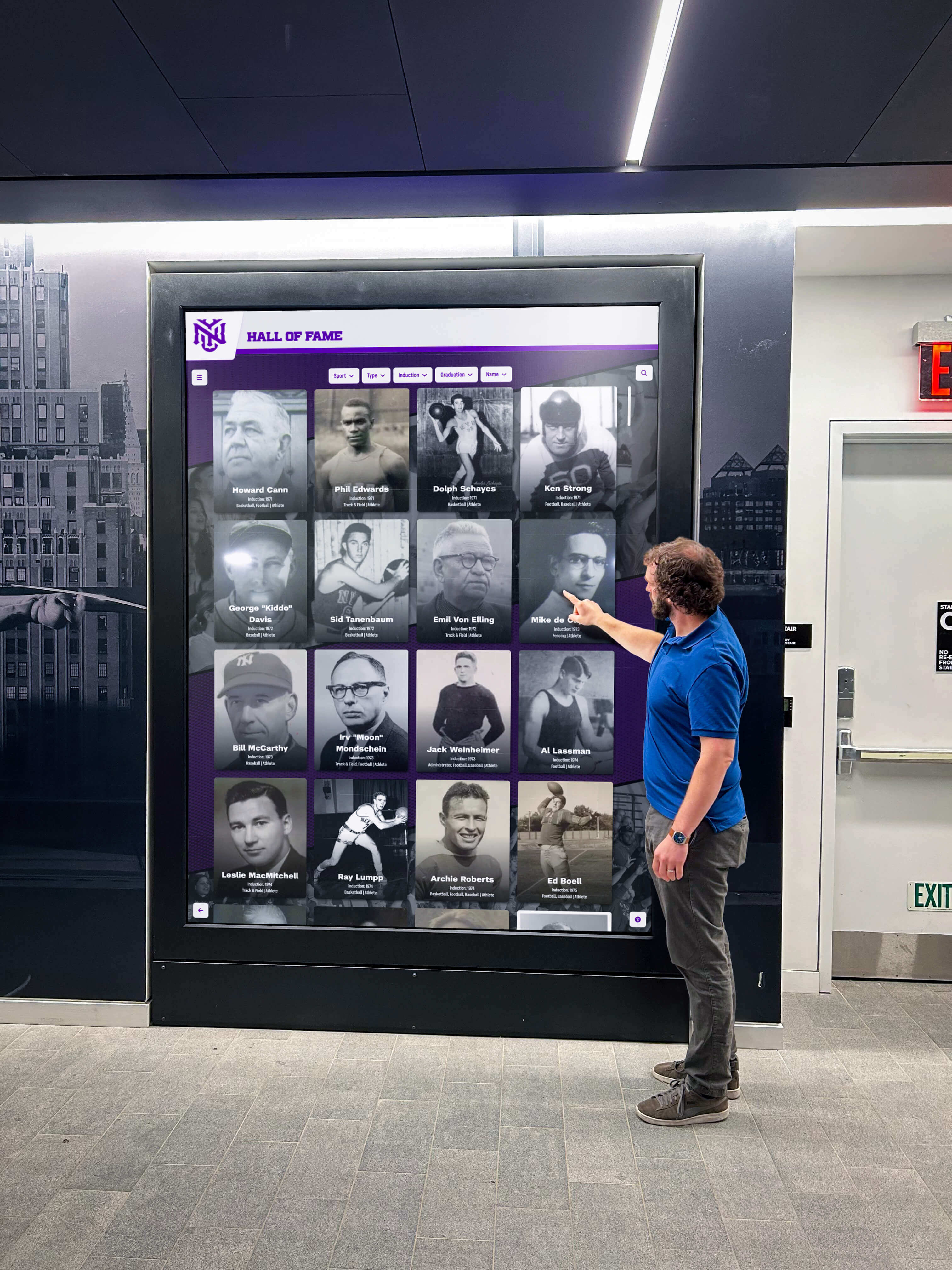
Modern recognition systems provide engaging ways to honor professional achievements and celebrate career milestones
Understanding Air Traffic Controller Recognition Needs
Effective recognition programs begin with understanding the unique characteristics of air traffic control work and the specific factors that make meaningful appreciation in this field.
The Nature of Air Traffic Control Work
Air traffic controllers face distinctive professional challenges:
High-Stakes Decision Making
- Managing multiple aircraft simultaneously in complex airspace
- Making critical safety decisions under time pressure
- Handling emergency situations with lives at stake
- Maintaining focus during extended periods of intense concentration
- Adapting to constantly changing weather and traffic conditions
- Coordinating with multiple stakeholders across the aviation system
Demanding Work Conditions
- Irregular shift schedules including nights, weekends, and holidays
- Limited breaks during intense traffic periods
- Physical and mental fatigue from sustained vigilance
- Mandatory retirement ages due to job demands
- Continuous training and certification requirements
- Technology changes requiring ongoing skill development
Limited Public Visibility
- Work performed away from public view in control towers and facilities
- Contributions understood primarily by aviation professionals
- Success measured by absence of incidents rather than visible achievements
- Limited opportunities for external recognition or public acknowledgment
- Professional accomplishments not widely celebrated outside the industry
According to the National Air Traffic Controllers Association (NATCA), controllers manage over 45,000 flights daily in U.S. airspace alone, yet most travelers remain unaware of the complex coordination occurring to ensure their safe arrival.
Why Recognition Matters in Air Traffic Control
Meaningful recognition addresses specific workforce needs:
Professional Validation Recognition confirms that the demanding nature of controller work is understood and valued by leadership, colleagues, and the broader aviation community. This validation becomes particularly important given the behind-the-scenes nature of the work and the stress inherent in the position.
Morale and Job Satisfaction In high-pressure environments, recognition programs demonstrate organizational appreciation and support workforce resilience. Controllers who feel valued are more likely to maintain engagement and commitment despite the demanding nature of their responsibilities.
Retention in Critical Positions The extensive training required to develop proficient controllers (typically 2-4 years of intensive preparation) makes retention essential. Recognition programs contribute to workforce stability by demonstrating career value and institutional commitment.
Safety Culture Reinforcement Recognizing controllers who identify potential hazards, implement safety improvements, or handle emergencies effectively reinforces the organizational commitment to safety as the highest priority.
Knowledge Transfer and Mentorship Recognition of experienced controllers and training specialists validates their expertise while encouraging knowledge sharing with newer professionals entering the field.
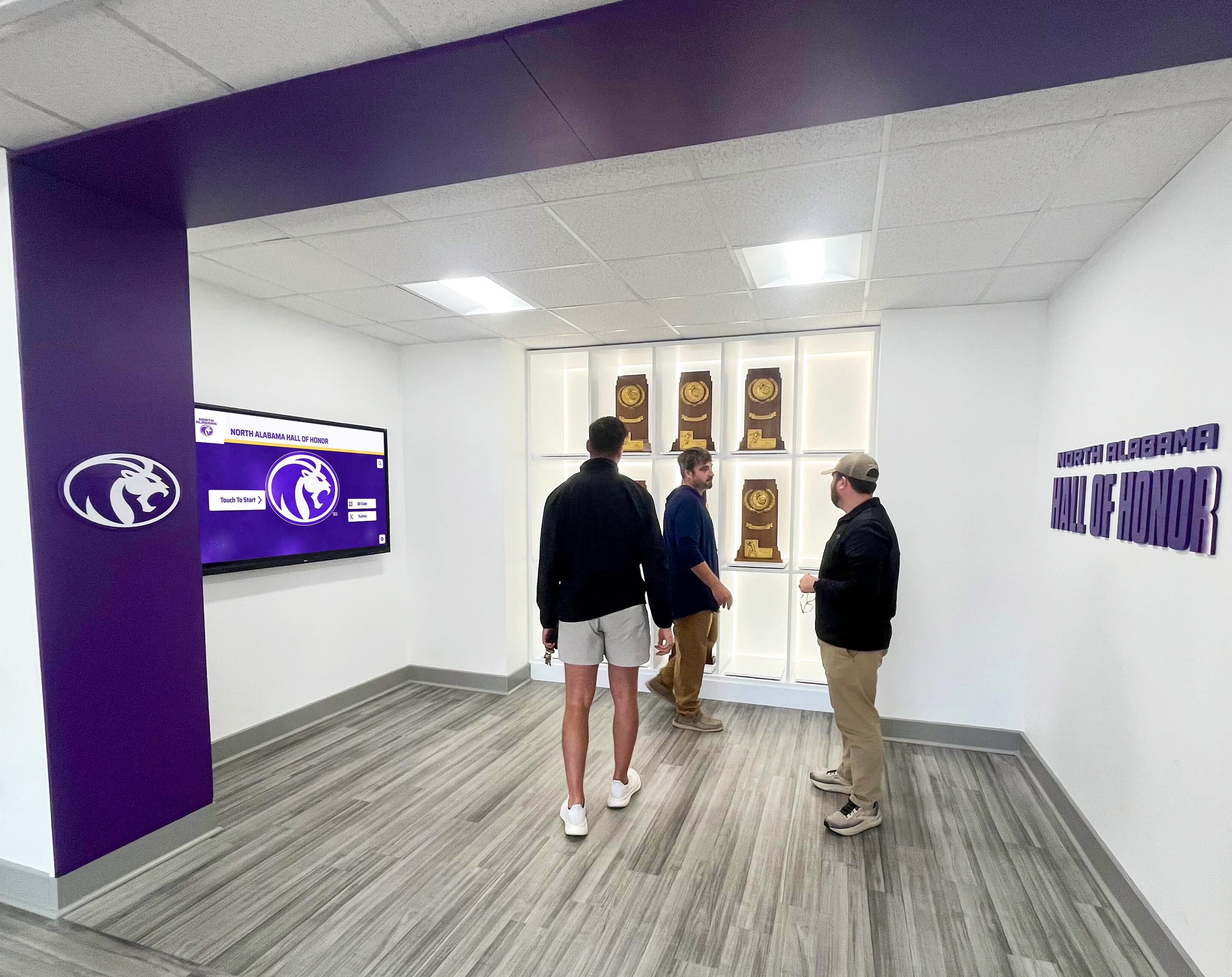
Recognition displays create opportunities to celebrate team achievements and individual contributions
Formal Awards and Recognition Programs
Established awards programs provide structured approaches to honoring controller excellence across multiple dimensions.
National and Industry Awards
Major aviation organizations sponsor prestigious recognition programs:
Air Traffic Control Association (ATCA) Awards The ATCA awards program recognizes outstanding achievement in the development, operation, and maintenance of the worldwide air traffic control system. Categories include:
- Glen A. Gilbert Memorial Award: Honoring exceptional controller performance
- NAS Safety Achievement Award: Recognizing contributions to National Airspace System safety
- Small Business Award: Celebrating companies supporting ATC advancement
- President’s Award: The association’s highest honor for extraordinary contribution
According to ATCA, nominations are accepted from June through August, with finalists announced in October and winners honored at the annual conference in Washington, DC.
Archie League Medal of Safety Awards Named for the first U.S. air traffic controller, these awards (presented since 2005) honor exceptional controller work that prevented accidents or saved lives. NATCA presents these medals at their annual Communicating for Safety conference, celebrating the most impressive safety achievements of the year across different regions.
AOPA Air Safety Institute Flight Assist Commendations The Aircraft Owners and Pilots Association (AOPA) Air Safety Institute recognizes controllers whose professionalism and composure under pressure assisted pilots in challenging situations, providing external validation from the pilot community.
International Recognition International Day of the Air Traffic Controller, celebrated October 20, honors controllers globally and marks the anniversary of the International Federation of Air Traffic Controllers’ Associations (IFATCA), founded in 1961.
Learn more about structured professional recognition in corporate recognition programs.
Facility-Based Recognition Programs
Local recognition within individual air traffic facilities:
Controller of the Month/Quarter/Year Peer-nominated or supervisor-selected recognition highlighting:
- Exceptional performance during challenging traffic situations
- Mentorship and training support for newer controllers
- Safety improvements or procedural enhancements
- Consistent professionalism and positive attitude
- Coordination excellence across multiple positions
- Professional development and certification achievement
Team Excellence Recognition Celebrating collective accomplishments:
- Shift or watch team performance during major events
- Collaborative handling of weather challenges or emergencies
- Facility safety records and continuous operation achievements
- Successful implementation of new procedures or systems
- Inter-facility coordination during complex airspace management
- Training program effectiveness and new controller development
Milestone Recognition Honoring career landmarks:
- Years of service (5, 10, 15, 20, 25, 30 years)
- Certification anniversaries and rating achievements
- Retirement celebrations documenting career contributions
- Facility assignment anniversaries
- Professional development milestones
- Safety record achievements (incident-free years)
Safety and Operational Excellence Awards
Recognizing specific safety contributions:
Safety Enhancement Recognition
- Identification of potential hazards or risks
- Development of improved procedures or protocols
- Implementation of technology solutions
- Effective response to emergencies
- Prevention of loss-of-separation incidents
- Collaborative problem-solving with other facilities
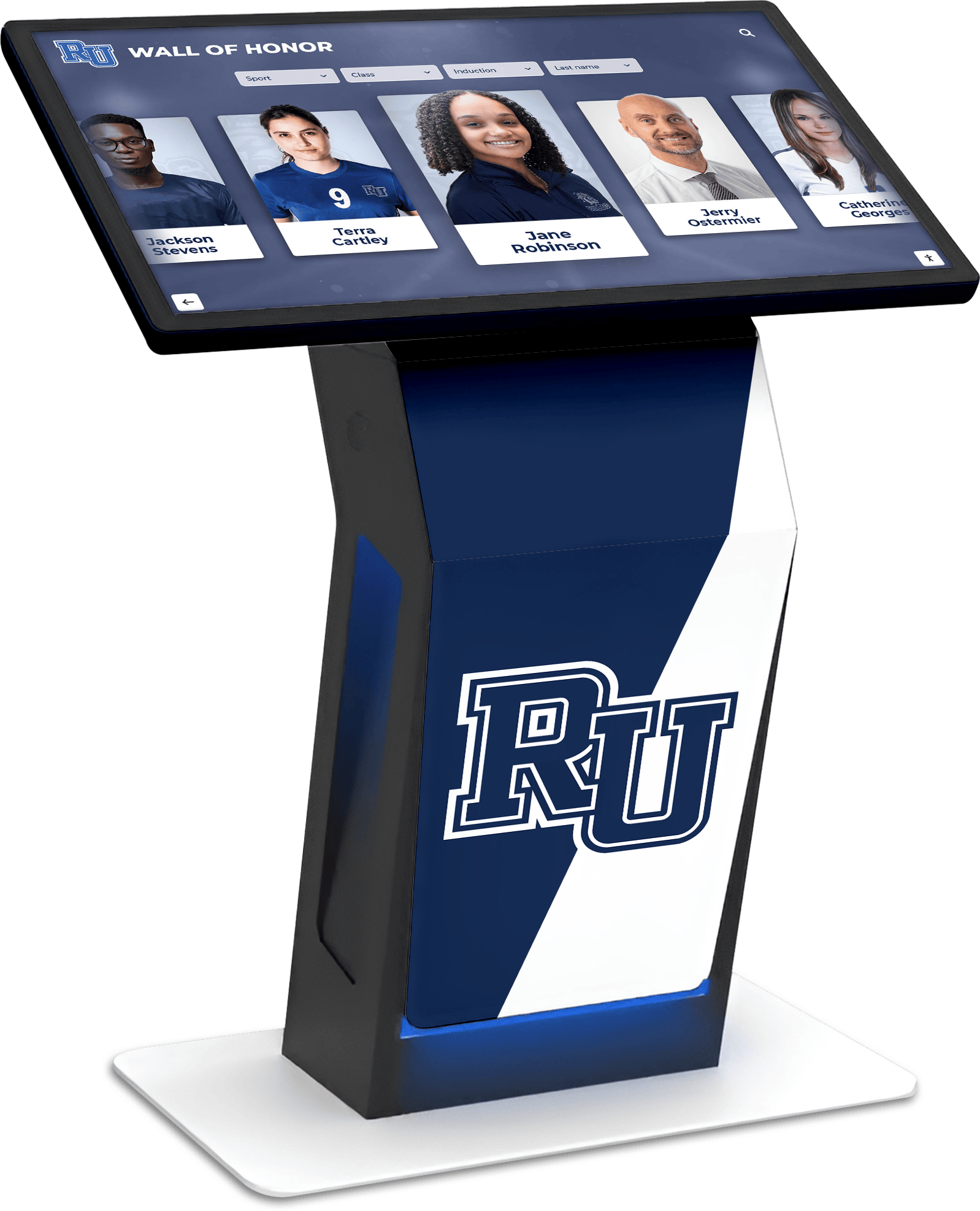
Digital systems enable comprehensive documentation of professional achievements and milestones
Operational Innovation Awards
- Efficiency improvements in traffic management
- Creative solutions to operational challenges
- Mentorship program development
- Cross-training initiatives
- Technology integration leadership
- Process improvement documentation
Appreciation Events and Celebrations
Organized events create opportunities for public recognition and community building.
National Air Traffic Control Day (July 6)
This designated appreciation day provides a framework for recognition activities:
Public Awareness Campaigns
- Social media campaigns highlighting controller contributions
- Media outreach featuring controller interviews and facility tours
- Educational programs explaining air traffic control to communities
- Proclamations from local governments recognizing controllers
- Aviation museum exhibits and displays about ATC history
- School presentations connecting students with aviation careers
Facility Celebrations
- Open house events for families and community members
- Tower tours for local officials and media representatives
- Recognition ceremonies honoring facility controllers
- Meals or receptions celebrating the professional team
- Awards presentations for recent achievements
- Historical displays documenting facility accomplishments
Organizational Recognition
- Leadership messages acknowledging controller contributions
- Facility decorations and celebration themes
- Special recognition events or luncheons
- Commemorative items or gifts for controllers
- Time off or schedule considerations for celebrations
- Budget allocation for meaningful appreciation activities
Explore event-based recognition approaches in teacher appreciation recognition.
Retirement and Career Milestone Celebrations
Honoring transitions and longevity:
Retirement Recognition Comprehensive celebrations of career contributions:
- Formal ceremonies with colleagues, family, and friends
- Career retrospectives documenting accomplishments
- Presentations from facility leadership and peers
- Photo montages and memory collections
- Commemorative plaques or awards
- Legacy documentation for facility history
- Connections to alumni networks and retiree associations
Anniversary Celebrations Marking years of service milestones:
- Public recognition at facility meetings or events
- Certificates or plaques documenting service duration
- Gifts or bonuses reflecting appreciation
- Profile features in facility or organizational communications
- Special recognition on internal communications platforms
- Digital display features celebrating career milestones
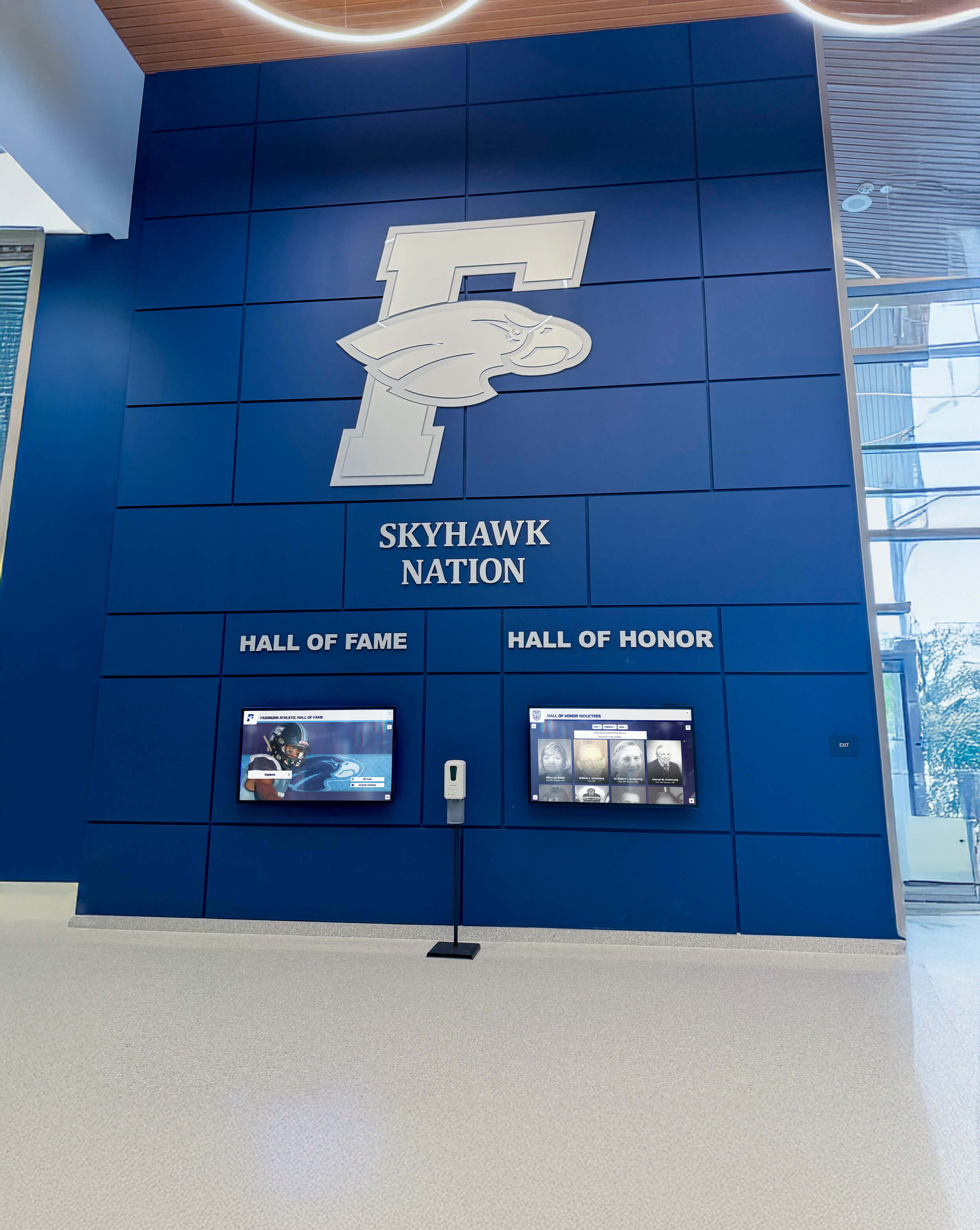
Permanent recognition displays honor career achievements and preserve professional legacies
Team Building and Appreciation Activities
Regular activities reinforcing community and appreciation:
Social Events
- Shift team dinners or gatherings
- Facility-wide picnics or celebrations
- Holiday parties and seasonal events
- Sports leagues or recreational activities
- Volunteer opportunities as teams
- Family-inclusive events building connections
Professional Development Recognition
- Celebrations of certification achievements
- Training completion acknowledgments
- Conference attendance opportunities
- Professional association membership support
- Continuing education recognition
- Skill development celebrations
Professional Development and Growth Opportunities
Recognition through investment in career advancement:
Training and Certification Support
Demonstrating commitment through development investment:
Advanced Rating Support
- Time allowances for certification preparation
- Training materials and study resources
- Mentorship from experienced controllers
- Recognition of rating achievements
- Facility celebrations of certifications
- Documentation in recognition systems celebrating credentials
Specialized Position Training Supporting career progression:
- Supervisor and management training programs
- Training specialist certification support
- Technical specialist development
- Quality assurance specialist preparation
- Facility rating panel membership opportunities
- Cross-facility training experiences
Leadership Development Preparing controllers for expanded roles:
- Leadership training programs and workshops
- Professional association involvement support
- Committee participation opportunities
- Project leadership assignments
- Mentorship program coordination
- Representation at industry conferences
Learn about development-focused recognition in academic recognition programs.
Conference and Industry Participation
Recognition through professional engagement:
Conference Attendance
- Funding for national or regional conferences
- Time off for professional development events
- Presentation opportunities sharing facility innovations
- Networking opportunities with industry peers
- Exposure to emerging technologies and practices
- Recognition for conference presentations or leadership
Committee and Association Involvement
- Support for NATCA or ATCA participation
- Committee membership in professional organizations
- Working group representation
- Safety committee involvement
- Technology evaluation participation
- Industry standard development contribution
Scholarship and Education Programs
Supporting continued education:
Degree Programs
- Tuition assistance for aviation management programs
- Schedule flexibility for coursework
- Recognition of degree completion
- Support for online education programs
- Partnership with aviation universities
- Career advancement opportunities for graduates
Technical Training
- Certification in aviation-related specialties
- Technology skill development programs
- Safety management system training
- Quality assurance education
- Instructor development programs
- Emergency response training
Permanent Recognition Displays
Lasting tributes documenting controller contributions:
Physical Recognition Installations
Traditional approaches to permanent honor:
Wall of Fame Displays Dedicated areas in facilities celebrating:
- Controller of the year recipients
- Retirement honorees and career achievements
- Safety award winners
- Years of service milestones
- Facility history and significant events
- Team accomplishments and records
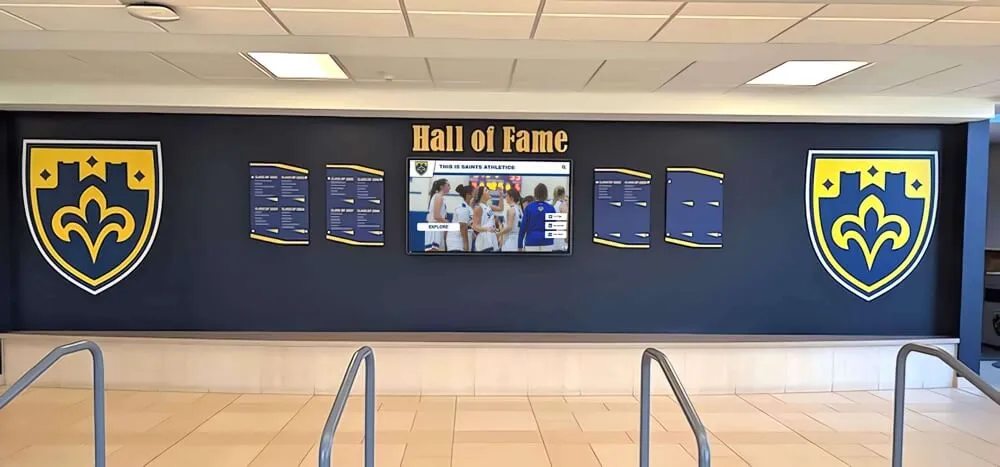
Traditional displays combined with digital elements create comprehensive recognition systems
Plaque Programs Permanent recognition markers:
- Entry hallway plaques listing annual award recipients
- Retirement recognition plaques documenting careers
- Facility achievement plaques celebrating milestones
- Memorial plaques honoring deceased controllers
- Historical markers documenting facility evolution
- Dedication plaques for equipment or facility improvements
Trophy Cases and Display Areas Physical exhibition spaces featuring:
- Award trophies and recognition items
- Historical photographs and memorabilia
- Documentation of significant events or saves
- Facility achievement recognition
- Team accomplishments and awards
- Industry recognition received by controllers
Digital Recognition Solutions
Modern platforms providing enhanced recognition capabilities:
Interactive Recognition Displays Solutions like Rocket Alumni Solutions offer comprehensive digital recognition:
- Unlimited capacity eliminating space constraints
- Multimedia profiles with photos, videos, and narratives
- Searchable databases enabling easy information access
- Remote updates eliminating physical maintenance
- Web accessibility extending reach beyond facility
- Corporate recognition programs adapted for aviation
Comprehensive Content Management Digital systems enable detailed documentation:
- Career timelines showing progression and achievements
- Safety save documentation with incident details
- Award history tracking all recognitions received
- Training and certification records
- Mentorship contributions and legacy
- Shift or team assignment history
- Facility contribution documentation
Extended Access and Engagement Web-based recognition platforms provide:
- Remote access for retired controllers and alumni
- Social sharing capabilities celebrating achievements
- Mobile-optimized viewing for convenient access
- Integration with facility websites and communications
- Searchability by name, year, or achievement type
- Historical archives preserving institutional memory
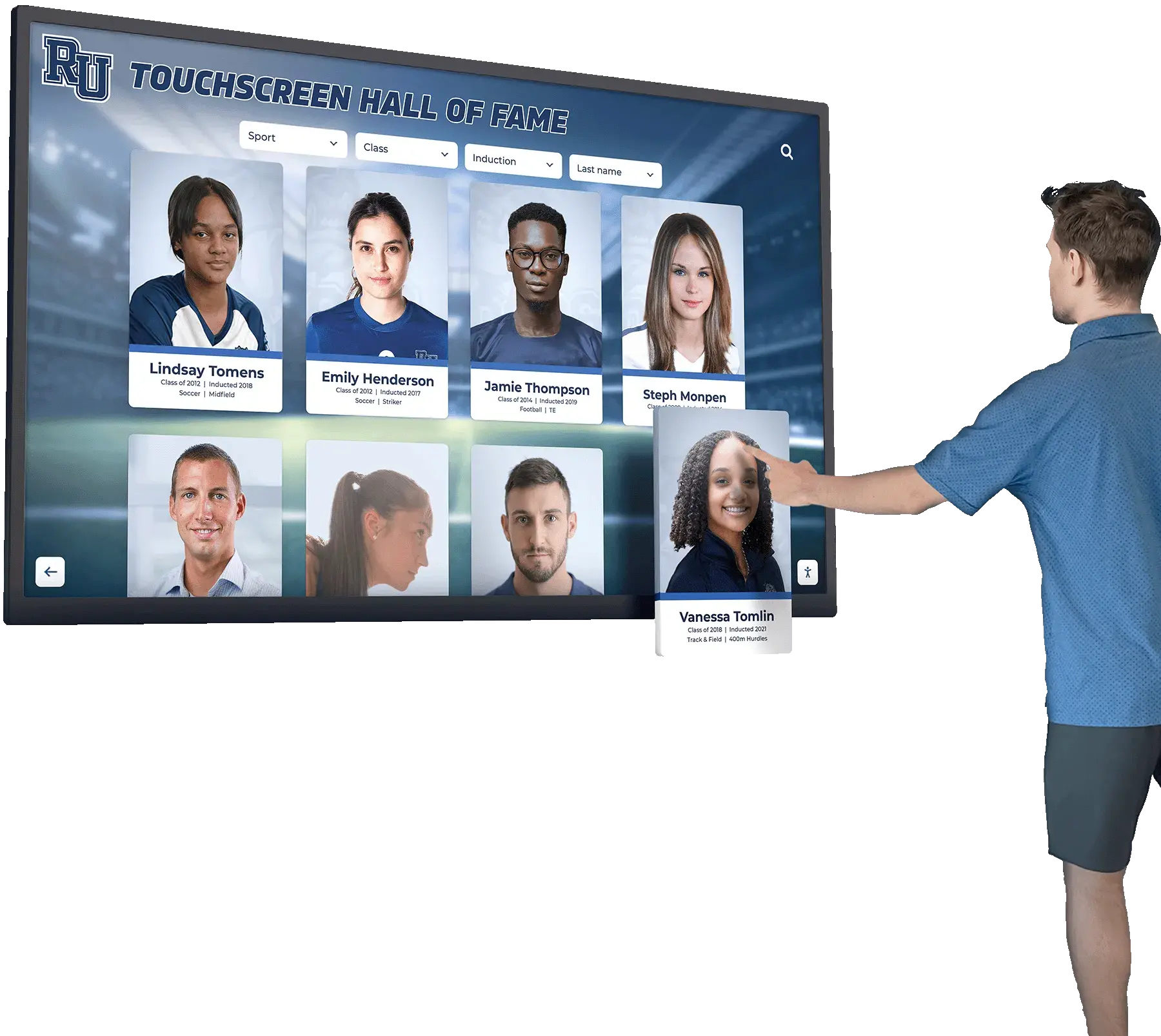
Interactive touchscreen systems create engaging experiences exploring professional achievements
Implementation Benefits Digital recognition platforms address traditional limitations:
- No space constraints limiting number of recognized individuals
- Easy updates reflecting current achievements and milestones
- Consistent presentation maintaining professional appearance
- Cost-effective long-term compared to physical display maintenance
- Accessibility features ensuring inclusive recognition
- Analytics tracking engagement with recognition content
Explore comprehensive digital recognition in digital donor walls.
Personal and Informal Recognition
Daily appreciation complementing formal programs:
Peer Recognition Programs
Controller-to-controller appreciation:
Informal Acknowledgment Creating culture of appreciation:
- Shift briefing recognition of excellent performance
- Peer nominations for formal awards
- Thank-you notes for exceptional coordination
- Recognition boards for quick acknowledgments
- Team communication channels highlighting contributions
- Break room appreciation displays
Mentorship Recognition Honoring knowledge transfer:
- Acknowledgment of training support
- Recognition of developmental coaching
- Celebration of trainee certification success
- Veteran controller wisdom sharing
- Cross-position training support
- New controller onboarding assistance
Supervisor and Management Recognition
Leadership appreciation of controller contributions:
One-on-One Recognition Personal acknowledgment approaches:
- Private conversations acknowledging excellent performance
- Written commendations in personnel files
- Email recognition with leadership visibility
- Flexible scheduling as recognition reward
- First choice on preferred shifts or positions
- Special project opportunities as recognition
Public Acknowledgment Visible appreciation demonstrating value:
- Recognition at facility meetings or briefings
- Inclusion in facility newsletters or communications
- Recommendation for formal awards or programs
- External nomination for industry recognition
- Profile features highlighting achievements
- Leadership messages celebrating contributions
Learn about comprehensive recognition approaches in community honors displays.
Family Appreciation and Inclusion
Recognizing the role of controller families:
Family Recognition Events Including families in appreciation:
- Family days at facilities with tours and activities
- Recognition of family support in awards ceremonies
- Family-inclusive celebration events
- Spouse or partner acknowledgment programs
- Children’s activities highlighting parent contributions
- Family education about controller work and demands
Family Support Recognition Acknowledging sacrifices:
- Recognition that irregular schedules impact families
- Appreciation for flexibility during emergencies or staffing challenges
- Understanding of missed holidays and events
- Support programs for controller families
- Resources addressing stress and work-life balance
- Communication helping families understand controller roles
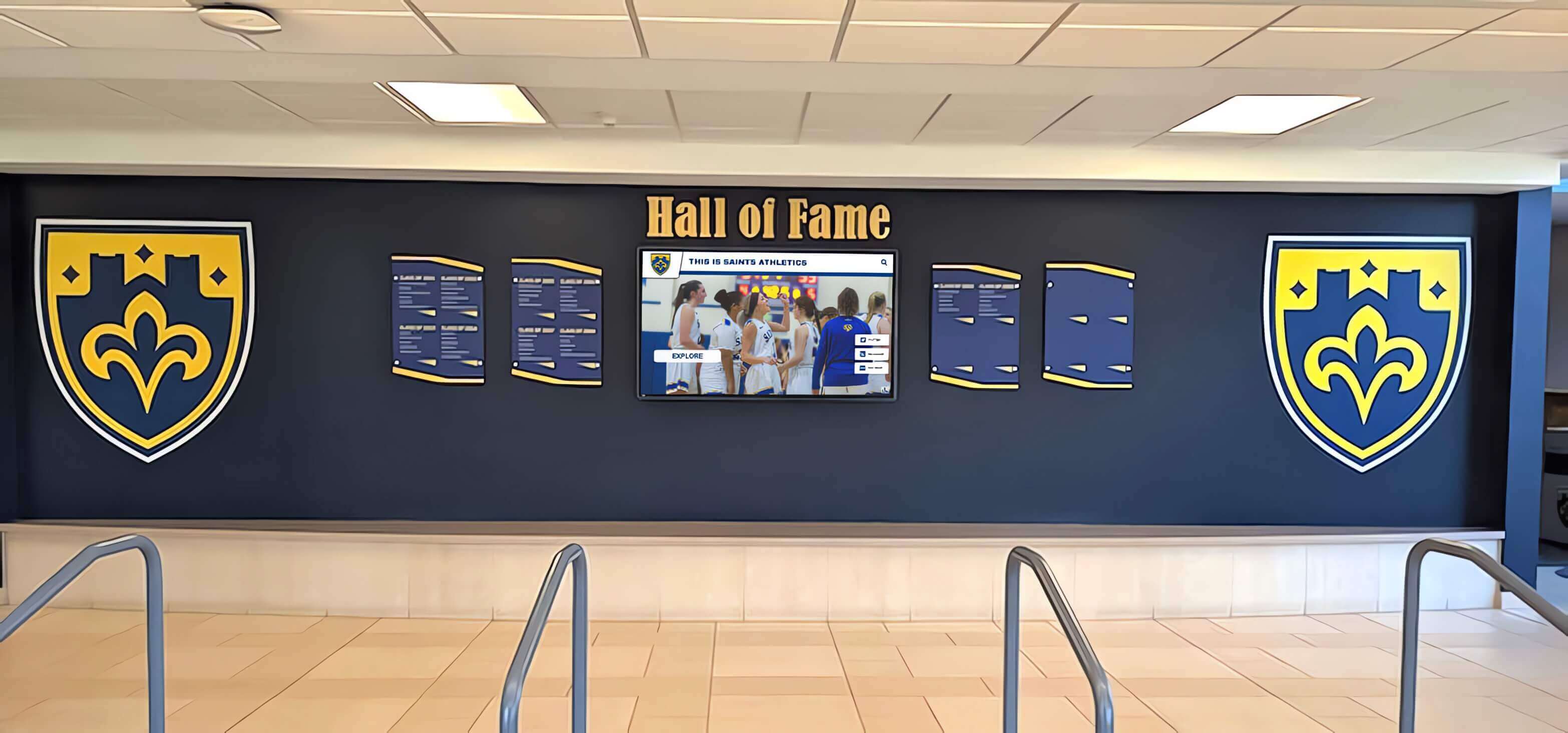
Strategic placement of recognition displays ensures visibility and demonstrates institutional commitment
Implementing Effective Recognition Programs
Strategic planning ensuring sustainable and meaningful appreciation:
Needs Assessment and Program Design
Stakeholder Input Gathering perspectives on recognition preferences:
- Controller surveys about meaningful recognition
- Focus groups discussing appreciation priorities
- Management input on organizational goals
- Union or association consultation on programs
- Family perspectives on recognition approaches
- Retired controller feedback on career recognition
Resource Evaluation Assessing available support:
- Budget allocation for recognition programs
- Personnel time for program administration
- Physical space for displays or events
- Technology infrastructure for digital solutions
- External partnership opportunities
- Existing programs that can be enhanced
Program Development Creating comprehensive recognition approaches:
- Multiple recognition types addressing different needs
- Balance between formal awards and informal appreciation
- Regular recognition rhythms and special celebrations
- Criteria development ensuring equitable recognition
- Nomination and selection processes
- Communication strategies promoting participation
Explore program development in student recognition programs.
Communication and Promotion
Making recognition visible and valued:
Internal Communications Sharing recognition within organization:
- Facility newsletters featuring award recipients
- Email announcements of achievements
- Recognition boards with current honorees
- Shift briefing acknowledgments
- Digital displays showcasing recent recognition
- Intranet features and profiles
External Communications Expanding recognition reach:
- Media releases about major awards or achievements
- Social media celebration of controller accomplishments
- Industry publication features
- Community outreach highlighting controller contributions
- Educational programs featuring controller recognition
- Professional association communications
Family and Community Communications Extending appreciation beyond facility:
- Direct communications to families about recognition
- Community event invitations
- Public recognition at local events
- Media features highlighting controllers
- School career day participation
- Historical timeline displays in community venues
Measurement and Continuous Improvement
Evaluating recognition effectiveness:
Participation Tracking Monitoring program engagement:
- Nomination and award participation rates
- Event attendance and involvement
- Recognition program awareness surveys
- Demographic analysis ensuring equitable distribution
- Trend analysis over multiple years
- Comparison with industry benchmarks
Impact Assessment Measuring recognition outcomes:
- Workforce satisfaction surveys including recognition questions
- Retention rates and turnover analysis
- Morale indicators and engagement scores
- Safety culture assessments
- Exit interview feedback about recognition
- Correlation between recognition and performance metrics
Program Refinement Continuous improvement approaches:
- Annual program reviews and updates
- Stakeholder feedback integration
- Emerging best practice incorporation
- Budget adjustments based on effectiveness
- New recognition category development
- Technology upgrades and platform improvements
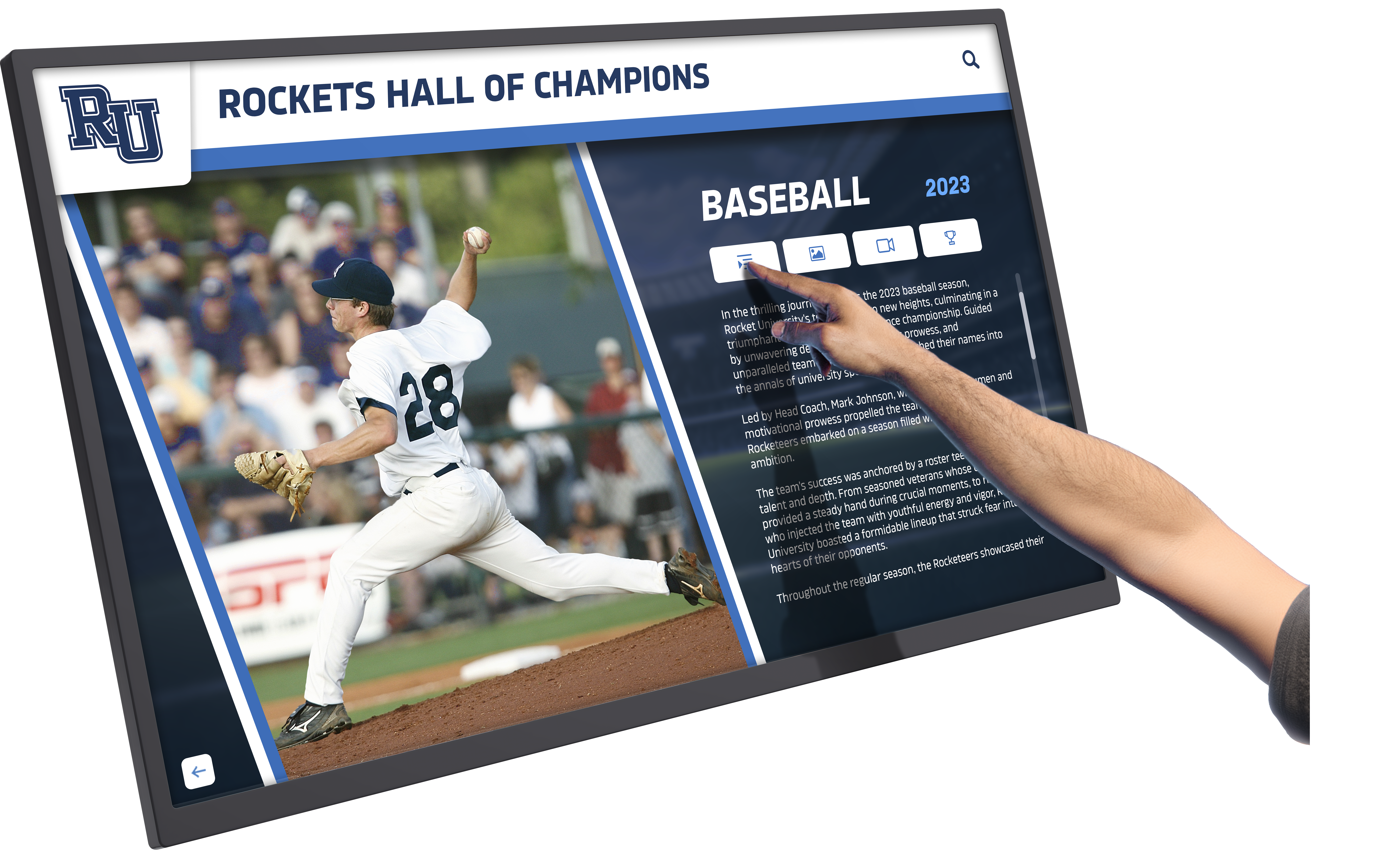
User-friendly interfaces enable easy exploration of professional achievements and career histories
Special Recognition Considerations
Unique factors requiring thoughtful attention:
Memorial and Legacy Recognition
Honoring deceased controllers:
Memorial Programs Preserving memories of fallen colleagues:
- Memorial plaques in facilities
- Scholarships or awards named for deceased controllers
- Annual remembrance events or moments
- Historical documentation of careers and contributions
- Support for families of deceased controllers
- Participation in industry memorial activities
- Deceased alumni wall of honor approaches adapted for controllers
Legacy Documentation Preserving controller history:
- Oral history projects capturing career stories
- Video documentation of veteran controllers
- Written histories of facility evolution
- Photograph archives and digitization
- Retirement interview programs
- Controller autobiography projects
- Historical timeline creation
Crisis and Emergency Recognition
Acknowledging exceptional performance:
Immediate Recognition Timely acknowledgment of extraordinary situations:
- Same-shift recognition after challenging events
- Facility leadership acknowledgment
- Peer recognition and support
- Critical incident stress debriefing including recognition
- Written commendations documenting response
- Nomination for formal awards
Long-Term Documentation Preserving records of significant events:
- Detailed incident documentation
- Media coverage preservation
- Industry recognition nomination
- Historical record maintenance
- Training case study development
- Safety achievement displays recognizing prevention
Privacy and Professionalism
Balancing recognition with professional considerations:
Security Considerations Protecting sensitive information:
- Careful review of shared information for operational security
- Limited public identification of specific controllers when appropriate
- Security clearance considerations
- Facility photography restrictions
- Social media policy compliance
- Privacy preferences for individual controllers
Professional Standards Maintaining appropriate recognition:
- Recognition consistent with organizational values
- Avoidance of recognition that could create conflicts
- Equitable recognition across all positions and demographics
- Focus on professional contributions rather than personal attributes
- Alignment with union agreements and labor relations
- Consistency with government ethics requirements for federal employees
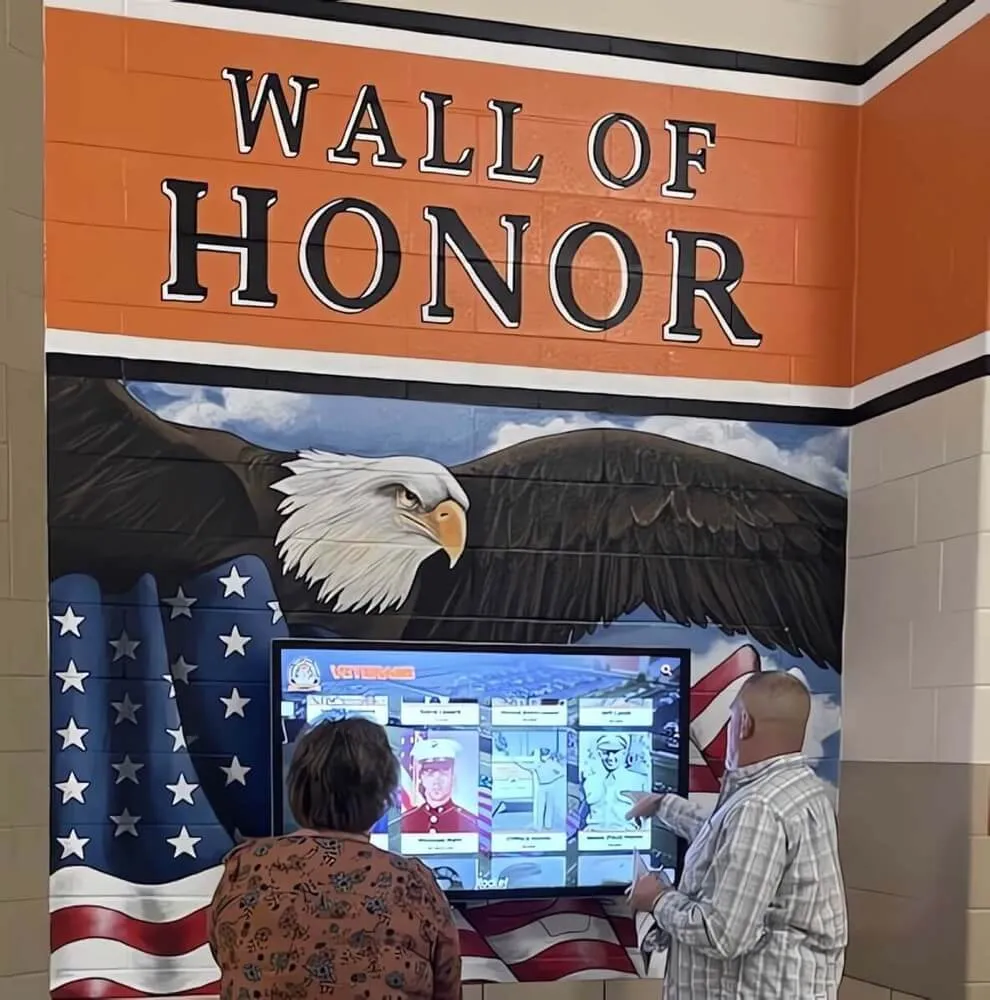
Professional recognition displays honor service while maintaining appropriate security and privacy standards
Conclusion: Honoring the Professionals Who Keep Our Skies Safe
Air traffic controllers perform one of the most demanding and safety-critical roles in aviation—making countless decisions daily that ensure the safe passage of millions of travelers through complex airspace. These dedicated professionals deserve recognition that reflects the significance of their contributions, the demands of their work environment, and the expertise developed through years of training and experience.
Effective recognition programs for air traffic controllers combine formal awards celebrating exceptional performance, appreciation events acknowledging daily contributions, professional development opportunities demonstrating career investment, and permanent displays preserving legacies for future generations. From industry awards like the Archie League Medal of Safety to facility-based programs recognizing team excellence, multiple approaches exist to honor controller achievements across diverse dimensions.
Create Lasting Recognition for Your Professional Team
Discover how digital recognition solutions can help you honor air traffic controllers, preserve career legacies, and demonstrate appreciation through engaging displays that celebrate individual and team achievements.
Explore Recognition SolutionsThe strategies outlined in this guide provide frameworks for implementing comprehensive recognition that addresses the unique characteristics of air traffic control work. Whether through establishing formal awards programs, organizing National Air Traffic Control Day celebrations, supporting professional development, or implementing digital recognition displays using solutions like Rocket Alumni Solutions, multiple options exist matching different organizational resources and priorities.
Start with recognition approaches you can implement immediately—perhaps establishing a controller of the month program or organizing an appreciation event for National Air Traffic Control Day on July 6. Then systematically expand toward comprehensive systems including permanent recognition displays that document careers, preserve facility history, and demonstrate lasting appreciation for controller contributions.
Air traffic controllers’ dedication to safety, professionalism under pressure, and commitment to excellence deserve recognition equal to the significance of their responsibilities. Through thoughtful recognition programs combining public appreciation, peer acknowledgment, professional development, and permanent documentation, aviation organizations can create cultures where controller contributions receive the honor and appreciation they have earned through their service keeping our skies safe.
Ready to begin? Explore approaches for corporate recognition programs or learn about creating professional recognition systems using digital hall of fame solutions adapted for your facility’s unique needs and the extraordinary professionals who guide aircraft safely through our skies every day.































