In sports where goals determine victory, the athletes who consistently find the back of the net become legends. From soccer strikers who dominated the pitch to hockey forwards who rewrote record books, goal leaders represent the pinnacle of offensive excellence. Yet many schools struggle to adequately honor these scoring achievements, with outdated record boards failing to capture the full story of goal-scoring excellence across decades.
All-time goal leaders deserve comprehensive recognition that celebrates not just final totals, but the journey, consistency, and clutch performances that defined their careers. This guide explores how schools can effectively track, preserve, and showcase goal-scoring excellence while inspiring current athletes to pursue their own place in program history.
Goal-scoring achievements carry special significance in sports culture. Unlike assists or defensive statistics that sometimes go unnoticed, goals represent decisive moments—the culmination of skill, positioning, and determination that directly change game outcomes. Athletes who consistently score goals become the faces of their programs, inspiring younger players and creating memories that last generations.
Why All-Time Goal Leader Recognition Matters
Comprehensive goal leader tracking serves multiple critical purposes that extend far beyond simple record-keeping.
Inspiring Current Athletes Through Visible Benchmarks
When young soccer players walk into their school’s athletic facility and see detailed recognition of an all-time leading scorer who netted 87 career goals, that achievement transforms from abstract possibility to concrete target. Visible goal leader boards provide specific benchmarks that turn vague aspirations into measurable objectives.
Athletes naturally gravitate toward competition with historical standards. A sophomore forward with 15 goals can calculate exactly what’s needed over the next two seasons to crack the top-10 career leaders. This progression toward tangible goals creates sustained motivation throughout athletic careers, driving players to maintain excellence across multiple seasons rather than peaking early and plateauing.

Modern digital record boards enable schools to showcase not only final career totals but also single-season leaders, single-game performances, and goal-per-game averages—providing multiple pathways to recognition that motivate diverse player types.
Building Program Tradition and Competitive Culture
Programs with visible goal-scoring traditions develop cultures where offensive excellence becomes expected rather than exceptional. When every generation of players sees the names of legendary scorers prominently displayed, they internalize that reaching elite scoring levels represents the program standard.
This cultural expectation elevates entire team performance. Role players work harder knowing their assists might help teammates reach milestone achievements. Defenders take pride in protecting leads that preserve winning records. Coaches reference historical benchmarks when teaching offensive tactics and shot selection.
Championship programs consistently recognize that visible historical excellence creates self-perpetuating cycles of achievement. Current players pursue records, become recognized leaders themselves, and inspire subsequent generations—building traditions that define program identity across decades.
Honoring Athletic Excellence and Dedication
Goal-scoring records represent years of dedication extending far beyond game days. The athlete who becomes an all-time leading scorer typically invested thousands of practice hours developing shooting technique, spent countless sessions studying opponent tendencies, maintained physical conditioning enabling peak performance, demonstrated consistency competing through injuries and adversity, and showed mental toughness performing under pressure.
Comprehensive recognition honors this complete journey rather than reducing careers to simple statistics. When schools implement athletic history displays that include player biographies, career highlights, and post-graduation achievements alongside scoring totals, they acknowledge the dedication and character that enabled statistical excellence.
This holistic recognition creates powerful messages for current students about what excellence requires. Young athletes discover that record-breaking achievement demands sustained commitment, not just natural talent—motivating
work ethic and perseverance that benefits athletes regardless of whether they ultimately break records.
Understanding Goal-Scoring Sports and Recognition Categories
Different sports feature unique goal-scoring dynamics requiring tailored recognition approaches for capturing achievement comprehensively.
Soccer Goal Leader Recognition
Soccer’s relatively low-scoring nature makes each goal particularly significant, with elite scorers often separating themselves through consistency across seasons rather than massive single-game explosions.
Key Recognition Categories for Soccer:
- Career goals across all competitions
- Single-season goal totals
- Goals per game average (minimum games played)
- Tournament and playoff goal records
- Game-winning goals and clutch performances
- Assist totals for complete offensive contribution
- Hat tricks and multi-goal games
Soccer programs should recognize both pure scorers and well-rounded offensive players. The striker who nets 60 career goals deserves recognition alongside the midfielder who contributes 40 goals and 50 assists—acknowledging different but equally valuable offensive contributions.
Comprehensive football records recognition principles apply equally to soccer, with digital platforms enabling schools to track and showcase diverse offensive achievements simultaneously.
Hockey Goal Leader Tracking
Hockey’s faster pace generates more scoring opportunities, with goal totals accumulating more rapidly than soccer but still rewarding consistent excellence across seasons.
Essential Hockey Goal Recognition:
- Career goals in league/conference play
- Power play goals demonstrating special situations excellence
- Short-handed goals showing defensive awareness
- Game-winning goals in crucial situations
- Playoff goal totals in championship pursuits
- Goals per game maintaining minimum appearance thresholds
- Natural hat tricks and milestone performances
Hockey programs benefit from recognizing goal-scoring in various game situations. Power play specialists who dominated with man advantages deserve acknowledgment alongside even-strength scorers and short-handed threats who capitalized on unique opportunities.
Elite hockey programs maintain separate records for regular season and playoff performance, acknowledging that postseason goal-scoring under heightened pressure carries special significance. Digital recognition systems enable this granular tracking without requiring additional physical display space.
Lacrosse Scoring Excellence
Lacrosse combines elements of both soccer and hockey, with scoring frequencies and recognition categories reflecting the sport’s unique characteristics.
Lacrosse Goal Leader Categories:
- Career goals for attackmen and midfielders
- Ground balls and caused turnovers for complete assessment
- Fast break goals showing transition offense
- Man-up goals in extra-man situations
- Behind-the-goal assists for creative playmakers
- Shot accuracy percentages and efficiency metrics
- Tournament performance and championship contributions
Lacrosse recognition should differentiate between attackmen, who primarily focus on scoring, and midfielders, who balance offensive and defensive responsibilities. Separate recognition categories ensure athletes in different roles receive appropriate acknowledgment rather than competing against players with fundamentally different responsibilities.
Traditional vs. Modern Goal Leader Recognition Approaches
Understanding conventional methods and digital alternatives helps schools make informed decisions about recognition investments.
Limitations of Traditional Physical Record Boards
Many athletic programs still rely on traditional methods for displaying goal leader records—painted boards, vinyl letters, or engraved plaques mounted in gymnasiums or locker rooms.
Challenges with Traditional Recognition:
Traditional displays face insurmountable space constraints. A painted record board might accommodate top-10 career leaders, but what happens to the athletes who rank 11th through 50th? These players achieved remarkable excellence yet receive no visible recognition simply because physical space ran out.
Update processes create significant delays and costs. When records fall, schools must contact vendors, wait for production, schedule installation, and allocate budgets—often resulting in multi-week or even multi-month gaps between achievement and recognition. This delay diminishes motivational impact while creating awkward situations where current statistics don’t match displayed records.
Information density remains severely limited. Traditional displays typically show only names, years, and goal totals—failing to provide context about careers, highlight memorable performances, or acknowledge the athletes’ complete stories. This simplification reduces rich athletic careers to mere numbers without capturing what made achievements special.
Physical deterioration affects traditional recognition over time. Painted boards chip and fade. Vinyl letters peel. Plaques tarnish. Environmental factors gradually degrade displays, requiring expensive renovations maintaining presentation quality that reflects institutional respect for athletic excellence.
Digital Recognition: Transforming Goal Leader Celebration
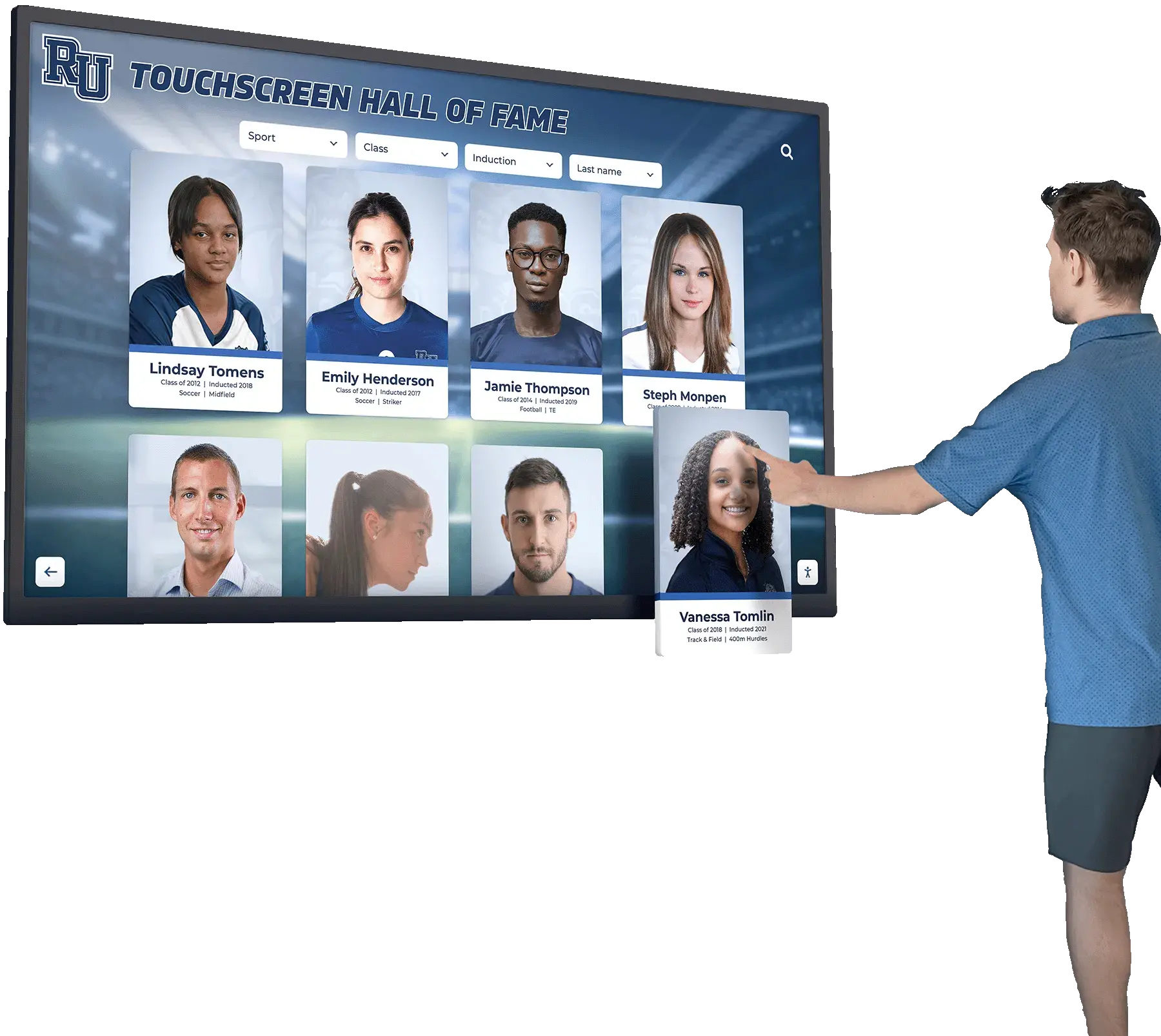
Modern digital display systems address traditional limitations while creating enhanced experiences impossible with physical boards.
Unlimited Recognition Capacity
Digital platforms provide effectively unlimited space for honoring goal-scoring excellence. Schools can recognize:
- Top 50 or even top 100 career goal leaders
- Single-season leaders across multiple decades
- Single-game performances throughout program history
- Position-specific leaders acknowledging different roles
- Award winners and all-league selections
- Complete career statistics and biographical information
This comprehensive capacity ensures every deserving athlete receives recognition rather than only those fortunate enough to rank in arbitrarily limited top-10 lists constrained by physical space availability.
Instant Updates and Content Management
Cloud-based content management enables authorized staff to update goal leader boards within minutes of record-breaking performances. Athletic directors can log in from anywhere, add the new achievement with supporting information, and have updated recognition appear immediately on displays and web platforms.
This responsiveness ensures timely recognition celebrating achievements while excitement remains high. Athletes breaking records see their names added to honor boards within hours rather than waiting weeks for vendor production—creating memorable moments that strengthen emotional connections between achievement and institutional recognition.
Rich Multimedia Storytelling
Digital recognition enables comprehensive storytelling that traditional plaques never achieve. Schools can integrate:
- High-resolution action photography capturing athletes competing
- Video highlight compilations showing signature goals
- Career statistics beyond just goal totals
- Biographical information and post-graduation achievements
- Quotes from coaches and teammates providing perspective
- Links to full game footage or detailed career summaries
These multimedia elements transform simple statistics into engaging narratives that honor complete athletic journeys rather than reducing careers to numbers on boards.
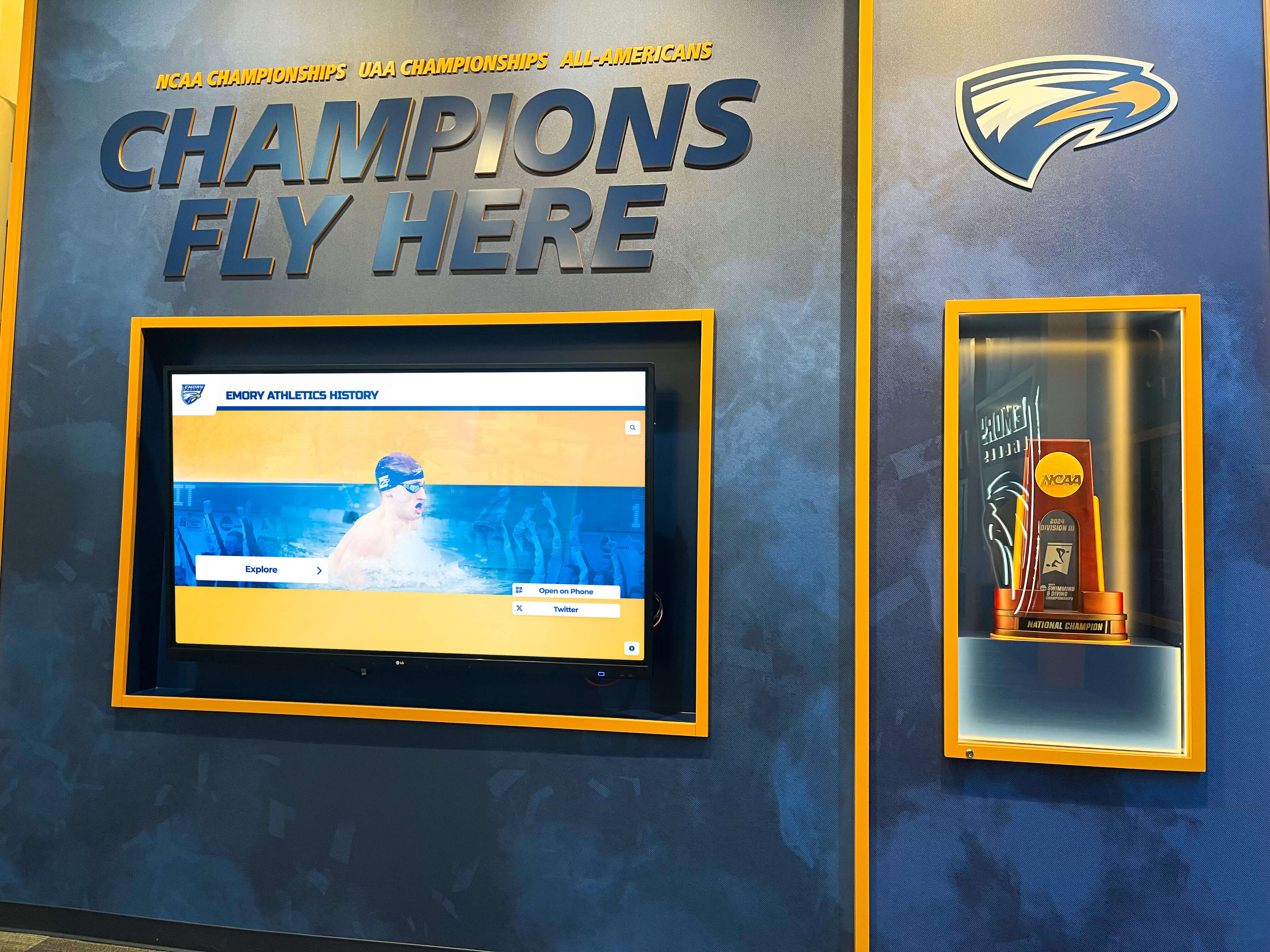
Solutions like basketball record boards demonstrate how sport-specific digital templates optimize recognition for different athletic contexts while maintaining consistent institutional branding and user experience.
Web and Mobile Accessibility
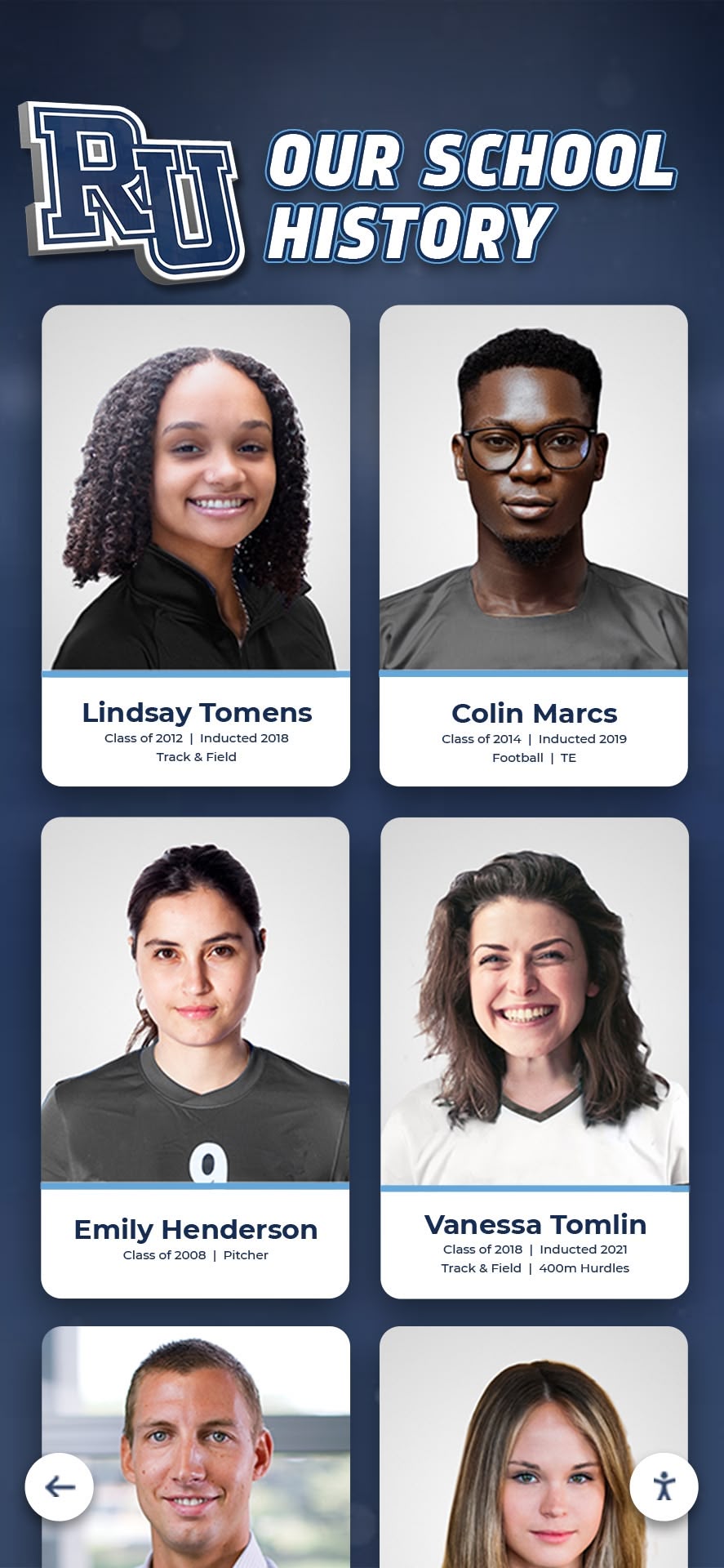
Perhaps the most transformative digital advantage involves extending recognition beyond physical campus locations. Web-based platforms ensure:
- Alumni worldwide can explore goal leader records remotely
- Parents can share their children’s achievements with extended family
- Prospective athletes can research program history during recruitment
- Media can access accurate statistics for coverage purposes
- Fans can follow record chases throughout seasons
This accessibility dramatically expands recognition reach and impact, transforming displays from campus-only resources into community assets engaging stakeholders regardless of geographic location.
Implementing Comprehensive Goal Leader Recognition Programs
Successful recognition requires systematic approaches addressing content development, display design, and ongoing maintenance.
Research and Verify Historical Records
Building complete goal leader archives demands thorough historical research ensuring accuracy and comprehensiveness.
Sources for Historical Goal Data:
Begin with official athletic department records, team statistics books, and coaching files documenting historical performance. Many schools maintain statistical archives dating back decades, though organization and accessibility vary significantly.
Yearbooks provide valuable secondary sources, often including season summaries, all-star selections, and team records. Newspaper archives accessible through local libraries or digital databases offer third-party confirmation of achievements and additional context about significant performances.
Interviews with retired coaches, long-serving community members, and alumni fill gaps where official records prove incomplete. Oral history documentation captures memories and perspectives that written records never captured, enriching recognition with personal stories and contextual details.
Verification Best Practices:
Cross-reference statistics from multiple sources before publication. Discrepancies between records require investigation and resolution, with documentation explaining methodology when definitive answers prove elusive.
Establish clear criteria for record eligibility including minimum games played requirements, recognition of regular season vs. playoff statistics, handling of statistics from different competitive levels, and protocols for correcting errors discovered after publication.
Document sources for all historical claims, maintaining records that support published statistics and enable future verification or correction if questions arise. This documentation protects institutional credibility while creating resources supporting ongoing research.
Design Intuitive Navigation and Content Organization
Even unlimited digital capacity requires thoughtful organization ensuring visitors can efficiently discover relevant information rather than feeling overwhelmed by content volume.
Logical Content Hierarchy:
Organize goal leader recognition through clear navigation structures:
- Sport-specific sections for soccer, hockey, lacrosse, etc.
- Career vs. single-season vs. single-game categories
- Overall leaders vs. position-specific recognition
- Historical eras enabling decade-by-decade exploration
- Championship and tournament performance tracking
Intuitive organization helps users quickly locate personally relevant information. An alumnus from the class of 1995 should easily filter to view goal leaders from their era. A current player should effortlessly compare their statistics against historical standards.
Search and Filter Capabilities:
Implement robust search functionality enabling visitors to:
- Search by athlete name locating individuals instantly
- Filter by graduation year exploring specific eras
- Sort by various statistical categories
- View related achievements connecting different records
- Access complete career profiles from any entry point
Searchability transforms static record lists into dynamic databases that accommodate diverse user interests and research purposes.
Guidance on best ways to honor school history provides broader frameworks for organizing and presenting comprehensive institutional athletic legacies systematically.
Strategic Display Placement
Physical location significantly impacts recognition effectiveness and usage frequency.
High-Traffic Athletic Facility Locations:
Install primary displays where athletes, families, and visitors naturally congregate:
- Main gymnasium lobbies capturing all basketball and volleyball traffic
- Athletic hallways connecting locker rooms to competition spaces
- Weight room entrances where athletes train daily
- Stadium concourses visible during well-attended games
- School entrance areas extending recognition beyond athletic spaces
High-visibility placement ensures goal leader recognition becomes part of daily athletic culture rather than special-occasion viewing requiring deliberate effort to access.
Recruitment-Focused Positioning:
Consider placement specifically targeting prospective athletes during campus tours:
- Athletic director offices where recruitment meetings occur
- Tour routes that visiting families follow
- Locker room entrances showcasing program excellence
- Seating areas where visitors wait during athletic events
Strategic recruitment placement demonstrates program commitment to recognition while providing tangible evidence of sustained competitive excellence that influences athlete decisions.
Celebrating Record-Breaking Achievements
Creating memorable recognition moments when goal-scoring records fall strengthens program culture and athlete motivation.
Real-Time Game Recognition
Acknowledge record-breaking goals immediately during competitions:
- Stadium announcements celebrating new records as they occur
- Social media posts from official athletic accounts
- In-game video board recognition if facilities permit
- Ceremonial game ball presentations after competitions
- Media releases ensuring community awareness
Immediate recognition validates achievement while excitement remains at peak levels, creating powerful emotional memories that athletes treasure throughout their lives.
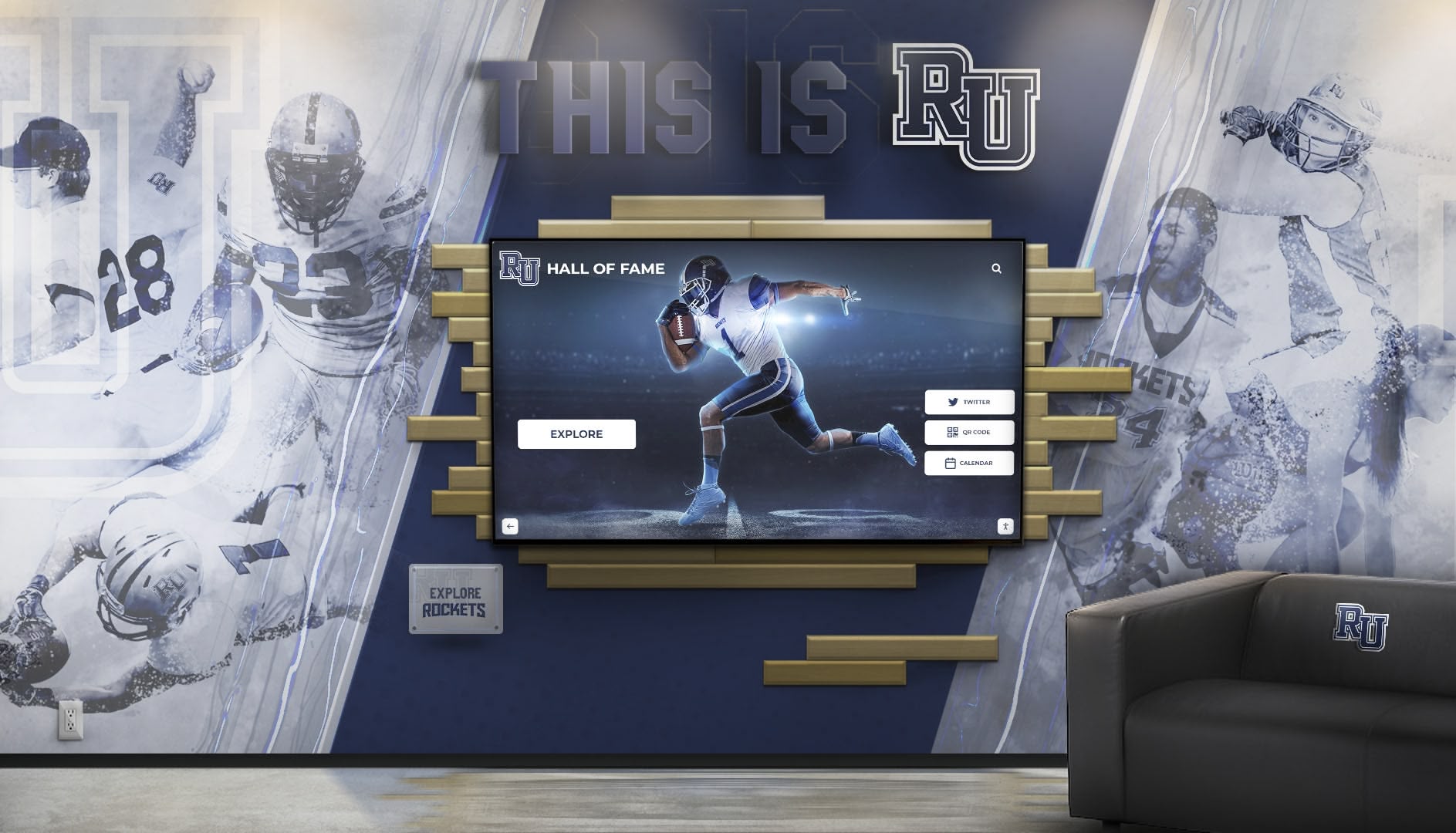
Season-Ending Recognition Events
Formal ceremonies provide opportunities for comprehensive celebration:
- Athletic banquets incorporating goal leader recognition
- Certificate or plaque presentations to record breakers
- Video highlight compilations documenting achievements
- Opportunities for athletes to reflect on accomplishments
- Family inclusion in recognition celebrations
These formal events complement real-time recognition, providing ceremonial acknowledgment that honors achievement significance while engaging broader school communities.
Alumni Engagement Through Goal Leader Recognition
Comprehensive goal leader displays create natural connection points for engaging former athletes and building lasting relationships.
Reunion and Homecoming Integration
Leverage goal leader recognition during alumni events:
- Feature specific-era goal leaders during milestone reunions
- Notify record-holding alumni when records approach being broken
- Create “then and now” comparison content
- Invite former goal leaders to speak at team events
- Collect additional career updates and photographs
Recognition-focused programming gives alumni concrete reasons to reconnect with institutions while building emotional connections that development professionals understand directly correlate with giving likelihood.
Resources on alumni engagement through interactive recognition provide strategies for leveraging athletic displays in comprehensive alumni relations programs.
Digital Access for Distant Alumni
Web-based platforms ensure graduates anywhere can explore their achievements:
- Remote viewing of complete goal leader records
- Social sharing capabilities enabling pride demonstration
- Career update submission allowing ongoing profile enhancement
- Virtual reunion components connecting geographically dispersed alumni
- Email notifications when program milestones occur
This accessibility maintains connections regardless of geographic distance, strengthening lifelong institutional bonds that traditional campus-only recognition never achieves.
Budget Considerations and Implementation Timeline
Understanding costs and planning realistic timelines helps secure funding and set appropriate expectations.
Investment Overview
Digital Recognition System Costs:
- Commercial touchscreen display (55-75 inch): $3,000-$8,000
- Cloud-based content management platform: $2,000-$5,000 initial setup
- Annual software licensing: $500-$1,500
- Professional installation and mounting: $500-$2,000
- Initial content development: $1,000-$5,000 depending on historical depth
- Training and ongoing support: Typically included in software subscriptions
Total initial investment: $8,500-$25,000 Annual ongoing costs: $500-$2,500
While initial investment exceeds traditional painted boards, digital systems eliminate recurring per-record update costs while providing dramatically enhanced capabilities. Most schools achieve cost parity within 3-5 years while gaining unlimited capacity and instant update capabilities.
Funding Strategies:
Common funding sources include:
- Athletic booster club contributions
- Alumni association support
- Memorial gifts honoring deceased athletes or supporters
- Corporate sponsorships with appropriate recognition
- Grant applications for educational technology
- Reallocation of traditional trophy and plaque budgets
Phased implementation enables schools to start with core functionality while expanding as additional funding becomes available.
Implementation Timeline
Month 1-2: Planning and Preparation
- Conduct historical research gathering goal-scoring records
- Define recognition categories and eligibility criteria
- Select technology platform and vendor
- Identify display locations and confirm infrastructure
- Develop content organization and navigation structure
Month 3-4: Content Development
- Compile verified historical statistics
- Gather photographs and biographical information
- Create athlete profiles and achievement descriptions
- Develop multimedia content including videos
- Organize content within management system
Month 5: Installation and Testing
- Install displays and mounting hardware
- Configure network connectivity and software
- Populate content management system
- Test user interface and navigation
- Train administrative staff on content updates
Month 6: Launch and Promotion
- Host unveiling ceremony or recognition event
- Announce new recognition system to community
- Promote web access and mobile compatibility
- Gather initial feedback from users
- Begin regular content update cycle
Ongoing: Maintenance and Expansion
- Update records as new achievements occur
- Add historical content as research continues
- Expand recognition categories based on feedback
- Monitor usage analytics informing improvements
- Maintain hardware and software currency
Conclusion: Honoring Goal-Scoring Excellence for Generations
All-time goal leaders represent the offensive stars who defined athletic programs through consistent excellence, memorable performances, and clutch moments that determined competitive outcomes. These athletes deserve comprehensive recognition that celebrates not only final career totals but complete journeys—the development, dedication, and determination that enabled record-breaking achievement.
Modern digital recognition platforms transform how schools honor goal-scoring excellence by providing unlimited capacity accommodating every deserving athlete, enabling instant updates celebrating achievements while excitement remains high, integrating rich multimedia telling complete athletic stories, extending accessibility ensuring recognition reaches global alumni audiences, and creating sustainable systems serving programs across generations.
Whether tracking soccer strikers, hockey forwards, lacrosse attackmen, or goal scorers in any sport, effective recognition requires systematic approaches combining thorough historical research, intuitive content organization, strategic display placement, and ongoing maintenance ensuring accuracy and currency.
Ready to Transform Your Goal Leader Recognition?
Rocket Alumni Solutions specializes in comprehensive digital recognition systems that celebrate goal-scoring excellence while creating engaging experiences for current athletes, alumni, and communities. Our sport-specific platforms provide unlimited capacity, instant updates, rich multimedia integration, and web accessibility—ensuring every deserving athlete receives the recognition their achievements merit.
Whether you're honoring decades of soccer strikers, hockey forwards who rewrote record books, or lacrosse attackmen who dominated their eras, we'll help you create recognition systems that preserve legacies while inspiring current athletes to pursue their own excellence.
By implementing comprehensive all-time goal leader recognition, schools honor past excellence while creating cultures where offensive achievement becomes expected, celebrated, and permanently preserved—building athletic legacies that strengthen programs for generations to come.































