Every educational institution faces the same challenge: how do you maintain meaningful connections with graduates who move across the country, build careers, start families, and navigate lives far from campus? The answer lies not in a single grand gesture, but in consistent, creative engagement that demonstrates genuine appreciation for alumni contributions while providing real value in return.
Alumni engagement ideas that work share a common thread—they recognize that today’s graduates expect authentic connection, not transactional relationships focused solely on fundraising. When schools, colleges, and universities implement thoughtful engagement strategies, they create communities of advocates who mentor students, recruit talented applicants, volunteer time and expertise, and yes, provide financial support because they genuinely want their alma mater to succeed.
The statistics paint a sobering picture: alumni giving participation has dropped from over 30% in past decades to just 8-15% at most institutions today, according to the Council for Advancement and Support of Education (CASE). This decline reflects deeper disengagement that extends far beyond philanthropy. Yet institutions implementing comprehensive, creative engagement strategies consistently outperform these benchmarks, achieving participation rates 40-60% higher than their peers.
What separates successful programs from struggling ones? It’s not budget size or alumni network magnitude—it’s strategic thinking about what graduates truly value and willingness to implement diverse touchpoints that meet alumni where they are. This comprehensive guide explores proven alumni engagement ideas across multiple categories, from digital innovation to time-tested personal connection strategies that work for institutions of all sizes.
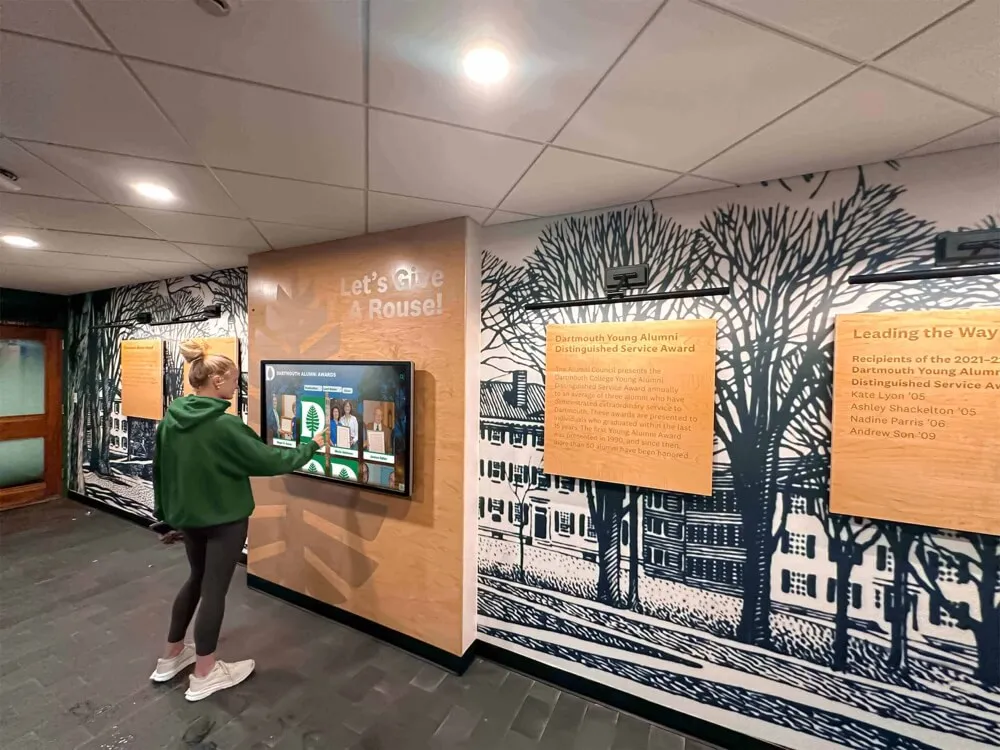
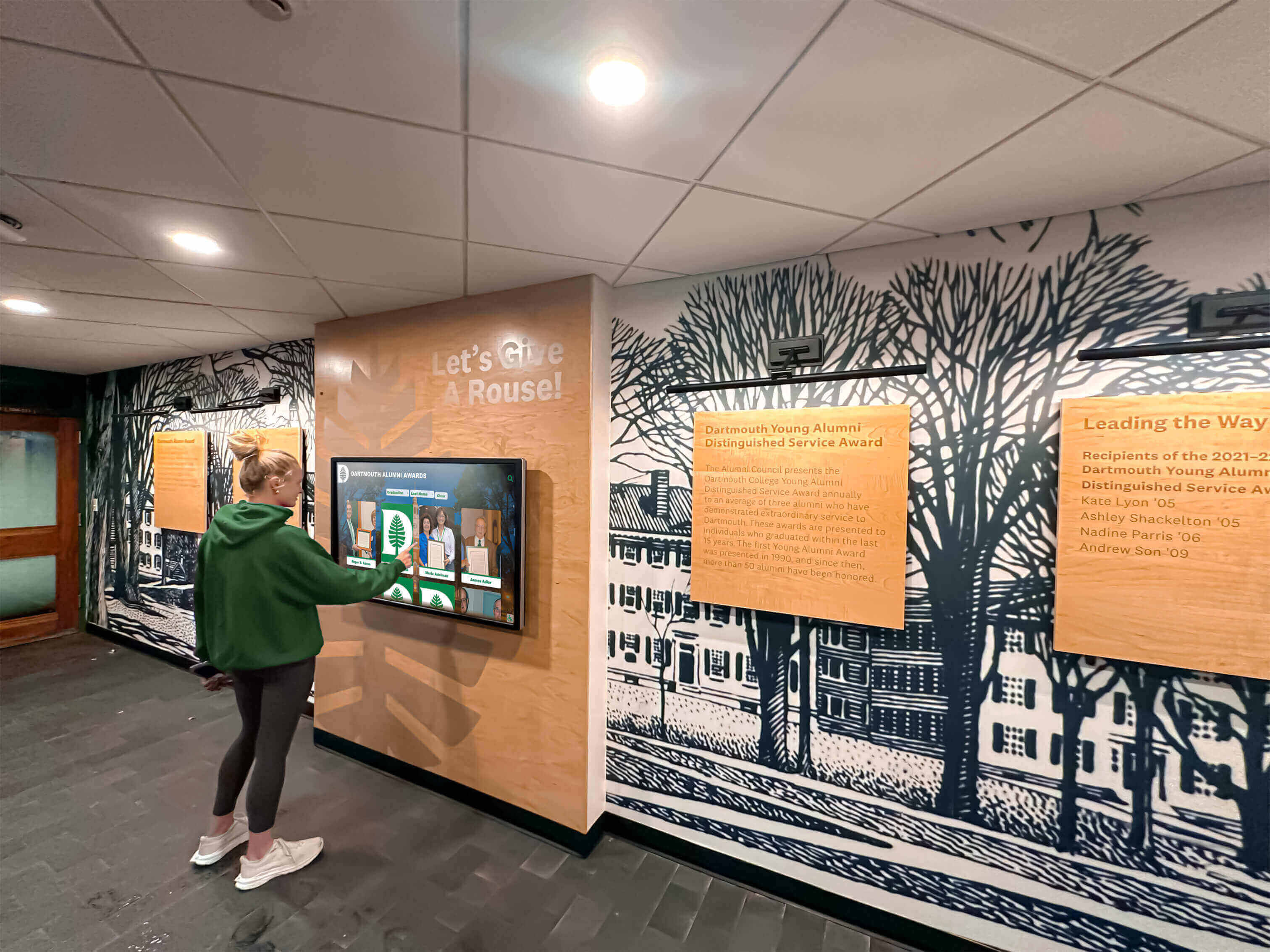
Interactive recognition displays create engaging campus touchpoints where alumni can explore institutional history and reconnect with their legacy
Digital Recognition: Honoring Achievement Through Modern Technology
Traditional recognition methods—engraved plaques gathering dust in forgotten corridors or printed directories that become outdated before distribution—no longer resonate with digitally connected graduates. Modern alumni engagement begins with recognition that feels relevant, accessible, and shareable.
Interactive Touchscreen Displays Transform Static Recognition
Digital recognition walls featuring touchscreen technology revolutionize how institutions honor alumni achievements. Instead of static plaques accommodating only a select few due to space constraints, interactive displays provide unlimited capacity for comprehensive recognition across athletics, academics, service, and professional excellence.
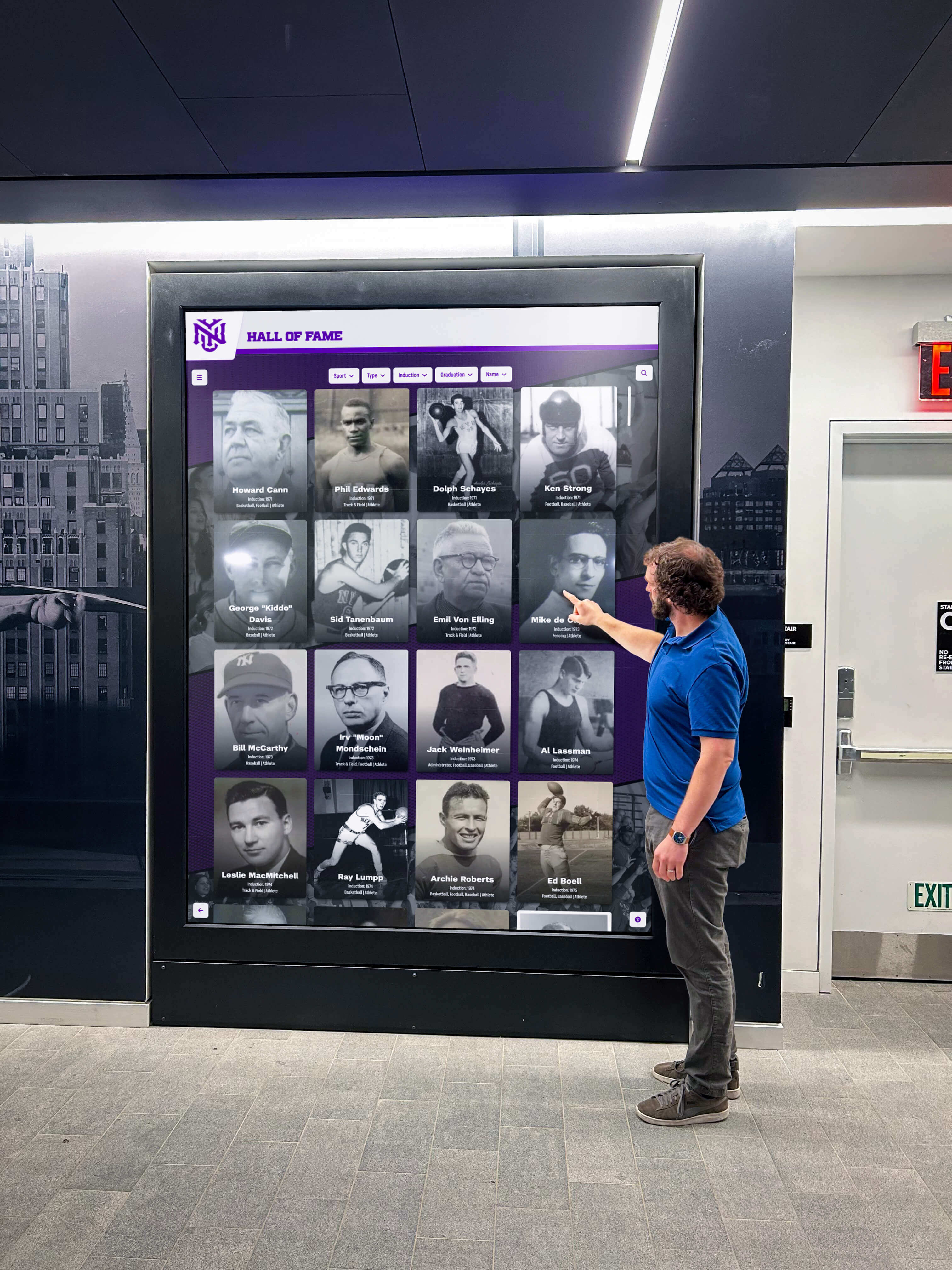
These systems allow visitors to search for specific alumni by name, browse by achievement category, filter by graduation year or professional field, and explore detailed profiles featuring photos, videos, career highlights, and personal narratives. The engagement difference is dramatic—visitors spend an average of 6-8 minutes exploring touchscreen recognition compared to just 35-45 seconds glancing at traditional plaques.
When your athletic director needs to celebrate state championship achievements, or your advancement office wants to honor major donors, interactive displays provide flexible platforms that accommodate evolving recognition needs without expensive physical renovations.
Implementation Benefits:
- Unlimited Recognition Capacity: Add new honorees instantly without construction or space limitations
- Rich Multimedia Content: Include video testimonials, photo galleries, and detailed career narratives impossible with static displays
- Social Sharing Integration: Alumni share recognition across Facebook, LinkedIn, and Instagram, amplifying institutional visibility exponentially
- Comprehensive Analytics: Track who engages, when, how long, and which profiles generate most interest for data-driven optimization
- Remote Content Management: Update displays from anywhere through cloud-based platforms requiring no technical expertise
Solutions like Rocket Alumni Solutions provide turnkey platforms combining commercial-grade touchscreen hardware, intuitive content management software, and responsive web platforms ensuring recognition reaches alumni globally, not just campus visitors.
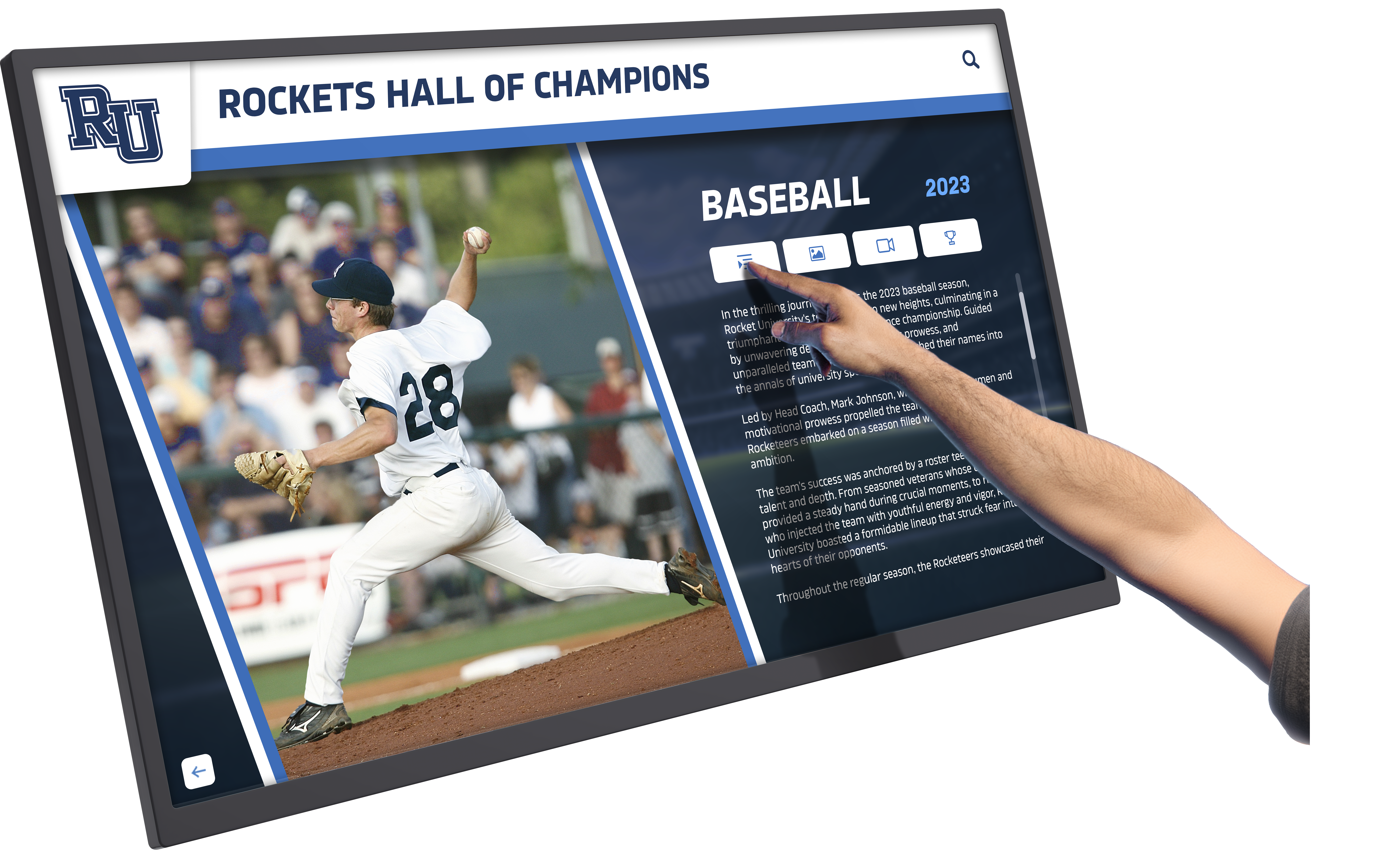
Touchscreen interfaces make exploring alumni achievements intuitive and engaging through familiar smartphone-like gestures
Web-Based Recognition Extends Reach Globally
Physical campus displays serve visitors and returning alumni, but web-based recognition platforms ensure graduates anywhere in the world can explore institutional honors, search for classmates, and share achievements within their professional networks.
Online recognition platforms work best when integrated with physical displays—content syncs automatically so campus installations and web platforms mirror each other seamlessly. When alumni discover impressive profiles through campus touchscreens, they can immediately access expanded information online or share discoveries via social media, creating network effects that amplify recognition visibility.
Essential Web Platform Features:
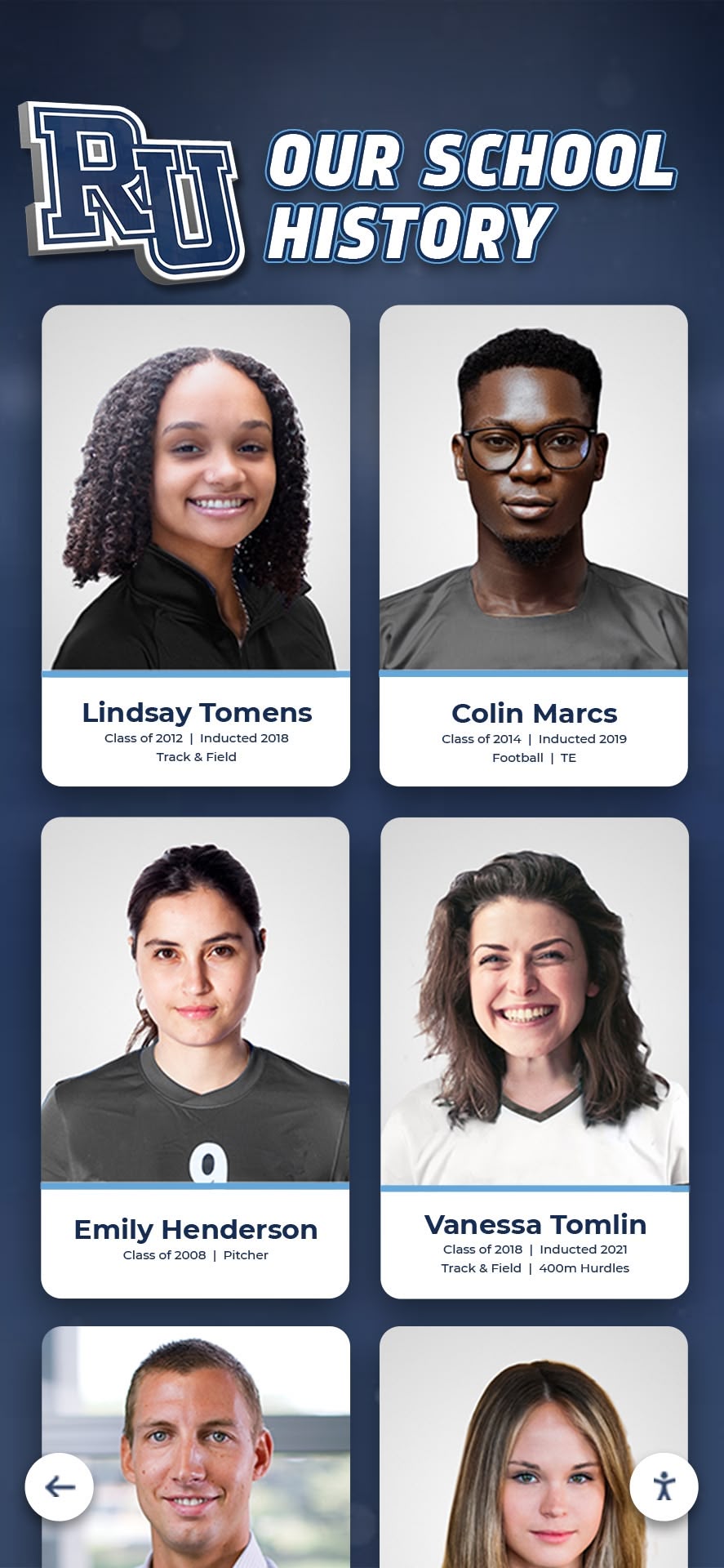
- Mobile Optimization: 60-70% of alumni access institutional content through smartphones, making responsive mobile design critical
- Advanced Search Capabilities: Filter by graduation year, major, location, employer, industry, or achievement type for targeted discovery
- Privacy-Balanced Profiles: Allow alumni to control contact information visibility while enabling professional networking connections
- SEO Optimization: Properly structured recognition websites attract organic search traffic when people search alumni names or institutional honors
- Alumni Self-Service Updates: Enable recognized graduates to submit biographical updates, career milestones, and new photos for staff approval and publication
When digital yearbooks and alumni directories combine recognition with networking functionality, they create ongoing utility that keeps alumni returning regularly rather than visiting once and never again.
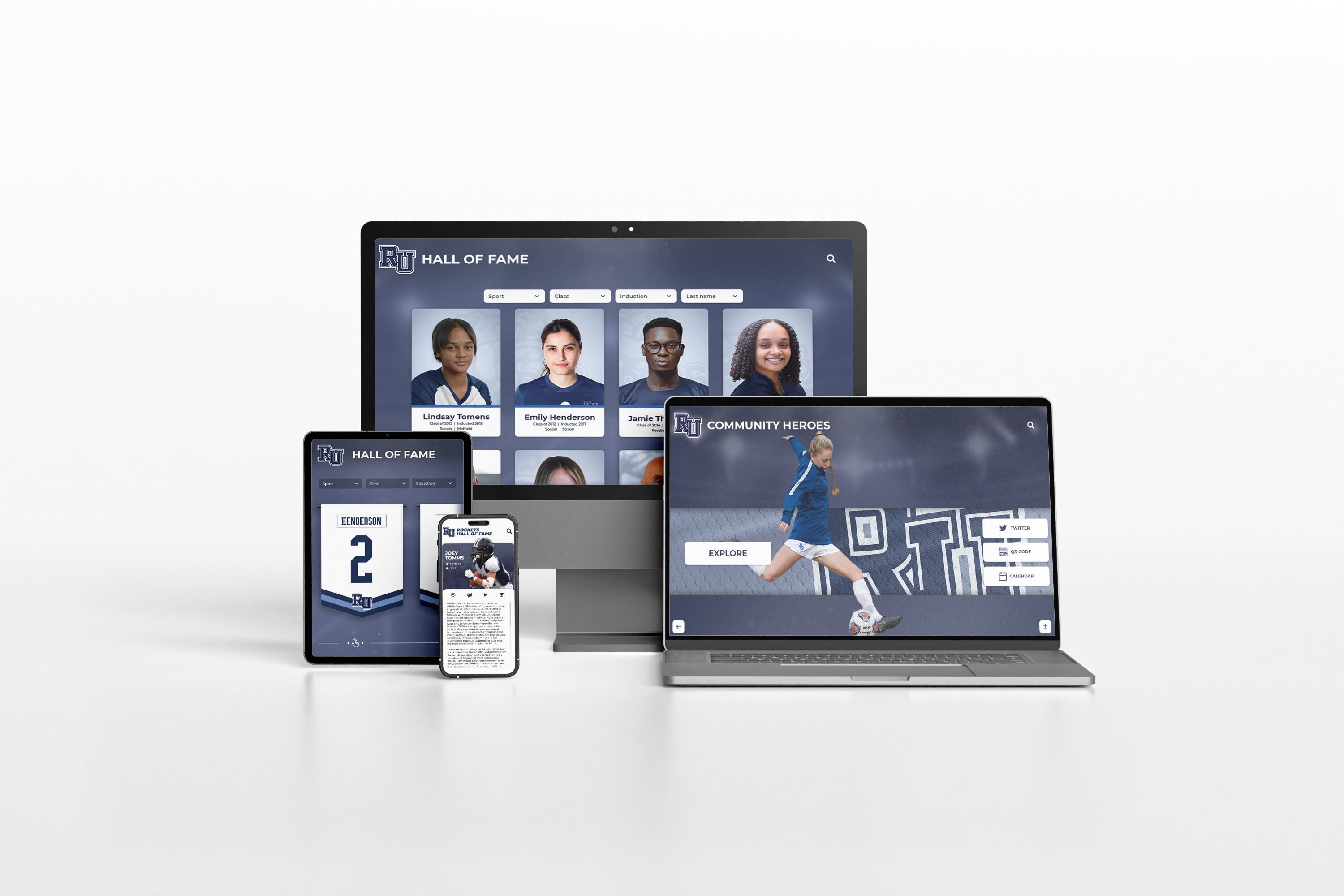
Responsive web platforms ensure excellent recognition experiences whether accessed through smartphones, tablets, or desktop computers
Event-Based Engagement: Creating Memorable Experiences
While digital platforms provide constant accessibility, nothing replaces face-to-face connection for building emotional bonds. Strategic events create communities where alumni reconnect with classmates, engage with current students, and remember why they value their educational experiences.
Reunion Weekends with Substantive Programming
Generic reunion receptions featuring cash bars and light refreshments no longer justify travel and time investment from busy graduates. Successful reunion weekends combine nostalgic social activities with meaningful programming that demonstrates institutional vitality and provides genuine value.
High-Impact Reunion Elements:
- Campus Transformation Tours: Showcase new facilities, technology upgrades, and program innovations that demonstrate how their institution has evolved while maintaining core values
- Career and Life Stage Panels: Organize discussions addressing reunion class concerns—early career strategy for 5-year reunions, work-life balance for 15-year groups, retirement planning for 40-year classes
- Intergenerational Activities: Create opportunities where reunion alumni interact with current students through informal receptions, mentoring speed-dating sessions, or classroom visits
- Class Legacy Projects: Coordinate class gift campaigns or volunteer service projects that create tangible impact and shared purpose
- Recognition Ceremony Integration: Feature new hall of fame inductees or distinguished alumni awards during reunion weekends when attendance peaks
When planning events around homecoming traditions, coordinate reunion programming to leverage existing attendance while creating unique experiences justifying return trips for milestone classes.
Regional Networking Receptions That Provide Value
Not all alumni can return to campus regularly, but most live within driving distance of metropolitan areas where fellow graduates concentrate. Regional chapter events create local connection while demonstrating institutional commitment to serving alumni wherever they live.
Successful Regional Event Formats:
- Industry-Specific Networking: Organize events around professional fields—healthcare symposiums, technology meetups, education forums—providing career networking value alongside alumni connection
- Cultural and Entertainment Experiences: Coordinate group attendance at sporting events, theater performances, museums, or concerts with pre-event receptions creating community around shared experiences
- Distinguished Local Alumni Spotlights: Feature successful local graduates as speakers or honorees, celebrating regional representation while attracting their professional networks
- Virtual Participation Options: Livestream speaker presentations or key programming elements for alumni unable to attend physically but wanting to participate remotely
- Student Connection Components: When your institution has prospective students in the region, invite accepted students and families to meet alumni ambassadors who share authentic graduate perspectives
These events work best when promoted as valuable experiences rather than fundraising appeals. When graduates attend because programming interests them professionally or personally, giving becomes natural byproduct of engagement rather than explicit expectation creating attendance hesitation.
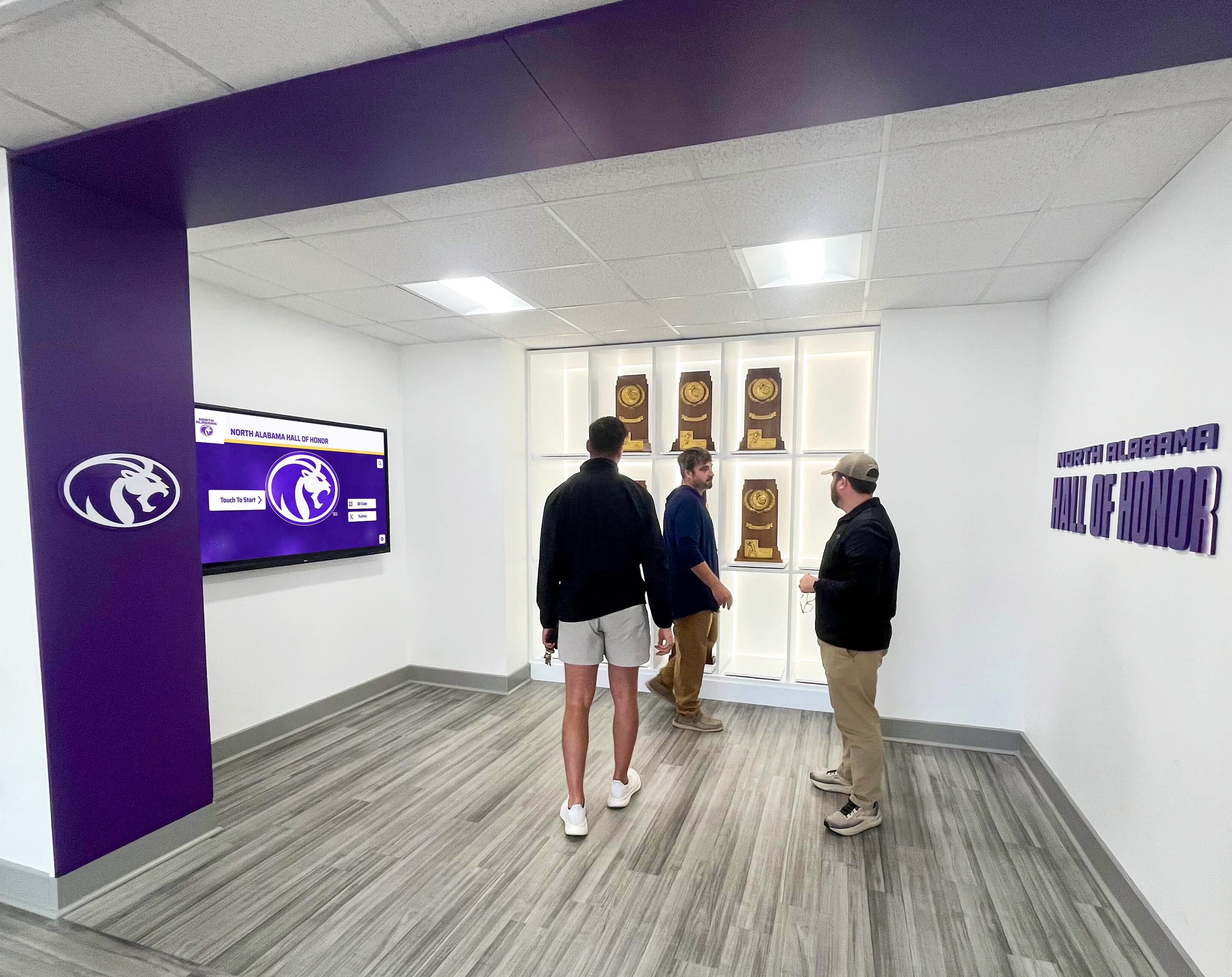
Well-designed event spaces featuring recognition displays create welcoming environments that celebrate community and inspire pride
Mentoring Programs: Connecting Generations
Career mentoring programs create reciprocal value—students gain professional guidance crucial for navigating career decisions, while alumni mentors remain connected to institutional life through meaningful service requiring no financial contribution.
Structured Mentoring That Works
Informal “connect our students with alumni” initiatives consistently fail without structure providing clear expectations, facilitation support, and accountability mechanisms. Successful programs offer frameworks that make participation manageable while allowing authentic relationships to develop.
Effective Mentoring Program Models:
One-on-One Career Mentoring: Match individual students with alumni professionals in fields they’re exploring. Establish clear expectations—suggested meeting frequency (monthly video calls or coffee meetings), discussion topics (career paths, industry insights, professional development), and 6-12 month commitment periods with renewal options. Provide conversation starters, professional development resources, and mentoring guides helping both parties maximize value.
Group Mentoring Circles: Create cohorts of 4-6 students paired with one or two alumni mentors in related fields. Group formats reduce individual mentor time commitments while enabling peer learning as students share insights and questions. This model particularly appeals to busy professionals who can participate meaningfully without extensive one-on-one time requirements.
Speed Mentoring Events: Organize structured sessions where students rotate through 15-20 minute conversations with multiple alumni, gaining diverse professional perspectives efficiently. These events require minimal ongoing commitment from participating alumni while providing maximum student exposure to various career paths. Particularly effective during campus visits, career weeks, or reunion weekends when alumni attendance peaks.
Digital Mentoring Platforms: Technology-enabled mentoring through video calls, messaging platforms, and resource sharing accommodates geographic distance and scheduling constraints that otherwise limit participation. Platforms like those serving alumni networks facilitate asynchronous communication better than email exchanges while maintaining relationship continuity.
Industry Trek Programs: Coordinate student visits to alumni workplaces in major metropolitan areas, combining site tours, professional presentations, and networking receptions. These immersive experiences provide industry insights while creating memorable touchpoints strengthening both student aspirations and alumni institutional connections.
When promoting mentoring opportunities, emphasize the mutual benefits—students gain career guidance while mentors develop leadership skills, expand professional networks, and experience satisfaction from guiding next generations toward success.
Current students benefit from visible examples of alumni success through accessible recognition displays that inspire their own aspirations
Communication Strategies That Resonate
Even the best programs fail without effective promotion and communication keeping alumni aware of opportunities, achievements, and institutional developments. Strategic communication balances informational value with authentic connection.
Segmented Communication Based on Alumni Interests
Generic mass communications treating all alumni identically generate poor engagement metrics and high unsubscribe rates. Sophisticated segmentation enables relevant messaging that alumni actually appreciate rather than automatically delete.
Strategic Segmentation Approaches:
- Graduation Decade Cohorts: Recent graduates need career development resources, mid-career alumni focus on family and community involvement, senior alumni consider legacy planning—tailor content accordingly
- Professional Industry Grouping: Career field segmentation facilitates targeted job postings, industry trend analyses, and professional networking event promotions relevant to specific sectors
- Geographic Targeting: Location-based segmentation enables regional event promotion, local chapter news, and area-specific institutional developments
- Engagement History Differentiation: Highly engaged alumni tolerate frequent communication and calls-to-action while completely disengaged graduates require gentle re-engagement approaches—customize frequency and tone based on interaction patterns
- Affinity Community Recognition: Alumni connected through athletics, Greek life, academic programs, or special interests engage more strongly around shared affinities than graduation year alone
Modern constituent relationship management (CRM) systems enable sophisticated segmentation without overwhelming administrative burden. The investment pays dividends—segmented communications consistently achieve 2-3x higher open rates, click-through rates, and action completion compared to generic broadcasts.
Content That Provides Value Beyond Fundraising Appeals
When 80-90% of alumni communications contain fundraising appeals and institutional asks while only 10-20% provides actual value, graduates disengage and tune out all messaging. Successful programs invert this ratio, dedicating majority content to genuine alumni benefits.
High-Value Content Themes:
- Career Development Resources: Professional development webinars, industry trend analyses, career transition guidance, networking strategies, and leadership development content addressing alumni professional goals
- Alumni Achievement Spotlights: Feature diverse graduates representing various achievement types, career paths, and graduation eras—providing role models while celebrating community accomplishments
- Educational Content from Faculty Experts: Share faculty research insights, thought leadership on current events, and expert perspectives relevant to alumni professional or personal interests
- Personal Development Programming: Content addressing life stages alumni navigate—parenting resources, financial planning guidance, health and wellness information, work-life balance strategies
- Behind-the-Scenes Institutional Stories: Give alumni insider access to campus developments, student success stories, research breakthroughs, and program innovations demonstrating institutional vitality
When graduates perceive communications as valuable resources from trusted advisors rather than solicitations from fundraising offices, they maintain engagement that naturally translates into support when opportunities arise.
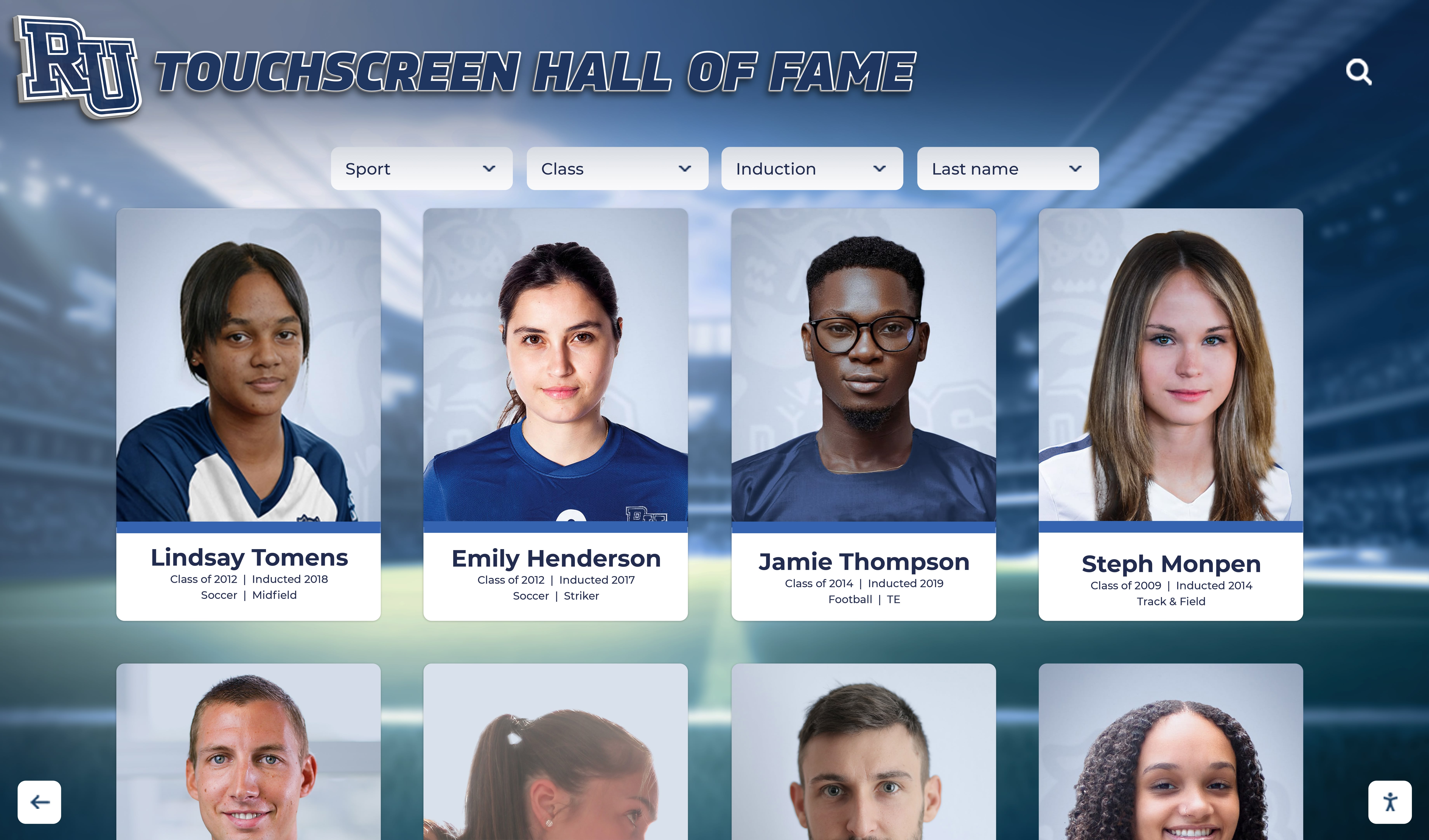
Rich content featuring photos, videos, and detailed narratives makes recognition meaningful rather than perfunctory acknowledgment
Social Media: Meeting Alumni Where They Already Are
Rather than expecting alumni to visit institutional websites regularly, strategic social media presence meets graduates where they already spend time—scrolling Facebook, networking on LinkedIn, sharing Instagram photos, or following Twitter conversations.
Platform-Specific Engagement Strategies
Each social platform serves distinct purposes and attracts different demographic segments, requiring tailored approaches rather than cross-posting identical content everywhere.
LinkedIn for Professional Networking: Create alumni groups facilitating career connections, industry discussions, and professional development. Share job postings, company spotlights featuring alumni employers, industry trend analyses, and networking event announcements. LinkedIn particularly resonates with mid-career and senior alumni seeking professional value from institutional relationships.
Facebook for Community Building: Facebook groups provide social spaces for sharing life updates, reconnecting with classmates, organizing reunions, and engaging with nostalgic content. Throwback photos, historical campus images, and “where are they now” features generate strong engagement as alumni tag classmates and reminisce in comments. This platform works well for family-friendly content reaching broad demographic ranges.
Instagram for Visual Storytelling: Showcase compelling visual content—campus transformations, student achievements, alumni spotlights, behind-the-scenes institutional stories, and recognition highlights through photo and video formats. Instagram particularly reaches younger alumni through authentic, visually appealing storytelling. When sharing memorial and tribute recognition, visual platforms help honor legacies meaningfully.
Twitter/X for Timely Engagement: Share real-time updates about athletic competitions, campus news, faculty insights, and quick recognition highlights. The conversational nature creates opportunities for direct alumni-institution dialogue impossible through one-way communication channels.
User-Generated Content Amplifies Reach Organically
The most engaging social content often comes from alumni themselves rather than institutional marketing teams. Encouraging graduates to share their own stories, achievements, and institutional connections creates authentic content while increasing reach exponentially through their personal networks.
Strategies Encouraging User-Generated Content:
- Alumni Takeovers: Feature different alumni “taking over” institutional social accounts for a day, sharing their career insights, daily experiences, and institutional memories from personal perspectives
- Photo and Story Contests: Create campaigns encouraging alumni to share photos or stories related to themes—“My favorite campus memory,” “How my education shaped my career,” or “Where I’ve traveled since graduation”
- Achievement Celebrations: Encourage alumni to share professional milestones, publications, awards, or accomplishments while tagging institutional accounts for amplification
- Reunion Documentation: Motivate reunion attendees to share event photos and memories using dedicated hashtags that aggregate content while expanding visibility
- Recognition Sharing: Include one-click social sharing for recognition profiles, enabling honored alumni to broadcast achievements across their personal networks effortlessly
When recognition content includes built-in sharing capabilities, you turn every honored alumnus into an institutional ambassador whose social networks see positive institutional content, creating ripple effects that traditional marketing cannot match.
Searchable databases featuring comprehensive alumni profiles enable discovery and connection across graduation eras and professional fields
Volunteer Opportunities Beyond Fundraising
Many alumni want to contribute time, expertise, and energy even when they’re not in position to make financial gifts. Diverse volunteer opportunities engage graduates at various capacity levels while providing genuine value to students and programs.
Admissions and Recruitment Support
Alumni participation in student recruitment strengthens yield while deepening volunteer engagement through visible impact on enrollment outcomes.
Volunteer Recruitment Roles:
- Prospective Student Interviews: Alumni conduct admission interviews in their geographic regions, providing authentic graduate perspectives while reducing institutional staff travel requirements
- College Fair Representation: Alumni represent institutions at high school college fairs in regions lacking staff presence, expanding recruiting reach while creating meaningful volunteer service
- Accepted Student Receptions: Host or attend receptions for admitted students in alumni homes or local venues, providing personal connection during crucial decision-making periods
- Campus Visit Enhancement: Participate in campus tour programming, student panels, or departmental visits adding authentic voices to recruiting experiences families consistently cite as influential
These roles work particularly well for academic excellence programs seeking to attract high-achieving students who value hearing from successful graduates about their educational return on investment.
Career Services and Student Support
Alumni professional expertise enriches student educational experiences while creating tangible volunteer impact requiring limited time commitments.
Professional Development Volunteer Opportunities:
- Guest Lectures and Classroom Presentations: Share career journeys, industry insights, or professional case studies connecting academic content to real-world application
- Mock Interviews and Resume Reviews: Conduct practice job interviews or review student resumes, providing professional feedback preparing students for competitive career markets
- Capstone Project Advisors: Serve on senior thesis committees, business plan competition panels, or research symposium evaluations providing professional perspective on student work
- Industry Advisory Boards: Contribute strategic guidance shaping curriculum, facilities investment, industry partnerships, and program direction through service on program-specific advisory boards
- Internship and Employment Opportunities: Provide internship positions, entry-level jobs, or informational interviews creating crucial career pathways while benefiting from talented employee pipelines
When promoting volunteer opportunities, quantify time commitments clearly—“2 hours once per semester” or “30-minute monthly video calls”—making participation feel manageable rather than overwhelming open-ended obligations.
Volunteer recognition programs ensure non-financial contributions receive acknowledgment equal to philanthropic support
Affinity and Special Interest Communities
Alumni with shared passions beyond graduation year often form the strongest engagement communities. Affinity-based organization creates connection around current interests rather than purely nostalgic reminiscence.
Building Thriving Affinity Communities
Identity and Cultural Communities: Groups organized around shared cultural heritage—Latinx alumni networks, Asian alumni associations, Black graduate communities, LGBTQ+ alumni groups, international student alumni—create belonging while supporting students from similar backgrounds through mentorship and advocacy.
Professional and Industry Networks: Career field-specific communities facilitate professional networking, industry trend discussions, student mentoring, and collaborative business development. Healthcare alumni, education professionals, technology workers, and finance executives benefit from sector-specific connection.
Athletic Alumni Associations: Former student-athletes maintaining connections to specific teams create passionate engagement often translating into strong volunteer and financial support. These groups organize team reunions, fundraise for athletic programs, mentor current athletes, and maintain competitive traditions. When planning athletic recognition programs, coordinate with team alumni associations for natural promotional channels and volunteer support.
Geographic Regional Chapters: Location-based groups organize local events, professional networking, community service projects, and student recruiting activities in cities with significant alumni populations, creating convenience that drives participation.
Special Interest and Cause-Based Groups: Communities organized around shared values—environmental sustainability, social justice, entrepreneurship, performing arts, community service—attract alumni passionate about specific issues regardless of graduation era.
Supporting Affinity Success Without Controlling
The most successful affinity communities operate semi-autonomously with institutional support rather than institutional control. Provide infrastructure enabling success while respecting community ownership.
Institutional Support That Empowers:
- Communication Platforms: Offer email lists, social media groups, or dedicated networking platforms facilitating member connection without institutional access barriers
- Event Funding: Provide modest budgets or cost-sharing for community events reducing volunteer financial burden
- Administrative Coordination: Assist with event logistics, marketing support, or campus resource coordination freeing community leaders to focus on programming and member engagement
- Recognition and Validation: Acknowledge affinity community leaders through volunteer recognition programs demonstrating institutional appreciation for organizing efforts
- Student Connection Facilitation: Link affinity communities with relevant student organizations creating mentorship pipelines and intergenerational bonds
When institutional support empowers rather than controls, affinity communities develop authentic leadership and sustainable engagement models that persist through volunteer transitions and evolving member needs.
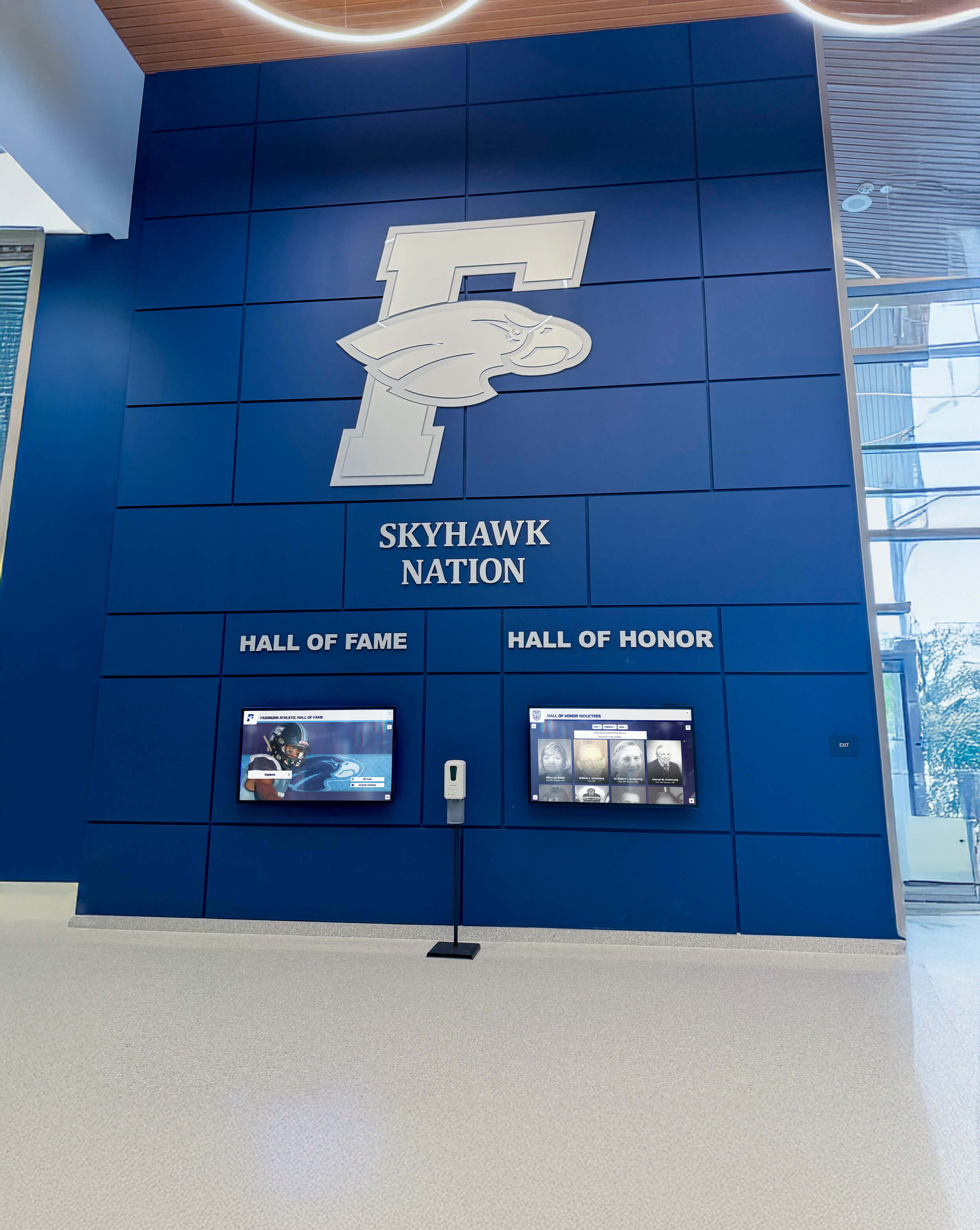
Team-specific recognition honors athletic achievements while providing natural gathering points for athletic affinity communities
Educational Programming That Adds Value
Intellectual engagement sustains alumni connection to institutional educational missions while providing genuine life enrichment beyond nostalgia.
Alumni Learning Programs
Alumni College Experiences: Multi-day programs featuring faculty lectures, lab demonstrations, campus tours, and social activities recreate intellectual engagement defining original educational experiences. These immersive programs particularly appeal to senior alumni with time and resources for extended campus visits.
Virtual Learning Series: Online programming featuring faculty research presentations, industry trend analyses, cultural discussions, or current event explorations provides intellectual engagement to geographically dispersed alumni. Recorded sessions accommodate schedule flexibility while live Q&A creates interactive participation options.
Professional Certificate Programs: Continuing education offerings addressing in-demand skills—digital marketing, data analytics, project management—provide concrete professional development value while creating regular institutional touchpoints and potential revenue streams.
Faculty Research Showcases: Share cutting-edge research, scholarly achievements, and faculty expertise through accessible formats demonstrating institutional intellectual vitality. When faculty members become recognizable thought leaders, alumni feel pride in institutional academic excellence.
Cultural and Artistic Programming: Concerts, theater productions, art exhibitions, and cultural celebrations leverage institutional resources to provide alumni access to high-quality programming. Pre-event receptions or post-show discussions create community while showcasing excellence.
These educational programs work best when promoted through digital signage and communication platforms reaching alumni where they already consume institutional content.
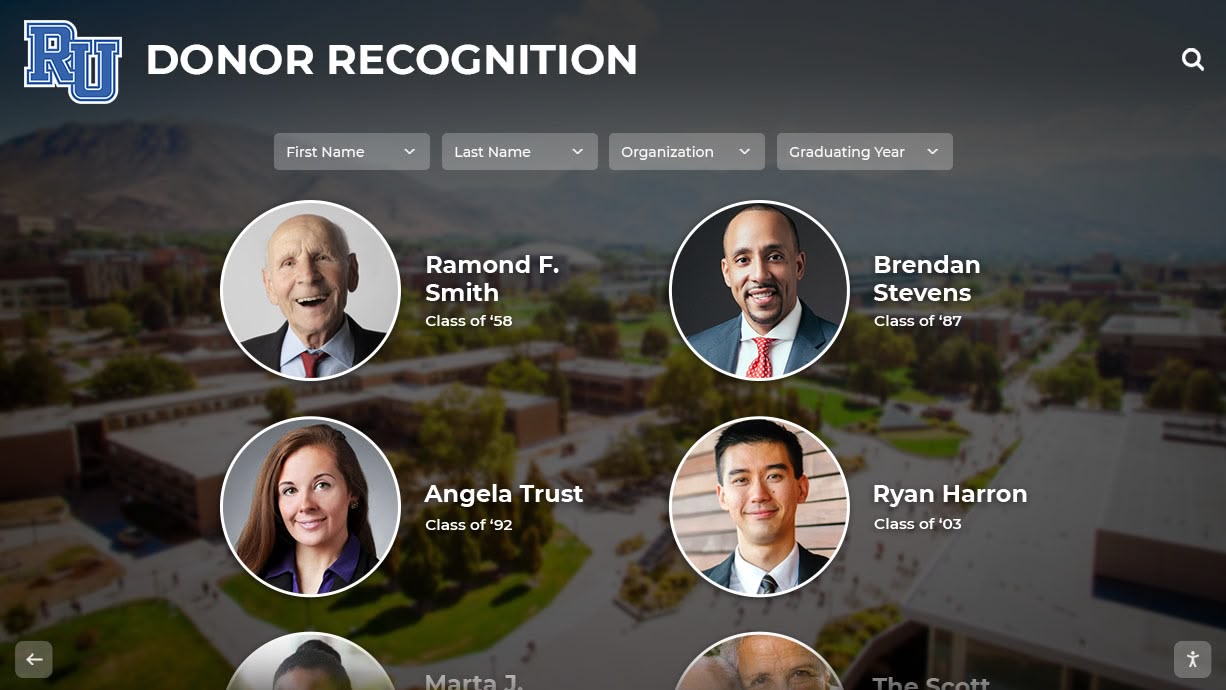
Recognition displays celebrating diverse achievements demonstrate institutional values while honoring graduates across multiple excellence dimensions
Measuring Success: Data-Driven Engagement Optimization
Effective alumni engagement programs continuously measure participation, analyze patterns, and optimize strategies based on evidence rather than assumptions. Comprehensive measurement demonstrates program value while identifying improvement opportunities.
Essential Engagement Metrics
Participation Rate Tracking: Monitor percentages of alumni engaging through various channels—event attendance, digital platform usage, volunteer participation, communication interaction. Overall engagement rate (alumni participating in any activity annually) provides baseline health indicator while channel-specific metrics reveal program effectiveness.
Engagement Depth Analysis: Track multi-touch engagement showing alumni participating across multiple activity types, repeat participation rates indicating sustained interest, and average interaction frequency per engaged alumnus. Depth metrics distinguish passive observers from deeply connected community members.
Digital Analytics: Measure recognition platform usage, website traffic patterns, social media engagement rates, email open and click-through rates, and content consumption behaviors. Digital metrics provide real-time feedback enabling rapid experimentation and optimization.
Advancement Correlation: Analyze relationships between engagement activities and giving behavior, volunteer participation and donor conversion rates, recognition program interaction and major gift discussions, and event attendance and planned giving inquiries. Correlation analysis demonstrates how engagement activities drive advancement outcomes justifying program investments.
Qualitative Feedback: Survey program participants about satisfaction, collect testimonials from engaged alumni, conduct focus groups exploring barriers and opportunities, and monitor social media sentiment. Qualitative insights complement quantitative metrics while revealing improvement opportunities metrics alone cannot surface.
Modern platforms like Rocket Alumni Solutions provide comprehensive analytics showing precisely who engages with recognition content, what profiles attract attention, how long visitors explore, and geographic distribution of engagement—data enabling strategic optimization impossible without measurement infrastructure.
Alumni Engagement Benchmarks
Industry research reveals typical performance ranges for well-managed programs:
Participation Metrics:
- Overall annual engagement rate: 15-30% of living alumni base
- Event attendance rates: 8-15% for regional events, 25-40% for milestone reunions
- Email open rates: 20-35% for segmented relevant communications
- Digital platform monthly active users: 5-10% of alumni base
- Volunteer participation: 5-12% annually across all opportunities
Advancement Correlations:
- Recognized alumni give at 2-3x the rate of unrecognized peers
- Event attendees donate at 2.5x rate of non-attendees
- Active volunteers convert to donors at 60%+ rates within 3 years
- Engaged alumni (multiple touchpoints) give 3-4x more than disengaged graduates
High-performing programs consistently exceed these benchmarks through strategic multi-channel engagement approaches and continuous optimization.
Overcoming Common Implementation Challenges
Even well-designed engagement strategies encounter predictable obstacles. Anticipating challenges enables proactive solutions preventing them from undermining program success.
Limited Resources and Small Teams
Challenge: Small advancement teams with constrained budgets struggle to implement comprehensive engagement programs requiring significant staff time and financial resources.
Solutions: Leverage technology automating routine tasks and enabling scale beyond manual capacity. Platforms like those from Rocket Alumni Solutions handle content management, social distribution, and analytics automatically. Recruit volunteer alumni to assist with specific initiatives—event planning, content creation, mentoring coordination—extending organizational capacity. Implement phased approaches prioritizing highest-impact activities aligned with institutional goals rather than attempting comprehensive implementation simultaneously.
Geographic Dispersion Limiting Participation
Challenge: Alumni scattered globally cannot easily attend campus events or participate in person-focused programming.
Solutions: Prioritize digital-first engagement ensuring opportunities exist regardless of physical location. Web-accessible recognition platforms, virtual events, online directories, and social media create engagement channels removing geography as barrier. Develop regional chapter networks in cities with sufficient alumni concentration creating local programming without campus travel requirements. Offer hybrid event models combining in-person and virtual participation accommodating varied circumstances.
Declining Engagement Trends
Challenge: Participation rates trending downward despite program efforts suggest strategies losing effectiveness or failing to resonate with current alumni expectations.
Solutions: Conduct direct research through surveys, focus groups, or individual conversations understanding specific disengagement reasons rather than making assumptions. Refresh programming based on alumni feedback introducing new formats, recognition categories, or volunteer opportunities demonstrating responsiveness. Focus on young alumni engagement preventing pattern where graduates disengage immediately post-graduation and remain disconnected long-term. Launch re-engagement campaigns targeting lapsed participants with personalized outreach acknowledging absence and inviting renewed connection.
Generational Expectation Differences
Challenge: Younger alumni particularly expect different experiences than programs designed for previous generations—mobile-first platforms, social integration, authentic storytelling, two-way engagement, and demonstrated social impact.
Solutions: Modernize technology infrastructure ensuring mobile optimization, social sharing capabilities, and on-demand content access. Incorporate alumni-generated content and feedback mechanisms creating two-way relationships rather than one-way institutional broadcasting. Emphasize institutional commitments to diversity, equity, sustainability, and social impact resonating with socially conscious younger graduates. Provide micro-engagement options—brief surveys, short videos, quick interactions—appealing to busy professionals alongside traditional programming.
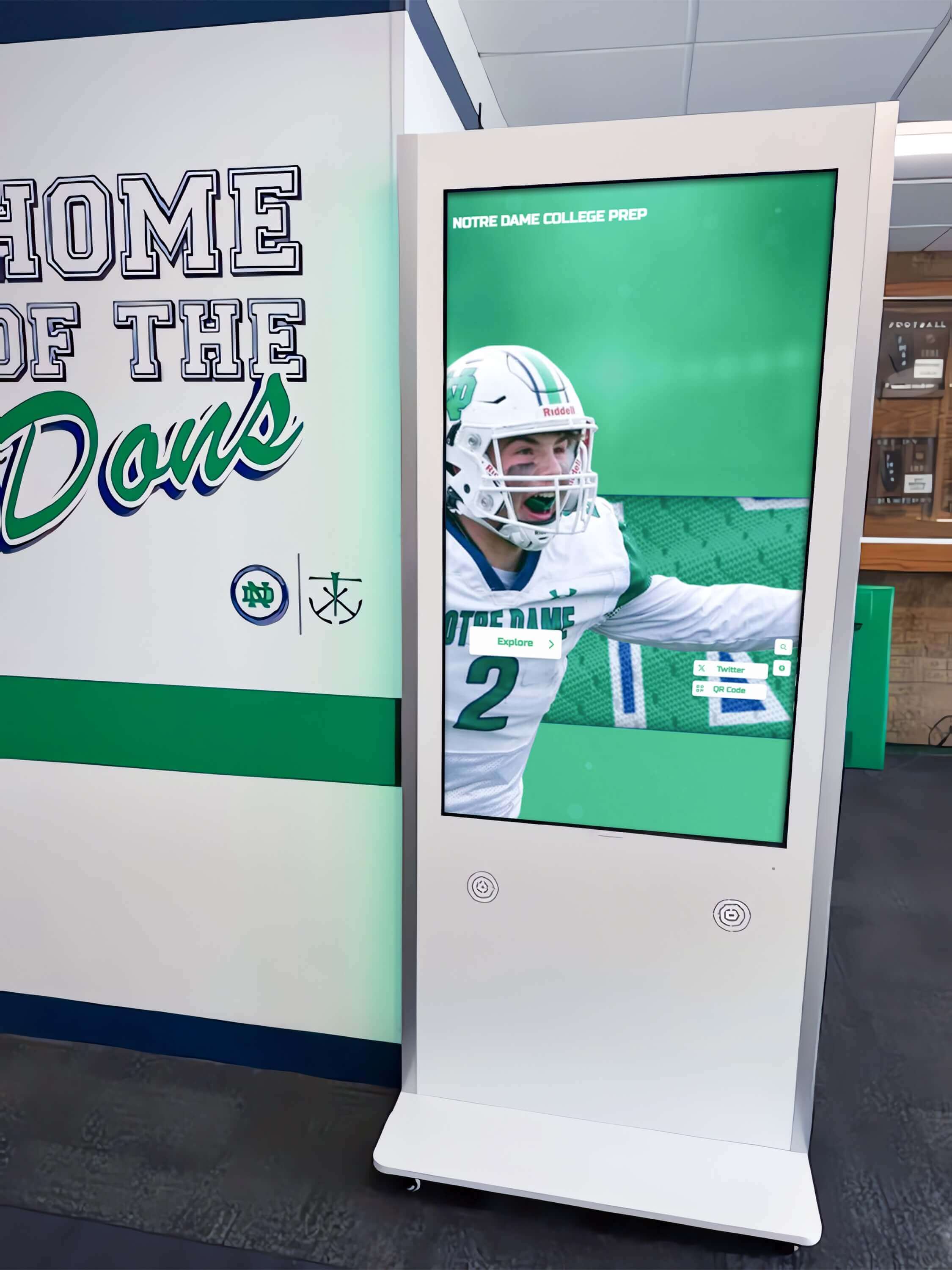
Modern technology enables engagement experiences meeting contemporary alumni expectations while honoring institutional traditions
Integrating Recognition Throughout the Alumni Journey
The most successful institutions don’t treat recognition as isolated program separate from broader engagement strategy—they integrate acknowledgment throughout every alumni touchpoint creating consistent reinforcement that graduate achievements matter.
Recognition at Every Stage
Student-to-Alumni Transition: Begin recognition during senior year through graduation celebrations honoring academic achievement, leadership contributions, and future potential. Immediate post-graduation acknowledgment establishes pattern where institution celebrates accomplishments from the start.
Early Career Milestones: Young alumni awards recognizing emerging professional success, first publications, entrepreneurial launches, or community service initiatives validate achievements during formative career years when institutional recognition carries particular weight.
Mid-Career Professional Excellence: Distinguished alumni awards, hall of fame inductions, and industry-specific recognition honor graduates achieving professional prominence while inspiring current students and younger alumni.
Lifetime Achievement and Legacy Recognition: Senior recognition programs, emeritus society inductions, and legacy celebrations honor sustained excellence, faithful service, and enduring contributions creating aspirational models for all alumni.
In Memoriam Acknowledgment: When distinguished alumni pass away, memorial recognition honors legacies while demonstrating institutional gratitude extending beyond lifetimes.
This comprehensive approach ensures alumni at every career stage see themselves reflected in recognition programs, understanding that their institution values diverse accomplishment forms throughout entire life journeys.
Creating Sustainable Engagement Ecosystems
Individual tactics succeed temporarily, but lasting alumni engagement requires integrated ecosystems where multiple strategies reinforce each other creating network effects greater than sum of parts.
Strategic integration looks like: Recognition programs drive event attendance as honorees and networks participate in ceremonies. Events feature digital displays sparking conversation and exploration. Social media amplifies recognition and events while driving traffic to online platforms. Mentoring connects alumni who then attend events together. Affinity groups use directories identifying potential members. Volunteer opportunities lead to recognition for sustained service. Each element strengthens others creating virtuous cycles of deepening engagement.
Technology platforms play crucial enabling roles in ecosystem integration. Comprehensive solutions provide touchscreen recognition for campus installations, web accessibility for global alumni, social sharing capabilities amplifying reach, searchable databases facilitating discovery, event promotion tools driving attendance, and unified analytics measuring across channels—all creating seamless experiences regardless of entry point.
When selecting engagement technologies, prioritize platforms offering multi-channel consistency, intuitive content management, social integration, comprehensive analytics, and proven track records supporting similar institutions. Solutions specifically designed for educational alumni engagement like those from Rocket Alumni Solutions understand unique institutional needs generic platforms cannot address adequately.
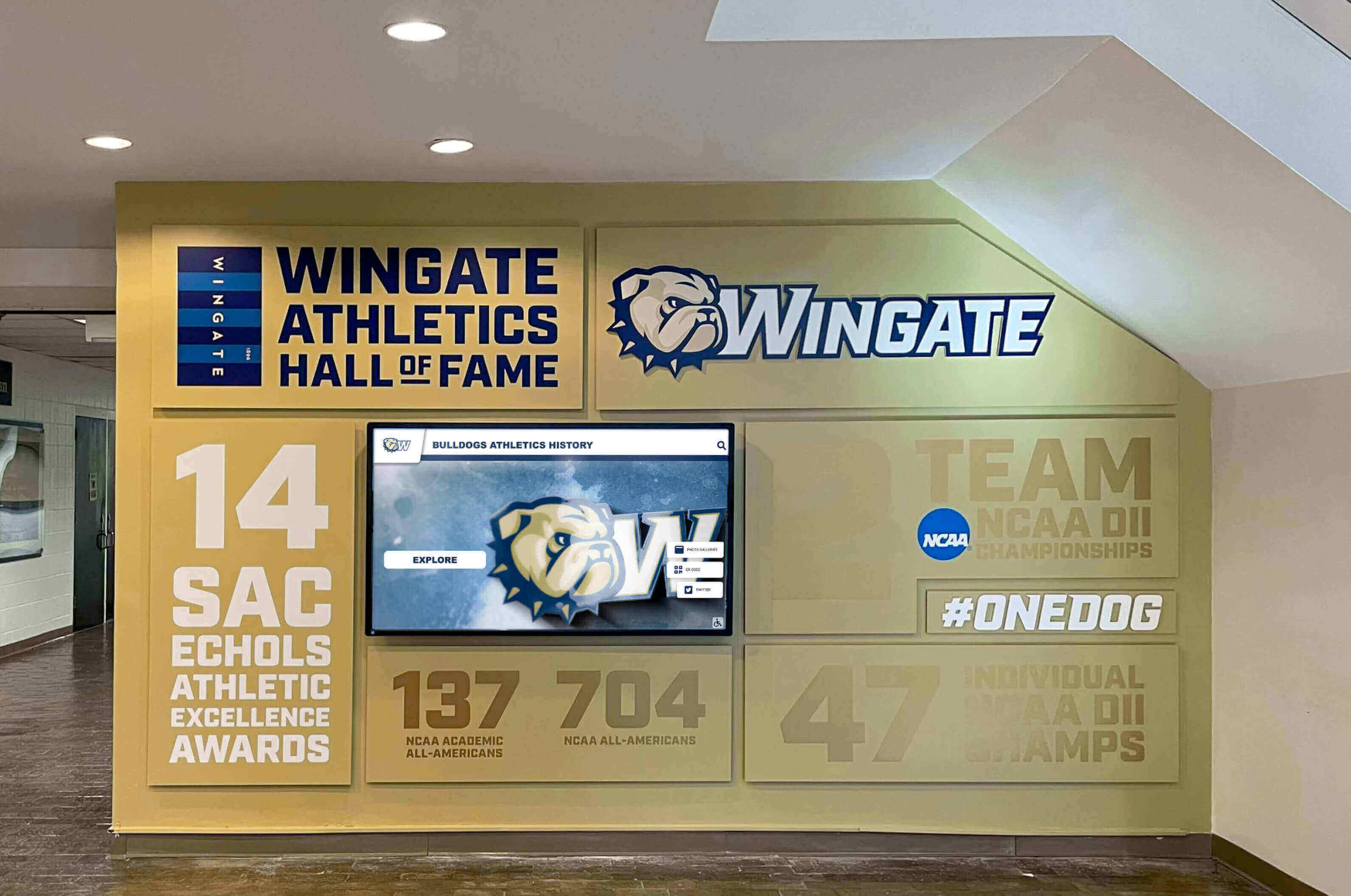
Integrated recognition environments combining physical displays, digital content, and traditional elements create welcoming spaces celebrating community achievement
Conclusion: Investment That Pays Lasting Dividends
Alumni engagement represents strategic institutional investment with returns extending across enrollment, reputation, advancement, and mission fulfillment. Engaged graduates become ambassadors recruiting talented students, mentors guiding career success, volunteers extending organizational capacity, donors funding programs and scholarships, and advocates defending educational value within professional and civic spheres.
The creative alumni engagement ideas explored here—from interactive digital recognition to strategic mentoring programs, from affinity community support to value-driven communication, from volunteer opportunities to educational programming—provide frameworks applicable across institutions regardless of size, type, or resources. Success comes not from implementing every tactic simultaneously, but from selecting approaches aligned with institutional goals and alumni preferences, then executing consistently with authentic commitment to relationship building.
Modern technology removes traditional barriers limiting engagement to small populations or campus-only experiences. Platforms combining physical touchscreen displays, web accessibility, social integration, and comprehensive analytics enable recognition and connection at scales impossible through traditional approaches. When technology combines with thoughtful strategy and genuine appreciation for graduate contributions, institutions create engagement momentum that strengthens continuously rather than requiring constant reinvention.
For institutions ready to transform alumni relationships, comprehensive solutions like those from Rocket Alumni Solutions provide proven platforms that honor achievements, facilitate connections, and drive measurable engagement through specialized technology designed specifically for educational institutions. From strategic planning through ongoing optimization, the right combination of creative ideas and enabling technology transforms disconnected graduates into actively engaged alumni communities creating mutual benefit for generations.
Ready to Transform Your Alumni Engagement?
Discover how interactive recognition displays, comprehensive digital platforms, and proven engagement strategies can strengthen your alumni community and drive measurable institutional results. Rocket Alumni Solutions specializes in creating integrated alumni engagement solutions that work for schools, colleges, and universities of all sizes.
Explore Alumni Engagement SolutionsWhether modernizing existing programs or launching new initiatives, the foundation remains constant: alumni engage when they feel genuinely valued for contributions beyond financial donations, when participation provides authentic benefit rather than just institutional requests, and when institutions demonstrate commitment to celebrating graduate success throughout entire life journeys. Build engagement strategies on this foundation with creative programming, modern technology, and persistent authentic effort, and alumni communities flourish to amplify institutional mission and impact for decades to come.































