Transforming Alumni Relationships Through Interactive Recognition
Alumni engagement remains one of the most critical challenges facing educational institutions today. Traditional recognition methods—static plaques, printed directories, annual newsletters—create one-way communication that rarely inspires meaningful connection. Interactive recognition displays represent a fundamental shift in how institutions engage alumni communities, transforming passive acknowledgment into dynamic, ongoing relationships that benefit both graduates and their alma maters.
The most successful alumni engagement programs recognize a simple truth: people connect with experiences, not lists of names. When alumni can interact with their institutional history, discover classmates’ achievements, share accomplishments with their networks, and access recognition from anywhere in the world, they develop deeper emotional investment in their alma mater. Interactive recognition displays make this level of engagement possible through technology that feels intuitive, content that tells compelling stories, and accessibility that transcends geographic boundaries.
This comprehensive guide explores how interactive recognition displays strengthen alumni engagement, the specific features that drive participation, implementation strategies that maximize return on investment, and measurable outcomes that demonstrate program success.

Interactive displays create engaging experiences that strengthen alumni connections and institutional pride
The Alumni Engagement Challenge
Alumni relations professionals consistently identify engagement as their primary challenge. According to the Council for Advancement and Support of Education (CASE), the average alumni participation rate in giving programs hovers between 8-15% at most institutions—a dramatic decline from historical levels above 30% several decades ago.
This disengagement stems from multiple factors. Alumni feel disconnected from institutions they graduated from years or decades ago. Physical distance prevents campus visits. Communication feels transactional, focused on fundraising appeals rather than relationship building. Recognition of achievements happens inconsistently or not at all. Traditional static displays honor only select individuals while overlooking the broader community.
Why Traditional Recognition Falls Short
Physical recognition displays inherently limit engagement:
- Limited Accessibility: Only on-campus visitors see traditional displays, excluding the vast majority of alumni who live elsewhere
- Static Content: Fixed plaques and photos provide no opportunity for interaction, exploration, or discovery
- Space Constraints: Physical limitations force difficult decisions about who receives recognition and for how long
- Outdated Information: Updating physical displays requires expensive fabrication and installation, leading to outdated content
- No Measurement: Traditional displays provide no data about who engages, how long, or what content resonates
- One-Dimensional Storytelling: Limited space restricts narratives to basic names and dates without deeper stories
These limitations create recognition programs that honor achievements without building ongoing engagement or strengthening institutional relationships.
How Interactive Displays Transform Alumni Engagement
Interactive recognition displays overcome traditional limitations through technology specifically designed to create engaging, accessible experiences that strengthen alumni connections.
Multi-Dimensional Engagement Opportunities
Interactive displays create engagement at multiple levels simultaneously:
Physical Engagement: When alumni visit campus, touchscreen displays invite hands-on interaction. Instead of passively viewing static plaques, visitors actively explore content through intuitive touch gestures—swiping, pinching, zooming, and tapping their way through institutional history. This tactile engagement creates memorable experiences that static displays cannot match.
Digital Engagement: Web accessibility extends recognition beyond physical locations. Alumni anywhere in the world can explore the same content available on campus displays, searching for classmates, discovering fellow graduates in their professional field, and exploring their institution’s evolving story from their homes, offices, or mobile devices.
Social Engagement: Integrated sharing capabilities transform individual recognition into social experiences. Alumni can share their profiles, classmates’ achievements, or interesting discoveries directly to social media platforms with single clicks, exponentially expanding recognition reach while strengthening alumni networks.
Emotional Engagement: Rich multimedia content—photos, videos, audio interviews, documents—creates emotional connections that text alone cannot achieve. Seeing video interviews with distinguished alumni, viewing photo galleries chronicling someone’s journey from student to professional success, or reading detailed narratives about overcoming obstacles generates empathy and inspiration.

Intuitive touchscreen interfaces make exploring alumni achievements engaging and memorable
Accessibility That Removes Geographic Barriers
Perhaps the most transformative aspect of interactive recognition systems is global accessibility that eliminates geographic constraints on alumni engagement.
Modern platforms like those from Rocket Alumni Solutions provide dual-access architecture—content appears both on physical campus displays and through web-based interfaces accessible from any internet-connected device worldwide.
This accessibility creates engagement opportunities that traditional displays categorically cannot:
International Alumni Connection: Graduates living in different countries maintain meaningful connection to their alma mater without traveling thousands of miles for campus visits. A distinguished alumnus in Singapore can explore their institution’s hall of fame during their morning coffee, just as easily as an alumna visiting campus.
Family Engagement: When alumni share web links to their recognition profiles with parents, children, spouses, and extended family, recognition ripples beyond the individual to their entire network. These family members develop vicarious pride in the institution, potentially influencing future enrollment decisions and philanthropic relationships.
Professional Network Integration: Alumni sharing recognition via LinkedIn or professional networking platforms extend institutional brand visibility into professional circles, creating recruitment pathways for current students, potential partnerships for institutional programs, and enhanced reputation within specific industries.
Event Integration: During virtual reunions, online homecoming celebrations, or remote fundraising events, organizers can feature the digital recognition platform prominently, creating shared experiences for geographically dispersed participants while driving ongoing engagement beyond single events.
Engagement Metrics: Physical vs. Digital Recognition
Our client data demonstrates dramatic differences in engagement levels between traditional and interactive recognition:
Traditional Physical Displays:
- Average viewing time: 35-45 seconds
- Number of alumni viewed per visit: 2-3
- Post-visit engagement actions: <1%
- Geographic reach: On-campus only
- Sharing capability: None
- Measurable interactions: None
Interactive Digital Displays:
- Average viewing time: 6-8 minutes
- Number of alumni viewed per session: 15-22
- Post-visit engagement actions: 37%
- Geographic reach: Global via web access
- Sharing capability: One-click social media integration
- Measurable interactions: Comprehensive analytics
Key Features That Drive Alumni Engagement
Specific technological capabilities create meaningful engagement that strengthens alumni relationships and institutional connections.
Powerful Search and Discovery Tools
Alumni engagement begins with finding relevant content. Advanced search functionality allows visitors to locate information quickly through multiple pathways:
Name-Based Search: Alumni can instantly find themselves, classmates, teammates, friends, or family members by typing names into search fields—far more efficient than scanning walls of plaques or photo galleries searching for specific individuals.
Decade and Class Year Filters: Exploring alumni from specific graduation years creates nostalgic connections. Visitors browse their own graduating class, discover what classmates have accomplished, and reconnect with their specific cohort’s collective achievements.
Achievement Category Browsing: Filtering by professional field, achievement type, geographic location, or recognition category helps visitors discover alumni working in their industry, living in their city, or excelling in their area of interest. These discovery mechanisms facilitate networking and mentoring relationships.
Keyword and Tag Search: Text-based searching enables visitors to find alumni based on specific criteria—entrepreneurship, military service, scientific research, artistic achievement, community leadership—creating thematic exploration pathways.
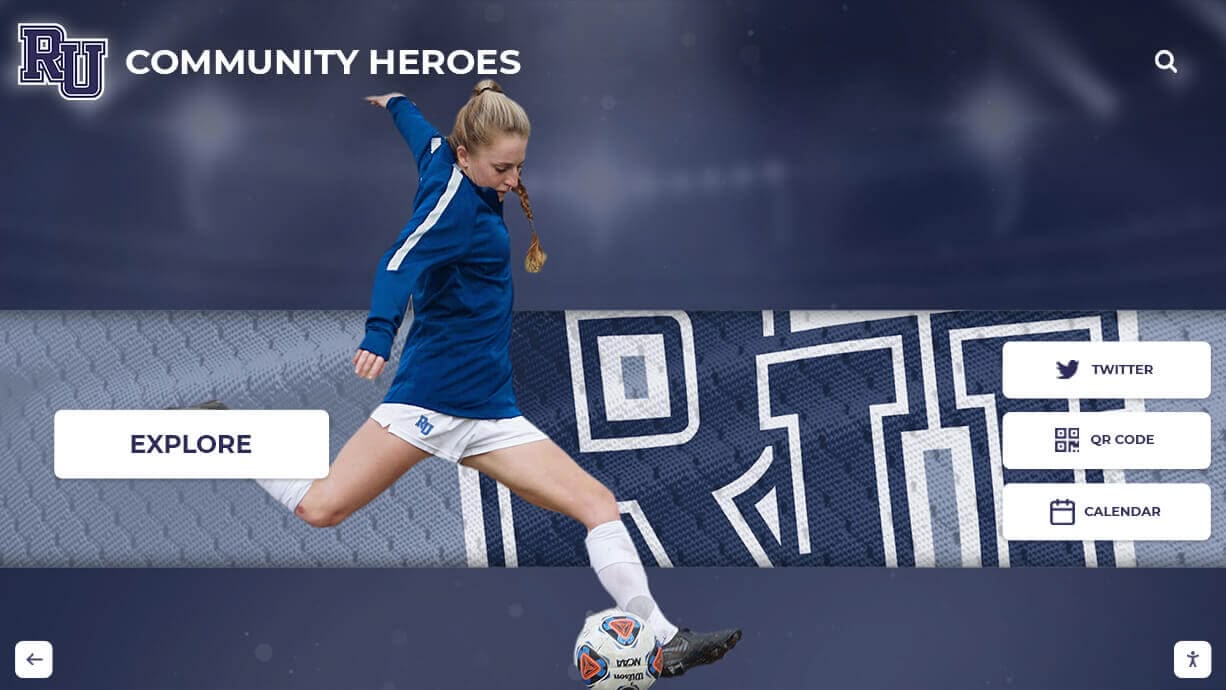
Powerful search capabilities enable quick discovery and personalized exploration of alumni achievements
Rich Multimedia Storytelling
Compelling content creates emotional engagement that transforms recognition from lists into stories:
Video Content Integration: Short video interviews featuring alumni discussing their careers, sharing advice for current students, or reflecting on how their education influenced their success create powerful personal connections. Hearing someone’s voice, seeing their expressions, and understanding their personality through video generates empathy impossible with text biographies alone.
Photo Galleries and Visual Timelines: Multiple images showing alumni at various life stages—yearbook photos, college activities, professional achievements, recent pictures—create visual narratives documenting journeys from students to distinguished graduates. These visual progressions inspire current students by demonstrating achievable pathways from where they are to where they aspire to be.
Document and Artifact Digitization: Scanned diplomas, award certificates, newspaper clippings, letters, patents, published works, and other historical documents add authenticity and historical depth to achievement narratives. These primary sources provide tangible evidence of accomplishment while preserving institutional history digitally for permanent access.
Audio Recordings and Oral Histories: Voice recordings of alumni telling stories, describing turning points in their careers, or explaining how they overcame obstacles provide intimate, authentic perspectives that written text cannot fully capture. These oral histories become increasingly valuable historical resources as time passes.
Solutions from providers like Rocket Alumni Solutions make integrating diverse multimedia content straightforward through user-friendly upload interfaces requiring no technical expertise.
Social Sharing and Network Amplification
Perhaps no feature drives engagement more effectively than integrated social sharing capabilities that extend recognition beyond institutional platforms into alumni’s personal networks.
Modern interactive recognition systems include one-click sharing buttons allowing visitors to post profiles, achievements, or interesting discoveries directly to Facebook, LinkedIn, Twitter, Instagram, and other social platforms.
This social integration creates multiple benefits:
Exponential Reach: When alumni share their recognition or classmates’ achievements with their social networks, institutional visibility expands exponentially beyond the institution’s own followers. A single social share might reach hundreds or thousands of connections who would never visit the institution’s website directly.
Authentic Advocacy: Alumni sharing their own recognition represents authentic endorsement—far more credible than institutional marketing messages. These organic testimonials strengthen institutional reputation and brand perception among prospective students, potential donors, and community members.
Network Reconnection: Alumni who see shared posts about former classmates often reach out directly, rekindling relationships that had faded since graduation. These reconnections frequently lead to renewed engagement with both individuals and institutions.
Professional Visibility: When alumni share their institutional recognition on professional platforms like LinkedIn, they enhance their own professional credibility while creating positive institutional visibility among business and professional audiences.
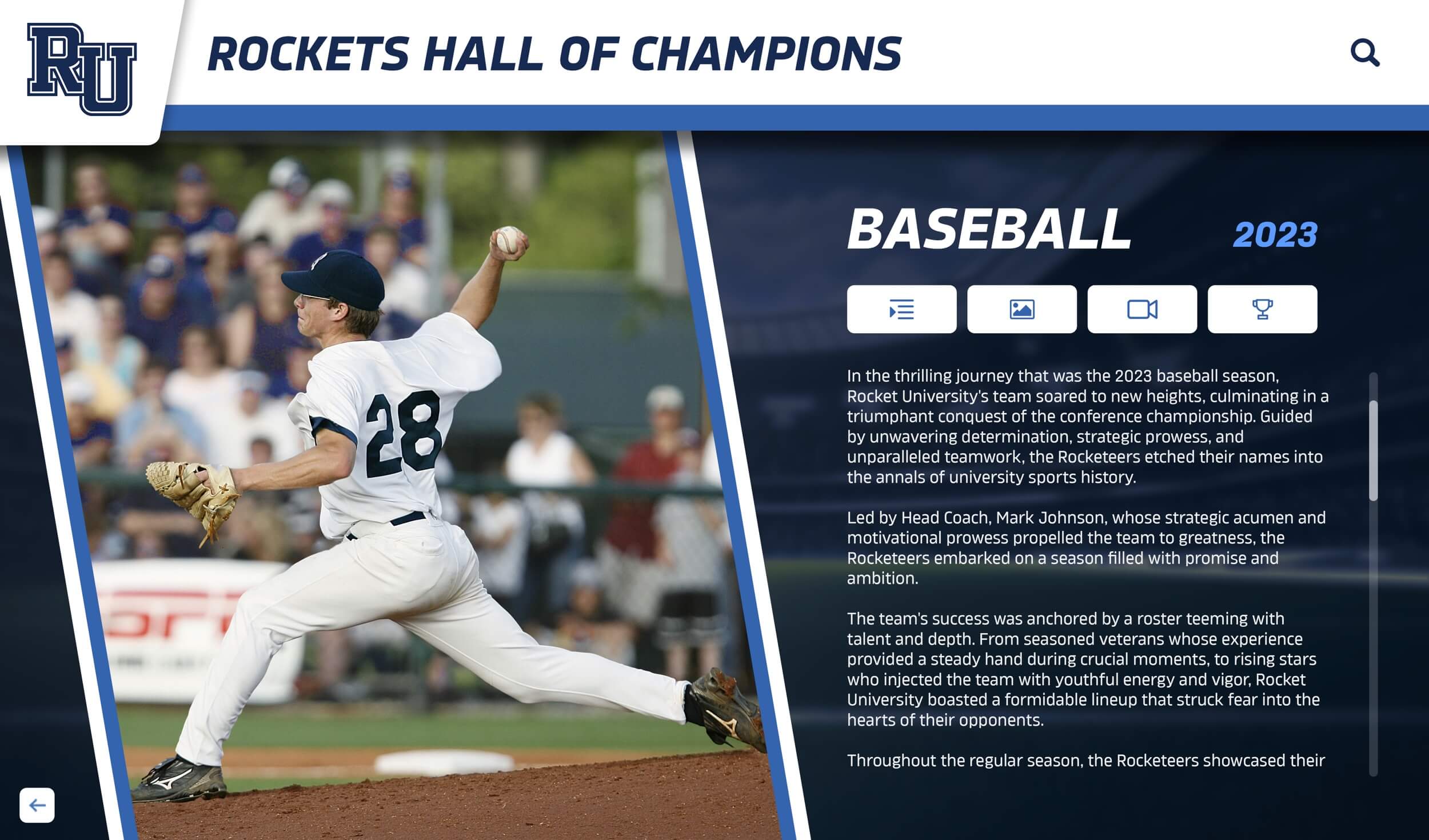
Integrated social sharing amplifies recognition reach and facilitates alumni networking
Mobile Optimization and Responsive Design
Alumni access content across diverse devices—desktop computers, laptops, tablets, smartphones—requiring responsive design that delivers excellent experiences regardless of screen size or platform.
Mobile optimization proves particularly critical for alumni engagement. Many alumni first encounter shared recognition profiles through social media links opened on smartphones. Others browse institution websites during commutes or downtime using mobile devices. Homecoming weekend visitors might explore displays using tablets.
Effective interactive recognition platforms automatically adjust layout, navigation, image sizing, and interaction methods based on device characteristics. Touch gestures work intuitively on phones and tablets. Text remains readable without excessive zooming. Navigation stays accessible through thumb-friendly button placement.
This responsive design ensures consistent engagement quality whether alumni interact through large touchscreen kiosks on campus, desktop computers in offices, or smartphones during evening browsing.
Strategic Applications for Alumni Engagement
Interactive recognition displays serve multiple strategic purposes beyond individual acknowledgment, supporting broader institutional advancement goals.
Alumni Event Integration
Recognition displays create powerful touchpoints during alumni events—reunions, homecoming weekends, networking receptions, fundraising galas—when graduates return to campus and engagement opportunities peak.
Interactive Event Stations: Position touchscreen displays prominently at event venues encouraging attendees to explore, discover classmates, and share memories. These interactive stations become natural gathering points generating conversation and nostalgia.
Pre-Event Promotion: Feature recognition platform in event invitations and marketing materials, encouraging alumni to explore content before arriving. This advance engagement increases event attendance while extending recognition program visibility.
Live Event Integration: Display recognition content on large screens during events, featuring newly inducted alumni, milestone achievement anniversaries, or thematic collections relevant to event purposes. This integration keeps recognition top-of-mind while adding professional polish to event production.
Post-Event Follow-Up: Reference recognition platform in post-event communications thanking attendees and encouraging continued exploration. Many alumni discover additional content after events, extending engagement beyond single occasions.

Recognition displays create engaging focal points during alumni events and reunions
Fundraising and Development Support
Advancement professionals consistently report that effective recognition directly influences philanthropic behavior. Interactive displays strengthen fundraising programs through multiple mechanisms:
Donor Recognition Integration: Many institutions combine alumni achievement recognition with donor acknowledgment in unified platforms. When alumni see that generous supporters receive appropriate recognition, they develop confidence that their own contributions will be valued and stewarded properly.
Giving Impact Visualization: Interactive displays can illustrate how philanthropic support translates into institutional outcomes—scholarships funded, facilities built, programs established—creating tangible connections between giving and impact that inspire additional support.
Peer Influence and Social Proof: When alumni discover that classmates and fellow graduates support the institution philanthropically, social proof influences their own giving decisions. Recognition platforms showcasing broad participation encourage others to join giving communities.
Stewardship Touchpoints: Recognition serves as ongoing stewardship for donors who appreciate seeing their support acknowledged appropriately. This continued recognition reinforces giving decisions and increases retention rates for annual fund programs.
Mentoring and Career Network Development
Interactive recognition platforms facilitate valuable connections between current students and accomplished alumni through mentoring and career development programs.
Mentor Matching: Students interested in specific careers, industries, or geographic regions can identify alumni working in those areas through category filtering and keyword searching. This discovery mechanism helps career services offices connect students with potential mentors efficiently.
Career Pathway Visualization: When students explore profiles of alumni in careers they’re considering, they gain concrete understanding of educational pathways, professional progressions, and skills needed for success in those fields.
Alumni Volunteer Recruitment: Recognition platforms help identify accomplished alumni who might serve as guest speakers, competition judges, advisory board members, or volunteer mentors. Contact information integration facilitates outreach for specific opportunities.
Professional Network Building: For alumni themselves, recognition platforms help identify fellow graduates in their industries or geographic regions, facilitating professional networking and business development opportunities that strengthen alumni-to-alumni relationships.
Alumni Engagement in Practice: Key Applications
- Reunion Planning: Class reunion committees use recognition platforms to identify classmates, gather contact information, and build excitement before events
- Student Recruitment: Prospective students exploring accomplished alumni gain confidence in institutional quality and value proposition
- Athletic Engagement: Sports fans explore team histories, record holders, and championship seasons, deepening connection to athletic programs
- Regional Alumni Chapters: Geographic area alumni groups use recognition platforms to identify members in their regions for local events and networking
- Annual Giving Campaigns: Development teams incorporate recognition into giving day promotions, class giving competitions, and donor acquisition strategies
- Legacy Family Identification: Institutions identify multi-generational alumni families for targeted engagement and legacy-focused programs
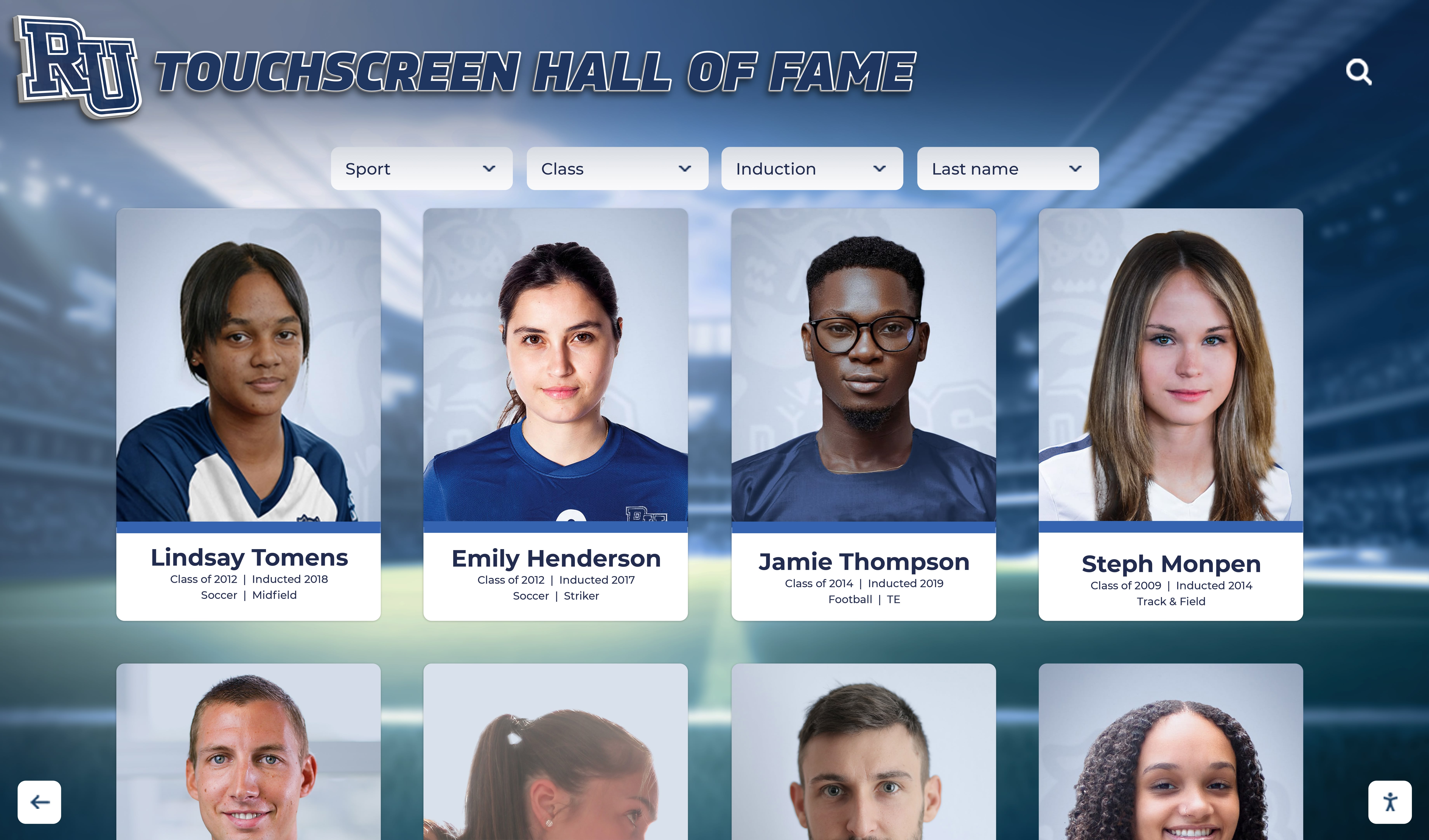
Comprehensive alumni profiles facilitate career networking and mentoring connections
Implementation Strategies for Maximum Engagement
Simply installing interactive displays doesn’t automatically generate engagement. Strategic implementation maximizes adoption and ongoing participation.
Content Development Best Practices
Compelling content drives engagement. Generic biographies with minimal information generate little interest, while rich profiles telling authentic stories create meaningful connections.
Comprehensive Biographical Content: Develop detailed narratives beyond basic name and graduation year. Include educational background, career progression, significant achievements, awards received, community involvement, and personal insights about how education influenced success. Aim for 300-500 word profiles that provide genuine depth.
Authentic Voice and Personality: When possible, include direct quotes from alumni sharing advice, describing challenges overcome, or reflecting on meaningful experiences. These authentic voices create personal connections that third-person descriptions cannot match.
Visual Quality Standards: Use high-resolution photos that reproduce well on large touchscreens. Include multiple images showing alumni at different life stages when available. Ensure consistent quality across all profiles maintaining professional standards.
Regular Content Updates: Establish processes for updating profiles as alumni achieve new milestones—promotions, awards, publications, community recognition. This ongoing maintenance demonstrates that recognition remains current and valued rather than static and forgotten.
Diverse Achievement Representation: Ensure content reflects diverse definition of success—professional achievement, community service, artistic accomplishment, entrepreneurship, education leadership—avoiding perception that only certain types of achievement merit recognition.
Launch Strategy and Promotion
Successful launches create awareness, generate excitement, and establish engagement patterns that continue long-term.
Pre-Launch Anticipation Building: Communicate about the coming recognition program through multiple channels—email newsletters, social media, website announcements—before official launch. Create anticipation while encouraging alumni to submit updated information for inclusion.
High-Profile Unveiling Event: Schedule formal launch during high-visibility occasions—homecoming weekend, major athletic events, key institutional celebrations—maximizing attendance and media coverage opportunities.
Featured Alumni Spotlights: Highlight select distinguished alumni during launch through press releases, social media features, and targeted outreach. These spotlights demonstrate program scope and quality while honoring individuals who generate public interest.
Incentivized Exploration: Consider contests or recognition for alumni who engage early—prizes for first users to find certain information, acknowledgment for most social shares, or recognition for alumni who submit updated biographical content. These incentives drive initial adoption.
Persistent Promotion: Continue promoting recognition platform long after launch through regular features in alumni communications, social media posts highlighting interesting profiles, and integration into all alumni-facing materials and events.

Strategic launch events generate awareness and establish engagement patterns for ongoing success
Administrator Training and Ongoing Management
Intuitive content management systems enable non-technical staff to maintain recognition platforms independently, but proper training ensures confidence and proficiency.
Comprehensive Initial Training: Platforms like those from Rocket Alumni Solutions include thorough administrator training covering content upload, profile creation, multimedia integration, user permissions, and routine maintenance. This initial training typically requires 2-3 hours and prepares staff for independent management.
Documentation and Support Resources: Written guides, video tutorials, and online knowledge bases provide reference materials for occasional tasks or refreshers on infrequently used features. Having readily accessible documentation reduces support ticket needs.
Ongoing Technical Support: Responsive support from platform providers ensures that administrators can resolve technical questions or complex tasks quickly. Access to email, chat, or phone support prevents frustration and downtime when issues arise.
User Community Connections: Some providers facilitate user communities where administrators from different institutions share strategies, troubleshoot challenges, and exchange best practices. These peer networks provide valuable implementation insights and creative ideas.
Regular Refresher Training: As staff turnover occurs or platform features expand, periodic refresher training ensures that institutional knowledge remains current and new team members develop necessary skills quickly.
Measuring Alumni Engagement Success
Demonstrating recognition program value requires clear metrics showing engagement levels, participation patterns, and return on investment.
Key Performance Indicators
Interactive digital platforms provide comprehensive analytics that traditional displays cannot, enabling data-driven program assessment and continuous improvement:
Engagement Volume Metrics:
- Total visits/sessions (physical and digital)
- Unique visitors over specific periods
- Repeat visitor rates
- Geographic distribution of digital visitors
- Device types (desktop, mobile, kiosk)
- Traffic sources (direct, social media, search, referrals)
Content Interaction Metrics:
- Most viewed profiles
- Average session duration
- Profiles viewed per session
- Search terms used
- Filter selections
- Content downloads/shares
Social Amplification Metrics:
- Social shares by platform
- Share-generated impressions
- Inbound traffic from social sources
- Viral coefficient (shares per visit)
Temporal Pattern Analysis:
- Peak usage times and dates
- Event-driven traffic spikes
- Seasonal variations
- Year-over-year growth trends
These analytics enable advancement teams to demonstrate concrete engagement metrics to leadership, identify most resonant content for replication, understand which promotional channels drive traffic most effectively, and optimize content strategy based on actual user behavior.
Connecting Recognition to Advancement Goals
The ultimate measure of recognition program success is impact on broader institutional priorities—fundraising, enrollment, reputation, community relations.
Fundraising Correlation Analysis: Track giving patterns for alumni who engage with recognition platforms compared to those who don’t. Many institutions discover that engaged alumni give more frequently, in larger amounts, and with higher retention rates. These correlations demonstrate recognition ROI.
Recruitment and Yield Impact: Survey prospective students and families about whether alumni recognition influenced enrollment decisions. Track whether tour routes incorporating recognition displays correlate with higher yield rates.
Alumni Participation Rates: Monitor whether overall alumni engagement metrics—event attendance, volunteer participation, social media following, newsletter open rates—improve after recognition platform implementation.
Media and Reputation Indicators: Track media mentions, social media sentiment, and third-party rankings to assess whether enhanced alumni recognition influences external perceptions and institutional reputation.
Sample ROI Metrics From Client Institutions
Midwest Private University (3,800 students)
- 67% of alumni visited digital hall of fame within 6 months of launch
- Average session duration: 7.2 minutes
- Alumni giving participation increased 23% year-over-year
- Event attendance up 31% for recognition-focused programs
Southeast Public High School (12,000 alumni)
- 4,200+ unique digital visitors first year
- 1,800+ social shares generating 85,000+ impressions
- 42 new mentoring relationships formed
- Alumni volunteer applications increased 56%
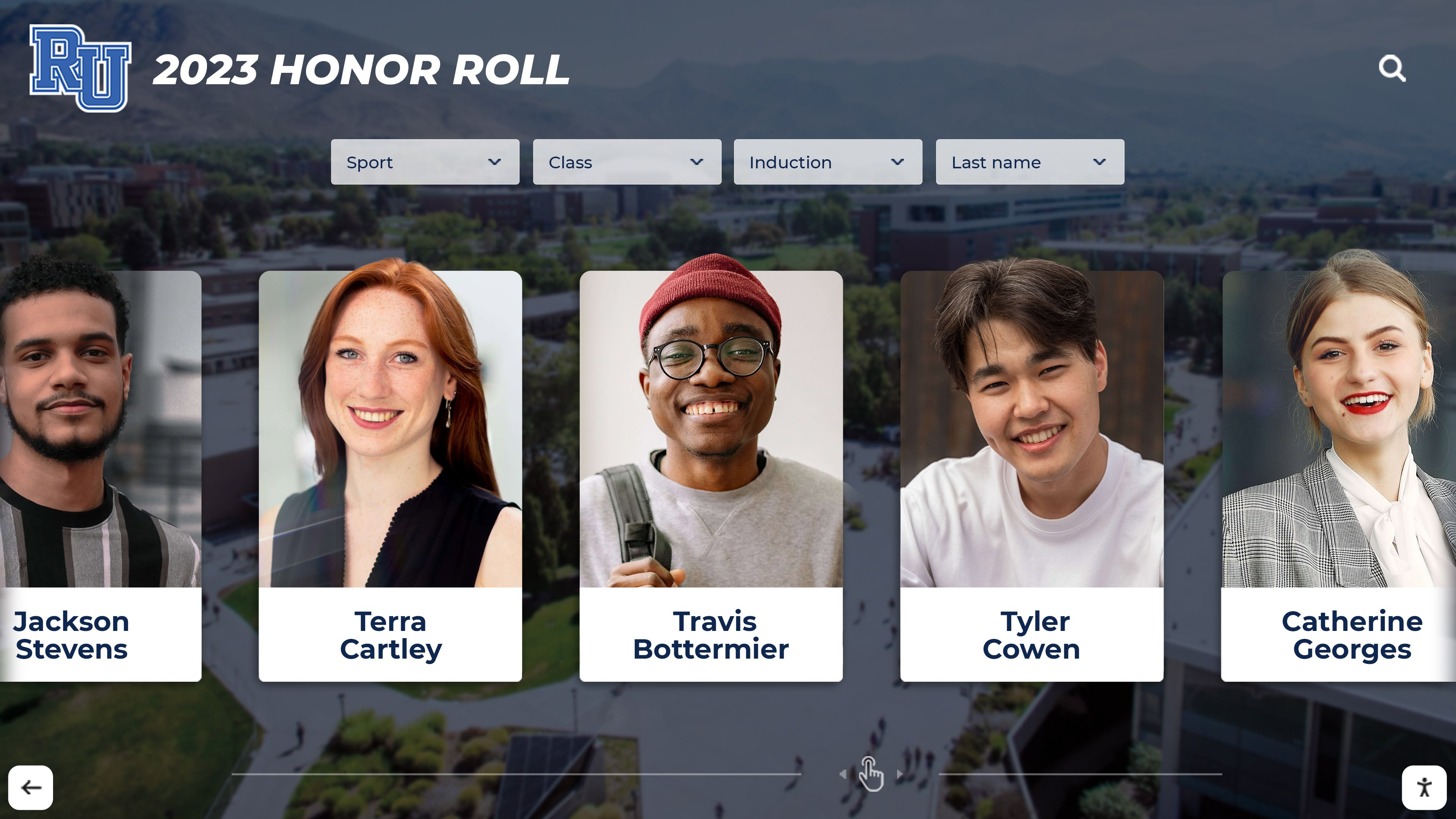
Comprehensive analytics demonstrate engagement levels and recognition program ROI
Overcoming Common Implementation Challenges
Institutions implementing interactive recognition frequently encounter predictable challenges. Proactive strategies address these obstacles effectively.
Budget and Resource Constraints
Interactive recognition systems require greater initial investment than traditional physical displays, creating budget barriers for some institutions.
Phased Implementation Approaches: Rather than comprehensive deployment immediately, phase implementation starting with core functionality and limited content, expanding gradually as budget permits and value demonstrates. Many institutions begin with single touchscreen display and web platform, adding additional physical displays or content categories over subsequent years.
Donor-Funded Programs: Recognition programs naturally attract donor support when framed appropriately. Alumni often willingly fund recognition systems that honor their graduating classes or specific achievement categories. Creating naming opportunities for recognition program components attracts sponsor support.
Collaborative Funding Models: Combine resources from multiple institutional departments—advancement, athletics, alumni relations, facilities—each contributing toward shared recognition system that serves multiple purposes across departments.
Long-Term Cost Analysis: When presenting proposals to leadership, include total cost of ownership analysis comparing digital platforms to traditional approaches over 5-10 years. Digital systems often show favorable economics when ongoing update costs, administrative time savings, and space efficiency factor into calculations.
Content Development Capacity
Creating comprehensive profiles for hundreds or thousands of alumni requires significant effort, particularly for institutions with limited advancement staff.
Prioritized Content Development: Begin with most distinguished or recently inducted alumni where information is readily available and interest highest. Expand to additional cohorts gradually rather than attempting comprehensive coverage immediately.
Volunteer Assistance: Recruit volunteer researchers—retired faculty, alumni association members, student interns—to assist with biographical research, content writing, and historical documentation. Many volunteers enthusiastically support these projects.
Alumni-Submitted Content: Create submission portals allowing alumni to contribute their own biographical information, photos, and achievement updates. While requiring review and editing before publication, alumni submissions dramatically accelerate content development.
Minimal Viable Profiles: For less prominent alumni or those with limited available information, create brief profiles with basic details that can be expanded later as additional information becomes available. Some content beats no content.
Technical Concerns and IT Integration
Institutions sometimes express concerns about technical complexity, IT support requirements, or integration with existing systems.
Modern cloud-based recognition platforms like those from Rocket Alumni Solutions are specifically designed to minimize IT burden through browser-based management, automatic software updates, secure hosted infrastructure, and minimal integration requirements.
Most implementations require only:
- Network connectivity for display hardware
- Basic wall mounting (handled by provider)
- User account creation in cloud platform
- Optional integration with existing alumni databases (via CSV import or API)
Platforms handle all backend infrastructure, security, backups, and updates automatically without requiring institutional IT resources beyond initial setup assistance.

Professional installation and cloud-based platforms minimize technical complexity and IT burden
Future Trends in Alumni Engagement Technology
Interactive recognition continues evolving as new technologies create additional engagement opportunities.
Artificial Intelligence and Personalization
Emerging AI capabilities enable personalized content experiences based on visitor characteristics. Systems might surface content specifically relevant to individual users based on graduation year, professional field, geographic location, or previous browsing patterns. This personalization creates more relevant experiences that drive deeper engagement.
Virtual and Augmented Reality Integration
VR and AR technologies create immersive recognition experiences—virtual campus tours highlighting alumni achievements in specific locations, augmented reality overlays adding digital content to physical spaces, or immersive historical recreations bringing institutional heritage to life.
Predictive Analytics and Engagement Scoring
Advanced analytics can identify alumni most likely to engage based on behavior patterns, enabling targeted outreach to specific individuals with personalized invitations to explore content relevant to their interests or connections.
Enhanced Two-Way Communication
Future platforms may facilitate direct messaging between alumni, enabling networking and mentoring through recognition platform interfaces rather than requiring separate communication tools. These integrated capabilities strengthen community building and relationship development.
Integration with Virtual Events and Metaverse Spaces
As virtual events and metaverse environments mature, recognition content may populate these digital spaces, allowing avatars to explore halls of fame within virtual campuses or event environments, creating engagement opportunities in emerging digital venues.
Conclusion: Recognition as Relationship Building
Interactive recognition displays represent far more than digital upgrades to traditional plaques—they’re strategic engagement platforms that transform how institutions build and maintain alumni relationships.
The most effective programs recognize that technology enables engagement but doesn’t create it automatically. Success requires compelling content that tells authentic stories, strategic implementation that reaches alumni where they are, persistent promotion that builds awareness and encourages exploration, and measurement systems that demonstrate value and guide continuous improvement.
For institutions seeking to strengthen alumni connections, increase participation in advancement programs, facilitate career networking and mentoring, or simply honor achievements in ways that resonate with contemporary audiences, interactive recognition displays provide proven solutions with measurable returns.
The transition from passive recognition to active engagement creates opportunities impossible with traditional approaches—global accessibility that includes international alumni, rich multimedia storytelling that creates emotional connections, social amplification that extends reach exponentially, and data-driven optimization based on actual engagement patterns.
Alumni engagement matters because connected graduates become ambassadors, donors, mentors, volunteers, and advocates who amplify institutional impact far beyond campus boundaries. Interactive recognition displays strengthen those connections by honoring achievement in ways that invite participation, facilitate discovery, and demonstrate that institutions truly value their graduates’ success.
Ready to Transform Your Alumni Engagement?
Discover how interactive recognition displays can strengthen alumni relationships, increase participation, and create measurable engagement for your institution. Rocket Alumni Solutions specializes in comprehensive digital recognition platforms designed specifically for educational institutions and alumni organizations.
Explore Alumni Engagement SolutionsWhether you’re launching a new recognition program, modernizing existing displays, or seeking to increase engagement with current systems, solutions like those from Rocket Alumni Solutions provide comprehensive platforms combining intuitive touchscreen hardware, powerful cloud-based software, rich multimedia capabilities, and responsive web access that together create engagement experiences worthy of your distinguished alumni community.
Visit touchhalloffame.us to explore interactive recognition examples, halloffamewall.com for implementation case studies, or digitalrecordboard.com for athletic recognition applications that demonstrate how interactive displays strengthen alumni engagement across diverse institutional contexts.


























