From Graduation to Lifelong Partnership: The Alumni Engagement Imperative
The relationship between educational institutions and their graduates should not end at commencement—it should transform. Yet countless schools, colleges, and universities struggle to maintain meaningful connections with alumni who transition from engaged students to distant memories. Effective alumni engagement strategies create lasting relationships that benefit both graduates and their alma maters through authentic connection, mutual value, and shared purpose that transcends transactional fundraising appeals.
Alumni engagement represents one of the most consequential yet challenging aspects of institutional advancement. Engaged alumni become brand ambassadors who refer talented prospective students, career mentors who guide current students toward professional success, philanthropic supporters who fund scholarships and facilities, volunteer leaders who serve on boards and committees, and community advocates who amplify institutional reputation across their professional and social networks.
The stakes have never been higher. According to recent data from the Council for Advancement and Support of Education (CASE), alumni giving participation rates have plummeted from over 30% several decades ago to just 8-15% at most institutions today—a decline that reflects deeper disengagement extending far beyond philanthropy. At the same time, institutions face intensifying competition for student enrollment, increasing scrutiny of educational value propositions, and growing pressure to demonstrate tangible career outcomes.
Against this backdrop, alumni engagement emerges not as a luxury but as a strategic imperative. This comprehensive guide explores research-backed strategies that transform disconnected graduates into actively engaged alumni communities—approaches that provide genuine value to graduates while strengthening institutional sustainability, reputation, and impact.

Creating meaningful touchpoints where alumni can explore their shared history and celebrate achievements builds emotional connections that last beyond graduation
Understanding the Alumni Engagement Landscape
Before implementing specific strategies, successful programs require clear understanding of why alumni disengage and what motivates renewed connection.
The Disengagement Crisis
Multiple factors contribute to declining alumni engagement across higher education:
Geographic Dispersion: Modern graduates scatter globally pursuing careers and opportunities, physically distancing themselves from campus and classmates. Unlike previous generations who often remained in their college town or nearby communities, today’s alumni may never return to campus after graduation.
Digital Disruption of Communication: Traditional engagement channels—printed alumni magazines, annual phone-a-thons, reunion mailings—feel increasingly antiquated to digitally native graduates accustomed to instant, personalized communication through social media and mobile platforms.
Perceived Value Deficit: Many alumni question what they receive from their institutions post-graduation beyond fundraising solicitations. When communication feels transactional rather than relationship-focused, engagement naturally declines.
Changing Generational Expectations: Younger alumni particularly expect two-way interaction, digital accessibility, authentic storytelling, and clear demonstration of social impact—expectations that traditional alumni relations programs often fail to meet.
Life Stage Competition: Career establishment, family responsibilities, and personal pursuits compete for attention and discretionary time alumni might otherwise dedicate to alma mater relationships.
What Drives Alumni Re-Engagement
Understanding motivational factors enables strategic program design:
- Recognition and Validation: Alumni want acknowledgment of their achievements, contributions, and unique value to institutional legacy
- Meaningful Connection: Graduates seek relationships with fellow alumni, current students, and faculty that provide professional networking value or personal fulfillment
- Authentic Impact: Alumni engage when they see tangible evidence that their involvement—whether time, talent, or treasure—creates real difference for students and programs
- Relevant Value Exchange: Graduates remain engaged when institutions provide resources, connections, or experiences genuinely valuable to their current life circumstances
- Emotional Resonance: Deep connections to institutional mission, transformative educational experiences, or nostalgic memories create emotional bonds that transcend rational calculation
Effective alumni engagement strategies systematically address disengagement factors while activating these motivational drivers through diverse, strategic programming.

Building bridges between current students and alumni creates mutual value that strengthens both populations' institutional connections
Strategic Foundation: Building an Alumni Engagement Ecosystem
Sustainable alumni engagement requires integrated ecosystems rather than isolated tactics—comprehensive approaches where multiple strategies reinforce each other to create network effects.
Multi-Channel Accessibility
Modern alumni engagement demands presence across diverse platforms accommodating varied preferences:
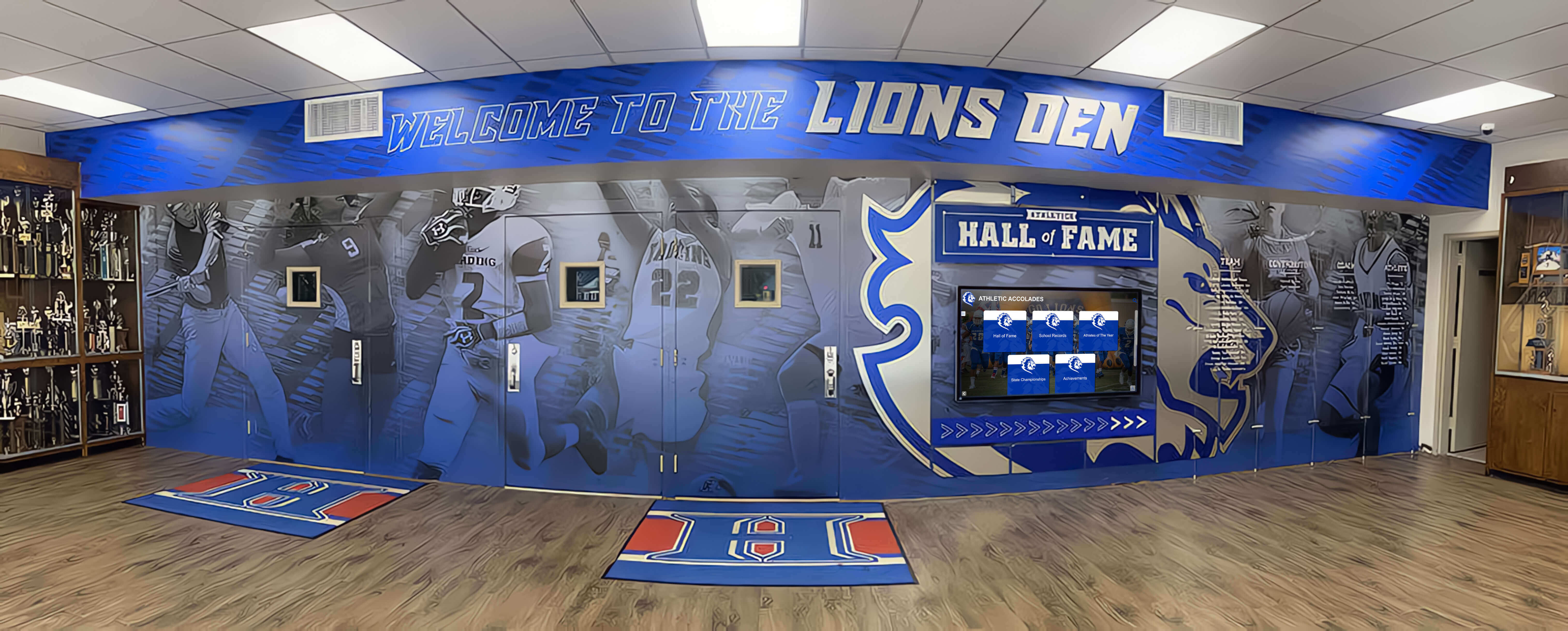
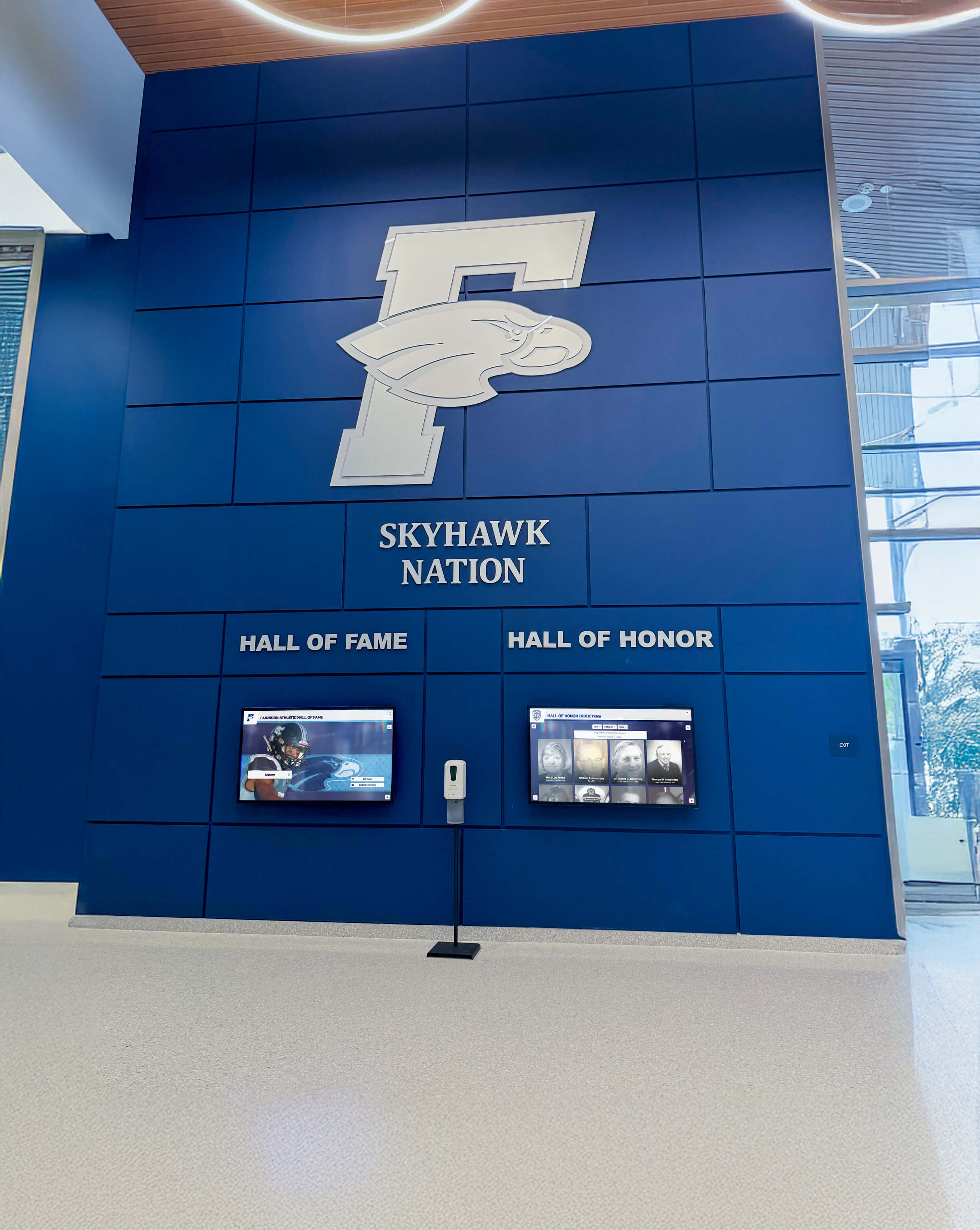
Physical Campus Presence: Despite geographic dispersion, campus remains emotionally significant for many alumni. Interactive recognition displays in high-traffic areas create compelling reasons to visit while honoring achievements. When alumni return for athletic events, lectures, or family visits, these displays provide engaging touchpoints that spark memories and strengthen emotional bonds.
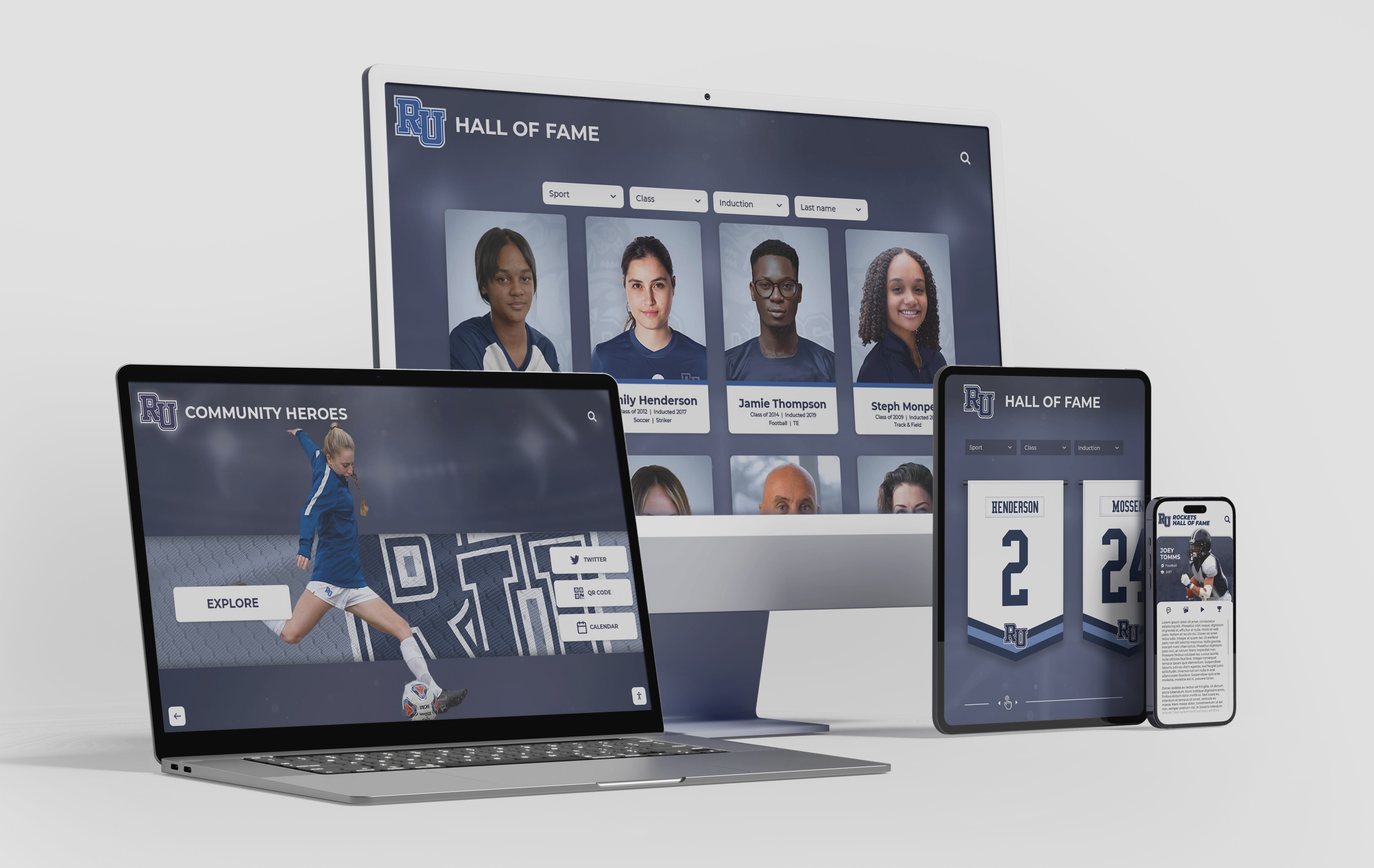
Digital Platform Accessibility: Web-based engagement extends reach to international alumni, recent graduates who haven’t returned to campus, and busy professionals who engage digitally. Comprehensive platforms like those from Rocket Alumni Solutions provide online access to alumni directories, recognition databases, and community resources accessible globally 24/7.
Mobile-First Experiences: Optimizing all alumni engagement touchpoints for mobile devices acknowledges that most alumni primarily access digital content through smartphones. Responsive design, thumb-friendly navigation, and fast-loading mobile experiences remove friction from engagement.
Social Media Integration: Meeting alumni where they already spend time—Facebook, LinkedIn, Instagram, Twitter—maximizes visibility and participation. Social platforms facilitate alumni-to-alumni connection, amplify institutional messaging, and create viral potential for compelling content.
Email Communication: Despite predictions of email’s demise, targeted, personalized email remains highly effective for alumni communication when content provides genuine value rather than just solicitation.
Segmentation and Personalization
Generic mass communication treating all alumni identically generates poor engagement. Strategic segmentation enables relevant, personalized outreach:
Graduation Cohort Segmentation: Different decades face distinct life circumstances—recent graduates need career guidance, mid-career alumni may focus on family education planning, senior alumni consider legacy and estate planning. Cohort-specific content addresses stage-relevant concerns.
Geographic Targeting: Location-based segmentation enables promotion of regional events, local networking opportunities, and area-specific programming while acknowledging that alumni in Denver care about different content than graduates in Singapore.
Professional Industry Grouping: Career field segmentation facilitates industry-specific programming, professional networking, and targeted mentoring opportunities that provide tangible value while strengthening institutional reputation within specific sectors.
Engagement History Differentiation: Highly engaged alumni require different communication frequency and content than completely disengaged graduates. Segmentation based on previous interaction patterns enables appropriate outreach intensity.
Affinity Community Recognition: Alumni connected through athletics, Greek life, cultural identity, or special interests often engage more strongly around shared affinities than graduation year alone. Recognition of these communities creates relevant connection points.
Segmentation Impact: Data-Driven Results
Research from the Alumni Engagement Benchmarking Study reveals dramatic differences in response rates between generic and segmented communications:
Generic Mass Communication:
- Email open rate: 15-18%
- Click-through rate: 2-3%
- Event registration rate: 4-6%
- Donation response rate: 0.8-1.2%
- Unsubscribe rate: 0.5-0.8%
Segmented Personalized Communication:
- Email open rate: 28-35%
- Click-through rate: 6-9%
- Event registration rate: 12-18%
- Donation response rate: 2.8-4.1%
- Unsubscribe rate: 0.1-0.2%
Segmentation delivers 2-3x improvement across virtually all engagement metrics while reducing communication fatigue.
Integrated Technology Infrastructure
Technology enablement proves critical for scalable, sustainable alumni engagement:
Constituent Relationship Management (CRM) Systems: Comprehensive databases tracking alumni information, interaction history, giving patterns, event attendance, volunteer activity, and communication preferences enable data-driven strategy and personalized outreach at scale.
Digital Recognition Platforms: Systems showcasing alumni achievements through interactive displays, searchable databases, and multimedia storytelling create engaging experiences while honoring graduates. Modern platforms combine physical touchscreen installations with web accessibility and social sharing capabilities.
Event Management Software: Tools streamlining registration, payment processing, communication, and attendance tracking reduce administrative burden while improving attendee experience through professional, seamless event execution.
Email Marketing Platforms: Sophisticated email systems enable segmentation, personalization, A/B testing, automated workflows, and comprehensive analytics that optimize communication effectiveness over time.
Social Media Management Tools: Platforms coordinating content scheduling, response management, community moderation, and performance analytics across multiple social channels create efficient, effective social engagement.
Analytics and Business Intelligence: Dashboards visualizing key engagement metrics, trend analysis, cohort comparisons, and predictive modeling inform strategic decision-making and demonstrate program ROI to institutional leadership.
Integrated technology ecosystems where systems share data and communicate create seamless experiences while maximizing operational efficiency.
Technology-enabled recognition creates engaging experiences that honor achievements while facilitating alumni discovery and connection
Core Strategy 1: Recognition That Resonates
Alumni crave acknowledgment of their achievements, contributions, and ongoing value to institutional legacy. Strategic recognition programs create powerful engagement while modeling excellence for current students.
Comprehensive Recognition Frameworks
Effective programs extend far beyond narrowly defined achievement categories:
Distinguished Alumni Awards: Annual recognition of exceptional professional achievement, community service leadership, entrepreneurial success, artistic accomplishment, or contributions to the institution. Public ceremonies, digital recognition displays, and social amplification honor individuals while demonstrating institutional values.
Young Alumni Achievement Recognition: Separate programs acknowledging early-career promise among recent graduates validate younger alumni contributions while creating role models for current students. This recognition particularly resonates with millennials and Gen Z alumni who value acknowledgment early in their careers.
Lifetime Service Awards: Honoring alumni who have volunteered consistently over decades—serving on boards, mentoring students, hosting events, or supporting programs—demonstrates that institutions value time and talent as much as financial contributions.
Professional Field-Specific Recognition: Industry-specific awards within healthcare, education, technology, public service, arts, or other fields acknowledge that excellence manifests differently across diverse career paths. This breadth ensures varied definitions of success receive validation.
Milestone Anniversary Recognition: Celebrating 25th, 50th, or 75th class reunions with special recognition ceremonies, legacy induction, or commemorative displays maintains connection with senior alumni classes while creating aspirational models for younger graduates.
Student-Nominated Recognition: Programs allowing current students to nominate alumni who have provided exceptional mentoring, career guidance, or support create authentic validation while strengthening student-alumni connections.
Digital Recognition Platforms
Modern recognition extends beyond annual ceremonies through always-accessible digital platforms:
Interactive touchscreen displays installed in high-traffic campus locations—athletic facilities, student centers, libraries, main corridors—showcase alumni achievements through searchable databases visitors explore via intuitive touch interfaces. These systems transform static trophy cases into dynamic, engaging experiences.
Web-based accessibility ensures recognition reaches global alumni communities. When displays automatically sync with online platforms, alumni anywhere can explore content, search for classmates, discover fellow graduates in their professional field, and share achievements across social media—exponentially expanding recognition reach.
The most effective platforms integrate:
- Powerful search and filtering enabling visitors to quickly find specific individuals or browse by achievement category, graduation year, location, or profession
- Rich multimedia content incorporating photos, videos, audio interviews, and documents that tell compelling stories beyond basic biographical text
- Social sharing capabilities with one-click posting to Facebook, LinkedIn, Twitter, and Instagram that amplify recognition while facilitating alumni reconnection
- Mobile optimization ensuring excellent experiences whether accessed through large campus touchscreens, desktop computers, or smartphones
- Content management simplicity allowing non-technical staff to add inductees, update profiles, and refresh content independently without IT dependency
Solutions like Rocket Alumni Solutions provide comprehensive recognition ecosystems combining hardware, software, content management tools, and ongoing support that together create sustainable, engaging alumni recognition programs.
Recognition Event Programming
Ceremonial events create memorable experiences while generating media attention and social amplification:
Annual Induction Ceremonies: Formal events honoring new hall of fame inductees, award recipients, or recognized achievers create special occasions worthy of travel and attendance. These gatherings naturally attract honorees, their families and friends, classmates, and institutional leadership—creating powerful networking opportunities.
Homecoming Recognition Integration: Featuring recognition prominently during homecoming weekends maximizes visibility when alumni attendance peaks. Halftime ceremonies, display unveilings, or special receptions tied to athletic events ensure broad exposure.
Pre-Event Digital Campaigns: Promoting upcoming recognition through email, social media, and website features builds anticipation while encouraging attendance. Highlighting honoree accomplishments and compelling biographical narratives creates interest beyond immediate social circles.
Post-Event Content Amplification: Sharing photos, videos, social media highlights, and recognition stories after events extends impact beyond attendees. This content provides alumni who couldn’t attend opportunities for vicarious participation while maintaining recognition visibility.
Virtual Participation Options: Livestreaming recognition ceremonies or creating recorded content enables international alumni or those unable to travel to participate remotely, dramatically expanding audience and engagement.

Ceremonial recognition events create memorable experiences that honor individual achievement while strengthening community bonds
Core Strategy 2: Meaningful Programming That Provides Value
Alumni engage consistently when participation provides genuine benefits rather than just institutional requests. Strategic programming creates value exchanges that sustain long-term relationships.
Career Development and Professional Networking
Professional value represents one of the most compelling alumni engagement drivers:
Industry-Specific Networking Events: Gatherings organized around professional fields—healthcare symposiums, technology conferences, education forums, finance receptions—provide sector-specific networking value while strengthening institutional relationships. Alumni attend because participation benefits their careers, not just their alma mater.
Executive Speaker Series: Programs featuring distinguished alumni or industry leaders addressing current professional trends, leadership development, or career advancement topics attract alumni seeking continuing education and thought leadership.
Career Transition Support: Resources assisting alumni navigating career changes—resume workshops, interview preparation, industry transition guidance, entrepreneurship mentoring—demonstrate ongoing institutional investment in graduate success beyond degree conferral.
Alumni-Employer Connections: Job boards, recruiting partnerships, and career fairs connecting alumni employers with talented graduates create mutual benefit. Alumni companies access qualified candidates while recent graduates gain career opportunities—relationships that often lead to deeper institutional engagement from participating organizations.
Professional Development Programming: Webinars, workshops, or certificate programs addressing in-demand skills—digital marketing, data analytics, project management, public speaking—provide concrete professional development value while creating regular institutional touchpoints.
Mentoring and Student Connection Programs
Programs connecting alumni with current students create reciprocal value:
Career Mentoring Initiatives: Structured programs matching students with alumni professionals in fields they’re exploring provide students crucial guidance while giving alumni meaningful ways to contribute expertise. Effective programs establish clear expectations, suggested meeting frequency, discussion topics, and administrative support while allowing relationship flexibility.
Speed Mentoring Events: Sessions where students rotate through brief conversations with multiple alumni expose them to diverse career paths and perspectives while allowing alumni to participate without extensive time commitments. These events work particularly well during campus visits, reunions, or career fairs.
Industry Trek Programs: Organized student visits to alumni workplaces in major metropolitan areas combine professional development with relationship building. Students gain industry insights and networking connections while alumni showcase their organizations and strengthen institutional bonds.
Class Mentor Programs: Assigning small groups of students (4-8) to work with one or two alumni mentors creates peer learning environments alongside expert guidance. This model reduces individual alumni time commitment while creating community among participating students.
Virtual Mentoring Platforms: Technology-enabled mentoring through video calls, messaging platforms, and resource sharing accommodates geographic distance and scheduling constraints that otherwise limit participation. Digital mentoring particularly appeals to younger alumni comfortable with virtual interaction.
Research consistently demonstrates that mentoring involvement creates among the most engaged alumni segments. The regular connection to current students, tangible impact visibility, and intrinsic satisfaction from guiding the next generation generate strong institutional loyalty and typically predict future philanthropic support.
Educational and Cultural Programming
Intellectual engagement sustains alumni connection to institutional mission:
Alumni College Programs: Multi-day learning experiences featuring faculty lectures, lab demonstrations, campus tours, and social activities recreate the intellectual engagement that defined original educational experiences. These immersive programs particularly appeal to senior alumni with time and resources for extended campus visits.
Webinar and Virtual Learning Series: Online programs featuring faculty research, industry trends, cultural topics, or current events provide intellectual engagement to geographically dispersed alumni. Recorded sessions accommodate schedule flexibility while live Q&A creates interactive participation.
Arts and Culture Events: Concerts, theater productions, art exhibitions, and cultural celebrations leverage institutional resources to provide alumni access to high-quality programming. Pre-event receptions or post-show discussions create community while showcasing institutional excellence.
Athletic Event Experiences: Beyond general attendance, curated experiences—pre-game receptions with coaching staff, halftime recognition, post-game meet-and-greets—add special value to athletic engagement. Sports create natural alumni passion that strategic programming amplifies.
Behind-the-Scenes Campus Tours: Exclusive access to new facilities, research laboratories, special collections, or historic campus locations satisfies alumni curiosity about institutional evolution while demonstrating investment impact. These tours work particularly well during reunion weekends or major gifts cultivation.
Value-Driven Programming: Participation Drivers
Alumni participation research reveals clear patterns in what motivates engagement:
Top Motivators for Alumni Program Participation:
- Professional networking opportunities (cited by 68% of engaged alumni)
- Meaningful connection with current students (61%)
- Intellectual engagement and learning (54%)
- Social connection with classmates and friends (51%)
- Supporting institution’s mission and students (48%)
- Recognition of achievements and contributions (42%)
- Access to exclusive experiences or resources (38%)
Bottom Motivators:
- General fundraising appeals (12%)
- Generic campus updates (15%)
- Obligatory reunion attendance (19%)
Programming emphasizing top motivators while minimizing bottom factors generates significantly higher participation rates.

Mentoring programs create meaningful value for both students and alumni while maintaining consistent institutional connection
Core Strategy 3: Community Building Through Affinity Groups
Alumni with shared interests beyond graduation year often form the strongest communities. Affinity-based organization creates engagement around current passions rather than purely nostalgic connections.
Identity and Cultural Communities
Communities organized around shared identity or cultural background create belonging:
Cultural Heritage Groups: Latinx alumni associations, Asian alumni networks, Black alumni communities, or other culturally defined groups provide spaces for graduates sharing heritage to connect, mentor students from similar backgrounds, and advocate for inclusive excellence.
LGBTQ+ Alumni Communities: Affinity groups supporting LGBTQ+ graduates create safe spaces for connection while demonstrating institutional commitment to inclusive community. These groups often focus on student mentoring, policy advocacy, and professional networking.
First-Generation Graduate Networks: Alumni who were first in their families to attend college share unique experiences and challenges. Communities connecting first-generation graduates provide peer support, student mentoring, and advocacy for programs supporting students from similar backgrounds.
International Alumni Chapters: Geographic-based communities in countries with significant alumni populations create local connection while maintaining ties to the institution. These chapters often organize regional events, student recruiting activities, and professional networking.
Veteran and Military-Affiliated Alumni: Communities supporting alumni with military service create bonds around shared experiences while supporting veteran student success through mentoring and advocacy.
Professional and Interest-Based Communities
Shared professional or recreational interests create strong affinity bonds:
Industry Alumni Networks: Professional field-specific communities—healthcare alumni, education alumni, technology alumni, finance alumni—facilitate career networking, industry trend discussions, student career guidance, and professional development programming.
Entrepreneurship and Business Alumni: Communities connecting alumni entrepreneurs, small business owners, and corporate leaders create valuable business networking while supporting student entrepreneurship programs through mentoring, investment, and advisory relationships.
Athletic Team Alumni Associations: Former varsity athletes maintaining connection to specific teams create passionate engagement. These groups often organize team reunions, fundraise for athletic programs, mentor current athletes, and maintain competitive traditions.
Greek Life Alumni Chapters: Fraternity and sorority alumni maintaining organization-specific connections create natural communities that institutions can support with communication tools, event space, and connection to active chapters.
Arts and Performance Alumni Communities: Graduates who participated in music, theater, dance, or visual arts programs often maintain strong creative identity. Communities connecting these alumni provide networking, professional development, and student mentorship opportunities.
Community Service and Social Impact Networks: Alumni passionate about social justice, environmental sustainability, community development, or humanitarian causes connect around shared values. These networks often organize service projects, advocacy initiatives, and student mentoring focused on public service careers.
Supporting Affinity Community Success
Institutions supporting self-organized communities without excessive control maximize engagement:
Infrastructure and Resources: Providing communication platforms, event funding, administrative support, campus facilities access, and connection to relevant students and programs enables communities to thrive without assuming all operational burden.
Leadership Development: Offering training, best practice sharing, and recognition for volunteer community leaders strengthens organizational capacity while acknowledging contributions of those who invest time building communities.
Student Connection Facilitation: Linking affinity communities with relevant student groups, academic programs, or campus initiatives creates tangible value for both populations while strengthening intergenerational bonds.
Autonomy with Alignment: Allowing communities to self-organize and pursue initiatives reflecting member interests while ensuring alignment with institutional values and policies respects both community identity and institutional integrity.
Cross-Community Collaboration: Facilitating connections and joint programming between complementary communities—for example, entrepreneurship and technology alumni, or arts and education graduates—creates network effects amplifying engagement.

Affinity-based communities create strong engagement around shared identities and interests that transcend graduation year alone
Core Strategy 4: Digital Engagement and Social Connection
Modern alumni expect digital accessibility and social integration across all institutional touchpoints. Strategic digital engagement meets graduates where they already spend time.
Social Media Community Building
Platform-specific strategies maximize engagement across diverse social channels:
LinkedIn Professional Networking: LinkedIn groups facilitate career-focused connection, job postings, industry discussions, professional development content, and business networking. This platform particularly appeals to mid-career and senior alumni seeking professional value from institutional connection.
Facebook Community Spaces: Facebook groups provide more social and nostalgic spaces for sharing life updates, reconnecting with classmates, organizing reunions, and engaging with institutional news. Family-friendly content and throwback photos generate strong engagement on this platform.
Instagram Visual Storytelling: Instagram showcases compelling visual content—campus transformations, student achievements, alumni spotlights, behind-the-scenes institutional stories, and recognition highlights. This platform particularly reaches younger alumni through authentic, visually appealing storytelling.
Twitter/X for Real-Time Engagement: Twitter facilitates timely institutional news, athletic updates, thought leadership from faculty and alumni, and quick recognition highlights. The platform’s conversational nature creates opportunities for direct alumni-institution dialogue.
YouTube Video Content: Video content featuring alumni interviews, virtual campus tours, event recordings, faculty lectures, and student success stories creates engaging long-form content accessible on-demand. Videos generate particularly high engagement and shareability.
Content Strategy for Digital Platforms
Successful social media extends beyond promotional broadcasting:
Alumni-Generated Content: Encouraging graduates to share their own stories, achievements, photos, and updates creates authentic content while increasing engagement. User-generated content generates higher trust and reach than institutional messaging alone.
Storytelling Over Statistics: Compelling narratives about individual alumni, students, faculty, or programs generate stronger engagement than generic institutional updates. Stories create emotional resonance that facts alone cannot achieve.
Visual Content Priority: Images and videos consistently outperform text-only posts across all platforms. Investing in photography, videography, and graphic design substantially increases content effectiveness.
Interactive Content: Polls, questions, contests, challenges, and crowdsourcing initiatives invite participation rather than passive consumption. Interactive content generates higher engagement rates and algorithmic visibility.
Timely and Responsive Communication: Posting during optimal times when alumni actively use platforms and responding promptly to comments and messages demonstrates attentiveness while encouraging continued interaction.
Platform-Appropriate Adaptation: Optimizing content format, tone, and style for each platform’s unique characteristics and audience expectations rather than cross-posting identical content maximizes effectiveness across channels.
Online Alumni Directories and Networking Platforms
Searchable databases enable alumni discovery and connection:
Advanced Search Capabilities: Filtering by graduation year, major, location, employer, industry, or interests enables targeted discovery of classmates, professional connections, or alumni in specific geographic regions.
Privacy-Balanced Visibility: Sophisticated privacy controls allowing alumni to determine visibility of contact information and profile details while still enabling discovery respect personal boundaries while facilitating connection.
Professional Profile Integration: Including current employer, job title, professional interests, and LinkedIn connections facilitates career networking and business development relationships among alumni.
Social and Activity Integration: Showing recent achievements, class notes, event participation, and institutional involvement provides conversation starters and connection points beyond basic biographical information.
Mobile Optimization: Ensuring directory functionality works seamlessly on smartphones accommodates how most alumni search for and connect with fellow graduates in real-time situations.
Modern platforms like those from Rocket Alumni Solutions integrate searchable directories with recognition displays, creating seamless experiences where alumni discovering interesting profiles through campus touchscreens can immediately access expanded information online or share discoveries via social media.
Email Communication Excellence
Despite social media growth, targeted email remains highly effective for alumni communication:
Segmentation and Personalization: Sending relevant messages to specific alumni segments based on graduation year, location, profession, or engagement history rather than generic mass emails dramatically improves open rates and engagement.
Mobile-Responsive Design: Optimizing email layout, image sizing, and link placement for mobile devices ensures excellent experiences for the 60-70% of alumni who primarily read email on smartphones.
Compelling Subject Lines: Clear, benefit-focused subject lines that immediately communicate email value increase open rates while reducing perception of spam or generic institutional messaging.
Value-Content Balance: Limiting fundraising appeals to 10-20% of communication while dedicating 80-90% to valuable content—career resources, alumni spotlights, educational programming, networking opportunities—maintains engagement without fatigue.
Clear Calls to Action: Each email should include one primary action—register for event, update directory profile, submit class note, view new recognition inductees—rather than overwhelming recipients with multiple competing requests.
Testing and Optimization: A/B testing subject lines, send times, content formats, and calls to action while analyzing performance metrics enables continuous improvement based on actual alumni response patterns rather than assumptions.
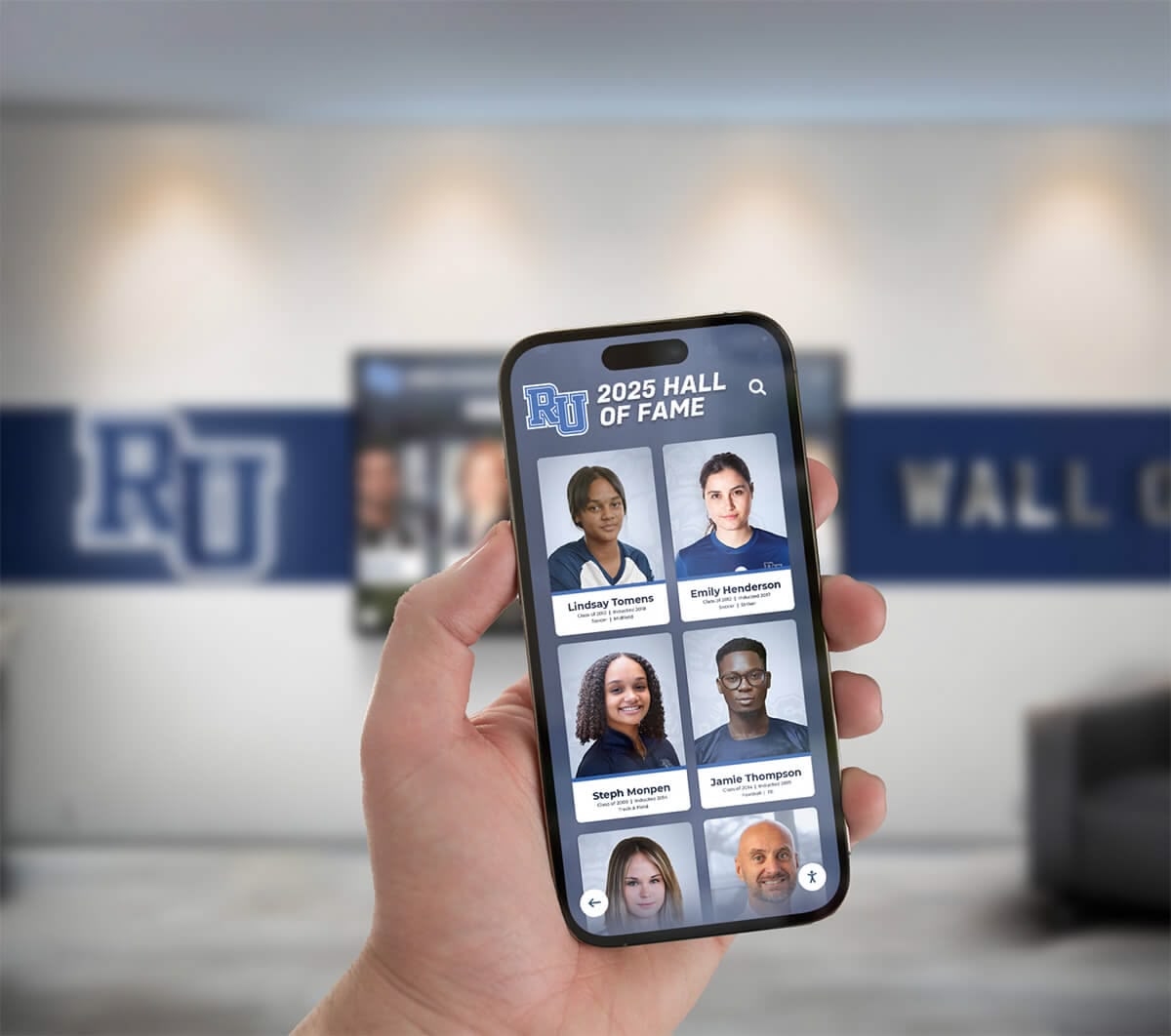
Mobile-first digital experiences accommodate how most alumni access institutional content and connect with their communities
Core Strategy 5: Volunteer Engagement Beyond Fundraising
Alumni want meaningful ways to contribute time, expertise, and influence beyond financial donations. Diverse volunteer opportunities engage graduates at various capacity levels.
Admissions and Recruitment Support
Alumni participation in recruitment strengthens yield while deepening volunteer engagement:
Prospective Student Interviews: Alumni conducting admission interviews in their geographic regions provide authentic graduate perspectives while reducing institutional staff travel burden. These conversations help applicants understand institutional culture while assessing fit.
College Fair Representation: Alumni representing institutions at high school college fairs, particularly in regions lacking staff presence, expand recruiting reach while creating meaningful volunteer opportunities for graduates passionate about student recruitment.
Accepted Student Receptions: Hosting or attending receptions for admitted students in alumni homes or local venues provides personal connection during crucial decision-making periods. These events significantly influence enrollment decisions through authentic testimonials and welcoming community demonstration.
Campus Visit Programming: Alumni participating in campus tour programming, student panels, or departmental visits add authentic graduate voices to recruiting experiences. Prospective families consistently cite alumni interactions as memorable and influential factors in enrollment decisions.
Virtual Recruiting Events: Alumni participating in online information sessions, webinars, or virtual open houses expand geographic reach while accommodating volunteer schedule constraints. Digital participation removes travel barriers while maintaining authentic connection.
Academic and Career Support Roles
Alumni expertise enriches educational experiences:
Guest Lectures and Classroom Presentations: Alumni speaking about career paths, industry trends, case studies, or professional experiences provide real-world context connecting academic content to professional application. Faculty consistently request these enrichment opportunities.
Mock Interviews and Resume Review: Alumni conducting practice interviews or reviewing resumes prepare students for professional job searches while providing volunteers satisfying teaching opportunities. These programs work particularly well during career fairs or professional development weeks.
Capstone Project Advisors: Alumni serving on senior thesis committees, business plan competitions, research symposiums, or design reviews provide professional expertise evaluating student work while maintaining connection to academic programs.
Industry Advisory Boards: Alumni serving on program-specific advisory boards provide strategic guidance shaping curriculum, facilities investment, industry partnerships, and program direction. These roles appeal to accomplished professionals seeking meaningful strategic impact.
Internship and Employment Hosts: Alumni employers providing internship opportunities, entry-level positions, or informational interviews create crucial career pathways for students while benefiting from talented employee pipelines.
Institutional Leadership and Advocacy
High-capacity volunteers provide strategic guidance and external advocacy:
Board Service: Alumni serving on governing boards, trustee committees, or foundation boards provide fiduciary oversight and strategic direction while maintaining deep institutional engagement. Board service represents highest volunteer leadership level.
Campaign Cabinet Membership: Alumni serving on comprehensive campaign cabinets provide fundraising leadership through personal giving, peer-to-peer solicitation, and strategic guidance shaping campaign priorities and approaches.
Regional Chapter Leadership: Volunteers organizing geographic alumni chapters plan local events, facilitate networking, support student recruiting, and maintain regional community presence on behalf of institutions.
Advocacy and Government Relations: Alumni with political connections or policy expertise supporting institutional advocacy—legislative appropriations, regulatory matters, policy positions—provide crucial external influence protecting institutional interests.
Parent Program Leadership: Alumni whose children attend become natural parent program leaders, bridging alumni and parent communities while bringing multi-generational perspective to institutional planning.
Facilitating Successful Volunteer Programs
Thoughtful program design maximizes volunteer satisfaction and impact:
Clear Role Descriptions: Specific, written descriptions outlining expectations, time commitments, responsibilities, and support provided help volunteers understand what they’re committing to before accepting roles.
Meaningful Impact Communication: Regular updates showing how volunteer contributions directly affected students, programs, or institutional outcomes demonstrate value and appreciate service through tangible evidence rather than generic thanks.
Training and Resources: Comprehensive preparation through orientation sessions, written materials, ongoing support, and access to institutional staff ensures volunteers feel confident and equipped for success.
Recognition and Appreciation: Public acknowledgment through awards, recognition displays, website features, or event honors demonstrates that volunteer contributions receive appropriate appreciation and validation.
Manageable Commitment Levels: Offering opportunities at various intensity levels—one-time events, seasonal roles, annual commitments, multi-year leadership positions—accommodates diverse availability while removing barriers to initial participation.
Volunteer Engagement: Participation Patterns
Research reveals clear patterns in successful volunteer programs:
Volunteer Participation by Category:
- Mentoring and career support: 38% of active volunteers
- Event assistance and planning: 31%
- Admissions and recruiting support: 24%
- Committee and board service: 18%
- Fundraising and development: 14%
- Academic advisory roles: 12%
Volunteer-to-Donor Conversion:
- Alumni who volunteer before donating: 64% become regular donors within 3 years
- Alumni who donate before volunteering: 28% become regular volunteers
- Alumni engaged in neither activity: 8% begin either within 3 years
This data demonstrates that volunteer engagement often precedes and predicts philanthropic support, suggesting volunteer programs effectively serve both mission and development goals.
Meaningful volunteer opportunities create tangible value for students while deepening alumni institutional connection
Measuring Alumni Engagement Success
Demonstrating program effectiveness requires clear metrics, consistent measurement, and data-driven optimization. Successful programs track engagement comprehensively across multiple dimensions.
Key Performance Indicators
Essential metrics quantifying alumni engagement levels:
Participation Rate Metrics:
- Overall engagement rate (percentage of alumni participating in any activity annually)
- Event attendance rates by event type and alumni segment
- Volunteer participation rates across program categories
- Online platform usage (logins, session duration, return visits)
- Email engagement (open rates, click-through rates, action completion)
- Social media engagement (followers, engagement rate, reach, shares)
Engagement Depth Metrics:
- Multi-touch engagement (alumni participating in multiple activity types)
- Repeat participation rates (returning for subsequent events or programs)
- Volunteer retention rates (volunteers continuing service year-over-year)
- Average engagement frequency (interactions per engaged alumnus annually)
- Relationship progression (movement from passive to active engagement)
Quality and Impact Metrics:
- Volunteer hours contributed and estimated economic value
- Mentoring relationships formed and maintained
- Student recruitment yield attributed to alumni involvement
- Employment and internship placements facilitated through alumni connections
- Media impressions and brand visibility generated through alumni advocacy
- Social sharing reach and viral coefficient for recognition and content
Financial Correlation Metrics:
- Giving participation rate among engaged vs. non-engaged alumni
- Average gift size correlation with engagement level
- Donor retention rates by engagement category
- Major gift prospecting pipeline filled through engagement identification
- Return on investment for engagement program expenditures
Analytics and Data Infrastructure
Technology enables comprehensive measurement and insight:
Constituent Relationship Management Integration: CRM systems tracking all alumni interactions—events, giving, volunteering, communication, website visits, social engagement—create comprehensive engagement profiles enabling segmentation, correlation analysis, and personalized outreach.
Digital Platform Analytics: Recognition platforms like those from Rocket Alumni Solutions provide detailed metrics showing who views digital displays, how long they explore content, what profiles receive most attention, geographic distribution of digital visitors, and traffic sources driving engagement.
Email Marketing Metrics: Sophisticated email platforms track opens, clicks, forwards, social shares, unsubscribes, and action completions at individual level, enabling analysis of what content resonates with which alumni segments.
Social Media Analytics: Platform-specific analytics revealing reach, impressions, engagement rates, audience demographics, optimal posting times, and content performance guide social strategy optimization.
Event Management Data: Registration systems capturing attendance, participation patterns, satisfaction surveys, and demographic breakdowns inform future event planning and effectiveness assessment.
Custom Dashboards and Reporting: Business intelligence tools visualizing key metrics, trend analysis, cohort comparisons, and goal tracking enable regular performance review and strategic adjustment.
Benchmarking and Goal Setting
Contextualizing performance through comparison and targets:
Peer Institution Comparison: Benchmarking against similar institutions—by size, type, region, or mission—provides context for assessing relative performance and identifying improvement opportunities.
Year-Over-Year Growth Tracking: Monitoring annual trends in participation rates, engagement depth, and program reach demonstrates progress and highlights concerning declines requiring intervention.
Segmented Performance Analysis: Comparing engagement across cohorts, regions, or demographics reveals disparities warranting targeted strategies to improve underperforming segments.
Goal Establishment and Tracking: Setting specific, measurable, achievable, relevant, time-bound (SMART) goals for each program area creates accountability while providing clear success criteria. Regular progress monitoring enables mid-course corrections.
Return on Investment Calculation: Quantifying program costs against measurable outputs—volunteer hours, recruitment yield, giving increases, media value—demonstrates financial justification while identifying highest-return initiatives for resource allocation.
Continuous Improvement Through Data
Successful programs use metrics to drive ongoing optimization:
Regular Performance Reviews: Quarterly or semi-annual assessment of key metrics, identification of concerning trends, celebration of successes, and strategic adjustments based on data ensure programs remain effective and relevant.
A/B Testing and Experimentation: Systematically testing variables—email subject lines, event formats, social media content types, recognition program features—generates empirical evidence about what works rather than relying on assumptions or conventional wisdom.
Alumni Feedback Integration: Regularly surveying engaged and disengaged alumni about preferences, satisfaction, barriers to participation, and desired programming provides qualitative insights complementing quantitative metrics.
Best Practice Adaptation: Monitoring advancement industry research, attending professional conferences, participating in benchmarking studies, and networking with peer institutions surfaces innovations and proven approaches worth testing.
Resource Reallocation: Directing budgets toward highest-performing programs while reducing investment in consistently underperforming initiatives maximizes limited resources while improving overall portfolio effectiveness.
Comprehensive analytics enable data-driven strategy and demonstrate concrete return on investment for engagement programs
Overcoming Common Implementation Challenges
Even well-designed alumni engagement strategies encounter predictable obstacles. Proactive approaches address these challenges effectively.
Limited Staff and Budget Resources
Small advancement teams with constrained budgets must prioritize strategically:
Technology Leverage for Scale: Investing in platforms automating routine tasks—email workflows, event registration, social scheduling, content management—enables small teams to execute comprehensive programs impossible through manual effort alone.
Volunteer Workforce Development: Recruiting alumni volunteers to assist with specific initiatives—event planning, content creation, regional chapter leadership, mentoring coordination—extends organizational capacity significantly beyond paid staff limitations.
Phased Implementation: Rather than launching all strategies simultaneously, prioritizing highest-impact initiatives aligned with institutional goals and implementing additional programs as capacity and resources allow creates sustainable growth rather than unsustainable overextension.
Collaborative Funding Models: Combining resources from multiple institutional departments—advancement, athletics, alumni relations, academic affairs—each contributing toward shared engagement infrastructure serving multiple purposes distributes costs while maximizing utility.
Corporate Sponsorship and Underwriting: Securing external support from corporate partners, alumni employers, or vendors to sponsor specific events or programs reduces direct institutional costs while building external relationships.
Geographic Dispersion and Access Barriers
Global alumni distribution complicates traditional campus-centric programming:
Digital-First Strategy: Prioritizing web-accessible platforms, virtual events, online directories, and social media ensures engagement opportunities exist regardless of physical location, removing geography as participation barrier.
Regional Chapter Development: Establishing alumni communities in cities with sufficient graduate concentrations creates local programming, networking, and social connection without requiring campus travel.
Hybrid Event Models: Offering both in-person and virtual participation for major events, lectures, or programs maximizes accessibility while accommodating varied preferences and circumstances.
Mobile Optimization: Ensuring all digital touchpoints function excellently on smartphones removes device barriers for alumni who primarily engage through mobile platforms.
Time Zone Accommodation: Scheduling virtual programming at varied times or offering recorded content enables participation across global time zones without excluding international alumni through inconvenient timing.
Declining Engagement Trends
When participation rates trend downward, strategic interventions reverse declines:
Direct Research and Listening: Conducting surveys, focus groups, or individual conversations with disengaged alumni identifies specific reasons for disconnection rather than making assumptions about causes.
Programming Refresh: Introducing new event formats, recognition categories, volunteer opportunities, or communication approaches based on alumni feedback demonstrates responsiveness while potentially re-engaging graduates who found previous programming unappealing.
Young Alumni Focus: Investing specifically in recent graduate engagement prevents the pattern where alumni disengage immediately post-graduation and remain disconnected long-term. Early connection predicts sustained engagement.
Re-Engagement Campaigns: Targeted outreach to lapsed participants acknowledging absence, asking about interests, and inviting renewed connection demonstrates that institutions notice and value individual alumni regardless of engagement history.
Success Story Amplification: Prominently sharing testimonials from engaged alumni about program value creates social proof and FOMO (fear of missing out) potentially motivating non-participants to explore opportunities.
Generational Differences and Evolving Expectations
Younger alumni particularly expect different experiences than previous generations:
Digital Native Accommodation: Millennials and Gen Z alumni expect mobile-first platforms, social integration, on-demand content access, and instant communication—expectations requiring modernized infrastructure beyond what satisfied older cohorts.
Authenticity and Transparency: Younger graduates value authentic storytelling, transparent institutional operations, and social impact demonstration more than polished marketing messaging alone.
Two-Way Engagement: Rather than passive communication consumption, younger alumni expect opportunities to contribute content, shape programming, provide feedback, and co-create community alongside institutions.
Cause-Driven Connection: Shared values around social justice, environmental sustainability, equity, or community impact often motivate engagement as strongly as institutional loyalty alone for socially conscious younger alumni.
Micro-Engagement Options: Brief, bite-sized engagement opportunities—quick surveys, short videos, social media interactions, microvolunteering—appeal to busy younger alumni more than lengthy events or extensive commitments.
Demonstrating Return on Investment
Administrators increasingly demand evidence justifying engagement program investment:
Comprehensive Metrics Reporting: Regularly presenting engagement data—participation trends, volunteer hours, recruitment impact, giving correlations—demonstrates concrete outcomes rather than anecdotal success stories alone.
Financial Analysis: Calculating cost per engaged alumnus, volunteer economic value, revenue attribution from engaged alumni donors, and comparison with peer institution spending provides financial context for resource allocation decisions.
Student Impact Documentation: Highlighting how alumni engagement directly benefits students—mentorships formed, career opportunities provided, scholarship funding generated—connects programs to core educational mission rather than treating engagement as separate advancement activity.
Qualitative Success Stories: Complementing quantitative data with compelling narratives about transformed alumni relationships, student lives changed through alumni involvement, or institutional reputation enhanced through ambassador activity illustrates impact metrics alone cannot fully capture.
Benchmarking Against Alternatives: Comparing engagement program costs and outcomes with alternative approaches—purchased leads, advertising, consulting services—demonstrates relative value and efficiency of building organic alumni relationships versus transactional alternatives.
Conclusion: Engagement as Institutional Investment
Alumni engagement represents far more than advancement tactic—it constitutes strategic investment in institutional sustainability, reputation, and impact that pays dividends across multiple dimensions simultaneously.
Engaged alumni amplify institutional reach exponentially beyond internal capacity. They mentor students, creating career pathways that enhance employment outcomes and program reputation. They recruit talented prospective students, strengthening enrollment yield and class quality. They provide philanthropic support funding scholarships, facilities, and programs otherwise impossible. They serve as volunteers, extending organizational capacity far beyond paid staff limitations. They advocate externally, defending higher education value and institutional interests within their professional and civic spheres.
The most successful engagement programs share common characteristics: they provide genuine value rather than just extracting resources, create opportunities for meaningful interaction rather than passive consumption, honor achievements authentically rather than perfunctorily, facilitate alumni-to-alumni connection alongside institutional relationships, and recognize that engagement itself holds intrinsic worth beyond fundraising instrumentality.
Technology enables engagement at scale impossible through traditional approaches alone. Comprehensive platforms like those from Rocket Alumni Solutions integrate interactive recognition displays, web accessibility, searchable directories, social sharing, and analytics into unified ecosystems creating seamless experiences across physical and digital touchpoints.
Yet technology alone never suffices—it merely enables strategic programming delivered with authentic commitment to community building. Success requires compelling content telling authentic stories, strategic implementation reaching alumni where they are, persistent promotion building awareness and encouraging exploration, meaningful programming providing genuine value, diverse volunteer opportunities accommodating varied capacity, and measurement systems demonstrating impact while guiding continuous improvement.
For institutions seeking to strengthen alumni relationships, the imperative remains clear: invest strategically in comprehensive engagement ecosystems combining recognition, communication, programming, volunteer opportunities, and enabling technology into integrated approaches that transform disconnected graduates into actively engaged alumni communities creating sustained mutual benefit for both individuals and institutions.
Transform Your Alumni Engagement Strategy
Discover how comprehensive digital platforms, strategic recognition programs, and proven engagement approaches can build lasting connections with your alumni community. Rocket Alumni Solutions specializes in creating integrated alumni engagement solutions that drive measurable results and strengthen institutional relationships.
Explore Alumni Engagement SolutionsAlumni engagement matters because connected graduates amplify every dimension of institutional mission and impact. They become ambassadors, mentors, donors, volunteers, advocates, and role models whose collective influence extends far beyond what any institution achieves through internal efforts alone.
The strategies outlined here—from comprehensive recognition programs to meaningful volunteer opportunities, from affinity community support to data-driven optimization—provide practical frameworks applicable across institutions of all sizes, types, and missions. Success comes not from implementing every tactic simultaneously, but from selecting approaches aligned with institutional goals, alumni preferences, available resources, and organizational culture, then executing consistently with authentic commitment to relationship building.
Whether launching new initiatives or modernizing existing programs, the foundation remains constant: alumni engage when they feel genuinely valued, when participation provides meaningful benefit, and when institutions demonstrate authentic interest in their success beyond financial contributions alone. Build programs on this foundation with strategic implementation, enabling technology, measurable outcomes, and persistent effort, and alumni communities flourish to benefit both graduates and their alma maters for generations to come.


























