Alumni engagement represents one of the strongest indicators of institutional health. When graduates remain connected, they mentor current students, recruit talented applicants, advocate for the institution, volunteer their expertise, and provide financial support that enables program growth. Yet maintaining these vital connections requires more than annual fundraising appeals—it demands creative, value-driven alumni events that graduates genuinely want to attend.
The challenge facing advancement teams is clear: how do you create events compelling enough to overcome busy schedules, geographic distance, and the natural drift that occurs when graduates move into demanding careers and complex personal lives? The answer lies in diverse programming that meets alumni where they are, provides authentic value beyond institutional asks, and creates memorable experiences worth the investment of time and travel.
This comprehensive guide presents 100 actionable alumni event ideas spanning networking opportunities, educational programming, social gatherings, athletic celebrations, career development, cultural experiences, and creative celebrations. Whether you work with a private high school cultivating lifelong connections, a public high school strengthening community bonds, a charter school building its alumni tradition, a college maintaining class cohesion, a university engaging tens of thousands of graduates, or a grad program supporting specialized professional communities, you’ll find practical ideas adaptable to your context, budget, and alumni demographics.
Throughout this guide, each idea emphasizes implementation practicality—what makes it work, who it appeals to, when to schedule it, and how to execute effectively. From intimate gatherings of ten alumni to stadium-filling celebrations of thousands, from low-budget DIY events to signature galas requiring significant investment, you’ll discover approaches that fit your resources while delivering measurable engagement results.
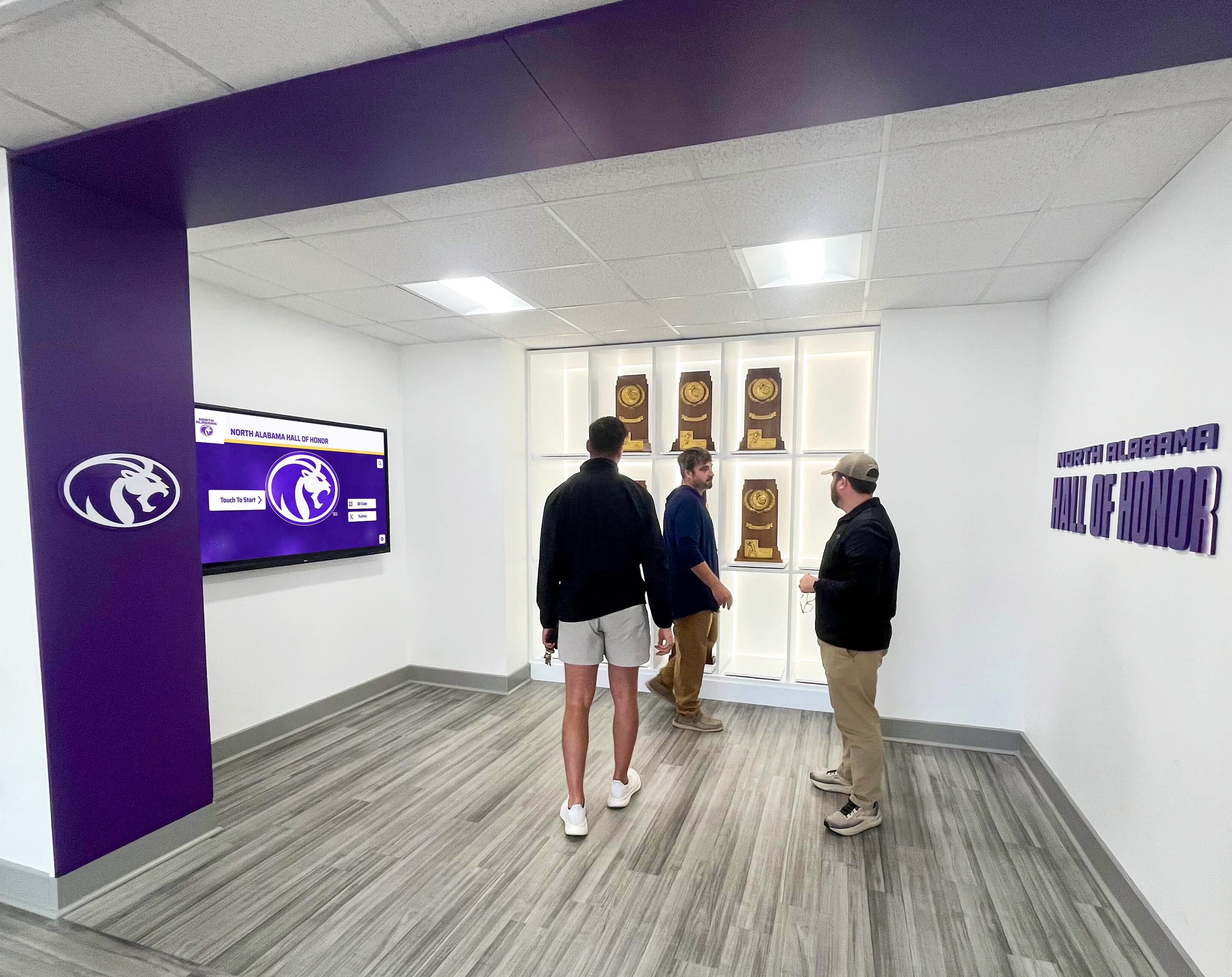
Successful alumni events create opportunities for graduates to reconnect while celebrating shared institutional history
Networking and Professional Development Events (Ideas 1-20)
Alumni cite career advancement as among the most valuable benefits of ongoing institutional connection. Professional development events provide tangible value while creating networks that strengthen over time. These employee recognition program principles apply equally to alumni engagement.
1. Industry-Specific Networking Mixers
Organize networking events around professional fields—healthcare, technology, finance, education, law, entrepreneurship. Alumni connect more deeply around shared professional interests than graduation year alone, making these events particularly valuable for career-focused graduates.
Implementation: Partner with alumni working in target industries to identify venues, promote events through professional associations, and curate attendance for optimal networking value. Consider hosting in major metro areas during high-concentration alumni regions.
2. Alumni-to-Student Mentoring Speed Dating
Create structured events where students rotate through brief conversations with multiple alumni mentors, gaining diverse professional perspectives efficiently. This format requires minimal ongoing commitment from participating alumni while providing maximum student exposure to varied career paths.
3. LinkedIn Profile Workshop Series
Host sessions where communications professionals or alumni working in recruiting review LinkedIn profiles, offering optimization feedback. Pair workshops with headshot opportunities creating complete professional presence upgrades.
4. Salary Negotiation Training
Bring in compensation consultants or alumni HR professionals to conduct workshops on salary research, negotiation tactics, equity evaluation, and benefits assessment. This practical programming delivers immediate value while addressing common career advancement challenges.
5. Executive Leadership Panels
Feature distinguished alumni leaders discussing their career trajectories, leadership philosophies, decision-making frameworks, and lessons learned. Panel discussions followed by small group conversations enable deeper engagement than presentation-only formats.
6. Entrepreneurship Pitch Competitions
Organize competitions where alumni entrepreneurs present business concepts to panels of successful alumni investors and business leaders. Winners receive seed funding, mentorship, or professional services supporting venture development.
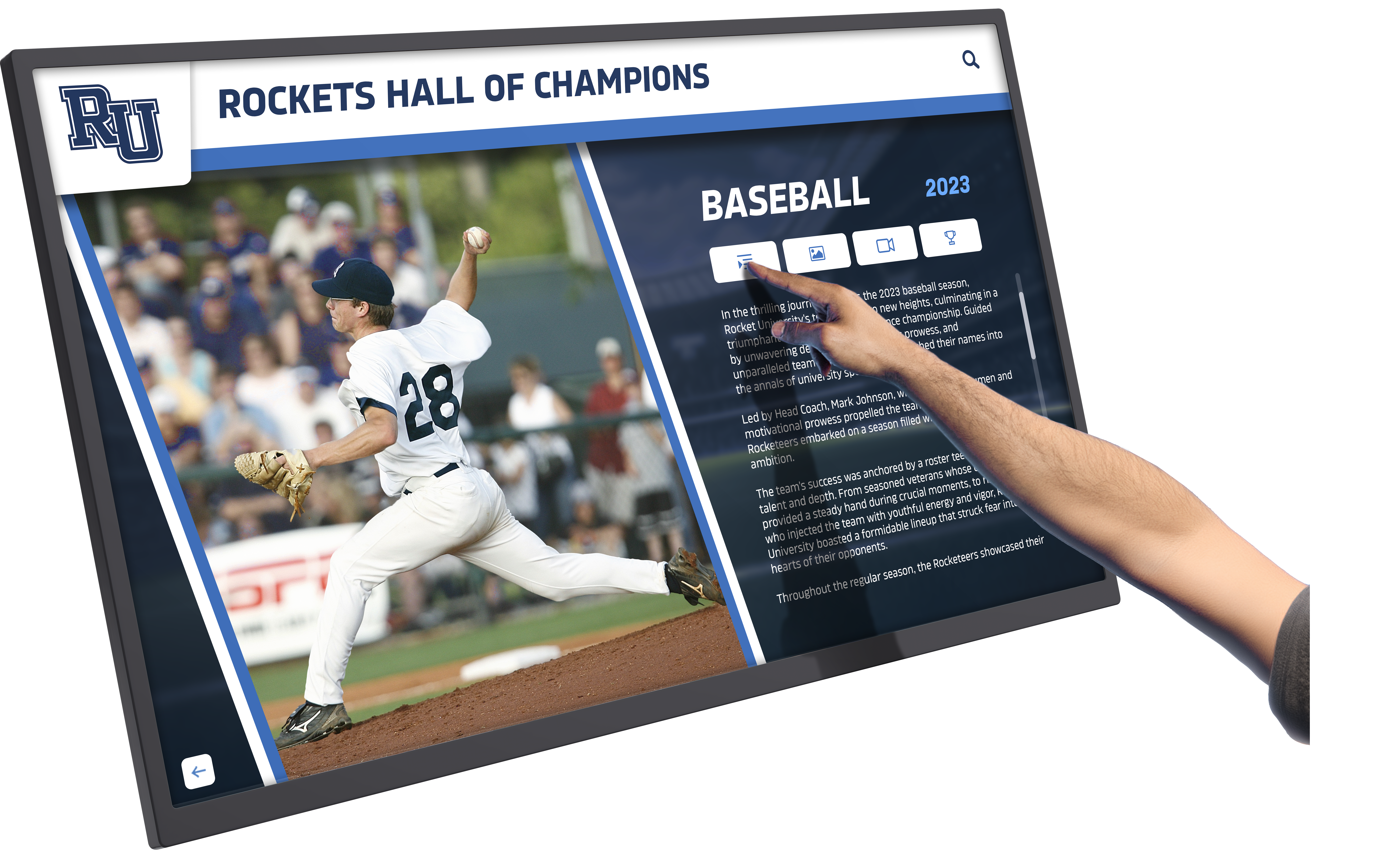
Interactive recognition platforms showcase alumni professional achievements while facilitating meaningful connections
7. Industry Trek Programs
Coordinate alumni workplace visits in major cities—touring offices, meeting teams, attending presentations, and networking with professional hosts. These immersive experiences provide industry insights while creating memorable touchpoints strengthening alumni-student connections.
8. Professional Certificate Program Launch Events
When introducing continuing education offerings, host launch events featuring curriculum previews, instructor introductions, alumni testimonials from pilot programs, and early enrollment incentives. Educational programming creates ongoing engagement beyond single events.
9. Career Transition Support Groups
Facilitate peer support groups for alumni navigating career changes—industry pivots, entrepreneurial launches, returns from parenting breaks, or retirement planning. Shared experience creates strong community bonds around common life challenges.
10. Mock Interview Practice Sessions
Alumni professionals conduct practice interviews with students or recent graduates, providing constructive feedback on presentation, communication, technical responses, and behavioral answer frameworks. Volunteers gain satisfaction from visible student impact while honing their own evaluation skills.
11. Professional Skills Workshop Series
Host ongoing workshops addressing in-demand capabilities—public speaking, project management, data analysis, digital marketing, financial modeling. Alumni instructors share expertise while establishing thought leadership within professional communities.
12. Alumni Company Recruiting Fairs
Create exclusive recruiting events where alumni employers connect with student and alumni job seekers. This targeted approach provides efficient recruiting for participating companies while delivering career placement value to institutional communities.
13. Personal Branding Strategy Sessions
Communications professionals guide alumni through personal brand development—defining unique value propositions, crafting compelling narratives, building consistent online presence, and strategic networking approach. Strong personal brands benefit alumni professionally while elevating institutional reputation.
14. Financial Literacy and Investment Workshops
Alumni financial advisors conduct sessions on retirement planning, investment strategies, tax optimization, estate planning, or wealth management fundamentals. Financial education addresses life-stage concerns while building advisor-client relationships organically.
15. Legal Clinic Open Houses
Alumni attorneys offer brief consultations on common legal questions—contract review, business formation, estate planning basics, or employment matters. Pro bono service provides community value while connecting alumni legal professionals with prospective long-term clients.
16. Healthcare Professional Symposiums
For institutions with strong healthcare programs, organize continuing education events featuring alumni speakers on medical advances, policy changes, clinical innovations, or practice management strategies. Professional development credits increase participation value.
17. Technology and Innovation Showcases
Alumni working in technology demonstrate emerging capabilities—artificial intelligence applications, software development tools, cybersecurity frameworks, or digital transformation strategies. Technical workshops appeal particularly to STEM-focused alumni communities.
18. Women in Leadership Forums
Create programming specifically supporting women alumni through discussions about gender-specific career challenges, leadership development, work-life integration, negotiation tactics, and executive advancement strategies.
19. Alumni Business Directory Launch Parties
When introducing alumni business directories or professional networking platforms, host celebration events encouraging profile completion, demonstrating platform features, and facilitating initial connection-making that drives ongoing usage.
20. Career Fair for Alumni in Transition
Organize recruiting events specifically for alumni seeking new opportunities, featuring employers known for hiring experienced professionals. This specialized approach delivers focused value to alumni in active career transition.
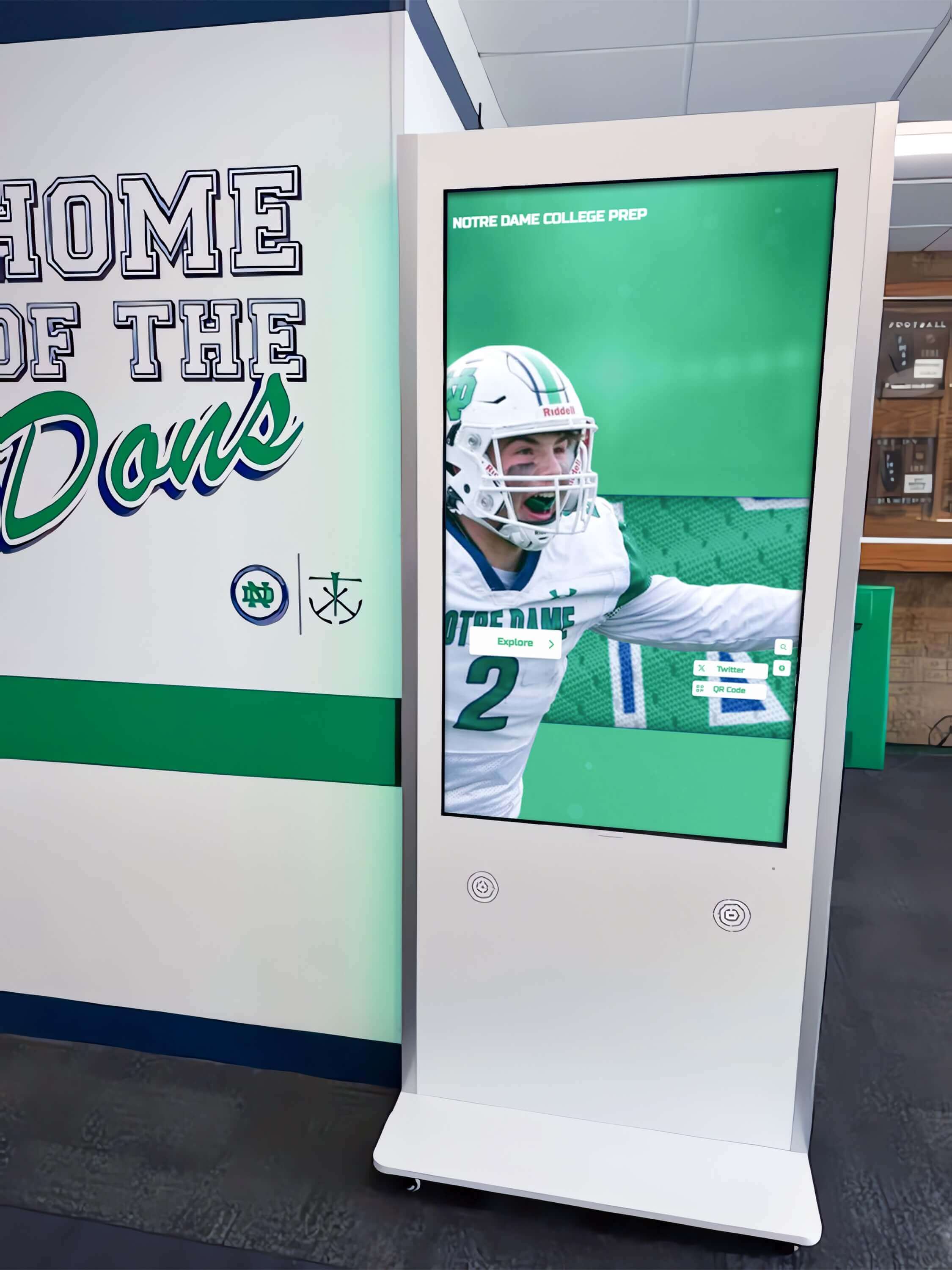
Permanent recognition installations become natural gathering points during alumni networking events
Educational and Intellectual Events (Ideas 21-35)
Lifelong learning appeals to intellectually curious alumni who value educational enrichment beyond career advancement. These events reinforce institutional academic missions while providing genuine personal enrichment.
21. Alumni College Weekend Intensives
Multi-day programs featuring faculty lectures, laboratory demonstrations, campus tours, and social activities recreate intellectual engagement defining original educational experiences. These immersive programs particularly appeal to senior alumni with time and resources for extended campus visits.
22. Faculty Research Presentation Series
Share current institutional research through accessible presentations explaining scholarly achievements and faculty expertise. When faculty members become recognizable thought leaders, alumni feel pride in institutional academic excellence.
23. Author Talks and Book Signings
When alumni publish books, host readings, discussions, and signings celebrating their accomplishments while promoting work within built-in institutional audiences. Author events provide natural programming requiring minimal production beyond venue and promotion.
24. Film Screening and Discussion Evenings
Show documentaries or films related to institutional values, regional issues, alumni achievements, or current social topics, followed by facilitated discussions. Combine intellectual content with social atmosphere creating relaxed engagement opportunities.
25. Art Exhibition Opening Receptions
Feature alumni artists through gallery exhibitions combining visual art display with opening night receptions. Cultural programming appeals to arts-focused alumni while celebrating creative accomplishments deserving institutional recognition.
26. TED-Style Talk Series
Alumni deliver short, compelling presentations on topics where they possess unique expertise or perspective. This format democratizes speaking opportunities beyond traditional distinguished lecturer selections while maintaining production quality standards.
27. Historical Archive Tours
Offer guided tours through institutional archives, special collections, or historical exhibits featuring artifacts, documents, photographs, and memorabilia documenting institutional evolution. Behind-the-scenes access satisfies alumni curiosity about institutional history.
28. Current Issue Forums
Facilitate discussions about contemporary challenges—political polarization, climate change, healthcare access, educational equity, technology ethics—leveraging diverse alumni perspectives for rich dialogue. Issue-focused programming demonstrates institutional thought leadership.
29. Language and Culture Immersion Evenings
International alumni or language faculty lead cultural experiences—cooking demonstrations, language lessons, musical performances, or travel presentations sharing global perspectives and celebrating diversity within alumni communities.
30. Science Café Discussions
Informal gatherings where faculty or alumni scientists explain research in accessible formats over coffee or drinks. Casual settings lower barriers to scientific engagement while demystifying academic research for non-specialist audiences.
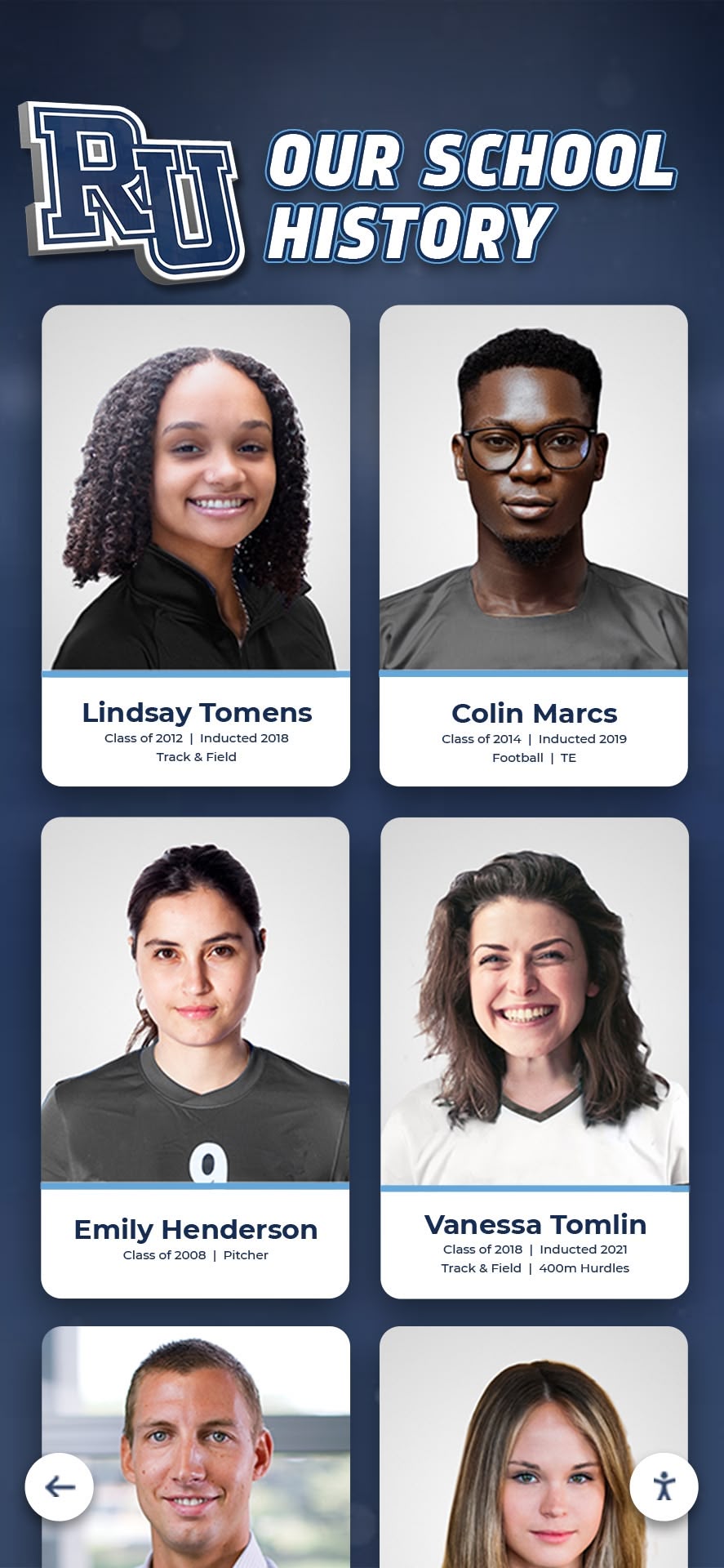
Comprehensive alumni databases enable discovery and connection across graduation eras and professional fields
31. Musical Performance Showcases
Alumni musicians perform concerts featuring classical, jazz, contemporary, or original compositions. Musical programming provides cultural enrichment while celebrating artistic alumni accomplishments in performance-friendly formats.
32. Philosophy and Ethics Roundtables
Faculty lead discussions about ethical questions, philosophical frameworks, or moral reasoning applied to contemporary issues. Intellectual discourse appeals to humanities-focused alumni seeking substantive engagement beyond networking.
33. Technology Demonstration Labs
Alumni technologists demonstrate emerging tools, platforms, or capabilities through hands-on workshops. Practical skill development—using AI tools, understanding blockchain, exploring virtual reality—provides concrete learning value participants implement immediately.
34. Environmental Sustainability Symposiums
When institutions emphasize sustainability, organize events exploring environmental initiatives, climate solutions, conservation strategies, or green technology innovations. Issue-specific programming attracts alumni passionate about particular causes regardless of graduation year.
35. Writing Workshop Series
Alumni authors or faculty writing instructors lead workshops on memoir writing, creative nonfiction, fiction techniques, or publishing processes. Creative development programming appeals to alumni pursuing artistic expression beyond professional obligations.
Athletic and Sports Events (Ideas 36-50)
Athletic participation creates powerful institutional bonds. Sports-focused events engage former student-athletes while leveraging competitive enthusiasm that unites broader alumni communities.
36. Homecoming Game Day Tailgates
Coordinate pre-game gatherings during homecoming featuring food, drinks, music, and socializing before athletic contests. Homecoming timing maximizes attendance while creating festival atmosphere celebrating institutional pride.
37. Athletic Hall of Fame Induction Ceremonies
Annual ceremonies inducting distinguished athletes into institutional halls of fame provide meaningful recognition while creating events where teammates, families, and fans celebrate athletic legacy. Induction ceremonies anchor reunion programming while honoring excellence.
38. Alumni Athletic Competitions
Organize competitions where alumni compete in sports they played—basketball tournaments, golf outings, tennis matches, or running races. Competitive formats appeal to athletes maintaining active lifestyles while recreating team camaraderie.
39. Coach Recognition and Retirement Events
Honor retiring coaches or celebrate coaching milestones through appreciation events featuring former players sharing impact stories, presenting commemorative gifts, and expressing gratitude for mentorship extending beyond athletics.
40. Team Reunion Watch Parties
When championship teams celebrate milestone anniversaries, organize gatherings to rewatch historic games, share memories, introduce families to former teammates, and celebrate achievements that defined team legacies.
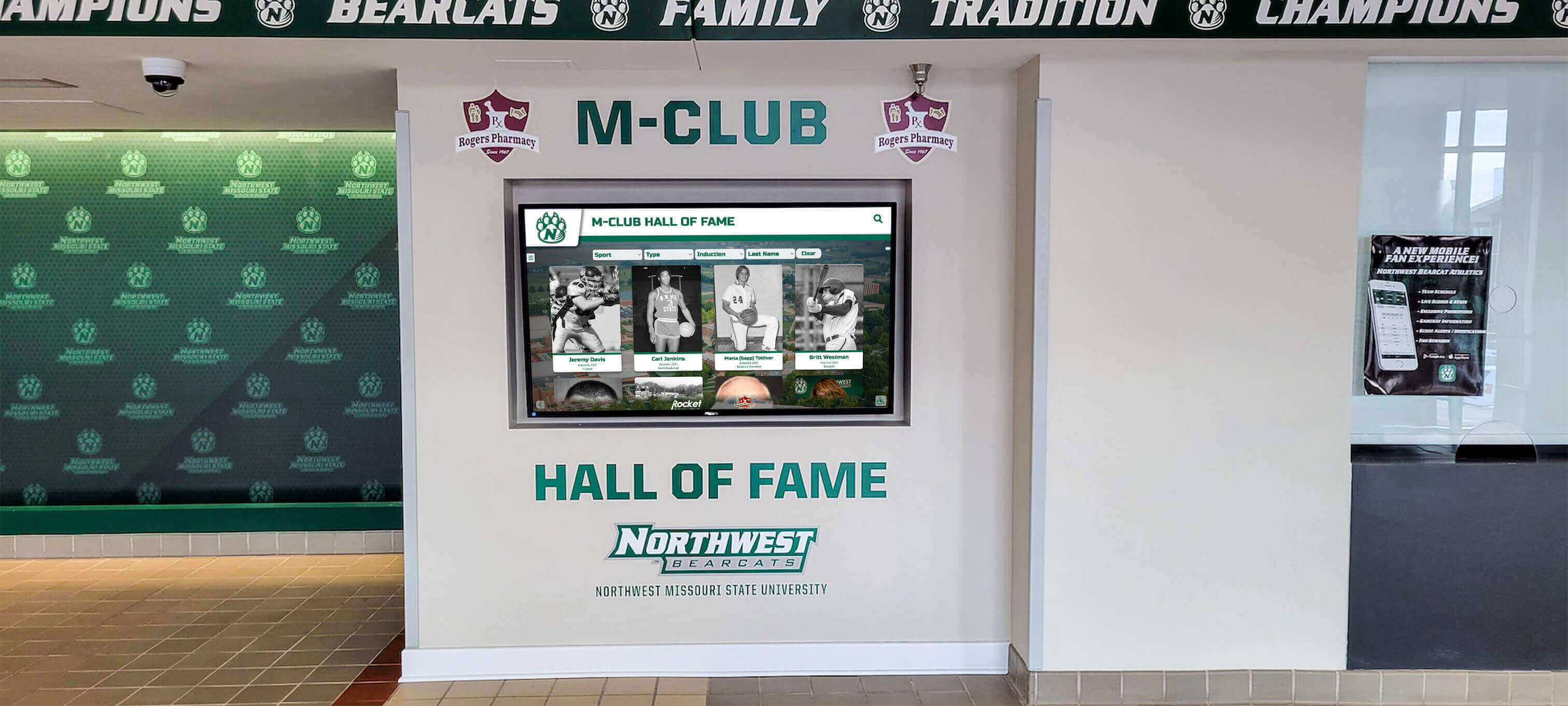
Athletic recognition displays create focal points for sports-focused alumni gatherings and celebrations
41. Current Game Season Ticket Blocks
Reserve dedicated alumni seating sections for basketball, football, hockey, or volleyball games throughout seasons. Recurring attendance opportunities build routine engagement while supporting current athletic programs through visible alumni presence.
42. Pre-Season Training Camp Tours
Invite alumni to observe pre-season practices, meet current athletes, hear from coaching staffs, and understand program developments. Behind-the-scenes access creates exclusive experiences differentiating institutional engagement from generic spectator opportunities.
43. Athletic Fundraising Golf Tournaments
Classic golf outings combining competition, networking, fundraising, and social atmosphere appeal to athletic alumni supporters while generating revenue for program enhancements. Well-executed tournaments become anticipated annual traditions.
44. Student-Athlete Career Panels
Former student-athletes discuss career development, professional transitions from athletic identity, transferable skills from sports participation, and networking strategies. Targeted programming addresses unique concerns of athletes navigating post-competition professional lives.
45. Youth Sports Clinics Coached by Alumni
Alumni athletes conduct youth sports camps or clinics, teaching fundamental skills while connecting with community families. Volunteer coaching provides meaningful service while introducing prospective families to institutional athletic traditions.
46. Fitness Class Series
Partner with alumni fitness professionals to offer yoga, cycling, CrossFit, or other workout classes. Health-focused programming appeals to wellness-oriented alumni while providing regular engagement touchpoints beyond occasional events.
47. Outdoor Adventure Trips
Organize alumni hiking excursions, camping trips, kayaking adventures, or skiing weekends. Active alumni appreciate reunion formats organized around outdoor pursuits creating new memories while accommodating athletic preferences.
48. Marathon or Race Team Participation
Create institutional teams participating in marathons, half-marathons, or charity races. Training groups and race day camaraderie build community around shared athletic goals while supporting charitable causes aligned with institutional values.
49. Athletic Facility Dedication Ceremonies
When opening new athletic facilities or completing renovations, coordinate dedication events featuring facility tours, exhibition competitions, donor recognition, and celebrations of program advancement funded by alumni generosity.
50. Sports Trivia Night Competitions
Test alumni knowledge about institutional athletic history through team-based trivia competitions. Nostalgic content, competitive formats, and social atmosphere create entertaining events requiring minimal production while engaging passionate sports fans.
Social and Networking Events (Ideas 51-65)
Sometimes alumni simply want to socialize with people who share institutional connections. These relaxed events prioritize relationship building without professional development or advancement agendas. Consider incorporating virtual alumni event strategies for geographically dispersed graduates.
51. Regional Chapter Happy Hours
Organize informal gatherings at bars or restaurants in cities with significant alumni populations. Casual settings lower attendance barriers while enabling convenient participation for local graduates.
52. Alumni Family Day Celebrations
Host family-friendly events featuring activities for children, campus tours, athletic demonstrations, student performances, and picnic meals. Family inclusion enables participation from alumni who otherwise struggle attending adult-only programming.
53. Class Milestone Reunion Weekends
Coordinate comprehensive reunion programming for 10th, 25th, 50th, or other milestone anniversary classes. Multi-day formats accommodate varied interests through diverse activities—campus tours, formal dinners, casual gatherings, athletic events, and recognition ceremonies. Explore detailed reunion planning strategies to create memorable gatherings.
54. Young Alumni Mixer Series
Target recent graduates through events matching their life stages—casual bars, affordable restaurants, networking happy hours, or weekend social activities. Age-appropriate programming acknowledges that twenty-somethings have different interests than middle-aged alumni.
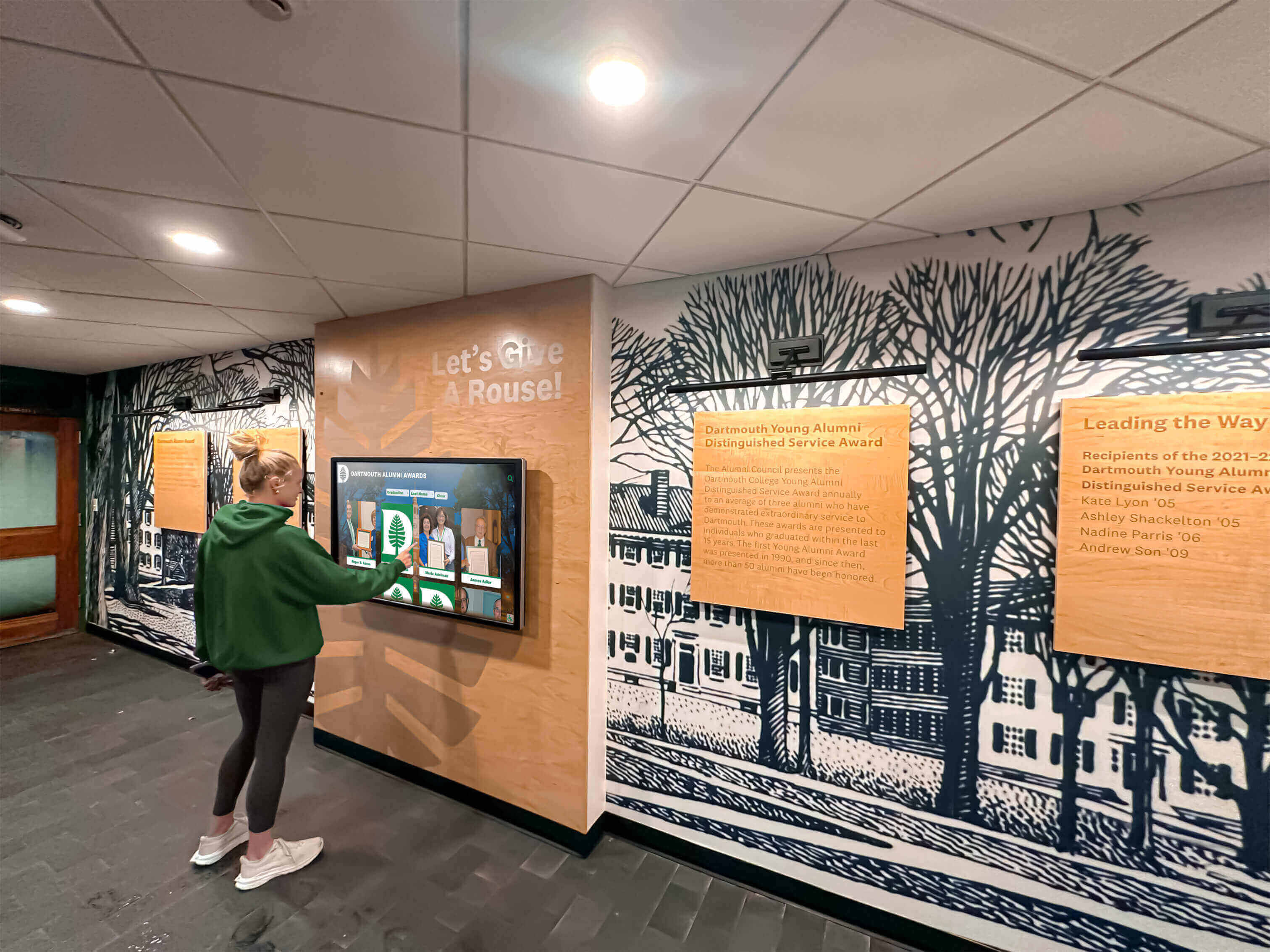
Recognition displays provide inspiration for current students while creating conversation starters during alumni social events
55. Wine or Brewery Tasting Tours
Partner with wineries or craft breweries for tours, tastings, and social gatherings. Beverage-focused events create relaxed atmosphere appealing to alumni seeking recreational rather than professional networking.
56. Alumni Theater or Arts Performances
When alumni perform in theater productions, concerts, or artistic showcases, organize group attendance followed by reception opportunities meeting performers. Cultural outings combine entertainment with alumni connection.
57. Game Night Gatherings
Host board game or trivia nights at venues with private spaces. Low-pressure formats appeal to introverted alumni or those seeking alternatives to networking-heavy events while still building community.
58. Cooking Class Experiences
Alumni chefs or culinary professionals lead interactive cooking classes teaching techniques, recipes, or cuisine-specific preparation methods. Hands-on learning creates engagement while providing practical skills participants use beyond events.
59. Holiday Party Celebrations
Annual holiday gatherings provide predictable touchpoints that alumni anticipate and incorporate into seasonal planning. Festive atmosphere creates welcoming environments for reconnection during naturally social periods.
60. Alumni Spouse and Partner Inclusion Events
Recognize that alumni partners influence institutional loyalty through events specifically welcoming significant others, spouses, and family members into alumni communities. Inclusive programming strengthens household institutional connections.
61. Speed Networking Rotations
Structure events where alumni rotate through brief conversations with multiple people, maximizing connection breadth efficiently. Timed rotations ensure everyone engages rather than clustering with familiar faces, expanding network reach.
62. Decades Dance Parties
Theme events around music eras—’80s night, ’90s throwback, 2000s celebration—creating nostalgic atmosphere while accommodating alumni who graduated during featured decades. Themed events provide conversation starters while generating Instagram-worthy moments.
63. Volunteer Service Projects
Organize community service opportunities—park clean-ups, food bank shifts, habitat restoration, or mentoring programs—where alumni contribute time together toward charitable causes. Shared purpose creates bonds while demonstrating institutional civic commitment.
64. International Alumni Gatherings
When alumni concentrate in international cities, coordinate gatherings led by local volunteer ambassadors. Global programming demonstrates institutional commitment to engaging wherever graduates live while building worldwide community.
65. Summer Picnic and Outdoor Games
Classic summertime gatherings featuring lawn games, picnic meals, and outdoor socializing appeal to families and create low-stress environments. Accessible pricing and casual atmosphere maximize participation across economic circumstances.
Career and Student Support Events (Ideas 66-75)
Alumni value opportunities to give back through supporting current students. These events create reciprocal relationships where alumni provide mentorship while maintaining institutional connection.
66. Mock Interview Days
Coordinate intensive programs where alumni professionals conduct multiple practice interviews with students, providing feedback strengthening interview skills. High-volume formats enable alumni to impact many students efficiently.
67. Career Fair Company Representation
Alumni whose employers seek talent represent companies at institutional career fairs. Familiar faces recruiting for quality employers creates advantageous pipelines benefiting students, alumni, and hiring organizations. These alumni mentorship program structures support career development initiatives.
68. Industry Panel Discussions for Students
Alumni panels share career insights, answer student questions, discuss industry trends, and provide advice about breaking into various professional fields. Panel formats maximize alumni impact while requiring reasonable time commitments.
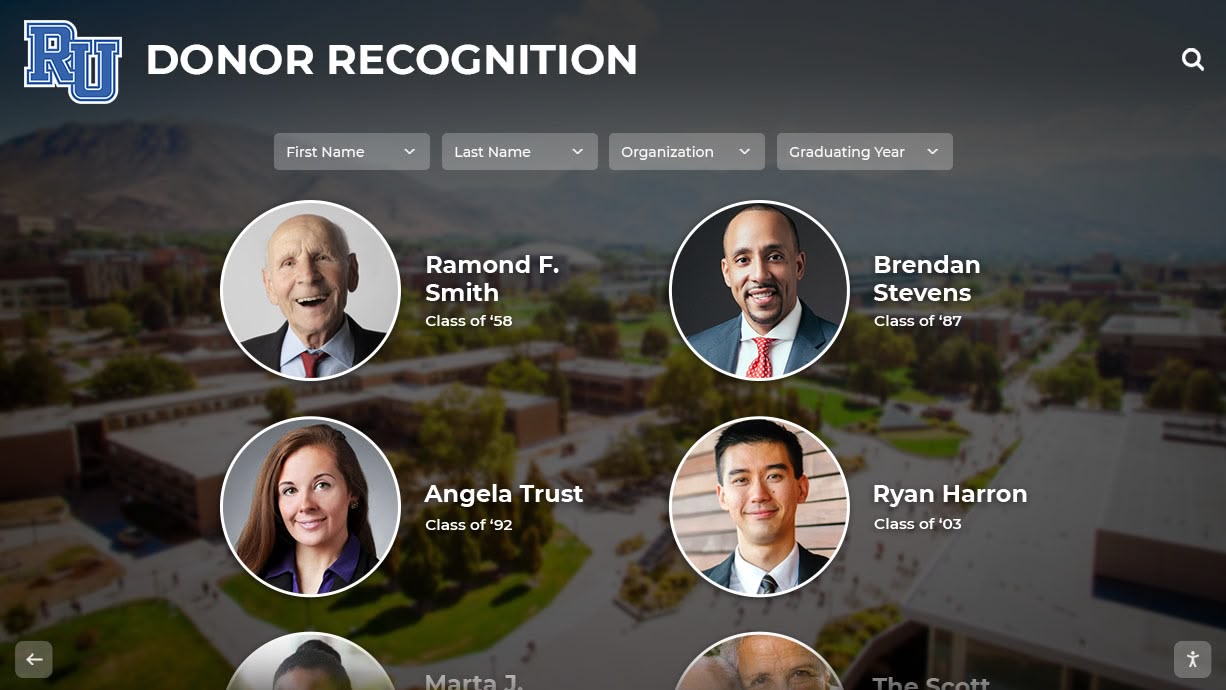
Recognition celebrating diverse achievements demonstrates institutional values while honoring graduates across excellence dimensions
69. Portfolio and Resume Review Sessions
Communications, design, or HR alumni review student portfolios and resumes, offering feedback improving materials before job searches. Practical assistance provides immediate value while connecting students with prospective mentors.
70. Internship and Job Shadow Programs
Alumni offer shadowing opportunities, internships, or entry-level positions creating important career pathways while accessing talented employee pipelines. Employment connections deliver mutual value strengthening ongoing alumni-student relationships.
71. Graduate School Application Workshops
Alumni who attended graduate programs advise students through application processes—program selection, essay writing, recommendation requests, interview preparation, and funding strategies. Guidance from those recently navigating processes provides relevant, practical assistance.
72. Senior Transition Preparation Series
Recent graduates share insights about post-graduation transitions—apartment searching, budgeting, benefits enrollment, relocation logistics, or work culture adaptation. Peer advice from those slightly ahead eases anxiety about impending changes.
73. Study Abroad Information Sessions
Alumni who studied internationally discuss program experiences, cultural adaptation, academic differences, travel opportunities, and long-term impact on career development and worldview. Personal testimonies inspire student participation while providing practical preparation guidance.
74. Capstone Project Advisory Roles
Alumni serve on capstone committees, thesis defenses, or senior project evaluations providing professional perspective on student work. Formal roles recognize alumni expertise while exposing them to impressive student capabilities.
75. Scholarship Recipient Meet and Greets
Connect scholarship donors with recipients they support through appreciation events, campus visits, or mentoring relationships. Personal connections transform transactional giving into meaningful relationships inspiring continued support.
Cultural and Entertainment Events (Ideas 76-85)
Arts and culture provide natural engagement opportunities beyond professional networking. These events appeal to alumni seeking intellectual stimulation or entertainment through institutional connections.
76. Museum or Gallery Tours
Organize guided tours of local museums, galleries, or cultural institutions followed by dinners or receptions. Educational outings create shared experiences providing conversation catalysts beyond “what have you been doing?”
77. Theater Group Attendance
Coordinate group ticket purchases for Broadway shows, regional theater, opera, ballet, or symphony performances. Cultural experiences combined with pre-show receptions create sophisticated events appealing to arts-appreciative alumni.
78. Film Festival Participation
When institutions host film festivals or alumni produce films, organize screenings, director Q&As, and after-parties. Film-focused events appeal to cinema enthusiasts while celebrating alumni creative accomplishments.
79. Literary Salon Evenings
Create intimate gatherings where alumni discuss books—recent publications, classics, institutional reading programs, or alumni-authored works. Literary discussions appeal to intellectually engaged alumni seeking substantive conversation.
80. Music Festival Tailgates
During local music festivals, organize alumni meetups, picnics, or tailgates before entering events together. Shared entertainment creates bonding opportunities while leveraging existing cultural programming requiring no event production.
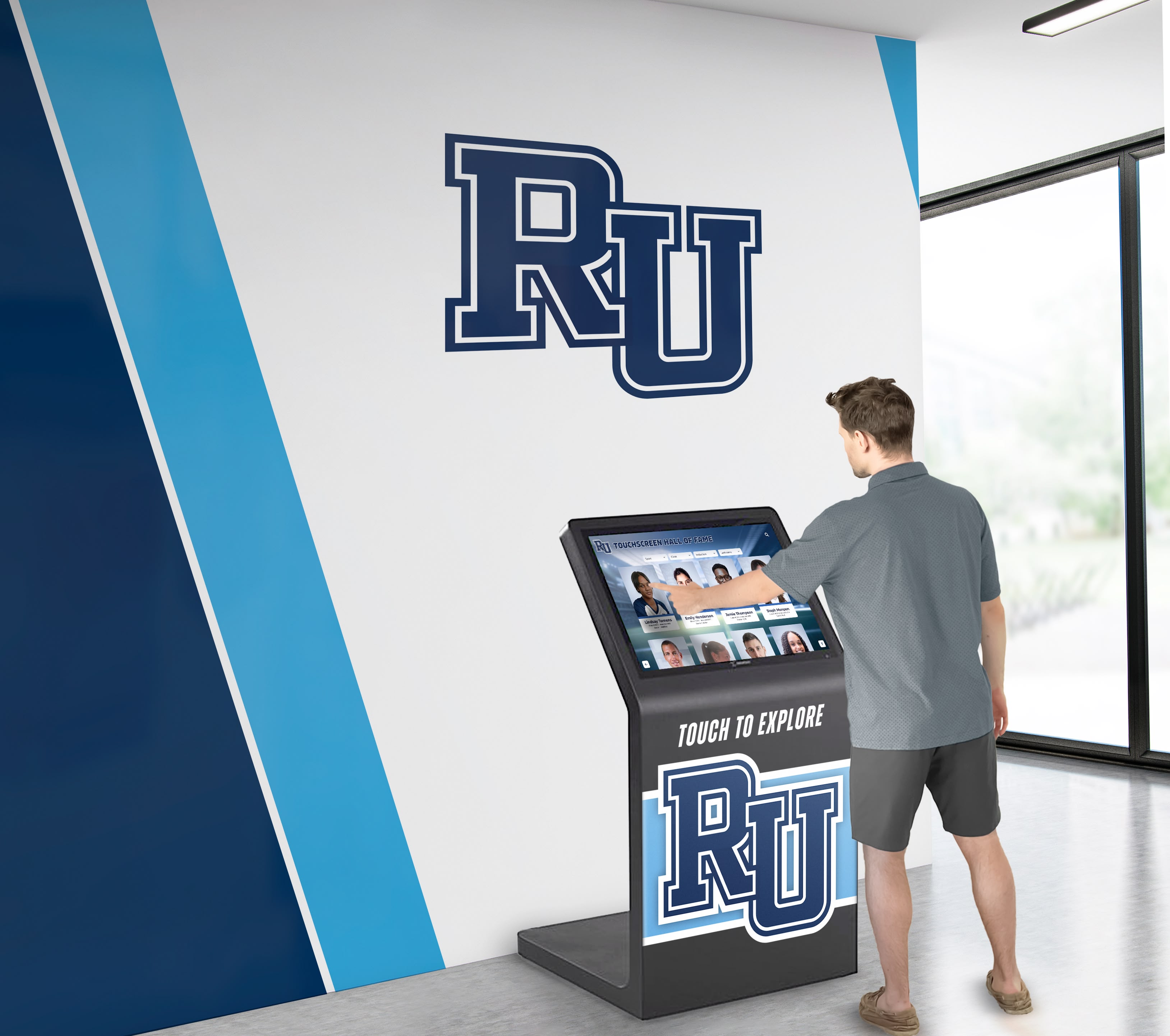
Interactive platforms enable alumni to explore achievements and institutional history during cultural event gatherings
81. Photography Workshop Expeditions
Alumni photographers lead groups through cities, parks, or campuses teaching photography techniques while capturing images. Creative instruction combined with outdoor exploration appeals to artistically inclined alumni.
82. Historical Walking Tours
Organize tours exploring institutional history, local heritage, or regional significance with knowledgeable guides explaining architectural, cultural, or historical context. Educational walks combine learning with exercise appealing to intellectually curious alumni. Consider highlighting school culture and traditions during these historical experiences.
83. Cooking Competition Watch Parties
Host viewing parties for cooking shows featuring alumni contestants or culinary-focused programming. Themed events celebrating food culture create fun, low-pressure social atmospheres.
84. Stand-Up Comedy Showcases
When alumni pursue comedy, organize showcases featuring performances followed by audience meet-and-greets. Entertainment-focused events provide levity while supporting alumni creative pursuits.
85. Jazz, Wine, and Art Evening Combinations
Multi-sensory events combining live music, wine tasting, and art viewing create sophisticated experiences appealing to culturally oriented alumni. Integrated programming justifies higher ticket prices while delivering memorable experiences.
Recognition and Celebration Events (Ideas 86-95)
Recognition remains fundamental to alumni engagement. These events honor achievements, celebrate milestones, and demonstrate that institutions value graduate accomplishments.
86. Distinguished Alumni Award Galas
Annual ceremonies recognizing professional achievement, community service, institutional support, or lifetime accomplishment create flagship events anchoring recognition programs. Formal galas celebrating multiple honorees attract honoree networks, institutional leadership, major donors, and engaged alumni. Learn more about building recognition programs that drive engagement.
87. Young Alumni Achievement Awards
Dedicated recognition for recent graduates—within 10-15 years of graduation—celebrates emerging excellence while engaging younger alumni demographics. Age-specific awards acknowledge that young professionals achieve differently than mid-career leaders.
88. Volunteer Service Recognition Receptions
Honor alumni who contribute time, expertise, and leadership through volunteer programs—admissions interviews, career mentoring, reunion organizing, board service, or committee participation. Recognizing non-financial contributions demonstrates that institutions value diverse engagement forms.
89. Milestone Anniversary Celebrations
Celebrate institutional founding anniversaries, program milestones, facility dedications, or campaign completions through special events recognizing alumni who contributed to achievements being celebrated.
90. Legacy Society Induction Events
Recognize alumni who include institutions in estate plans through exclusive events providing insider access, leadership engagement, and peer community. Legacy recognition inspires additional planned giving while acknowledging existing commitments.
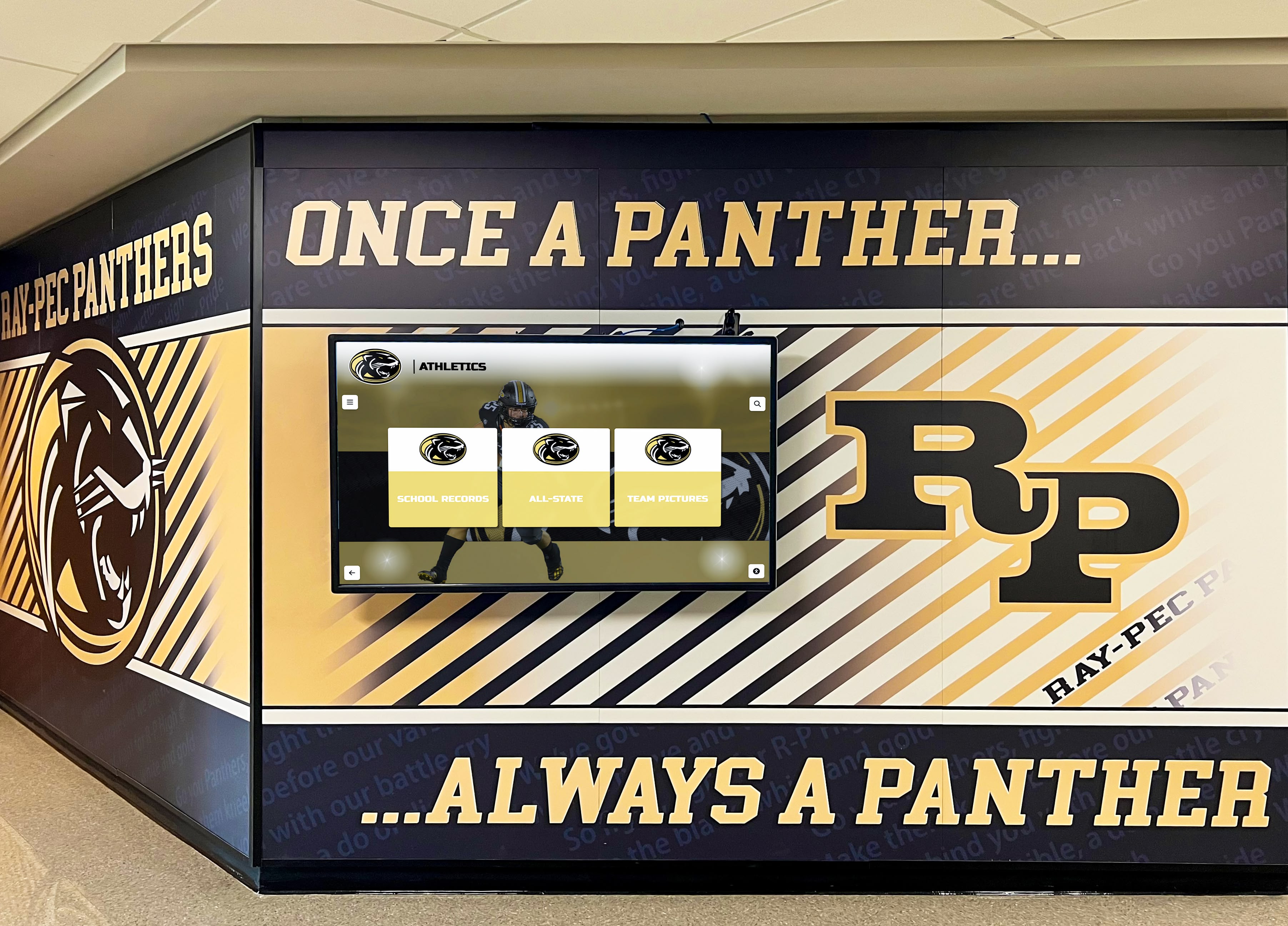
Permanently installed displays serve ongoing recognition while becoming focal points during special celebration events
91. Scholarship Donor Appreciation Events
Thank scholarship supporters through events featuring recipient testimonials, academic achievement presentations, and impact demonstrations. Gratitude events inspire continued giving while providing emotional rewards beyond transactional acknowledgment.
92. Athletic Letter Winner Recognition
Annual events honoring all letter winners from particular sports seasons or eras create athletic community while celebrating competitive participation at all skill levels, not just championship teams.
93. Faculty Appreciation Receptions
Alumni-hosted events thanking influential faculty members demonstrate gratitude for educational impact. Faculty recognition strengthens relationships while creating opportunities for mentors and students to reconnect.
94. First-Generation Graduate Celebrations
Dedicated events honoring first-generation college graduates recognize unique achievement significance while building supportive community around shared experiences navigating educational environments without family precedent.
95. Memorial and Tribute Events
When distinguished alumni or beloved faculty pass away, organize memorial services, tribute receptions, or scholarship establishments honoring legacies. Formal recognition of loss brings communities together while demonstrating that institutional gratitude extends beyond lifetimes. Explore thoughtful approaches to memorial recognition that honor lasting impact.
Fun and Creative Events (Ideas 96-100)
Sometimes the best alumni engagement comes through unexpected, creative programming that breaks conventional event formulas while creating memorable experiences.
96. Escape Room Team Challenges
Organize teams competing in escape room experiences requiring collaboration, problem-solving, and communication. Novel formats appeal to younger alumni while creating shared challenges building camaraderie through cooperative gameplay.
97. Alumni Talent Shows
Showcase alumni hidden talents—musical performances, comedy routines, magic acts, poetry readings, or skill demonstrations. Variety show formats celebrate multidimensional graduates while providing entertainment and unexpected discovery about classmate capabilities.
98. Time Capsule Burial and Opening Ceremonies
During milestone celebrations, open historical time capsules while creating new ones for future anniversaries. Time capsules generate intrigue about past predictions while prompting reflections about future aspirations.
99. Alumni Olympics or Field Day Competitions
Organize lighthearted athletic competitions featuring relay races, obstacle courses, team challenges, or nostalgic field day activities. Playful formats reduce performance pressure while accommodating varied athletic ability through humorous rather than serious competition.
100. Virtual Reality Experience Showcases
When institutions invest in VR technology, host events where alumni explore virtual experiences—campus transformations, historical recreations, research simulations, or entertainment applications. Technology demonstrations showcase institutional innovation while providing novel experiences justifying attendance.
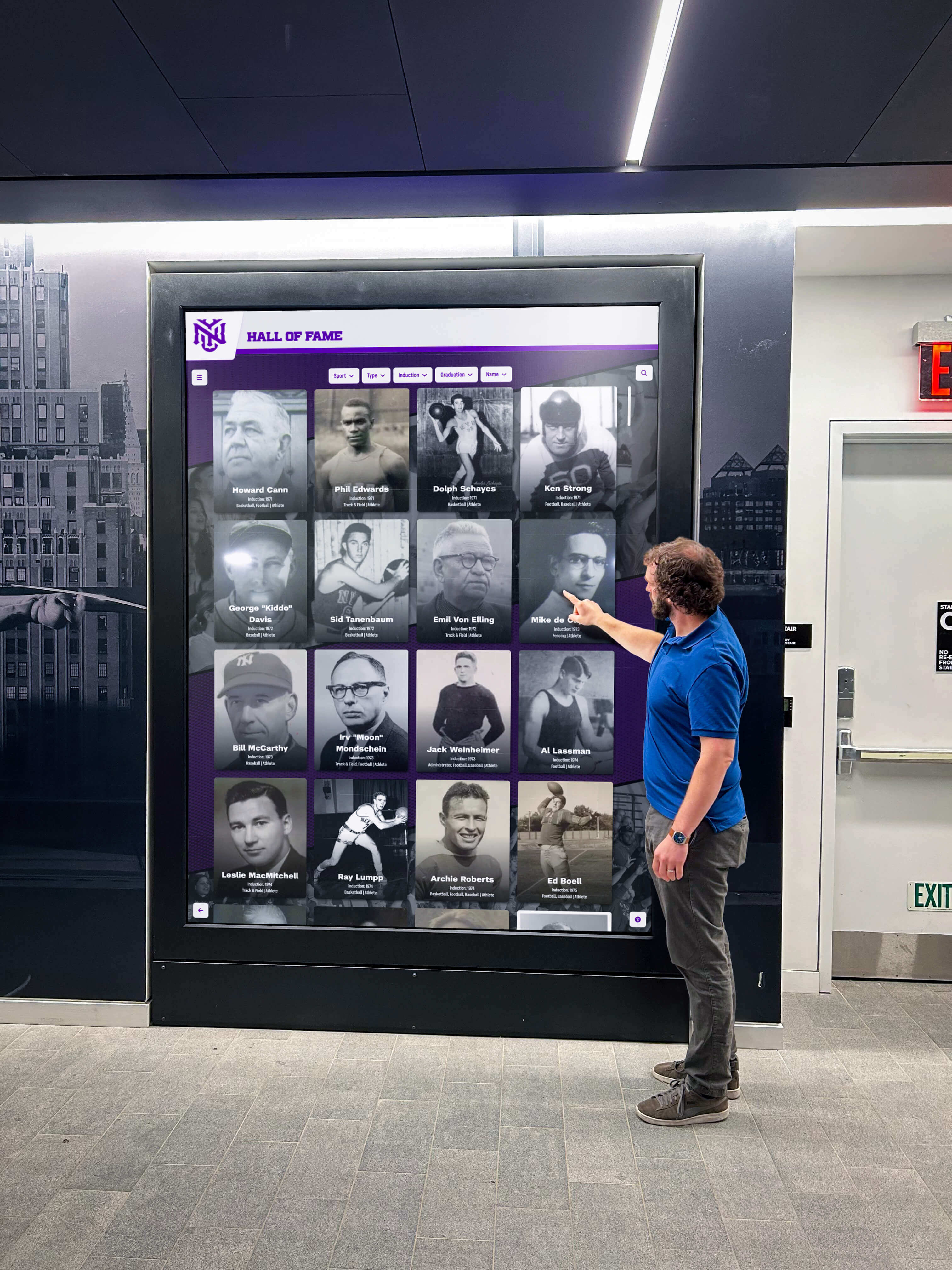
Modern interactive displays transform traditional recognition into engaging exploration experiences for alumni of all ages
Implementing Events Strategically Across Institution Types
While the 100 ideas above provide broad inspiration, effective implementation requires adapting programming to match specific institutional contexts, alumni demographics, and resource realities.
Private High School Considerations
Private high schools typically maintain smaller, more tightly connected alumni communities where personalized communication and intimate gatherings prove most effective. These institutions benefit from:
Emphasis on legacy families and multi-generational connections where children attend parents’ alma maters. Family-focused programming recognizes these relationships while building long-term institutional loyalty. Events combining current families with alumni create powerful community bonds transcending individual graduation years.
Leveraging geographic proximity since private school alumni often remain relatively local compared to college graduates. Regional concentration enables frequent events without extensive travel requirements, supporting regular engagement rather than isolated annual gatherings.
Integration with advancement priorities given that private schools rely substantially on philanthropic support. Alumni events naturally incorporate fundraising components—annual fund appeals, capital campaign updates, naming opportunities—though balanced with genuine value delivery preventing perception of purely transactional relationships.
Connection to current student families who represent future alumni. Events enabling current parents to meet alumni demonstrate community continuity while building relationships that persist beyond graduation.
Effective private school programming might include spirit week celebrations welcoming alumni participation, intimate donor dinners recognizing major supporters, alumni chapel services during religious school events, or exclusive campus access enabling meaningful connections with educational environments shaping formative years.
Public High School Approaches
Public high schools face unique challenges—larger graduating classes, broader economic diversity, weaker initial institutional connection, and limited advancement resources. Successful public school alumni engagement emphasizes:
Affordability and accessibility ensuring that events remain financially accessible across economic circumstances. Free or low-cost programming, casual venues, potluck approaches, and volunteer-run operations enable participation from all graduates regardless of financial capacity.
Nostalgia and shared memory since public school students often share strong geographic identity and community connections. Events emphasizing local heritage, school traditions, athletic rivalries, and shared experiences resonate powerfully with graduates who may lack strong academic motivation but maintain social bonds.
Milestone reunion focus where limited resources concentrate on significant anniversaries—10th, 20th, 25th, 50th—rather than attempting annual programming for every class. Deep investment in periodic major events generates better results than spreading resources across frequent modest gatherings.
Community integration positioning schools as community hubs beyond pure educational institutions. Events supporting broader community causes, celebrating local heritage, or serving regional needs create engagement opportunities appealing to civic-minded alumni.
Public schools might excel through homecoming festivities inviting all alumni regardless of graduation year, athletic hall of fame inductions celebrating competitive excellence, community service days where alumni volunteer together, or casual reunion picnics emphasizing inclusivity over formal sophistication.
Charter School Evolution
Charter schools face distinctive challenges building alumni traditions when institutions themselves remain relatively young. Effective charter school engagement focuses on:
Foundation building since many charters lack decades of alumni history that traditional schools leverage. Early alumni classes become founders establishing traditions that subsequent generations inherit. Programming emphasizing pioneer status creates special distinction for inaugural graduating classes.
Mission emphasis given that charter school attendance often reflects intentional educational philosophy selection. Events reinforcing institutional missions—college preparation success, STEM focus, arts integration, social justice commitment—resonate with alumni who chose schools specifically for distinctive approaches.
Rapid growth accommodation as many charters expand quickly from small initial classes to larger cohorts. Systems enabling scaling—digital platforms, volunteer leadership models, replicable event formats—prevent early successes from becoming unsustainable as communities grow.
Network development since individual charter schools may maintain modest alumni populations but charter networks collectively represent substantial communities. Regional events bringing together graduates from multiple affiliated schools create critical mass enabling ambitious programming.
Charter schools might pioneer young alumni networking groups building professional communities from inaugural classes, founder recognition events celebrating pioneers who took chances on new institutions, mission impact showcases demonstrating educational outcomes validating charter approaches, or network-wide gatherings creating broader community beyond individual campuses.
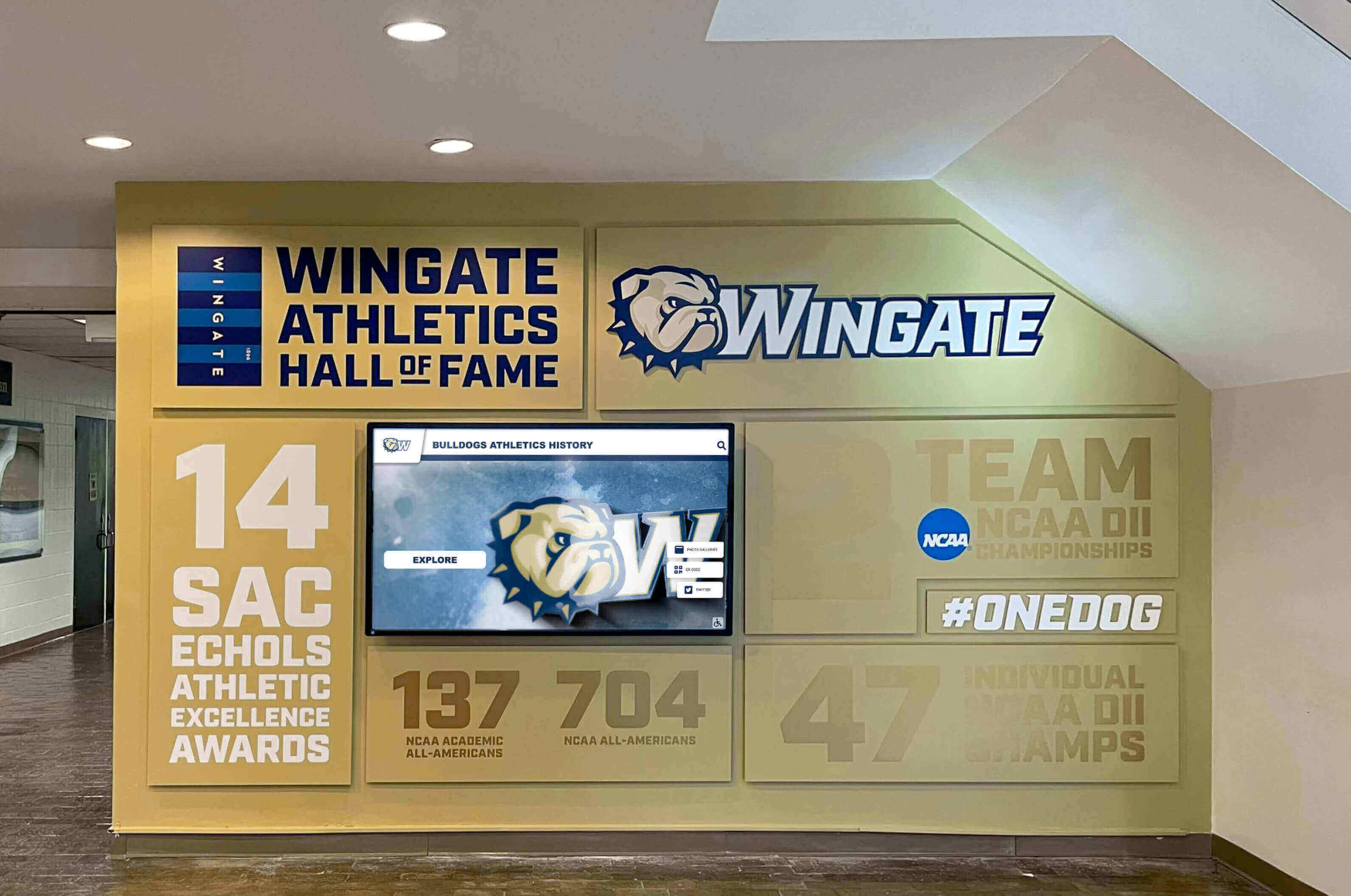
Athletic facilities enhanced with recognition displays create inspiring environments for alumni gatherings
College and Small University Programming
Colleges and small universities benefit from manageable community sizes enabling personalized relationships while possessing resources supporting sophisticated programming. These institutions succeed through:
Class cohesion emphasis since undergraduate residential experiences create strong bonds within graduation years. Reunion programming targeting specific classes generates higher participation than generic all-alumni events because classmates share memories, social connections, and generational perspectives.
Academic program affinity groups where majors, academic departments, or special programs create subcommu communities transcending graduation year. Engineering alumni networks, business school associations, pre-health communities, or arts program connections enable focused engagement around shared educational experiences.
Campus immersion experiences leveraging physical campuses as engagement assets through tours highlighting facilities improvements, overnight accommodations in alumni houses or campus hotels, exclusive building access, and programming integrating current campus life with nostalgic memory activation.
Volunteer leadership cultivation developing alumni class agents, regional chapter leaders, reunion committee members, and program advisors who extend institutional capacity while remaining deeply engaged themselves. Volunteer structures create sustainable engagement infrastructure beyond paid staff limitations.
Small institutions might excel through alumni college weekends offering intensive learning experiences, departmental homecoming gatherings during academic conferences, leadership society recognition programs honoring distinguished graduates, or intimate presidential dinners creating exclusive access to institutional leadership.
Large University Scale
Large universities face challenges of massive alumni populations, global geographic dispersion, and varied institutional connection intensity. Effective programming at scale requires:
Segmentation sophistication dividing enormous populations into manageable groups—by academic college, graduation decade, professional industry, athletic affiliation, geographic region, cultural identity, or engagement history. Targeted programming for specific segments generates higher response than generic mass appeals.
Regional chapter infrastructure since universities produce globally distributed graduates. Strong chapter networks in major metropolitan areas create local programming without requiring campus return, enabling frequent engagement rather than occasional campus visits.
Digital-first approaches given impossibility of bringing hundreds of thousands of alumni to physical events. Robust online platforms—virtual events, digital recognition displays, social networks, livestreamed programming—extend reach while creating accessibility for alumni unable to travel.
Affinity community support for specialized groups—Greek life, cultural organizations, club sports, student government, special interest communities—that create meaningful subgroups within overwhelming institutional scale. Affinity programming feels personal despite occurring within massive universities.
Large universities might leverage athletic game day experiences attracting tens of thousands simultaneously, massive lecture series featuring distinguished speakers, virtual conferencing platforms enabling global participation, or tiered giving societies providing exclusive programming for major donor segments.
Graduate Program Specificity
Graduate programs create unique communities requiring specialized approaches recognizing distinctive characteristics:
Professional network emphasis since graduate degrees directly connect to career advancement. Programming providing professional development, industry networking, continuing education credits, or practice development resources delivers immediate career value justifying participation.
Smaller cohort intimacy as master’s and doctoral programs typically enroll smaller classes than undergraduate populations. Intimate formats suit these communities better than large-scale events, enabling meaningful professional relationship development.
Faculty advisor connections remaining powerful even years post-graduation as thesis advisors, dissertation chairs, and mentors maintain relationships with former students. Events reconnecting students with influential faculty members generate strong appeal.
Specialized knowledge communities around specific academic disciplines or professional fields. Programming addressing specialized interests—medical advances, legal practice innovations, business strategy evolution, engineering breakthroughs—provides value impossible within generalist undergraduate alumni programming.
Graduate programs might develop alumni advisory boards guiding curriculum evolution, professional development symposiums earning continuing education credits, mentorship programs connecting recent graduates with established professionals, or research collaboration opportunities leveraging combined alumni expertise toward scholarly advancement.
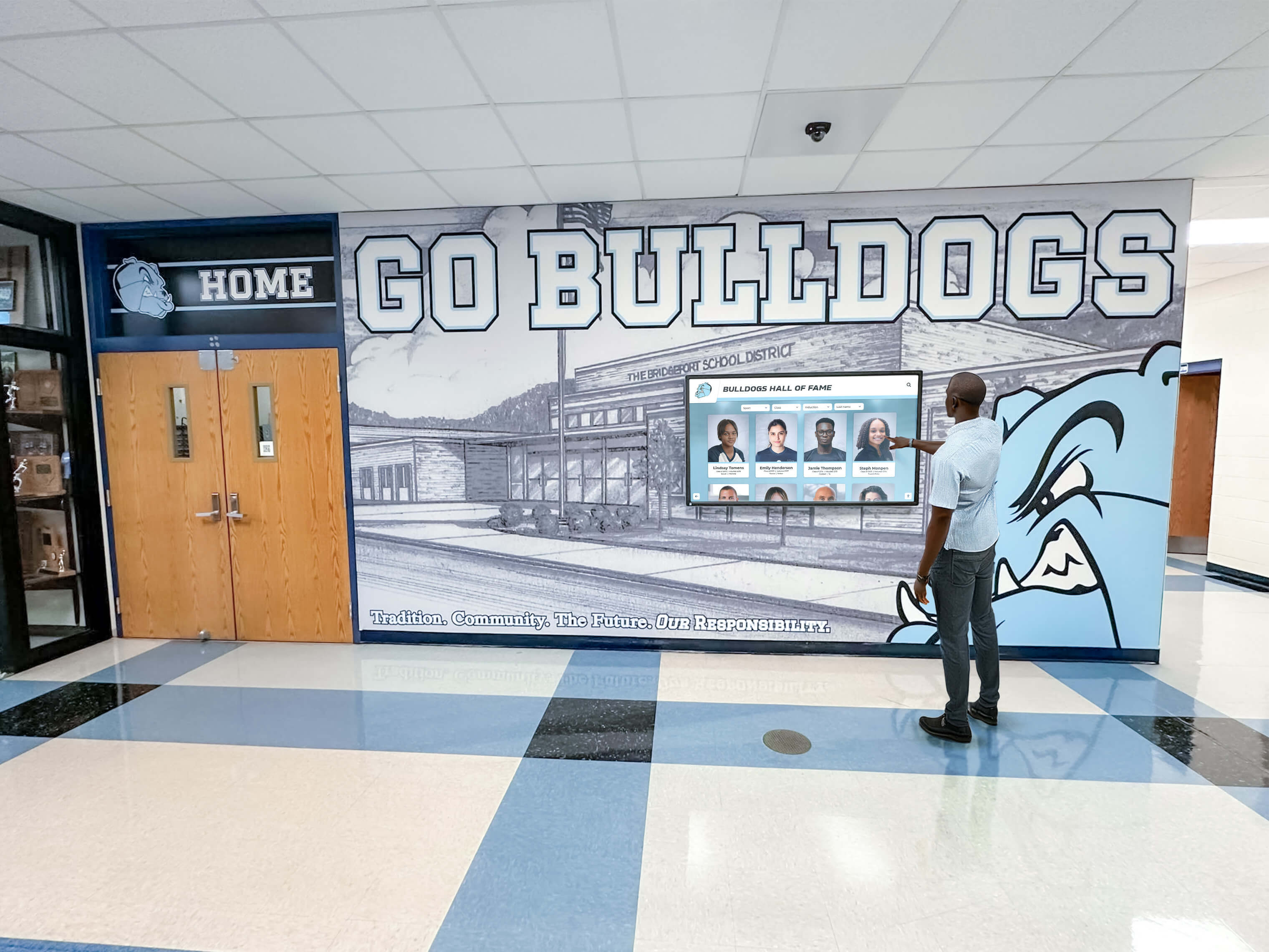
User-friendly recognition interfaces enable alumni to explore achievements and share discoveries across social networks
Leveraging Technology to Amplify Event Impact
Modern technology fundamentally transforms how institutions plan, execute, and extend alumni events beyond traditional limitations. Strategic technology integration enables engagement at scales and geographic reaches impossible through conventional approaches.
Digital Recognition Platforms as Event Centerpieces
Interactive recognition displays create focal points for alumni events while serving year-round engagement functions. During gatherings, touchscreen installations enable alumni to:
Discover former classmates through intuitive search and browsing, triggering memories about people they’ve forgotten while providing current information about careers, locations, and achievements enabling reconnection.
Share personal achievements by exploring recognition profiles highlighting their own accomplishments alongside peers, creating pride while enabling easy social media sharing extending event visibility to personal networks.
Explore institutional evolution through historical content, campus transformation timelines, program development histories, and achievement milestones documenting how institutions have changed since graduation.
Generate conversation as displays become natural gathering points where alumni cluster to explore together, sharing memories triggered by photos, discussing classmate career paths, and debating who deserves recognition for overlooked accomplishments.
Solutions like those from Rocket Alumni Solutions provide integrated ecosystems combining physical touchscreen installations for campus events, responsive web platforms ensuring global access, intuitive content management enabling non-technical staff to update recognition continuously, and comprehensive analytics measuring engagement patterns informing optimization.
Virtual and Hybrid Event Capabilities
Geographic distance prevents many alumni from attending physical events, but hybrid formats combining in-person and virtual participation dramatically expand inclusion:
Livestreamed keynotes and panels enable remote alumni to watch presentations, speaker sessions, award ceremonies, and panel discussions, participating in primary programming without travel requirements.
Virtual networking rooms create digital spaces where remote participants connect through video conversations, chat discussions, and breakout sessions facilitating relationship building despite physical separation.
On-demand content libraries recording events for later viewing accommodate time zone differences and schedule conflicts, ensuring alumni access valuable content regardless of real-time availability.
Interactive polling and Q&A during sessions enable virtual participants to submit questions, vote on discussion topics, and influence programming direction, creating engagement beyond passive watching.
Event Marketing and Registration Platforms
Specialized event software streamlines promotion and registration while collecting valuable data:
Multi-channel promotion distributing event information across email, social media, web platforms, and direct mail through integrated campaigns tracking source effectiveness.
Segmented targeting enabling customized invitations for specific alumni groups—local residents, industry professionals, class members, or previous attendees—increasing relevance while measuring segment response rates.
Dynamic registration collecting not just basic attendance confirmation but gathering dietary preferences, programming interests, volunteer interests, networking goals, and update information enriching alumni databases.
Waitlist management for popular events, enabling capacity optimization while creating urgency through scarcity that increases perceived event value.
Social Media Amplification
Strategic social media use extends event reach far beyond physical attendees:
Event hashtags aggregating attendee posts, photos, and comments into visible streams demonstrating event energy while creating FOMO encouraging future attendance from those following online.
Live updates throughout events—photos from recognition ceremonies, quotes from speakers, highlights from competitions—maintain engagement from remote alumni while building anticipation for content that will later become available through recordings or summaries.
Alumni takeovers where attendees temporarily manage institutional social accounts, sharing personal perspectives that feel authentic compared to official institutional communications.
Photo contests and sharing prompts encouraging attendees to post specific content—best throwback photo, most creative costume, favorite campus memory—generating organic content amplifying institutional visibility across personal networks.
Measuring Success and Optimizing Future Events
Effective alumni event programming improves systematically through measurement, assessment, and data-driven refinement rather than relying on anecdotal impressions or historical tradition.
Essential Event Metrics
Attendance tracking measuring registration versus actual attendance, comparing across events, demographics, and time periods identifies trends informing future planning. Declining attendance signals needed programming adjustments while growth validates successful approaches.
Engagement quality through post-event surveys assessing satisfaction, meaningful reconnections achieved, value received, likelihood of future attendance, and improvement suggestions. Quality metrics prove more valuable than attendance numbers alone since poorly executed events may attract one-time participants who never return.
Financial performance monitoring revenue versus expenses, cost-per-attendee, fundraising integrated with events, and overall sustainability. Understanding true costs enables realistic budgeting while identifying which events justify investment and which require redesign.
Advancement correlation analyzing relationships between event participation and subsequent giving, volunteer engagement, student recruitment, or other institutional objectives. Events delivering measurable advancement outcomes justify continued investment while those generating attendance without subsequent engagement require reconsideration.
Volunteer satisfaction since sustainable programming depends on willing committee members and volunteer leaders. Assessing volunteer experience, time investment requirements, support adequacy, and willingness to serve again prevents burnout undermining future capacity.
Continuous Improvement Systems
Post-event debriefs gathering planning teams immediately after events while details remain fresh, discussing what succeeded, what failed, what surprised organizers, and what future committees need to know. Honest assessment prevents repeated mistakes.
Documentation creation compiling timelines, budgets, vendor contacts, promotion schedules, committee structures, attendee lists, and lessons learned creates institutional memory preventing each event from starting from scratch.
Benchmark comparison learning from peer institutions or comparable events at other schools provides context for performance assessment while generating ideas for innovation.
Experimentation encouragement piloting new formats, testing emerging technologies, trying unexpected venues, or innovating programming approaches. Measured experimentation drives improvement while excessive risk aversion leads to stagnation as alumni preferences evolve.
Conclusion: Building Sustainable Engagement Through Creative Programming
Alumni event success ultimately depends on understanding what motivates graduate participation and delivering programming providing genuine value justifying time and resource investment despite competing demands on alumni attention.
The 100 ideas explored in this guide provide starting points adaptable to institutional contexts, alumni demographics, resource constraints, and strategic priorities. High-impact events share common characteristics—they acknowledge alumni professional expertise and create networking value, they reconnect graduates with institutional missions reigniting pride and belonging, they facilitate meaningful relationship building transcending superficial conversation, they accommodate diverse participation preferences recognizing varied interests, and they demonstrate authentic appreciation for alumni contributions beyond purely transactional fundraising.
Whether implementing intimate gatherings of ten alumni or stadium celebrations of thousands, from volunteer-led budget-conscious programs to signature galas requiring substantial investment, from private high schools to major research universities, from young charter school networks to graduate professional programs, effective engagement comes through thoughtful programming matching community characteristics with creative execution demonstrating genuine commitment to relationship building.
Modern technology removes traditional barriers limiting engagement to small populations or campus-only experiences. Digital recognition platforms combining physical touchscreen installations, web accessibility, social integration, and comprehensive analytics enable recognition and connection at scales impossible through conventional approaches. Solutions like those from Rocket Alumni Solutions provide specialized technology designed specifically for educational institutions, combining sophisticated capability with intuitive management that non-technical advancement teams navigate easily.
Yet technology alone doesn’t guarantee success. Effective programs require strategic thinking about what motivates participation, creative programming addressing diverse preferences, authentic community building prioritizing genuine connection over advancement objectives, and sustained effort demonstrating institutional commitment extending beyond occasional events toward ongoing relationship cultivation.
When institutions invest authentically in alumni relationships through varied programming delivering value across career stages, life circumstances, and participation preferences, they create engagement momentum strengthening continuously rather than requiring constant reinvention. Alumni who feel genuinely valued for contributions beyond donations become ambassadors recruiting talented students, mentors guiding career success, volunteers extending organizational capacity, advocates defending educational missions, and supporters providing resources enabling program excellence.
Transform Your Alumni Events with Interactive Recognition
Discover how digital recognition displays create engaging centerpieces for alumni events while supporting year-round engagement through touchscreen installations and web platforms. Rocket Alumni Solutions provides comprehensive solutions designed specifically for schools, colleges, and universities seeking to strengthen alumni connections through modern technology and proven engagement strategies.
Explore Alumni Engagement SolutionsBuild your alumni event programming on foundations of authentic value delivery, creative thinking about what drives participation, strategic use of technology extending reach and impact, and persistent commitment to relationship cultivation. When executed thoughtfully with genuine appreciation for graduate contributions and realistic understanding of competing demands on alumni time, diverse programming creates communities of engaged advocates strengthening institutions across generations while enriching graduate lives through ongoing connection with formative educational experiences and fellow alumni sharing common bonds.































