Every educational institution carries a rich legacy—decades or even centuries of remarkable graduates who have shaped industries, served communities, broken barriers, and inspired generations. Yet this precious history often remains trapped in dusty archives, fading photographs, and outdated trophy cases that few people notice or engage with. Alumni legacy digital walls represent a transformative approach to preserving institutional heritage while creating dynamic, engaging experiences that celebrate achievements, inspire current students, and strengthen lifelong connections with your alumni community.
Modern technology has fundamentally changed what’s possible in recognition and legacy preservation. Today’s most effective institutions are moving beyond static displays and embracing interactive digital platforms that bring alumni stories to life through multimedia content, searchable databases, and touchscreen interfaces. Whether your school seeks to honor distinguished graduates, document institutional history, or create engaging spaces that strengthen school pride, understanding the full potential of alumni legacy digital walls transforms how you celebrate your community’s achievements and preserve your institution’s story for future generations.
Educational institutions invest tremendous resources in shaping students who go on to accomplish extraordinary things. When these alumni achieve remarkable success, their stories validate your institution’s mission while inspiring current students to dream bigger. Yet traditional approaches to documenting and displaying these achievements—physical plaques, static photographs, paper archives—struggle to capture the depth and breadth of your legacy, creating missed opportunities for engagement, inspiration, and community building.
This comprehensive guide explores how modern alumni legacy digital walls address these challenges, from strategic planning and implementation through measuring long-term impact. You’ll discover proven approaches that transform legacy preservation from passive documentation into active engagement tools that celebrate your past while building stronger communities for the future.

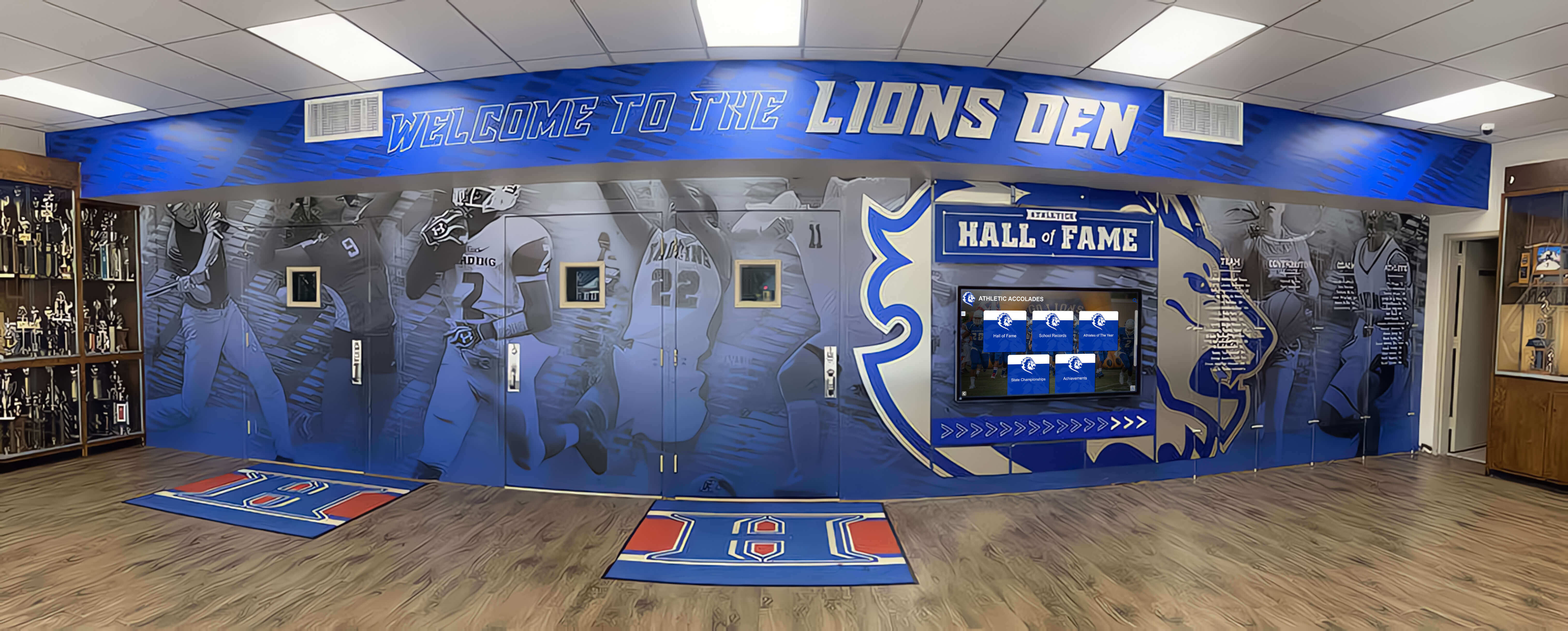
Contemporary alumni legacy digital walls create engaging spaces that honor institutional history while strengthening community bonds
Understanding Alumni Legacy Digital Walls: More Than Names and Dates
Alumni legacy walls serve multiple critical functions within educational communities. At their core, they preserve institutional memory and honor individual achievement. Yet effective legacy preservation extends far beyond simple historical documentation, creating tangible benefits for institutions, alumni, current students, and broader communities.
The Evolution of Legacy Preservation: From Archives to Interactive Experiences
For generations, institutions preserved alumni legacies through predictable methods—plaques mounted in hallways, photographs arranged in trophy cases, and records filed in archives that few people accessed. These traditional approaches served basic documentation purposes but carried inherent limitations that modern schools increasingly find unacceptable.
Limited Accessibility: Physical archives and displays reach only campus visitors during limited hours. Alumni living across the country or around the world have no way to explore their institution’s legacy or discover fellow graduates’ achievements. This geographic constraint severely limits who can engage with institutional history.
Static, Unchanging Presentation: Once installed, traditional displays remain frozen in time. As alumni achieve additional milestones throughout their careers, recognition becomes outdated. Historical information cannot be enriched as new details emerge or context deepens through research and discovery.
Surface-Level Information: Physical space constraints force displays to include only basic information—names, graduation years, perhaps brief achievement descriptions. This surface-level recognition fails to tell the deeper stories behind accomplishments or convey the human experiences that make alumni relatable and inspiring.
Difficult Discoverability: Finding specific individuals within large physical displays proves challenging. Visitors must scan through countless names or navigate confusing organizational systems. This friction discourages exploration and limits meaningful engagement with legacy content.
Many institutions are transitioning from traditional static displays to interactive legacy preservation systems
Modern Alumni Legacy Digital Walls: Transforming History into Experience
Contemporary digital recognition displays overcome traditional limitations through sophisticated technology that creates dynamic, engaging legacy experiences. These systems leverage touchscreen interfaces, cloud-based content management, multimedia integration, and web accessibility to fundamentally reimagine how institutions preserve and share their history.
Global Accessibility: Digital platforms make institutional legacy accessible 24/7 from anywhere in the world. Alumni living internationally can explore their school’s history remotely, share profiles via social media, and maintain connections despite geographic distance. This worldwide reach dramatically expands who can engage with your legacy.
Dynamic, Living Legacy: As alumni achieve new milestones or as historical research uncovers new information, digital profiles can be updated instantly to reflect current knowledge. This living legacy demonstrates ongoing institutional pride in alumni accomplishments while ensuring historical accuracy improves over time rather than deteriorating.
Rich Multimedia Storytelling: Beyond names and dates, digital legacy walls incorporate professional photographs, video interviews, career timelines, achievement documentation, personal reflections, historical context, and archival materials that bring alumni stories and institutional history to life. Visitors discover the people and experiences behind accomplishments, creating emotional connections that inspire and inform.
Intuitive Search and Discovery: Touchscreen interfaces invite active exploration. Visitors search for specific individuals, filter by achievement categories, explore career paths relevant to their interests, browse by graduation decade, and discover unexpected connections between alumni. This participatory experience creates memorable interactions that passive viewing cannot match.
Comprehensive Historical Documentation: Digital platforms accommodate unlimited profiles and historical records without physical space constraints. Institutions can document every era of their history, honor all deserving alumni, and preserve archival materials comprehensively rather than making difficult selection decisions based on wall space availability.
Why Alumni Legacy Digital Walls Matter: Strategic Benefits for Your Institution
While preserving history represents the primary purpose of legacy walls, effective systems deliver measurable benefits across multiple institutional priorities that extend far beyond documentation.
Inspiring Current Students Through Historical Examples
Current students benefit tremendously from visible examples of successful alumni who preceded them. When students see graduates from their institution achieving remarkable things across diverse fields, abstract aspirations become tangible possibilities backed by concrete evidence.
Legacy walls serve as perpetual inspiration resources. Students exploring career paths can discover alumni working in industries they’re considering, learning about educational requirements, career progressions, challenges overcome, and lessons learned. These real-world examples complement formal counseling while providing authentic voices from people who walked similar paths.
Athletic recognition displays showing alumni competing at elite levels particularly inspire student athletes. Seeing that graduates reached professional leagues, competed in Olympics, or coached national championships validates training programs while motivating current athletes to maximize their potential.
Beyond career inspiration, legacy walls demonstrate that education creates lasting impact. Students see how their institution shaped leaders, innovators, and change-makers across generations, strengthening their connection to institutional values and mission.
Strengthening Alumni Engagement and Institutional Pride
Legacy recognition serves as a powerful engagement catalyst. Alumni whose achievements receive public acknowledgment develop stronger emotional bonds with institutions that celebrate their success. This validation creates reciprocal relationships—institutions honor alumni, who in turn support institutional missions through time, talent, and financial contributions.
Research consistently demonstrates that recognized alumni engage more frequently and generously than unrecognized peers. Digital donor recognition displays that celebrate philanthropic support inspire additional giving while providing appropriate stewardship for existing donors. Many institutions integrate donor recognition with broader alumni achievement displays, creating comprehensive systems that honor multiple forms of contribution.
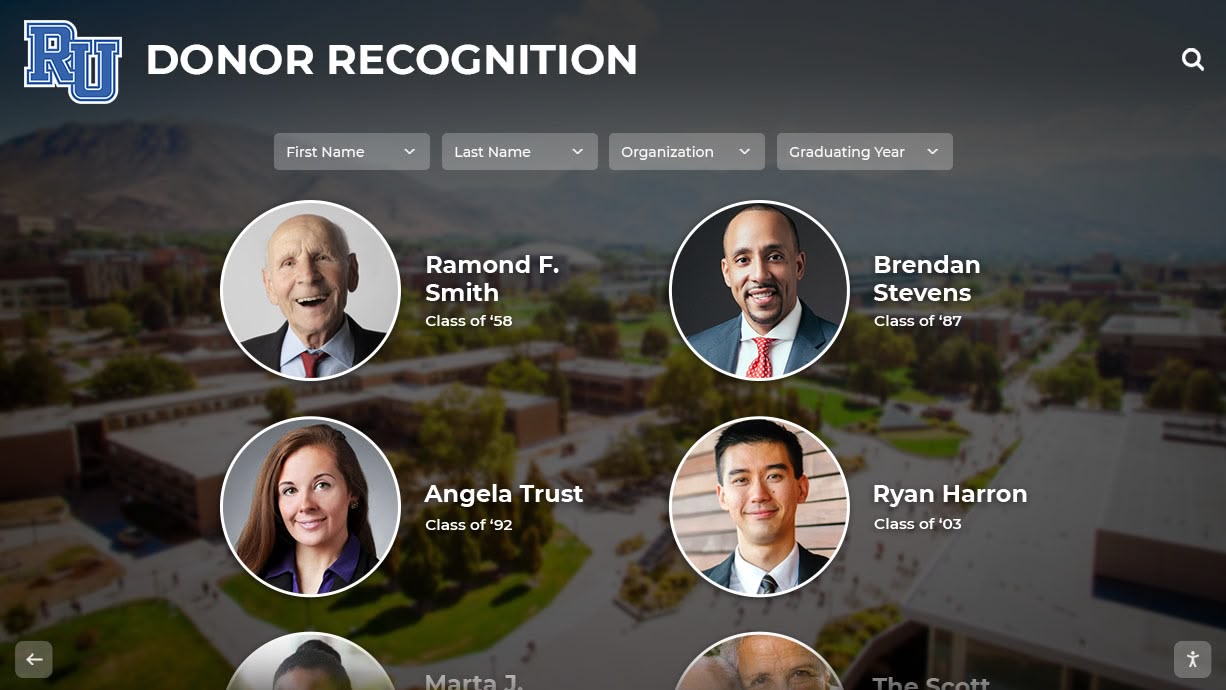
Integrated recognition systems celebrate both alumni achievement and philanthropic support
For alumni themselves, pride in institutional affiliations strengthens when they see fellow graduates achieving extraordinary things. This collective pride motivates continued engagement, creates networking opportunities, and generates organic word-of-mouth promotion far more credible than institutional marketing.
Building Institutional Identity and Competitive Distinction
Legacy walls create physical and digital spaces where institutional identity finds concrete expression. These displays communicate institutional values, demonstrate educational impact, and celebrate the collective achievements of alumni communities spanning decades or centuries.
For prospective students and families, legacy walls provide compelling evidence of institutional quality. During campus tours, displays showcasing distinguished alumni validate admission decisions while differentiating your institution from competitors. Parents particularly appreciate seeing graduates who’ve achieved professional success, addressing natural concerns about educational return on investment.
Institutions with long histories benefit especially from comprehensive legacy documentation. Displays celebrating 50, 100, or 150+ years of alumni achievement demonstrate institutional staying power and multi-generational impact. This historical depth creates unique competitive advantage that newer institutions cannot replicate.
Preserving Institutional Memory for Future Generations
Beyond celebrating individuals, legacy walls preserve institutional memory and document organizational evolution. These archives capture snapshots of who attended, when they graduated, what they accomplished, and how they contributed to their fields and communities.
For institutions with long histories, legacy walls become valuable research resources. Historians, journalists, prospective donors, and curious community members can explore how institutions influenced various professions, industries, and social movements through the graduates they prepared for leadership and impact.
Digital platforms excel at digitizing yearbooks and historical records, transforming aging physical archives into searchable, accessible digital collections. This preservation work ensures that institutional legacies remain available for future generations rather than deteriorating in storage or getting lost to time.
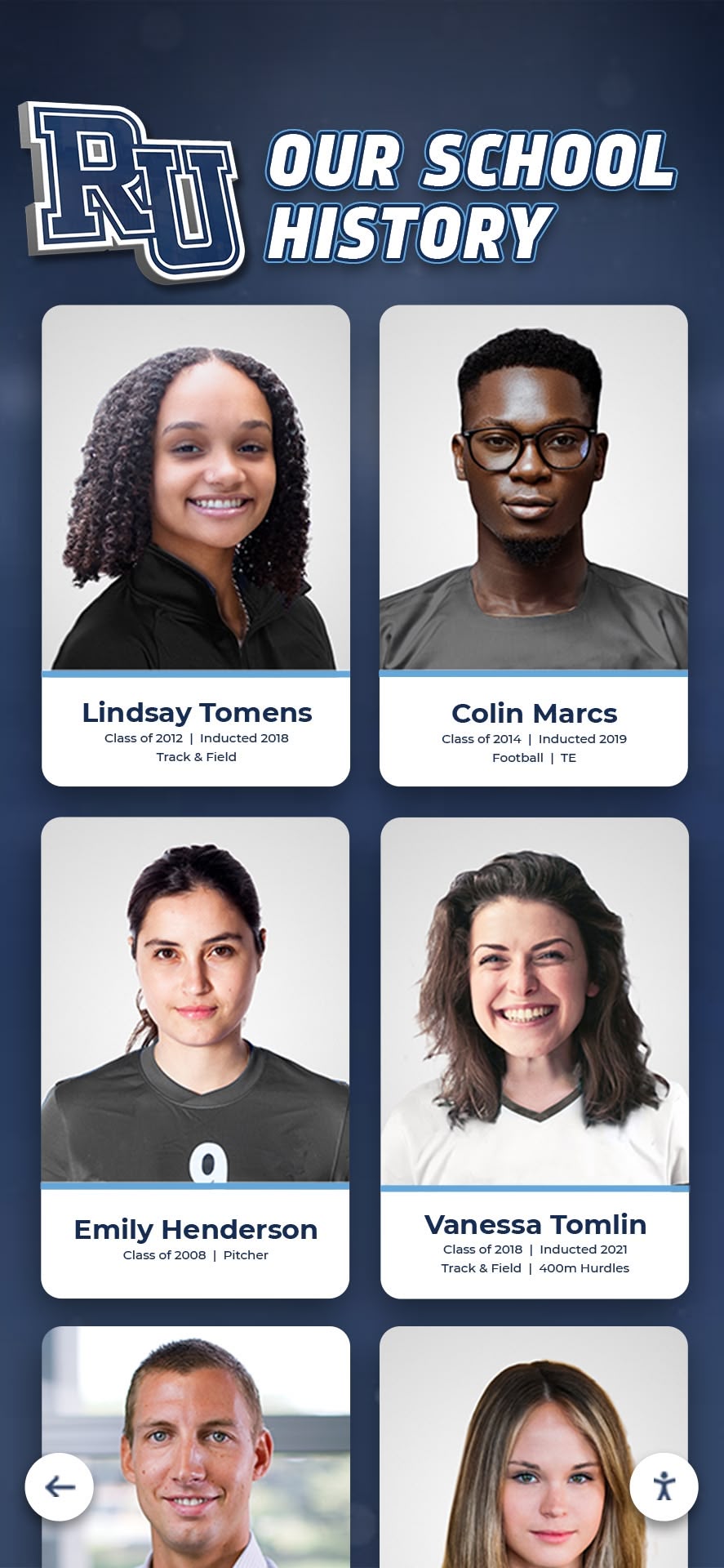
Digital systems preserve institutional history by archiving historical photos and documents accessibly
Planning Your Alumni Legacy Digital Wall: Strategic Framework
Successful legacy walls require thoughtful planning that addresses multiple stakeholders, diverse objectives, and long-term sustainability. Rushing into implementation without strategic planning often results in systems that fail to achieve potential impact or require expensive corrections.
Defining Scope and Organizational Structure
Clear scope definition ensures legacy programs maintain focus while serving intended purposes effectively. Without defined parameters, projects become unwieldy and difficult to complete successfully.
Historical Depth: Determine how far back your legacy wall will document. Some institutions choose comprehensive approaches documenting their entire history from founding to present. Others begin with recent decades, expanding backward over time as resources allow and historical research progresses. Starting with achievable scope prevents overwhelming initial efforts while establishing foundation for future expansion.
Recognition Categories: Decide what types of achievements and contributions merit inclusion in your legacy wall. Common categories include:
- Distinguished Alumni: Graduates achieving extraordinary professional or personal success
- Hall of Fame: Athletes, coaches, and athletic contributors achieving exceptional distinction
- Academic Excellence: Scholars, researchers, and educational leaders demonstrating intellectual achievement
- Service and Leadership: Community contributors, public servants, and civic leaders
- Arts and Culture: Artists, performers, writers, and creative industry leaders
- Institutional Service: Alumni serving institutional missions through volunteerism, governance, or mentorship
- Historical Milestones: Significant institutional events, traditions, and organizational evolution
- Donor Recognition: Financial contributors and philanthropic supporters
Balanced representation across categories prevents legacy walls from skewing toward high-profile professions while overlooking equally valuable contributions in less visible fields.
Organizational Framework: Establish logical structure helping visitors navigate content intuitively. Common organizational approaches include chronological arrangement by graduation decade, categorical organization by achievement type, alphabetical sorting for easy name lookup, and thematic grouping around institutional values or historical eras. Well-designed navigation enables visitors to explore legacy content through multiple pathways matching different discovery interests.
Gathering and Curating Historical Content
Comprehensive legacy walls require substantial content development addressing both recent and historical alumni. Systematic approaches distribute workload while ensuring quality and accuracy.
Alumni Engagement and Self-Submission: Request that honored alumni provide biographical information, photographs, career highlights, and personal reflections. Most inductees willingly contribute content, appreciating opportunities to influence how their achievements are presented. Provide templates or questionnaires that make submissions straightforward while ensuring consistency across profiles.
Enable ongoing profile updates allowing alumni to submit career milestones, awards, or changed contact information as their lives evolve. Self-service updating distributes maintenance workload while ensuring current accuracy.
Archival Research and Historical Documentation: Mine institutional archives for historical photos, news clippings, yearbook entries, program documents, and achievement records. Many institutions possess rich archival materials that remain inaccessible to broader audiences until digitization projects surface them.
Digitizing plaques and trophies preserves information from aging physical displays while making it searchable and accessible. Scanning historical recognition materials creates digital archives that inform profile development while safeguarding against physical deterioration.
Collaborative Development: Engage student workers, volunteers, or communications interns in content development. Research, interview, writing, and photo editing provide valuable experience for students while accelerating profile creation. Faculty advisors in communications, journalism, or history programs often welcome real-world projects for student learning.
Partner with alumni association volunteers who may have personal connections to inductees or knowledge about their achievements. Long-term alumni often maintain informal networks tracking fellow graduates’ accomplishments, providing valuable leads for content enrichment.
Video interviews bring alumni stories to life through authentic voices and personal reflections
Technology Selection: Choosing the Right Legacy Platform
Legacy wall technology exists on a spectrum from simple digital photo frames to sophisticated interactive platforms with extensive capabilities. Appropriate technology selection depends on institutional goals, budget parameters, technical capacity, and user experience priorities.
Essential Platform Features:
Regardless of sophistication level, effective legacy platforms deliver core capabilities enabling engaging user experiences and sustainable content management:
- Intuitive Navigation: Self-explanatory interface requiring no instructions for casual visitors
- Powerful Search: Fast name-based search with auto-complete suggestions and fuzzy matching
- Flexible Filtering: Category-based filtering by graduation year, achievement type, professional field, or custom attributes
- Responsive Touch: Commercial-grade capacitive touch technology supporting multi-touch gestures
- Multimedia Integration: Support for photos, videos, audio, documents, and interactive timelines
- Visual Appeal: Professional design reflecting institutional branding and aesthetic standards
- Accessibility Compliance: ADA-compatible features supporting visitors with diverse abilities
Content Management Requirements:
Sustainable legacy programs require user-friendly management systems enabling non-technical staff to maintain content independently:
- Web-Based Administration: Browser-accessible management from any internet-connected device
- No-Code Editing: Profile creation and updates without HTML, CSS, or programming knowledge
- Bulk Import: CSV or database import for efficiently migrating large historical datasets
- Media Management: Storage and organization for photos, videos, documents, and audio files
- Version Control: Change tracking and revision history enabling content recovery
- Scheduled Publishing: Automated content release on specific dates for coordinated announcements
Solutions like Rocket Alumni Solutions’ digital recognition platforms provide these essential capabilities through purpose-built systems designed specifically for educational institutions, avoiding compromises required when adapting generic tools.

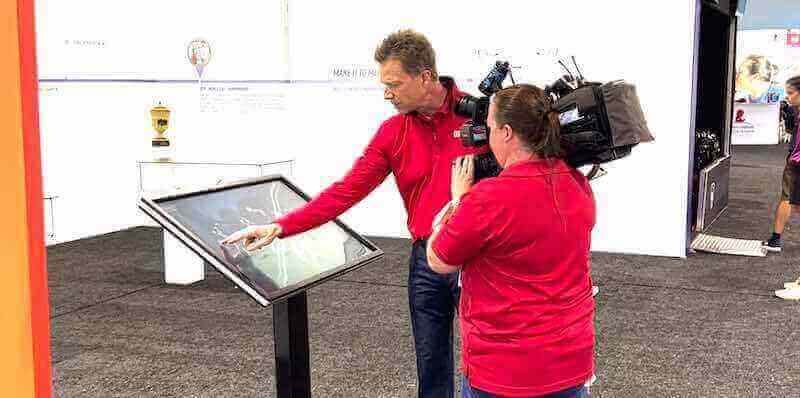
Interactive features enable engaging exploration through intuitive touch interfaces
Hardware Considerations for Physical Installations
Physical installation hardware significantly impacts user experience, maintenance requirements, and long-term satisfaction. Commercial-grade components designed for institutional use dramatically outperform consumer products repurposed for legacy applications.
Display Quality and Size: Screen size should match viewing distances and user scenarios. Locations where users approach closely (2-4 feet) work well with 43-55 inch displays. Areas with medium viewing distances (4-8 feet) benefit from 55-65 inch screens. Larger spaces or distant viewing require 75-86 inch displays for appropriate visibility and impact.
Resolution matters significantly for touchscreen applications. 4K (3840x2160) displays ensure crisp text readability at close viewing distances while providing visual sophistication expected in professional installations.
Touch Technology Selection: Capacitive touch, the technology used in smartphones and tablets, provides the responsive, precise interaction users expect. Avoid resistive touch technology common in budget displays—the delayed, imprecise response frustrates users accustomed to consumer device responsiveness.
Multi-touch capability enables gesture-based interaction like pinch-to-zoom on images or two-handed content manipulation. These natural interactions enhance user experience without requiring explicit instruction.
Durability and Reliability: Commercial-grade displays rated for continuous 24/7 operation provide reliability that consumer TVs lack. Educational institutions need displays that function properly for years with minimal maintenance, not consumer products designed for intermittent residential use.
Tempered glass protection prevents scratches and damage from heavy interaction. Anti-glare coatings maintain visibility in varied lighting conditions. Robust internal components withstand temperature fluctuations and continuous operation without degradation.
Installation Configurations: Multiple installation options accommodate diverse spaces and institutional preferences including wall-mounted displays for sleek, space-efficient placement, freestanding kiosks that don’t require wall mounting, architectural integration with custom enclosures blending with existing spaces, and multi-display arrays creating immersive recognition environments.
Professional installation ensures proper mounting, cable management, network connectivity, and aesthetic integration that DIY approaches rarely achieve.
Creating Compelling Legacy Content That Inspires
Technology enables legacy walls, but compelling content drives engagement. Profiles that tell authentic stories create emotional connections that inspire visitors while honoring alumni appropriately. Investing in content quality separates displays that become beloved institutional assets from those that languish unused.
Developing Rich Alumni Profiles and Historical Narratives
Comprehensive profiles balance factual achievement documentation with personal narratives that reveal the humans behind accomplishments. The most engaging content answers questions visitors actually care about rather than simply listing credentials.
Essential Profile Components:
- Professional Photography: High-quality current and historical photos showing alumni at various life stages
- Career Narratives: Stories describing professional journeys, pivotal moments, challenges overcome, lessons learned
- Achievement Documentation: Specific accomplishments, awards, recognitions, innovations, contributions
- Personal Reflections: Alumni sharing advice, describing formative institutional experiences, discussing values guiding success
- Historical Context: Background information placing achievements within broader institutional or societal context
- Connection Points: Information enabling networking—professional fields, geographic locations, mentorship availability
- Multimedia Enhancements: Video interviews, audio clips, document scans, news articles, interactive timelines
Storytelling Best Practices:
Focus on transformation narratives showing how education influenced trajectories. Alumni profiles that explain how specific courses, professors, experiences, or relationships shaped career directions resonate powerfully with current students and prospective families evaluating institutional value.
Highlight obstacles overcome and challenges navigated. Stories of first-generation college students succeeding despite limited resources, individuals recovering from setbacks to achieve excellence, or professionals pivoting careers mid-stream create relatability and inspiration that purely triumphant narratives cannot.
Include specific, concrete details rather than vague generalities. Instead of “successful businessperson,” describe the company founded, products developed, markets served, employment created, or innovations introduced. Specificity makes achievement tangible and believable rather than abstract.
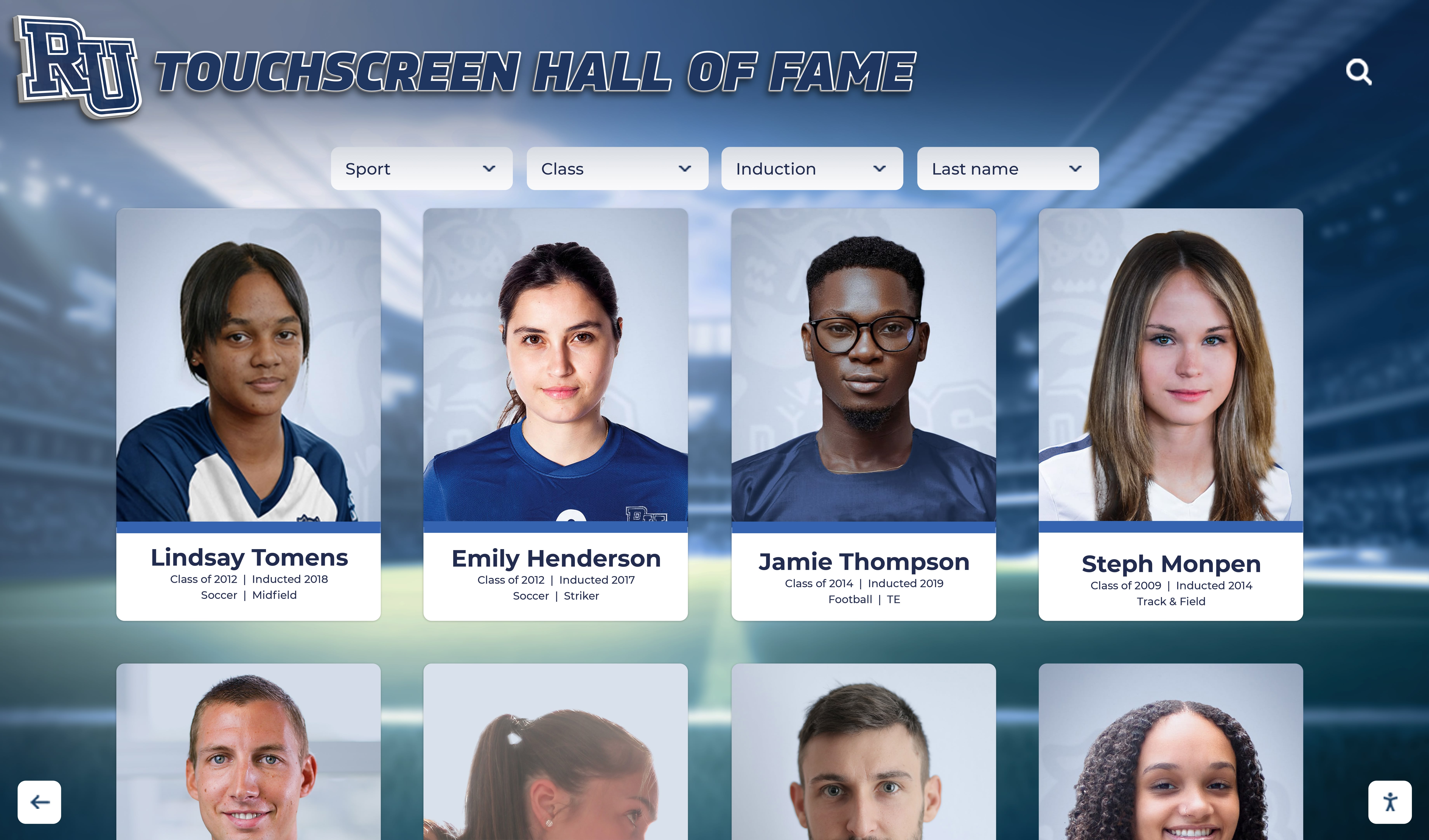
Comprehensive profiles combine biographical information with rich multimedia content
Documenting Institutional History and Traditions
Beyond individual alumni, effective legacy walls preserve broader institutional history including founding stories and organizational origins, significant events and milestone celebrations, evolution of academic programs and facilities, athletic championships and competitive achievements, performing arts accomplishments and creative contributions, and community service initiatives and social impact programs.
Historical Timeline Development: Create interactive timelines allowing visitors to explore institutional evolution chronologically. Timelines work particularly well for institutions with long histories, enabling visitors to understand how the institution developed over decades or centuries.
Include both major milestones (founding, significant expansions, leadership changes) and smaller moments that reveal institutional character (beloved traditions, notable events, community connections). This layered approach creates comprehensive historical understanding.
Preserving Traditions and Culture: Document unique institutional traditions, rituals, and cultural elements that define school identity. School pride initiatives benefit tremendously from legacy walls that celebrate what makes your institution special and distinct.
Include stories behind traditions explaining their origins and evolution. These narratives strengthen current community members’ connections to traditions while helping alumni remember their own participation in institutional culture.
Visual Historical Documentation: Digitize and display historical photographs showing campus evolution, student life across decades, and institutional development over time. Visual documentation creates powerful emotional connections as alumni recognize familiar locations or discover how campus looked in earlier eras.
Before-and-after comparisons showing architectural evolution or program development prove particularly engaging. Visitors appreciate seeing how their institution grew and changed while maintaining core identity and mission.
Balancing Historical and Contemporary Recognition
Comprehensive legacy programs honor achievements across institutional history rather than focusing exclusively on recent graduates or historical figures. Balanced temporal representation demonstrates that institutional impact spans eras while ensuring diverse communities see themselves reflected.
Historical Recognition Challenges: Earlier eras present documentation difficulties. Limited photographic archives, incomplete records, and deceased honorees complicate profile development. Available information may be sparse—basic biographical facts without detailed achievement documentation or personal narratives.
Address historical gaps through phased approaches. Begin with alumni for whom substantial information exists, expanding backward through time as resources allow and research progresses. Some institutions initially create streamlined profiles for historical alumni, enriching them over time as additional information surfaces.
Engage historical societies, local libraries, and community archives that may possess information absent from institutional records. Collaborative relationships with external organizations often yield unexpected biographical details, photographs, or documents.
Contemporary Recognition Advantages: Current alumni provide opportunities for rich multimedia content. Video interviews, detailed career documentation, and self-provided information create comprehensive profiles impossible for historical figures.
Contemporary recognition also supports advancement objectives more directly. Living alumni who see their recognition may increase engagement, giving, and institutional support. While honoring historical figures serves important purposes, strategic recognition balances past and present.
Temporal Representation Strategy: Aim for proportional representation reflecting actual alumni populations across eras. Institutions with 150-year histories shouldn’t feature 80% of recognized alumni from the past 20 years, nor should they overemphasize distant history while neglecting recent graduates.
Create recognition cohorts that include alumni from diverse graduation decades. Annual additions might feature historical figures, mid-career alumni, and recent graduates, ensuring temporal balance while regularly adding fresh content.
Measuring Success and Demonstrating Value
Effective legacy programs demonstrate value through quantifiable metrics and qualitative feedback. Data-driven assessment justifies initial investment, informs continuous improvement, and builds institutional support for ongoing program development.
Key Performance Indicators for Legacy Walls
Engagement Metrics:
- Interaction Volume: Total touches, sessions, and unique users over time periods
- Session Duration: Average time spent exploring legacy content per visit
- Content Depth: Number of profiles viewed per session indicating exploration breadth
- Return Visitors: Percentage returning after initial visits showing sustained interest
- Search Activity: Popular search terms revealing visitor interests and discovery patterns
- Feature Usage: Which filtering, sorting, or navigation options receive most use
Advancement Impact:
- Alumni Giving Participation: Changes in donor participation rates following legacy wall launch
- Event Attendance: Changes in reunion, homecoming, and alumni program participation
- Volunteer Engagement: Increased alumni volunteering for mentoring, speaking, or governance
- Social Sharing: Frequency of legacy content sharing across social media platforms
- Media Coverage: Press mentions and publicity generated by legacy wall features
Student and Recruitment Effects:
- Prospective Student Feedback: Campus tour participant reactions and comments about legacy displays
- Current Student Engagement: Student interaction with legacy programs and career exploration
- Mentorship Connections: Alumni-student relationships formed through legacy platform discovery
- Campus Pride Indicators: Survey data showing strengthened institutional identity and belonging
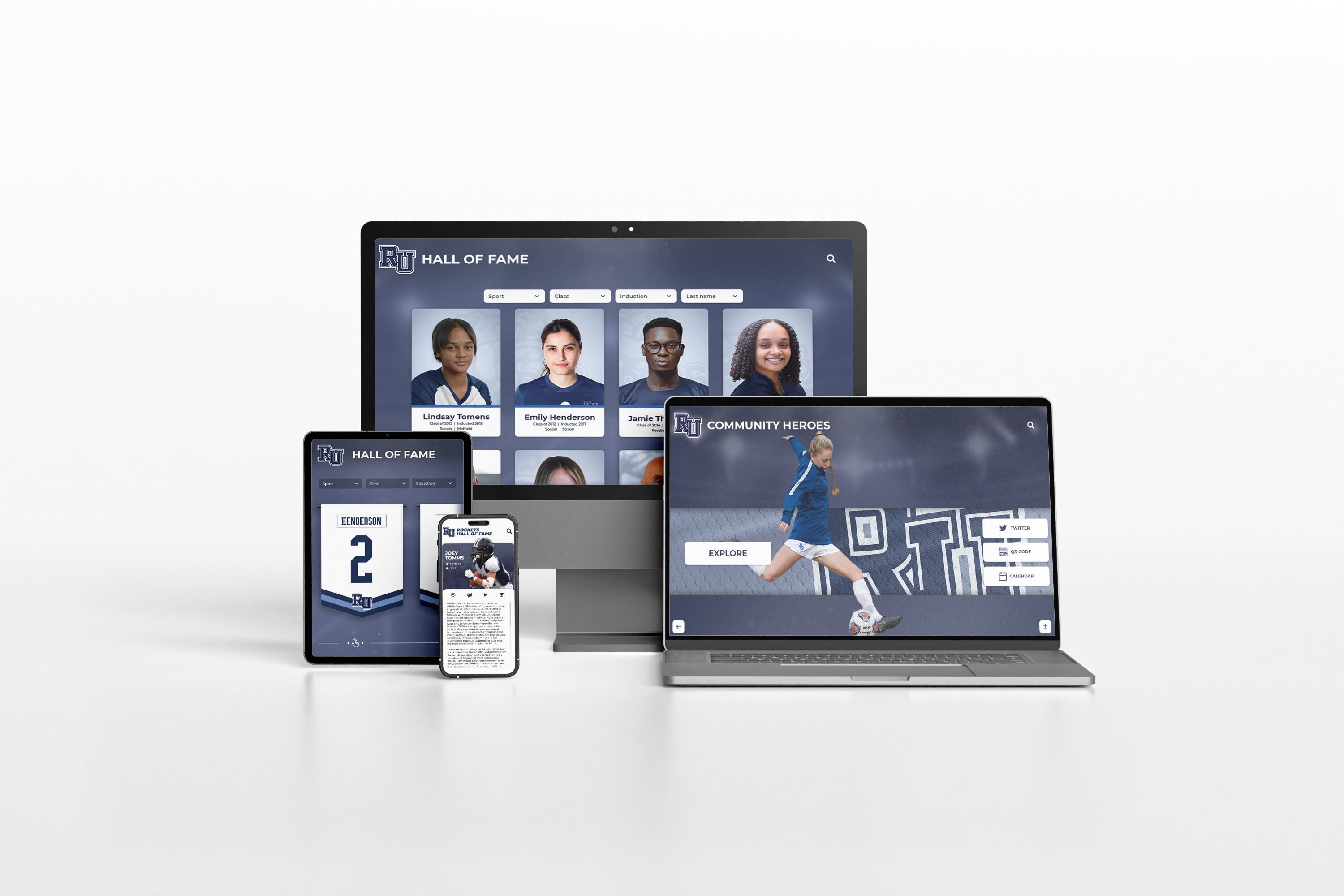
Detailed analytics provide insights for optimizing content strategy and measuring program impact
Continuous Improvement Through Data Analysis
Regular analysis of engagement data reveals opportunities for content enhancement, navigation optimization, and strategic refinement.
Content Performance Review: Identify most-viewed profiles to understand what content resonates. Common patterns—compelling video content, detailed career narratives, or alumni in specific fields—inform future development priorities.
Analyze underperforming content to understand what fails to engage. Profiles with view counts significantly below average may lack compelling narratives, quality photos, or relevant detail warranting enhancement.
User Experience Optimization: Study search patterns to identify discoverability issues. If visitors repeatedly search specific terms without successful matches, content gaps or metadata deficiencies may exist requiring attention.
Monitor feature usage to understand which navigation and filtering options visitors actually use versus those that clutter interfaces without value. Simplify interfaces by emphasizing high-use features while de-emphasizing or removing unused capabilities.
Strategic Refinement: Compare engagement across physical and digital platforms. If web traffic dramatically exceeds on-campus interaction, consider whether display placement, campus promotion, or physical interface design require improvement.
Assess temporal patterns revealing peak engagement times. If usage spikes during specific events, alumni weekends, or giving campaigns, coordinate content updates and promotional efforts with these high-engagement windows.
Best Practices from Successful Legacy Wall Implementations
Institutions achieving exceptional legacy program results share common approaches refined through experience and data-driven optimization.
Launch Strategy and Promotion
Pre-Launch Foundation Building: Successful programs generate anticipation before official launches. Communicate coming legacy programs through multiple channels—email newsletters, social media, website announcements—building awareness and excitement.
Invite community input on initial content, creating ownership and interest before unveiling. Nomination processes engaging alumni, faculty, staff, and students build broad investment in legacy program success.
Strategic Unveiling Events: Coordinate launches with high-visibility occasions—homecoming weekends, major athletic events, anniversary celebrations, or donor recognition galas—maximizing attendance and media coverage opportunities.
Feature inducted alumni at launch events when possible. Personal appearances by honorees add significance to unveiling ceremonies while providing networking opportunities for attendees and profile subjects.
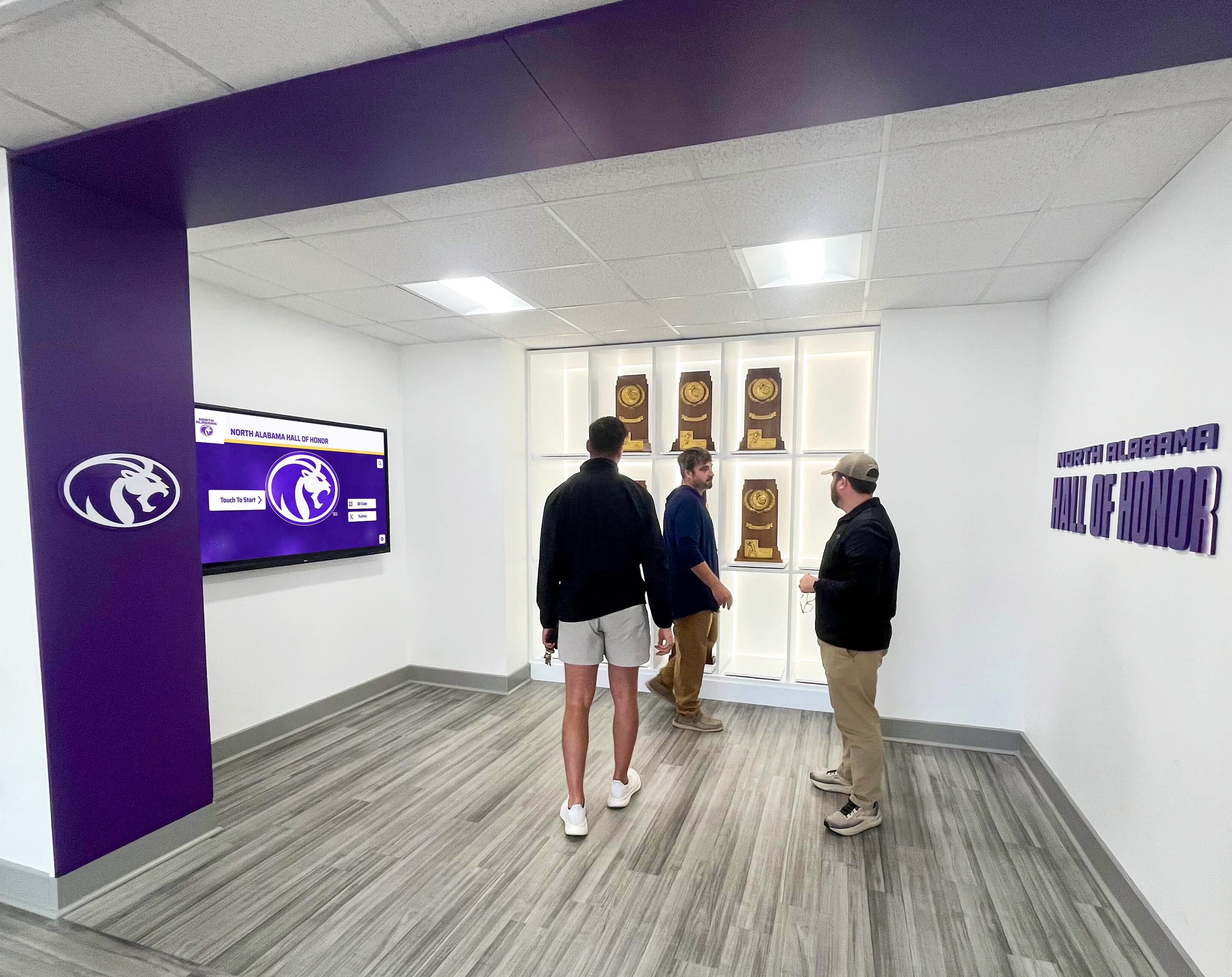
Recognition ceremonies create meaningful events celebrating alumni achievement while strengthening community bonds
Sustained Visibility: Initial launch enthusiasm predictably wanes without sustained promotion. Establish ongoing visibility practices including regular “Featured Alumni” spotlights in communications, social media content calendars ensuring consistent recognition-focused posts, event integration featuring displays prominently during reunions and tours, and website homepage rotations showcasing legacy program additions.
Integration with Advancement Programming
Fundraising Coordination: Incorporate legacy recognition into cultivation and stewardship practices. Alumni engagement strategies demonstrate how recognition displays enhance development conversations by showing prospects how significant contributions receive acknowledgment.
Create giving societies with guaranteed recognition benefits. Legacy Circle members who establish planned gifts, major donors exceeding threshold amounts, or consecutive giving streak achievers receive legacy wall features as tangible appreciation.
Event Programming: Legacy displays become natural event focal points. Position displays prominently at reunions, with era-specific content featured during each cohort’s celebration. Activities encouraging attendees to locate specific classmates create fun interaction while familiarizing visitors with navigation.
Recognition ceremonies honoring new legacy wall additions provide annual signature events. Formal recognition creates celebration opportunities while generating advancement communications, social media content, and press coverage amplifying program visibility.
Alumni Association Partnership: Engage alumni associations in legacy program governance, nomination processes, and content development. Association members often maintain extensive networks providing valuable leads for honoree identification and biographical information.
Alumni volunteers may willingly assist with profile research, interview coordination, or historical documentation projects. Volunteer engagement distributes workload while deepening volunteer satisfaction through meaningful contribution opportunities.
Conclusion: Building Lasting Legacy Through Modern Recognition
Alumni legacy digital walls represent far more than upgraded trophy cases—they’re strategic infrastructure that preserves institutional memory, celebrates diverse achievements, inspires current and future students, and strengthens lifelong community bonds. The transformation from static displays to dynamic interactive platforms fundamentally changes what’s possible in legacy preservation and community engagement.
Modern digital legacy systems enable institutions to document comprehensive history without space constraints, tell rich stories through multimedia content, maintain living legacy reflecting ongoing achievements and discoveries, provide global access to geographically dispersed communities, and measure engagement with precision informing continuous improvement. These capabilities justify legacy wall investments through demonstrable returns in engagement, pride, and institutional connection.
Success requires viewing legacy programs as strategic initiatives rather than technology projects. Thoughtful planning addressing scope, content, technology, and sustainability ensures legacy walls deliver lasting value. Ongoing commitment to content quality, promotional visibility, and data-driven optimization separates beloved institutional assets from underutilized displays.
For institutions ready to transform legacy preservation, comprehensive solutions like those from Rocket Alumni Solutions provide proven platforms combining sophisticated technology with intuitive management and dedicated support. From initial planning through years of sustained community engagement, the right partner makes the difference between displays and transformative recognition experiences that celebrate your institution’s past while building stronger communities for the future.
Ready to Transform Your Alumni Legacy Preservation?
Discover how Rocket Alumni Solutions can help you create comprehensive alumni legacy digital walls that preserve history, celebrate achievements, and strengthen connections through interactive technology designed specifically for educational institutions.
Schedule Your Free ConsultationAlumni legacy digital walls honor the remarkable individuals who validate institutional missions through their achievements and contributions. When legacy programs combine meaningful preservation with strategic engagement capabilities, they create value extending far beyond simple documentation—building pride, strengthening bonds, inspiring students, and demonstrating the lasting impact of education across generations. The investment in comprehensive legacy systems returns dividends in community strength, institutional pride, and advancing missions for decades to come.































