Intent: Guide students and young professionals through strategic mentorship conversations with alumni mentors.
The right mentor can dramatically accelerate your career trajectory, helping you avoid common mistakes, identify opportunities, and navigate complex professional decisions with wisdom gained from experience. Yet many mentees struggle to maximize these invaluable relationships, unsure which questions will unlock the most useful guidance from alumni who’ve already traveled the path they’re beginning.
Questions to ask a mentor should go beyond surface-level career advice to explore decision-making frameworks, industry insights, skill development strategies, and personal growth lessons that only experience can teach. When you connect with alumni mentors from your institution, you gain access to professionals who understand your educational foundation while offering real-world perspective on how to translate that education into career success.
Alumni mentorship relationships represent one of the most powerful resources available to students and early-career professionals, yet their value depends entirely on asking thoughtful questions that prompt meaningful guidance. Generic inquiries yield generic advice, while strategic questions tailored to your specific situation, goals, and challenges unlock personalized wisdom that can reshape your professional trajectory.
This comprehensive guide provides the essential questions to ask a mentor across every stage of your professional development—from exploring career paths and building foundational skills to navigating career transitions and developing leadership capabilities. You’ll discover how to frame questions that prompt actionable insights, when to ask different types of questions based on your relationship stage, and how to leverage alumni networks to find mentors whose experiences align with your aspirations.
Whether you’re a student exploring career options, a recent graduate establishing your professional identity, or an early-career professional seeking advancement, these mentorship questions will help you extract maximum value from conversations with alumni mentors who want to help you succeed.

Effective mentorship begins with asking strategic questions that unlock the wisdom alumni mentors have gained through experience
Why Strategic Questions Transform Alumni Mentorship Relationships
The quality of your mentorship experience correlates directly with the quality of questions you ask. Thoughtful, specific questions demonstrate respect for your mentor’s time while signaling genuine interest in learning from their experiences. This preparation encourages mentors to move beyond generic advice toward personalized guidance addressing your unique circumstances and aspirations.
The Psychology Behind Effective Mentorship Questions
Great questions activate your mentor’s experiential memory, prompting them to recall specific situations, decisions, and lessons rather than offering abstract platitudes. When you ask “What would you have done differently in your first job?” instead of “Do you have any career advice?”, you trigger narrative thinking that yields concrete, actionable insights grounded in real experience.
Specific questions also help mentors understand your current situation, concerns, and goals more clearly, enabling them to tailor their guidance to your needs rather than offering one-size-fits-all suggestions. The context you provide through well-crafted questions allows mentors to draw connections between their experiences and your circumstances that might otherwise remain hidden.
Research on mentorship effectiveness consistently shows that mentees who prepare structured questions and demonstrate genuine curiosity about their mentors’ experiences report significantly higher satisfaction with mentorship relationships and greater career benefits over time. This preparation signals professionalism and commitment that mentors appreciate and reciprocate with deeper engagement.
How Alumni Mentors Differ from Other Professional Advisors
Alumni mentors bring unique advantages that distinguish them from other career advisors or professional contacts. They understand your educational foundation intimately, having completed the same academic programs and navigated similar institutional experiences. This shared background creates immediate rapport and enables alumni to provide context-specific advice about leveraging your education effectively.
Alumni also typically feel genuine investment in helping fellow graduates succeed, viewing mentorship as an opportunity to give back to their alma mater community. This intrinsic motivation often translates into more generous time commitments and candid advice compared to purely transactional professional relationships.
Furthermore, alumni networks provide systematic frameworks for connecting students with accomplished graduates across industries and career stages, making it easier to find mentors whose experiences align with your aspirations. Modern institutions increasingly facilitate these connections through structured mentorship programs and digital recognition platforms that help students discover alumni working in fields they’re exploring.
Building Mentorship Relationships That Last
Effective mentorship extends far beyond a single conversation or semester-long program. The strongest alumni-student mentorship relationships evolve over years, adapting as your career progresses and new challenges emerge. Strategic questions help establish foundations for these lasting connections by demonstrating your commitment to growth, respect for your mentor’s expertise, and genuine interest in maintaining the relationship beyond immediate needs.
The questions you ask also signal what kind of mentee you’ll be—whether you’re genuinely coachable, willing to implement advice, and capable of independent follow-through. Mentors invest more deeply in mentees who demonstrate these qualities through their inquiry approach and subsequent actions.
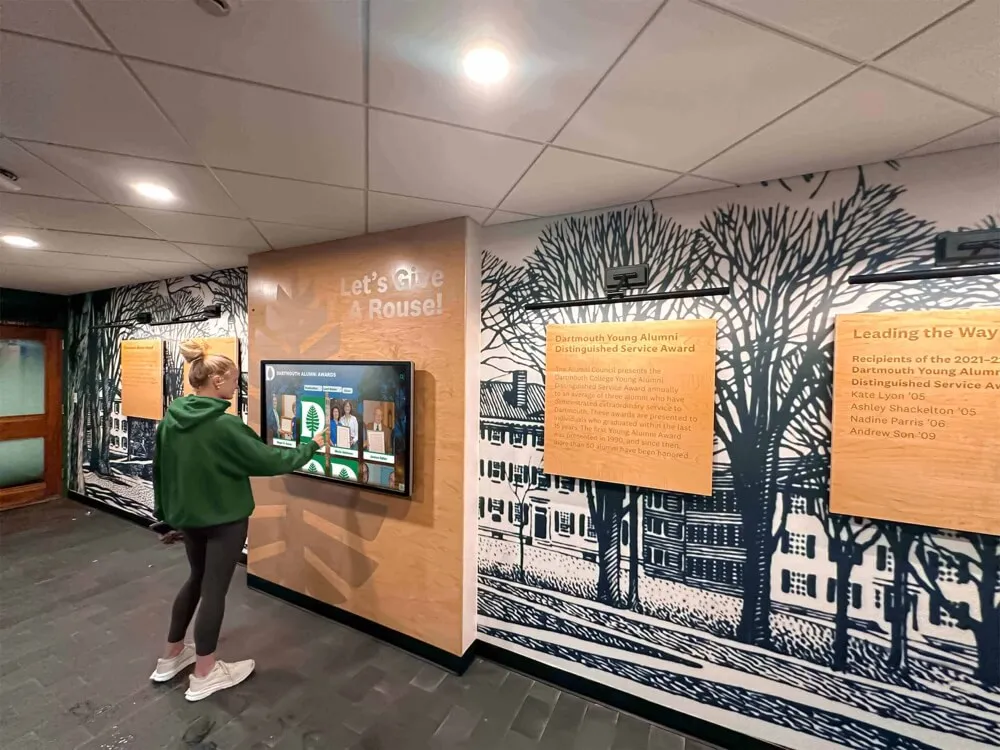
Discovering accomplished alumni through interactive recognition systems helps students identify potential mentors whose career paths align with their interests
Essential First-Meeting Questions to Ask a Mentor
Initial conversations with alumni mentors set the tone for your entire relationship. These foundational questions help establish rapport, understand your mentor’s background, and identify how their experiences can most effectively guide your development.
Understanding Your Mentor’s Journey
“Can you walk me through your career path from graduation to your current role?”
This open-ended question invites your mentor to share their professional narrative, including pivotal decisions, unexpected opportunities, and how various roles built upon each other. Pay attention to non-linear paths, career changes, and how their trajectory differed from what they initially envisioned. These details often reveal valuable lessons about adaptability and opportunity recognition.
“What factors most influenced your decision to pursue [their field/industry]?”
Understanding your mentor’s motivations provides insight into whether similar factors resonate with you. Their answer may reveal practical considerations like market demand, values alignment with industry culture, or personal passion development that can inform your own decision-making framework.
“Looking back at your education, which experiences or skills proved most valuable in your career?”
This question helps you identify which aspects of your current educational experience deserve extra investment. Alumni perspectives on which courses, extracurricular activities, or skill developments most impacted their success can guide how you allocate time and energy during remaining academic years.
“What surprised you most about professional life compared to your expectations as a student?”
Honest answers to this question prepare you for realities that academic environments don’t fully capture—workplace dynamics, industry economics, work-life balance challenges, or skill gaps that emerged despite strong academic preparation. This forewarning helps you adjust expectations and prepare more effectively.
Establishing the Mentorship Framework
“What do you enjoy most about mentoring, and how can I make this relationship valuable for you too?”
This question demonstrates mature understanding that mentorship should provide mutual value. Many mentors appreciate opportunities to reflect on their own careers, stay connected to emerging talent and fresh perspectives, or give back to their alma mater community. Understanding their motivations helps you structure the relationship to meet everyone’s needs.
“How do you prefer to structure our mentorship—regular meetings, as-needed conversations, or something else?”
Clarifying expectations early prevents misunderstandings. Some mentors prefer scheduled quarterly check-ins, while others welcome more frequent informal communication. Respecting your mentor’s time preferences and communication style strengthens the relationship foundation.
“Are there particular areas where your experience aligns well with my goals, and others where you’d recommend I seek additional perspectives?”
This question acknowledges that no single mentor can address every need while helping identify where this particular relationship offers strongest value. It also signals your intention to build a mentorship portfolio rather than expecting one person to fulfill all advisory roles.
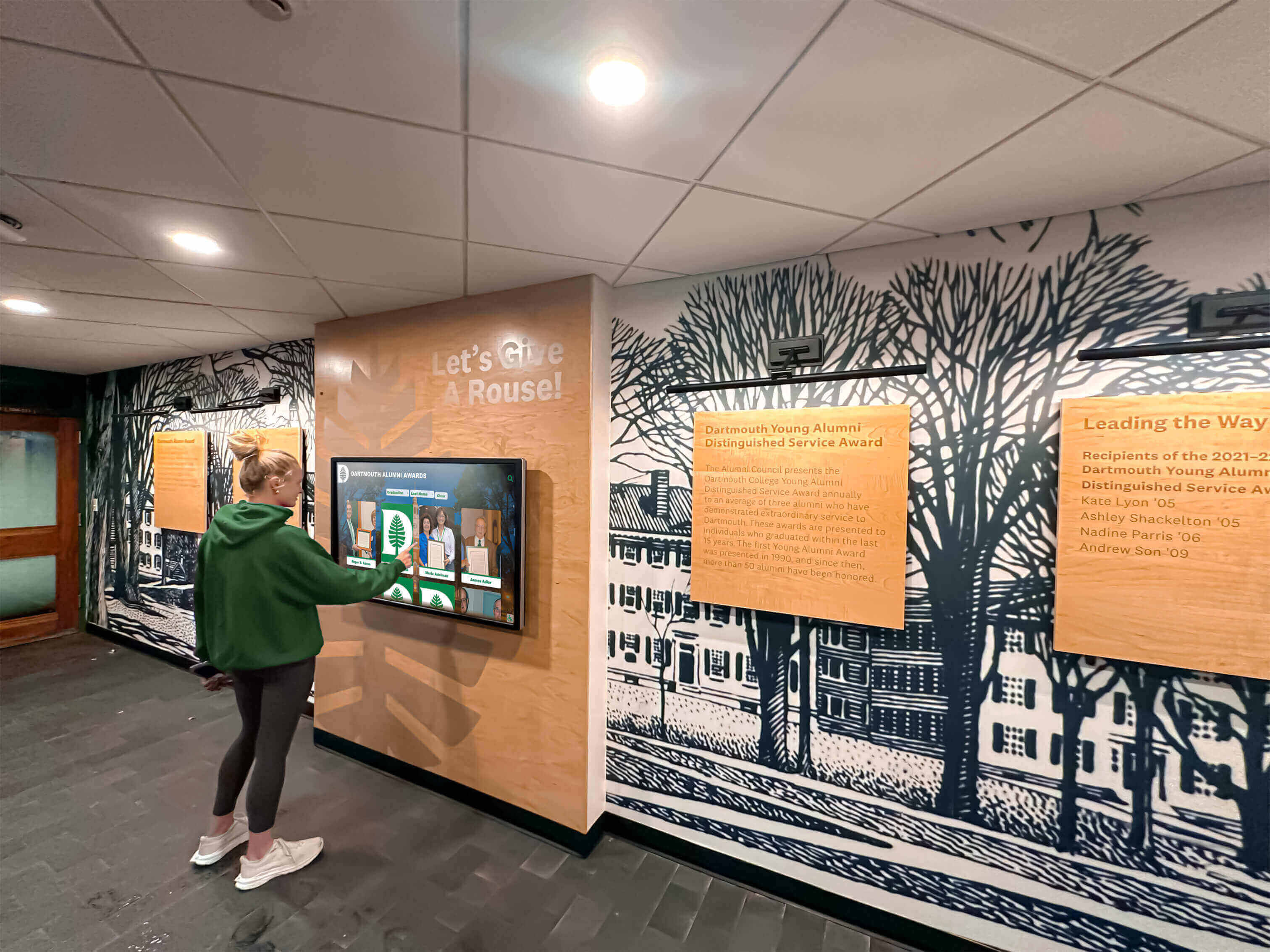
Interactive alumni displays enable students to explore diverse career trajectories and identify mentors who've navigated paths similar to their aspirations
Strategic Questions About Career Exploration and Decision-Making
For students and early professionals still defining their career direction, alumni mentors offer invaluable perspective on exploring options, evaluating opportunities, and making informed decisions about professional paths.
Discovering Career Paths and Opportunities
“How did you evaluate different career options early in your professional life?”
This question reveals decision-making frameworks your mentor developed for comparing opportunities. Their answer might address factors like learning potential, company culture assessment, compensation philosophy, geographic preferences, or values alignment that informed their choices.
“What career paths did you consider but ultimately decide against, and why?”
Understanding roads not taken provides insight into trade-offs and opportunity costs. Your mentor’s reflection on alternatives they rejected—and whether they still consider those decisions correct—offers perspective on evaluation criteria and long-term thinking.
“If you were graduating today, which emerging fields or roles would most interest you?”
This forward-looking question helps identify opportunities your mentor sees from their vantage point that may not be obvious to students. Alumni who’ve established themselves professionally often recognize emerging trends, growth sectors, or evolving roles before they reach mainstream awareness.
“How do you distinguish between roles that offer genuine learning opportunities versus those that simply sound impressive?”
Many early-career professionals struggle to evaluate whether prestigious-sounding positions actually provide substantive development. Alumni who’ve seen colleagues take various paths can often identify warning signs of roles with attractive titles but limited growth potential.
Navigating Critical Career Decisions
“What questions should I ask during interviews or informational conversations to assess whether an organization truly aligns with my values and goals?”
Experienced alumni know which questions reveal authentic company culture versus polished recruiting pitches. Their hard-won wisdom about red flags, positive indicators, and probing questions worth asking can help you evaluate opportunities more effectively than generic interview advice.
“When you’ve faced difficult career decisions, what frameworks or perspectives helped you think through your options?”
Successful professionals typically develop decision-making approaches that serve them repeatedly. Whether your mentor uses pros-cons analysis, long-term scenario planning, values-based evaluation, or trusted advisor consultation, understanding their framework provides a mental model you can adapt.
“Have you ever turned down an opportunity that seemed attractive, and what informed that decision?”
The ability to decline opportunities—even appealing ones—represents professional maturity. Understanding when and why your mentor said “no” to roles, promotions, or career moves reveals strategic thinking about long-term positioning versus short-term gains.
“What role does gut instinct play in your career decisions, and how do you balance intuition with analytical evaluation?”
Career decisions rarely reduce to pure calculation. Learning how experienced professionals integrate logical analysis with intuitive feelings helps you develop balanced decision-making approaches that honor both rational and emotional intelligence.
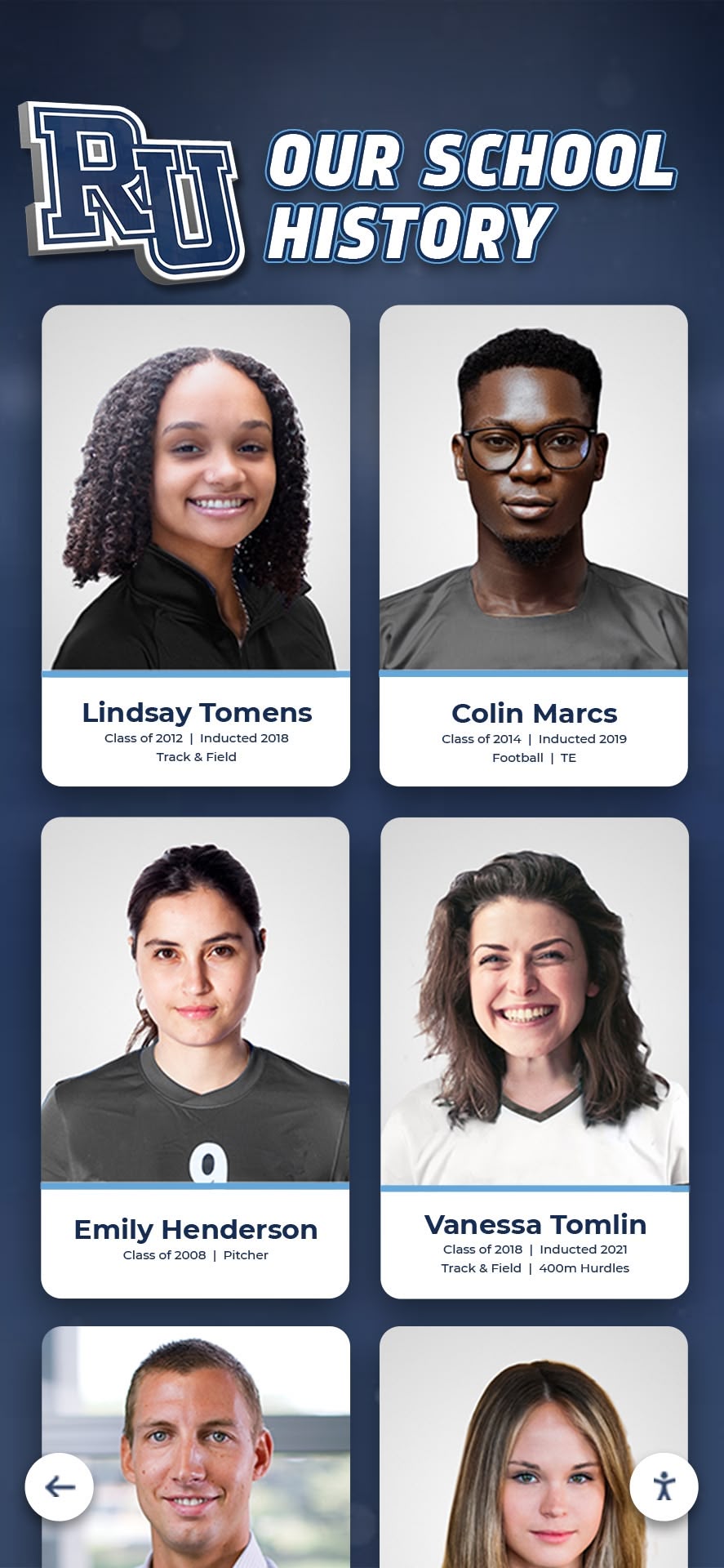
Showcasing alumni across varied fields helps students understand the breadth of possibilities open to graduates from their institution
Essential Questions About Skills Development and Professional Growth
Alumni mentors offer invaluable guidance about which capabilities matter most in professional contexts and how to develop them efficiently. These questions help you prioritize skill development and avoid common pitfalls.
Identifying Critical Professional Competencies
“Which skills have proven most essential in your career, and how did you develop them?”
This question moves beyond generic advice about “communication” or “leadership” toward specific competencies your mentor relies on daily. Their answer might identify technical expertise, relationship-building capabilities, strategic thinking, or specialized knowledge areas that drive success in their field.
“What skills do you wish you had developed earlier in your career?”
Hindsight reveals gaps that only become apparent after years of professional experience. Your mentor’s honest reflection on delayed skill development can help you avoid similar delays by investing in those capabilities now, before their absence creates obstacles.
“How do you stay current with evolving skills and knowledge requirements in your field?”
Industries constantly evolve, making continuous learning essential for sustained success. Understanding how your mentor maintains relevant expertise—through formal education, professional development programs, peer learning, or self-directed study—provides models for your own ongoing development.
“Which commonly emphasized skills actually matter less than people think in your field?”
Conventional wisdom about required skills doesn’t always match professional reality. Alumni can often identify overrated capabilities that career advisors emphasize but that prove less crucial in practice, helping you allocate development time more strategically.
Accelerating Professional Competence
“What resources, courses, or experiences accelerated your professional development most significantly?”
Specific recommendations from alumni who’ve achieved the success you’re pursuing carry more weight than generic suggestions. Whether your mentor credits particular certifications, online courses, industry conferences, or on-the-job experiences, their endorsements help you prioritize development investments.
“How do you approach learning new skills required for career advancement?”
Successful professionals develop efficient learning strategies suited to their preferred styles and practical constraints. Understanding your mentor’s approach to skill acquisition—whether through formal training, learning by doing, finding teachers, or structured self-study—helps you discover methods that might work for you.
“What’s the best investment of time and money you’ve made in your professional development?”
This question identifies high-return development opportunities your mentor values enough to explicitly recommend. Their answer reveals not just what they learned but also the reasoning behind their investment choice and its long-term impact.
“How do you balance depth in your core expertise versus breadth across multiple skill areas?”
Career success requires both specialized competence and versatile capabilities. Understanding how your mentor thinks about this balance—and how it has evolved across their career—provides perspective on when to focus versus when to diversify your skillset.
Building Professional Presence and Credibility
“How did you establish credibility early in your career when you lacked extensive experience?”
Young professionals often struggle to be taken seriously when their expertise exceeds their experience. Alumni who’ve navigated this challenge can share strategies for demonstrating competence, building trust, and establishing professional reputation despite limited tenure.
“What communication or interpersonal approaches have most helped you succeed in professional environments?”
Technical skills alone rarely determine career outcomes. Your mentor’s insights about effective communication, relationship building, conflict navigation, and organizational politics provide soft-skill guidance that academic environments seldom address explicitly.
“How do you advocate for yourself and your work without appearing self-promotional?”
Balancing appropriate self-advocacy with professional humility challenges many early-career professionals. Alumni who’ve struck this balance successfully can articulate strategies for ensuring your contributions receive recognition without alienating colleagues.
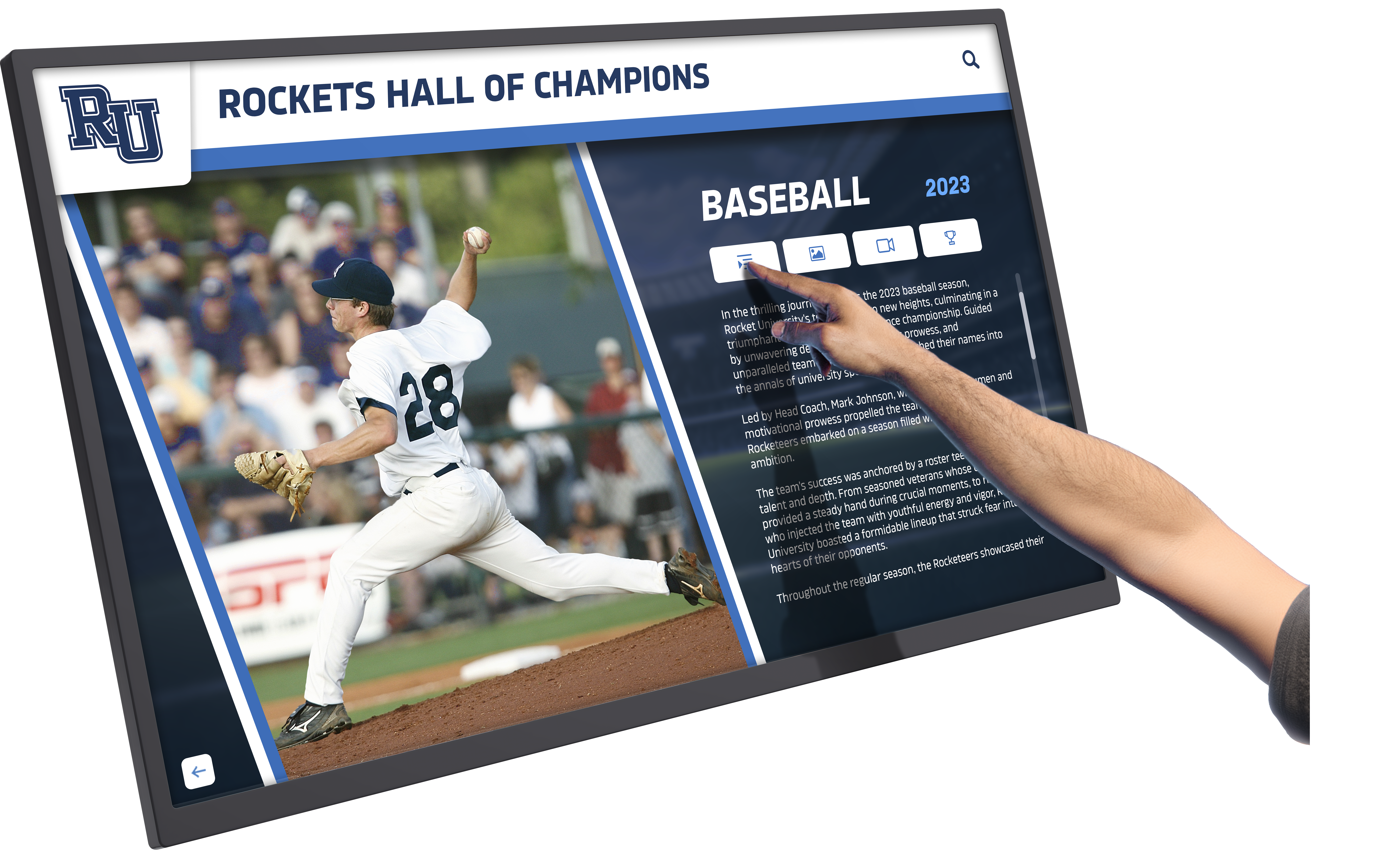
Digital platforms make alumni expertise accessible to students seeking guidance on skill development and professional growth
Important Questions About Networking and Relationship Building
Professional success depends heavily on relationships, yet many students and early professionals struggle to build networks authentically. Alumni mentors offer crucial guidance about developing professional relationships that create mutual value.
Understanding Professional Networking Effectively
“How do you think about networking in ways that feel authentic rather than transactional?”
Many people resist networking because it feels manipulative or self-serving. Mentors who’ve built strong professional networks while maintaining personal integrity can reframe networking as relationship-building focused on genuine connection and mutual value creation.
“Which relationships have proven most valuable in your career, and how did those connections develop?”
Understanding how your mentor’s most important professional relationships formed reveals patterns worth emulating. Often, the most valuable connections develop organically through shared work, mutual interests, or natural rapport rather than calculated networking events.
“What networking approaches worked well early in your career, and which strategies became more effective as you gained experience?”
Networking effectiveness often changes across career stages. What works for students differs from approaches suited to mid-career professionals. Your mentor’s perspective on this evolution helps you adopt age-appropriate strategies while preparing for future relationship-building approaches.
“How do you maintain professional relationships over time without it feeling forced or burdensome?”
Building relationships represents only half the challenge—maintaining them requires sustainable practices. Alumni who’ve preserved relationships across decades despite competing demands can share systems and mindsets that make ongoing connection feel natural rather than obligatory.
Leveraging Alumni Networks Strategically
“How have you benefited from our school’s alumni network, and how can I engage with it most effectively?”
Your mentor’s experience with institutional alumni resources reveals which programs, platforms, and engagement approaches deliver genuine value versus which consume time without meaningful return. Their guidance helps you prioritize highest-value networking opportunities within your alumni community.
“When reaching out to alumni I don’t know for informational conversations, what approach tends to generate positive responses?”
Cold outreach to alumni strangers intimidates many students, yet these connections often prove valuable when approached thoughtfully. Mentors who’ve both initiated and received such requests can articulate what separates effective outreach from messages that get ignored or rejected.
“How can I add value to more experienced professionals in my network despite having limited experience?”
Successful networking requires reciprocity, yet early-career professionals often struggle to identify what they offer to established contacts. Alumni mentors can help you recognize the value you bring—fresh perspectives, emerging skills, enthusiastic assistance, or simple genuine interest—that experienced professionals appreciate.
“Which professional organizations or communities have you found most valuable for building relationships in our field?”
Industry associations, professional societies, online communities, and alumni groups vary tremendously in networking value. Your mentor’s experience helps you identify highest-return membership and participation investments rather than spreading yourself across too many mediocre options.
Approaching Informational Interviews and Professional Conversations
“What makes an informational interview genuinely useful for both parties?”
Informational interviews often disappoint because requesters treat them as thinly veiled job applications rather than authentic learning opportunities. Alumni who’ve conducted hundreds of these conversations can articulate what distinguishes effective exchanges from awkward, unproductive meetings.
“How should I prepare for conversations with senior professionals to ensure I respect their time while gaining meaningful insights?”
Preparation demonstrates respect for busy professionals while dramatically improving conversation quality. Your mentor’s guidance on research, question preparation, and discussion frameworks helps you maximize limited time with valuable contacts.
“What follow-up practices after informational conversations or networking meetings actually matter?”
Generic thank-you notes barely register with busy professionals. Alumni can distinguish truly meaningful follow-up—sharing relevant articles, making useful introductions, or updating on advice implementation—from perfunctory gestures that waste everyone’s time.
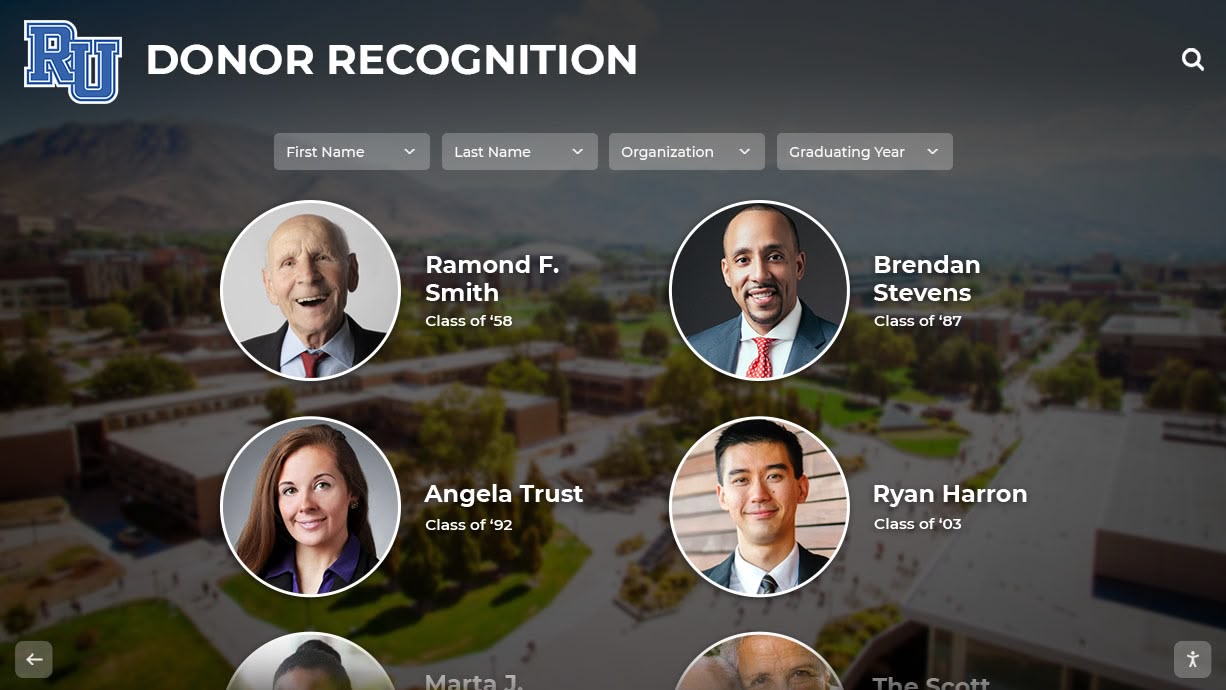
Prominent alumni recognition creates awareness of accomplished graduates available to guide students through career development
Critical Questions About Industry Realities and Workplace Culture
Academic environments poorly prepare students for many workplace realities. Alumni mentors bridge this gap by honestly discussing industry dynamics, organizational politics, and cultural factors that significantly impact career satisfaction and success.
Understanding Industry Dynamics and Realities
“What aspects of your industry or role do outsiders generally misunderstand or romanticize?”
Media portrayals, career websites, and campus recruiting often present sanitized versions of professional life. Your mentor’s candid perspective on unglamorous realities—challenging aspects, frustrating dynamics, or disappointing truths about their field—helps you develop realistic expectations.
“How has your industry changed since you entered it, and what trends do you see shaping its future?”
Industries evolve constantly, making historical context valuable for understanding current conditions and anticipating future directions. Alumni who’ve witnessed significant industry transformation can help you distinguish temporary fluctuations from fundamental shifts that reshape opportunity landscapes.
“What economic or market factors have most impacted career opportunities in your field?”
External forces beyond individual control significantly influence career prospects. Understanding how economic cycles, technological disruption, regulatory changes, or market consolidation have affected your mentor’s field helps you make strategic decisions accounting for these realities.
“Which organizations or companies in your industry have reputations for developing talent well, and which should I approach cautiously?”
Inside knowledge about specific employers rarely appears in public information yet dramatically affects career trajectories. Alumni willing to share candid assessments of various organizations provide invaluable intelligence for evaluating opportunities.
Navigating Organizational Culture and Politics
“How do you navigate workplace politics effectively without compromising your integrity?”
Organizational politics exist in every workplace, but handling them ethically while protecting career interests requires judgment that only experience develops. Your mentor’s approach to this balance provides models for navigating complex interpersonal dynamics professionally.
“What cultural factors should I assess when evaluating whether an organization will be a good fit?”
Company culture profoundly impacts daily work experience and long-term satisfaction, yet it’s difficult for outsiders to evaluate authentically. Alumni can identify which cultural dimensions matter most and how to assess them beyond what organizations claim in recruiting materials.
“How do you identify and work effectively with sponsors or champions within an organization?”
Career advancement often depends on senior advocates who open doors and recommend you for opportunities. Understanding how to identify potential sponsors, earn their support, and maintain these relationships strategically accelerates professional progression.
“What workplace dynamics or challenges caught you off-guard early in your career, and how did you learn to handle them?”
Firsthand mistakes often teach more powerful lessons than abstract advice. Your mentor’s candid reflection on missteps, awkward situations, or challenges they initially handled poorly—and what they learned—provides practical wisdom unavailable from sanitized career guides.
Evaluating Work-Life Balance and Career Sustainability
“How do you think about work-life balance or integration, and has your approach evolved over time?”
Work-life balance means different things to different people and shifts across career stages. Your mentor’s perspective on managing professional demands alongside personal priorities helps you develop sustainable approaches aligned with your values.
“What warning signs suggest someone is in an unhealthy work environment, and when should they consider leaving?”
Distinguishing between normal professional challenges and genuinely toxic environments proves difficult without experience. Alumni who’ve both persevered through temporary difficulties and made strategic exits from harmful situations can help you calibrate your own situation assessment.
“How do you prevent burnout while remaining ambitious and committed to career growth?”
Sustainable success requires balancing achievement drive with self-preservation. Your mentor’s strategies for maintaining energy, motivation, and wellbeing despite demanding career paths provides practical approaches for long-term career marathon rather than unsustainable sprint.
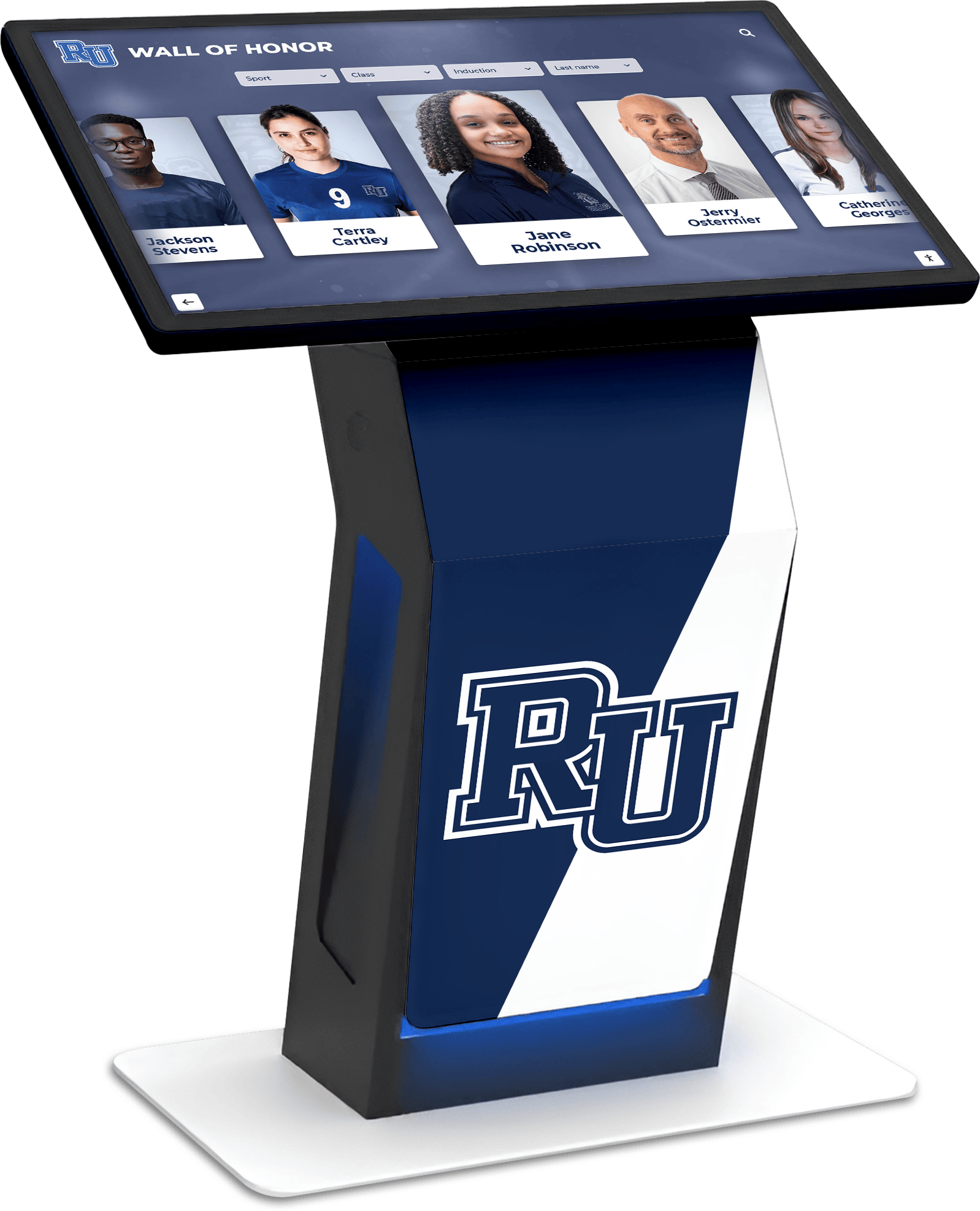
Accessible alumni resources help students connect with mentors who can provide honest guidance about workplace realities and career sustainability
Advanced Questions for Ongoing Mentorship Relationships
As your relationship with an alumni mentor deepens beyond initial conversations, more sophisticated questions addressing complex challenges, strategic career positioning, and personal development become appropriate.
Strategic Career Advancement Questions
“At what point in your career did you transition from executing tasks to thinking strategically about your professional positioning?”
This shift marks important professional maturation. Understanding when and how your mentor made this transition helps you recognize signals that you’re ready for similar strategic thinking rather than remaining purely tactical in career approach.
“How do you evaluate whether to pursue depth and expertise within your current path versus pivoting toward new opportunities?”
Career progression sometimes requires doubling down on established expertise while other times demands significant change. Your mentor’s framework for making these crucial decisions provides perspective on when to persevere versus when to pivot.
“What factors helped you decide when to change roles, organizations, or even career directions?”
Knowing when to move represents one of career management’s most challenging decisions. Alumni who’ve made successful transitions can articulate indicators that suggested change timing, helping you recognize similar signals in your own situation.
“How do you assess opportunity costs when evaluating career decisions with no clearly ‘right’ answer?”
Many significant career choices involve trading one set of advantages for another rather than choosing between good and bad options. Your mentor’s approach to weighing competing priorities illuminates how experienced professionals think through ambiguous decisions.
Leadership Development and Influence
“How did you develop leadership capabilities, and what experiences accelerated your growth as a leader?”
Leadership rarely emerges from formal training alone. Understanding which experiences most shaped your mentor’s leadership development—challenging assignments, influential role models, feedback from failures—helps you seek similar developmental opportunities.
“What mistakes did you make as a new leader, and what did those experiences teach you?”
Early leadership attempts often involve awkward missteps that teach crucial lessons. Your mentor’s candid sharing of these experiences normalizes your own inevitable mistakes while helping you learn from their experience rather than repeating their errors.
“How do you balance advocating for your team while meeting organizational expectations and navigating up-management?”
Effective middle management requires simultaneously serving team needs and organizational goals, which sometimes conflict. Alumni in leadership roles can share how they navigate this tension authentically without becoming simply a mouthpiece for either side.
“What approaches help you influence outcomes and drive change without formal authority?”
Impact often depends on influencing people and decisions beyond your direct control. Your mentor’s strategies for building coalitions, making compelling cases, and driving initiatives despite limited positional power become increasingly relevant as your career progresses.
Personal Development and Long-Term Success
“How do you maintain continuous learning and growth decades into your career?”
Sustained success requires lifelong learning, yet maintaining curiosity and growth mindset becomes harder as you achieve success and comfort. Alumni who’ve remained vital and relevant throughout long careers can share how they’ve sustained development drive across decades.
“What role has failure or setbacks played in your career, and how did you recover and learn from those experiences?”
Successful alumni have all experienced failures—projects that flopped, positions they were fired from, ventures that failed. Their honest reflection on navigating setbacks, maintaining resilience, and extracting lessons from failure provides crucial perspective on inevitable disappointments.
“How do you define success for yourself now, and how has that definition evolved from when you were starting your career?”
Success metrics shift across career stages. Understanding how your mentor’s conception of achievement has matured from early-career ambitions to current values helps you anticipate your own evolution while questioning whether conventional success markers truly align with your priorities.
“Looking back across your career, what are you most proud of, and what would you do differently if starting over?”
This reflective question invites your mentor to distill decades of experience into key insights. Their retrospective perspective on career highlights and regrets provides wisdom that only hindsight enables, helping you make choices your future self will appreciate.
Building Your Own Mentorship Philosophy
“Now that you mentor others, what do you find most rewarding, and how has being a mentor influenced your own growth?”
Successful mentees often become effective mentors themselves. Understanding how mentoring benefits your mentor—not just through altruism but through their own continued learning and development—helps you think about your eventual transition into mentorship roles.
“What qualities distinguish mentees who successfully implement guidance from those who struggle to translate advice into action?”
Your mentor has observed many mentees with varying success rates. Their perspective on what separates effective mentees from those who fail to benefit from guidance helps you cultivate qualities associated with maximum mentorship value extraction.
“How should I think about building a ‘personal board of directors’ of mentors with complementary perspectives?”
Single mentors can’t address every need. Alumni who’ve assembled their own advisor networks can guide you toward building diverse mentorship portfolios including people offering different expertise, perspectives, and relationship dynamics that collectively support comprehensive development.
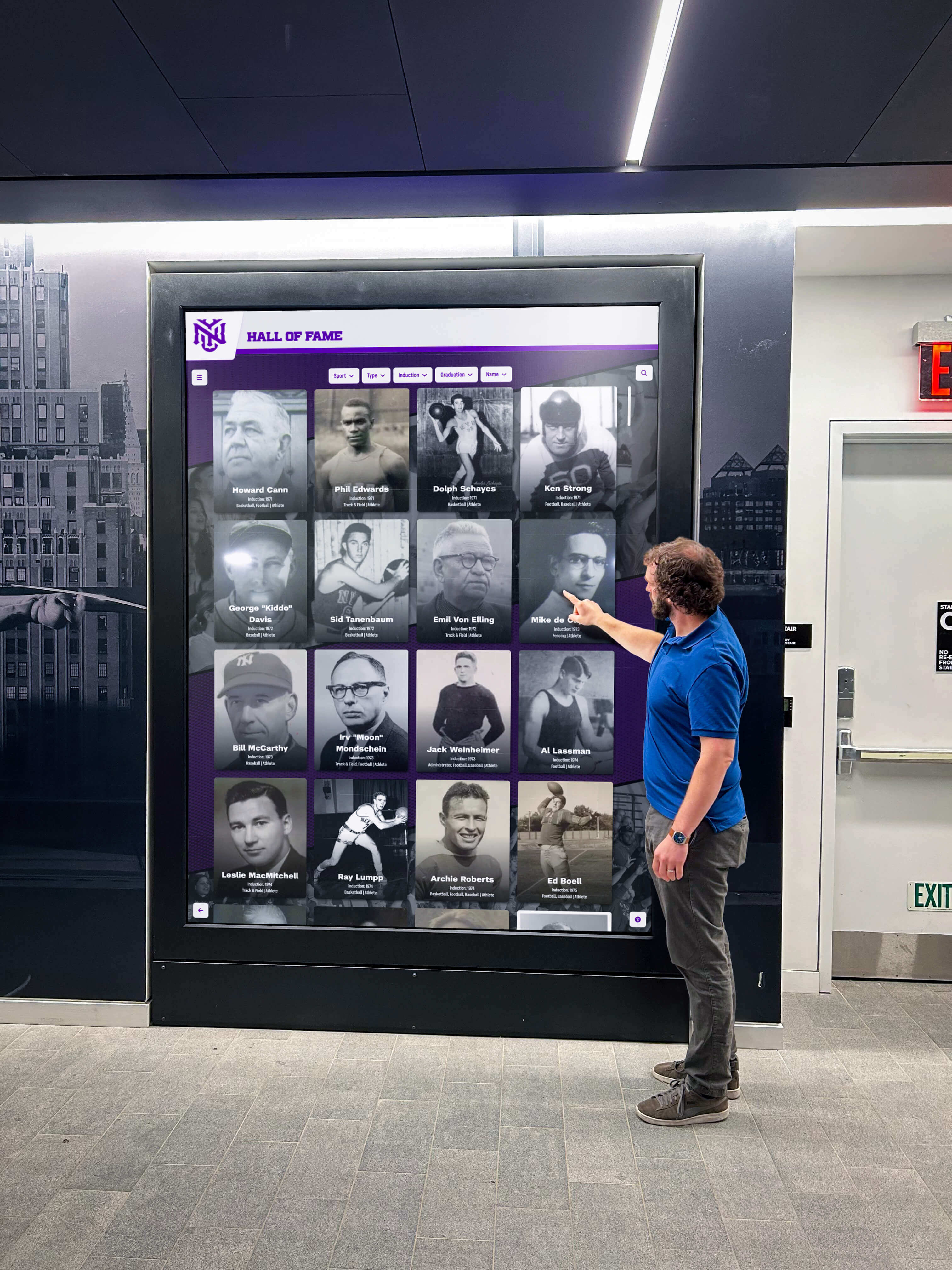
Interactive recognition systems facilitate connections between students and alumni mentors by showcasing accomplished graduates across diverse fields
Implementing a Structured Approach to Mentorship Conversations
Asking great questions matters, but maximizing mentorship value requires systematic preparation, effective conversation management, and thorough follow-through that transforms advice into action.
Pre-Meeting Preparation Best Practices
Research Your Mentor Thoroughly
Before conversations, review your mentor’s professional background, recent accomplishments, public writing or speaking, and any shared connections or interests. This preparation enables you to ask informed questions while demonstrating respect for their time through obvious investment in the relationship.
Digital alumni recognition platforms and institutional databases often provide comprehensive profiles including career history, achievements, and expertise areas that inform effective preparation. Leverage these resources to understand your mentor’s journey deeply before conversations begin.
Identify Your Primary Objectives
Clarify what you hope to gain from each conversation—specific career guidance, industry insights, skill development advice, or strategic perspective on particular decisions. Clear objectives help you prioritize limited time while ensuring you address most important questions before tangential discussions consume available minutes.
Prepare More Questions Than Time Allows
Develop 10-15 questions even for 30-minute conversations. This abundance ensures you’ll never run out of productive topics while allowing flexibility to pursue unexpected valuable tangents without anxiety about filling time. Prioritize questions so you address most critical topics even if conversation doesn’t cover everything.
Anticipate Follow-Up Resources or Connections
Consider what additional resources, introductions, or materials might naturally emerge from planned discussion topics. Thinking ahead about potential follow-up requests—“Would you be willing to introduce me to…” or “Could you recommend resources for learning more about…"—helps you articulate these efficiently without awkwardness.
Managing Conversations Effectively
Begin with Rapport and Gratitude
Start meetings by authentically thanking your mentor for their time and briefly sharing context about why you sought their guidance specifically. Genuine appreciation and clear articulation of what you hope to learn from their unique experience sets positive tone while focusing discussion productively.
Ask Questions That Prompt Stories
Frame inquiries to elicit narrative responses rather than simple yes-no answers. “How did you…” and “Can you describe a time when…” questions encourage mentors to share experiences rather than abstract advice. Stories provide richer context, reveal reasoning processes, and remain memorable far longer than generic suggestions.
Practice Active Listening
Resist urges to interrupt with your own experiences or jump immediately to next questions. Allow mentors to fully develop their thoughts, ask clarifying follow-ups on particularly valuable points, and demonstrate through body language and verbal cues that you’re genuinely engaged with their responses.
Take Meaningful Notes
Capture key insights, specific recommendations, and potential action items during conversations. Note-taking demonstrates seriousness while ensuring you remember crucial details. Review and synthesize notes immediately after meetings while discussion remains fresh in memory.
Post-Meeting Follow-Through That Strengthens Relationships
Send Thoughtful Thank-You Messages
Within 24 hours, send personalized thank-you notes referencing specific advice or insights you found particularly valuable. Generic expressions of gratitude barely register; specific appreciation that demonstrates what you heard and valued creates meaningful acknowledgment.
Implement Advice and Report Results
The most powerful relationship-building action involves actually implementing guidance received, then updating your mentor on outcomes. Alumni invest more deeply in mentees who demonstrably act on suggestions rather than collecting advice without execution.
Share Relevant Resources or Information
When you encounter articles, opportunities, or information potentially valuable to your mentor—industry news, interesting research, relevant events—share it proactively. This reciprocal value exchange transforms one-way advice relationships into mutual professional relationships.
Maintain Appropriate Contact Cadence
After initial meetings, establish sustainable connection frequency aligned with your mentor’s preferences and relationship depth. Some mentor relationships thrive on quarterly check-ins, while others work better with annual updates punctuated by specific questions as they arise. Let your mentor guide appropriate rhythm.
Building Long-Term Mentorship Relationships
Mark Career Milestones and Major Decisions
Inform mentors about significant developments—job offers, promotions, career changes, or major life events. These updates help mentors track your progression while reinforcing that their guidance contributed to your success. People enjoy knowing their investment made difference.
Seek Permission Before Making Introductions or Requests
Never presume on your relationship by making unauthorized requests of third parties in your mentor’s name or assuming permissions not explicitly granted. Always ask before using their name, requesting introductions, or involving them in situations requiring their involvement.
Transition Toward Peer Relationships Over Time
As you gain experience and expertise, relationships may gradually shift from pure mentorship toward more collegial exchanges. Embrace this evolution by increasingly offering your own insights and assistance rather than purely seeking guidance. The best mentorship relationships often mature into lasting professional friendships.
Consider How You’ll Eventually Pay Forward What You’ve Received
Successful mentees become effective mentors. Think about how you might eventually guide younger students and professionals from your institution, paying forward the generosity your mentors extended to you. This long-term perspective keeps you grounded while building institutional culture that values cross-generational knowledge transfer.

Modern recognition systems create visible connections between students and accomplished alumni who can guide their professional development
Finding Alumni Mentors and Initiating Relationships
Knowing what questions to ask matters little if you never connect with alumni mentors. Systematic approaches to discovering and engaging potential mentors dramatically increase your chances of building valuable relationships.
Discovering Alumni Mentors Through Institutional Resources
Leverage Formal Alumni Mentorship Programs
Many institutions operate structured mentorship programs matching students with alumni volunteers. These formal frameworks remove awkwardness from initial outreach while providing organizational support for maintaining relationships. Participate actively in institutional programs rather than assuming you’ll build entirely independent mentor networks.
Explore Digital Alumni Recognition Platforms
Modern schools increasingly showcase alumni achievements through interactive displays and web-based directories. These systems help you discover accomplished graduates you might never encounter otherwise, identifying potential mentors whose career paths align with your interests across diverse fields and industries.
Attend Alumni Networking Events Strategically
Homecoming gatherings, regional alumni chapter meetings, career panels featuring alumni speakers, and industry-specific alumni events create natural opportunities for initial connections. Approach these events with specific goals—identifying 2-3 potential mentors to follow up with—rather than trying to meet everyone superficially.
Tap Faculty and Career Services Connections
Faculty members often maintain relationships with accomplished alumni in their disciplines who might welcome student outreach. Similarly, career services professionals know alumni who’ve expressed willingness to guide students. Don’t hesitate to ask these institutional contacts for introductions to relevant alumni.
Crafting Effective Initial Outreach to Alumni
Personalize Every Request
Generic mass messages get ignored. Reference specific aspects of an alum’s career that interest you, explain why their particular experiences seem relevant to your goals, and articulate clear, reasonable requests rather than vague asks for “advice” or “mentorship.”
Keep Initial Requests Modest
Rather than immediately asking for ongoing mentorship relationships, request specific, time-bounded interactions—20-minute informational phone calls or coffee meetings if local. Lower-commitment initial requests generate higher response rates while allowing relationships to develop organically.
Demonstrate You’ve Done Your Homework
Show you’ve researched their background and thought seriously about how their experience relates to your questions. This preparation respects their time while signaling genuine interest rather than generic outreach to anyone who’ll respond.
Make Responding Easy
Provide specific availability options rather than open-ended “when works for you?” questions that require mental processing. Offer several concrete times and indicate flexibility: “I’m available Tuesday 2-4pm or Thursday morning, but happy to work around your schedule.”
Building Diverse Mentor Networks
Seek Mentors at Different Career Stages
Recent graduates offer fresh perspective on early career challenges while senior alumni provide strategic long-term perspective. Both viewpoints prove valuable for different questions and concerns. Aim for mentor diversity across experience levels rather than focusing exclusively on most accomplished alumni.
Value Mentors Across Different Dimensions
Build mentor networks including alumni from different industries, functional specialties, demographic backgrounds, geographic locations, and career philosophies. This diversity exposes you to varied perspectives preventing tunnel vision while helping you explore multiple potential paths.
Distinguish Between Different Mentor Types
Some mentors excel at career strategy while others provide industry-specific expertise. Certain alumni offer emotional support during challenges while others push you toward stretch goals. Recognize that different mentors serve different needs rather than expecting any single relationship to provide comprehensive guidance.
Maintain Realistic Relationship Expectations
Not every alumni connection becomes a deep mentorship relationship, and that’s perfectly acceptable. Brief informational conversations, occasional email exchanges, and periodic check-ins all provide value even without intensive ongoing involvement. Appreciate whatever level of engagement alumni can provide given their constraints.
Conclusion: Transforming Alumni Wisdom Into Career Success
The questions you ask mentors determine the value you extract from alumni relationships. Generic inquiries yield generic advice quickly forgotten, while strategic questions tailored to your specific situation, stage, and aspirations unlock personalized guidance that can reshape your professional trajectory.
Alumni mentorship represents one of higher education’s most underutilized resources. Accomplished graduates want to help students and younger professionals from their institutions succeed, yet many students never tap this resource systematically or maximize its potential through prepared, thoughtful engagement.
Effective mentorship begins with understanding that great questions accomplish multiple goals simultaneously. They demonstrate respect for your mentor’s time through obvious preparation. They signal genuine interest in learning from specific experiences rather than collecting abstract advice. They prompt narrative responses revealing reasoning processes and contextual factors that generic suggestions omit. And they create foundations for lasting relationships by showing you’re seriously committed to growth rather than simply seeking quick answers.
The comprehensive question frameworks outlined in this guide provide starting points, but the most powerful questions emerge from your unique circumstances, goals, and challenges. Adapt these examples to your specific situation, combine them creatively to address complex multi-faceted questions, and continue developing your inquiry skills as your career progresses and new questions emerge.
Remember that mentorship represents a long-term investment in professional development rather than quick transactional exchanges. The strongest alumni-student relationships evolve over years or decades, with early conversations planting seeds that bear fruit throughout entire careers. Approach mentorship with patience, genuine curiosity, and commitment to implementing guidance received rather than simply collecting advice you’ll never use.
Modern tools make finding and connecting with alumni mentors easier than ever before. Interactive recognition systems help students discover accomplished alumni across diverse fields, structured mentorship programs facilitate initial connections, and digital platforms enable ongoing relationships regardless of geographic separation. Leverage these resources systematically rather than leaving mentor discovery to chance encounters.
Finally, think ahead to when you’ll be the experienced professional guiding younger students from your alma mater. The questions you ask now, the relationships you build, and the gratitude you demonstrate establish patterns you’ll eventually replicate when mentoring others. View mentorship as a multi-generational tradition you’re joining rather than simply extracting value from older alumni for personal benefit.
Your career trajectory will be shaped significantly by the wisdom you gain from those who’ve already traveled paths you’re beginning. Make the most of this invaluable resource by asking questions that unlock the insights only experience can teach, implementing guidance you receive with genuine commitment, and eventually paying forward the generosity your mentors extend to you.
Connect Students with Alumni Mentors Through Modern Recognition Systems
Discover how interactive alumni platforms help students identify and connect with accomplished graduates who can guide their professional development. Rocket Alumni Solutions creates comprehensive recognition ecosystems that facilitate meaningful mentorship relationships while celebrating your distinguished alumni community.
Explore Alumni Mentorship SolutionsThe right questions, asked at the right time to the right mentors, accelerate professional development in ways no other resource can match. Invest in building and maintaining alumni mentorship relationships throughout your career, and you’ll gain wisdom, avoid mistakes, identify opportunities, and achieve success far more efficiently than attempting to learn everything solely through personal experience.































