Schools and universities worldwide share a powerful secret weapon for building institutional pride: their alumni. Every graduating class produces remarkable individuals who go on to achieve extraordinary things in business, education, athletics, arts, public service, and countless other fields. When institutions strategically showcase these graduate success stories through alumni spotlight programs, they create cascading benefits that strengthen communities, inspire current students, enhance recruitment efforts, and deepen connections with distinguished graduates.
Yet many schools struggle to implement alumni spotlight initiatives effectively. Recognition efforts remain sporadic rather than systematic. Featured alumni represent narrow demographics or achievement types. Outdated bulletin boards gather dust in rarely-visited hallways. Digital attempts languish on forgotten website pages. Meanwhile, compelling graduate success stories that could inspire thousands remain untold and unrecognized.
This comprehensive guide reveals how forward-thinking institutions create alumni spotlight programs that consistently deliver value. You’ll discover practical strategies for identifying compelling alumni stories, crafting engaging recognition content, leveraging modern technology to maximize visibility, measuring meaningful impact, and sustaining programs that become beloved institutional traditions rather than forgotten initiatives.
Whether you’re launching your first alumni spotlight program or revitalizing recognition efforts that have lost effectiveness, these proven approaches will help transform graduate success stories into powerful institutional assets that benefit your entire community.
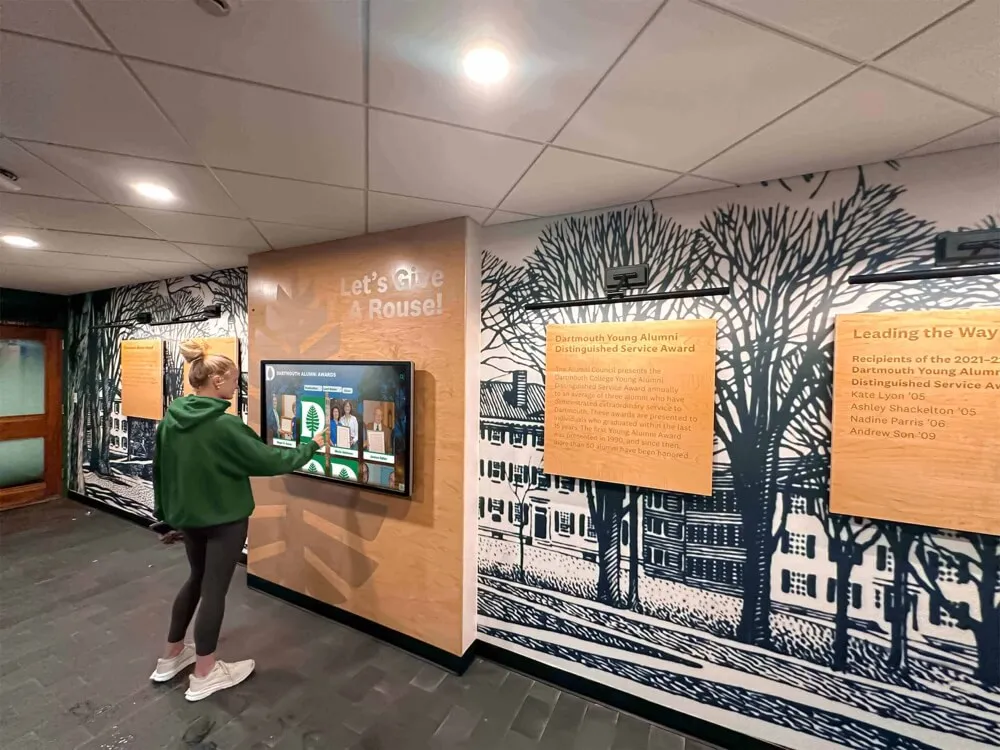
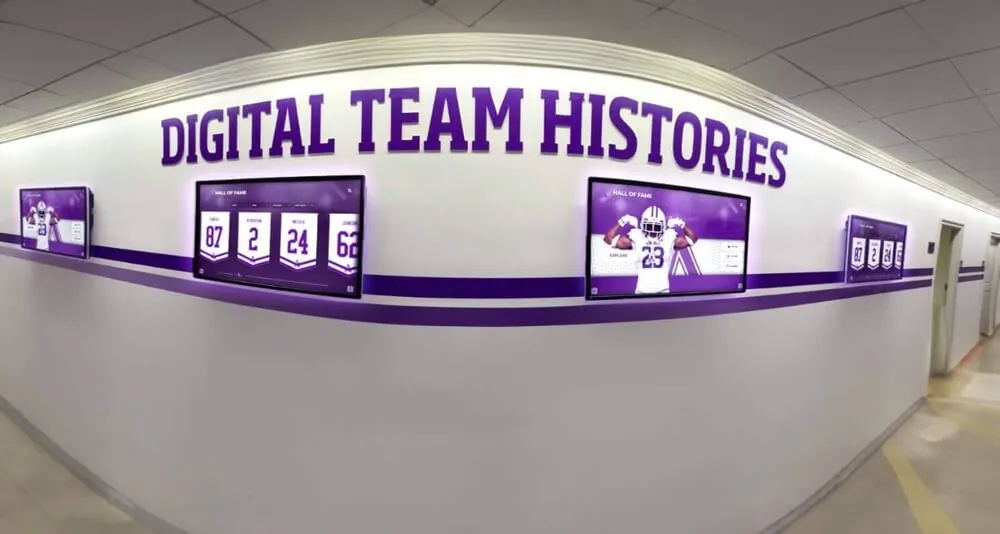
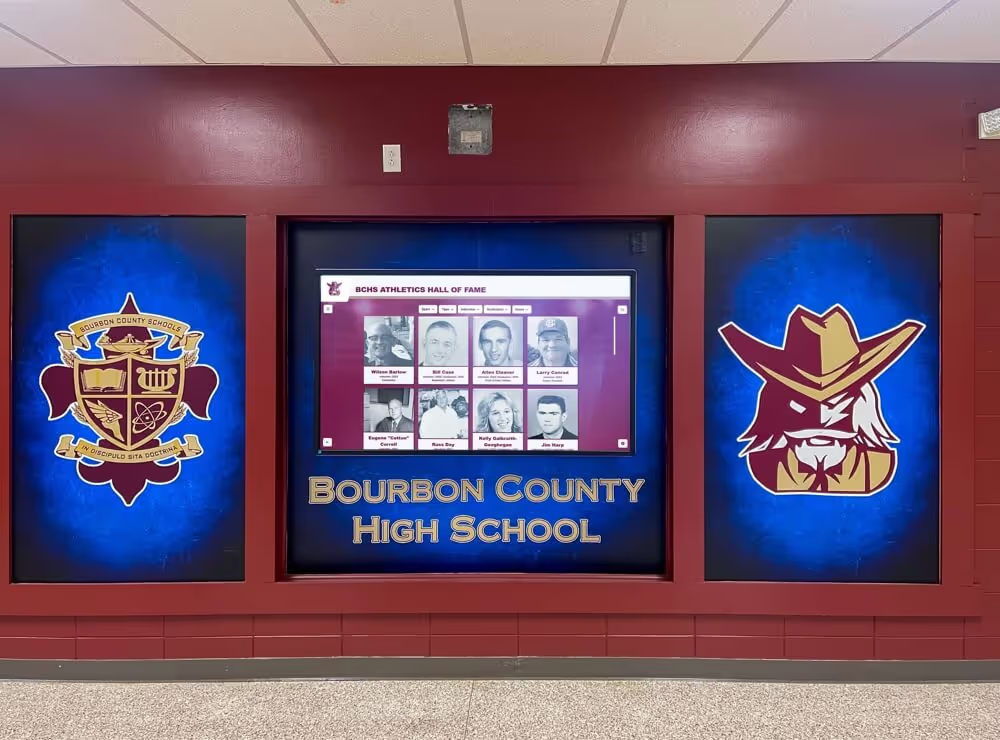
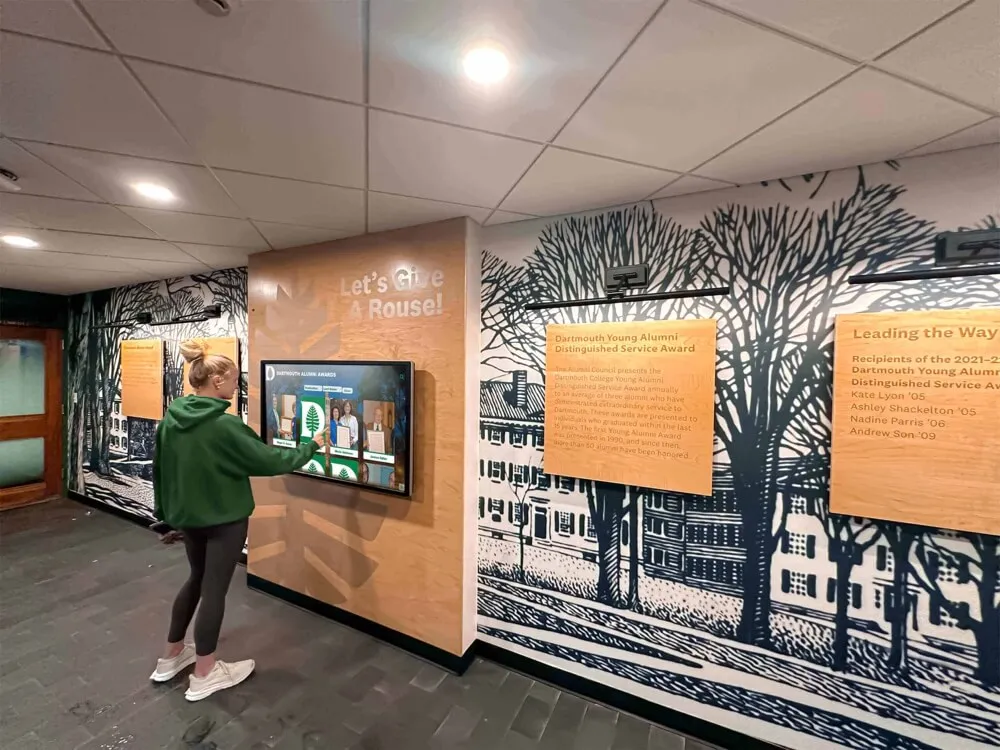
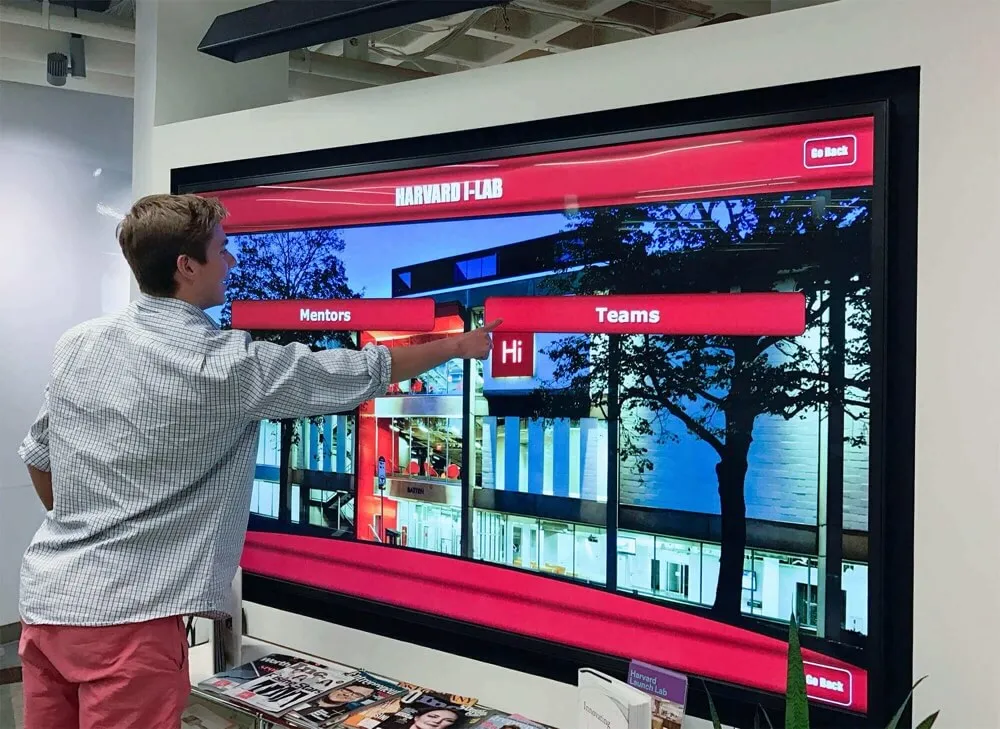
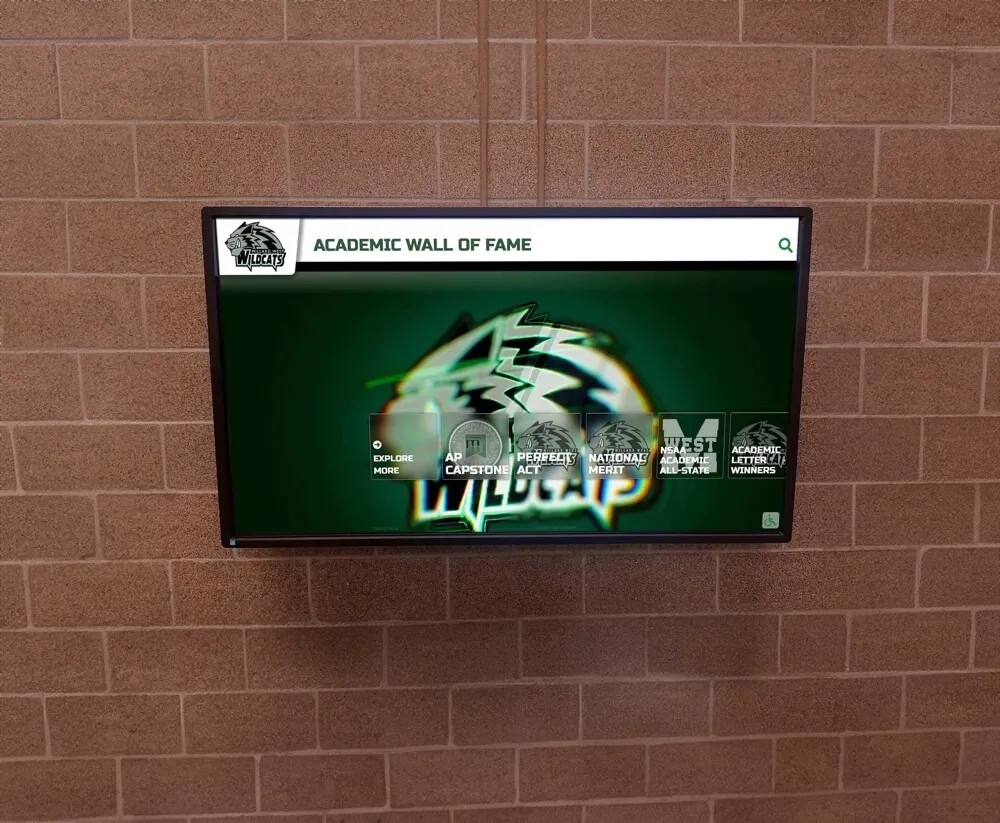
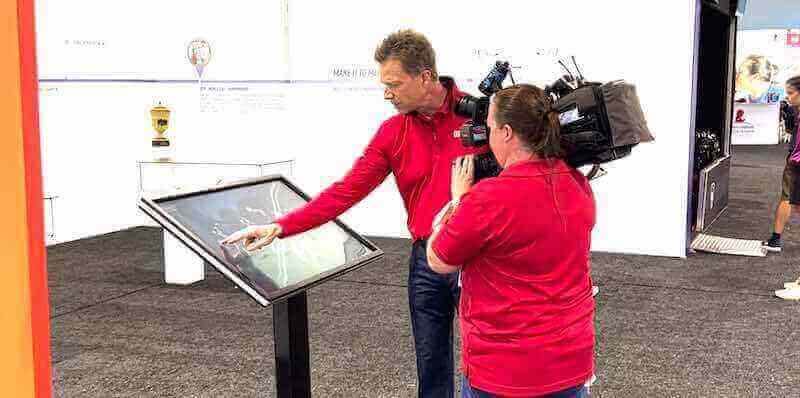
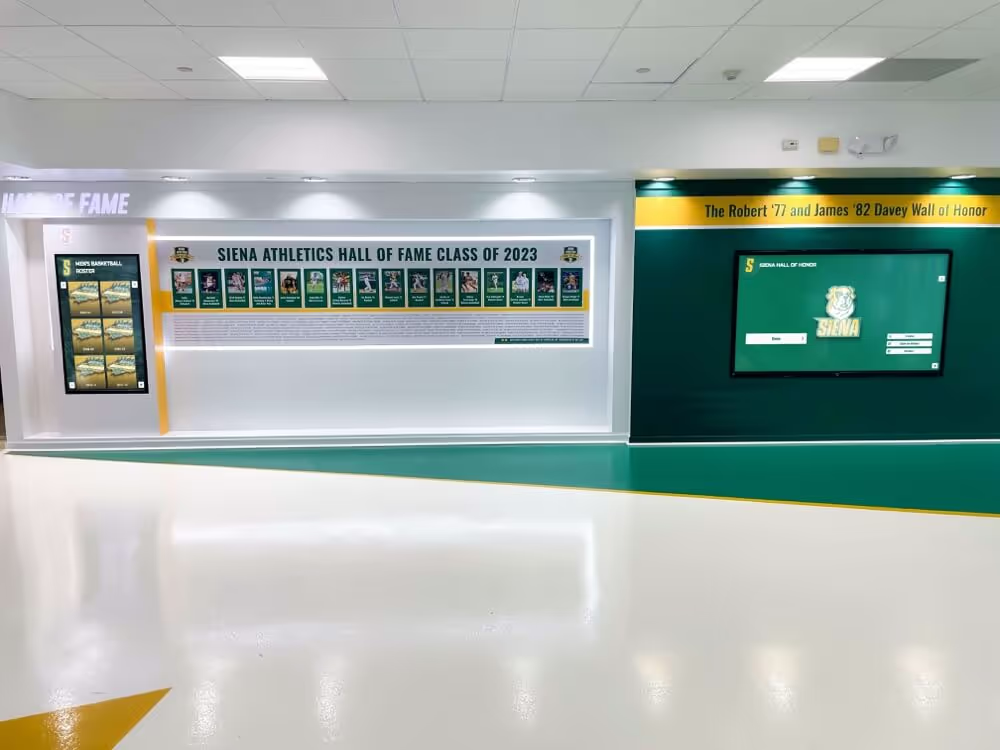
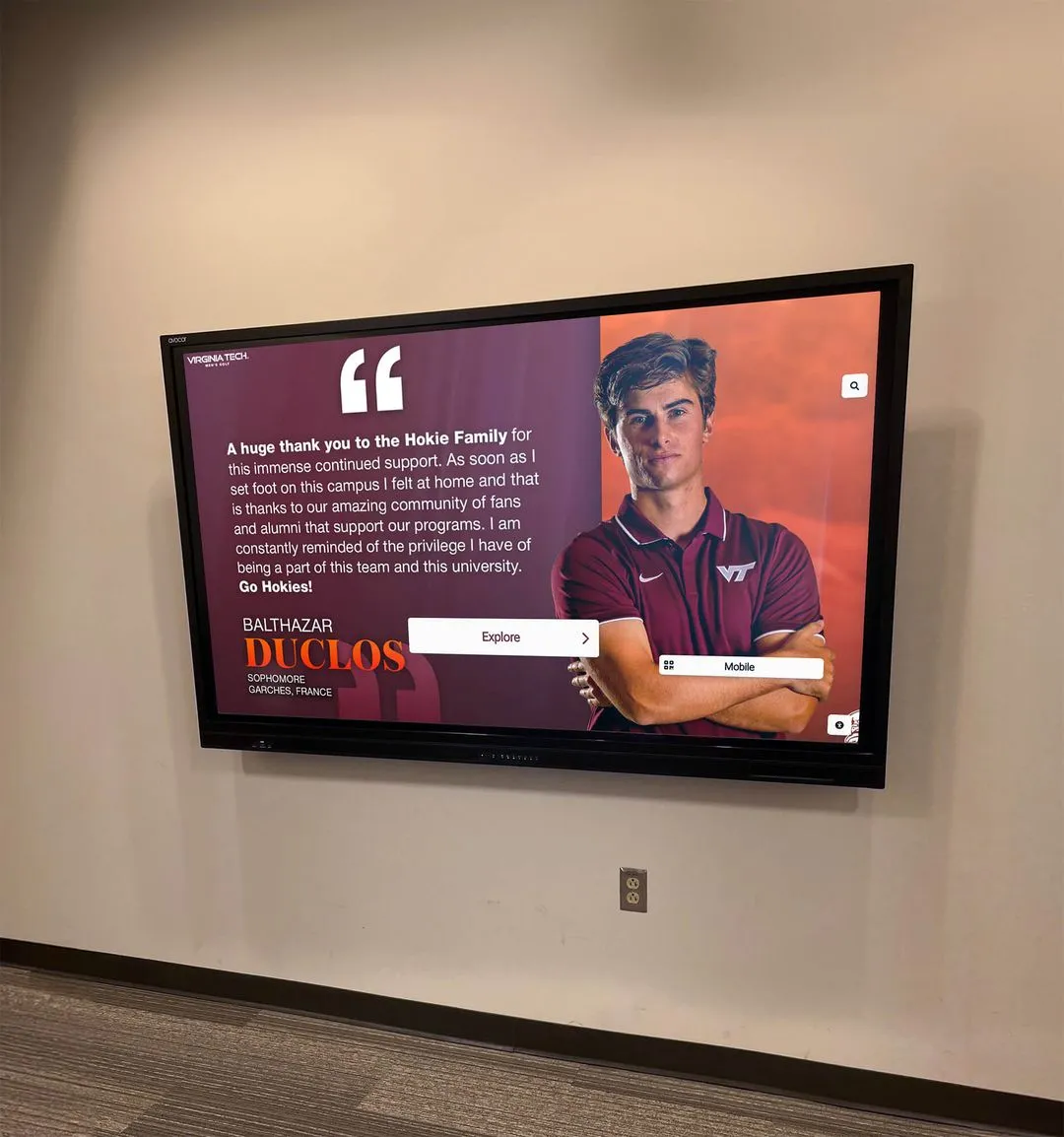
Modern alumni spotlight programs create engaging experiences that inspire current students while honoring distinguished graduates
Why Alumni Spotlight Programs Matter: Strategic Benefits for Educational Institutions
Alumni spotlight programs deliver measurable value across multiple institutional priorities when implemented with clear purpose and consistent execution. Understanding these strategic benefits helps secure stakeholder support while aligning recognition efforts with broader organizational goals.
Inspiring Current Students Through Authentic Success Models
Current students benefit enormously from discovering that people who once walked the same hallways, sat in the same classrooms, and navigated similar challenges went on to achieve remarkable things. Alumni spotlight programs transform abstract career aspirations into tangible possibilities backed by concrete evidence—real graduates from your institution succeeded in diverse fields, and current students can too.
When students explore alumni engagement opportunities through recognition displays, they discover role models whose journeys resonate personally. The graduate who became a physician might inspire pre-med students. The technology entrepreneur could motivate computer science majors. The teacher who transformed struggling schools might influence education students. These authentic success models provide guidance that complements formal advising while demonstrating multiple pathways to meaningful careers.
Athletic programs particularly benefit when senior night celebrations connect current players with former athletes who achieved professional or Olympic success. These connections validate training programs while motivating athletes to maximize their potential through visible examples of excellence.
Strengthening Alumni Engagement and Institutional Loyalty
Alumni who receive spotlight recognition develop stronger emotional connections with their alma maters. This validated appreciation translates into measurable increases across multiple engagement dimensions—higher event attendance, more active volunteer participation, expanded mentorship involvement, and enhanced philanthropic support.
Recognition creates natural touchpoints for dialogue with graduates who may have drifted from active institutional involvement. Spotlight nomination processes, selection announcements, profile interviews, feature releases, and anniversary celebrations all provide meaningful reasons to re-engage alumni who might otherwise remain disconnected from institutional life.
Research consistently demonstrates that recognized alumni give more frequently, in larger amounts, and with higher retention rates than unrecognized peers. Spotlight programs demonstrate that institutions value graduates beyond their financial capacity, creating reciprocal relationships where acknowledgment inspires ongoing support and involvement.
Enhancing Recruitment Through Demonstrated Graduate Outcomes
Prospective students and families evaluating educational options increasingly prioritize graduate outcomes when making enrollment decisions. Alumni spotlight programs provide compelling evidence of institutional quality through visible demonstrations that graduates consistently achieve remarkable things.
During campus tours, recognition displays answer fundamental questions families ask about career preparation and post-graduation success. Rather than relying solely on statistics or marketing claims, visitors encounter specific examples of graduates working in diverse fields, achieving professional distinction, and crediting institutional experiences for their development.
Spotlight programs showcase outcome diversity that appeals to students with varied interests. When visitors discover alumni succeeded as entrepreneurs, artists, scientists, educators, physicians, engineers, public servants, and athletes, they recognize that the institution supports multiple pathways rather than serving narrow populations.
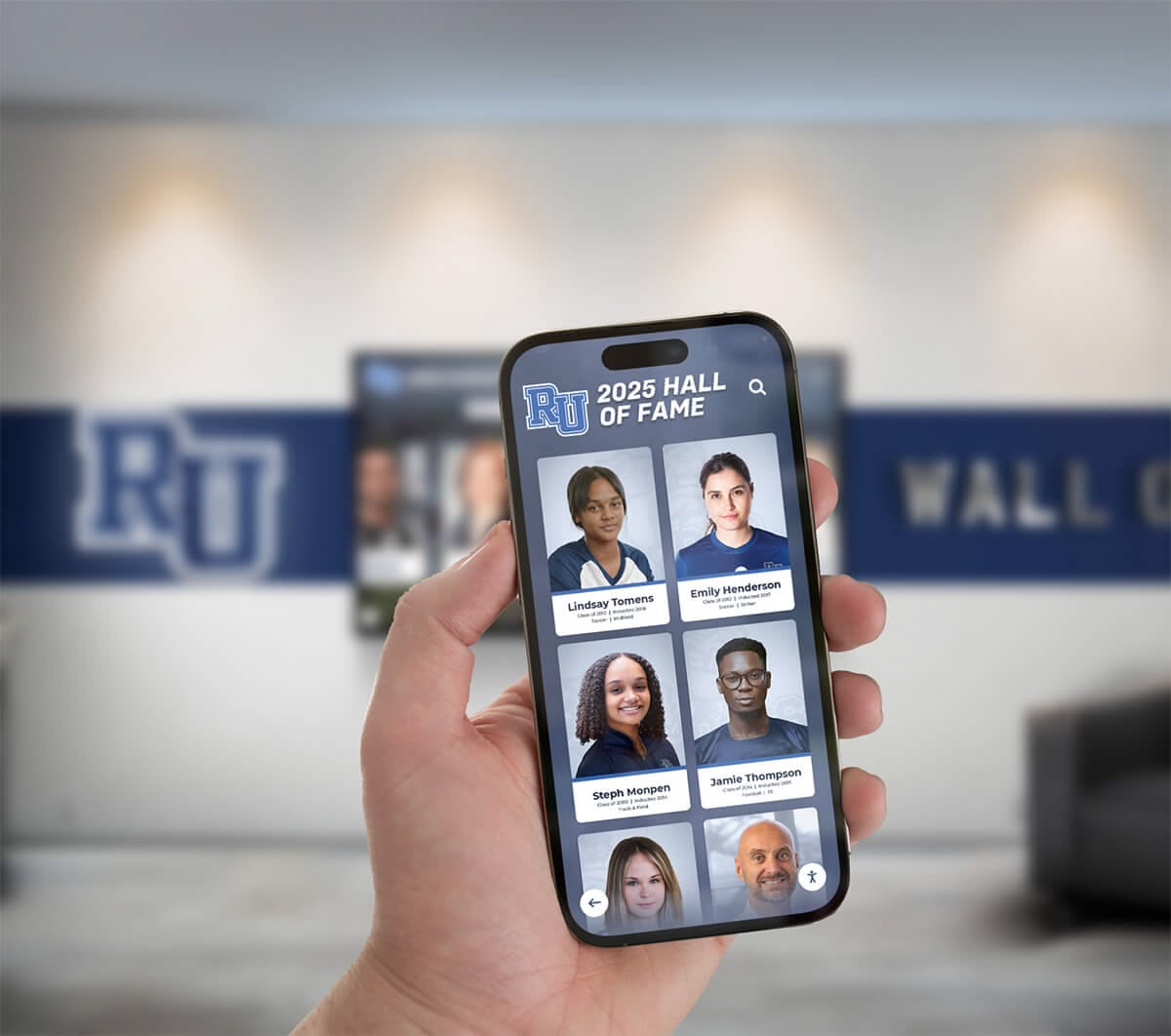
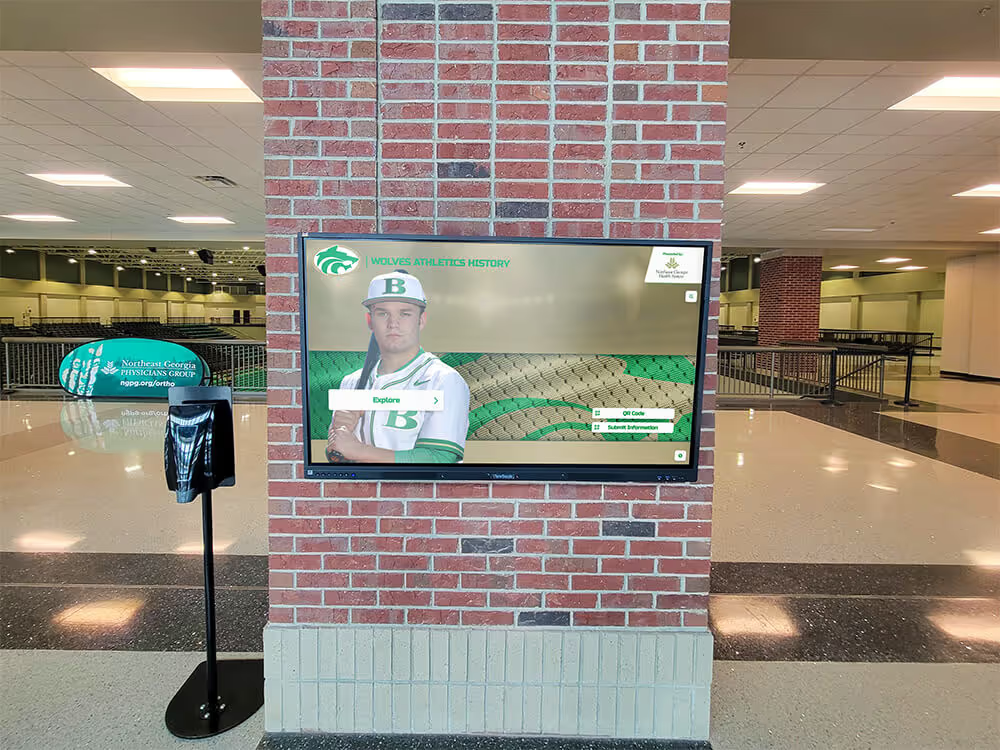
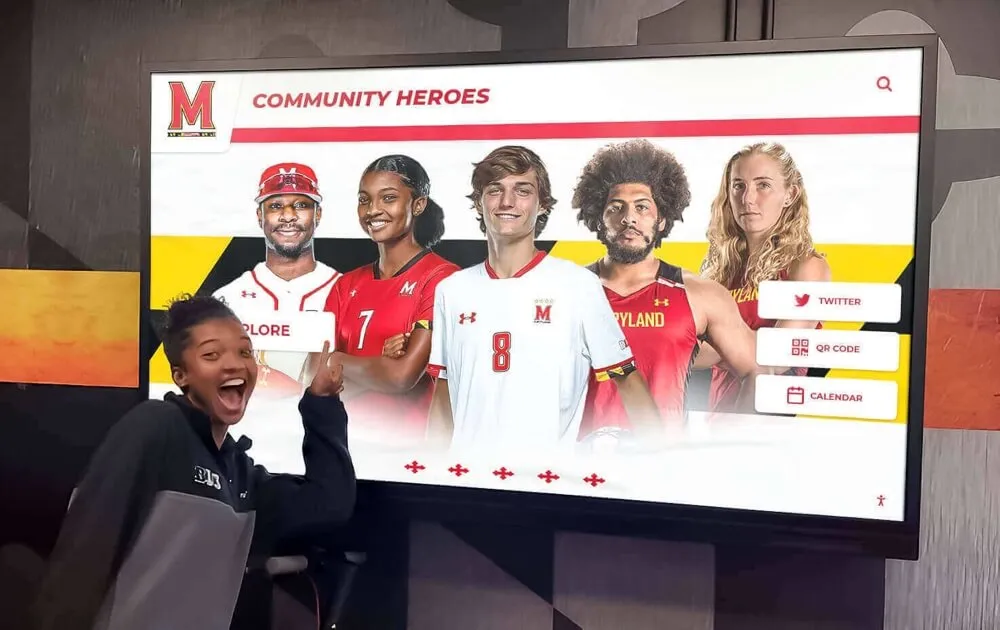
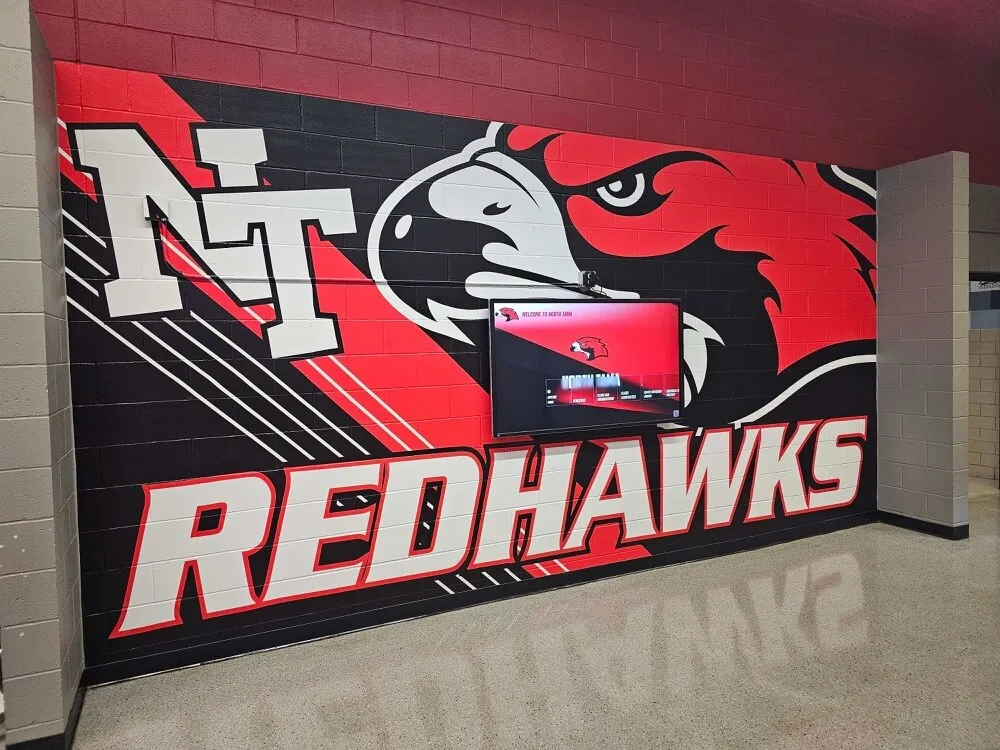
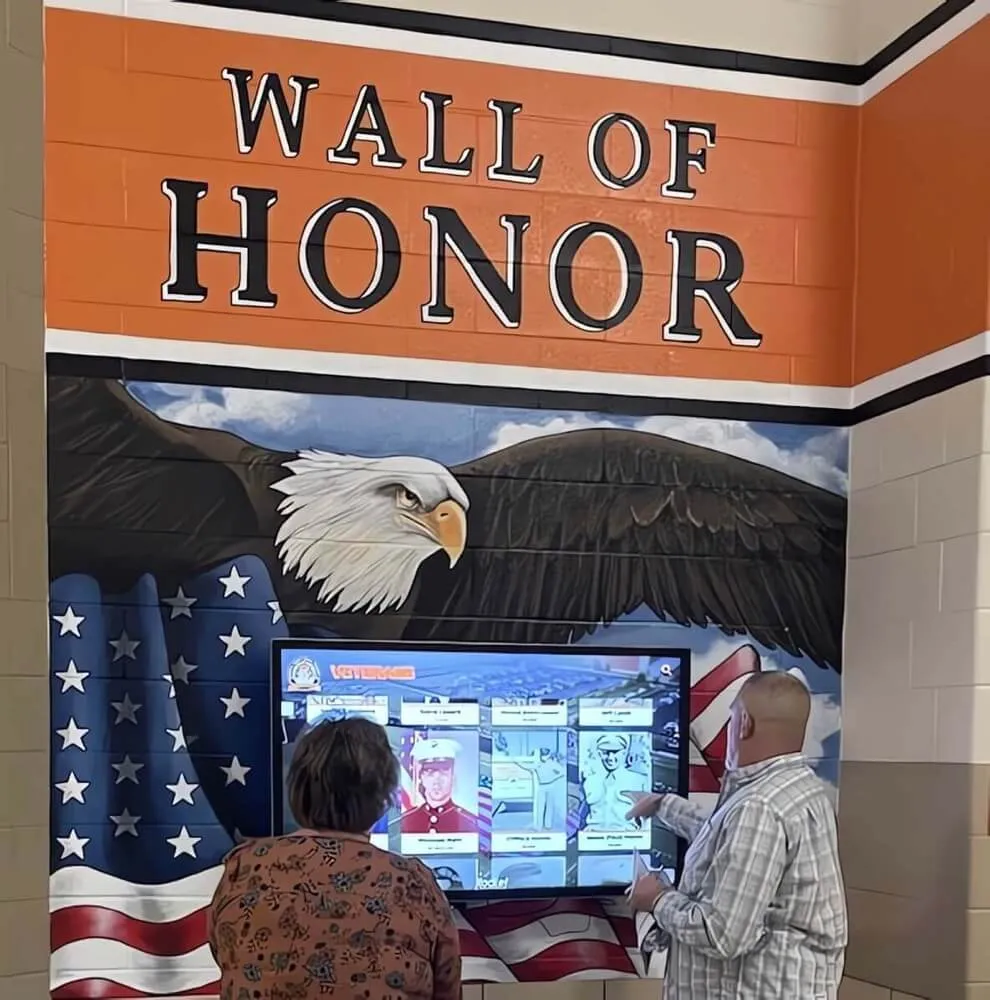
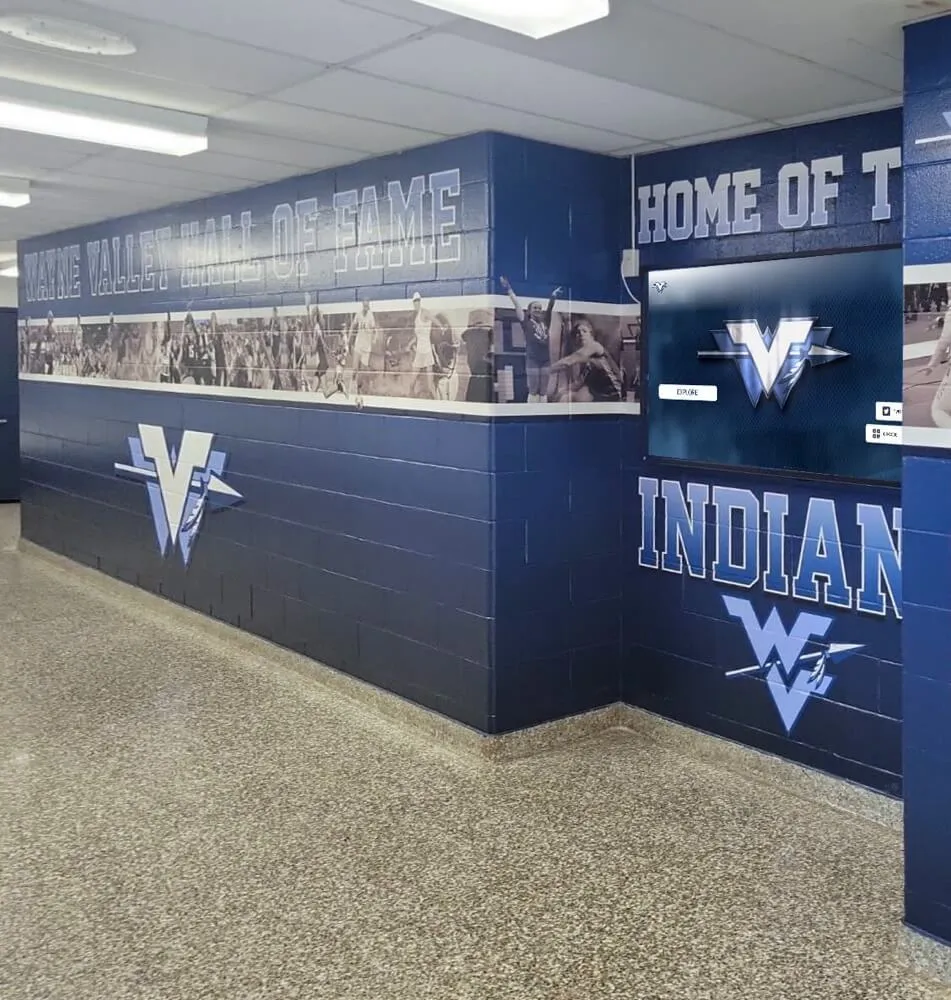
Modern spotlight programs provide mobile access enabling alumni and students to explore graduate success stories anytime, anywhere
Building Institutional Brand and Market Differentiation
In competitive educational markets, alumni achievements differentiate institutions from competitors while building brand strength. Regular spotlight features demonstrating that graduates consistently accomplish extraordinary things provide compelling evidence of educational quality and institutional value.
Alumni themselves benefit from association with institutions that publicly celebrate excellence. When graduates see fellow alumni achieving remarkable things through spotlight programs, their own institutional affiliation becomes more valuable professionally and personally. This collective pride generates organic word-of-mouth promotion far more credible than traditional marketing efforts.
Designing Effective Alumni Spotlight Programs: Core Elements for Success
Successful spotlight programs require thoughtful design addressing selection, content development, presentation formats, and promotion strategies. These foundational elements determine whether initiatives deliver sustained value or become administrative burdens yielding minimal engagement.
Establishing Selection Criteria and Nomination Processes
Transparent, objective criteria ensure spotlight programs maintain credibility while honoring achievements fairly across diverse alumni populations. Without defined standards, selection becomes arbitrary or politically charged, undermining program integrity.
Achievement Categories to Consider:
- Professional Excellence: Graduates reaching leadership positions, establishing successful businesses, or achieving industry recognition
- Academic Distinction: Scholars advancing knowledge through research, innovative teaching, or intellectual contributions
- Athletic Achievement: Former athletes competing professionally, coaching elite programs, or promoting sports participation
- Creative Accomplishment: Artists, writers, performers, or cultural contributors achieving recognition through creative work
- Community Service: Public servants, nonprofit leaders, or volunteers making measurable community impact
- Entrepreneurial Innovation: Founders creating companies, products, or services that address market needs
- Educational Leadership: Administrators or teachers transforming schools, districts, or educational systems
Evaluation Factors Beyond Achievement Magnitude:
Consider these additional dimensions when selecting spotlight subjects:
- Institutional Connection: Meaningful relationship to alma mater demonstrated through ongoing engagement or institutional advocacy
- Inspiration Potential: Ability to motivate current students through relatable journey or accessible pathway others might follow
- Story Richness: Compelling narrative featuring interesting challenges overcome, unique perspectives, or valuable lessons learned
- Representation Balance: Diversity across graduation decades, achievement types, professional fields, and demographic backgrounds
Document selection criteria explicitly so nominators understand evaluation standards. Transparency builds community confidence while helping potential nominators identify appropriate candidates.
Creating Comprehensive Nomination and Review Workflows
Recognition opportunities shouldn’t depend solely on which graduates maintain strongest relationships with staff or highest visibility in traditional achievement domains. Comprehensive nomination approaches surface accomplished alumni who might otherwise remain unknown.
Multiple Nomination Sources:
- Alumni Association Networks: Regional chapters and volunteer leaders often maintain informal knowledge about fellow graduates’ accomplishments
- Faculty and Staff Input: Long-term employees frequently know successful graduates from earlier eras who never received appropriate recognition
- Student Nominations: Current students identifying alumni whose work inspires them or aligns with their career interests
- Development Officer Research: Advancement professionals regularly research prospects, uncovering achievement details useful for spotlight consideration
- Self-Nominations: Enable alumni to submit their own achievements for consideration through online forms, subject to committee evaluation
Selection Committee Structure:
Form diverse committees representing different departments, graduation eras, and perspectives rather than allowing single-person decisions. Effective committees include:
- Alumni association representatives bringing community perspective
- Advancement professionals understanding institutional priorities
- Faculty members providing academic viewpoints
- Student representatives ensuring student voice in selection
- Communications staff assessing storytelling potential
Committee-based selection provides multiple perspectives while distributing responsibility and workload. Rotate membership periodically to prevent stagnation and ensure fresh viewpoints.
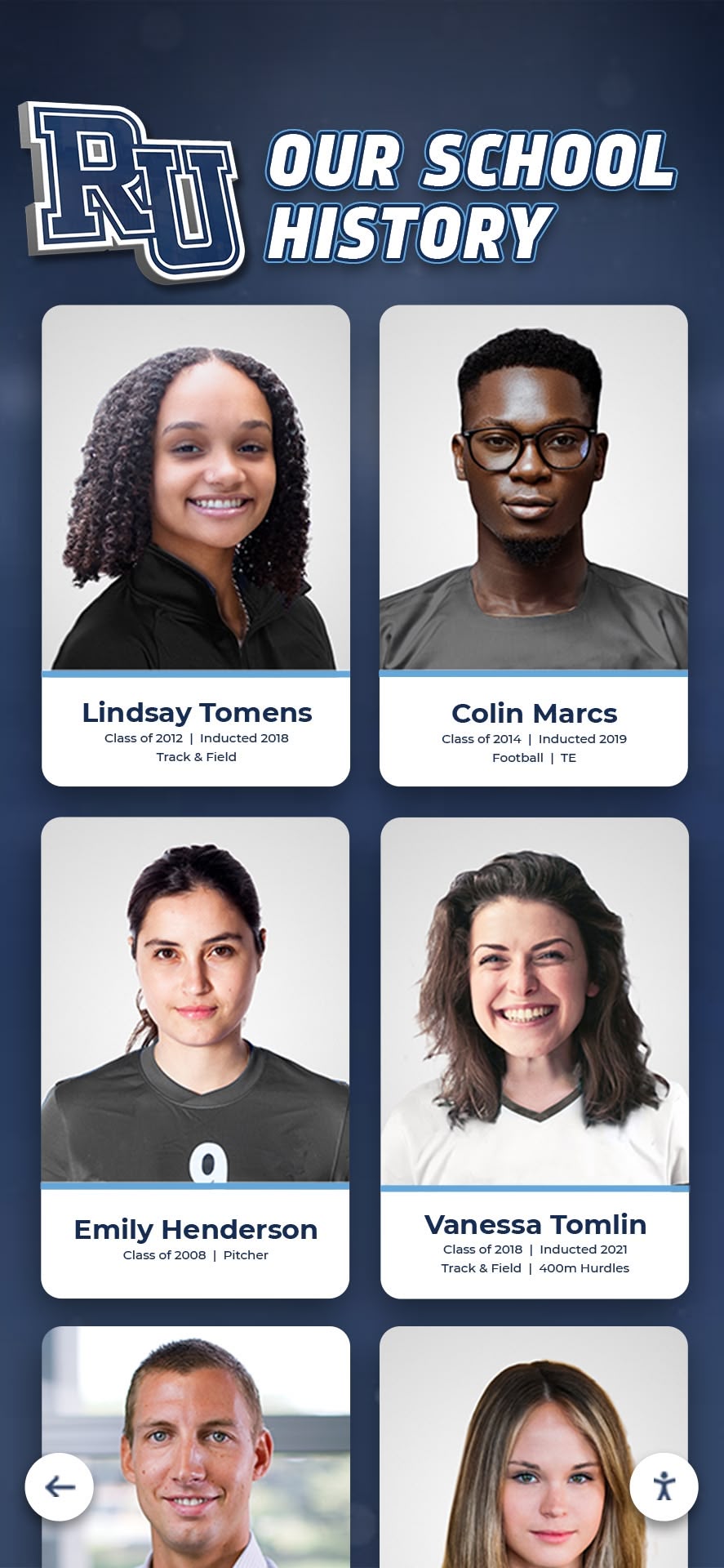
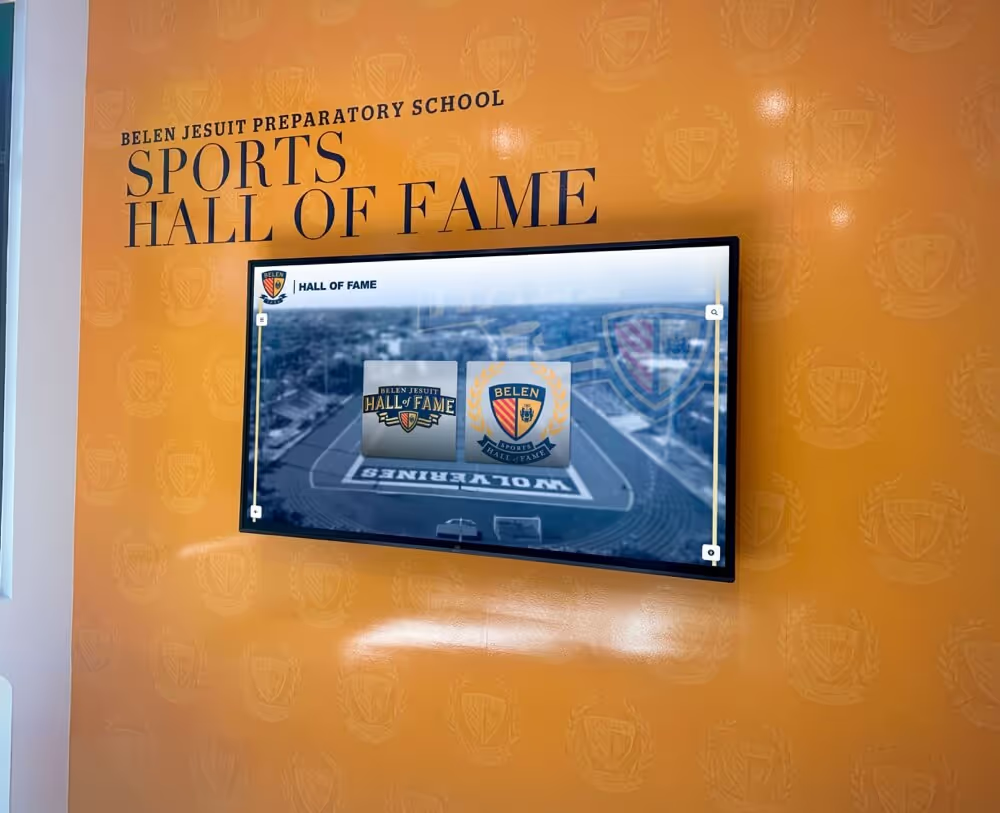
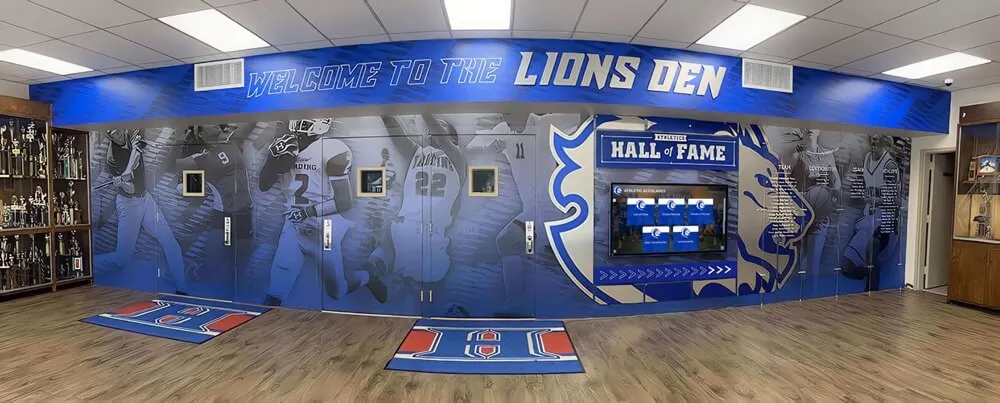
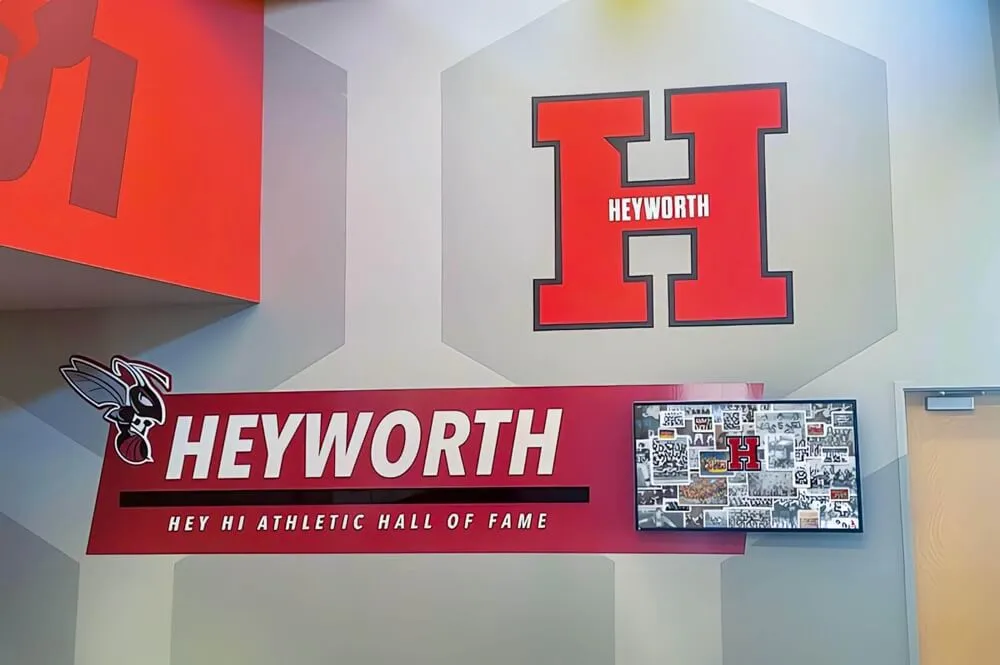
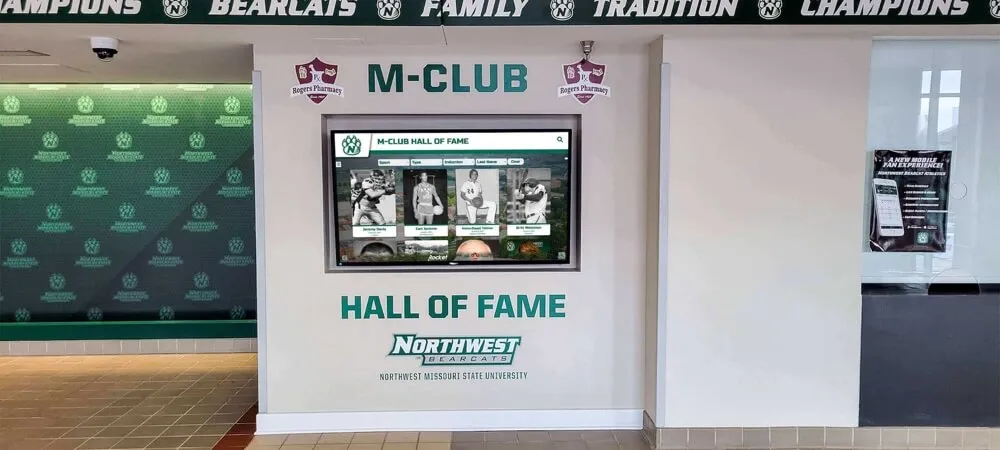
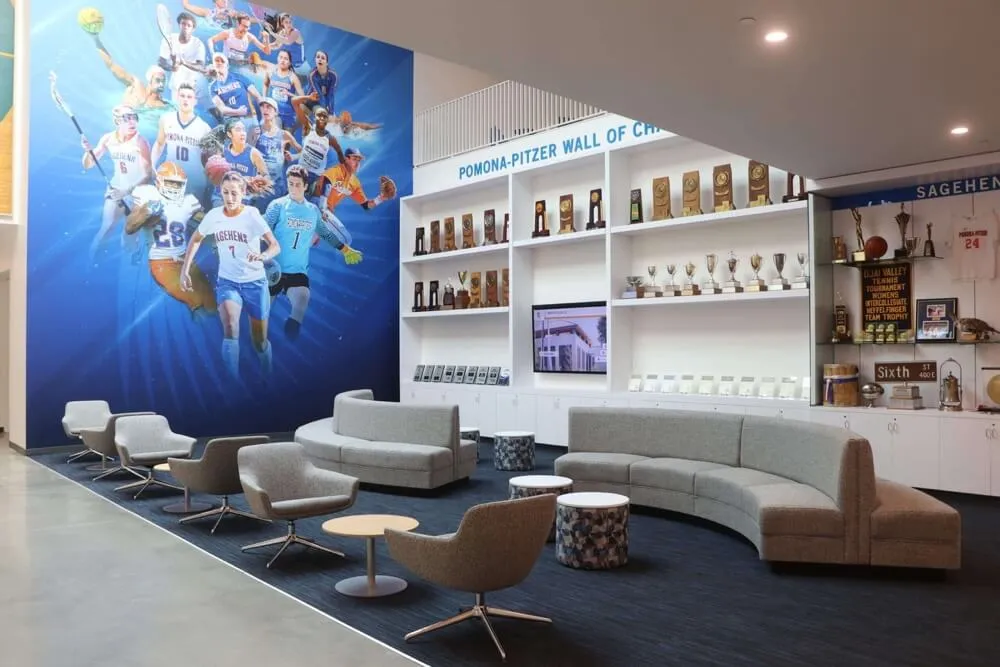
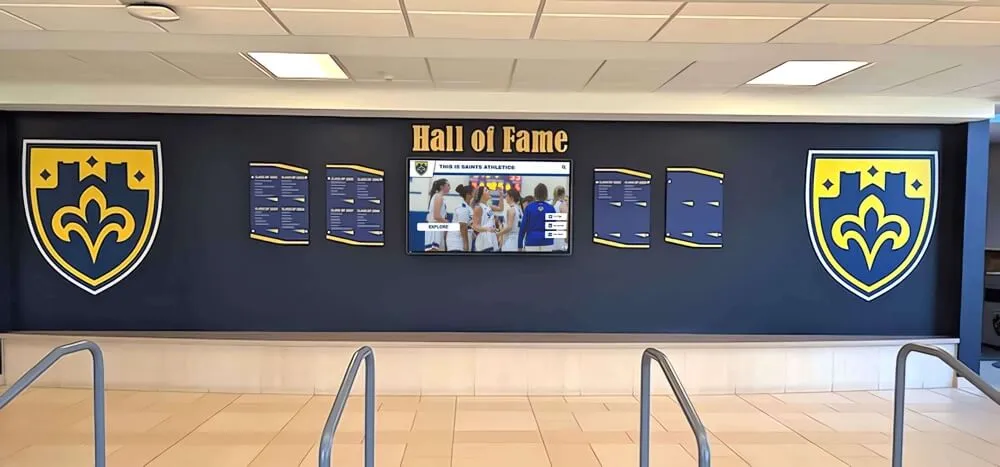
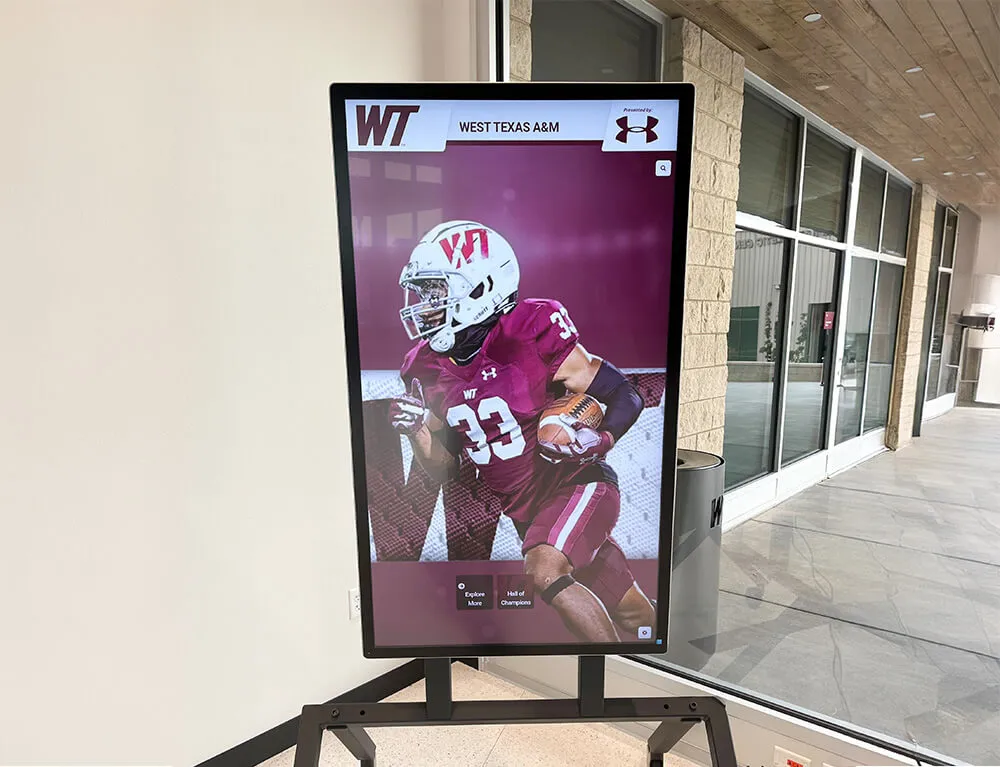
Well-designed spotlight programs feature diverse alumni across achievement categories, graduation years, and professional fields
Crafting Compelling Alumni Spotlight Content That Engages Audiences
Technology enables recognition visibility, but compelling content drives meaningful engagement. Investment in content quality separates spotlight programs that become beloved traditions from those audiences ignore.
Developing Rich, Multi-Dimensional Alumni Profiles
Comprehensive profiles balance factual achievement documentation with engaging storytelling revealing the humans behind accomplishments. The most effective content answers questions visitors actually care about rather than simply listing credentials.
Essential Profile Components:
- Educational Background: Degree details, formative campus experiences, influential faculty, or activities that shaped development
- Professional Journey: Career progression from graduation to present, including pivotal moments and trajectory evolution
- Major Achievements: Specific accomplishments, innovations, recognitions, or contributions that distinguish the alumnus
- Institutional Connection: How educational experience influenced trajectory and what they valued most about their time as students
- Current Activities: Present work, ongoing projects, future aspirations, or causes they’re actively pursuing
- Advice for Students: Wisdom they’d share with current students, lessons learned, or perspectives on success
- Personal Elements: Interests, family, community involvement, or details creating relatability and authenticity
Storytelling Best Practices:
Focus on transformation narratives showing how education influenced trajectories. Profiles explaining how specific courses, professors, campus experiences, or relationships shaped career directions resonate powerfully with current students evaluating institutional value.
Highlight obstacles overcome and challenges navigated. Stories of first-generation graduates succeeding despite limited resources, professionals recovering from career setbacks, or individuals pursuing unconventional paths create authenticity that purely triumphant narratives cannot match.
Use specific, concrete details rather than vague generalities. Instead of “successful businessperson,” describe the company founded, products developed, markets served, employment created, or innovations introduced. Specificity makes achievement tangible and believable rather than abstract.
Integrating Multimedia Elements for Enhanced Engagement
Digital platforms enable rich multimedia content that significantly enhances engagement beyond text-based profiles. Strategic multimedia integration transforms spotlights from simple announcements into immersive experiences.
Video Content Opportunities:
Short clips (3-5 minutes) featuring alumni discussing careers, sharing advice for current students, or reflecting on how institutional experience influenced success create powerful personal connections. Consider these formats:
- Career journey narratives explaining path from student to current position
- Day-in-the-life segments showing typical professional responsibilities
- Advice videos addressing common student questions or career concerns
- Reflections on formative institutional experiences and impactful moments
- Messages to current students in specific academic programs or fields
Photo Gallery Development:
Multiple images create visual narratives documenting journeys from student to distinguished graduate:
- Student-era photos from yearbooks, campus activities, or student life
- Graduation images capturing important transition moments
- Early career pictures showing professional development progression
- Current professional headshots and work environment images
- Awards ceremonies, speaking engagements, or recognition events
- Family or personal photos humanizing professional achievements
Document Digitization:
Scan diplomas, awards, newspaper clippings, publications, or other tangible evidence of achievement. These artifacts provide authenticity while adding historical depth to profiles.
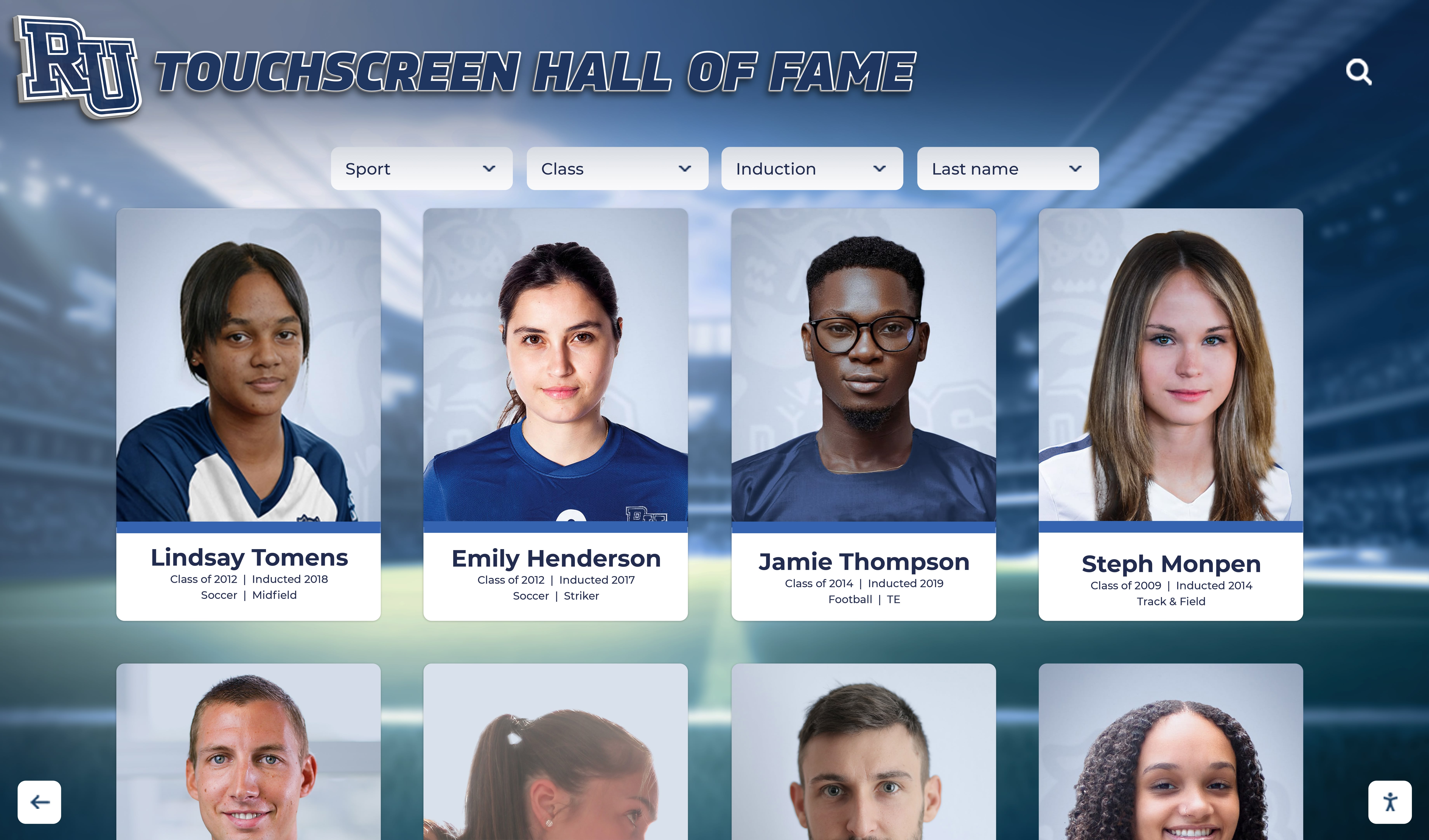
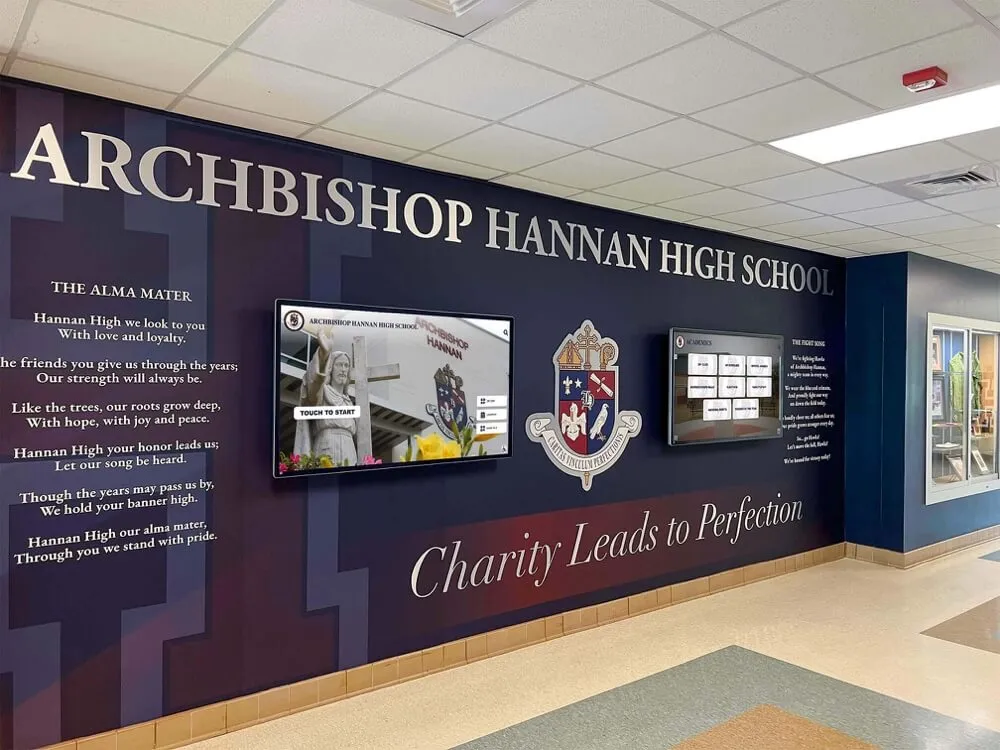
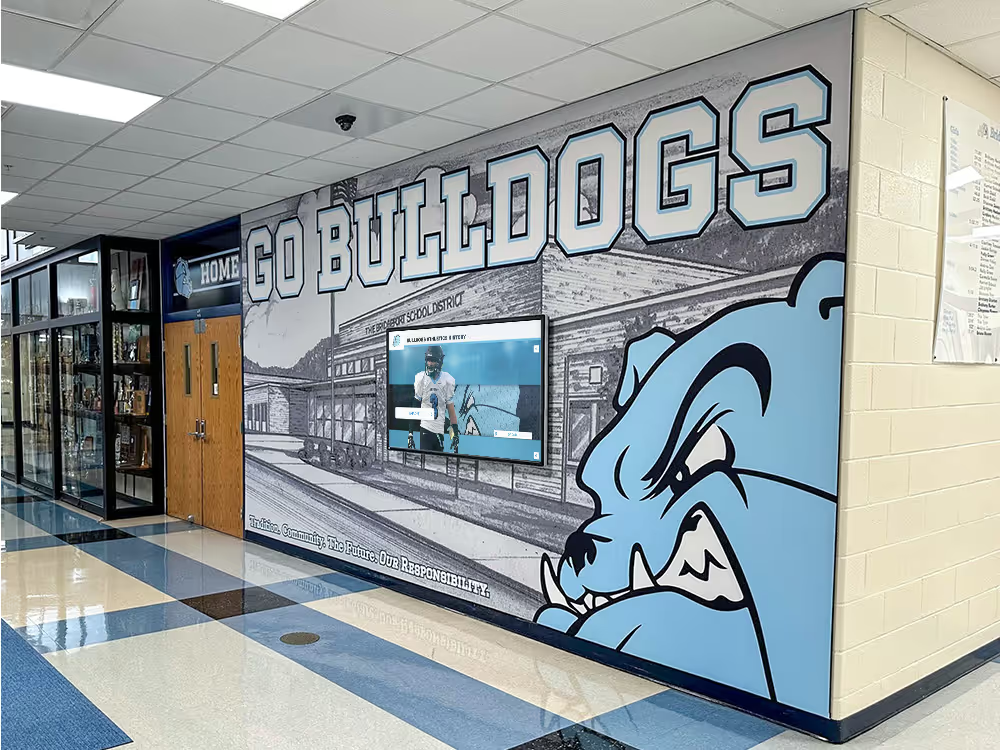
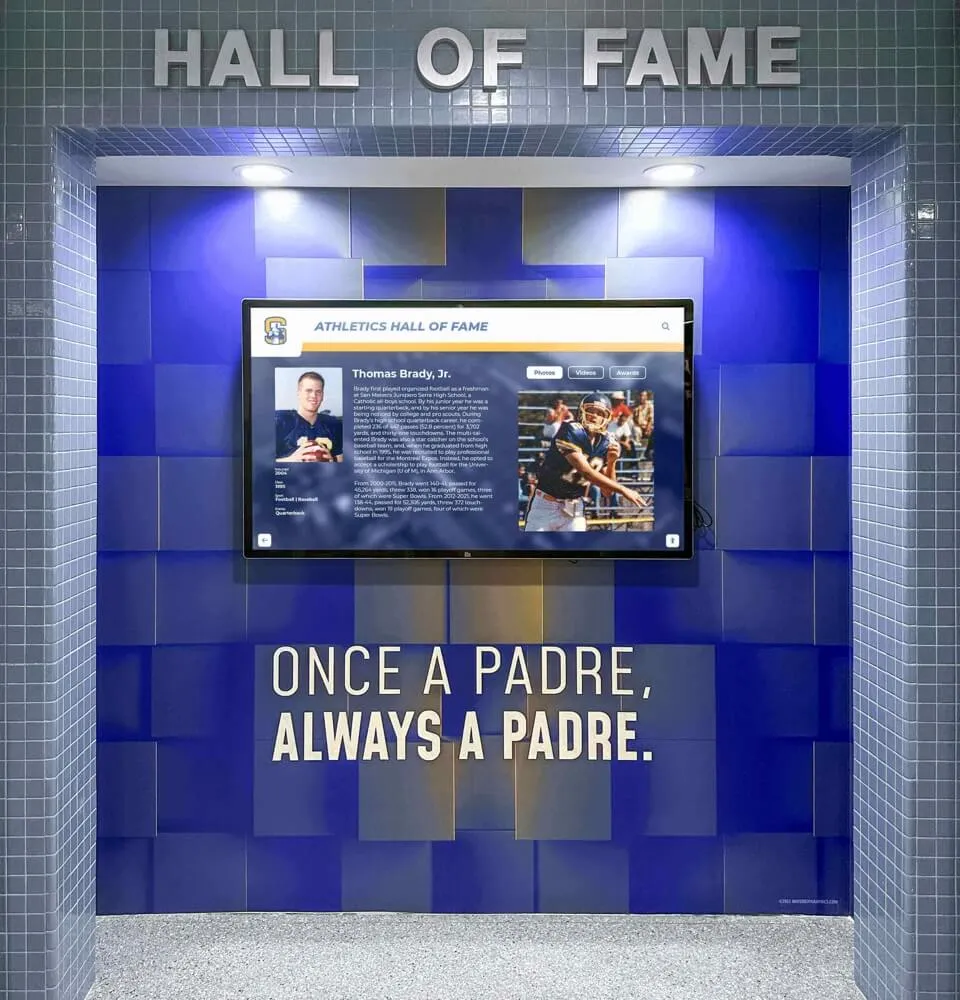
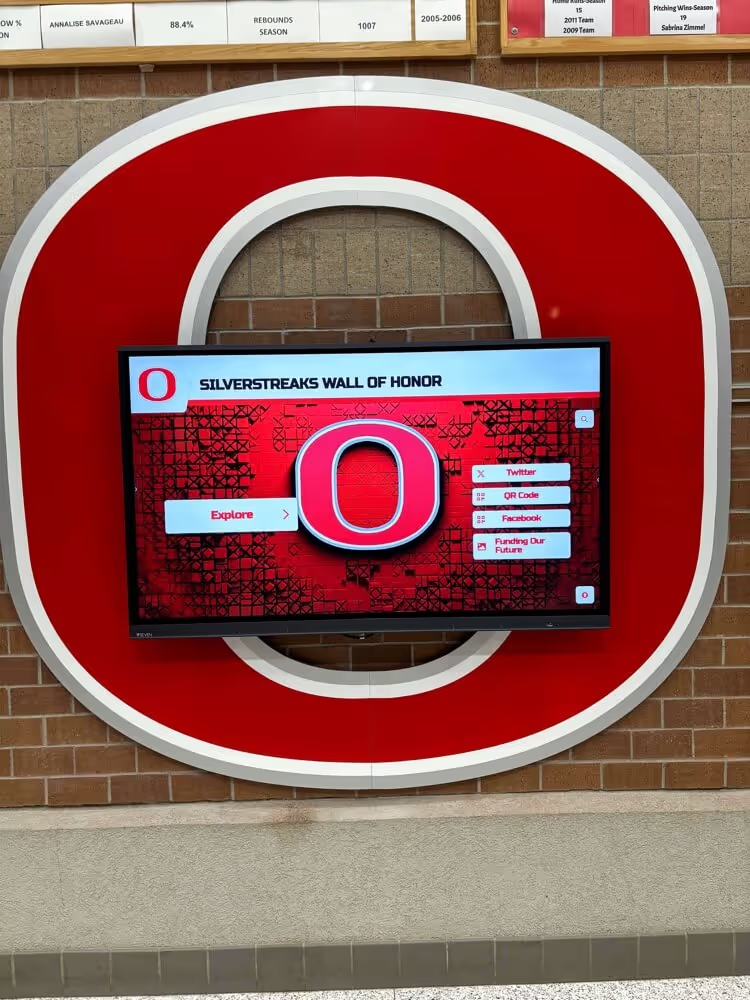
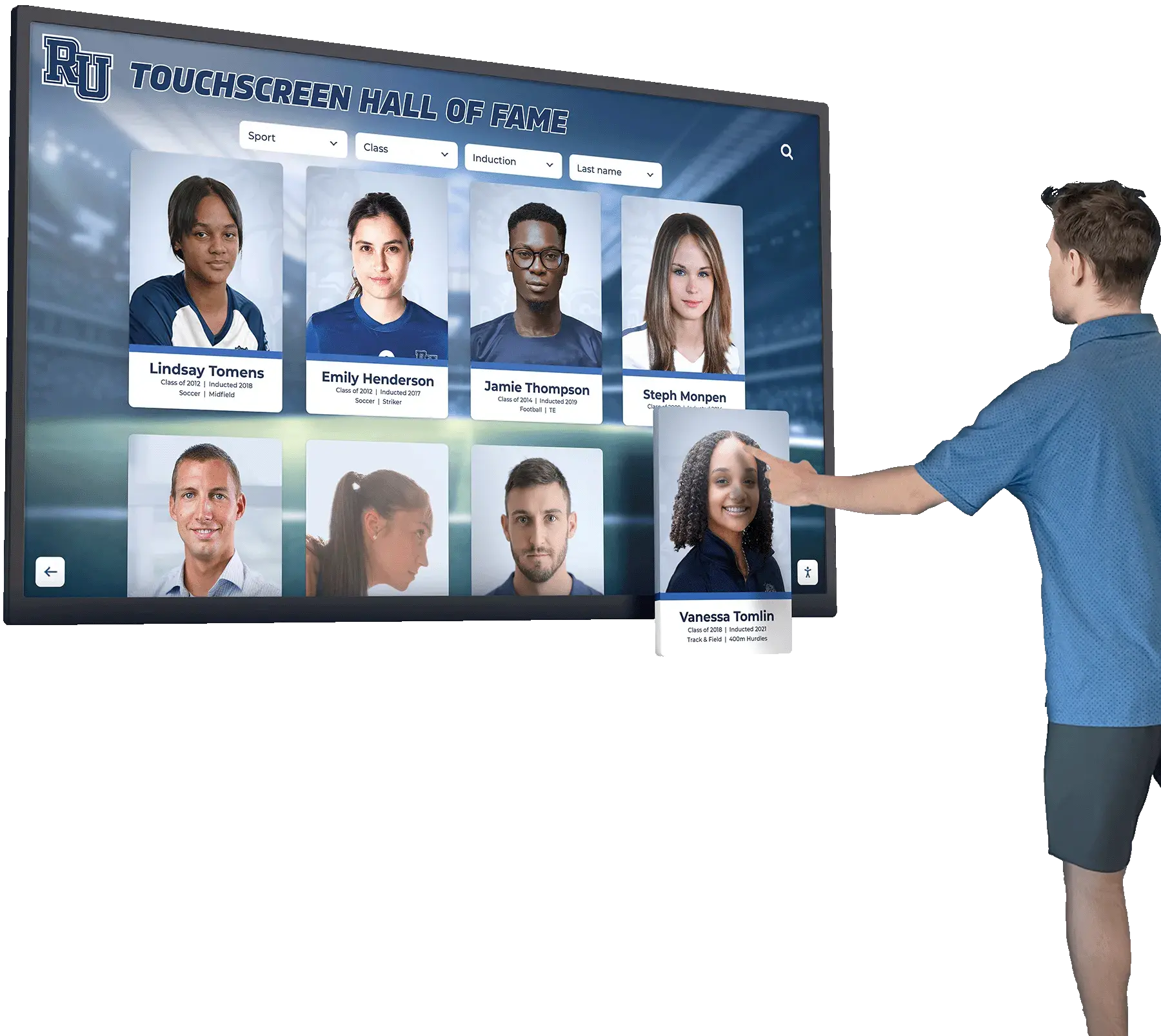
Interactive displays enable visitors to explore detailed alumni profiles featuring photos, videos, and comprehensive achievement documentation
Leveraging Modern Technology for Alumni Spotlight Visibility
Traditional spotlight approaches—printed newsletters, static bulletin boards, website text updates—require extensive manual effort while limiting content richness and engagement potential. Modern technology transforms recognition from labor-intensive processes into streamlined systems delivering superior results with less effort.
Digital Recognition Platforms vs. Traditional Methods
Traditional Approach Limitations:
- High Monthly Effort: Each spotlight requires newsletter design, bulletin board updating, website editing, and social media post creation
- Limited Content: Text and single photos constrained by print space or webpage layouts
- Static Presentation: Content doesn’t engage visitors beyond passive reading
- No Searchability: Past spotlights disappear into archives visitors rarely explore
- Accessibility Challenges: Physical displays serve only campus visitors, excluding remote alumni
- Maintenance Burden: Bulletin boards deteriorate, require physical updating, and consume valuable wall space
Digital Platform Advantages:
Solutions like digital recognition displays address these limitations through purpose-built features:
- Streamlined Content Management: Upload content once, automatically displays across touchscreens, websites, and mobile apps
- Rich Multimedia Integration: Unlimited space for videos, photo galleries, documents, and interactive elements
- Engaging Experiences: Touchscreen interfaces invite active exploration rather than passive viewing
- Comprehensive Archives: All past spotlights remain accessible and searchable indefinitely
- Global Accessibility: Web access enables alumni worldwide to explore spotlights remotely
- Minimal Maintenance: Cloud-based systems require no physical upkeep and update instantly
Implementing Comprehensive Recognition Infrastructure
Rather than managing spotlights as isolated initiatives, integrate them into comprehensive recognition ecosystems showcasing all forms of achievement. Student mentorship and alumni discovery boards create valuable connections between current students and successful graduates.
Unified Recognition Platforms:
Solutions like Rocket Alumni Solutions enable institutions to showcase:
- Monthly or featured alumni spotlights alongside broader hall of fame recognition
- Athletic achievements, records, and championship celebrations
- Academic excellence and scholarly accomplishments
- Donor recognition celebrating philanthropic support
- Historical archives preserving institutional memory and traditions
- Student achievement recognition across academic and extracurricular domains
Integrated approaches demonstrate that institutions value diverse excellence forms equally while creating centralized destinations where stakeholders explore all achievement types. This consolidation also simplifies administration by managing all recognition through single platforms rather than disconnected systems.
Maximizing Multi-Channel Distribution
Effective spotlight programs leverage multiple touchpoints reaching diverse audiences through their preferred channels:
Physical Campus Presence:
- Interactive touchscreen displays in high-traffic locations like student centers, athletic facilities, main lobbies, or alumni centers
- Digital signage integration featuring spotlight highlights on existing screens throughout campus
- Event integration prominently featuring spotlights during homecoming, reunions, commencement, and other gatherings
Digital and Web Platforms:
- Dedicated website sections creating spotlight archives that are easily discoverable and shareable
- Mobile apps providing convenient access to alumni profiles on personal devices
- Digital class composite displays connecting individual spotlights with class year groups
Social Media and Communications:
- Email newsletters featuring spotlights prominently with links to full profiles
- Social media campaigns with dedicated hashtags and regular posting schedules
- LinkedIn tagging to engage spotlight alumni’s professional networks
- Video clips shared across platforms optimized for each channel’s specifications
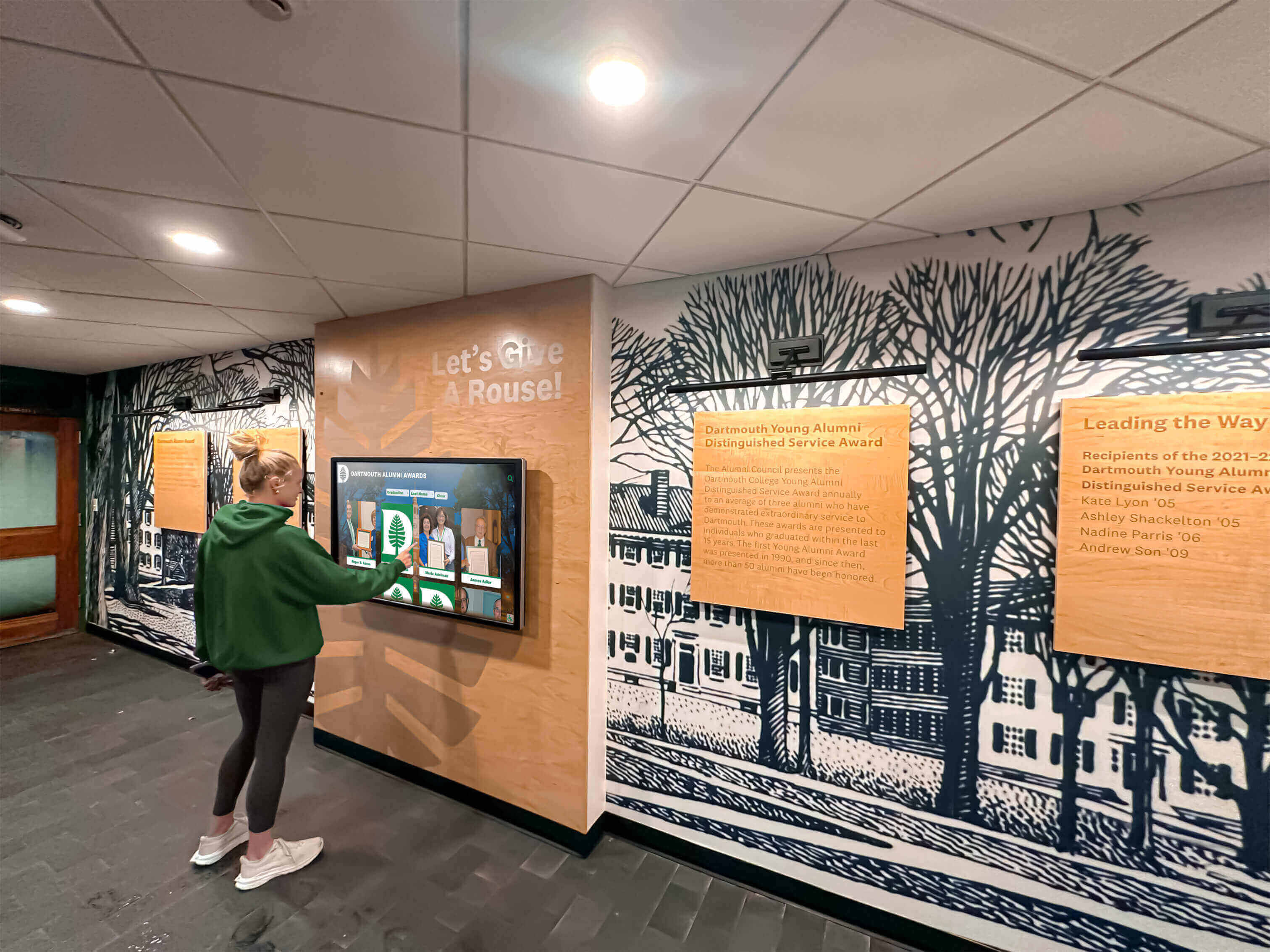
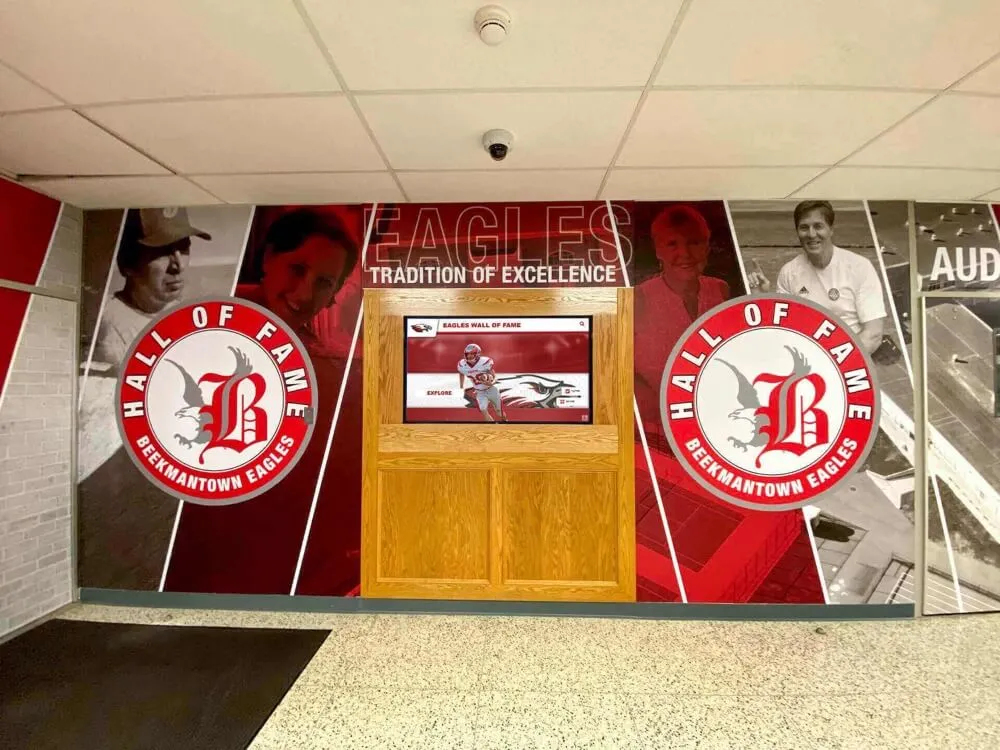
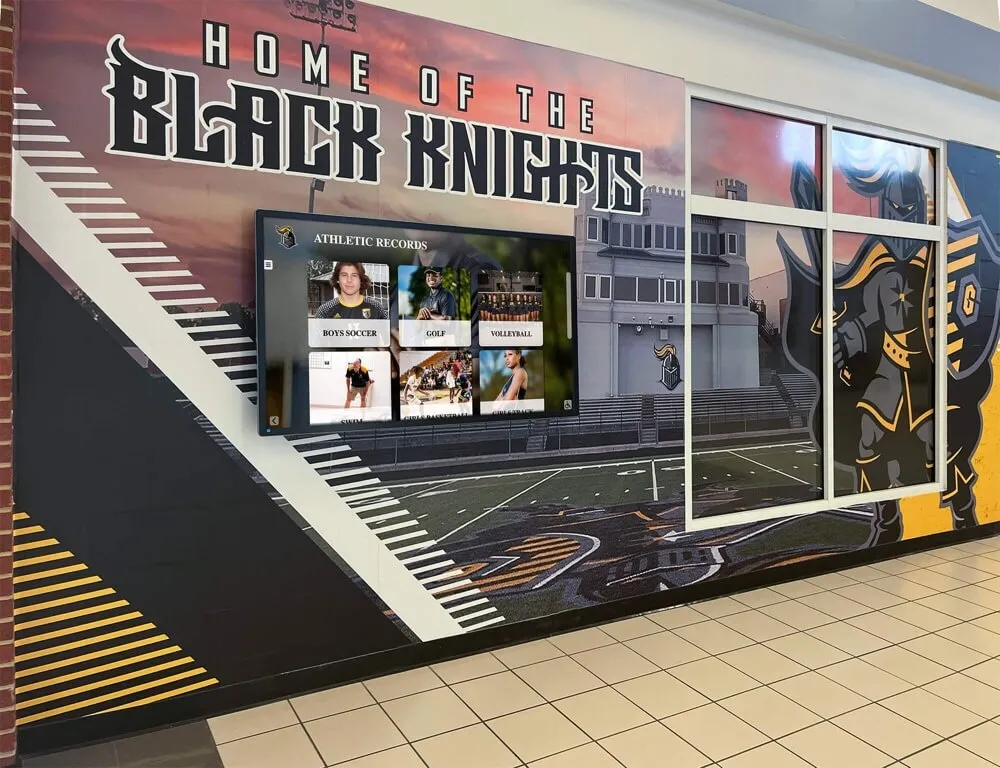
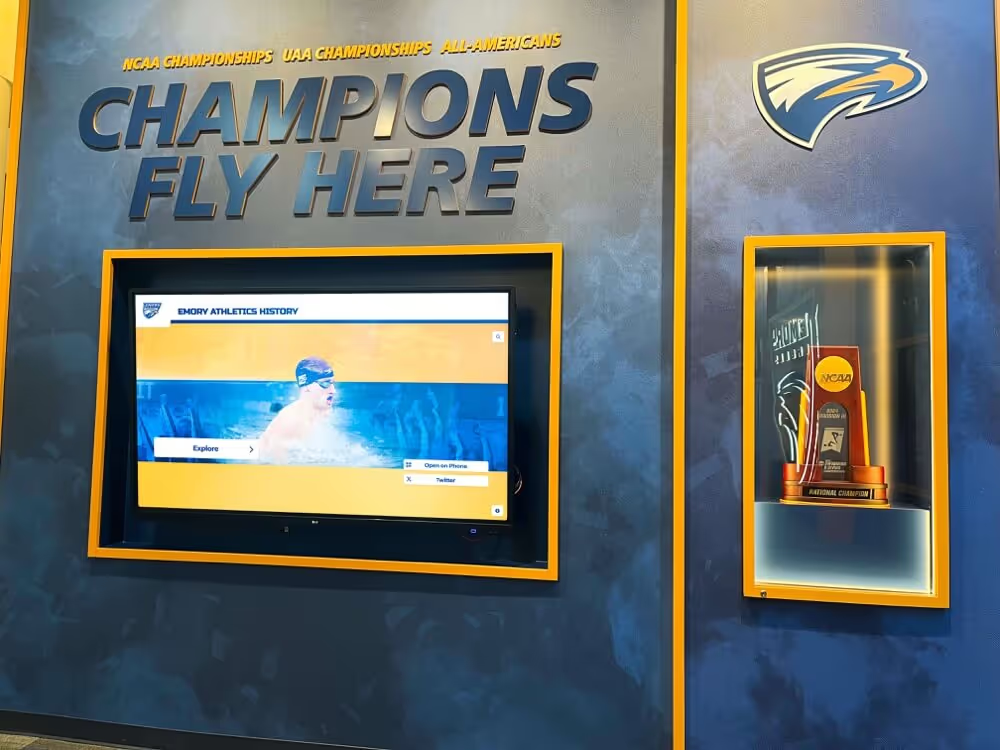
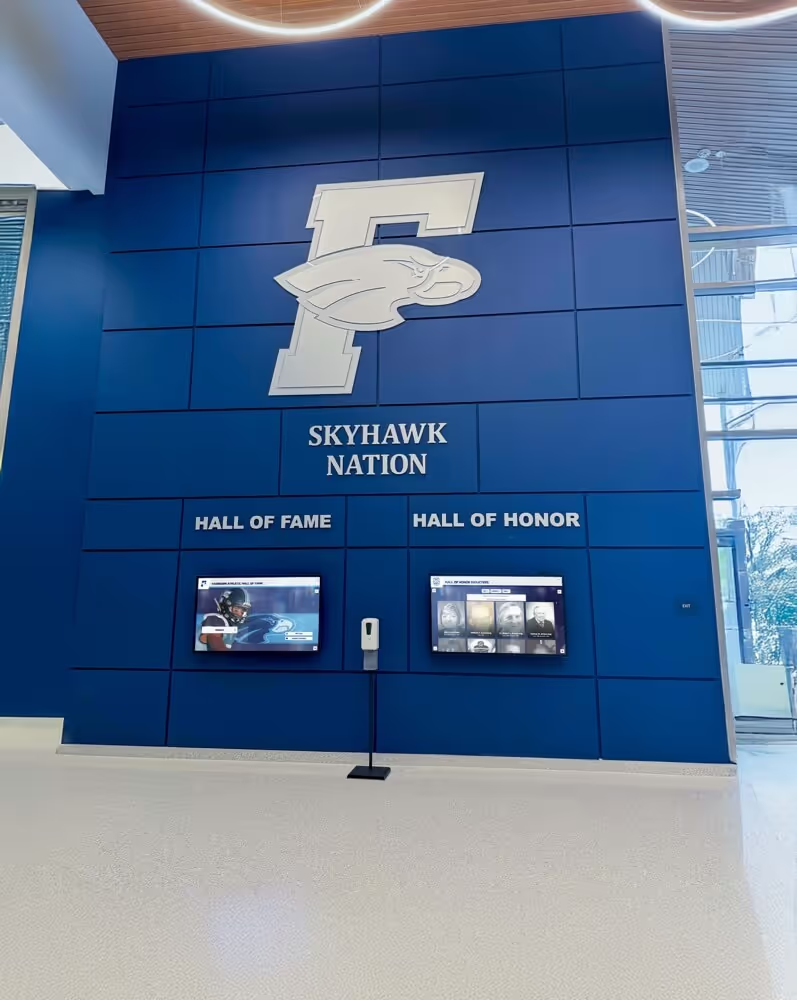
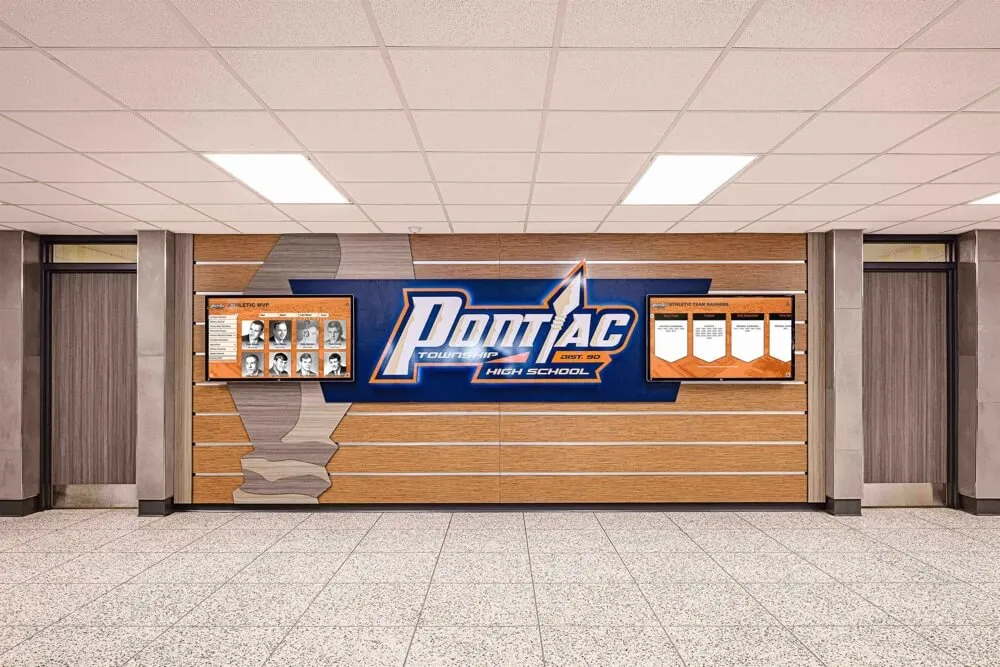
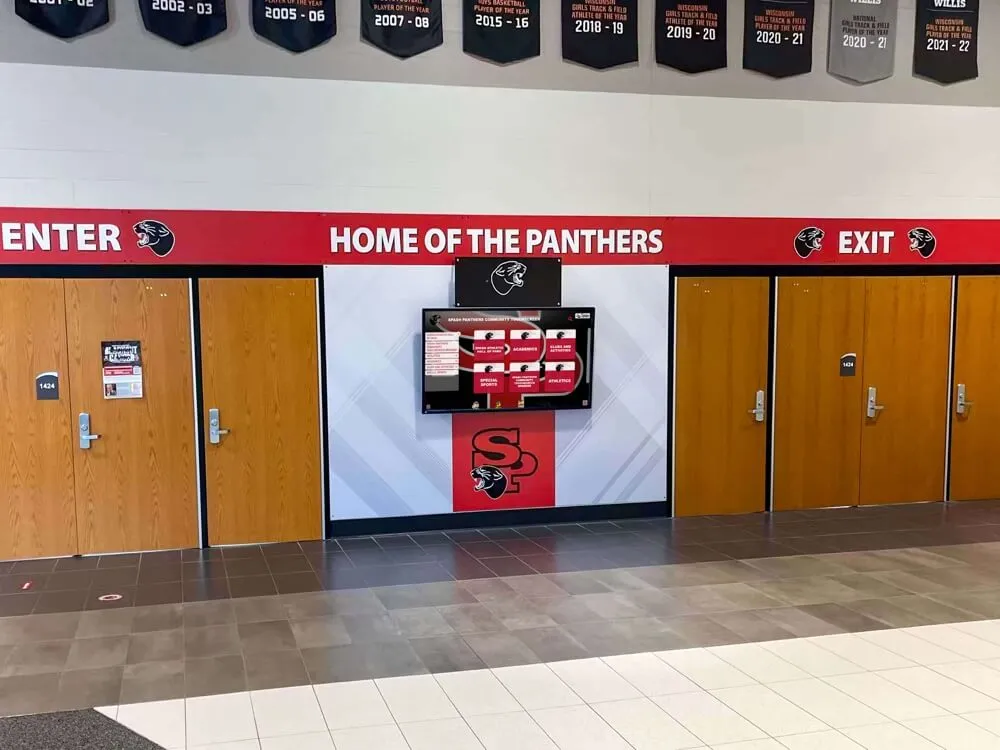
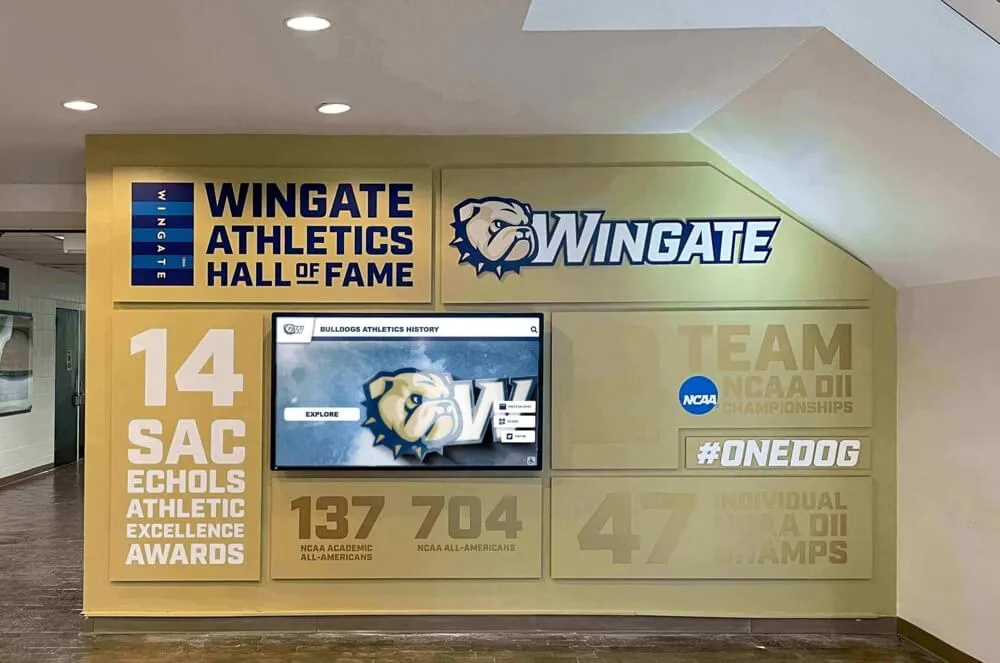
Strategic placement of interactive displays in high-traffic areas ensures maximum visibility and student engagement with alumni success stories
Creating Systematic Content Development Workflows
Comprehensive spotlight content requires systematic information collection without overwhelming staff or spotlight subjects. Scalable approaches make regular recognition achievable despite limited resources.
Direct Alumni Engagement Strategies
Contact spotlight nominees directly requesting biographical updates, photographs, career highlights, and personal reflections. Most selected alumni enthusiastically provide materials, appreciating opportunities to influence how their achievements are presented.
Structured Information Gathering:
Provide questionnaires or interview guides ensuring consistency:
- Background questions about graduation year, degree, campus activities, and formative experiences
- Career journey questions exploring path from graduation, pivotal decisions, and challenges faced
- Achievement questions documenting specific accomplishments, innovations, and recognitions received
- Advice questions capturing wisdom for current students and lessons learned throughout careers
- Connection questions exploring how education influenced trajectory and valued institutional experiences
- Current activity questions about present work, future aspirations, and causes supported
Collaborative Content Development
Engage communications interns, student workers, or volunteers in profile development. Research, interviewing, writing, and photo editing provide valuable experience while accelerating content creation. Partner with academic programs where real-world communications projects enhance learning.
Content Development Timeline:
- Month 1: Identify spotlight candidate, extend invitation, receive acceptance
- Month 2: Send questionnaire, schedule interview, collect photos and supporting materials
- Month 3: Draft profile content, request alumni review and approval, finalize multimedia elements
- Month 4: Schedule publication, prepare promotional materials, coordinate launch communications
- Ongoing: Monitor engagement, share metrics with featured alumnus, leverage content across channels
Working several months ahead prevents last-minute deadline pressure while allowing time for thorough content development and review. Maintain pipeline of approved candidates ensuring consistent monthly or quarterly spotlights regardless of unexpected scheduling challenges.
Measuring Alumni Spotlight Program Success and Impact
Systematic assessment demonstrates value while identifying improvement opportunities ensuring programs remain effective and sustainable over time.
Key Performance Indicators to Track
Comprehensive measurement tracks multiple dimensions rather than relying on single metrics:
Engagement Metrics:
- Profile views across all platforms (touchscreens, websites, mobile apps)
- Average time visitors spend exploring spotlight content
- Interaction rates including shares, comments, and engagement actions
- Video completion percentages and multimedia consumption patterns
- Social media reach, impressions, and amplification metrics
- Return visitor rates showing sustained interest over time
Alumni Response Indicators:
- Number and diversity of spotlight nominations received
- Percentage of invited alumni agreeing to be featured
- Quality and completeness of materials spotlight alumni provide
- Participation of featured alumni in institutional events and programs
- Changes in philanthropic support patterns from recognized alumni
- Increased mentorship, speaking, or volunteer engagement from spotlight graduates
Student Impact Measures:
- Students reaching out to spotlight alumni for informational interviews or mentorship
- Applications or enrollment changes in fields spotlight alumni represent
- Connections formed between students and featured graduates
- Student participation in events featuring spotlight alumni
- Survey feedback on how spotlights influence career aspirations and institutional pride
Institutional Benefits:
- Prospective student and family reactions during campus tours and recruitment events
- Media coverage and positive publicity generated by spotlight features
- Content utilization by advancement and communications teams across channels
- Survey measures of institutional pride and community connection
- Competitive positioning and reputation enhancement in educational marketplace
Continuous Improvement Through Assessment
Regular evaluation identifies what’s working while revealing enhancement opportunities:
Content Performance Analysis:
Determine which spotlights generate highest engagement, what content elements resonate most strongly, whether certain alumni categories attract more interest, and how content length and complexity affect engagement patterns.
Distribution Channel Effectiveness:
Identify which promotion channels deliver most traffic and engagement, optimal timing for communications, whether physical displays or digital platforms generate stronger interaction, and what calls-to-action drive desired responses.
Selection Process Review:
Assess whether nomination processes surface diverse candidates, if selection criteria align with community values, how committee composition affects spotlight quality, and whether featured alumni represent institutional diversity adequately.
Use assessment insights to refine approaches systematically. Successful elements deserve emphasis and expansion while underperforming aspects require modification or replacement based on data-driven decision making.
Building Sustainable Alumni Spotlight Programs
Many recognition initiatives launch enthusiastically but gradually lose consistency as competing priorities emerge. Sustainable programs require intentional systems preventing fadeout over time.
Organizational Strategies for Long-Term Success
Dedicated Ownership:
Assign clear responsibility for spotlight program management. Whether single staff member or shared role, explicit accountability ensures someone monitors deadlines, coordinates workflows, and maintains program momentum consistently.
Advance Planning:
Work 2-3 months ahead rather than scrambling monthly:
- Maintain pipeline of approved spotlight candidates for upcoming features
- Schedule alumni interviews and content gathering well in advance
- Batch content development when possible for operational efficiency
- Prepare contingency spotlights for situations when primary subjects become unavailable
Workflow Documentation:
Create comprehensive process documentation enabling continuity:
- Nomination and selection procedures with detailed timelines
- Content gathering templates and standardized interview guides
- Platform usage instructions with helpful screenshots
- Promotion checklists ensuring consistent visibility across channels
- Troubleshooting guidance addressing common challenges
Documentation enables smooth transitions when staff changes occur while ensuring consistent implementation regardless of who manages specific spotlights.
Resource Allocation and Budget Considerations
Technology Investment:
Complete interactive recognition systems typically range from $10,000-$30,000 depending on features and scale. Digital-only implementations fall at the lower end while comprehensive touchscreen installations with historical timeline displays reach the upper range.
Ongoing Operational Costs:
- Platform subscriptions or software fees ($500-$2,000 annually)
- Content development time (10-20 hours per spotlight feature)
- Professional photography or video services as needed
- Promotion costs for social advertising or print materials
- Event expenses if hosting spotlight celebration gatherings
Most institutions budget $5,000-$15,000 annually for comprehensive spotlight programs including technology, content development, and promotion. However, simplified approaches focused on digital-only implementation with volunteer content development can operate at significantly lower costs.
Return on Investment:
While difficult to quantify precisely, spotlight programs generate value through increased alumni engagement and giving, student recruitment improvements, communications content requiring no additional creation costs, media coverage and positive publicity, competitive differentiation, and stronger institutional brand reputation.
Many institutions find that increased alumni support resulting from enhanced engagement exceeds spotlight program costs within 2-3 years, making investments increasingly self-sustaining through the very relationships they strengthen.
Special Spotlight Program Applications
Beyond general alumni recognition, spotlight programs serve specific institutional needs and audiences through targeted applications.
Athletic Alumni Spotlight Programs
High school graduate displays often prominently feature former athletes who achieved collegiate or professional success. These athletic spotlights:
- Validate training programs and coaching approaches
- Motivate current athletes through visible examples of excellence
- Attract prospective student-athletes during recruiting visits
- Strengthen connections with alumni who may support programs financially
- Build community pride around athletic tradition and achievement
Academic Excellence Spotlights
Feature alumni who achieved scholarly distinction, research breakthroughs, or educational leadership. Academic spotlights inspire students pursuing similar fields while demonstrating institutional commitment to intellectual excellence beyond athletic achievement.
Fraternity and Sorority Recognition
Greek organizations benefit from preserving fraternity and sorority history through alumni spotlights showcasing distinguished members. These recognition programs strengthen chapter identity while encouraging current members through examples of alumni success.
Career-Specific Spotlight Series
Create rotating spotlight series focusing on specific career fields each month—entrepreneurs, educators, healthcare professionals, public servants, artists, or technology leaders. This approach ensures diverse representation while helping students explore particular career paths through concentrated alumni examples.
Conclusion: Transform Graduate Success Into Institutional Assets
Alumni spotlight programs represent far more than simple recognition—they create systematic frameworks for celebrating graduate achievements while strengthening connections that benefit institutions, alumni, current students, and broader communities. When designed thoughtfully and implemented consistently, spotlight initiatives deliver compounding value that grows with each featured graduate added to your recognition archive.
The most successful programs share common characteristics: clear selection criteria applied consistently, engaging content combining facts with authentic storytelling, modern technology simplifying administration and maximizing visibility, multi-channel promotion ensuring broad awareness, meaningful measurement driving continuous improvement, and sustainable workflows maintaining momentum across years rather than months.
Today’s technology makes comprehensive spotlight programs more achievable than ever. Digital recognition platforms eliminate traditional barriers of physical space limitations, manual content updates, and static presentation formats that constrained earlier recognition approaches. Solutions specifically designed for educational institutions provide purpose-built features addressing unique needs while remaining accessible to non-technical administrators.
Whether you’re launching your first alumni spotlight program or revitalizing existing recognition efforts that have lost effectiveness, the strategies outlined in this guide provide practical roadmaps for creating initiatives that truly engage your community. Start by identifying compelling alumni whose stories deserve celebration, develop rich content that brings their achievements to life, leverage technology that simplifies rather than complicates administration, and maintain consistent recognition rhythm that builds anticipation and becomes beloved institutional tradition.
Your alumni have achieved remarkable things since graduation. Alumni spotlight programs ensure those success stories inspire current students, strengthen institutional pride, and create the engaged communities where everyone thrives.
Ready to Launch Your Alumni Spotlight Program?
Discover how Rocket Alumni Solutions makes alumni recognition simple and impactful through interactive displays, intuitive content management, and comprehensive platforms designed specifically for schools and universities. From individual spotlights to complete hall of fame systems, we provide everything you need to celebrate your community's achievements effectively.
Schedule Your Free Consultation TodayAlumni recognition programs succeed when they combine meaningful acknowledgment with sustainable implementation, modern technology with authentic storytelling, individual celebration with community building. The graduates who validate your institutional mission through their achievements deserve recognition that matches their accomplishments—and the students who will become tomorrow’s spotlight subjects deserve the inspiration that today’s recognition provides.