The first impression matters enormously. When alumni return to campus, the spaces they encounter immediately communicate how the institution values their connection and celebrates their legacy. A thoughtfully designed alumni welcome area serves as far more than a simple entry point—it becomes a powerful statement about institutional pride, a catalyst for reconnection, and a tangible demonstration that graduates remain valued members of the community long after commencement.
Yet many schools and universities struggle with alumni spaces that feel underwhelming, outdated, or disconnected from the vibrant communities they serve. Traditional lobbies with static plaques and dusty trophy cases fail to capture the dynamic achievements of alumni populations, while generic reception areas miss opportunities to inspire current students and strengthen the emotional bonds that drive lifelong engagement.
The challenge intensifies as institutions recognize that alumni engagement directly impacts advancement goals, student recruitment, institutional reputation, and community building. Creating welcome areas that genuinely resonate with returning graduates while inspiring current students requires strategic thinking about design, technology, storytelling, and the authentic celebration of shared institutional identity.
This comprehensive guide explores 12 innovative alumni welcome area ideas that transform underutilized spaces into engaging environments where graduates feel honored, students discover inspiration, and institutional pride finds tangible expression. Whether you’re designing a dedicated alumni center from the ground up, renovating an existing lobby, or reimagining a high-traffic corridor, you’ll discover practical strategies for creating welcome spaces that strengthen connections across generations while showcasing your institution’s unique legacy.
Throughout this guide, we’ll examine the strategic importance of welcome areas, explore specific design elements and technology solutions, and provide implementation guidance that addresses real-world constraints around budget, space, and ongoing maintenance. You’ll learn how schools successfully balance tradition with innovation, permanence with flexibility, and aesthetic excellence with practical functionality.
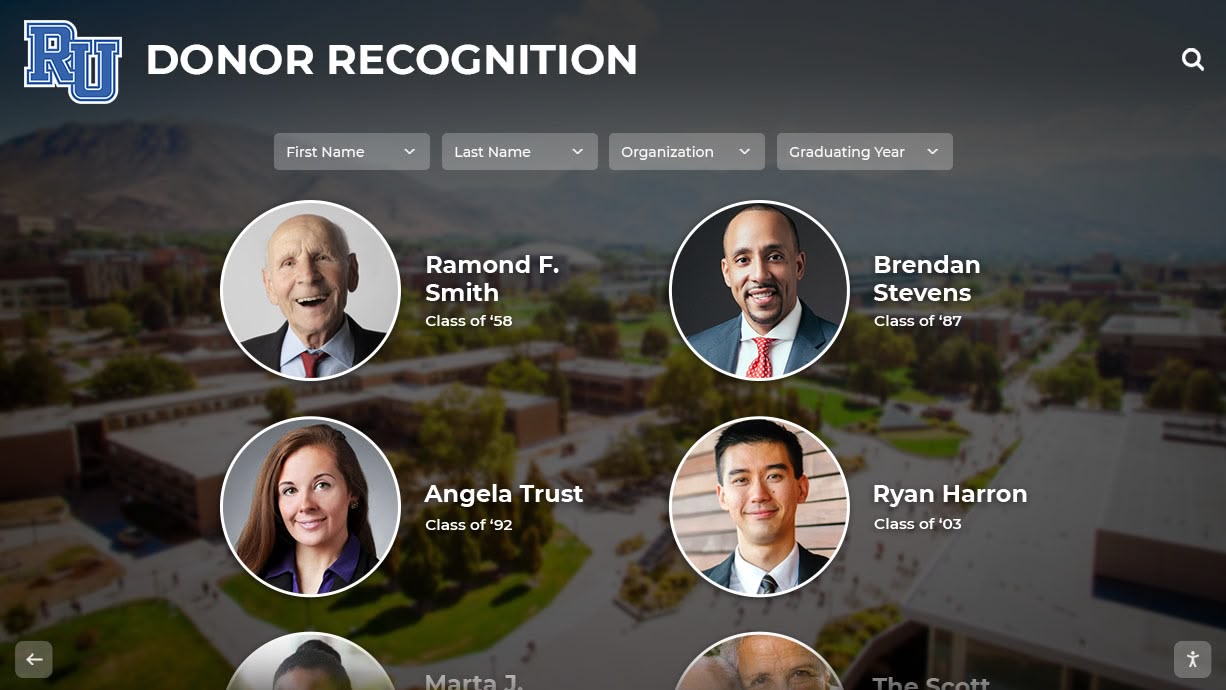
Modern alumni welcome areas create inviting spaces that celebrate achievement while fostering meaningful connection
Why Alumni Welcome Areas Matter: The Strategic Value Beyond Aesthetics
Before exploring specific design ideas, understanding the multifaceted benefits these spaces deliver helps justify investment and guides decisions toward solutions that best serve institutional goals.
Strengthening Alumni Engagement Through Physical Connection
Alumni welcome areas serve as tangible demonstrations that institutions value ongoing relationships with graduates. When alumni encounter spaces specifically designed to honor their connection and celebrate their achievements, they experience validation that strengthens emotional bonds and motivates continued engagement.
Engagement Benefits:
- Alumni who feel welcomed and honored demonstrate significantly higher event attendance rates
- Returning graduates who encounter impressive recognition displays show increased giving participation
- Physical spaces create memorable experiences that deepen institutional loyalty
- Welcome areas provide natural gathering points facilitating alumni-to-alumni reconnection
- Thoughtful design communicates that the institution continues to invest in the alumni relationship
Research consistently demonstrates that recognized alumni exhibit stronger engagement patterns across multiple dimensions compared to those who receive no acknowledgment. Welcome areas that prominently feature recognition become powerful relationship-building tools that transform campus visits into meaningful reconnection experiences.
Inspiring Current Students Through Visible Success
Perhaps the most immediate educational benefit comes from inspiring current students by showcasing authentic examples of graduates who once walked the same paths, faced similar challenges, and went on to achieve remarkable things.
Student Impact:
- Tangible examples of successful alumni make abstract career aspirations feel achievable
- Students discover potential pathways by learning about diverse alumni career trajectories
- Seeing graduates from similar backgrounds succeeding combats imposter syndrome
- Welcome area displays serve as perpetual career counseling resources
- Athletic students draw particular motivation from professional achievement recognition
When students regularly encounter alumni welcome areas showcasing remarkable graduate achievements, their own sense of possibility expands while institutional pride deepens. These spaces transform abstract statistics about graduate success into concrete, human stories that resonate on personal levels.
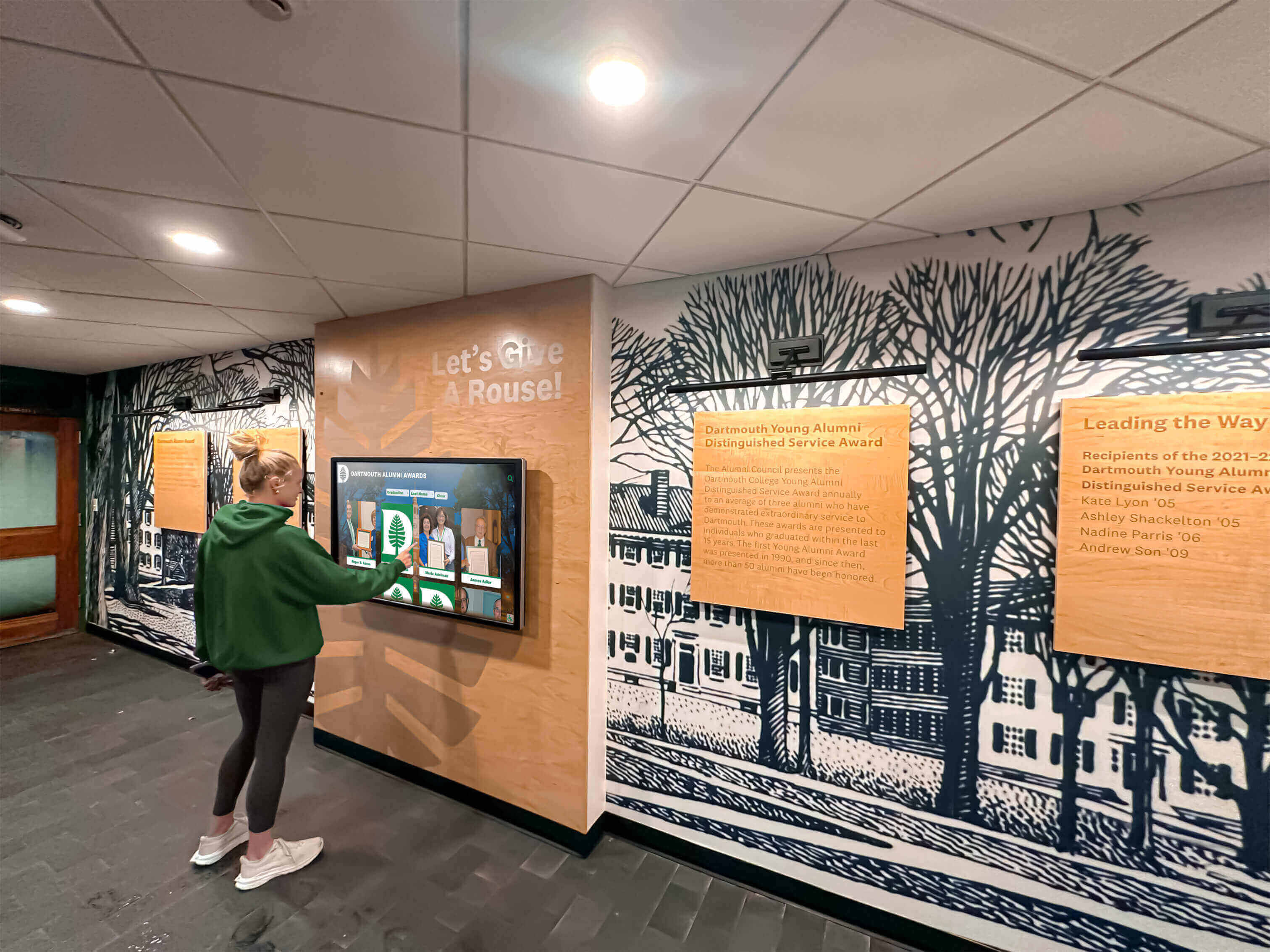
Interactive alumni displays inspire current students by showcasing achievable success pathways from those who came before them
Supporting Advancement and Development Objectives
Alumni welcome areas directly support fundraising and development goals by creating environments that demonstrate stewardship, celebrate generosity, and inspire philanthropic engagement.
Advancement Benefits:
- Recognition displays honor donor contributions, providing meaningful stewardship
- Prospective donors see evidence of strong supporter communities and appropriate appreciation
- Welcome areas create ideal settings for donor cultivation conversations and tours
- Donor recognition walls communicate that gifts receive lasting acknowledgment
- Impressive spaces signal institutional vitality and investment-worthiness
Development professionals understand that recognition represents far more than courtesy—it constitutes strategic infrastructure that influences donor behavior and cultivation success. Welcome areas that thoughtfully integrate donor acknowledgment alongside broader alumni celebration create compelling case statements demonstrating that support makes visible, lasting impact.
Building Institutional Pride and Community Identity
Alumni welcome areas create focal points where institutional pride finds concrete expression. These spaces communicate organizational values, demonstrate educational impact, and celebrate collective achievements spanning decades or centuries of history.
Community Benefits:
- Prospective students and families see compelling evidence of graduate success
- Campus visitors gain immediate understanding of institutional character
- Community members develop pride in local educational institutions
- Welcome areas become signature spaces defining campus character
- Systematic celebration creates positive culture permeating entire community
For schools with long histories, thoughtfully designed welcome areas preserve institutional memory while documenting organizational evolution, creating valuable historical archives that capture who attended, what they accomplished, and how they contributed to their fields and communities.
Core Design Principles for Effective Alumni Welcome Areas
Applying evidence-based design principles ensures alumni welcome spaces achieve both aesthetic excellence and strategic engagement objectives.
Location and Accessibility Considerations
Strategic placement maximizes visibility and ensures welcome areas fulfill their community-building and inspiration functions.
High-Visibility Positioning:
- Main building entrances ensuring every visitor encounters the space
- Adjacent to registration or reception areas where guests naturally gather
- Along corridors connecting frequently-used campus spaces
- Near event venues hosting alumni programming and reunions
- Integrated into new construction or major renovation projects
Universal Accessibility:
- ADA-compliant design enabling wheelchair access throughout
- Clear floor space allowing close approach to all displays
- Appropriate mounting heights for viewing from varied positions
- Excellent lighting eliminating glare while ensuring readability
- Digital accessibility for any technology components
Welcome areas in poor locations—tucked away in basements or isolated wings—fail to achieve their potential regardless of design quality. Prominent placement in high-traffic areas ensures spaces receive the daily visibility necessary to inspire students, welcome alumni, and demonstrate institutional commitment.
Visual Design Excellence and Brand Alignment
Effective alumni welcome areas feel authentic to institutional identity while creating memorable, professionally executed spaces.
Cohesive Branding:
- Colors coordinating with institutional branding and facility aesthetics
- Typography consistent with official communications and signage
- Design styles matching facility architecture (contemporary, traditional, transitional)
- Integration of logos, mascots, and institutional symbols
- Materials reflecting organizational values and character
Professional Quality Standards:
- High-quality materials appropriate to institutional positioning
- Expert craftsmanship and precise installation
- Cohesive design language throughout all elements
- Appropriate scale relative to architectural context
- Artistic elements elevating spaces beyond purely functional design
Alumni welcome areas represent significant institutional investments that should reflect the professionalism and quality graduates associate with their educational experiences. Bargain materials or amateur execution undermine the message that institutions value alumni relationships.
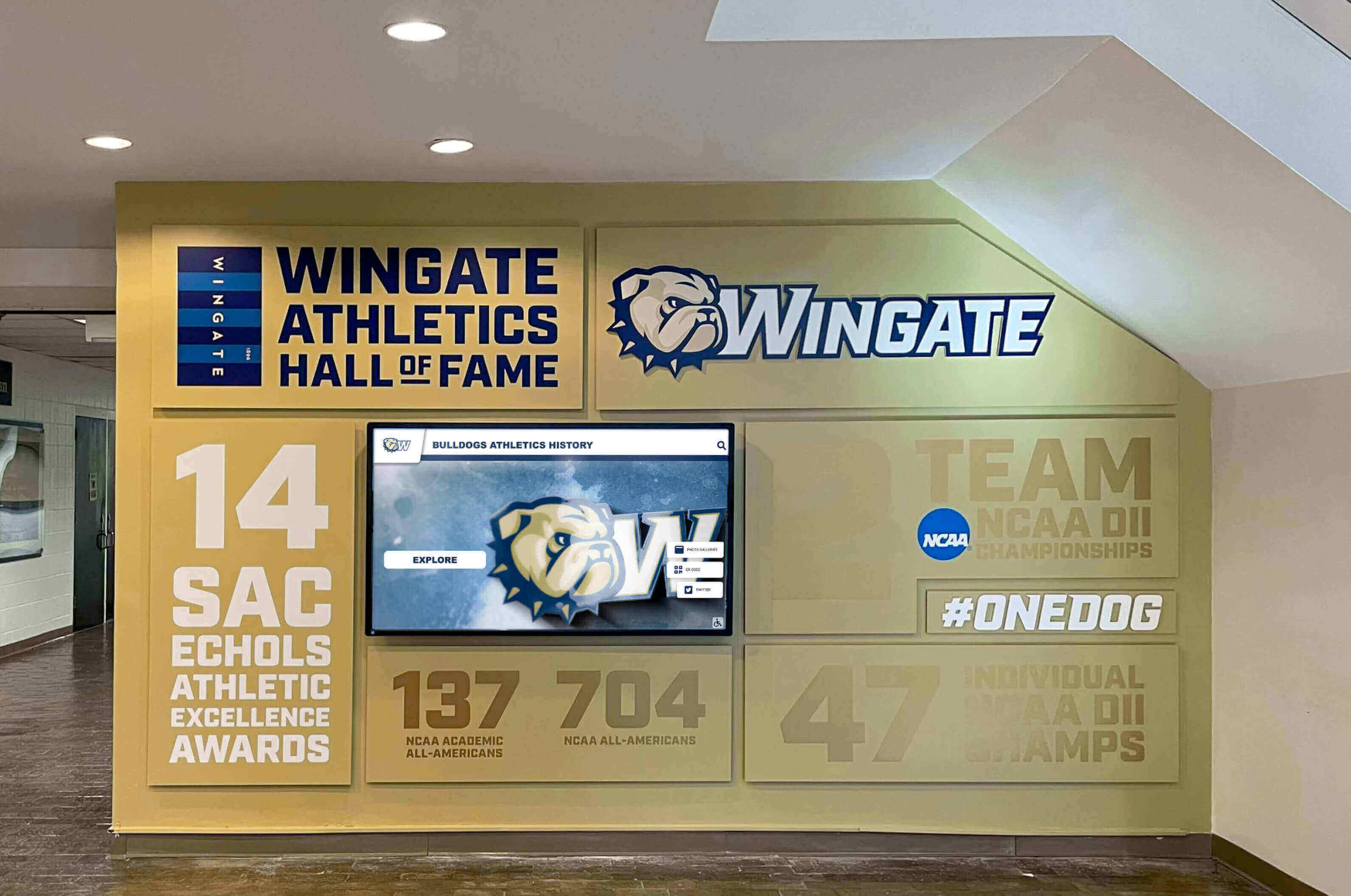
Professional design quality and cohesive branding create welcoming environments that honor institutional character
Balancing Tradition with Innovation
The most successful alumni welcome areas honor institutional heritage while embracing contemporary approaches that resonate with current generations.
Preserving Historical Context:
- Incorporating archival photographs and historical artifacts
- Acknowledging founding principles and historical milestones
- Displaying traditional awards and championship trophies
- Featuring architectural elements reflecting institutional heritage
- Telling the origin story connecting past to present
Embracing Modern Capabilities:
- Interactive digital displays enabling dynamic, engaging exploration
- Multimedia storytelling through video and rich content
- Real-time updates reflecting current alumni activities
- Social media integration connecting physical and digital presence
- Future-ready infrastructure accommodating technology evolution
Many institutions find that hybrid approaches work best—preserving treasured physical artifacts and traditional recognition elements while augmenting them with interactive touchscreen displays that provide depth, searchability, and unlimited capacity impossible with static installations alone.
12 Creative Alumni Welcome Area Ideas
These proven concepts can be implemented individually or combined to create comprehensive welcome environments suited to various institutional contexts, budgets, and objectives.
1. Interactive Digital Recognition Walls
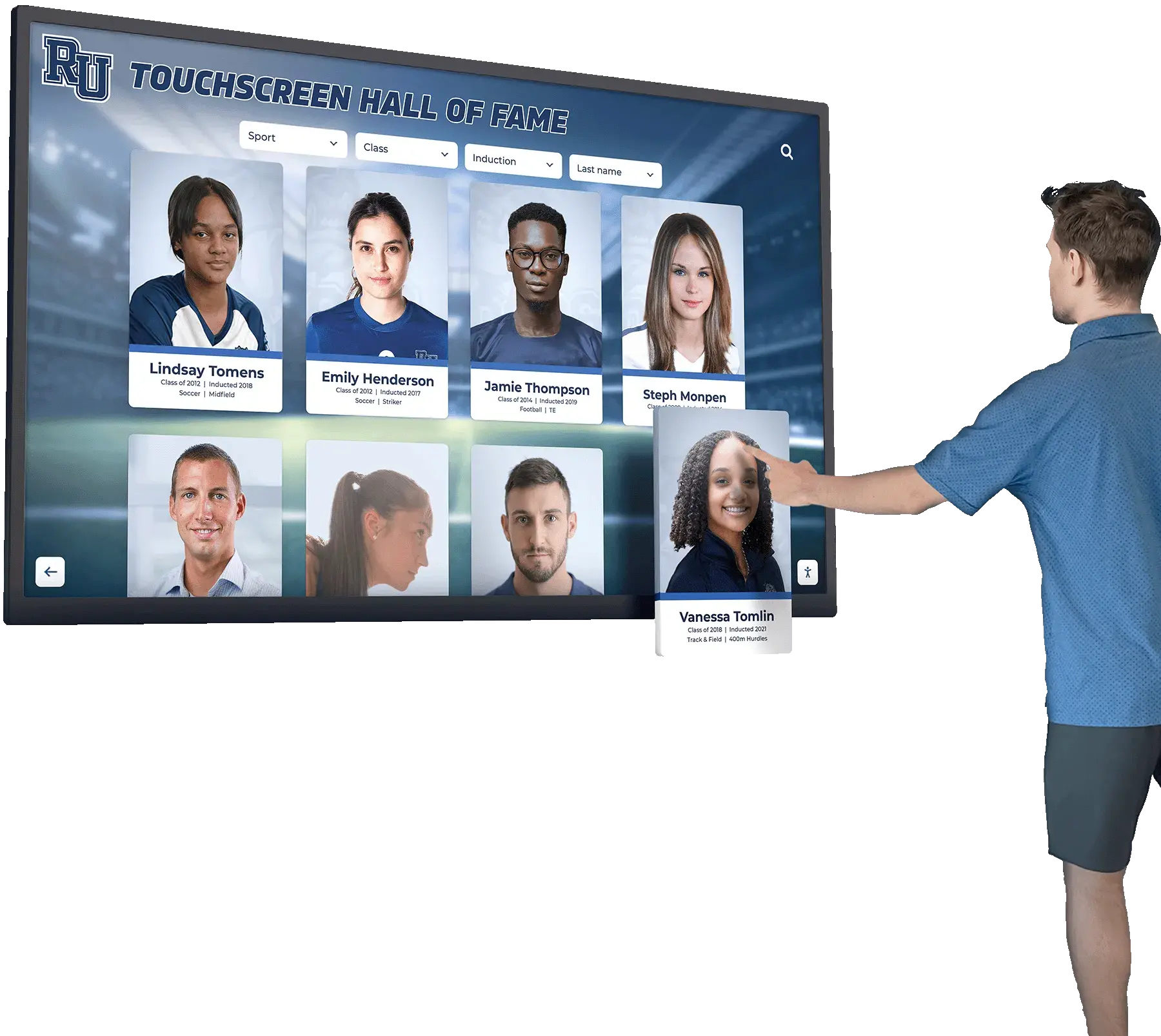
Commercial-grade touchscreen displays transform how institutions showcase alumni achievements, eliminating space constraints while creating engaging, explorable experiences.
Transformative Capabilities:
- Unlimited Recognition Capacity: Single display accommodates thousands of detailed profiles without physical space constraints
- Rich Multimedia Storytelling: Integrate professional photographs, video interviews, career timelines, and achievement documentation
- Intuitive Exploration: Visitors search by name, browse by graduation year, filter by career field, or explore achievement categories
- Dynamic Updates: Content updates instantly through cloud-based management without physical labor
- Web Accessibility: Companion platforms extend recognition globally to alumni anywhere
Implementation Considerations:
Solutions like Rocket Alumni Solutions provide comprehensive digital recognition ecosystems combining commercial-grade hardware, intuitive content management software, and responsive web platforms that together create sustainable, engaging alumni welcome areas. Initial investments typically range from $10,000-$35,000 depending on display size and configuration, with annual software subscriptions of $2,000-$5,000.
Best For: Institutions committed to comprehensive, long-term recognition programs; schools with growing alumni populations exceeding traditional display capacity; organizations prioritizing engagement and storytelling over purely memorial functions.
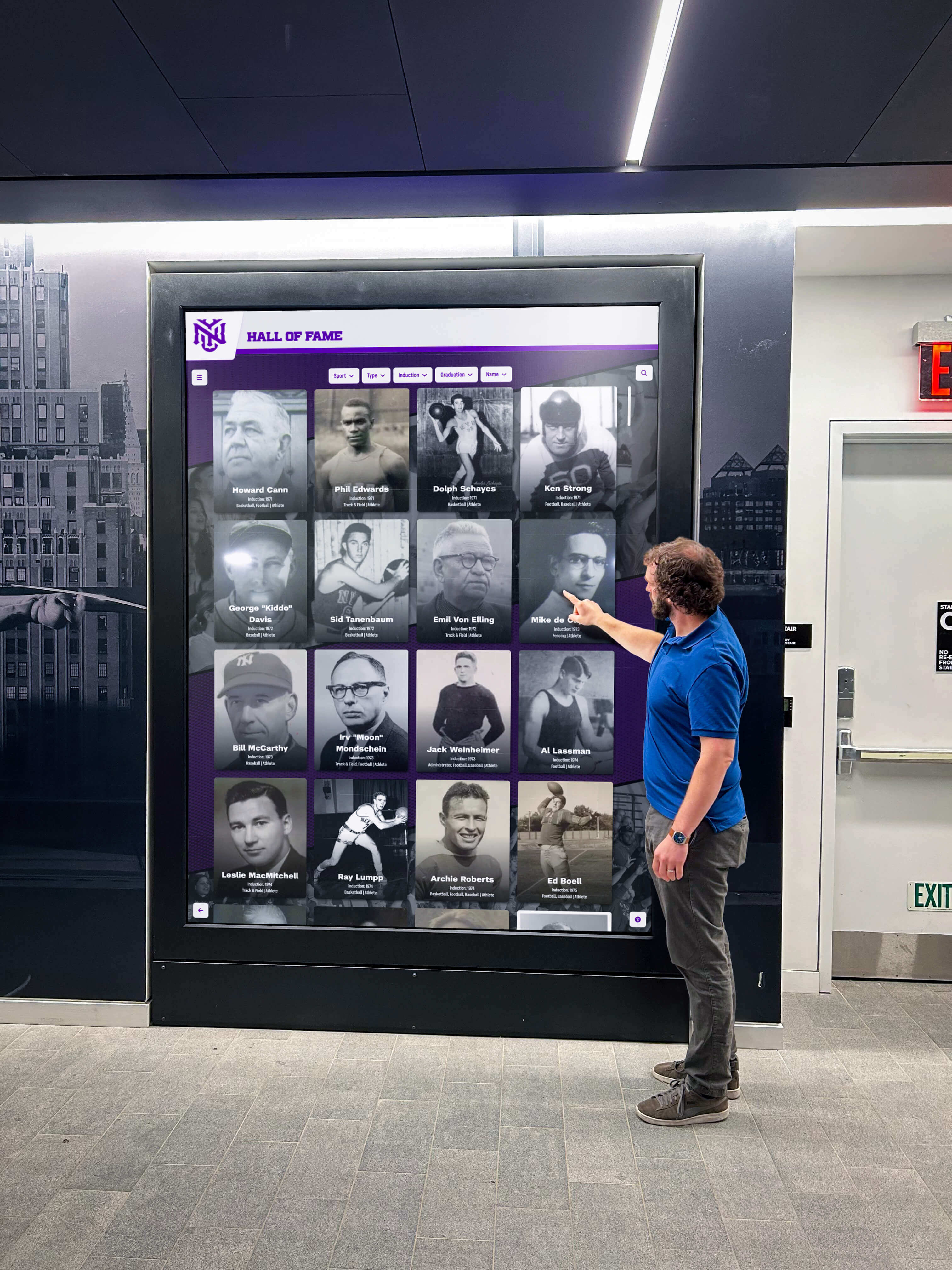
Interactive touchscreens create engaging experiences that invite exploration rather than passive viewing
2. Heritage Timeline Walls
Chronological displays visualizing institutional history through decades or centuries create engaging narratives showing organizational evolution alongside alumni achievement.
Timeline Concepts:
- Horizontal wall-length displays showing eras of institutional development
- Decade-by-decade highlights pairing alumni achievements with historical context
- Side-by-side institutional and world history timelines
- Digital scrolling timelines enabling deep historical exploration
- Milestone markers celebrating anniversaries, achievements, and transformations
Advantages:
- Historical context makes individual accomplishments more meaningful
- Shows institutional adaptation and evolution across changing eras
- Creates natural conversation starters about traditions and heritage
- Particularly compelling for centennial celebrations or milestone anniversaries
- Helps younger students understand institutional legacy and continuity
Heritage timelines work especially well for institutions with long histories wanting to celebrate legacy while demonstrating continued relevance. Combining historical photographs with contemporary recognition creates bridges connecting generations.
3. Alumni Network Geographic Mapping
Interactive or static displays showing where alumni live and work create compelling visualizations of institutional reach and global influence.
Mapping Approaches:
- World or national maps with pins or heat maps showing alumni concentrations
- Interactive digital maps enabling filtering by graduation year or profession
- Professional network diagrams highlighting alumni industry clusters
- Separate displays for international reach and regional strength
- Dynamic updates reflecting real-time alumni database information
Strategic Benefits:
- Visual representations communicate institutional influence immediately
- Geographic displays inspire institutional pride through visible global presence
- Prospective students see where graduates commonly relocate and build careers
- Alumni discover fellow graduates living in their current locations
- Development teams identify regional concentrations for event planning
Geographic mapping proves particularly effective for institutions whose alumni networks extend nationally or internationally, demonstrating that educational impact reaches far beyond local communities.
4. “Where Are They Now” Profile Showcases
Dedicated spotlight areas featuring rotating alumni profiles with detailed career journeys, personal reflections, and advice for current students.
Showcase Elements:
- Professional photography showing alumni in career environments
- Career trajectory timelines from graduation to current positions
- Video interviews where alumni share experiences and guidance
- Written profiles highlighting pivotal moments and lessons learned
- Advice specifically directed to current students considering similar paths
Implementation Approaches:
- Physical displays rotating monthly or quarterly with new featured alumni
- Digital screens showing dynamic profile collections
- Hybrid approaches pairing permanent featured alumni with rotating spotlights
- Alumni self-submission processes gathering content directly from graduates
- Student journalism programs conducting interviews as experiential learning
Regular profile rotations ensure diverse representation across eras, fields, and demographics while maintaining fresh, current content that gives alumni reasons to return and check who’s currently featured.
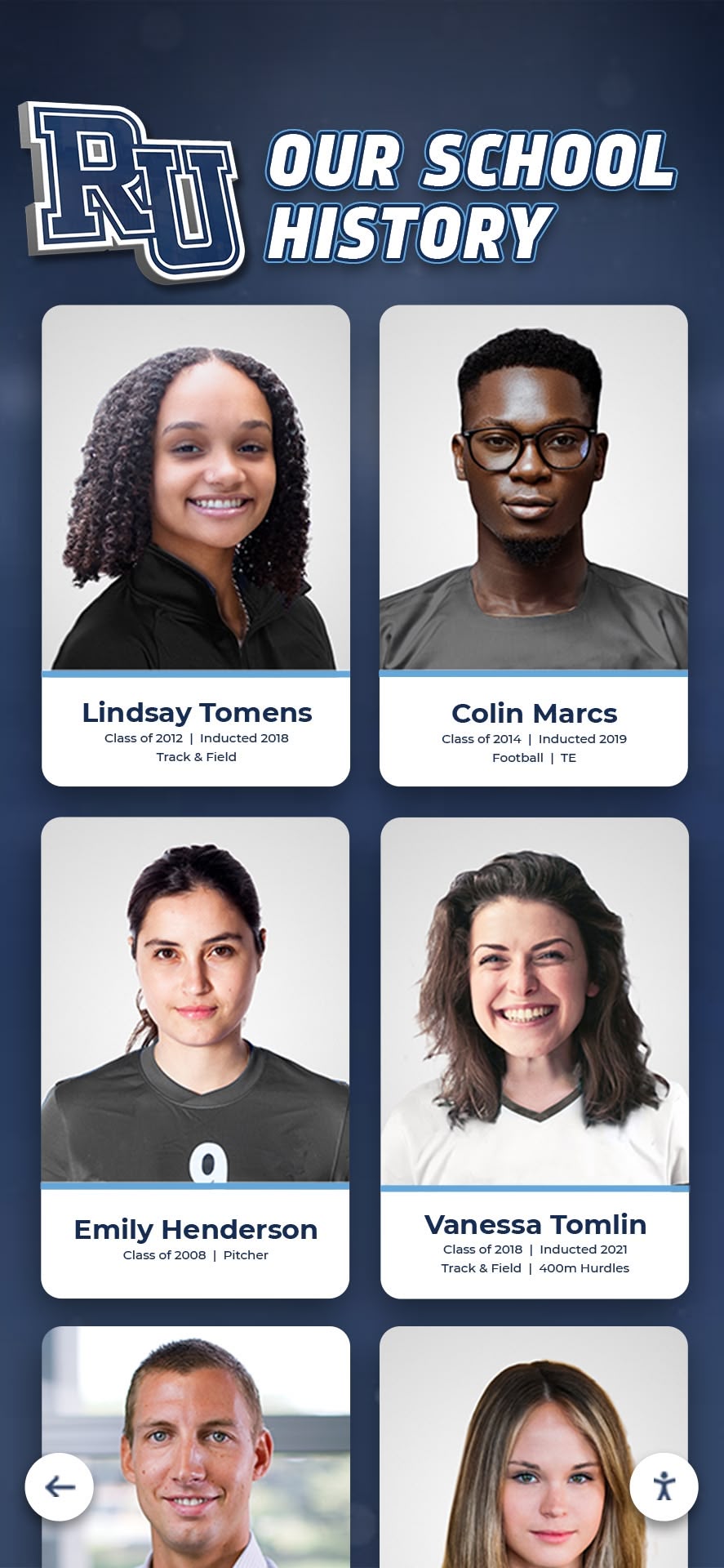
Detailed alumni profiles tell authentic stories that inspire current students and honor graduate achievement
5. Multi-Generational Family Recognition
Celebrating families with multi-generational attendance creates emotional connections while demonstrating lasting institutional loyalty.
Recognition Concepts:
- Family tree displays showing graduates across generations
- Legacy walls honoring families with 3, 4, or 5 generations of attendance
- Side-by-side photographs showing family members from different eras
- Stories highlighting how institutional experiences shaped family trajectories
- Interactive databases enabling visitors to discover family connections
Engagement Benefits:
- Multi-generational recognition creates particularly strong emotional bonds
- Family legacy becomes tangible rather than abstract concept
- Current students from multi-generational families feel special connection
- Prospective families see evidence of lasting satisfaction and loyalty
- Development opportunities with families demonstrating sustained commitment
This approach proves especially powerful for independent schools and smaller colleges where multi-generational attendance occurs frequently and families maintain close institutional connections.
6. Interactive Mentorship Connection Kiosks
Digital displays that don’t just showcase alumni but actively facilitate current student connections with graduate mentors.
Connection Features:
- Searchable alumni databases with mentorship availability indicators
- Professional field filters helping students find relevant mentors
- Integrated messaging enabling students to request connections
- Video introduction libraries where alumni explain their willingness to help
- Success stories from students who benefited from alumni mentorship programs
Strategic Value:
- Transforms welcome area from passive recognition to active engagement tool
- Provides tangible value proposition for current students
- Creates ongoing touchpoints maintaining alumni engagement through mentoring
- Demonstrates that institutional commitment to student success extends beyond graduation
- Generates regular foot traffic as students return to explore mentorship opportunities
Schools with robust alumni mentoring programs find that physical kiosks in welcome areas significantly increase program awareness and participation compared to purely online systems that students must remember to seek out.
7. Achievement Highlight Walls by Category
Organizing recognition thematically rather than chronologically creates compelling stories while enabling comprehensive celebration across diverse accomplishment types.
Thematic Categories:
- Professional Excellence: Distinguished careers in business, medicine, law, education, and other fields
- Creative Achievement: Artists, writers, performers, designers, and creative professionals
- Public Service: Elected officials, nonprofit leaders, military service, community organizers
- Entrepreneurship: Founders, business builders, and innovative enterprise creators
- Academic Distinction: Scholars, researchers, professors, and academic leaders
- Athletic Excellence: Professional athletes, coaches, and competitive achievement
Design Approaches:
- Separate wall sections or display zones for each category
- Color-coding distinguishing achievement types
- Rotating spotlights ensuring all categories receive featured attention
- Cross-referencing allowing graduates to appear in multiple relevant categories
- Regular additions maintaining current, expanding recognition
Thematic organization helps visitors discover unexpected connections between alumni while communicating that institutional success manifests in diverse forms worthy of equal celebration.
8. Social Media Integration and Live Feeds
Connecting physical welcome areas with digital alumni engagement through real-time social media displays.
Integration Approaches:
- Large displays showing curated social media feeds with alumni updates
- Hashtag campaigns encouraging alumni to share current accomplishments
- Photo walls displaying user-submitted images from alumni events
- Live-streaming of reunion activities or alumni programs
- QR codes enabling instant social sharing from physical displays
Engagement Benefits:
- Creates dynamic, constantly-updating content requiring minimal staff effort
- Encourages alumni participation through low-barrier social sharing
- Demonstrates active, engaged alumni community rather than historical archive
- Appeals to younger alumni comfortable with social media engagement
- Amplifies reach as physical displays inspire digital sharing
Social integration acknowledges that alumni engagement happens increasingly in digital spaces, creating bridges connecting online communities with physical campus presence.
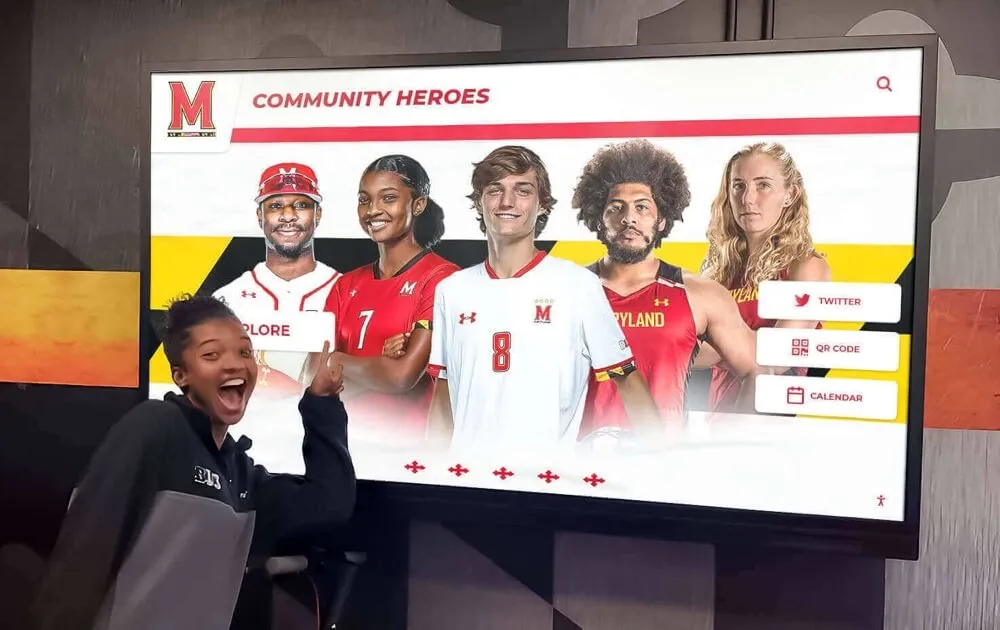
Social media integration creates dynamic content connecting physical recognition with active digital communities
9. Donor Recognition Integration
Thoughtfully incorporating philanthropic acknowledgment within broader alumni celebration spaces.
Recognition Elements:
- Digital donor walls showing giving societies and major benefactors
- Campaign progress displays illustrating fundraising goals and achievements
- Project impact visualizations connecting donations to tangible outcomes
- Naming recognition for spaces funded by major gifts
- Volunteer leadership acknowledgment alongside financial contributions
Design Sensitivity:
- Balancing donor recognition with broader alumni celebration avoiding over-commercialization
- Inclusive approaches honoring modest annual donors alongside major benefactors
- Impact storytelling demonstrating what generosity enables
- Anonymous donor accommodation respecting confidentiality preferences
- Integration feeling authentic rather than transactional
Effective donor recognition within welcome areas demonstrates stewardship while inspiring philanthropic engagement, particularly when displays connect giving to visible institutional improvements prospective donors can experience firsthand.
10. Comfortable Gathering Spaces with Recognition Integration
Physical seating areas and gathering spaces where recognition displays create ambiance rather than standalone focus.
Design Concepts:
- Lounge seating arranged around recognition displays inviting lingering
- Coffee bars or refreshment areas within alumni spaces
- Working areas with WiFi and charging stations for visiting graduates
- Small meeting spaces enabling informal alumni conversations
- Architectural integration making recognition part of environmental design
Functional Benefits:
- Encourages extended stays rather than quick pass-throughs
- Creates settings for spontaneous alumni reconnection
- Provides functional value attracting regular usage
- Feels welcoming rather than museum-like
- Supports programmatic uses like small reunion gatherings or mentoring meetings
The most successful alumni welcome areas function as destination spaces alumni actively seek out rather than purely transitional lobbies graduates pass through en route elsewhere.
11. Student-Alumni Connection Walls
Interactive elements specifically designed to facilitate current student engagement with alumni recognition.
Connection Features:
- “Ask an Alumnus” question boards where students submit queries
- Career pathway mapping showing common professional progressions
- Major-specific alumni directories organized by academic programs
- Student reflection spaces where current students share aspirations
- Scheduled alumni office hours in the space creating face-to-face opportunities
Educational Integration:
- Career services programming utilizing alumni displays for counseling
- Academic department tours highlighting program-specific graduate success
- First-year orientation activities introducing students to alumni resources
- Senior transition programming connecting graduates with recent alumni
- Classroom assignments requiring alumni recognition space exploration
When welcome areas actively facilitate student-alumni connection rather than simply displaying historical achievement, they become living resources supporting educational mission rather than commemorative museums.
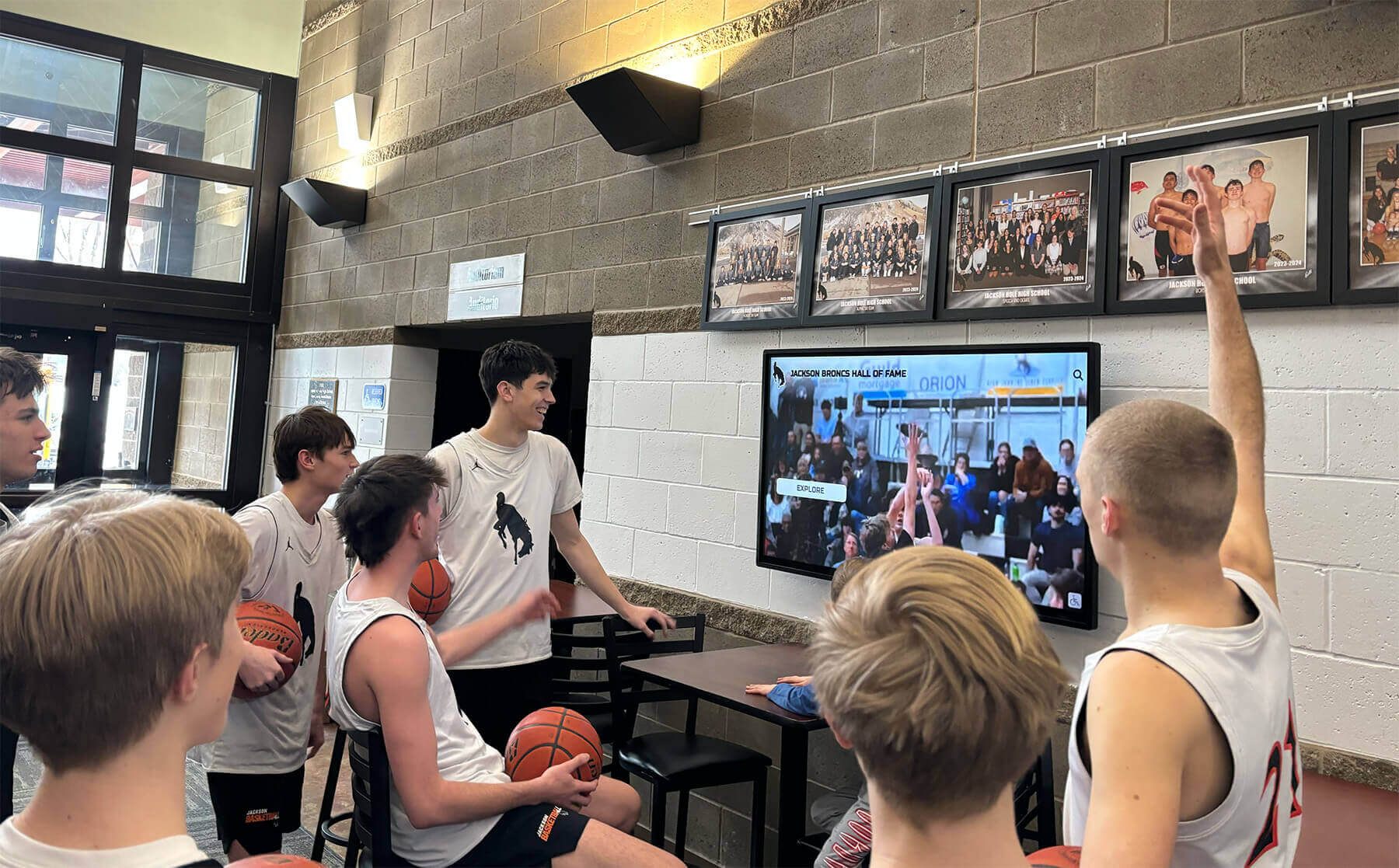
Design elements that invite student interaction transform static displays into active learning resources
12. Rotating Exhibit Spaces Celebrating Specific Topics
Flexible display areas enabling thematic exhibits that keep welcome areas fresh and topically relevant.
Exhibit Themes:
- Milestone anniversary celebrations (25th, 50th, 100th)
- Specific graduating class spotlights during reunion years
- Career field deep-dives exploring particular industries or professions
- Geographic region features highlighting alumni in specific areas
- Historical era explorations examining institutional evolution across decades
- Special achievement recognition for recent notable accomplishments
Implementation Approaches:
- Dedicated wall space or display cases reserved for rotating content
- Quarterly or semi-annual exhibit changes maintaining freshness
- Student curatorial involvement providing experiential learning opportunities
- Alumni submissions creating community-generated content
- Professional exhibition standards ensuring quality execution
Rotating exhibits demonstrate ongoing institutional investment in alumni recognition while providing reasons for repeat visits as alumni return to see new featured content.
Technology Solutions for Modern Alumni Welcome Areas
Digital technology has revolutionized what’s possible in alumni recognition, enabling capabilities impossible with traditional static approaches.
Commercial-Grade Interactive Touchscreen Systems
Purpose-built digital recognition platforms designed specifically for educational institutions provide intuitive, engaging experiences.
Essential Capabilities:
- Commercial Durability: Hardware rated for continuous operation far exceeds consumer products
- Capacitive Touch: Responsive, precise interaction users expect from smartphones and tablets
- 4K Resolution: Crisp text and high-quality images at close viewing distances
- Cloud-Based Management: Web-accessible content updates from anywhere with internet
- Template Systems: Consistent professional presentation without custom design
- Bulk Import: Historical data migration tools for comprehensive recognition
- Analytics Tracking: Engagement metrics revealing popular content and usage patterns
- Multi-Display Sync: Coordinated content across multiple installations
Content Management:
Modern platforms enable non-technical staff to independently manage comprehensive recognition content through intuitive web interfaces requiring no coding knowledge. Features like drag-and-drop editing, role-based permissions, scheduled publishing, and automatic synchronization ensure sustainable long-term operation.
Solutions like those from Rocket Alumni Solutions combine sophisticated capabilities with user-friendly design, providing comprehensive support that helps institutions succeed with digital recognition rather than struggling with generic tools requiring extensive customization.
Web-Based Recognition Extensions
Online platforms extending physical welcome area recognition globally enable remote access for dispersed alumni populations.
Web Platform Features:
- Responsive Design: Excellent functionality across desktop, tablet, and smartphone devices
- Advanced Search: Filtering by name, year, location, profession, achievement category
- Social Sharing: One-click posting to Facebook, LinkedIn, Twitter, and Instagram
- Individual URLs: Shareable links for specific alumni profiles
- SEO Optimization: Proper structure helping alumni names appear in search results
- Alumni Database Integration: Synchronization reducing redundant data entry
Accessibility Benefits:
- International alumni access recognition regardless of geographic distance
- Alumni browse recognition during personal milestone moments prompting reconnection
- Prospective students explore graduate success during research and consideration
- Social amplification extends institutional visibility through alumni networks
- 24/7 availability accommodates varied schedules and time zones
The most effective digital recognition strategies integrate physical campus installations with comprehensive web accessibility, creating seamless experiences serving both local and distant audiences.
Mobile Optimization and App Integration
Ensuring excellent mobile experiences accommodates how most people consume digital content.
Mobile Considerations:
- Touch-Friendly Interfaces: Button sizes and tap targets appropriate for fingers
- Fast Loading: Optimization for mobile networks including slower connections
- Vertical Design: Layouts working well in portrait orientation
- Swipe Navigation: Gesture support matching smartphone interaction patterns
- Offline Capability: Downloaded content accessible without connectivity
Many institutions find that mobile-optimized websites provide broader accessibility than native apps requiring downloads from app stores, though schools with robust digital engagement strategies may benefit from dedicated applications.
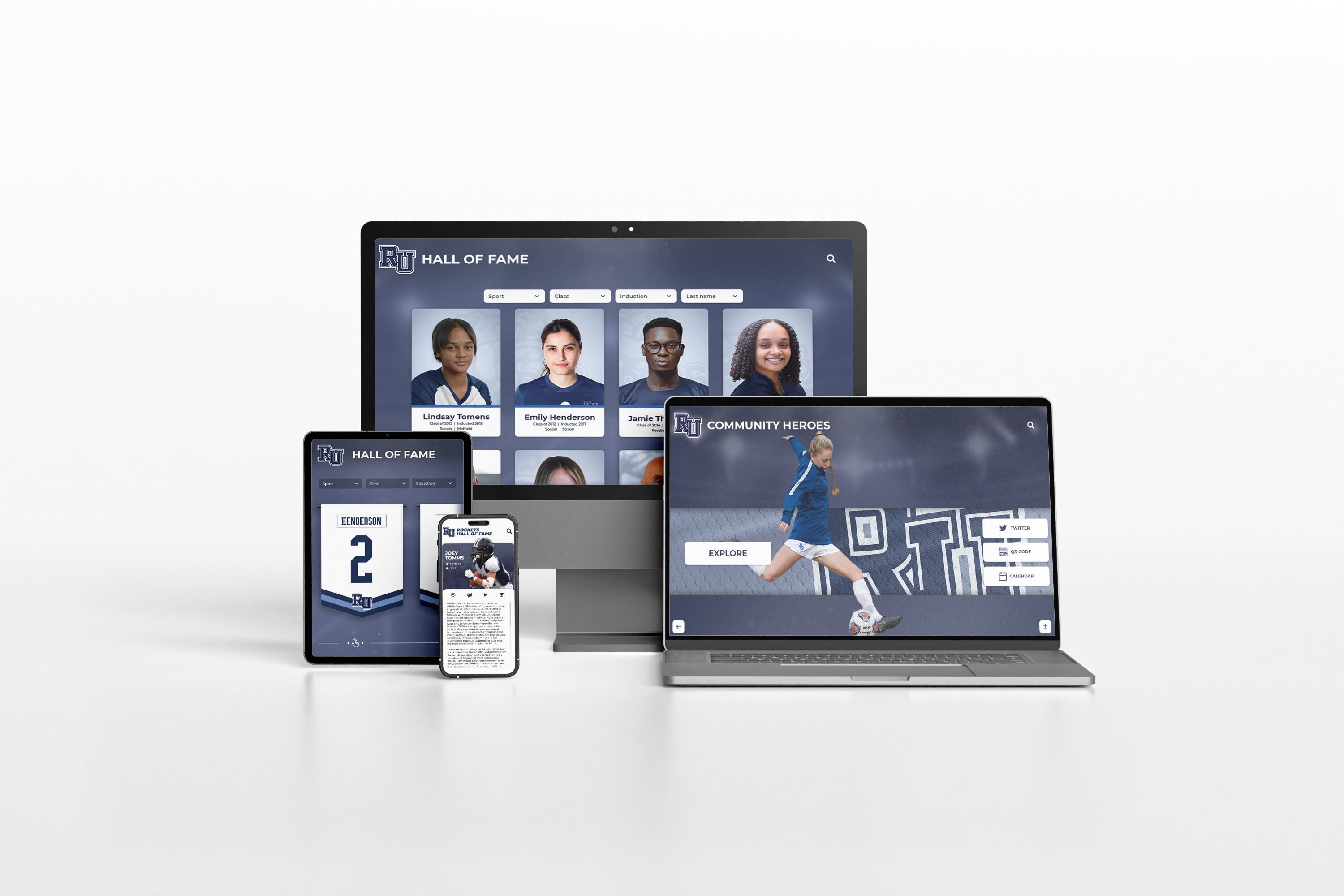
Responsive platforms ensure excellent experiences across all devices from large campus displays to personal smartphones
Budget Planning and Implementation Strategies
Creating effective alumni welcome areas requires strategic budget allocation balancing immediate needs with long-term sustainability.
Investment Ranges and Cost Considerations
Alumni welcome area budgets span enormous ranges depending on scope, quality, and technology integration.
Budget Planning Guidelines:
Under $10,000:
- Simple plaque walls with limited initial recognition
- Basic framed photograph galleries
- Consumer-grade digital displays showing rotating content
- Paint, furniture, and decor refreshing existing spaces
- DIY approaches leveraging volunteer labor
$10,000 - $30,000:
- Professional plaque installations for 25-75 honorees
- Entry-level interactive touchscreen systems with basic features
- Quality furniture and environmental design improvements
- Hybrid approaches combining modest physical and digital elements
- Professional graphic design and content development
$30,000 - $75,000:
- Comprehensive interactive touchscreen systems with advanced capabilities
- Extensive physical installations with architectural integration
- Multiple displays across connected spaces
- Professional content development including photography and video
- Sophisticated environmental design with custom elements
$75,000+:
- Complete alumni center renovations or new construction
- Multiple premium touchscreen installations across locations
- Custom architectural solutions with high-end materials
- Integrated technology ecosystems with advanced features
- Professional project management and comprehensive implementation
Total Cost of Ownership:
Consider ongoing costs beyond initial investment. Traditional displays incur per-inductee costs for engraving, framing, or fabrication, while digital systems typically include annual software subscriptions ($2,000-$5,000) but minimal per-alumnus incremental costs. Over time, digital approaches often prove more cost-effective for institutions recognizing substantial alumni populations.
Phased Implementation Approaches
Strategic phasing enables schools to begin with core capabilities while planning systematic expansion as budgets permit.
Phase 1: Foundation (Year 1)
- Establish core recognition platform and management systems
- Create initial content for 50-100 featured alumni
- Design environmental branding and wayfinding
- Launch web-accessible recognition platform
- Train staff on content management systems
Phase 2: Expansion (Year 2-3)
- Expand recognized alumni to 200-500 comprehensive profiles
- Add secondary display locations if multiple installations planned
- Integrate donor recognition if not included initially
- Develop video content and multimedia enhancements
- Establish regular update schedules and processes
Phase 3: Maturity (Year 3+)
- Achieve comprehensive recognition across all relevant populations
- Refine based on engagement analytics and stakeholder feedback
- Integrate emerging technologies and capabilities
- Establish sustainable long-term maintenance and growth systems
- Measure impact on alumni engagement and advancement metrics
Phased approaches prevent overwhelming initial investments while building institutional knowledge and demonstrating value that justifies continued funding.
Funding Strategies and Revenue Sources
Creative funding approaches can offset institutional budget constraints.
Alternative Funding:
- Donor-Funded Recognition: Solicit gifts specifically funding alumni welcome area projects
- Reunion Class Gifts: Encourage milestone reunion classes to fund recognition installations
- Named Giving Opportunities: Offer naming rights for entire space or specific components
- Corporate Partnerships: Engage employer partners supporting alumni engagement
- Foundation Grants: Pursue education-focused foundations supporting student success initiatives
- Capital Campaign Integration: Include welcome area projects in comprehensive campaigns
Development professionals frequently find that alumni welcome areas attract donor support particularly readily, as projects provide visible, lasting impact that prospective benefactors can easily envision and experience.
Measuring Success and Demonstrating Value
Assessment ensures alumni welcome areas achieve intended engagement and institutional objectives while justifying continued investment.
Key Performance Indicators
Physical Space Utilization:
- Daily visitor counts and foot traffic patterns
- Average dwell time in welcome area spaces
- Event hosting frequency for alumni programming
- Student usage for career exploration and mentoring
Digital Engagement Metrics:
- Interactive display usage (touches, sessions, duration)
- Web platform traffic (unique visitors, page views, time on site)
- Search patterns revealing popular content and discovery methods
- Social media engagement with recognition content
- Geographic distribution of online visitors
Alumni Relations Impact:
- Event attendance rates at reunions and homecoming
- Giving participation rates and average gift amounts
- Alumni survey responses about recognition satisfaction
- Volunteer recruitment and mentorship program enrollment
- Update rate for alumni contact information and database engagement
Advancement Outcomes:
- Campaign performance and major gift pipeline development
- Donor recognition impact on retention and gift progression
- Tour stop effectiveness during cultivation activities
- Media coverage and publicity value generated
- Prospective donor response to recognition visibility
Student Benefit Indicators:
- Career services usage of alumni resources
- Student-alumni mentoring connections facilitated
- Survey responses about inspiration and career awareness
- Prospective student feedback during campus tours
- Institutional pride and school spirit assessment
Continuous Improvement Through Assessment
Regular evaluation enables refinement ensuring programs remain effective and relevant.
Annual Reviews:
- Comprehensive assessment of engagement metrics and trends
- Stakeholder feedback from alumni, students, and staff
- Technology performance and content currency evaluation
- Comparison against previous years and peer institutions
- Strategic recommendations for enhancement and evolution
Responsive Adjustments:
- Content additions based on engagement patterns and gaps
- Technology updates addressing usability issues or capabilities
- Environmental improvements enhancing comfort and functionality
- Programming integration leveraging physical space for activities
- Communication strategies driving awareness and exploration
Schools achieving exceptional results treat alumni welcome areas as living programs requiring ongoing attention rather than static installations completed and forgotten. Regular assessment and responsive improvement ensure sustained value delivery.
Data-driven insights enable continuous optimization maximizing welcome area impact and institutional return
Best Practices for Sustainable Success
Institutions achieving long-term alumni welcome area success share common practices preventing initial enthusiasm from fading into neglected spaces.
Leadership Support and Organizational Commitment
Executive Championship:
- Senior leadership involvement signaling strategic importance
- Budget allocation treating welcome areas as infrastructure not luxury
- Cross-departmental collaboration between advancement, facilities, communications
- Regular reporting demonstrating impact to institutional leadership
- Long-term commitment viewing projects as permanent institutional investments
Without sustained leadership support and adequate resources, even well-designed welcome areas risk becoming outdated or poorly maintained, undermining the messages institutions intend to communicate about valuing alumni relationships.
Content Development and Management Systems
Sustainable Operations:
- Dedicated staff time for ongoing content updates and maintenance
- Clear processes ensuring timely addition of new alumni recognition
- Quality standards maintaining consistent professional presentation
- Alumni self-service tools enabling graduates to submit updates
- Student involvement providing capacity while creating learning opportunities
The technology enabling digital recognition only succeeds when institutions commit to ongoing content development. Cloud-based management systems from providers like Rocket Alumni Solutions make administration straightforward, but schools must still dedicate appropriate staff attention.
Integration with Broader Alumni Strategy
Strategic Alignment:
- Welcome areas supporting comprehensive alumni engagement strategies
- Recognition coordinating with advancement cultivation and stewardship
- Physical spaces leveraged for event programming and gatherings
- Digital extensions connecting with broader communications
- Metrics linking welcome area success to advancement outcomes
Alumni welcome areas achieve maximum impact when thoughtfully integrated with comprehensive alumni relations strategies rather than operating as isolated facilities projects.
Regular Refresh and Evolution
Maintaining Relevance:
- Periodic environmental updates preventing dated appearance
- Technology refresh cycles preventing obsolescence
- Content additions maintaining currency and breadth
- Feature enhancements leveraging emerging capabilities
- Responsive modifications based on assessment and feedback
Even the best-designed spaces require ongoing attention maintaining freshness and relevance. Planning regular refresh cycles from initial design ensures welcome areas remain sources of pride rather than becoming embarrassments as they age.
Conclusion: Creating Welcome Areas That Strengthen Institutional Bonds
Alumni welcome areas represent strategic investments in relationship building, institutional pride, and community engagement that deliver value extending far beyond aesthetic improvements. When schools thoughtfully design spaces that genuinely honor graduates while inspiring current students and supporting advancement objectives, they create environments where connections strengthen, engagement deepens, and institutional legacy finds tangible expression.
The 12 ideas explored in this guide provide frameworks applicable across institutions of all sizes, types, and budgets. From comprehensive interactive touchscreen systems that revolutionize recognition to thoughtful environmental design that makes spaces genuinely welcoming, today’s options enable every school to create alumni areas worthy of their communities.
As you move forward with planning, remember that the most successful welcome areas balance multiple priorities—honoring tradition while embracing innovation, creating permanence while maintaining flexibility, achieving aesthetic excellence while ensuring practical sustainability. Most importantly, effective spaces genuinely engage communities rather than simply checking boxes.
For schools ready to transform alumni recognition through modern interactive technology, comprehensive solutions like Rocket Alumni Solutions provide proven platforms combining sophisticated capabilities with intuitive management and dedicated support. From strategic planning through sustained engagement growth, the right partner makes the difference between spaces that fade into background and transformative welcome areas that celebrate institutional legacy while building stronger communities.
Ready to Create Your Alumni Welcome Area?
Discover how Rocket Alumni Solutions can help you design and implement an alumni welcome area that celebrates your institution's legacy, engages your community, and inspires current students through interactive digital technology purpose-built for educational institutions.
Schedule Your Free ConsultationYour alumni have achieved remarkable things, and your institution’s legacy deserves welcome spaces that match the significance of these accomplishments. With strategic planning, appropriate technology selection, thoughtful design, and sustained commitment, you can create alumni welcome areas that don’t just acknowledge history but actively strengthen bonds, inspire students, and demonstrate the lasting impact of education across generations. Start exploring the approaches that best align with your institutional needs, and take the first steps toward recognition that truly celebrates your school’s extraordinary community.































