Annual alumni golf tournaments represent powerful traditions that bring graduates back to campus, strengthen institutional connections, and create meaningful engagement opportunities that benefit schools long after tournament rounds conclude. These events combine the appeal of golf’s leisurely social atmosphere with structured opportunities for networking, reminiscing, and reconnecting with alma maters—all while supporting institutional development goals and building community across graduating classes.
Yet many schools struggle with the logistical complexity involved in planning successful golf events year after year. Coordinating venue selection, managing registrations, communicating event details to dispersed alumni populations, securing sponsors, and preserving tournament history for future reference creates substantial administrative burden. Schools that lack systematic approaches often face inconsistent attendance, last-minute scrambling for basic logistics, and lost institutional knowledge as staff transitions occur and past tournament information disappears.
This comprehensive guide explores proven strategies for managing annual alumni golf tournaments effectively, from initial planning and sponsor coordination through event day execution and post-tournament engagement. Whether you’re launching your institution’s first golf event, revitalizing a tournament that’s lost momentum, or seeking to streamline operations for established programs, you’ll discover actionable frameworks for creating golf experiences that alumni value and anticipate annually.
Beyond logistics, we’ll examine how modern digital recognition solutions like Rocket Alumni Solutions enable schools to preserve tournament history permanently, communicate event information effectively, and strengthen the broader alumni engagement ecosystem that makes golf tournaments successful. From housing decades of past tournament results to pushing current event details about hotels, schedules, and sponsors, these platforms transform how schools manage both historical preservation and contemporary event communications.
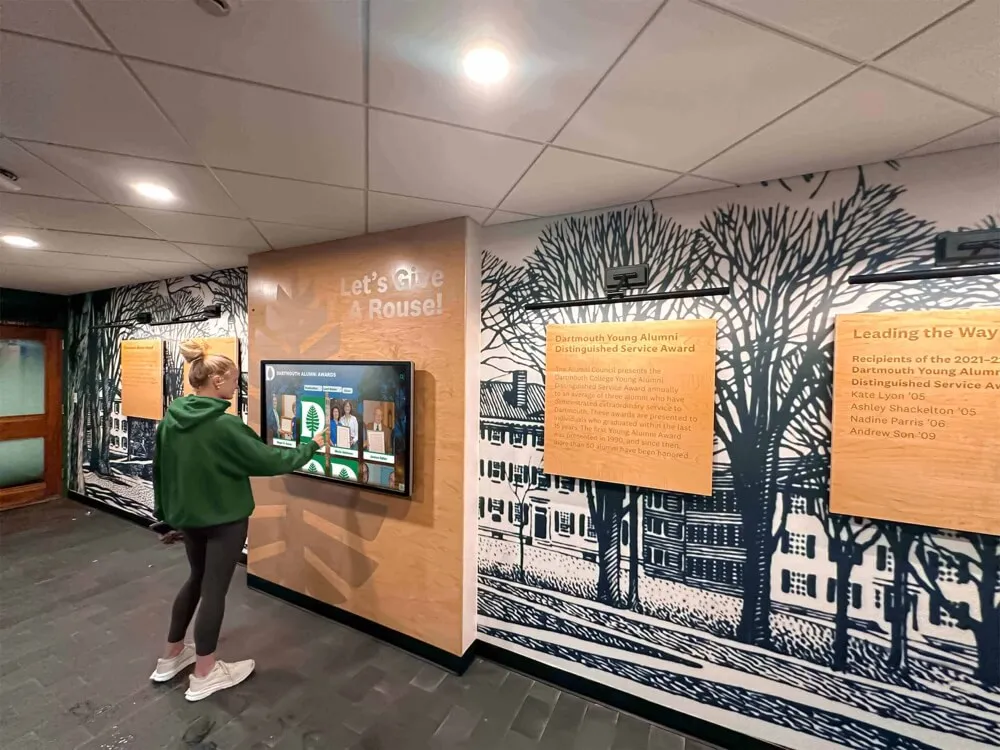
Modern digital platforms enable alumni to explore tournament history and stay connected with annual event information
Understanding the Strategic Value of Alumni Golf Tournaments
Golf tournaments have emerged as cornerstone events in alumni engagement portfolios across educational institutions of all sizes. Unlike formal galas or seated dinners, golf’s format creates natural networking environments where relationships develop organically over four hours of shared activity, creating comfort and familiarity that structured networking sessions struggle to replicate.
Why Golf Works for Alumni Engagement
The game’s inherent characteristics make it particularly effective for reconnecting graduates with their alma maters and each other. The leisurely pace creates extended time for conversation between shots, walking fairways, and riding carts. Unlike competitive sporting events where focus remains on play, golf’s rhythm allows substantive dialogue while still providing the structure and purpose that pure social gatherings sometimes lack.
Additionally, golf’s four-player groupings facilitate introductions across graduating classes and professional backgrounds. Schools can strategically organize foursomes mixing recent graduates with established professionals, creating mentorship opportunities and cross-generational connections that strengthen institutional community. These structured interactions feel natural rather than forced, as the shared activity provides immediate common ground for conversation.
The tournament format also accommodates varying skill levels through handicapping systems and scramble formats, ensuring players of all abilities can participate competitively and enjoy themselves. This accessibility broadens potential attendance beyond serious golfers to include recreational players and those seeking social experiences rather than athletic competition.
Strategic Benefits Beyond Fundraising
While many alumni golf tournaments incorporate fundraising components, their value extends far beyond immediate revenue generation. These events create unique opportunities for relationship cultivation that benefit institutions through multiple channels.
Development Pipeline Building: Golf tournaments provide natural settings for development officers to spend extended, informal time with potential major donors. The relaxed atmosphere enables relationship building without the transactional feel of formal solicitation meetings. Many advancement professionals consider golf events their most valuable prospecting and cultivation tools.
Alumni Network Strengthening: Tournaments reconnect classmates who may not have been in contact for years while introducing graduates from different eras who share professional interests or geographic locations. These renewed and newly formed relationships strengthen the broader alumni network, increasing long-term engagement, volunteerism, and institutional support.
Institutional Visibility: Well-executed golf events demonstrate organizational competence and attention to detail that reflect positively on institutions. Participants who experience professionally managed tournaments with thoughtful touches develop stronger confidence in institutional leadership and stewardship, influencing their willingness to support schools financially and through advocacy.
Current Student Benefit: Many schools integrate current students into golf tournaments through volunteer roles, sponsor interaction opportunities, or scholarship recipient introductions. These touchpoints connect students with accomplished alumni, creating mentorship relationships and networking connections that influence career development and institutional loyalty.
Historical Tradition Building: Annual golf tournaments create recurring traditions that alumni anticipate and plan around. Multi-decade participation becomes part of graduates’ personal histories and identities, strengthening emotional bonds to institutions and increasing likelihood of estate planning considerations and legacy giving.
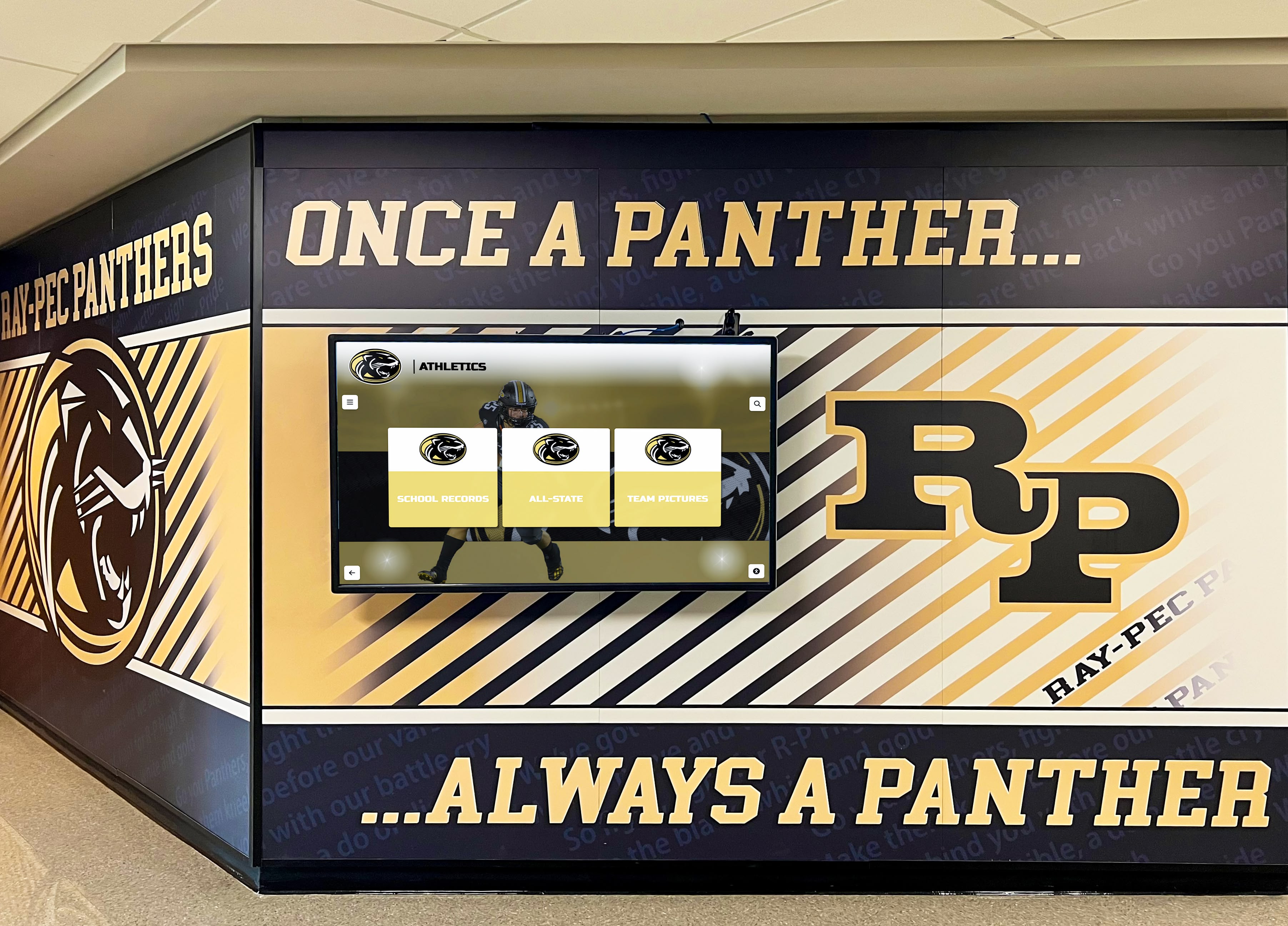
Visible celebration of alumni achievement inspires participation in annual traditions like golf tournaments
Essential Planning Timeline and Committee Structure
Successful golf tournaments require systematic planning beginning six to nine months before event dates. This extended timeline ensures adequate venue availability, sponsor cultivation, promotion reach, and logistical preparation preventing last-minute complications and enabling the professional execution that participants expect.
Establishing Tournament Leadership and Committee Structure
Designating clear leadership and distributing responsibilities across functional teams prevents important elements from being overlooked while avoiding burnout from overreliance on single individuals.
Tournament Chair serves as primary leader coordinating overall planning, making final decisions on major issues, serving as liaison between committee and institutional leadership, and maintaining accountability for timeline and deliverables. Ideal chairs possess strong organizational skills, institutional knowledge, relationships across various stakeholder groups, and authority to make decisions or quickly escalate issues requiring higher-level resolution.
Committee Composition should include alumni association representatives who understand graduate perspectives and maintain connections facilitating outreach, development officers who can identify sponsorship prospects and cultivate donor relationships, athletic department staff who may have existing golf event experience and facility connections, institutional communications professionals who can handle marketing and promotional materials, finance or business office representatives who manage budgets and payment processing, and enthusiastic alumni volunteers who bring grassroots energy and peer-to-peer promotion capabilities.
Many successful programs divide overall committees into functional subcommittees responsible for specific elements: venue and logistics coordination managing course relationships and event day operations, sponsorship and fundraising focused on securing financial support and managing sponsor benefits, marketing and communications handling promotional campaigns and event information distribution, registration and participant management overseeing sign-ups, payments, and player communications, and volunteer coordination organizing the supporting personnel needed for successful execution.
Creating a Month-by-Month Planning Timeline
Nine to Six Months Before: Form planning committee and establish leadership structure, review previous tournament evaluations and financial results if applicable, set overall budget and fundraising goals, identify potential tournament dates and secure course reservation, begin sponsor prospect identification and cultivation, and establish preliminary event format and schedule.
Six to Four Months Before: Finalize tournament date and course contract, launch sponsor solicitation campaign, develop marketing materials and promotional strategy, create event website or registration page, begin broad alumni outreach announcing tournament, and identify any special honorees or featured guests.
Four to Two Months Before: Intensify promotional efforts through multi-channel campaigns, follow up with prospective sponsors and secure commitments, finalize event format, rules, and prizes, order any tournament merchandise or giveaway items requiring production time, establish volunteer needs and begin recruitment, and create detailed day-of event schedule and operations plan.
Two Months to Two Weeks Before: Continue promoting tournament and encouraging registration, finalize catering orders and refreshment planning, confirm all vendor contracts and coordinate delivery schedules, organize golfer foursomes and pairings, send detailed information packets to registered participants including course information, schedule, dress code, and what to expect, prepare materials for check-in, scoring, and prize distribution, and conduct final walkthrough with course management.
Final Two Weeks: Send final reminders to registered participants, confirm volunteer assignments and provide detailed instructions, prepare check-in materials, name tags, cart assignments, and any welcome packets, conduct final weather monitoring and prepare contingency plans, brief all committee members on their event day responsibilities, and finalize any multimedia presentations for ceremonies.
Week Following Tournament: Send thank you communications to participants, sponsors, volunteers, and course personnel, distribute post-event survey gathering feedback, conduct debrief meeting with planning committee, reconcile all financial transactions and prepare final budget report, and begin immediate planning for next year while experience remains fresh.
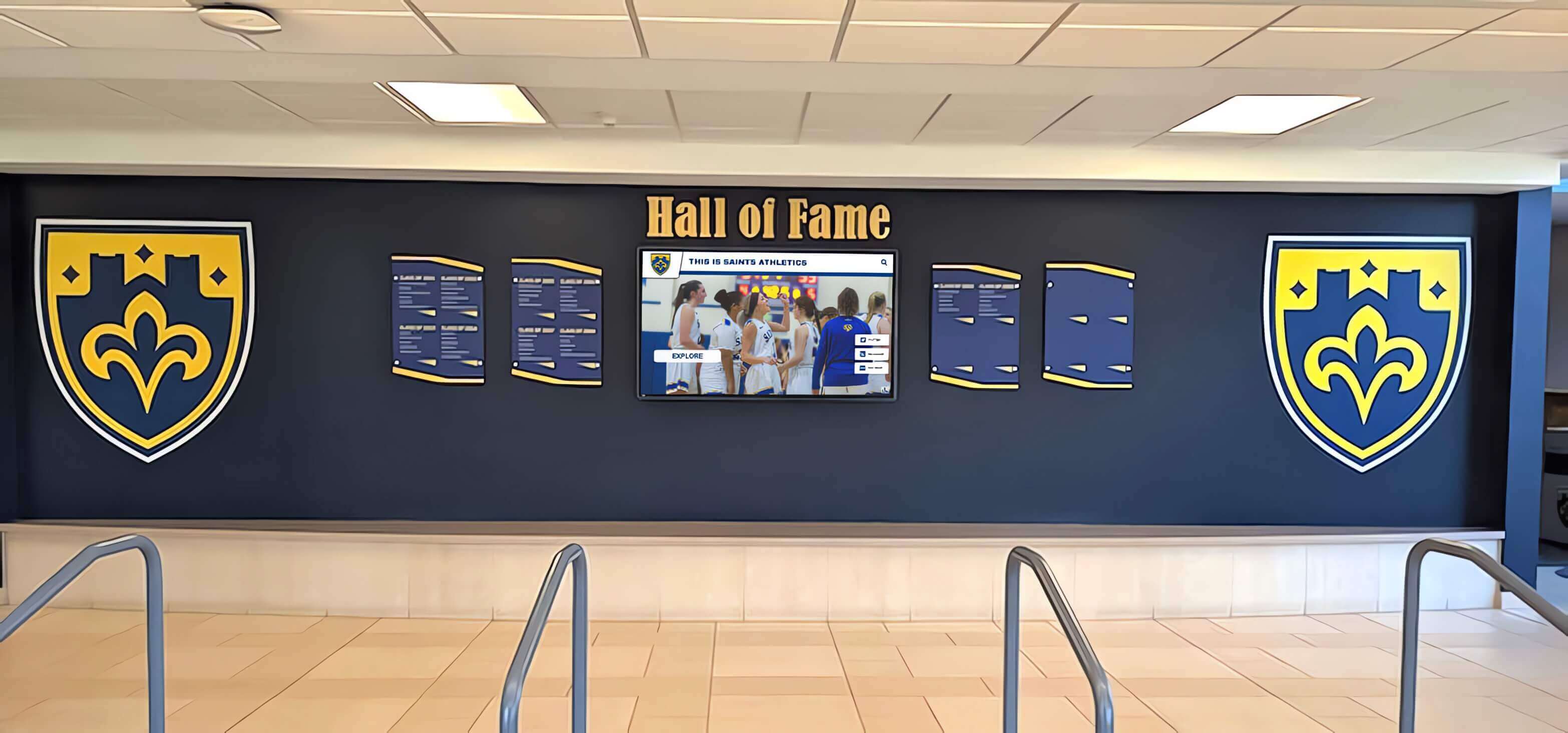
Digital displays enable schools to showcase tournament history alongside broader alumni achievements
Venue Selection and Golf Course Partnership Development
Course selection significantly impacts tournament success, influencing everything from participant satisfaction and logistical ease to budget management and sponsor appeal. Thoughtful venue decisions balance multiple considerations while building mutually beneficial relationships with course management.
Evaluating Course Options and Selection Criteria
Location and Accessibility proves critical for maximizing attendance. Courses within reasonable driving distance of campus or in areas where significant alumni populations concentrate typically generate stronger participation. Consider proximity to hotels for traveling alumni, accessibility from major highways or airports, and whether location allows participants to easily attend without overnight stays or enables multi-day visit combinations incorporating other campus activities.
Course Quality and Condition directly impacts participant experience and satisfaction. Evaluate course reputation and typical maintenance standards, layout variety and shot requirements that create interesting play, pace of play considerations and whether course design prevents slow rounds that frustrate players, and facility amenities including clubhouses, practice areas, and food service quality.
Event Capacity and Flexibility determines whether courses can accommodate your tournament needs. Assess maximum field size and whether it aligns with anticipated participation, availability of preferred dates during optimal golf season, willingness to accommodate custom tournament formats or special requests, and flexibility regarding outside food and beverage if desired or required for budget management.
Pricing and Package Options must align with tournament budgets while delivering appropriate value. Compare green fees, cart rentals, and event minimums, food and beverage minimums or package options, any setup fees or tournament coordination charges, and potential alumni or institutional discounts that may apply.
Partnership Potential extends beyond single event transactions to long-term relationships. The best course partnerships develop when both organizations recognize mutual benefits. Courses gain guaranteed revenue, potential new members from alumni who enjoy their experience, and positive community association. Schools secure reliable venues, potentially preferential pricing or enhanced services, and course support for tournament promotion or planning.
Structuring Course Agreements and Contracts
Once you’ve selected a course, establish clear written agreements addressing all important elements. Include specific date and time reservations with any weather contingency options, confirmed pricing for all services including greens fees, carts, food, beverages, and any facility rentals, participant number guarantees or minimums with policies for additions or cancellations, permitted tournament formats, scoring systems, and any pace of play requirements, food and beverage arrangements including whether outside catering is permitted, setup and coordination services the course will provide, such as registration assistance or cart placement, payment terms and deposit requirements, cancellation or weather postponement policies, and insurance requirements or liability considerations.
Building strong course relationships benefits both immediate tournaments and long-term program sustainability. Consider these relationship cultivation strategies: schedule annual planning meetings with course management to review previous events and discuss improvements, recognize course personnel during tournaments with public acknowledgment of their support and professionalism, provide post-event feedback sharing participant comments and suggestions, consider featuring the course and its staff in tournament marketing materials giving them positive visibility, explore opportunities beyond golf tournaments where partnerships might develop such as alumni networking events or student programs, and maintain communication throughout the year rather than only when planning imminent tournaments.
Sponsorship Development and Corporate Partnership Management
Sponsorships provide critical financial support enabling tournaments to deliver quality experiences without excessive participant costs while creating valuable opportunities for corporate partners to gain visibility and demonstrate community investment. Effective sponsorship programs balance institutional needs with genuine value for business partners.
Creating Compelling Sponsorship Packages
Successful sponsorship solicitation begins with well-designed packages offering clear benefits at various investment levels. Most programs establish tiered structures with 3-5 sponsorship levels providing different recognition and engagement opportunities.
Title or Presenting Sponsor represents the highest investment level and receives maximum visibility. Benefits typically include prominent logo placement on all tournament materials including invitations, programs, signage, and digital communications, dedicated signage at course entrance or registration area, recognition during any formal ceremonies or presentations, social media acknowledgment across pre-event promotion and post-event recap, complimentary foursomes enabling sponsor to host clients or reward employees, and opportunity to provide promotional items in player gift bags or welcome packets.
Major Sponsors at intermediate investment levels might receive benefits including logo placement on select materials and signage, recognition in event programs and communications, complimentary twosome or foursome participation, signage at sponsored hole or activity, such as beverage cart sponsorship or longest drive competition, and social media recognition during promotional campaigns.
Supporting Sponsors at lower investment thresholds typically receive name recognition in printed programs or on sponsor boards, basic logo placement on tournament website, and acknowledgment during any awards ceremonies.
In-Kind Sponsors contribute goods or services rather than direct funding. These partnerships might involve restaurants providing meals, beverage distributors supplying refreshments, sporting goods retailers donating prizes or logo items, hotels offering room blocks at reduced rates for traveling participants, or printers producing materials at discounted costs. In-kind sponsors typically receive recognition comparable to cash sponsors at levels reflecting the retail value of their contributions.
Beyond standard benefits, consider unique opportunities that leverage tournament format: hole sponsorships where corporate signage appears at specific holes with sponsor representatives potentially interacting with players, skills challenge sponsorships supporting contests like closest to the pin or straightest drive where sponsors present prizes to winners, meal sponsorships where corporate partners receive recognition associated with breakfast, lunch, or post-tournament receptions, and networking event sponsorships if tournaments include separate social functions providing additional corporate visibility opportunities.
Executing Effective Sponsor Solicitation Campaigns
Strategic solicitation increases success rates while building relationships extending beyond single transactions. Begin by identifying prospect categories: alumni-owned businesses where institutional connection provides natural partnership foundation, employers of significant alumni populations who benefit from employee engagement opportunities, local businesses serving campus area communities who gain visibility among potential customer bases, corporate partners with existing institutional relationships through research funding, recruitment, or other connections, and vendors currently providing services to your institution who may view sponsorship as relationship investment.
Develop tailored solicitation approaches for different prospect types. Alumni-owned businesses respond well to peer-to-peer outreach from fellow graduates emphasizing community support. Corporate prospects appreciate professional presentations emphasizing employee engagement opportunities, client entertainment value, and measurable visibility benefits. Local businesses value community positioning and potential customer development.
Successful solicitation includes clearly articulated tournament purpose and institutional impact, specific sponsorship level options with associated benefits, participant demographics demonstrating relevant audience alignment, examples of visibility and recognition sponsors will receive, timeline for commitment decisions to receive maximum promotional benefit, and easy response mechanisms including online payment options when possible.
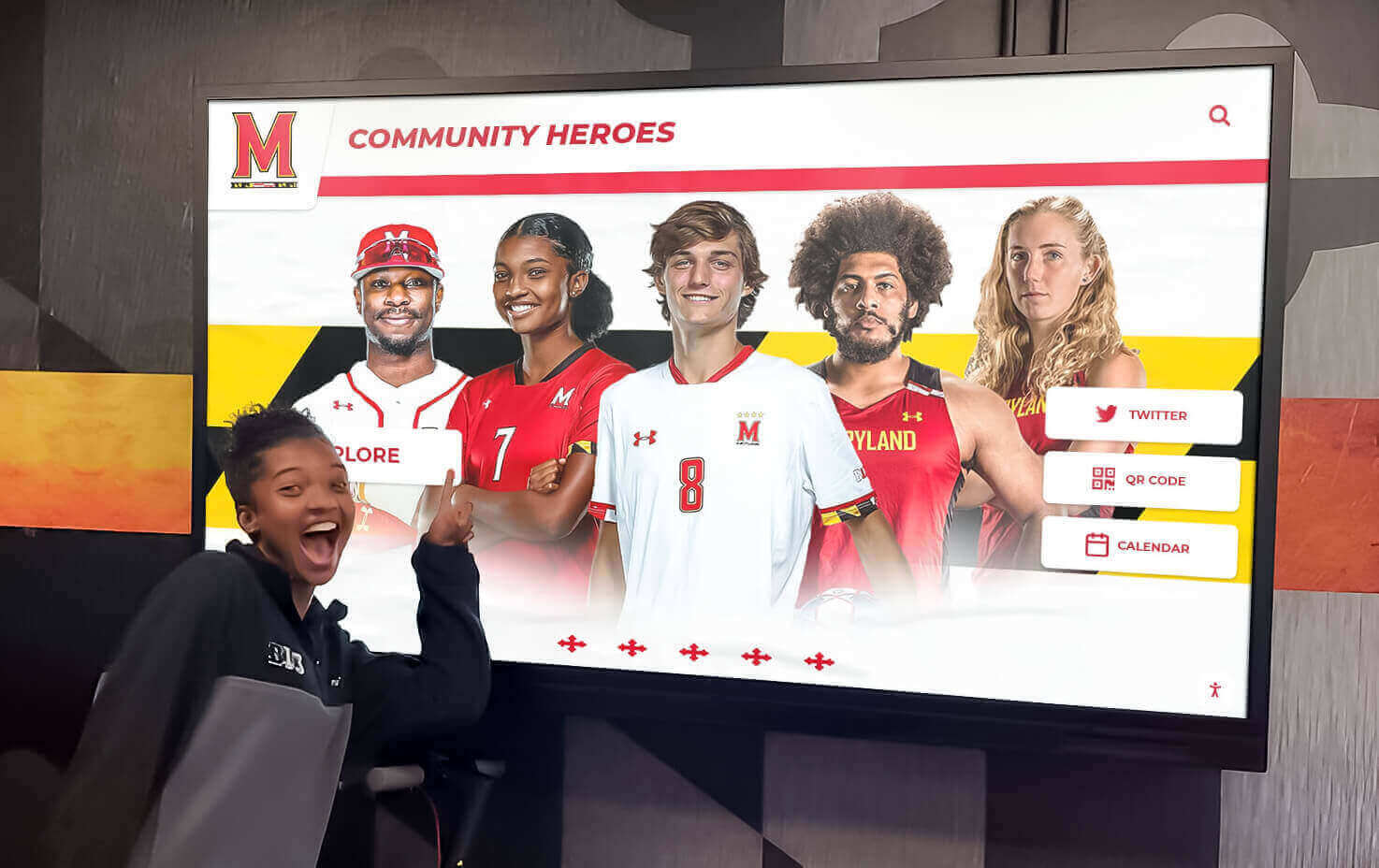
Engaging displays showing alumni success and corporate partnerships inspire sponsor participation in annual events
Participant Registration and Communication Management
Efficient registration processes and clear communication determine whether potential participants follow through with commitments or allow good intentions to fade without actual registration. Modern tools enable streamlined administration while providing excellent participant experiences.
Establishing Registration Systems and Processes
Platform Selection involves choosing between various registration approaches. Dedicated event management platforms like GolfStatus, Eventbrite, or specialized golf tournament software provide comprehensive features including online registration forms, integrated payment processing, automated confirmation and reminder emails, customizable data collection fields, reporting and export capabilities, and mobile-friendly interfaces ensuring easy registration from any device.
Alternatively, some schools manage registration through existing alumni database systems or association management software if these platforms support event management functionality. This approach can streamline data integration but may lack golf-specific features like foursome formation or handicap tracking.
Registration Information Collection should gather all necessary details while avoiding excessive complexity that discourages completion. Essential information includes participant name and contact details, graduation year and degree information, handicap index if tournament format requires it, foursome preferences or requests to be paired with specific individuals, meal selections if applicable, sponsorship opportunities if individuals can sponsor holes or activities, t-shirt or apparel sizes if providing tournament clothing, emergency contact information for safety purposes, and any accessibility needs or dietary restrictions requiring accommodation.
Pricing Structure determines what participants pay and what registration includes. Consider whether single pricing covers all participants or whether different rates apply to alumni, spouses, faculty, or guests. Decide if pricing includes green fees and cart, meals and refreshments throughout the day, tournament gift or participant items, and entry into skills competitions or prize drawings. Early bird discounts encourage advance registration easing planning, while team registration discounts incentivize groups registering together. Some tournaments offer patron options where supporters contribute financially without playing golf themselves.
Creating Comprehensive Event Communication Plans
Effective communication spans the entire tournament timeline from announcement through post-event follow-up. Well-designed communication sequences keep your event top-of-mind, provide necessary information at appropriate times, and maintain engagement throughout the process.
Announcement Phase launches tournament awareness and drives initial registrations. Multi-channel announcement campaigns should include email announcements to your full alumni database introducing tournament date, location, and registration details, social media posts across institutional channels with shareable graphics and registration links, website features on alumni association or athletics pages providing comprehensive information, printed mailings for major donor segments or alumni without email addresses, and personal outreach from committee members to key prospects or potential foursomes.
Pre-Tournament Communications provide participants with all necessary information while building anticipation. These touchpoints include registration confirmations immediately upon sign-up verifying receipt and providing basic details, foursome assignments sent several weeks before the event enabling participants to connect with playing partners, detailed information packets distributed 1-2 weeks prior covering course information and directions, tournament schedule and format, dress code or equipment recommendations, hotel information for traveling participants, sponsor recognition thanking corporate partners, and weather monitoring and contingency plan communications as event date approaches.
Day-of Communications ensure smooth operations and participant satisfaction including welcome remarks or announcements during check-in orienting participants and creating festive atmosphere, rules and format briefings before shotgun start or tee times ensuring everyone understands expectations, ongoing scoring updates if format allows mid-tournament standings announcements, and post-round recognition during awards ceremonies or social receptions celebrating achievements and thanking participants.
Post-Tournament Follow-Up extends engagement beyond the event itself through thank you messages to all participants expressing appreciation for their support, sponsor recognition communications publicly acknowledging corporate partners, tournament results and photo sharing documenting memories and celebrating winners, feedback surveys gathering input for future improvements, and save-the-date announcements for next year’s tournament capitalizing on current enthusiasm.
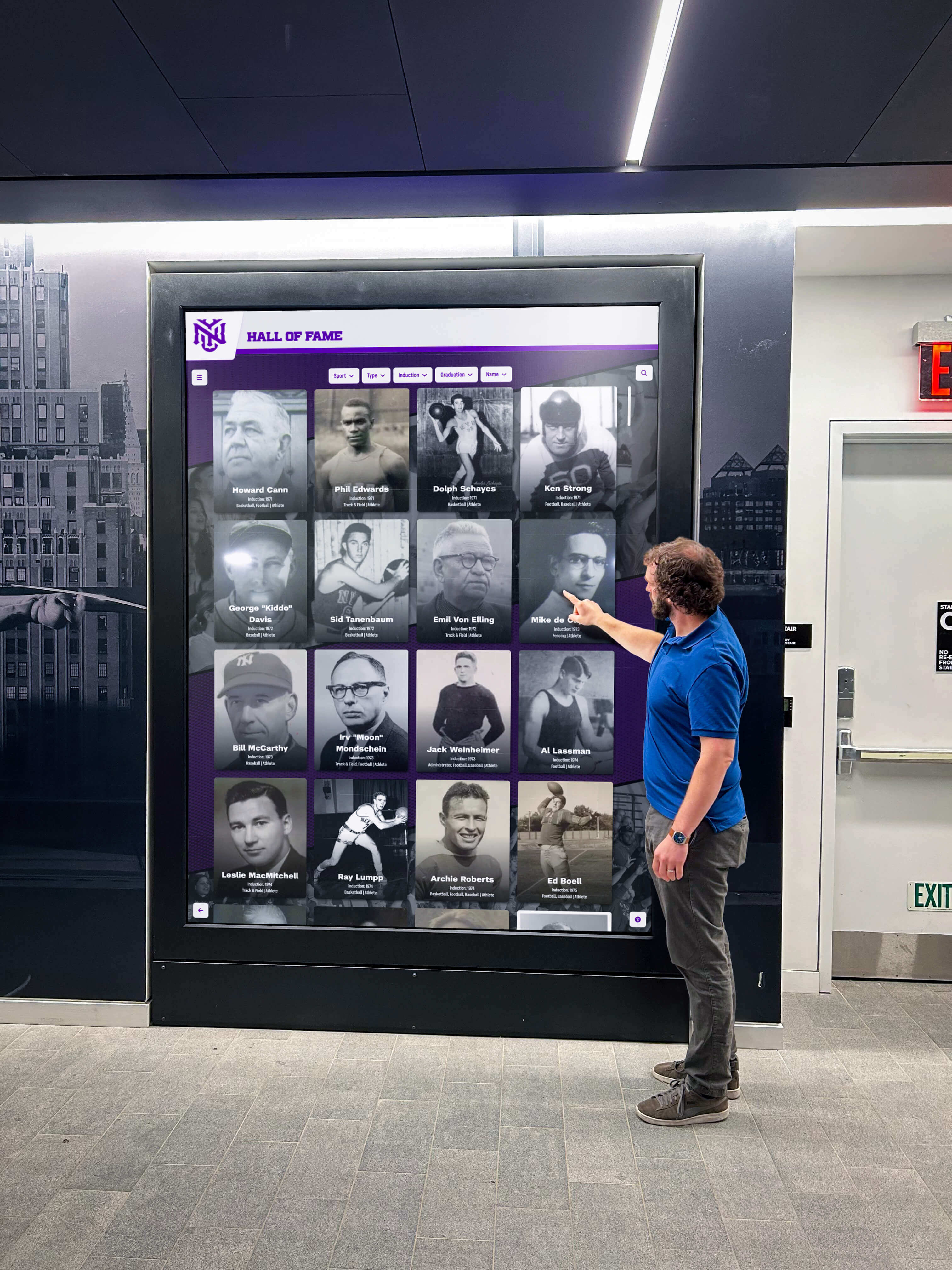
Interactive displays provide year-round platforms for communicating upcoming events and preserving tournament traditions
Housing Historical Tournament Information Through Digital Recognition Systems
One of the most overlooked yet valuable aspects of annual golf tournament management involves preserving historical information systematically. Many schools maintain scattered records—a box of old scorecards here, some photographs in filing cabinets there, perhaps a dusty trophy from a decade ago—but lack cohesive systems for documenting tournament evolution and honoring long-term participants.
This historical gap creates several problems. Institutional memory disappears as key volunteers or staff transition to new roles. Long-time participants feel underappreciated when their sustained support goes unrecognized beyond single-year thank you messages. Marketing materials lack the compelling historical narrative that could attract new participants. And anniversary celebrations become difficult to plan without accessible historical data.
Leveraging Digital Recognition Platforms for Tournament History
Modern digital recognition solutions provide ideal platforms for housing comprehensive golf tournament histories while making this information easily accessible to current and prospective participants. These systems enable schools to create dedicated sections within broader alumni recognition displays specifically focused on annual golf tournaments.
Historical Tournament Results can be preserved permanently within searchable databases. Schools can document year-by-year results including tournament dates and locations, winning individuals and teams for various competition formats, course records or notable achievements, attendance numbers tracking program growth, total funds raised if tournaments support specific causes, and significant milestone celebrations such as 10th, 25th, or 50th anniversaries.
This historical documentation creates powerful engagement opportunities. Alumni can search for their own names discovering when they participated and how they performed. Long-time supporters can see their sustained involvement documented and valued. And prospective participants gain understanding of tournament tradition and significance encouraging their own participation.
Participant Recognition acknowledges sustained support through categories like multi-year participation milestones recognizing 5, 10, 15, 20+ consecutive years of attendance, decade-spanning involvement showing alumni who participated across multiple eras, championship achievements celebrating consistent top performers, and volunteer leadership honoring committee members who organized tournaments over the years.
These recognition categories serve similar purposes to athletic halls of fame or donor recognition walls, celebrating individuals whose consistent support strengthens institutional community. The difference lies in the specific focus on golf tournament participation as a meaningful form of ongoing alumni engagement.
Visual Documentation preserves tournament memories through integrated photo galleries showing tournament evolution. Schools can include historical photographs from early tournaments showing how events evolved, annual group photos documenting participants year by year, action shots from tournament play capturing the enjoyment and competition, awards ceremony photos celebrating winners and achievements, and sponsor recognition images acknowledging corporate support over time.
When stored in accessible digital systems rather than physical albums or scattered digital folders, these visual records become powerful storytelling tools during tournament promotion, anniversary celebrations, or general alumni engagement efforts.
Creating Dedicated Golf Tournament Sections Within Broader Recognition Systems
Rather than treating golf tournaments as isolated events, the most successful schools integrate tournament recognition into comprehensive alumni engagement and recognition ecosystems. Solutions like Rocket Alumni Solutions enable schools to create cohesive digital environments where tournament information exists alongside broader alumni achievements, academic recognition, athletic accomplishments, and donor appreciation.
This integrated approach serves multiple strategic purposes. Alumni exploring the digital recognition system for other reasons—perhaps searching for former classmates or reviewing athletic records—discover golf tournament information organically, potentially sparking interest in future participation. The golf tournament section can link to related content such as profiles of tournament founders or long-time organizers, featured alumni who are regular participants, or institutional athletics history providing context for why golf tournaments matter to school culture.
Similarly, tournament promotion can leverage the broader recognition platform. Marketing communications might note that tournament participants can explore decades of school history through the interactive system or that featured alumni whose profiles appear in the recognition system will be attending this year’s tournament creating networking opportunities.
Communicating Current Event Logistics Through Recognition Platforms
Beyond historical preservation, digital recognition systems excel at distributing current event information efficiently. Rather than relying solely on email campaigns that get buried in crowded inboxes or website pages that alumni must remember to visit, schools can leverage interactive displays that users are already engaging with for other purposes.
Tournament Information Distribution Features
Modern platforms enable schools to feature upcoming tournament information prominently within their digital recognition displays. This might include featured content sections that appear prominently when users first access the system, highlighting upcoming tournament dates, registration deadlines, and quick access to detailed information.
Comprehensive Event Details can be organized within dedicated tournament information pages including tournament date, location, and schedule, registration instructions and links to online sign-up systems, venue information with course details, directions, and parking instructions, format explanation and rules for participants unfamiliar with the structure, hotel information for traveling alumni with negotiated group rates if available, sponsor recognition acknowledging corporate partners supporting the event, committee member listings showing who to contact with questions, and frequently asked questions addressing common inquiries.
This centralized information resource ensures alumni have access to everything they need to make attendance decisions and prepare appropriately. Rather than searching through multiple emails or trying to remember where they saw specific details, participants can reference a single authoritative source.
Hotel and Travel Information represents a particularly valuable service for tournaments attracting out-of-area participants. Digital platforms enable schools to provide comprehensive travel support including recommended hotels with any negotiated group rates, hotel booking instructions and group code information, alternative accommodation options at various price points, area attractions or activities for alumni extending visits beyond tournament day, campus visit suggestions for those who want to tour facilities or attend other events, and transportation options between hotels, airport, and golf course.
This detailed travel support demonstrates organizational thoughtfulness while removing barriers that might discourage distant alumni from attending. When participants can easily access comprehensive logistics information, they’re more likely to commit to attendance even when it involves overnight travel or significant planning.
Sponsor Recognition and Information benefits both corporate partners and participants. Schools can showcase tournament sponsors prominently within digital displays including sponsor logos with links to their websites or social media, descriptions of products or services sponsors provide, special offers sponsors extend to alumni or tournament participants, and stories about why sponsors support the tournament connecting corporate partners to institutional mission.
This sponsor exposure delivers value beyond tournament day signage, potentially influencing alumni purchasing decisions or business relationships throughout the year. It also provides tangible benefits that help justify sponsorship requests during solicitation, as schools can demonstrate that sponsor recognition extends far beyond single-day visibility.
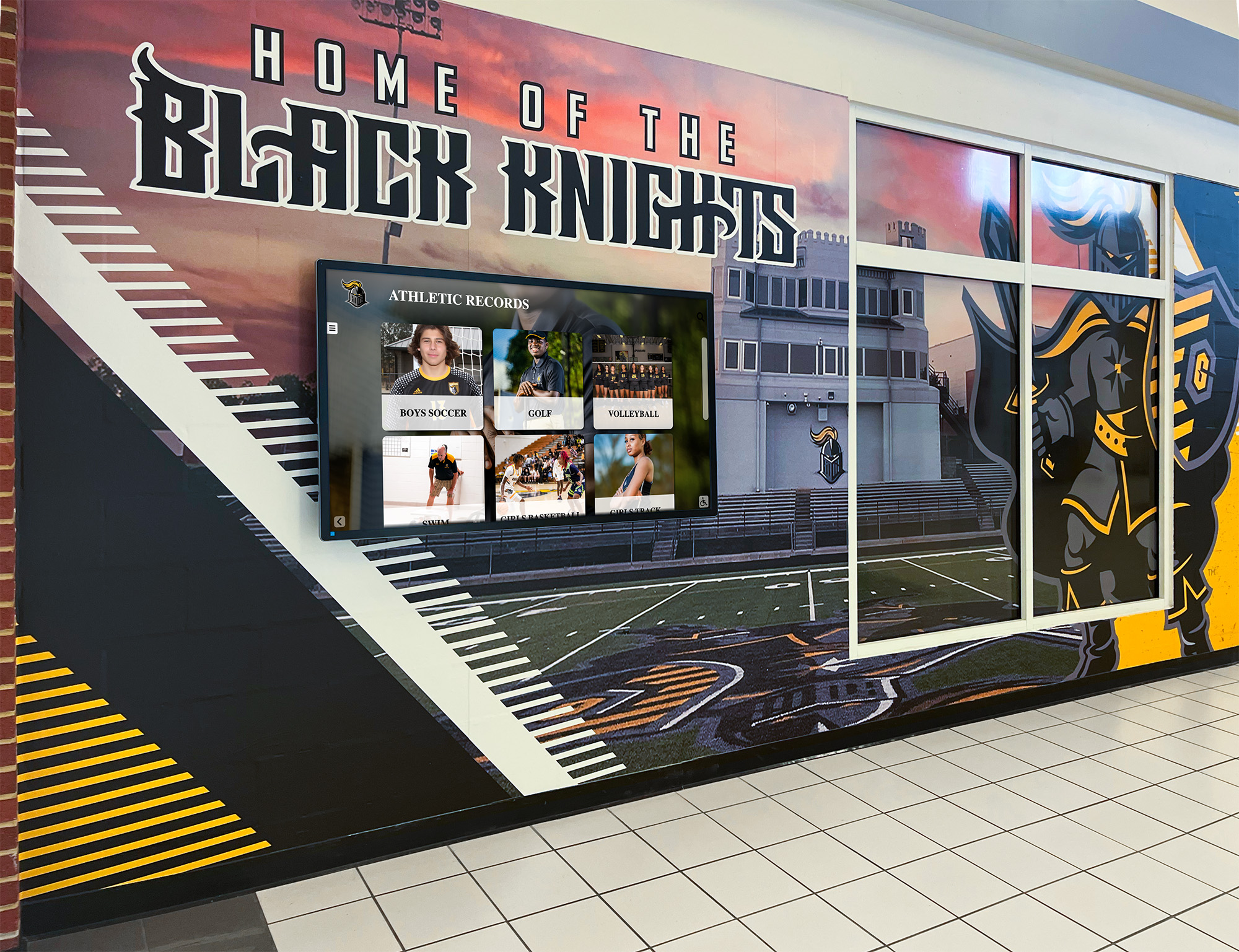
Strategic placement of comprehensive information systems ensures alumni encounter tournament details in highly visible locations
Tournament Day Operations and Execution Excellence
Careful planning culminates in event day execution. Professional management of tournament day logistics creates positive experiences that participants remember and discuss with peers, influencing future attendance decisions for themselves and others they might recruit.
Registration and Check-In Operations
First impressions begin at check-in. Well-organized registration areas with clear signage directing participants to appropriate locations, adequate staffing preventing long lines and wait times, organized materials with packets prepared alphabetically or by foursome, friendly welcomes from volunteers greeting participants warmly, and quick resolution of any registration discrepancies set positive tones for entire events.
Consider including welcome packets or bags containing tournament information and schedule, course layout and yardage details, cart assignments with clearly marked numbers, meal tickets if applicable, sponsor promotional items or tournament gifts, thank you messaging from committee or institutional leadership, and participant lists enabling networking and reconnection.
On-Course Experience Management
During play, thoughtful touches enhance participant enjoyment. These might include adequate beverage cart frequency ensuring refreshments reach all areas of course, clearly marked sponsored holes with signage and any associated activities or contests, roving volunteers or staff available to assist with questions or issues, pace of play monitoring to prevent frustration with slow groups, safety considerations particularly during warm weather including water availability and emergency response readiness, and photo opportunities at scenic locations or special holes capturing memories.
Many successful tournaments incorporate skills competitions creating additional engagement and excitement: closest to the pin contests on par 3 holes where participants try for prizes by hitting shots nearest the hole, longest drive competitions on designated holes measuring whose tee shot travels farthest, straightest drive challenges rewarding accuracy rather than just distance, or putting contests before or after rounds with additional prize opportunities.
These contests add fun while providing sponsor activation opportunities as businesses can present prizes or associate their brands with specific competitions.
Post-Round Social Programming
Tournament conclusions provide important opportunities for socializing, networking, and community building that justify attendance beyond just playing golf. Post-round receptions or meals give participants time to connect beyond brief course encounters, scoring verification and results announcements create anticipation and recognition, awards presentations celebrate achievements while maintaining lighthearted spirit, sponsor acknowledgments publicly thank corporate partners for their support, institutional updates from leadership connect tournament to broader school mission and priorities, and raffle drawings or silent auction closings if fundraising elements are included provide final excitement and contribution opportunities.
The length and formality of post-tournament programming should match tournament scale and participant expectations. Some events conclude with brief awards presentations and casual meals. Others feature formal banquets with extended programs including speakers, multimedia presentations, or special recognitions. Understanding your audience preferences through feedback and observation helps calibrate appropriate programming intensity.
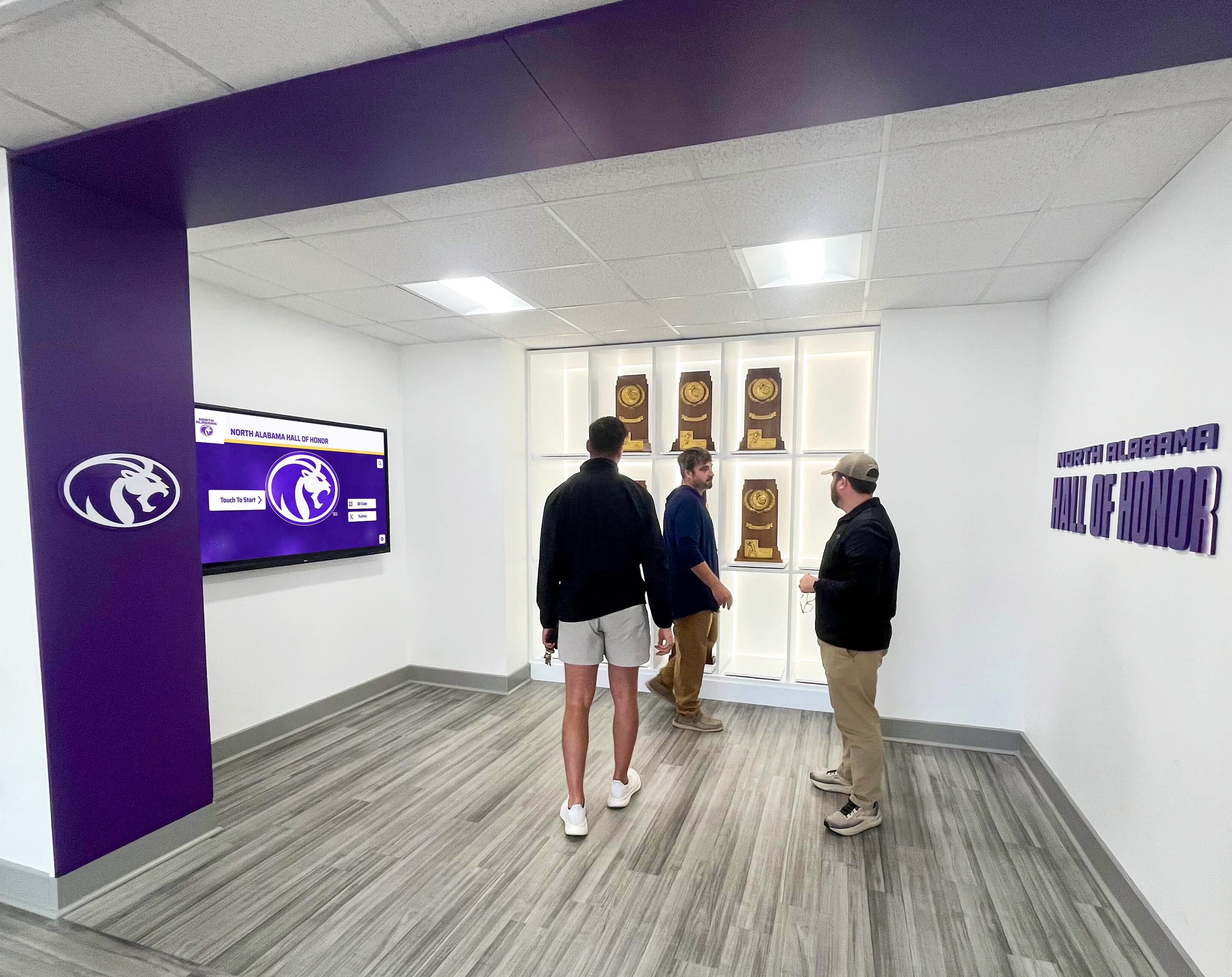
Group experiences at recognition displays mirror the social atmosphere that makes golf tournaments valuable engagement opportunities
Post-Tournament Engagement and Continuous Improvement
Tournament value extends beyond single-day events when schools maintain momentum through strategic follow-up and systematic improvement processes.
Strategic Post-Tournament Communications
The weeks following tournaments represent prime opportunities for sustained engagement while participation memories remain fresh. Well-designed follow-up sequences include thank you communications within days of tournament expressing genuine appreciation and highlighting event successes, photo galleries showing tournament highlights and participant candids that alumni can share on social media or download for personal use, results documentation providing detailed scoring information and competition winners, sponsor recognition publicly acknowledging corporate partners in communications to all alumni, not just participants, and impact reporting when tournaments support specific causes, showing participants how their involvement made meaningful differences.
These communications serve multiple purposes simultaneously. They make participants feel valued and appreciated. They provide shareable content extending tournament visibility to broader networks. They demonstrate professionalism and attention to detail building confidence in institutional competence. And they maintain relationships during the 12 months between annual events preventing cold restarts each cycle.
Systematic Feedback Collection and Assessment
Continuous improvement requires structured evaluation identifying what succeeded and what needs enhancement. Post-tournament surveys should be distributed within one week while experiences remain clear. Well-designed instruments balance quick completion with meaningful insight gathering through questions about overall satisfaction and likelihood of future participation, course quality and condition assessment, food and beverage quality and variety evaluation, registration and check-in process effectiveness, communication clarity and timeliness, pacing and schedule appropriateness, sponsor visibility and activation observations, and open-ended suggestions for future improvements or activities to consider adding.
Beyond participant surveys, conduct internal debrief meetings within two weeks of tournament conclusion. Committee members should gather to discuss what worked well and merits continuation, what challenges arose and how they were addressed, what should change for next year’s event, resource or support needs that would improve future execution, and volunteer or staffing adjustments that might enhance operations.
Document these discussions thoroughly creating institutional knowledge that persists despite inevitable personnel transitions. Many successful programs maintain tournament planning binders or shared digital documents where each year’s committee adds notes, contacts, contracts, and lessons learned for successors to reference.
Leveraging Tournament Success for Broader Engagement
The relationships and enthusiasm generated by successful golf tournaments create opportunities for deepening engagement beyond annual play. Schools might identify potential volunteers or committee members from among enthusiastic participants, recognize natural leaders who could assist with future tournament planning, discover major gift prospects during informal tournament interactions who merit follow-up from development staff, connect recent graduates with established professionals who networked during tournament play for mentorship relationships, and use tournament success stories in broader alumni communications and engagement marketing demonstrating active vibrant alumni community.
Some schools create golf tournament participant recognition within their digital alumni engagement platforms, documenting sustained participation over multiple years and celebrating long-time supporters. This recognition serves dual purposes—honoring loyal participants while encouraging continued involvement through visible appreciation of their sustained support.
Financial Management and Tournament Sustainability
Sound financial planning and management ensure tournament programs remain sustainable while delivering appropriate value to participants and institutional development goals.
Creating Realistic Tournament Budgets
Comprehensive budgets account for all revenue and expense categories. Revenue typically includes participant registration fees representing the largest single revenue source, corporate and individual sponsorships, patron donations from supporters contributing financially without playing, raffle ticket sales or auction proceeds if fundraising elements are included, and any institutional support if school subsidizes tournament costs to maintain participation affordability.
Expense categories commonly include golf course fees covering greens fees, carts, and facility usage, food and beverage costs for all tournament meals and refreshments, prizes and awards for competition winners and skills contests, participant gifts or tournament items provided to all players, printing and promotional materials including invitations, programs, and signage, registration system fees if using paid event management platforms, equipment rentals for any special needs beyond course provision, insurance or permit fees when required, credit card processing fees for online payments, and contingency reserves for unexpected expenses.
Most successful tournaments establish pricing that covers direct expenses through registration fees while using sponsorship revenue for institutional programs, scholarships, or specific designated purposes. This structure ensures tournaments remain financially sustainable even if sponsorship fluctuates year to year while maximizing impact of corporate support.
Demonstrating Tournament Value and ROI
For tournaments supporting specific institutional priorities, clearly demonstrating impact helps justify continued investment and strengthens future sponsorship solicitation. Value documentation might include total funds raised with year-over-year comparisons, participation trends showing growth or stability, sponsor retention rates demonstrating corporate partner satisfaction, participant satisfaction scores from post-event surveys, and engagement metrics showing tournament influence on broader alumni involvement.
Beyond financial returns, consider qualitative value including relationship development between advancement staff and major prospects, alumni network strengthening through renewed connections, institutional visibility in communities and professional networks, and current student benefit from scholarship funding or facilities improvement.
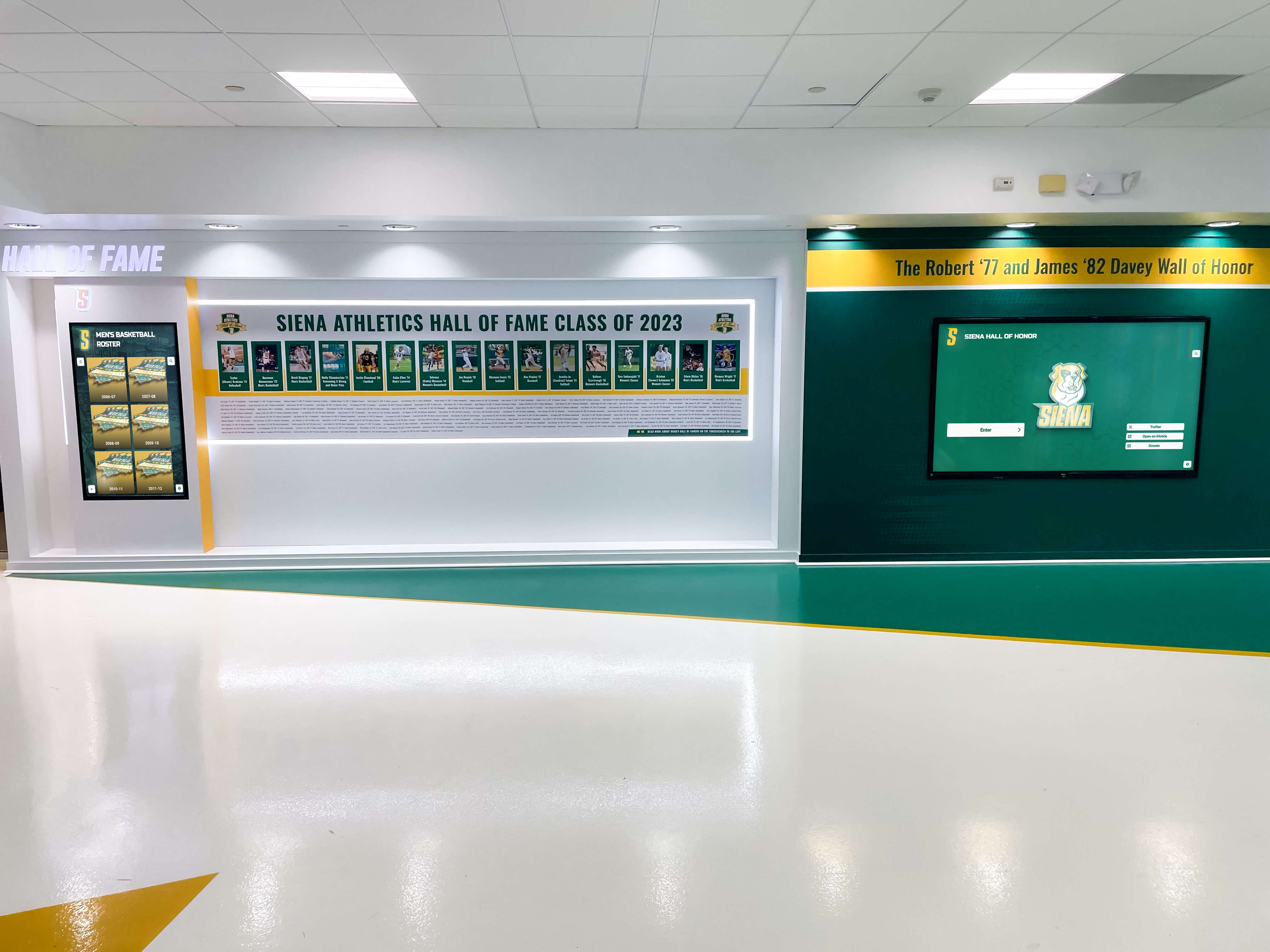
Professional recognition displays demonstrate institutional commitment to excellence while supporting the community pride that drives tournament participation
Conclusion: Building Golf Tournament Traditions That Strengthen Alumni Community
Annual alumni golf tournaments represent far more than single days of recreation—they create recurring opportunities for relationship building, institutional connection, and community strengthening that benefit schools in countless ways beyond immediate revenue generation. Graduates who participate regularly develop deeper loyalty and engagement, relationships formed on fairways translate into professional collaborations and mentorship connections, and visible support from accomplished alumni inspires current students while demonstrating the lasting value of educational experiences.
The schools most successful at leveraging golf tournament potential approach these events strategically rather than as isolated annual obligations. They invest in systematic planning processes beginning months before event dates. They cultivate multi-year sponsor relationships rather than scrambling for support each cycle. They communicate comprehensively through multiple channels ensuring target audiences receive necessary information repeatedly. And critically, they recognize the value of preserving tournament history systematically while using that historical record to strengthen tradition and encourage participation.
Digital recognition solutions like Rocket Alumni Solutions provide ideal platforms for housing comprehensive golf tournament information alongside broader alumni achievement recognition. These systems enable schools to preserve decades of tournament results and participant history, communicate current event details about hotels, schedules, sponsors, and logistics, recognize long-time supporters and celebrate sustained participation, showcase sponsor partners providing year-round visibility beyond single-day signage, and integrate tournament information into cohesive alumni engagement ecosystems.
Rather than maintaining scattered records in filing cabinets or relying solely on email announcements that get buried in crowded inboxes, schools can create authoritative, accessible resources that alumni naturally discover and explore. When graduates visit interactive displays to learn about athletic history or search for former classmates, they encounter upcoming tournament information organically. When they explore decades of school achievements, they discover golf tournament tradition woven throughout institutional narrative.
Whether you’re launching your first alumni golf tournament, revitalizing a program that has lost momentum, or seeking to elevate an already successful event, the frameworks explored throughout this guide provide actionable strategies for creating golf experiences that alumni value, anticipate, and support year after year. Combined with modern tools for historical preservation and event communication, your annual golf tournament can become a cornerstone tradition strengthening alumni community for decades to come.
Transform Your Alumni Golf Tournament Management
Discover how Rocket Alumni Solutions can help you preserve tournament history, communicate event details, and strengthen alumni engagement through comprehensive digital recognition platforms designed specifically for educational institutions.
Schedule Your Free Consultation






























