Annual 5K fundraiser events have become essential community-building tools for schools, creating opportunities to raise funds while strengthening connections among students, families, alumni, and local supporters. When schools host recurring 5K events, they build traditions that extend far beyond race day—creating lasting institutional memory, recognizing generous sponsors and dedicated volunteers, and documenting community participation year after year.
Yet many schools treat their 5K fundraisers as isolated events, missing opportunities to leverage past success, showcase multi-year participation trends, recognize consistent supporters, or create permanent records that inspire future participation. Without systematic approaches to documenting race history, maintaining leaderboards across years, highlighting sponsor contributions, celebrating volunteer efforts, and preserving photo galleries, schools lose valuable tools for building momentum and demonstrating community impact.
This comprehensive guide explores how schools can transform one-time fundraising events into sustainable annual traditions through strategic recognition, digital documentation, and community engagement that extends throughout the year.
Annual 5K fundraiser events serve dual purposes—generating needed revenue while creating shared experiences that unite school communities. When schools implement systematic approaches to preserving event history, recognizing participants and supporters, and showcasing accumulated achievements, they transform individual races into institutional traditions that grow stronger each year.
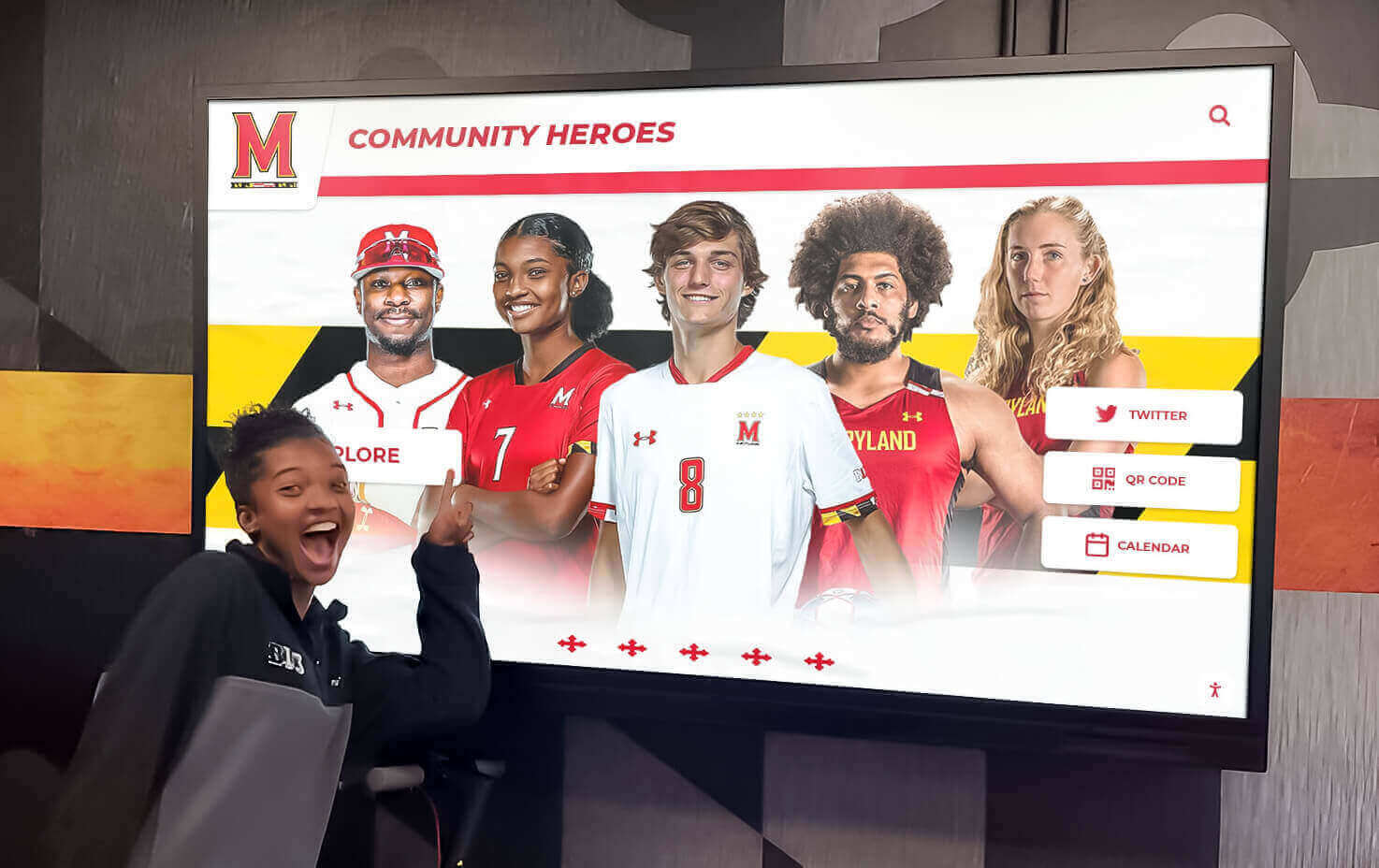
Digital recognition systems enable schools to showcase community supporters year-round, not just on event day
Planning Your Annual 5K Fundraiser for Long-Term Success
Building sustainable 5K traditions requires planning that extends beyond single-event logistics to create frameworks for annual recurrence and cumulative impact measurement.
Establishing Clear Goals and Purpose
Successful annual 5K programs begin with well-defined objectives that guide planning and provide measurement criteria:
Fundraising Target Development
- Set realistic first-year revenue goals based on anticipated participation
- Establish percentage growth targets for subsequent years
- Designate specific fund purposes (scholarship programs, facility improvements, program enhancement)
- Create tiered fundraising scenarios (minimum viable, target, stretch goals)
- Track year-over-year fundraising growth demonstrating program momentum
Community Engagement Objectives Beyond revenue, define community-building goals:
- Target participation numbers from different constituencies (students, families, alumni, community)
- Measure volunteer involvement and recurring volunteer rates
- Track sponsor retention and growth across years
- Monitor social media engagement and event awareness metrics
- Assess qualitative community connection indicators
Building Institutional Tradition Position your 5K as recurring institutional event:
- Select consistent timing (same month/season each year) creating anticipation
- Develop distinctive event branding and visual identity
- Create signature elements that define your specific 5K experience
- Establish naming conventions connecting to school identity and mission
- Build recognition systems that honor multi-year participation
When planning with tradition-building in mind from year one, schools create foundations for events that strengthen annually rather than requiring fresh launch efforts each cycle.
Timeline and Planning Calendar
Annual 5K fundraisers require systematic planning extending throughout the year:
6 Months Before Event
- Assemble organizing committee and assign responsibilities
- Set date, time, and venue (reserve permits and facilities)
- Establish budget and fundraising targets
- Design sponsorship packages and begin outreach
- Create event website and registration platform
- Develop marketing and communications plan
3-4 Months Before Event
- Launch registration with early-bird pricing
- Announce sponsorship commitments as secured
- Begin weekly social media promotion
- Recruit student ambassadors and parent volunteers
- Order t-shirts, race numbers, and materials
- Finalize course route and safety plan
1-2 Months Before Event
- Intensify promotion through all channels
- Host participant information sessions
- Finalize volunteer schedules and training
- Coordinate vendor partnerships and day-of logistics
- Prepare recognition materials for sponsors and volunteers
- Create photo documentation plan
Event Week
- Final participant communications with logistics details
- Course setup and safety checks
- Volunteer orientation and position assignments
- Media engagement and community promotion
- Equipment testing and backup planning
Post-Event (Immediate)
- Thank you communications to participants, sponsors, volunteers within 48 hours
- Impact report preparation showing funds raised and impact
- Photo gallery publication and sharing
- Recognition display updates adding current year achievements
- Post-event survey distribution gathering feedback
Post-Event (Ongoing)
- Financial reconciliation and final reporting
- Recognition event for major sponsors and volunteer leaders
- Planning meeting for next year identifying improvements
- Maintaining engagement through social media and communications
- Donor recognition updates celebrating sponsor contributions year-round
Learn comprehensive event planning in homecoming festivities guides that parallel 5K organization strategies.
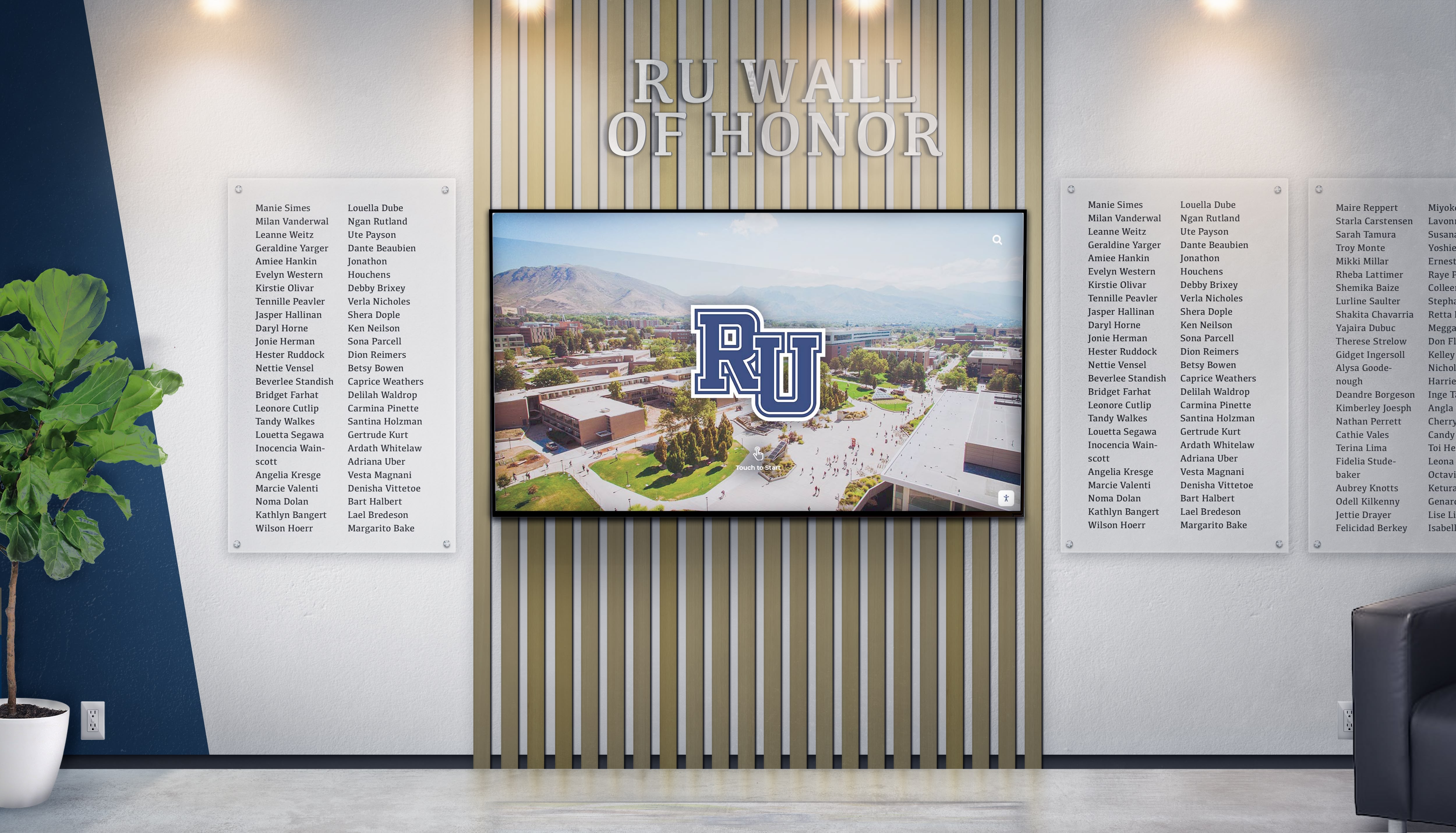
Integrated recognition systems honor event supporters while building institutional memory across years
Fundraising Models and Revenue Generation
Annual 5K events offer multiple revenue streams that, when combined strategically, create significant fundraising impact.
Registration Fee Structures
Participant registration forms the revenue foundation:
Tiered Pricing Models
- Early bird registration (6+ weeks out): $25-30
- Standard registration (2-6 weeks out): $35-40
- Late registration (final 2 weeks): $40-50
- Race day registration: $50-60
- Family packages: $100-120 (4+ participants)
- Team registration: Bulk discounts encouraging group participation
Virtual Participation Options Expand reach through flexible participation:
- Virtual 5K registration enabling remote participation
- Same price structure as in-person registration
- App-based result submission and tracking
- Inclusion in official results and recognition
- T-shirt mailing for virtual participants
Registration Add-Ons Additional revenue opportunities during registration:
- Commemorative medals or awards ($5-10)
- Extra t-shirts for supporters ($15-20)
- Photo packages with professional race photos
- Donation add-ons (round up or specific amounts)
- Raffle entry tickets
Schools hosting their first 5K commonly attract 200-400 participants generating $8,000-$16,000 in registration revenue alone. By year three or four, participation often grows to 400-600 creating $14,000-$24,000 in registration income as the event becomes established tradition.
Sponsorship Program Development
Corporate and community sponsorships represent significant revenue potential beyond registration fees:
Multi-Tiered Sponsorship Levels
Title Sponsor ($5,000-$10,000)
- Event naming rights (“Company Name 5K for [School Name]”)
- Logo prominence on all promotional materials
- Sponsor booth at premium location
- Recognition in digital displays year-round
- Social media spotlight campaign
- Inclusion in all media coverage
Platinum Sponsor ($2,500-$4,999)
- Major logo placement on event materials
- Branded start/finish line banner
- Sponsor representative speaking opportunity
- Recognition display featuring contribution
- Multiple social media acknowledgments
- Website sponsorship page feature
Gold Sponsor ($1,000-$2,499)
- Logo on t-shirts and race bibs
- Course mile marker sponsorship
- Recognition signage at event
- Digital recognition wall listing year-round
- Event program advertisement
Silver Sponsor ($500-$999)
- Name listing on promotional materials
- Water station or refreshment area sponsorship
- Recognition display inclusion
- Social media acknowledgment
- Event program listing
Bronze Sponsor ($250-$499)
- Event program listing
- Recognition display inclusion
- Website acknowledgment
- Community appreciation
In-Kind Sponsors Recognize businesses contributing services:
- Food and beverage donations
- T-shirt printing and design
- Timing system and technology
- Photography and media coverage
- Medical support and safety services
Maximizing Sponsorship Value
Effective sponsor relationships extend beyond single-event transactions:
Year-Round Recognition
- Permanent displays in school facilities showcasing sponsors
- Website sponsor pages with company profiles
- Social media recognition throughout the year
- Integration with school event promotion
- Inclusion in broader school communications
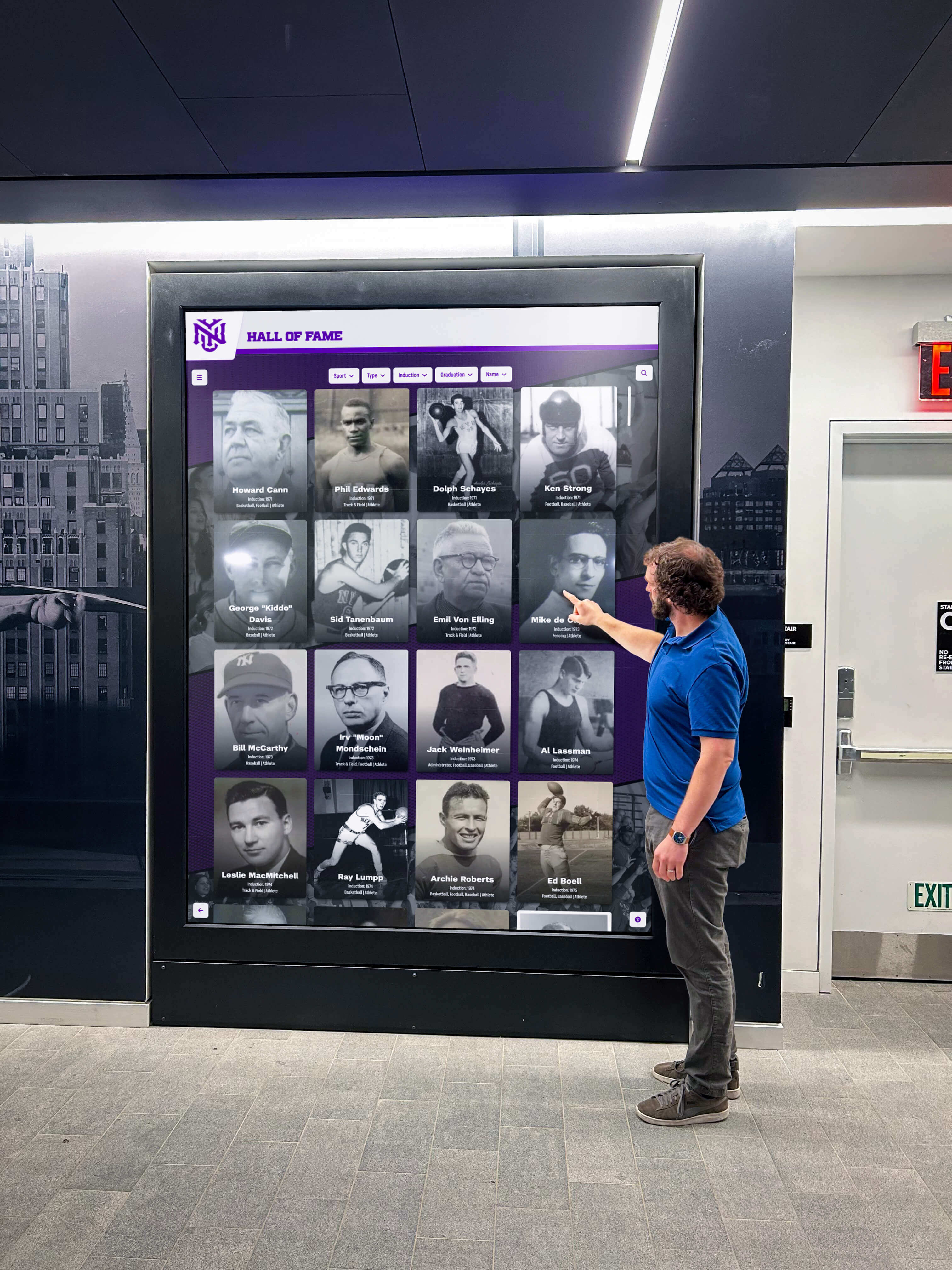
Interactive displays create engaging ways to explore sponsor contributions and community support
Multi-Year Commitment Incentives
- Discounted rates for 2-3 year sponsorship commitments
- Enhanced recognition for returning sponsors
- First right of refusal for same sponsorship level
- Exclusive benefits for consecutive-year supporters
- Legacy recognition for 5+ year sponsors
Schools implementing comprehensive sponsorship programs commonly raise $15,000-$40,000 in sponsor revenue annually, with retention rates exceeding 70% when sponsors receive visible year-round recognition rather than event-day-only acknowledgment.
Explore comprehensive approaches in capital campaign donor recognition that inform sponsorship strategies.
Additional Revenue Streams
Beyond registration and sponsorships, diversified revenue sources strengthen financial outcomes:
Vendor and Exhibitor Fees
- Health and wellness vendor booths: $100-250 each
- Food truck and beverage vendor fees: $200-500
- Community organization exhibitor space: $50-100
- Athletic equipment and apparel vendors: $150-300
Merchandise Sales
- Event t-shirts (extras beyond registration): $15-25
- School spirit wear and accessories: $10-30
- Commemorative water bottles and gear: $5-15
- Photo prints and digital downloads: $5-20
On-Site Fundraising
- Silent auction items donated by sponsors
- Raffle ticket sales for prize packages
- Donation stations at registration and finish line
- Text-to-give campaigns during event
- Matching gift drives from corporate participants
Challenge and Pledge Campaigns
- Peer-to-peer fundraising pages for participants
- Team fundraising competitions with recognition
- Alumni challenge matching funds raised by students
- Board member matching gift commitments
- Social media sharing incentives tied to donation milestones
Combined revenue streams enable successful 5K programs to raise $25,000-$75,000 annually, with growth trajectory strengthening as events become established traditions with broader community recognition and participation.
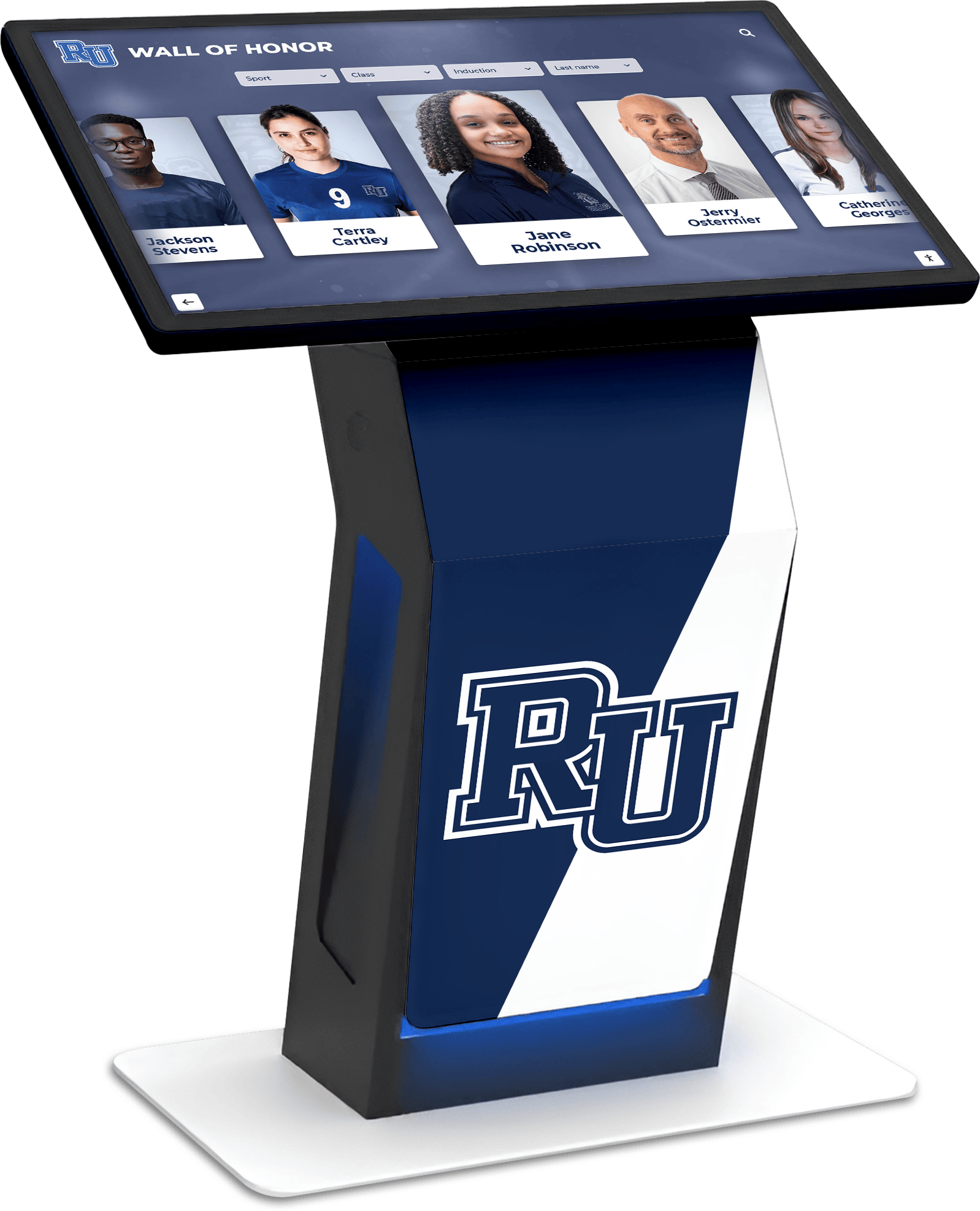
Modern recognition systems showcase sponsors, participants, and supporters creating year-round community engagement
Showcasing Event History and Building Tradition
The most successful annual 5K programs distinguish themselves through systematic documentation and display of event history, creating visible traditions that inspire participation and demonstrate community impact.
Creating Multi-Year Event Archives
Preserving race history across years builds institutional memory and showcases growth:
Historical Race Results and Leaderboards Document and display performance across years:
- Overall winners by year with times
- Age group winners across multiple years
- Course record holders and record progression
- Most improved times year-over-year
- Consistent participants across multiple years
- Team competitions and winners by year
Participation Tracking Measure and showcase community engagement growth:
- Total participants each year demonstrating event growth
- Breakdown by constituency (students, families, alumni, community)
- Volunteer numbers and hours contributed annually
- Geographic reach showing community impact expansion
- Demographic participation showing inclusive engagement
Fundraising Achievement History Tell the cumulative impact story:
- Annual fundraising totals showing growth trajectory
- Cumulative funds raised across all years
- Specific program impacts funded by race proceeds
- Student beneficiaries of scholarship funds
- Facility improvements enabled by fundraising
- Program enhancements made possible by support
Solutions like Rocket Alumni Solutions enable schools to create digital archives showcasing event history comprehensively without physical space limitations. Interactive displays allow community members to explore race results, view photo galleries from multiple years, and understand cumulative event impact—creating engagement impossible with static displays.
Year-Over-Year Leaderboards and Recognition
Competitive elements and performance tracking encourage participation and create aspirational goals:
Performance Leaderboards
- Fastest overall times by year
- Age group records across categories
- Team fastest combined times
- Family participation records
- Improvement tracking for returning participants
- Course records with recognition for record holders
Fundraising Leaderboards Recognize top fundraising contributors:
- Individual participant fundraising leaders by year
- Team fundraising achievements
- Classroom or grade-level fundraising competitions
- Alumni class participation rates
- Multi-year cumulative fundraising leaders
- Family cumulative support recognition
Participation Streaks and Milestones Celebrate consistent community involvement:
- Consecutive year participation recognition
- 5, 10, 15+ year participant honors
- Perfect attendance recognition for families
- Volunteer service hour milestones
- Sponsor consecutive year support
When schools implement digital recognition displays showcasing these leaderboards prominently in school facilities year-round, they create ongoing awareness and motivation that extends far beyond event day, encouraging broader participation and deeper community connection.
Learn about athletic record tracking approaches applicable to 5K event management.
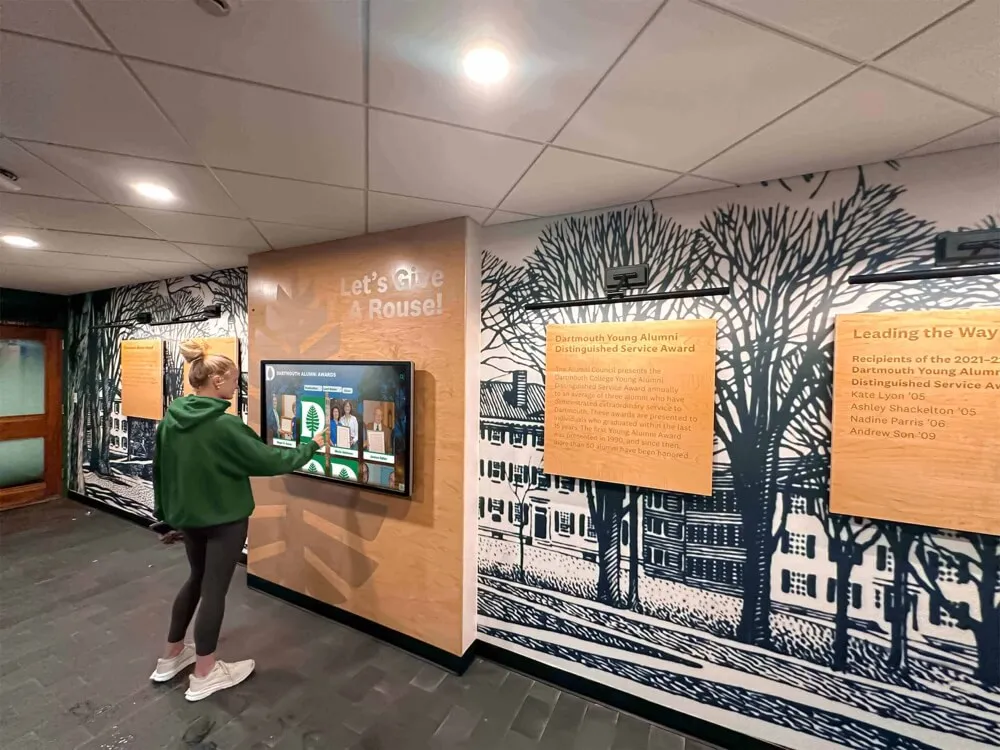
Strategic placement of recognition displays in high-traffic areas ensures year-round visibility for event achievements and supporter acknowledgment
Sponsor Recognition and Partnership Management
Sustainable annual 5K programs depend on strong sponsor relationships built through meaningful recognition extending throughout the year.
Comprehensive Sponsor Recognition Strategies
Moving beyond event-day banners to create lasting appreciation:
Physical Recognition at School Facilities Permanent visibility demonstrating genuine appreciation:
- Recognition walls in main entrance or gathering spaces
- Individual sponsor profiles with company information
- Sponsor contribution levels and support history
- Integration with school recognition displays
- Updates reflecting current year sponsors
Digital Recognition Displays Interactive systems providing enhanced sponsor visibility:
- Touchscreen displays enabling exploration of sponsor contributions
- Photo galleries showing sponsor involvement at events
- Video content featuring sponsor representatives
- Links to sponsor websites driving traffic and value
- Year-over-year sponsor participation tracking
Schools implementing digital sponsor recognition through solutions like Rocket Alumni Solutions report 65-80% sponsor retention rates compared to 35-50% retention without systematic recognition programs. The ability to showcase sponsors prominently year-round rather than only on event day creates genuine partnership value that justifies continued investment.
Online Recognition Extensions Web-based sponsor acknowledgment:
- Dedicated sponsor pages on school website
- Social media spotlight campaigns throughout year
- Newsletter features highlighting sponsor community involvement
- Mobile-accessible recognition enabling broad reach
- Integration with event promotion and communications
Event-Day Recognition Visible appreciation during the 5K itself:
- Prominent signage at start/finish and throughout course
- Logo placement on t-shirts, race bibs, promotional materials
- Sponsor booth opportunities for direct engagement
- Speaking recognition during opening ceremonies
- Inclusion in media coverage and photography
Sponsor Website Integration and Cross-Promotion
Creating mutual benefit through digital connectivity:
Bidirectional Linking
- School event pages linking to sponsor websites
- Sponsor pages featuring their school support
- Social media cross-promotion and tagging
- Newsletter mentions including sponsor information
- Press releases acknowledging sponsor partnership
Shared Content and Storytelling Collaborative approaches creating authentic narratives:
- Video testimonials from sponsors about community commitment
- Photo content showing sponsor involvement with students
- Impact stories highlighting specific outcomes sponsor funding enabled
- Employee volunteer recognition from sponsor organizations
- Multi-year partnership narratives demonstrating sustained support
Analytics and Demonstrable Value Provide sponsors with concrete return metrics:
- Website traffic driven to sponsor sites from school links
- Social media engagement on sponsor recognition posts
- Event attendance and demographic reach data
- Community impression and awareness metrics
- Year-over-year growth in event visibility and participation
When sponsors see measurable value beyond altruistic community support, they become more likely to maintain and increase sponsorship levels across years. Digital recognition systems that track engagement analytics provide concrete data demonstrating sponsor visibility and return on investment.
Building Multi-Year Sponsor Relationships
Transform one-time sponsors into long-term partners:
Retention Strategies
- Personal stewardship visits from school leadership
- Exclusive sponsor appreciation events
- First right of refusal for same sponsorship level
- Multi-year commitment incentives and discounts
- Recognition escalation for consecutive year support
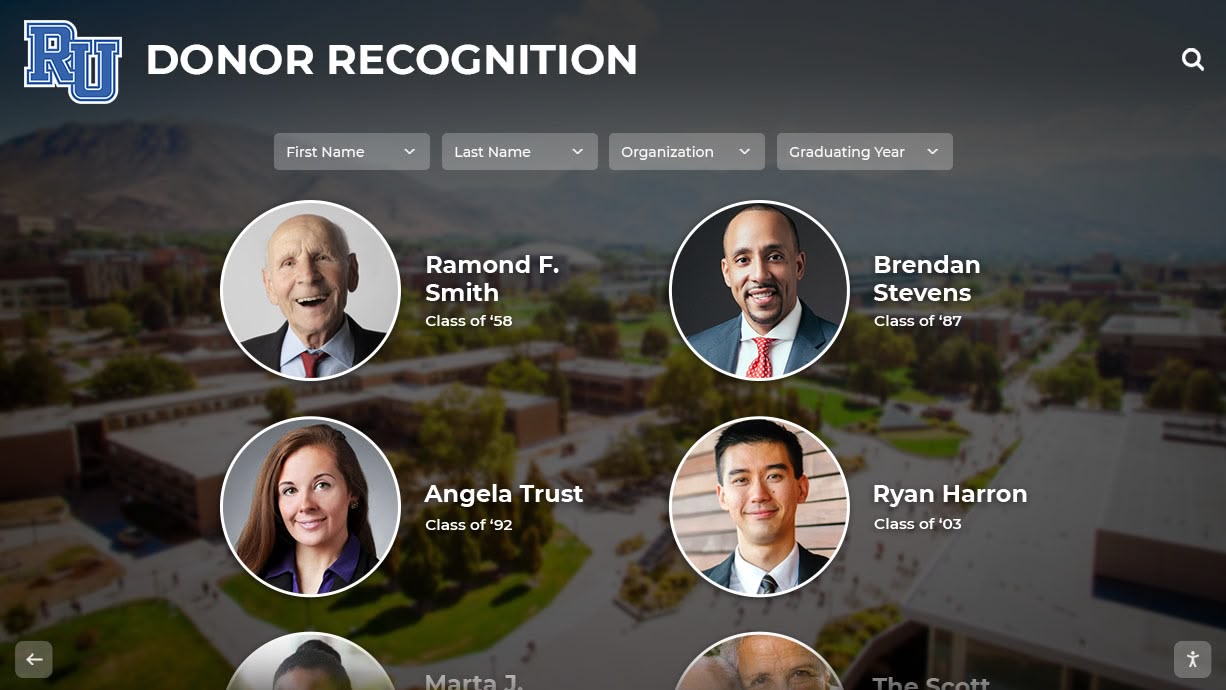
Comprehensive recognition systems celebrate supporters while inspiring future contributions and community partnerships
Impact Reporting Regular communication demonstrating sponsorship value:
- Annual impact reports showing event outcomes
- Financial transparency about fund usage
- Student success stories enabled by event proceeds
- Community engagement metrics and growth
- Future vision and opportunity for expanded partnership
Relationship Development Personal connection beyond transactional sponsorship:
- Invitation to school events and programs
- Advisory council participation opportunities
- Student internship or mentorship connections
- Community partnership beyond 5K support
- Recognition in broader institutional communications
Schools excelling at sponsor relationship management commonly achieve 5-7 year average sponsor tenure, with top-tier sponsors maintaining support for 10+ years. This retention creates fundraising stability and reduces annual sponsorship recruitment burden.
Explore comprehensive strategies in nonprofit donor recognition applicable to event sponsor management.
Volunteer Recognition and Engagement
Annual 5K events require substantial volunteer commitment, and systematic recognition directly impacts volunteer recruitment, retention, and satisfaction.
Volunteer Coordination and Documentation
Effective volunteer management begins with careful planning and tracking:
Volunteer Role Definition
- Course marshals and safety monitors
- Registration and packet pickup staff
- Start/finish line coordination
- Water station and refreshment management
- Photography and documentation
- Medical and safety support
- Setup and breakdown crews
- Participant assistance and wayfinding
Volunteer Hour Tracking Document contributions systematically:
- Individual volunteer hour accumulation
- Organization and group volunteer contributions
- Student service hour certification
- Parent volunteer participation tracking
- Community member involvement documentation
Scheduling and Management
- Online volunteer registration platforms
- Shift scheduling and reminder systems
- Training and orientation sessions
- Day-of coordination and communication
- Role assignments matching skills and preferences
Comprehensive volunteer tracking enables meaningful recognition while providing documentation for students requiring service hours and organizations tracking community contribution.
Volunteer Spotlight and Recognition Programs
Moving beyond thank-you emails to create genuine appreciation:
Digital Volunteer Recognition Displays Permanent visibility honoring volunteer contributions:
- Individual volunteer profiles with photos
- Total hours contributed across years
- Consecutive year volunteer streaks
- Special recognition for 100+ hour volunteers
- Organization and group volunteer acknowledgment
Schools implementing volunteer recognition through digital displays report 40-60% higher volunteer retention rates year-over-year. When volunteers see their contributions honored prominently in school facilities, they develop stronger connection to the institution and greater willingness to continue supporting future events.
Volunteer Appreciation Events Special gatherings honoring volunteer commitment:
- Post-event volunteer appreciation reception
- Annual volunteer recognition ceremony
- Exclusive tours or behind-scenes experiences
- Personal notes from school leadership
- Student testimonials about volunteer impact
Public Acknowledgment Multiple channels recognizing volunteer service:
- Social media spotlight campaigns featuring individual volunteers
- Newsletter articles profiling volunteer contributions
- Website volunteer pages with photos and stories
- Recognition during school events and assemblies
- Media coverage acknowledging community volunteers
Tangible Recognition Items Commemorative items honoring service:
- Volunteer t-shirts or apparel
- Certificates of appreciation
- Years of service pins or recognition items
- Photo prints from event
- Personalized thank you notes from beneficiaries
Learn about comprehensive volunteer recognition in volunteer service recognition display guides that inform 5K volunteer appreciation strategies.
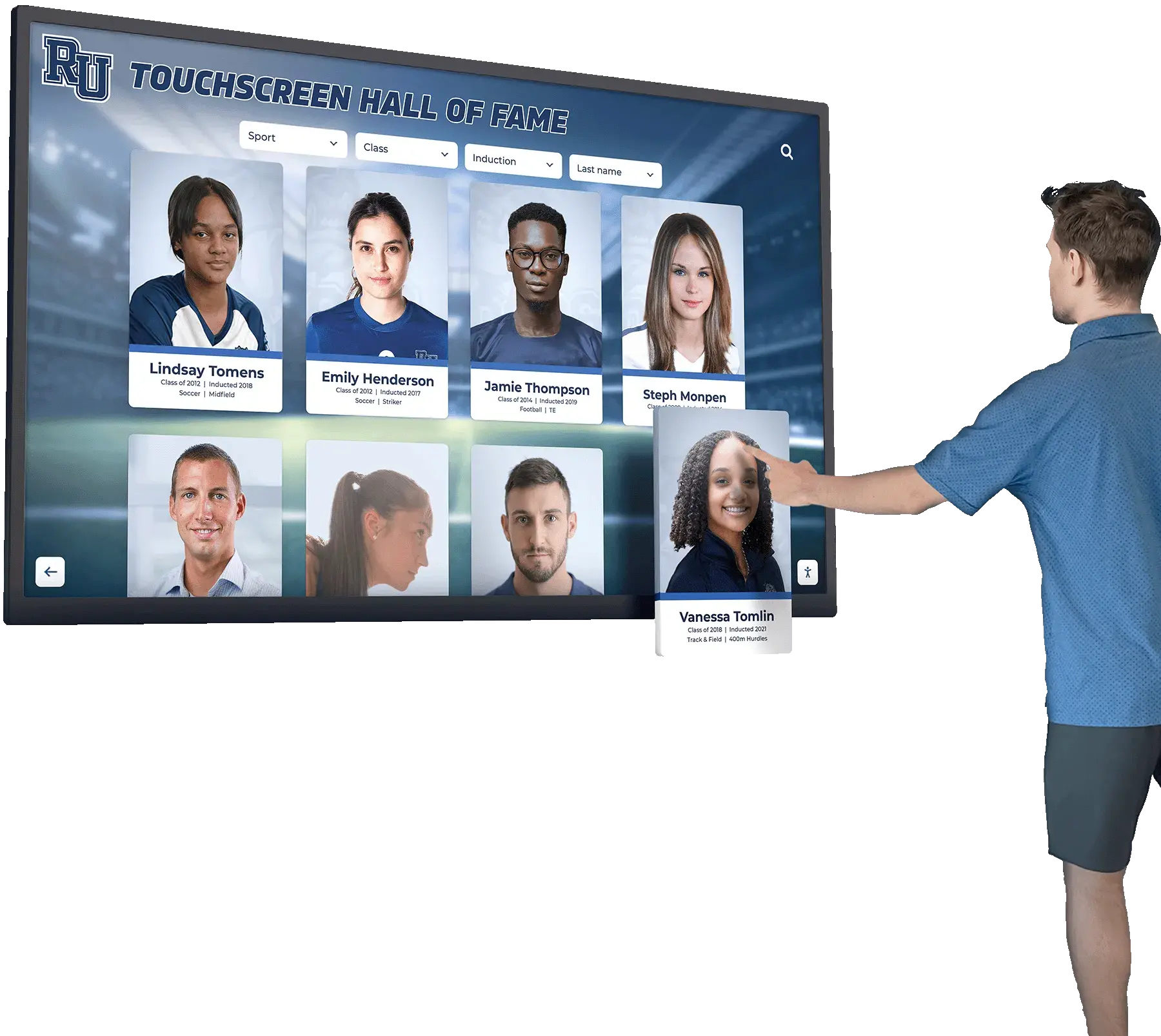
Interactive displays enable exploring volunteer contributions and community service across multiple years
Building Volunteer Legacy and Tradition
Create volunteer culture extending across years:
Multi-Year Volunteer Recognition
- 5, 10, 15+ year volunteer milestone recognition
- Cumulative hour tracking and celebration
- Legacy volunteer wall honoring longest-serving supporters
- Family volunteer recognition across generations
- Volunteer leadership roles for experienced returners
Student Volunteer Programs Engaging students as volunteer leaders:
- Student ambassador recruitment and training
- Service hour credit and documentation
- Leadership skill development opportunities
- Resume and college application recognition
- Mentorship pairing experienced with new volunteers
Community Organization Partnerships Collaborative volunteer engagement:
- Recognition for organizational volunteer teams
- Corporate employee volunteer groups
- Service organization participation acknowledgment
- Student group and club volunteer competitions
- Multi-organization volunteer appreciation
When schools create systematic volunteer recognition extending throughout the year, they build communities of engaged supporters who view annual 5K events as personal traditions worth protecting and promoting—creating sustainability that extends far beyond initial enthusiasm.
Photo Galleries and Event Documentation
Comprehensive photo documentation creates lasting records, promotes future participation, and provides content for recognition displays and communications.
Event Photography Planning
Strategic approach to capturing the full event experience:
Photography Team Coordination
- Professional photographer for key moments
- Parent volunteer photographers throughout course
- Finish line photo booth or backdrop
- Sponsor recognition photography
- Behind-the-scenes volunteer documentation
- Aerial or elevated perspective shots
Key Moments to Document
- Pre-race gathering and warm-up
- Start line energy and anticipation
- Participants throughout course
- Water stations and volunteer interactions
- Finish line celebrations
- Award ceremony and recognition
- Sponsor booths and engagement
- Family participation and community connection
- Volunteer teams in action
- Post-race celebration and refreshments
Photo Organization Systems
- Dated folders maintaining year-by-year archives
- Tagged collections by category (participants, volunteers, sponsors, awards)
- Searchable systems enabling finding specific individuals
- High-resolution storage for quality printing and display
- Web-optimized versions for online sharing
Photo Gallery Publication and Sharing
Making event photography accessible and engaging:
Multi-Channel Photo Distribution
- School website gallery pages
- Social media albums and posts
- Email distribution to participants
- Digital recognition displays showcasing event photos
- Mobile-accessible viewing
- Download options for personal use
Interactive Photo Galleries Enhanced engagement through digital systems:
- Touchscreen displays enabling photo exploration
- Filtering by year, category, or search
- Slideshow displays in school common areas
- QR codes linking to full galleries
- Integration with digital recognition walls showing event history
Schools implementing interactive photo displays report significantly higher community engagement with event documentation. When families can explore photos via touchscreen in school lobbies or access galleries via mobile devices, participation rates in future events increase as visual documentation demonstrates the positive, inclusive event atmosphere.
Social Media Strategy
- Daily countdown posts featuring previous year photos
- Race day live posting and stories
- Post-event highlight reels and albums
- Participant tagging encouraging sharing
- User-generated content curation and reposting
- Hashtag campaigns creating searchable collections
Photo Recognition Integration Connecting visual documentation with achievement records:
- Individual participant profiles including race photos
- Leaderboard displays featuring winner photos
- Sponsor recognition with event involvement photos
- Volunteer spotlight galleries
- Year-over-year comparison photo features
Learn about comprehensive visual documentation in photo booth software guides applicable to event photography management.
Transform Your Annual 5K into a Lasting Tradition
Discover how digital recognition solutions can help you showcase race history, honor sponsors and volunteers, and build community traditions that strengthen year after year.
Book a DemoPost-Event Engagement and Year-Round Community Building
Successful annual 5K programs maintain momentum throughout the year rather than limiting engagement to race day and immediate aftermath.
Immediate Post-Event Activities
Participant Thank You Communications Within 48 hours of event completion:
- Email to all participants expressing gratitude
- Race results and individual performance data
- Link to photo galleries
- Impact statement showing funds raised
- Save-the-date for next year’s event
- Survey requesting feedback and suggestions
Sponsor and Volunteer Appreciation Dedicated recognition for key supporters:
- Personal thank you calls from school leadership
- Handwritten notes from students or beneficiaries
- Impact reports showing specific outcomes their support enabled
- Photo packages from event
- Recognition display updates adding current year contributions
Financial Reconciliation and Reporting Transparent accounting building trust:
- Final fundraising total calculation
- Expense documentation and net proceeds
- Distribution plan for funds raised
- Public reporting through multiple channels
- Donor acknowledgment for tax purposes where applicable
Ongoing Community Engagement
Maintaining connection between annual events:
Regular Communication Touchpoints
- Monthly email updates to past participants
- Quarterly impact reports showing fund usage
- Social media content featuring event legacy
- Newsletter articles about student beneficiaries
- Countdown campaigns beginning 6 months before next event
Recognition Display Updates Year-round visibility maintaining awareness:
- Current year results added to digital leaderboards
- Sponsor recognition displays updated
- Volunteer spotlight rotations
- Photo galleries from recent event
- Historical comparison statistics
Community Programming Connections Integrating 5K tradition with broader school life:
- PE classes using 5K training as curriculum
- Student clubs promoting health and wellness
- Alumni events featuring 5K participation
- Community open house highlighting event legacy
- School tours showcasing recognition displays
Early Registration Campaigns Building momentum for next year’s event:
- Super early bird pricing 6+ months out
- Alumni challenge campaigns encouraging registration
- Team formation and registration competitions
- Incentives for previous year participants
- Ambassador recruitment for promotional team
Building Multi-Year Traditions
Elements that strengthen event identity across years:
Signature Event Features Distinctive elements creating memorable identity:
- Unique race swag or finisher items
- Themed course elements or entertainment
- Special awards with event history
- Traditional pre-race or post-race activities
- Course landmarks that become recognizable
Milestone Celebrations Special recognition for program anniversaries:
- 5th, 10th, 15th anniversary special events
- Retrospective displays showcasing program history
- Reunion of past participants and volunteers
- Special recognition for founding sponsors and organizers
- Media features highlighting program legacy
Alumni and Family Legacy Multi-generational participation traditions:
- Recognition for families participating across years
- Alumni returning to run in their communities
- Parent-child participation tracking
- Sibling teams and competitions
- Multi-generational family recognition
Schools that successfully build 5K traditions report participation growth of 15-25% annually for the first 5-7 years as events become established in community calendars and institutional identity. Digital recognition systems play essential roles in this growth by maintaining year-round visibility and enabling comprehensive historical documentation that demonstrates tradition and community impact.
Explore community engagement strategies in alumni engagement approaches applicable to 5K community building.
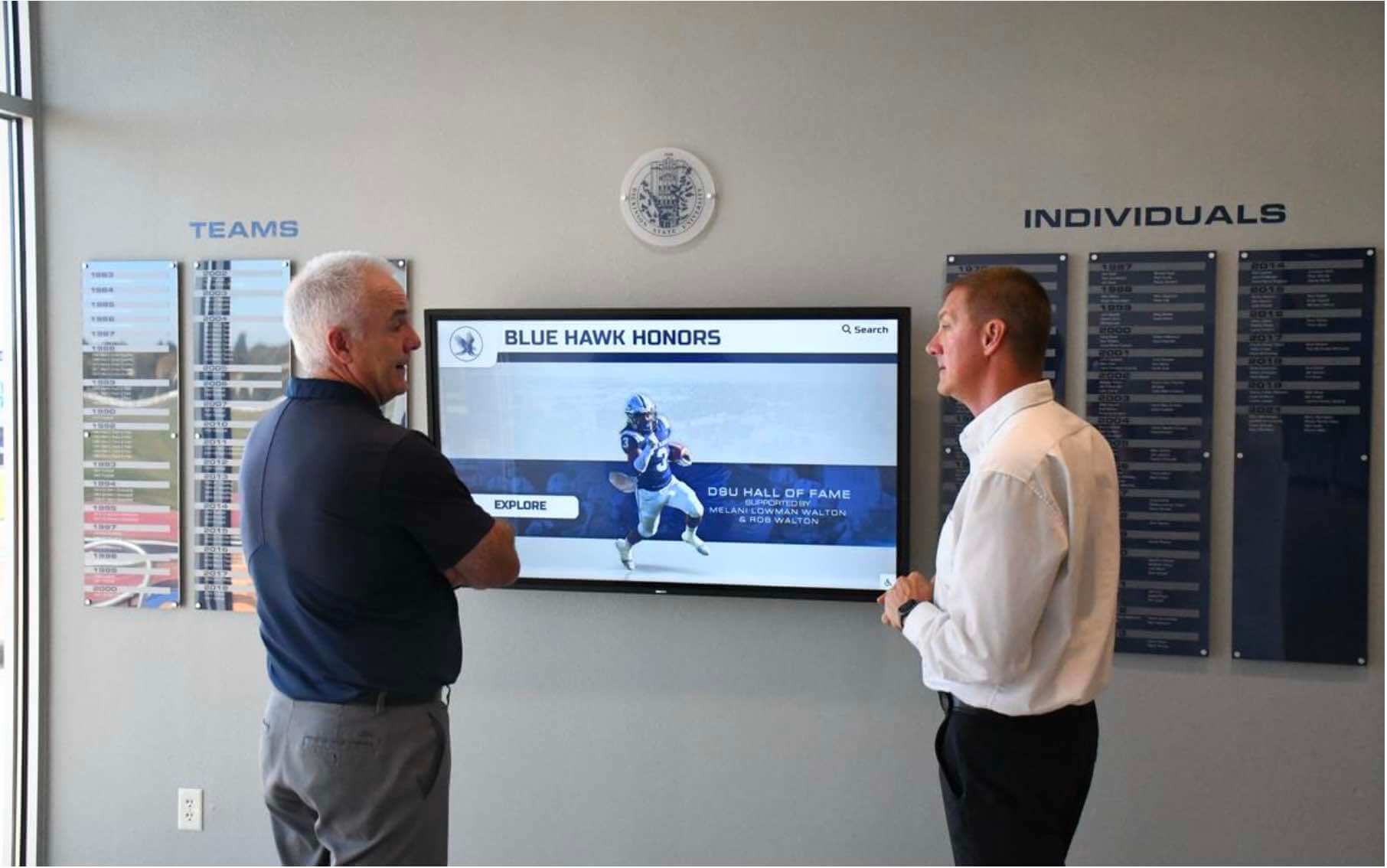
Successful programs create community pride and connection through comprehensive recognition of supporters and participants
Technology Solutions for 5K Event Management
Modern technology transforms annual 5K fundraisers from logistically complex events into streamlined programs with enhanced participant experience and documentation capabilities.
Registration and Participant Management
Digital platforms simplifying logistics:
Online Registration Systems
- Secure payment processing and receipt generation
- Team registration and management
- T-shirt size collection and ordering
- Waiver and consent form signing
- Virtual participation options
- Family package management
Communication Tools
- Automated email sequences
- Text message reminders and updates
- Participant portal access
- Emergency communication capabilities
- Post-event result distribution
Data Management
- Participant database building year-over-year
- Demographic tracking and analysis
- Historical participation tracking
- Export capabilities for recognition systems
- Integration with fundraising platforms
Digital Recognition and Display Solutions
Interactive systems creating year-round engagement:
Touchscreen Recognition Displays Solutions like Rocket Alumni Solutions provide comprehensive platforms for 5K recognition:
- Unlimited capacity showcasing all participants, sponsors, and volunteers across multiple years
- Interactive exploration enabling searching for specific individuals or teams
- Multi-year leaderboards showing fastest times, top fundraisers, and participation records
- Photo galleries from each year’s event organized by category
- Sponsor recognition with company information and website links
- Volunteer spotlight rotations honoring service contributions
- Historical statistics showing event growth and community impact
Cloud-Based Content Management Easy updates and maintenance:
- Remote content updates from any internet-connected device
- Scheduled publishing for automatic annual updates
- Bulk import of race results and participant data
- Role-based permissions for staff access
- Mobile content management capability
- Automated backup and version control
Web Integration Extending recognition beyond physical displays:
- Online galleries accessible to global community
- Mobile-optimized viewing on all devices
- Social sharing capabilities
- Search functionality finding specific individuals
- Integration with school website
- Analytics tracking engagement
Schools implementing comprehensive digital recognition for 5K programs report 70-90% reduction in administrative time maintaining event documentation while significantly increasing community engagement with historical records and current year promotion.
Analytics and Continuous Improvement
Data-driven approaches optimizing programs:
Participation Analysis
- Year-over-year growth tracking
- Demographic participation patterns
- Geographic reach and expansion
- Registration timing and conversion rates
- Virtual versus in-person preference trends
Fundraising Metrics
- Revenue by source (registration, sponsorship, merchandise)
- Sponsor retention rates
- Average gift growth
- Peer-to-peer fundraising effectiveness
- Return on investment calculations
Engagement Measurement
- Digital recognition display interaction rates
- Website and social media analytics
- Email open and click-through rates
- Volunteer retention percentages
- Participant return rates
Regular assessment enables continuous improvement ensuring annual 5K programs remain effective, grow sustainably, and achieve increasing community impact year after year.
Conclusion: Building Sustainable 5K Traditions Through Recognition
Annual school 5K fundraiser events represent powerful opportunities to generate revenue while strengthening community connections and building lasting institutional traditions. When schools implement systematic approaches to documenting event history, recognizing sponsors and volunteers, showcasing participant achievements, and maintaining year-round engagement, they transform individual fundraising events into sustainable programs that grow stronger annually.
The strategies explored in this guide provide comprehensive frameworks for creating 5K traditions that extend far beyond race day. From multi-year leaderboards showcasing performance history to digital recognition displays honoring sponsors and volunteers year-round, these approaches enable schools to build genuine community traditions while generating needed funding for programs and initiatives.
Technology has made comprehensive 5K documentation and recognition achievable for schools of all sizes. Digital displays offering unlimited capacity for participant records, photo galleries from multiple years, and interactive exploration of event history overcome traditional limitations of static recognition. Web accessibility ensures all community members—including alumni and supporters unable to attend in person—can engage with event achievements and contribute to future success.
Building effective annual 5K programs requires moving beyond single-event thinking to embrace tradition-building approaches that honor history, recognize supporters consistently, and create anticipation throughout the year. Not all schools have resources for elaborate events—but even modest 5K programs benefit enormously from systematic recognition, careful documentation, and genuine appreciation for sponsors and volunteers who make events possible.
Start where you are with improvements you can implement for your next 5K event. Document results more carefully. Thank sponsors and volunteers more systematically. Create photo galleries accessible beyond event day. Showcase event history in school facilities. Each enhancement builds foundation for stronger traditions that benefit your school community for years to come.
Every sponsor who receives year-round recognition, volunteer who sees their contribution honored permanently, and participant who can explore multi-year race history develops stronger connection to your school and greater likelihood of continued support. With thoughtful planning, appropriate technology, and consistent implementation, you can create 5K traditions that generate sustainable funding while building the positive, engaged community where your mission thrives.
Your school community’s generous support through annual 5K participation deserves celebration equal to its importance. Transform your fundraising event from isolated occurrence to lasting tradition that strengthens your school and community year after year.
Ready to begin? Explore semester highlights recognition approaches or learn more about exciting hallway displays that can showcase your 5K tradition and community support.































