The demands on student-athletes have never been greater. Between rigorous training schedules, academic pressures, competitive seasons, and the mental challenges of high-performance athletics, today’s athletes need comprehensive support systems that address both physical recovery and mental wellness. An athlete recovery and wellness hub serves as a centralized resource that combines recovery modalities, mental health support, educational programming, and recognition—all designed to help student-athletes perform at their peak while maintaining overall wellbeing.
According to NCAA research, 1 in 5 college athletes report mental health concerns, while participation in high school sports has grown to 7.8 million students as of the 2022-23 school year. With these increasing numbers and heightened awareness of athlete wellness, schools and athletic programs are investing in comprehensive recovery and wellness infrastructure that goes beyond traditional training facilities.
Modern athlete recovery and wellness hubs integrate multiple components: physical recovery equipment and protocols, mental health resources and counseling, nutrition guidance, sleep optimization strategies, and digital systems that track progress while celebrating achievements. When designed effectively, these hubs become gathering spaces where athletes develop healthy habits, connect with support resources, and see their accomplishments recognized through solutions like Rocket Alumni Solutions’ digital displays.
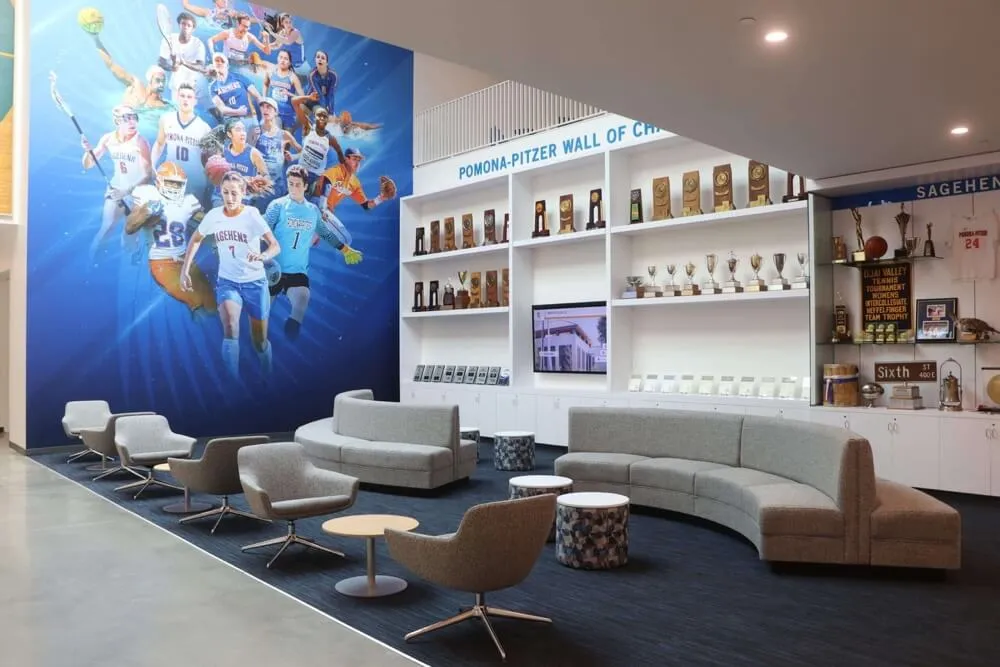
Understanding the Athlete Recovery & Wellness Hub Concept
An athlete recovery and wellness hub is more than a room with foam rollers and ice baths. It represents a holistic approach to athlete care that acknowledges the interconnected nature of physical, mental, and emotional wellbeing.
Core Components of Effective Wellness Hubs
Physical Recovery Zone The physical recovery area houses equipment and modalities designed to accelerate healing, reduce injury risk, and optimize athletic performance. Modern recovery facilities may include:
- Cold plunge pools and cryotherapy chambers for inflammation reduction
- Hot tubs and hydrotherapy equipment for circulation and muscle relaxation
- Compression therapy systems for enhanced blood flow
- Foam rolling stations and mobility equipment
- Massage therapy areas with professional services
- Red light therapy for tissue healing and recovery
Elite programs like Clemson University’s Athletic Recovery Center feature nine different recovery modalities including whole-body cryotherapy chambers reaching -125 degrees, infrared saunas, and both wet and dry float sensory deprivation tanks.
Mental Wellness Resources Recognizing that athletic performance depends significantly on mental state, comprehensive wellness hubs dedicate space and resources to psychological health:
- Private counseling areas for confidential mental health support
- Meditation and mindfulness spaces for stress reduction
- Educational resources on performance anxiety, sleep hygiene, and stress management
- Peer support programs where athletes share experiences
- Access to sports psychologists specializing in athletic performance
Research shows that only 43% of athletes feel comfortable discussing mental health concerns with coaches, highlighting the importance of dedicated, confidential wellness spaces separate from performance evaluation environments.
Educational Programming Area Knowledge empowers athletes to take ownership of their recovery and wellness:
- Workshops on nutrition, hydration, and fueling strategies
- Sleep optimization seminars addressing the critical role of rest in performance
- Injury prevention education covering proper form, warm-up protocols, and warning signs
- Career transition planning for life beyond competitive athletics
- Time management skills balancing athletic and academic demands
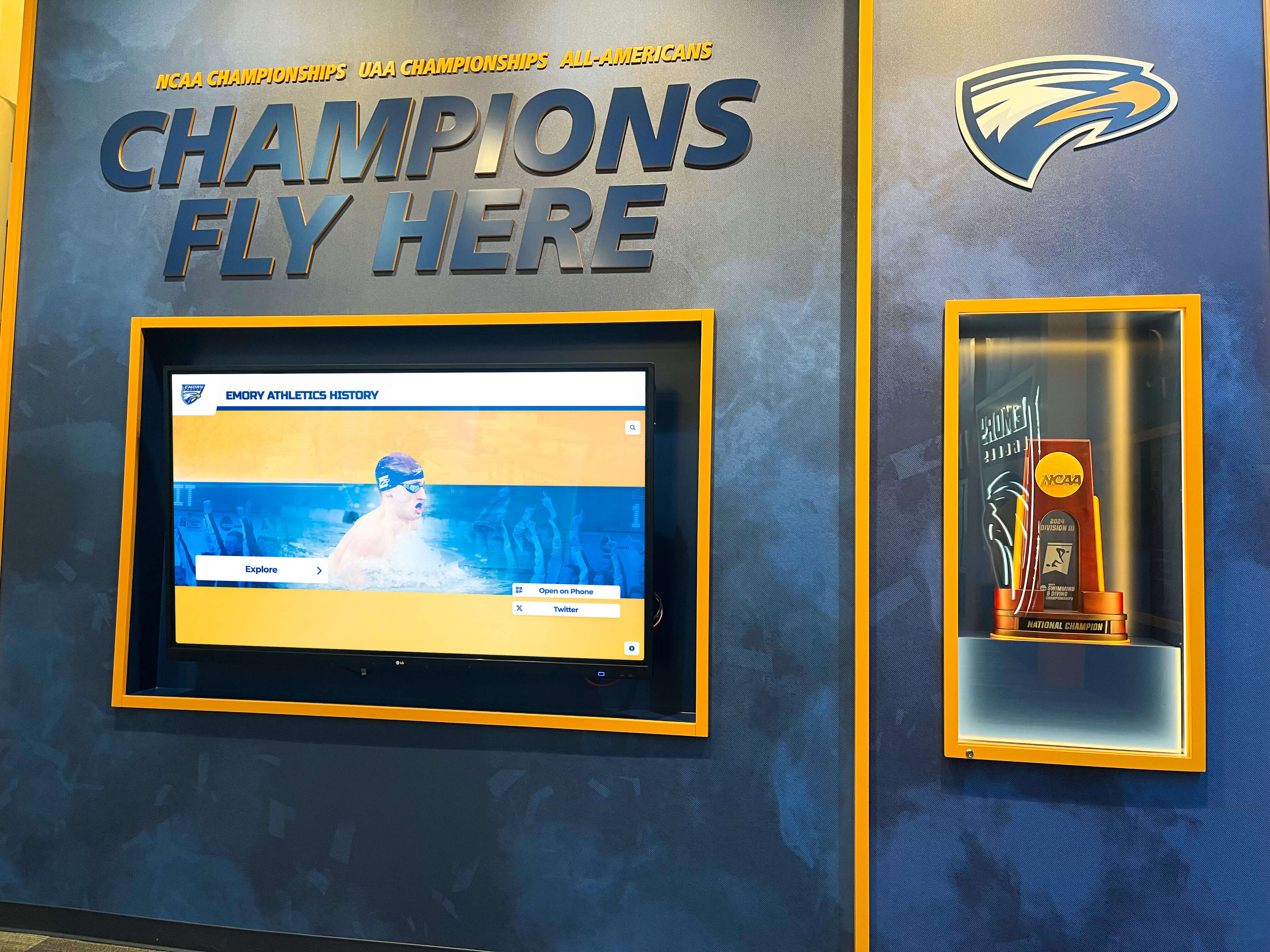
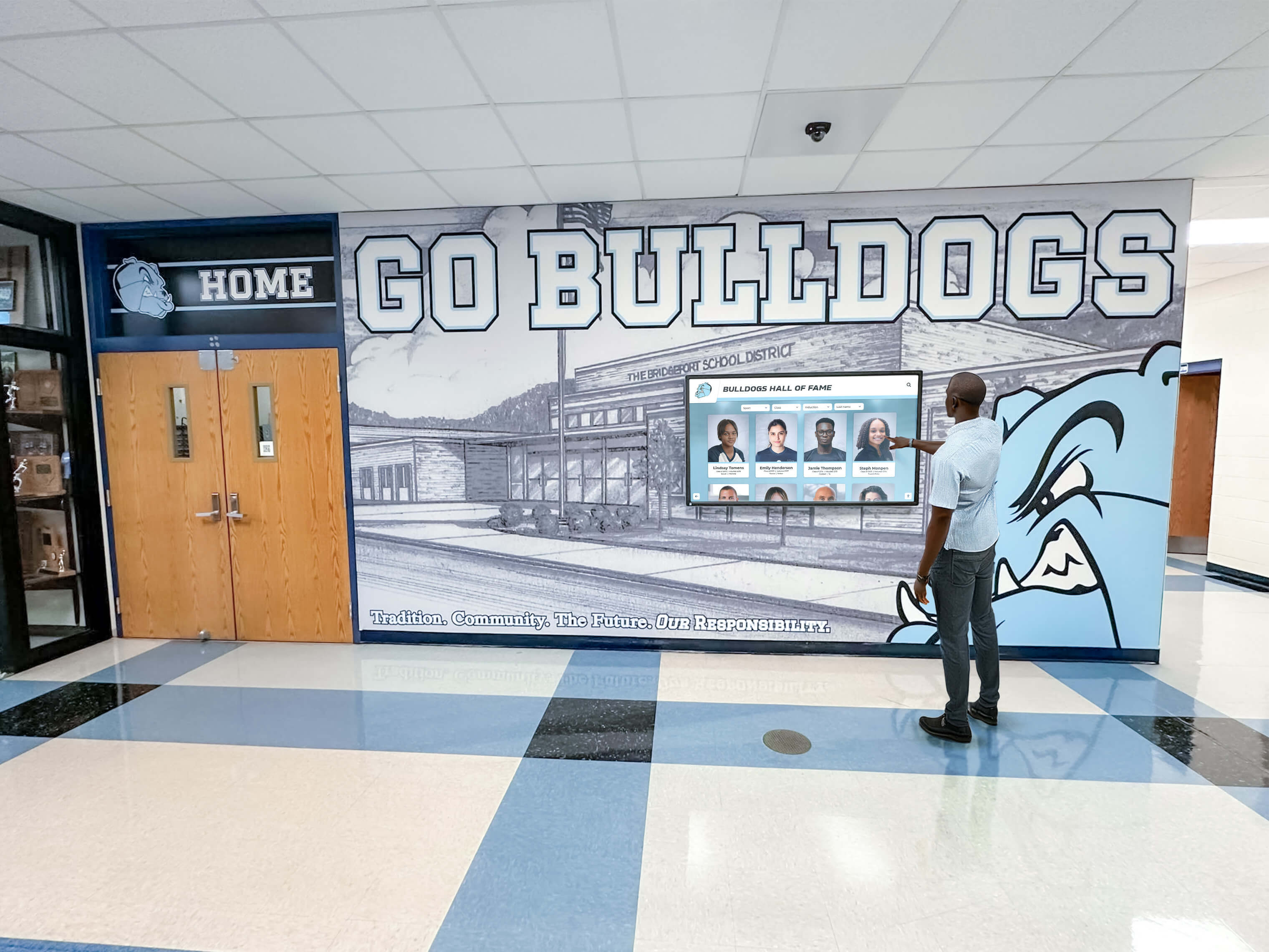
Digital Recognition Integration Celebrating athlete achievements within wellness spaces reinforces positive culture and motivates continued excellence. Digital athletic recognition displays showcase current records, honor scholarship recipients, highlight comeback stories from injury, and feature wellness program participation milestones.
The Science Behind Recovery and Wellness for Athletes
Understanding the physiological and psychological principles underlying athlete recovery helps programs design evidence-based wellness hubs that deliver measurable results.
Physical Recovery Science
Athletic performance creates stress on multiple body systems. Training stimulus tears muscle fibers microscopically, depletes energy stores, generates metabolic waste products, and places stress on connective tissues and joints. Recovery allows these systems to repair and adapt, becoming stronger through the process.
The Recovery Timeline Different physiological systems recover at varying rates:
- Neurological recovery: 6-24 hours (varies by intensity)
- Glycogen replenishment: 24-48 hours depending on carbohydrate intake
- Muscle protein synthesis peaks: 24-72 hours post-training
- Connective tissue recovery: 48-96 hours or longer
- Psychological recovery: highly individual, affected by stress levels and sleep quality
Effective recovery protocols address each of these timelines through targeted interventions. Cold water immersion reduces inflammation and muscle soreness when applied within hours of intense exercise. Active recovery sessions with low-intensity movement enhance blood flow and waste product removal. Compression therapy accelerates venous return and reduces delayed onset muscle soreness.
Blood Flow Restriction (BFR) therapy has emerged as what experts call “a game changer” for college athletes. Modern systems like the Delfi Personal Tourniquet System feature app-based controls and Bluetooth connectivity, allowing athletes to perform low-intensity exercises that generate strength and hypertrophy benefits comparable to high-intensity training, with significantly reduced joint stress and faster recovery times.
Mental Wellness and Performance
The psychological demands of competitive athletics extend beyond game-day pressure. Athletes face unique stressors including performance expectations from coaches, parents, and self; identity challenges when athletic performance defines self-worth; fear of injury or re-injury; academic pressures in student-athlete roles; and transition anxiety regarding athletic career endings.
NCAA research from 2023 found that 9% of male and 29% of female athletes experience overwhelming anxiety “constantly” or “most every day.” These statistics underscore the critical importance of proactive mental wellness programming rather than reactive crisis intervention.
Evidence-Based Mental Wellness Approaches
Cognitive Behavioral Therapy (CBT) techniques help athletes identify and reframe negative thought patterns that undermine performance. Mindfulness and meditation practices reduce anxiety, improve focus, and enhance present-moment awareness during competition. Visualization and mental rehearsal strengthen neural pathways associated with skilled movement. Peer support programs reduce isolation and normalize mental health conversations within team culture.
The University of Illinois Chicago’s Resilient Athlete Program specifically addresses the intersection of physical injury and mental health, recognizing that injured athletes face heightened risk of depression, anxiety, and identity crisis. Their integrated approach combines sports psychology with injury rehabilitation, producing better outcomes than either intervention alone.
Sleep: The Foundation of Recovery
Sleep represents perhaps the most powerful recovery tool available to athletes, yet it’s frequently undervalued. During sleep, the body releases growth hormone critical for tissue repair, consolidates motor learning and skill development, replenishes energy stores, regulates appetite and metabolism hormones, and strengthens immune function.
Research consistently demonstrates that athletes require more sleep than non-athletes—typically 9-10 hours nightly—due to increased physical and cognitive demands. Sleep debt accumulates when these needs aren’t met, resulting in decreased reaction time, impaired decision-making, increased injury risk, reduced immune function, and mood disturbances.
Comprehensive wellness hubs provide sleep education and create environments conducive to rest, including quiet spaces for between-practice naps, education on sleep hygiene practices, and resources addressing common sleep disruptors like blue light exposure and irregular schedules.
Designing Your Athlete Recovery & Wellness Hub
Creating an effective wellness hub requires thoughtful planning that considers your specific athletic program’s needs, available space, budget constraints, and institutional culture.
Space Planning and Layout Considerations
Location Selection The physical placement of your wellness hub significantly impacts utilization. Ideal locations include:
- Adjacent to training facilities for convenient access before and after practice
- Separate from high-traffic coaching offices to ensure privacy for mental health services
- Visible and accessible rather than hidden in basement or secondary buildings
- Near locker rooms but with distinct entrance for non-team members when appropriate
Even schools with limited square footage can create effective wellness spaces by strategically repurposing existing areas or using flexible, multi-purpose room designs.
Functional Zones Effective wellness hubs organize space into distinct functional zones:
- Active Recovery Zone: Equipment for movement-based recovery including foam rollers, stretch bands, yoga mats, and mobility tools
- Passive Recovery Zone: Modalities requiring stillness such as compression boots, ice baths, or massage chairs
- Private Consultation Space: Confidential areas for individual mental health sessions or injury assessments
- Education and Gathering Area: Flexible space for workshops, team meetings, or informal athlete gatherings
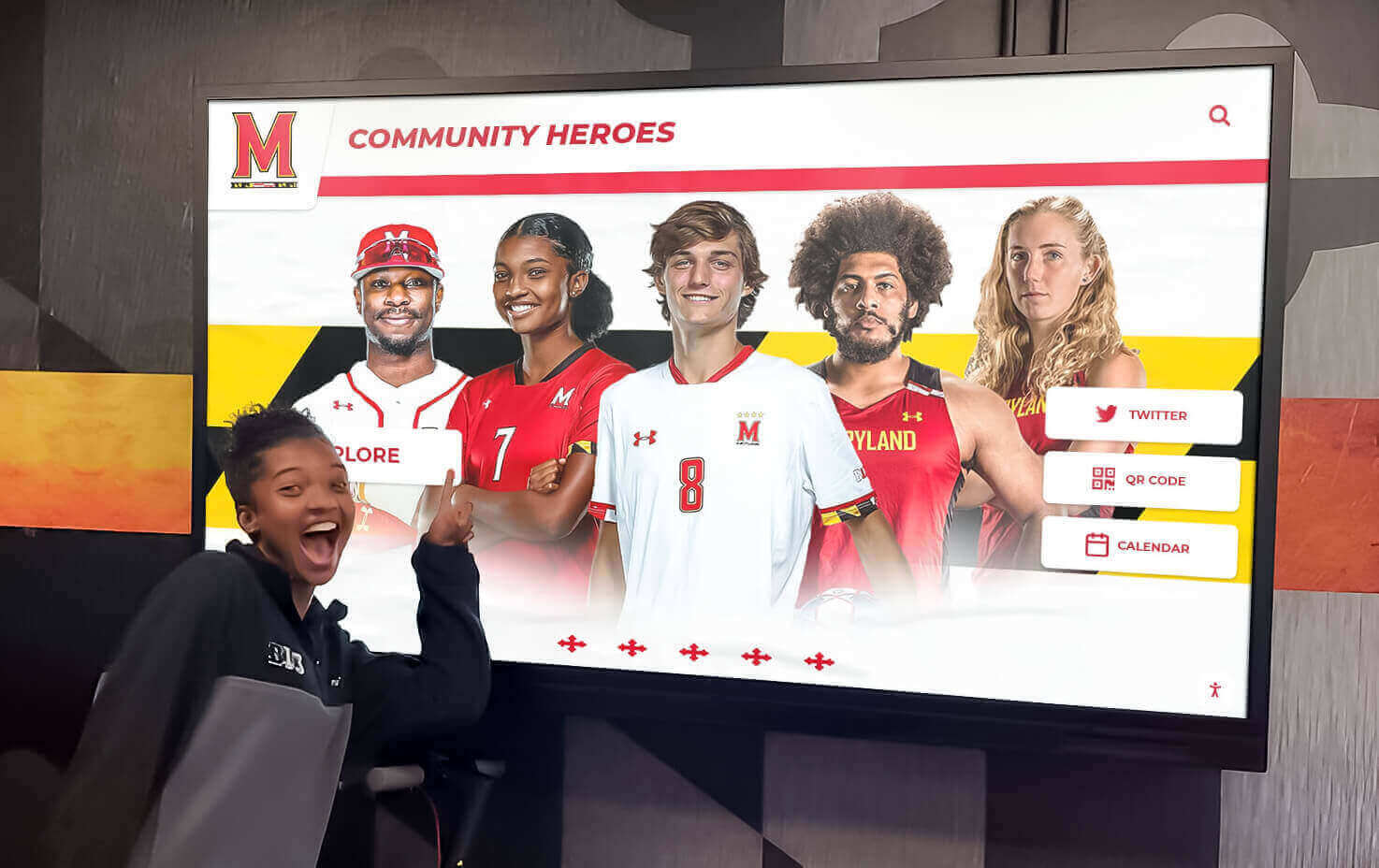
- Digital Recognition Display: Interactive touchscreen displays that celebrate achievements and program milestones
Equipment Selection Budget realities mean most programs must prioritize equipment investments. Consider these tiers:
Foundation Level (Entry Investment)
- Quality foam rollers, stretch bands, and mobility tools
- Ice bath station (can be as simple as chest freezers)
- Hot water therapy (portable hot tubs or shower modifications)
- Comfortable seating for mental wellness space
- Basic educational resources and reference materials
Intermediate Level (Growing Programs)
- Compression therapy systems (NormaTec or similar)
- Professional massage equipment
- Enhanced mental wellness resources including meditation apps and biofeedback tools
- Digital recognition displays showcasing athlete achievements
Advanced Level (Comprehensive Programs)
- Cryotherapy chambers
- Infrared sauna installations
- Underwater treadmills for rehabilitation
- Float tanks for sensory deprivation and deep relaxation
- Advanced biometric tracking and data integration systems
Schools like Clemson invested significantly in renovating their Athletic Performance & Wellness Center, completing construction in February 2025 with facilities including cryotherapy, sensory deprivation, Theralight, HydroMassage, hot and cold plunge pools, underwater treadmills, and custom lap pools. While this represents the high end of investment, the principles can be scaled to any budget level.
Staffing and Programming
Equipment alone doesn’t create culture. Effective wellness hubs require dedicated staff and structured programming.
Personnel Considerations
- Athletic Trainers: Medical professionals who oversee physical recovery protocols and injury management
- Mental Health Professionals: Licensed counselors or sports psychologists providing confidential support
- Strength and Conditioning Coaches: Experts who can guide active recovery and movement quality
- Wellness Coordinator: Dedicated staff member managing hub operations, scheduling, and programming
- Student Wellness Ambassadors: Peer leaders who promote utilization and model healthy practices
Budget constraints may mean staff members wear multiple hats or that certain services are scheduled rather than constantly available. The key is ensuring athletes know how to access resources when needed.
Programming and Scheduling
Structured programming ensures the wellness hub serves all athletes rather than only self-directed users:
- Mandatory orientation sessions for all athletes explaining available resources
- Regular workshop series rotating through key wellness topics
- Scheduled recovery sessions following particularly intense training periods
- Mental wellness check-ins at vulnerable times (exam periods, championship season, transition periods)
- Recognition ceremonies celebrating achievement milestones using digital display systems
Implementing Mental Wellness Programs
While physical recovery often receives more visible investment, mental wellness programming delivers equally critical performance and wellbeing benefits.
Creating Psychologically Safe Environments
Athletes will only utilize mental health resources if they trust confidentiality and feel free from stigma or performance consequences. Establishing psychological safety requires:
Clear Confidentiality Policies Athletes must understand that conversations with mental health professionals remain confidential except in cases of imminent danger. This separation from coaching staff and athletic performance evaluation is essential. Mental health sessions should be scheduled outside practice times and in private spaces where athletes won’t be observed entering or leaving.
Cultural Messaging from Leadership When coaches, athletic directors, and team captains openly discuss mental wellness and model help-seeking behavior, it normalizes these practices. Testimonials from successful athletes who have benefited from mental health support reduce stigma significantly.
Destigmatizing Language Framing mental wellness as performance optimization rather than “fixing problems” removes negative associations. Just as athletes work with strength coaches to improve physical performance, working with sports psychologists enhances mental performance.
Evidence-Based Mental Wellness Programming
Mindfulness and Meditation Training Regular mindfulness practice reduces anxiety, improves focus, and enhances recovery from both physical and psychological stress. Programs can include:
- Guided meditation sessions led by trained facilitators
- Mindfulness apps provided through team accounts
- Breathing exercises integrated into practice routines
- Pre-competition centering protocols
Performance Psychology Skills Sports psychologists teach specific mental skills that transfer directly to competitive performance:
- Goal-setting frameworks that create motivation while reducing anxiety
- Pre-performance routines that trigger optimal mental states
- Self-talk strategies that build confidence and resilience
- Imagery and visualization techniques that enhance motor learning
- Attention control training for maintaining focus under pressure
Peer Support Networks Organizations like Morgan’s Message have demonstrated the power of athlete-to-athlete mental health support. Structured peer support programs include:
- Team mental wellness ambassadors trained in active listening and resource referral
- Small group discussions where athletes share experiences and coping strategies
- Mentorship pairings between older and younger athletes
- Online communities for athletes to connect around wellness topics
Injury Recovery Support Programs like the Resilient Athlete Program recognize that injured athletes face unique psychological challenges including loss of identity and purpose, fear of re-injury, isolation from team, frustration with recovery timelines, and anxiety about performance upon return.
Comprehensive support during injury combines physical rehabilitation with psychological intervention, producing better outcomes and reducing dropout rates among injured athletes.
Measuring Mental Wellness Program Effectiveness
Unlike physical performance metrics, mental wellness outcomes require different assessment approaches. Consider tracking:
- Utilization rates of mental health services
- Anonymous satisfaction surveys regarding support quality
- Team cohesion and culture assessments
- Academic performance indicators
- Athlete retention rates
- Injury rates (which increase with psychological stress)
- Self-reported wellbeing measures using validated instruments
These data points help programs allocate resources effectively and demonstrate the value of mental wellness investments to administrators and funding sources.
Digital Recognition as Wellness Culture Builder
Recognition of athletic achievement serves psychological needs that directly support wellness. When athletes see their accomplishments celebrated, it validates effort, reinforces identity, motivates continued excellence, builds community connection, and creates positive associations with the athletic program.
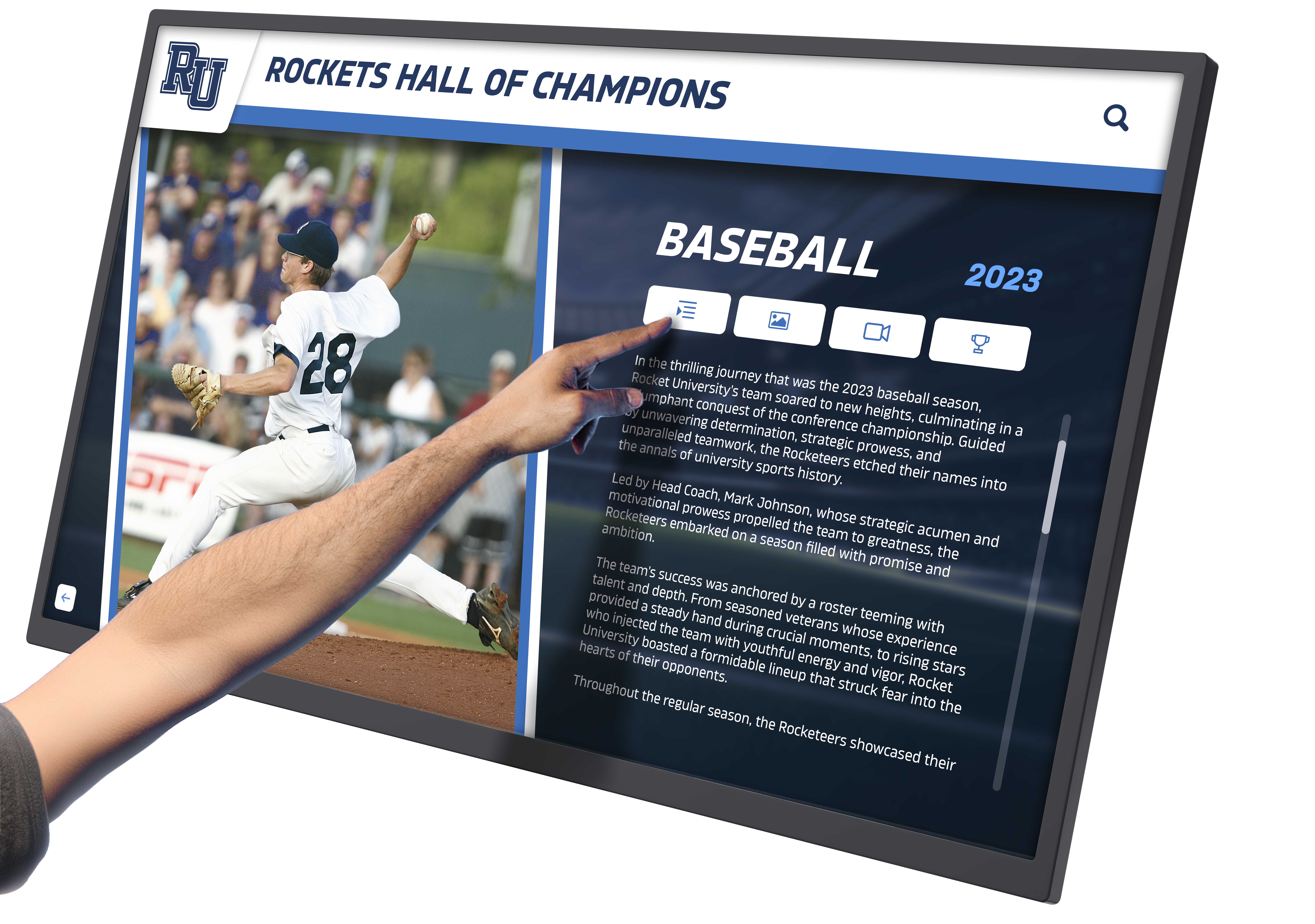
Integrating digital recognition displays within wellness hubs serves multiple functions beyond simple achievement celebration.
Recognition Types That Support Wellness Culture
Performance Milestones Traditional athletic recognition celebrates competitive achievements: championship wins, record-breaking performances, all-conference selections, and scholarship awards. These remain important, but comprehensive recognition extends beyond pure competitive outcomes.
Wellness Participation Recognition Highlighting athletes who consistently utilize recovery resources, attend mental wellness workshops, demonstrate improved sleep habits, or show leadership in team wellness initiatives reinforces that these behaviors are valued equally with competitive performance. This messaging is particularly powerful when displayed prominently within athletic facilities.
Comeback and Resilience Stories Athletes who overcome significant injuries, navigate mental health challenges, or persist through adversity deserve recognition for their resilience. These stories inspire others facing similar challenges and normalize the non-linear nature of athletic careers.
Community and Leadership Contributions Recognizing athletes for mentorship, community service, academic achievement, and character demonstrates that athletic programs value whole-person development, not just on-field performance.
Inclusive Recognition Structures Traditional recognition often focuses on varsity letter-winners or championship teams, inadvertently creating hierarchies. Comprehensive recognition celebrates practice squad members, team managers, student trainers, and others who contribute to program success. This inclusivity strengthens culture and supports mental wellness by ensuring all participants feel valued.
Digital Display Benefits in Wellness Spaces
Physical plaques and trophy cases are static and space-limited. Digital recognition systems offer distinct advantages in wellness hub contexts:
Dynamic, Current Content Digital displays update easily to reflect recent achievements, ensuring recognition feels immediate and relevant rather than historical. When athletes see last week’s accomplishments celebrated, it creates stronger motivational impact than viewing achievements from years past.
Multimedia Storytelling Beyond names and photos, digital systems can feature video highlights, athlete testimonials, comeback stories, and visual progress tracking. These richer narratives create emotional connections and provide more complete representations of athlete journeys.
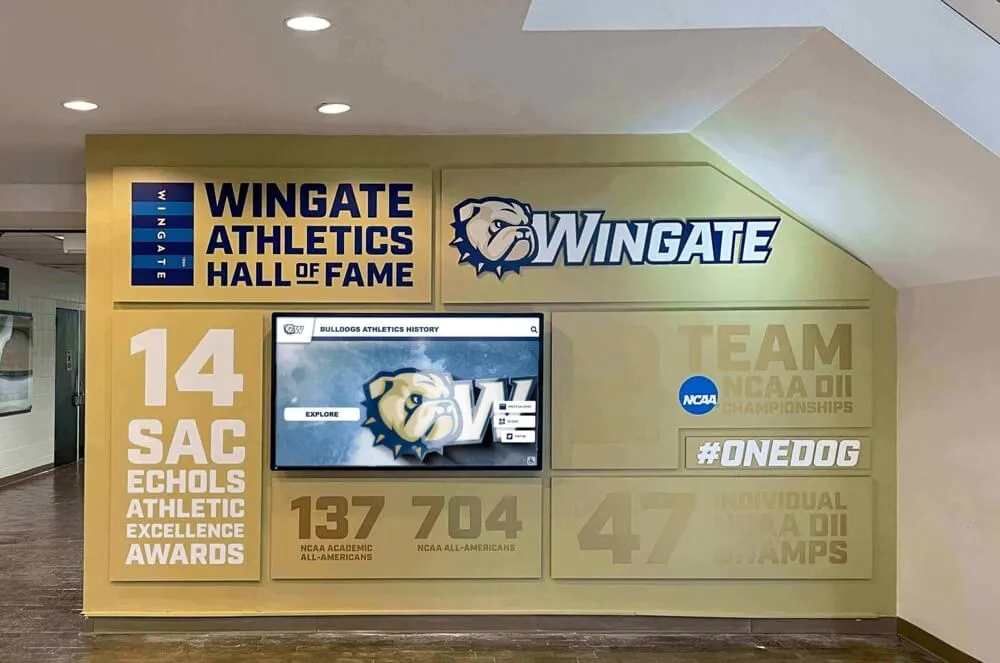
Searchable, Accessible Archives Athletes can search for themselves, teammates, or predecessors, exploring program history and drawing inspiration from those who came before. This connection to legacy supports identity formation and program pride.
Space Efficiency A single digital display can showcase thousands of athletes and achievements that would require entire hallways of traditional plaques. This efficiency is particularly valuable in space-constrained facilities.
Accessibility Features Digital systems accommodate diverse user needs through text size adjustment, audio narration, high-contrast viewing modes, and multilingual content presentation. These features ensure all athletes can engage with recognition regardless of ability or background.
Schools implementing digital halls of fame report higher engagement with recognition content, more equitable celebration of diverse achievements, and stronger connections between current athletes and program history.
Funding Your Athlete Recovery & Wellness Hub
The perception that comprehensive wellness hubs require six-figure budgets prevents many schools from pursuing these programs. While elite facilities do exist, effective wellness hubs can be created at various investment levels through strategic planning and creative funding approaches.
Budget-Conscious Implementation Strategies
Phased Development Approach Rather than delaying implementation until full funding is secured, successful programs often launch with foundational elements and expand over time:
- Phase 1: Basic recovery equipment, educational programming, and designated wellness space
- Phase 2: Enhanced recovery modalities and professional mental health services
- Phase 3: Advanced equipment and comprehensive digital recognition systems
This approach generates early wins that build support and demonstrate value for subsequent funding requests.
Prioritizing High-Impact, Lower-Cost Investments Not all wellness interventions require expensive equipment. These relatively low-cost, high-impact options create immediate value:
- Quality foam rollers, bands, and mobility tools ($500-$2,000)
- Ice bath stations using repurposed freezers ($300-$800)
- Mental wellness education workshops using existing staff expertise ($0 if internal)
- Sleep hygiene education programs (minimal cost)
- Digital recognition displays starting at accessible price points
Equipment Partnerships and Donations Many equipment manufacturers offer educational discounts or donation programs for schools. Local businesses may sponsor specific wellness hub components in exchange for naming rights or community recognition. Alumni with relevant businesses might provide equipment at reduced costs or as donations.
Fundraising and Grants
Donor Campaigns Wellness hubs represent attractive fundraising opportunities because they support athlete wellbeing—a compelling message for potential donors. Consider:
- Naming opportunities for the overall wellness hub or specific zones within it
- Memorial funds honoring former athletes or coaches
- Class reunion giving campaigns focused on wellness initiatives
- Corporate partnerships with healthcare providers or wellness brands
- Crowdfunding campaigns targeting parents, alumni, and community members
Grant Opportunities Several funding sources specifically support athlete wellness initiatives:
- Women’s Sports Foundation: Athlete Recovery and Care Commitment Grant supports mental health and wellness programming for female athletes
- NCAA Grants: Various NCAA programs fund mental health initiatives and innovative wellness approaches
- State Athletic Associations: Many state high school athletic associations offer wellness program grants
- Healthcare Foundations: Local hospital foundations often fund youth wellness and injury prevention initiatives
- Community Foundations: Local foundations may prioritize youth health and wellness in their funding priorities
Budget Allocation Strategies Schools with limited discretionary funds can reallocate existing budgets to prioritize wellness:
- Shifting equipment spending toward recovery modalities rather than purely training-focused purchases
- Incorporating mental wellness professionals into existing athletic training budgets
- Partnering with school counseling departments to extend services to athletes
- Using student fees or activity funds to support wellness programming
Return on Investment
While wellness hub investments require upfront capital, they generate returns through multiple mechanisms:
Injury Prevention and Reduction Proactive recovery and wellness programming reduces injury incidence. Since athletic injuries cost schools money through medical expenses, liability, and lost athlete development, prevention delivers direct financial returns. Schools implementing comprehensive recovery programs report 15-30% reductions in non-contact injury rates.
Athlete Retention and Recruitment Quality wellness programs improve athlete satisfaction and reduce burnout-related departures. Additionally, prospective student-athletes increasingly evaluate wellness resources when choosing schools, particularly at the college level where comprehensive support systems differentiate programs.
Academic Performance Athletes with better physical recovery and mental wellness demonstrate improved academic performance. Since academic struggles can make athletes ineligible, wellness support protects both the individual and program investment in athlete development.
Reduced Liability and Risk Proactive mental health support and injury prevention reduces institutional liability exposure from lawsuits related to athlete harm. While difficult to quantify, this risk mitigation delivers real value.
Fundraising and Alumni Engagement Wellness hubs create compelling storytelling for development efforts. When schools demonstrate comprehensive commitment to athlete wellbeing, it strengthens relationships with donors, particularly parents and alumni with personal connections to athletics. Digital recognition systems within wellness hubs also provide donor recognition opportunities that support ongoing fundraising.
Implementation Approaches: Wellness Hubs Across Different Settings
Understanding how different types of institutions implement athlete recovery and wellness hubs provides practical insights applicable across various contexts and budget levels.
High School Implementation: Comprehensive Care on a Budget
High schools with limited budgets can create effective wellness hubs by starting small and expanding over time. Common approaches include repurposing existing spaces within athletic training rooms, installing basic recovery equipment like foam rollers, stretch bands, and ice bath stations, partnering with school counseling departments to extend mental health services to athletes, creating educational programming delivered by coaching staff and athletic trainers, and implementing digital recognition displays that celebrate diverse athletic achievements.
Many high schools fund initial wellness hub development through combinations of booster club contributions, parent association grants, and reallocation of existing equipment budgets. Entry-level implementations typically range from $8,000-$15,000 for basic equipment and digital recognition systems.
Schools that implement wellness hubs commonly report increased athletic training room utilization for proactive wellness rather than reactive injury treatment, improvements in athlete mental wellness during high-stress periods, stronger team culture based on end-of-season surveys, and enhanced athlete engagement when achievements are recognized through digital systems.
Successful initial implementations often generate support for expansion phases including compression therapy equipment and enhanced mental health service hours.
College Program: Research-Driven Wellness Integration
Clemson University’s Athletic Performance & Wellness Center represents comprehensive wellness hub implementation at the Division I level. Their facility, which completed renovations in February 2025, features:
- Nine distinct recovery modalities including cryotherapy, infrared sauna, float tanks, and HydroMassage
- Hydrotherapy zone with hot and cold plunge pools, underwater treadmill, and lap pool
- Dedicated mental wellness spaces separate from performance evaluation areas
- Educational programming integrated into athlete development curriculum
- Comprehensive data tracking linking wellness utilization to performance outcomes
While this level of investment exceeds most institutional budgets, the principles underlying Clemson’s approach apply universally: diverse recovery modalities addressing different physiological systems, separation of mental wellness from performance contexts, integration of education with equipment, and data-driven assessment of program effectiveness.
Community College Model: Partnership-Based Approach
Community colleges with limited capital budgets can create effective wellness hubs through strategic community partnerships. Successful approaches include partnerships with local physical therapy clinics that may provide donated recovery equipment and professional services at reduced rates, collaborations with regional sports psychology practices offering group workshops and individual consultations, joint programming with campus counseling centers to extend mental health services to athletes, alumni fundraising campaigns specifically supporting wellness initiatives, and digital recognition systems celebrating both athletic achievement and academic success to reinforce the student-athlete identity.
Partnership-based models can enable comprehensive services without requiring significant institutional capital investment, demonstrating that creative relationship-building and community engagement can overcome budget constraints at institutions of all sizes.
Creating Wellness Hub Culture: Beyond Facilities and Equipment
The most well-equipped wellness hub fails if athletes don’t utilize it. Creating culture where recovery and mental wellness are valued equally with training requires intentional messaging, leadership modeling, and systematic integration.
Cultural Messaging and Leadership
Coaching Staff Buy-In Coaches wield tremendous influence over athlete behavior and attitudes. When coaches speak positively about recovery, schedule practice around wellness programming, and ask about athlete mental health, it normalizes these practices. Conversely, when coaches minimize wellness needs or create cultures where athletes fear being perceived as “soft,” even the best facilities go underutilized.
Effective wellness hub implementation includes coach education addressing:
- The performance benefits of proper recovery and mental wellness
- How to recognize signs of inadequate recovery or mental health struggles
- Communication strategies that encourage help-seeking behavior
- Integration of wellness into practice planning and periodization
Athlete Leadership and Peer Modeling When team captains and respected athletes openly utilize wellness resources, it influences peer behavior more than administrative messaging. Programs can leverage this through:
- Athlete wellness ambassador programs training team leaders in basic mental health literacy and resource referral
- Testimonial campaigns featuring successful athletes discussing their wellness practices
- Team recognition for collective wellness participation goals
- Digital display features highlighting athlete leaders who model comprehensive wellness practices
Systematic Integration into Programming
Mandatory vs. Optional Utilization Programs balance different approaches to wellness hub utilization. Some mandate minimum recovery session participation or require mental health check-ins at specific points in the season. Others create entirely voluntary systems emphasizing athlete autonomy.
Effective approaches often combine elements of both:
- Mandatory education and orientation ensuring all athletes understand available resources
- Structured recovery protocols following particularly intense training periods or competitions
- Optional drop-in hours for self-directed wellness practices
- Required check-ins during vulnerable periods (return from injury, exam weeks, championship season)
Data Integration and Tracking Modern wellness hubs increasingly incorporate technology tracking utilization patterns and correlating wellness practices with performance outcomes. This data serves multiple purposes:
- Identifying athletes who underutilize resources and may need additional encouragement
- Demonstrating relationships between recovery practices and performance metrics
- Supporting funding requests with evidence of program effectiveness
- Personalizing wellness recommendations based on individual patterns and needs
Scheduling and Accessibility Even highly motivated athletes will underutilize wellness resources if access requires significant scheduling obstacles. Effective implementation addresses practical barriers:
- Wellness hub hours extending beyond standard training times
- Scheduling that accommodates athletes’ academic obligations
- Online booking systems simplifying appointment setting
- Flexible drop-in options requiring no advance scheduling
- Transportation solutions if wellness facilities are not co-located with training areas
Assessment and Continuous Improvement
Effective wellness hubs evolve based on utilization data, athlete feedback, and emerging best practices in sports science and mental health.
Key Metrics to Track
- Utilization Rates: Overall wellness hub visits and participation in specific modalities or programs
- Demographic Analysis: Ensuring all athlete populations utilize resources equitably across gender, sport, and class year
- Satisfaction Measures: Anonymous surveys assessing athlete perceptions of wellness resources
- Outcome Indicators: Injury rates, academic performance, retention, and self-reported wellbeing
- Cultural Indicators: Team cohesion measures and psychological safety assessments
Feedback Mechanisms
- Regular athlete surveys (anonymous to encourage honest feedback)
- Focus groups with team representatives
- Exit interviews with departing athletes
- Coach and staff observations
- Advisory committees including athlete representatives
Adaptation and Evolution
The most effective wellness hubs demonstrate flexibility, adjusting programming based on athlete needs, emerging research, and resource availability. This might include:
- Adding recovery modalities based on athlete requests and research evidence
- Adjusting programming schedules to improve participation
- Expanding mental health services in response to increased demand
- Updating educational content to address current athlete concerns
- Enhancing digital recognition systems to celebrate evolving program priorities
Future Trends in Athlete Recovery & Wellness
As sports science advances and cultural attitudes toward athlete wellbeing evolve, wellness hub designs and programming continue to develop. Several emerging trends are shaping the future of athlete recovery and wellness.
Personalization Through Technology
One-size-fits-all recovery protocols are giving way to personalized approaches based on individual athlete data. Wearable technology tracking sleep quality, heart rate variability, training load, and recovery status enables customized recommendations. Advanced systems integrate data from multiple sources providing comprehensive athlete monitoring and personalized recovery prescriptions.
Mental Wellness Destigmatization
Cultural shifts continue normalizing mental health support for athletes. Younger generations of athletes expect comprehensive mental wellness resources similar to physical training support. This generational change, combined with high-profile athletes openly discussing mental health, accelerates the evolution from reactive crisis intervention to proactive wellness programming.
Programs increasingly integrate mental skills training into standard athletic development rather than treating it as supplementary. Just as strength and conditioning are non-negotiable elements of modern athletic programs, mental performance training is becoming standard practice.
Recovery Technology Advances
Emerging technologies are expanding available recovery modalities:
- Blood Flow Restriction (BFR) Training: Already identified as a “game changer,” BFR technology continues advancing with more sophisticated, user-friendly systems featuring app-based controls and Bluetooth connectivity
- Neuromuscular Electrical Stimulation (NMES): Enhanced devices accelerating recovery and maintaining muscle activation during injury rehabilitation
- Artificial Intelligence Applications: AI systems analyzing athlete data to predict injury risk, optimal recovery timing, and personalized intervention recommendations
- Virtual Reality Integration: VR technology supporting mental rehearsal, pain management during rehabilitation, and immersive relaxation experiences
Holistic Wellness Integration
The artificial boundary between “athletic” wellness and general health is dissolving. Comprehensive programs address nutrition beyond performance fueling, sleep as foundational to all health outcomes, social connection and community building, life skills development, and career preparation for life after competitive athletics.
This holistic approach recognizes that supporting athletes’ comprehensive wellbeing produces better athletic outcomes than narrow focus on performance optimization alone.
Accessibility and Inclusion Emphasis
Future wellness hubs will increasingly prioritize accessibility ensuring all athletes benefit regardless of ability, background, or identity. This includes:
- Physical accessibility meeting ADA standards and accommodating diverse mobility needs
- Financial accessibility through funding models that don’t create socioeconomic barriers
- Cultural accessibility with programming relevant to diverse athlete populations
- Language accessibility for multilingual athlete communities
- Neurodiversity accommodations recognizing varied cognitive processing and sensory needs
Data Privacy and Ethics
As technology integration increases, ethical questions around athlete data become more prominent. Programs must balance the benefits of comprehensive monitoring with athlete privacy rights, consent practices, and appropriate data usage. Future wellness hub policies will need clear frameworks addressing data ownership, access rights, and protection from misuse.
Conclusion: Building Culture Through Comprehensive Wellness
Creating an athlete recovery and wellness hub represents more than facility development—it demonstrates institutional commitment to supporting whole-person athlete development. When schools invest in comprehensive wellness infrastructure, they communicate that athlete wellbeing matters beyond competitive outcomes.
Effective wellness hubs combine physical recovery modalities, mental health resources, educational programming, and recognition systems that celebrate diverse achievements. They create spaces where athletes develop healthy habits that extend beyond their competitive careers while receiving support for the unique challenges of athletic participation.
Whether your program begins with basic equipment in a repurposed space or implements a comprehensive facility with advanced technology, the principles remain consistent: prioritize accessibility, integrate multiple wellness dimensions, create psychologically safe environments, measure effectiveness and adapt, and celebrate the full range of athlete achievements through systems like digital recognition displays.
As participation in scholastic athletics continues growing—now reaching 7.8 million high school students—and awareness of athlete mental health needs increases, comprehensive wellness programming transforms from luxury to necessity. Programs that prioritize athlete recovery and wellness will not only see performance benefits but will cultivate healthier, more resilient individuals prepared for success beyond athletics.
The investment in athlete wellness infrastructure pays dividends in injury prevention, performance optimization, academic success, and lifelong health habits. More importantly, it demonstrates to young athletes that their worth extends beyond competitive results and that seeking support represents strength rather than weakness.
Begin your wellness hub development by assessing your current resources, identifying priority needs through athlete input, and taking the first step—whether that’s designating a wellness space, adding basic recovery equipment, partnering with mental health professionals, or implementing a digital recognition system that celebrates comprehensive athlete achievement. Every program can create wellness culture regardless of budget or facility constraints.
Your athletes deserve comprehensive support. The question is not whether to invest in wellness infrastructure, but how to begin building systems that will support athlete wellbeing for generations to come.































