Landing an athletic director position represents the culmination of years of coaching experience, administrative learning, and professional development. Yet even the most qualified candidates can struggle in interviews if they haven’t prepared for the unique questions athletic director search committees ask to assess leadership philosophy, crisis management skills, compliance knowledge, and strategic vision.
Athletic director interviews differ significantly from standard educational administration interviews. While general leadership competencies matter, search committees probe deeply into sport-specific scenarios, Title IX compliance understanding, budget management expertise, and your philosophy about balancing competitive excellence with educational mission. They want to know how you’ll handle the parent who questions playing time decisions at 10 PM on a Friday night, what you’ll do when you discover an eligibility violation hours before championship competition, and how you’ll rebuild a struggling program while maintaining support for successful ones.
This comprehensive guide presents 25+ essential athletic director interview questions organized by category, with strategic guidance on how to frame compelling responses that demonstrate your readiness for this complex, multifaceted leadership role.
Understanding the Athletic Director Interview Process
Before diving into specific questions, understanding what search committees seek helps you frame responses strategically.
What Search Committees Look For
Athletic director search committees typically include school administrators, current coaches, board members, and sometimes community representatives or students. They’re evaluating candidates across multiple dimensions:
Leadership Philosophy: How you articulate your vision for athletic programs, define success beyond win-loss records, and balance competing priorities between competitive excellence and educational mission.
Practical Experience: Evidence that you’ve managed complex situations—budget challenges, personnel issues, compliance concerns, facility crises—and can apply those lessons to new contexts.
Communication Skills: Your ability to explain complex ideas clearly, listen actively, build consensus, and navigate difficult conversations with diverse stakeholders.
Cultural Fit: Whether your values, working style, and priorities align with institutional culture and community expectations.
Problem-Solving Ability: How you approach challenges systematically, gather information, consider multiple perspectives, and make sound decisions under pressure.

Interview Format Expectations
Athletic director interviews typically span 1-3 rounds:
Initial Screening: Phone or video interviews lasting 30-45 minutes covering basic qualifications, experience, salary expectations, and preliminary fit assessment.
First Round: In-person interviews lasting 1-2 hours with primary search committee members, covering prepared questions about experience, philosophy, and scenario responses.
Final Round: Extended sessions including facility tours, meetings with coaching staff, presentations to broader stakeholder groups, and deeper exploration of specific institutional challenges.
Some districts conduct “assessment center” interviews where candidates participate in simulated scenarios—budget presentations, parent conflict resolution, coaching evaluation conversations—allowing committees to observe skills in realistic contexts.
Leadership Philosophy and Vision Questions
Search committees begin with broad questions assessing your overall approach to athletic administration.
Question 1: “What is your philosophy about the role athletics should play in education?”
What They’re Really Asking: Do you view athletics primarily as competitive entertainment, character development vehicle, or community engagement tool? How do you balance winning with broader educational objectives?
Strong Response Framework:
- Articulate clear philosophy positioning athletics as educational extension, not separate from academic mission
- Acknowledge competitive excellence matters while emphasizing development of life skills—discipline, resilience, teamwork, leadership
- Provide specific examples of how you’ve implemented this philosophy in previous roles
- Connect your philosophy to the institution’s stated values and mission
Sample Response Opening: “I believe athletic programs serve their greatest purpose when they function as laboratories for character development and life skill acquisition. While competitive success matters and creates engagement, the lasting value comes from teaching young people lessons about perseverance through adversity, commitment to team goals, and pursuing excellence in all endeavors—lessons that transfer directly to academic, career, and personal success long after their playing days end.”
Question 2: “Where do you see our athletic program in five years?”
What They’re Really Asking: Can you think strategically beyond immediate operations? Do you understand our current challenges? Are your ambitions realistic?
Strong Response Framework:
- Demonstrate you’ve researched their program—current competitive standings, recent changes, facility conditions, community expectations
- Identify 2-3 specific priorities you’d emphasize (could include competitive improvement in certain sports, facility enhancements, recognition system modernization, culture development, participation growth)
- Balance ambitious vision with realistic assessment of resources and timeframes
- Connect goals to institutional priorities and community values
Question 3: “How do you define success for an athletic director?”
What They’re Really Asking: What metrics do you value? How do you balance competitive success, student development, community satisfaction, and operational excellence?
Strong Response Framework:
- Present multidimensional success framework extending beyond win-loss records
- Include measurable elements: participation rates, academic performance of athletes, safety record, compliance track record, budget discipline
- Address qualitative factors: program culture, community engagement, coach development, student-athlete growth
- Acknowledge competitive success matters while positioning it within broader context
Key Points to Address:
- Student-athlete development and growth beyond sport
- Program sustainability and operational excellence
- Positive community engagement and stakeholder satisfaction
- Competitive achievement appropriate to resources and context
- Equity and inclusion across all programs
Question 4: “What attracted you to this specific athletic director position?”
What They’re Really Asking: Did you do your homework? Are you genuinely interested or just seeking any AD position? Will you stay if hired?
Strong Response Framework:
- Reference specific aspects of their program, institution, or community that genuinely appeal to you
- Connect their strengths or challenges to your experience and capabilities
- Demonstrate knowledge of their athletic program, competitive conference, recent developments
- Show enthusiasm without appearing desperate or insincere
Avoid:
- Generic responses applicable to any position
- Focusing solely on compensation or proximity to family
- Criticizing their current program or leadership
- Suggesting this is a “stepping stone” to positions you really want
Budget and Financial Management Questions
Financial stewardship represents a critical athletic director competency, so expect detailed budget questions.
Question 5: “Describe your experience developing and managing athletic department budgets.”
What They’re Really Asking: Have you actually managed budgets or just spent allocated funds? Can you think strategically about resource allocation? Do you understand financial accountability?
Strong Response Framework:
- Specify budget sizes you’ve managed, number of programs overseen, and your level of autonomy
- Describe budget development process you’ve used—gathering input from coaches, analyzing historical data, projecting revenue, making allocation decisions
- Provide specific example of difficult budget decision you made and rationale behind it
- Demonstrate understanding of budget monitoring, variance analysis, and mid-year adjustments
- Show you can communicate financial information to non-financial stakeholders
Question 6: “How would you address a situation where projected revenue falls short of budget needs?”
What They’re Really Asking: Can you make difficult decisions? Do you understand multiple funding strategies? Will you advocate for needed resources or just accept cuts?
Strong Response Framework:
- Acknowledge this scenario occurs regularly in athletic administration
- Present systematic approach: analyze variance causes, identify essential versus discretionary spending, explore revenue enhancement opportunities, determine where cuts cause least harm
- Balance cost reduction with revenue generation strategies
- Emphasize transparent communication with affected stakeholders
- Discuss criteria for deciding which programs or expenditures to reduce
Revenue Enhancement Strategies to Mention:
- Fundraising and sponsorship development
- Facility rental to community organizations
- Summer camp programs
- Gate receipt optimization through promotion and pricing strategies
- Grant applications for specific initiatives
Question 7: “How do you ensure Title IX compliance within budget constraints?”
What They’re Really Asking: Do you understand Title IX isn’t optional regardless of budget challenges? Can you navigate equity requirements while managing limited resources?
Strong Response Framework:
- Demonstrate clear understanding that Title IX compliance is non-negotiable legal requirement
- Explain three-part test and how you monitor compliance
- Describe how you’ve balanced equity requirements with resource limitations
- Provide example of how you’ve allocated resources to improve equity
- Show you view equity as programmatic strength, not just compliance burden
Personnel Management and Leadership Questions
Athletic directors succeed or fail largely based on their ability to hire, develop, and when necessary, address performance issues with coaching staff.
Question 8: “Walk me through your process for hiring a new head coach.”
What They’re Really Asking: Do you have systematic hiring approach or make gut-level decisions? What qualities do you prioritize? How do you involve stakeholders appropriately?
Strong Response Framework:
- Outline clear hiring process with defined steps and timeline
- Describe how you develop position description and ideal candidate profile
- Explain stakeholder involvement—who provides input, who makes final decision
- Detail evaluation criteria balancing technical sport knowledge, teaching ability, character, and cultural fit
- Discuss interview questions and reference checking process
- Address how you check backgrounds and verify certifications
Process Steps to Include:
- Needs assessment and position definition
- Application review and initial screening
- Structured interviews with consistent questions
- Reference checking and background screening
- Final selection and contract negotiation
Question 9: “How do you evaluate coaching performance?”
What They’re Really Asking: Do you use objective criteria or just win-loss records? Can you have difficult conversations? Will you hold coaches accountable?
Strong Response Framework:
- Present multifaceted evaluation framework extending beyond competitive results
- Describe both formal evaluation process (written assessments, scheduled conferences) and informal ongoing feedback
- Balance objective metrics (win-loss record, player retention, academic performance) with qualitative observations (teaching effectiveness, relationships with athletes, sportsmanship)
- Explain how you differentiate between rebuilding situations requiring patience and chronic underperformance requiring intervention
- Demonstrate you can deliver both positive reinforcement and constructive criticism
Evaluation Criteria to Discuss:
- Competitive success relative to resources and context
- Student-athlete development and retention
- Academic performance of athletes
- Compliance with rules and policies
- Sportsmanship and program culture
- Communication with families and stakeholders
- Professional development and growth
Question 10: “Tell me about a time you had to address a coaching performance issue.”
What They’re Really Asking: Will you avoid difficult conversations? Can you document concerns appropriately? Do you follow proper procedures while supporting improvement?
Strong Response Framework:
- Choose example showing you address issues directly rather than avoiding confrontation
- Describe how you gathered information before jumping to conclusions
- Explain conversation approach—specific behaviors observed, impact on program, expectations for improvement
- Detail support provided to help coach succeed
- If applicable, discuss when improvement occurred or when you had to make non-renewal decision
- Emphasize fair process, clear communication, and documentation
Question 11: “How do you handle conflicts between coaches competing for limited resources?”
What They’re Really Asking: Can you mediate disputes? Do you have allocation criteria or play favorites? Will coaches respect your decisions?
Strong Response Framework:
- Acknowledge resource competition is inevitable reality of athletic administration
- Describe transparent allocation criteria you use—safety requirements, equity obligations, competitive needs, facility conditions, enrollment numbers
- Explain how you gather input from coaches while maintaining final decision authority
- Provide example of allocation decision that disappointed a coach and how you maintained relationship
- Emphasize treating all programs with respect even when resources flow unevenly
Compliance and Legal Knowledge Questions
Athletic directors navigate complex regulatory environments, making compliance knowledge essential.
Question 12: “What experience do you have with Title IX compliance?”
What They’re Really Asking: Do you actually understand Title IX beyond basic awareness? Have you conducted compliance assessments? Can you recognize potential violations?
Strong Response Framework:
- Demonstrate understanding of three-part test (participation opportunities, scholarship allocation, other benefits and services)
- Describe specific compliance responsibilities you’ve held—participation counting, roster verification, equity assessments
- Provide example of how you’ve addressed equity concern or improved compliance
- Show you view Title IX proactively as program quality issue, not just reactive legal compliance
- If you’ve worked with OCR investigations or compliance reviews, mention that experience
Key Compliance Areas to Mention:
- Participation opportunities proportionate to enrollment
- Equipment and supplies quality and availability
- Scheduling of games and practice times
- Travel and per diem allowances
- Coaching compensation and support
- Locker rooms and practice facilities
- Medical and training services
Question 13: “How do you stay current with changing eligibility rules and regulations?”
What They’re Really Asking: Will you prioritize ongoing professional learning? Do you understand rules knowledge isn’t static? What resources do you use?
Strong Response Framework:
- List specific resources you use—state association communications, conference meetings, NIAAA or NACDA publications, professional conferences
- Describe systematic approach to reviewing rule changes and communicating updates to coaches
- Provide example of recent rule change you implemented and how you educated stakeholders
- Demonstrate you view compliance as ongoing responsibility requiring continuous learning
- Mention professional development activities you’ve completed
Question 14: “What would you do if you discovered an eligibility violation hours before a championship game?”
What They’re Really Asking: Will you prioritize doing the right thing over competitive advantage? Do you understand proper violation reporting? Can you make difficult decisions under pressure?
Strong Response Framework:
- State clearly you would immediately declare player ineligible regardless of competitive impact
- Describe systematic approach: verify facts, consult rules interpretations, notify appropriate parties (administration, coach, officials, governing body)
- Explain how you’d communicate decision to affected stakeholders—athlete, family, team, community
- Discuss how you’d investigate how violation occurred and implement safeguards preventing future occurrences
- Acknowledge decision would be difficult but emphasize integrity cannot be compromised
This question has no “good” answer that preserves competitive advantage—committees want to see you’ll do the right thing even when it hurts.
Question 15: “Describe your understanding of concussion protocols and return-to-play procedures.”
What They’re Really Asking: Do you take athlete safety seriously? Will you resist pressure to clear athletes prematurely? Do you know current protocols?
Strong Response Framework:
- Demonstrate knowledge of state concussion laws and governing body requirements
- Describe multi-step return-to-play progression requiring medical clearance
- Explain how you educate coaches about recognizing concussion symptoms and removal-from-play requirements
- Provide example of situation where you maintained athlete out of competition despite pressure to clear them
- Discuss how you communicate concussion information to families
- Address balance between athlete safety and parent/coach desires for quick return
Crisis Management and Scenario-Based Questions
Search committees use hypothetical scenarios to assess decision-making under pressure.
Question 16: “A parent confronts you at a game, loudly criticizing the coach in front of spectators. How do you handle this?”
What They’re Really Asking: Can you de-escalate conflicts? Will you support coaches while addressing legitimate concerns? Do you maintain composure under pressure?
Strong Response Framework:
- Describe immediate response: remain calm, acknowledge parent’s concerns, move conversation away from public setting
- Explain you’d listen to concerns without making immediate judgments or promises
- Reinforce proper communication channels—parents should first address concerns with coaches
- Depending on concern nature, either facilitate coach-parent conversation or address administratively if concern involves safety, discrimination, or policy violations
- Follow up after gathering all perspectives
- If parent behavior violated spectator conduct policies, address that separately
Question 17: “How would you respond if a coach filed a discrimination complaint against you?”
What They’re Really Asking: Do you understand proper investigation procedures? Will you take complaints seriously? Can you maintain professionalism when personally criticized?
Strong Response Framework:
- State you’d immediately notify appropriate administrators (principal, superintendent, HR director)
- Acknowledge institution’s obligation to investigate complaints thoroughly and fairly
- Describe your cooperation with investigation while maintaining appropriate boundaries
- Explain you’d refrain from retaliatory actions or discussing complaint inappropriately
- Express commitment to fair treatment of all staff regardless of personal relationships
- If applicable, reference experience working with investigators or legal counsel on personnel matters
Question 18: “A local news reporter asks you to comment on a controversial coaching decision. What do you say?”
What They’re Really Asking: Do you understand media relations? Will you protect coaches’ autonomy while addressing community concerns? Can you communicate effectively under scrutiny?
Strong Response Framework:
- Acknowledge media relations are part of athletic director responsibilities
- Explain you’d gather information about the decision and reasoning before responding
- Describe approach balancing transparency with supporting coaches’ decision-making authority
- Provide example response affirming coach’s authority over sport-specific decisions while emphasizing program values
- If decision violated policy or raised legitimate concerns, explain how you’d address that separately from media interaction
- Discuss when you’d involve school communications office or legal counsel
Question 19: “You discover your most successful coach has been violating practice time limitations. What do you do?”
What They’re Really Asking: Will you hold successful coaches to same standards as others? Can you address violations by popular community figures? Do you understand progressive discipline?
Strong Response Framework:
- State clearly that all coaches must follow rules regardless of competitive success
- Describe investigation to verify violation and understand circumstances
- Explain conversation with coach about violation, impact on athletes, and expectations for compliance
- Detail consequences appropriate to violation severity—from written warning to contract non-renewal for repeated violations
- Discuss how you’d monitor future compliance
- Acknowledge difficulty of holding popular coaches accountable but emphasize necessity
Program Development and Improvement Questions
These questions assess your ability to build programs and drive continuous improvement.
Question 20: “How would you approach rebuilding a struggling athletic program?”
What They’re Really Asking: Can you diagnose program weaknesses? Do you have systematic improvement approach? What would you prioritize?
Strong Response Framework:
- Describe assessment process: gather data on participation, competitive results, athlete retention, facility conditions, budget allocation, coaching stability
- Explain stakeholder engagement: meet with current and former athletes, coaches, parents, community members to understand perspectives
- Identify root causes: distinguish between issues requiring coaching change, facility improvement, culture rebuilding, or resource reallocation
- Present strategic priorities: what you’d address first based on assessment findings
- Discuss timeline expectations: acknowledge rebuilding takes time and requires patience
- Explain success metrics beyond just winning: participation growth, athlete development, culture improvement
Question 21: “What strategies would you use to increase student participation in athletics?”
What They’re Really Asking: Do you view athletics as exclusive or inclusive? Can you identify participation barriers? Do you think creatively about program access?
Strong Response Framework:
- Identify common participation barriers: costs, transportation, schedule conflicts, perception that sports are only for elite athletes, lack of program variety
- Propose specific strategies addressing barriers: financial assistance programs, transportation coordination, creating subvarsity levels, adding sports with broader appeal
- Discuss marketing athletics to students who haven’t traditionally participated
- Emphasize creating welcoming culture where athletes of all skill levels feel valued
- Provide examples of participation initiatives you’ve implemented successfully
Participation Strategies to Mention:
- Offering no-cut sports or multiple competitive levels
- Creating unified sports programs for athletes with disabilities
- Adding sports appealing to diverse student populations
- Implementing flexible practice schedules accommodating academic demands
- Reducing financial barriers through fee waivers and equipment sharing
- Promoting athletics through engaging recognition displays celebrating diverse achievements
Question 22: “How do you balance support for high-profile revenue sports versus non-revenue sports?”
What They’re Really Asking: Do you understand equity obligations? Can you resist pressure to favor certain sports? How do you allocate resources fairly?
Strong Response Framework:
- Acknowledge certain sports generate more revenue and community attention but affirm all programs deserve support
- Explain allocation criteria: safety requirements, equity obligations, competitive opportunities, enrollment numbers
- Describe how you resist pressure to disproportionately favor high-profile programs
- Provide example of how you’ve advocated for or supported non-revenue sports
- Discuss importance of celebrating achievements across all sports through comprehensive recognition systems rather than focusing primarily on marquee programs
Question 23: “What role does technology play in modern athletic administration?”
What They’re Really Asking: Are you keeping pace with technological change? Will you leverage technology for efficiency? Do you balance innovation with budget reality?
Strong Response Framework:
- Identify specific technology applications: athletic management software for eligibility and registration, communication platforms for stakeholder engagement, scheduling and official assignment systems, data analytics for decision-making
- Discuss technology you’ve implemented and benefits achieved
- Acknowledge budget constraints require prioritizing highest-impact technology investments
- Provide examples like digital recognition displays that serve multiple functions—celebrating achievements, providing information, acknowledging supporters
- Balance enthusiasm for technology with emphasis on personal relationships remaining central to athletic administration
Stakeholder Relations Questions
Athletic directors navigate complex stakeholder ecosystems requiring diplomatic skill.
Question 24: “How do you work with booster clubs and parent support organizations?”
What They’re Really Asking: Can you maintain appropriate boundaries while leveraging community support? Will you let boosters inappropriately influence decisions? Do you understand legal and ethical implications?
Strong Response Framework:
- Express appreciation for booster support while emphasizing need for clear boundaries
- Describe appropriate booster roles: fundraising, volunteer coordination, event support, community building
- Explain inappropriate booster involvement: personnel decisions, playing time influence, rule violations, creating equity issues through unequal support
- Provide example of situation where you redirected booster enthusiasm into productive channels or addressed boundary violations
- Discuss regular communication with booster leadership to align efforts with department priorities
Question 25: “Describe your approach to building relationships with community members and alumni.”
What They’re Really Asking: Do you view community engagement as important responsibility or burden? How will you represent programs publicly? Can you build support networks?
Strong Response Framework:
- Acknowledge athletic directors occupy visible community leadership positions
- Describe specific engagement strategies: attending community events, speaking to civic organizations, maintaining regular communication through newsletters or social media, hosting alumni recognition events
- Explain how community relationships support programs through advocacy, volunteerism, financial support, and participation in youth athletics feeding into school programs
- Provide examples of how you’ve built community support in previous roles
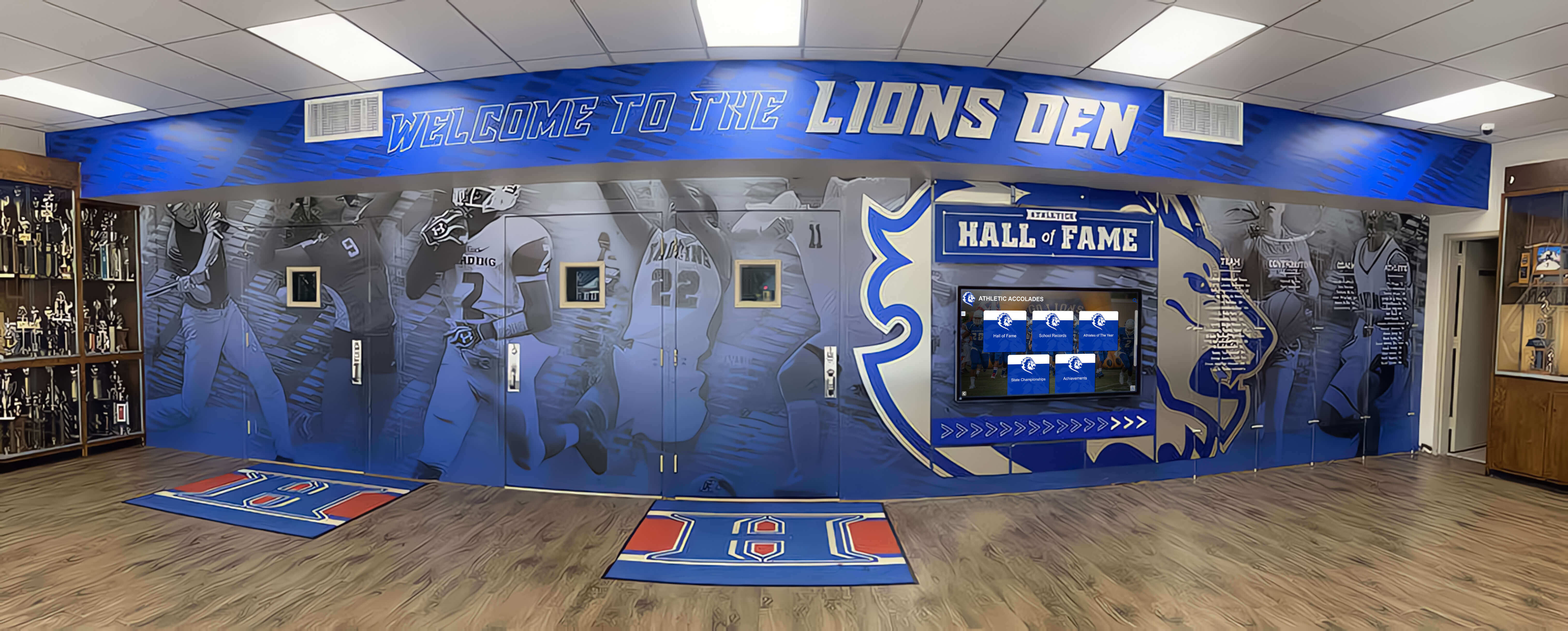
- Discuss importance of celebrating athletic heritage through recognition programs that connect alumni with current programs
Question 26: “How do you handle parents who disagree with coaching decisions about playing time?”
What They’re Really Asking: Will you support coaches’ authority? Can you listen empathetically while maintaining boundaries? Do you understand when to intervene versus when to stay out of coaching decisions?
Strong Response Framework:
- Acknowledge playing time questions are among most common parent concerns
- Describe communication protocols: parents should first address concerns with coaches, escalate to you only if conversation unsuccessful
- Explain distinction between coaching decisions (playing time, strategy, player evaluation) that remain coach’s authority and legitimate administrative concerns (safety, discrimination, policy violations) requiring your intervention
- Demonstrate empathy for parents’ natural advocacy for their children while reinforcing appropriate boundaries
- Provide example of how you’ve handled playing time complaint—listening to parent, gathering coach’s perspective, either facilitating conversation or explaining why decision falls within coaching discretion
Personal Motivation and Culture Fit Questions
These questions assess whether you’ll thrive in their specific environment.
Question 27: “What frustrates you most about athletic administration?”
What They’re Really Asking: What are your trigger points? How do you handle frustration? Will common challenges in our environment cause you to struggle?
Strong Response Framework:
- Be honest but strategic—choose frustrations that demonstrate values rather than highlighting weaknesses
- Frame frustration around external constraints (budget limitations, regulatory complexity) rather than stakeholder groups
- Describe how you manage frustration constructively
- Show self-awareness and emotional regulation
- Connect to their environment appropriately
Strategic Frustrations to Mention:
- Budget constraints that limit ability to fully support all programs
- Regulatory complexity that diverts energy from student-athlete focus
- Balancing competitive aspirations with resource reality
- Time demands that challenge work-life balance
Avoid Mentioning:
- Frustration with parents, coaches, administrators, or athletes
- Inability to make all decisions independently
- Requirements to justify decisions or provide accountability
Question 28: “Why are you interested in leaving your current position?”
What They’re Really Asking: Are you running from problems? Will the same issues arise here? Are you genuinely interested in our opportunity or just seeking change?
Strong Response Framework:
- Focus on positive attraction to new opportunity rather than negative aspects of current role
- If seeking advancement to larger institution, explain growth aspiration rather than dissatisfaction
- If relocating for family reasons, explain briefly without over-emphasizing personal factors
- Connect their opportunity to your career goals and aspirations
- If leaving due to significant problems, frame honestly but professionally without inappropriate criticism
Question 29: “What questions do you have for us?”
What They’re Really Asking: Did you prepare thoughtfully? Are you genuinely interested? What matters most to you?
Strong Questions to Ask:
- “What do you see as the most pressing challenges facing the athletic department?”
- “How would you describe the relationship between the athletic department and school administration?”
- “What does success look like for your next athletic director in the first year?”
- “Can you describe the athletic department culture and what values are most important?”
- “What capital projects or facility improvements are on the planning horizon?”
- “How does the community typically engage with and support athletic programs?”
- “What resources are available for professional development?”
Avoid Asking:
- Questions easily answered through basic research
- Salary and benefits questions in initial interview (unless they raise the topic)
- Questions that suggest you haven’t prepared or researched their program
Showcase Your Recognition Program Vision
Modern athletic directors need innovative solutions for celebrating achievements and engaging communities. During your interview, demonstrate forward-thinking by discussing how you'd implement comprehensive digital recognition systems that honor athletes across all sports while managing the ongoing challenge of limited display space. Explore solutions that will help you articulate this vision.
Discover Modern Athletic Recognition SolutionsStrategic Interview Preparation Tips
Beyond preparing for specific questions, several strategic approaches improve interview performance.
Research the Institution Thoroughly
Program History: Review recent competitive results, championship history, program additions or discontinuations, facility improvements, and major changes in athletic department leadership.
Current Challenges: Identify issues facing the program—budget constraints, facility deficiencies, compliance concerns, competitive struggles in certain sports, declining participation, coaching turnover.
Community Context: Understand community demographics, economic factors, athletic tradition, expectations around competitive success, and relationship between school and community.
Conference and Competitive Level: Research conference affiliations, competitive classification, recent realignment discussions, and how they compare to peer institutions.
Prepare Specific Examples
Structure responses using STAR method (Situation, Task, Action, Result):
Situation: Briefly describe context and challenge you faced Task: Explain your specific role and what needed to be accomplished Action: Detail specific steps you took to address situation Result: Describe outcomes achieved and lessons learned
Prepare 8-10 examples covering different scenarios:
- Budget crisis you navigated
- Coaching performance issue you addressed
- Compliance violation you handled
- Facility improvement you led
- Community conflict you mediated
- Program rebuilding effort you managed
- Recognition system you modernized (such as implementing digital athletic displays)
- Crisis situation requiring immediate decision
Prepare Questions to Ask
Prepare 10-15 thoughtful questions organized by category so you can ask relevant questions based on interview flow:
About Their Program: Challenges, opportunities, culture, community expectations About The Role: Reporting structure, authority, resource availability, support staff About Success Metrics: How they’ll evaluate performance, priorities for first year About The Community: Demographics, traditions, expectations, support levels About Professional Development: Opportunities for conference attendance, continuing education, networking
Practice Common Scenarios
Rehearse responses to predictable questions:
- “Tell me about yourself”
- “Why do you want to be an athletic director?”
- “What is your greatest strength/weakness?”
- “Describe your leadership style”
- “Where do you see yourself in five years?”
Practice both concise (2-3 minute) and extended (5-7 minute) versions depending on interview style and question complexity.

Presentation Preparation
Many final-round interviews include presentation components. Common topics:
Vision Presentation: Articulate your vision for the athletic program with strategic priorities for first 2-3 years Problem-Solving Presentation: Analyze specific challenge they’ve identified and present recommended approach Budget Presentation: Review provided budget information and present analysis with recommendations Program Evaluation: Assess data about current program performance and recommend improvements
Prepare professional slide decks (10-15 slides maximum), practice timing (usually 15-20 minutes plus questions), and anticipate likely questions.
Professional Presentation
Dress Professionally: Conservative business attire appropriate to educational setting—suit and tie for men, professional suit or dress for women. When touring facilities, bring more casual change of clothes if offered.
Arrive Early: Plan to arrive 15-20 minutes early to account for unexpected delays and demonstrate punctuality.
Bring Materials: Professional portfolio including:
- Extra copies of resume
- Reference list with current contact information
- Copies of relevant certifications
- Examples of work products (if applicable): budgets you’ve developed, program evaluations you’ve conducted, policies you’ve written
- Questions you’ve prepared
- Notepad and professional pen
Follow-Up Communication: Send thank-you notes within 24 hours to each person who interviewed you. Reference specific conversation points demonstrating you listened and appreciated their time. Reiterate interest in position and highlight key qualifications.
Common Interview Mistakes to Avoid
Learning what not to do can be as valuable as knowing best practices.
Criticizing Previous Employers
Mistake: Speaking negatively about current or former administrators, coaches, colleagues, or institutions Why It Matters: Suggests you’ll speak similarly about new institution if you leave Better Approach: Frame challenges professionally, acknowledge difficult situations, but avoid personal criticism or blame
Appearing Desperate
Mistake: Over-emphasizing your need for position or accepting any opportunity Why It Matters: Reduces leverage in negotiations and suggests lack of confidence Better Approach: Express genuine enthusiasm for specific opportunity while maintaining professional confidence
Focusing Only on Winning
Mistake: Discussing only competitive success metrics without addressing educational mission Why It Matters: Suggests misalignment with educational values and holistic student development Better Approach: Balance competitive excellence discussion with emphasis on character development, life skills, and educational priorities
Giving Vague Responses
Mistake: Speaking in generalities without specific examples or details Why It Matters: Provides no evidence you’ve actually done what you claim Better Approach: Use specific examples with details about context, actions taken, and results achieved
Failing to Research the Institution
Mistake: Knowing little about their program, recent history, or current challenges Why It Matters: Suggests lack of genuine interest and poor preparation Better Approach: Research thoroughly and reference specific knowledge throughout interview
Talking Too Much or Too Little
Mistake: Rambling responses that lose focus or overly brief answers lacking substance Why It Matters: Suggests poor communication skills or lack of depth Better Approach: Aim for 2-4 minute responses to open-ended questions, providing substance while remaining focused
Neglecting to Ask Questions
Mistake: Having no questions when offered opportunity Why It Matters: Suggests lack of interest, poor preparation, or passive approach Better Approach: Prepare thoughtful questions demonstrating research and genuine interest
Poor Body Language
Mistake: Avoiding eye contact, fidgeting, slouching, or appearing distracted Why It Matters: Suggests lack of confidence, interest, or professionalism Better Approach: Maintain good posture, appropriate eye contact, engaged facial expressions, and attentive listening
Negotiating the Offer
If your interview succeeds, prepare for offer negotiation.
Understanding Total Compensation
Athletic director compensation packages typically include:
Base Salary: Annual salary, often structured as administrator pay scale placement rather than individually negotiated Contract Length: Typically 1-3 year contracts at high school level, 3-5 years at college level Benefits: Health insurance, retirement contributions, paid leave—usually following standard administrator or faculty benefits Supplemental Compensation: Summer work, special assignments, camp income, fundraising incentives Professional Development: Funding for conference attendance, continuing education, professional organization membership
Evaluation Period
Request clarification about:
- Evaluation criteria and process
- Who conducts evaluation
- Timeline for first formal evaluation
- Performance expectations for contract renewal
Support Resources
Discuss resources available:
- Assistant athletic director support
- Administrative assistance
- Budget for professional development
- Technology and equipment budgets
- Facility improvement plans
Start Date and Transition
Negotiate:
- Official start date allowing adequate notice to current employer
- Transition support from outgoing athletic director if applicable
- Initial orientation and onboarding timeline
Resources for Continued Preparation
Professional Organizations
National Interscholastic Athletic Administrators Association (NIAAA): Offers certification programs, conferences, publications, and networking specifically for high school athletic directors.
National Association of Collegiate Directors of Athletics (NACDA): Provides resources, professional development, and networking for college athletic administrators.
State Athletic Director Associations: Most states have athletic director organizations offering local professional development and peer networking.
Additional Preparation Resources
Beyond interview preparation, candidates benefit from understanding the full scope of athletic director responsibilities:
- Athletic director responsibilities guide covering daily duties and operational expectations
- Recognition program planning for celebrating diverse achievements across all sports
- End-of-season awards planning guidance for comprehensive athlete recognition
- Academic recognition integration for student-athletes achieving academic distinction
Mock Interview Practice
Arrange practice interviews with:
- Current athletic directors who can provide realistic scenario-based questions
- Mentors familiar with athletic administration who can offer feedback
- Career counselors specializing in educational administration
- Colleagues who’ve recently completed successful athletic director interviews
Record practice interviews to identify communication patterns, filler words, nervous habits, or areas requiring improvement.
Conclusion: Preparing for Success
Athletic director interviews assess complex combination of technical knowledge, leadership philosophy, practical experience, and cultural fit. Search committees seek candidates who understand the multifaceted nature of athletic administration—balancing competitive excellence with educational mission, navigating regulatory complexity while focusing on student development, managing limited resources while supporting diverse programs, and maintaining stakeholder relationships while making difficult decisions.
Thorough preparation distinguishes successful candidates from those with similar qualifications. This includes researching the specific institution and program, preparing concrete examples demonstrating relevant experience, practicing articulation of leadership philosophy, understanding current issues in athletic administration, and preparing thoughtful questions showing genuine interest.
Remember that interviews are bidirectional evaluation processes. While committees assess your fit for their position, you’re simultaneously evaluating whether the opportunity aligns with your values, career goals, and desired working environment. Strong candidates ask probing questions, seek clarity about expectations and resources, and make informed decisions about whether to accept offers.
The athletic director position offers tremendous professional satisfaction for those prepared for its complexity. Few roles provide comparable opportunities to influence student development, build programs strengthening communities, support dedicated coaches, and create systems celebrating achievement across diverse sports. For those who embrace the challenge, athletic administration offers deeply rewarding career opportunities.
Approach your interview with confidence grounded in thorough preparation. Demonstrate both your technical competence and your genuine passion for using athletics as a vehicle for education and student development. Show you understand the challenges while expressing enthusiasm for the opportunity to lead. And remember—the right opportunity will value what you uniquely bring to athletic leadership.
Ready to Lead Athletic Excellence?
As you prepare for your athletic director interview, consider how you'll address the ongoing challenge of celebrating achievements across all sports while managing limited recognition space. Modern solutions allow athletic directors to honor unlimited athletes, maintain comprehensive program history, and engage communities through dynamic displays that grow with programs rather than consuming wall space.
Explore how forward-thinking athletic directors are implementing [comprehensive recognition solutions](https://best-touchscreen.com/blog/wall-wraps-schools-complete-guide/?utm_source=organic&utm_medium=seo-auto&utm_content=touchwall&utm_campaign=athletic-director-interview-questions&utm_term=seo) that address multiple responsibilities—athlete celebration, donor acknowledgment, community engagement, and facility enhancement—through integrated systems designed specifically for athletic programs.
Frequently Asked Questions
How long should my answers be during an athletic director interview?
Aim for 2-4 minutes for substantive open-ended questions, adjusting based on interviewer engagement and question complexity. Watch for verbal and non-verbal cues indicating whether interviewers want more detail or you should wrap up. For yes/no or straightforward factual questions, brief 30-second to 1-minute responses suffice. Use the STAR method (Situation, Task, Action, Result) to structure longer responses, ensuring you include concrete examples while staying focused. If you’re naturally verbose, practice timed responses to develop internal sense of appropriate length. If you tend toward brevity, prepare detailed examples ensuring you provide sufficient substance. Remember that rambling, unfocused responses suggest poor communication skills, while overly brief answers lacking examples suggest limited experience or poor preparation.
What should I wear to an athletic director interview?
Dress in conservative business professional attire appropriate for educational settings. For men, this typically means a dark suit (navy or charcoal), pressed dress shirt (white or light blue), conservative tie, polished dress shoes, and minimal jewelry. For women, options include business suit with skirt or pants, professional dress with blazer, closed-toe shoes with modest heels, and conservative jewelry and makeup. Even though athletic administration has practical, hands-on aspects, interview attire should reflect the professional, administrative nature of the position. If the interview includes facility tours, you might bring a change of clothes for walking athletic facilities (business casual attire, comfortable shoes), but arrive and conduct formal interviews in full business professional dress. When in doubt, err toward being slightly overdressed rather than too casual—you can always remove a jacket, but you can’t add professional polish you didn’t bring.
Should I bring materials to my athletic director interview?
Yes, bring professional portfolio or folder containing: multiple copies of your current resume (4-6 copies), reference list with names, titles, organizations, phone numbers, and email addresses for 3-5 professional references, copies of relevant certifications (administrative licensure, athletic administrator certification, CPR/First Aid, state-specific credentials), list of questions you’ve prepared to ask interviewers, notepad and professional pen for taking notes, and potentially examples of relevant work products like budgets you’ve developed, program evaluations you’ve conducted, or policies you’ve written (only if specifically relevant and professionally presented). Avoid bringing excessive materials or unsolicited documents that might appear presumptuous. Some candidates create one-page “vision statements” summarizing their philosophy and priorities for the position, though this should be brief and professionally designed. Having materials demonstrates preparation and professionalism while providing reference information readily available when needed during conversation.
How should I prepare for scenario-based interview questions?
Scenario-based questions assess decision-making under pressure, crisis management, and application of knowledge to realistic situations. Prepare by: reviewing common athletic director scenarios (parent conflicts, eligibility violations, coaching performance issues, budget crises, safety emergencies), developing systematic decision-making framework you can articulate and apply consistently, preparing 2-3 real examples from your experience for each scenario type, practicing talking through your thinking process aloud rather than just stating conclusions, researching institution-specific issues that might generate scenario questions, and reviewing governing body rules and regulations that might apply to scenarios. When answering scenario questions, follow this structure: briefly clarify the scenario to ensure you understood correctly, outline systematic approach showing you gather information before jumping to conclusions, identify key stakeholders and considerations affecting your decision, explain specific actions you would take with rationale for each, and acknowledge complexity while demonstrating decisiveness. Avoid oversimplifying scenarios or suggesting problems have easy solutions—strong candidates demonstrate sophisticated understanding of nuance and competing considerations while still making clear decisions.
What are the most important qualities search committees look for in athletic director candidates?
Search committees consistently prioritize: demonstrated leadership ability through prior administrative experience showing progression of responsibility, financial management competence including budget development, resource allocation, and accountability, compliance knowledge about Title IX, eligibility rules, safety protocols, and governing body regulations, communication excellence in speaking, writing, and interpersonal interaction across diverse stakeholders, problem-solving skills applying systematic approaches to complex challenges, stakeholder relationship management balancing competing interests while maintaining productive relationships, student-centered philosophy prioritizing athlete development alongside competitive success, integrity and ethical decision-making even when facing pressure to compromise, emotional intelligence including self-awareness, empathy, conflict resolution, and stress management, and cultural fit with institutional values and community expectations. Interestingly, while coaching success provides credibility, committees often value administrative experience and leadership competencies more highly than competitive win-loss records. They seek candidates who can articulate clear philosophy about athletics’ educational role, demonstrate they’ve successfully managed complex situations, show they’ll make sound decisions under pressure, and prove they can build consensus while maintaining appropriate authority.
How should I discuss salary expectations during the interview?
In initial interviews, avoid raising salary unless interviewers specifically ask. If they ask about salary expectations early in process, respond with: “I’m very interested in learning more about the full scope of responsibilities and the resources available to support the position. I’m confident we can reach agreement on compensation that reflects the role and my qualifications if we determine there’s mutual interest in moving forward. What salary range has been established for the position?” This response demonstrates you’re focused on opportunity rather than just compensation while gathering information about their budget parameters. If pressed for specific number, provide range based on research about comparable positions: “Based on similar athletic director positions in comparable institutions and my experience level, I would expect compensation in the range of $X to $Y, though I’m certainly open to discussion as I learn more about total compensation package and role expectations.” Never provide single number—always give range. Before final interviews, research typical compensation for similar positions through: salary surveys from state athletic director associations, publicly available salary information for public institutions, networking with peers in similar roles, and job postings for comparable positions. Remember total compensation includes benefits, professional development support, contract length, supplemental pay opportunities, and working conditions beyond just base salary.
Should I discuss weaknesses or challenges I’ve faced in previous positions?
Yes, but strategically. Interviewers often ask about challenges, failures, or weaknesses to assess self-awareness, learning ability, and honesty. Strong approaches include: choosing examples where you learned valuable lessons applicable to new position, selecting situations where outcome was ultimately positive despite initial challenges, framing in terms of growth and development rather than fundamental character flaws, demonstrating you take responsibility rather than blaming others or circumstances, and showing how you’ve addressed the weakness or applied lessons learned. For example, instead of saying “I struggle with time management,” try “Early in my administrative career, I found myself reactive rather than proactive—responding to urgent issues rather than focusing on important strategic priorities. I’ve addressed this by implementing structured calendar blocking, delegating more effectively, and establishing clearer boundaries around my time. I now begin each week reviewing strategic priorities and protecting time for those initiatives even as urgent issues arise.” This demonstrates self-awareness, learning, and improvement rather than fundamental deficiency. Avoid weaknesses that would disqualify you for the position (like “I struggle with budgets” for position requiring financial management) or fake weaknesses that are actually strengths (“I’m too much of a perfectionist”).
How do I demonstrate understanding of their specific program during the interview?
Research thoroughly before interviewing and naturally incorporate your knowledge throughout responses: reference specific recent accomplishments (“I noticed your girls soccer program won its first conference championship last year—congratulations”), acknowledge current challenges (“I understand the district is planning a facilities referendum that would include athletic facility improvements”), mention program characteristics showing familiarity (“With 18 varsity sports and enrollment around 1,200, your program seems comparable in scope to my current situation”), cite publicly available information demonstrating research (“I reviewed your athletic website and was impressed by your recognition displays and comprehensive athlete profiles”), and ask informed questions showing you’ve done homework (“Your strategic plan emphasizes increasing participation in athletics—what specific barriers have you identified that limit current participation?”). Sources for research include: athletic department website, district website and board meeting minutes, local news coverage, social media accounts, conference information about competitive standings, staff and coaching rosters, facility information, and connections with people familiar with the program. Take notes during research so you can reference specific information naturally during conversation rather than appearing to have memorized talking points.
Additional Preparation Resources
As you prepare for your athletic director interview, complement your preparation with deeper understanding of the role’s full scope. The position encompasses far more than interview day can fully explore—from daily operational management to long-term strategic planning, from budget oversight to crisis response, from personnel leadership to community engagement. Successful candidates demonstrate they understand this complexity and have prepared themselves through education, experience, and ongoing professional development for the multifaceted challenges athletic directors navigate daily.
Approach your preparation systematically, practice deliberately, research thoroughly, and enter your interview confident that you’ve prepared as completely as possible. Strong preparation doesn’t guarantee you’ll receive every offer, but it ensures you’ll represent yourself well, make informed decisions about opportunities, and position yourself for success in the role you ultimately accept.
The athletic director position offers extraordinary opportunities for those prepared to embrace its complexity and committed to using athletics as a vehicle for student development, community building, and educational excellence. Your interview represents your opportunity to demonstrate you’re ready for that challenge.































