Athletic directors carry one of the most multifaceted leadership positions in educational institutions. On any given day, an AD might negotiate a coaching contract in the morning, resolve a Title IX compliance question before lunch, coordinate facility maintenance with the custodial staff, and attend an evening booster club meeting—all while managing the competitive schedules of a dozen sports programs.
For those considering the role, transitioning into athletic administration, or simply trying to understand what athletic directors actually do beyond Friday night lights, the scope of responsibilities extends far beyond scheduling games and ordering uniforms. Modern athletic directors function as budget managers, compliance officers, facility coordinators, public relations specialists, risk managers, and educational leaders—often simultaneously.
This guide breaks down the core responsibilities, daily duties, and essential competencies that define successful athletic directors at the high school and collegiate levels.
Program Planning and Strategic Management
Athletic directors serve as the chief architect of their institution’s athletic programs. This foundational responsibility encompasses both long-term strategic planning and day-to-day program operations.
Multi-Sport Program Oversight
Most athletic directors oversee anywhere from 12 to 30+ varsity sports programs, each with distinct competitive calendars, facility needs, and coaching requirements. This oversight includes:
Seasonal planning: Coordinating practice schedules, competition calendars, transportation needs, and facility access across all sports while avoiding conflicts and maximizing resource efficiency.
Program evaluation: Assessing the competitive success, participation rates, safety records, and educational outcomes of each program to identify areas requiring additional support or strategic adjustment.
New program development: Evaluating proposals for new sports or competitive levels based on student interest, facility availability, budget capacity, competitive opportunities, and institutional strategic priorities.
Program discontinuation decisions: Making difficult determinations about which programs to maintain when facing budget constraints or declining participation—decisions that require balancing competitive viability, student access, Title IX compliance, and community expectations.
Strategic Planning and Goal Setting
Beyond managing current programs, athletic directors establish long-term strategic direction:
Mission and vision development: Defining what the athletic department exists to accomplish—whether emphasizing broad participation, competitive excellence, character development, or some combination of objectives.
Measurable objectives: Translating abstract goals into concrete, measurable outcomes like participation rates, academic performance metrics, safety incident reduction targets, or fundraising objectives.
Conference and competitive level decisions: Determining the appropriate competitive classification and conference affiliations that match institutional philosophy, competitive capabilities, and geographic considerations.

Budget Development and Financial Management
Athletic directors function as chief financial officers for their departments, managing budgets that range from hundreds of thousands to millions of dollars annually.
Budget Planning and Allocation
Revenue projections: Forecasting income from sources including institutional allocations, gate receipts, fundraising, sponsorships, concessions, and summer camps or facility rentals.
Expense allocation: Distributing available funds across programs in ways that meet competitive needs, comply with equity requirements, support safety priorities, and maintain facilities and equipment.
Cost containment strategies: Identifying opportunities to reduce expenses without compromising program quality—negotiating bulk equipment purchases, coordinating transportation to reduce trip costs, or sharing officials across multiple contests.
Budget variance monitoring: Tracking actual revenue and expenses against projections, identifying significant variances, and making mid-year adjustments when circumstances change.
Financial Reporting and Accountability
Athletic directors provide regular financial reporting to multiple stakeholders:
Administration reporting: Providing principals, superintendents, or university leadership with comprehensive financial statements showing budget performance, explaining variances, and justifying resource requests.
Board presentations: Presenting budget proposals and financial performance reports to school boards or institutional leadership bodies who approve major expenditures and policy changes.
Public transparency: In many public institutions, providing community access to athletic department financial information and responding to questions about how funds are allocated and spent.
Fundraising and Revenue Generation
Most athletic directors bear responsibility for generating revenue beyond institutional allocations:
Booster club coordination: Working with parent and community support organizations to raise supplemental funds while maintaining appropriate boundaries between booster activities and institutional control.
Sponsorship development: Cultivating relationships with local businesses willing to sponsor programs, facilities, or events in exchange for recognition and community engagement opportunities.
Special event planning: Organizing fundraising events like golf tournaments, auctions, or recognition dinners that generate revenue while strengthening community relationships.
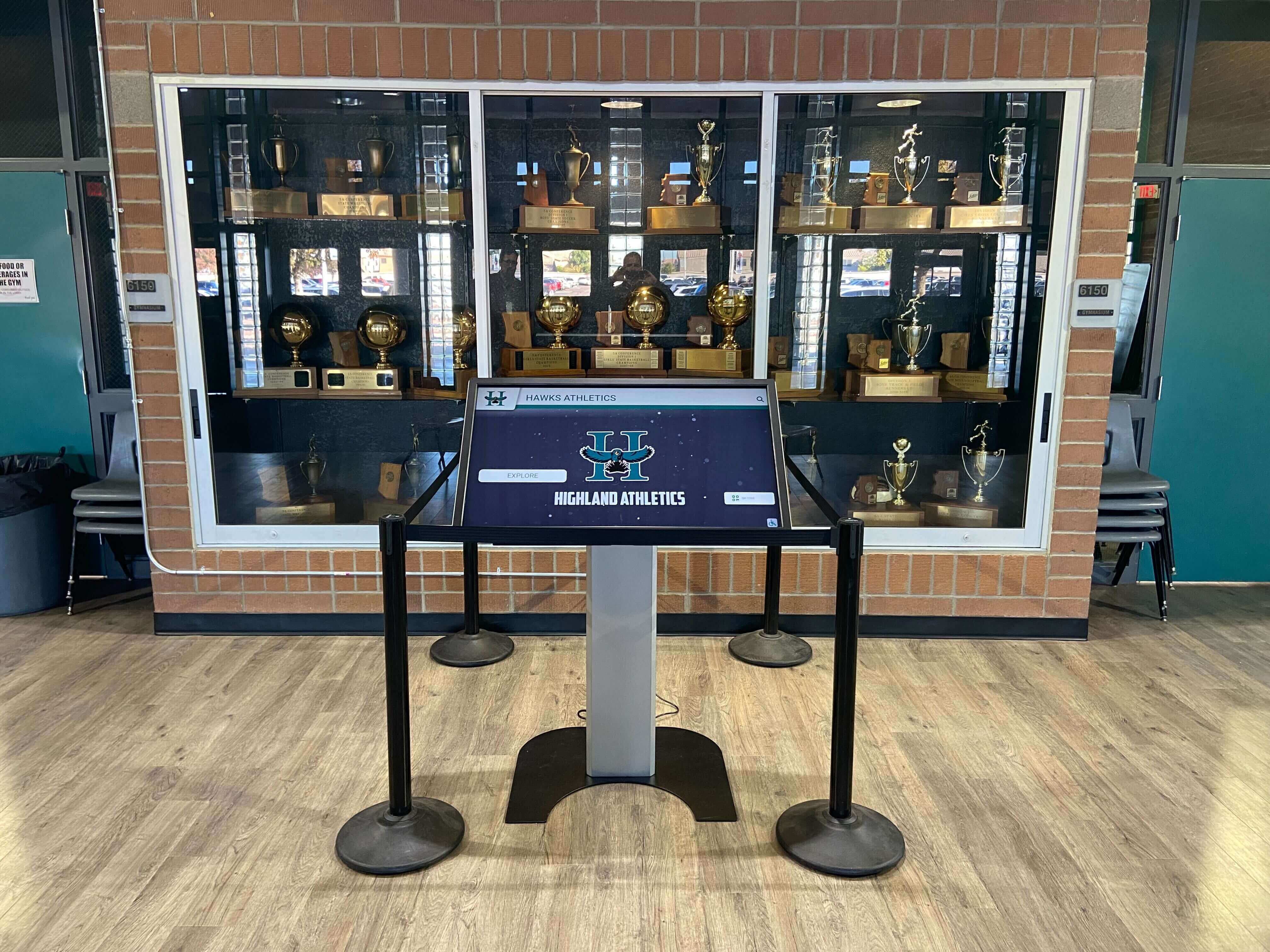
Many athletic directors implement digital recognition displays that acknowledge sponsors and donors while celebrating athletic achievements—creating value for supporters while enhancing the visibility of athletic accomplishments.
Hiring, Supervision, and Staff Development
Athletic directors build and lead coaching staffs that directly influence student-athlete experiences and program outcomes.
Coaching Recruitment and Hiring
Position definition: Determining appropriate coaching structures for each sport—head coaches, assistant coaches, volunteer assistants—based on program size, competitive level, and budget availability.
Candidate evaluation: Assessing coaching applicants based on technical sport expertise, teaching ability, alignment with institutional values, background screening results, and certifications.
Contract negotiation: Establishing compensation packages, supplemental pay schedules, contract length, evaluation criteria, and performance expectations that comply with board policies and contractual agreements.
Coaching Supervision and Evaluation
Athletic directors provide ongoing supervision of coaching staff throughout the year:
Performance observation: Attending practices and competitions to observe coaching methods, player safety practices, adherence to rules and policies, and teaching effectiveness.
Formal evaluation: Conducting structured performance reviews based on established criteria including win-loss records, player development, academic performance of athletes, sportsmanship, and community relations.
Corrective action: Addressing performance deficiencies, policy violations, or conduct concerns through coaching plans, disciplinary measures, or when necessary, contract non-renewal or termination.
Professional Development
Supporting coaches’ continued growth benefits both individual coaches and program quality:
Training opportunities: Facilitating access to coaching clinics, certification programs, rules workshops, and safety training that enhance coaching knowledge and skills.
Mentorship programs: Connecting less experienced coaches with veteran mentors who can provide guidance on program building, practice planning, and navigating institutional systems.
Evaluation of emerging coaching methods: Staying current with evolving coaching methodologies, sports science research, and athlete development approaches to guide staff toward evidence-based practices.
Similar leadership responsibilities apply across educational roles, as detailed in resources about school administrator duties and career paths.
Compliance and Risk Management
Athletic directors serve as chief compliance officers, ensuring programs adhere to governing body rules, state regulations, federal law, and institutional policies.
Governing Body Compliance
Eligibility verification: Confirming that student-athletes meet academic standards, age requirements, transfer rules, and participation limits established by state associations, conferences, and national governing bodies.
Rules education: Ensuring coaches, athletes, and parents understand rules governing recruiting, benefits, practice limitations, competitive seasons, and conduct expectations.
Violation investigation and reporting: Investigating potential rule violations, determining appropriate responses, and reporting confirmed violations to governing bodies according to required timelines and procedures.
Federal and State Legal Compliance
Athletic directors navigate complex legal requirements affecting athletic programs:
Title IX compliance: Ensuring equitable treatment of male and female athletes in areas including participation opportunities, scholarship allocation (at collegiate level), equipment and supplies, scheduling, facilities access, and support services.
ADA accessibility: Verifying that athletic facilities, programs, and recognition systems meet accessibility standards for individuals with disabilities—both as participants and spectators.
Concussion protocols: Implementing return-to-play procedures that comply with state concussion laws, including baseline testing, sideline assessment protocols, medical clearance requirements, and graduated return procedures.
Background screening: Ensuring all coaches, volunteers, and staff with athlete contact complete required background checks and maintain current clearances.
Risk Management and Safety
Protecting student-athlete safety requires systematic risk management:
Emergency action plans: Developing and regularly reviewing written emergency response procedures for each facility, ensuring staff know protocols for cardiac events, severe injuries, weather emergencies, and facility evacuations.
Equipment inspection and maintenance: Establishing schedules for regular inspection of protective equipment, playing surfaces, weight room apparatus, and other facilities to identify and address safety hazards.
Insurance coverage review: Verifying adequate coverage for catastrophic injury, general liability, and other risks while understanding coverage limitations and exclusions.
Incident documentation: Maintaining detailed records of injuries, disciplinary actions, parent complaints, and safety concerns that provide documentation for legal protection and trend analysis.
Facility Coordination and Management
Athletic directors oversee facilities ranging from gymnasiums and playing fields to weight rooms, locker facilities, and training rooms.
Facility Scheduling and Access
Master calendar management: Creating comprehensive facility use schedules that accommodate practices, competitions, physical education classes, community use, facility maintenance, and special events without conflicts.
External use coordination: Managing requests from youth leagues, community groups, summer camps, and other organizations seeking facility access while balancing revenue generation, wear on facilities, and liability concerns.
Facility condition monitoring: Conducting regular facility inspections to identify maintenance needs, safety hazards, cleanliness issues, or equipment failures requiring attention.
Capital Projects and Renovations
Needs assessment: Identifying facility deficiencies that limit program effectiveness, create safety concerns, or fail to meet current standards—from inadequate playing surfaces to outdated locker facilities.
Project planning: Working with architects, engineers, and contractors to develop plans that address identified needs within budget constraints while meeting code requirements.
Stakeholder communication: Keeping administration, coaches, athletes, and community members informed about construction timelines, temporary accommodations during projects, and anticipated completion dates.
Equipment and Uniform Management
Equipment specifications: Determining appropriate protective equipment, practice gear, and competition uniforms that meet safety standards, competitive requirements, and budget parameters.
Inventory systems: Tracking equipment issuance to individual athletes, monitoring return of equipment at season’s end, and managing replacement schedules for worn or outdated items.
Vendor relationships: Negotiating with equipment suppliers, uniform manufacturers, and facility maintenance contractors to secure quality products and services at competitive prices.
Contest Management and Event Operations
Athletic directors ensure smooth operation of home athletic events, from scheduling contests to managing game-day operations.
Schedule Development
Calendar coordination: Building competitive schedules that satisfy league requirements, provide quality competition, accommodate facility availability, minimize travel costs, and avoid conflicts with academic calendars.
Officials assignment: Contracting game officials, ensuring they meet governing body requirements, addressing performance concerns, and managing payment according to established rates.
Transportation coordination: Arranging team transportation for away contests through school bus services or commercial carriers while managing costs and ensuring adequate supervision.
Game Day Management
Staff assignments: Determining personnel needs for each event—ticket sellers, gate security, announcers, scoreboard operators, medical coverage, custodial staff—and ensuring positions are filled.
Crowd management: Implementing procedures that ensure spectator safety, address unruly behavior, control access to restricted areas, and create positive competitive environments.
Emergency preparedness: Ensuring medical personnel are present, emergency equipment is available, weather monitoring procedures are active, and staff understand emergency response protocols.
Revenue Collection and Reporting
Gate receipts: Managing ticket sales, pass systems, and cash handling procedures that protect revenue while providing efficient spectator entry.
Concessions oversight: Coordinating food and beverage sales operations, whether operated directly by the athletic department, outsourced to vendors, or managed by booster clubs.
Financial reconciliation: Completing required documentation showing revenue collected, expenses incurred, and net proceeds from each event for proper accounting and reporting.
Communication and Public Relations
Athletic directors serve as primary spokespersons for athletic programs, managing communication with multiple stakeholder groups.
Internal Communication
Administrative liaison: Keeping principals, superintendents, or university leadership informed about program developments, issues requiring administrative attention, and achievements worth celebrating.
Coaching staff meetings: Conducting regular meetings with head coaches to communicate policy updates, address shared concerns, coordinate calendar issues, and reinforce departmental expectations.
Athletic department communications: Distributing information to coaches, athletes, and parents about schedule changes, policy updates, upcoming deadlines, or other matters requiring attention.
External Communication and Media Relations
Media coordination: Serving as primary contact for journalists covering athletic programs, providing game information, coordinating coach and athlete interviews, and managing credential requests.
Social media presence: Overseeing athletic department social media accounts that promote upcoming events, celebrate achievements, share highlights, and engage with community supporters.
Community engagement: Building relationships with youth programs, community organizations, and alumni groups that support athletic programs and create pathways for student participation.
Recognition and Celebration
Athletic directors establish systems for acknowledging athletic achievement:
Awards programs: Planning end-of-season recognition events that honor team accomplishments, individual achievements, academic excellence, and character development.
Athletic banquets: Coordinating season-ending celebration events that recognize participants, thank supporters, and strengthen program culture.
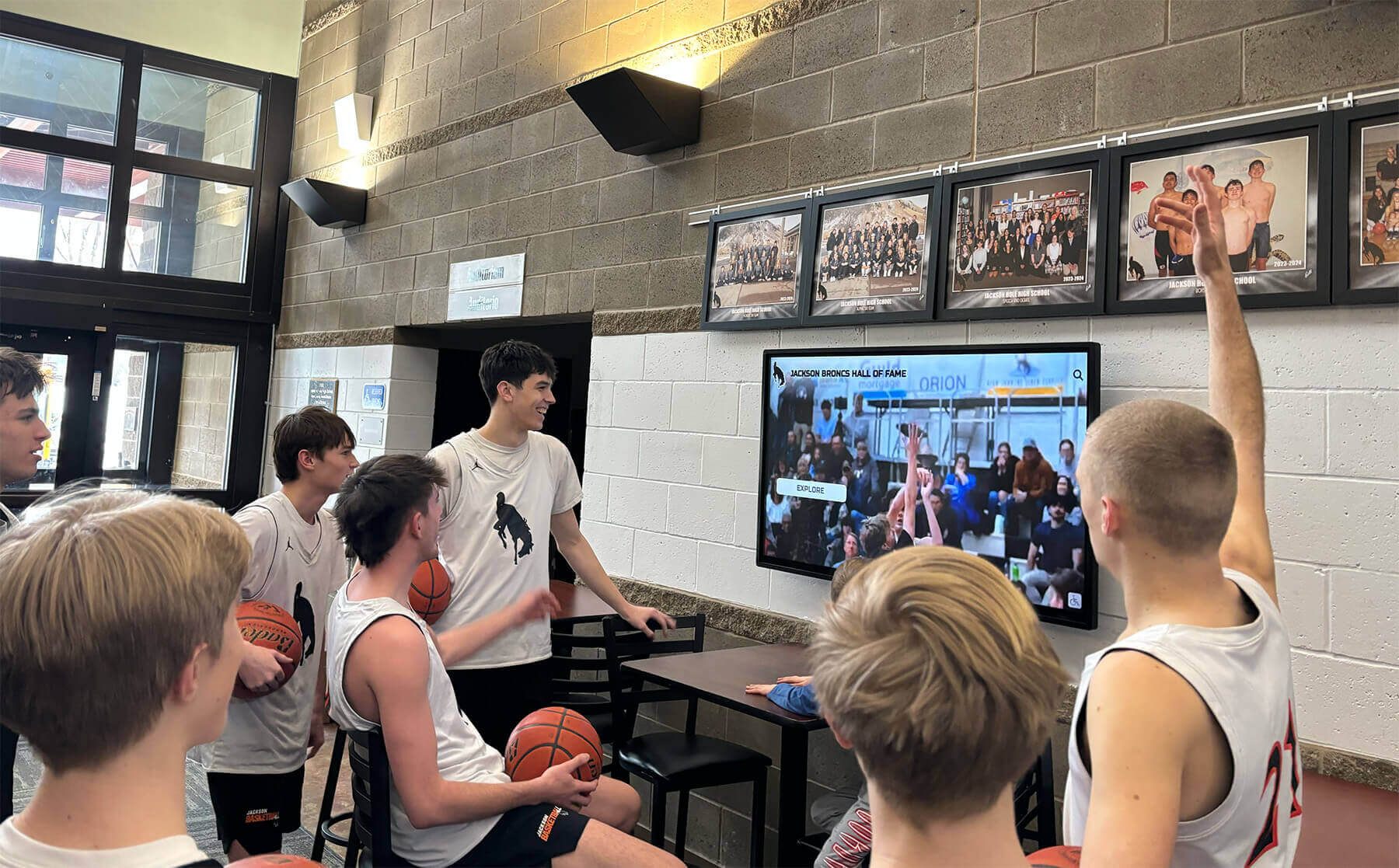
Hall of fame programs: Managing induction processes, criteria, selection committees, and recognition displays that honor distinguished athletes, coaches, and contributors.
Many athletic directors implement digital recognition solutions that provide year-round visibility for athletic achievements while accommodating growing recognition needs without consuming additional wall space.

Student-Athlete Support and Development
Beyond competitive outcomes, athletic directors ensure programs serve broader educational purposes and support holistic student development.
Academic Support and Monitoring
Eligibility tracking: Monitoring academic progress to ensure athletes maintain grade requirements for participation, intervening when academic struggles threaten eligibility.
Study programs: Coordinating study halls, tutoring services, or academic mentoring that help student-athletes balance athletic and academic demands.
College placement assistance: Supporting athletes pursuing collegiate athletic opportunities through communication with college coaches, facilitating campus visits, and guiding families through recruiting processes.
Character Development and Life Skills
Athletic programs at their best teach lessons extending beyond sport:
Sportsmanship initiatives: Establishing clear expectations for athlete conduct, implementing character education programs, and holding athletes and coaches accountable for behavior that reflects institutional values.
Leadership development: Creating opportunities for athletes to develop leadership skills through team captain roles, peer mentoring, or participation in athletic advisory committees.
Post-secondary preparation: Helping athletes understand how skills developed through athletics—discipline, teamwork, resilience, time management—transfer to academic, career, and personal success.
Equity and Inclusion
Participation access: Removing barriers that prevent interested students from participating in athletics due to financial constraints, transportation challenges, or scheduling conflicts.
Gender equity: Ensuring female athletes receive equitable treatment in all aspects of athletic programs, not just basic compliance with minimum Title IX requirements.
Inclusive environments: Creating program cultures where athletes of all backgrounds, identities, and abilities feel welcomed, valued, and supported.
Professional Development and Continuing Education
Successful athletic directors commit to ongoing learning as standards, regulations, and best practices evolve.
Required Certifications and Training
Most states and governing bodies require athletic directors to maintain current certifications:
State director certification: Completing professional development programs covering eligibility rules, legal compliance, risk management, and administrative competencies.
CPR and First Aid: Maintaining current certification in cardiopulmonary resuscitation and emergency first aid procedures.
Concussion management training: Completing education about concussion recognition, removal from play protocols, and return-to-participation procedures.
Professional Organizations and Networking
State athletic director associations: Participating in state-level organizations that provide advocacy, professional development, and peer networking opportunities.
National organizations: Engaging with national athletic director associations that offer resources, conferences, certification programs, and policy guidance.
Conference meetings: Attending league or conference administrative meetings where athletic directors establish policies, address shared concerns, and coordinate schedules and operations.
Staying Current with Evolving Issues
Athletic administration continues evolving with emerging issues requiring ongoing education:
Name, Image, and Likeness (NIL): Understanding evolving policies about athlete compensation and endorsement opportunities at collegiate levels and potential implications for high school athletics.
Mental health awareness: Learning about athlete mental health challenges, warning signs requiring intervention, and appropriate referral resources.
Social justice and athlete advocacy: Navigating situations where athletes engage in social or political expression and balancing institutional interests with athlete rights.
Technology Integration and Digital Systems
Modern athletic directors leverage technology to improve efficiency, enhance communication, and expand program reach.
Administrative Systems
Athletic management software: Implementing platforms that streamline eligibility tracking, physical examination management, roster maintenance, scheduling, and communication.
Online registration: Providing digital systems where families complete participation paperwork, submit required documents, and make payments conveniently.
Data analytics: Using participation data, academic performance metrics, injury reports, and budget information to make informed decisions about program management.
Digital Communication and Promotion
Website management: Maintaining athletic department websites that provide schedules, rosters, directions, policies, news, and resources for athletes, families, and community members.
Mobile applications: Implementing apps that provide real-time score updates, schedule changes, and program news directly to stakeholders’ devices.
Live streaming: Offering digital broadcast solutions that allow families and community members to follow competitions remotely.
Recognition Display Systems
Athletic directors increasingly implement interactive touchscreen displays that serve multiple functions:
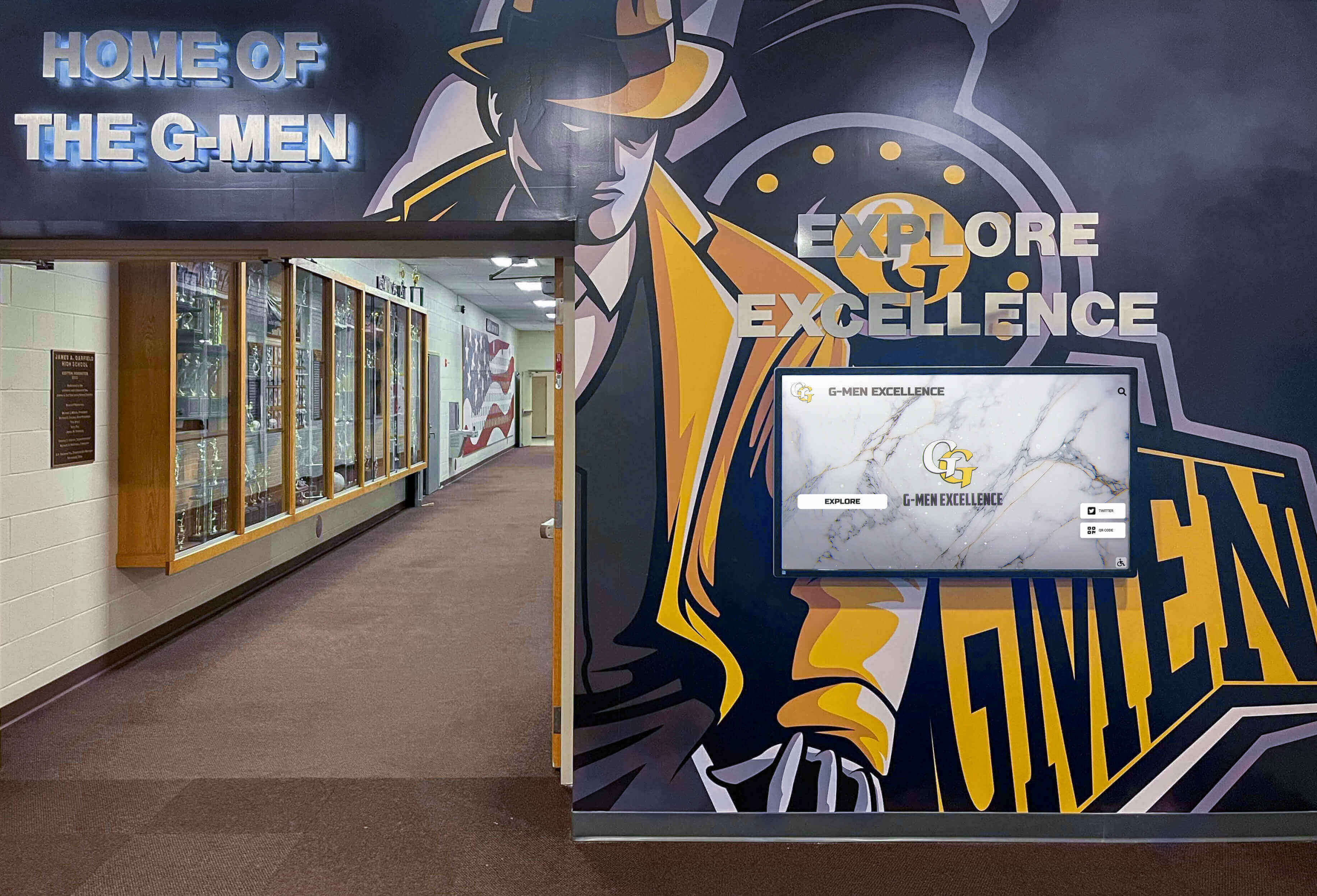
Achievement recognition: Showcasing records, championships, student-athlete accomplishments, and hall of fame inductees through dynamic digital presentations.
Wayfinding and information: Providing athletic schedules, facility maps, emergency information, and program details to students, families, and visitors.
Sponsor recognition: Acknowledging businesses and donors supporting athletic programs through rotating recognition displays integrated with achievement content.
Daily Schedule Reality: A Typical Day
Understanding athletic director responsibilities in the abstract differs from experiencing the reality of daily operations. Here’s what a typical day might include:
6:30 AM: Arrive before first period to check facility conditions, respond to overnight emails, and prepare for meetings.
7:00 AM: Meet with head football coach about assistant coaching vacancy, discuss candidate qualifications, and review interview questions.
8:15 AM: Address parent concern about playing time distribution, listen to concerns, explain coaching philosophy, and reinforce proper communication channels.
9:30 AM: Complete conference call with other league athletic directors about scheduling modifications required due to facility construction at neighboring school.
10:45 AM: Meet with principal to present budget variance report, explain unexpected transportation cost overruns, and request supplemental allocation.
12:00 PM: Attend school safety committee meeting to review updated emergency response procedures and coordinate athletic department implementation.
1:30 PM: Conduct field inspection with maintenance supervisor, identify drainage issues affecting soccer practice field, and discuss repair timeline.
2:45 PM: Meet with vendor representative about equipment purchase proposal, negotiate pricing, and discuss delivery timelines.
3:30 PM: Observe volleyball practice to evaluate coaching methods and address earlier parent concern about practice intensity.
5:00 PM: Attend booster club meeting to provide athletic department update, answer questions about fundraising proposals, and thank volunteers.
6:30 PM: Return to office to complete eligibility reports due to state association, update contest schedule changes, and respond to media requests.
8:00 PM: Finally head home, but remain available by phone for coaching emergencies or facility issues requiring immediate attention.
This schedule excludes evening game management responsibilities, which add 3-4 hours several times weekly during competitive seasons.
Essential Skills and Competencies
Success as an athletic director requires a diverse skill set combining leadership, management, technical knowledge, and interpersonal abilities.
Leadership Competencies
Vision and strategic thinking: Seeing beyond current operations to establish long-term direction and mobilize others toward shared goals.
Decision-making under pressure: Making sound judgments quickly when facing incomplete information, competing priorities, or controversial issues.
Change management: Guiding departments through transitions—new leadership, policy changes, program additions or eliminations—while maintaining stability and morale.
Management Skills
Financial acumen: Understanding budgets, financial statements, revenue forecasting, cost control, and resource allocation across complex organizations.
Project management: Planning and executing complex initiatives involving multiple stakeholders, sequential steps, and competing timelines.
Time management: Balancing numerous responsibilities, prioritizing effectively, and maintaining productivity despite constant interruptions.
Interpersonal Skills
Relationship building: Developing trust with diverse stakeholders including coaches, athletes, parents, administrators, officials, media, and community members.
Conflict resolution: Mediating disputes, addressing complaints, and finding solutions that preserve relationships while upholding institutional interests.
Persuasive communication: Articulating positions effectively in writing and speaking, whether seeking budget increases, explaining controversial decisions, or advocating for program needs.
Technical Knowledge
Rules expertise: Understanding sport-specific rules, governing body regulations, state association requirements, and federal compliance mandates.
Facilities knowledge: Comprehending playing surface standards, equipment specifications, facility maintenance requirements, and safety considerations.
Legal awareness: Recognizing situations with legal implications, understanding institutional liability, and knowing when to consult legal counsel.
Moving Forward: Preparing for Athletic Director Roles
For those aspiring to athletic director positions or recently appointed to these roles, several steps support success:
Educational Preparation
Most athletic director positions require master’s degrees in educational leadership, sports administration, or related fields. Coursework should include:
- School finance and budgeting
- Personnel management and evaluation
- School law and policy
- Athletic administration and governance
- Facility planning and management
Experience Building
Athletic director candidates typically advance through progression:
Coaching experience: Building credibility through successful coaching establishes sport knowledge and program management experience.
Assistant athletic director roles: Assuming responsibility for specific functions—eligibility, scheduling, event management—provides learning opportunities with guidance.
Activities director positions: Managing broader co-curricular programs demonstrates organizational capacity applicable to athletic administration.
Networking and Mentorship
Find mentors: Connect with experienced athletic directors willing to provide guidance, answer questions, and share insights from their experiences.
Join professional organizations: Participate in state and national athletic director associations that provide resources, professional development, and career connections.
Attend conferences: Engage in professional conferences offering educational sessions, networking opportunities, and exposure to emerging practices.
Conclusion: The Multifaceted Athletic Director Role
Athletic directors operate at the intersection of education, business management, legal compliance, and community relations. The role demands expertise spanning budgeting, personnel management, risk mitigation, facility operations, and student development. It requires balancing competitive aspirations with educational priorities, managing stakeholder expectations that often conflict, and making difficult decisions that inevitably disappoint someone.
Yet for those who embrace the complexity, athletic director positions offer tremendous professional satisfaction. Few roles provide comparable opportunities to influence hundreds of young people’s development, build programs that strengthen communities, support dedicated coaches pursuing excellence, and create systems that celebrate achievement while promoting growth beyond athletics.
The most successful athletic directors understand they serve educational missions that transcend wins and losses. They create environments where coaches teach life lessons through sport, where athletes discover capabilities they didn’t know they possessed, and where communities gather to celebrate the pursuit of excellence.
For administrators evaluating systems to recognize athletic achievement while efficiently managing recognition programs, modern solutions like Rocket Alumni Solutions provide comprehensive platforms that address the operational and recognition responsibilities detailed throughout this guide.
Streamline Your Athletic Recognition Programs
Athletic directors juggling dozens of responsibilities need systems that simplify rather than complicate their work. Rocket Alumni Solutions provides comprehensive digital recognition platforms designed specifically for athletic departments—enabling you to celebrate achievements, acknowledge supporters, and maintain program history without adding administrative burden.
Our solutions address the recognition, communication, and facility enhancement needs that athletic directors manage daily. From hall of fame displays to championship recognition to donor acknowledgment, we provide integrated systems that enhance your athletic program's visibility while reducing the time required to update and maintain recognition displays.
Frequently Asked Questions
What educational background is required to become an athletic director?
Most athletic director positions require a master’s degree in educational leadership, sports administration, or related fields. Many states also require specific athletic administrator certification through state associations or professional organizations. Bachelor’s degrees typically need to be in education, physical education, or related disciplines. Increasingly, institutions prefer candidates with both coaching experience and administrative credentials, as this combination provides sport-specific knowledge and management competencies. Some larger athletic departments may consider candidates with degrees in business administration or sports management if they have substantial athletic experience, but educational credentials remain standard at high school and small college levels.
How much do athletic directors typically earn?
Compensation varies significantly based on institution size, competitive level, geographic location, and experience. High school athletic directors typically earn $60,000-$90,000 annually at smaller schools, $80,000-$120,000 at medium-sized schools, and $100,000-$150,000+ at large institutions, often with supplemental pay added to teaching salaries. College athletic directors’ salaries range even more widely—from $75,000-$120,000 at small Division III institutions to $150,000-$300,000 at mid-sized programs, and $300,000-$1,000,000+ at major Division I universities. These figures typically include base salary but may exclude performance bonuses, speaking fees, and other supplemental compensation common at collegiate levels. Geographic cost of living significantly impacts salary levels, with positions in high-cost regions typically paying more.
What’s the difference between athletic director responsibilities at high schools versus colleges?
While core functions overlap—program management, budget oversight, compliance, staff supervision—the scale and complexity differ substantially. High school athletic directors typically oversee 12-20 sports with total budgets of $200,000-$2,000,000, manage primarily part-time coaches who are also teachers, focus heavily on student development and educational mission, and maintain closer day-to-day involvement in game operations and scheduling details. College athletic directors manage larger departments with 15-30+ sports and budgets from $2 million to $200 million+, oversee full-time professional coaching staffs, navigate conference realignment and media rights negotiations, manage facility projects costing tens of millions, coordinate with development offices on major fundraising campaigns, and delegate operational details to specialized assistant athletic directors. College ADs at larger institutions function more as CEOs of complex entertainment and educational enterprises, while high school ADs remain more involved in daily operational details.
How do athletic directors handle conflicts between coaches and parents?
Effective athletic directors establish clear communication protocols that address most conflicts before they escalate. This typically includes written policies defining appropriate communication channels—parents should first address concerns directly with coaches, escalating to the athletic director only when initial conversations don’t resolve issues. When conflicts reach the AD level, successful approaches include: listening carefully to understand concerns without making immediate judgments, gathering information from all parties involved, distinguishing between legitimate concerns requiring administrative intervention and disputes about coaching decisions that fall within coach discretion, facilitating conversations between parties when appropriate, and documenting interactions to create records protecting all parties. Athletic directors support coaches’ authority over sport-specific decisions like playing time, strategy, and player evaluation while intervening when concerns involve safety, conduct violations, or patterns suggesting problems requiring administrative attention.
What are the most challenging aspects of being an athletic director?
Athletic directors consistently identify several particularly difficult dimensions of the role. Budget constraints that force difficult decisions about which programs receive limited resources while maintaining Title IX compliance create no-win situations. Managing conflicts between stakeholders with competing interests—coaches wanting more resources for their programs, parents advocating for their children, administrators prioritizing academic schedules, boosters pushing for competitive success—requires constant diplomacy. Navigating legal and compliance complexities from Title IX to concussion protocols to background screening creates liability concerns and administrative burden. Time demands extending far beyond typical work hours, including evening and weekend events plus 24/7 availability for emergencies, strain work-life balance. Making personnel decisions about coaches who are also community members creates personal stress. Perhaps most challenging is the reality that someone is disappointed by nearly every decision—someone always wanted the other candidate hired, disagrees with the budget allocation, or believes a disciplinary action was too harsh or too lenient.
How is technology changing athletic director responsibilities?
Technology simultaneously simplifies some functions while adding new responsibilities. Athletic management software streamlines eligibility tracking, registration, payment collection, and communication—tasks that previously required extensive manual paperwork and phone calls. Digital scheduling platforms improve coordination of facilities, officials, and transportation. Social media provides powerful communication and promotion channels but also creates monitoring responsibilities as athletic directors address inappropriate posts by athletes, coaches, or community members. Live streaming expands access to competitions but requires managing broadcasts, coordinating volunteers, and addressing video quality concerns. Data analytics helps identify trends in participation, performance, injuries, and resource allocation, supporting more informed decision-making. However, technology also creates new challenges: managing multiple platforms and logins, addressing cybersecurity and data privacy concerns, responding to increased communication volume enabled by email and messaging, and keeping pace with rapid technological change. The most significant shift involves transformation from primarily reactive, in-person operations to proactive digital communication and data-driven management—requiring skill sets many athletic directors developed through on-the-job learning rather than formal preparation.
Additional Resources
Athletic directors seeking additional guidance on specific responsibilities may find value in these specialized resources:
- High School Athletics Equity Checklist - Framework for assessing Title IX compliance across athletic programs
- National Student-Athlete Day Recognition - Ideas for celebrating student-athletes throughout the year
- School Lobby Design for Athletic Spaces - Creating welcoming environments that showcase athletic programs
These complementary resources provide frameworks and strategies that support the multifaceted responsibilities athletic directors manage across program operations, compliance, and community engagement.































