Recognition transforms ordinary moments into memorable milestones. Whether you’re designing awards for a middle school honor roll, celebrating championship teams, or acknowledging years of dedicated service, the right recognition program validates achievement while inspiring continued excellence. Yet many administrators, coaches, and leaders struggle to move beyond generic “Employee of the Month” plaques or standard academic certificates, missing opportunities to create meaningful recognition that genuinely resonates with recipients.
This comprehensive guide presents over 40 awards and recognition examples organized across categories relevant to schools, athletic programs, clubs, and organizations. You’ll find specific award concepts with implementation insights that help you build recognition systems celebrating diverse achievements while reflecting your institution’s unique values and culture.
Effective recognition programs extend beyond acknowledging top performers. They create multiple pathways to achievement, honor various contribution types, and ensure everyone in your community can earn meaningful recognition for authentic accomplishments. The examples below demonstrate this multidimensional approach.
Academic Recognition Examples
Academic recognition programs motivate students while celebrating intellectual achievement across disciplines and performance levels.

Performance-Based Academic Awards
1. Valedictorian and Salutatorian Recognition: Highest and second-highest cumulative GPAs in graduating class
2. Honor Roll Achievement: Quarterly or semester recognition for students meeting GPA thresholds (typically 3.5+ for honor roll, 4.0+ for high honor roll)
3. Perfect GPA Recognition: Students maintaining 4.0 unweighted GPAs throughout entire academic year
4. Academic All-Conference: Student-athletes maintaining specified GPA standards while competing in athletics
5. Subject-Specific Excellence Awards: Highest achievement in individual disciplines (mathematics, science, English, history, world languages)
6. Advanced Placement Scholar Awards: Recognition for exceptional performance on AP examinations
7. National Honor Society Induction: Recognition for students meeting academic, leadership, service, and character criteria
8. Department Awards: Given by individual academic departments for outstanding achievement in specific subject areas
9. Academic Improvement Awards: Recognizing students demonstrating significant GPA growth between marking periods
10. Standardized Test Excellence: Recognition for outstanding ACT or SAT performance, particularly for students achieving scores in the 95th percentile or higher
Schools implementing comprehensive academic recognition find higher motivation levels across all achievement tiers when programs celebrate both absolute performance and meaningful improvement.
Academic Character and Effort Awards
11. Perfect Attendance Recognition: Honoring students attending every school day throughout academic year
12. Academic Perseverance Award: Students overcoming significant obstacles to achieve academic success
13. Peer Tutor Recognition: Acknowledging students providing academic support to classmates
14. Research Excellence: Outstanding performance in science fairs, research competitions, or capstone projects
15. Academic Leadership: Students demonstrating leadership in study groups, academic clubs, or classroom settings
Athletic Recognition Examples
Athletic recognition programs balance performance achievement with character development and team contributions.
Individual Athletic Achievement
16. Most Valuable Player (MVP): Overall top performer combining statistics, leadership, and competitive impact
17. All-State Recognition: State-level honor for elite athletic performance
18. All-Conference Selections: Conference-wide recognition for outstanding performance in specific sports
19. Record-Breaking Achievements: Athletes setting new school, conference, or state records in measurable categories
20. 1,000-Point Scorer Recognition: Basketball players reaching this significant career milestone
21. Four-Year Varsity Letter Winners: Athletes earning varsity letters all four high school years
22. Captain’s Award: Recognition determined by team captains for exceptional contribution and leadership
23. Coach’s Award: Honors reflecting qualities coaches most value, often including intangibles beyond statistics
Team and Character Athletic Awards
24. Championship Recognition: Team victories at sectional, regional, state, or national levels
25. Sportsmanship Award: Exemplary conduct, respect for officials, and grace in competition
26. Most Improved Athlete: Greatest measurable improvement throughout season
27. Iron Athlete Award: Athletes competing in multiple sports or demonstrating exceptional durability
28. Team MVP: Recognition by teammates for most valuable contributions
29. Hustle Award: Maximum effort and intensity in practices and competitions
30. Comeback Player: Outstanding return after injury or adversity
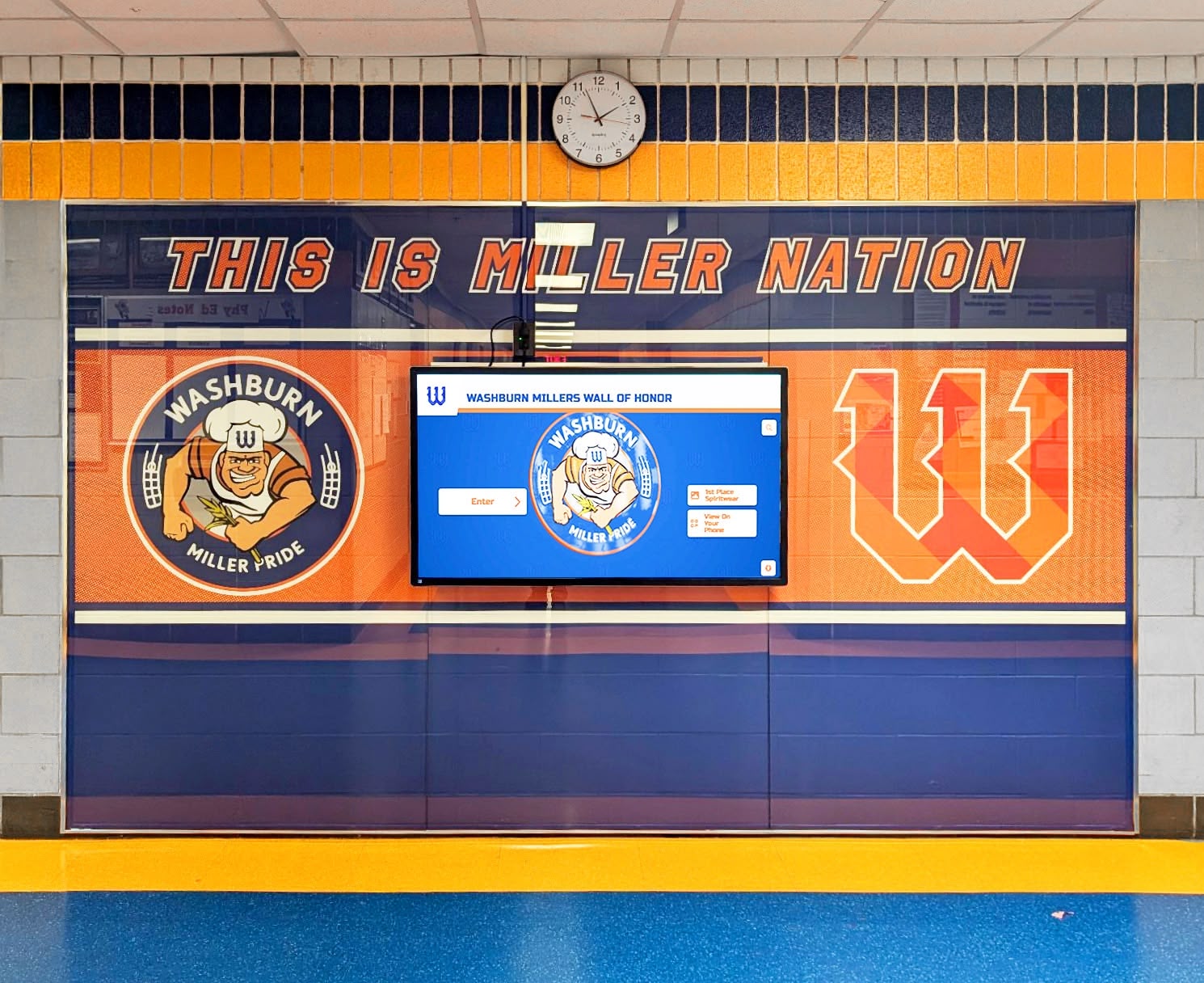
Athletic recognition extends beyond single-season honors. Programs that track multi-year achievements and career milestones create recognition continuity that motivates athletes throughout their entire careers. Digital athletic recognition systems make this longitudinal tracking practical regardless of physical space constraints.
Leadership and Service Recognition Examples
Leadership and service awards acknowledge contributions to school culture and broader community impact.
31. Student Government Recognition: Officers and representatives serving in student government organizations
32. Community Service Hours Leaders: Students completing exceptional volunteer service hours
33. Club Leadership Awards: Presidents, officers, and leaders of school clubs and organizations
34. Peer Mentorship Recognition: Students formally mentoring younger students
35. School Spirit Award: Recognizing students demonstrating exceptional school pride and enthusiasm
36. Ambassador Award: Students representing school at community events and functions
37. Class Officer Recognition: Presidents, vice presidents, secretaries, and treasurers at each grade level
38. Student of the Month Programs: Monthly recognition highlighting diverse student achievements
Arts and Culture Recognition Examples
Arts recognition celebrates creative achievement across performing and visual arts disciplines.
39. All-State Music Honors: Selection for state-level performing ensembles in band, orchestra, or choir
40. Drama Production Awards: Best actor, supporting roles, technical excellence in theatrical productions
41. Art Exhibition Recognition: Students selected for regional or state art exhibitions
42. Creative Writing Awards: Recognition for excellence in poetry, fiction, or creative nonfiction
43. Forensics and Speech Competition Awards: Individual event winners in speech and debate competitions
44. Jazz Band Section Leaders: Recognition for section leadership in competitive jazz ensembles
Employee and Staff Recognition Examples
Organizations and schools benefit from comprehensive employee recognition programs acknowledging various contribution types.
45. Years of Service Milestones: Recognition at 5, 10, 15, 20, and 25+ year anniversaries
46. Teacher of the Year: Annual recognition for outstanding educational excellence
47. Support Staff Excellence: Acknowledging exceptional performance by administrative and support personnel
48. Innovation Award: Recognizing employees developing creative solutions or improving processes
49. Team Player Recognition: Employees demonstrating exceptional collaboration and support for colleagues
50. Customer Service Excellence: Outstanding interaction with students, parents, or community members
51. Professional Development Leader: Educators pursuing advanced degrees or leading professional learning
Organizations implementing regular employee recognition report improved morale, reduced turnover, and stronger workplace culture compared to those providing only periodic recognition.
Specialized Recognition Program Examples
Beyond traditional categories, specialized recognition addresses unique circumstances and achievements.
Alumni Recognition
52. Distinguished Alumni Awards: Honoring graduates achieving exceptional success in their careers or communities
53. Young Alumni Achievement: Recent graduates (typically within 10 years) demonstrating early career success
54. Alumni Service Recognition: Graduates contributing time, expertise, or resources back to their alma mater
55. Hall of Fame Inductions: Permanent recognition for alumni demonstrating sustained excellence, particularly in athletics
Alumni recognition programs strengthen institutional relationships while inspiring current students. When alumni see their achievements acknowledged, they remain engaged as mentors, volunteers, and donors throughout their lives.
Donor and Fundraising Recognition
56. Major Gift Recognition: Acknowledging significant financial contributions at various giving levels
57. Campaign Leadership Circle: Recognition for donors leading capital campaigns or annual giving initiatives
58. Legacy Society Membership: Honoring individuals including the institution in their estate plans
59. Naming Opportunities: Buildings, classrooms, or programs named for transformational donors
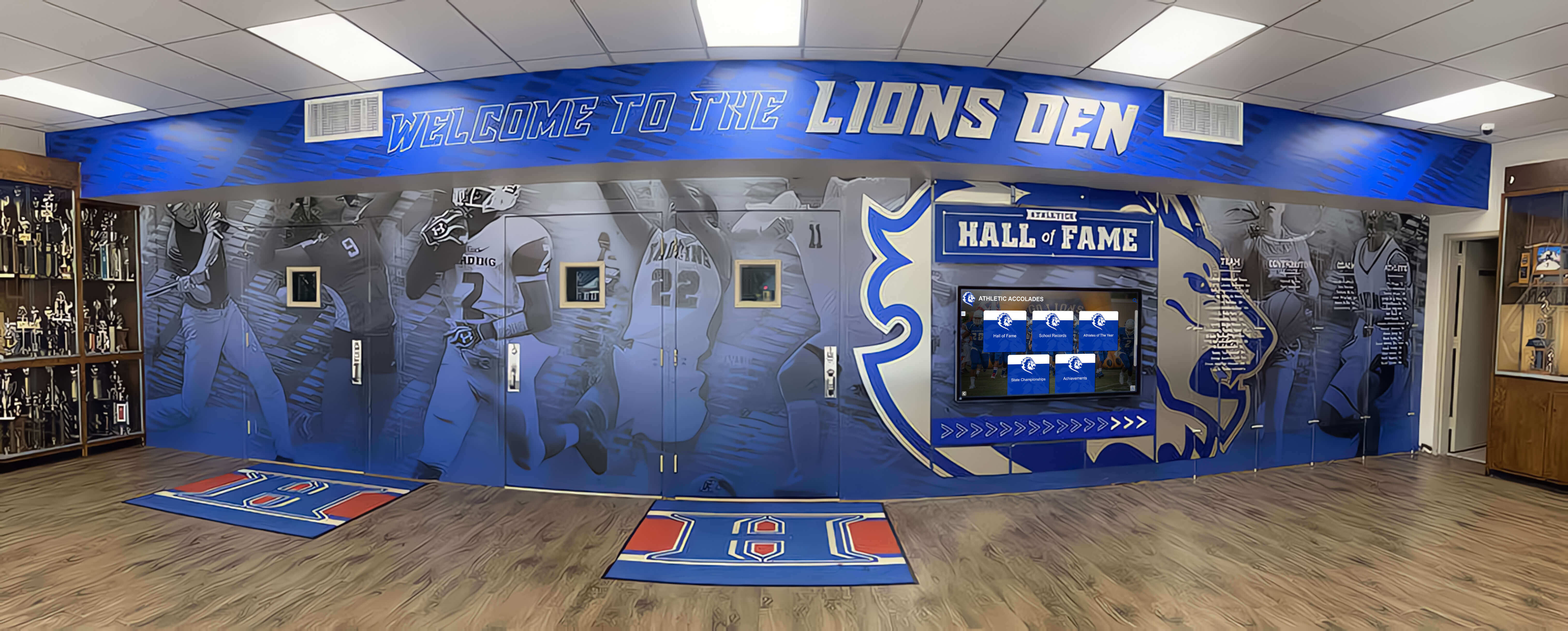
**60. Digital donor recognition displays provide flexible acknowledgment that can be updated as giving levels change
Implementing Effective Recognition Programs
Creating awards represents only the first step. Effective implementation maximizes recognition impact while ensuring fairness and inclusivity.
Establishing Clear Recognition Criteria
Recognition credibility depends on transparent, consistent standards. Define specific criteria for each award category before selection processes begin. Performance-based awards should use objective, measurable standards. Character and contribution awards should identify observable behaviors demonstrating desired qualities.
Document criteria in writing and communicate them to all potential recipients. When community members understand recognition standards, awards motivate throughout the year rather than surprising recipients at annual ceremonies.
Creating Multiple Recognition Pathways
Effective programs provide numerous achievement pathways rather than narrow focus on top performers. Students, athletes, and employees operate from different starting points with varied strengths and circumstances. Recognition systems acknowledging improvement, character, specialized contributions, and various achievement types ensure broader community members can earn meaningful recognition.
Schools implementing multidimensional recognition report higher overall motivation and engagement compared to programs recognizing only highest absolute performance.
Balancing Traditional and Modern Recognition
Physical awards—trophies, plaques, certificates—provide tangible recognition recipients can display in their homes and offices. These traditional formats remain important for major achievements and milestone celebrations.
However, physical recognition limitations include space constraints (trophy cases fill quickly), difficulty updating information, limited accessibility for families unable to attend ceremonies, and vulnerability to loss or damage over time.
Modern digital recognition platforms complement traditional awards by providing unlimited capacity, rich multimedia content, remote accessibility, easy updates, searchable databases, and permanent preservation. Many institutions now implement hybrid approaches combining meaningful physical awards for major recognitions with digital systems documenting comprehensive achievements.
Recognition Presentation Best Practices
How awards are presented significantly affects their perceived value and emotional impact.
Ceremony considerations include:
Timing: Coordinate with natural milestones (end of semester, season conclusions, annual meetings) when recognition carries maximum relevance
Setting: Choose venues appropriate to recognition significance—major awards merit formal ceremonies while regular recognition can occur at team meetings or staff gatherings
Presentation format: Provide context about what each award represents and why recipients earned it rather than simply reading names
Documentation: Photograph or video record recognition moments for recipients’ lasting memories and institution’s historical record
Accessibility: Ensure recognition is accessible to all honorees, including accommodations for disabilities and consideration of family schedules
Maintaining Recognition Program Consistency
Recognition programs build credibility through consistent application over time. Establish processes ensuring:
Selection integrity: Clear evaluation processes involving appropriate stakeholders rather than arbitrary or political selections
Annual consistency: Maintaining similar award categories across years so they become institutional traditions
Communication transparency: Sharing selection processes and criteria so community understands how recipients are chosen
Equitable access: Ensuring all potential recipients have genuine opportunities to earn recognition regardless of background or circumstance
Programs that maintain these standards develop reputations for meaningful, credible recognition that recipients genuinely value.
Technology Solutions for Modern Recognition
Digital platforms transform recognition program management and presentation while addressing traditional limitations.
Interactive Display Systems
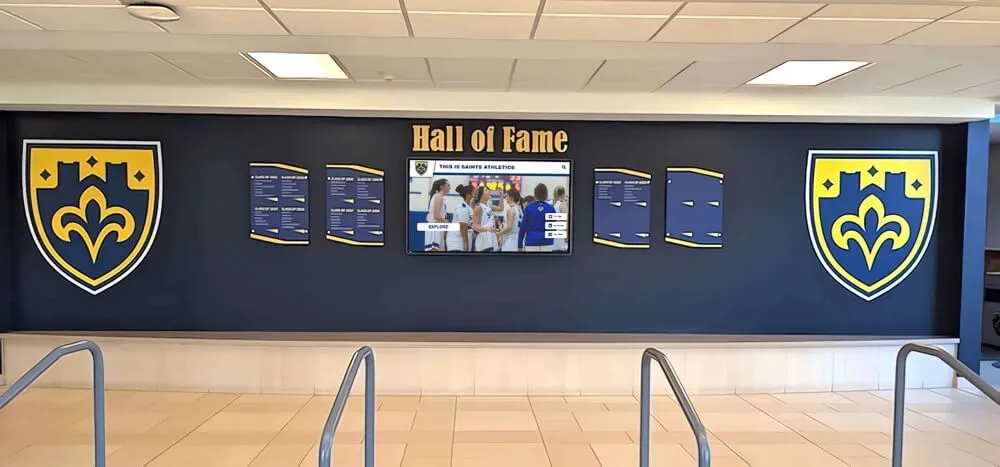
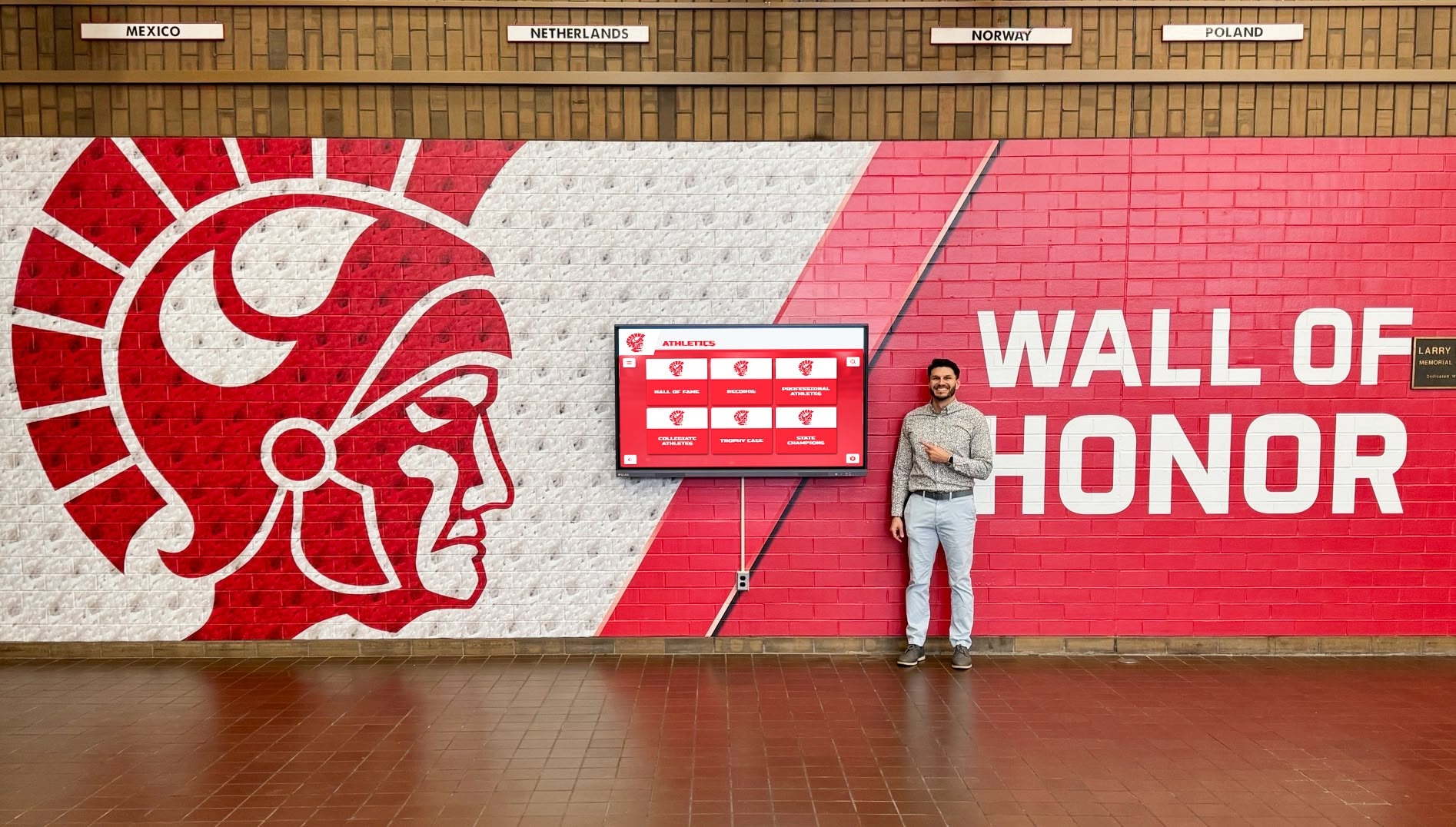
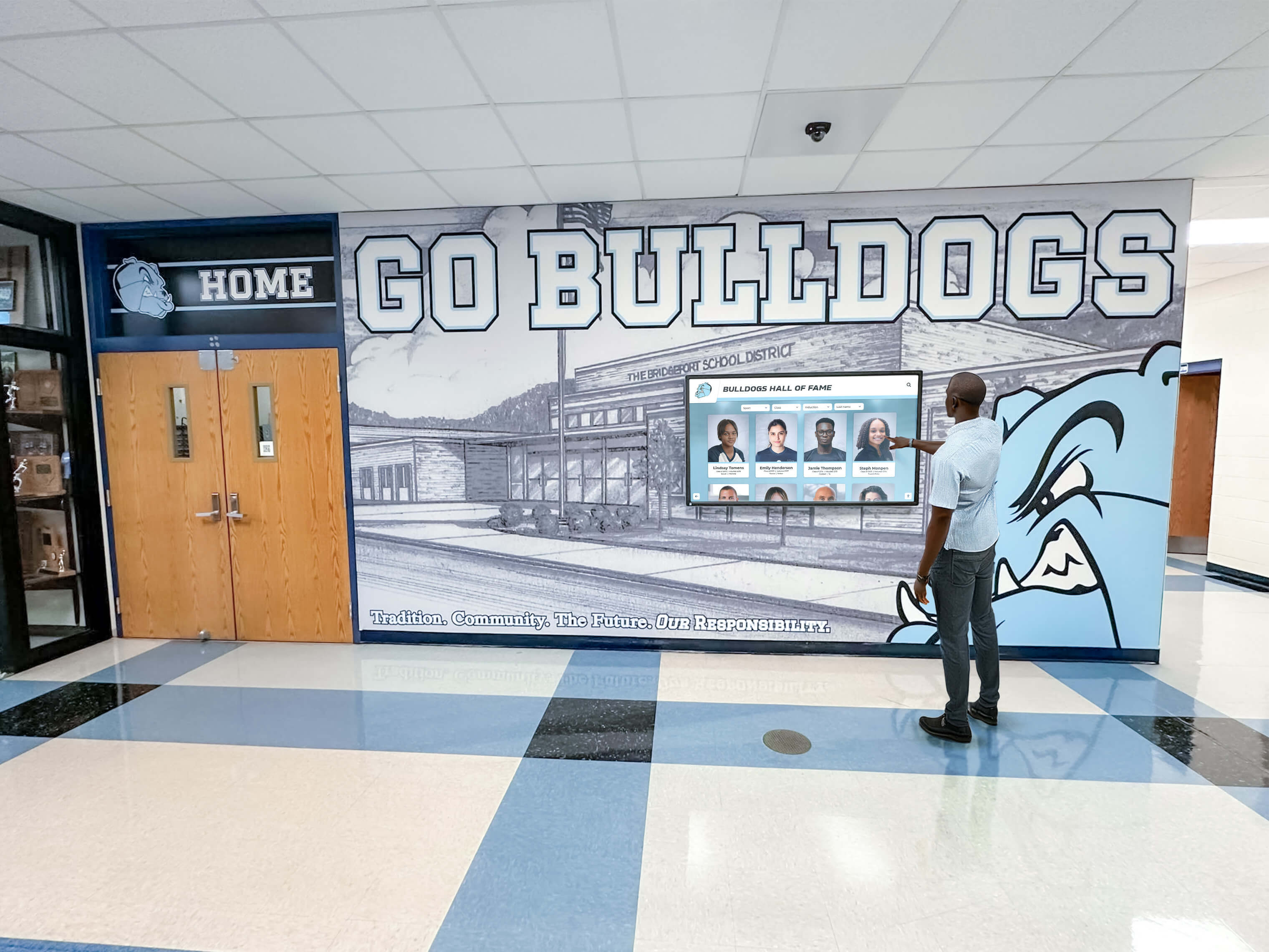
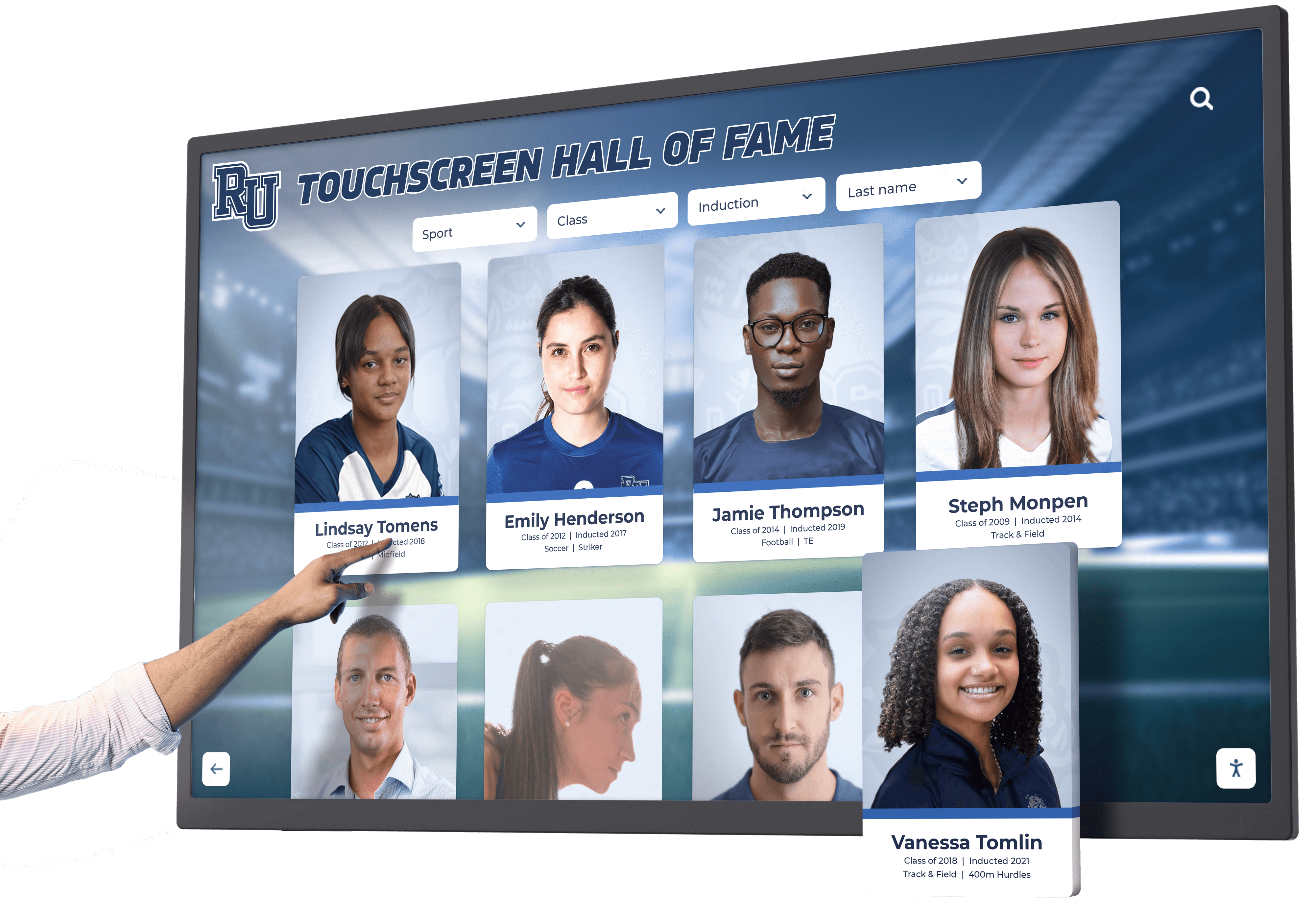
Interactive touchscreen displays allow institutions to showcase unlimited recognition recipients without physical space constraints. These systems enable visitors to search for specific individuals, browse by category or timeframe, view detailed profiles with photos and biographical information, and watch video content when available.
Installation locations in high-traffic areas—main lobbies, athletic facilities, student centers—ensure recognition reaches maximum audiences while creating impressive visual presentations reflecting institutional pride.
Cloud-Based Content Management
Modern recognition platforms utilize cloud-based content management allowing administrators to update recognition content remotely without technical expertise. This flexibility enables:
- Adding new recipients immediately following award ceremonies
- Updating achievements as individuals earn additional recognition
- Correcting information without expensive physical plaque replacement
- Maintaining current content without relying on external vendors
Integration with Existing Systems
Recognition platforms work best when integrated with institution’s existing technology infrastructure. Consider integration capabilities with student information systems, athletic statistics platforms, fundraising databases, communication tools, and social media channels.
Integrated systems reduce administrative burden while ensuring recognition information remains accurate and current across all platforms.
Measuring Recognition Program Impact
Effective recognition programs demonstrate measurable benefits justifying investment of time and resources.
Quantitative Success Indicators
Track metrics including:
- Participation rates: Are more individuals earning recognition as programs expand?
- Retention and engagement: Do recognized individuals show higher return rates or continued engagement?
- Achievement trends: Are performance levels improving as recognition motivates excellence?
- Community satisfaction: Survey data reflecting stakeholder perceptions of recognition fairness and meaningfulness
- Nomination patterns: Are diverse community members being nominated across categories?
Qualitative Impact Assessment
Beyond numbers, observe recognition program effects on institutional culture:
- Changes in motivation and effort levels
- Quality of relationships and community cohesion
- Pride and connection to institution
- Willingness to nominate and celebrate peers
- Stories about how recognition affected recipients’ trajectories
Programs demonstrating both quantitative and qualitative positive impacts build support for continued investment in comprehensive recognition systems.
Budget-Friendly Recognition Approaches
Meaningful recognition doesn’t require large budgets. Creative approaches deliver impact within modest financial constraints.
Low-Cost Recognition Options
Certificates and printed recognition: Professional certificates provide tangible acknowledgment at minimal cost
Digital-first programs: Recognition displayed exclusively on digital platforms eliminates physical production costs
Social media recognition: Highlighting achievements on institutional social channels extends reach without expense
Peer recognition programs: Structured systems where community members nominate and recognize each other
Recognition events: Ceremonies and celebrations that emphasize personal acknowledgment over expensive awards
Phased Implementation Strategies
Organizations with limited budgets can start with core recognition categories and expand over time:
Year 1: Establish major awards with modest physical recognition plus digital documentation
Year 2: Add broader recognition categories as budget allows and program credibility builds
Year 3: Implement technology solutions as recognition content volume justifies investment
Year 4+: Refine and expand based on community feedback and demonstrated impact
This graduated approach allows programs to demonstrate value before requesting significant budget increases.
Fundraising for Recognition Programs
Recognition initiatives often attract donor support because results are visible and meaningful. Consider:
Sponsorship opportunities: Local businesses or alumni sponsor specific awards Named recognition programs: Donors support entire recognition categories in perpetuity Capital campaign inclusion: Recognition systems included as components of larger facility or program campaigns Booster and parent organization support: Parent groups and booster clubs fund athletic and activity recognition
Conclusion: Building Recognition Systems That Matter
Effective awards and recognition programs share common characteristics regardless of institution type or size:
Alignment with values: Recognition reflects what the organization genuinely prioritizes and wants to cultivate
Multiple achievement pathways: Diverse award categories ensure broad community members can earn meaningful recognition
Transparent criteria: Clear standards maintain credibility and fairness
Thoughtful presentation: Recognition delivery demonstrates that achievements are genuinely valued
Sustainable implementation: Programs designed for long-term consistency rather than one-time initiatives
The 40+ awards and recognition examples presented here provide starting frameworks for building programs appropriate to your school, team, or organization. Select categories aligning with your mission and values. Establish clear, fair criteria. Create presentation formats making recognition feel special and memorable.
Whether you implement traditional physical awards, modern digital recognition platforms, or hybrid approaches combining both, the commitment to acknowledging authentic achievement creates environments where excellence flourishes, contributors feel valued, and community members remain engaged in supporting institutional success for years to come.
Transform Your Recognition Program with Digital Displays
Discover how interactive digital recognition systems can help you celebrate unlimited achievements, engage your community, and create lasting tributes that inspire excellence across your organization.
Explore Recognition Solutions






























