Wrestling programs require recognition systems that honor tradition while keeping pace with modern expectations. Awards touchscreen displays provide wrestling coaches and athletic directors with powerful tools to celebrate Hall of Fame honorees, All-State selections, All-American achievements, weekly recognitions, schedules, and program announcements in flexible, interactive formats.
Wrestling stands apart from other high school sports in its emphasis on individual achievement within team competition. Wrestlers earn recognition through weight class victories, tournament placements, season records, and career milestones that deserve permanent documentation. Traditional trophy cases and wall plaques quickly run out of space, forcing difficult decisions about which achievements to display and which to store away.
Touchscreen awards displays solve this challenge by providing unlimited digital space for recognition while maintaining the visual impact that wrestling programs deserve. These interactive systems transform how programs celebrate their athletes, making it simple to showcase decades of achievement, update current season information, and engage visitors in exploring wrestling history.
Understanding Awards Touchscreen Technology for Wrestling
Awards touchscreen systems combine commercial-grade touchscreen displays with specialized software designed for athletic recognition. These installations replace static trophy cases with interactive displays that visitors can explore through intuitive touch gestures.
Core Components of Touchscreen Award Systems
The hardware consists of durable touchscreen monitors rated for continuous operation in high-traffic areas. Screen sizes typically range from 43 inches to 75 inches, with larger installations using multiple screens to create comprehensive recognition walls. The displays mount to walls or integrate into custom stands positioned in gymnasium lobbies, wrestling room entrances, or main athletic hallways.
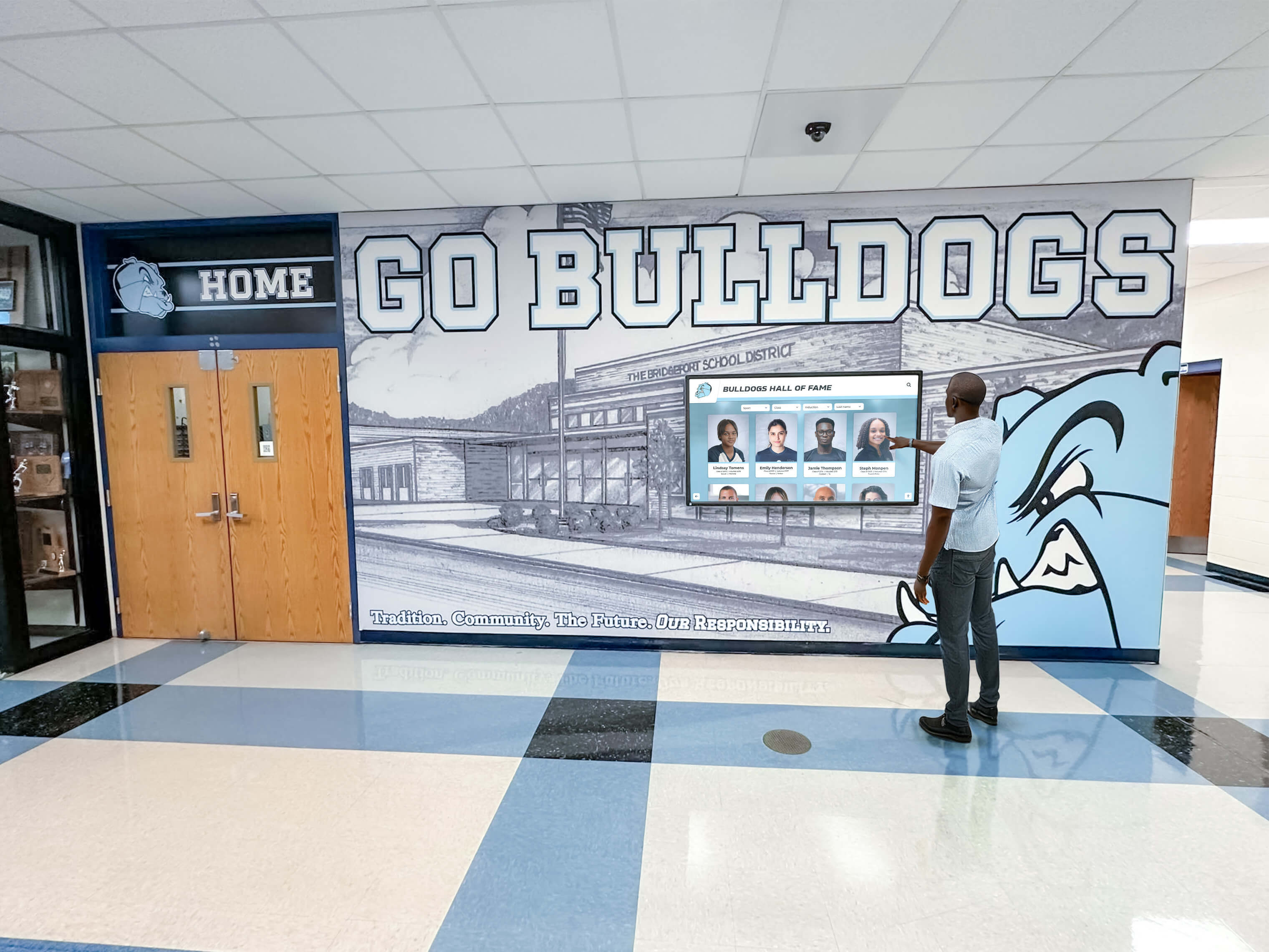
Behind the display, compact computers run the recognition software and connect to cloud-based content management systems. This architecture allows athletic staff to update content remotely from any internet-connected device. When you add a new All-State wrestler or update weekly recognition, changes appear on the display within seconds without requiring physical access to the equipment.
Why Wrestling Programs Choose Touchscreen Recognition
Wrestling coaches face unique challenges in recognition. Unlike team sports where season highlights can summarize achievements, wrestling requires detailed documentation of individual records across multiple weight classes, tournaments, and seasons. A single wrestling season might produce dozens of recognition-worthy achievements:
- Individual tournament placements
- Weight class champions
- Pin records and technical fall victories
- Season win-loss records
- Qualification for sectionals, regionals, and state tournaments
- All-conference and All-State selections
- Academic All-State recognition
Traditional displays cannot accommodate this volume of information without becoming cluttered and difficult to navigate. Touchscreen systems organize complex information into searchable, filterable databases that visitors can explore based on their interests.
Wrestling Hall of Fame Recognition on Touchscreen Displays
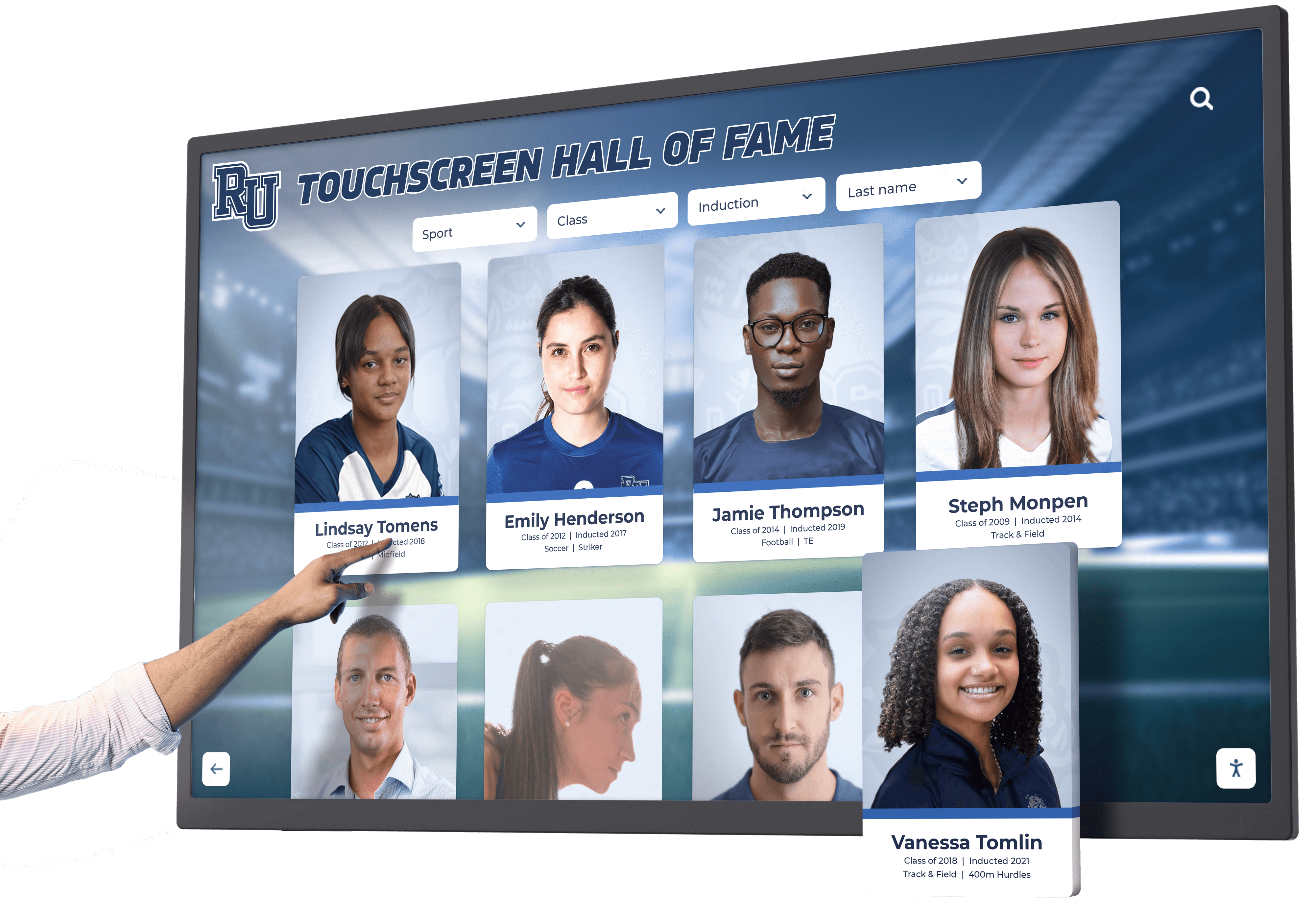
Creating a Wrestling Hall of Fame represents one of the most meaningful ways to honor program legacy. Touchscreen displays elevate Hall of Fame presentations beyond simple name lists, providing comprehensive athlete profiles that document careers and preserve wrestling history.
Comprehensive Hall of Fame Profiles
Each Hall of Fame inductee receives a detailed digital profile that includes multiple content types. Photos show wrestlers in competition and at recognition ceremonies. Career statistics document season records, tournament results, and notable victories. Text descriptions provide context about the wrestler’s impact on the program and achievements after high school.
Essential Hall of Fame Profile Elements
- Full name and graduation year
- Weight class(es) competed
- Season-by-season win-loss records
- Tournament placements and championships
- Conference, sectional, regional honors
- State tournament results
- Career pin count and technical falls
- All-State and All-American selections
Enhanced Profile Content
- Action photos from competitions
- Team photos and championship images
- Coach quotes and testimonials
- Post-graduation wrestling career
- College wrestling commitments
- Professional achievements
- Contributions back to the program
- Connection to current wrestlers
This comprehensive approach transforms Hall of Fame recognition from a simple honor list into a storytelling experience. Visitors don’t just learn names—they discover the achievements, challenges, and legacies that define program excellence.
Organizing Hall of Fame Content

Wrestling Hall of Fame displays benefit from multiple organization options. Visitors can browse inductees chronologically by graduation year, filter by weight class to see the program’s history in specific divisions, or search by name when looking for particular athletes. Some programs organize content by era, highlighting different periods in program history with context about coaching leadership and team success during those times.
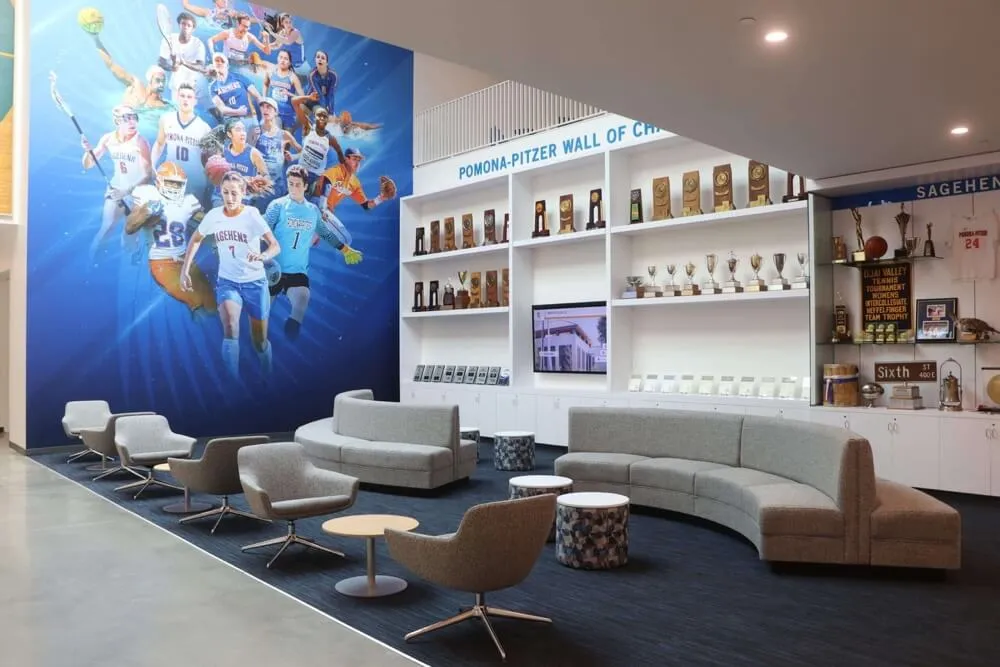
The ability to filter and search makes large Hall of Fame databases accessible. Programs with 50, 100, or more inductees don’t overwhelm visitors—instead, the interface guides exploration and helps people discover connections between different eras of program excellence.
All-State Wrestler Recognition Systems
All-State recognition represents significant achievement in high school wrestling. These selections identify the best wrestlers across an entire state, providing recognition that matters for college recruiting and athlete legacy. Touchscreen displays ensure All-State selections receive prominent, permanent recognition.
Creating All-State Recognition Galleries
All-State recognition sections organize wrestlers by season and weight class. Each wrestler’s profile includes their weight class, tournament results that earned All-State selection, season record, and notable victories. Photos from state tournament competition document the achievements visually.
Many wrestling programs include multiple levels of All-State recognition—First Team selections representing the absolute best, Second Team honorees, and Honorable Mention recognition. Digital displays accommodate all recognition levels without space constraints, ensuring every wrestler who earns All-State honors receives appropriate celebration.
Connecting All-State Recognition to Program Success
Wrestling programs benefit from connecting individual All-State selections to broader team success. When multiple wrestlers earn All-State honors in the same season, displays can highlight this collective achievement alongside individual profiles. This context demonstrates program strength beyond individual performance.
Some programs create visualization showing All-State selections over time, illustrating program trajectory and identifying particularly successful periods. These displays tell compelling stories about coaching impact, training philosophy, and program development.
All-American Wrestler Recognition
All-American status represents the highest level of high school wrestling recognition. Wrestling awards ideas frequently highlight All-American selections as the pinnacle achievement. Programs fortunate to have All-American wrestlers need recognition that matches this elite status.
All-American Profile Development
All-American profiles warrant extensive development. These wrestlers have achieved at national levels, competing against the best high school wrestlers in the country. Their profiles should document the path to All-American status, including qualifying tournaments, national championship results, and notable matches against top competition.
Content for All-American wrestlers often includes video highlights when available. A touchscreen display showing match footage from national tournaments creates powerful recognition that inspires younger wrestlers in the program. These videos demonstrate technique, mental toughness, and competitive excellence that define All-American performance.
National Tournament Documentation
Programs that regularly produce All-American wrestlers benefit from dedicated national tournament sections. These displays document team trips to national events, show tournament brackets and results, and celebrate the experience of competing at elite levels. Context about national tournaments helps younger wrestlers understand what achieving All-American status requires.
Wrestler of the Week Recognition
Weekly recognition during the season keeps current athletes engaged and celebrated. Traditional Wrestler of the Week programs rely on bulletin boards, announcements, or social media posts that quickly become outdated. Touchscreen displays create permanent records while maintaining current season focus.
Weekly Recognition Updates
Wrestler of the Week sections update throughout the season as coaches select honorees. Each weekly selection includes the wrestler’s name, weight class, notable performances from the week, and match statistics. Photos from competitions document the achievements visually.
The cloud-based content management system makes updates straightforward. Coaches or athletic administrators can add new Wrestler of the Week selections in minutes from office computers or mobile devices. The system automatically archives previous weeks’ selections, creating a season-long record of recognition.
Typical Wrestler of the Week Content
- Current Week Display: Featured prominently with large photos and detailed accomplishments
- Recent Recognition: Previous 3-4 weeks visible with smaller profiles
- Season Archive: Complete list of all weekly honorees accessible through browsing
- Statistics Integration: Automatic links to wrestler's full season profile
- Social Media Connection: One-click sharing of weekly recognition to social platforms
This approach keeps recognition fresh and engaging throughout the season while building historical records that families and wrestlers appreciate long after graduation.
Multiple Recognition Categories
Some wrestling programs extend weekly recognition beyond simple Wrestler of the Week. Categories might include Most Improved Wrestler, Outstanding Pin of the Week, or Academic Wrestler of the Week. Touchscreen displays accommodate multiple recognition categories without creating visual clutter, organizing content into logical sections that visitors can explore.
Schedule and Event Display Integration
Beyond honoring past achievements, wrestling touchscreen displays serve as information hubs for current season activities. Schedule integration keeps families, students, and community members informed about upcoming competitions while maintaining easy access to recognition content.
Schedule Management
Wrestling schedules require frequent updates as weather, COVID protocols, or other factors affect competition dates. Cloud-based content management makes schedule updates immediate and simple. When a dual meet reschedules or tournament brackets finalize, updates push to the display without requiring physical access to equipment.
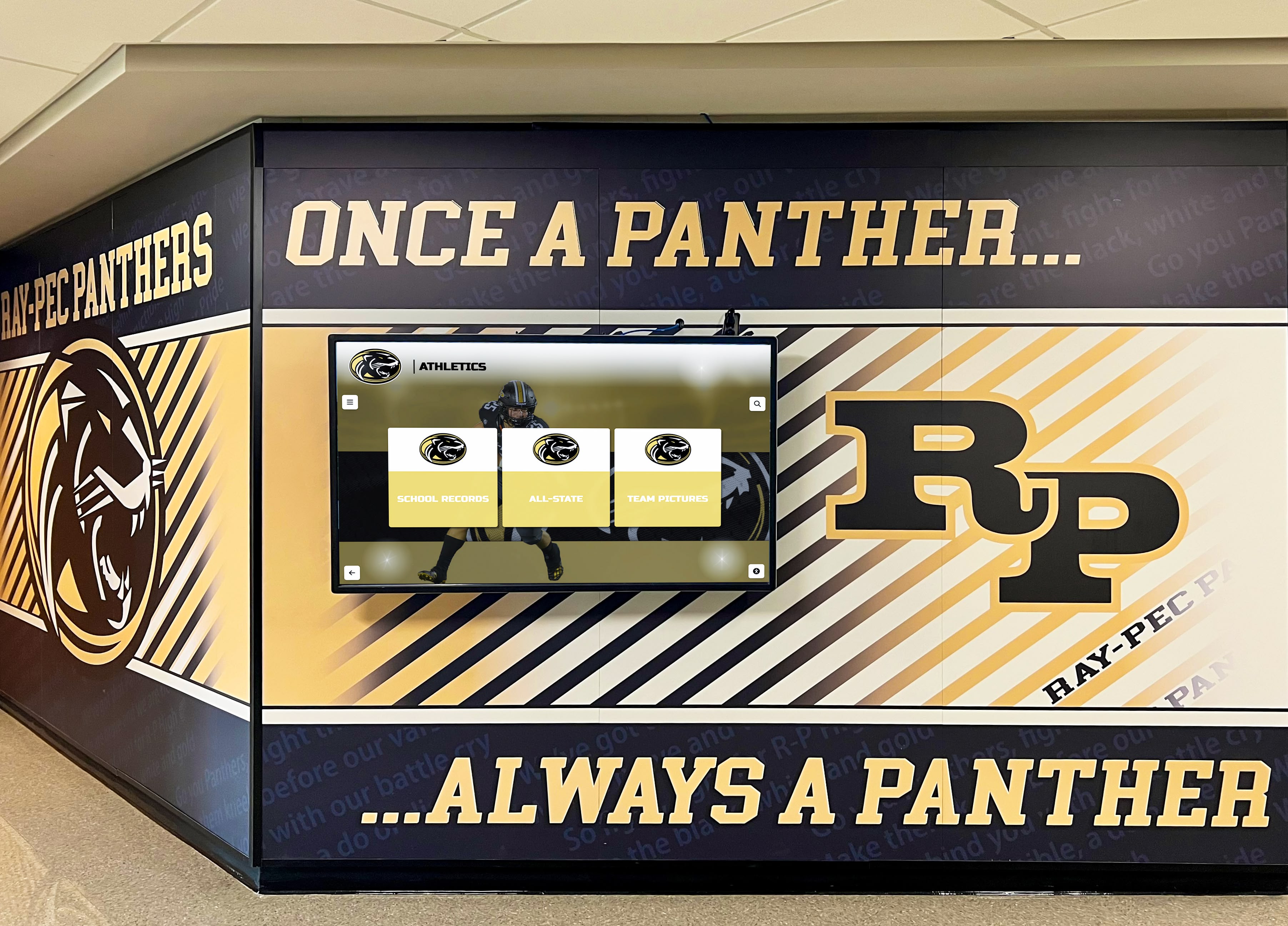
Schedule displays show upcoming events with dates, times, locations, and opponent information. Some systems integrate transportation details for away competitions and ticket information for home events. Maps and directions to competition venues help families plan attendance at away matches.
Tournament Bracket Display
Major tournaments represent significant events in wrestling seasons. Touchscreen displays can show tournament brackets as they develop, allowing visitors to track wrestler progress through elimination rounds. Real-time bracket updates during tournament weekends keep families and fans informed without requiring constant text message updates or social media checking.
After tournament completion, bracket displays become historical records documenting wrestler performance and tournament results. These archived brackets support future recognition decisions and help establish program achievement benchmarks.
Program Announcements and Communication
Wrestling programs generate regular announcements requiring distribution to athletes, families, and supporters. Touchscreen displays function as digital communication hubs, ensuring important information reaches intended audiences.
Announcement Management
Program announcements display prominently on recognition screens, rotating with achievement content to maintain visibility. Typical announcements include:
- Practice schedule changes
- Equipment fitting and distribution information
- Fundraising event details
- Booster club meeting dates
- Banquet and recognition ceremony scheduling
- Summer camp and training opportunities
- College recruiting event information
- Program policy updates
The content management system allows coaches to schedule announcement display periods, ensuring time-sensitive information appears when relevant and automatically removes when outdated. This automation prevents displays from showing expired announcements that confuse visitors or make programs appear inattentive to maintenance.
Multi-Purpose Communication Hub
Advanced wrestling touchscreen installations integrate multiple communication functions. Displays might show live social media feeds during the season, connecting physical recognition with digital engagement. Integration with school digital signage systems allows content to appear on multiple screens throughout athletic facilities, extending reach beyond single display locations.
Technical Requirements and Installation Planning
Implementing wrestling awards touchscreen displays requires planning around technical requirements, installation logistics, and ongoing support needs. Understanding these factors upfront ensures successful implementations that serve programs for years.
Location Selection for Maximum Impact
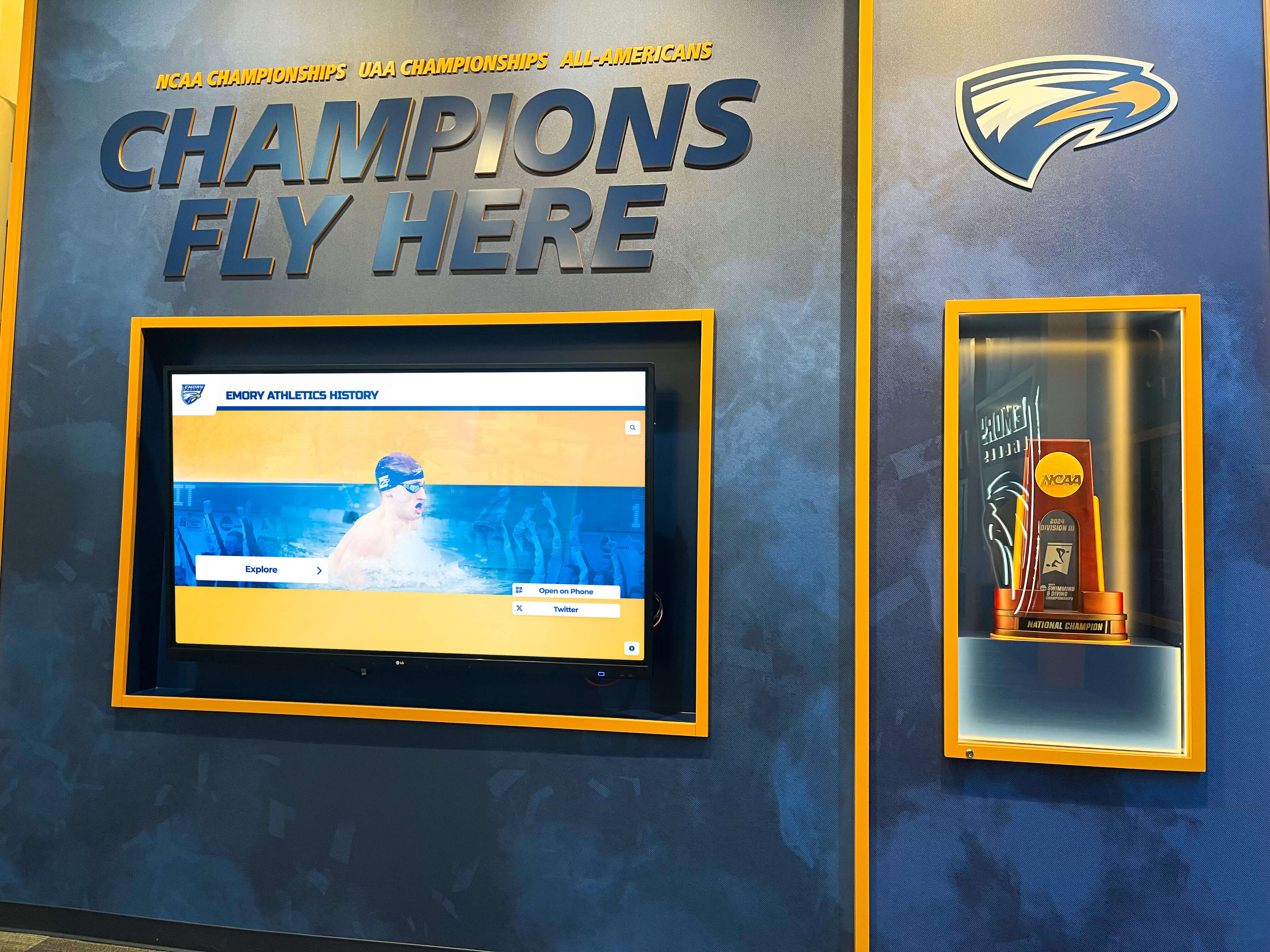
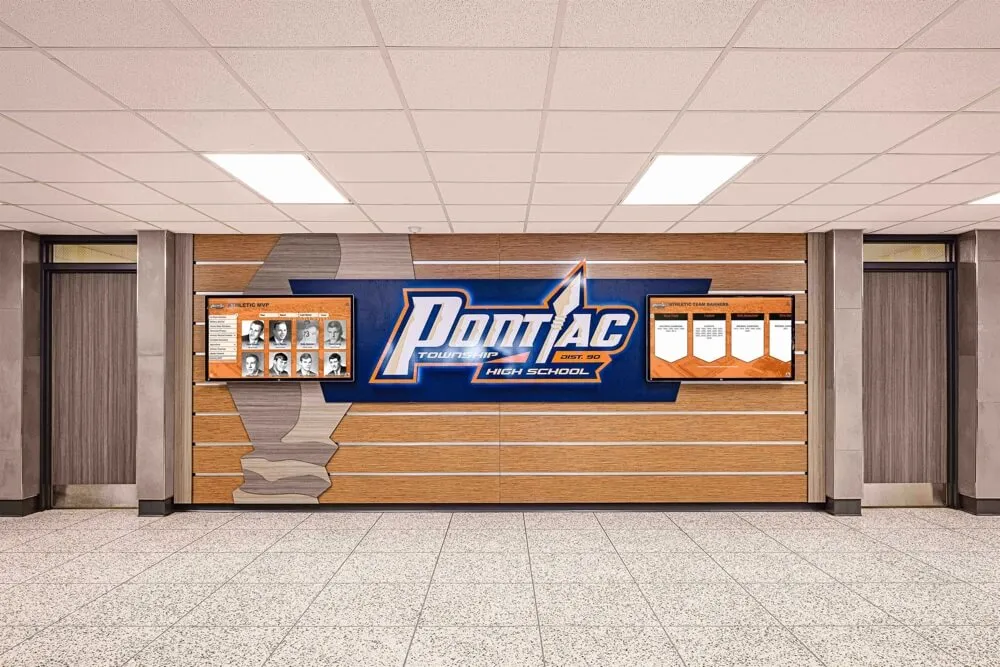
Display location significantly affects recognition impact and visibility. Optimal locations for wrestling recognition include:
Wrestling Room Entrance: Displays positioned at wrestling room entrances create immediate impact for athletes, families, and visitors. This location ensures regular engagement from the people most connected to the program.
Gymnasium Lobby: Main gymnasium lobbies provide high traffic and visibility during all athletic events. Wrestling recognition alongside other athletic displays demonstrates program value within broader athletic offerings.
Athletic Hallway: Dedicated athletic hallways or halls of fame create destination spaces where visitors specifically seek recognition content. These locations support extended browsing and detailed exploration.
Competition Viewing Areas: Displays in areas where people watch wrestling competitions keep recognition visible during peak engagement moments when families and supporters gather for matches.
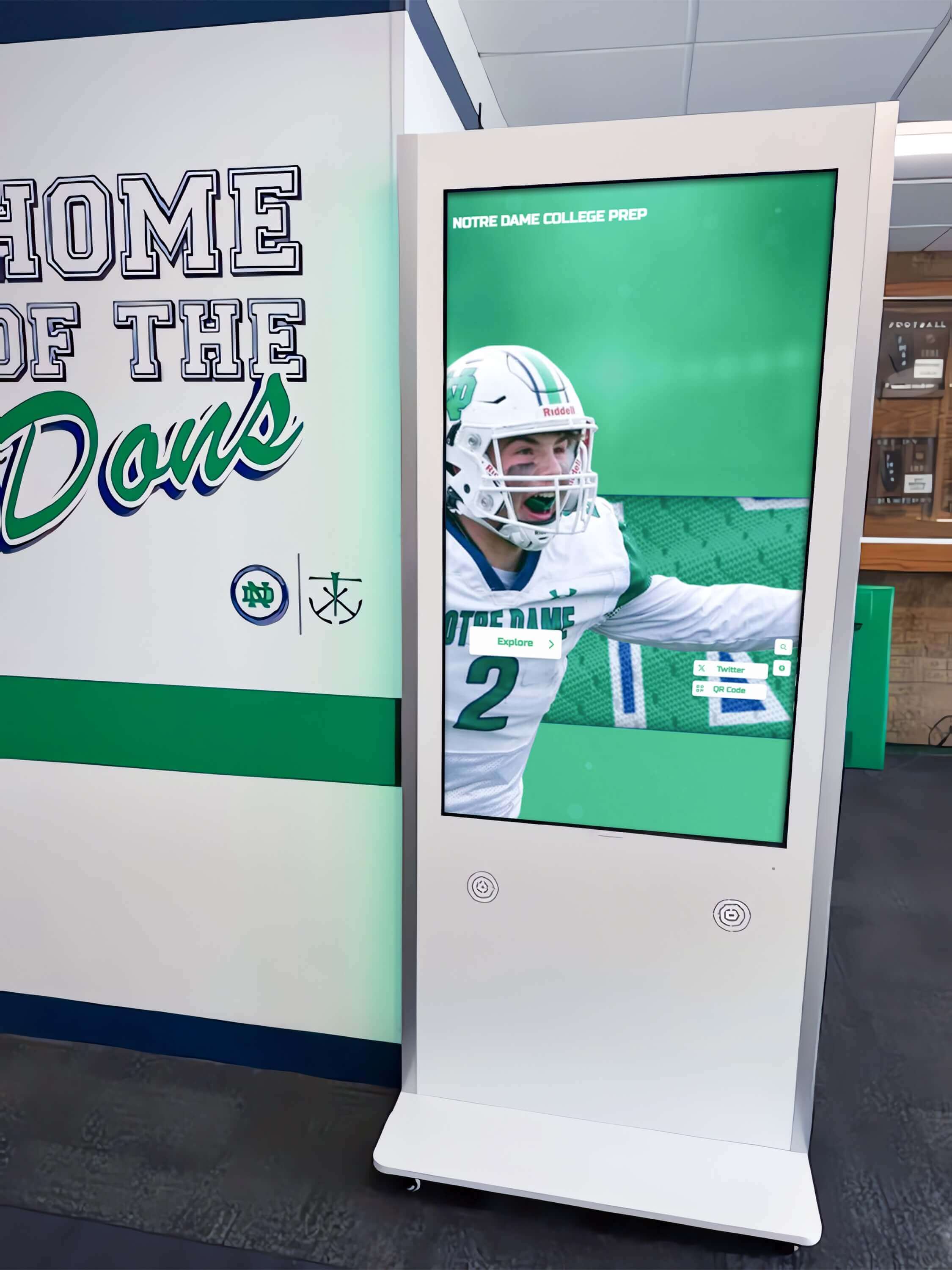
Location selection should consider power outlet access, network connectivity, mounting surface suitability, and Americans with Disabilities Act compliance for viewing heights and approach clearances.
Hardware Specifications for Wrestling Programs
Wrestling awards displays require durable equipment suitable for athletic facility environments. Commercial-grade touchscreen displays rated for 16-24 hour daily operation ensure reliability. Anti-glare screens maintain visibility in bright gymnasium lighting. Tempered glass screens resist impact from athletic equipment or accidental contact.
Display computers need sufficient processing power for smooth touchscreen responsiveness and video playback. Solid-state storage eliminates mechanical failures from hard drives. Fanless designs prevent dust accumulation that occurs in athletic facilities.
Network connectivity can utilize existing WiFi infrastructure or wired ethernet connections depending on installation location. Cellular backup connections ensure displays maintain functionality if network issues affect the building.
Content Management and Update Processes
The content management system represents the interface where coaches, athletic directors, and administrators maintain recognition displays. Effective systems require no technical expertise, using web-based interfaces accessible from standard browsers on computers, tablets, or smartphones.
Key content management capabilities include:
- Drag-and-drop photo uploads with automatic sizing
- Pre-built profile templates for consistent presentation
- Search and filter tools for locating existing content
- Bulk import options for historical data
- Role-based permissions controlling who can edit different sections
- Preview modes showing exactly how content will appear
- Automatic backups preserving content against accidental deletion
Solutions like Rocket Alumni Solutions design content management specifically for athletic recognition, incorporating workflows that match how coaches and administrators actually work rather than requiring adoption of unfamiliar processes.
Building Comprehensive Wrestler Profiles
Individual wrestler profiles form the foundation of effective touchscreen recognition. Well-developed profiles honor achievements while creating engaging content that visitors want to explore.
Essential Profile Information
Every wrestler profile should include fundamental information that establishes identity and documents career achievements:
Identification Details
- Full name (including middle initial or name)
- Graduation year
- Weight class(es) competed
- Years on varsity roster
- Jersey number if applicable
- Hometown and feeder program
Career Statistics
- Career win-loss record
- Season-by-season records
- Total pins and technical falls
- Tournament placements
- Conference championships
- District and regional results
- State tournament performance
This statistical foundation documents achievement objectively, establishing credentials that justify recognition.
Enhanced Profile Content
Beyond statistics, compelling wrestler profiles include contextual information that tells fuller stories. Coach quotes describing wrestler contributions, work ethic, or impact on team culture add personal dimension. Descriptions of significant matches or comeback victories humanize statistical achievements.
Post-graduation information adds interest, especially for historical profiles. Where did wrestlers compete in college? What careers did they pursue? Did they return to coaching or contribute back to the program? This information creates connections between past athletes and current program participants.
Photo and Video Content
Visual content transforms profiles from data listings into engaging recognition. Action photos from competitions show wrestlers executing techniques or celebrating victories. Team photos establish connections to specific seasons and teammates. Recognition ceremony photos document moments when athletes received awards and honors.
Video highlights, when available, create particularly powerful recognition. Match footage showing crucial takedowns, escapes, or pins lets visitors experience competitions. Interview clips where wrestlers discuss their experiences add personal voices to recognition displays.
Integrating Team Success and Individual Achievement
Wrestling recognition balances individual athlete achievements with team success. Touchscreen displays can present both dimensions effectively, showing how individual excellence contributes to team championships and program reputation.
Team Championship Recognition
Season championship recognition highlights collective success. Team displays document conference championships, tournament titles, and dual meet records. Roster listings show all wrestlers who contributed to championship seasons, ensuring recognition extends beyond top performers.
Championship season displays benefit from including context about competition. Tournament brackets, final standings, and season schedules demonstrate the path to championships. Photos from championship matches or trophy presentations create visual records of success.
Connecting Individual and Team Success
Effective displays explicitly connect individual achievement to team outcomes. When highlighting an All-State wrestler, mention the team’s conference standing that season. When celebrating a state qualifier, note how many team points that qualification earned. These connections demonstrate how individual excellence supports collective success.
Statistical displays showing team scoring contributors across seasons help visitors understand wrestling program dynamics. Bar charts or visualizations comparing team point contributors across different years tell stories about program depth and development.
Wrestling Records and Statistical Displays
Wrestling generates rich statistical content that supports recognition and demonstrates program excellence. Records boards documenting career achievements, season bests, and program milestones create engaging content for touchscreen displays.
Essential Wrestling Records
Wrestling programs should document and display records across multiple categories:
Career Records:
- Most career wins
- Best career winning percentage
- Most career pins
- Most career technical falls
- Most career major decisions
- Fastest pin
- Most consecutive wins
Single Season Records:
- Most wins in a season
- Best single-season winning percentage
- Most pins in a season
- Most tournament championships in a season
- Most takedowns in a season
Weight Class Records: Records organized by weight class show program strength across different divisions and create benchmarks specific to each weight class’s competition dynamics.
Record Tracking
One advantage of digital record displays involves real-time updating as current wrestlers approach or break existing records. When a wrestler nears the career pin record, displays can highlight this chase, creating engagement throughout the season. After record-breaking performances, displays update immediately to reflect new benchmarks.
Historical context enriches record displays. Showing when records were set and by whom creates narrative around achievement. Long-standing records demonstrate historical excellence, while frequently broken records illustrate program advancement and improving competition levels.
Maintaining Historical Wrestling Program Archives
Beyond current recognition, touchscreen displays serve as archives preserving wrestling program history. Digital formats protect historical information while making it accessible to current and future program participants.
Digitizing Historical Content
Many wrestling programs possess decades of historical content in various formats—old yearbooks, newspaper clippings, tournament programs, photo albums, and coach records. Digitizing these materials preserves them while making content accessible through touchscreen displays.
The digitization process involves scanning photos and documents at appropriate resolutions, organizing content chronologically or by category, and creating metadata that makes materials searchable. Many programs involve student groups, parents, or alumni in digitization projects, spreading work across willing volunteers while generating engagement.
Creating Historical Context Displays
Historical wrestling program sections provide context about program evolution. Timeline displays show program founding, coaching changes, facility improvements, and significant achievements across decades. Era-specific sections can highlight particularly successful periods, documenting what made those years special.
Historical displays benefit from connecting past and present. Showing lineage between successful wrestlers from different eras demonstrates traditions of excellence. Highlighting coaching philosophies that remained consistent across decades illustrates program values. Creating “then and now” comparisons of facilities, equipment, or training methods makes history tangible and interesting.
Parent and Family Engagement Features
Wrestling families invest significant time supporting athletes through long seasons, numerous tournaments, and demanding training. Touchscreen recognition displays can incorporate features that acknowledge family contributions and enhance engagement.
Family Photo Opportunities
Recognition displays positioned in wrestling room lobbies or gymnasium entrances become natural photo backdrops. Families photograph wrestlers posing with their profiles displayed on screens, creating memorable images that document recognition moments.
Some programs create specific “photo mode” features allowing wrestlers to display their profiles in custom formats for photos. These displays make families feel celebrated and generate social media sharing that increases program visibility.
Remote Access for Extended Family
While physical touchscreen displays serve on-site visitors, web-accessible versions extend recognition to extended family who cannot regularly visit campus. Grandparents, relatives in other states, and deployed military family members can explore wrestling recognition from anywhere with internet access.
Web access typically mirrors the touchscreen interface, maintaining consistent presentation across physical and digital experiences. Some systems include notification features that alert family members when new recognition content appears, such as when their wrestler receives weekly recognition or when season statistics update.
Sponsorship and Fundraising Integration
Wrestling programs often rely on booster support and community sponsorship. Touchscreen displays can incorporate sponsor recognition that generates funding while celebrating program support.
Digital Sponsor Recognition
Sponsor recognition within touchscreen displays offers advantages over traditional banner sponsorships. Digital formats allow sponsor rotation, ensuring multiple supporters receive visibility rather than only those who can secure prime physical locations. Sponsor messages can include logos, company information, and even promotional videos when appropriate.
Tiered sponsorship levels might correlate with recognition placement and frequency. Premium sponsors could receive featured placement on home screens, while supporting sponsors rotate through displays. All sponsors benefit from association with positive program recognition rather than generic advertising placement.
Fundraising Campaign Visualization
Programs conducting fundraising campaigns can visualize progress through touchscreen displays. Donor recognition walls showing contributor names organized by giving levels acknowledge support while encouraging additional donations. Progress meters toward campaign goals create transparency and urgency that motivates giving.
Digital formats make fundraising recognition infinitely flexible. As campaigns evolve and additional donors contribute, updates happen immediately without waiting for plaque engraving or physical display modification.
Accessibility and Inclusive Design
Wrestling recognition displays should be accessible to all program participants and visitors regardless of physical ability. Thoughtful design ensures displays serve entire communities.
Physical Accessibility Requirements
Display mounting height and positioning must comply with Americans with Disabilities Act requirements. Touchscreen controls should be accessible to visitors using wheelchairs, with appropriate approach clearances and mounting heights typically between 15-48 inches from the floor. Control placement should avoid reaching requirements above 48 inches.
Kiosk-style displays require appropriate clearances around all sides for wheelchair approach and maneuvering. Freestanding displays should be stable and tip-resistant while maintaining accessibility standards.
Digital Accessibility Features
Software interfaces should support visitors with various abilities. Text-to-speech capabilities allow visitors with visual impairments to navigate content through audio feedback. High-contrast display modes improve visibility for visitors with reduced vision. Adjustable text sizes accommodate different vision capabilities without requiring visitors to squint or lean close to displays.
Touch targets should be appropriately sized for visitors with motor control challenges. Gesture-based navigation should include alternative button-based controls. Extended interaction timeouts prevent displays from resetting before visitors with slower interaction speeds complete their browsing.
Training Staff and Maintaining Content Quality
Successful wrestling touchscreen displays require ongoing attention to content quality and currency. Establishing clear maintenance processes ensures displays remain valuable assets rather than becoming outdated installations.
Staff Training Essentials
Athletic directors, wrestling coaches, and administrative staff need training on content management systems. Effective training programs cover:
- Logging into management systems and navigating interfaces
- Creating new wrestler profiles using templates
- Uploading and cropping photos for optimal display
- Updating statistics and records as seasons progress
- Adding weekly recognition content
- Scheduling announcements and managing display timing
- Previewing changes before publishing
- Troubleshooting common issues
Training should emphasize that content management requires no technical expertise. Most systems are designed for ease of use, allowing anyone comfortable with basic computer operation to manage displays successfully.
Content Quality Standards
Establishing content quality standards ensures consistent presentation across all wrestlers and time periods. Standards might specify:
- Minimum photo resolution requirements
- Preferred photo types (action shots vs. portraits)
- Information verification processes for accuracy
- Approval workflows before content publication
- Style guidelines for text descriptions
- Statistical formatting conventions
These standards prevent displays from becoming inconsistent mixes of high-quality and low-quality content that diminish overall impact.
Return on Investment for Wrestling Recognition
Wrestling programs must justify touchscreen display investments to administrators, boosters, and communities. Understanding return on investment helps make compelling cases for recognition system implementation.
Quantifiable Benefits
While recognition primarily serves intangible goals around honor and tradition, several quantifiable benefits support investment justification:
Administrative Time Savings: Digital content management reduces time spent updating traditional trophy cases, printing and framing photos, or maintaining static wall displays. Programs report 75-85% reductions in recognition maintenance time after implementing touchscreen systems.
Space Efficiency: Single touchscreen displays can replace dozens of square feet of trophy cases or wall displays, potentially freeing valuable space for other athletic program needs.
Print Cost Elimination: Programs no longer need regular printing and framing for recognition updates, eliminating recurring costs for photo printing, mat board, frames, and installation materials.
Longevity: Commercial-grade displays operate reliably for 6-8 years with minimal maintenance, while traditional displays may require refinishing, repairs, or replacement more frequently due to physical damage or wear.
Intangible Value Creation
Beyond quantifiable savings, touchscreen recognition creates value through:
Athlete Motivation: Visible recognition of excellence motivates current wrestlers to pursue similar achievements, potentially elevating overall program performance and work ethic.
Family Satisfaction: Parents and families appreciate comprehensive recognition that honors athlete dedication and achievement, strengthening program support and advocacy.
Recruitment Advantage: Programs that demonstrate commitment to recognizing achievement attract talented wrestlers from feeder programs who seek competitive, well-supported environments.
Community Pride: Wrestling success generates community pride, and visible recognition amplifies this effect by making achievements accessible to broader audiences during athletic events.
Alumni Engagement: Recognition that preserves wrestling history creates connection points for alumni, supporting long-term relationships that benefit programs through mentorship, coaching support, or financial contributions.
Implementation Roadmap for Wrestling Programs
Wrestling coaches and athletic directors ready to implement touchscreen recognition should follow structured approaches that ensure successful outcomes.
Phase 1: Planning and Requirements Definition
Begin by clearly defining what the recognition system should accomplish:
- Which recognition categories will displays include (Hall of Fame, All-State, records, etc.)?
- What historical content exists that should be digitized and incorporated?
- Where will displays be physically installed?
- Who will be responsible for content management and updates?
- What budget constraints exist?
- Are there facility renovation plans that should coordinate with display installation?
Involving wrestling coaches, athletic directors, boosters, and administrators in planning ensures all perspectives inform decision-making and creates buy-in across stakeholder groups.
Phase 2: Solution Selection and Vendor Evaluation
Research available touchscreen recognition solutions, comparing capabilities, costs, and support offerings. Key evaluation criteria include:
Solution Evaluation Checklist
- Content Management Ease: Can non-technical staff update content independently?
- Customization Options: Can displays match school branding and wrestling program identity?
- Scalability: Can the system grow if program needs expand?
- Support Quality: What training, troubleshooting, and maintenance support is included?
- Track Record: Does the vendor have successful wrestling program implementations?
- Integration Capability: Can the system connect with existing athletic management software?
- Total Cost: What are upfront costs and ongoing expenses?
Request demonstrations from multiple vendors, asking them to show how specific wrestling recognition scenarios would work within their systems.
Phase 3: Content Collection and Preparation
While vendors prepare hardware and software, begin collecting content for initial display population:
- Compile wrestler lists across relevant time periods
- Gather photos from yearbooks, team archives, and families
- Collect statistical records from season summaries and tournament results
- Document Hall of Fame selection criteria and inductee information
- Identify desired record categories and compile record holders
- Gather historical information about program development and coaching history
Organize this content systematically, creating spreadsheets or databases that facilitate bulk import into content management systems. This preparation significantly reduces time required after installation to make displays operational.
Phase 4: Installation and Configuration
Professional installation ensures displays mount securely, connect properly to power and networks, and work with building infrastructure. Installation timing should consider athletic calendar schedules—avoid installation during important competition periods when spaces may be unavailable or when installation could disrupt program activities.
Configuration involves customizing software to match school branding, setting up user accounts for content managers, and loading initial content. Many vendors provide configuration services as part of installation, though some systems require customer self-configuration.
Phase 5: Training and Launch
Before public unveiling, train all staff who will manage content. Training sessions should allow hands-on practice with test content, ensuring comfort with common tasks like adding new wrestlers, updating statistics, and managing announcements.
Launch the display with appropriate ceremony during a wrestling event or season kickoff. Invite media coverage, promote on social media, and ensure families and wrestlers understand the new recognition opportunity. A successful launch generates excitement and engagement that carries forward.
Phase 6: Ongoing Management and Enhancement
After launch, establish regular update schedules. Common practices include:
- Weekly updates during season for current wrestler recognition
- Post-tournament updates documenting placements and results
- End-of-season updates adding final statistics and season summaries
- Annual updates incorporating graduating seniors and new Hall of Fame inductees
- Periodic historical content additions as digitization projects progress
Schedule quarterly or annual content audits to verify accuracy, update graduated wrestlers’ post-high school information, and identify opportunities to enhance existing profiles with additional content.
Integration with Broader Athletic Recognition
While wrestling-specific touchscreen displays serve program needs, coordination with broader athletic recognition creates more coherent overall athletic facility presentations.
Multi-Sport Recognition Coordination
Athletic departments implementing recognition displays across multiple sports benefit from consistent design approaches. Similar layouts, color schemes aligned with school branding, and parallel content structures create professional presentations while allowing each sport to maintain distinct identity.
Some programs implement unified athletic recognition systems where single displays showcase multiple sports. Wrestling content becomes one section within comprehensive athletic halls of fame that also feature football, basketball, and other sports. This approach centralizes recognition while ensuring all sports receive appropriate celebration.
Balancing Tradition and Innovation
Wrestling programs with strong traditions and historical recognition displays face questions about balancing existing physical recognition with new digital systems. Hybrid approaches often work well, maintaining traditional elements like retired jerseys, championship banners, or historical plaques while implementing touchscreen displays for detailed athlete information and updated recognition.
This balanced approach respects tradition while embracing modern capabilities. Visitors appreciate both the character that traditional displays provide and the depth of information that digital formats enable.
Future Developments in Touchscreen Recognition
Awards touchscreen technology continues advancing, with emerging capabilities that will further enhance wrestling program recognition in coming years.
Augmented Reality Integration
Augmented reality (AR) features allow visitors to point smartphones at displays and access additional content layers. A wrestler profile might trigger AR experiences showing 3D match visualizations, animated technique breakdowns, or virtual trophy displays. While still emerging, AR integration will become more common as smartphone capabilities advance and development tools become more accessible.
Artificial Intelligence for Content Enhancement
Artificial intelligence tools can automatically analyze match videos to extract highlights, identify significant moments, and create automated highlight reels. Natural language processing can generate profile text from statistical data and coach input, reducing manual content creation effort. Computer vision can automatically identify and tag individuals in historical photos, facilitating faster historical content digitization.
Social Media Synchronization
Advanced systems will increasingly synchronize with social media platforms, automatically pulling relevant content that wrestlers, families, or programs share online. A wrestler’s Instagram post celebrating a tournament victory could automatically appear in their touchscreen profile. Wrestling programs’ Twitter announcements could feed directly to display announcement sections. This synchronization reduces duplication of effort while keeping recognition content current.
Statistical Trend Display
Future systems may incorporate analytics showing statistical trends, predicting performance trajectories, or identifying emerging talent based on early-career performance patterns. While carefully designed to avoid creating unhealthy pressure on young athletes, thoughtful analytics displays could help wrestlers understand development patterns and set realistic goals based on historical program data.
Choosing the Right Partner for Implementation
Wrestling programs have numerous options when implementing touchscreen recognition. Selecting the right implementation partner significantly affects outcome success and long-term satisfaction.
Key Selection Criteria
Look for recognition solution providers with:
Athletic Program Experience: Vendors should demonstrate understanding of athletic recognition needs, particularly wrestling program specifics like weight class organization, tournament result documentation, and season scheduling integration.
Educational Institution Focus: Vendors working primarily with schools and universities understand educational environment constraints, procurement processes, and support expectations that differ from corporate digital signage implementations.
Long-Term Support Commitment: Recognition systems serve programs for many years. Vendors should demonstrate commitment to ongoing support, regular software updates, and availability for troubleshooting assistance when needed.
References and Portfolio: Request references from wrestling programs with similar needs. Review portfolios showing actual implementations rather than generic marketing materials. Visit reference installations when possible to see systems in operation and speak with program staff about their experiences.
Solutions like Rocket Alumni Solutions specialize in athletic recognition for educational institutions, providing purpose-built platforms that address specific challenges wrestling programs face. Their cloud-based systems simplify content management while offering the depth of features that comprehensive wrestling recognition requires. Programs benefit from implementation support, content migration assistance, and ongoing access to support resources that ensure successful long-term outcomes.
Taking the Next Step
Wrestling programs ready to enhance recognition through touchscreen technology should begin with clear understanding of goals and requirements. Define what achievements deserve recognition, identify budget parameters, and establish stakeholder support from coaches, administrators, and boosters.
Getting Started Checklist
- Document current recognition methods and identify limitations
- Define comprehensive list of recognition categories to include
- Identify available budget and potential funding sources
- Determine optimal display locations in athletic facilities
- Inventory existing historical content for digitization
- Research available solution providers and request demonstrations
- Involve key stakeholders in solution evaluation
- Develop implementation timeline coordinating with athletic calendar
- Plan launch event and promotional strategy
- Establish ongoing content management responsibilities
Many wrestling programs find value in consultations with recognition specialists who can guide them through planning and decision-making. These consultations clarify options, provide realistic budget expectations, and help programs avoid common implementation pitfalls.
The investment in wrestling touchscreen recognition creates lasting value. Athletes receive recognition they’ve earned through dedication and achievement. Programs preserve history and traditions for future generations. Families gain tangible connections to wrestling experiences. Communities see visible evidence of program excellence. These benefits compound over time, making recognition systems among the most impactful investments wrestling programs can make.
Ready to transform your wrestling program’s recognition? Book a demo to see how touchscreen awards displays can celebrate your Hall of Fame honorees, All-State wrestlers, All-Americans, weekly awards, schedules, and announcements with the interactive recognition your program deserves.































