Every baseball season concludes with moments that deserve celebration—game-winning hits, defensive gems, leadership growth, and character development that extends far beyond the diamond. Yet many baseball programs struggle to create recognition systems that honor the full spectrum of valuable contributions players make throughout a season.
Traditional baseball awards often focus narrowly on batting statistics and win-loss records, overlooking the defensive specialists who prevent runs, the dugout leaders who maintain team chemistry, and the hardworking players who improve dramatically but never lead in statistics. This limited recognition approach misses opportunities to motivate every player while reinforcing the complete set of values that strong baseball programs cultivate.
This comprehensive guide presents creative baseball awards ideas that celebrate achievement across performance, character, teamwork, improvement, and specialized contributions. Whether you coach youth baseball, manage high school programs, or lead college athletics, you’ll discover recognition concepts that honor diverse excellence while building team culture and motivating players at every position and skill level.
From reimagined traditional awards through position-specific recognition to character-focused honors and fun team culture celebrations, these ideas help you design award programs that make every player feel valued for their authentic contributions to your baseball program.
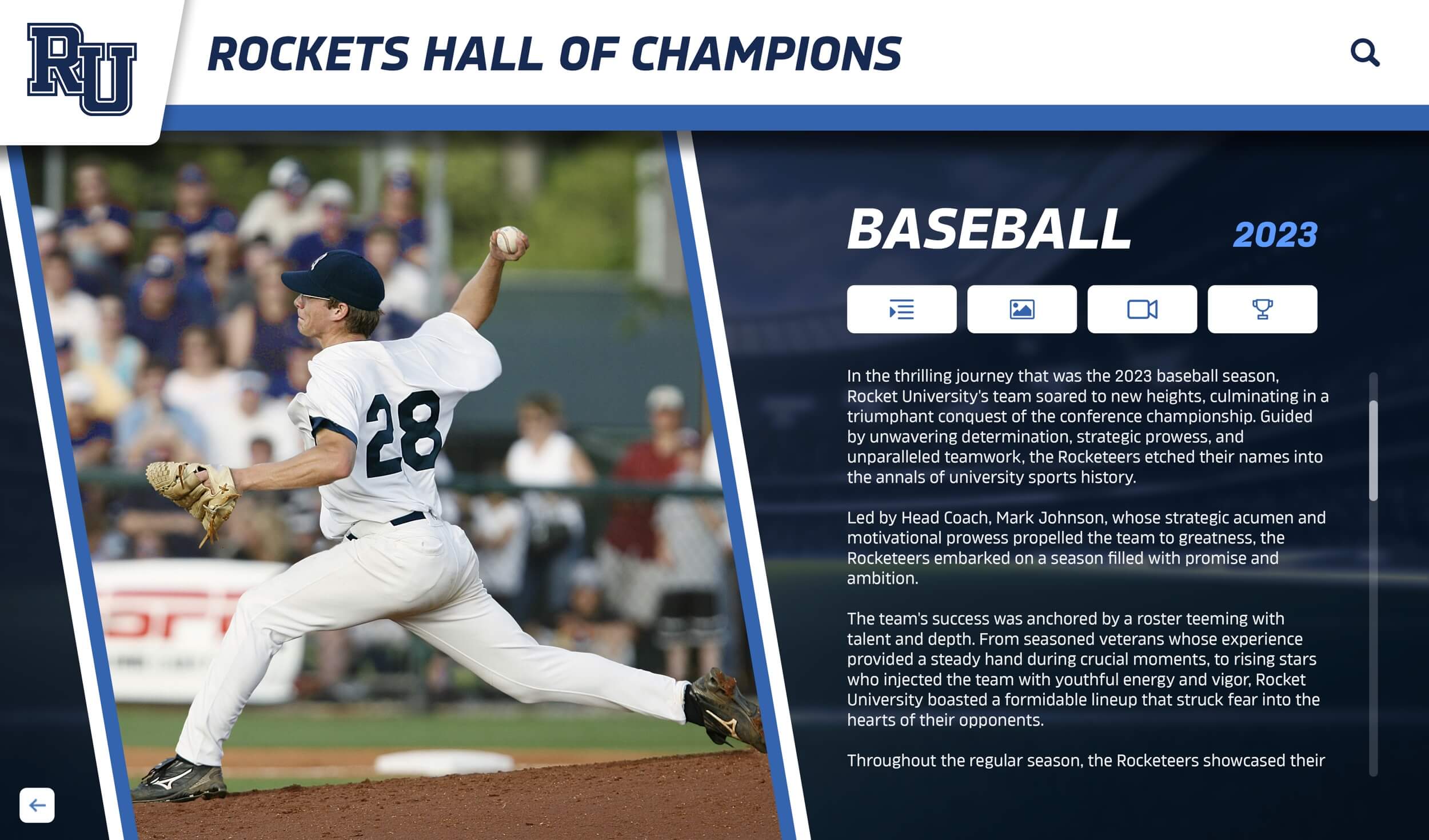
Digital recognition displays showcase baseball achievements with rich detail that traditional plaques cannot provide
Why Comprehensive Baseball Awards Matter
Baseball reward systems that extend beyond MVP and batting champion create more inclusive, motivating environments where every player finds pathways to recognition. Understanding why comprehensive awards matter helps coaches design programs that serve all athletes effectively.
Building Complete Player Development
Baseball teaches far more than hitting and pitching mechanics. The sport develops mental toughness, strategic thinking, teamwork skills, leadership capabilities, work ethic, and character qualities that transfer to life beyond baseball. Award programs that recognize only on-field statistics miss opportunities to reinforce these equally important developmental outcomes.
When players see teammates honored for leadership, sportsmanship, dedication, or defensive excellence, they understand that your program values complete player development rather than just offensive production. This comprehensive recognition approach motivates athletes who contribute through dimensions other than batting average while encouraging everyone to develop skills across multiple areas.
Maintaining Motivation Throughout Rosters
Championship baseball teams require contributions from every roster spot—not just the starting lineup. Backup catchers who prepare pitchers, utility players who fill multiple positions reliably, and platoon players who excel in specific matchups all contribute to team success despite limited statistics.
Recognition systems acknowledging these varied contributions maintain motivation across complete rosters. Players understand that consistent preparation, positive attitude, defensive reliability, and team-first mentality receive appreciation equal to offensive statistics. This inclusive approach prevents alienation of role players whose engagement directly impacts team chemistry and overall success.
Recognizing Position-Specific Excellence
Baseball positions involve dramatically different skill sets and contributions. Catchers manage games defensively while facing unique offensive challenges. Middle infielders prioritize defensive range over power hitting. Pitchers contribute primarily through preventing runs rather than creating them. Corner outfielders often provide offensive production with less defensive responsibility than center fielders.
Awards recognizing position-specific excellence acknowledge that value manifests differently across the diamond. The best defensive shortstop deserves recognition equal to the home run leader, even when offensive statistics differ dramatically. Position-specific awards validate specialized contributions while encouraging players to excel within their specific roles rather than envying different positions.
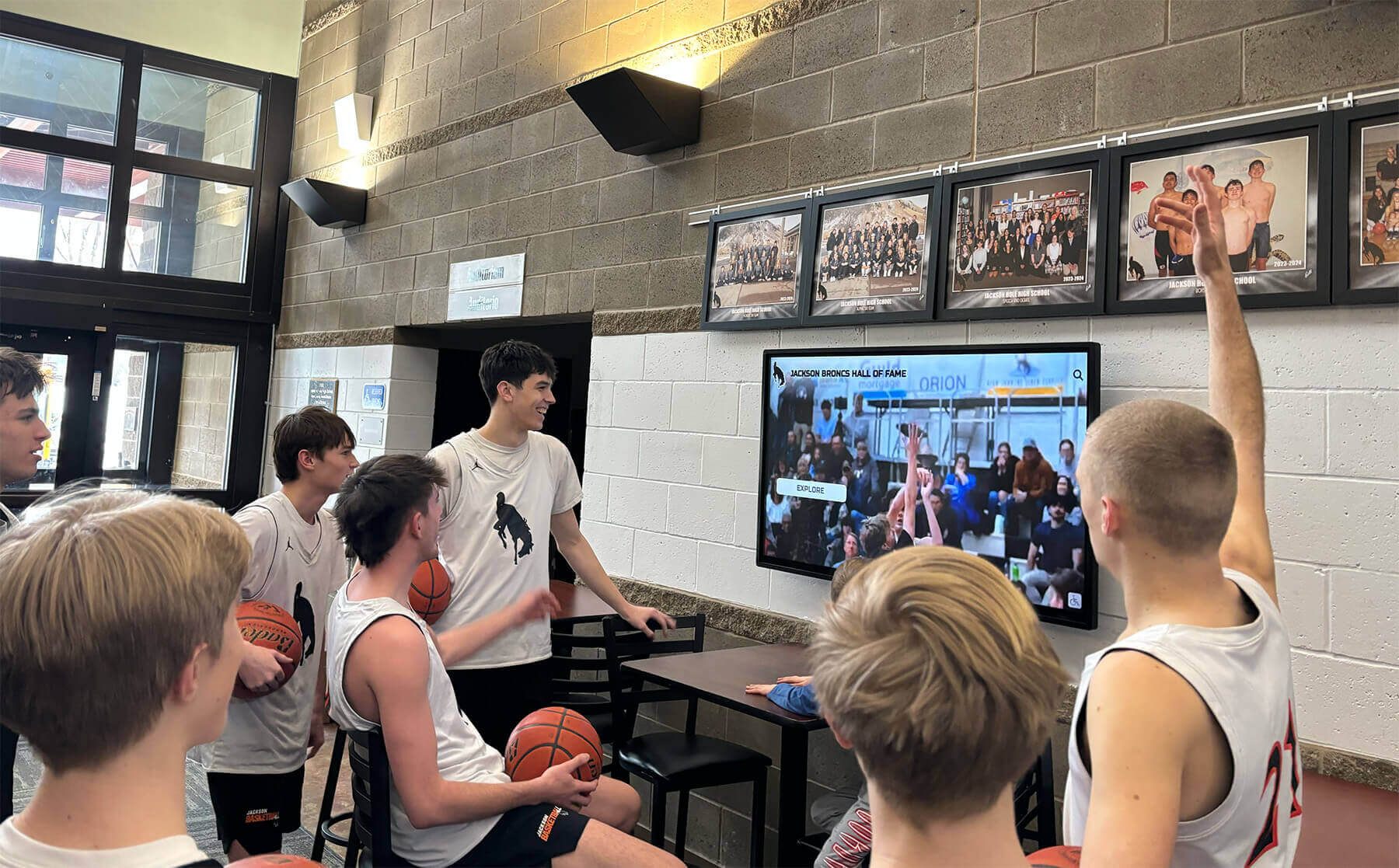
Team recognition moments create lasting memories and strengthen program culture across all sports
Celebrating Improvement and Growth
Baseball skill development follows non-linear paths with players progressing at different rates. Athletes who enter seasons with limited skills but improve dramatically demonstrate qualities—coachability, work ethic, perseverance—that strong programs want to cultivate. Yet these players often remain statistically behind teammates who started seasons with more advanced skills.
Improvement-focused awards celebrate growth trajectories rather than absolute performance levels. Recognizing the player who most dramatically improved batting average, fielding percentage, or pitching control validates development progress while motivating continued improvement. These awards prove particularly valuable in youth and developmental programs where skill acquisition matters more than current performance levels.
Traditional Baseball Awards Reimagined
Classic baseball awards remain relevant, but thoughtful modifications create more inclusive recognition while honoring established traditions. These reimagined approaches maintain familiar award categories while expanding their reach and meaning.
Most Valuable Player Variations
Team MVP: Traditional most valuable player award recognizing overall contributions across offense, defense, and leadership.
Offensive MVP: Player providing greatest offensive value through hitting, on-base ability, baserunning, and run production.
Defensive MVP: Player preventing the most runs through defensive excellence, positioning, throwing ability, and game management.
Pitcher of the Year: Top pitching performance based on earned run average, strikeouts, innings pitched, and winning contribution.
Position Player of the Year: Best non-pitcher combining offensive and defensive excellence.
Postseason MVP: Outstanding performance during tournament or playoff competitions.
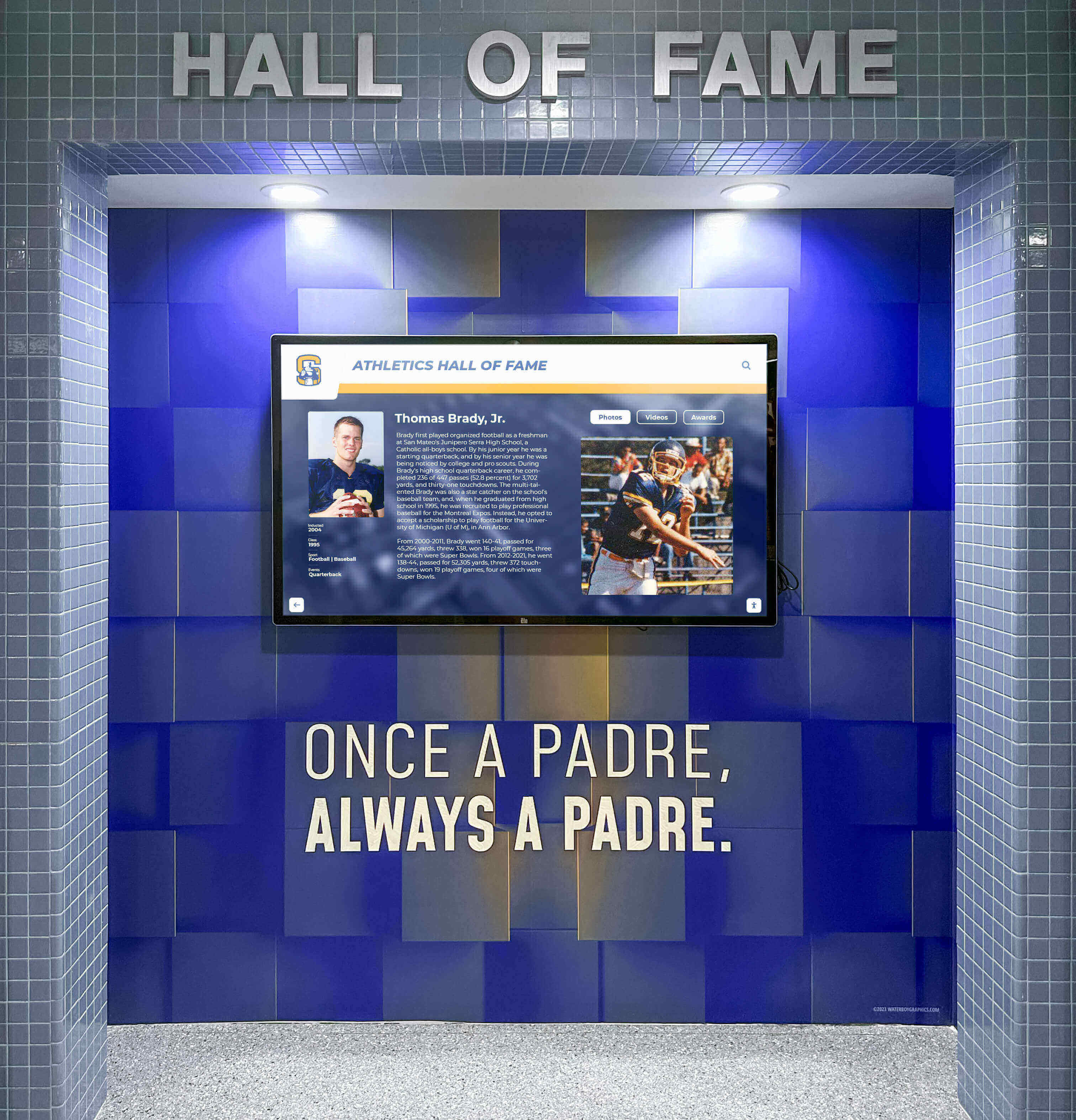
Professional athletic recognition displays provide space for comprehensive award documentation
Achievement and Performance Awards
Silver Slugger Award: Highest batting average or on-base plus slugging percentage.
Home Run Champion: Most home runs hit during the season.
RBI Leader: Most runs batted in contributing to team scoring.
Stolen Base Leader: Most successful stolen bases demonstrating speed and baserunning skill.
Golden Glove Award: Outstanding defensive excellence at any position.
Perfect Game Award: Pitcher throwing a perfect game during the season.
No-Hitter Award: Pitcher throwing a no-hitter during competition.
Strikeout King: Pitcher recording the most strikeouts during the season.
Saves Leader: Relief pitcher recording the most saves in close games.
Innings Eater Award: Pitcher logging the most innings and providing consistent starts.
Digital recognition platforms like Rocket Alumni Solutions enable programs to showcase unlimited award categories without physical space constraints that limit traditional trophy cases. These systems accommodate comprehensive recognition across multiple sports and achievement types while providing engaging displays that athletes and families explore repeatedly.
Position-Specific Excellence Awards
Baseball positions require specialized skills deserving targeted recognition. Position-specific awards validate these unique contributions while encouraging positional mastery.
Pitching Excellence Awards
Starting Pitcher of the Year: Best performance among regular starting rotation pitchers.
Relief Pitcher Award: Outstanding performance in relief appearances managing high-pressure situations.
Closer Award: Most effective closer successfully finishing games and earning saves.
Workhorse Award: Pitcher demonstrating durability through highest innings count.
Strikeout Specialist: Pitcher with highest strikeout rate per innings pitched.
Control Master: Lowest walk rate demonstrating command and control.
Earned Run Champion: Lowest earned run average among qualified pitchers.
Complete Game Award: Most complete games demonstrating stamina and consistency.
Quality Start Leader: Most quality starts providing length and effectiveness.
Pitching Mechanics Award: Most fundamentally sound pitching motion and delivery.

Interactive recognition systems allow detailed exploration of individual achievements and statistics
Catching Excellence Awards
Best Catcher: Overall excellence behind the plate combining offense and defense.
Game Caller Award: Outstanding pitch selection and game management.
Caught Stealing Leader: Most runners caught attempting to steal bases.
Blocking Specialist: Fewest passed balls and best pitch-blocking technique.
Catcher Defensive Excellence: Best combination of throwing, blocking, and receiving.
Pitcher’s Best Friend: Catcher most trusted by pitching staff for game management.
Backstop Leadership Award: Leadership and communication from catching position.
Iron Catcher: Most games caught demonstrating durability and commitment.
Infield Excellence Awards
Best Infielder: Overall infield excellence regardless of specific position.
Double Play Combo: Best middle infield partnership turning double plays.
Slick Fielding Award: Most impressive defensive plays and reliability.
Hot Corner Hero: Best defensive third baseman handling difficult position.
Shortstop Excellence: Defensive range and reliability at premium position.
Second Base Specialist: Defensive excellence at the keystone position.
First Base Gold Glove: Defensive excellence and scooping ability at first base.
Infield Arm Award: Strongest and most accurate infield throwing arm.
Outfield Excellence Awards
Best Outfielder: Overall outfield excellence combining offense and defense.
Center Field Range: Defensive range and ball-tracking in center field.
Corner Outfield Power: Offensive production from corner outfield positions.
Outfield Arm Award: Strongest throwing arm preventing extra bases and baserunners.
Diving Catch Award: Most spectacular defensive plays in the outfield.
Gap-to-Gap Hitter: Consistent line-drive hitting to all fields from outfielders.
Programs recognizing position-specific excellence validate specialized skills while encouraging positional mastery. Most improved player recognition can be combined with position-specific categories to celebrate players who dramatically develop within their specific roles.
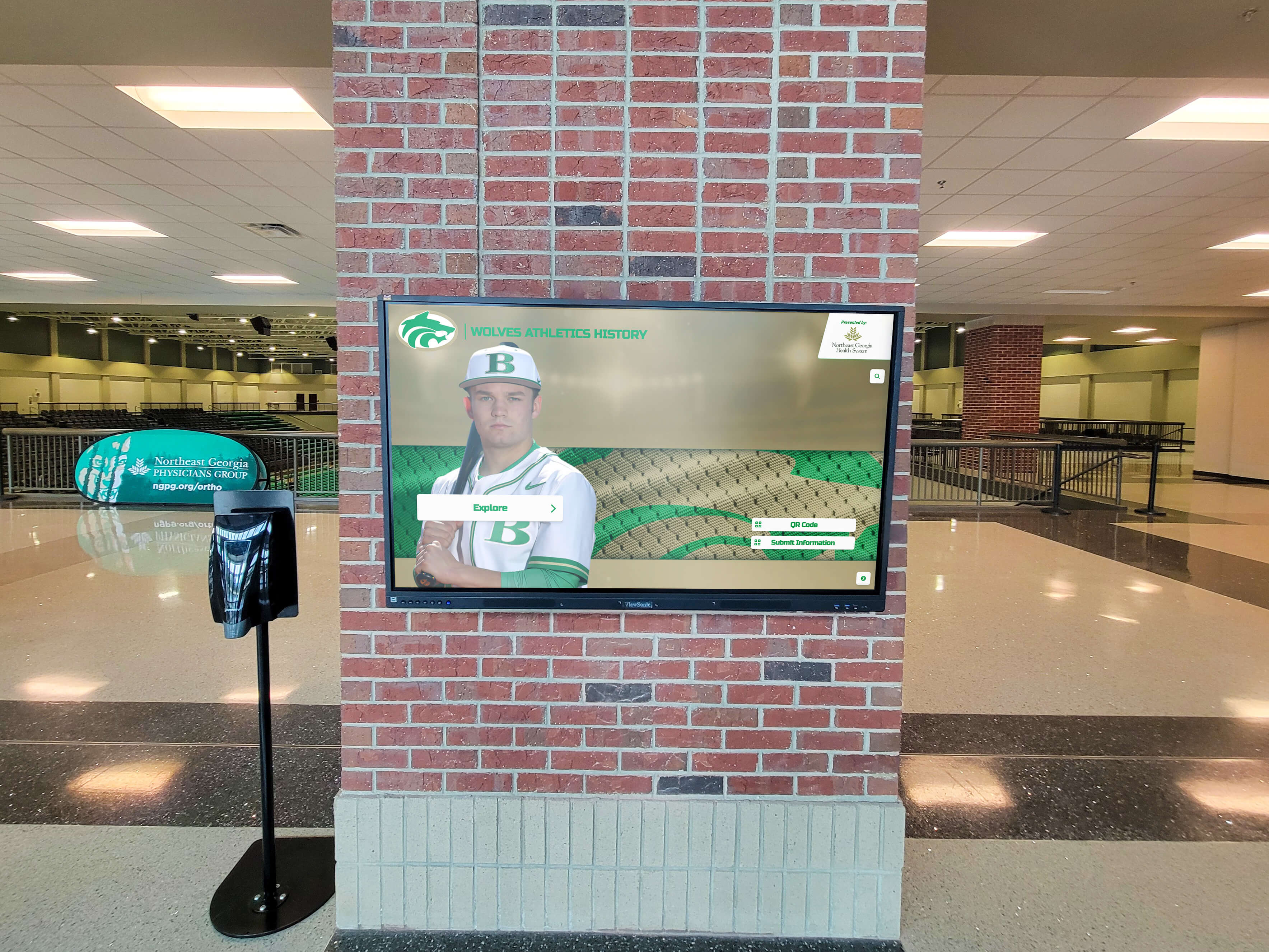
Strategic placement of recognition displays in athletic facilities creates natural engagement opportunities
Character and Leadership Awards
Character development represents one of baseball’s most important outcomes. These awards recognize qualities that define complete athletes and human beings.
Core Character Awards
Captain’s Award: Recognition from team captains for outstanding contributions and character.
Coach’s Award: Award determined by coaching staff honoring qualities they most value.
Heart of the Team: Player embodying team values and demonstrating greatest passion.
Ironman Award: Perfect or near-perfect attendance at all practices and competitions.
Dedication Award: Unwavering commitment to team success and program involvement.
Work Ethic Award: Outstanding effort during practices, conditioning, and skill development.
Hustle Award: Maximum effort and intensity in every situation regardless of score or stakes.
Courage Award: Overcoming fear, adversity, or challenges with determination.
Perseverance Award: Continuing through difficulties, slumps, or setbacks without quitting.
Grit Award: Mental toughness and determination in challenging situations.
Sportsmanship and Conduct Awards
Sportsmanship Award: Exemplary conduct, respect for officials, and grace in victory and defeat.
Fair Play Award: Ethical competition and respect for written and unwritten baseball rules.
Respect Award: Respectful treatment of teammates, coaches, opponents, and umpires.
Class Act Award: Dignified conduct on and off the field representing program values.
Umpire Appreciation: Best relationship with umpires through respectful conduct.
Opponent Respect: Recognition for respectful competition and opponent treatment.
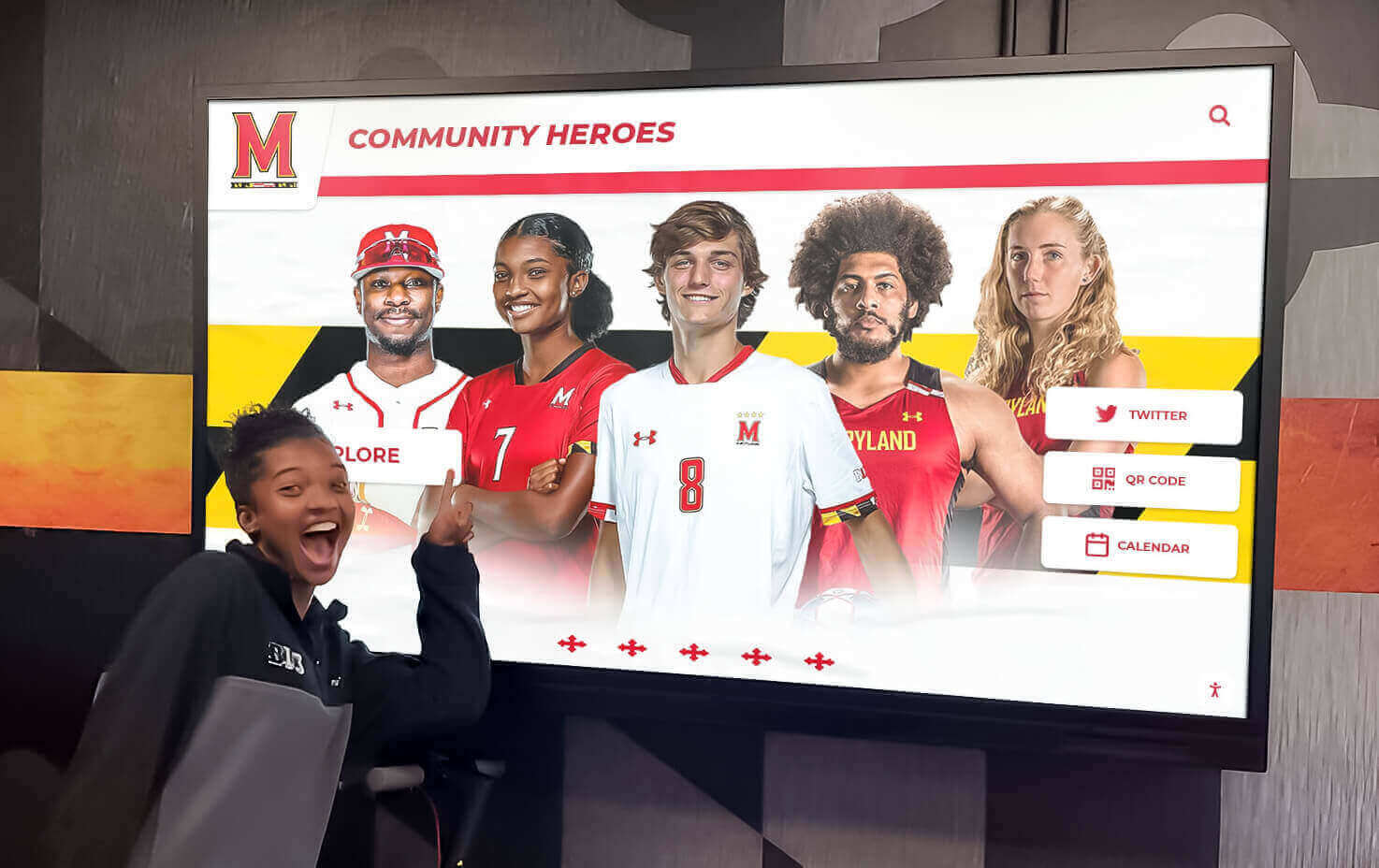
Recognition displays celebrating community athletes build pride and program visibility
Leadership Awards
Team Captain Recognition: Formal acknowledgment of captains’ leadership contributions.
Vocal Leader Award: Positive communication and on-field leadership through encouragement.
Lead By Example: Leadership through consistent actions rather than vocal direction.
Rookie Mentor: Veteran player best supporting and developing younger teammates.
Dugout Leader: Maintaining positive energy and team chemistry during games.
Practice Leader: Setting tone through outstanding practice effort and focus.
Off-Field Leader: Leadership in academic settings, community, and character development.
Peer Leadership: Recognition voted by teammates for leadership they most appreciate.
Future Captain: Underclassman showing emerging leadership potential.
Community Ambassador: Outstanding representation of the program in broader community.
Character recognition proves particularly valuable in youth baseball where development matters more than wins. Similar approaches work effectively across senior night celebrations and other recognition programs emphasizing complete player development.
Improvement and Development Awards
Growth deserves recognition equal to absolute achievement levels. These awards celebrate development trajectories rather than only final statistics.
Individual Improvement Awards
Most Improved Player: Overall improvement across all aspects of baseball performance.
Most Improved Hitter: Greatest advancement in batting average, power, or hitting approach.
Most Improved Pitcher: Largest gains in pitching effectiveness and performance.
Most Improved Fielder: Greatest defensive improvement at any position.
Most Improved Baserunner: Significant development in baserunning speed or decision-making.
Batting Average Improvement: Largest increase in batting average from previous season.
Power Development: Greatest increase in extra-base hits and slugging percentage.
On-Base Improvement: Largest gains in reaching base through hits and walks.
Strikeout Reduction: Greatest decrease in strikeouts demonstrating improved plate discipline.
Defense Transformation: Dramatic defensive improvement changing position value.
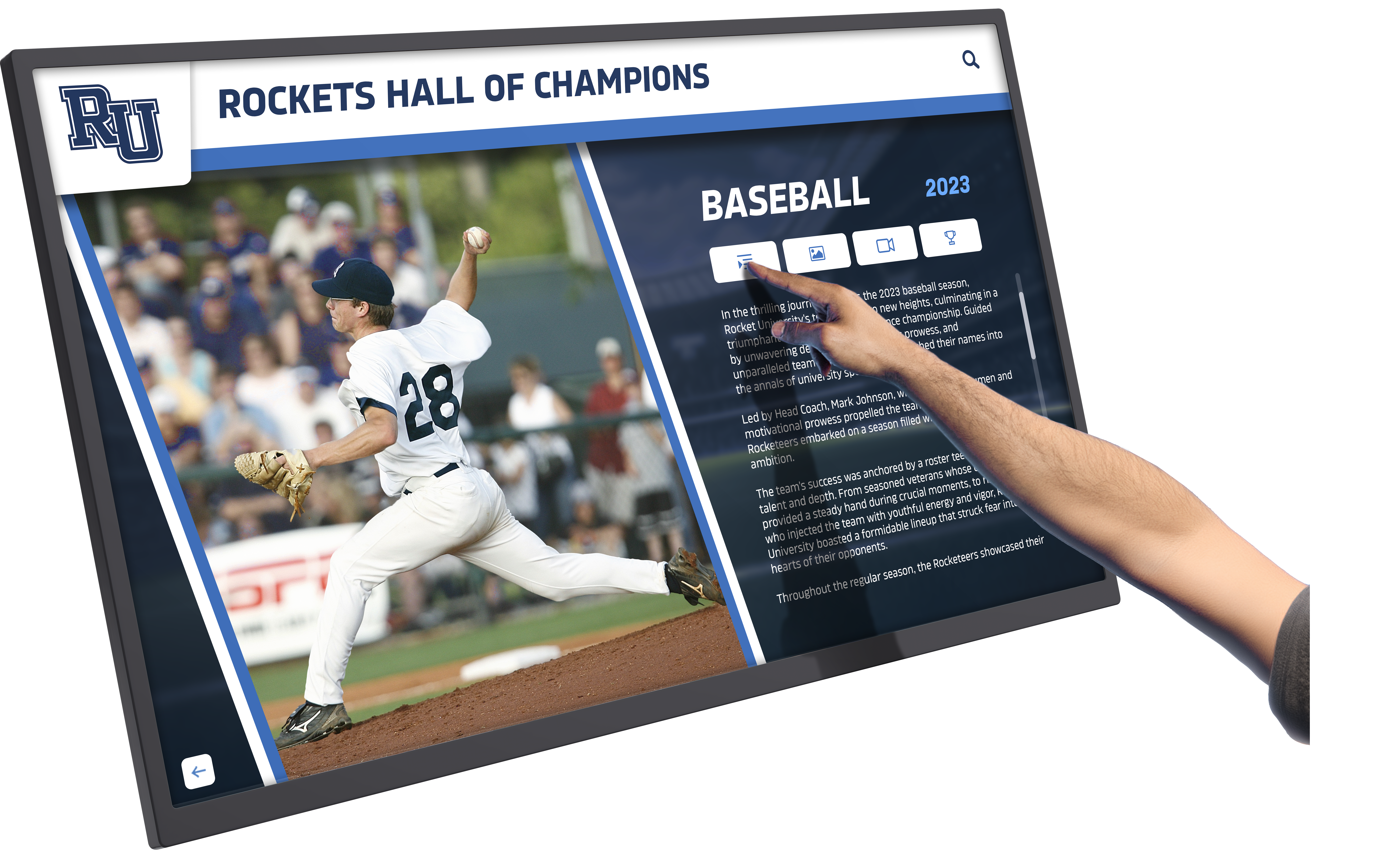
Touchscreen displays enable detailed documentation of player statistics and achievement progression
Skill Development Awards
Fastest Learner: Quickest skill acquisition for new players entering the program.
Coachability Award: Most responsive to coaching feedback and instruction.
Fundamentals Champion: Outstanding mastery of basic baseball techniques.
Baseball IQ Growth: Greatest improvement in understanding game strategy and situations.
Mental Game Development: Improvement in focus, composure, and competitive mindset.
Position Transition Success: Successful learning of new position during season.
Pitcher Repertoire Expansion: Adding new pitches or improving secondary offerings.
Two-Strike Hitting: Development of productive two-strike approach at plate.
Pitch Recognition Improvement: Better identification and handling of pitch types.
Arm Strength Development: Measurable velocity gains in pitching or throwing.
Off-Season Achievement Awards
Winter Workout Warrior: Outstanding dedication during off-season conditioning program.
Strength Gain Champion: Largest measurable strength increases during off-season training.
Speed Development: Measurable improvement in running speed during off-season.
Skill Camp Excellence: Outstanding performance and development at skill development camps.
Off-Season Commitment: Perfect attendance and maximum effort during off-season programs.
Improvement recognition motivates players at all skill levels by validating growth rather than requiring statistical leadership. Programs can document multi-year development through digital recognition systems that showcase player progression across seasons.
Team Culture and Contribution Awards
Strong baseball teams depend on positive culture and contributions that don’t appear in box scores. These awards recognize how players build team chemistry and collective success.
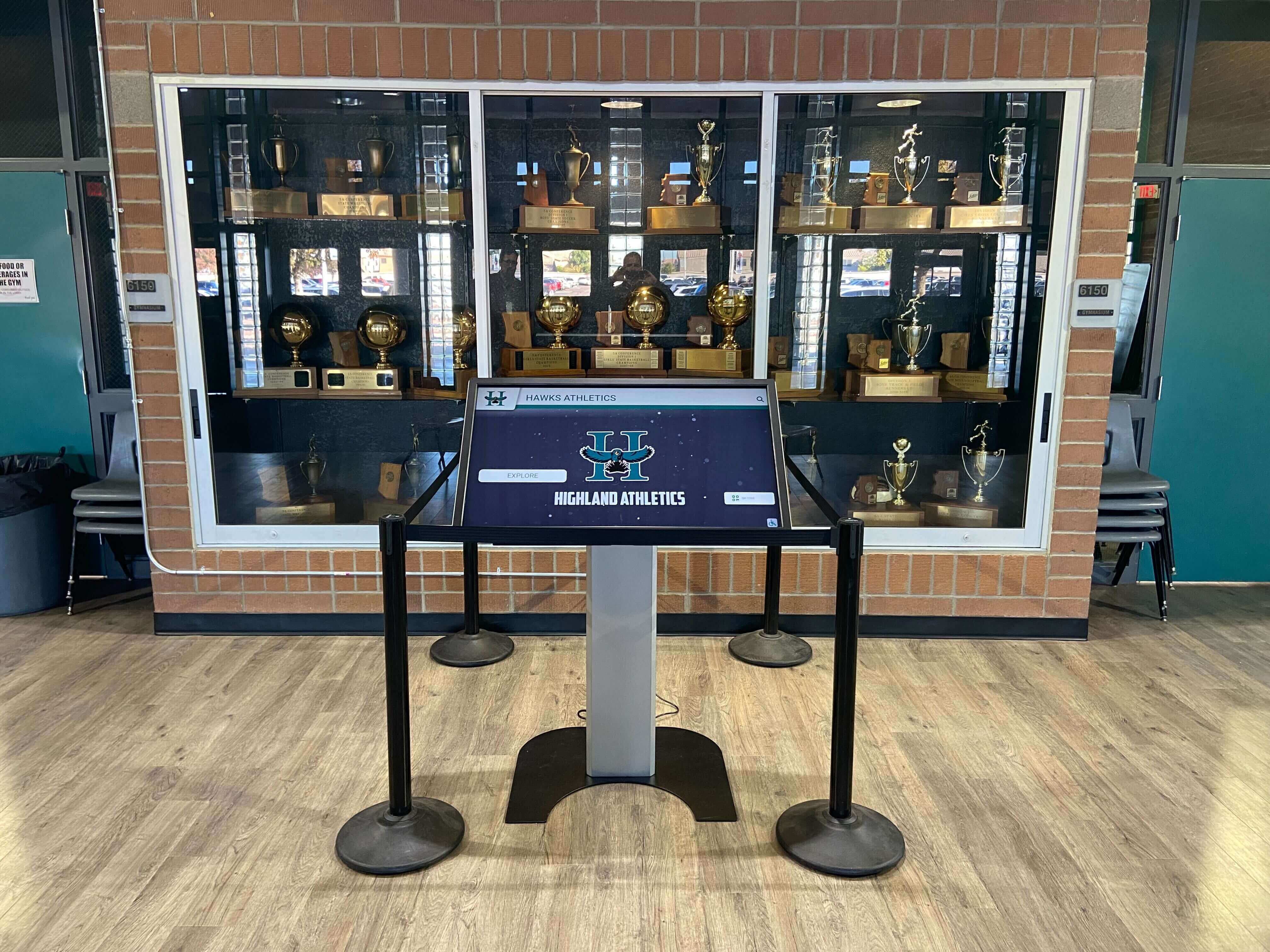
Digital kiosks can complement traditional trophy cases while providing expanded recognition capacity
Team Chemistry Awards
Ultimate Teammate: Outstanding support, encouragement, and investment in teammates’ success.
Glue Player: Holding team together through positive influence and relationship building.
Team First Award: Consistently prioritizing team success over individual recognition.
Chemistry Builder: Creating connections and positive relationships throughout roster.
Locker Room Leader: Positive influence in team spaces and off-field settings.
Bus Leader: Maintaining positive energy during travel and road trips.
Rally Starter: Initiating comebacks and momentum shifts through energy and effort.
Bench Energy: Outstanding enthusiasm and support from bench during games.
Spirit Award: Infectious enthusiasm and positive attitude regardless of circumstances.
Team Unifier: Bringing together different personalities and building cohesion.
Unsung Hero Awards
Unsung Hero Award: Critical contributions not reflected in statistics.
Utility Player Excellence: Reliable performance across multiple positions as needed.
Role Player Recognition: Outstanding execution of specialized or limited role.
Pinch Hit Hero: Most effective pinch hitting contributions in limited appearances.
Defensive Replacement Specialist: Excellence when entering games for defensive purposes.
Sacrifice Award: Personal statistical sacrifices made for team strategic benefit.
Designated Runner: Most effective baserunning in pinch running situations.
Practice Squad MVP: Outstanding practice contributions preparing team despite limited game time.
Pitcher Wingman: Position player providing exceptional bullpen catching support.
Equipment Manager Award: Player maintaining equipment and supporting team logistics.
Situational Excellence Awards
Clutch Performer: Best performance in high-pressure situations with games on line.
Rally Cap Award: Most productive hitting with runners in scoring position.
Bases Loaded Hero: Most effective hitting with bases loaded.
Two-Out Production: Most productive with two outs in innings.
Extra Inning Excellence: Best performance in extra-inning competitions.
Comeback Contributor: Key contributions during comeback victories.
Close Game Performer: Best performance in one-run or close games.
Tournament Star: Outstanding performance during tournament play.
Team culture awards validate contributions that traditional statistics overlook. Similar recognition approaches enhance athletic banquet celebrations across all sports while reinforcing program values.
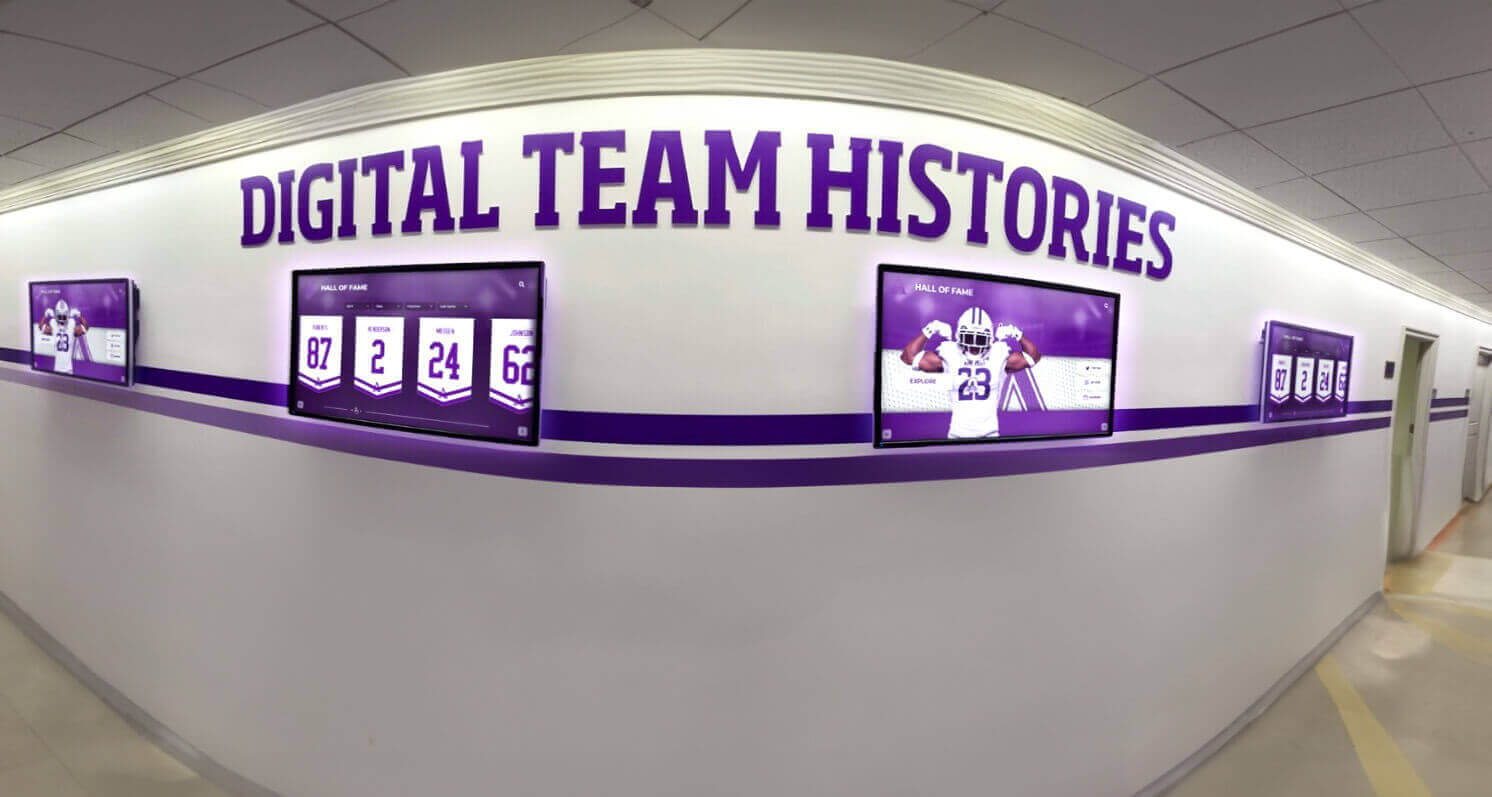
Coordinated recognition displays throughout facilities create comprehensive celebration environments
Fun and Creative Baseball Awards
Not all recognition needs serious ceremony. Fun awards celebrate personality and unique contributions while building team culture through humor and creativity.
Personality Awards
Best Walk-Up Music: Most entertaining or appropriate entrance music selection.
Best Pre-Game Ritual: Most unique or entertaining preparation routine.
Best Celebration: Most memorable home run trot, strikeout celebration, or victory celebration.
Superstition Champion: Most elaborate or consistent game-day superstitions.
Team Comedian: Keeping teammates laughing and maintaining positive atmosphere.
Best Nickname: Most creative, fitting, or entertaining player nickname.
Sunflower Seed Champion: Most impressive sunflower seed consumption during games.
Gum Bubble King: Largest or most impressive bubble gum bubbles.
Eye Black Artist: Most creative or elaborate eye black designs.
Rally Cap Innovator: Most creative rally cap designs during comebacks.
Team Culture Awards
Best Dugout Cheer: Most creative or effective cheer leader in dugout.
Social Media All-Star: Best team content creator and social media contributor.
Team DJ: Best music selections for practices or bus rides.
Trivia Champion: Best knowledge of baseball history and team facts.
Fashion Forward: Best or most unique style in team apparel and gear.
Snack Champion: Best post-game snack provider or most reliable food contributor.
Bus Seat Champion: Most entertaining bus ride companion during team travel.
Practical Joker: Most good-natured pranks maintaining team fun (within appropriate bounds).
Best Handshake: Most elaborate or creative handshake routine with teammates.
Motivational Speaker: Most inspiring or entertaining pre-game speeches.
Recognition for Baseball Families
Team Mom Recognition: Outstanding parent support throughout season.
Team Dad Award: Exceptional father involvement and program contribution.
Sibling Support: Recognition for siblings providing exceptional support at games.
Best Fan: Most enthusiastic or consistent family member attendance and support.
Volunteer Champion: Parent providing most volunteer hours supporting team.
Fundraising Hero: Parent leading or contributing most to fundraising efforts.
Transportation MVP: Family providing most reliable or frequent player transportation.
Photographer Award: Parent documenting season through photos and videos.
Concession Stand Champion: Family member working most concession stand shifts.
Field Maintenance Helper: Volunteer contributing most to field preparation and maintenance.
Fun awards demonstrate that baseball programs value personality and culture alongside competitive excellence. These lighthearted categories work particularly well during team celebrations that balance serious recognition with entertainment.
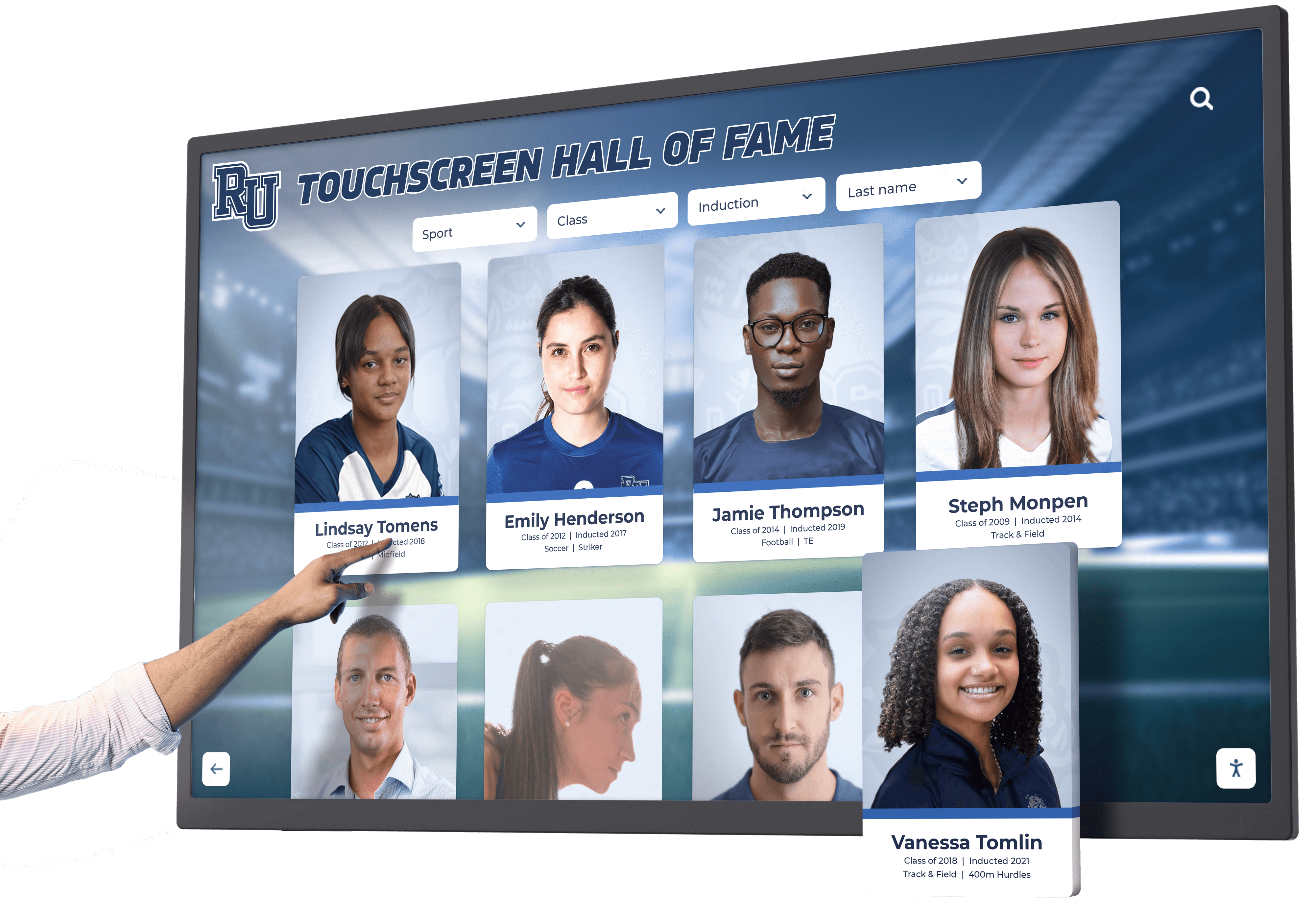
Modern recognition technology creates engaging experiences that traditional static displays cannot provide
Implementing Effective Baseball Award Programs
Creating award categories represents only the first step. Thoughtful implementation ensures recognition achieves its motivational and cultural purposes.
Establishing Clear Award Criteria
Recognition credibility depends on transparent, consistent criteria. Players and families should understand what each award recognizes and how winners are determined. Publish award categories and criteria at season start so athletes can pursue recognition throughout the season rather than learning about awards only at the conclusion.
For performance awards, define objective statistical thresholds or comparison methods. For character awards, identify specific observable behaviors demonstrating desired qualities. For improvement awards, establish clear baseline and endpoint measurement approaches. Documented criteria prevent perceptions of favoritism while ensuring legitimate evaluation processes.
Creating Inclusive Recognition Systems
The goal is ensuring every player receives meaningful recognition for authentic contributions. Baseball programs where only starters or top performers earn awards miss opportunities to motivate complete rosters.
Design systems with sufficient award categories celebrating different contribution types. Track various statistics beyond traditional batting average and earned run average. Consider effort, attitude, improvement, and character alongside results. Include position-specific awards recognizing specialized contributions. Develop team culture awards honoring players who build chemistry and maintain positive environments.
Most players remember recognition they received more vividly than season win-loss records. Inclusive recognition creates positive experiences that keep athletes engaged in baseball across developmental years.
Balancing Traditional and Creative Awards
Strong recognition programs balance respected traditional awards with creative categories celebrating unique contributions. Traditional awards like MVP and batting champion maintain legitimacy and aspirational value. Creative awards acknowledge personality, culture contributions, and specialized achievements that traditional categories miss.
Consider allocating approximately 60-70 percent of recognition to performance and character-focused awards maintaining program seriousness, while dedicating 30-40 percent to creative, personality-based, and fun categories celebrating culture and individuality. This balance ensures recognition feels meaningful rather than overly casual while remaining inclusive and engaging.
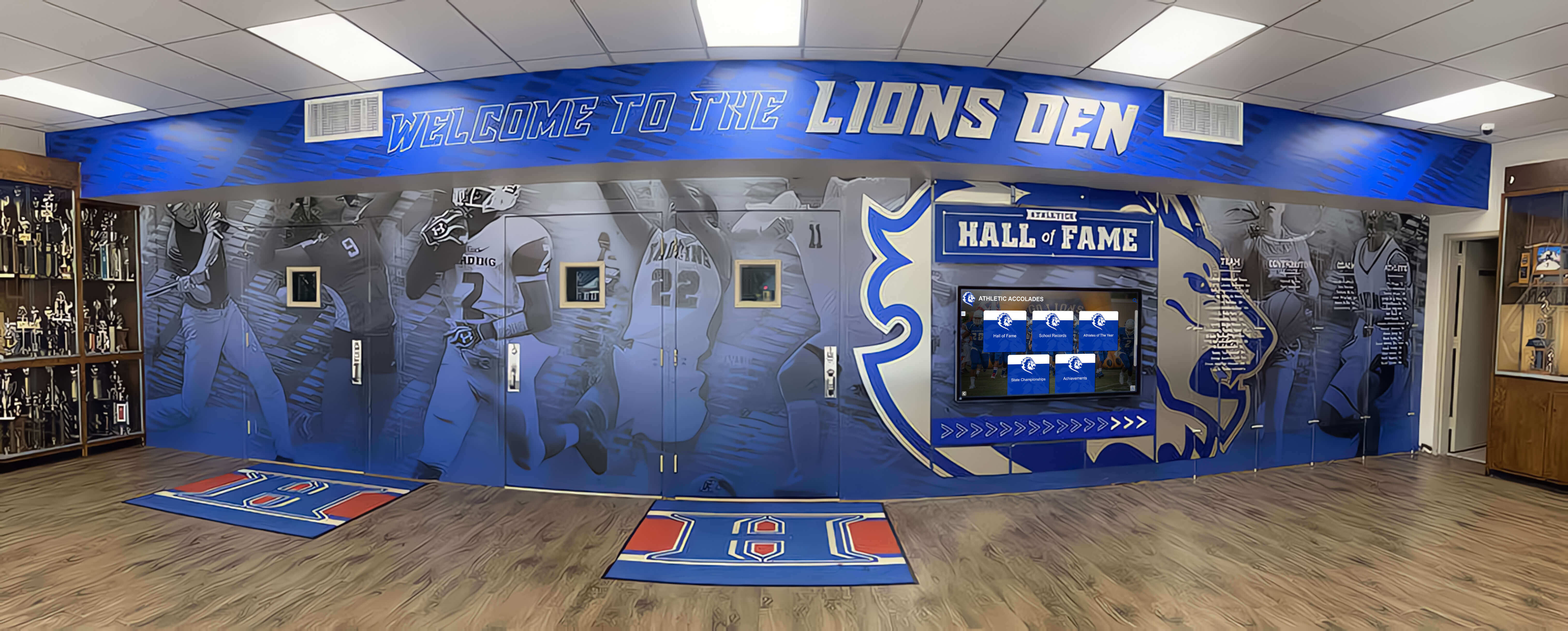
Successful recognition often combines traditional physical displays with modern digital enhancement
Planning Award Ceremonies and Presentations
How awards are presented affects their perceived value and impact. End-of-season award ceremonies create memorable experiences when planned thoughtfully.
Ceremony Elements to Consider:
Timing: Schedule ceremonies soon after season conclusion while energy remains high, but allow sufficient time for award determination and preparation.
Location: Choose venues appropriate for attendance size—gyms, banquet halls, outdoor facilities, or clubhouses all work depending on scale.
Attendance: Decide whether ceremonies include only players and coaches, or extend to families creating celebration events for entire baseball community.
Format: Determine ceremony structure balancing formal award presentation with entertainment, highlights, and social connection.
Recognition Format: Consider various presentation approaches including physical trophies and plaques for major awards, certificates for broader recognition, custom team gear or apparel, photo plaques combining images with achievement descriptions, and digital recognition through social media and online platforms.
Documentation: Ensure professional photos and videos capture ceremony moments creating lasting memories and content for program promotion.
Leveraging Digital Recognition Platforms
Modern recognition extends beyond single ceremonies through digital platforms providing year-round visibility. Athletes and families can access recognition online, share achievements through social media, and revisit accomplishments years after seasons conclude.
Solutions like Rocket Alumni Solutions provide baseball-specific recognition systems combining interactive touchscreen displays for facility installations with web-accessible databases reaching global audiences. These platforms accommodate unlimited awards without space constraints limiting traditional trophy cases.
Digital recognition advantages include rich multimedia integration combining photos, videos, statistics, and biographical information; searchable databases allowing instant access to specific players or achievements; remote accessibility for families unable to attend facilities; permanent preservation protecting against physical loss or deterioration; and analytics revealing which recognition generates strongest engagement.
Programs implementing digital recognition consistently report dramatic increases in family engagement, alumni connection, and program pride compared to traditional static displays. The investment demonstrates that institutions value and honor players’ contributions while creating engaging platforms serving multiple stakeholders simultaneously.

Permanent recognition displays in schools honor athletic excellence while inspiring current students
Award Determination Methods
How winners are selected affects recognition credibility and acceptance. Consider various determination approaches for different award types.
Statistical Award Determination
Performance awards based on measurable statistics provide objective, transparent selection. Batting average, earned run average, home runs, stolen bases, fielding percentage, and other tracked statistics enable clear comparison and selection.
Publish statistical leaders regularly during seasons so players track their standing. Use consistent statistical qualification thresholds (minimum at-bats, innings pitched, games played) ensuring awards reflect sustained performance rather than limited samples.
Coaching Staff Selection
Character, leadership, and contribution awards often require subjective evaluation beyond statistics. Coaching staff selection brings expertise and comprehensive observation to these determinations.
Consider collaborative evaluation where multiple coaches independently assess candidates then discuss selections ensuring consensus. Document specific examples and rationale supporting selections—this accountability improves selection quality while providing content for award presentations explaining why winners were chosen.
Player Voting
Certain awards gain particular significance through peer recognition. Teammate voting for “ultimate teammate,” “best leader,” or similar awards honors qualities that players observe most directly.
Implement structured voting where players submit ranked choices rather than single selections. This approach reduces impact of popularity voting or strategic manipulation while ensuring genuine recognition of valued contributions. Keep voting anonymous to encourage honest assessment rather than social pressure responses.
Combination Approaches
Many programs use hybrid determination combining statistics, coaching evaluation, and player input weighted appropriately for different award types. MVP awards might weight statistics 50 percent, coaching assessment 30 percent, and player voting 20 percent. Sportsmanship awards might reverse this weighting emphasizing peer perspective more heavily.
Combination approaches balance objectivity with comprehensive evaluation while involving multiple stakeholders in recognition processes. Published weighting formulas provide transparency ensuring credibility.
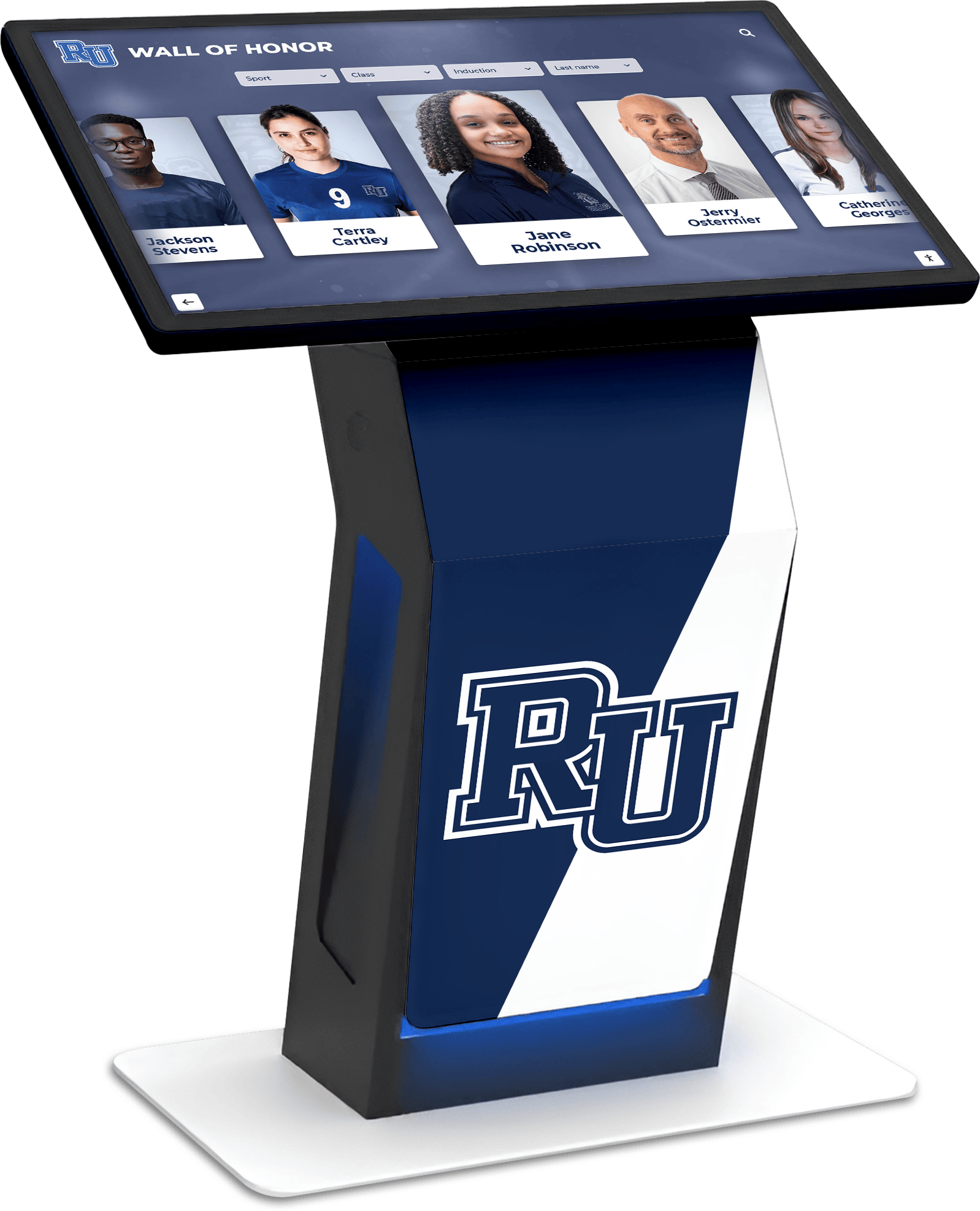
Interactive kiosks provide engaging exploration of athletic achievements and program history
Creating Sustainable Award Programs
Recognition programs succeed long-term when designed for sustainability rather than single-season implementation. Consider these sustainability factors.
Budget-Friendly Recognition
Effective recognition doesn’t require large budgets. Creative approaches deliver impact within modest financial constraints.
Cost-Effective Options:
- Printed certificates provide professional recognition for broad award categories at minimal expense
- Team-created awards designed by players add personal meaning beyond purchased trophies
- Photo plaques combining images with achievement text create personalized recognition
- Digital-only awards eliminate manufacturing costs while providing shareable recognition
- Recycled trophies updated with new plates reduce physical award expenses
- Local business sponsorships where companies sponsor specific awards offset program costs
Allocate premium physical awards to major recognition categories while using certificate or digital recognition for broader awards. This tiered approach maintains award significance while controlling expenses.
Multi-Season Recognition Traditions
Recognition programs create greater impact through multi-year consistency rather than changing completely each season. Establish consistent annual awards that become program traditions players aspire to win.
Traditional awards gain prestige over time as players see multiple years of past winners documented in trophy cases or digital displays. Consider naming major awards after program founders, legendary coaches, or influential contributors to deepen meaning and connection to program history.
Document all award winners annually creating historical records showing program evolution and honoring all contributors across generations. Digital platforms excel at presenting this longitudinal view connecting current players to program legacy.
Integrating Awards with Broader Recognition
Award ceremonies work best as components of comprehensive recognition systems rather than isolated events. Effective integration includes regular in-season recognition during team meetings acknowledging outstanding recent performances or efforts, mid-season awards maintaining motivation through long seasons, social media recognition celebrating achievements as they occur providing immediate visibility, digital display updates ensuring year-round recognition visibility between seasons, and alumni recognition connecting current players to program history and former players.
This integrated approach maintains recognition visibility throughout entire seasons and across years rather than limiting celebration to single ceremonies players eventually forget.
Programs coordinating baseball recognition with academic celebrations demonstrate comprehensive commitment to student-athlete development beyond sports alone.
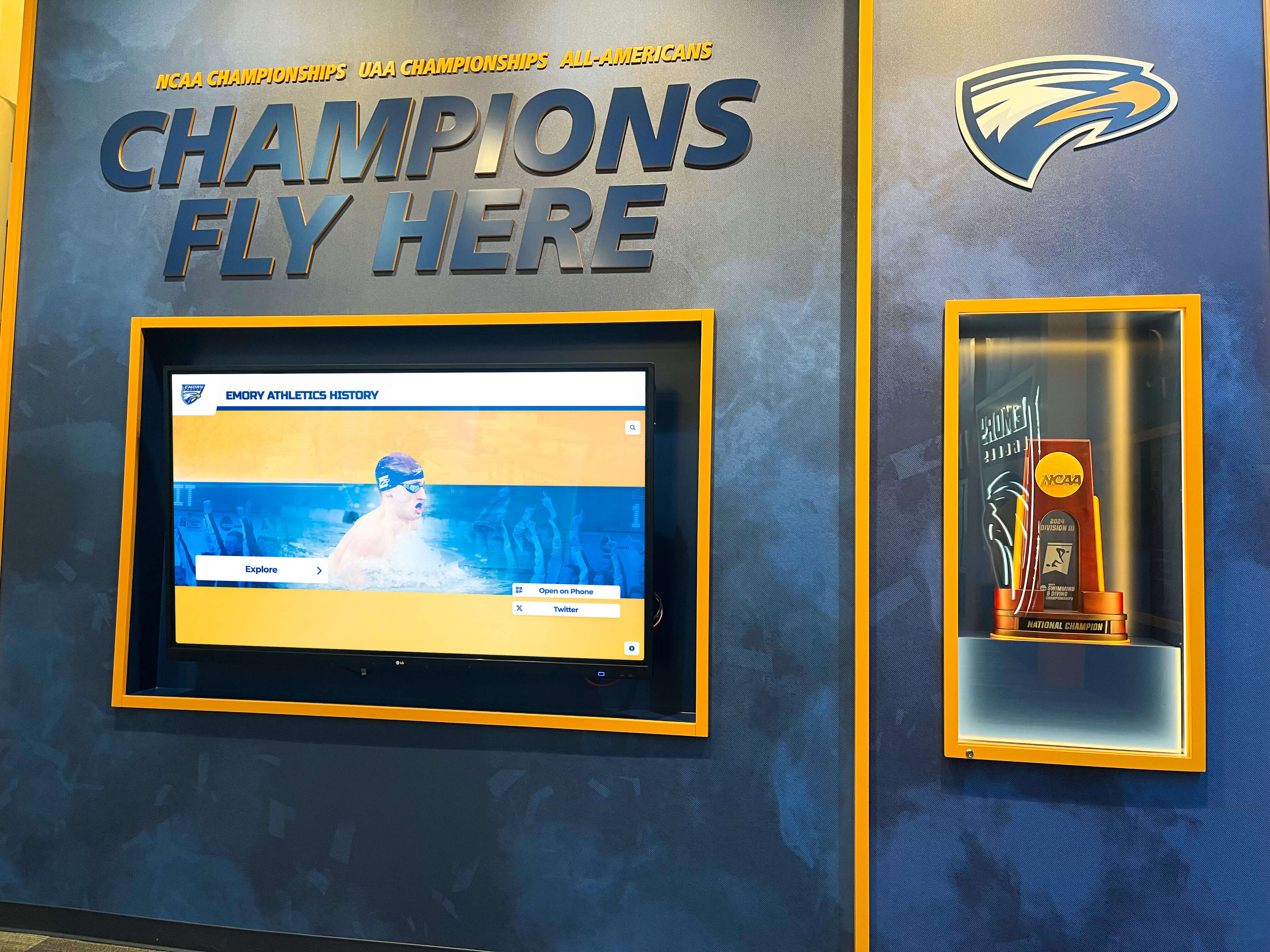
Championship recognition displays document program success while inspiring future excellence
Measuring Recognition Program Impact
Effective award programs demonstrate measurable benefits justifying time and resource investment. Track both quantitative and qualitative indicators of recognition effectiveness.
Quantitative Success Indicators
Monitor athlete retention rates comparing return participation across seasons. Track attendance patterns at practices and competitions throughout seasons. Survey athlete and family satisfaction with overall program experience. Document skill development through objective assessments and statistics. Measure team culture indicators through behavior observation and conflict frequency.
Programs systematically recognizing diverse achievements typically show improved retention, higher motivation, better team culture, greater family satisfaction, and enhanced skill development compared to programs focusing exclusively on winning or top performers.
Qualitative Impact Assessment
Observe team culture quality and relationship development among players. Solicit coach feedback about motivation and effort trends. Gather parent testimonials about athlete experiences and program value. Note attitude changes toward practice, competition, and team involvement. Monitor player goal-setting behavior and achievement focus.
The most meaningful recognition impact often manifests through stories rather than statistics—players continuing baseball because recognition made them feel valued, families developing lasting friendships through program involvement, or athletes carrying baseball lessons into adult life because coaches honored character equally with performance.
Program Reputation and Recruitment
Strong recognition programs enhance program reputation attracting quality athletes. Prospective players and families evaluate programs based partly on how they celebrate players and build culture. Comprehensive recognition demonstrates that your program values all contributors—not just stars—making it attractive to athletes seeking inclusive, development-focused environments.
Track recruitment inquiries, tryout participation, and roster applications as potential indicators that recognition programs contribute to program appeal. While multiple factors influence recruitment, recognition representing program values and culture proves particularly influential for families prioritizing positive youth experiences.
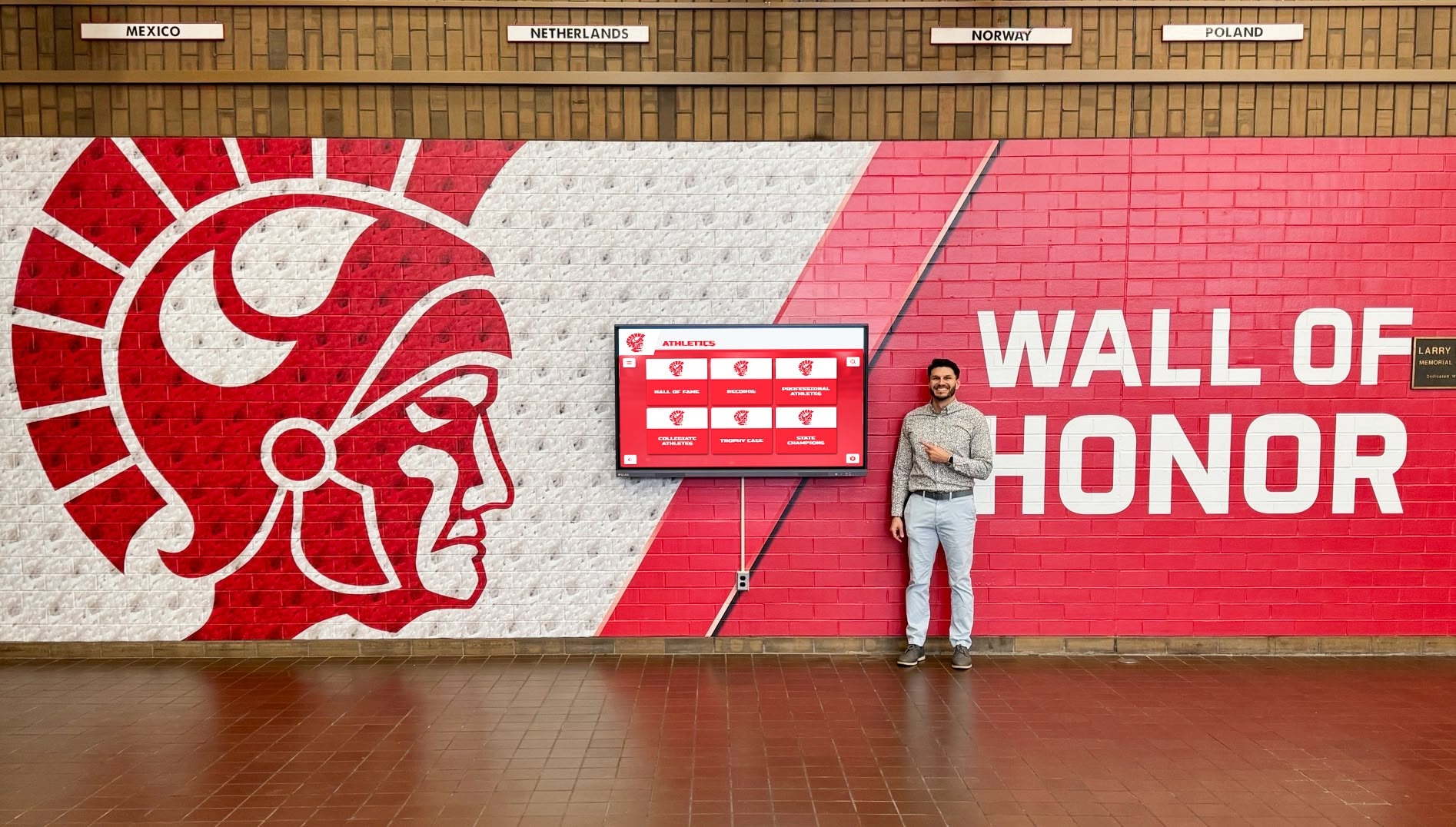
Permanent recognition walls in athletic facilities honor contributions while building program pride
Age-Appropriate Recognition for Different Levels
Adjust recognition approaches to developmental stages and program types. What works for high school varsity programs may not suit youth recreational leagues.
Youth Baseball Recognition (Ages 7-12)
Youth programs emphasize participation, skill development, fun, and positive experiences. Recognition should celebrate broad participation while acknowledging emerging achievement.
Focus awards on effort, improvement, sportsmanship, and character alongside emerging performance. Ensure every player receives meaningful recognition rather than concentrating awards among top performers. Keep ceremonies fun and engaging with appropriate length for young attention spans. Use creative award names and categories resonating with young athletes.
Physical awards like trophies and medals carry particular significance for young players creating tangible recognition of participation and achievement. Complement physical awards with certificates documenting specific accomplishments and qualities.
Middle School and Junior High Baseball (Ages 13-14)
Middle school programs introduce increased competition while maintaining developmental focus. Recognition balances performance-based awards with continued emphasis on character, improvement, and contribution.
Expand performance awards recognizing statistical achievement while maintaining strong character and improvement recognition. Include position-specific awards acknowledging specialized skills. Create leadership recognition encouraging emerging leaders. Implement player voting for specific awards giving peers voice in recognition.
Ceremonies gain sophistication appropriate for maturing athletes while maintaining celebration atmosphere. Consider season highlight videos, player speeches, and coach remarks adding depth to award presentations.
High School Baseball (Ages 15-18)
High school programs typically emphasize competition more heavily while maintaining academic and character development priorities. Recognition becomes more sophisticated aligning with college athletic recognition practices.
Implement comprehensive award systems including traditional performance awards, position-specific recognition, character and leadership honors, and specialized contribution categories. Use combination determination methods balancing statistics, coaching evaluation, and player voting. Create varsity and junior varsity recognition ensuring all program levels receive appropriate celebration.
Coordinate recognition with senior athlete celebrations honoring graduating players’ complete careers. Document recognition through digital platforms creating permanent records players access throughout their lives.
Travel and Select Baseball
Competitive travel programs focus primarily on player development and competitive success. Recognition should acknowledge high performance standards while maintaining inclusive approaches valuing all roster contributors.
Implement performance-based recognition reflecting competitive expectations while including character, leadership, and team contribution awards. Consider tournament-specific recognition celebrating performance under pressure. Use data analytics providing detailed performance assessment beyond traditional statistics.
Travel program recognition often includes college recruitment support where awards and documented achievements contribute to recruiting profiles and communications with college coaches.
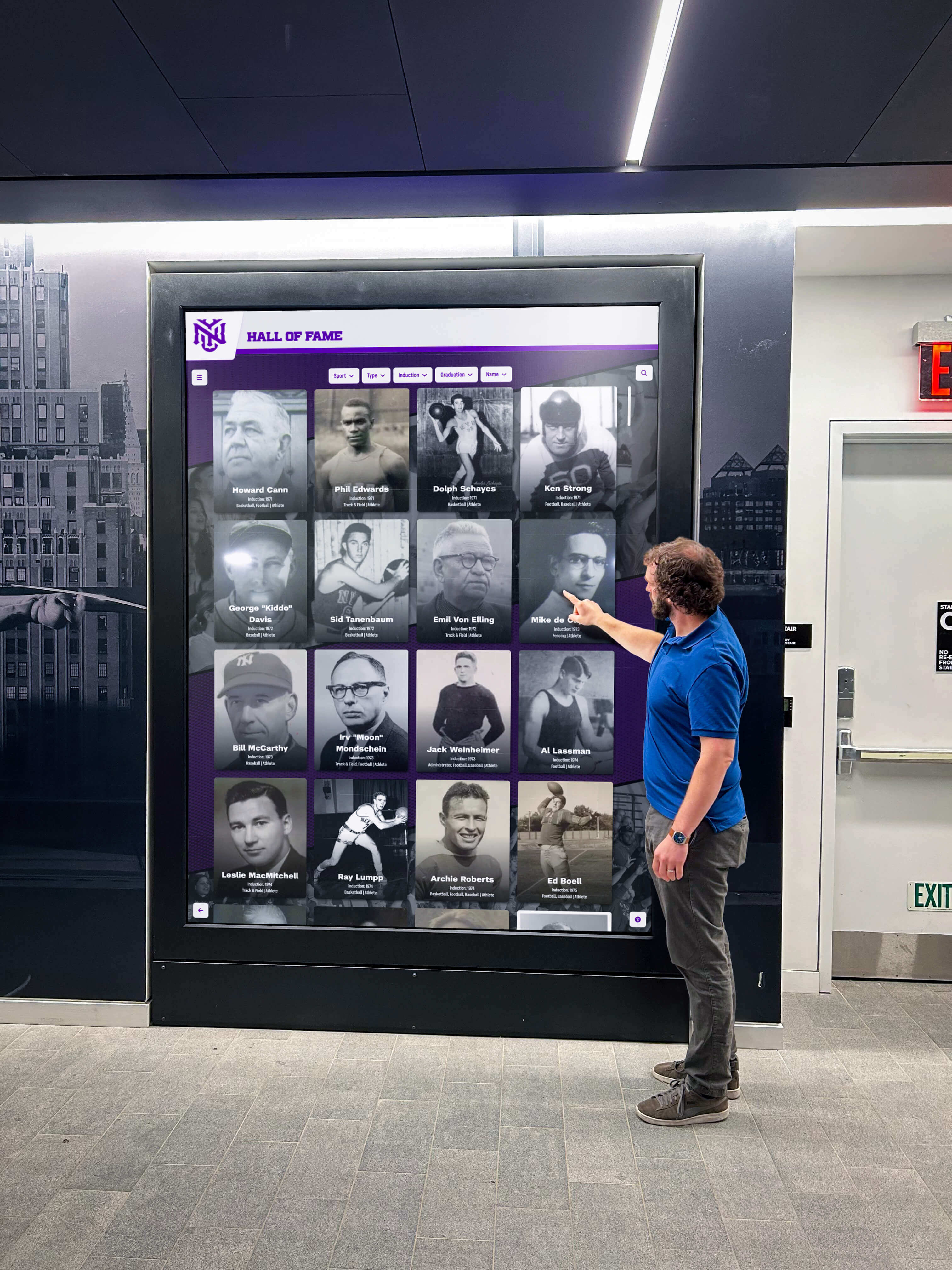
Interactive displays transform recognition from passive viewing into active exploration and engagement
Common Recognition Program Mistakes to Avoid
Learn from implementation challenges that undermine recognition effectiveness. Understanding common mistakes helps programs build better award systems.
Limited Award Categories
Programs recognizing only MVP, batting champion, and pitching leader exclude most roster members from meaningful recognition. This narrow approach demotivates players who contribute through other dimensions while missing opportunities to reinforce program values beyond winning.
Solution: Expand award categories celebrating performance, character, leadership, improvement, position-specific contributions, and team culture. Ensure sufficient recognition variety that every player can earn authentic achievement acknowledgment.
Unclear Selection Criteria
Awards losing credibility when selection criteria seem arbitrary or opaque. Players and families questioning “why did they win?” undermine recognition value and program trust.
Solution: Document clear criteria for all awards and communicate them transparently. Publish statistical leaders throughout seasons for objective awards. Explain evaluation processes for subjective categories. Provide specific examples and rationale when presenting awards clarifying why winners were chosen.
Predetermined Winners
Recognition loses motivational power when winners seem predetermined regardless of actual performance or contribution. Automatically awarding the same players or making selections based on seniority rather than merit destroys award value.
Solution: Implement legitimate evaluation processes applying consistent criteria fairly across all candidates. Consider multiple evaluators or combination approaches reducing bias. Be willing to recognize unexpected winners when evidence supports their selection.
Inconsistent Standards
Changing recognition criteria between seasons or applying different standards to different players undermines program credibility. Awards should represent consistent achievement standards rather than shifting based on available candidates or external pressures.
Solution: Maintain documented criteria across multiple seasons creating consistent standards. If criteria must change, announce modifications before seasons begin rather than adjusting retroactively. Apply identical evaluation standards to all candidates regardless of profile or popularity.
Inadequate Presentation
Rushed or poorly planned award presentations diminish perceived value. Reading names from lists without context or rushing through ceremonies communicates that recognition isn’t genuinely important.
Solution: Dedicate appropriate time to recognition ceremonies. Provide context about what each award represents and why it matters. Share specific examples illustrating why winners earned recognition. Allow winners to respond or speak briefly. Document ceremonies professionally through photos and videos.
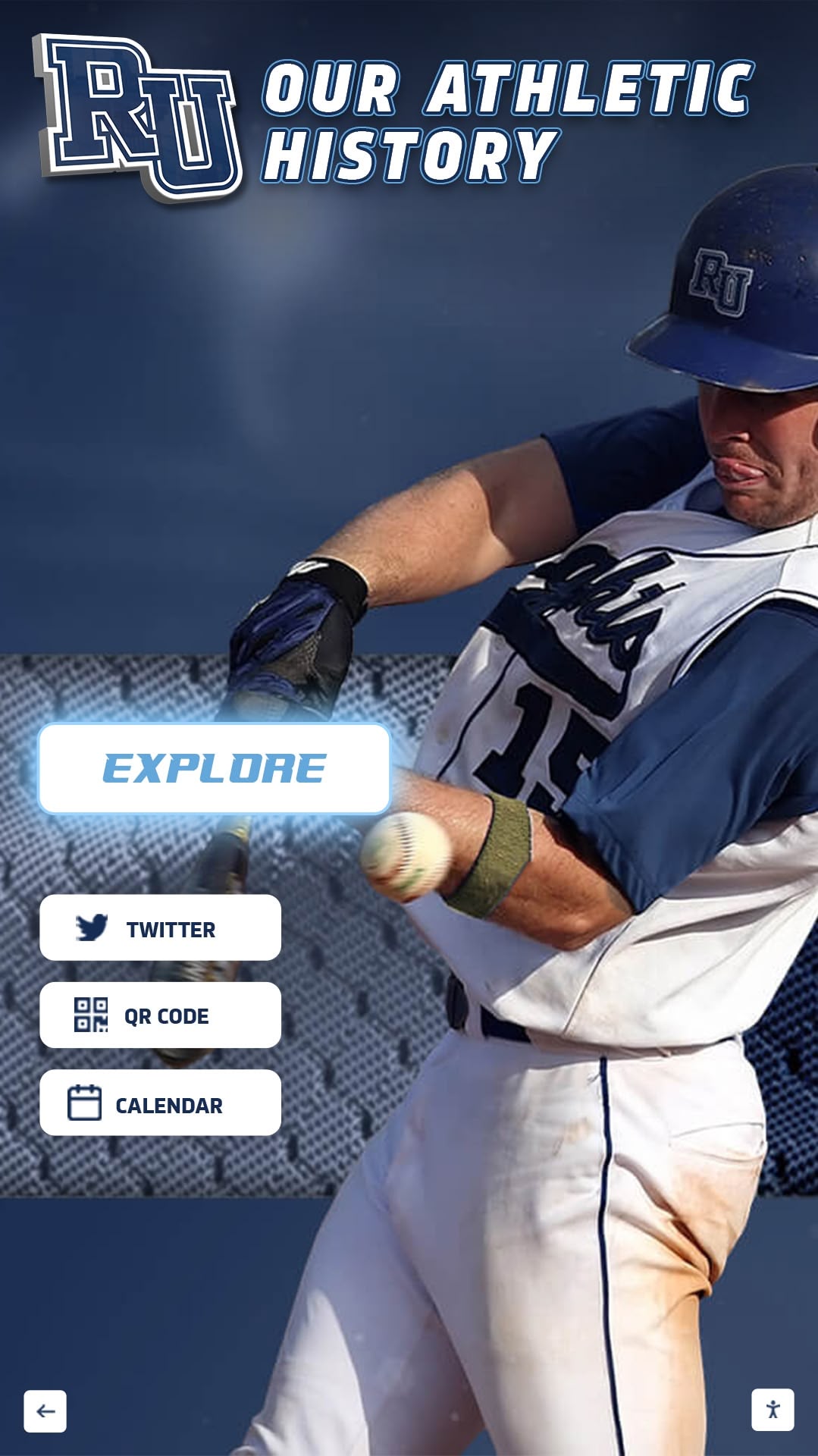
Professional athletic imagery combined with recognition creates compelling program marketing and pride-building
Creating Award Program Documentation
Permanent documentation ensures recognition extends beyond single ceremonies while honoring players’ contributions indefinitely. Strong documentation creates historical records connecting current players to program legacy.
Physical Documentation Options
Traditional documentation includes trophy cases displaying physical awards in prominent locations, plaques mounted on facility walls commemorating award winners, photo walls combining images with achievement descriptions, banner displays hanging in gymnasiums or fields, yearbook sections documenting annual awards, and printed program materials listing historical award winners.
Physical documentation creates visible reminders of program values and recognition traditions. However, physical displays face space constraints limiting comprehensiveness while requiring ongoing maintenance and updating.
Digital Documentation Advantages
Digital platforms overcome physical documentation limitations while providing capabilities that traditional displays cannot match. Digital systems offer unlimited capacity accommodating comprehensive recognition across all program years, rich multimedia combining photos, videos, statistics, and detailed narratives, instant searchability enabling easy access to specific players or achievements, remote accessibility reaching dispersed audiences including alumni and distant families, permanent preservation protecting against physical loss or deterioration, and cost-effective expansion without per-item manufacturing expenses.
Modern recognition platforms like Rocket Alumni Solutions specifically designed for athletic programs provide intuitive content management enabling coaches and athletic directors to maintain recognition systems without technical expertise. Cloud-based systems enable updates from any internet-connected device while automatically backing up content preventing data loss.
Hybrid Approaches
Many successful programs implement hybrid documentation combining physical displays for symbolic importance with digital systems for comprehensive recognition. Physical displays feature major awards and recent recognition maintaining visible presence in facilities. Digital platforms document complete program history across decades including every award winner with detailed profiles impossible in physical displays.
This approach honors traditional recognition aesthetics while gaining digital capability extending reach and engagement. Programs can maintain beloved trophy traditions while ensuring all players receive permanent recognition regardless of physical space limitations.
Digital recognition becomes particularly valuable for showcasing baseball program history including statistical records alongside individual recognition creating comprehensive program archives.
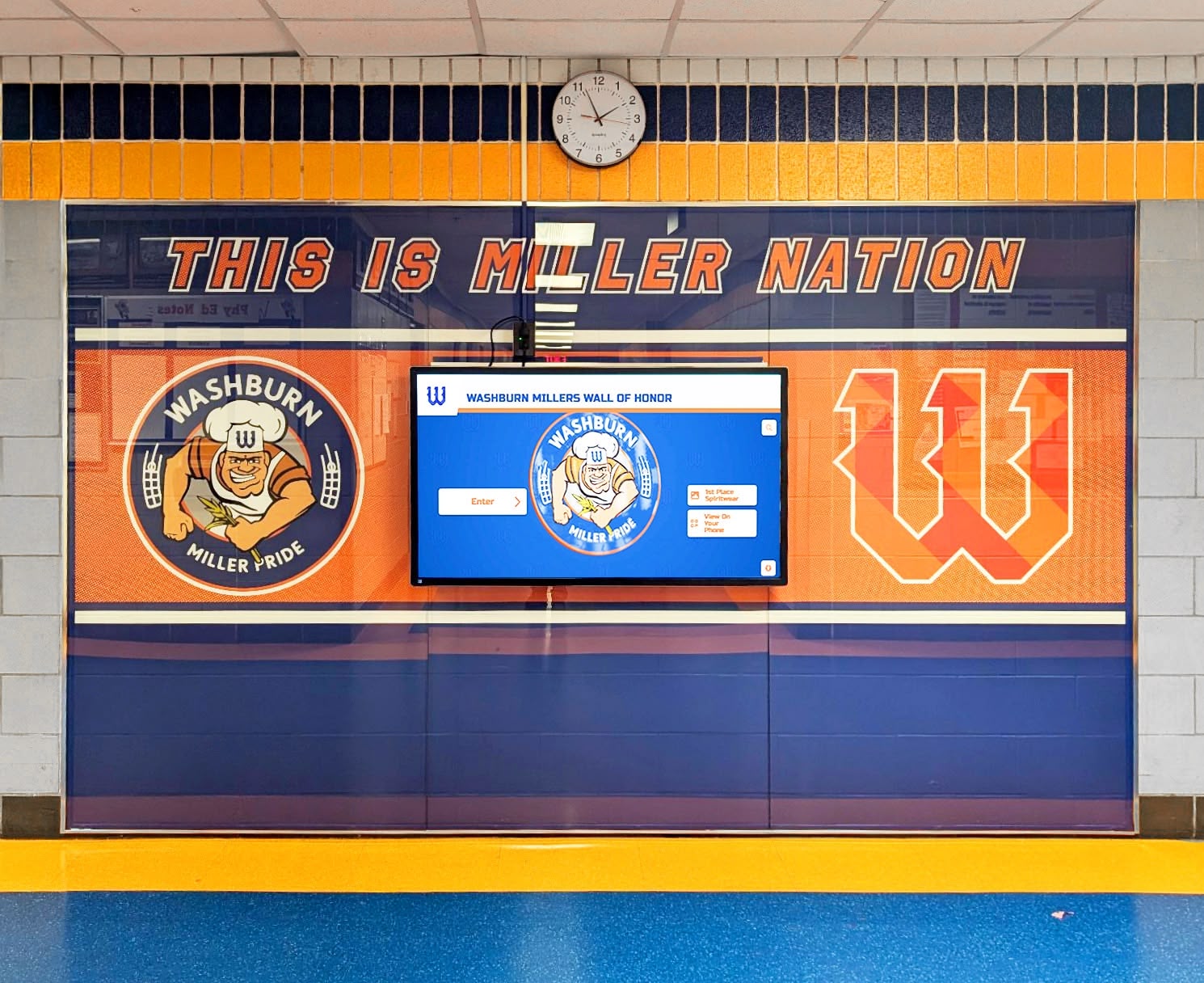
Digital recognition displays in school hallways create daily engagement opportunities with program history
Conclusion: Building Recognition That Motivates and Honors
Effective baseball award programs celebrate authentic achievement across multiple dimensions—performance excellence, character development, leadership growth, improvement trajectories, specialized contributions, and team culture building. Recognition systems honoring this complete spectrum of valuable contributions create inclusive environments where every player finds pathways to acknowledgment while reinforcing the full range of qualities strong baseball programs cultivate.
The baseball awards ideas presented throughout this guide provide frameworks for building recognition systems appropriate to your program’s size, competitive level, and values. Select categories aligning with what your program wants to develop in players. Establish clear criteria ensuring fairness and consistency. Create presentation formats making recognition feel meaningful and special. Document achievements permanently preserving contributions that define your program’s legacy.
Whether you implement traditional end-of-season banquets with physical trophies, modern digital recognition platforms providing year-round visibility, or hybrid approaches combining both, the commitment to recognizing players’ diverse contributions creates positive experiences that athletes carry throughout their lives. Awards you present this season become memories players reference when describing their baseball experience decades later.
Strong recognition demonstrates that your program values complete player development—not just batting averages and win-loss records. It validates the backup catcher’s game preparation, the defensive specialist’s run prevention, the utility player’s versatility, and the bench player’s energy equally with the batting champion’s statistics. This inclusive approach builds program culture, maintains roster-wide motivation, and creates environments where young athletes develop life skills extending far beyond the diamond.
Solutions like Rocket Alumni Solutions help baseball programs implement comprehensive recognition systems combining sophisticated technology with intuitive management. Interactive touchscreen displays, web-accessible databases, and cloud-based content management create engaging platforms that honor all players while serving multiple stakeholders—inspiring current athletes, connecting alumni, engaging families, and building program pride throughout communities.
Your baseball program’s achievements, character development stories, and competitive excellence deserve recognition approaches equal to their significance. Thoughtful award programs celebrating diverse contributions ensure that every player who gives their effort, commitment, and passion to your team receives the meaningful acknowledgment they deserve.
Transform Your Baseball Recognition Program
Discover how digital recognition systems can help your baseball program celebrate all player achievements, build team culture, and create lasting memories that honor every contributor to your team's success.































