Basketball senior night represents one of the most emotional and meaningful moments in any high school athletic season. For graduating players who’ve dedicated years to early morning practices, intense conditioning, competitive games, and building team chemistry, senior night provides a public platform to acknowledge their commitment, celebrate their achievements, and honor the journey they’ve traveled wearing their school’s colors.
Planning a memorable basketball senior night requires thoughtful coordination of ceremony elements, personal recognition, family involvement, and creative touches that make the evening special for athletes who’ve given so much to their programs. Whether you’re a basketball coach organizing your first senior night, a parent supporting the celebration, or an athletic director overseeing multiple sport recognitions, this comprehensive guide provides actionable basketball senior night ideas ensuring your graduating athletes receive the recognition they deserve.
From pre-game ceremony logistics and gift selection to speech writing and permanent recognition systems, we’ll explore proven strategies for creating senior nights that honor basketball athletes meaningfully while building memories that last long after the final buzzer sounds.
Senior night ceremonies have become cherished traditions across high school basketball programs nationwide. These events honor graduating seniors before their final home game, providing structured opportunities to thank athletes publicly while involving families in celebration of their student-athletes’ contributions. Yet creating truly memorable basketball senior nights requires more than following a basic checklist—it demands personalized touches, emotional authenticity, and recognition that resonates deeply with athletes transitioning away from competitive basketball.
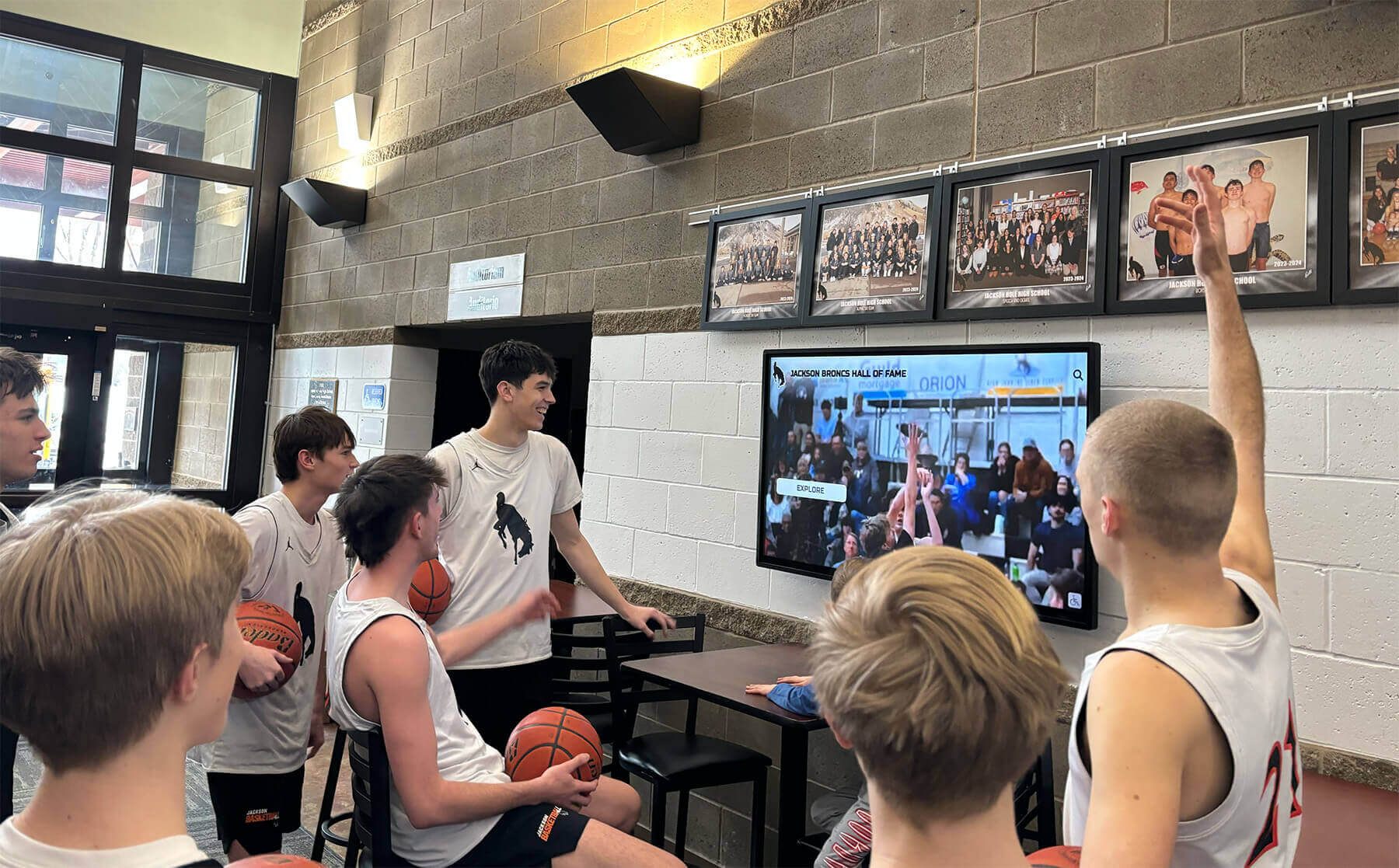
Modern basketball programs use digital displays to showcase senior highlights and season accomplishments during recognition celebrations
Planning Your Basketball Senior Night: Timeline and Logistics
Successful basketball senior nights begin with organized planning well before ceremony day, ensuring every logistical detail receives appropriate attention while allowing time for personalization.
Start Planning Early: 4-6 Weeks Before Senior Night
Confirm the Date:
Coordinate with your athletic director to select an appropriate home game date, typically scheduled during the final weeks of the regular season. Consider factors including anticipated attendance (avoid conflicts with school events or holidays), opponent quality (competitive but not overwhelming to allow proper focus on ceremony), and day of week (Friday or Saturday often draw larger crowds than weekday games).
Once confirmed, communicate the senior night date to seniors, families, team members, and the broader school community through multiple channels.
Collect Senior Information:
Distribute information forms to senior athletes and families requesting biographical details like full name, years on team, positions played, notable achievements and statistics, college or post-graduation plans, and favorite basketball memories or teammates.
Request high-quality photos for programs, slideshows, and social media including youth basketball photos showing athletic journey progression, action shots from high school games, candid team photos, and family photos if appropriate for your ceremony format.
Establish clear submission deadlines at least 2-3 weeks before senior night, allowing time to compile materials without last-minute scrambling.
Budget Planning:
Determine available budget through booster club funds, athletic department allocations, parent contributions, or fundraising initiatives. Typical basketball senior night expenses include senior gifts for athletes, flowers or bouquets for presentations, printed programs for attendees, decorations for court or venue, professional photography or videography, and refreshments for post-game receptions.
Transparent budget communication with parents prevents misunderstandings about expected financial contributions while ensuring ceremonies match available resources.
2-3 Weeks Before Senior Night
Finalize Ceremony Format:
Determine the specific structure and timeline for your recognition ceremony including when it occurs (pre-game is traditional, halftime accommodates late arrivals, post-game allows full focus without time pressure), how seniors are introduced (individual spotlights walking with parents, group introductions of entire senior class, video presentations followed by court appearances), who participates (just basketball players, or including cheerleaders, dance team, band seniors), and ceremony duration (typically 10-20 minutes for basketball-only, longer for multi-group recognition).
Script the ceremony sequence ensuring smooth transitions and appropriate pacing that honors seniors without exhausting audience attention.
Coordinate with Game Operations:
Work closely with your athletic director, game announcer, and facilities staff to ensure technical elements align including audio equipment for microphone announcements, music selections for senior entrances, video display capabilities for highlight reels, lighting adjustments if needed, and floor access timing coordinating with game officials and opponent warm-ups.
Technical rehearsals prevent ceremony disruptions from equipment failures or miscommunications.
Order or Prepare Gifts:
Finalize senior gift selections and place orders allowing delivery time. Popular basketball senior night gift options include framed jerseys with personalized plaques, custom basketballs signed by teammates and coaches, engraved awards or plaques commemorating career achievements, team photo collages documenting their basketball journey, personalized blankets featuring school colors and names, and gift baskets with school merchandise and personal favorites.
Consider gifts with practical value extending beyond sentimental significance, ensuring athletes genuinely appreciate and use recognition items.
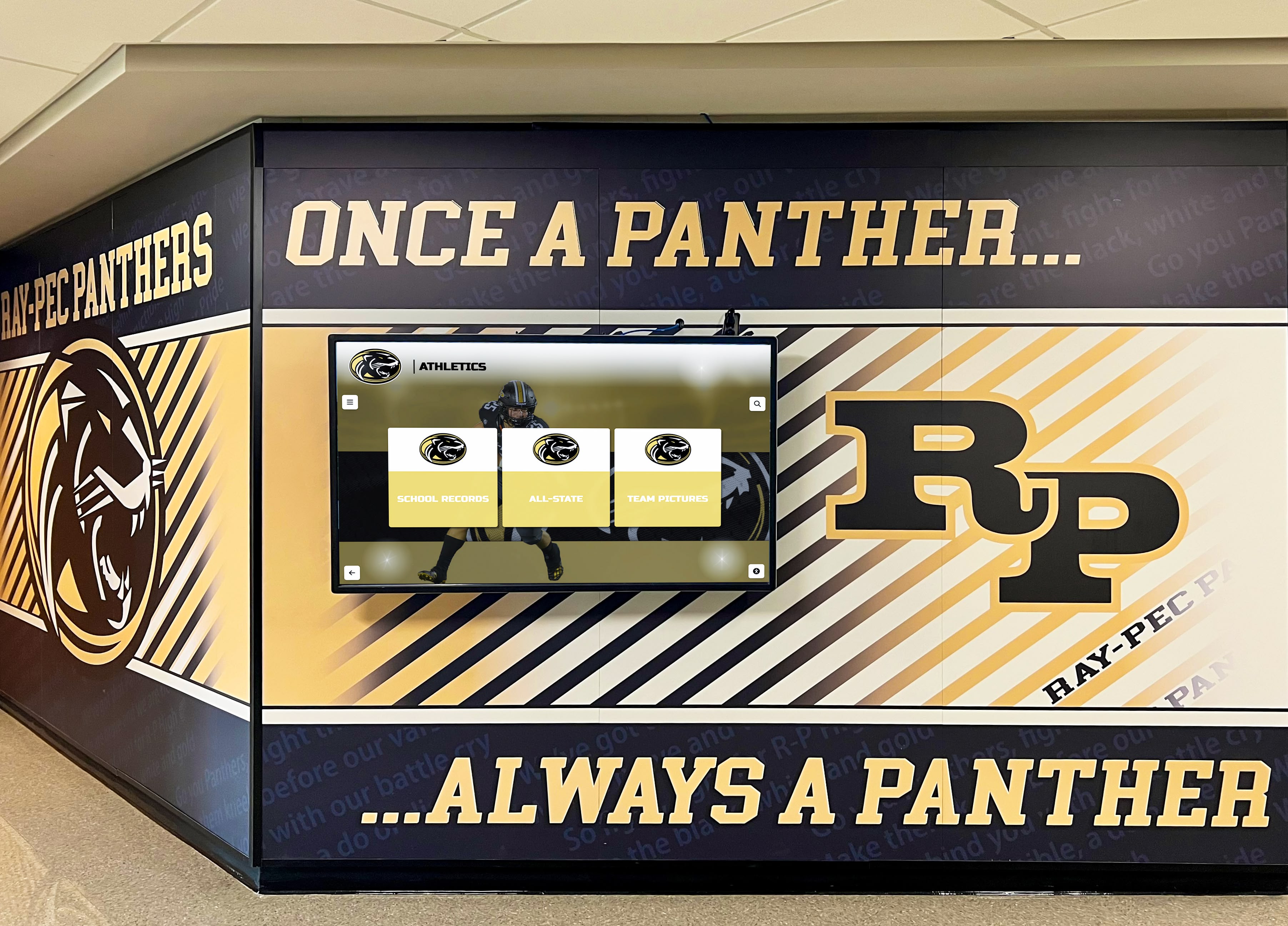
Permanent recognition displays honor senior athletes throughout their careers and preserve their legacy for future generations
Creative Basketball Senior Night Ceremony Ideas
While traditional elements provide ceremony structure, creative personalization transforms standard recognition into memorable experiences that resonate emotionally with graduating athletes.
Individual Senior Spotlights
Personalized Video Tributes:
Create 1-2 minute video compilations for each senior featuring game highlights showing signature plays and best moments, youth basketball photos documenting their journey, coach testimonials explaining what makes each athlete special, teammate messages expressing appreciation and friendship, and family reflections on their basketball experience.
Videos add production value while allowing everyone in attendance to learn each senior’s unique story. Parents often treasure these compilations for years, rewatching emotional tributes long after graduation.
Custom Senior Posters:
Design large-format posters (24x36 inches or larger) featuring action photos, career statistics, memorable quotes, college or future plans, and personalized messages from coaches. Display posters around the gymnasium during senior night, then present them as gifts seniors take home as keepsakes.
Schools with design resources can create elaborate posters, while budget-conscious programs can use online templates or enlist artistically talented students or parents. Many schools explore creative senior night poster ideas that work across multiple sports while maintaining personalization.
Senior Speeches and Reflections:
Offer seniors opportunities to address teammates, coaches, families, and fans during ceremony time. Not every athlete feels comfortable with public speaking, so make this optional rather than mandatory. Those who speak often share favorite memories, thank coaches and parents, acknowledge teammates, reflect on lessons learned through basketball, and express what wearing their school jersey meant to them.
Brief senior speeches add personal voices to ceremonies, creating authentic moments that resonate more powerfully than scripted announcements alone.
Family Involvement and Recognition
Parent Escort Walks:
The traditional element of seniors walking across the court escorted by parent(s) or guardian(s) remains emotionally powerful. Enhance this moment through professional photography capturing family pride, brief biographical announcements highlighting each senior’s journey, flower or small gift presentations to parents acknowledging their support, and allowing families to pause at center court for photo opportunities.
This simple tradition often becomes the most emotional ceremony moment as athletes publicly acknowledge family sacrifices enabling their basketball careers.
Sibling and Family Participation:
When younger siblings attend the same school, consider involving them in presentations as flower bearers, jersey holders, or simply walking alongside senior athletes. Family participation creates touching moments while honoring the reality that basketball commitment impacts entire families, not just individual athletes.
Parent Recognition:
Some programs present flowers or small gifts to parents during senior escorts, symbolically thanking them for years of early morning drives to practices, tournament travel, emotional support during difficult seasons, and countless hours invested supporting their student-athletes’ basketball journeys.
This small gesture acknowledges that athletic achievement represents family effort, not merely individual accomplishment.
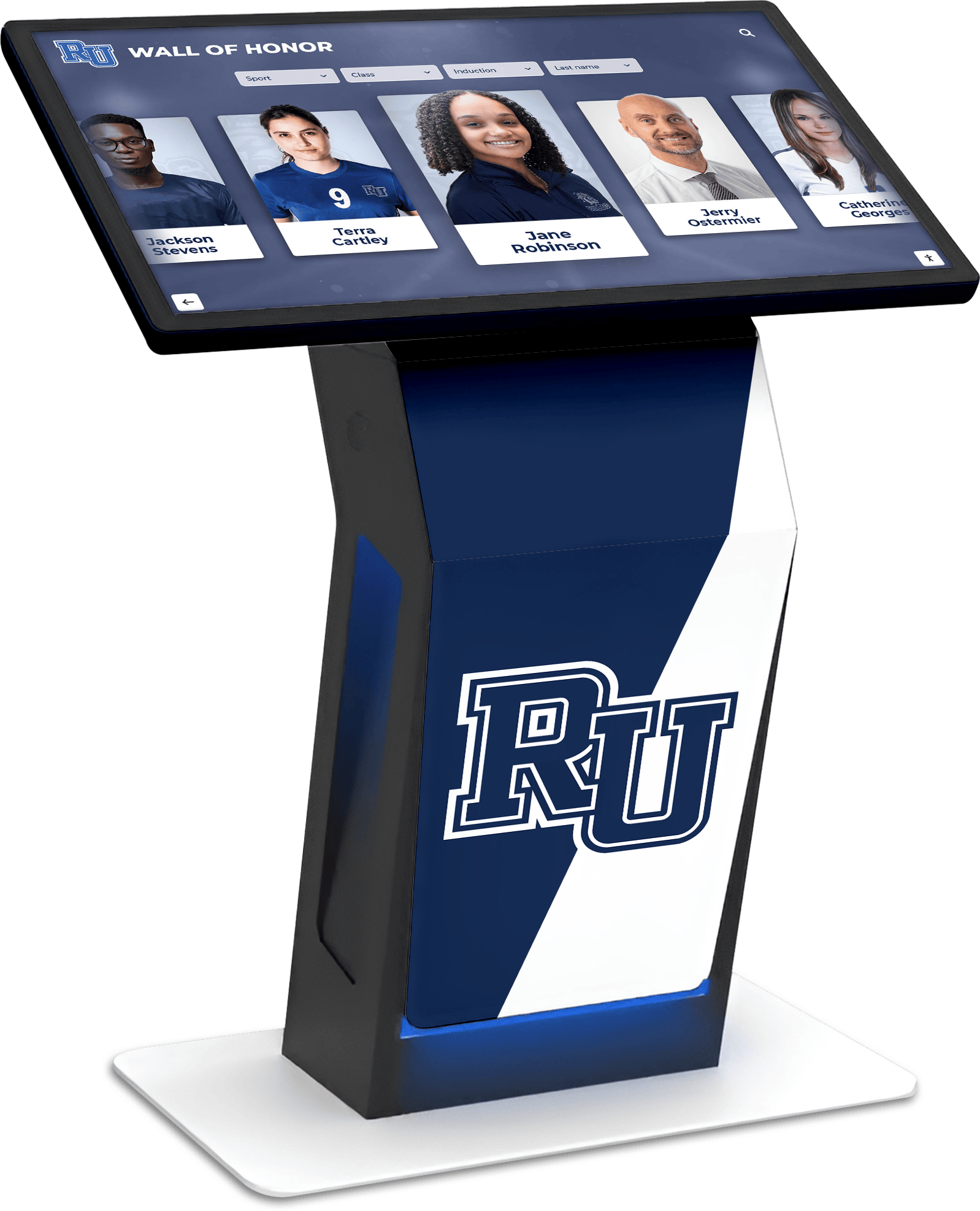
Interactive recognition systems allow visitors to explore senior achievements, career statistics, and memorable moments year-round
Meaningful Basketball Senior Night Gift Ideas
Selecting appropriate senior gifts balances sentimental value, practical usefulness, budget constraints, and personalization reflecting each athlete’s unique contributions.
Traditional Basketball Senior Night Gifts
Framed Jerseys:
Perhaps the most classic basketball senior night gift, professionally framed jerseys preserve the uniform that represented countless hours of practice, competition, and team identity. Enhance basic jersey framing through nameplate engravings with athlete name and years played, matting in school colors, inclusion of small basketball or team photo, documentation of career statistics or achievements, and shadow box depth accommodating jersey thickness.
While representing significant expense ($100-300 depending on framing quality), framed jerseys become lifelong keepsakes many athletes display in homes for decades.
Personalized Basketballs:
Custom basketballs signed by entire teams, coaches, and staff create tangible reminders of basketball family bonds. Consider leather game balls (higher quality, longer-lasting), team signature collections from current season roster, coach messages written directly on ball surface, date and “Senior Night” inscription, and protective display cases preventing signatures from fading.
Signed team basketballs cost significantly less than framed jerseys while maintaining high sentimental value.
Engraved Awards and Plaques:
Formal recognition plaques or crystal awards provide traditional commemoration including athlete name and graduation year, school name and basketball program, career statistics or achievements, personalized message from coaching staff, and appropriate basketball imagery or school logo.
Quality engraved awards typically cost $30-75, making them budget-friendly options for programs with limited funds or large senior classes.
Creative and Personalized Gift Options
Photo Collages and Memory Books:
Compile comprehensive visual documentation of each senior’s basketball journey through digital photo books documenting freshman through senior year, collage posters featuring action shots across multiple seasons, scrapbooks including ticket stubs, game programs, and memorabilia, and digital photo frames pre-loaded with basketball memories.
Photo-based gifts require time investment for collection and organization but create deeply personal recognition that resonates emotionally.
Team-Signed Memorabilia:
Beyond basketballs, consider alternative signed items like team warm-up shirts signed by entire roster, custom prints or posters signed by teammates, basketball shoes worn during senior season signed by team, or team photo enlargements with signature margins.
Signed memorabilia creates connection to the specific team seniors played alongside during their final season.
Practical Gifts for Next Chapters:
Consider gifts supporting seniors’ post-graduation plans including college care packages for continuing students, gift cards to restaurants or stores near college destinations, school supplies or dorm essentials for college-bound athletes, professional items like portfolios or laptop cases for workforce-bound seniors, and athletic gear or equipment for those continuing basketball at next level.
Practical gifts demonstrate that recognition extends beyond honoring past achievements to supporting future success.
Programs looking for additional gift inspiration can explore comprehensive guides to meaningful senior night gifts that work across athletic programs while maintaining sport-specific relevance.
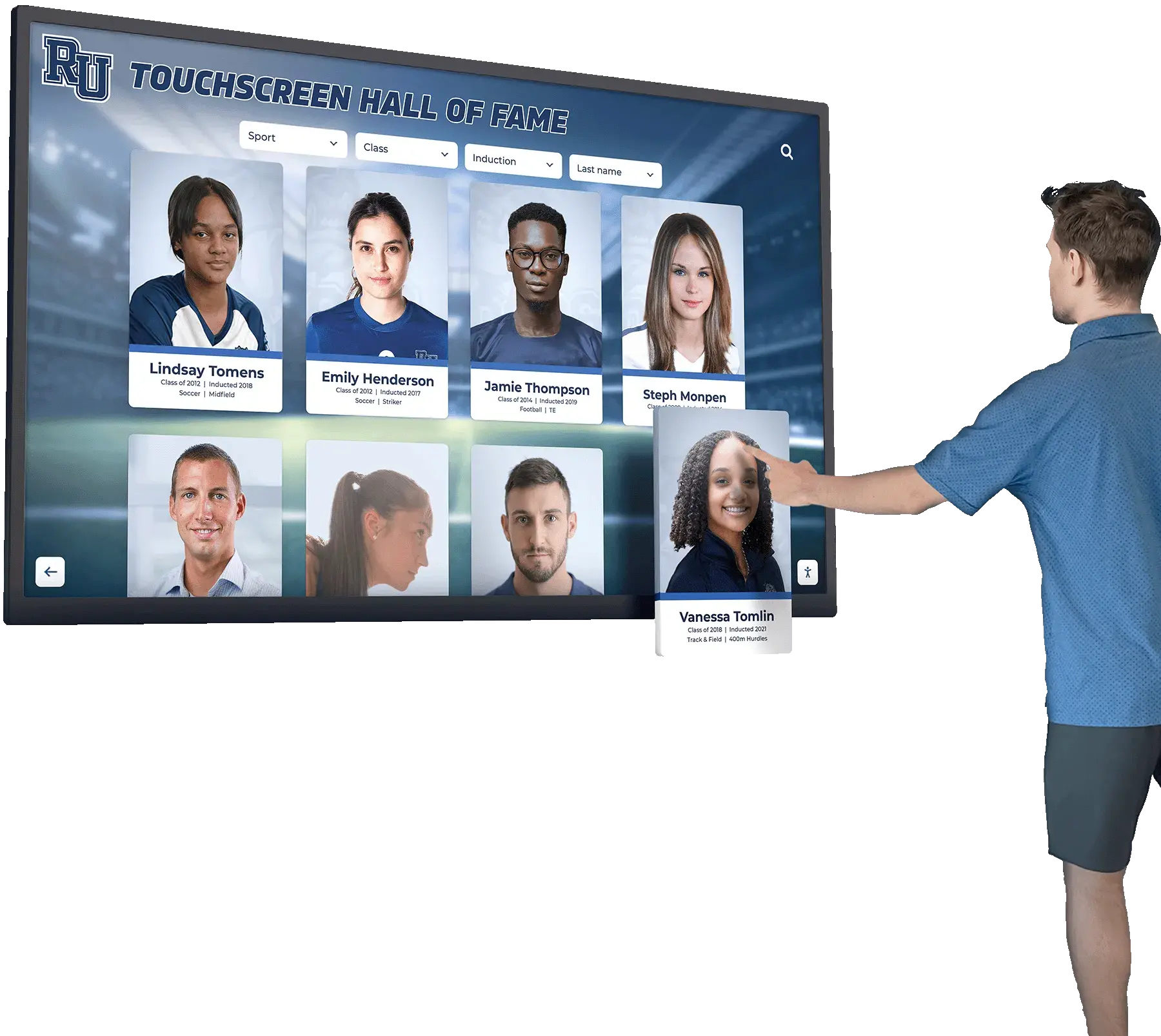
Digital recognition platforms enable detailed senior profiles including statistics, achievements, and personal reflections accessible to entire school communities
Basketball Senior Night Speech and Announcement Guidelines
Words spoken during senior night carry lasting impact, requiring thoughtful preparation ensuring messages honor athletes appropriately while maintaining ceremony pacing.
Coach’s Senior Night Address
Basketball coaches typically deliver remarks thanking seniors for their dedication and leadership, acknowledging the unique contributions each senior brought to the program, reflecting on memorable moments or breakthrough performances, expressing pride in their development as athletes and people, and wishing them success in future endeavors.
Effective coach speeches balance recognition of athletic achievement with acknowledgment of character growth and personal development. Avoid inside jokes that only team members understand, overly long remarks that test audience patience, focus exclusively on wins/losses rather than broader impact, or comparison between seniors creating perception of favorites.
Aim for 3-5 minutes of genuine, heartfelt remarks that celebrate the entire senior class collectively while honoring individual uniqueness.
Senior Athlete Introductions
The announcer introducing each senior should present comprehensive biographical information in consistent format including full name and jersey number, hometown and years on varsity roster, positions played, notable statistics or achievements (career points, all-conference honors, leadership roles), post-graduation plans (college, military, workforce), and one interesting fact or memorable quality.
Script introductions in advance ensuring accuracy, appropriate length (30-60 seconds per senior), and consistent information presentation across all athletes. Rehearse pronunciation of names preventing embarrassing mistakes during the actual ceremony.
Parent or Family Remarks
Some programs invite parents to briefly speak about their senior athlete’s basketball journey. If offering this option, establish clear guidelines including optional participation (not required), strict time limits (1-2 minutes maximum), advance preparation (no reading lengthy essays), focus on gratitude and celebration (avoid criticism or complaints), and recognition that other families await their turns.
Parent remarks can add touching personal perspectives, but poorly managed family speeches can derail ceremony pacing and create uncomfortable moments requiring coach intervention.
Senior Athlete Speeches
When seniors speak on their own behalf, encourage them to thank teammates and coaches, acknowledge parents and families, reflect on meaningful memories, express what basketball and the program meant to them, and wish success to underclassmen continuing the program.
Help seniors understand that brief, authentic remarks resonate more powerfully than lengthy speeches attempting to recount every season detail. Encourage emotional authenticity while discouraging inside jokes excluding much of the audience.
Athletic programs managing multiple sport senior nights throughout the year can develop recognition best practices that apply across teams, as explored in guides covering comprehensive athletic recognition programs.
Pre-Game, Halftime, or Post-Game: When to Hold Basketball Senior Night
Timing decisions significantly impact ceremony atmosphere, audience attention, and athlete experience, with each option offering distinct advantages and challenges.
Pre-Game Senior Night Ceremonies
Advantages:
Pre-game timing ensures maximum audience attention before competitive action begins. Fans arrive early specifically for senior recognition, families have optimal photo opportunities in good lighting, athletes can mentally transition from ceremony emotion to game focus, and ceremony duration doesn’t impact game flow or conclusion timing.
Most high school basketball programs use pre-game senior nights as standard practice.
Considerations:
Start ceremonies approximately 15-20 minutes before scheduled game time, ensuring adequate recognition time while not pushing tipoff unreasonably late. Communicate timing clearly to families encouraging early arrival. Coordinate with game officials and opposing team regarding warm-up schedules affected by ceremony timing.
Halftime Senior Night Ceremonies
Advantages:
Halftime placement ensures all spectators who arrive for game action witness senior recognition, rather than missing pre-game ceremonies. Families arriving late due to work schedules or traffic don’t miss their athlete’s recognition moment.
Considerations:
Halftime duration constraints (typically 10-12 minutes) severely limit ceremony length, potentially rushing recognition or creating stress about pacing. Teams need adequate break time between halves, and seniors recognized at halftime immediately return to competitive action without time to process emotional ceremony moments.
Halftime timing works better for abbreviated recognition of just 1-2 seniors rather than larger senior classes requiring extended time.
Post-Game Senior Night Ceremonies
Advantages:
Post-game timing allows athletes to fully focus on competitive performance without ceremony emotions affecting play. Recognition occurs after game outcome is determined, avoiding potential awkwardness if the senior night game results in difficult losses. Ceremony length isn’t constrained by game schedules or opponent coordination.
Considerations:
Significant portions of casual spectators leave immediately after game conclusion, reducing ceremony audience size. Post-game timing works best when games remain competitive and close, maintaining fan engagement through final buzzer. Anticipated late conclusion times may deter some families from remaining for complete ceremonies, especially on school nights.
Few programs use exclusively post-game senior nights, though some incorporate post-game receptions supplementing pre-game ceremonies.
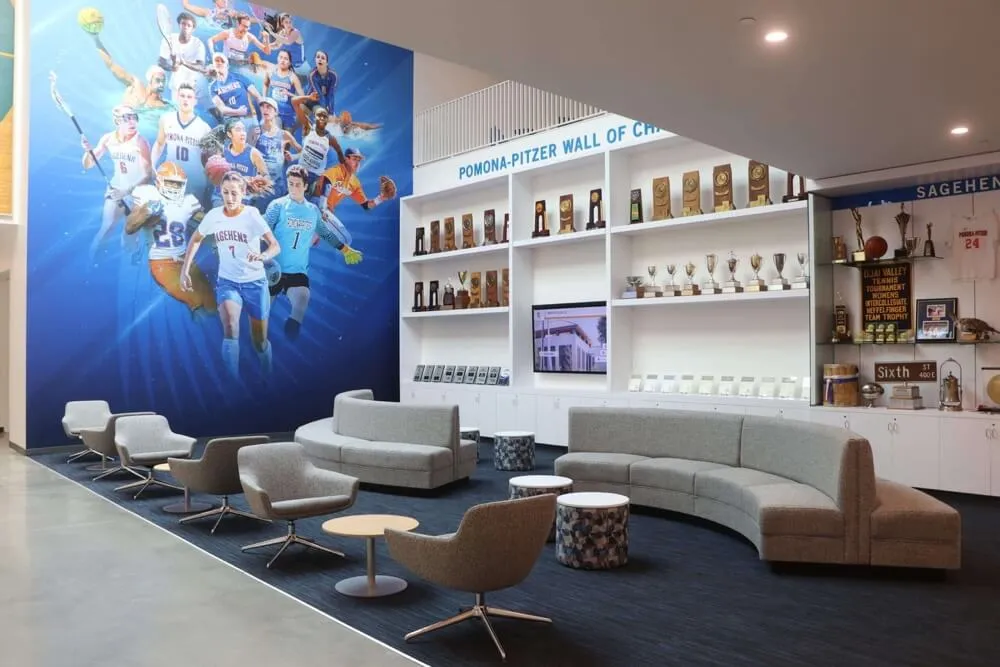
Dedicated athletic spaces showcase team history, championships, and senior athlete recognition creating pride in program tradition
Creating Memorable Basketball Senior Night Programs and Decorations
Visual elements and printed materials enhance ceremony professionalism while providing keepsakes families treasure beyond the event itself.
Senior Night Programs
Printed programs distributed to attendees serve multiple purposes as ceremony guides, informational keepsakes, and appreciation for family members invested in their athletes’ basketball careers.
Essential Program Content:
Cover design featuring school colors, basketball imagery, date, and “Senior Night” designation; welcome message from athletic director or principal; coach’s letter to graduating seniors; individual senior profiles with photos, statistics, achievements, and future plans; team roster listing entire current season team; season schedule and results; acknowledgments thanking boosters, administrators, and supporters; and program ads or sponsor recognition if used for fundraising.
Quality programs range from simple photocopied sheets to professionally printed booklets depending on available budget and production resources. Even modest programs become valued keepsakes when personalized thoughtfully.
Gymnasium Decorations
Transform your basketball venue for senior night through strategic decorations that honor graduating athletes without interfering with game play requirements.
Banner Displays:
Create individual senior banners (3x6 feet or larger) featuring athlete photos, names, and jersey numbers. Hang banners from gymnasium rafters, along walls, or on temporary display stands. After senior night, present banners as gifts athletes take home, or maintain them as permanent gymnasium recognition if space allows.
Entrance Arches:
Balloon arches in school colors at gymnasium entrances create festive atmosphere signaling this game’s special significance. Senior athletes can walk through arches during introductions, creating visually striking moments ideal for photography.
Court Floor Decals:
Temporary floor decals (if permitted by facility regulations) can feature senior names, achievement highlights, or “Senior Night” designation at center court. Ensure any floor applications are approved by athletic directors and won’t damage court surfaces.
Photo Displays:
Create timeline photo displays around gymnasium perimeter showing each senior’s progression from youth basketball through their final season. These visual journeys allow spectators to appreciate athletes’ complete basketball development while waiting for ceremony and game action.
Schools considering comprehensive basketball recognition including senior celebrations might explore how digital volleyball senior night programs apply similar principles across court sports.
Basketball Senior Night Social Media and Documentation
Digital documentation extends senior night recognition beyond attendees who were physically present, enabling broader community engagement and creating shareable content that amplifies athlete recognition.
Photography and Videography
Professional or high-quality documentation captures ceremony moments seniors and families revisit for years.
Photo Priorities:
Senior escort walks with families at center court, individual senior portraits in uniform during ceremony, group photos of entire senior class together, coach presentations and gift exchanges, candid emotional moments between athletes and parents, detail shots of gifts, flowers, and decorations, and crowd reactions showing community support.
Designate specific photographers (professional, parent volunteer, or talented student) to focus exclusively on senior night documentation rather than game action, ensuring ceremony moments receive appropriate attention.
Video Documentation:
Record complete ceremony proceedings for athletes and families to preserve entire experience. Additionally, create shorter highlight video compilations (3-5 minutes) condensing best ceremony moments for social media sharing and program archives.
Social Media Recognition
Extend senior night celebration through strategic social media content reaching broader school and alumni communities.
Pre-Senior Night Promotional Content:
In days leading to senior night, build anticipation through senior spotlight posts featuring one athlete daily with photos, statistics, and interesting facts; countdown graphics showing days until senior night; throwback photos documenting seniors’ basketball journeys; and promotional graphics encouraging community attendance to honor graduating athletes.
Event Day Coverage:
During senior night, share live ceremony moments (if livestreaming), real-time photos of senior introductions, parent and coach reactions, and quotes from senior speeches or reflections.
Post-Event Recognition:
Following senior night, extend recognition through photo albums documenting complete ceremony, video highlight compilations, individual senior thank you posts, parent testimonials or reactions, and community comment opportunities allowing supporters to share well-wishes.
Consistent, high-quality social media coverage amplifies recognition far beyond gymnasium attendees while creating permanent digital records accessible years later.
Schools developing comprehensive recognition approaches across sports can benefit from understanding how tennis senior nights adapt similar concepts to individual sport contexts.
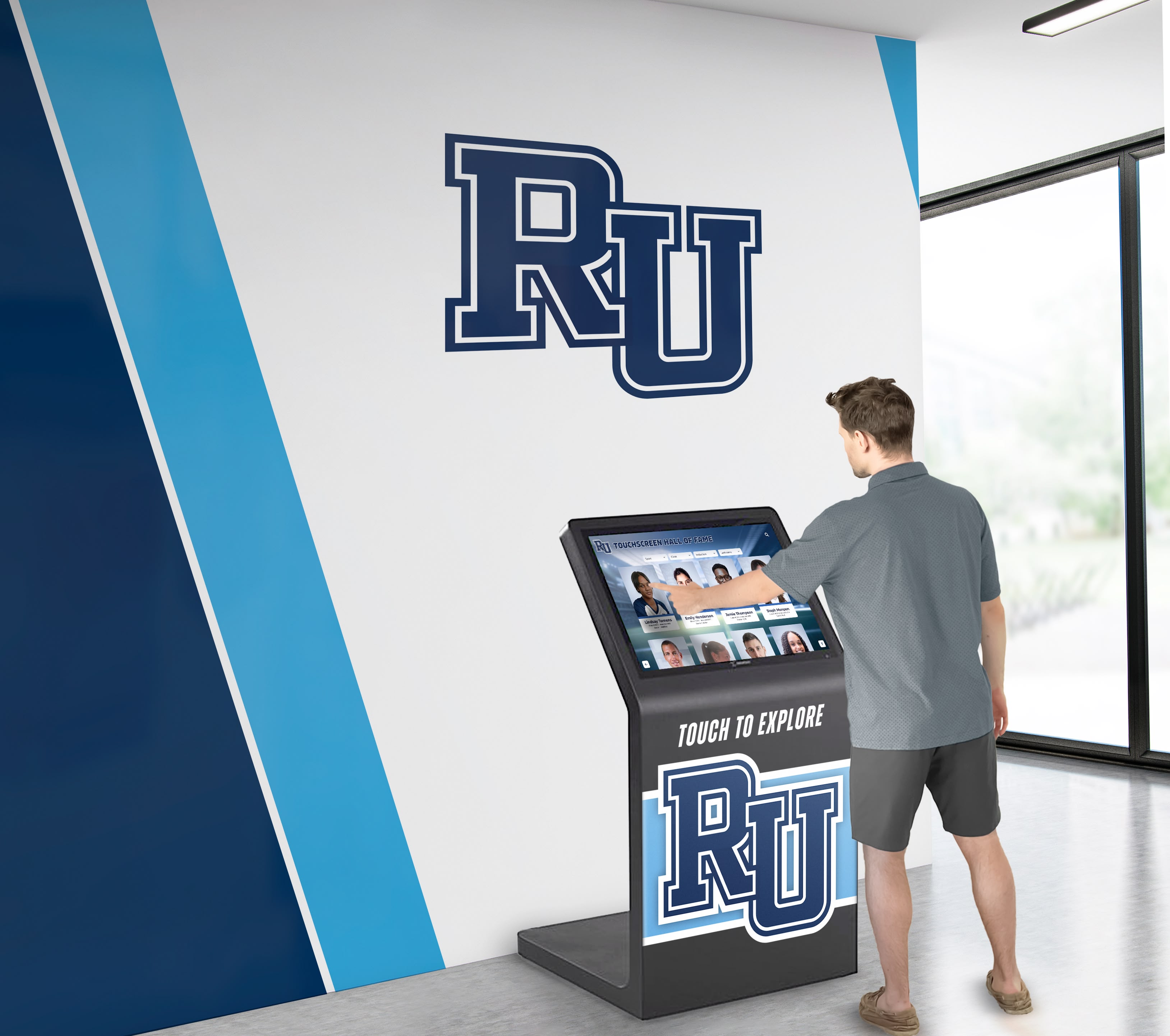
Modern recognition kiosks enable year-round exploration of senior achievements, accessible to students, families, and visitors throughout school facilities
Permanent Recognition: Honoring Basketball Seniors Beyond One Night
While senior night ceremonies create meaningful moments, lasting recognition systems ensure graduating athletes’ contributions remain visible to school communities long after final games conclude.
The Limitations of Traditional Recognition
Traditional approaches to senior athlete recognition face inherent constraints including limited physical space on gymnasium walls or trophy case displays, high costs for producing individual plaques or frames for every graduate, static presentations offering no interactivity or detailed information, expensive updates when adding new seniors annually, and inaccessibility beyond physical locations preventing remote viewing.
These limitations mean many deserving senior athletes receive minimal permanent recognition despite years of dedication to their basketball programs.
Digital Recognition Solutions for Basketball Seniors
Modern interactive digital displays transform how schools recognize senior athletes through unlimited capacity systems showcasing hundreds or thousands of athletes with detailed profiles, comprehensive content including statistics, photos, achievements, and personal reflections, cloud-based updates enabling real-time recognition additions, web and mobile accessibility extending recognition worldwide, and engaging interactive experiences encouraging exploration and discovery.
Solutions like Rocket Alumni Solutions provide purpose-built platforms specifically designed for educational athletic recognition, offering basketball-optimized templates, intuitive content management for non-technical athletic staff, commercial-grade touchscreen hardware for high-traffic areas, professional installation and ongoing support, and proven reliability across 1,000+ installations nationwide.
What Digital Senior Recognition Includes
Comprehensive digital platforms enable detailed senior athlete profiles featuring high-resolution photos from throughout basketball careers, complete career and season statistics, achievement documentation (all-conference, all-state, records broken), coach testimonials explaining what made each athlete special, college signing information and future plans, personal reflections from seniors about their basketball journey, video highlights of memorable performances, and timeline presentations showing program evolution across senior classes.
This rich multimedia approach celebrates senior athletes with depth and permanence that traditional plaques simply cannot match.
Integration with Broader Athletic Recognition
Basketball senior recognition works most effectively when integrated into comprehensive athletic programs showcasing current season rosters and statistics, team championships and accomplishments, coaching career histories, school athletic records, multi-sport athlete recognition, and alumni updates documenting post-graduation success.
Comprehensive systems honor basketball seniors while positioning them within broader contexts of school athletic tradition and excellence.
Schools exploring permanent recognition often research complete sports banquet awards programs that complement senior night ceremonies with year-round celebration.
Special Considerations for Basketball Senior Night Planning
Thoughtful planning addresses unique circumstances ensuring all graduating seniors receive appropriate recognition regardless of individual situations.
Co-Ed Basketball Programs
Schools with separate boys’ and girls’ basketball teams must decide whether to host combined senior nights honoring both programs simultaneously, or separate events allowing each program dedicated focus.
Combined Senior Night Advantages: Single event reduces scheduling complexity, demonstrates gender equity in athletic recognition, larger combined audience, and shared costs between programs.
Separate Senior Night Advantages: Each program receives undivided attention, ceremony timing accommodates different game schedules, recognition tailored to specific team dynamics, and avoids one gender feeling secondary.
Neither approach is universally superior—base decisions on individual program preferences, senior class sizes, and school culture factors.
Transfer Students and Late-Joiners
Not all seniors played basketball throughout high school. Some transferred from other schools, joined teams later in their careers, or returned after time away. Ensure recognition systems accommodate diverse circumstances without creating hierarchies between four-year program veterans and others.
All graduating seniors deserve recognition reflecting their actual contributions and time with the program, communicated respectfully without comparisons diminishing anyone’s experience.
Injured Seniors Unable to Play
Seniors suffering season-ending injuries deserve full senior night recognition despite being unable to compete. Include injured athletes in all ceremony elements—escort walks, gift presentations, speeches, and team photos—acknowledging their dedication even though injuries prevented them from playing.
This inclusive approach demonstrates that basketball family extends beyond court contributors to include all committed team members regardless of circumstance.
Multi-Sport Senior Athletes
Many basketball seniors also compete in other school sports, potentially participating in multiple senior night ceremonies throughout the year. Coordinate across athletic programs ensuring recognition feels fresh and personalized for basketball rather than repetitive across sports.
Acknowledge multi-sport athletes’ broader athletic contributions during basketball senior night while maintaining primary focus on their basketball-specific achievements and impact.
Budget-Conscious Programs
Limited budgets shouldn’t prevent meaningful senior recognition. Cost-effective basketball senior night approaches include DIY decorations created by team or booster volunteers, parent potluck receptions instead of catered events, digital photo slideshows instead of professional video productions, thoughtful letters from coaches as gifts instead of expensive items, simple printed programs instead of elaborate booklets, and community partnership seeking donated services or products.
Authentic appreciation and heartfelt recognition matter infinitely more than expensive ceremonies. Seniors value genuine acknowledgment of their contributions regardless of budgetary constraints.
Organizations looking to support basketball programs financially might explore booster club fundraising strategies that generate revenue for senior recognition and other program needs.
Post-Senior Night: Extending Recognition and Maintaining Connections
Senior night marks a significant milestone, but thoughtful programs extend recognition and maintain relationships with graduating athletes beyond ceremony night.
Follow-Up Communication
Send personalized thank you messages to each senior from coaches expressing gratitude for their contributions, reflecting on their growth and impact, wishing them success in future endeavors, and inviting them to stay connected with the program.
Brief, heartfelt notes from coaches become treasured keepsakes many former athletes reference during difficult transitions or challenging moments ahead.
Alumni Network Integration
Integrate graduating basketball seniors into broader school alumni networks through collecting updated contact information and social media connections, adding them to alumni newsletters or email lists, inviting them to future basketball events and games, connecting them with basketball alumni from previous graduating classes, and creating mentorship opportunities pairing recent graduates with current players.
Maintained connections benefit both graduating seniors who receive ongoing support and current programs that gain mentor resources and sustained community engagement.
Senior Legacy Projects
Consider implementing senior class legacy traditions where graduating athletes collectively contribute lasting gifts to programs including fundraising for equipment or facility improvements, creating training resources for younger players, establishing scholarship funds for future athletes, organizing community service projects representing the program, or documenting program history and traditions for preservation.
Legacy projects provide meaningful ways for seniors to give back to programs that shaped them while creating tangible, lasting impacts extending beyond their playing careers.
Tracking Alumni Success
Document and celebrate post-graduation accomplishments of former basketball seniors including college signing announcements and athletic commitments, academic achievements and honors, professional career milestones, community leadership and service, and family updates and life milestones.
Programs that maintain relationships with graduates and celebrate their continued success demonstrate that recognition extends beyond high school achievement to lifelong appreciation for their contributions.
Schools implementing comprehensive recognition across academic and athletic domains often reference established academic recognition programs as models for celebrating diverse student excellence.
Conclusion: Creating Basketball Senior Nights That Truly Matter
Basketball senior night represents far more than a pre-game ceremony or a line item on the athletic calendar. For athletes who’ve dedicated years to early morning practices, intense conditioning sessions, countless games, and the discipline required to balance academics with competitive athletics, senior night provides public acknowledgment that their commitment mattered, their contributions were valued, and their presence made lasting impacts on programs and teammates.
Effective basketball senior night planning balances logistical organization with personal touches that honor each athlete’s unique journey. From thoughtful gift selection and comprehensive ceremony programs to heartfelt coach speeches and permanent digital recognition, the most memorable senior nights combine professionalism with authentic appreciation that resonates emotionally with graduating athletes and their families.
The ceremony itself—while important—represents just one moment in comprehensive recognition systems. True program excellence extends celebration through permanent recognition displays accessible year-round, maintained alumni relationships connecting graduates to programs long after graduation, and demonstrated commitment showing that basketball family extends beyond competitive seasons to lifelong connections.
Whether you’re planning your program’s first senior night or refining traditions spanning decades, remember that thoughtful recognition matters profoundly to graduating athletes standing at significant life transitions. Your efforts to honor their dedication, celebrate their achievements, and acknowledge their impact creates memories they’ll carry forward, stories they’ll share with their own children, and connections to your program and school community that endure for lifetimes.
Honor Your Basketball Seniors with Permanent Recognition
Discover how modern digital recognition solutions help basketball programs celebrate senior athletes not just on ceremony night, but through permanent, interactive displays that preserve their legacy and inspire future generations of players.
Explore Recognition SolutionsBeyond senior night ceremonies, schools can implement comprehensive recognition systems ensuring graduating basketball players receive lasting acknowledgment worthy of their dedication. Rocket Alumni Solutions provides interactive touchscreen displays and cloud-based platforms specifically designed for athletic recognition, enabling unlimited senior athlete profiles with statistics, achievements, photos, and personal reflections. These systems ensure that basketball seniors’ contributions remain visible to school communities year after year, inspiring younger players while maintaining connections with alumni who’ve moved forward to college, careers, and beyond.
Whether you’re planning next week’s senior night ceremony or developing long-term recognition strategies for your basketball program, thoughtful preparation ensures your graduating athletes receive acknowledgment reflecting the significance of their contributions. Your senior athletes deserve celebration that honors their journey, validates their dedication, and demonstrates that their time wearing your school’s jersey created lasting impact. With careful planning and genuine appreciation, your basketball senior night can provide exactly that—meaningful recognition at a moment that truly matters.































