Building a batting cage facility represents one of the most impactful investments a school can make in its baseball program. Quality batting cages extend practice seasons beyond weather limitations, accelerate player development through focused repetition, and provide safe training environments where athletes refine mechanics without game pressure.
Yet many schools approach batting cage construction without comprehensive planning, resulting in facilities with inadequate dimensions, poor lighting, insufficient safety features, or missed opportunities to showcase the program’s achievements and facility investment. The difference between a functional batting cage and a transformative baseball training environment lies in thoughtful design decisions made before construction begins.
This comprehensive guide walks through the complete batting cage design process for schools—from initial planning and space assessment through construction considerations, equipment selection, safety requirements, and innovative recognition displays that transform batting cages from purely functional spaces into showcases for your baseball program’s history and achievements.
Whether you’re designing a new facility from scratch, retrofitting an existing space, or upgrading outdated batting cages, these practical insights help you create training environments where baseball players develop effectively while communities experience the pride of a professionally designed athletic facility.
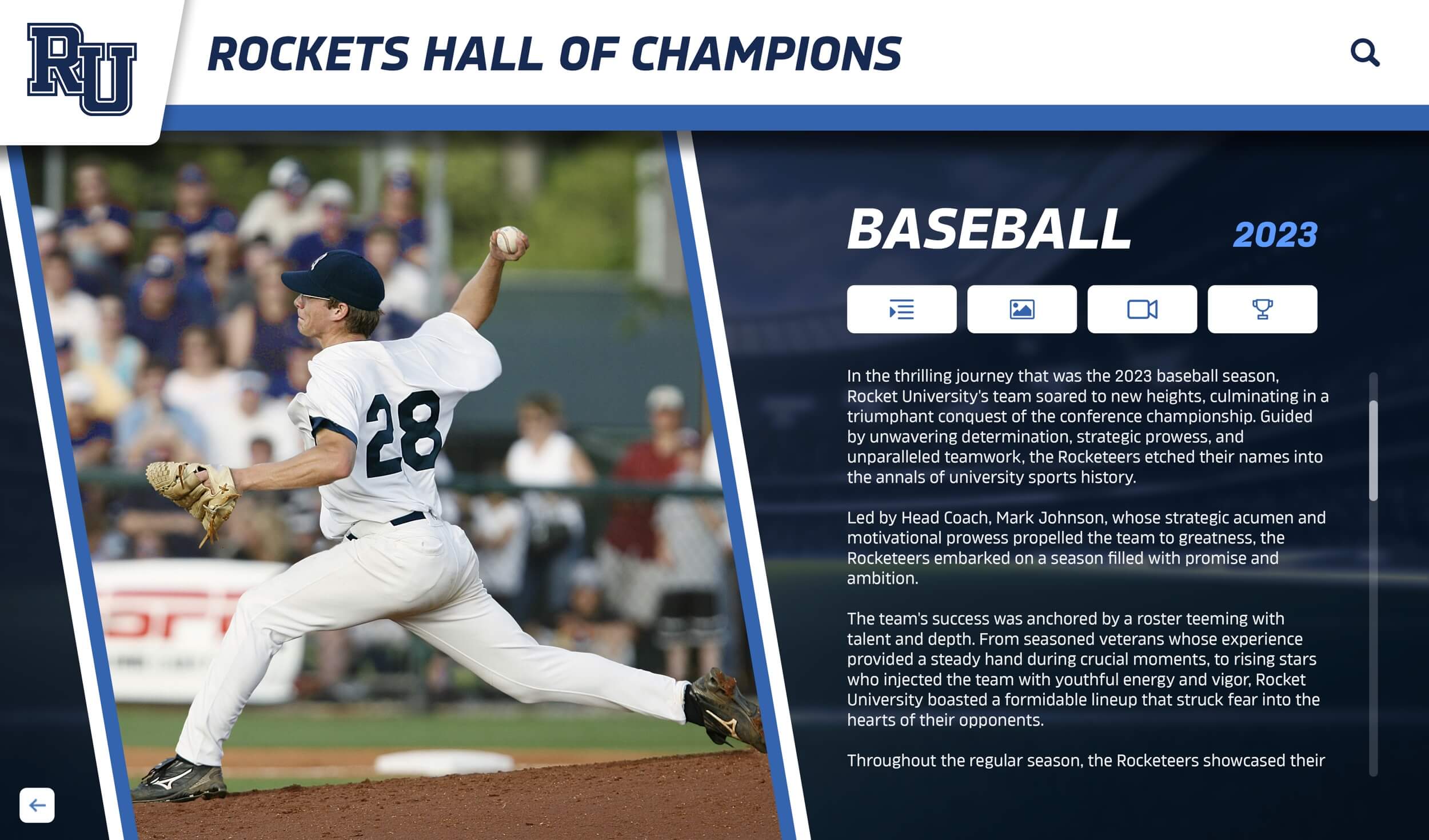
Modern baseball facilities integrate recognition displays that celebrate player achievements alongside training spaces
Understanding Batting Cage Design Fundamentals
Effective batting cage design balances functional training requirements with safety considerations, space constraints, and budget realities. Understanding these fundamental elements before planning begins prevents costly mistakes and ensures your facility serves athletes effectively.
Critical Dimension Requirements
Batting cage dimensions directly impact training effectiveness and safety. Undersized cages limit pitch types, create dangerous rebound zones, and restrict the natural hitting experience. Standard batting cage dimensions include:
Length requirements: Minimum 70 feet from home plate to back netting for regulation pitching distances, though 80-100 feet provides better safety margins and allows for varied pitching stations. Shorter cages work for younger athletes but limit facility versatility as players advance.
Width requirements: Individual batting tunnels typically measure 12-14 feet wide, providing adequate space for right and left-handed batters without restricting swings. Narrower widths create safety concerns, particularly for larger athletes or power hitters with extended swings.
Height requirements: Minimum 12-foot ceiling heights accommodate most batting trajectories, though 14-16 feet eliminates concerns about high fly balls contacting overhead structures. Indoor facilities with lower ceilings may require shorter batting distances or angled netting systems.
Indoor vs. Outdoor Batting Cages
Location decisions fundamentally shape design approaches, equipment choices, and construction requirements. Each option presents distinct advantages and considerations.
Indoor batting cage advantages:
- Year-round usability regardless of weather conditions
- Protection from wind, rain, and temperature extremes
- Controlled lighting for consistent visibility
- Multi-purpose potential for off-season training in other sports
- Enhanced security and equipment storage options
Indoor batting cage challenges:
- Requires existing building space or new construction investment
- Ceiling height limitations may restrict dimensions
- Ventilation and climate control considerations
- Sound management for adjacent spaces
- Higher construction costs per square foot
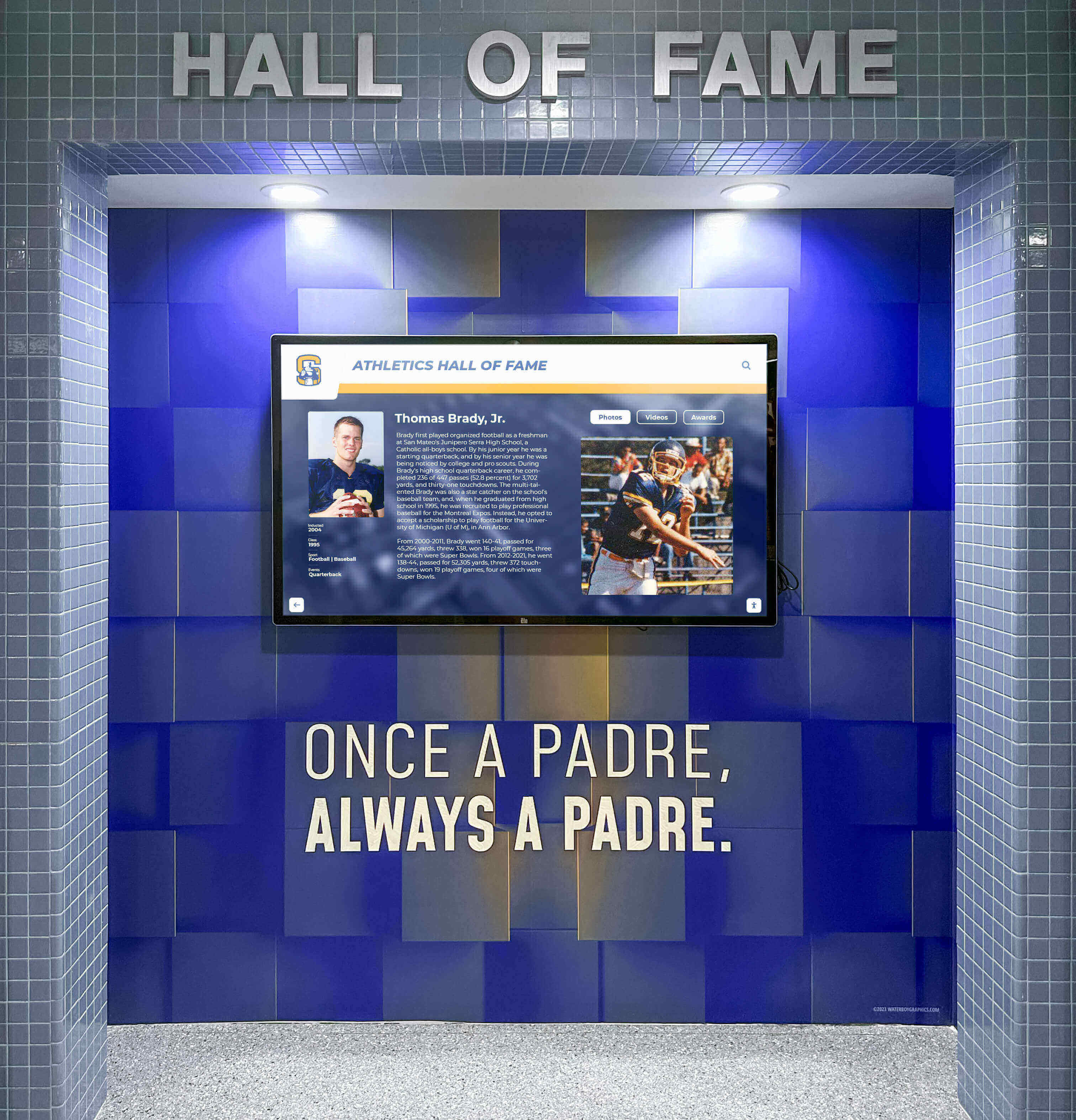
Athletic facilities benefit from professional recognition displays that enhance program prestige
Outdoor batting cage advantages:
- Lower construction costs compared to indoor facilities
- Flexible dimensions without ceiling constraints
- Natural ventilation and temperature regulation
- Easier expansion when program needs grow
- Potential for attached spectator areas
Outdoor batting cage challenges:
- Weather-dependent usability limits practice schedules
- Netting requires regular maintenance and replacement
- Equipment exposure to elements shortens lifespan
- Security concerns for unsupervised access
- Seasonal setup and teardown may be necessary
Many schools pursue hybrid approaches, building covered outdoor structures that provide weather protection while avoiding full indoor construction costs. Pole barn-style buildings with three walls and pitched roofs offer middle-ground solutions combining affordability with extended usability.
Space Assessment and Site Selection
Before finalizing batting cage plans, conduct thorough space assessment considering current needs and future expansion possibilities. Critical site selection factors include:
Available dimensions: Measure existing spaces precisely, accounting for structural columns, utility elements, and necessary safety clearances. Indoor spaces often contain fixed obstacles that constrain layouts more than initial measurements suggest.
Accessibility: Choose locations accessible to baseball teams during practice times without conflicting with other program needs. Batting cages distant from primary practice fields reduce effectiveness by adding travel time between training activities.
Utilities: Assess electrical capacity for lighting, pitching machines, and potential technology additions. Water access facilitates cleaning and maintenance. Climate control requirements for indoor facilities demand adequate HVAC capacity.
Safety zones: Plan buffer spaces separating batting cages from walkways, parking areas, or other activity zones where errant balls could cause injury or property damage.
Planning Your Batting Cage Project
Successful batting cage projects begin with comprehensive planning that aligns facility design with program goals, budget constraints, and long-term vision. Structured planning processes prevent scope creep while ensuring critical elements receive appropriate attention.
Establishing Project Goals and Requirements
Define clear project objectives before engaging architects or contractors. Well-articulated goals guide decision-making throughout design and construction phases.
Training capacity needs: Determine how many athletes must train simultaneously. Youth programs with large rosters require multiple batting stations, while smaller high school programs may function effectively with two or three positions. Calculate station quantity by dividing maximum practice attendance by batting rotation time per athlete.
Skill development priorities: Different training focuses suggest different equipment investments. Programs emphasizing pitch recognition benefit from quality pitching machines offering varied pitch types. Teams focused on mechanical development need video analysis capabilities and adequate lighting for recording.
Budget parameters: Establish realistic budget ranges including construction, equipment, safety features, and ongoing maintenance reserves. Budget transparency helps prioritize features when cost overruns require adjustments.
Timeline expectations: Consider construction schedules relative to baseball seasons. Schools often target summer construction to avoid disrupting academic years, but this timing may conflict with other facility projects competing for the same maintenance staff and contractor availability.
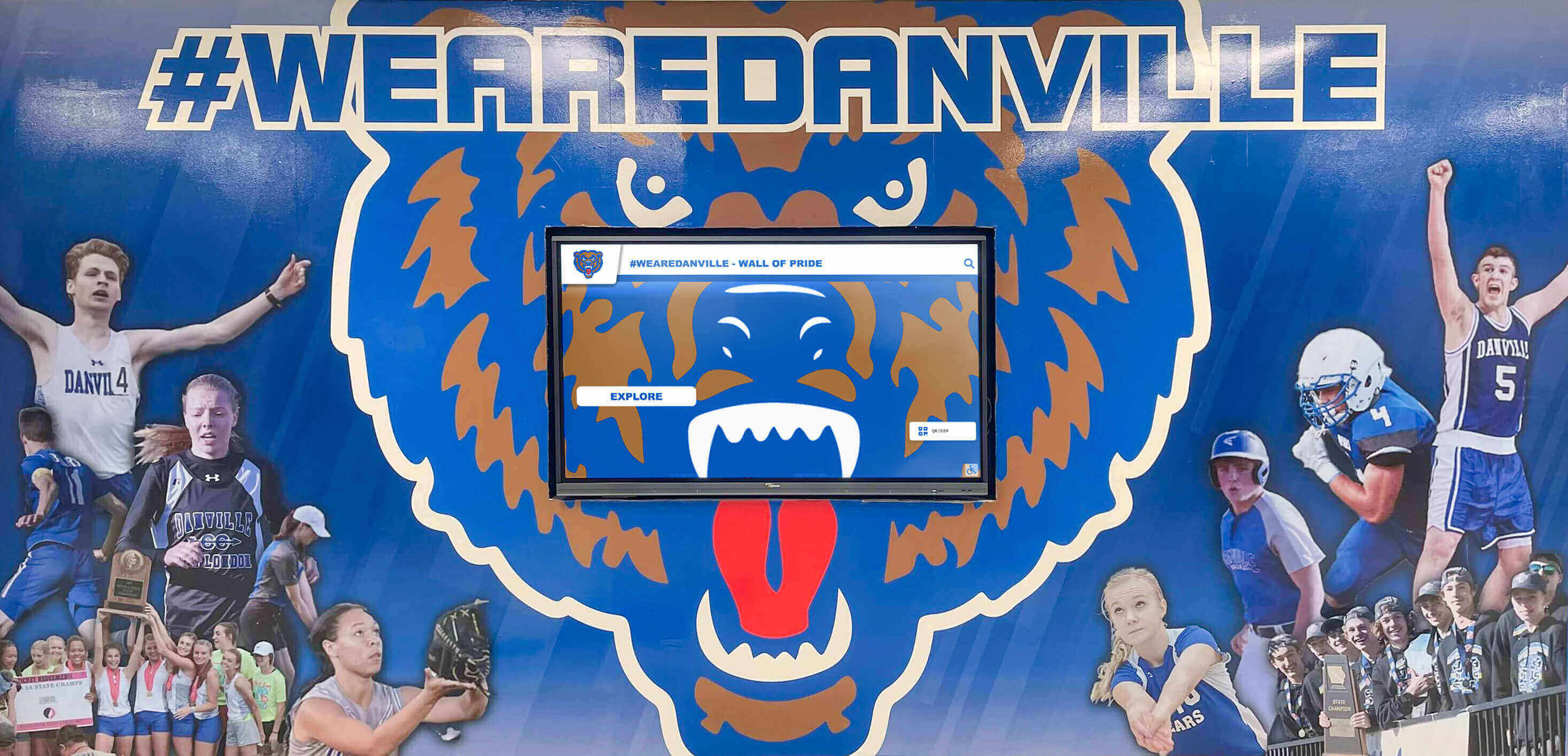
Schools enhance athletic facilities with integrated recognition technology showcasing program achievements
Engaging Stakeholders and Building Support
Batting cage projects require buy-in from multiple constituencies. Effective stakeholder engagement builds support, identifies concerns early, and generates enthusiasm that can assist with fundraising.
Athletic leadership: Baseball coaches provide essential input about training requirements, equipment preferences, and operational concerns. Involve head coaches and assistant coaches in planning discussions to incorporate their expertise while building ownership.
Facilities management: Maintenance staff understand building systems, construction constraints, and long-term operational considerations. Early facilities engagement prevents design conflicts with existing infrastructure and ensures plans account for maintenance access.
Administration: Principals and athletic directors balance competing program needs and manage budget allocations. Communicate how batting cage investments benefit broader athletic programs through multi-sport training potential and enhanced recruitment appeal.
Booster organizations: Parent and alumni groups often provide critical funding support. Present compelling cases for how quality facilities benefit student-athletes while creating visible symbols of community investment in school athletics.
Student-athletes: Current team members offer unique perspectives about training needs and facility features that enhance their development. Including student voice demonstrates respect while generating excitement that translates to community enthusiasm.
Budgeting for Complete Batting Cage Systems
Realistic budgets account for all project components, not just primary construction costs. Comprehensive batting cage budgets include:
Structure and construction: Building costs vary dramatically by approach. Simple outdoor netting installations might cost $15,000-$30,000 for basic setups, while climate-controlled indoor facilities can exceed $200,000 depending on dimensions and finishes.
Netting and safety systems: Quality netting represents significant investment. Commercial-grade cage netting costs $3,000-$8,000 per tunnel depending on dimensions and durability requirements. Budget for replacement netting every 3-5 years based on usage intensity.
Flooring and surfaces: Proper batting surfaces impact training effectiveness. Artificial turf provides realistic footing and requires minimal maintenance but costs $8-$15 per square foot installed. Rubber tile flooring offers durability at lower costs. Basic concrete suffices for tight budgets but provides poor training realism.
Lighting systems: Adequate lighting proves essential for indoor facilities and extends outdoor usability. LED systems cost more initially but provide better visibility, lower energy costs, and reduced maintenance compared to traditional fixtures. Budget $5,000-$15,000 for quality lighting depending on space size.
Training equipment: Pitching machines range from $2,000 for basic models to $10,000+ for advanced systems offering varied pitch types, speeds, and trajectories. Consider tees, soft-toss equipment, and hitting aids appropriate for your training philosophy.
Technology integration: Modern facilities increasingly incorporate video analysis systems, automated pitch tracking, and performance monitoring tools. Basic camera setups start around $1,000, while sophisticated analysis platforms can exceed $10,000.
Recognition displays: Digital recognition systems transform batting cage entrance areas into showcases for program achievements. Interactive displays celebrating baseball excellence create environments where athletes feel connected to program history while visitors experience professional facility presentation.
Batting Cage Construction Considerations
Construction phase success depends on careful contractor selection, code compliance, and quality control throughout the building process. Understanding key construction elements helps schools avoid common pitfalls.
Structural Requirements and Engineering
Batting cage structures must withstand significant forces from ball impacts, netting tension, and environmental loads. Proper engineering ensures safety and longevity.
Frame construction: Steel or heavy timber frames provide necessary strength for netting attachment and structural stability. Frame posts typically require concrete footings extending below frost lines to prevent seasonal movement. Post spacing depends on netting type and local wind loads, with 10-15 foot intervals common for outdoor installations.
Ceiling support: Indoor facilities need robust ceiling attachment points rated for sustained netting loads. Consultation with structural engineers prevents overloading building systems or creating failure points. Some older buildings lack adequate load capacity for batting cage installations.
Floor requirements: Surfaces must handle ball impacts, equipment loads, and cleaning processes. Concrete floors need adequate thickness (minimum 4 inches) with proper drainage grades. Many facilities install drainage systems preventing water accumulation from cleaning or weather infiltration.
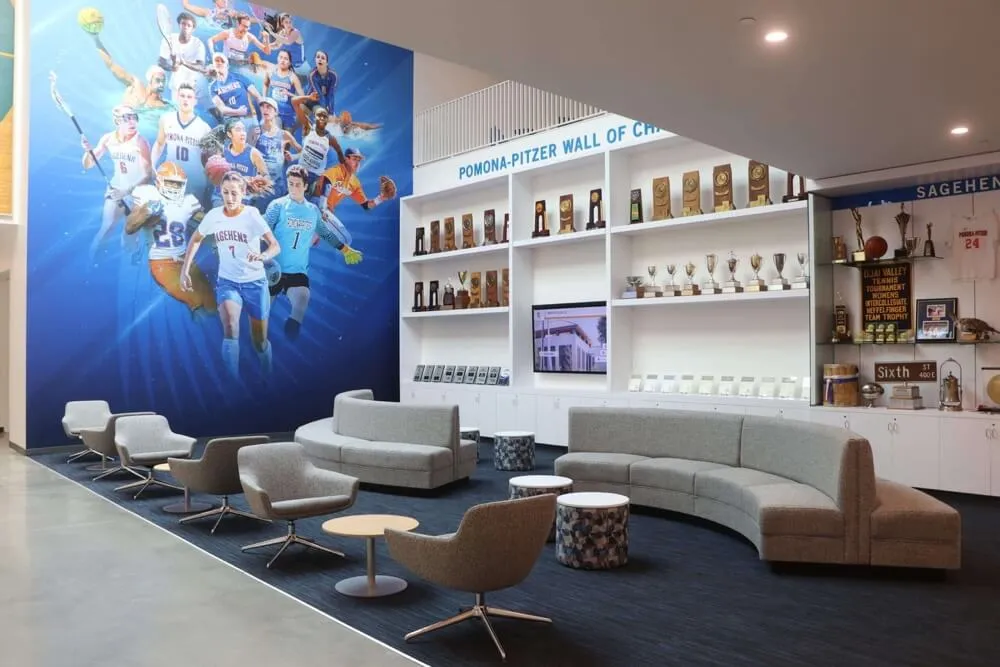
Modern athletic facilities combine functional training spaces with recognition areas celebrating program achievements
Netting Systems and Safety Barriers
Quality netting represents your primary safety system. Netting selection and installation require careful attention to specifications and proper tensioning.
Netting materials: Heavy-duty polyethylene or nylon netting provides durability and safety. Commercial batting cage netting typically uses #36 or #42 weight with 1.75-inch mesh. Lighter weights deteriorate quickly under regular use, while smaller mesh increases cost without significant safety benefits for baseball applications.
Netting configuration: Properly designed systems include overhead coverage preventing balls from escaping above cage areas. Side curtains between batting positions create separation zones improving safety when multiple athletes train simultaneously. Back netting should extend several feet beyond expected ball travel to accommodate hardest-hit balls and equipment malfunctions.
Installation tension: Correct netting tension balances ball stopping capability with system longevity. Over-tightened nets stress attachment points and tear more easily. Under-tensioned nets sag, creating rebound hazards and reducing effectiveness. Professional installation ensures proper tensioning and secure attachment.
Supplementary barriers: Additional protection layers increase safety, particularly in shared facilities. Fencing or rigid barriers at cage ends prevent pedestrian access to live hitting areas. Transparent barriers allow supervision visibility while containing balls within designated zones.
Electrical and Lighting Design
Proper lighting proves essential for batting effectiveness and safety. Poor lighting causes tracking difficulties, increases injury risk, and limits training quality.
Light level requirements: Baseball batting requires minimum 50 foot-candles for adequate visibility, though 75-100 foot-candles provides optimal conditions. Measure lighting levels at ball height throughout cage areas to ensure consistency. Shadows and dark spots create tracking difficulties affecting training quality.
Light placement: Position fixtures to eliminate shadows behind hitting positions while minimizing glare in hitter sight lines. Multiple light sources from varied angles create more uniform illumination than fewer high-intensity fixtures. Overhead lighting supplemented by side-mounted fixtures typically provides best results.
LED technology: Modern LED systems offer superior performance compared to traditional metal halide or fluorescent fixtures. LEDs provide instant-on capability (no warm-up period), better color rendering for improved ball visibility, significantly lower energy costs, and 50,000+ hour lifespans reducing maintenance requirements.
Electrical capacity: Ensure adequate electrical service for lighting, pitching machines, and potential future technology additions. Many facilities include dedicated circuits for specialized equipment and multiple outlets positioned for convenience throughout cage areas.
Equipment Selection for Batting Cage Facilities
The training equipment you select determines your batting cage’s effectiveness for player development. Thoughtful equipment choices align with coaching philosophy while fitting budget constraints.
Pitching Machine Options and Considerations
Pitching machines allow focused repetition at consistent velocities, but machine selection significantly impacts training effectiveness and maintenance requirements.
Wheel-based machines: Single-wheel machines offer simplicity and affordability ($2,000-$4,000) but limited pitch variety. Two-wheel models ($4,000-$7,000) create varied spins for curveballs and sliders. Three-wheel systems ($8,000+) provide maximum versatility with any pitch type and trajectory.
Arm-style machines: Mechanical arm machines simulate realistic pitcher release points and movements, providing more game-like training experiences. These systems typically cost more ($6,000-$12,000) and require more maintenance than wheel-based alternatives.
Speed ranges: Ensure machines accommodate your program’s athlete ages and skill levels. Youth programs need machines adjustable from 30-70 mph, while high school facilities should reach 90+ mph for advanced training. Adjustability prevents obsolescence as players develop.
Programmability features: Advanced machines offer saved speed and location programs, remote controls for coach operation, and smartphone connectivity. While increasing costs, these features significantly enhance training efficiency by eliminating manual adjustments between pitches.
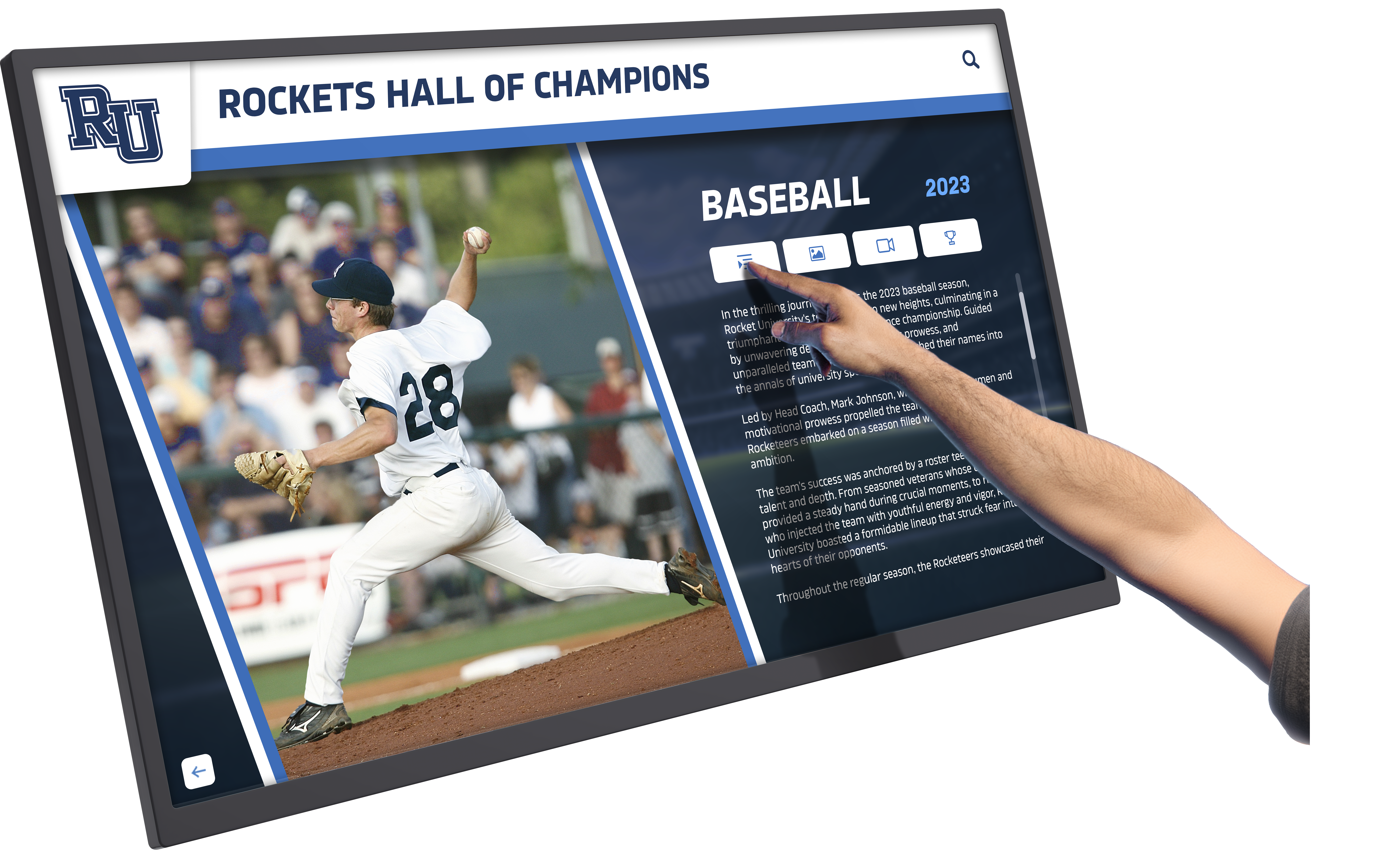
Interactive recognition displays allow athletes and visitors to explore program achievements in detail
Training Aids and Developmental Tools
Supplementary training equipment enhances batting cage versatility and accommodates different skill development focuses.
Batting tees: Quality tees remain fundamental development tools from youth through professional levels. Adjustable-height tees ($50-$150) accommodate different strike zones and swing plane work. Heavy-duty models withstand repeated use better than consumer-grade alternatives.
Soft-toss nets: Portable nets ($100-$300) enable partner soft-toss drills focusing on specific swing mechanics without requiring long cage lengths. Side-toss screens help athletes work inside pitches and develop opposite-field hitting skills.
Swing trainers: Various training aids address specific mechanical issues. Weighted bats develop strength and bat speed. Connection trainers prevent casting. Resistance systems build swing power. Select tools aligned with your coaching philosophy rather than accumulating unused gadgets.
Hitting mats and portable plates: Synthetic turf hitting mats ($200-$500) provide realistic footing and protect floors from cleat damage. Portable home plates help establish proper setup positions and enable quick station reconfigurations for different drills.
Technology and Video Analysis Systems
Video analysis has become standard in baseball development programs. Technology integration level should match your coaching staff’s capability and commitment to systematic review.
Basic camera setups: Simple tablet or smartphone mounting systems ($100-$300) enable coaches to record swings for immediate review. These low-cost approaches work well for programs beginning video analysis or operating on tight budgets.
Dedicated video systems: Permanent camera installations with automated recording ($2,000-$5,000) eliminate setup time while ensuring consistent angles for comparison across sessions. Cloud storage enables athletes to review sessions remotely.
Specialized analysis software: Applications designed for baseball analysis ($500-$2,000 annual subscriptions) provide frame-by-frame comparison tools, drawing capabilities for mechanical instruction, and organized libraries for tracking individual athlete progress over time.
Ball flight tracking: Emerging technologies measure exit velocity, launch angle, and distance for each swing. While expensive ($8,000-$15,000), these systems provide objective performance data that accelerates development for serious programs.
Understanding modern athletic facility technology helps programs make strategic equipment investments that enhance training effectiveness.
Safety Standards and Risk Management
Batting cage facilities present inherent risks requiring comprehensive safety protocols, proper supervision, and regular maintenance. Proactive risk management prevents injuries while protecting your school from liability.
Essential Safety Features
Multiple safety layers work together creating secure batting environments where athletes train confidently.
Clear operational protocols: Written guidelines establish who may use batting cages, required supervision levels, proper equipment usage, and prohibited activities. Posted rules at cage entrances remind users of expectations while documenting safety procedures for liability protection.
Proper protective equipment: Helmets remain mandatory for all hitters, even during soft-toss or tee work. Catchers or anyone feeding pitching machines should wear helmets and protective screens. Maintain equipment inventory ensuring appropriate sizes for all athletes.
Emergency access: Design cage entrances allowing quick exit without navigating netting systems. Emergency situations require immediate evacuation capability. Multiple access points in larger facilities prevent bottlenecks during emergencies.
First aid readiness: Station first aid kits near batting cage facilities with supplies appropriate for common injuries—ice packs, bandages, splints. Ensure supervising staff know kit locations and basic first aid procedures.
Communication systems: Provide phones or communication devices enabling supervisors to contact emergency services without leaving athletes unsupervised. Many schools install panic buttons or direct lines to main offices in athletic facilities.
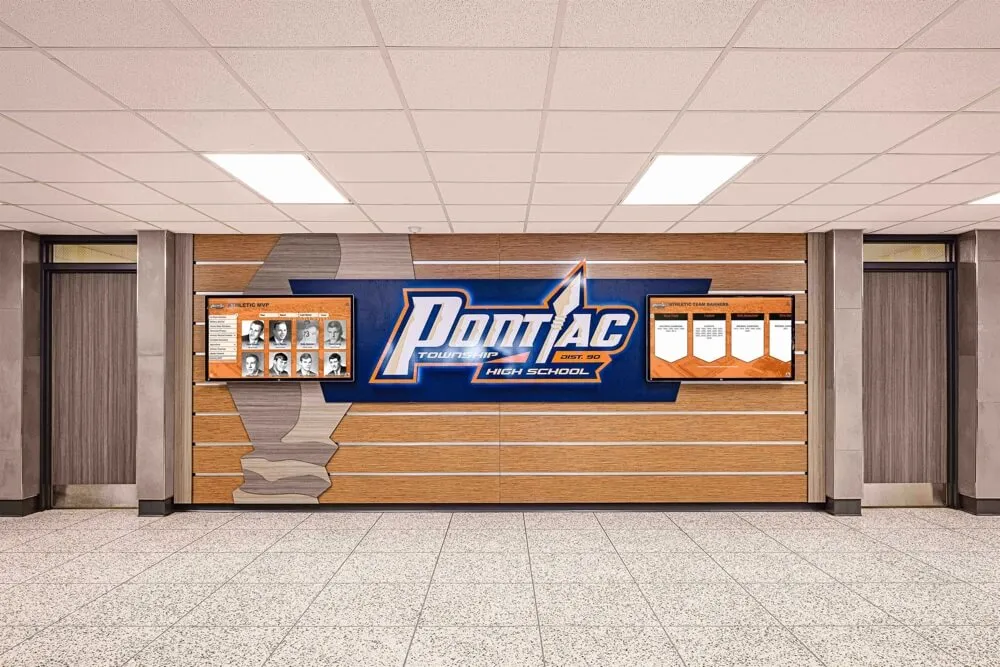
Professional recognition displays transform ordinary hallways into celebrations of athletic achievement
Maintenance and Inspection Protocols
Regular maintenance prevents equipment failures that cause injuries while extending facility lifespan and protecting your construction investment.
Netting inspection schedule: Examine netting weekly during heavy-use periods, checking for tears, wear at attachment points, and tension loss. Small tears expand rapidly under continued use. Prompt repairs prevent safety incidents and extend netting life.
Equipment maintenance: Pitching machines require regular cleaning, lubrication, and wheel replacement per manufacturer specifications. Develop maintenance logs tracking service intervals. Equipment failures mid-season disrupt training and may cause injuries if balls behave unexpectedly.
Structural assessment: Annual structural inspections examine frame integrity, attachment security, and foundation stability. Weather exposure accelerates deterioration in outdoor facilities. Catching structural issues early prevents catastrophic failures.
Lighting system checks: Replace failed bulbs promptly and verify light levels remain adequate. Dim lighting increases injury risks and reduces training effectiveness.
Surface maintenance: Clean batting surfaces regularly, removing debris that creates tripping hazards. Indoor turf requires periodic grooming and seam inspection. Outdoor surfaces need drainage verification preventing water accumulation.
Supervision Requirements
Appropriate supervision represents your most important safety measure. Unsupervised batting cage access creates unacceptable risk for schools.
Minimum supervision standards: Never permit batting cage use without qualified adult supervision. Coaches, athletic trainers, or designated staff should directly supervise all batting activities, maintaining visual contact with athletes at all times.
Usage scheduling systems: Implement reservation or scheduling systems preventing unauthorized access while ensuring supervised times meet team needs. Electronic access controls tied to scheduled supervision provide both security and usage documentation.
Staff training: All supervisors should receive training covering equipment operation, emergency procedures, injury response protocols, and proper drill supervision. Annual refresher training reinforces procedures and updates staff on new equipment or policy changes.
Comprehensive approaches to student athlete recognition also emphasize safety alongside achievement celebration.
Showcasing Your Baseball Facility and Program
Quality batting cage facilities deserve recognition that celebrates your investment while honoring the baseball program’s achievements and history. Transforming batting cages from purely functional spaces into program showcases creates environments where athletes feel pride in their facilities while visitors experience your commitment to baseball excellence.
Digital Recognition Display Integration
Modern recognition technology revolutionizes how schools celebrate baseball achievements within athletic facilities. Digital displays overcome space limitations inherent in traditional trophy cases while creating engaging experiences that honor program history comprehensively.
Entrance area displays: Position digital recognition screens at batting cage entrances, creating immediate impressions for recruits, parents, and visitors. Interactive touchscreen displays allow exploration of championship teams, statistical leaders, all-conference selections, and individual achievement records.
Championship documentation: Showcase complete championship histories with team photos, season records, roster details, and memorable moment descriptions. Digital platforms accommodate unlimited content, ensuring every championship receives appropriate recognition regardless of how long ago it occurred.
Record boards and statistical leaders: Traditional painted gymnasium walls limit record displays to current holders, erasing history when records fall. Digital record systems display top-10 performers in each category, honoring excellence across eras while maintaining current record holder prominence.
Recruiting advantages: Prospective athletes touring facilities experience professional program presentation through quality digital displays. The technology demonstrates institutional commitment to baseball while providing impressive content that distinguishes your program from competitors with basic trophy cases.
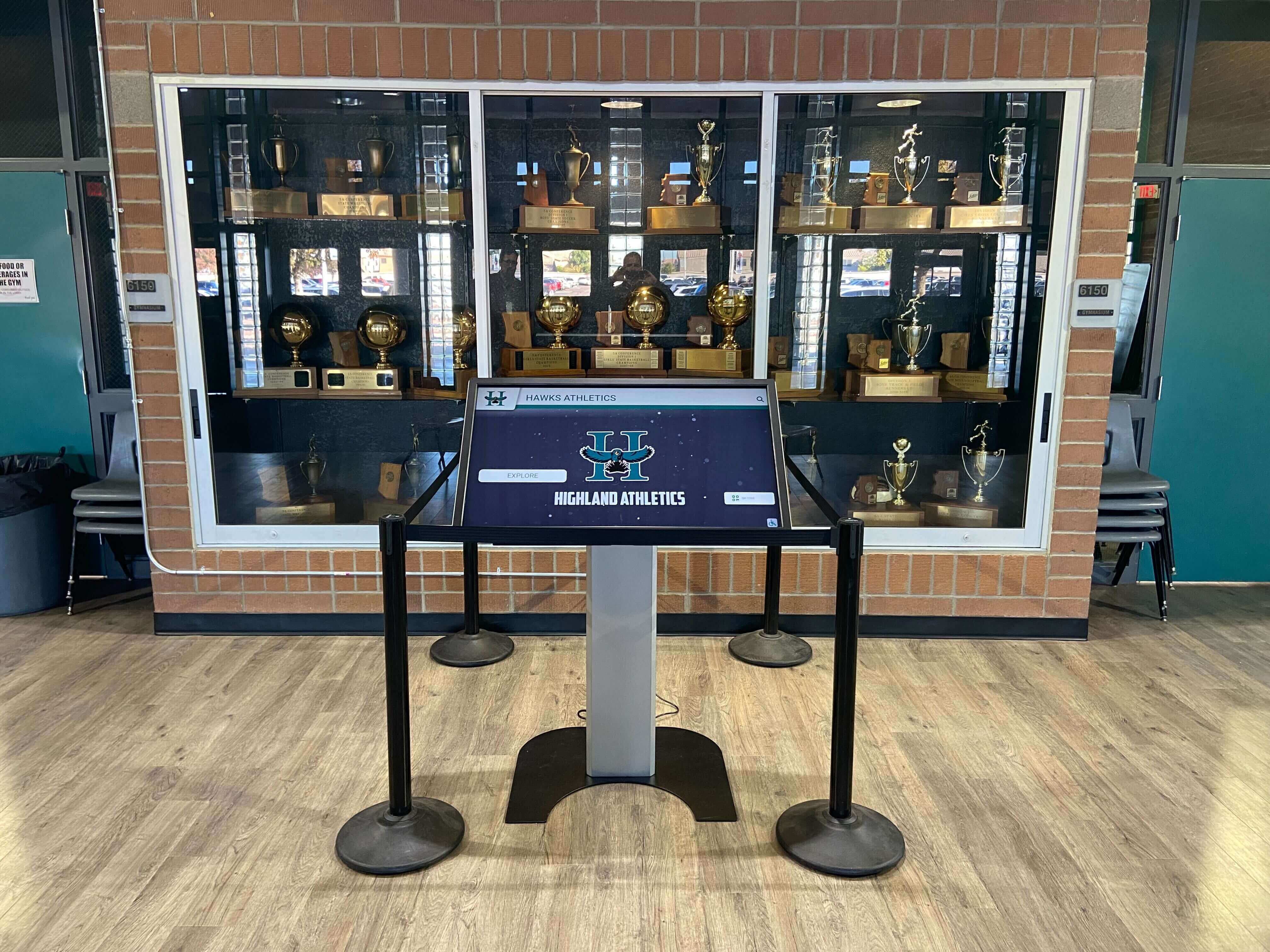
Interactive kiosks transform traditional trophy display areas into engaging exploration experiences
Alumni engagement: Digital recognition extends beyond campus through web-accessible platforms allowing alumni to explore their achievements and team histories remotely. This connectivity strengthens alumni relationships and creates ongoing engagement opportunities that static displays cannot provide.
Recognition systems like Rocket Alumni Solutions provide purpose-built platforms designed specifically for athletic program recognition, with intuitive content management allowing coaches and administrators to maintain displays without technical expertise.
Physical Display and Branding Elements
Digital recognition complements rather than replaces effective physical branding that creates distinctive environments reflecting program identity.
Team identity graphics: Wall graphics featuring team colors, logos, and motivational messages create environments that reinforce program culture. Quality graphics demonstrate professionalism while building athlete pride in facilities.
Championship banners: Traditional banners remain valuable recognition forms. Batting cage spaces often include wall areas suitable for championship and conference title banners that provide immediate visual impact.
Honor roll plaques: Physical plaques recognizing all-conference selections, academic all-state awards, or scholarship recipients create permanence while digital systems provide detail and accessibility. Combining formats delivers comprehensive recognition.
Retired numbers and jerseys: Honoring exceptional athletes through retired numbers or displayed jerseys creates powerful symbols of program excellence. These highly selective recognitions gain meaning from their exclusivity.
Donor recognition: If fundraising supported batting cage construction, appropriate donor recognition acknowledges community support. Recognition approaches from donor wall design principles apply to athletic facility donor acknowledgment.
Creating Program Culture Through Facility Design
Thoughtful design elements beyond pure functionality shape team culture and athlete experience.
Motivational messaging: Strategic quote placement throughout facilities reinforces values your program cultivates. Select messages reflecting authentic program philosophy rather than generic sports clichés.
Historical timelines: Visual timelines documenting program evolution create connections to baseball tradition. Athletes appreciate understanding their place within longer program stories.
Future achievement spaces: Designate display areas for current season accomplishments, creating anticipation and motivation for athletes working to earn recognition.
Prospect awareness: Design with recruitment impact in mind. Every facility element communicates program quality and institutional commitment to prospective athletes evaluating your program.
Facility excellence extends beyond batting cages to comprehensive recognition approaches including digital hall of fame displays that celebrate complete athletic program achievement.
Multi-Sport Utilization and Facility Flexibility
Maximizing batting cage return on investment often involves designing for uses beyond baseball program needs. Multi-sport capability increases facility value while improving budget justification.
Off-Season Training Applications
Baseball batting cage facilities serve multiple sports during off-seasons, particularly those requiring similar skill development or space characteristics.
Softball integration: Softball programs share nearly identical batting cage requirements with baseball. Coordinating baseball and softball schedules maximizes cage utilization throughout the school year. Pitching machines adjustable to softball distances accommodate both sports effectively.
Cricket training: Growing cricket programs at some schools find batting cage facilities ideal for training. Net dimensions and pitching machine capabilities translate well to cricket batting practice with minor adjustments.
General athletic training: Batting cage spaces work for various sport-specific training during off-seasons. Enclosed netting prevents equipment from escaping designated zones, making cages suitable for throwing programs, reaction drills, and sport-specific agility work that might otherwise require outdoor space.
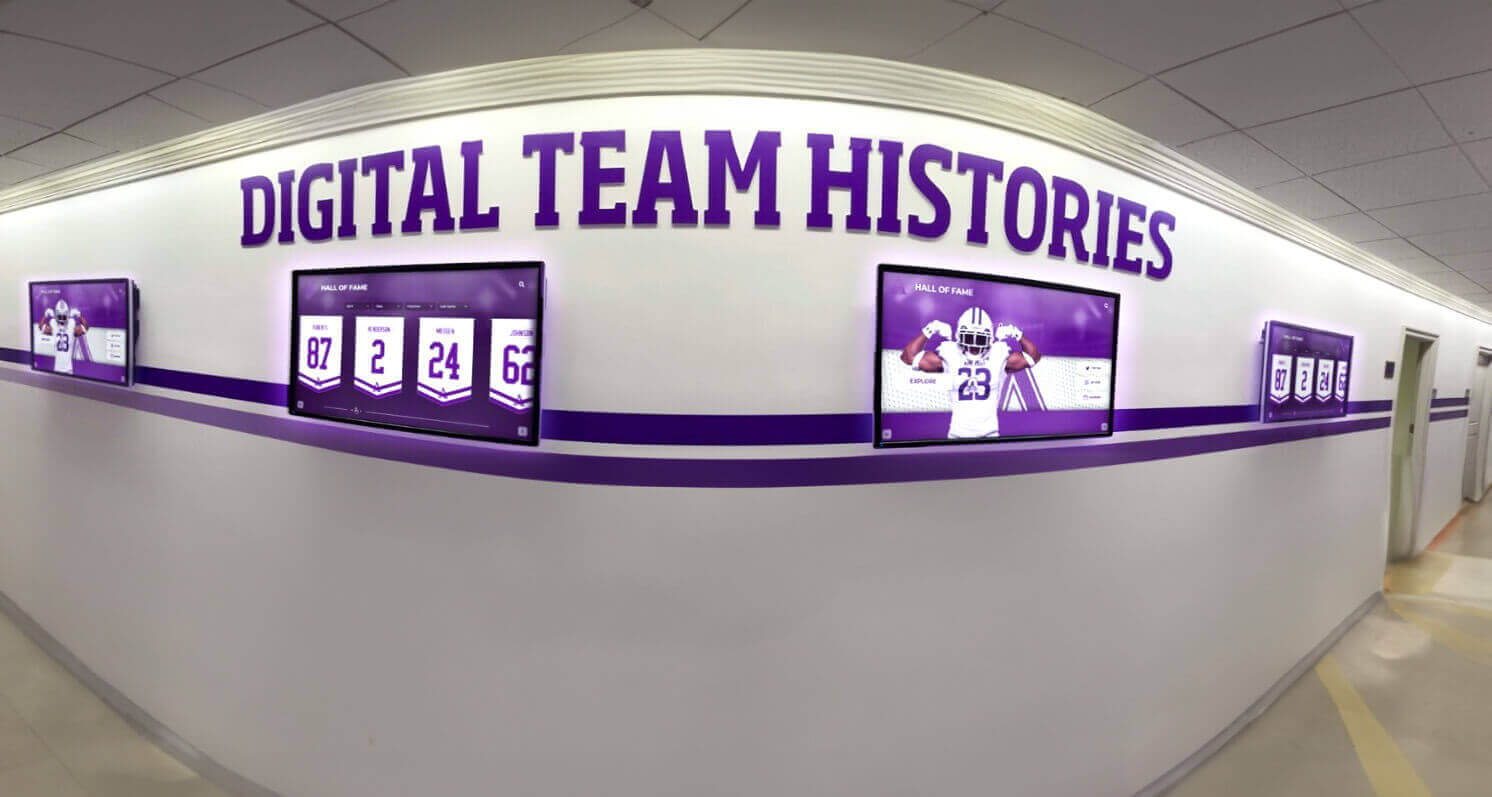
Comprehensive athletic recognition systems celebrate achievements across multiple sports throughout facilities
Design Features Supporting Multiple Uses
Specific design choices enhance batting cage versatility for different sports and training applications.
Removable equipment: Design equipment placement and storage allowing quick reconfiguration. Pitching machines on wheeled platforms move easily between storage and use positions. Removable batting tees and nets enable space transitions.
Flexible netting configurations: Movable curtains and adjustable netting sections create different space configurations. Larger open areas suit team drills, while divided sections accommodate simultaneous individual training.
Adaptable lighting controls: Zoned lighting systems allow illuminating only areas currently in use, reducing energy costs when partial space meets training needs.
Storage integration: Built-in storage maintains organization across different sport equipment inventories. Designated storage zones for baseball, softball, and other sports prevent confusion while maximizing space efficiency.
Funding and Budget Justification
Multi-sport utilization strengthens funding proposals by demonstrating value across athletic programs rather than supporting single teams exclusively.
Broader impact documentation: Calculate usage hours across all sports rather than only baseball. Facilities serving multiple programs demonstrate greater return on investment, making budget allocation easier for administrators managing competing priorities.
Shared cost models: Some schools develop shared funding approaches where multiple sports programs contribute to batting cage projects proportional to expected usage. This approach distributes costs while building multi-program ownership.
Community use potential: Batting cages sometimes generate revenue through community rentals during periods when school teams don’t need access. Rental income offsets operational costs or funds facility improvements.
Understanding comprehensive approaches to athletic recognition across programs helps schools maximize recognition display investments.
Emerging Trends in Batting Cage Design
Batting cage facilities continue evolving as technology advances and training philosophies develop. Understanding emerging trends helps schools design facilities remaining relevant long-term rather than becoming outdated shortly after construction.
Technology Integration and Smart Facilities
Digital technology increasingly transforms batting cage environments from simple practice spaces into sophisticated training centers.
Automated ball tracking systems: Technology measuring exit velocity, launch angle, spin rate, and projected distance provides immediate objective feedback. Athletes see precise performance metrics for every swing, accelerating skill development through data-driven adjustments.
Virtual reality training: VR systems simulate game situations, allowing hitters to face virtual pitchers throwing any pitch type at realistic speeds. While expensive currently ($15,000-$30,000), costs continue declining as technology matures.
Integrated video analysis: Synchronized video and ball flight data create comprehensive swing analysis. Athletes see exactly how mechanical adjustments affect ball flight outcomes, connecting technique to results more clearly than video or data alone.
Mobile app connectivity: Smartphone apps store individual athlete training data, track progress over time, and allow athletes to review sessions remotely. Cloud connectivity enables coaches to monitor training even when not physically present.
Artificial intelligence coaching: Emerging AI systems analyze swing mechanics and provide automated coaching feedback. While not replacing human coaches, AI tools extend coaching reach by providing immediate guidance during unsupervised training sessions.
These technological advances align with broader trends in digital athletic recognition and technology integration throughout athletic facilities.
Sustainability and Energy Efficiency
Environmental considerations increasingly influence facility design as schools pursue sustainability goals and manage operational costs.
LED lighting systems: Beyond performance and maintenance benefits, LED fixtures consume 50-75% less energy than traditional lighting. Energy savings accumulate significantly across batting cage operational lifespans.
Solar integration: Schools with adequate roof access sometimes incorporate solar panels offsetting batting cage electrical demands. Solar systems work particularly well for outdoor covered facilities with large roof areas.
Sustainable materials: Recycled synthetic turf, reclaimed wood framing, and other sustainable materials reduce environmental impact while often lowering costs compared to virgin materials.
Natural ventilation: Outdoor and semi-enclosed facilities designed for natural airflow eliminate mechanical ventilation needs, reducing energy consumption and operational complexity.
Inclusive Design and Accessibility
Modern facilities incorporate accessibility features ensuring athletes with disabilities can participate fully in baseball programs.
Wheelchair accessibility: Level access, wide aisles, and appropriate turning radii accommodate wheelchair users. Some facilities include specialized hitting stations with wheelchair positioning clearances.
Adaptive equipment integration: Design includes storage and charging capabilities for adaptive batting equipment serving athletes with various disabilities.
Sensory considerations: Batting cage environments can overwhelm athletes with sensory processing differences. Design choices minimizing excessive echo, providing quiet spaces, and avoiding overwhelming visual stimulation create more inclusive training environments.
Visual accommodations: High-contrast environments, adequate lighting, and clear signage benefit athletes with visual impairments while improving usability for all athletes.
Recognition of diverse student achievements including adaptive athletes reflects commitment to inclusive athletic programs.
Maximizing Your Investment: Long-Term Considerations
Batting cage facilities represent significant investments deserving protection through proper care and strategic enhancement over time. Long-term thinking during initial design pays dividends across facility lifespans.
Preventive Maintenance Programs
Systematic maintenance prevents major repairs while extending facility and equipment lifespans.
Maintenance schedules: Develop written maintenance schedules specifying inspection frequencies, required tasks, and responsible parties. Scheduled maintenance prevents neglect until problems become severe.
Equipment lifecycle planning: Track equipment age and condition, planning replacements before failures disrupt training. Pitching machine wheels, netting, and lighting components have predictable lifespans enabling proactive replacement.
Budget allocation: Set aside maintenance reserves annually rather than scrambling for emergency repair funding. Regular small investments prevent major repair crises.
Staff training: Ensure maintenance staff understand facility-specific requirements. Proper care techniques extend component lifespans significantly compared to generic maintenance approaches.
Phased Upgrade Strategies
Financial constraints sometimes prevent implementing ideal facilities initially. Phased approaches allow schools to build functional facilities immediately while planning future enhancements.
Core functionality first: Initial phases prioritize essential elements—adequate space, proper netting, basic lighting, and minimum equipment. These foundational components enable effective training even without advanced features.
Technology additions: Many technology systems integrate readily into existing facilities. Schools often add video analysis, ball tracking, or recognition displays years after initial construction without major modifications.
Capacity expansion: Initial single-tunnel facilities can expand with additional batting positions as budgets allow and demand grows. Planning initial construction with expansion in mind simplifies future additions.
Equipment upgrades: Basic equipment serves programs well initially, with upgrades to advanced pitching machines or specialized training aids coming as budgets permit.
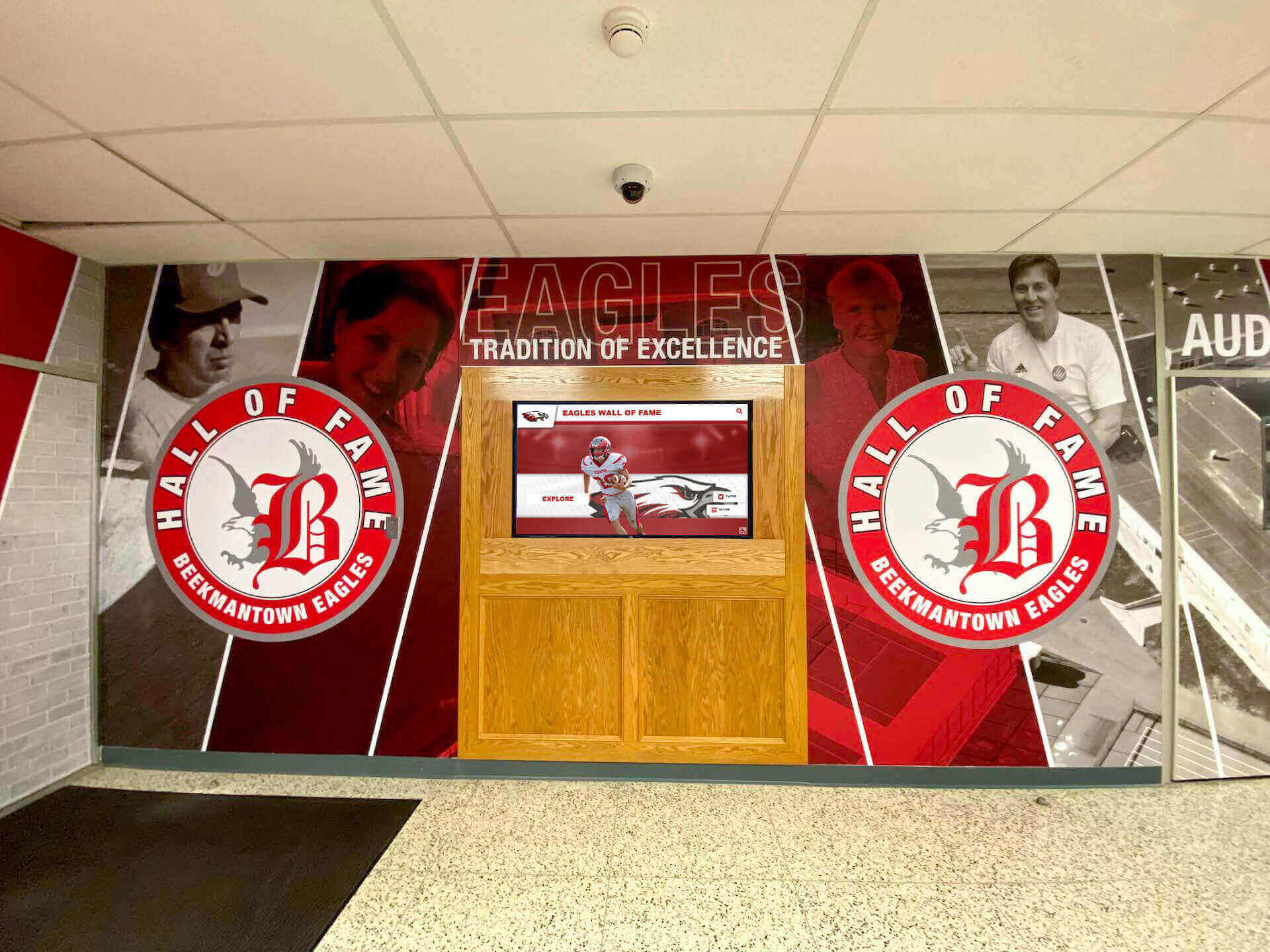
Schools create lasting impressions through professional facility design integrating athletic recognition
Program Growth and Facility Evolution
Successful baseball programs often outgrow initial facility designs. Anticipating growth during planning prevents costly retrofits.
Expansion space: When site selection allows, choose locations where additional batting stations can be added without relocating existing facilities. Adjacent expansion space proves far less expensive than complete facility relocation.
Infrastructure capacity: Install electrical service, lighting circuits, and data connectivity exceeding immediate needs. Upgrading infrastructure later costs significantly more than oversizing initially.
Flexible layouts: Design spaces accommodating different equipment configurations and future uses not currently envisioned. Rigid purpose-built spaces resist adaptation as programs evolve.
Documentation maintenance: Preserve construction drawings, equipment manuals, warranty information, and facility specifications. Complete documentation simplifies future modifications and helps new staff understand facility systems.
Common Batting Cage Design Mistakes to Avoid
Learning from common mistakes helps schools avoid costly errors that compromise facility effectiveness or require expensive corrections.
Dimension and Space Errors
Insufficient length: Undersized cages create dangerous rebound zones and restrict pitch types. Lengthening cages after construction costs far more than building adequately initially.
Inadequate ceiling height: Low ceilings force artificial swing planes and prevent realistic batting practice. Verify ceiling heights in existing buildings before committing to indoor locations.
Cramped width: Narrow batting tunnels restrict natural swings and create safety concerns. Width represents relatively minor construction cost differences but dramatically impacts training quality.
Missing clearances: Failing to plan adequate safety zones around cage perimeters creates pedestrian hazards and property damage risks. Buffer spaces cost less than liability claims or facility repairs.
Equipment and Safety Shortfalls
Cheap netting: Economy netting tears quickly under regular use, requiring premature replacement that eliminates initial cost savings. Quality netting proves more economical long-term.
Inadequate lighting: Dim or poorly positioned lighting reduces training effectiveness and increases injury risk. Lighting represents relatively minor costs within overall projects but receives disproportionate complaints when inadequate.
Missing emergency access: Single-entry designs trap athletes during emergencies. Multiple exit points add minimal costs while significantly improving safety.
Insufficient equipment security: Unsecured equipment suffers theft or unauthorized use creating liability risks. Built-in storage with proper locks protects investments and controls access.
Planning and Design Oversights
Inadequate stakeholder input: Failing to involve coaches in design creates facilities not meeting program needs. Coach engagement during planning prevents expensive post-construction modifications.
Ignoring future needs: Designing only for current program size and equipment creates facilities quickly becoming inadequate. Anticipating growth prevents premature obsolescence.
Poor contractor selection: Choosing contractors based solely on lowest bid often results in quality issues and change orders exceeding initial savings. Qualified contractors with relevant experience deliver better value despite higher initial bids.
Maintenance neglect planning: Failing to budget ongoing maintenance leads to deterioration requiring major repairs. Operational budgets should include maintenance reserves from facility opening.
Understanding these common mistakes helps schools develop comprehensive batting cage plans addressing both immediate needs and long-term facility success.
Comprehensive approaches to recognition of various achievements demonstrate institutional commitment extending beyond athletics alone.
Building Community and Program Culture
Beyond physical infrastructure and equipment, successful batting cage facilities contribute to team culture and community engagement. Intentional design choices create environments where athletes thrive and communities rally around baseball programs.
Creating Welcoming Spaces
Facility atmosphere affects athlete experience and community perception. Thoughtful design creates inviting environments rather than sterile training spaces.
Professional presentation: Clean, well-maintained facilities with quality finishes communicate program importance. Even budget facilities benefit from professional touches like painted graphics, organized equipment storage, and proper signage.
Team gathering areas: Small seating or viewing areas adjacent to batting cages allow teammates to support each other during training while building team bonds. These spaces need not be elaborate—simple benches or bleacher sections suffice.
Family accommodation: Parent viewing areas acknowledge family support roles while providing comfortable spaces for families attending practices. This consideration particularly matters for youth programs where parents often remain during training.
Alumni engagement: Creating spaces honoring program history invites alumni to visit and reconnect. Digital recognition displays allow alumni to explore their own achievements, strengthening connections between current and former players.
Facility as Recruitment Tool
Quality batting cage facilities significantly impact recruitment for competitive high school and college programs. Every facility element communicates program commitment and quality.
Professional appearance: First impressions matter enormously in recruitment. Professional facilities signal that your program prioritizes excellence and invests in athlete development.
Technology integration: Modern training technology demonstrates commitment to player development using current methods. Prospects comparing programs notice which facilities incorporate advanced training tools.
Recognition systems: Comprehensive displays celebrating program achievements prove competitive success while showing prospects how their own accomplishments will be honored.
Facility tours: Structured facility tours during recruitment visits should include batting cage areas, emphasizing training advantages your facilities provide over competitors.
Understanding complete approaches to athletic program recognition helps schools develop comprehensive programs celebrating achievement across all sports.
Community Utilization and Public Relations
School facilities serve broader purposes beyond team training. Strategic community access builds support while showcasing institutional investments.
Community programs: Many schools host youth baseball camps or clinics utilizing batting cage facilities. These programs serve communities while generating positive visibility and potential revenue.
Facility showcases: Hosting open houses or community tours celebrating new facilities builds public support and demonstrates wise use of community resources.
Media opportunities: Quality facilities create professional backdrops for media coverage of team achievements, individual awards, or program milestones. Modern facilities enhance coverage appeal.
Fundraising venues: Batting cage facilities sometimes host donor events, providing venues where contributors see direct results of their support.
Conclusion: Building Batting Cage Facilities That Serve Your Program
Thoughtfully designed batting cage facilities transform baseball programs by extending practice capabilities, accelerating player development, and creating professional training environments that strengthen recruitment, athlete experience, and community pride. The difference between mediocre and exceptional batting cage facilities lies not in budget size alone but in comprehensive planning that addresses dimensions, equipment, safety, versatility, recognition, and long-term stewardship.
Schools approaching batting cage projects with clear goals, appropriate stakeholder engagement, realistic budgets, and attention to both current needs and future flexibility create facilities serving programs effectively for decades. Whether constructing elaborate climate-controlled indoor facilities or modest outdoor batting tunnels, the principles of thoughtful design, quality construction, proper equipment selection, and comprehensive recognition remain constant.
Modern batting cage design extends beyond purely functional training spaces to comprehensive facilities that celebrate program achievement, honor baseball tradition, and create environments where athletes connect to something larger than individual development. Integrating recognition technology, professional branding, and community engagement elements transforms batting cages from equipment storage areas into showcases for program excellence.
Transform Your Athletic Facility with Modern Recognition Displays
Rocket Alumni Solutions helps schools create comprehensive recognition systems that showcase athletic achievements, preserve program history, and build community pride. Our interactive digital displays integrate seamlessly into batting cages, gymnasiums, and athletic facilities, providing unlimited recognition capacity with professional presentation that impresses recruits and engages communities.
Explore Recognition SolutionsAs you plan your batting cage project, remember that the facility you build will influence countless athletes over many years. Invest the time in comprehensive planning, engage stakeholders thoughtfully, balance immediate constraints with long-term vision, and create spaces where baseball players not only develop skills but also experience pride in facilities reflecting your program’s commitment to excellence. With careful planning and execution, your batting cage facility will serve as a cornerstone of baseball success and community engagement for generations of student-athletes.































