Athletic facilities serve as the foundation for competitive success, student-athlete development, and community engagement. The best athletic facility additions don’t just enhance aesthetics—they transform training effectiveness, improve safety, strengthen recruitment appeal, and create environments where athletes can reach their full potential.
As schools and universities invest in their athletic programs, understanding which facility improvements deliver the greatest return becomes essential. This comprehensive guide explores the most impactful athletic facility additions for 2025, from cutting-edge digital recognition systems to performance-enhancing training equipment, evidence-based recovery technologies, and community-building spaces that elevate entire athletic programs.
The Strategic Value of Athletic Facility Investments
Athletic facility improvements represent significant capital investments that require careful planning and justification. Understanding the multifaceted benefits these additions provide helps administrators make informed decisions about resource allocation.
Competitive and Recruitment Advantages
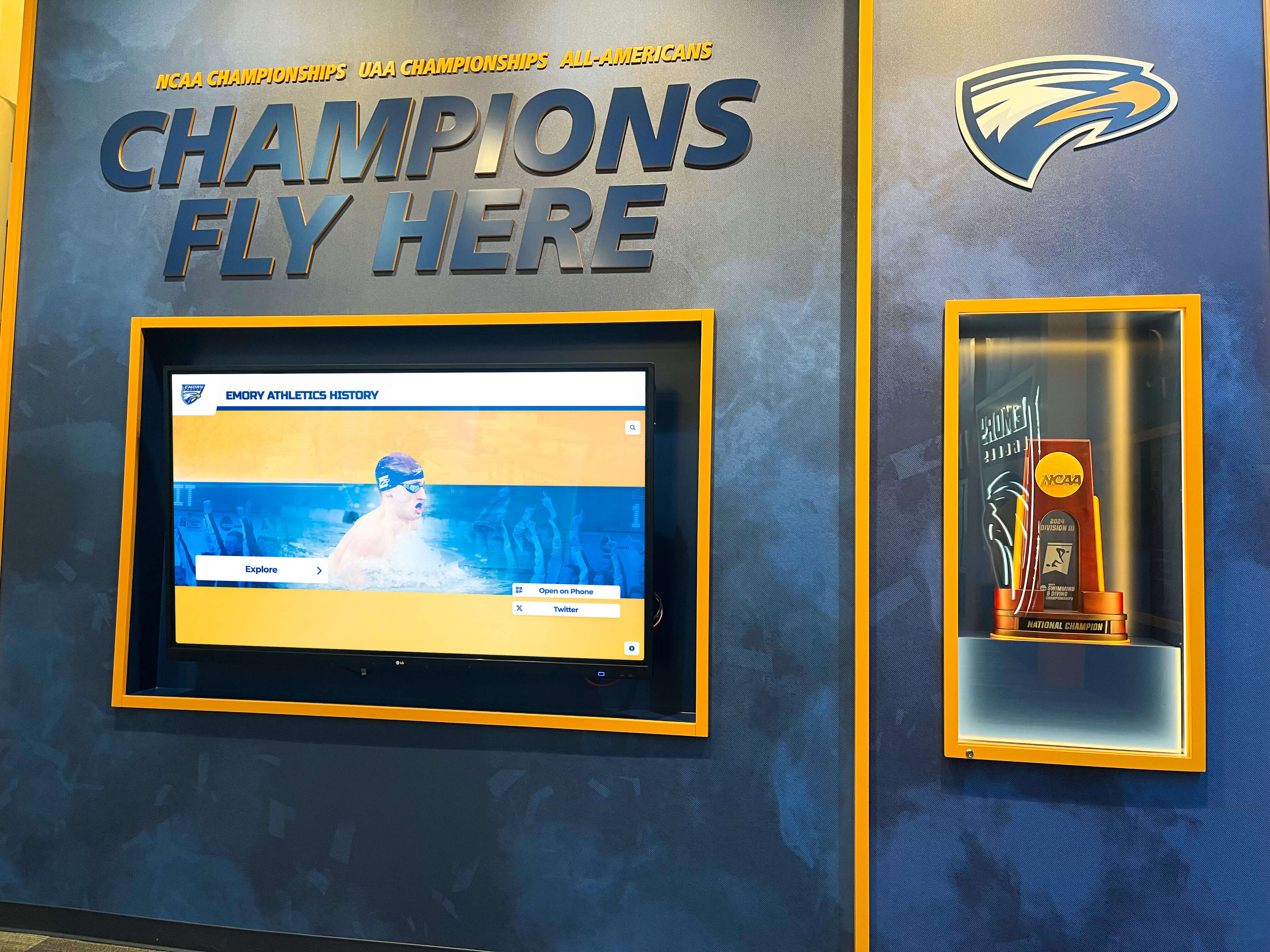
Modern athletic facilities directly impact recruitment outcomes. Prospective student-athletes evaluate program quality through visible facility markers—training equipment, recovery amenities, recognition systems, and overall environment. According to industry trends, colleges and universities are modernizing athletic venues with everything from state-of-the-art playing surfaces to lavish training facilities, driven by competition to attract top student-athletes.
Quality facilities signal institutional commitment to athletic excellence. When recruits visit campus, they assess whether facilities support their development goals. Programs with advanced training equipment, professional-grade recovery amenities, and comprehensive recognition systems demonstrate investment in athlete success that influences recruitment decisions.
Athletic Performance Enhancement
Facility improvements translate directly into performance gains. Modern training equipment enables more effective strength and conditioning programs. Advanced recovery amenities accelerate adaptation and reduce injury risk. Properly designed practice facilities allow coaches to implement sophisticated training protocols that maximize athlete development.
Research shows that upgraded equipment and facilities directly impact performance. Athletes with access to modern training technologies and optimal practice environments develop faster, compete more effectively, and achieve higher performance levels than those working with outdated resources.
Community Building and School Pride
Athletic facilities serve broader institutional purposes beyond competitive athletics. They function as gathering spaces for students, families, alumni, and community members. Quality facilities create environments where school communities come together, strengthening bonds and building institutional pride.
Facility improvements communicate institutional values. When schools invest in athletics, they signal that student achievement, physical development, and competitive excellence matter. These visible commitments resonate throughout school communities, affecting enrollment decisions, alumni engagement, and community support.
1. Digital Recognition and Display Systems
Modern recognition technology represents one of the most transformative athletic facility additions available today. Digital systems revolutionize how schools celebrate achievements, preserve history, and engage communities through interactive, unlimited-capacity recognition platforms.
Interactive Touchscreen Displays
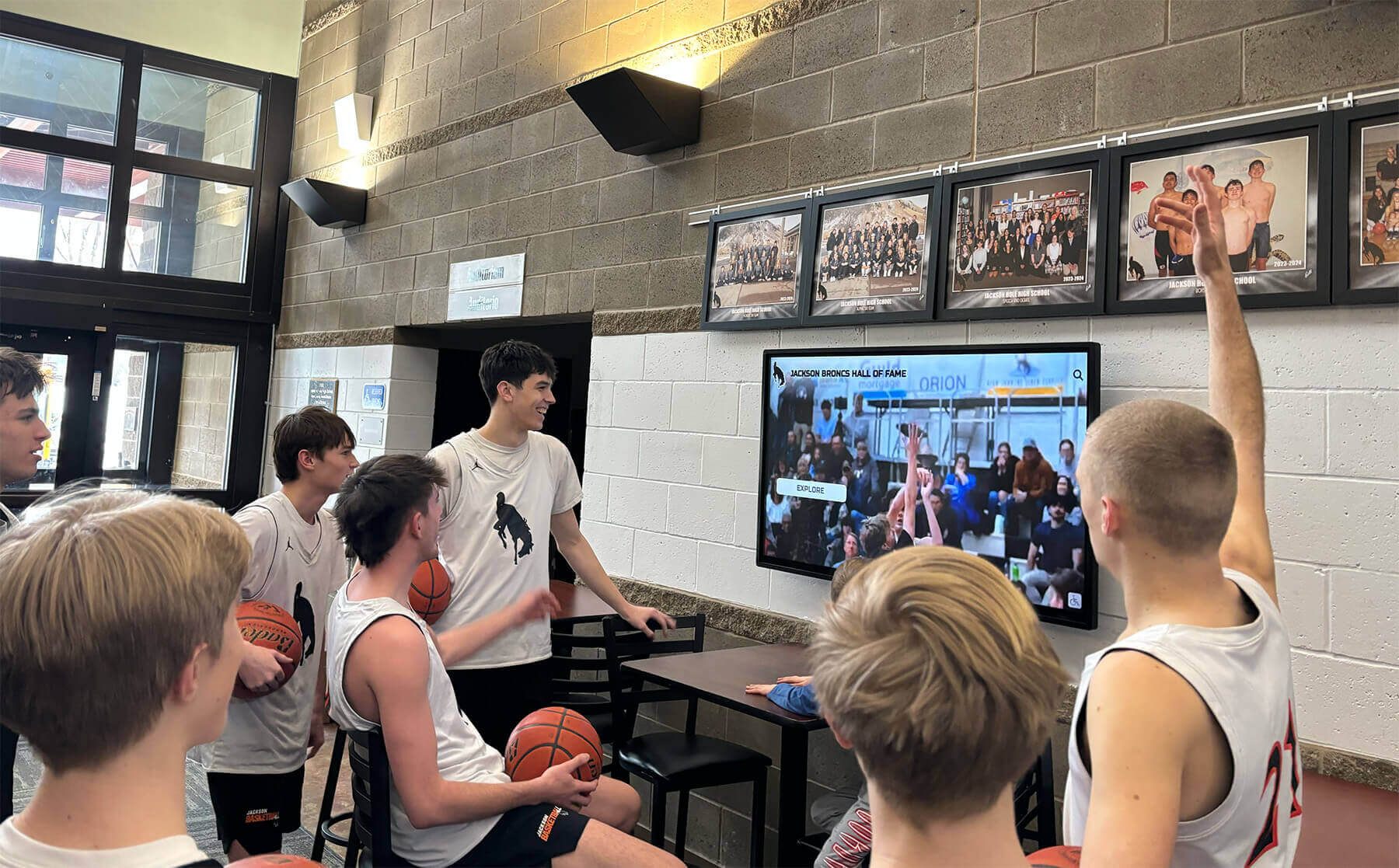
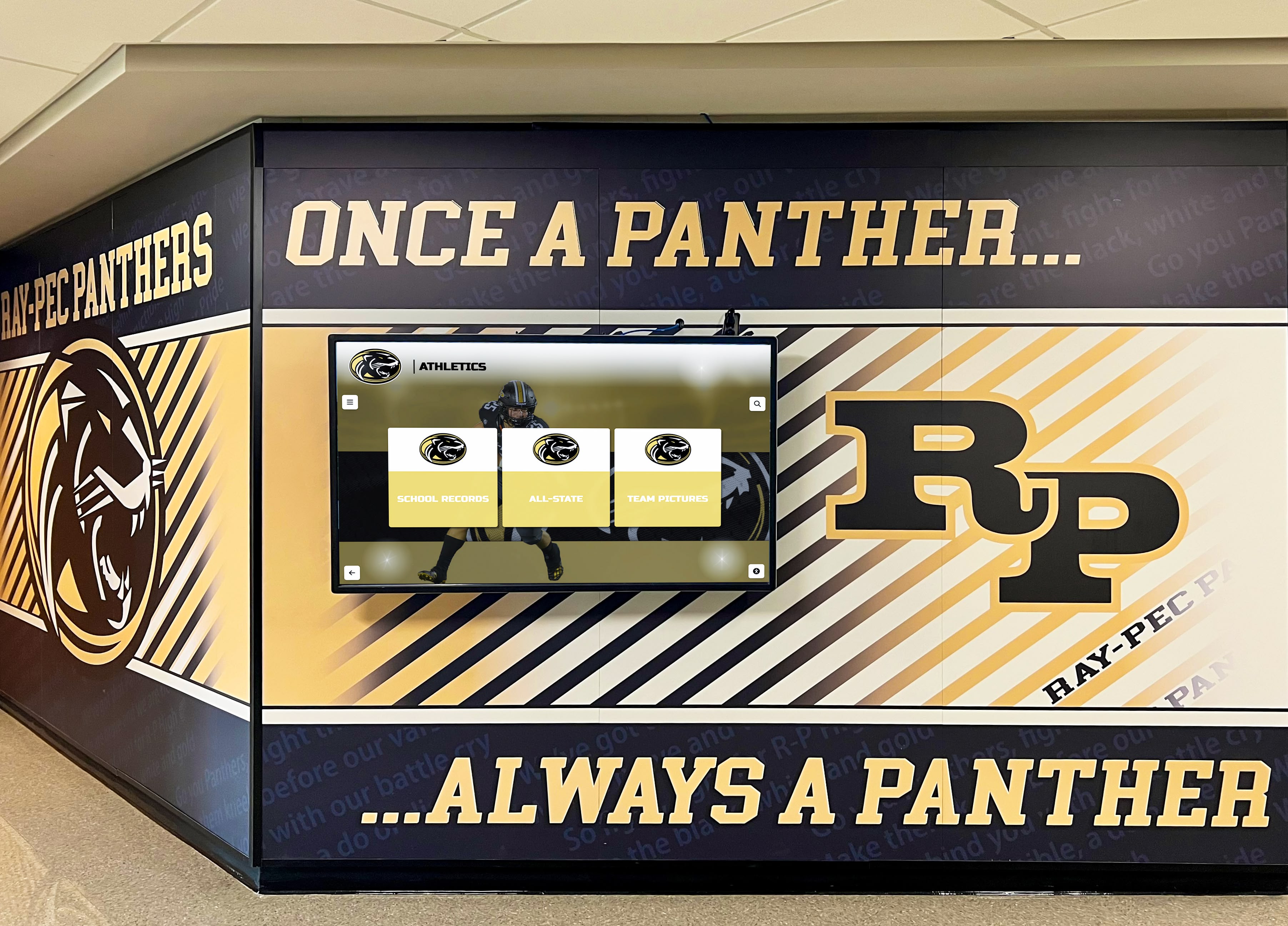
Interactive digital recognition displays transform static trophy cases into engaging experiences. Touchscreen systems allow athletes, families, and visitors to explore championship histories, record progressions, and individual achievements through intuitive interfaces that make institutional history accessible and inspiring.
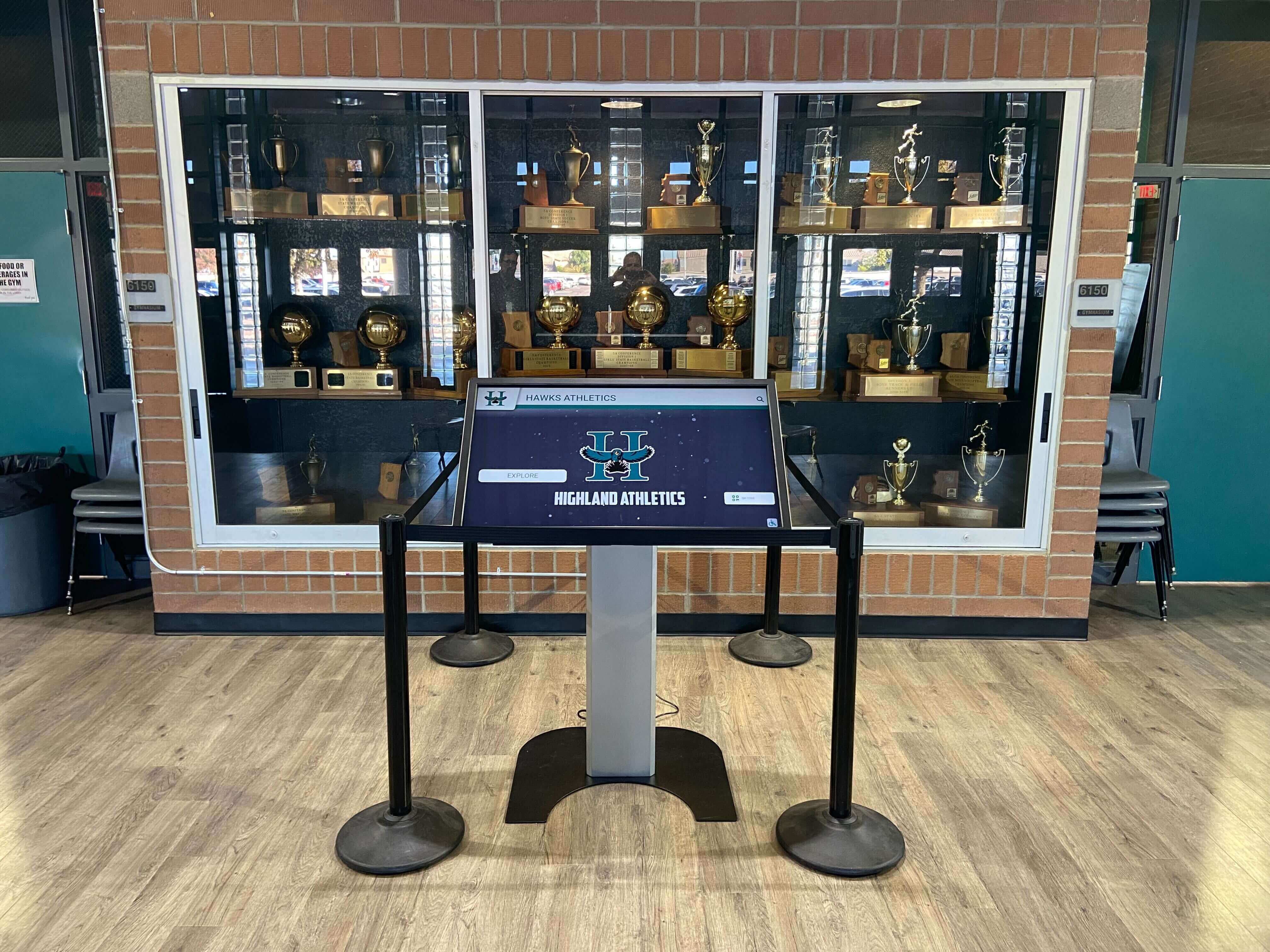
These systems provide unlimited recognition capacity. Unlike physical trophy cases that fill and force difficult decisions about what to display, digital platforms showcase every achievement across all sports without space constraints. Schools can recognize championships, individual records, all-conference selections, scholar-athletes, and coaching milestones comprehensively.
Key Features and Benefits:
- Searchable databases allowing visitors to find specific athletes, teams, or achievements instantly
- Multimedia integration including photos, videos, statistics, and detailed achievement narratives
- Real-time updates enabling immediate recognition of new achievements
- Social sharing capabilities extending recognition beyond campus
- Web accessibility allowing remote viewing by alumni and families worldwide
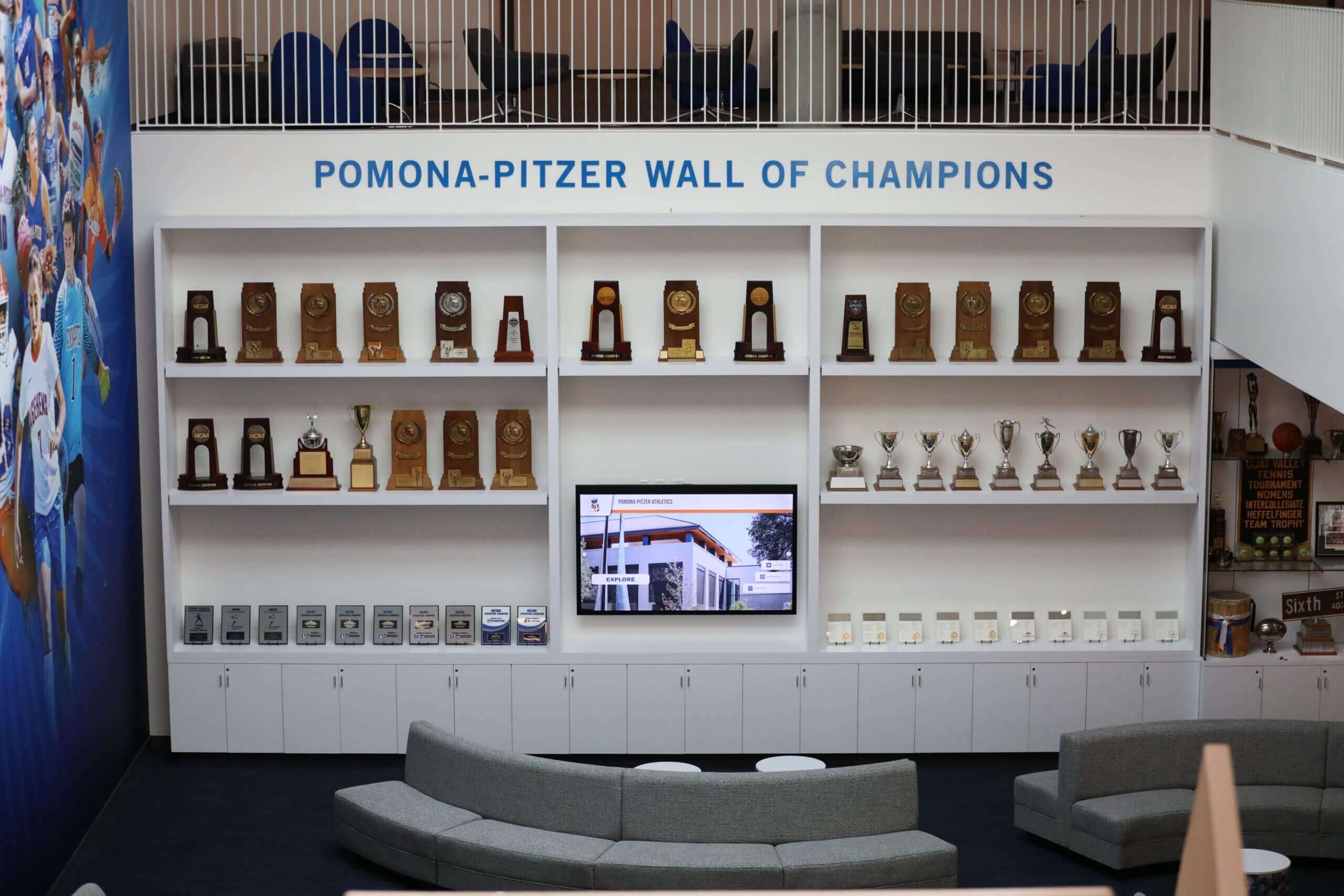
Solutions like Rocket Alumni Solutions provide purpose-built platforms designed specifically for athletic recognition, with content management systems that make updates simple for non-technical staff while creating professional displays that impress recruits and engage communities.
Dynamic Video Walls and LED Displays
Large-format LED video walls create immersive environments in gymnasiums, training facilities, and stadium concourses. These displays showcase game highlights, real-time statistics, recruitment videos, and recognition content on massive screens that command attention and create professional atmospheres.
Modern LED technology offers versatility that traditional signage cannot match. Content changes instantly, allowing facilities to serve multiple functions. Morning practice sessions might display motivational content and training videos. Afternoon classes could show educational materials. Evening games feature live action, replays, and fan engagement content.
These displays also generate revenue opportunities. Sponsorship placements on high-quality LED systems command premium pricing, helping offset installation costs while providing visibility that sponsors value.
Athletic Record Boards
Digital record boards revolutionize how schools track and display athletic achievements. Electronic systems replace painted gymnasium walls and aging plaque boards with dynamic displays that update instantly when records fall.
Modern record-keeping systems track comprehensive statistics across all sports, maintain historical record progressions showing how performances evolved over time, recognize top-10 or top-20 performers in each category (not just current record holders), and automatically highlight recently broken records drawing attention to new achievements.
This approach celebrates excellence across eras. Previous record holders receive continued recognition even when their marks are surpassed, honoring all outstanding performances within program history rather than erasing past achievements when new records are set.
2. Advanced Strength and Conditioning Equipment
Quality strength and conditioning equipment forms the foundation of effective athletic development programs. Modern training technology enables more sophisticated programming, better performance monitoring, and safer training environments.
Smart Connected Training Equipment
Modern strength equipment integrates digital connectivity that transforms training effectiveness. Connected machines track individual athlete performance, load progression, and training volume automatically. Coaches access real-time data showing which athletes completed prescribed workouts, whether loads progressed appropriately, and where programming adjustments might improve results.
Performance tracking applications integrate with training equipment, creating comprehensive athlete development databases. Systems log every workout, monitor progress toward goals, identify performance trends, and generate reports that inform coaching decisions.
Specialized Sport-Specific Equipment
Different sports require specialized training equipment. Comprehensive athletic facilities include sport-specific training zones with equipment tailored to particular athletic demands.
For explosive power development, programs need Olympic lifting platforms, bumper plates, and proper flooring that supports high-impact movements. Collision sports require specialized neck strengthening equipment, tackling sleds, and protective equipment for contact drills. Court sports benefit from plyometric platforms, lateral movement trainers, and agility equipment designed for multi-directional athleticism.
Velocity-Based Training Technology
Velocity-based training (VBT) represents a significant advancement in strength development. VBT systems measure bar speed during resistance exercises, providing objective data about effort levels, fatigue states, and optimal training loads.
These systems enable more precise programming than traditional percentage-based approaches. Rather than assigning loads based on estimated one-rep maximums, coaches prescribe velocity targets that account for daily readiness variations. Athletes experiencing fatigue or recovery demands automatically receive appropriate load adjustments, optimizing training stimulus while managing injury risk.
3. Sports Medicine and Recovery Amenities
Modern athletic programs recognize that recovery quality determines adaptation rates and long-term athlete health. Comprehensive sports medicine facilities and recovery amenities represent essential athletic facility additions.
Hydrotherapy and Cold Plunge Pools
Hydrotherapy pools serve multiple recovery and rehabilitation functions. Underwater treadmills enable low-impact cardiovascular training and early-stage injury rehabilitation. Resistance jets provide aquatic resistance training. Temperature control allows contrast therapy protocols alternating between warm and cold immersion.
Cold plunge pools have become standard in competitive athletic facilities. Regular cold water immersion reduces inflammation, accelerates recovery between intense training sessions, and provides mental conditioning benefits. Many programs now include both hot and cold plunge options, enabling contrast therapy protocols that optimize recovery.
Compression and Recovery Technologies
Modern recovery technologies accelerate adaptation and reduce injury risk. Common amenities in well-equipped athletic facilities include:
- Pneumatic compression systems that enhance circulation and reduce muscle soreness
- Percussion massage devices for targeted muscle treatment and recovery
- Zero-gravity recovery chairs that reduce spinal loading during rest periods
- Red light therapy panels that promote cellular recovery and reduce inflammation
- Hyperbaric chambers that increase oxygen delivery for enhanced recovery (at elite levels)
These technologies enable athletes to train more frequently and intensely by accelerating recovery between sessions. Programs that implement comprehensive recovery protocols see reduced injury rates and improved performance outcomes.
Sports Medicine and Athletic Training Spaces
Dedicated athletic training rooms serve as medical hubs for athlete care. Modern athletic training facilities include private examination rooms for injury evaluation, treatment areas with therapeutic equipment, taping stations for pre-competition preparation, rehabilitation spaces with specialized equipment, and offices for athletic training staff coordination.
Quality sports medicine facilities communicate program priorities. When athletic training rooms receive prominent placement and adequate resources, athletes understand that their health and wellbeing matter. This emphasis on athlete care strengthens recruitment appeal and improves retention.
4. Performance Analysis and Video Systems
Video analysis technology has transformed athletic coaching and player development. Modern athletic facilities include comprehensive video systems that enable detailed performance review and strategic planning.
Game and Practice Video Capture
Multi-camera video systems capture practices and competitions from multiple angles. Coaches review footage to identify technical flaws, strategic opportunities, and individual development needs. Athletes benefit from seeing themselves perform, receiving objective feedback that accelerates improvement.
Modern systems capture automatically, eliminating manual camera operation. Scheduled practices and games trigger recording, ensuring comprehensive documentation without requiring dedicated videography staff. Cloud storage makes footage accessible to coaching staffs and athletes from any location.
Video Analysis Software
Specialized software enables detailed performance analysis. Coaches use these platforms to create highlight reels focusing on specific players or situations, break down opponent tendencies and strategic patterns, compare athlete technique to model performances, track performance metrics and improvement over time, and generate recruitment videos showcasing athlete achievements.
These capabilities enhance coaching effectiveness significantly. Rather than relying on memory or subjective impressions, coaches make decisions based on objective video evidence that reveals patterns and opportunities difficult to observe in real-time.
Data Analytics Integration
Advanced programs integrate video analysis with performance data systems. Wearable sensors track athlete movement patterns, acceleration rates, jump heights, and distance covered. When synchronized with video footage, these data streams create comprehensive performance profiles that inform training decisions.
Performance analysis centers feature high-resolution displays, comfortable seating, and dedicated spaces where coaches and athletes review data together. These analysis sessions accelerate development by connecting objective performance data with specific technical adjustments.
5. Dedicated Team Meeting and Film Rooms
Quality meeting spaces enhance team culture, strategic preparation, and athlete development. Modern athletic facilities include dedicated team rooms designed specifically for athletic program needs.
Team Meeting Room Design
Effective team meeting rooms create environments conducive to focus, learning, and team bonding. Key design elements include:
- Theater-style seating with excellent sight lines to presentation screens
- High-quality audio-visual systems supporting video analysis and strategic review
- Appropriate lighting allowing both presentation viewing and note-taking
- Climate control maintaining comfortable temperatures during extended sessions
- Technology infrastructure supporting wireless connectivity and device integration
Many programs create team-specific spaces reflecting program identity through colors, branding, and recognition displays that reinforce culture and tradition.
Position Group Meeting Spaces
Larger programs benefit from multiple smaller meeting rooms enabling position-specific coaching and individualized instruction. These spaces allow offensive and defensive units to meet simultaneously, position coaches to conduct focused technical instruction, and smaller group discussions that encourage participation and detailed feedback.
This infrastructure supports more sophisticated coaching approaches where specialized instruction addresses specific technical demands of different positions and roles.
6. High-Performance Training Surfaces
Playing and training surface quality directly impacts athlete safety, performance, and development. Modern surface technology offers advantages over traditional options.
Advanced Turf Systems
Modern synthetic turf differs dramatically from earlier generations. Current systems closely replicate natural grass performance characteristics while providing durability and consistent playing conditions. According to industry trends, alternative turf options are being adopted for better drainage and wear-and-tear handling.
Quality turf installations include shock-absorbing underlayment reducing impact forces, proper infill materials optimizing traction and cushioning, and drainage systems preventing water accumulation that affects playability.
Multi-sport facilities benefit from versatile turf surfaces accommodating football, soccer, lacrosse, field hockey, and general training activities without deterioration or maintenance requirements that natural grass demands.
Specialized Athletic Flooring
Indoor facilities require flooring appropriate for specific athletic activities. Basketball courts need hardwood with proper cushioning and traction. Wrestling rooms require wrestling mat surfaces that provide safety without limiting movement. Weight rooms need flooring that absorbs dropped weight impact while remaining durable and easy to clean.
Investment in sport-appropriate surfaces demonstrates commitment to athlete safety and optimal training conditions. Inadequate flooring increases injury risk and limits the effectiveness of training activities.
7. Environmental Controls and Energy-Efficient Systems
Modern athletic facilities incorporate environmental control systems that enhance athlete comfort while reducing operational costs.
Advanced HVAC Systems
Quality climate control systems maintain appropriate temperatures and humidity levels across seasons and activity levels. Large gymnasiums and field houses require substantial heating, cooling, and ventilation capacity to manage heat loads from athletic activity and spectator attendance.
Energy-efficient HVAC systems with AI for predictive maintenance can reduce energy consumption by up to 35%, according to recent facility design trends. These systems learn usage patterns, anticipate occupancy, and adjust climate control proactively rather than reactively.
LED Lighting Upgrades
LED lighting systems can help schools save 65 to 85 percent on energy costs compared to traditional lighting, according to athletic facility design research. Beyond energy savings, LED systems provide superior light quality with instant on/off capability, reduced heat generation, and extended operational lifespans.
Modern LED systems offer programmable lighting scenes appropriate for different activities—bright uniform lighting for competitions, reduced lighting for practice sessions, and specialized lighting for events and performances. This versatility optimizes facility functionality while reducing energy consumption.
8. Dedicated Player Lounges and Social Spaces
Athletic facilities increasingly include spaces designed specifically for athlete relaxation, socialization, and community building beyond training and competition contexts.
Athlete Lounge Amenities
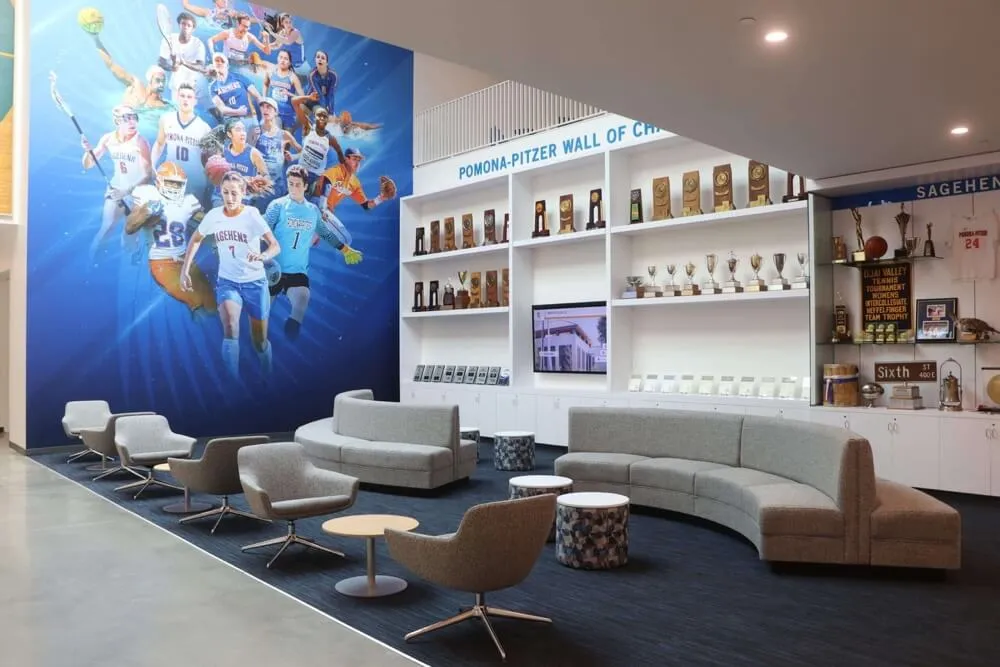
Quality athlete lounges provide comfortable environments where team members bond, relax between activities, and feel valued. Common features include comfortable seating arrangements promoting conversation and relaxation, entertainment options including televisions and gaming systems, nutrition stations providing healthy snacks and hydration, study areas supporting academic success, and recognition displays celebrating team history and achievement.
These spaces communicate that athletes are valued beyond their competitive contributions. When programs provide quality environments for downtime and socializing, they strengthen team chemistry and create belonging that affects retention and satisfaction.
Team Meeting and Bonding Spaces
Beyond formal meeting rooms, athletes benefit from casual spaces supporting team activities. These might include team dining areas for shared meals and nutrition education, outdoor gathering spaces for informal meetings and events, and flexible multipurpose rooms accommodating team activities and celebrations.
Programs that facilitate relationship building through quality social spaces create stronger team cultures and more cohesive units.
9. Premium Locker Room Facilities
Locker rooms serve as athlete home bases within athletic facilities. Modern locker room design emphasizes functionality, comfort, and creating environments that communicate program quality.
Individual Athlete Stations
Modern locker rooms provide spacious individual stations rather than cramped shared lockers. Each athlete receives adequate space for equipment storage, personal items, and daily preparation. Premium installations include charging stations for devices, individual ventilated compartments for wet or used equipment, and personalized nameplates or customization reflecting individual identity.
This individualized approach respects athlete needs while creating organized, professional environments that impress recruits and communicate program investment in athlete experience.
Enhanced Amenities and Finishes
Quality locker rooms include features that elevate daily experience:
- Multiple shower heads with temperature control and privacy
- High-quality finishes and materials resistant to moisture and heavy use
- Adequate lighting creating bright, welcoming environments
- Proper ventilation preventing odor and moisture accumulation
- Integrated sound systems for music and communication
These details might seem minor individually, but collectively they create environments where athletes feel valued and supported.
10. Specialized Training and Skill Development Areas
Beyond general strength facilities, comprehensive athletic programs include specialized training spaces designed for sport-specific skill development.
Indoor Practice Facilities
Indoor practice facilities enable year-round training regardless of weather conditions. These spaces might include:
- Indoor turf areas for team sport practice and conditioning
- Batting cages and pitching areas for baseball and softball development
- Putting greens and short game areas for golf programs
- Court sport practice areas for volleyball, basketball, and tennis
Indoor facilities extend practice seasons, provide consistent training conditions, and maximize facility utilization by enabling concurrent activities in separate spaces.
Sport Science and Testing Areas
Many programs now include dedicated spaces for performance testing and sport science activities. These areas support baseline performance assessments using standardized testing protocols, regular progress monitoring tracking development over time, specialized testing including VO2 max, force plate analysis, and movement screening, and research activities for programs with sports science academic programs.
These dedicated spaces demonstrate institutional commitment to evidence-based athlete development and differentiate programs competing for top recruits.
11. Nutrition and Fueling Stations
Proper nutrition directly impacts athletic performance, recovery, and long-term health. Modern athletic facilities include dedicated nutrition support spaces.
Athlete Dining and Nutrition Centers
Comprehensive programs provide athlete-specific dining facilities offering performance-focused nutrition. These centers might include prepared meal options aligned with athlete nutritional needs, customizable meal building stations allowing individual preferences, hydration stations with various beverage options, and education areas where nutritionists provide guidance and support.
Quality nutrition facilities ensure athletes have access to appropriate fuel when they need it, supporting training adaptations and competitive performance.
Pre and Post-Workout Fueling Stations
Smaller fueling stations located within training facilities provide convenient access to immediate nutrition needs. These might include protein shake stations for post-workout recovery, quick snack options for pre-training energy, hydration stations with electrolyte beverages, and supplement dispensing for programs where appropriate.
Convenient access to quality nutrition supports compliance with nutritional plans and optimizes training effectiveness.
12. Administrative and Coaching Offices
Quality office spaces for coaching staffs and athletic administration support program effectiveness and create professional work environments.
Coaching Staff Office Suites
Effective coaching requires spaces for film review, strategic planning, athlete meetings, and recruitment activities. Modern coaching office areas include private offices for head coaches and coordinators, shared workspace for assistant coaches, meeting rooms for staff collaboration and recruit visits, and reception areas creating professional first impressions.
Quality office facilities enable coaches to work effectively while demonstrating institutional support that aids in coaching staff recruitment and retention.
Athletic Director and Administrative Spaces
Athletic administration requires office infrastructure supporting diverse responsibilities including compliance, event management, budgeting, and strategic planning. Administrative suites need adequate workspace for administrative staff, secure storage for confidential records and compliance documentation, meeting spaces for staff coordination and stakeholder meetings, and technology infrastructure supporting administrative systems.
Professional administrative facilities communicate organizational competence and institutional commitment to athletics.
13. Spectator Experience Enhancements
Athletic facilities serve broader communities beyond athletes and coaches. Spectator amenities affect community engagement, event attendance, and revenue generation.
Improved Seating and Accessibility
Quality spectator experiences begin with comfortable, safe, accessible seating. Modern facilities include:
- Adequate seating capacity for typical attendance
- ADA-compliant accessible seating distributed throughout facilities
- Quality sightlines from all seating areas
- Comfortable seats with appropriate spacing
- Safe ingress and egress facilitating crowd movement
Investment in spectator comfort demonstrates respect for fans while creating environments where people want to spend time and return regularly.
Concession and Restroom Facilities
Adequate concessions and restrooms directly affect event experiences and revenue potential. Modern facilities provide sufficient restroom capacity preventing long lines during peak usage, concession stands appropriately sized for anticipated attendance, quality food and beverage options meeting diverse preferences, and payment systems accepting multiple payment types including contactless options.
These operational details significantly impact whether spectators view events as enjoyable experiences worth repeating or inconvenient ordeals to endure.
Premium Seating and Hospitality Spaces
Programs seeking enhanced revenue streams increasingly include premium seating options like club seating areas with enhanced amenities, private suites for groups and corporate entertainment, hospitality spaces for donors and sponsors, and premium parking and entrance access.
These revenue-generating amenities help finance facility improvements while providing recognition opportunities for major donors and community supporters.
14. Sports-Specific Specialized Facilities
Beyond general athletic facilities, certain sports benefit from specialized infrastructure designed for their unique requirements.
Aquatic Centers
Swimming, diving, and water polo programs require aquatic facilities that might include competition pools meeting specific dimension requirements, diving wells with appropriate depths and platforms, warm-up and cool-down pools supporting high-volume training, and deck space accommodating spectators and team areas.
Quality aquatic centers represent substantial investments but enable programs to compete at high levels while serving broader institutional recreation and wellness missions.
Indoor Track and Tennis Facilities
Year-round training for track and field or tennis programs requires indoor facilities protecting athletes from weather extremes. These specialized facilities extend practice seasons, enable consistent training conditions, and demonstrate institutional commitment to program success.
Golf Practice Facilities and Ranges
Golf programs benefit from dedicated practice facilities including driving ranges with multiple target areas, putting greens replicating competition conditions, short game practice areas for chip shots and bunker play, and indoor simulators enabling year-round training and detailed swing analysis.
These specialized facilities enable effective skill development that dramatically improves competitive outcomes.
15. Outdoor Amenities and Campus Integration
Athletic facility improvements extend beyond enclosed structures to outdoor spaces and campus-wide integration.
Walking and Running Trails
Campus walking and running trails serve both competitive athletes and broader campus wellness. These trails provide training options for cross country and track athletes, recreation opportunities for students and community members, and attractive campus features enhancing overall environment.
Well-designed trail systems include measured distances for training purposes, appropriate surface materials balancing durability and impact absorption, adequate lighting for safety during extended hours, and connections to other campus facilities creating integrated networks.
Outdoor Gathering Spaces
Outdoor plazas, courtyards, and gathering spaces near athletic facilities create environments for community building. These spaces might include:
- Seating areas for informal gathering and socializing
- Recognition displays celebrating outdoor achievements
- Landscaping creating attractive, welcoming environments
- Connections to parking and other campus areas
Quality outdoor spaces extend facility functionality beyond enclosed structures while enhancing overall campus atmosphere.
Planning and Implementing Athletic Facility Additions
Successfully implementing facility improvements requires systematic planning addressing priorities, budgets, timelines, and stakeholder engagement.
Assessment and Prioritization
Begin facility planning by comprehensively assessing current conditions, identifying specific deficiencies, evaluating competitive standards and peer institution facilities, surveying stakeholder needs and preferences, and determining which improvements deliver greatest impact relative to cost.
Prioritization should consider both immediate needs addressing critical deficiencies and long-term strategic goals supporting program vision and competitive objectives.
Budgeting and Funding
Athletic facility projects require substantial capital investment. Successful funding often combines institutional budget allocations, fundraising campaigns targeting donors and alumni, naming rights and major gift opportunities, grants from athletic conferences or governing bodies, and phased implementation approaches spreading costs over multiple budget cycles.
Clearly articulating project benefits—for recruitment, performance, safety, and community engagement—strengthens cases for institutional support and donor investment.
Phased Implementation Strategies
Many programs implement facility improvements gradually rather than attempting comprehensive renovations simultaneously. Phased approaches might prioritize immediate safety or compliance needs first, then address highest-impact improvements for recruitment and competition, followed by enhancing existing facilities through equipment and technology upgrades, with final phases adding aspirational amenities differentiating programs from competitors.
Phased implementation manages budget constraints while allowing programs to realize benefits from initial improvements while planning subsequent phases.
Measuring Return on Investment
Justifying athletic facility investments requires demonstrating tangible returns across multiple dimensions.
Competitive Performance Metrics
Track performance indicators including win-loss records and competitive success, championship appearances and titles, individual athlete performance and record-breaking achievements, and progression of program rankings and competitive tier.
Improvements in these metrics following facility upgrades provide objective evidence of investment value.
Recruitment and Retention Outcomes
Monitor recruitment class quality and rankings, athlete retention rates and transfer patterns, student-athlete satisfaction survey results, and comparative assessment versus peer institution recruitment.
Enhanced recruitment outcomes following facility improvements demonstrate competitive advantages gained through infrastructure investment.
Community Engagement and Revenue
Evaluate attendance trends at athletic events, season ticket sales and donor contributions, facility rental revenue from camps and community use, and media coverage and program visibility.
Financial returns and community engagement metrics help quantify broader institutional benefits from athletic facility investments.
Conclusion: Building Excellence Through Strategic Facility Investment
The best athletic facility additions serve multiple strategic purposes simultaneously. They enhance competitive performance by providing athletes optimal training and recovery environments. They strengthen recruitment by demonstrating institutional commitment and competitive resources. They build community by creating gathering spaces where school communities connect through athletics. They generate pride by celebrating achievements through modern recognition systems.
Successful facility planning requires understanding that investments deliver returns across years and decades, not immediate seasons. Programs that thoughtfully assess needs, prioritize strategically, implement systematically, and maintain facilities properly create enduring competitive advantages that strengthen entire athletic programs and institutional communities.
Whether implementing comprehensive renovations or targeted improvements, focus on additions delivering greatest impact for your specific context and constraints. Digital recognition systems provide unlimited celebration capacity at relatively modest cost. Recovery amenities accelerate athlete development and reduce injury risk. Quality training equipment enables more effective programming. Spectator amenities build community engagement and revenue potential.
Transform Your Athletic Facility with Modern Recognition
Discover how digital recognition displays can celebrate your athletic achievements, inspire current athletes, and impress recruits—all while providing unlimited capacity and easy management that traditional trophy cases cannot match.
Explore Recognition SolutionsThe athletic facilities you build today will serve student-athletes, coaches, and communities for decades to come. Strategic investments in infrastructure create environments where excellence flourishes, communities gather, and institutional pride grows stronger across generations. Start planning your facility improvements today—your athletes, programs, and community deserve the best possible environments for pursuing competitive excellence.































