Every community—whether a school, university, nonprofit organization, civic group, or faith community—holds stories worth celebrating. A well-designed community showcase project transforms these achievements from fleeting moments into lasting celebrations that inspire current members, engage alumni, and strengthen the bonds that hold communities together.
Yet many organizations struggle to create showcase projects that genuinely resonate with their members. Traditional approaches like dusty trophy cases or bulletin boards covered in faded photos fail to capture the dynamic nature of community achievements, while generic recognition programs miss opportunities to create meaningful connections across generations.
The challenge intensifies as communities recognize that systematic recognition directly impacts member engagement, volunteer participation, fundraising success, and organizational vitality. Creating showcase projects that authentically celebrate achievements while inspiring future excellence requires thoughtful planning, strategic implementation, and the right technology solutions.
This comprehensive guide explores 15 innovative community showcase project ideas that transform how organizations celebrate achievements and build engagement. Whether you’re launching a new recognition initiative, revitalizing an outdated display, or seeking fresh approaches to honor your community’s most significant contributions, you’ll discover practical strategies that strengthen connections while showcasing your organization’s unique legacy.
Throughout this guide, we’ll examine successful showcase projects across different community types, explore implementation approaches that balance impact with budget constraints, and provide actionable guidance for creating programs that deliver lasting value beyond the initial launch.
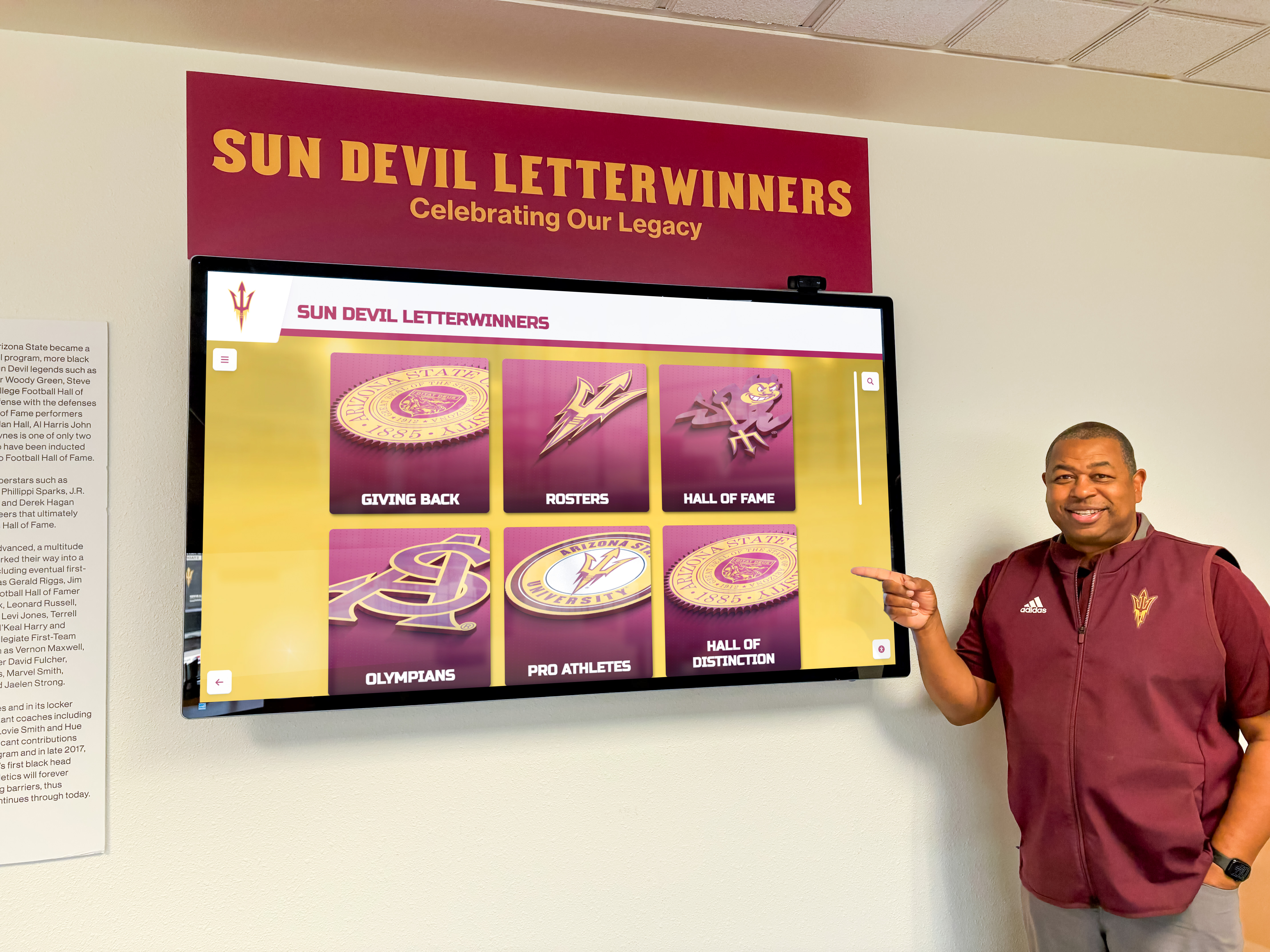
Modern community showcase projects create engaging spaces that celebrate achievement while fostering meaningful connection and pride
Why Community Showcase Projects Matter: The Strategic Value of Recognition
Before exploring specific project ideas, understanding the multifaceted benefits these initiatives deliver helps justify investment and guides decisions toward solutions that best serve organizational goals.
Strengthening Community Engagement Through Visible Recognition
Community showcase projects serve as tangible demonstrations that organizations value member contributions and achievements. When individuals see their accomplishments celebrated publicly, they experience validation that strengthens emotional bonds and motivates continued engagement.
Engagement Benefits:
- Communities with active recognition programs demonstrate significantly higher participation rates
- Members who receive acknowledgment show increased volunteerism and contribution
- Visible celebration creates momentum that attracts new participants
- Showcase projects provide conversation starters facilitating community connections
- Systematic recognition communicates organizational values and priorities
Research on community engagement consistently shows that showcasing member achievements and celebrating success stories inspires participation. Organizations that implement showcase projects commonly report substantial increases in member-driven initiatives, with communities that actively celebrate contributions seeing significantly higher rates of member-organized projects over time.
Building Institutional Pride and Shared Identity
Showcase projects create focal points where community pride finds concrete expression. These initiatives communicate organizational values, demonstrate collective impact, and celebrate shared achievements that define community character.
Community Benefits:
- Prospective members see compelling evidence of organizational vitality
- Current participants develop stronger identification with community values
- Historical recognition preserves institutional memory across generations
- Showcase projects become signature initiatives defining organizational culture
- Visible celebration creates positive momentum permeating entire community
For communities with long histories, thoughtfully designed showcase projects preserve institutional memory while documenting organizational evolution, creating valuable archives that capture who contributed, what they accomplished, and how they made lasting impact.
Supporting Development and Fundraising Objectives
Community showcase projects directly support fundraising goals by creating environments that demonstrate stewardship, celebrate generosity, and inspire philanthropic engagement among members and supporters.
Advancement Benefits:
- Recognition programs honor contributions, providing meaningful stewardship
- Prospective supporters see evidence of strong communities and appropriate appreciation
- Showcase initiatives create ideal contexts for cultivation conversations
- Visible acknowledgment communicates that contributions receive lasting recognition
- Impressive displays signal organizational health and investment-worthiness
Development professionals understand that recognition represents strategic infrastructure influencing donor behavior. Communities that thoughtfully integrate supporter acknowledgment alongside broader achievement celebration create compelling demonstrations that contributions make visible, lasting impact.
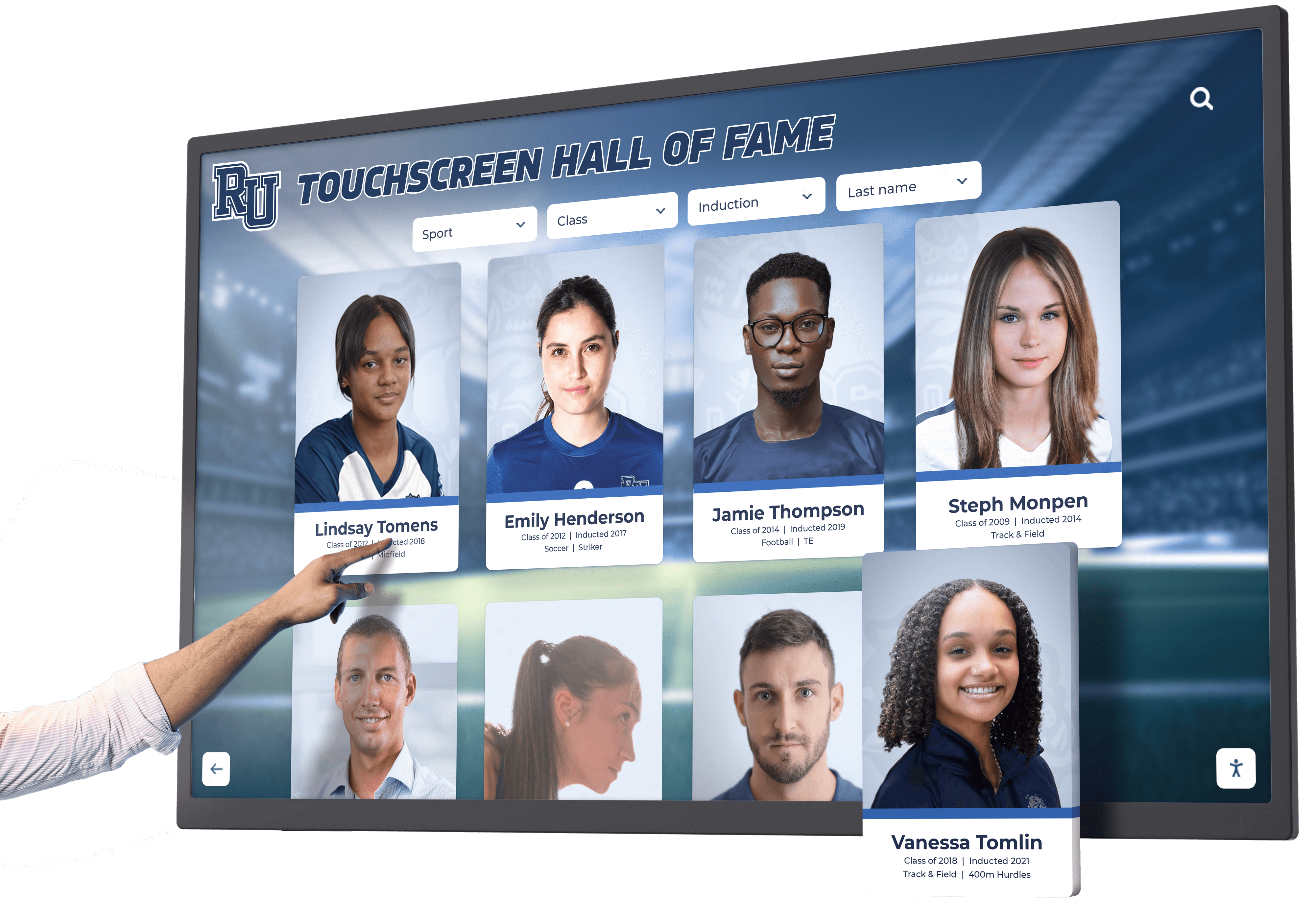
Interactive showcase projects allow community members to explore achievements and discover inspiring stories at their own pace
Inspiring Current Members Through Authentic Examples
Perhaps the most immediate benefit comes from inspiring current community members by showcasing authentic examples of those who came before—individuals who faced similar challenges and went on to achieve remarkable things.
Inspirational Impact:
- Tangible examples make abstract aspirations feel achievable
- Members discover potential pathways by learning about diverse achievement trajectories
- Seeing success from people with similar backgrounds combats self-doubt
- Showcase projects serve as perpetual inspiration resources
- Regular encounters with achievement stories expand members’ sense of possibility
When community members regularly encounter showcase projects highlighting remarkable achievements, their own sense of what’s possible expands while organizational pride deepens. These initiatives transform abstract statistics about community impact into concrete, human stories that resonate on personal levels.
15 Best Community Showcase Project Ideas
These innovative approaches demonstrate proven effectiveness across different community types and organizational contexts.
1. Interactive Digital Hall of Fame
Transform traditional recognition into engaging digital experiences where community members can explore achievements through searchable, multimedia-rich profiles.
Key Features:
- Interactive touchscreen displays inviting hands-on exploration
- Comprehensive profiles with photos, videos, and detailed biographies
- Search and filter capabilities helping users find specific individuals
- Unlimited capacity accommodating growing recognition needs
- Web accessibility enabling viewing from anywhere globally
Best For: Schools, universities, athletic programs, professional associations, and any community with significant alumni or member achievements to celebrate.
Implementation Approach: Solutions like Rocket Alumni Solutions provide purpose-built platforms designed specifically for community recognition, offering intuitive content management systems that make updates simple for non-technical administrators while delivering engaging experiences for viewers.
Success Factors: Position displays in high-traffic areas where maximum community members encounter them regularly. Commit to systematic updates adding new honorees and refreshing featured content to maintain engagement.

Interactive digital halls of fame allow users to search, explore, and discover achievements through engaging touchscreen experiences
2. Alumni Spotlight Series
Create ongoing recognition programs highlighting different alumni or community members monthly or quarterly through featured profiles shared across multiple channels.
Key Components:
- In-depth profile interviews capturing personal journeys and insights
- Professional photography or video content
- Distribution across newsletters, social media, and physical displays
- Archive building comprehensive alumni achievement database
- Engagement opportunities connecting current members with featured alumni
Best For: Organizations seeking cost-effective recognition initiatives that generate ongoing content while building alumni engagement.
Implementation Approach: Establish regular cadence for featuring new community members. Develop standard interview questions and profile templates ensuring consistency. Integrate alumni recognition programs with broader communication strategies to maximize visibility.
Success Factors: Diversity in selection ensures broad representation across different graduation years, career fields, and achievement types. Personal storytelling resonates more than credential lists—focus on journeys, challenges overcome, and advice for current members.
3. Historical Photo Archive and Timeline
Preserve community heritage by digitizing historical photos, documents, and artifacts into accessible archives showcasing organizational evolution.
Key Elements:
- Systematic digitization of photographs, yearbooks, and historical documents
- Chronological timeline presentation highlighting key milestones
- Searchable database enabling exploration by year, event, or individual
- Integration of contemporary photos continuing historical record
- Commentary providing context about different eras
Best For: Communities with rich histories wanting to preserve institutional memory while making archives accessible to distant members.
Implementation Approach: Historical archives require systematic scanning and organization. Partner with historical societies or enlist volunteer committees to gather and categorize materials. Digital recognition platforms provide frameworks for organizing chronological displays.
Success Factors: Involve longtime community members in providing context and identifying individuals in historical photos. Regular additions keep archives growing while maintaining member interest.
4. Student Achievement Recognition Wall
Celebrate current student accomplishments through displays showcasing academic excellence, athletic achievements, artistic recognition, and service contributions.
Recognition Categories:
- Academic honors including honor roll, perfect attendance, and National Honor Society
- Athletic achievements from individual records to team championships
- Arts recognition including theater performances, music achievements, and visual arts
- Service awards acknowledging community contribution and leadership
- College commitments celebrating next-step successes
Best For: K-12 schools and universities seeking to motivate student excellence through visible celebration of achievement.
Implementation Approach: Digital recognition displays for students enable frequent updates accommodating each semester’s new achievements. Automated features can pull data from student information systems reducing manual entry requirements.
Success Factors: Ensure equitable representation across different achievement types so non-athletes receive equal prominence with sports recognition. Regular updates maintaining currency demonstrate organizational commitment to systematic recognition.
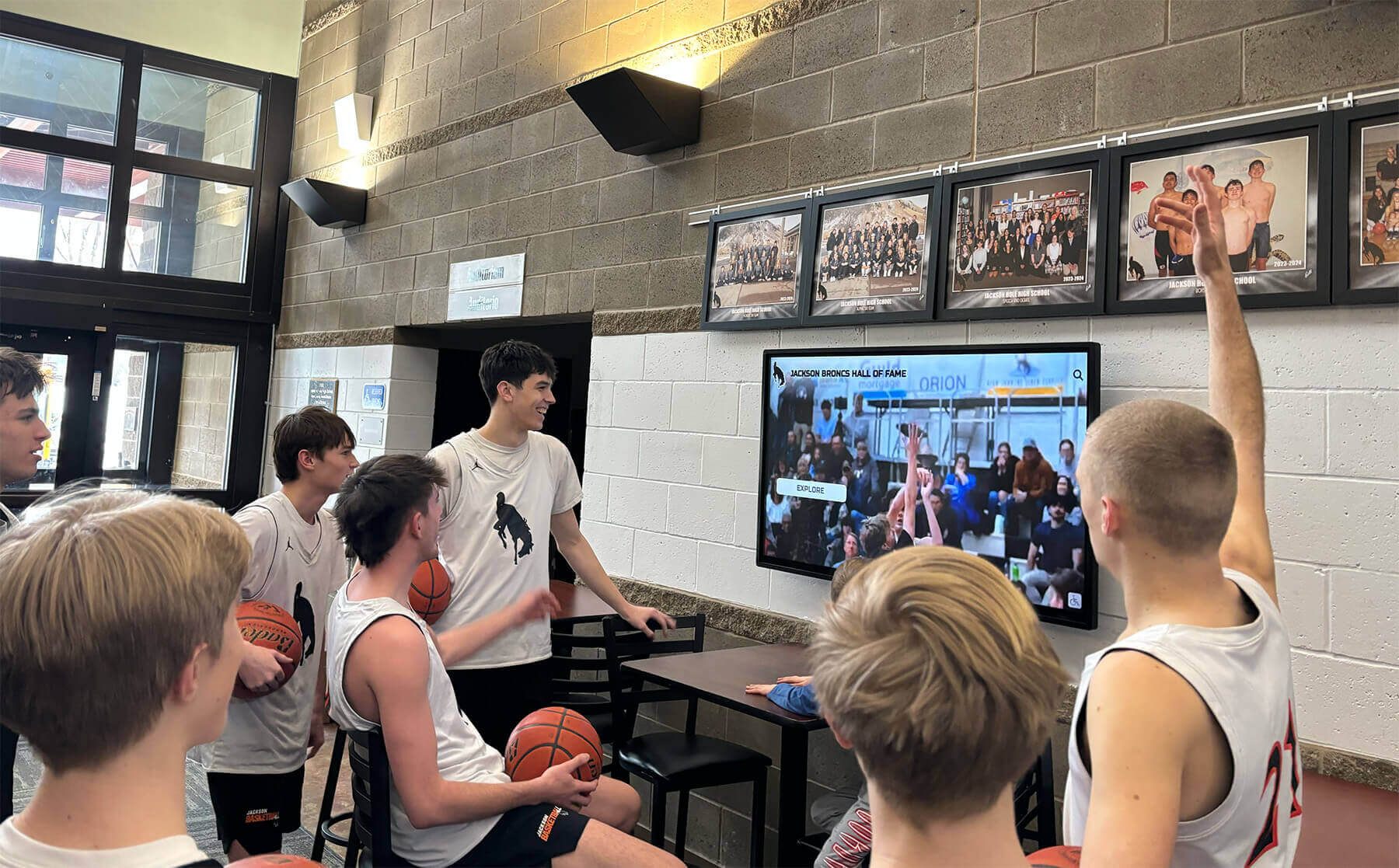
Student achievement displays motivate excellence by visibly celebrating diverse accomplishments from academics to athletics to arts
5. Community Service Recognition Program
Honor volunteers, donors, and community contributors whose service strengthens organizational capacity and advances community missions.
Recognition Approaches:
- Service milestone acknowledgment (years of service, volunteer hours)
- Donor recognition celebrating philanthropic support
- Leadership tribute honoring board members and organizational leaders
- Special awards for exceptional contributions
- Legacy recognition celebrating lifetime achievement
Best For: Nonprofit organizations, faith communities, civic groups, and educational institutions dependent on volunteer and donor support.
Implementation Approach: Donor recognition walls can combine physical displays in prominent locations with digital components enabling comprehensive information about contributions and impact. Tiered recognition levels encourage continued giving.
Success Factors: Balance public acknowledgment with donor preferences regarding privacy. Regular stewardship updates showing impact strengthen emotional connections supporting continued engagement.
6. Career Pathway Showcase
Help current members visualize potential futures by showcasing alumni career trajectories organized by field, demonstrating diverse pathways from education to professional success.
Key Components:
- Alumni profiles organized by career field or industry
- Educational pathway information showing routes to different careers
- Professional advice and mentorship opportunities
- Networking connection facilitating alumni-to-student interaction
- Success metrics showing graduate outcomes data
Best For: High schools and universities seeking to improve college and career readiness while strengthening alumni connections.
Implementation Approach: Partner with alumni relations and career services to identify diverse graduates representing varied career fields. Create standardized profile formats capturing educational pathways, career progression, and advice for current students pursuing similar paths.
Success Factors: Regular updates adding recent graduates demonstrate ongoing relevance. Student mentorship programs linking current members with featured alumni transform passive displays into active engagement tools.
7. Championship and Competition Recognition
Celebrate team achievements, championship victories, and competitive excellence through comprehensive displays honoring athletic and academic competition success.
Recognition Elements:
- Team championship celebrations with roster and season highlights
- Individual record holder acknowledgment
- State and national qualifier recognition
- Season-by-season results and achievements
- Coach appreciation honoring leadership
Best For: Schools, athletic clubs, and competitive organizations where team achievements form significant parts of institutional identity.
Implementation Approach: State championship displays benefit from multimedia content including photos, videos, and detailed roster information. Digital platforms enable comprehensive coverage without space constraints limiting recognition.
Success Factors: Balance historical championship recognition with current season highlights. Equitable representation across different sports and genders ensures inclusive celebration reflecting Title IX principles.
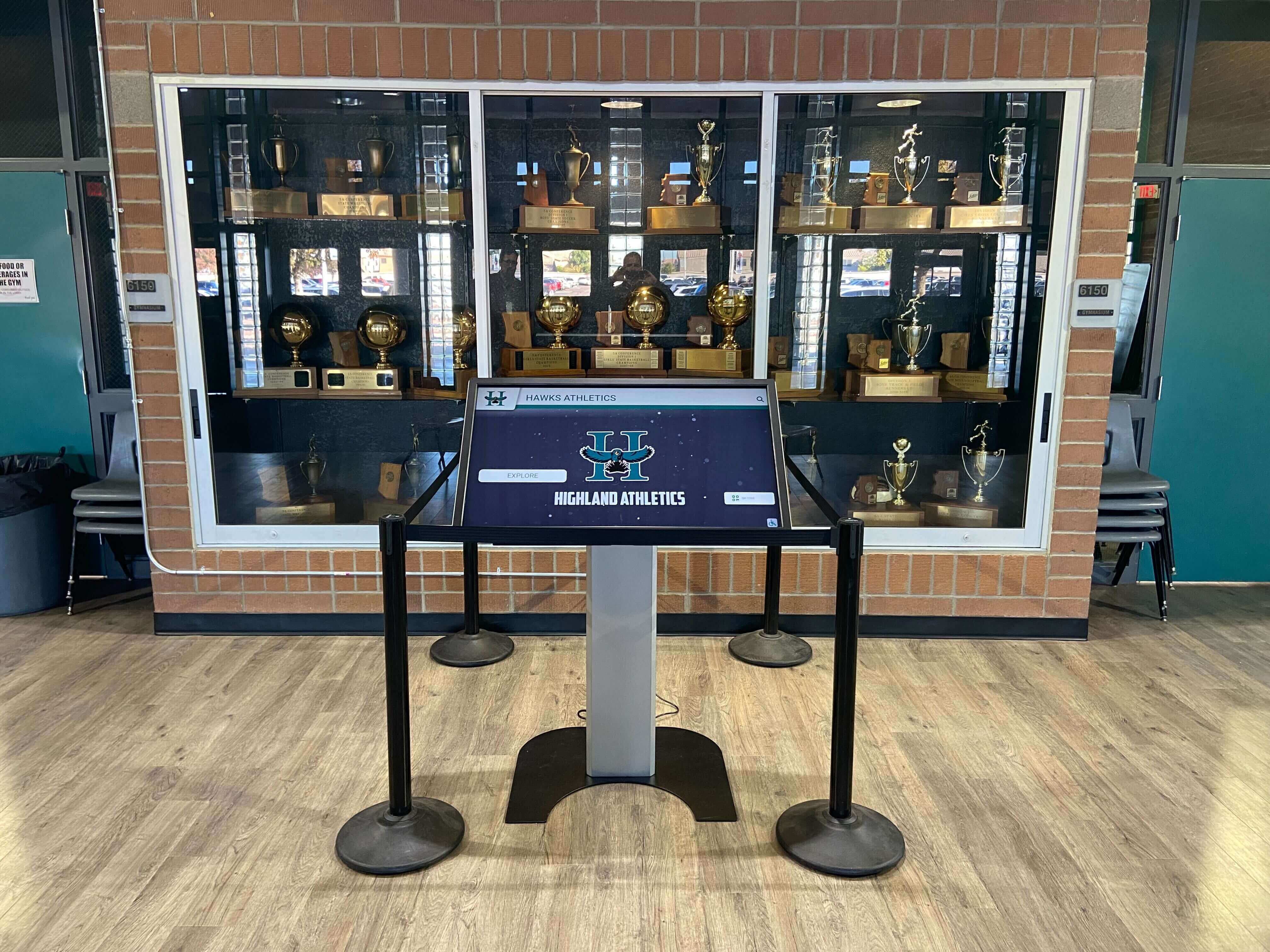
Championship displays preserve competitive excellence across generations while inspiring current teams to add their own achievements
8. Arts and Culture Showcase
Recognize creative achievements through displays celebrating theater productions, musical performances, visual arts exhibitions, and literary accomplishments.
Showcase Categories:
- Theater production archives with cast photos, playbills, and performance videos
- Music achievement recognition from all-state musicians to concert highlights
- Visual arts galleries showcasing student and alumni artwork
- Literary accomplishments celebrating published authors and writing awards
- Creative competition results from regional festivals to national recognitions
Best For: Schools and cultural organizations seeking to elevate arts recognition to parity with athletic celebration.
Implementation Approach: Digital theatre playbills and performance archives preserve creative work that traditional displays struggle to accommodate. Multimedia capabilities enable video highlights showcasing performances.
Success Factors: Systematic recognition of arts achievements communicates that creative excellence receives equal celebration with athletic accomplishment, supporting balanced educational priorities.
9. Milestone Anniversary Celebration
Mark significant organizational anniversaries through comprehensive showcase projects documenting history, celebrating achievements, and honoring community members across decades.
Celebration Components:
- Decade-by-decade historical overview highlighting key milestones
- Recognition of significant community members throughout history
- Before-and-after campus or facility evolution documentation
- Alumni reunion coordination and engagement activities
- Archive publication creating lasting commemorative resource
Best For: Organizations approaching centennial celebrations or other significant anniversaries providing natural opportunities for comprehensive recognition projects.
Implementation Approach: Anniversary celebrations provide momentum for recognition initiatives that might otherwise face resistance. Form committees combining historical knowledge with technical capability to develop comprehensive content.
Success Factors: Leverage anniversary timing to secure funding from donors interested in legacy preservation. Create content with lasting value beyond anniversary year, developing resources serving ongoing engagement needs.
10. Community Impact Showcase
Document and celebrate the collective impact community members make through service, innovation, entrepreneurship, and civic leadership.
Impact Categories:
- Nonprofit leadership and community organization service
- Entrepreneurship and business innovation
- Civic engagement and elected office service
- Medical and scientific contributions
- Educational leadership and teaching excellence
Best For: Communities emphasizing civic engagement and community contribution as core values.
Implementation Approach: Partner with local organizations to identify community members making significant impact. Create compelling profiles documenting contributions and inspiring current members to similar service.
Success Factors: Regular updates adding contemporary achievers alongside historical contributors demonstrate ongoing community impact. Connection to current students or members through mentorship or speaking opportunities transforms recognition into active engagement.
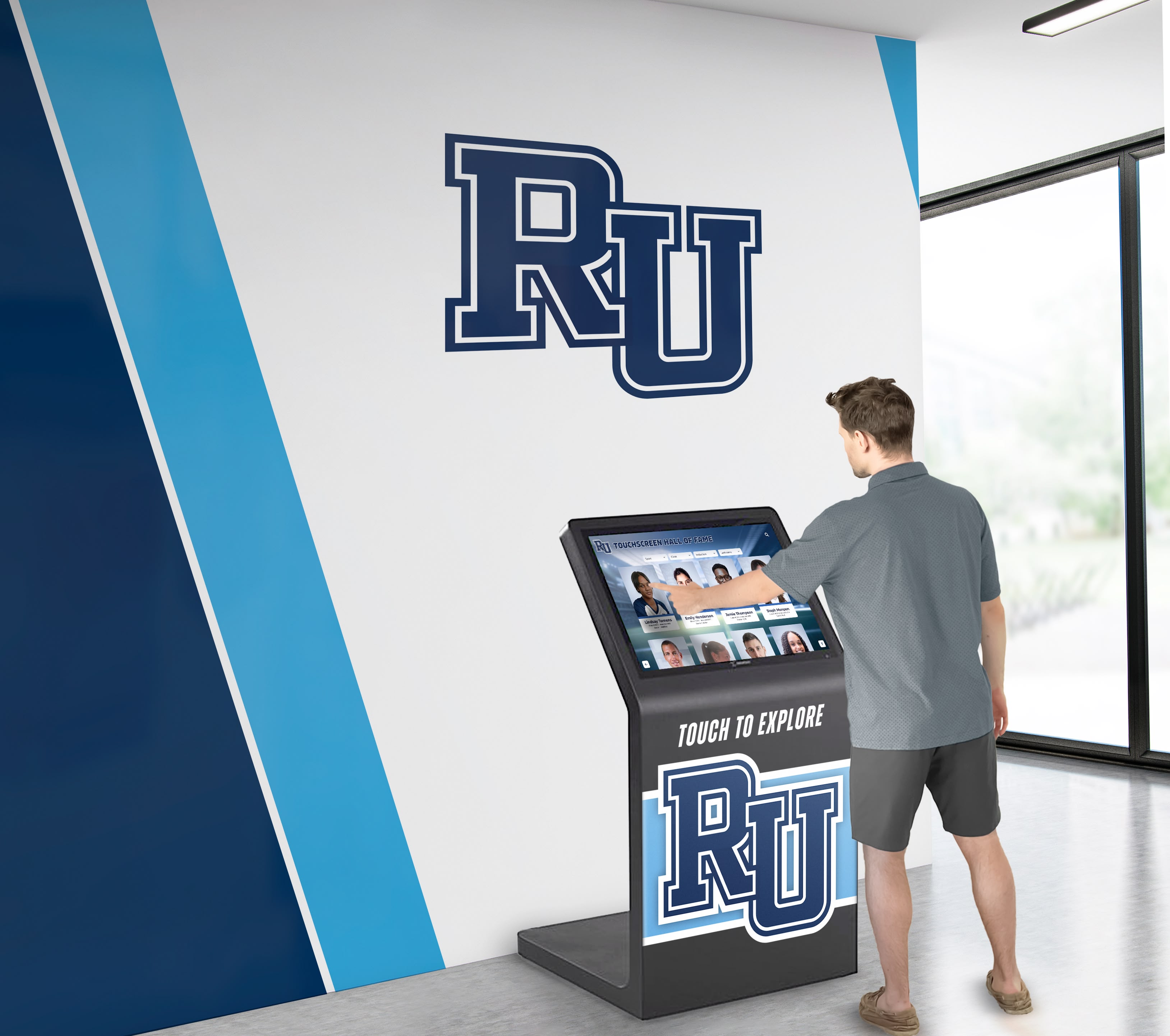
Impact showcases celebrate how community members contribute to society beyond personal achievement, inspiring service and engagement
11. Academic Excellence Recognition
Celebrate scholarly achievement through systematic recognition of academic honors from honor roll to National Merit Scholars to perfect test scores.
Recognition Categories:
- Honor roll and high honor roll achievement
- Advanced Placement scholars and exam achievement
- National Merit recognition and scholarship recipients
- Perfect ACT or SAT score celebration
- Academic competition results from Science Olympiad to Math League
- National Honor Society and academic honor society membership
Best For: Schools emphasizing academic excellence and seeking to balance athletic recognition with scholarly celebration.
Implementation Approach: Honor roll displays and perfect test score recognition benefit from frequent updates accommodating each semester’s achievements. Automated data integration can reduce administrative burden.
Success Factors: Prominent placement in high-traffic areas ensures academic recognition receives visibility comparable to athletic displays, communicating that intellectual achievement matters equally.
12. Heritage and Cultural Celebration
Honor diverse cultural traditions, heritage months, and multicultural achievements strengthening inclusive community identity.
Celebration Approaches:
- National heritage month recognition (Hispanic Heritage, Black History, etc.)
- Cultural tradition documentation and celebration
- Multicultural achievement recognition
- International alumni and member profiles
- Diversity initiative documentation showing organizational commitment
Best For: Communities committed to inclusive recognition celebrating diverse backgrounds and perspectives.
Implementation Approach: Heritage recognition programs benefit from rotating featured content highlighting different cultural celebrations throughout the year. Partner with cultural affinity groups ensuring authentic representation.
Success Factors: Involve community members from represented groups in content development ensuring authentic perspectives. Year-round recognition avoiding concentration solely during heritage months demonstrates sustained commitment.
13. College Commitment Showcase
Celebrate student next steps through displays highlighting college commitments, scholarship awards, and post-graduation plans.
Showcase Elements:
- College commitment announcements with institutional logos
- Scholarship recognition celebrating academic and athletic awards
- Service commitment celebration (military, AmeriCorps, etc.)
- Career pathway plans for students entering workforce
- Graduate school acknowledgment for continuing education
Best For: High schools and preparatory programs emphasizing college readiness and post-secondary success.
Implementation Approach: Senior college decision displays create excitement around post-graduation plans while providing valuable data about graduate destinations. Yearly updates document destination trends.
Success Factors: Inclusive approach recognizing diverse post-graduation pathways beyond four-year universities ensures all students receive celebration regardless of next step choice.
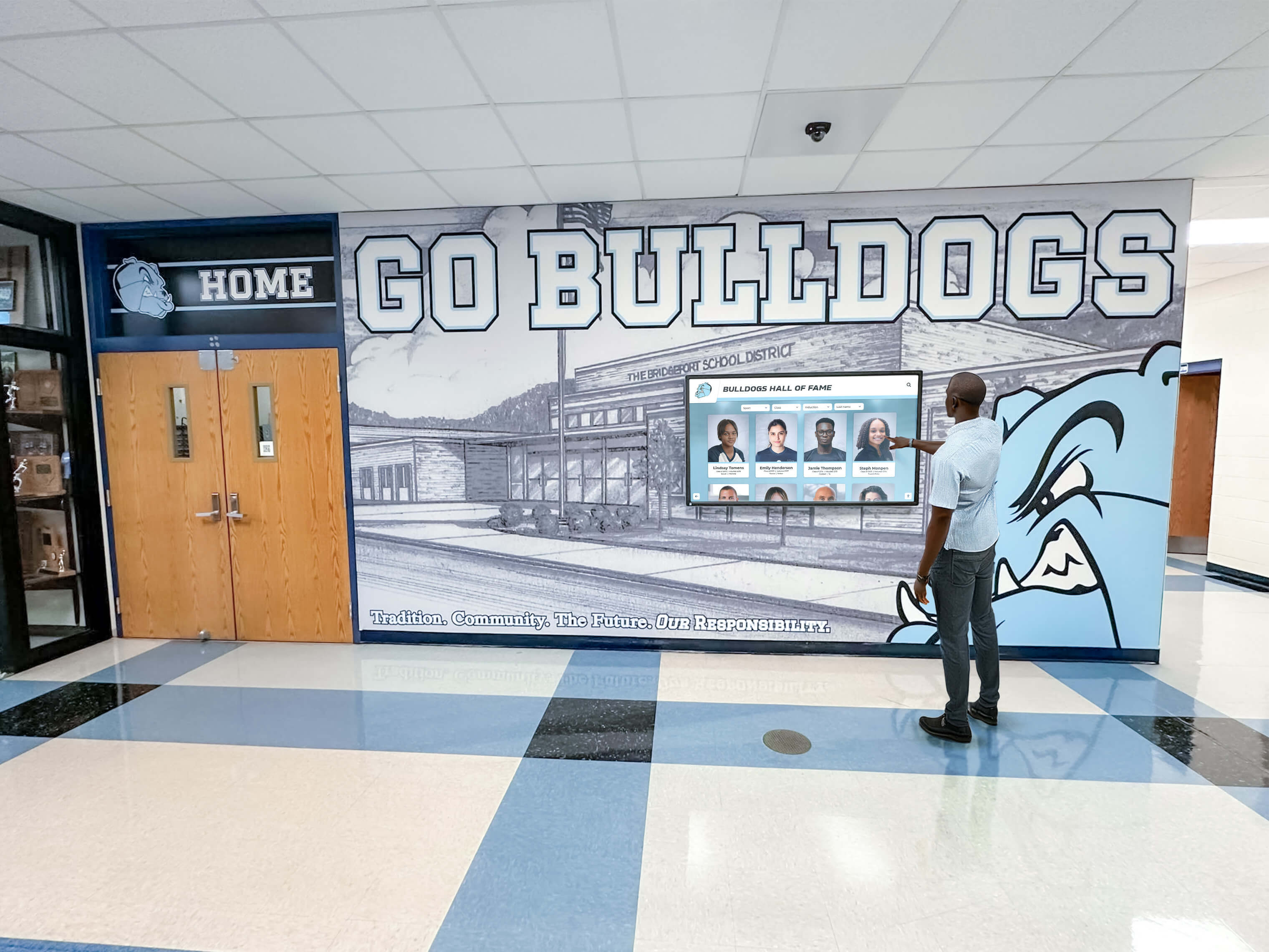
College commitment showcases celebrate student success while inspiring younger students to envision their own post-graduation futures
14. Special Achievement Hall of Fame
Create elite recognition tier celebrating exceptional, sustained excellence or singular remarkable achievements warranting highest organizational honors.
Hall of Fame Categories:
- Athletic hall of fame for exceptional competitive achievement
- Academic hall of fame for sustained scholarly excellence
- Distinguished alumni hall of fame for remarkable career achievement
- Service hall of fame for extraordinary community contribution
- Arts hall of fame for creative accomplishment and impact
Best For: Organizations with long histories and substantial achievement bases supporting selective hall of fame recognition.
Implementation Approach: Digital hall of fame displays enable comprehensive honoree profiles impossible with traditional plaques. Establish clear selection criteria and nomination processes ensuring perceived fairness and appropriate selectivity.
Success Factors: Annual induction ceremonies create engagement opportunities while generating publicity. Balance historical inductees with recent achievers maintaining relevance across generations.
15. Interactive Welcome Area Showcase
Transform entrance lobbies or welcome areas into comprehensive community showcases combining recognition, wayfinding, historical information, and engagement opportunities.
Welcome Area Components:
- Digital directory providing wayfinding assistance
- Featured achievement highlight rotation
- Historical timeline showcasing organizational evolution
- Current event promotion and schedule information
- Welcome message from organizational leadership
- Social media feed showing real-time community activity
Best For: Organizations investing in facility renovations or new construction providing opportunities to integrate technology from inception.
Implementation Approach: Alumni welcome areas benefit from combining recognition with practical functionality. Position displays where every visitor encounters them, maximizing exposure and impact.
Success Factors: Professional installation reflecting organizational quality standards. Regular content updates maintaining freshness and relevance. Integration with broader communication strategies ensuring consistency.
Implementing Your Community Showcase Project: Strategic Planning and Execution
Successful showcase projects require thoughtful planning that addresses technical, financial, and organizational considerations while ensuring long-term sustainability.
Defining Clear Objectives and Success Metrics
Before selecting specific showcase approaches, establish clear objectives guiding project decisions and enabling success measurement.
Strategic Questions:
- What specific engagement outcomes do we seek? (Increased participation, stronger fundraising, improved pride?)
- Which community segments do we primarily want to reach? (Current members, alumni, prospective members, donors?)
- What achievements most deserve celebration based on organizational values?
- How will we measure project success beyond initial launch?
- What ongoing resource commitment can we realistically sustain?
Success Metrics to Consider:
- Display interaction frequency and duration (for digital solutions)
- Member feedback and satisfaction measures
- Participation rate changes in recognized activities
- Fundraising or membership growth correlations
- Social media engagement with recognition content
- Nomination or submission volumes for recognition programs
Clear objectives enable focused decision-making while measurable metrics demonstrate value justifying continued investment and expansion.
Budget Planning and Funding Strategies
Community showcase projects span wide budget ranges from modest initiatives to substantial installations. Strategic planning maximizes impact within available resources.
Budget Considerations:
Initial Investment:
- Hardware costs (displays, mounting, installation)
- Software licensing or platform fees
- Content development and digitization
- Professional design and branding
- Installation and configuration
Ongoing Expenses:
- Annual software licensing or subscription
- Content updates and administration time
- Technical support and maintenance
- Facility costs (electricity, internet)
- Expansion and growth investments
Funding Strategies:
- Capital campaign integration securing major donor funding
- Naming opportunities offering recognition in exchange for contributions
- Alumni association or booster organization support
- Grant applications to foundations supporting educational technology
- Phased implementation spreading costs across multiple budget cycles
- Surplus or reserve fund allocation for one-time investments
Many organizations find that showcase projects generate indirect funding returns through improved fundraising outcomes and increased giving participation, creating positive return on investment over multi-year timeframes.
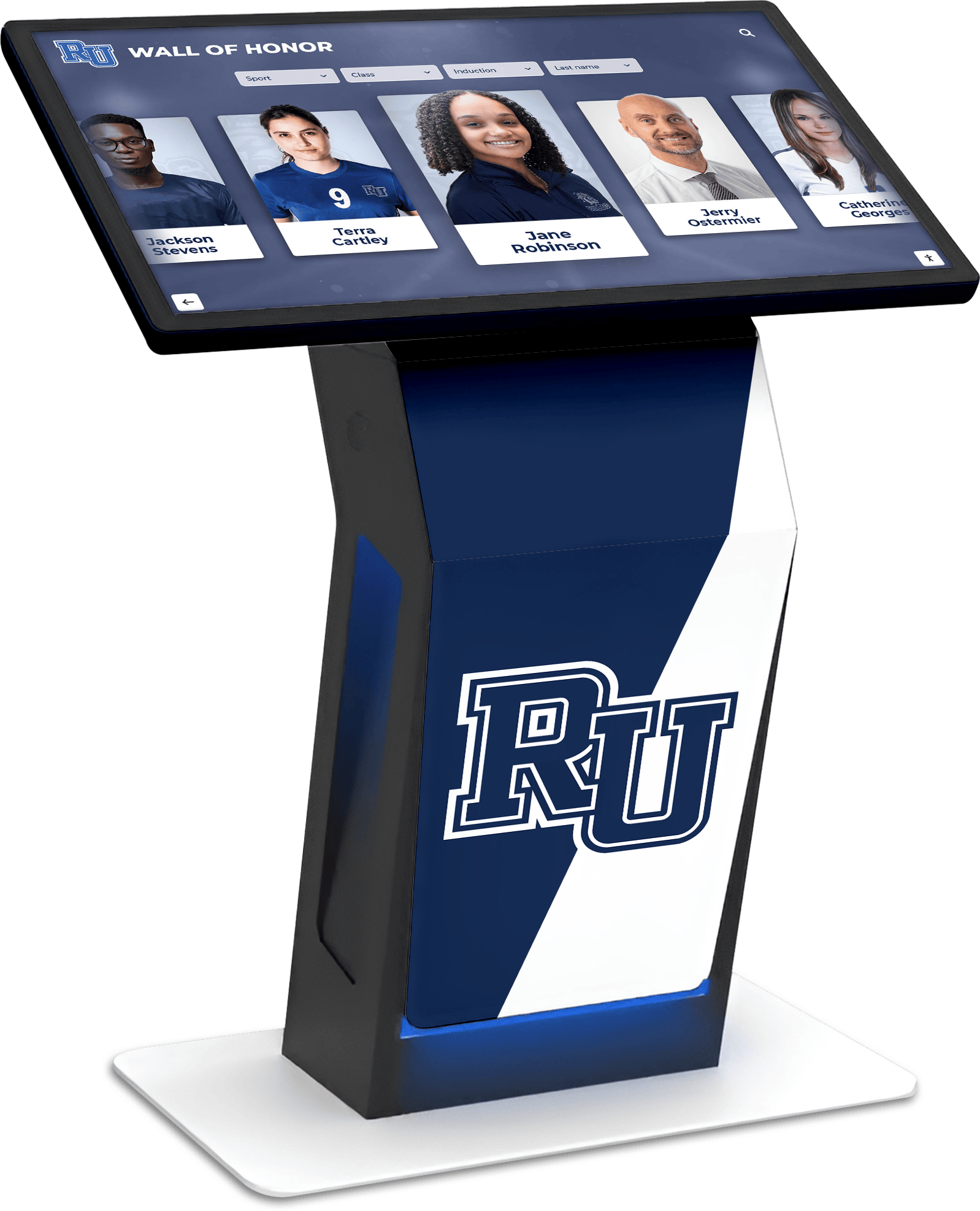
Professional installations reflect organizational quality standards while ensuring reliable, long-term functionality
Selecting Technology Solutions and Partners
For digital showcase projects, technology selection significantly impacts both initial success and long-term satisfaction.
Platform Evaluation Criteria:
- Ease of content management: Can non-technical staff easily update content?
- Accessibility compliance: Does platform meet WCAG standards ensuring universal access?
- Unlimited capacity: Can system accommodate growth without additional costs?
- Multimedia support: Does platform handle photos, videos, and varied content types?
- Search and filtering: Can users easily find specific individuals or achievements?
- Mobile and web access: Can community members view content from anywhere?
- Customer support: What ongoing assistance does provider offer?
- Reliability and uptime: What performance guarantees ensure consistent availability?
Partner Selection Considerations:
- Industry specialization: Does provider understand educational or community contexts?
- Customer references: Can they provide contacts at similar organizations?
- Implementation support: What assistance do they provide during setup?
- Training resources: How do they ensure staff can effectively manage systems?
- Long-term viability: What evidence suggests sustainable business longevity?
Solutions like Rocket Alumni Solutions specialize in community recognition, offering purpose-built platforms designed for non-technical administrators while delivering engaging experiences. Their white-glove customer service includes dedicated support throughout implementation and ongoing use, ensuring communities successfully deploy and maintain showcase initiatives.
Content Strategy and Information Architecture
Successful showcase projects require thoughtful content organization enabling both comprehensive recognition and intuitive exploration.
Content Planning:
- Recognition criteria: What accomplishments warrant inclusion?
- Profile consistency: What information does every honoree profile include?
- Organizational structure: How are achievements categorized and organized?
- Search functionality: What filters help users find specific information?
- Multimedia standards: What photo, video, and document formats will you use?
- Historical content: How far back will recognition extend?
- Update frequency: How often will new content be added?
Information Architecture Best Practices:
- Consistent profile templates ensuring uniform presentation
- Multiple navigation pathways accommodating different search approaches
- Featured content rotation maintaining homepage freshness
- Logical category structures reflecting how users think about achievements
- Robust search enabling text-based finding of any honoree
- Mobile-optimized presentation ensuring access from any device
Upfront planning prevents costly reorganization later while ensuring showcase projects scale effectively as recognition grows.
Building Sustainable Management Processes
Long-term showcase project success depends on establishing sustainable processes ensuring consistent content updates and ongoing engagement.
Administrative Considerations:
- Role assignment: Who manages different aspects? (Content updates, technical maintenance, strategic direction?)
- Update workflows: What processes govern adding new honorees?
- Quality assurance: How do you ensure accuracy before publishing?
- Nomination processes: How are new honorees identified and selected?
- Communication integration: How does recognition connect with newsletters, social media, and events?
- Archive management: How is historical content preserved and organized?
Sustainability Strategies:
- Document procedures ensuring continuity during staff transitions
- Train multiple administrators preventing single points of failure
- Establish annual recognition cycles creating predictable rhythms
- Allocate dedicated staff time rather than treating as “extra” responsibility
- Create volunteer committees supporting content development
- Integrate showcase updates into existing communication workflows
Organizations that treat showcase projects as ongoing programs rather than one-time initiatives achieve dramatically better long-term outcomes, maintaining engagement and delivering sustained value.
Making Your Community Showcase Project a Reality
The most successful community showcase projects share common characteristics: clear strategic objectives aligned with organizational values, thoughtful selection of recognition approaches matching community contexts, sustainable implementation addressing both technical and administrative requirements, and ongoing commitment ensuring projects remain fresh and engaging beyond initial launches.
Whether you’re honoring distinguished alumni through comprehensive digital halls of fame, celebrating student achievements through recognition displays, documenting community impact through service showcases, or preserving heritage through historical archives, the fundamental purpose remains constant: transforming fleeting achievements into lasting celebrations that inspire current members while strengthening bonds across generations.
Modern digital recognition solutions eliminate many traditional barriers that limited showcase project effectiveness. Unlimited capacity means no difficult choices about who receives acknowledgment. Cloud-based management enables easy updates maintaining currency and relevance. Interactive exploration creates engaging experiences inviting repeated visits. Web accessibility extends recognition beyond physical locations, enabling distant community members to participate in celebration regardless of geographic barriers.
For organizations beginning showcase project planning, start by clearly defining what success looks like in your specific context. Are you primarily seeking to strengthen alumni engagement? Improve current member pride and participation? Support fundraising objectives? Preserve historical memory? Different objectives suggest different strategic approaches and implementation priorities.
Next, assess available resources realistically. While comprehensive digital installations deliver maximum impact, even modest initiatives providing systematic, visible recognition create value far exceeding costs when implemented thoughtfully. Many organizations successfully phase projects, starting with core functionality and expanding as budgets allow and outcomes demonstrate value.
Finally, commit to treating showcase projects as ongoing programs rather than one-time initiatives. The difference between static displays gathering dust and dynamic showcases maintaining community engagement over years and decades lies primarily in sustained attention, regular updates, and continuous integration with broader organizational communication and recognition strategies.
Ready to Transform Your Community Recognition?
Discover how Rocket Alumni Solutions provides purpose-built platforms designed specifically for community showcase projects. With intuitive content management, unlimited recognition capacity, interactive touchscreen displays, and web accessibility enabling global viewing, Rocket Alumni Solutions transforms community recognition from administrative burden into strategic engagement tool.
Trusted by hundreds of institutions from major universities to small community organizations, Rocket Alumni Solutions delivers white-glove customer service including dedicated support, comprehensive training, and ongoing assistance ensuring showcase project success.
Community showcase projects represent more than recognition—they embody organizational values, preserve institutional memory, inspire future excellence, and strengthen the bonds that transform collections of individuals into genuine communities. By implementing thoughtful showcase initiatives celebrating achievement while fostering engagement, organizations create lasting value extending far beyond individual displays, building vibrant communities where contributions matter, excellence receives acknowledgment, and every member feels connected to something larger than themselves.































