Organizations implementing interactive touchscreen displays face a critical decision that shapes project success, budget, and long-term maintenance: should you deploy web-based software or native applications? This choice affects everything from development costs and timeline to performance, feature capabilities, and operational sustainability.
The debate between web-based and native touchscreen software has evolved considerably as technologies matured, browsers gained capabilities, and deployment requirements became more sophisticated. In 2025, both approaches offer compelling advantages for specific scenarios, while each carries limitations that may prove dealbreakers depending on your institutional needs, technical resources, and strategic objectives.
This comprehensive guide examines the technical, financial, and operational considerations distinguishing web-based from native touchscreen software solutions. Whether planning digital recognition displays, interactive wayfinding systems, museum exhibits, or public information kiosks, understanding these architectural differences enables informed decisions supporting project goals effectively while avoiding costly mismatches between technology selection and actual deployment requirements.
Making the right choice requires evaluating not just current capabilities but long-term implications for content management, software updates, hardware compatibility, and operational sustainability across the multi-year lifespan most touchscreen installations demand.
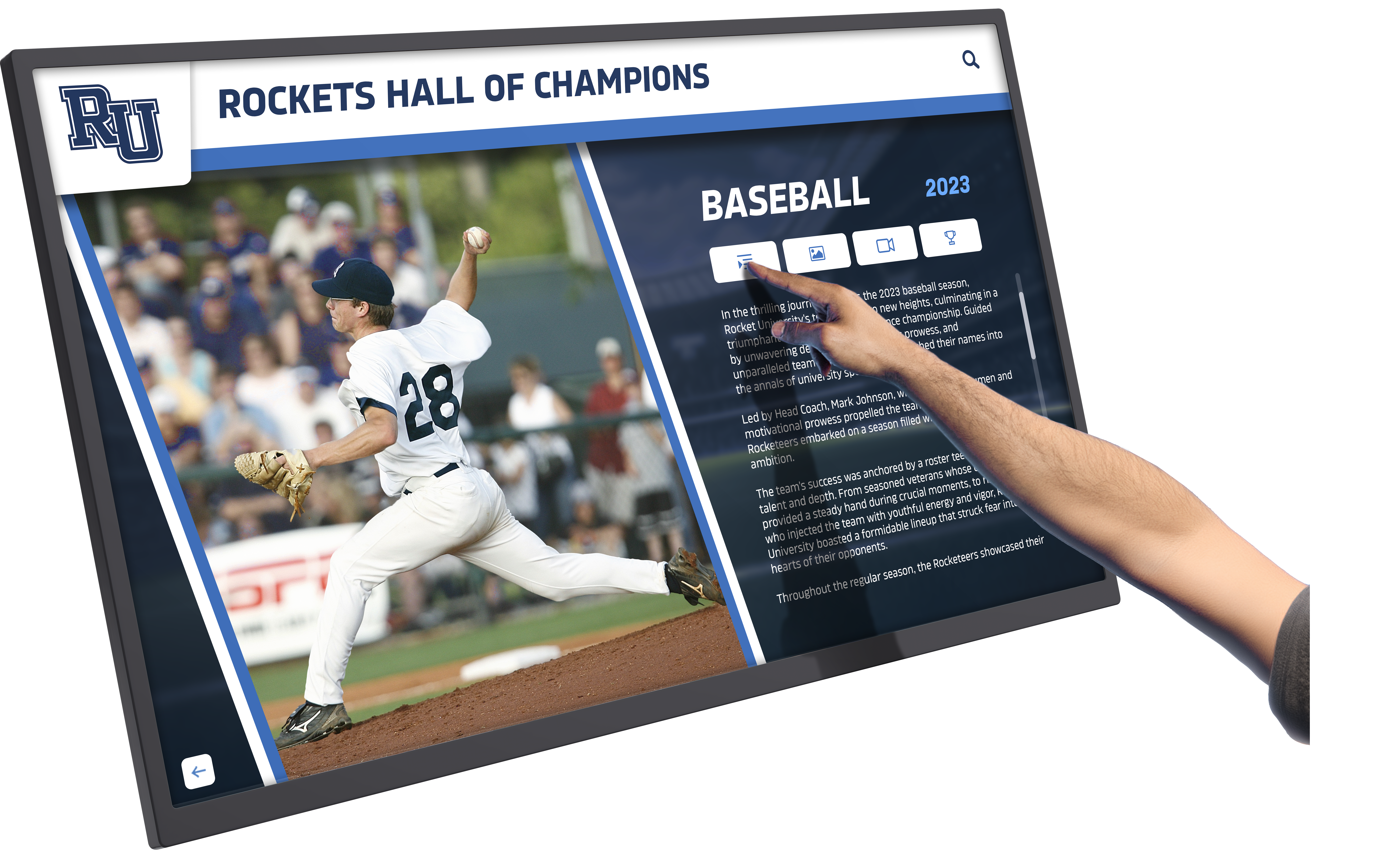
Modern touchscreen software architecture decisions fundamentally shape user experience and operational efficiency
Understanding Software Architecture: Web-Based vs Native Applications
Before comparing specific advantages and limitations, establishing clear definitions prevents confusion about what constitutes web-based versus native touchscreen software.
Web-Based Touchscreen Software Defined
Web-based touchscreen applications run through internet browsers (Chrome, Firefox, Safari, Edge) rather than as standalone installed software. These solutions leverage HTML5, CSS3, JavaScript, and related web technologies to deliver interactive experiences accessible through standard browser interfaces.
Core Web-Based Characteristics include browser-dependent operation requiring Chrome, Firefox, or similar platforms, remote hosting on web servers rather than local device storage, cross-platform compatibility working on any operating system with modern browsers, and automatic updates delivering new features without user intervention or manual installation processes.
Progressive Web Apps (PWAs) represent an advanced web-based approach combining traditional website accessibility with native app-like capabilities including offline functionality, push notifications, and device feature access. PWAs bridge the gap between pure web applications and native software by providing enhanced capabilities while maintaining web-based architecture foundations.
Web-based touchscreen software excels for organizations prioritizing accessibility across diverse hardware, minimizing installation complexity, and enabling rapid updates across distributed deployments without coordinating individual device software installations.
Native Touchscreen Applications Explained
Native applications install directly on operating systems (Windows, macOS, Linux, Android) and run without browser intermediaries. These applications are compiled for specific platforms and operating system versions, enabling direct hardware access and system-level integration.
Native Application Characteristics include platform-specific development requiring separate versions for Windows versus Mac versus Android systems, direct operating system integration enabling deeper hardware access, standalone operation without browser dependencies, and installation requirements involving downloads, permissions, and system configuration.
Native touchscreen software provides maximum performance, hardware utilization, and feature capabilities by operating at the system level without browser constraints limiting resource access or functionality. This architecture proves essential for demanding applications requiring millisecond response times, complex multi-touch gestures, or integration with specialized hardware beyond standard touchscreen interfaces.
Organizations selecting native approaches prioritize performance optimization, advanced feature requirements, or specialized hardware integration over the broader compatibility and simpler deployment processes web-based alternatives provide.
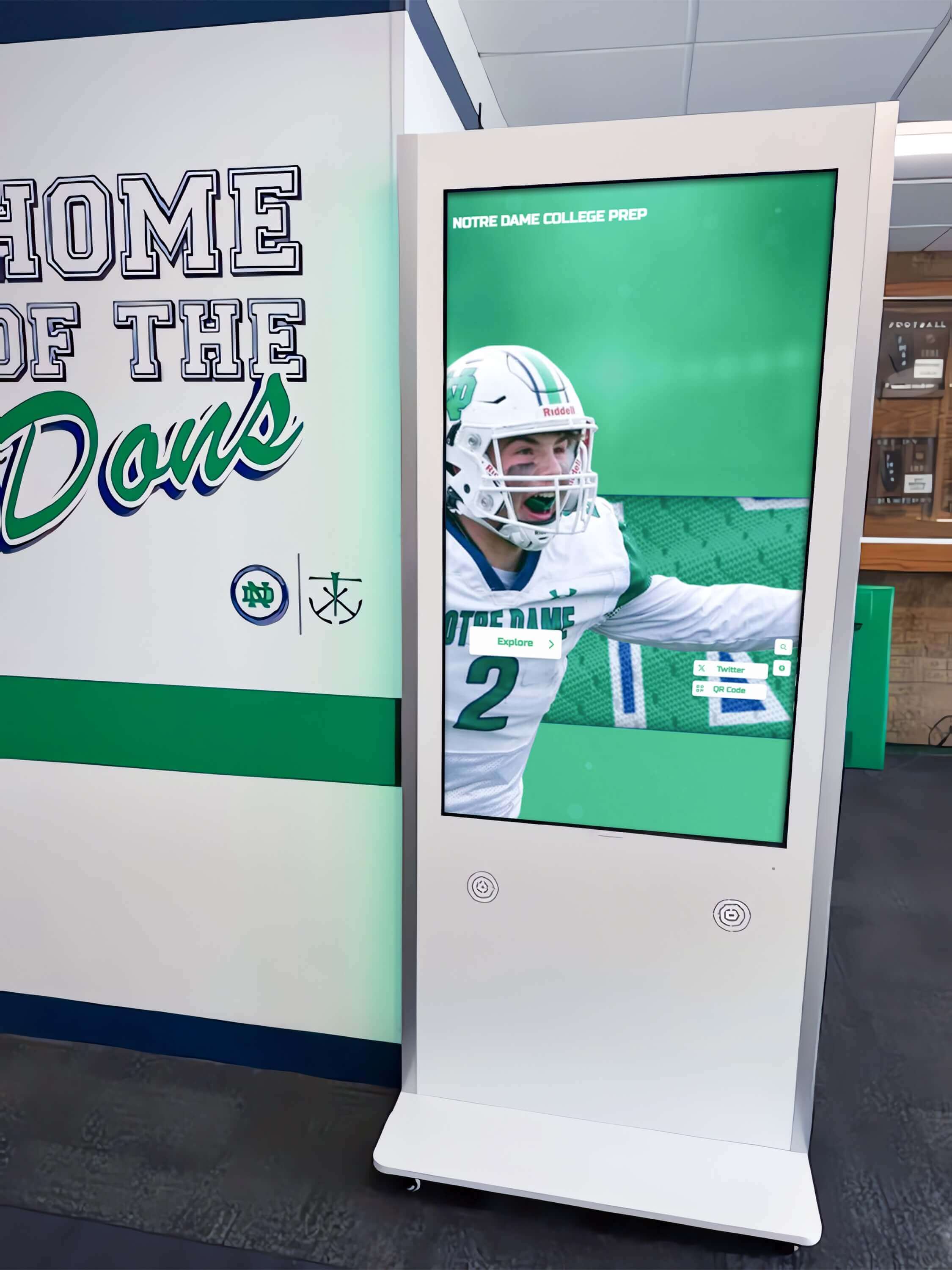
Professional touchscreen installations require software architectures matching deployment environments and organizational capabilities
Performance Comparison: Speed, Responsiveness, and User Experience
Performance differences between web-based and native touchscreen software significantly impact user experience, particularly in high-traffic public environments where responsiveness determines engagement levels.
Native Performance Advantages
Native applications access device resources directly without browser overhead, resulting in faster load times, smoother animations, and more responsive touch interactions. This direct hardware access proves especially noticeable for graphics-intensive applications displaying high-resolution photos and videos, complex data visualizations requiring real-time rendering, multi-touch gestures involving simultaneous input processing, and large content databases demanding efficient local caching.
Organizations deploying interactive touchscreen software for exhibits with rich multimedia content typically find native applications deliver noticeably superior performance compared to browser-based alternatives processing identical content. The performance gap becomes most apparent with older hardware where browser overhead consumes resources that native applications utilize more efficiently for content delivery.
Offline Performance represents another native strength. Without requiring internet connectivity, native applications operate reliably in locations with limited or unreliable network access. Content stored locally loads instantly without latency from remote server communication. This offline capability proves essential for installations in basements, rural locations, or facilities where network infrastructure proves problematic.
Web-Based Performance Improvements
Modern browsers have dramatically narrowed historical performance gaps through technological advances including hardware acceleration leveraging GPU processing for graphics rendering, WebAssembly enabling near-native execution speeds for computationally intensive operations, service workers providing offline functionality and background processing, and progressive web app (PWA) capabilities delivering app-like experiences through browser environments.
Web-based solutions now handle moderate multimedia loads, standard interactive features, and typical recognition display requirements without performance compromises obvious to end users. For many organizational applications involving searchable profile databases, photo galleries, video content, and interactive navigation, contemporary web technologies deliver perfectly acceptable performance at substantially lower development and maintenance costs than native alternatives require.
Bandwidth Considerations affect web-based performance more significantly than native applications. Streaming high-resolution photos and videos from remote servers demands adequate internet connectivity that native applications avoid through local content storage. Organizations with excellent network infrastructure experience minimal performance differences, while those with bandwidth constraints find native applications more reliable for content-heavy deployments.
Development Costs and Timeline Considerations
Budget realities heavily influence software architecture decisions. Development cost differences between web-based and native touchscreen solutions can be substantial depending on project scope and requirements.
Web-Based Development Economics
Web development talent pools are significantly larger and more affordable than specialized native application developers. This abundance of qualified developers creates competitive pricing and shorter recruitment timelines when assembling development teams for custom projects.
Estimated Web Development Costs for touchscreen applications typically range from $15,000 to $100,000+ depending on complexity, feature requirements, content management system sophistication, and design customization needs. Basic interactive directories might cost $15,000-$30,000, comprehensive recognition displays with advanced search and filtering capabilities run $30,000-$75,000, and complex custom applications with specialized features exceed $75,000.
Single codebase development represents a major economic advantage. Web-based solutions work across Windows, Mac, Android, and Linux systems without requiring platform-specific versions. This cross-platform compatibility eliminates redundant development costs while enabling broader deployment flexibility as hardware requirements evolve.
Ongoing Costs for web-based solutions include hosting fees ($50-$500+ monthly depending on traffic and storage requirements), SSL certificates for secure connections ($0-$200 annually), and optional content delivery network (CDN) services improving load times for geographically distributed audiences. These recurring costs remain modest compared to native application maintenance requirements.
Native Application Development Investment
Native development requires specialized expertise in platform-specific languages and frameworks: Swift or Objective-C for iOS/macOS, Kotlin or Java for Android, C# for Windows applications, or cross-platform frameworks like Flutter or React Native attempting to bridge multiple platforms with shared codebases.
Native Development Costs typically exceed web-based alternatives substantially. Simple native touchscreen applications might cost $25,000-$50,000 for single-platform deployment, comprehensive solutions with advanced features range $50,000-$150,000+, and multi-platform deployment essentially multiplies costs by the number of supported operating systems (though cross-platform frameworks reduce this multiplier somewhat).
Long-Term Maintenance Costs for native applications include ongoing compatibility updates as operating systems evolve, bug fixes requiring app store submission and approval processes, feature updates distributed through installation processes rather than instant web updates, and potential complete application rewrites when platforms undergo major architectural changes.
Organizations must budget for these recurring investments throughout application lifespans, creating long-term financial commitments substantially exceeding initial development expenditures. Some institutions find these costs justifiable for performance-critical applications, while others determine web-based alternatives deliver adequate functionality at dramatically lower total cost of ownership.
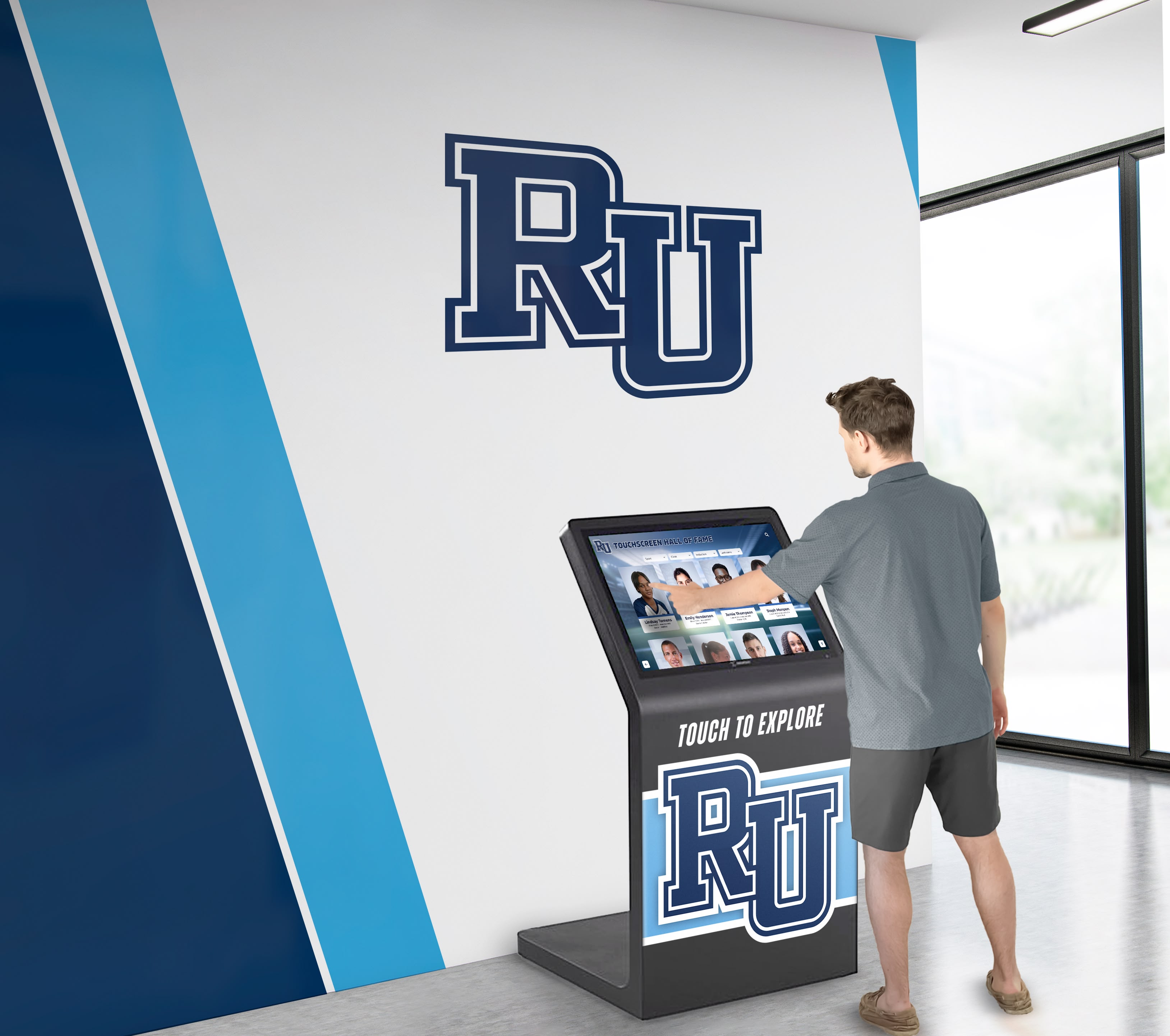
User experience quality depends on matching software architecture to specific use case requirements and organizational constraints
Content Management and Update Workflows
How easily staff members update content significantly affects long-term success. Software architecture fundamentally shapes content management approaches and operational sustainability.
Web-Based Content Management Advantages
Web-based touchscreen software typically incorporates cloud-based content management systems (CMS) enabling administrators to update content from any internet-connected device without accessing physical touchscreen hardware. This remote management capability proves invaluable for multi-location deployments, distributed administrative teams, or situations where physical access to displays presents logistical challenges.
Instant Updates represent web architecture’s most compelling operational advantage. Content changes publish immediately across all displays simultaneously without requiring individual device updates, app store approval delays, or user intervention. Schools updating digital hall of fame displays with new athletic achievements, honor roll recipients, or alumni accomplishments simply update their web-based CMS and changes appear instantly on all connected touchscreens.
This real-time update capability enables dynamic content strategies impossible with native applications requiring periodic updates distributed through installation processes. Event schedules, emergency announcements, promotional content, and time-sensitive information remain current without delay or coordination complexity.
Multi-User Collaboration becomes straightforward when content management operates through web-based dashboards. Different staff members with appropriate permissions can work simultaneously on various content sections without conflicts. Athletics staff update sports achievements while advancement teams manage donor recognition content and communications departments handle facility announcements—all within unified systems preventing redundant content databases or coordination bottlenecks.
Native Application Update Challenges
Native applications require version updates distributed through installation processes whenever content structures change or application features evolve. While some native apps implement cloud-based content management for updating text and images without full reinstallation, structural changes to application architecture, navigation, or core functionality necessitate distributing new application versions.
Update Distribution Complexity increases with deployment scale. Organizations with single displays can manually update applications relatively easily, but institutions managing dozens of touchscreens across multiple buildings or locations face significant coordination challenges ensuring consistent versions across installations. Mobile device management (MDM) platforms address this complexity for large-scale deployments but represent additional cost and technical infrastructure requirements.
App Store Dependencies for mobile native applications introduce approval delays and restrictions. iOS and Android apps submitted to official stores undergo review processes taking days or weeks, preventing immediate emergency updates or time-sensitive content changes. Organizations requiring greater control over update timing often find these approval workflows problematic for touchscreen installations requiring responsive content management.
Some native architectures mitigate update challenges through hybrid approaches combining native application frameworks with embedded web views loading content remotely. These solutions capture some native performance benefits while enabling web-like content update flexibility, though they introduce architectural complexity requiring careful design and implementation.
Hardware Compatibility and Installation Requirements
Different software architectures impose varying hardware requirements and installation complexities affecting deployment feasibility and cost.
Web-Based Hardware Flexibility
Web-based touchscreen software operates on any device running modern browsers, creating remarkable hardware flexibility. Schools deploying touchscreen display solutions can utilize Windows PCs, Mac computers, Android systems, or Linux devices based on budget, existing infrastructure, or institutional preferences without software compatibility concerns.
This hardware independence provides deployment flexibility and future-proofing benefits. Organizations can change hardware vendors, upgrade systems, or replace failed components without software migration concerns. The same web-based recognition display software runs identically on budget Windows PC, premium Mac Mini, or Android-based integrated touchscreen—enabling hardware decisions based purely on budget, aesthetics, and reliability considerations rather than software compatibility constraints.
Installation Simplicity makes web-based solutions attractive for organizations with limited technical resources. Deployment typically involves connecting touchscreen hardware, installing a browser (often pre-installed), navigating to the application URL, and entering full-screen kiosk mode. Non-technical staff can complete installations following straightforward instructions without specialized expertise.
Native Application Hardware Specificity
Native applications require compatible operating system versions and hardware specifications. Windows-native software won’t operate on Mac systems, Android applications require Android operating systems, and iOS apps demand Apple hardware. This platform specificity constrains hardware choices and creates vendor lock-in scenarios where organizations become dependent on specific hardware ecosystems.
Performance Optimization benefits from native hardware specificity. Applications compiled for specific platforms leverage operating system features and hardware capabilities optimally without accommodating broad hardware variations. This targeted optimization delivers maximum performance but at the cost of deployment flexibility.
Installation Complexity for native applications exceeds web-based alternatives. Administrators must download application files, configure system permissions, handle security warnings about software from unverified sources, complete installation procedures varying across operating systems, and potentially configure firewall or security settings preventing application operation. Organizations without dedicated IT staff may find these installation requirements challenging, especially when deploying across multiple devices.
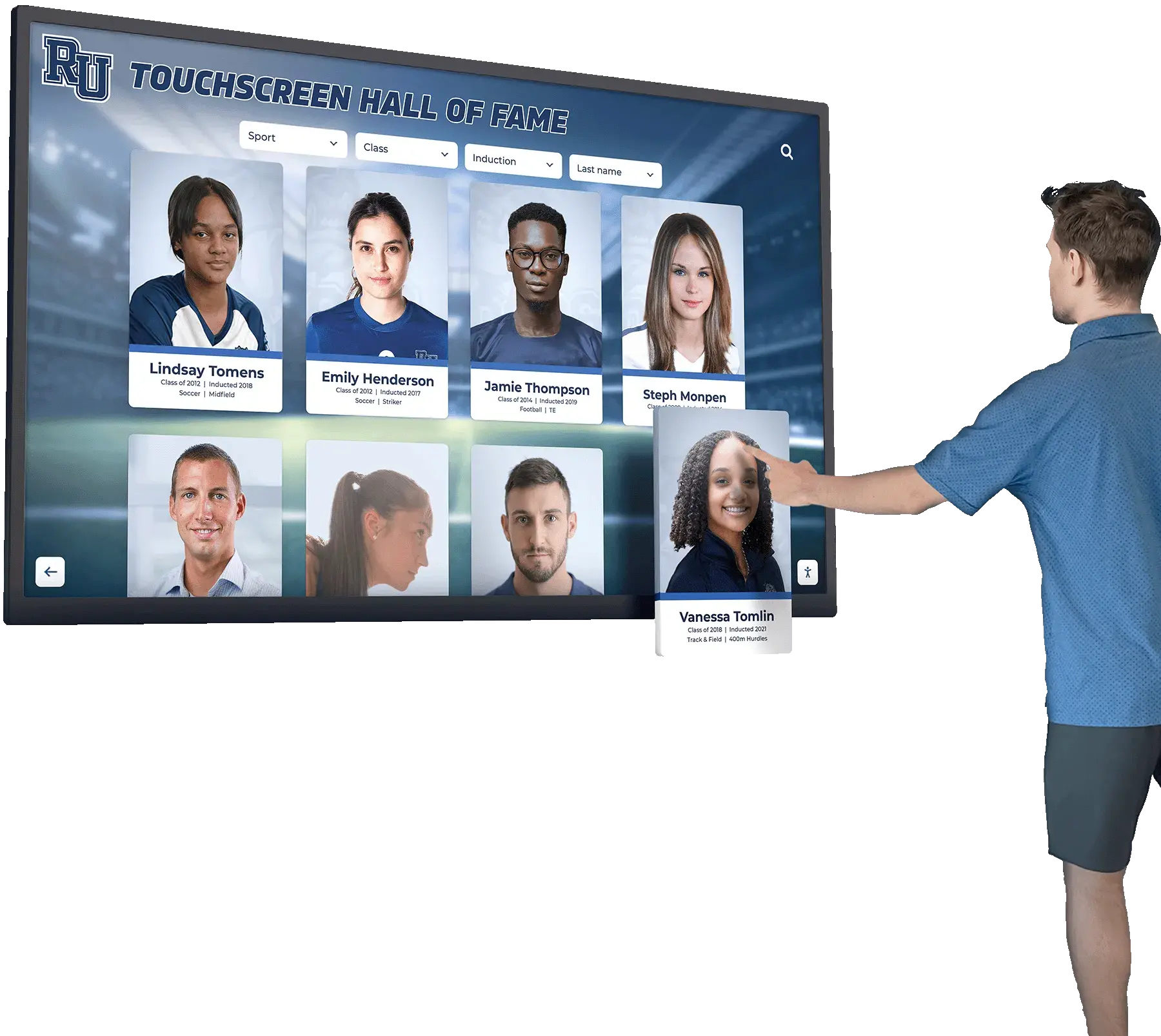
Successful touchscreen deployments balance software capabilities with organizational technical resources and maintenance capacity
Use Case Recommendations: Matching Architecture to Requirements
Selecting web-based versus native touchscreen software should align with specific use case characteristics, organizational capabilities, and project priorities.
When Web-Based Solutions Excel
Web-based architectures prove ideal for several common touchscreen scenarios:
Content-Focused Recognition Displays showcasing achievements, alumni profiles, donor recognition, or capital campaign recognition work exceptionally well as web applications. These deployments prioritize content searchability, administrative accessibility, and frequent updates over absolute maximum performance. Modern web technologies handle photo galleries, video content, and interactive databases without performance limitations affecting user experience negatively.
Multi-Location Deployments benefit tremendously from web-based centralized content management. Schools with touchscreens in multiple buildings, districts managing displays across numerous campuses, or organizations with geographically distributed installations find instant simultaneous updates invaluable. Changes publish once and appear everywhere immediately without coordinating individual device updates.
Budget-Constrained Projects with limited development funding achieve better results through web-based solutions delivering professional functionality at substantially lower initial and ongoing costs than native alternatives require. Organizations maximizing impact per dollar invested typically favor web architectures unless specific requirements absolutely demand native capabilities.
Rapid Deployment Timelines favor web solutions when launch deadlines prevent extended native development cycles. Web-based projects can progress from conception to launch in weeks or months versus the longer timelines native development typically requires—especially when supporting multiple platforms.
When Native Applications Prove Superior
Native architectures provide advantages justifying higher costs and complexity for demanding applications:
Performance-Critical Applications requiring instant response times, smooth high-frame-rate animations, complex gestures, or intensive graphics processing benefit from native architecture’s direct hardware access. Interactive museum exhibits with rich multimedia, virtual reality integrations, or complex visualizations often require native performance capabilities exceeding what browser environments deliver efficiently.
Offline-First Requirements in locations with unreliable internet connectivity or where network dependencies create unacceptable risks necessitate native applications storing all content locally. Installations in remote facilities, temporary event venues, or environments where connectivity cannot be guaranteed operate more reliably through native architectures avoiding network dependencies entirely.
Specialized Hardware Integration beyond standard touchscreens requires native development when applications must interface with RFID readers, custom sensors, unusual input devices, or proprietary hardware lacking web browser support. These specialized scenarios demand native architecture’s direct hardware access capabilities.
Mission-Critical Uptime Requirements where any downtime creates significant problems sometimes favor native applications eliminating network dependencies, remote server availability requirements, and internet service provider reliability concerns. Self-contained native applications control more variables affecting operational reliability.
Hybrid Approaches: Combining Web and Native Strengths
Some organizations implement hybrid solutions capturing advantages from both architectural approaches while mitigating respective limitations.
Progressive Web Apps (PWAs)
PWAs represent a hybrid approach delivering app-like experiences through web technologies. These applications install on devices like native apps, operate offline through service worker caching, access device features (cameras, location, notifications), and display without visible browser interfaces—all while maintaining web-based architectures enabling instant remote updates.
PWA Advantages include broader compatibility than traditional native apps, simpler development than multiple platform-specific applications, instant updates without app store approval processes, and user experiences approaching native application quality. Organizations seeking middle-ground solutions increasingly adopt PWA architectures for touchscreen kiosk software deployments balancing performance with deployment flexibility.
PWA Limitations include incomplete browser support on some platforms (particularly older devices), performance gaps compared to fully native applications for demanding scenarios, and reduced access to some advanced device features compared to native equivalents. These constraints have narrowed substantially as browser vendors enhance PWA capabilities, making this approach increasingly viable for touchscreen applications historically requiring native development.
Native Shells with Web Content
Some solutions implement native application frameworks that embed web views loading remote content. This hybrid architecture provides native performance for interface elements and gestures while enabling web-like content update flexibility for information that changes frequently.
Educational institutions deploying school history touchscreen displays might use native applications for navigation interfaces and interactive features while loading profile content, photos, and text from web-based content management systems. This approach enables interface optimization through native development while maintaining content management simplicity through web architectures.
Trade-offs involve increased architectural complexity requiring expertise in both native development and web technologies. Development and maintenance costs typically exceed pure web solutions while remaining below multiple-platform native development expenses. Organizations must evaluate whether this hybrid complexity delivers sufficient value justifying the additional investment compared to simpler architectures.
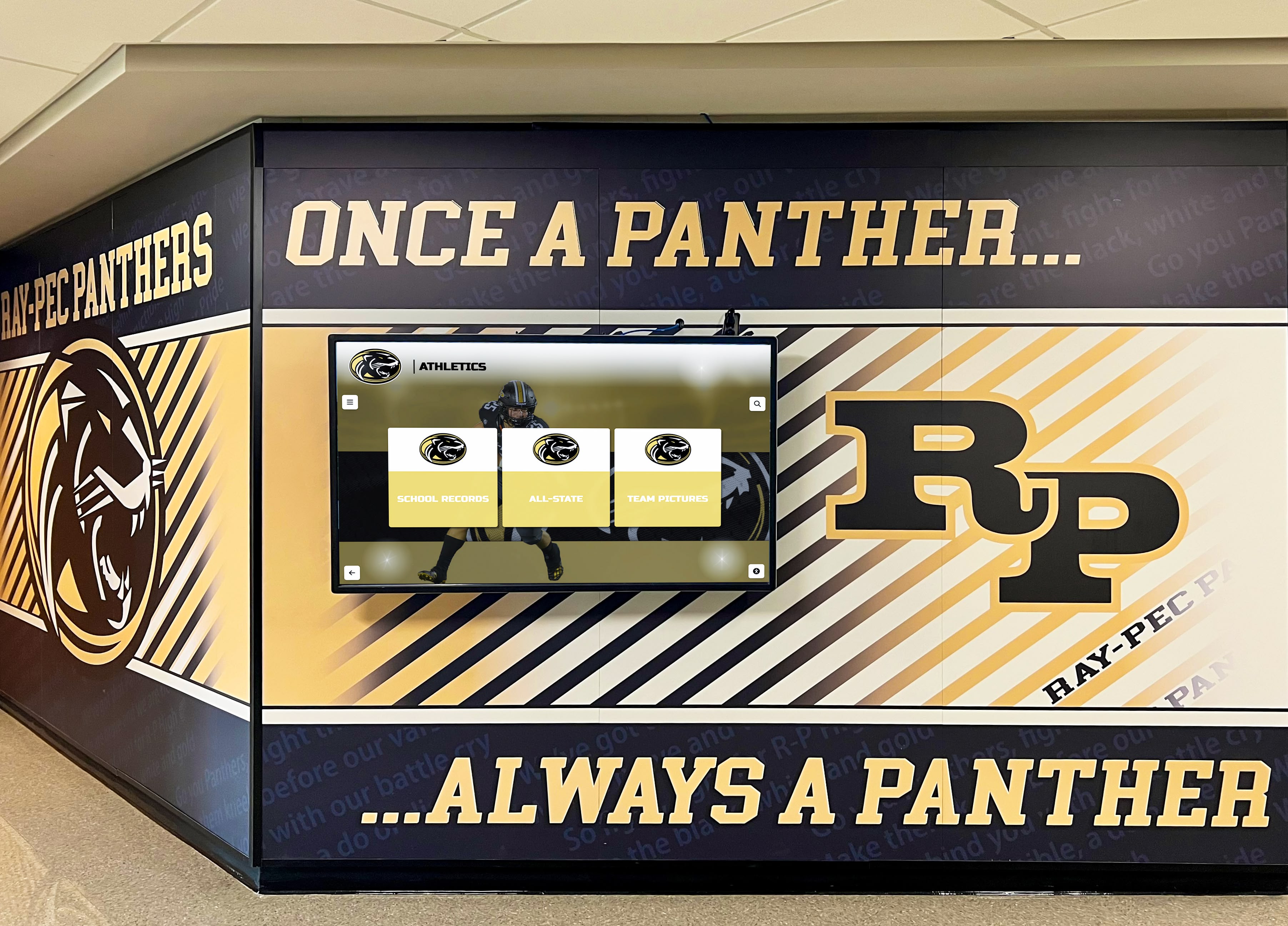
Architectural decisions should align with organizational technical capabilities and long-term maintenance capacity
Security Considerations: Web vs Native Protection
Security requirements and vulnerabilities differ between web-based and native touchscreen architectures, affecting risk profiles and protection strategies.
Web-Based Security Factors
Web applications face network-based vulnerabilities including cross-site scripting (XSS), SQL injection, cross-site request forgery (CSRF), and man-in-the-middle attacks intercepting data transmission. Proper security implementation requires SSL/TLS encryption, input sanitization, authentication protections, and regular security patches addressing newly discovered vulnerabilities.
Browser Security Updates provide automatic protection improvements as vendors release patches addressing emerging threats. Organizations benefit from continuous security enhancements without application modification, though this advantage depends on keeping browser software current across deployed hardware.
Server Security becomes critical for web-based solutions where content and application logic reside on remote infrastructure. Organizations must implement proper server hardening, firewall configuration, intrusion detection, regular security audits, and data backup procedures protecting against server compromise, data loss, or service interruption.
Web-based architectures consolidate security concerns at server infrastructure and network transmission layers, enabling centralized security management rather than distributed protection across numerous deployed devices. This centralization can simplify security procedures for organizations with appropriate server management expertise.
Native Application Security Considerations
Native applications face different security challenges including local data storage vulnerabilities if content caching isn’t properly secured, application binary tampering or reverse engineering exposing proprietary logic, installation of modified versions containing malicious code, and platform-specific vulnerabilities in operating system interactions.
Update Responsibility falls entirely on organizations deploying native applications. Unlike web browsers receiving automatic security patches, native touchscreen applications require active update distribution whenever security vulnerabilities emerge. Organizations without processes ensuring timely security updates create exposure windows where known vulnerabilities remain unpatched across deployed systems.
Isolated Operation provides security benefits when applications don’t require network connectivity. Fully offline native applications eliminate entire categories of network-based attacks while avoiding dependencies on remote server security. This isolation reduces attack surface area, making properly implemented native applications inherently more secure in some threat scenarios.
Organizations should assess security requirements, internal security capabilities, and deployment environment threat levels when evaluating architectural security implications. Neither approach provides inherent security superiority across all scenarios—proper implementation practices matter more than architectural choices for most touchscreen deployment security outcomes.
Real-World Implementation: Platform Providers and Solutions
Understanding the practical landscape of available solutions helps organizations evaluate specific products against architectural preferences.
Purpose-Built Recognition Platforms
Solutions like Rocket Alumni Solutions provide comprehensive web-based platforms specifically designed for institutional recognition needs. These platforms offer cloud-based content management, professionally designed templates, intuitive administrative interfaces, and features addressing common recognition scenarios schools and organizations encounter regularly.
Purpose-built platforms eliminate custom development requirements while delivering sophisticated functionality through subscription-based pricing models. Organizations benefit from continuous feature enhancements, security updates, and best practice implementations without internal development investments or technical expertise requirements.
Web-based architecture enables these platforms to support diverse hardware configurations, enable remote content management, and deliver instant updates across distributed installations—capabilities particularly valuable for educational institutions and nonprofit organizations with limited technical resources.
Custom Development Considerations
Organizations with unique requirements not addressed by existing platforms may pursue custom development. Web-based custom solutions typically prove more cost-effective and faster to deploy than native alternatives unless specific performance or hardware integration needs demand native architecture.
Development Partner Selection should prioritize relevant experience with touchscreen interfaces, content management systems, accessibility compliance, and deployment environments matching your requirements. Evaluate portfolios demonstrating similar projects, client references from comparable organizations, and technical capabilities aligned with your architectural preference.
Custom development provides maximum flexibility and feature control but requires substantial upfront investment and ongoing maintenance commitments. Organizations should carefully assess whether customization benefits justify development costs versus adapting institutional needs to existing platform capabilities.
Decision Framework: Evaluating Your Requirements
Systematic evaluation processes prevent software architecture mismatches undermining project success. Consider these critical decision factors:
Technical Resources Assessment
- Do you have dedicated IT staff with native application expertise?
- Can your team handle installation complexities across distributed deployments?
- Who will manage ongoing software updates and security patches?
- What hardware platforms do you currently use or prefer?
Performance Requirements
- Does your content include high-resolution video or complex graphics?
- Will the display operate in areas with unreliable internet connectivity?
- Do you need advanced multi-touch gestures beyond standard interactions?
- What response time expectations do users have?
Content Management Priorities
- How frequently will content require updates?
- Who will manage content—technical staff or subject matter experts?
- Do you need remote content management capabilities?
- Will multiple locations display coordinated content?
Budget Constraints
- What development budget is available?
- Can you accommodate ongoing subscription costs versus one-time purchases?
- How many devices will deploy this solution?
- What total cost of ownership timeline should you evaluate?
Honest assessment of these factors reveals which architecture aligns with your organizational reality versus theoretical preferences disconnected from implementation constraints and available resources.
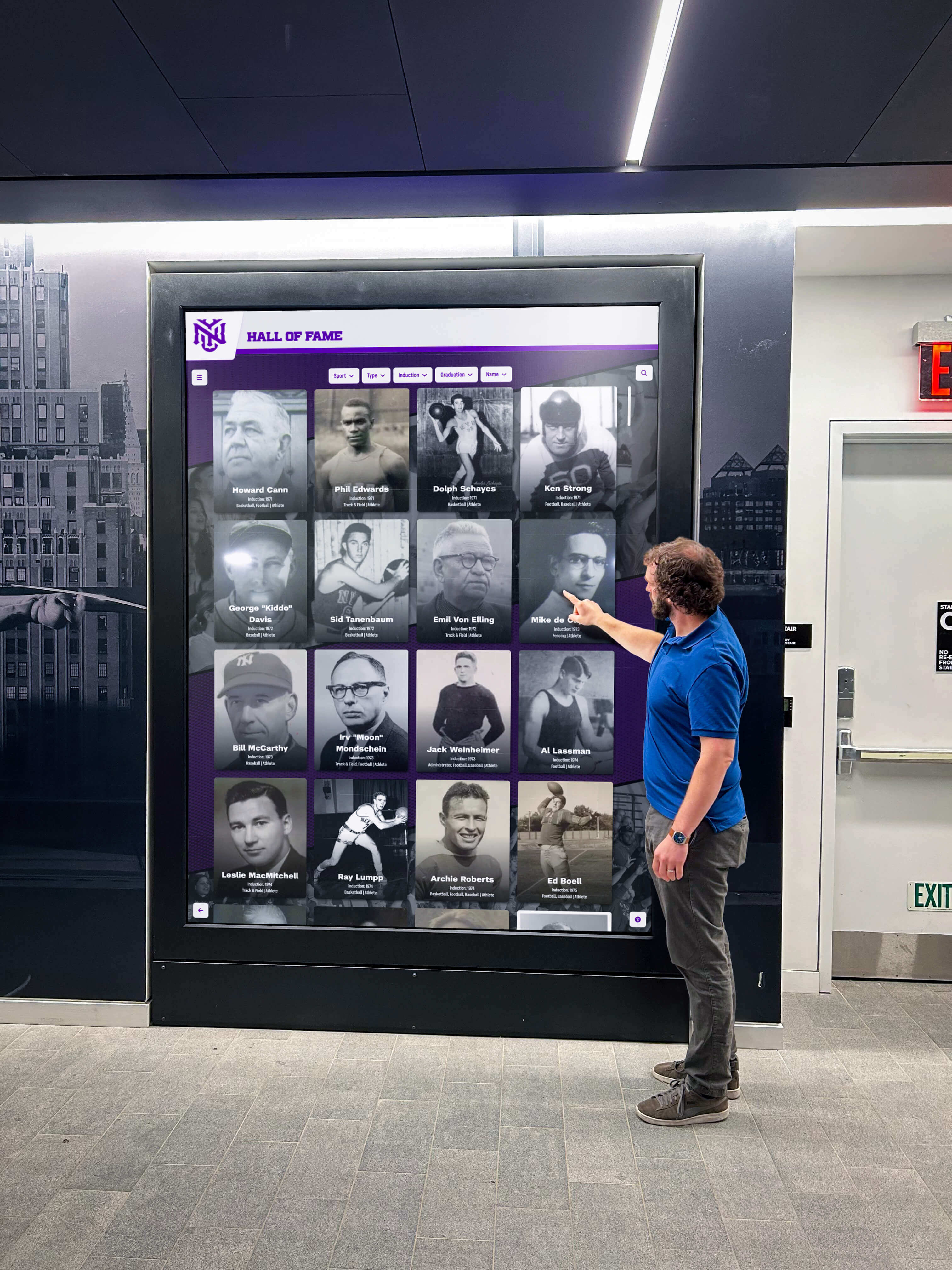
Successful implementations result from matching software architecture decisions to organizational capabilities and project requirements
Future Trends: The Converging Architecture Landscape
The gap between web-based and native touchscreen software capabilities continues narrowing as technologies evolve and standards mature.
WebAssembly Performance Improvements
WebAssembly (WASM) enables near-native execution speeds for computationally intensive operations within browser environments. This technology allows performance-critical application components to run efficiently through web architectures previously requiring native development for adequate speed.
As WebAssembly adoption expands and developer tools mature, web-based solutions will increasingly match native performance across broader application categories. Organizations can expect web-based touchscreen software capabilities to expand substantially over coming years, making this architecture viable for demanding applications currently requiring native development.
Progressive Web App Standardization
PWA capabilities continue expanding across browsers and platforms as vendors recognize user demand for app-like web experiences. Improved offline functionality, hardware access, and performance optimizations make PWAs increasingly attractive alternatives to traditional native development for many touchscreen use cases.
Organizations should monitor PWA maturation when planning long-term touchscreen strategies. Solutions viable through PWA architectures in 2025 may prove preferable to native development for future projects given development cost advantages and deployment flexibility benefits.
5G Connectivity Expansion
Faster, more reliable cellular connectivity reduces performance gaps between locally cached native applications and content streaming through web architectures. As 5G networks become ubiquitous, web-based applications deliver increasingly comparable experiences to native alternatives even for bandwidth-intensive multimedia content.
Organizations in areas with excellent connectivity infrastructure may find network performance concerns—historically favoring native solutions for reliability—become irrelevant as connectivity quality and consistency improve to levels supporting seamless web-based content delivery.
Conclusion: Matching Architecture to Organizational Needs
The choice between web-based and native touchscreen software fundamentally depends on specific project requirements, organizational capabilities, budget realities, and deployment contexts rather than universal architectural superiority claims.
Web-based solutions excel for content-focused applications prioritizing deployment flexibility, administrative accessibility, rapid updates, budget consciousness, and multi-location consistency. Modern web technologies deliver professional touchscreen experiences adequate for most organizational needs including recognition displays, interactive directories, wayfinding systems, and information kiosks where network connectivity is reliable and extreme performance optimization isn’t critical.
Native applications remain superior for performance-intensive scenarios, specialized hardware integration, offline-first requirements, or situations where maximum responsiveness justifies substantially higher development and maintenance costs. Organizations with specific technical needs, dedicated IT resources, and budgets accommodating premium development should evaluate native approaches for demanding applications.
Progressive Web Apps increasingly provide middle-ground solutions capturing web architecture benefits while delivering enhanced performance and capabilities approaching native applications. Organizations should evaluate PWA viability for projects seeking optimal balance between development economics and user experience quality.
For most schools, nonprofits, and organizations implementing touchscreen recognition displays, donor walls, or interactive hall of fame installations, web-based platforms like Rocket Alumni Solutions provide sophisticated functionality, intuitive content management, and professional presentation quality at investment levels substantially below custom native development while avoiding long-term maintenance burdens native applications require.
Selecting the appropriate software architecture represents one of the most consequential early decisions shaping touchscreen project outcomes. Organizations that systematically evaluate technical requirements, organizational capabilities, budget constraints, and strategic priorities against architectural characteristics make informed choices supporting successful implementations delivering lasting value throughout extended deployment lifecycles.
Ready to Implement Professional Touchscreen Recognition Displays?
Discover how Rocket Alumni Solutions provides comprehensive web-based touchscreen software specifically designed for schools and organizations seeking sophisticated recognition capabilities without the complexity and costs of custom native development.
Schedule Your Free Consultation






























