Student recognition is one of the most powerful tools educators have to motivate achievement, build confidence, and create positive school culture. When students see their accomplishments celebrated—whether academic, athletic, artistic, or character-based—they develop stronger connections to their school and greater motivation to continue excelling.
Yet many schools struggle to effectively highlight student accomplishments beyond traditional report cards and awards ceremonies. Recognition often focuses narrowly on a small percentage of high achievers, leaving many deserving students unnoticed. Physical space limitations restrict how many accomplishments can be displayed, and static bulletin boards quickly become outdated.
This comprehensive guide explores 12 proven strategies for effectively highlighting student accomplishments across all achievement categories. These approaches ensure every deserving student receives appropriate recognition while creating systems that are sustainable, inclusive, and inspiring for your entire school community.
Effective student recognition requires more than occasional acknowledgment—it demands systematic approaches that consistently celebrate diverse achievements and make recognition visible, meaningful, and lasting. Schools that excel at highlighting accomplishments create cultures where students feel valued, motivated, and connected to their educational journey.

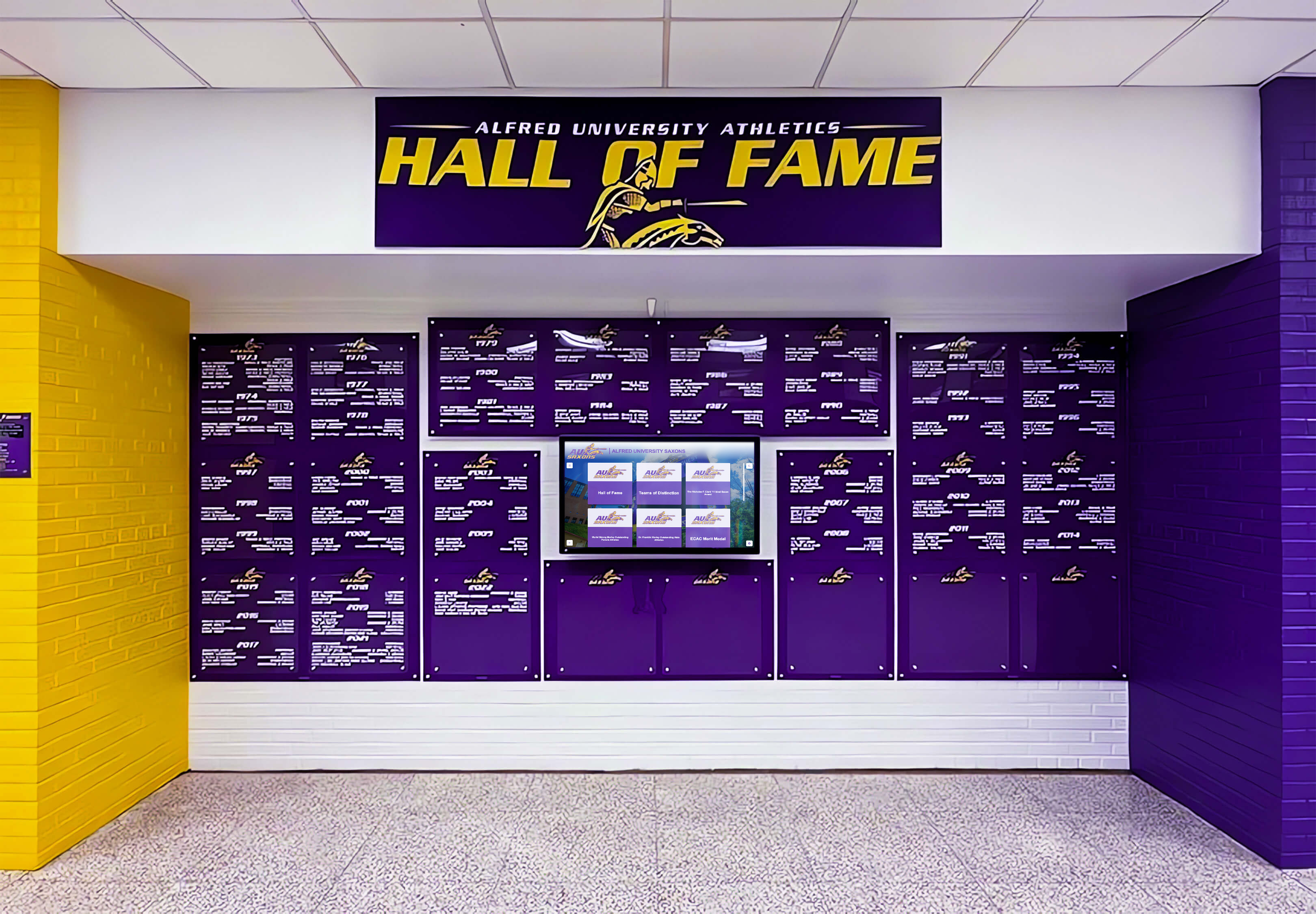
Effective recognition displays make student accomplishments visible and accessible to the entire school community
Why Highlighting Student Accomplishments Matters
Before exploring specific strategies, understanding the profound impact of effective recognition helps prioritize these efforts.
Academic and Motivational Benefits
Research consistently demonstrates that appropriate recognition drives positive educational outcomes:
Enhanced Academic Performance
- Students who receive recognition show increased motivation to maintain and improve achievement
- Visible accomplishments create positive peer pressure encouraging excellence
- Recognition reinforces specific behaviors and achievements worth repeating
- Public celebration communicates institutional values and priorities
Improved Student Engagement
- Recognized students demonstrate higher attendance rates and class participation
- Recognition builds sense of belonging that reduces dropout risk
- Students develop growth mindset when effort and improvement receive acknowledgment
- Multiple recognition pathways ensure diverse students find ways to excel
Character and Social-Emotional Development
- Recognition builds confidence and positive self-concept
- Public acknowledgment teaches students to celebrate others’ success
- Inclusive recognition promotes empathy and reduces comparison culture
- Character-based recognition reinforces values beyond academic achievement
School Culture Impact
Systematic student recognition transforms overall school environment:
Community Connection
- Shared celebration creates bonds between students, staff, and families
- Recognition displays become conversation starters and gathering points
- Alumni connections strengthen when current accomplishments honor tradition
- Family engagement increases when parents see their students celebrated

Recognition displays create natural gathering spaces that strengthen community bonds
Positive School Climate
- Schools with strong recognition cultures report reduced behavioral issues
- Students competing for positive recognition reduces negative attention-seeking
- Staff morale improves when they see their students celebrated
- Prospective families perceive schools with visible recognition as caring communities
1. Implement Comprehensive Digital Recognition Displays
Traditional trophy cases and bulletin boards face severe limitations: finite space restricts who can be recognized, updates require significant time and resources, and static displays quickly become stale. Digital recognition displays from solutions like Rocket Alumni Solutions transform how schools celebrate student accomplishments.
Unlimited Recognition Capacity
Digital walls of fame eliminate physical space constraints that force schools to choose whose accomplishments receive display:
Comprehensive Achievement Archives
- Single display can showcase thousands of students across multiple years
- No need to remove older accomplishments to make room for new ones
- Historical archives preserve institutional memory and tradition
- Multiple achievement categories coexist without competing for space
Diverse Recognition Categories
- Academic excellence and improvement across all subjects
- Athletic achievements for all sports programs
- Fine arts accomplishments in music, theater, and visual arts
- Service and character recognition for citizenship and kindness
- Leadership roles and student government participation
- Special projects and unique individual accomplishments

Digital platforms accommodate unlimited recognition categories without space constraints
Interactive and Engaging Experiences
Interactive touchscreen displays transform passive viewing into active exploration:
Enhanced Engagement Features
- Search functionality helps students find themselves, friends, and family members
- Filtering by category, year, sport, or achievement type
- Photo galleries and video content bringing accomplishments to life
- Detailed profiles telling complete achievement stories
- Social sharing allowing families to celebrate digitally
Extended Reach Beyond Campus
- Web-accessible platforms enable families worldwide to view accomplishments
- Alumni can explore current student achievements maintaining school connections
- Prospective families preview school culture through recognition content
- Social media integration amplifies recognition beyond physical display
Simple Content Management
Modern platforms feature intuitive management systems requiring no technical expertise:
Streamlined Updates
- Cloud-based systems allow updates from any internet-connected device
- Drag-and-drop interfaces simplify content placement
- Bulk import tools digitize historical records efficiently
- Scheduled publishing automates content appearing on specific dates
- Role-based permissions allow appropriate staff access
Schools report 85% reduction in administrative time spent maintaining recognition displays after switching to digital recognition solutions.

Modern content management systems make updating recognition displays quick and simple
2. Create Multi-Tiered Recognition Programs
Effective recognition acknowledges both extraordinary achievement and consistent effort, ensuring all students have realistic paths to recognition.
Pinnacle Achievement Recognition
Top-tier recognition honors exceptional accomplishments:
Hall of Fame Inductions
- Annual ceremonies inducting truly outstanding achievements
- Permanent recognition preserving legacy for future generations
- Selection criteria balancing achievement with character
- Digital hall of fame displays maintaining comprehensive archives
Championship and Competition Success
- Team championships across all athletic programs
- Academic competition victories and state qualifications
- Arts performance achievements and festival recognition
- Individual record-breaking performances
Regular Recognition Programs
Frequent acknowledgment maintains motivation across broader student population:
| Recognition Type | Frequency | Purpose |
|---|---|---|
| Student of the Month | Monthly | Consistent excellence across academics, character, and citizenship |
| Athlete of the Week | Weekly | Outstanding individual athletic performances |
| Honor Roll | Quarterly | Academic achievement and GPA thresholds |
| Random Acts of Kindness | Ongoing | Character and positive behavior recognition |
| Improvement Awards | Quarterly | Growth and progress regardless of starting point |
Explore comprehensive approaches in students of the month recognition programs.
Effort and Improvement Recognition
Acknowledging growth regardless of achievement level ensures all students can earn recognition:
Growth-Based Awards
- Most improved grades in specific subjects
- Attendance improvement recognition
- Behavior progress acknowledgment
- Skill development in arts or athletics
- Participation consistency awards
This tiered approach ensures high achievers receive appropriate honor while maintaining motivation for students at all levels.

Multi-tiered systems ensure recognition opportunities for students at all achievement levels
3. Leverage Social Media for Amplified Recognition
Modern students spend significant time on social media platforms, making digital channels powerful recognition tools that extend beyond physical campus.
Strategic Social Media Recognition
Effective social recognition requires consistent strategy:
Content Planning
- Daily or weekly achievement posts maintaining regular rhythm
- Spotlight features with detailed student stories
- Photo galleries from events and competitions
- Video highlights bringing achievements to life
- Behind-the-scenes content showing effort behind accomplishments
Platform-Specific Approaches
- Instagram for visual storytelling and student life documentation
- Twitter for real-time game updates and quick celebrations
- Facebook for detailed stories and family engagement
- TikTok for creative student-driven recognition content
- YouTube for performance videos and ceremony recordings
Engagement and Sharing
Maximizing recognition impact requires strategic engagement:
Amplification Tactics
- Tag students and families in recognition posts
- Use school-specific hashtags creating unified identity
- Encourage sharing and reposting by community
- Create shareable graphics students want to post
- Respond to comments building community conversation
Student Voice Integration
- Student social media ambassadors sharing peer perspective
- Account takeovers letting students control messaging
- Student-created content featuring peer recognition
- Polls and questions engaging broader participation
Social amplification means a single accomplishment receives recognition far beyond a display case—reaching extended family, friends in other communities, and creating lasting digital records students treasure.
4. Establish Student of the Month Programs
Student of the month programs represent one of the most effective recurring recognition strategies when properly implemented.
Comprehensive Selection Criteria
Effective programs evaluate multiple dimensions:
Academic Performance
- Grades and academic achievement
- Improvement and growth trajectory
- Effort and class participation
- Intellectual curiosity and engagement
Character and Citizenship
- Kindness and support for peers
- Respect for staff and community
- Ethical behavior and integrity
- Positive attitude and resilience
School Involvement
- Participation in clubs and activities
- Attendance and punctuality
- Contribution to school culture
- Leadership and initiative
Balanced Selection
- Rotation across grade levels ensuring equitable representation
- Variation in achievement types preventing same student repeated selection
- Consideration of students who rarely receive recognition
- Peer and staff nomination processes

Student of the month programs provide regular recognition opportunities across the school year
Meaningful Recognition Components
Selection represents just the beginning—recognition must feel meaningful:
Public Acknowledgment
- Morning announcement celebrations
- Featured placement on digital recognition displays
- Social media posts highlighting achievements
- Newsletter features informing broader community
- Certificate or plaque presentation
Tangible Benefits
- Reserved parking spot for the month
- Cafeteria line privileges
- School spirit wear or merchandise
- Small gift cards or treats
- Special lunch with principal or staff member
Lasting Documentation
- Professional photos for display
- Permanent record in digital archives
- Year-end compilation celebrating all recipients
- Alumni connections when former recipients visit
These elements combine to create recognition that feels substantial and memorable rather than token acknowledgment.
5. Implement Athletic Recognition Across All Sports
Athletic accomplishments provide natural recognition opportunities, but effective programs ensure equitable celebration across all sports rather than focusing exclusively on high-profile programs.
Comprehensive Athletic Coverage
Every sport deserves appropriate recognition:
Equal Celebration Standards
- Championship recognition regardless of sport
- Individual achievement awards across all programs
- Season highlight reels for every team
- Digital record boards documenting all sports equally
- Social media coverage balanced across programs
Recognition Categories
- Team championships and tournament success
- Individual statistical leaders and record-setters
- All-conference and all-state selections
- Sportsmanship and leadership awards
- Multi-sport athlete recognition
- Coaching milestone achievements
Learn more about showcasing championship teams effectively.
Athletic Recognition Displays
Modern displays bring athletic achievements to life:
Dynamic Content Features
- Current season rosters and schedules
- Live game updates and scoring
- Historical records and school traditions
- College commitment celebrations
- Photo galleries from competitions
- Video highlights and memorable moments
Year-Round Visibility
- Off-season content maintaining program visibility
- Historical achievements honoring program legacy
- Alumni athlete spotlights connecting past to present
- Upcoming season previews building excitement

Comprehensive athletic recognition ensures all sports programs receive appropriate celebration
Student-Athlete Academic Recognition
Balancing athletic and academic achievement:
Scholar-Athlete Programs
- Minimum GPA requirements for athletic participation
- Honor roll athlete recognition
- Academic all-state and all-conference selections
- Graduation rate tracking by sport
- Student-athlete of the week programs highlighting balanced achievement
This comprehensive approach ensures athletics contributes to well-rounded student development rather than existing separately from academic mission.
6. Celebrate Academic Excellence and Improvement
Academic recognition often defaults to honor roll lists that fail to tell compelling stories about student achievement.
Subject-Specific Recognition
Moving beyond GPA to celebrate specific academic strengths:
Department Awards
- Outstanding achievement in specific subjects
- Most improved student by department
- Academic competition success (math leagues, science olympiad, etc.)
- Research project excellence
- Writing competition achievements
- STEM competition recognition
Project-Based Recognition
- Senior project presentations and achievements
- Science fair winners and participants
- Historical research accomplishments
- Capstone project completion
- Interdisciplinary collaboration successes
Explore top academic achievements for wall of fame consideration.
Standardized Achievement Recognition
Major testing milestones deserve celebration:
Testing Recognition
- AP exam success and AP Scholar designations
- SAT/ACT achievement milestones
- State testing proficiency and growth
- Industry certification achievement
- College entrance exam improvement
Academic Milestone Recognition
- Valedictorian and salutatorian recognition
- National Merit recognition programs
- National Honor Society inductions
- Academic letter programs
- Class rank achievements

Academic recognition should celebrate diverse intellectual achievements and subject strengths
Learning Growth Recognition
Achievement levels matter less than growth when recognizing improvement:
Growth-Based Awards
- Most improved grades by marking period
- Reading level advancement recognition
- Math skill progression acknowledgment
- Attendance improvement celebration
- Study habit development recognition
This approach ensures students beginning from different starting points all have realistic paths to academic recognition.
7. Honor Fine Arts Accomplishments
Arts programs provide achievement opportunities equal to athletics and academics but often receive less systematic recognition.
Visual Arts Recognition
Celebrating artistic achievement and creativity:
Exhibition and Competition Success
- Art show participation and awards
- Juried exhibition selections
- Regional and state art competition recognition
- Portfolio development milestones
- AP Studio Art achievements
- Scholastic Art Awards recognition
Display Opportunities
- Dedicated gallery spaces for student artwork
- Rotating exhibitions highlighting different media
- Digital displays showcasing portfolio work
- Community exhibition partnerships
- Online galleries accessible to families
Performing Arts Recognition
Music, theater, and dance accomplishments:
Performance Achievement
- Solo and ensemble competition ratings
- All-state and honor ensemble selections
- Lead role casting and performance success
- Concert and recital milestones
- Dance competition achievements
- Musical theater recognition
Program Participation
- Consecutive year participation milestones
- Practice hour achievements
- Leadership roles within ensembles
- Technical theater contributions
- Arts service and mentorship
Learn more about creating comprehensive student awards recognition programs.

Arts accomplishments deserve recognition equal to athletic and academic achievements
8. Recognize Service and Character
Character development and community contribution represent essential educational outcomes deserving systematic recognition.
Community Service Recognition
Acknowledging students who contribute time and effort to others:
Service Program Components
- Annual service hour tracking and reporting
- Service project leadership recognition
- Community partnership acknowledgment
- Top volunteer hour achievers
- Service trip participation
- Sustained commitment over multiple years
Impact Documentation
- Quantifying student service contributions
- Partner organization testimonials
- Photo and video documentation of service
- Student reflection on service learning
- Community impact measurement
Character and Citizenship Recognition
Values-based recognition reinforcing positive behavior:
Character Recognition Categories
- Random acts of kindness acknowledgment
- Peer support and inclusion efforts
- Conflict resolution and peacemaking
- Integrity and ethical behavior demonstrations
- Resilience and perseverance
- Leadership and positive influence
Recognition Approaches
- Teacher nomination systems
- Peer nomination opportunities
- Staff observations and reports
- Monthly character award programs
- Annual citizenship recognition ceremonies
This recognition communicates that schools value who students are, not just what they achieve academically or athletically.

Character recognition honors students for who they are and how they treat others
9. Create Grade-Level and Homeroom Recognition Systems
Smaller recognition communities ensure more students receive acknowledgment.
Homeroom-Based Recognition
Creating achievable recognition within smaller groups:
Monthly Homeroom Awards
- Outstanding student selected from each homeroom
- Teacher nomination based on diverse criteria
- Rotating between achievement types
- Display in classroom and main recognition areas
- Small privileges or rewards for recipients
Homeroom Competition Elements
- Attendance competitions between homerooms
- Academic challenge leaderboards
- Service hour accumulation by homeroom
- School spirit demonstrations
- Positive behavior point systems
Grade-Level Recognition
Acknowledging achievements within appropriate peer groups:
Grade-Specific Programs
- Freshman transition success recognition
- Sophomore leadership development awards
- Junior academic preparation acknowledgment
- Senior milestone celebrations
- Grade-level honor roll recognition
- Class competition results
This approach ensures every student competes within appropriately-sized peer groups where recognition feels attainable.
10. Implement Real-Time Recognition Systems
Immediate acknowledgment reinforces positive behaviors more effectively than delayed recognition.
Digital Announcement Systems
Modern technology enables instant recognition:
Morning Announcement Integration
- Daily recognition of recent accomplishments
- Previous day’s athletic results and standouts
- Recent academic achievements
- Birthday and milestone acknowledgments
- Upcoming event promotion
Digital Signage Throughout Campus
- Rotating recognition content in common areas
- Real-time social media feed integration
- Live event updates and scoring
- Photo galleries from recent events
- Countdown timers building event anticipation
Immediate Acknowledgment Programs
Building recognition into daily operations:
Point-of-Action Recognition
- Teacher praise notes sent home same day
- Positive phone calls to families
- Immediate certificate or token distribution
- Text message recognition alerts to parents
- Same-day social media acknowledgment
School Currency Systems
- Point-based systems rewarding positive behavior
- Redeemable for privileges, merchandise, or experiences
- Real-time balance tracking and recognition
- Regular redemption opportunities
- Public leaderboards showing top earners
The immediacy creates stronger connection between behavior and recognition, increasing motivation and reinforcement.
Real-time recognition systems provide immediate acknowledgment of student accomplishments
11. Develop Senior Recognition and Legacy Programs
Senior year provides special opportunities for comprehensive recognition and legacy building.
Senior Award Ceremonies
Formal recognition of graduating students:
Ceremony Components
- Individual senior recognition with achievements listed
- Special awards for outstanding seniors
- Scholarship announcements and recipient recognition
- Senior superlatives and class favorites
- College acceptance acknowledgments
- Career pathway recognitions
Legacy Recognition
- Four-year achievement compilations
- Lifetime school involvement summaries
- Family legacy acknowledgment for multi-generation families
- Senior gift and contribution recognition
- Future plans and aspirations sharing
Learn about multi-generational family recognition.
Senior Showcase Opportunities
Creating visibility for senior achievements:
Senior Recognition Displays
- Comprehensive senior profile displays
- Photo galleries documenting four-year journey
- Achievement compilations across all categories
- College and career destination maps
- Senior quotes and reflections
- Digital yearbook displays accessible to community
Senior Privilege Programs
- Priority recognition in school communications
- Special parking or facility access
- Leadership opportunities and responsibilities
- School tradition participation
- Alumni connection programs

Senior recognition celebrates accumulated achievements and creates lasting school connections
Alumni Connection
Bridging current recognition with future engagement:
Transition Programs
- Alumni database enrollment for graduating seniors
- First-year college check-in programs
- Career mentorship connections
- Alumni recognition opportunities for post-graduation achievements
- Reunion planning and participation
This ensures recognition doesn’t end at graduation but continues throughout lifetime.
12. Make Recognition Accessible and Inclusive
Effective recognition programs ensure all deserving students receive appropriate acknowledgment regardless of ability, background, or circumstance.
Accessibility Considerations
Recognition systems must accommodate all students:
Physical Accessibility
- ADA-compliant display placement and mounting heights
- Wheelchair-accessible viewing positions
- Appropriate lighting for visual accessibility
- Touch-free viewing options when needed
Digital Accessibility
- Screen reader compatible web platforms
- High-contrast viewing modes
- Text magnification capabilities
- Multilingual content options
- Mobile device optimization
Inclusive Recognition Design
Ensuring recognition opportunities exist for all students:
Diverse Achievement Categories
- Beyond academics and athletics to include all talents
- Effort and improvement alongside absolute achievement
- Character and citizenship equal to performance
- Participation and consistency recognition
- Overcoming obstacles and challenges
Economic Accessibility
- Recognition opportunities not requiring fees or purchases
- Equal recognition regardless of socioeconomic status
- No distinction between students who can afford enhancements
- School-provided materials for recognition events
- Inclusive celebration approaches
Cultural Responsiveness
- Recognition reflecting diverse cultural values
- Multilingual recognition materials when appropriate
- Diverse representation in recognition imagery
- Culturally appropriate celebration approaches
- Inclusive language and messaging
This comprehensive approach ensures recognition strengthens belonging for all students rather than creating exclusion or hierarchy.
Implementing Your Student Recognition Strategy
These 12 strategies provide comprehensive framework for highlighting student accomplishments effectively. Successful implementation requires systematic planning:
Assessment and Planning Phase
Current State Evaluation
- Survey current recognition programs and their effectiveness
- Identify gaps in who receives recognition and why
- Assess available resources including budget and staff time
- Review physical spaces and technology infrastructure
- Gather stakeholder input from students, staff, and families
Priority Setting
- Select highest-impact strategies for initial implementation
- Balance quick wins with longer-term systematic changes
- Consider resource requirements and feasibility
- Align recognition priorities with school mission and values
Implementation Phase
Launch Strategy
- Begin with achievable programs building momentum
- Communicate recognition program changes and opportunities
- Train staff on nomination and selection processes
- Establish clear criteria and procedures
- Create sustainable management systems
Technology Selection
Digital recognition platforms transform program effectiveness:
- Evaluate touchscreen recognition systems for interactive displays
- Select content management platforms appropriate for staff capabilities
- Ensure web accessibility and mobile optimization
- Plan for integration with existing school systems
- Consider solutions like Rocket Alumni Solutions offering comprehensive recognition platforms

Successful recognition programs require careful planning and systematic implementation
Sustainability and Improvement
Ongoing Management
- Assign clear responsibilities for recognition program maintenance
- Establish regular update schedules and processes
- Create content pipelines ensuring consistent recognition flow
- Train new staff members on recognition systems
- Budget for ongoing program needs
Continuous Improvement
- Regular assessment of which students receive recognition
- Gather feedback from students about recognition effectiveness
- Track recognition program participation and engagement
- Adjust criteria and programs based on results
- Celebrate recognition program successes and milestones
Avoiding Common Recognition Pitfalls
Learn from common mistakes that undermine recognition effectiveness:
Over-Recognition and Recognition Inflation
The Problem
- Excessive recognition dilutes meaning and impact
- “Everyone gets a trophy” creates cynicism rather than motivation
- Trivial accomplishments receiving same recognition as significant achievements
The Solution
- Tiered recognition with clearly different levels of significance
- Specific criteria for each recognition level
- Balance between inclusivity and maintaining meaning
- Regular evaluation of recognition criteria appropriateness
Narrow Recognition Focus
The Problem
- Limited recognition categories excluding many deserving students
- Same students receiving repeated recognition
- Athletics and academics dominating while other achievements ignored
The Solution
- Diverse recognition categories as explored throughout this guide
- Intentional rotation ensuring varied students receive acknowledgment
- Equal emphasis on arts, service, character, and other achievements
- Regular review of who receives recognition
Delayed Recognition
The Problem
- Gap between achievement and recognition reduces motivational impact
- Students lose connection between action and acknowledgment
- Delayed recognition fails to reinforce specific behaviors
The Solution
- Real-time recognition systems as described in strategy #10
- Efficient processes minimizing delay between achievement and acknowledgment
- Technology enabling immediate updates and posting
- Clear timelines for each recognition program
Recognition Without Meaning
The Problem
- Generic certificates or announcements feeling impersonal
- Recognition lacking specific detail about what was achieved
- Token acknowledgment without genuine appreciation
The Solution
- Specific descriptions of achievements and their significance
- Personal elements connecting recognition to individual students
- Multiple recognition channels creating comprehensive acknowledgment
- Tangible benefits accompanying formal recognition
Measuring Recognition Program Effectiveness
Regular assessment ensures recognition programs achieve intended goals:
Quantitative Metrics
Participation Data
- Percentage of students receiving some form of recognition
- Distribution across grade levels and demographic groups
- Frequency of recognition per student
- Number of recognition categories utilized
- Recognition program participation rates
Engagement Metrics
- Digital display interaction rates and duration
- Social media engagement with recognition content
- Recognition ceremony and event attendance
- Family engagement with recognition communications
- Web-based recognition platform usage
Qualitative Assessment
Stakeholder Surveys
- Student perception of recognition fairness and effectiveness
- Staff satisfaction with recognition programs and processes
- Family awareness and appreciation of recognition efforts
- Alumni reflection on how recognition impacted their experience
Cultural Indicators
- Overall school climate and culture observations
- Student motivation and engagement levels
- Sense of belonging and connection reports
- Behavioral data and positive culture metrics
Regular assessment enables continuous improvement ensuring recognition programs remain effective and meaningful.
Conclusion: Creating Culture of Celebration
Effectively highlighting student accomplishments represents one of the most impactful investments schools can make in student success and school culture. When students see their achievements—across all domains and at all levels—celebrated consistently and meaningfully, they develop stronger connections to their school, greater motivation to excel, and lasting confidence in their abilities.
The 12 strategies explored in this guide provide comprehensive framework for building recognition programs that honor diverse achievements while remaining sustainable and inclusive. From digital recognition displays that eliminate space constraints to multi-tiered programs ensuring all students have realistic paths to acknowledgment, these approaches transform recognition from occasional token gestures to systematic celebration woven throughout school culture.
Ready to Transform Student Recognition?
Discover how modern digital recognition solutions can help you celebrate every student's accomplishments and build a thriving culture of achievement.
Explore Recognition SolutionsBuilding effective recognition requires moving beyond limiting assumptions about space, time, and resources. Digital platforms make comprehensive recognition achievable, while systematic approaches ensure consistent implementation that reaches all deserving students.
Start where you are with recognition programs you can implement immediately, then systematically expand to create the comprehensive approach your students deserve. Every student who receives meaningful recognition for their accomplishments develops stronger connection to their school and greater motivation to continue growing.
Your students’ achievements deserve celebration. With thoughtful planning, appropriate technology, and consistent implementation, you can create recognition systems that honor every accomplishment while building the positive, motivating school culture where all students thrive.
Ready to begin? Explore interactive recognition display solutions or learn more about building comprehensive student engagement programs that celebrate achievement at every level.



















