Building Bridges That Last: The Art of Alumni Connection
Strong alumni relationships form the foundation of thriving educational institutions, yet maintaining meaningful connections with graduates who scatter across the globe presents one of advancement's most persistent challenges. The best alumni engagement programs don't rely on annual newsletters and occasional fundraising appeals—they create diverse, authentic touchpoints that honor achievements, facilitate connections, and provide genuine value to graduates throughout their lives.
Alumni engagement directly impacts institutional success across multiple dimensions. Engaged alumni become ambassadors who refer prospective students, mentors who guide current students toward career success, donors who fund scholarships and programs, volunteers who serve on boards and committees, and advocates who amplify institutional reputation within their professional and social networks.
Yet many institutions struggle to move beyond transactional relationships focused primarily on fundraising. According to the Council for Advancement and Support of Education (CASE), average alumni giving participation rates have declined from over 30% several decades ago to just 8-15% at most institutions today. This decline reflects deeper disengagement that extends far beyond philanthropy.
This comprehensive guide explores twelve proven strategies that educational institutions use to build authentic, lasting connections with their alumni communities—creating relationships that benefit both graduates and their alma maters.

Creating engaging touchpoints where alumni can explore their institutional legacy strengthens emotional connections and community bonds
1. Interactive Digital Recognition That Honors Achievement
Traditional recognition methods—plaques on walls, names in printed directories, static trophy cases—acknowledge achievement but create limited engagement. Modern interactive recognition displays transform acknowledgment into active connection.
Digital recognition platforms like touchscreen halls of fame allow alumni to explore their institution’s history through intuitive interfaces, search for classmates and teammates, discover fellow graduates in their professional field, and share achievements across their social networks. This interactive approach generates significantly higher engagement than passive displays.
Traditional Recognition Limitations:
- Only accessible to on-campus visitors
- Fixed content that rarely updates
- Space constraints limit who receives recognition
- No interaction or exploration possible
- Zero measurement of engagement
- Single-use viewing experience
Digital Recognition Advantages:
- Global accessibility via web platforms
- Continuously updated with new content
- Unlimited capacity for diverse achievements
- Searchable databases with filtering
- Comprehensive engagement analytics
- Repeated visits and social sharing
Alumni spend an average of 6-8 minutes exploring digital recognition systems compared to just 35-45 seconds viewing traditional displays. This extended engagement creates emotional investment that translates into stronger institutional connections.
Solutions like Rocket Alumni Solutions provide comprehensive platforms combining physical touchscreen displays for on-campus engagement with web-based access that extends recognition globally, ensuring all alumni can explore and connect regardless of geographic location.

Touchscreen technology makes exploring alumni achievements engaging and memorable for campus visitors
2. Personalized Communication Based on Alumni Interests
Generic mass communications that treat all alumni identically generate poor engagement. Segmented, personalized outreach based on individual interests, professional fields, geographic locations, and life stages creates relevant connections that alumni value.
Effective Segmentation Strategies:
- Professional Industry Groups: Segment alumni by career field to share industry-specific news, networking opportunities, and relevant institutional programs
- Geographic Regions: Target communications by location to promote local events, regional networking chapters, and area-specific opportunities
- Graduation Decade Cohorts: Create cohort-specific content addressing life stage concerns—early career guidance for recent graduates, family content for mid-career alumni, legacy planning for senior alumni
- Interest-Based Communities: Organize around shared passions—athletics, arts, community service, entrepreneurship—rather than just graduation year
- Engagement History: Customize communication frequency and content based on previous interaction patterns to avoid overwhelming or under-serving
Modern constituent relationship management (CRM) systems enable sophisticated segmentation without creating overwhelming administrative burden. The key is delivering communications alumni perceive as relevant rather than generic institutional updates.
When alumni receive messages addressing their specific interests and circumstances, open rates increase by 40-60% compared to generic broadcasts, according to advancement industry benchmarks.
3. Mentoring Programs That Connect Generations
Structured mentoring programs create value for both current students seeking guidance and alumni who want to give back while staying connected to their institutions.
Career Mentoring Models:
- One-on-One Matching: Pair individual students with alumni in fields they’re exploring based on career interests, academic majors, and professional goals
- Group Mentoring Circles: Create small cohorts of 4-6 students with one or two alumni mentors in related fields for peer learning alongside expert guidance
- Speed Mentoring Events: Organize structured sessions where students rotate through brief conversations with multiple alumni, gaining diverse perspectives efficiently
- Digital Mentoring Platforms: Use technology to facilitate ongoing conversation through messaging, video calls, and resource sharing regardless of geographic distance
Effective programs provide structure—clear expectations, time commitments, suggested discussion topics, and administrative support—while allowing flexibility for relationships to develop organically.
Alumni spotlight displays showcasing mentor profiles help students identify potential mentors whose career paths interest them, while giving mentoring alumni appropriate recognition for their volunteer service.
Many institutions report that mentoring participation creates some of their most engaged alumni, as the regular connection to current students keeps graduates invested in institutional success while providing intrinsic satisfaction from guiding the next generation.

Mentoring programs create mutually beneficial relationships that strengthen both student success and alumni engagement
4. Alumni Events That Create Meaningful Experiences
Strategic events provide opportunities for face-to-face connection that digital communication cannot fully replace, but successful programs extend far beyond generic receptions.
High-Impact Event Formats:
- Reunion Weekends with Substance: Combine social activities with meaningful programming—campus updates, industry panels, service projects, family activities—creating experiences worth traveling for
- Regional Networking Receptions: Host events in cities with alumni concentrations, featuring local distinguished graduates and providing professional networking value
- Industry-Specific Gatherings: Organize events around professional fields bringing together alumni in healthcare, technology, education, finance, or other industries for sector-specific networking
- Homecoming with Enhanced Programming: Transform homecoming from purely athletic focus to comprehensive celebration including recognition ceremonies, campus tours highlighting changes, and intergenerational activities
- Virtual Event Options: Provide remote participation opportunities for international alumni or those unable to travel, using video conferencing for global attendance
The most successful events create Instagram-worthy moments that extend reach through social sharing, provide tangible value beyond socialization, and integrate recognition of distinguished alumni to reinforce that achievement matters to the institution.
Event attendance increases significantly when marketing emphasizes specific value propositions—“Connect with 20+ alumni working in biotechnology” or “Discover how the new engineering facility will impact student opportunities”—rather than generic invitations.
5. Social Media Communities That Foster Connection
Alumni increasingly expect institutions to maintain active social media presence that facilitates connection, shares achievements, and creates community in spaces where graduates already spend time.
Platform-Specific Strategies:
- LinkedIn Alumni Groups: Professional networking spaces for career connections, job postings, industry discussions, and mentoring connections
- Facebook Alumni Communities: More social and nostalgic content including throwback photos, reunion planning, life updates, and family-friendly content
- Instagram Visual Storytelling: Showcase current campus life, alumni achievement highlights, behind-the-scenes institutional stories, and visually compelling recognition
- Twitter/X for Real-Time Engagement: Share timely news, athletic updates, thought leadership from faculty and alumni, and quick recognition highlights
Successful social strategies balance institutional content with user-generated contributions—encouraging alumni to share their own stories, tag classmates, and contribute to community conversation rather than just consuming institutional messaging.
Digital class composites and historical photos generate particularly strong engagement, as alumni tag classmates and share memories in comments, organically expanding reach while creating authentic interaction.
Responding promptly to comments, acknowledging alumni achievements publicly, and facilitating alumni-to-alumni connections positions the institution as community facilitator rather than just content broadcaster.
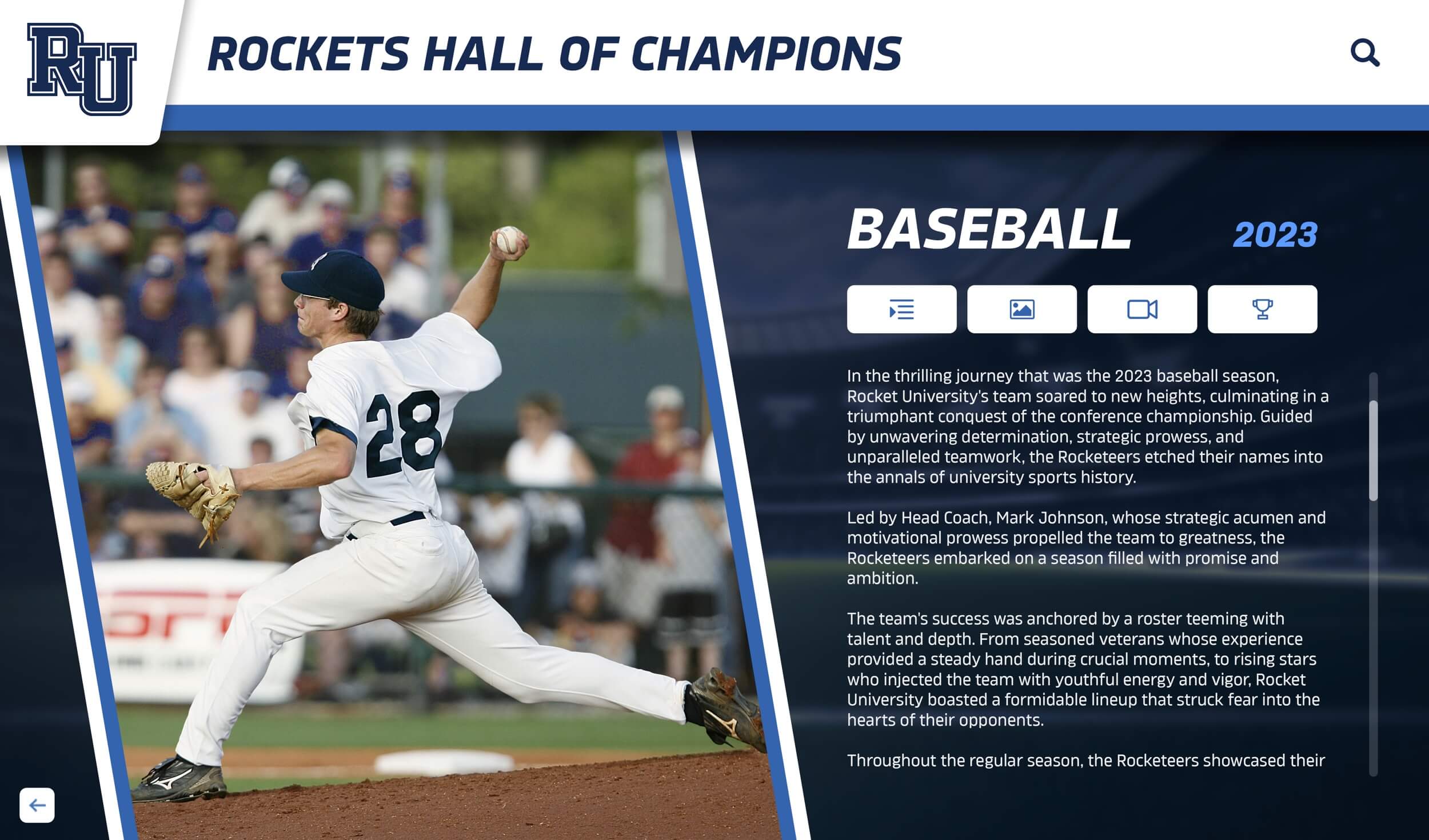
Social sharing capabilities amplify recognition reach and facilitate alumni-to-alumni reconnection
6. Volunteer Opportunities That Demonstrate Impact
Alumni want to give back but often don’t know how beyond financial contributions. Diverse volunteer opportunities engage graduates who may not be in position to donate financially but have time, expertise, and enthusiasm to share.
Meaningful Volunteer Roles:
- Admissions Ambassadors: Alumni interview prospective students, represent the institution at college fairs, host accepted student receptions, and share authentic graduate perspectives
- Career Services Panelists: Participate in career exploration panels, mock interview programs, resume review sessions, and industry insight presentations
- Advisory Board Members: Serve on program-specific advisory boards providing professional expertise to academic departments, athletics, or institutional initiatives
- Fundraising Committee Participants: Assist with reunion giving campaigns, annual fund leadership, peer-to-peer solicitation, and event planning
- Student Competition Judges: Evaluate business plan competitions, research symposiums, art exhibitions, or academic competitions in your field of expertise
Clear role descriptions, limited time commitments, and demonstrated impact make volunteer opportunities appealing. When institutions share stories about how volunteer contributions directly affected students or programs, volunteers feel valued and remain engaged.
Many institutions discover that volunteer engagement often precedes and predicts philanthropic support, as active participants develop deeper investment in institutional success.
7. Online Alumni Directories That Enable Discovery
Searchable online directories allow alumni to find former classmates, discover fellow graduates in their geographic region or professional field, and facilitate networking connections that benefit careers and social relationships.
Directory Features That Drive Usage:
- Advanced Search and Filtering: Search by graduation year, major, current location, employer, industry, or other criteria
- Privacy Controls: Allow alumni to control visibility of contact information and profile details while still enabling discovery
- Career Information Integration: Include current employer, job title, and professional interests to facilitate career networking
- Social Media Linking: Connect to LinkedIn profiles and other professional networks for seamless relationship building
- Class Notes Integration: Show recent updates, achievements, and news alongside profile information
Directories work best when integrated with broader engagement platforms rather than standalone databases. When alumni exploring recognition displays can click through to searchable directories to find classmates, or discover directory profiles through social media posts, usage increases significantly.
Regular communication encouraging alumni to update profiles—“Update your directory profile and see what classmates are doing now”—maintains data currency and reminds graduates of the resource’s existence.
8. Content That Provides Value Beyond Institutional News
Alumni engage more consistently when communications provide genuine value rather than exclusively institutional updates and fundraising appeals.
High-Value Content Themes:
- Career Development Resources: Industry trend analyses, professional development opportunities, career transition guidance, and networking strategies
- Personal Finance Education: Financial planning insights, investment strategies, benefits of giving appreciated assets, and estate planning considerations
- Alumni Achievement Spotlights: In-depth profiles of interesting alumni with compelling career stories, lessons learned, and advice for others
- Faculty Research and Expertise: Share faculty insights on current events, research discoveries, and thought leadership relevant to alumni professional interests
- Practical Life Advice: Content addressing alumni life stages—parenting resources, work-life balance strategies, health and wellness information
The most effective content feels like resources from a trusted advisor rather than marketing from an institution seeking donations. When 80% of communications provide value and only 20% make requests, alumni remain engaged with institutional messaging.
Repurposing content across channels—blog posts, podcasts, video series, social media, newsletters—maximizes return on content creation investment while reaching alumni through their preferred consumption formats.
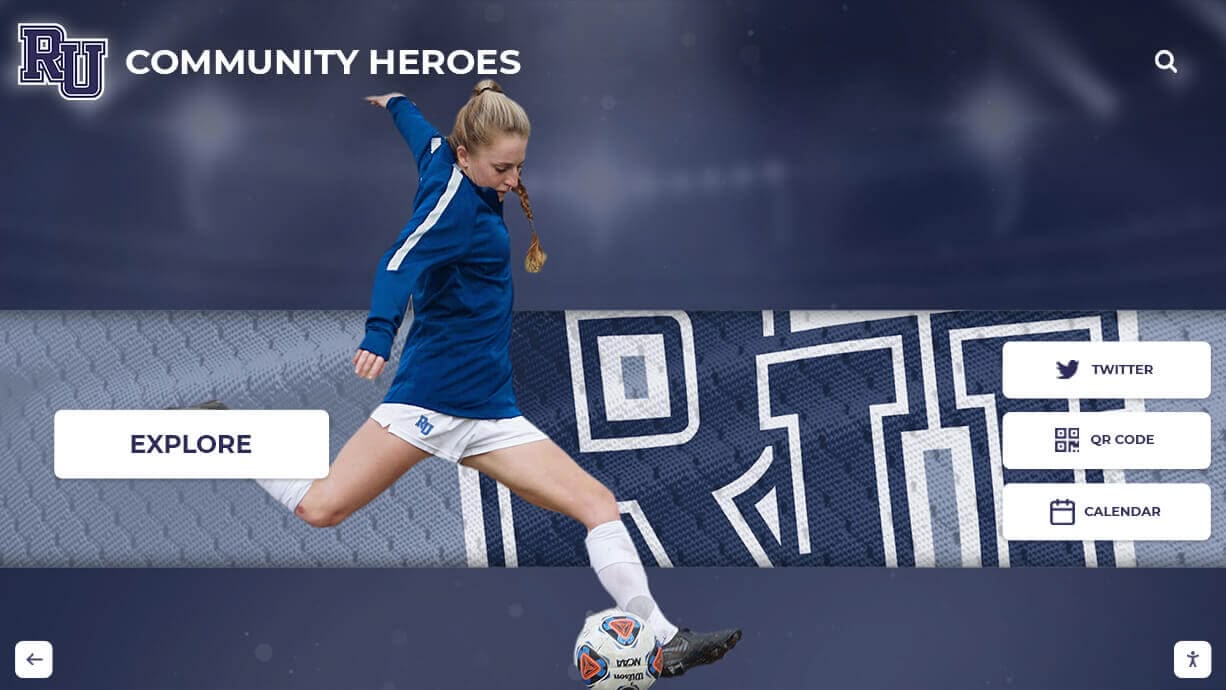
Compelling content that tells authentic alumni stories creates emotional connections and inspires engagement
9. Recognition Programs That Celebrate Diverse Achievement
Formal recognition programs that honor distinguished alumni create aspirational standards while demonstrating that the institution values graduate success across diverse definitions of achievement.
Recognition Program Elements:
- Annual Distinguished Alumni Awards: Recognize exceptional career achievement, community service, artistic accomplishment, or contributions to the institution
- Young Alumni Achievement Awards: Honor recent graduates showing early career promise and continued institutional engagement
- Lifetime Service Recognition: Acknowledge alumni who have volunteered consistently over decades supporting students, programs, or initiatives
- Industry-Specific Recognition: Create awards within professional fields—healthcare, education, business, public service—acknowledging that excellence takes many forms
- Athletic Hall of Fame: Celebrate athletic achievement through dedicated recognition programs with selection committees and induction ceremonies
Public recognition through ceremonies, digital recognition displays, website features, and social media spotlights honors individuals while inspiring others and demonstrating institutional values.
Recognition that extends beyond professional achievement to include community service, humanitarian work, artistic contribution, and volunteer leadership ensures diverse definitions of success receive validation.
The recognition itself creates engagement opportunities as honorees attend ceremonies, share recognition with their networks, and often deepen institutional involvement after receiving acknowledgment.
10. Affinity and Special Interest Communities
Alumni with shared interests beyond graduation year often form the strongest communities, creating engagement around passions rather than purely nostalgic connections.
Affinity Community Examples:
- Athletic Team Associations: Former athletes maintaining connections to teams and programs through dedicated booster organizations and networking groups
- Greek Life Alumni Chapters: Fraternity and sorority alumni maintaining organization-specific connections while supporting current chapters
- Cultural and Identity-Based Groups: Communities based on shared cultural background, identity, or experience creating belonging and representation
- Geographic Regional Chapters: Location-based groups organizing local events, networking, and community service in cities with alumni concentrations
- Professional and Industry Networks: Career field-specific communities facilitating professional networking and industry-specific programming
- Special Interest Clubs: Groups organized around shared passions—environmental sustainability, entrepreneurship, performing arts, social justice
These affinity communities often generate higher engagement rates than class-year-based groups because shared current interests create more relevant connection points than nostalgic reminiscence alone.
Institutions providing infrastructure support—communication tools, event funding, administrative assistance—while allowing communities to self-organize based on member interests create sustainable engagement models.
11. Student-Alumni Bridge Programs
Creating connections between current students and alumni while students are still on campus establishes relationships that continue post-graduation and creates seamless transition from student to engaged alumnus.
Bridge Program Strategies:
- Senior Year Alumni Education: Programs educating graduating seniors about alumni benefits, lifelong connections, and staying engaged post-graduation
- Student Alumni Association: Student organizations that plan alumni events, conduct outreach, and serve as liaisons between student body and alumni community
- Alumni Speakers in Classroom: Regular alumni guest lectures, panel discussions, and industry insight presentations integrating graduates into academic experience
- Career Trek Programs: Student visits to alumni workplaces in major cities, combining professional development with relationship building
- Legacy Family Recognition: Special programming for families with multiple generations of attendance, celebrating tradition while engaging current students
When students develop positive associations with alumni community before graduation, they’re significantly more likely to engage as young alumni themselves, breaking the pattern of disengagement immediately following graduation.
Programs that position alumni as resources and mentors rather than just fundraising targets create authentic value propositions that students appreciate and remember.

Building connections between students and alumni while students are still on campus creates foundations for lifelong engagement
12. Data-Driven Engagement Measurement and Optimization
Effective alumni relations programs continuously measure engagement, analyze patterns, and optimize strategies based on data rather than assumptions.
Key Engagement Metrics:
- Participation Rates: Percentage of alumni engaging through various channels—events, digital platforms, volunteering, giving
- Engagement Frequency: How often alumni interact with institutional touchpoints over specific time periods
- Channel Effectiveness: Which communication channels and content types generate strongest engagement for different alumni segments
- Conversion Pathways: How engagement in one area (recognition platform visits, event attendance) correlates with other desired behaviors (giving, volunteering)
- Lifetime Engagement Patterns: Tracking individual alumni engagement across years to identify declining engagement and re-engagement opportunities
Modern platforms like those from Rocket Alumni Solutions provide comprehensive analytics showing who engages with digital recognition displays, how long they explore content, what alumni profiles receive most attention, and how recognition engagement correlates with other institutional involvement.
This data enables advancement teams to identify most engaged alumni for leadership cultivation, discover content themes that resonate most strongly, understand which promotional channels drive traffic most effectively, and demonstrate concrete return on investment for recognition and engagement programs.
Regular analysis of engagement data—quarterly reviews examining trends, annual deep-dives assessing program effectiveness, and ongoing optimization based on real-time metrics—ensures strategies remain relevant and resources are allocated to highest-impact initiatives.
Measuring Success: Alumni Engagement Benchmarks
Advancement professionals commonly track these engagement indicators:
- Event Attendance Rate: 8-15% of regional alumni base for well-promoted events
- Email Open Rates: 20-35% for segmented, relevant communications (vs. 15-20% for generic)
- Digital Platform Visits: 40-60% of alumni accessing online recognition or directories within first year of launch
- Volunteer Participation: 5-10% of alumni base actively volunteering annually
- Giving Participation: 15-25% participation rates for institutions with strong multi-channel engagement programs
- Social Media Engagement: 3-8% engagement rate on alumni-focused social content
- Directory Profile Completion: 50-70% of alumni maintaining current directory profiles
High-performing programs typically exceed these benchmarks by 20-40% through strategic multi-channel engagement approaches.
Creating Integrated Alumni Engagement Ecosystems
The most successful alumni engagement programs don’t implement isolated tactics—they create integrated ecosystems where multiple strategies reinforce each other:
Recognition programs drive event attendance as honorees and their networks participate in ceremonies. Events feature digital recognition displays that spark conversation and encourage extended exploration. Social media amplifies recognition and events while driving traffic to online directories. Mentoring programs connect alumni who then attend events together. Affinity groups use directories to identify potential members.
This integration creates multiple entry points for engagement, accommodates diverse alumni preferences for how they want to connect, and generates network effects where each strategy amplifies others.
Technology platforms play crucial enabling roles in integration. Comprehensive solutions like Rocket Alumni Solutions provide touchscreen recognition displays for campus, web-based recognition accessible globally, social sharing capabilities, searchable databases, event promotion tools, and analytics—all within unified platforms that create seamless experiences across touchpoints.
When selecting engagement technologies, prioritize platforms offering:
- Multi-Channel Accessibility: Content accessible through campus displays, web browsers, and mobile devices
- Social Integration: One-click sharing to alumni social networks amplifying reach
- Searchability and Discovery: Powerful search enabling alumni to find classmates, colleagues, and interesting profiles
- Content Management Simplicity: Intuitive tools allowing non-technical staff to update content independently
- Comprehensive Analytics: Data showing who engages, how, when, and what content resonates
- Integration Capabilities: APIs or data export enabling connection with CRM systems, email platforms, and other institutional tools
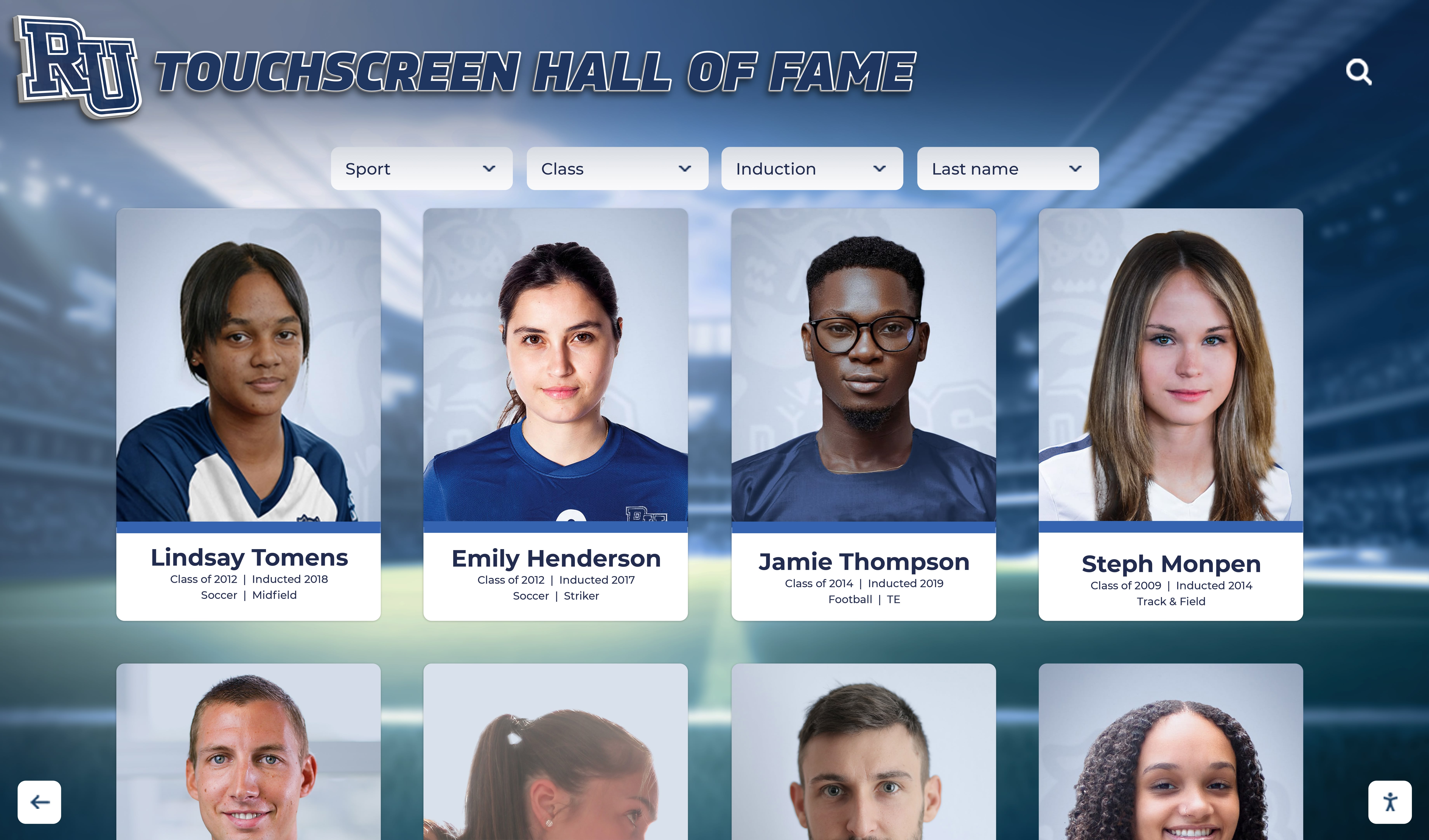
Integrated platforms create seamless experiences across recognition, discovery, and networking touchpoints
Overcoming Common Alumni Engagement Challenges
Even well-designed programs encounter predictable obstacles. Proactive strategies address these challenges effectively:
Challenge: Limited Staff Resources Small advancement teams struggle to implement comprehensive programs. Solutions include leveraging technology for automation and scale, recruiting volunteer alumni to assist with specific initiatives, prioritizing highest-impact strategies based on institutional goals, and implementing phased approaches that expand gradually rather than attempting everything simultaneously.
Challenge: Declining Participation Rates When engagement trends downward, conduct direct research with disengaged alumni understanding reasons for disconnect, refresh recognition and communication strategies based on alumni feedback rather than assumptions, create new entry points targeting younger alumni with different preferences, and celebrate small wins publicly to create momentum and social proof.
Challenge: Geographic Dispersion When alumni scatter globally, digital accessibility becomes critical. Web-based recognition platforms ensure all alumni can engage regardless of location, virtual event options provide remote participation, and regional chapters create local connection in cities with sufficient alumni concentration.
Challenge: Generational Differences Younger alumni often engage differently than senior graduates. Multi-channel strategies accommodate varied preferences, technology platforms meet digital natives where they are, while maintaining traditional touchpoints valued by older alumni. Avoid assuming all alumni want identical experiences.
Challenge: Proving ROI Administrators increasingly demand evidence that engagement programs justify investment. Comprehensive analytics demonstrating concrete metrics, correlation analysis showing relationships between engagement and giving, qualitative success stories illustrating program impact, and benchmarking against peer institutions provide evidence base for continued support.
Conclusion: Building Community Through Authentic Connection
The best ways to connect with alumni share common characteristics: they provide genuine value rather than just institutional benefit, create opportunities for meaningful interaction rather than passive consumption, honor achievements and contributions authentically, facilitate alumni-to-alumni connection alongside institutional relationship, and recognize that engagement itself is valuable beyond fundraising outcomes.
Educational institutions that view alumni engagement as relationship building rather than transaction management create communities of connected, engaged graduates who naturally support institutional success through advocacy, mentorship, volunteerism, and philanthropy.
Success requires strategic integration of recognition, communication, events, volunteer opportunities, and technology into cohesive ecosystems that accommodate diverse alumni preferences while working toward common goals of connection and community.
For institutions seeking to strengthen alumni relationships, modern solutions like those from Rocket Alumni Solutions provide comprehensive platforms combining interactive recognition displays, web accessibility, social integration, and powerful analytics that together create engagement experiences worthy of distinguished graduate communities.
Transform Your Alumni Engagement Strategy
Discover how interactive recognition displays, comprehensive digital platforms, and strategic engagement approaches can strengthen your alumni community. Rocket Alumni Solutions specializes in creating integrated alumni engagement solutions that drive measurable results.
Explore Alumni Engagement SolutionsAlumni engagement matters because connected graduates amplify institutional impact exponentially. They mentor students, refer talented applicants, hire graduates, fund scholarships, serve on boards, advocate for higher education, and model lifelong learning. Building and maintaining these connections represents investment in institutional future as much as honoring institutional past.
The strategies outlined here—from digital recognition to mentoring programs, from affinity communities to data-driven optimization—provide practical frameworks for strengthening alumni relationships at institutions of all sizes and types. Success comes not from implementing every strategy simultaneously, but from selecting approaches aligned with institutional goals, alumni preferences, and available resources, then executing consistently with authentic commitment to community building.
Whether modernizing existing programs or launching new initiatives, the foundation remains constant: alumni connect when they feel valued, when engagement provides genuine benefit, and when institutions demonstrate authentic interest in their success beyond financial contributions. Build on this foundation with strategic programming, enabling technology, and persistent effort, and alumni communities flourish to benefit both graduates and their alma maters for generations to come.



























