Big Brother Big Sister (BBBS) program alumni represent one of the most powerful testimonies to the transformative impact of youth mentorship. These individuals—both former “Littles” who benefited from mentorship and “Bigs” who provided guidance—carry forward the values, relationships, and life skills developed through these meaningful connections. Many have gone on to remarkable achievements in education, careers, and community leadership, while others have returned to mentor the next generation, creating a perpetual cycle of positive influence that strengthens communities across generations.
Yet many schools, youth organizations, and BBBS chapters struggle to maintain meaningful connections with program alumni or adequately celebrate their achievements. Former participants graduate, age out of programs, or move away, and without systematic recognition and engagement strategies, these valuable relationships fade. The inspiring success stories that could motivate current participants and attract new volunteers remain hidden, while alumni who might contribute as mentors, advocates, or supporters lose touch with organizations that profoundly shaped their lives.
This comprehensive guide explores evidence-based strategies for recognizing Big Brother Big Sister program alumni, maintaining engagement long after formal mentorship concludes, and leveraging alumni success to strengthen current programming while inspiring future generations of mentors and mentees.
The impact of BBBS programs extends far beyond the duration of individual matches. Research demonstrates that quality mentorship relationships create lasting positive outcomes across education, career success, mental health, and civic engagement. According to data compiled by the National Mentoring Resource Center, youth with mentors are 55% less likely to skip school, 78% more likely to volunteer regularly, and significantly less likely to engage in substance use compared to peers without mentors. These benefits persist long into adulthood, with mentored youth earning substantially more over their lifetimes—an estimated $7,000 additional tax revenue per individual—while demonstrating higher rates of educational attainment and community involvement.
Big Brothers Big Sisters of America’s Alumni Hall of Fame recognizes former program participants who exemplify leadership, discipline, excellence, and continued commitment to mentorship. These celebrated alumni serve as tangible proof that mentorship works, inspiring current participants while attracting new volunteers and organizational support.
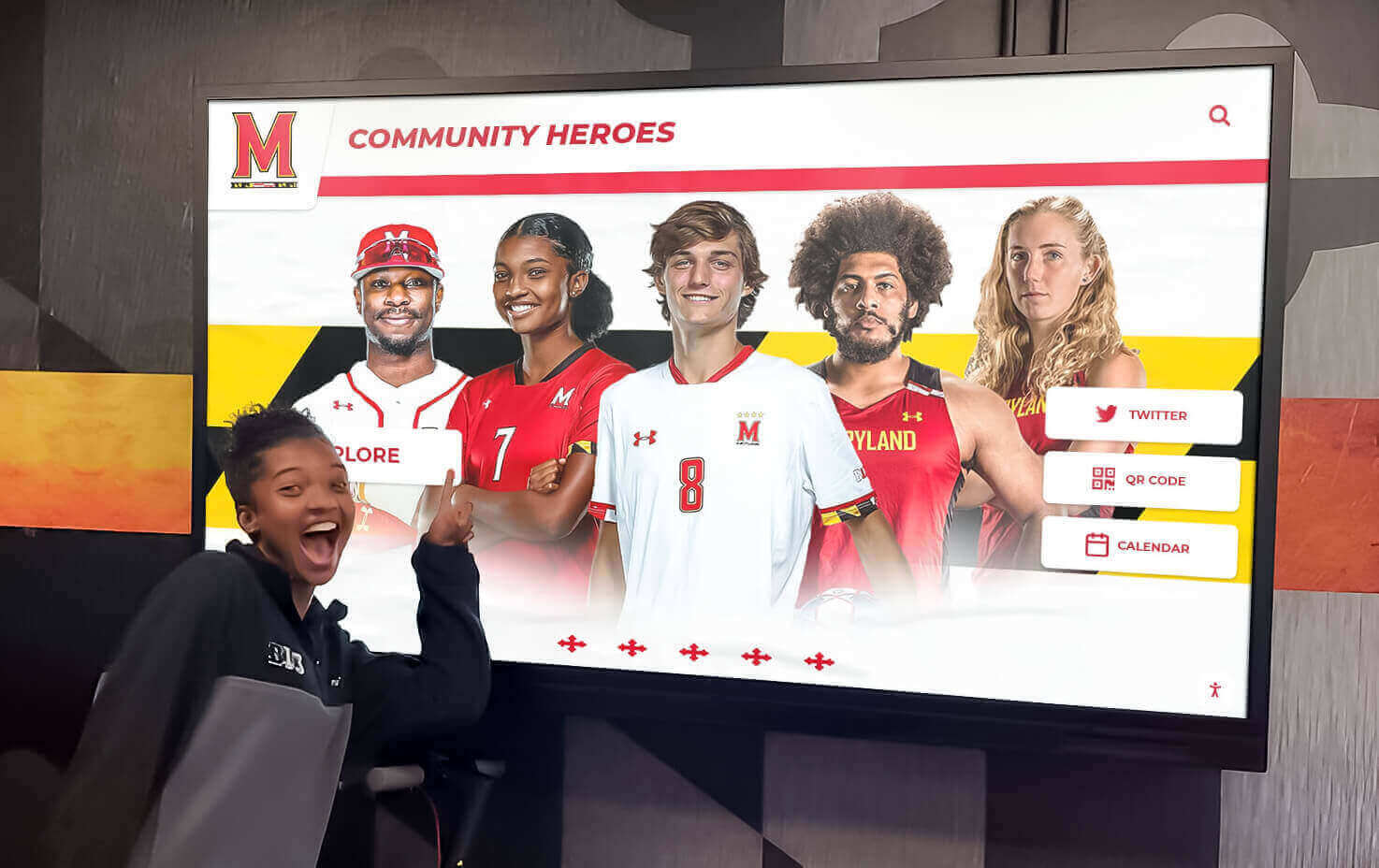
Interactive recognition displays celebrating community impact create visible connections between mentorship programs and life success
Understanding Big Brother Big Sister Program Alumni Impact
Before developing recognition and engagement strategies, understanding the unique characteristics and needs of BBBS alumni helps organizations create approaches that resonate authentically with this distinctive population.
The Two-Sided Alumni Population
Unlike traditional school or university alumni, BBBS programs create two distinct but interconnected alumni populations with different experiences, perspectives, and potential contributions.
Former Littles: Mentee Alumni
Young people who participated as mentees bring unique perspectives shaped by receiving support during formative developmental years. Many former Littles credit their mentors with helping them navigate challenges, build confidence, pursue education, or avoid negative influences. According to a 2009 Harris Interactive survey of BBBS alumni Littles, 77% reported doing better in school because of their Big, while 65% agreed their mentor helped them reach higher educational levels than they thought possible.
These mentee alumni often feel deep gratitude toward their mentors and the organization that facilitated their relationship. As they mature and achieve success, many express desire to “give back” by mentoring others, supporting programs financially, or serving in leadership capacities. However, some may also carry complex feelings about needing support during childhood, making recognition approaches requiring sensitivity and respect for their individual journeys.
Former Bigs: Mentor Alumni
Adults who served as volunteer mentors typically report that giving their time proved as personally rewarding as it was beneficial to their mentees. Many former mentors describe mentoring relationships as among the most meaningful experiences of their lives, creating lasting bonds that persisted long after formal programs concluded.
Mentor alumni represent valuable resources for program sustainability—they understand the commitment required, can speak authentically about rewards and challenges, and often remain passionate advocates for youth mentorship. Many continue mentoring additional young people, volunteer in other capacities, or encourage peers to become mentors themselves.
Long-Term Outcomes Worth Celebrating
BBBS alumni demonstrate remarkable achievements across multiple life dimensions, providing compelling evidence of mentorship’s transformative power.
Educational Achievement
Former BBBS participants pursue higher education at elevated rates compared to demographic peers. Among surveyed alumni Littles, many credit their mentors with encouraging college attendance, helping with applications, or simply believing in their academic potential when others didn’t. This educational attainment creates foundation for career success and financial stability that benefits individuals, families, and broader communities.
Notable examples from BBBS’s recognized alumni include individuals who overcame significant obstacles—including foster care placement, family instability, or economic hardship—to earn undergraduate and graduate degrees, often becoming first-generation college graduates in their families.
Career and Professional Success
BBBS alumni populate diverse professional fields, from healthcare and education to business, technology, arts, and public service. The confidence, social skills, and professional networks often developed through mentoring relationships contribute to career advancement and achievement.
The organization’s “Big Champions” initiative highlights former participants like IN-Q, a former Little who now works with leading organizations including Nike, Instagram, Spotify, Google, and The Grammy Foundation, using his platform to inspire others through motivational keynote performances. Such success stories demonstrate mentorship’s potential to unlock capabilities that might otherwise remain dormant.
Community Leadership and Giving Back
Perhaps most remarkably, BBBS alumni demonstrate extraordinary commitment to community service and civic engagement. The previously cited research showing that youth with mentors are 78% more likely to participate in regular volunteering and 90% more likely to express interest in becoming mentors themselves reveals how quality mentorship creates ripple effects extending across generations.
Many prominent BBBS alumni serve on nonprofit boards, volunteer in youth programs, advocate for mentorship expansion, or create opportunities for others in their communities. This pattern of “paying forward” the support they received represents mentorship’s most powerful legacy.
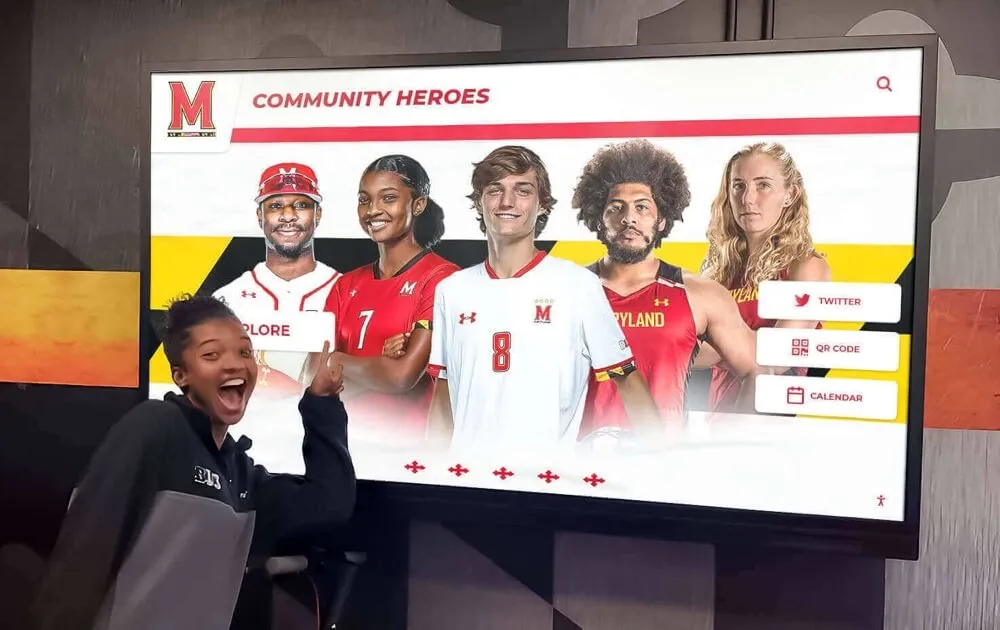
Digital recognition systems enable communities to celebrate diverse achievements while inspiring current youth through visible role models
Personal Wellbeing and Life Satisfaction
Beyond measurable career or educational outcomes, BBBS alumni frequently describe improved life satisfaction, stronger relationships, better mental health, and greater resilience. In the Harris Interactive survey, 90% of former Littles reported that their relationship with their Big helped them make better choices throughout childhood, while 86% said those benefits continued into adult life.
These personal development outcomes—though harder to quantify than degrees or salaries—may represent mentorship’s most valuable contributions, creating individuals better equipped to navigate life’s challenges while building strong families and communities.
Creating Comprehensive BBBS Alumni Recognition Programs
Systematic recognition ensures that alumni achievements receive appropriate celebration while inspiring current program participants and attracting community support.
Establishing Formal Recognition Structures
Organizations benefit from creating defined recognition programs that systematically identify and honor exceptional alumni rather than relying on ad-hoc acknowledgment.
Alumni Hall of Fame Programs
Formal halls of fame provide prestigious recognition for alumni demonstrating exceptional achievement, leadership, or service. BBBS of America’s national Alumni Hall of Fame establishes model that local chapters can adapt, recognizing individuals who:
- Demonstrate exceptional leadership in their professional or community endeavors
- Exhibit discipline and commitment to excellence across life domains
- Show passion for mentorship and youth development
- Serve as positive role models through their dedication and character
- Maintain ongoing engagement with BBBS mission and values
Local chapters might establish their own halls of fame recognizing regional alumni, creating opportunities for community celebration while maintaining achievable nomination and selection processes. These programs work particularly well when integrated with annual fundraising events or community celebrations, generating positive visibility while honoring deserving individuals.
Solutions like Rocket Alumni Solutions provide purpose-built platforms for creating digital hall of fame displays that showcase honorees through rich multimedia profiles accessible via interactive touchscreens and web platforms, ensuring recognition remains visible year-round rather than limited to single ceremony moments.
Milestone Anniversary Recognition
Programs should systematically recognize alumni at meaningful intervals—5, 10, 15, 20, and 25+ years after program participation. These milestone acknowledgments:
- Demonstrate that organizations value lifelong relationships, not just active matches
- Provide natural reconnection opportunities for alumni who drifted away
- Create occasions to update alumni on program evolution and current needs
- Generate inspiring testimonials about long-term mentorship impact
- Identify potential volunteers, donors, or advocates among re-engaged alumni
Achievement Category Recognition
Rather than single “most successful” honorees, comprehensive programs recognize diverse achievement types ensuring varied alumni feel valued:
- Educational Achievement Awards: Honoring degrees earned, academic excellence, or research contributions
- Professional Excellence Recognition: Celebrating career accomplishments, entrepreneurship, or industry leadership
- Community Service Awards: Recognizing volunteer work, nonprofit leadership, or civic engagement
- Mentorship Legacy Recognition: Honoring alumni who became mentors, youth workers, or advocates
- Overcoming Adversity Awards: Celebrating resilience and success despite significant obstacles
- Creative and Artistic Achievement: Recognizing contributions to arts, entertainment, or cultural enrichment
This multi-dimensional approach ensures recognition opportunities exist for alumni across different paths and definitions of success, avoiding narrow achievement hierarchies that exclude worthy individuals.
Modern Digital Recognition Systems
Traditional recognition approaches—printed programs, static plaques, or annual newsletters—limit visibility, engagement, and capacity. Modern digital recognition displays transform how organizations celebrate alumni while creating interactive experiences that inspire current participants.
Interactive Touchscreen Displays
Physical touchscreen installations in BBBS chapter offices, partner school buildings, or community centers provide engaging ways to explore alumni achievements:
- Searchable Databases: Visitors can search by name, graduation year, achievement category, hometown, or other criteria, making personal connections while discovering inspiring stories
- Rich Multimedia Profiles: Individual alumni profiles include photos, biographical information, achievement descriptions, video testimonials, and mentor/mentee relationship history
- Filtering and Browsing: Users can explore alumni by various categories—career fields, educational paths, volunteer involvement—helping young people see possibilities for their own futures
- Social Sharing: Built-in features enable sharing profiles via social media, extending recognition reach beyond physical visitors
- Easy Updates: Cloud-based content management allows staff to add new honorees, update information, or feature seasonal content without technical expertise
These interactive systems create fundamentally different engagement than static displays. Rather than passively viewing limited information, visitors actively explore, discovering unexpected connections and inspiring stories they wouldn’t encounter through traditional formats.
Web-Based Recognition Platforms
Digital recognition should extend beyond physical locations through comprehensive web platforms accessible to alumni, families, current participants, and broader communities:
- Online Searchable Directories: Alumni anywhere globally can explore recognition content, search for mentors or mentees, and reconnect with BBBS community
- Personal Profile Management: Alumni can update their own information, add achievements, or submit photos, keeping content current while reducing staff administrative burden
- Alumni Networking Features: Systems can facilitate reconnection between former mentors and mentees, enable alumni to connect with others in similar career fields, or support new mentor recruitment
- Engagement Analytics: Organizations gain insights about which content generates interest, what alumni search for, and how recognition influences current participant motivation
- Integration with Communications: Recognition platforms can connect with email systems, social media, or websites, ensuring new honorees receive promotion across multiple channels
Organizations implementing comprehensive recognition should consider solutions like Rocket Alumni Solutions that provide integrated physical and digital platforms specifically designed for youth-serving organizations, schools, and community programs.

Modern touchscreen systems enable intuitive exploration of mentor networks and program impact
Recognition Ceremony Best Practices
While digital systems provide ongoing visibility, special events create memorable moments while generating community awareness and organizational support.
Annual Recognition Events
Many successful BBBS chapters integrate alumni recognition into annual fundraising events, volunteer appreciation celebrations, or community gatherings. This approach:
- Maximizes attendance by leveraging established events rather than requiring separate gatherings
- Creates inspiring content for events that might otherwise focus primarily on fundraising asks
- Demonstrates program impact to donors, community partners, and potential volunteers
- Provides honorees with appropriate celebration while supporting organizational mission
- Generates media coverage and social content promoting program value
Events should balance recognition with entertainment and engagement, avoiding lengthy ceremonies that lose audience attention. Brief video profiles, panel discussions with honorees, or interactive presentation formats maintain interest while honoring achievements appropriately.
School and Community Partnership Recognition
When BBBS programs operate through school partnerships, recognition can integrate into existing school traditions:
- Honor roll ceremonies including BBBS alumni achievement acknowledgment
- Homecoming festivities featuring former participants who returned as successful adults
- Career days where alumni speak about professional paths and mentorship’s role
- Athletic or academic award ceremonies incorporating mentorship program recognition
- Graduation events acknowledging seniors who participated while encouraging continued connection
This integration positions BBBS programs as integral to school community rather than separate external initiatives, while maximizing recognition visibility among current students who might benefit from program participation.
Virtual Recognition Options
Geographic distance, scheduling conflicts, or personal circumstances prevent some alumni from attending in-person events. Virtual recognition options ensure inclusive celebration:
- Livestreamed ceremonies enabling remote viewing and participation
- Pre-recorded video acceptance speeches from honorees unable to attend
- Virtual recognition galleries accessible online to broader audiences
- Social media recognition campaigns celebrating honorees across multiple platforms
- Email or direct mail certificates and acknowledgment for milestone anniversaries
Hybrid approaches combining in-person and virtual elements maximize participation while accommodating diverse alumni circumstances and preferences.
Maintaining Long-Term Alumni Engagement
Recognition represents important but insufficient alumni engagement. Sustained connections require systematic relationship-building that keeps alumni involved with organizational mission across their lifetimes.
Building Alumni Contact Databases
Organizations cannot engage alumni they cannot reach. Comprehensive, current contact databases form essential foundations for effective engagement.
Data Collection Throughout Participation
Rather than scrambling to find contact information years later, organizations should systematically collect and update information throughout program participation:
- Collect email addresses, phone numbers, and mailing addresses at program enrollment
- Obtain permission for long-term contact at program conclusion
- Request updated information at regular intervals during multi-year matches
- Gather social media handles for alternative connection methods
- Document relationship milestones, achievement, and interests for future personalization
Exit Interviews and Information Updates
When matches conclude or participants age out of programs, intentional transitions preserve connections:
- Conduct exit conversations explaining ongoing relationship options
- Collect current contact information expecting future changes
- Request permission to share program participation in future recognition or communications
- Inquire about future volunteer, mentorship, or support interest
- Provide clear instructions for maintaining contact as circumstances change
Ongoing Contact Information Maintenance
Even comprehensive initial data collection degrades rapidly without active maintenance. Young adults frequently change email addresses, phone numbers, and physical addresses, requiring systematic update processes:
- Annual alumni surveys requesting updated contact and life update information
- Database hygiene reviews identifying outdated information requiring correction
- Multiple contact method documentation reducing complete connection loss
- Social media monitoring for alumni who moved without providing updates
- Incentives for maintaining current information like exclusive content access or recognition opportunities
Organizations should consider investing in customer relationship management (CRM) systems designed for nonprofit alumni tracking, enabling sophisticated segmentation, communication tracking, and engagement analytics that spreadsheets cannot support.
Communication Strategies That Maintain Connection
Having accurate contact information means nothing without thoughtful communication strategies that keep alumni engaged without overwhelming them.
Segmented Communication Approaches
Not all alumni want or need identical communications. Sophisticated programs segment audiences enabling relevant, personalized messaging:
Recent Alumni (1-5 years post-program) might receive:
- Frequent updates about program developments and current participants
- Opportunities to volunteer in limited capacities like event assistance
- Young professional networking and career development resources
- Invitations to serve as near-peer mentors for current participants
Mid-Career Alumni (5-15 years post-program) might receive:
- Annual updates with major program highlights and impact data
- Opportunities for deeper involvement like advisory board service or mentoring
- Professional networking events connecting alumni across career stages
- Recognition nomination solicitations identifying exceptional peers
Senior Alumni (15+ years post-program) might receive:
- Milestone anniversary recognition and reconnection outreach
- Legacy giving and estate planning information
- Opportunities to share wisdom with current participants through storytelling
- Invitations to special events honoring long-term program impact
This segmentation ensures communications remain relevant while avoiding message fatigue from excessive irrelevant outreach.
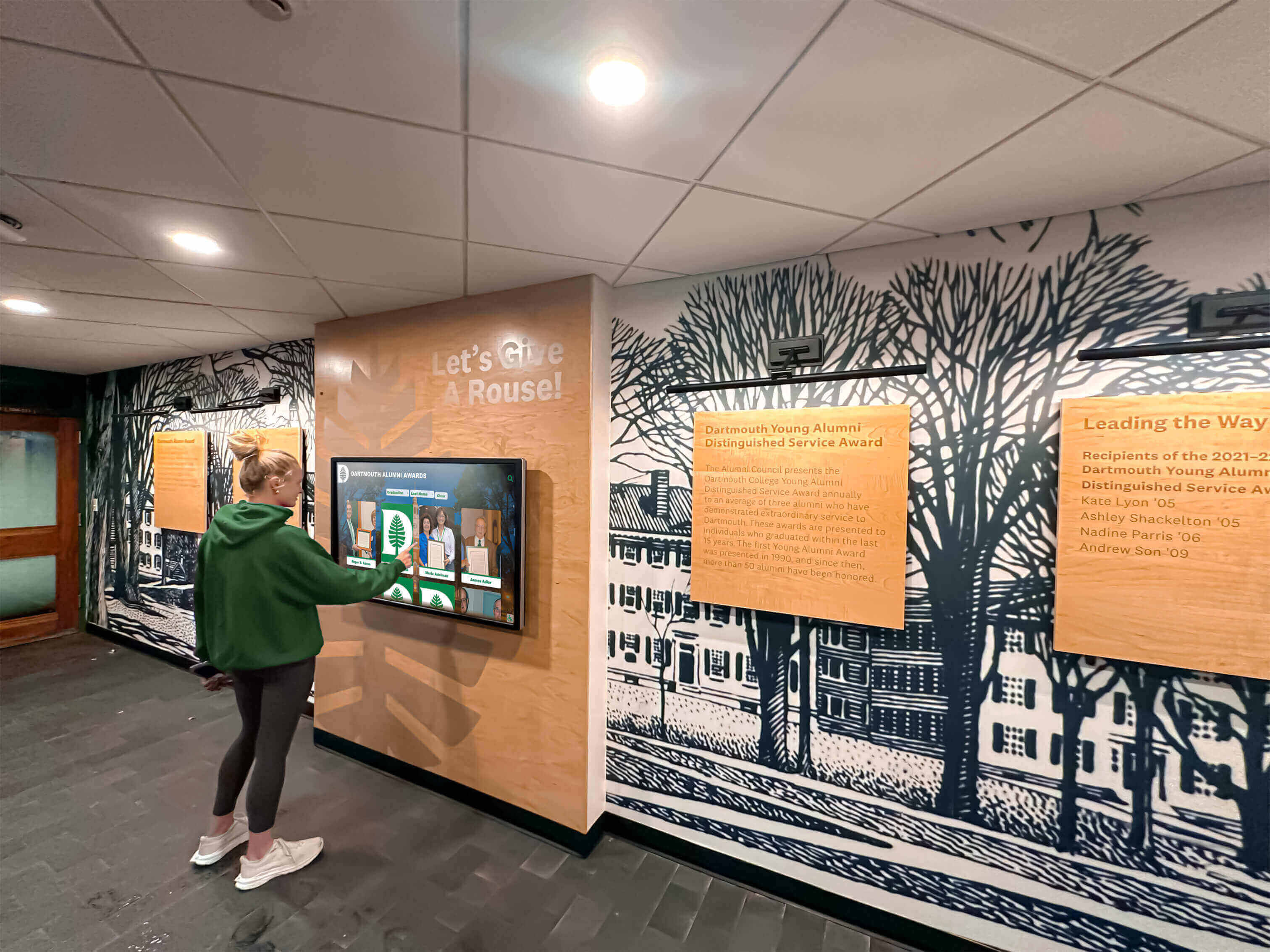
Strategic placement of recognition displays where youth naturally gather keeps mentorship values visible and celebrated
Multi-Channel Communication Mix
Alumni consume information through varied channels based on age, preferences, and life circumstances. Effective programs utilize multiple touchpoints:
- Email newsletters remain primary communication vehicles offering detailed content and analytics
- Social media provides informal engagement opportunities and community building through Facebook groups, Instagram highlights, or LinkedIn professional networking
- Text messaging works for time-sensitive announcements or event reminders to audiences checking phones more than email
- Direct mail reaches milestone alumni and creates tangible keepsakes for major recognitions
- Phone outreach for major asks, significant recognitions, or personal reconnection with high-value relationships
- Digital platforms like alumni portals provide on-demand access to program news, resources, and networking
The specific mix should reflect audience demographics and communication preferences revealed through testing and feedback rather than organizational assumptions.
Content That Maintains Interest
Beyond logistical announcements, effective alumni communications provide value that recipients genuinely appreciate:
- Impact stories showing current program success and challenges faced by youth
- Alumni spotlights celebrating peer achievements while inspiring continued engagement
- Research and data demonstrating mentorship’s documented effectiveness and program outcomes
- Behind-the-scenes content revealing staff efforts, volunteer experiences, and organizational operations
- Opportunities for input through surveys, focus groups, or advisory participation showing alumni perspectives matter
- Resources and benefits like professional development, networking events, or exclusive content providing tangible value
- Nostalgia content including throwback photos, program history, or “where are they now” features
This value-first approach positions communications as welcomed content rather than unwanted solicitations, increasing engagement while building goodwill for eventual asks.
Creating Alumni Involvement Opportunities
Engagement extends beyond receiving communications to active participation in organizational mission. Diverse involvement opportunities accommodate varied capacity, interests, and life circumstances.
Mentorship Pipeline Programs
The most natural alumni engagement transforms former Littles into future Bigs, creating perpetual mentorship cycles. According to research, 90% of mentored youth express interest in becoming mentors themselves—organizations should systematically convert this interest into action.
Young Alumni Mentorship
Programs can create specialized opportunities for recent alumni not yet ready for traditional mentoring:
- Near-peer mentoring matching young alumni with youth only few years younger
- Group mentoring where young alumni co-lead activities with experienced mentors
- Event volunteering at program activities, allowing relationship-building without long-term commitment
- Digital mentoring through online platforms accommodating busy young adult schedules
These graduated entry points enable participation despite limited time and experience while building confidence for future traditional mentoring.
Returning as Adult Mentors
Organizations should proactively recruit former Littles when they reach appropriate ages and life stability for traditional mentoring. These alumni bring unique credibility—they personally understand benefits and can authentically encourage youth struggling with circumstances they once faced.
Support systems for alumni mentors should address unique considerations:
- Recognition of emotional complexities potentially triggered by working with youth facing similar challenges
- Emphasis on professional boundaries given personal understanding of mentee circumstances
- Celebration of “full circle” nature of their journey from recipient to provider
- Flexibility around matching criteria since their motivation differs from typical volunteers
When appropriately supported, former mentees often become most passionate, effective mentors, embodying program mission through lived experience.
Advisory and Leadership Roles
Alumni perspective proves invaluable for program improvement, policy development, and strategic planning. Organizations can engage alumni through:
- Youth advisory councils where recent alumni guide program development with fresh participant perspective
- Alumni advisory boards providing input on engagement strategies, recognition programs, and organizational priorities
- Board of directors service bringing alumni voice to governance and fiduciary oversight
- Committee participation in fundraising, marketing, volunteer recruitment, or special events
- Consultation on specific initiatives like facility design, program expansion, or technology implementation
These formal leadership roles demonstrate that organizations genuinely value alumni insight while developing participants’ professional and civic skills.
Event Participation and Support
Not all alumni can commit to ongoing roles but many can support occasional events:
- Speaking at volunteer recruitment or fundraising events about personal program impact
- Attending fundraising galas or community celebrations as guests or honorees
- Participating in awareness campaigns or media relations as program ambassadors
- Assisting with logistical event needs like setup, registration, or activity facilitation
- Bringing professional expertise to events like photography, marketing, or technical support
These limited-commitment opportunities enable participation despite busy schedules while building relationships that may deepen over time as circumstances change.
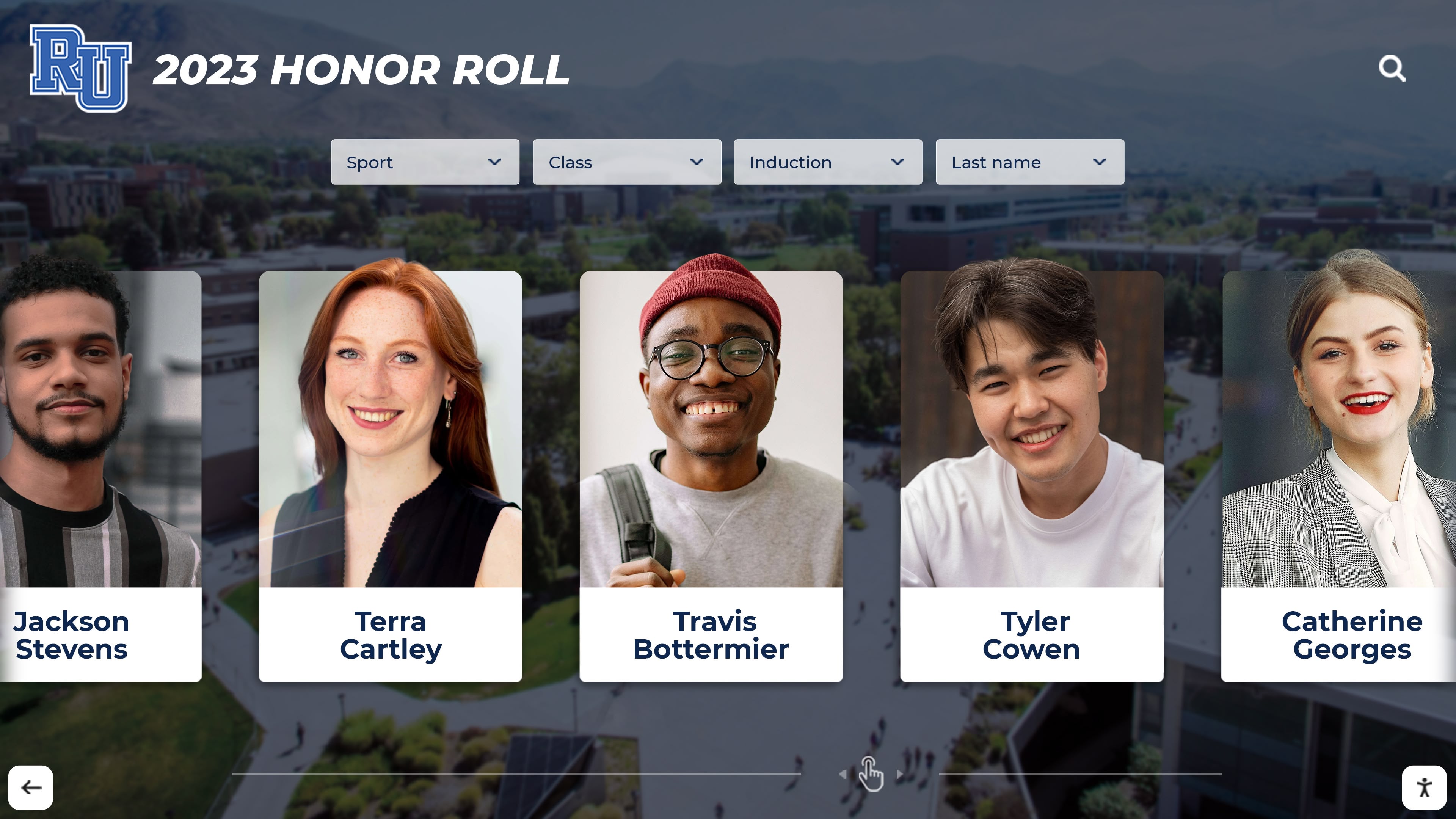
Individual recognition profiles celebrating specific achievements create personal connection while documenting program impact
Leveraging Alumni Success for Program Growth
Beyond honoring individuals, alumni recognition serves strategic organizational purposes—attracting volunteers, generating financial support, and demonstrating program value to funders and partners.
Alumni Stories in Marketing and Outreach
Compelling success stories prove more persuasive than statistics alone when recruiting volunteers, seeking donations, or advocating for program support.
Volunteer Recruitment Applications
Prospective mentors want assurance that their time investment creates meaningful difference. Alumni testimonials provide powerful evidence:
- Video testimonials from former mentees describing mentor impact on their lives
- Written profiles detailing specific ways mentorship changed trajectories
- Side-by-side features showing youth at program start versus successful adults they became
- Mentor perspectives on relationship rewards and lasting bonds formed
- Statistical outcomes contextualized through individual stories making data personal
These materials should populate website volunteer sections, social media recruitment campaigns, information sessions, and community presentations, making abstract program descriptions tangibly real.
Fundraising and Donor Engagement
Donors invest in impact. Alumni success demonstrates return on philanthropic investment in visceral, memorable ways:
- Annual reports featuring alumni profiles alongside financial statements and program data
- Gala events where honorees speak about program importance to their success
- Donor communications sharing specific examples of how contributions changed lives
- Campaign materials for major initiatives demonstrating long-term community impact
- Donor recognition programs that connect philanthropic support to human outcomes
Organizations should connect donation amounts to program capacity—"$1,000 supports one match for one year that could create transformation like [featured alumnus]"—making abstract asks concrete and compelling.
Media Relations and Awareness
Alumni achievements create newsworthy angles attracting media coverage that organizational announcements alone cannot generate:
- Press releases about notable alumni recognitions or accomplishments
- Human interest features about former mentees who returned as mentors
- Success story pitches during National Mentoring Month or similar awareness occasions
- Expert commentary from professional alumni about mentorship’s career impact
- Photo opportunities showing mentor-mentee reunions years after formal matches ended
Media coverage extends program visibility far beyond existing networks while positioning organizations as effective community investments rather than simply asking for support.
Research and Outcomes Documentation
While individual stories prove powerful, systematic outcomes documentation establishes evidence-based credibility with funders, policymakers, and institutional partners requiring data-driven impact demonstration.
Alumni Outcome Tracking
Organizations should systematically track alumni outcomes across meaningful indicators:
- Educational attainment including high school graduation, college enrollment, and degree completion
- Career pathways and professional achievement indicators
- Civic engagement measures like volunteering rates, voting participation, or community leadership
- Social and behavioral outcomes including relationship quality, mental health, and life satisfaction
- Giving back behaviors including mentorship, program support, or youth advocacy
Longitudinal tracking proves challenging given alumni mobility and contact information changes, but even partial data collected through periodic surveys provides valuable impact evidence. Organizations might partner with university researchers, evaluation consultants, or foundations funding youth development to implement rigorous outcome studies.
Comparison to National Benchmarks
When possible, program-specific alumni outcomes should compare to relevant benchmarks:
- National BBBS data showing aggregate impact across all chapters
- General population statistics for similar demographic groups
- Regional or local comparison data specific to community context
- Outcomes for at-risk youth populations receiving no intervention
These comparisons demonstrate whether specific programs achieve national standards while highlighting exceptional performance worthy of increased support.
Case Study Development
In-depth case studies exploring individual alumni journeys provide rich qualitative data complementing quantitative metrics:
- Detailed biographical profiles documenting life trajectories from program participation through current success
- Qualitative analysis of factors contributing to positive outcomes including mentorship relationship characteristics, family support, educational opportunities, and personal resilience
- Mentor perspectives on relationship development, challenges faced, and factors enabling success
- Contextual factors explaining how program participation intersected with other supports and opportunities
These case studies inform program improvement while providing powerful material for funding proposals, awareness campaigns, and organizational communications.
Partnership Development Using Alumni Networks
Alumni positioned throughout community sectors become valuable ambassadors and connectors enabling strategic partnerships.
School and Educational Partnerships
Alumni working in education—as teachers, administrators, counselors, or district leaders—can facilitate program expansion:
- Advocating for school-based mentoring programs in their institutions
- Connecting BBBS staff with decision-makers in their districts
- Speaking at school events about mentorship’s educational impact from personal experience
- Helping navigate bureaucratic processes for program approval and implementation
- Volunteering as site coordinators or program liaisons in their schools
Organizations should systematically identify education professionals among alumni, recognizing that these individuals possess both personal program commitment and professional capacity to expand reach.
Corporate and Business Partnerships
Alumni in business sectors can enable workplace mentoring programs, corporate volunteering initiatives, and philanthropic partnerships:
- Proposing employee volunteer programs connecting workplace to BBBS mission
- Facilitating corporate sponsorships or grant applications within their organizations
- Recruiting colleagues as individual mentors through workplace relationships
- Offering professional expertise like marketing, legal counsel, or strategic planning pro bono
- Connecting BBBS with business associations, chambers of commerce, or industry groups
Corporate partnership development through alumni networks feels less transactional than cold solicitations while leveraging trusted relationships that increase partnership success likelihood.
Community Organization Connections
Alumni engaged with other nonprofits, faith communities, or civic groups can create collaborative relationships:
- Coordinating joint programming combining mentorship with complementary services
- Cross-promoting volunteer opportunities between organizations
- Sharing facilities, resources, or administrative infrastructure reducing costs
- Developing referral relationships identifying youth who might benefit from programs
- Building advocacy coalitions supporting youth development policy priorities
These community connections combat nonprofit isolation while leveraging collective impact approaches proven more effective than independent parallel programming.
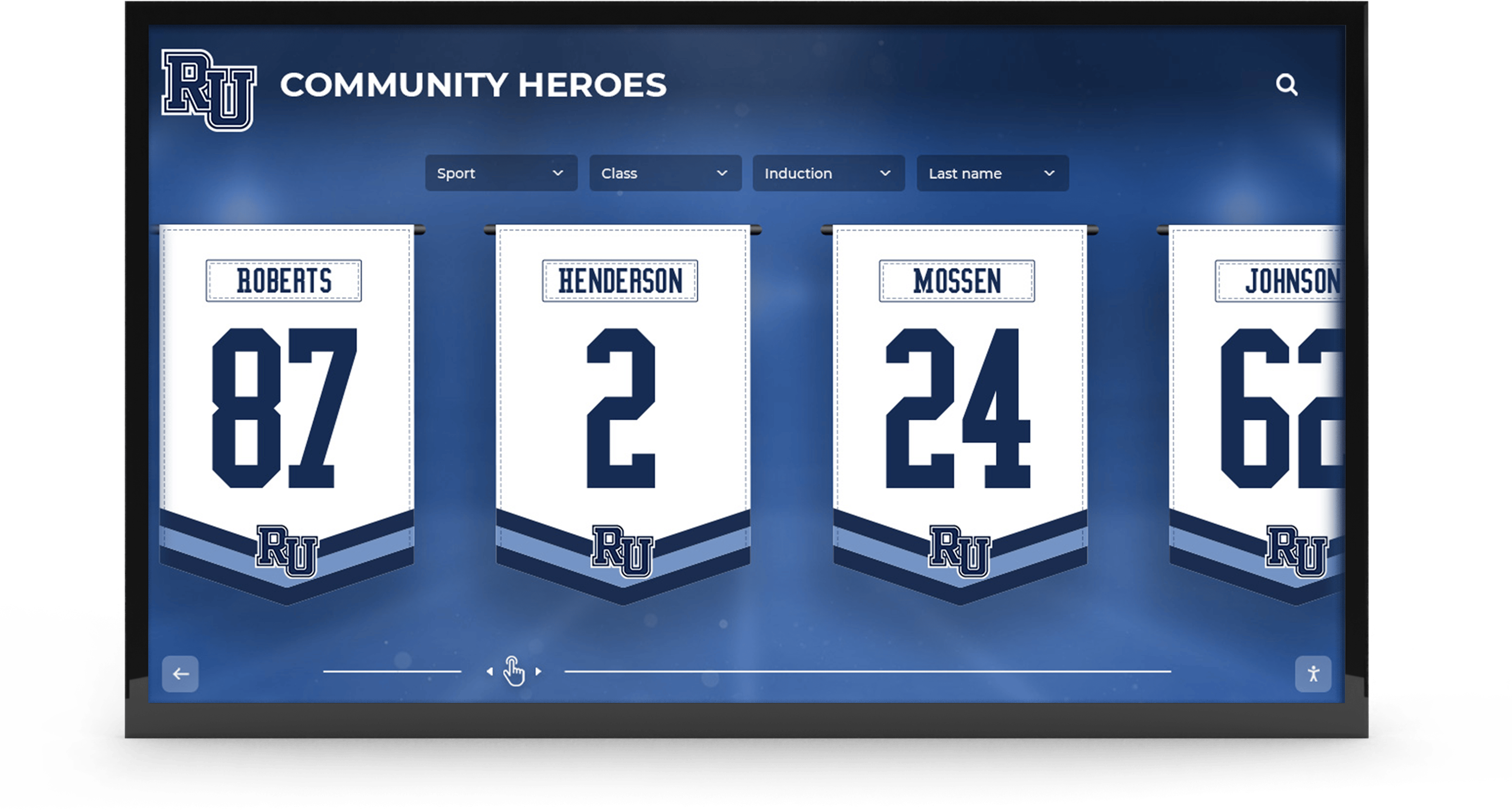
Banner-style recognition displays celebrating community contributors inspire youth while honoring diverse forms of service and achievement
Overcoming Common Alumni Engagement Challenges
Despite best intentions, organizations face predictable obstacles when building alumni programs. Anticipating and addressing these challenges increases success likelihood.
Limited Staff Capacity and Resources
Many BBBS chapters operate with small staff teams focused on current match support, leaving little capacity for alumni relationship management.
Strategic Priority Setting
Organizations cannot do everything simultaneously. Effective approaches focus initial efforts on highest-impact activities:
- Beginning with simple alumni database development before elaborate programming
- Prioritizing recent alumni most likely to engage while contact information remains current
- Focusing recognition programs on milestone anniversaries creating natural reconnection opportunities
- Leveraging technology like automated email systems reducing manual communication workload
- Recruiting volunteers or interns to support alumni relations reducing paid staff burden
Starting small and building gradually proves more sustainable than ambitious launches that collapse under resource constraints.
Technology-Enabled Efficiency
Modern platforms dramatically reduce administrative burden compared to manual processes:
- Digital recognition systems eliminating printing, mounting, and updating physical displays
- Email marketing platforms automating communications and tracking engagement
- Social media management tools scheduling content across multiple platforms simultaneously
- CRM systems centralizing information and automating relationship management tasks
- Online survey platforms streamlining feedback collection and analysis
Technology investments may seem expensive initially but quickly prove cost-effective through staff time savings and expanded capacity.
Alumni Privacy and Contact Preferences
Some alumni prefer not maintaining organizational connections due to personal circumstances, privacy concerns, or simply moving forward from that life chapter. Organizations must respect these boundaries while keeping doors open.
Opt-In Rather Than Opt-Out Systems
Rather than adding all former participants to communications assuming they want contact, organizations should:
- Explicitly request permission for ongoing communication at program conclusion
- Explain what contact will include and allow selection of specific communication types
- Provide simple unsubscribe mechanisms for those changing preferences
- Regularly reconfirm communication interest rather than assuming perpetual permission
- Respect declinations gracefully without pressure or repeated asks after refusal
This respectful approach builds trust while ensuring engaged alumni genuinely want connection.
Varied Recognition Approaches
Some alumni feel uncomfortable with public recognition due to circumstances around program participation, privacy preferences, or personal modesty. Recognition programs should:
- Always ask permission before publicly highlighting individuals in any capacity
- Offer options for anonymous or limited-detail recognition honoring privacy preferences
- Provide various recognition scales from major public honors to quiet individual acknowledgment
- Allow individuals to decline recognition without judgment or consequence
- Separate recognition participation from other engagement opportunities
Flexibility ensures that recognition serves alumni rather than organizational needs, maintaining positive relationships even with those declining public acknowledgment.
Tracking Dispersed Alumni Populations
Unlike school or university alumni concentrated geographically, BBBS participants come from varied backgrounds and often relocate after program participation, making contact maintenance challenging.
Social Media Tracking Strategies
Public social media profiles enable alumni location identification without intrusive investigation:
- Creating official alumni Facebook groups where participants can connect
- Following program hashtags revealing alumni discussing experience
- LinkedIn connections enabling professional network maintenance
- Instagram monitoring showing alumni tagging organizations in posts
While respecting privacy, these public platform monitoring approaches help identify alumni open to organizational contact.
Leveraging Alumni Networks
Connected alumni can help locate peers who lost touch:
- Asking engaged alumni if they remain in contact with match partners or program friends
- Recruiting class representatives who maintain informal networks within cohorts
- Encouraging alumni to invite peers to events or communications
- Creating digital reunion opportunities where word spreads through existing networks
Peer connections often prove more effective than organizational outreach for locating dispersed individuals.
Diverse Alumni Experiences and Outcomes
Not all program alumni achieve remarkable success warranting traditional recognition. Some faced circumstances that prevented optimal outcomes despite quality mentoring, while others succeeded in ways not easily measured.
Redefining Success Broadly
Organizations should resist narrow success definitions limited to educational credentials or career achievement:
- Recognizing personal growth like overcoming addiction, escaping violence, or building stable families
- Celebrating community contribution through volunteer work, neighborhood leadership, or helping others
- Honoring resilience in facing ongoing challenges with dignity and persistence
- Acknowledging relationship success in maintaining bonds with mentors, family, or community
- Valuing mentor achievement in providing consistent support regardless of measurable mentee outcomes
This expansive view ensures diverse alumni feel valued while acknowledging that mentorship creates multiple forms of positive impact not all measurable through traditional metrics.
Creating Safe Spaces for All Alumni
Some alumni struggled despite program participation or faced circumstances preventing connection with organizations associated with difficult periods. Creating inclusive engagement:
- Offering varied involvement levels from intensive to minimal
- Providing support resources for alumni facing current challenges
- Celebrating small steps and incremental progress rather than only major achievements
- Maintaining non-judgmental communication that all former participants remain valued community members
- Connecting alumni experiencing difficulties with resources, referrals, or support networks
This inclusive approach honors that while mentorship creates positive impact, it cannot solve all challenges, and all former participants deserve continued organizational support regardless of outcomes.
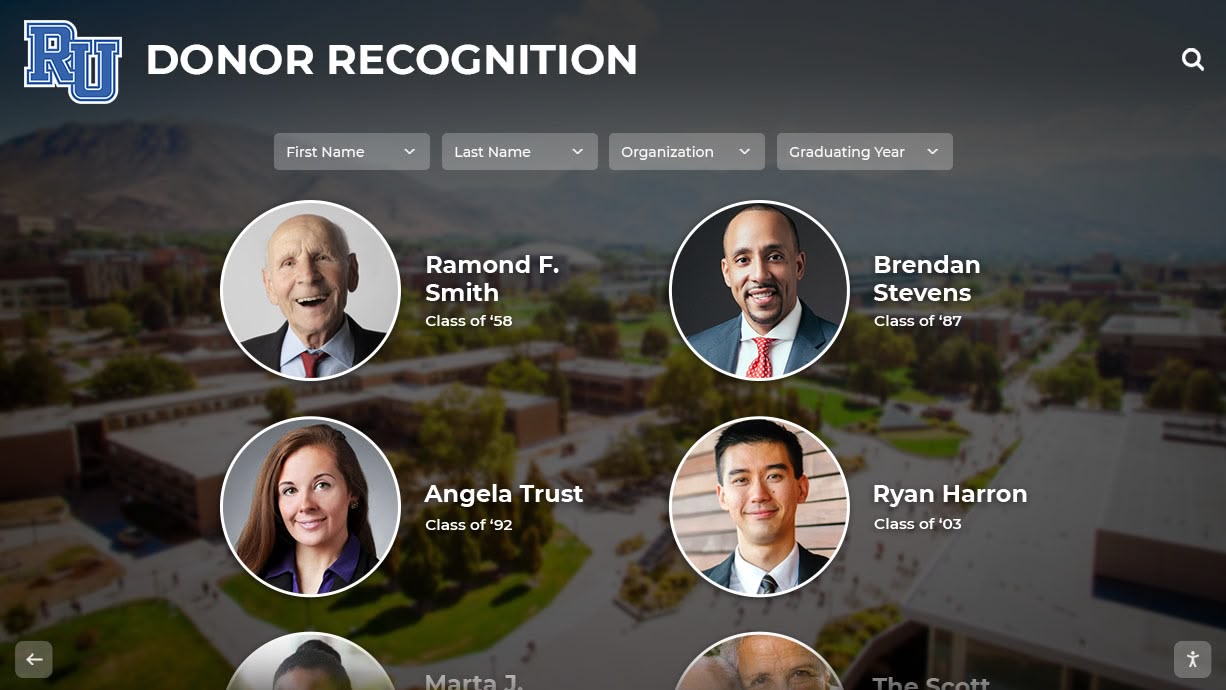
Comprehensive alumni recognition systems document institutional impact while inspiring continued engagement across generations
Implementing Alumni Recognition and Engagement Programs
Moving from conceptual understanding to operational implementation requires systematic planning ensuring initiatives launch successfully and remain sustainable.
Conducting Needs Assessment
Before designing specific programs, organizations should assess current state and identify priorities:
Existing Alumni Data Inventory
- What contact information currently exists for program alumni?
- How complete and current is available data?
- What systems currently house alumni information?
- Who has access to and responsibility for alumni data?
- What previous alumni engagement efforts occurred and what were results?
Stakeholder Input Gathering
- Survey current staff about alumni engagement priorities and capacity constraints
- Interview board members about strategic vision for alumni relationships
- Consult engaged alumni about their interests, preferences, and participation willingness
- Review competitor or peer organization alumni programs identifying promising practices
- Assess available budget, staff time, and technology resources for initiatives
This assessment phase prevents investing in programs misaligned with organizational capacity or stakeholder needs.
Developing Phased Implementation Plans
Attempting comprehensive alumni programs immediately overwhelms resources. Phased approaches build momentum while enabling learning and adjustment.
Phase One: Foundation Building (Months 1-6)
- Compile and clean existing alumni contact data into centralized database
- Implement basic CRM or database system for information management
- Launch simple communication like quarterly email newsletter to reachable alumni
- Create basic social media alumni group or page enabling informal connection
- Identify 5-10 successful alumni willing to share stories for initial recognition
Phase Two: Recognition Launch (Months 7-12)
- Establish formal recognition criteria and nomination process
- Implement digital recognition display system showcasing initial honorees
- Plan and execute first alumni recognition event or ceremony
- Develop marketing materials featuring alumni success for recruitment and fundraising
- Expand communications adding targeted segments for different alumni populations
Phase Three: Engagement Expansion (Year 2)
- Launch structured volunteer opportunities specifically for alumni
- Develop alumni advisory council providing program input
- Implement annual alumni survey gathering feedback and updated information
- Create alumni networking events or professional development opportunities
- Establish alumni giving program with specific projects alumni can support
Phase Four: Program Maturation (Year 3+)
- Build sophisticated outcome tracking system documenting long-term alumni success
- Develop comprehensive case studies for fundraising and awareness
- Expand recognition categories ensuring diverse achievement acknowledgment
- Launch alumni-to-current-participant connection programs
- Implement major gifts strategy targeting successful alumni as substantial donors
This gradual approach prevents resource depletion while demonstrating value that justifies continued investment.
Measuring Success and Demonstrating Impact
Like any organizational initiative, alumni engagement requires assessment demonstrating value and informing continuous improvement.
Quantitative Metrics
- Database growth and data quality improvement over time
- Communication engagement rates including email opens, click-throughs, and social media interaction
- Alumni participation numbers in events, volunteering, giving, or other opportunities
- Mentor recruitment from alumni pipeline versus other sources
- Fundraising revenue attributable to alumni donors
- Media coverage and awareness generated through alumni stories
Qualitative Indicators
- Alumni feedback about recognition and engagement experiences
- Staff assessment of program manageability and value
- Board member perspectives on strategic alumni relationship benefits
- Volunteer recruiter observations about alumni story effectiveness
- Donor comments about alumni testimonial impact on giving decisions
Outcome Documentation
- Case studies demonstrating alumni program success
- Before-and-after comparisons showing engagement growth
- Testimonials from alumni about organizational relationship value
- Recognition from external organizations or media about exemplary alumni programs
- Replication requests from peer organizations seeking to model approaches
Regular reporting to leadership ensures visibility while demonstrating that alumni investment generates concrete returns through volunteer capacity, fundraising, awareness, and mission fulfillment.
Conclusion: Building Lifelong Mentorship Communities Through Alumni Engagement
Big Brother Big Sister program alumni represent living proof that quality mentorship transforms lives. Their educational achievements, career success, community leadership, and commitment to helping others demonstrate the powerful ripple effects created when caring adults invest in young people’s potential. Organizations that systematically recognize and engage these alumni amplify program impact far beyond individual matches—they create perpetual cycles of mentorship, inspiration, and community investment that strengthen entire communities across generations.
The strategies explored throughout this comprehensive guide provide actionable frameworks for celebrating alumni accomplishments while maintaining meaningful lifelong relationships. From academic recognition programs that honor diverse achievements to digital platforms that keep alumni connected regardless of geographic distance, modern approaches make comprehensive alumni engagement achievable even for organizations with limited resources.
Most importantly, effective alumni programs serve current participants by providing visible proof that mentorship creates lasting positive change. When young people see alumni who faced similar circumstances achieve remarkable success, when they hear mentors describe relationship rewards, when they observe alumni returning to give back to programs that supported them—they understand that their mentorship experience represents more than temporary support but rather lifelong community membership with people genuinely invested in their success.
Transform Your Alumni Recognition Program
Discover how modern digital recognition solutions can help your organization celebrate mentorship success stories, maintain lifelong alumni connections, and inspire current participants through visible role models who demonstrate mentorship's transformative power.
Explore Recognition SolutionsWhether your organization currently has no formal alumni engagement or seeks to enhance existing recognition programs, starting with achievable first steps builds momentum toward comprehensive systems your alumni deserve. Every former participant who receives meaningful acknowledgment, every mentor-mentee reunion facilitated, every success story shared with current participants strengthens the mentorship community while demonstrating program value to stakeholders whose support ensures mission continuation.
Your BBBS alumni have achieved remarkable things—often against significant odds—thanks in part to mentors and organizations that believed in their potential. They deserve recognition honoring their accomplishments while inspiring the next generation of young people and mentors. With thoughtful planning, appropriate technology, and genuine commitment to lifelong relationships, you can create alumni engagement systems that celebrate past impact while building future program sustainability.
Ready to begin? Explore how organizations are showcasing community partnerships or learn about developing institutional history timelines that can incorporate mentorship program evolution and alumni achievement into broader organizational storytelling that strengthens community pride and support.































