Semester recognition represents one of the most powerful opportunities schools have to celebrate excellence across every dimension of their educational community. When a semester concludes, schools possess a comprehensive view of achievement spanning academics, athletics, arts, teaching excellence, and employee contributions—creating the perfect moment to honor outstanding performers who have elevated their institutions through dedication and accomplishment.
Yet many schools struggle to create comprehensive recognition systems that honor diverse achievements effectively. Recognition often focuses narrowly on traditional academics or championship athletics while overlooking exceptional teachers, dedicated support staff, emerging artists, and students showing remarkable growth from different starting points. Meanwhile, end-of-semester recognition frequently defaults to rushed announcements or limited ceremonies that fail to capture the full scope of excellence deserving celebration.
This comprehensive guide explores systematic strategies for recognizing semester highlights across all achievement categories—from outstanding educators and employees to academic scholars, student athletes, and creative artists—while creating lasting recognition that inspires continued excellence throughout your school community.
Effective semester recognition requires intentional planning that ensures visibility for achievements across multiple dimensions while creating systematic approaches making recognition meaningful, equitable, and inspiring. Schools that excel at comprehensive semester celebrations create cultures where excellence takes many forms and every exceptional contribution receives appropriate acknowledgment.
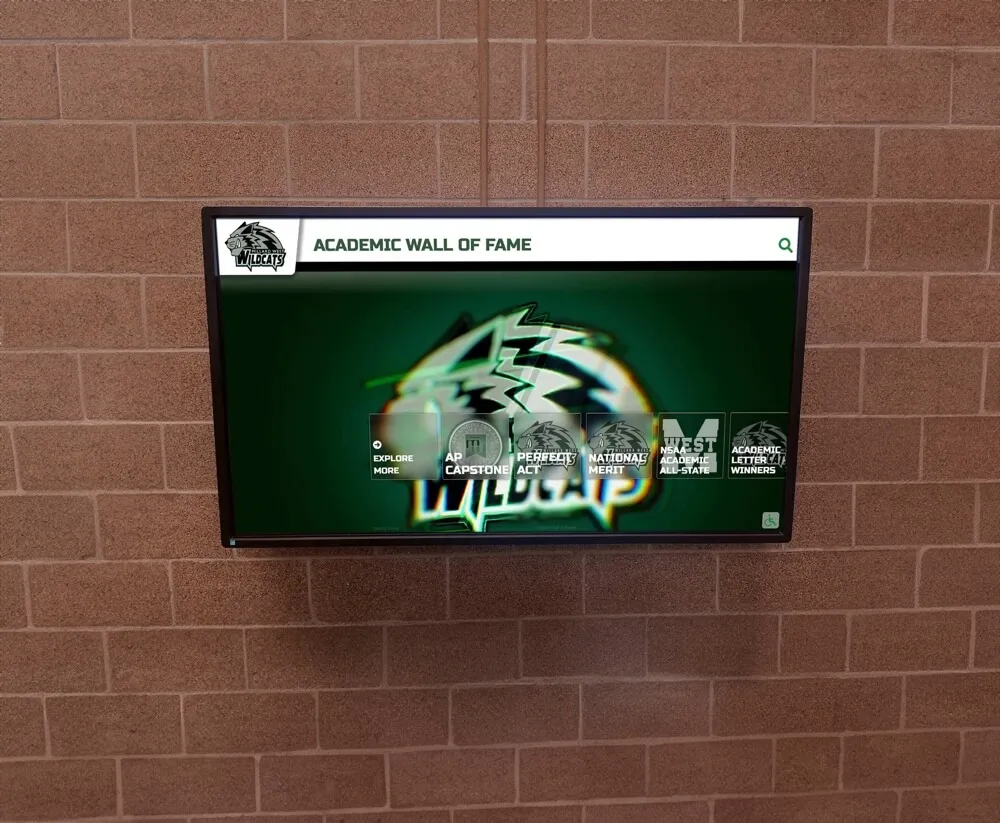
Modern recognition displays make semester highlights visible and celebrated throughout the school community
Why Comprehensive Semester Recognition Matters
Creating structured semester recognition programs serves multiple strategic purposes within educational institutions beyond simply acknowledging individual accomplishments.
Building Complete Achievement Cultures
When schools celebrate diverse achievements systematically—honoring exceptional teachers alongside outstanding students, recognizing support staff contributions equally with athletic championships, and elevating artistic excellence to the same prominence as academic honors—they communicate that excellence manifests through multiple pathways.
This comprehensive approach creates inclusive cultures where all community members see opportunities for meaningful recognition regardless of their roles or talents. Students exploring different interests discover that schools genuinely value diverse contributions rather than privileging certain achievement types over others.
Motivating Continued Excellence
Semester recognition creates natural reflection points where schools publicly acknowledge accomplishments while motivating continued pursuit of excellence. When students, teachers, and staff see peers recognized for outstanding performance, they receive concrete examples of achievement while understanding that their own efforts toward excellence will receive similar celebration.
Research consistently demonstrates that systematic recognition significantly increases sustained performance across recognized and observing populations. Recognition creates positive peer influence that elevates overall institutional performance beyond individual recipients alone.
Strengthening School Culture and Pride
Schools known for celebrating excellence comprehensively develop strong cultures where community members take pride in institutional identity. Visible semester recognition—through ceremonies, digital displays, communications, and traditions—demonstrates program quality while building pride among current students, families, staff, and alumni.
Recognition programs create memorable moments that community members associate with positive school experiences, strengthening emotional connections that support long-term engagement and institutional loyalty.
Creating Institutional Memory
Systematic semester recognition builds historical archives documenting institutional excellence across decades. Digital recognition systems facilitate this preservation through searchable databases maintaining complete records of every recognized individual across all categories throughout school history.
These archives demonstrate long-term institutional commitment to excellence while providing research data about achievement patterns, program effectiveness, and cultural evolution over time.
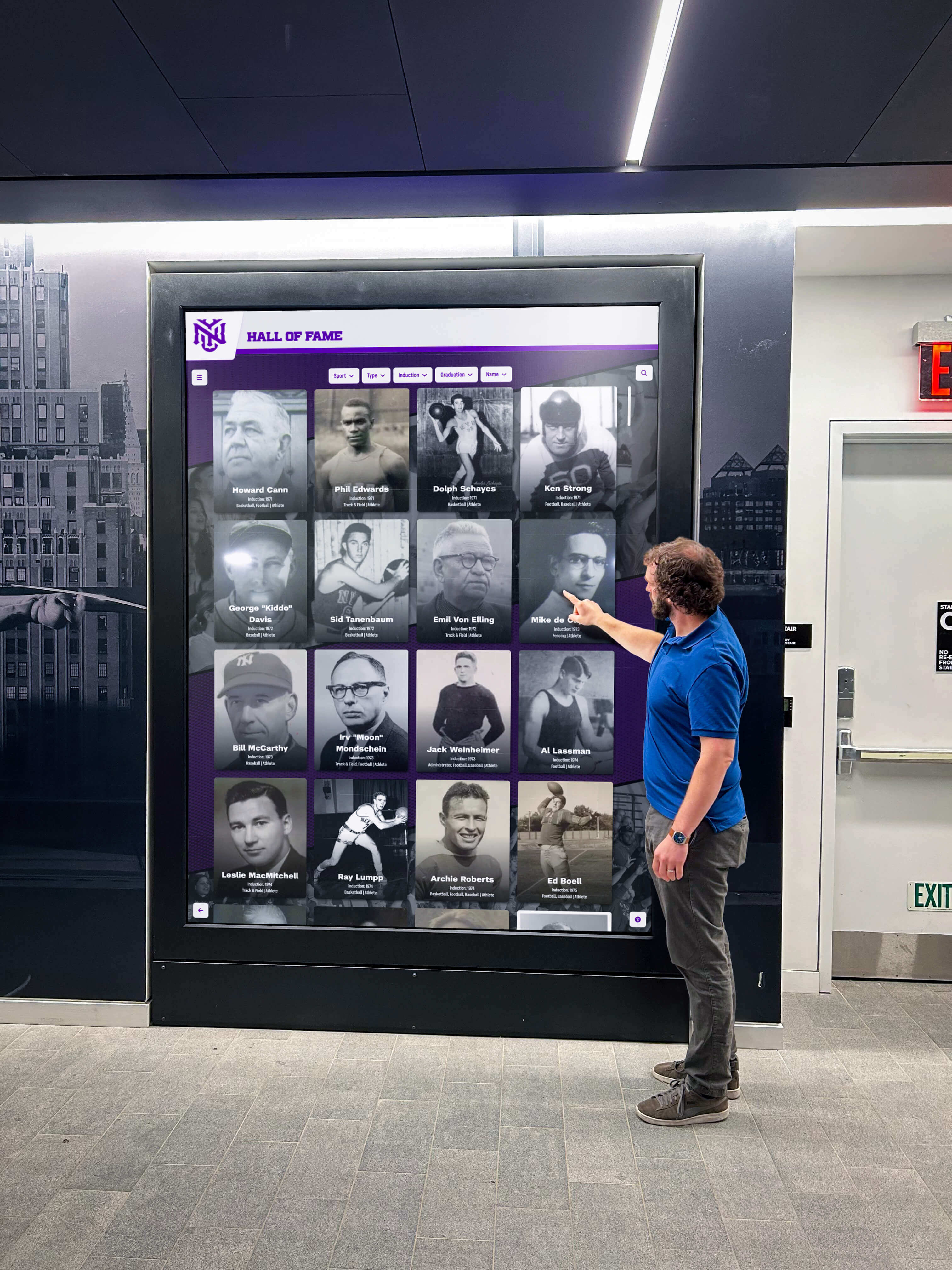
Interactive displays enable families and community members to explore comprehensive semester achievements
Recognizing Outstanding Teachers: Honoring Educational Excellence
Teachers represent the foundational element of educational excellence, and semester recognition provides systematic opportunities to celebrate exceptional instructional performance, innovation, dedication, and impact.
Teacher Recognition Categories
Comprehensive teacher recognition encompasses multiple dimensions of educational excellence:
Instructional Excellence Recognition
- Exceptional student achievement gains across classes
- Innovative teaching methodologies and curriculum development
- Consistent high-quality instruction measured through observations
- Student engagement and participation excellence
- Differentiation success meeting diverse learner needs
Student Impact Recognition
- Highest student satisfaction and feedback scores
- Mentorship excellence supporting student development
- Relationship building creating strong student connections
- Academic motivation and inspiration demonstrated in student outcomes
- Long-term influence reflected in alumni testimonials
Professional Leadership Recognition
- Curriculum development and instructional innovation
- Mentoring and supporting colleagues effectively
- Department or grade-level leadership excellence
- Professional learning community contributions
- Initiative and program development benefiting institutions
Dedication and Service Recognition
- Consistent reliability and commitment beyond expectations
- Extra-curricular program leadership and sponsorship
- Family engagement and communication excellence
- Collegial support and positive workplace contribution
- Long-term service milestones and career achievements
Learn more about systematic approaches in teacher staff recognition programs.
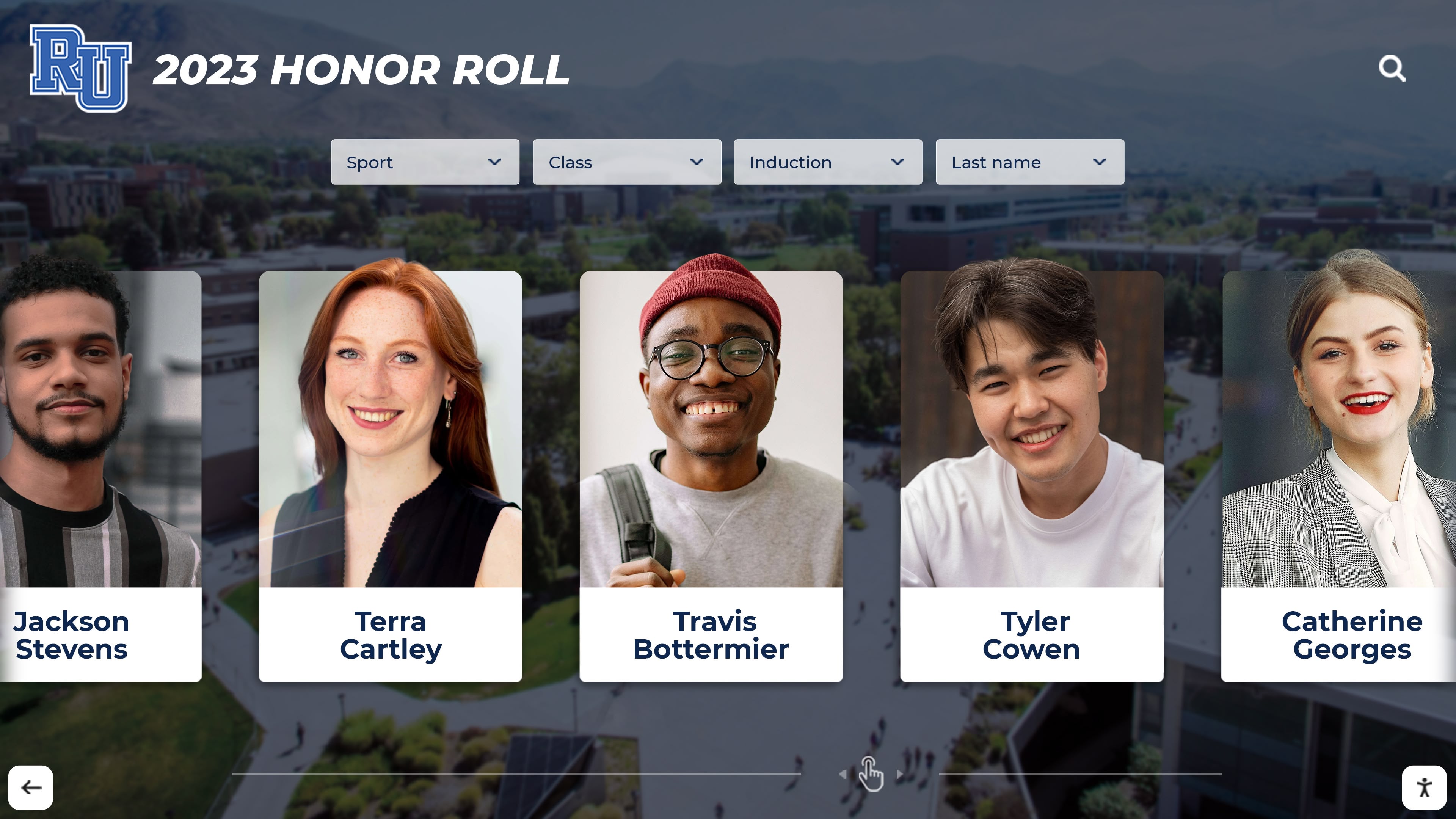
Individual recognition profiles honor specific teaching achievements and educational impact
Selection Processes for Teacher Recognition
Establishing clear, credible selection processes ensures teacher recognition maintains meaning while feeling fair and objective:
Multiple Input Sources
- Student feedback and satisfaction surveys
- Administrator observations and evaluations
- Peer nominations recognizing collegial excellence
- Parent testimonials about teacher impact
- Student achievement data showing growth and outcomes
Transparent Criteria Clear, published criteria help teachers understand recognition standards while ensuring selection consistency:
- Specific, measurable achievement indicators
- Balance between quantitative and qualitative measures
- Recognition of both outcomes and processes
- Multiple pathways accommodating different teaching contexts
- Regular review ensuring criteria remain relevant
Selection Committee Approach Diverse committees representing multiple stakeholder perspectives ensure balanced, comprehensive evaluation:
- Administrator representatives providing institutional perspective
- Teacher representatives offering collegial insight
- Parent representatives contributing family viewpoints
- When appropriate, student representatives adding learner perspective
- Rotating membership preventing recognition concentration
Teacher Recognition Presentation
Outstanding teachers deserve celebration that validates their professional excellence while inspiring colleagues:
Public Recognition Ceremonies
- Semester-end faculty celebrations honoring outstanding teachers
- All-school assemblies featuring teacher recognition
- Board of education meetings with public acknowledgment
- Family engagement events including teacher celebration
- Award presentations with specific accomplishment highlights
Permanent Recognition Displays Teacher of the year award showcases provide lasting visibility for educational excellence:
- Digital recognition displays in high-traffic school areas
- Faculty lounge honor walls celebrating teaching excellence
- Website features highlighting recognized educators
- Social media campaigns celebrating outstanding teachers
- Historical archives documenting teaching excellence across decades
Meaningful Recognition Elements Beyond ceremonial acknowledgment, provide tangible recognition:
- Professional development funding or educational grants
- Classroom resources or technology upgrades
- Additional planning periods or leadership opportunities
- Recognition certificates and commemorative awards
- Public letters of recognition for professional portfolios
Celebrating Top Employees: Honoring Essential Contributions
Support staff, administrators, and all non-teaching employees contribute essentially to school excellence, and comprehensive semester recognition ensures their contributions receive appropriate celebration alongside instructional staff.
Employee Recognition Categories
Complete recognition systems honor diverse employee contributions:
Administrative Excellence Recognition
- Leadership effectiveness supporting institutional goals
- Innovation in systems, processes, or programs
- Problem-solving excellence addressing complex challenges
- Strategic thinking and planning contributions
- Community engagement and relationship building
Support Staff Excellence Recognition
- Exceptional service quality and reliability
- Student support and relationship building
- Operational efficiency and effectiveness
- Positive attitude and team contribution
- Initiative and proactive problem-solving
Service Milestone Recognition
- Years of service acknowledgment (5, 10, 15, 20, 25+ years)
- Career achievement celebration
- Retirement recognition honoring complete careers
- Promotion and advancement acknowledgment
- Role transition celebrations
Explore comprehensive approaches in academic recognition programs that can extend to all employees.
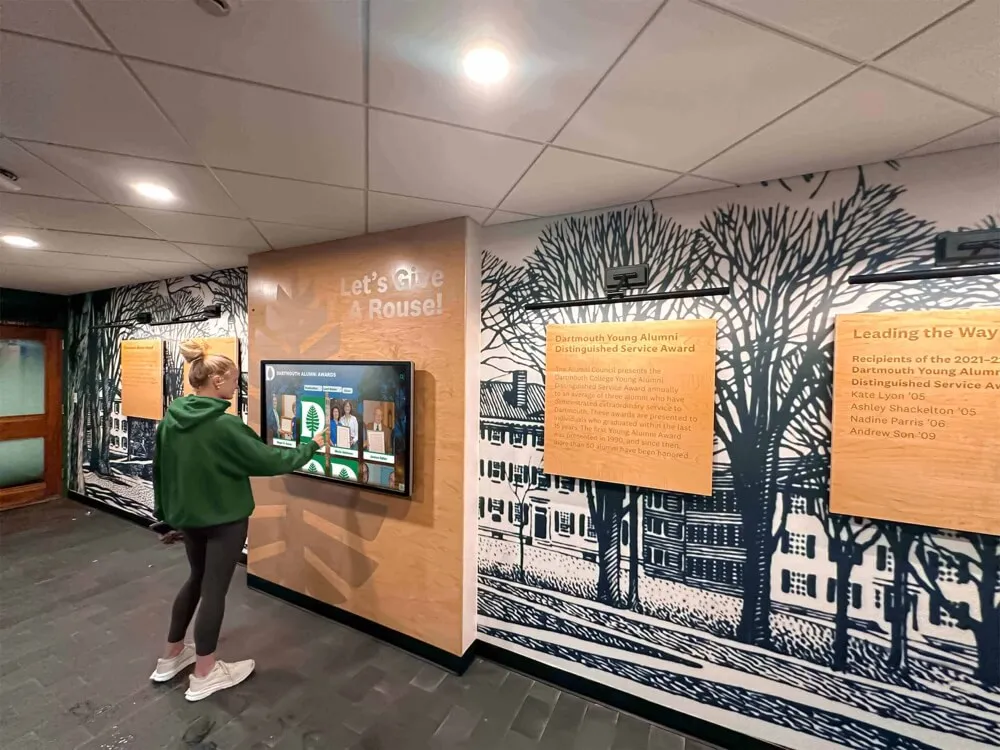
Modern recognition systems honor all employees contributing to school excellence
Creating Equitable Employee Recognition
Ensuring recognition opportunities exist across all employee categories requires intentional program design:
Role-Appropriate Recognition Criteria Different roles require different achievement measures:
- Administrative positions evaluated on leadership and strategic impact
- Office staff assessed on service quality and operational excellence
- Facilities teams recognized for maintenance and environmental quality
- Food service staff honored for meal quality and student service
- Transportation employees celebrated for safety and reliability
- Technology staff acknowledged for system effectiveness and support
Balanced Recognition Distribution Monitor recognition patterns ensuring equitable distribution:
- Track recognition by department and role category
- Ensure visibility for all employee groups
- Rotate recognition categories emphasizing different contributions
- Create multiple recognition tiers accommodating different achievement scales
- Regularly assess whether recognition reaches all deserving employees
Nomination Accessibility Make nomination processes accessible to all stakeholders:
- Multiple nomination pathways (online forms, paper submissions, verbal nominations)
- Anonymous options for sensitive recognition situations
- Student nomination opportunities for employees showing exceptional support
- Family nominations recognizing employees creating positive experiences
- Self-nomination options for employees documenting their contributions
Meaningful Employee Recognition Approaches
Support staff and administrators deserve recognition as thoughtful and meaningful as teacher acknowledgment:
Personalized Recognition
- Specific accomplishment descriptions rather than generic praise
- Personal stories illustrating impact and contribution
- Photos and profiles highlighting individual employees
- Recognition reflecting unique contributions and achievements
- Acknowledgment of specific behaviors worth celebrating
Public and Private Recognition Balance
- Public ceremonies honoring employees before school communities
- Private acknowledgment for employees preferring low-profile recognition
- Supervisor letters documenting specific contributions
- Team recognition for collaborative achievements
- Department-level celebrations complementing institutional recognition
Honoring Top Academic Students: Celebrating Intellectual Excellence
Academic achievement represents core educational mission accomplishment, and comprehensive semester recognition ensures intellectual excellence receives prominence equal to other achievements.
Academic Achievement Recognition Categories
Multiple academic achievement dimensions deserve systematic celebration:
Absolute Achievement Recognition
- Semester honor roll achievement at various GPA thresholds
- Perfect GPA maintenance across challenging course loads
- Subject-specific excellence in individual disciplines
- Standardized test achievement milestones
- Advanced coursework success (AP, IB, Dual Enrollment)
Growth and Improvement Recognition
- Most improved GPA compared to previous semesters
- Subject-specific improvement and skill development
- Reading level advancement and literacy growth
- Grade improvement in previously challenging courses
- Learning gap closure and skill mastery
Academic Competition Excellence
- Subject competition success (Math League, Science Olympiad, Debate)
- Academic bowl and quiz competition achievements
- Writing contest awards and publication recognition
- Research competition participation and awards
- Career and technical skills competition success
Learn about comprehensive academic celebration approaches in AP scholar digital recognition.
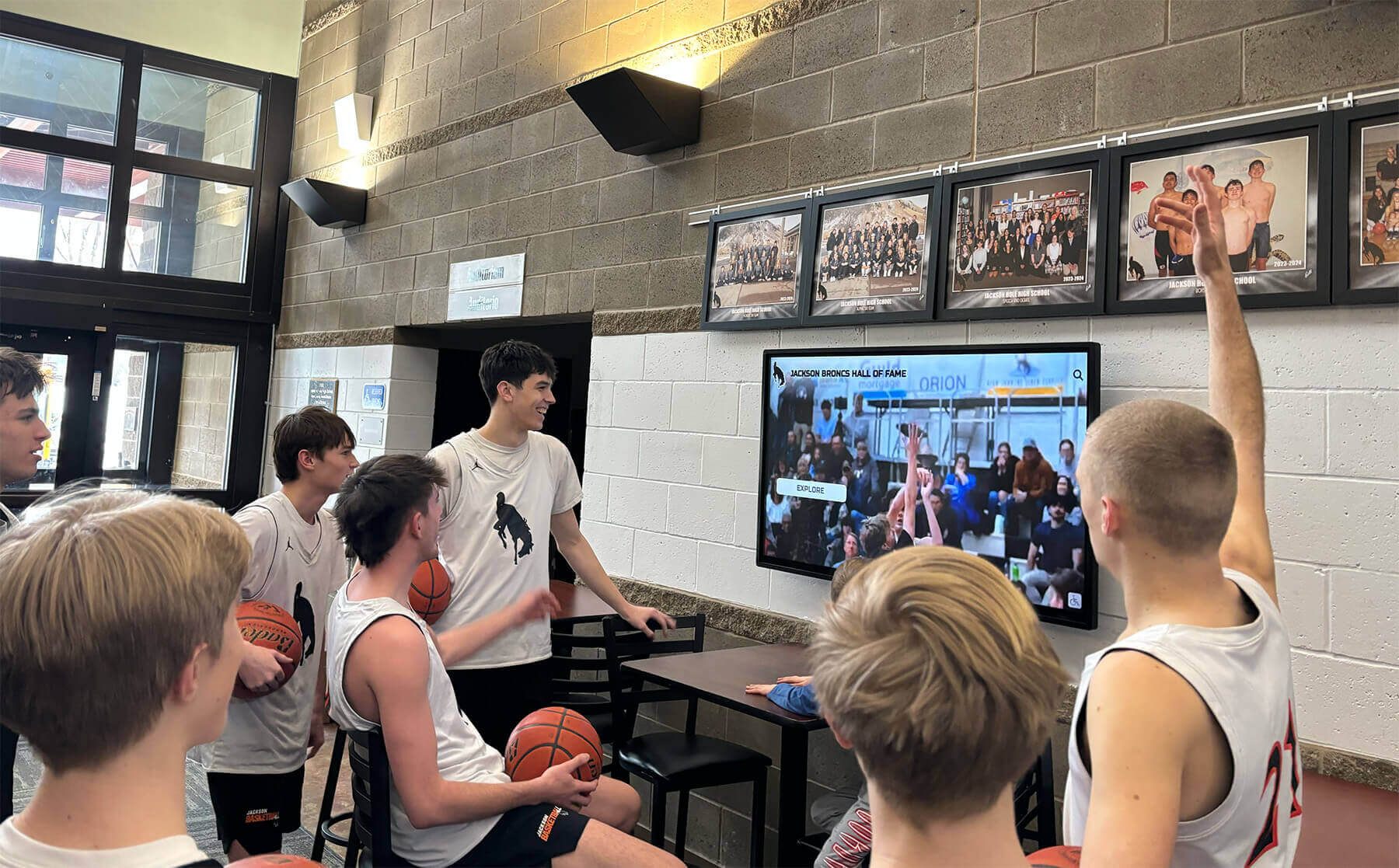
Interactive recognition displays create opportunities for students to explore academic achievements and connect with school excellence culture
Creating Inclusive Academic Recognition
Effective programs ensure recognition opportunities exist for students across all learning profiles:
Multiple Pathway Recognition
- Achievement recognition from all performance starting points
- Growth emphasis ensuring improvement receives celebration
- Effort-based recognition valuing work ethic regardless of outcome
- Subject-specific recognition for specialized excellence
- Character-based academic recognition for persistence and courage
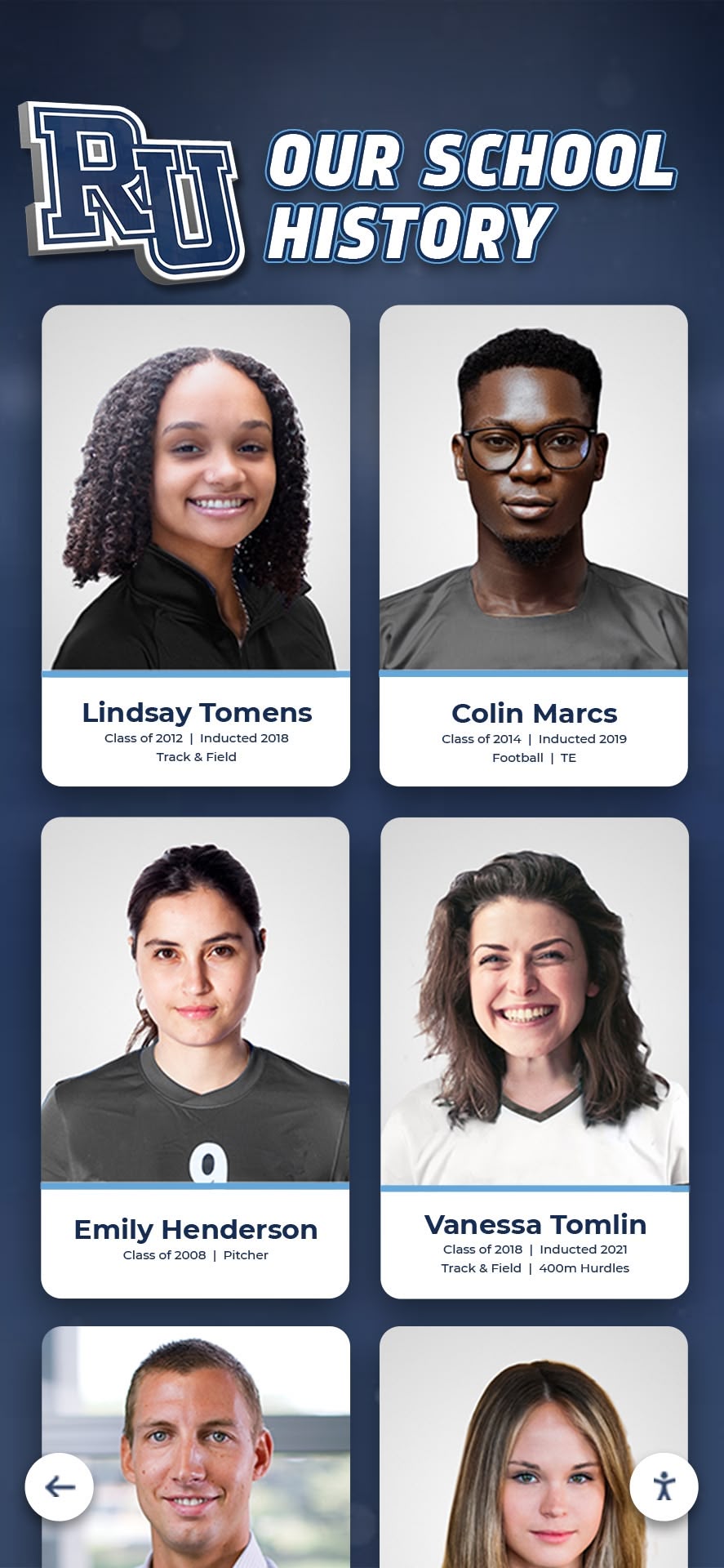
Digital recognition systems document complete academic journeys across semesters and years
Tiered Recognition Structures Creating recognition levels maintains significance while ensuring broad accessibility:
- Pinnacle academic recognition for highest achievements
- Regular honor roll and achievement acknowledgment
- Threshold recognition for students reaching benchmarks first time
- Subject-specific awards celebrating specialized excellence
- Grade-level recognition appropriate to student development
Socioeconomic Inclusivity Academic recognition should create no financial barriers:
- Recognition opportunities requiring no fees or purchases
- School-provided materials for recognition ceremonies
- Equal celebration regardless of student resources
- Recognition criteria focusing on achievement, not participation requiring payment
- Accessible digital recognition extending beyond campus boundaries
Academic Recognition Presentation Strategies
Outstanding academic students deserve celebration that validates intellectual achievement while inspiring peers:
Semester Recognition Ceremonies
- End-of-semester academic awards assemblies
- Grade-level recognition events appropriate to development
- Subject department celebrations honoring discipline excellence
- Family-inclusive evening recognition ceremonies
- Board of education meetings with student achievement acknowledgment
Multi-Channel Communication
- Digital recognition displays in high-traffic school areas
- Social media campaigns celebrating academic excellence
- School website features highlighting semester achievers
- Email communications to families announcing recognition
- Community media partnerships extending recognition reach
Explore systematic recognition approaches in academic recognition programs guide.
Recognizing Top Student Athletes: Celebrating Athletic Excellence
Athletic achievement demonstrates dedication, skill development, teamwork, and competitive excellence deserving systematic recognition alongside academic and other accomplishments.
Athletic Recognition Categories
Comprehensive athletic recognition encompasses multiple achievement dimensions:
Individual Performance Excellence
- Season statistical leaders in relevant sport categories
- Personal record achievements and milestone accomplishments
- All-conference, all-region, and all-state selections
- Postseason recognition and awards
- Sportsmanship and leadership awards
Team Achievement Recognition
- Conference championships and tournament success
- State playoff advancement and championship achievement
- Team record improvements and program milestones
- Undefeated seasons and winning streaks
- Team awards and collective honors
Athletic Development Recognition
- Most improved athlete showing significant skill growth
- Breakthrough performances exceeding expectations
- Consistent effort and practice dedication
- Leadership and team contribution beyond statistics
- Multi-sport participation and versatility
College Athletic Recognition
- College commitment celebrations for recruited athletes
- National signing day recognition
- Athletic scholarship announcements
- College athletic program commitments
- Athletic and academic balance achievements
Learn about comprehensive athletic celebration in womens soccer all star recognition.
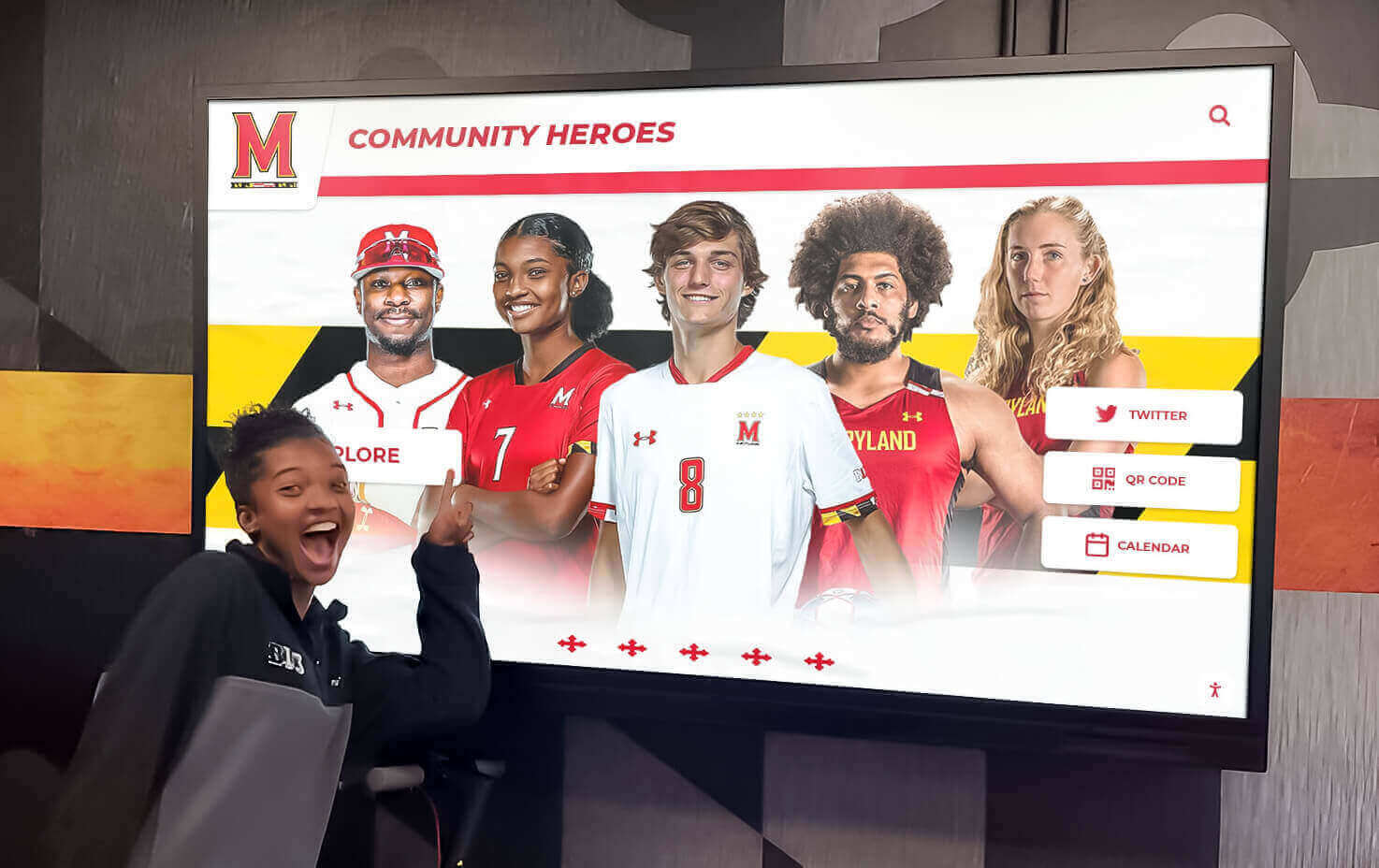
Digital displays make athletic excellence visible and celebrated throughout school communities
Sport-Specific Recognition Approaches
Different sports require tailored recognition acknowledging unique achievement types:
Team Sport Recognition Individual excellence within team contexts:
- Position-specific achievement recognition
- Leadership and team contribution acknowledgment
- Clutch performance in critical game situations
- Consistent excellence throughout seasons
- Teammate and coach recognition
Individual Sport Recognition Personal achievement emphasis:
- Personal record improvements
- Tournament placement and advancement
- Head-to-head competition success
- Skill mastery and technique excellence
- Mental toughness and competitive resilience
Emerging and Non-Traditional Sport Recognition Ensure all athletic programs receive equal recognition:
- Club sport achievements and competition success
- Intramural excellence and participation
- Recreational program leadership
- Unified sports participation and impact
- Emerging sport program development
Balancing Athletic and Academic Recognition
Creating balanced recognition systems requires intentional effort ensuring athletic accomplishments don’t overshadow equally important academic achievements:
Parallel Recognition Structures
- Digital displays showcasing athletic and academic achievements with equal prominence
- Ceremony formats giving comparable time to athletic and academic recognition
- Social media strategies celebrating both achievement types consistently
- Budget allocations providing adequate resources for all recognition categories
- Physical space designations ensuring balanced visibility
Academic-Athletic Integration
- Student-athlete academic excellence recognition
- Scholar-athlete programs honoring combined achievement
- Academic eligibility recognition celebrating standards maintenance
- College-bound athlete academic preparation acknowledgment
- Balance and time management skill recognition
Celebrating Creative Artists: Honoring Artistic Excellence
Creative achievements in visual arts, music, theater, dance, creative writing, and other artistic disciplines deserve recognition equal to academic and athletic accomplishments.
Arts Recognition Categories
Comprehensive arts recognition encompasses diverse creative disciplines:
Visual Arts Recognition
- Juried exhibition acceptance and awards
- Scholastic Art Awards achievement
- Portfolio excellence and development
- Public art installations and commissions
- Technical skill mastery in specific media
Music Recognition
- All-state and all-region ensemble selections
- Solo and ensemble competition superior ratings
- Music scholarship and college program acceptances
- Leadership in ensembles and music programs
- Consistent excellence and skill development
Theater and Performance Recognition
- Lead and supporting role excellence
- Technical theater achievement and innovation
- State Thespian Festival recognition
- Directing and stage management excellence
- Consistent commitment and program contribution
Creative Writing Recognition
- Writing contest awards and publication
- Literary magazine contributions and leadership
- Poetry and prose competition achievement
- Journalism excellence and reporting awards
- Dramatic writing and playwriting recognition
Explore arts celebration approaches in all state musician recognition.
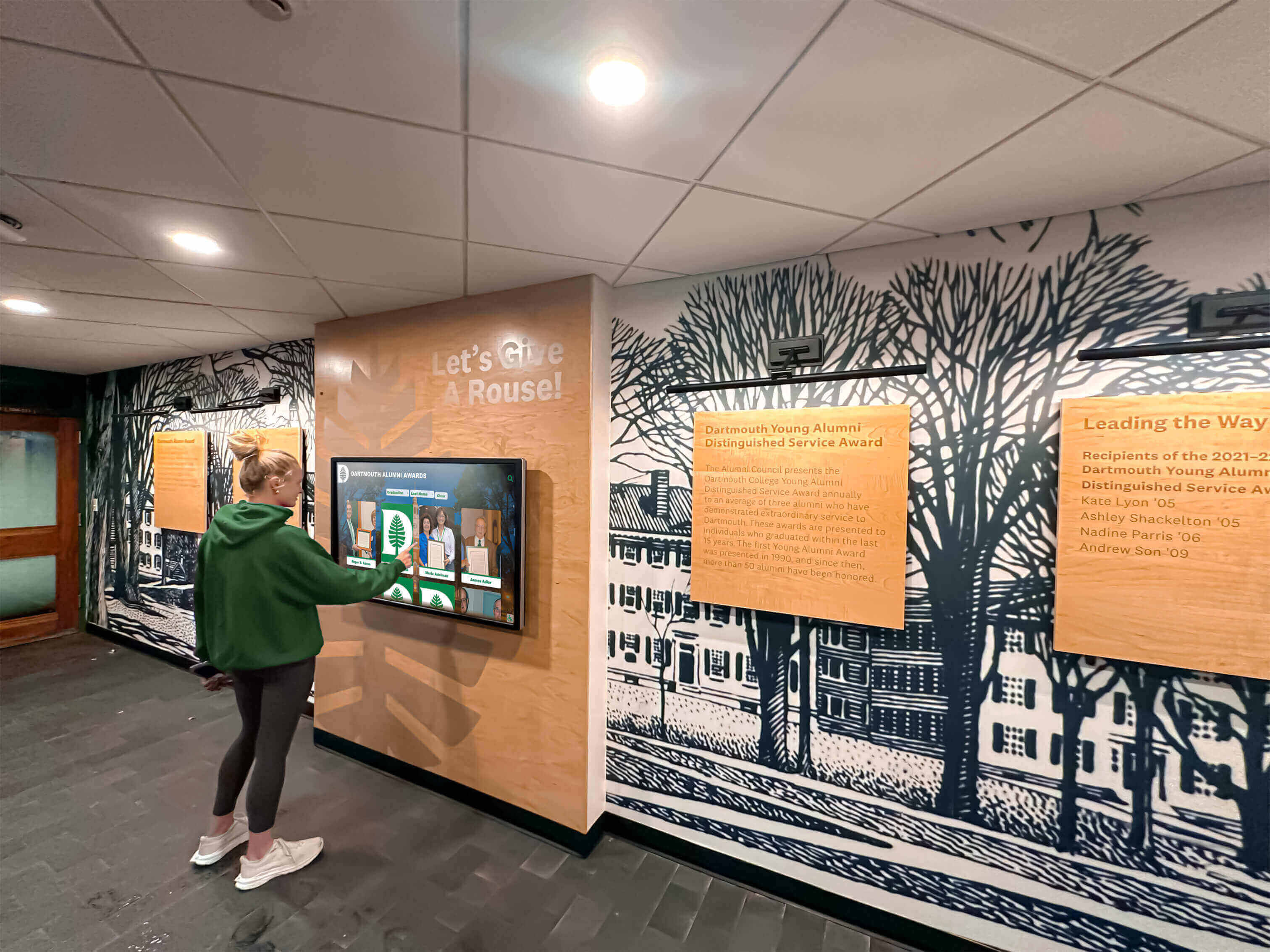
Interactive displays celebrate artistic excellence alongside academic and athletic achievements
Creating Visible Arts Recognition
Arts achievements often receive less prominent recognition than athletics, requiring intentional visibility efforts:
Permanent Recognition Displays
- Digital recognition displays featuring arts achievements prominently
- Gallery spaces showcasing student artwork continuously
- Performance recordings and highlight reels in common areas
- Writing displays and publication showcases
- Historical achievement archives documenting arts excellence
Arts Recognition Events
- Semester arts showcases featuring multiple disciplines
- Juried student art exhibitions with opening receptions
- Music and theater performance recognitions
- Creative writing readings and publication releases
- Multi-disciplinary arts festivals celebrating comprehensive creativity
Integration with School Culture
- Morning announcements highlighting arts achievements
- Social media campaigns celebrating creative excellence
- Community partnership recognition through local media
- Arts achievement acknowledgment at athletic events
- Cross-disciplinary recognition connecting arts to other areas
Supporting Continued Arts Development
Recognition should connect to opportunities supporting continued artistic growth:
Portfolio and Resume Development
- Professional documentation of artistic achievements
- High-quality performance recordings and artwork photography
- Recognition credentials supporting college applications
- Scholarship application materials and recommendations
- Professional networking and mentorship connections
Advanced Opportunity Access
- Summer arts program nominations and recommendations
- College arts program introductions and visits
- Professional artist mentorship connections
- Exhibition and performance opportunities beyond school
- Arts scholarship information and application support
Implementing Comprehensive Semester Recognition Programs
Creating effective recognition systems requires systematic planning addressing selection, presentation, and sustainability.
Semester Recognition Timeline
Structured timelines ensure recognition receives appropriate attention and execution:
Mid-Semester Planning (Week 6-8)
- Announce upcoming recognition programs and categories
- Establish nomination deadlines and submission processes
- Communicate selection criteria and procedures
- Prepare nomination forms and submission systems
- Identify selection committee members and schedule meetings
Late Semester Selection (Week 12-14)
- Review nominations and compile candidate information
- Conduct selection committee meetings and evaluations
- Finalize recognition recipients across all categories
- Prepare recognition materials and presentations
- Contact recipients and families about upcoming recognition
End-of-Semester Celebration (Finals Week/Last Week)
- Host recognition ceremonies and events
- Update digital recognition displays with semester recipients
- Distribute certificates, awards, and recognition materials
- Publish recognition announcements across multiple channels
- Document recognition for historical archives
Post-Semester Communication (First Week Break)
- Social media campaigns celebrating semester achievements
- Community media recognition announcements
- Website updates featuring recognized individuals
- Email communications to families and community
- Planning reflections and improvement notes for next semester
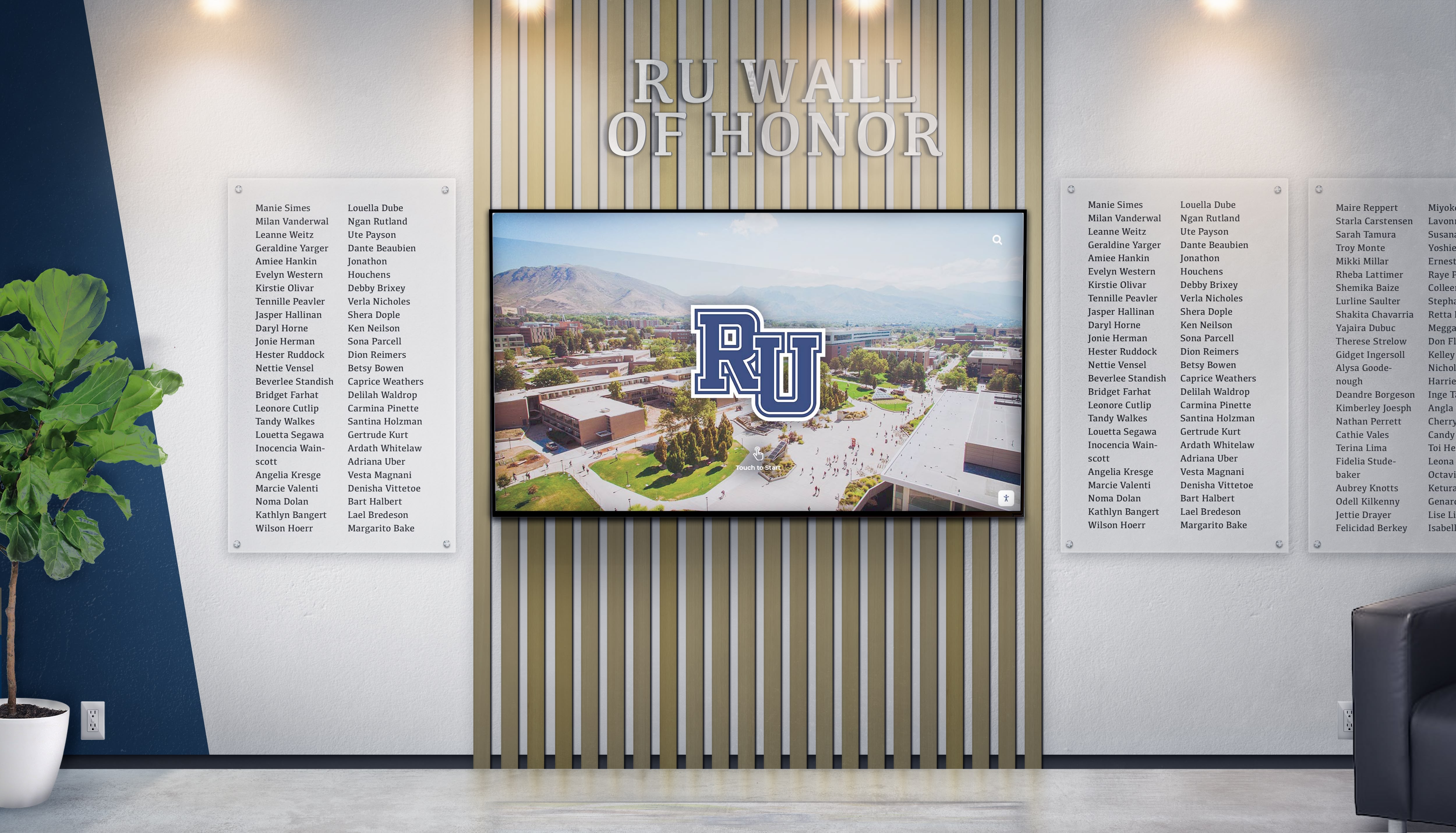
Integrated recognition systems create comprehensive celebration spaces honoring all achievement types
Selection Process Design
Credible, fair selection processes ensure recognition maintains meaning:
Clear, Published Criteria
- Specific, measurable achievement indicators for each category
- Transparent standards accessible to all stakeholders
- Balance between quantitative and qualitative measures
- Multiple recognition pathways accommodating diverse achievements
- Regular criteria review ensuring continued relevance
Multiple Input Sources
- Quantitative achievement data (grades, statistics, measurements)
- Qualitative assessments from supervisors and observers
- Peer nominations recognizing colleague perspectives
- Student and family testimonials providing impact evidence
- Self-nomination opportunities with achievement documentation
Diverse Selection Committees
- Representation from multiple stakeholder groups
- Rotating membership preventing recognition concentration
- Clear evaluation rubrics and scoring processes
- Anonymous review when appropriate for objectivity
- Committee training on equity and bias awareness
Modern Recognition Technology Solutions
Digital recognition platforms transform how schools celebrate semester achievements while overcoming traditional limitations:
Unlimited Recognition Capacity Solutions like Rocket Alumni Solutions eliminate space constraints that force schools to choose whose accomplishments receive visibility:
- Single displays showcase unlimited individuals across all categories
- Historical achievement preservation without removal for current recognition
- Comprehensive archives maintaining institutional memory
- Equal capacity for all achievement types and disciplines
Interactive Engagement Features Modern touchscreen systems create engagement impossible with static displays:
- Search functionality enabling exploration by name, category, year, or achievement
- Filtering by semester allowing historical achievement review
- Detailed profiles telling complete stories about achievements
- Photo galleries and multimedia achievement documentation
- Progress tracking showing growth across multiple semesters
Simple Content Management Cloud-based platforms eliminate administrative burden:
- Remote updates from any internet-connected device
- Bulk import tools for semester achievement data
- Scheduled publishing automation for recognition events
- Role-based permissions enabling appropriate staff access
- Templates streamlining consistent recognition presentation
Web-Based Recognition Extensions Recognition extends beyond campus to engage broader communities:
- Online platforms accessible to families worldwide
- Social sharing capabilities celebrating achievements
- Mobile optimization ensuring accessibility across devices
- Integration with school websites and communications
- Analytics tracking engagement and program effectiveness

Touchscreen interfaces make exploring semester achievements engaging and intuitive
Creating Meaningful Recognition Ceremonies
Formal celebrations create memorable recognition experiences that validate achievements while inspiring continued excellence.
Ceremony Design Principles
Effective recognition ceremonies share common characteristics maximizing impact:
Appropriate Ceremony Scale
- All-school assemblies for pinnacle achievements
- Grade-level or department ceremonies for specific recognition
- Intimate celebrations for specialized achievements
- Virtual options for family participation beyond campus
- Recorded ceremonies for sharing and archival purposes
Balanced Recognition Time
- Equal emphasis across recognition categories
- Individual spotlights highlighting specific achievements
- Group recognition for collective accomplishments
- Speaker opportunities for recognized individuals
- Administrative and community leader participation
Meaningful Presentation Elements
- Specific accomplishment descriptions rather than generic praise
- Personal stories illustrating impact and contribution
- Visual presentations showing achievements contextually
- Certificates, trophies, or tangible recognition items
- Photo opportunities creating lasting memories
Multi-Channel Recognition Communication
Recognition impact depends on systematic communication ensuring broad awareness:
Digital Communication Channels
- School website features with searchable recognition databases
- Social media campaigns celebrating individual achievements
- Email announcements to families and community
- Digital signage throughout buildings
- Mobile app notifications for immediate updates
Traditional Communication Channels
- Printed programs and certificates
- Newsletter features and recognition sections
- Display cases and bulletin boards
- Local media announcements and features
- Community event recognition acknowledgments
Learn about comprehensive communication approaches in national heritage months recognition programs that can extend to semester recognition.
Ensuring Equity and Inclusivity in Recognition
Effective programs ensure recognition opportunities exist across all community members and achievement types.
Monitoring Recognition Distribution
Regular assessment ensures equitable recognition:
Demographic Analysis
- Track recognition by gender across all categories
- Monitor racial and ethnic representation in recognition
- Assess socioeconomic diversity among recognized individuals
- Review special education and learning difference representation
- Analyze English learner and multilingual student recognition
Achievement Category Balance
- Compare recognition numbers across academic, athletic, arts, and service categories
- Ensure employee recognition spans all departments and roles
- Monitor whether recognition concentrates in specific programs
- Track single versus multiple recognition recipients
- Assess whether recognition opportunities exist at all achievement levels
Access and Opportunity Equity
- Verify nomination process accessibility to all stakeholders
- Ensure criteria don’t systematically exclude certain populations
- Confirm recognition requires no financial participation barriers
- Check that selection committees represent diverse perspectives
- Review whether recognition communicates value for diverse achievements
Addressing Recognition Gaps
When analysis reveals recognition inequities, take corrective action:
Expand Recognition Categories
- Create achievement categories addressing underrepresented areas
- Develop growth and improvement recognition ensuring all starting points receive acknowledgment
- Add character-based recognition valuing traits beyond measurable achievement
- Establish effort and dedication categories recognizing persistence
- Create specialized recognition for unique contributions
Revise Selection Processes
- Train selection committees on equity and implicit bias
- Implement blind review processes when appropriate
- Diversify nomination sources reaching all community segments
- Establish recognition quotas ensuring category balance if needed
- Create appeal processes for perceived selection inequities
Measuring Semester Recognition Program Success
Regular assessment ensures programs achieve intended goals while justifying resource investment.
Quantitative Metrics
Participation and Coverage Data
- Percentage of students receiving semester recognition
- Percentage of teachers recognized across departments
- Employee recognition distribution across roles
- Recognition by category showing program balance
- Year-over-year participation trends
Engagement Indicators
- Ceremony attendance rates and participation
- Digital display interaction frequency and duration
- Social media engagement with recognition content
- Website recognition page views and session time
- Recognition communication open and response rates
Outcome Correlations
- Achievement trends among recognized versus non-recognized individuals
- Motivation and engagement changes following recognition
- Retention and persistence correlations with recognition
- College acceptance and scholarship rates for recognized students
- Alumni reflections on recognition program impact
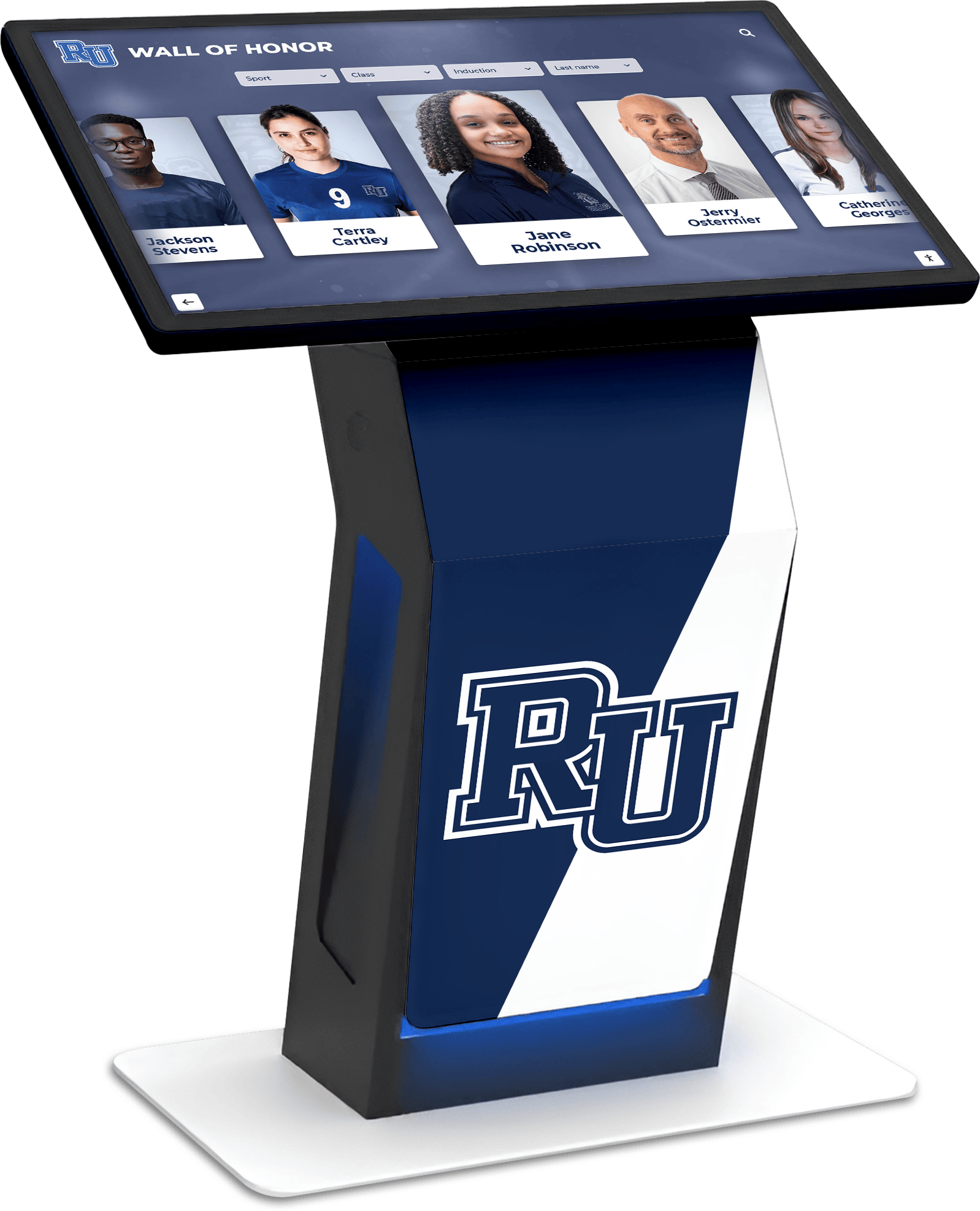
Comprehensive recognition systems integrate technology with systematic selection and communication
Qualitative Assessment
Stakeholder Feedback
- Student surveys about recognition program awareness and impact
- Family perception of recognition fairness and effectiveness
- Staff assessment of recognition program manageability
- Community perception of institutional priorities
- Alumni reflection on how recognition influenced experience
Cultural Indicators
- Observed changes in achievement culture and peer attitudes
- Stakeholder motivation and engagement evidence
- School climate survey results and trends
- Sense of belonging measures across populations
- Pride and connection indicators
Regular assessment enables evidence-based refinement ensuring recognition programs remain meaningful, equitable, and impactful.
Best Practices for Sustainable Semester Recognition
Long-term program success requires systematic approaches ensuring recognition remains consistent regardless of staff changes or competing priorities.
Establishing Clear Responsibility
Assign specific individuals coordinating recognition program elements:
Recognition Coordinators by Category
- Academic recognition coordinator managing student achievement selection
- Athletic recognition coordinator overseeing sport achievement celebration
- Arts recognition coordinator facilitating creative excellence acknowledgment
- Employee recognition coordinator managing staff and teacher recognition
- Overall program director ensuring coordination and consistency
Committee Structure
- Selection committees for each recognition category
- Communication team managing recognition announcements
- Ceremony planning committee organizing celebration events
- Technology team maintaining digital recognition systems
- Assessment committee evaluating program effectiveness
Building Systematic Processes
Document procedures ensuring consistent implementation:
Standard Operating Procedures
- Recognition category definitions and criteria documentation
- Nomination submission processes and deadlines
- Selection evaluation procedures and timelines
- Recognition presentation protocols and formats
- Communication strategies and channel guidelines
Templates and Tools
- Nomination form templates for each category
- Selection rubrics and evaluation instruments
- Recognition certificate and award templates
- Communication templates for various channels
- Ceremony program and presentation formats
Resource Allocation
Adequate resources ensure program quality and sustainability:
Budget Considerations
- Recognition materials and certificates
- Digital display hardware and software when implementing new systems
- Ceremony venue, equipment, and refreshments
- Communication and publication costs
- Professional development for recognition program staff
Technology Investments Consider solutions like Rocket Alumni Solutions providing comprehensive recognition platforms:
- One-time hardware investments with long-term utility
- Subscription-based content management reducing IT burden
- Cloud hosting eliminating local infrastructure requirements
- Regular updates and support ensuring system functionality
- Scalability accommodating institutional growth
Transform Your Semester Recognition Program
Discover how modern digital recognition solutions can help you celebrate excellence across all achievement categories while building a thriving culture of comprehensive accomplishment.
Explore Recognition SolutionsConclusion: Creating Cultures of Comprehensive Excellence
Comprehensive semester recognition represents strategic investment in motivation, culture, and mission fulfillment across educational institutions. When schools systematically celebrate excellence spanning teachers, employees, students, athletes, and artists—they create environments where achievement becomes aspirational, diverse contributions receive validation, and community members take pride in collective accomplishment.
The strategies explored in this guide provide frameworks for building recognition systems that honor diverse achievements while remaining sustainable, equitable, and aligned with educational goals. From digital recognition displays eliminating space constraints to multi-category programs ensuring recognition opportunities across all excellence dimensions, these approaches transform semester recognition from rushed announcements to comprehensive celebrations woven throughout institutional culture.
Effective recognition requires moving beyond limiting assumptions about whose achievements deserve celebration and how recognition should appear. Digital platforms make comprehensive recognition achievable across unlimited individuals and achievement categories, while systematic selection processes ensure consistent implementation reaching all deserving community members.
Your teachers, employees, students, athletes, and artists dedicate themselves to excellence deserving celebration proportional to their accomplishments. Comprehensive semester recognition programs ensure these achievements receive acknowledgment that validates effort while inspiring continued pursuit of excellence throughout your educational community.
Start where you are with recognition programs you can implement immediately, then systematically expand to create the comprehensive approaches your community deserves. Every individual who receives meaningful recognition for their contributions develops stronger institutional connection and greater motivation to continue growing and achieving excellence.
Ready to begin transforming your semester recognition? Explore how digital recognition platforms can celebrate your community’s achievements while inspiring future generations through visible examples of comprehensive excellence that matters.































