Birthday recognition programs represent one of the most personal and universally appreciated forms of acknowledgment in educational institutions and organizations. When schools and workplaces systematically celebrate birthdays—from students and staff to volunteers and community members—they create moments of individual appreciation that strengthen community bonds, boost morale, and demonstrate that every person matters beyond their role or responsibilities.
Yet many institutions struggle to implement birthday recognition that feels meaningful rather than perfunctory. Celebrations often default to generic announcements that lack personal touch, occasional classroom parties requiring extensive coordination, or inconsistent acknowledgment that leaves some people overlooked while others receive elaborate recognition. Meanwhile, summer birthdays get forgotten, remote students miss out entirely, and busy schedules make consistent celebration feel impossible.
This comprehensive guide explores evidence-based strategies for designing and implementing birthday recognition programs that celebrate every individual, build genuine community connections, and create lasting positive associations with your institution—all while remaining manageable and sustainable for staff.
Effective birthday recognition extends beyond cake and cards—it creates systematic approaches ensuring consistent, meaningful acknowledgment for all community members while requiring minimal administrative burden. Institutions that excel at birthday recognition create cultures where personal milestones receive genuine celebration, demonstrating institutional values that prioritize individual humanity alongside achievement.
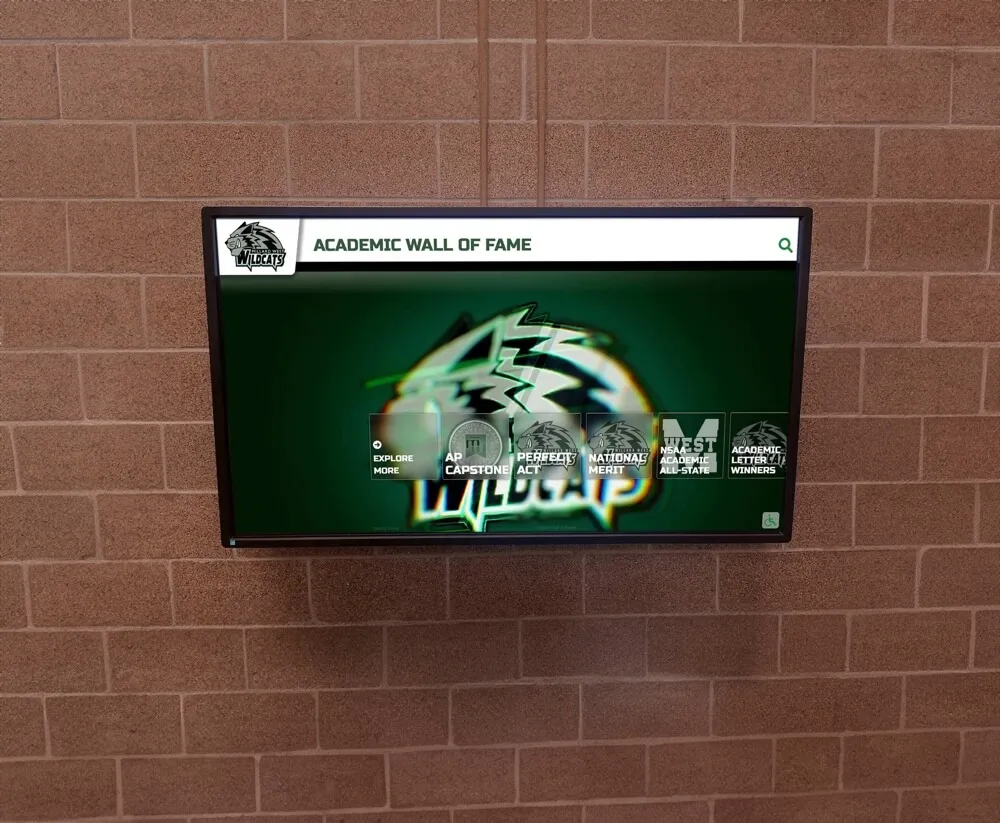
Modern recognition systems can seamlessly integrate birthday celebrations with achievement displays
Why Birthday Recognition Matters in Educational Settings
Understanding the psychological and community-building impact of birthday recognition helps institutions design programs that maximize positive outcomes while avoiding common pitfalls.
The Psychological Impact of Birthday Acknowledgment
Educational and organizational research consistently demonstrates the power of personal recognition:
Belonging and Connection
- Students and staff who receive consistent birthday recognition report significantly higher feelings of belonging to their institution
- Personal acknowledgment creates emotional connections transcending transactional relationships
- Birthday recognition signals that individuals matter for who they are, not just what they accomplish
- Consistent celebration reduces feelings of anonymity in large schools or organizations
Engagement and Wellbeing According to research by Gallup, when employers recognize life events and work milestones including birthdays, employees are three times more likely to feel connected to organizational culture and agree that their organization cares about their wellbeing. While this research focused on workplaces, similar principles apply in educational settings where students and staff spend considerable time.
Retention and Loyalty Research indicates that job search activities jump 12 percent before employees’ birthdays, and celebrating birthdays can reduce turnover. In educational contexts, birthday recognition contributes to staff retention and student engagement, creating positive associations that strengthen long-term connections to the institution.
Community Building Through Celebration
Birthday recognition creates ripple effects throughout institutional culture:
Peer Connections
- Classmates develop empathy and connection through shared celebrations
- Staff members strengthen collegial relationships beyond work tasks
- Cross-generational connections form when entire communities participate
- Recognition moments create positive shared memories
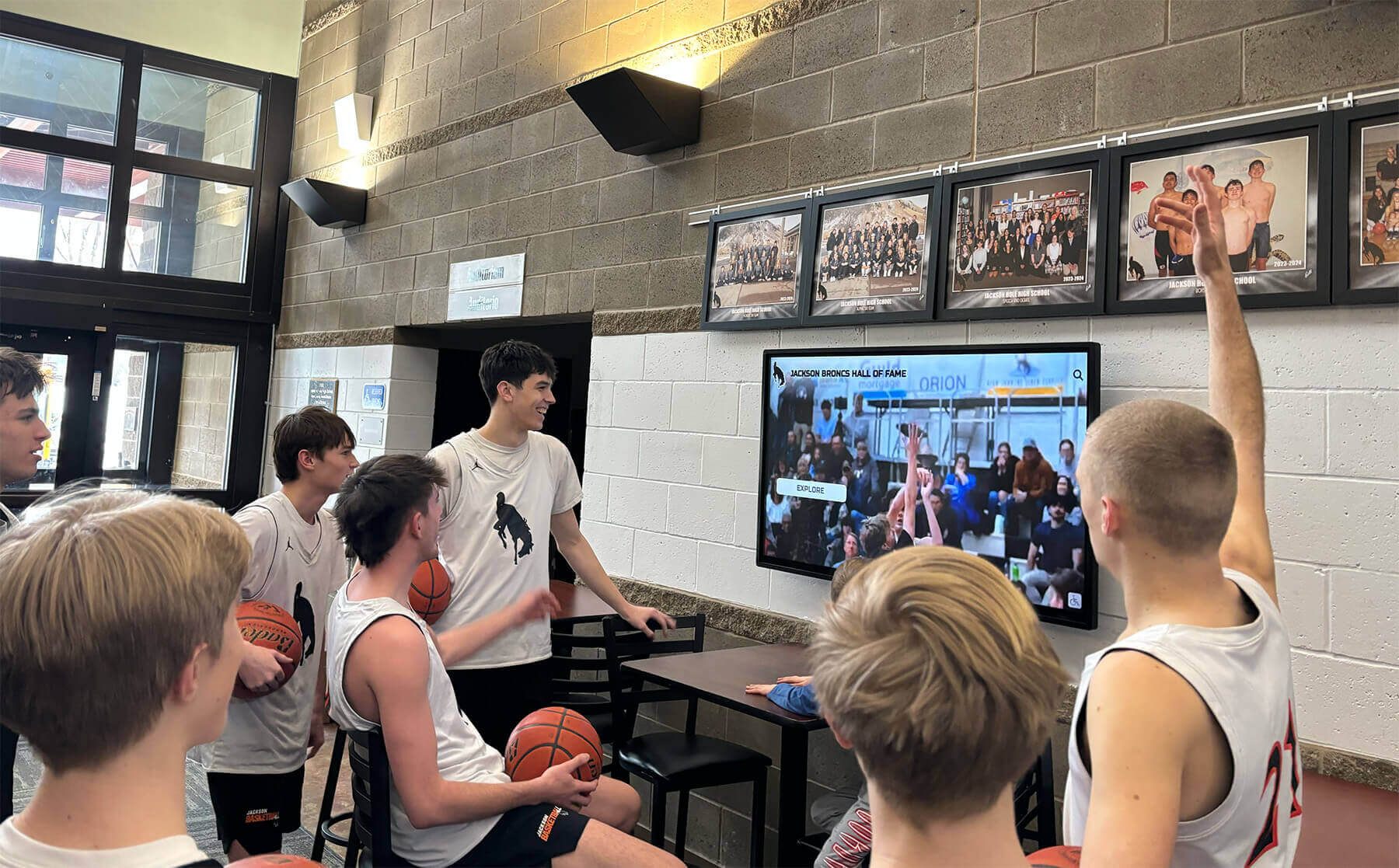
Shared recognition experiences build community connections and school culture
Institutional Culture Development
- Regular birthday recognition creates cultures of care and appreciation
- Celebration signals institutional values prioritizing individual humanity
- Consistent acknowledgment sets expectations for how community members treat each other
- Recognition programs model appreciation practices students carry into their own relationships
The key to maximizing these benefits lies in designing recognition systems that feel authentic, inclusive, and aligned with your institutional culture rather than perfunctory obligations.
Core Components of Effective Birthday Recognition Programs
Successful birthday recognition programs share essential characteristics that maximize impact while remaining sustainable for staff.
Universal and Consistent Coverage
Moving beyond sporadic celebrations ensures comprehensive acknowledgment:
Complete Community Inclusion Comprehensive programs recognize:
- All students regardless of grade level, program, or achievement status
- Faculty and staff across all positions and departments
- Volunteers, parent leaders, and community partners
- Alumni and emeritus faculty when maintaining ongoing connections
- Guest teachers, substitutes, and temporary community members
Addressing Summer and Break Birthdays One of the most common birthday recognition failures involves overlooking those with birthdays during school breaks:
- Celebrate summer birthdays during designated months like May or September
- Offer “half-birthday” celebrations six months from actual birthdays
- Create special recognition days for all summer birthdays together
- Send cards or digital messages even during breaks
- Allow students to choose their “school birthday” in collaboration with families
Maintaining Multi-Year Consistency Recognition programs must sustain across years and leadership transitions:
- Document birthday information in centralized, accessible systems
- Create clear protocols for who coordinates recognition
- Establish backup responsibilities ensuring no gaps during absences
- Build recognition into institutional calendars and routines
- Budget annually for recognition program materials and resources
This universal approach ensures recognition opportunities exist for every community member, eliminating the hurt feelings and exclusion that arise from inconsistent celebration.
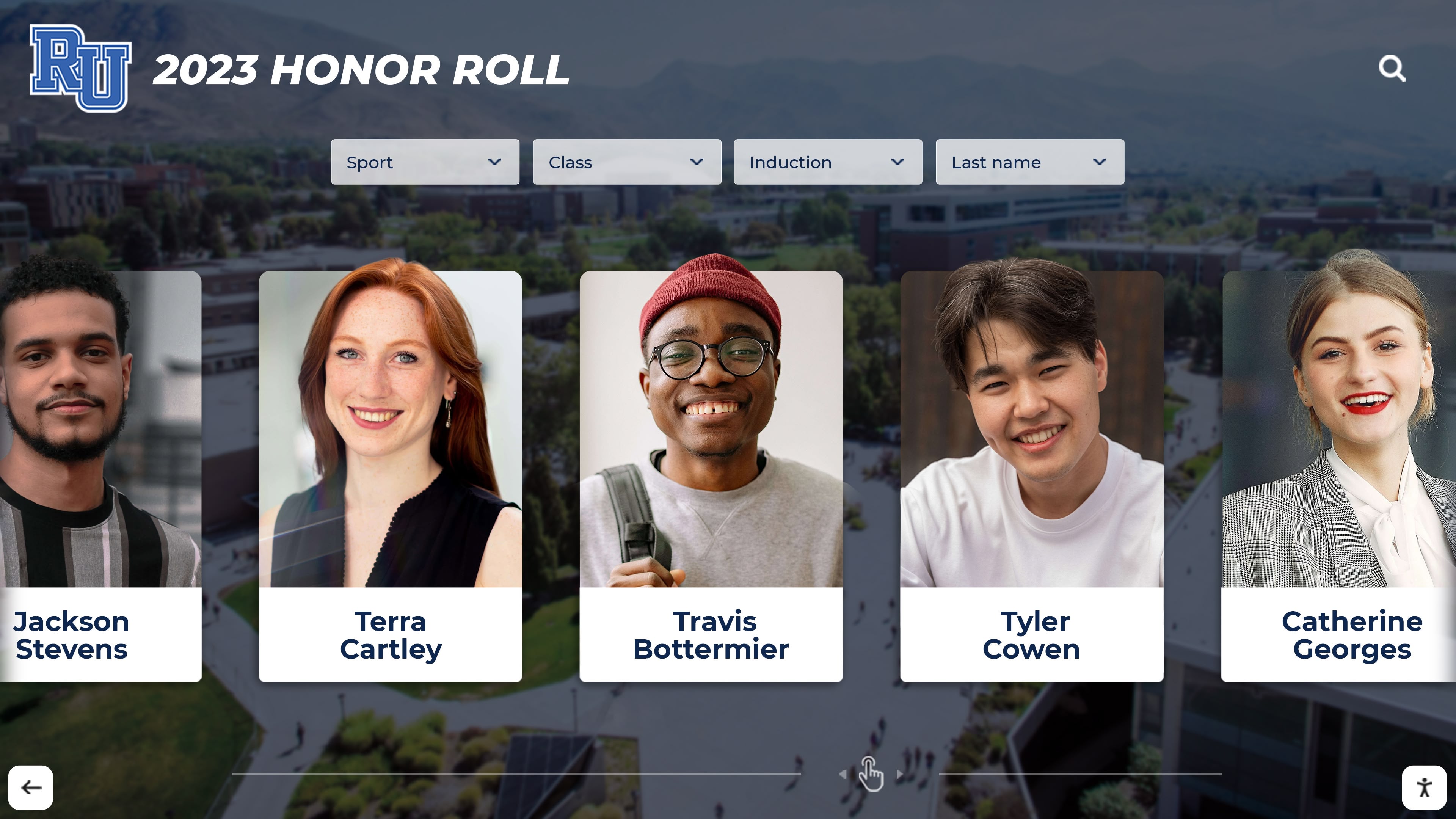
Personalized recognition creates meaningful connections and demonstrates individual value
Tiered Recognition Appropriate to Relationships
Creating appropriate recognition levels for different community groups ensures meaningful acknowledgment without overwhelming staff:
Student Birthday Recognition For elementary and middle school students:
- Morning announcements mentioning birthday students by name
- Birthday badges, ribbons, or special privileges for the day
- Photo displays or digital slideshows during common times
- Small gifts like pencils, erasers, or bookmarks
- Lunch with teacher or classroom celebrations for younger grades
- Peer-created birthday cards or affirmation posters
For high school students where individual classroom celebrations may feel less age-appropriate:
- Daily announcements or digital display recognition
- Social media features (with appropriate permissions)
- Small tokens like free dress passes or lunch line priority
- Inclusion in monthly birthday celebrations
- Birthday messages from advisors or teachers
- Recognition through school apps or student portals
Staff Birthday Recognition For teachers and staff members:
- Personal notes or cards from administration
- Morning announcement acknowledgment
- Small gifts like gift cards, treats, or flowers
- Coverage allowing extended lunch or early departure
- Recognition during staff meetings or gatherings
- Peer-signed cards or video messages
- Featured profiles in staff newsletters or communications
Learn more about comprehensive approaches in teacher and staff recognition programs.
Administrative and Support Staff Recognition Often-overlooked groups deserving equal attention:
- Custodial and maintenance staff birthday acknowledgment
- Food service personnel recognition
- Bus drivers and transportation staff celebrations
- Security personnel and crossing guards
- Office staff and administrative assistants
- Technology support and facilities personnel
Inclusive recognition for all staff demonstrates institutional values extending beyond traditional hierarchies.
Respecting Individual Preferences and Boundaries
Effective programs balance celebration with respect for personal preferences:
Privacy and Comfort Considerations Not everyone enjoys public attention:
- Survey community members about birthday recognition preferences
- Offer opt-out options for public celebrations while maintaining private acknowledgment
- Respect cultural or religious considerations affecting birthday celebrations
- Provide quiet recognition alternatives for those uncomfortable with attention
- Never share ages or specific dates beyond day and month without permission
Inclusive Cultural Approaches Birthday recognition must accommodate diverse backgrounds:
- Recognize that some cultures don’t celebrate birthdays or prefer different approaches
- Offer alternative “recognition days” for those who don’t observe birthdays
- Accommodate dietary restrictions in food-based celebrations
- Respect religious observances that may conflict with celebrations
- Create flexible programs allowing families to indicate appropriate participation levels
Managing Expectations Around Gifts Gift-giving requires careful management to avoid inequality:
- Establish clear policies about student-to-student gifts
- Set guidelines for family contributions to classroom celebrations
- Provide school-funded recognition ensuring equity across economic backgrounds
- Discourage competitive or elaborate gifts creating pressure on families
- Focus recognition on acknowledgment rather than material gifts
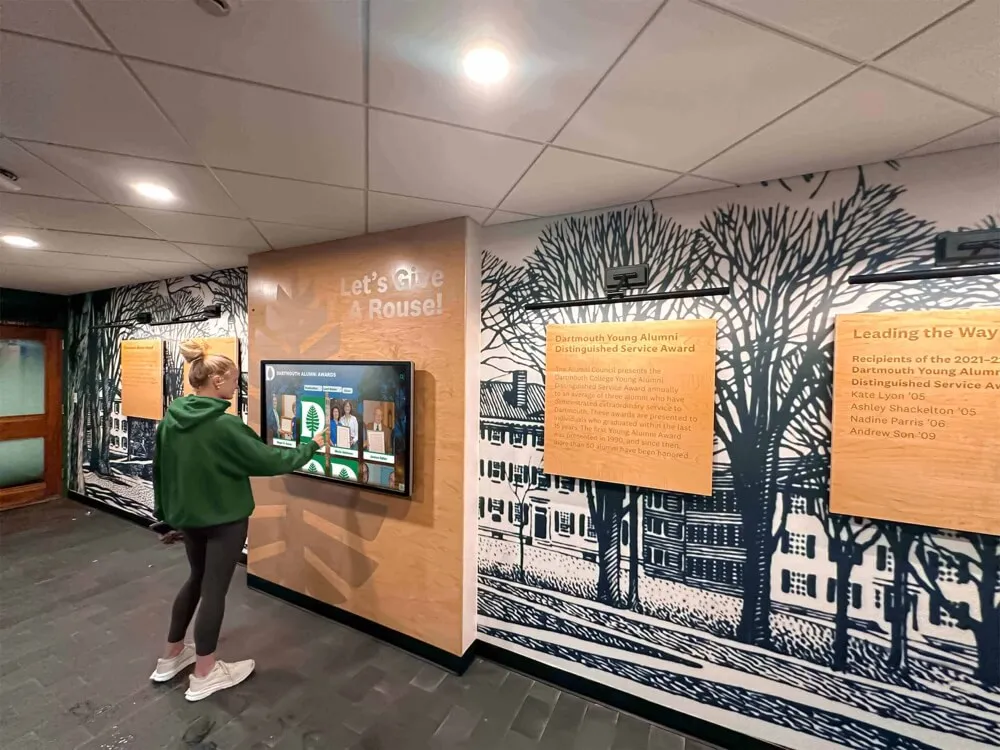
Digital recognition systems provide flexible, inclusive celebration options respecting diverse preferences
Traditional Birthday Recognition Approaches
Physical celebration methods create tangible, memorable recognition experiences.
Classroom-Based Recognition
Traditional classroom approaches remain popular in elementary and middle schools:
Birthday Display Boards Visual displays featuring upcoming birthdays:
- Bulletin boards organized by month showing student names and dates
- Birthday charts with student photos and birthdays
- Balloon displays where each student’s name appears on a balloon categorized by month
- Calendar displays highlighting birthday dates
- Rotating displays featuring current month birthdays prominently
Special Day Privileges Birthday students receive special recognition:
- Birthday crown, hat, or special chair for the day
- Line leader or special helper privileges
- Choice of activities or games during breaks
- Lunch with teacher or special seating arrangements
- VIP supply caddy with special materials for the day
- Birthday certificate or personalized card from teacher
Classroom Celebrations Communal recognition involving whole class:
- Singing birthday songs during morning meetings
- Classmate-created cards or affirmation posters
- Simple treats like cupcakes or special snacks
- Birthday books where classmates write messages
- Photo opportunities with birthday decorations
- Games or activities chosen by birthday student
Learn about creating comprehensive student recognition in student of the month programs.
School-Wide Physical Recognition
Broader recognition creates visibility beyond individual classrooms:
Morning Announcements Daily or weekly birthday acknowledgment:
- Reading birthday student names during announcements
- Playing special birthday music or songs
- Inviting birthday students to office for small treats
- Highlighting notable birthdays or milestones
- Including staff and faculty birthdays alongside students
Physical Display Recognition Visible displays in common areas:
- Trophy case sections featuring birthday photos
- Hallway bulletin boards with monthly birthdays
- Cafeteria displays during lunch periods
- Library recognition areas
- Main office birthday boards visible to visitors
Birthday Table or Area Designated celebration spaces:
- Special lunch tables for birthday students and friends
- Decorated areas in cafeterias or common spaces
- Photo opportunity stations with birthday props
- Recognition walls where students sign or take photos
- Special seating at assemblies or events
Small Gift and Token Recognition
Tangible keepsakes create lasting birthday memories:
Age-Appropriate Gifts Physical tokens of recognition:
- Birthday pencils, pens, or school supplies
- Bookmarks or reading-related items
- School spirit items like stickers or bracelets
- Small toys from dollar stores for elementary students
- Gift cards for older students
- Books or educational materials
Food-Based Recognition Treats and snacks as celebration elements:
- Individual cupcakes or cookies
- Ice cream cups or popsicles
- Healthy snack alternatives respecting wellness policies
- Special lunch options or cafeteria privileges
- Birthday breakfast or snack parties
- Allergen-free options ensuring all students can participate
While these traditional approaches provide meaningful recognition, they face inherent limitations: consistency challenges when staff are absent, resource constraints affecting equity across classrooms, time requirements competing with instructional priorities, and difficulty scaling across large or multiple-building campuses. Many institutions are discovering complementary digital approaches.
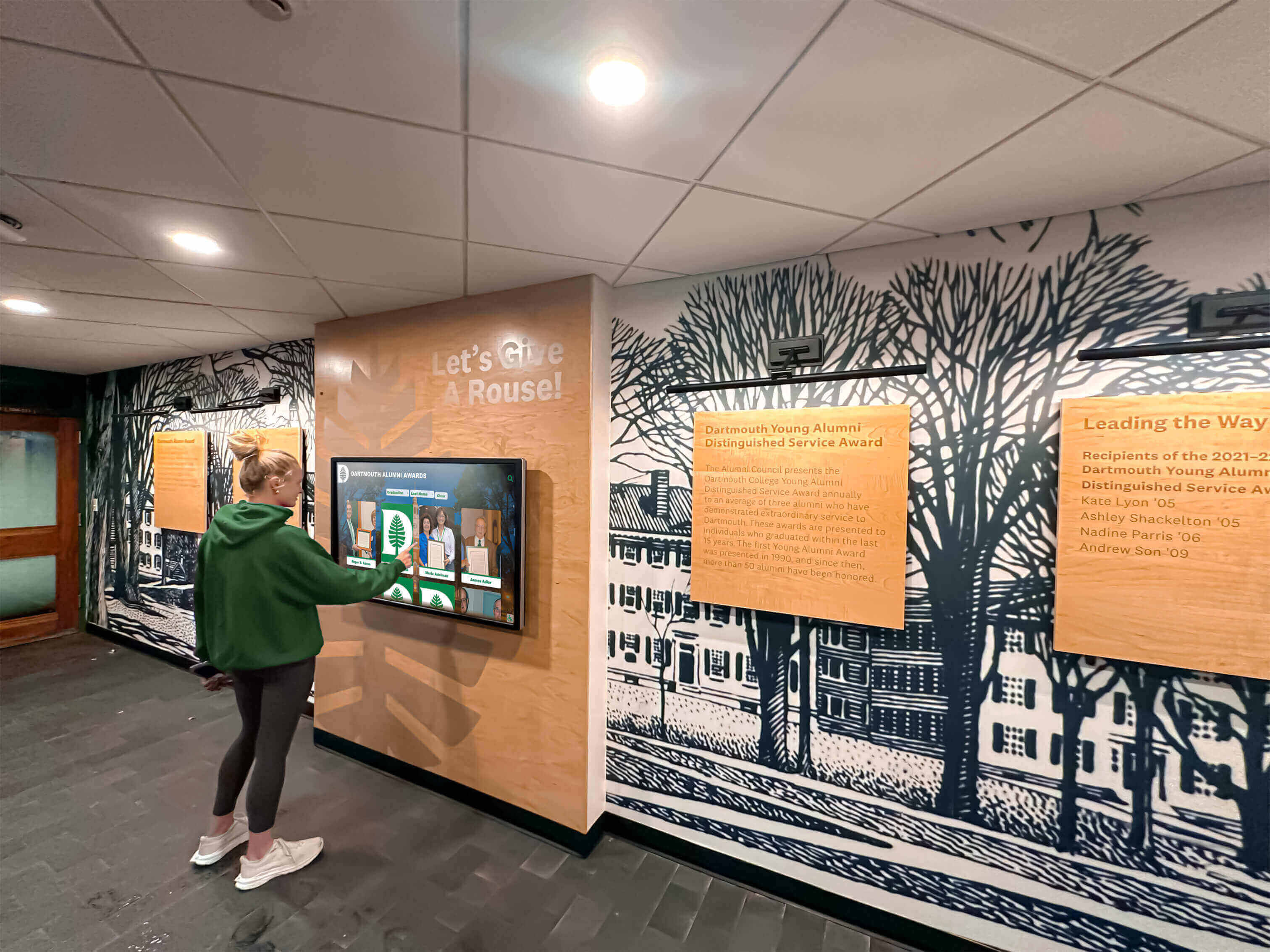
Interactive displays create engaging recognition experiences accessible throughout campus
Digital Birthday Recognition Solutions
Solutions like Rocket Alumni Solutions transform birthday recognition through digital displays that complement traditional celebrations while overcoming common limitations.
Automated Digital Display Recognition
Interactive displays provide consistent, engaging recognition:
Continuous Birthday Displays Digital systems showcase birthdays prominently:
- Rotating displays featuring daily or weekly birthdays
- Photo slideshows in hallways, cafeterias, and common areas
- Entrance displays welcoming students on their birthdays
- Classroom displays when digital screens are available
- Multi-location displays ensuring visibility across large campuses
Customized Recognition Content Rich profiles beyond simple name displays:
- Individual photos of birthday students and staff
- Personal messages or fun facts
- Age-appropriate graphics and animations
- Special effects for milestone birthdays
- Integration with other recognition content
Automated Content Management Systems require minimal ongoing administration:
- Birthday information imported from student information systems
- Automatic daily updates without manual intervention
- Scheduled displays appearing on appropriate dates
- Cloud-based management enabling updates from anywhere
- Template systems ensuring consistent formatting
Schools report significant time savings compared to manual birthday board updates, with birthday recognition happening consistently even during staff absences or busy periods.
Mobile and Web-Based Recognition
Digital platforms extend recognition beyond physical campus:
Mobile App Integration School apps provide personal birthday acknowledgment:
- Push notifications on student birthdays
- Birthday features in student profile pages
- Digital birthday cards delivered through apps
- Parent notifications about school birthday recognition
- Social sharing features (with appropriate permissions)
Web Portal Recognition Online visibility amplifies birthday acknowledgment:
- School website birthday features and calendars
- Student portal displays showing upcoming birthdays
- Email notifications to families and staff
- Social media features celebrating birthdays
- Alumni network birthday recognition for maintaining connections
Learn about comprehensive recognition approaches in digital recognition systems.
Social Media Birthday Recognition
Appropriate digital acknowledgment through school channels:
Platform-Specific Approaches Tailored recognition for different social media:
- Instagram stories featuring birthday students (with permissions)
- Facebook posts celebrating student and staff birthdays
- Twitter/X birthday mentions and celebrations
- School-managed TikTok birthday features
- Private class or school group birthday posts
Privacy and Permission Management Ensuring appropriate social media recognition:
- Obtain explicit permission before posting student information
- Respect opt-out requests for public social media
- Use first names only or nicknames when appropriate
- Review district policies on student social media presence
- Monitor comments and maintain positive, safe spaces
- Consider private groups for more personal sharing
Balancing Public and Private Recognition Not all recognition needs public visibility:
- Private messages or emails to birthday individuals
- Closed group posts for class or staff communities
- Direct messaging through school platforms
- Phone calls or video messages from teachers or administrators
- Handwritten notes delivered digitally or physically
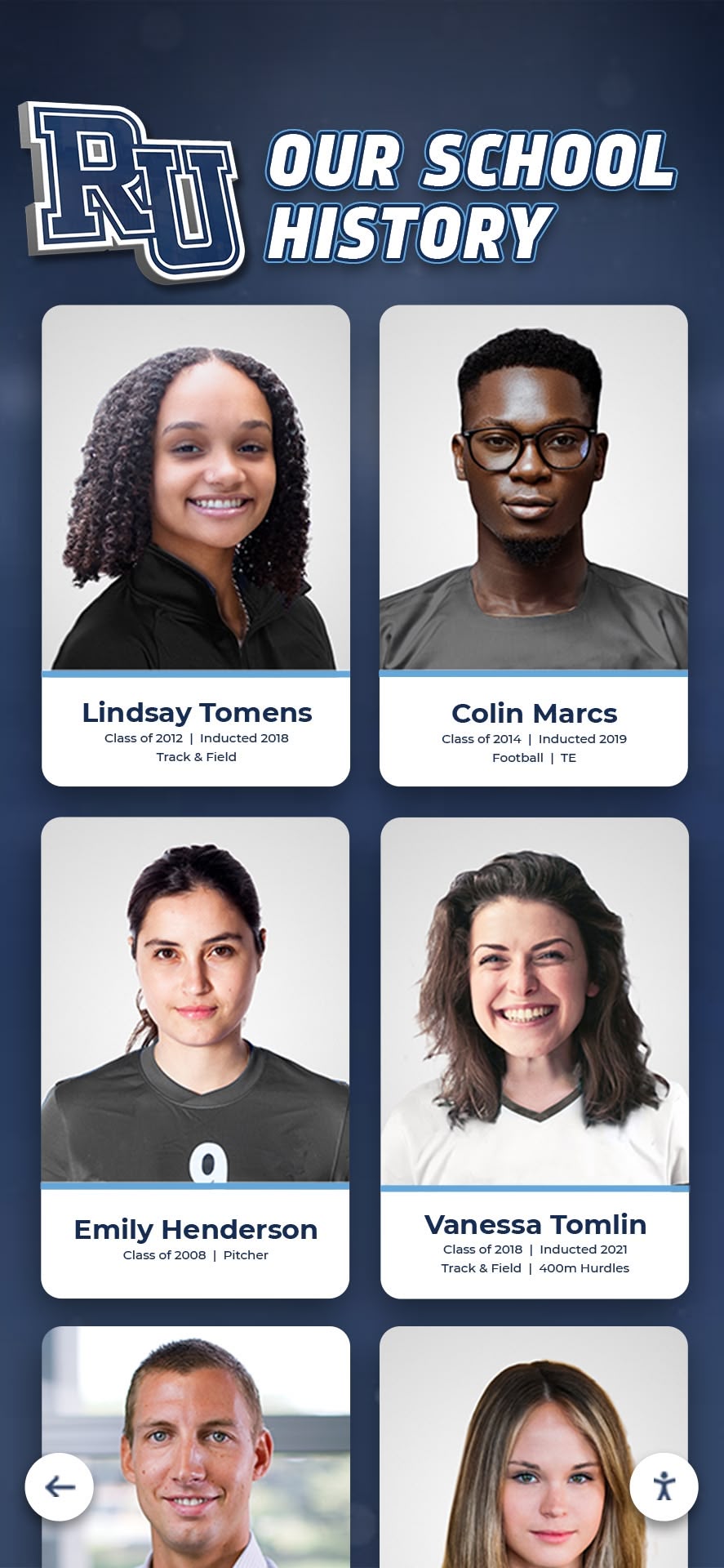
Digital profiles enable rich, personalized recognition that traditional methods cannot match
Creating Inclusive and Equitable Birthday Recognition
Effective programs ensure recognition feels meaningful and fair across diverse communities.
Addressing Economic Equity
Birthday recognition must not create or highlight economic disparities:
School-Funded Core Recognition Institutions should provide baseline recognition:
- School purchases all recognition materials for consistent student experience
- Small gifts provided equally to all students
- Classroom celebration supplies funded through school budget
- Digital recognition requiring no family financial contribution
- Free or minimal-cost recognition methods prioritized
Managing Family Contributions When families want to contribute:
- Clear policies about acceptable contributions (if any)
- Discourage elaborate gifts or celebrations creating competitive pressure
- Suggest simple, inexpensive options if families ask
- Provide alternative contribution options like books for class library
- Ensure families feel no obligation to contribute
- Never allow recognition disparities based on family contributions
Supporting Families Experiencing Hardship Discrete assistance for families who may struggle:
- Confidential communication about school-provided recognition
- Partnership with counselors or social workers
- School or PTO funds for celebration supplies when needed
- Community partnerships providing birthday support
- Ensuring children never feel less-than due to economic circumstances
Respecting Cultural and Religious Diversity
Birthday recognition must accommodate diverse beliefs and practices:
Understanding Cultural Differences Birthday celebration norms vary widely:
- Some cultures don’t traditionally celebrate birthdays
- Religious beliefs may prohibit birthday celebrations
- Different cultures celebrate birthdays in vastly different ways
- Age and life stage affect appropriate celebration approaches
- Individual family preferences within cultures vary widely
Creating Flexible Recognition Options Accommodating diverse needs:
- Survey families about birthday celebration preferences
- Offer alternative “special day” recognition for those who don’t celebrate birthdays
- Provide private rather than public recognition when preferred
- Accommodate dietary restrictions in food-based celebrations
- Respect timing preferences related to religious observances
- Allow families to opt into desired level of participation
Explore comprehensive approaches in outstanding student recognition programs.
Considering Special Circumstances
Sensitive recognition for complex situations:
Students in Foster Care or Uncertain Family Situations Extra care for vulnerable students:
- Coordinate with counselors about appropriate recognition
- Ensure birthday acknowledgment happens even without family involvement
- Create special care packages or recognition from school family
- Be sensitive to complex feelings around birthdays
- Provide consistent recognition demonstrating school community support
Students with Disabilities or Special Needs Tailored approaches respecting individual needs:
- Sensory-friendly recognition avoiding overwhelming stimuli
- Communication accommodations for students with autism or anxiety
- Inclusive activities ensuring full participation
- Respect for medical or therapeutic schedules
- Collaboration with special education staff and families
Students Experiencing Grief or Trauma Compassionate recognition during difficult times:
- Coordinate with counselors about appropriate approaches
- Offer low-key recognition options
- Respect if students prefer to skip celebration
- Provide extra support for first birthdays after loss
- Balance acknowledgment with sensitivity to complex emotions
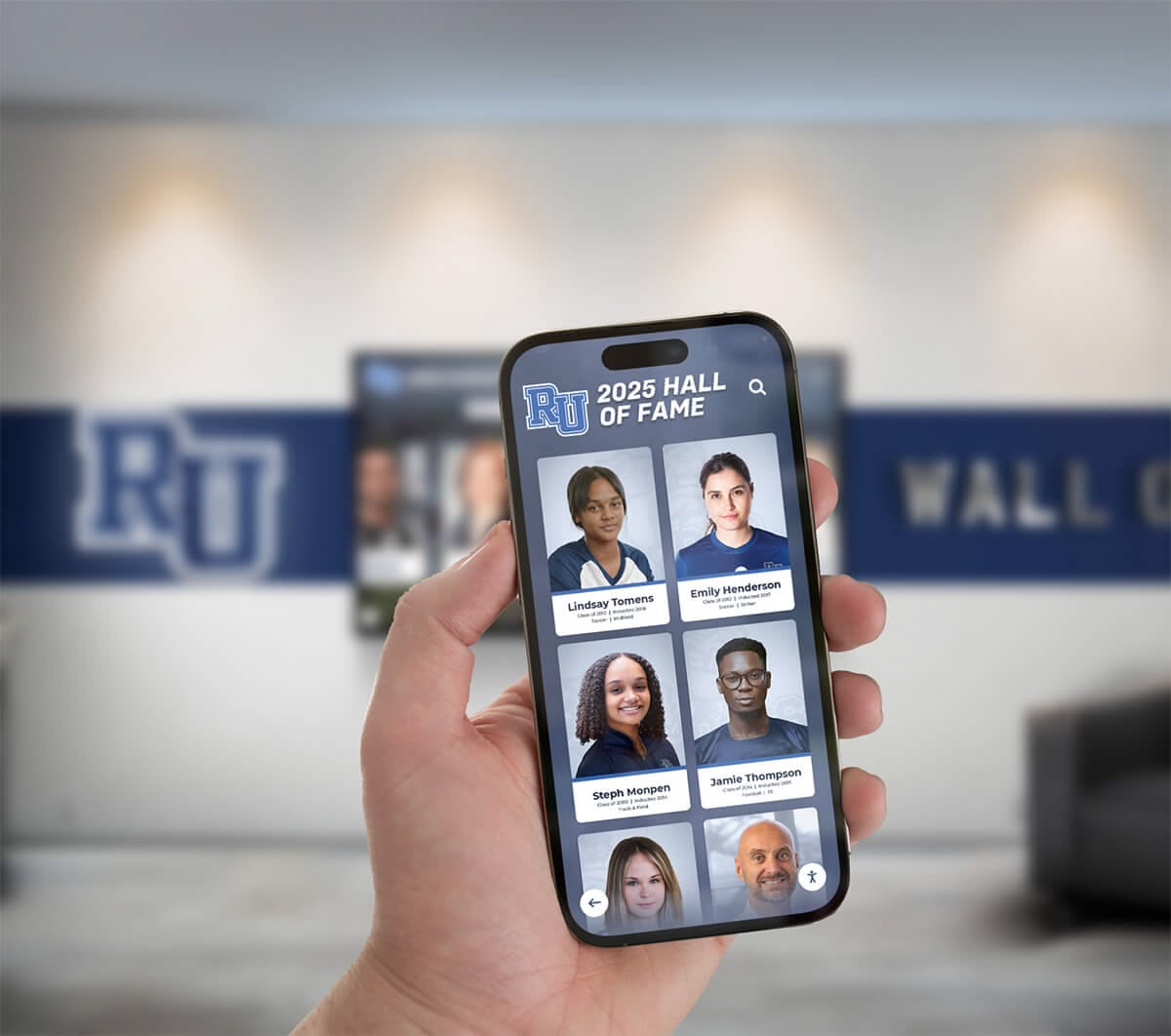
Mobile-accessible recognition ensures celebration reaches students and families wherever they are
Implementation and Management Strategies
Systematic planning ensures sustainable, effective birthday recognition programs.
Planning Phase Steps
Assessment and Goal Setting Begin with clear understanding of needs and priorities:
- Evaluate current birthday recognition practices and identify gaps
- Survey students, families, and staff about preferred recognition approaches
- Review budget available for birthday recognition programs
- Identify staff or volunteer coordinators for program management
- Establish recognition program goals and success metrics
- Ensure alignment with institutional values and culture
Information Collection and Management Accurate data is foundational:
- Compile complete birthday information for all students and staff
- Verify dates with families during registration
- Store information in centralized, secure systems with appropriate access
- Create backup systems preventing data loss
- Establish processes for updating information when errors occur
- Implement privacy protections for personal information
Policy and Procedure Development Clear guidelines ensure consistency:
- Document recognition approaches for different groups
- Establish protocols for who coordinates what aspects
- Create communication templates and materials
- Define decision-making authority for exceptions
- Set policies about gifts, food, and family contributions
- Address privacy, permission, and opt-out procedures
Technology and Format Selection Choose approaches matching institutional needs:
- Decide between traditional, digital, or hybrid recognition approaches
- Evaluate display placement options and visibility
- Consider solutions like Rocket Alumni Solutions for comprehensive digital systems
- Plan for content management responsibilities and training
- Budget for initial implementation and ongoing maintenance
- Ensure accessibility across community including remote members
Learn about recognition system implementation in teaching awards and recognition programs.
Launching Birthday Recognition Programs
Communication and Rollout Introduce programs effectively:
- Announce new recognition programs with enthusiasm and clarity
- Explain rationale emphasizing care and community building
- Provide families with information about what to expect
- Address privacy and opt-out procedures clearly
- Create excitement around recognition through initial celebrations
- Gather initial feedback and make adjustments
Training and Responsibility Assignment Ensure smooth operation:
- Train staff coordinating different recognition elements
- Create clear calendars and reminder systems
- Establish backup coverage for coordinators
- Document procedures for reference during transitions
- Set up technical systems and practice using tools
- Create troubleshooting resources for common issues
Initial Celebration Events Build momentum with special launches:
- Host kickoff event celebrating all recent birthdays
- Create special recognition for first implementers
- Generate publicity through school communications
- Document initial celebrations for future reference
- Collect stories about positive impacts
- Celebrate staff who make recognition possible
Sustaining Programs Long-Term
Ongoing Management Maintain consistent recognition:
- Set up automated reminders for upcoming birthdays
- Create monthly checklists ensuring nothing gets missed
- Schedule regular reviews of birthday information accuracy
- Monitor participation and recognition distribution
- Address gaps or inconsistencies immediately
- Budget annually for recognition program needs
Assessment and Improvement Regular evaluation drives continuous enhancement:
- Gather feedback from students, families, and staff annually
- Track recognition coverage ensuring no one gets overlooked
- Monitor budget and resource usage
- Evaluate program impact on culture and community
- Identify opportunities for enhancement or simplification
- Adjust approaches based on assessment findings
Staff Transitions and Continuity Ensure programs survive personnel changes:
- Document all procedures comprehensively
- Train new staff on recognition responsibilities
- Create transition checklists for coordinator changes
- Store institutional knowledge in accessible locations
- Build recognition into job descriptions and expectations
- Celebrate coordinators who make recognition happen
Explore community recognition approaches for additional program ideas.
Special Birthday Recognition Programs
Enhanced approaches for specific situations or milestones.
Monthly Birthday Celebrations
Grouped recognition creates community events:
Monthly Birthday Gatherings Celebrating all birthdays together:
- Monthly assemblies or events celebrating that month’s birthdays
- Birthday lunches or breakfasts for all monthly birthday students
- Recognition during monthly school meetings or gatherings
- Combined celebrations reducing per-student time requirements
- Community-building through shared experiences
- Reduced planning burden compared to individual celebrations
Seasonal or Quarterly Celebrations Larger-scale recognition events:
- Fall, winter, spring, and summer birthday parties
- Seasonal themes matching birthday quarters
- Larger budget per event enabling enhanced recognition
- Cross-grade gatherings building school community
- Family invitation options for major celebration events
- Reduced frequency allowing more elaborate planning
Milestone Birthday Recognition
Special acknowledgment for significant birthdays:
Transitional Birthdays Ages marking developmental transitions:
- Kindergarten birthdays as first school celebrations
- Double-digit birthdays (age 10) as elementary milestones
- Thirteenth birthdays as teenage transitions
- Sixteenth and eighteenth birthdays for high schoolers
- Staff milestone birthdays (30, 40, 50, etc.) as appropriate
- Recognition proportional to significance of milestone
Senior Year “Last” Birthdays Final school birthdays deserve special recognition:
- Enhanced recognition for seniors’ final school birthdays
- Photo opportunities and special privileges
- Senior birthday wall or display
- Messages from faculty and staff collected throughout year
- Connection to graduation and transition to next chapter
- Creating lasting memories of school community care
Summer Birthday Make-Up Programs
Ensuring summer birthdays receive equal recognition:
Designated Celebration Months Grouping summer birthdays:
- May or September celebrations for all June, July, and August birthdays
- Special summer birthday month with enhanced recognition
- Group celebrations bringing together summer birthday students
- Unique summer birthday traditions differentiating from school-year celebrations
- Family communication ensuring understanding of approach
Half-Birthday Celebrations Alternative timing six months from actual date:
- Individual recognition on half-birthday dates during school year
- “School birthday” concept allowing students to choose celebration date
- Half-year math lessons connecting to birthday recognition
- Flexibility ensuring all students experience birthday recognition at school
- Parent partnership determining preferred approach
Learn about comprehensive recognition programs in teacher of the year recognition.
Connecting Birthday Recognition to Broader Goals
Effective recognition supports institutional missions beyond individual acknowledgment.
Building Inclusive Community Culture
Birthday recognition demonstrates institutional values:
Belonging and Acceptance Recognition creates welcoming environments:
- Every individual matters regardless of achievement or status
- Personal milestones receive attention alongside accomplishments
- Community members know and celebrate each other
- Diversity is honored through inclusive recognition approaches
- Newcomers immediately experience community care through birthday recognition
Modeling Kindness and Appreciation Birthday programs teach important values:
- Students learn to celebrate others’ special days
- Recognition practices model thoughtfulness and care
- Community norms emphasize appreciating individuals
- Peer recognition teaches empathy and perspective-taking
- Gratitude becomes embedded in institutional culture
Supporting Social-Emotional Development
Birthday recognition contributes to developmental goals:
Identity and Self-Worth Recognition affirms individual value:
- Being celebrated reinforces positive self-concept
- Community acknowledgment validates importance
- Consistent recognition reduces feelings of invisibility
- Positive attention experiences create security
- Special day recognition builds positive school associations
Relationship Skills and Community Connection Celebrations build interpersonal competencies:
- Celebrating peers develops relationship skills
- Shared recognition experiences create bonds
- Cross-age recognition builds mentoring relationships
- Staff birthday recognition humanizes adults for students
- Community celebration practices transfer to outside relationships
Conclusion: Creating Meaningful Birthday Recognition
Birthday recognition programs provide unique opportunities to demonstrate that institutions value individuals beyond their roles, achievements, or contributions. These personal celebrations create moments of genuine connection, strengthen community bonds, and model appreciation practices that shape how people treat each other throughout educational environments and beyond.
Effective recognition systems honor every birthday through approaches that feel meaningful, inclusive, and aligned with institutional values while remaining sustainable for staff and administration. From traditional classroom celebrations creating intimate moments of acknowledgment to modern digital displays providing consistent recognition across large, complex campuses, multiple options exist matching different resources, cultures, and priorities.
Transform Your Birthday Recognition Program
Discover how modern digital recognition solutions can help you celebrate every birthday consistently and meaningfully while requiring minimal administrative effort.
Explore Recognition SolutionsThe strategies explored in this guide provide frameworks for building birthday recognition systems that honor every individual while remaining manageable, equitable, and culturally responsive. Whether implementing traditional classroom approaches or comprehensive digital platforms like Rocket Alumni Solutions, the key lies in systematic methods ensuring consistent recognition reaching all community members regardless of when their birthdays fall or their family circumstances.
Your students and staff deserve birthday recognition that demonstrates their individual importance to your community. They spend considerable time in your institution, contribute to its culture and success, and look for signs that they matter as people, not just as role-fillers. Thoughtful birthday recognition sends powerful messages about institutional values while creating positive associations lasting long after individuals move on.
Start where you are with recognition you can implement immediately, then systematically expand to create comprehensive approaches your entire community deserves. Every birthday that receives meaningful acknowledgment strengthens bonds, builds culture, and demonstrates that your institution truly sees and values each person.
Ready to begin? Explore comprehensive recognition approaches or learn more about creating cultures of appreciation through systematic programs celebrating all dimensions of community membership—including the simple but profound milestone of another year of life.































