Booster clubs fuel the success of athletic programs across the country, bridging the gap between school budgets and the resources teams actually need. From new uniforms and equipment to travel expenses and facility improvements, booster clubs make it possible for student-athletes to compete at their best while reducing financial barriers for families.
Yet launching successful fundraisers requires more than enthusiasm—it demands strategic planning, diverse revenue streams, and approaches that engage your entire community without causing donor fatigue. The most effective booster clubs combine traditional product sales with modern recognition campaigns, event-based fundraising, and ongoing engagement strategies that build sustainable support.
This comprehensive guide presents 20+ proven booster club fundraiser ideas organized by category, helping your organization select approaches that match your community’s preferences, volunteer capacity, and fundraising goals.
Successful booster club fundraising relies on variety. No single approach works for every community, and diversifying your revenue streams protects against the inevitable ups and downs of individual campaigns. The fundraising ideas presented here range from quick-win product sales to long-term recognition programs that generate sustained support while celebrating the people who make athletic programs possible.
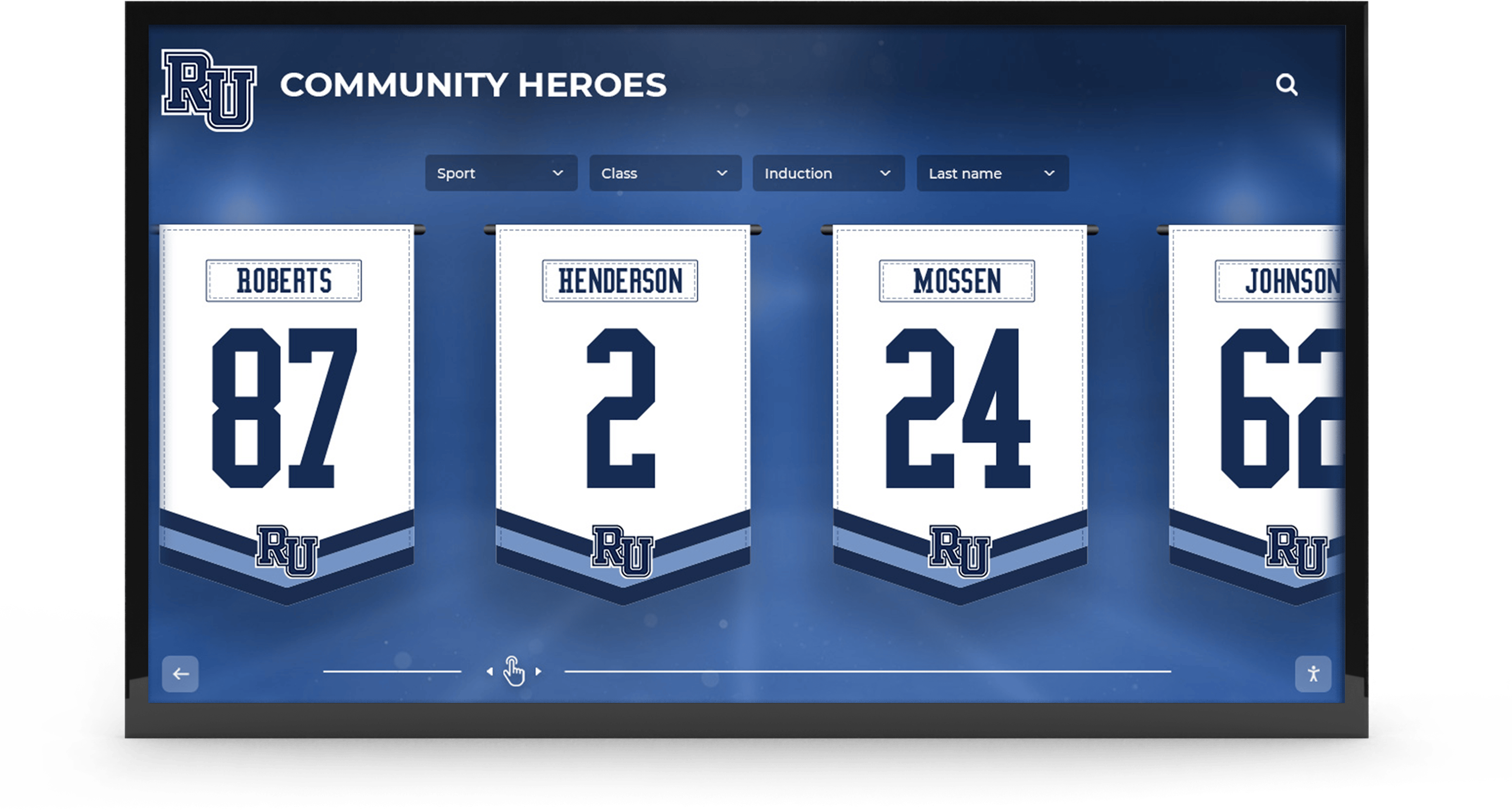
Recognition displays help booster clubs celebrate donors while creating year-round visibility for athletic programs
Product Sales Fundraisers
Product-based fundraisers remain popular because they offer tangible value to buyers while generating predictable profit margins. These approaches work particularly well when products align with your community’s interests and buying habits.
1. Spirit Wear and Apparel Sales
Custom t-shirts, hoodies, hats, and other branded apparel create walking advertisements for your program while generating revenue. Online ordering platforms eliminate inventory risk by producing items only after orders are received.
Best practices:
- Offer pre-order campaigns for specific events (homecoming, playoffs, senior night)
- Partner with local screen printers who support youth sports
- Design items that community members will actually wear beyond game day
- Create exclusive designs that change each season to encourage repeat purchases
2. Discount Card Programs
Sell cards offering discounts at local businesses, with participating merchants providing special offers to cardholders throughout the year. These programs build community partnerships while providing ongoing value.
Revenue model: Sell cards for $20-30 with $5-15 profit per card after production costs
3. Cookie Dough and Baked Goods Sales
Traditional fundraising staples that offer familiar products buyers already purchase. Companies ship frozen dough directly to customers after the sale concludes.
Typical profit margins: 40-50% of gross sales
4. Concession Stand Operations
Generate consistent revenue by running concessions at home games. This approach requires volunteer coordination but creates ongoing income throughout the season.
Key success factors:
- Establish consistent volunteer schedules to prevent burnout
- Offer popular items at competitive prices
- Accept mobile payments to maximize sales
- Track inventory carefully to minimize waste
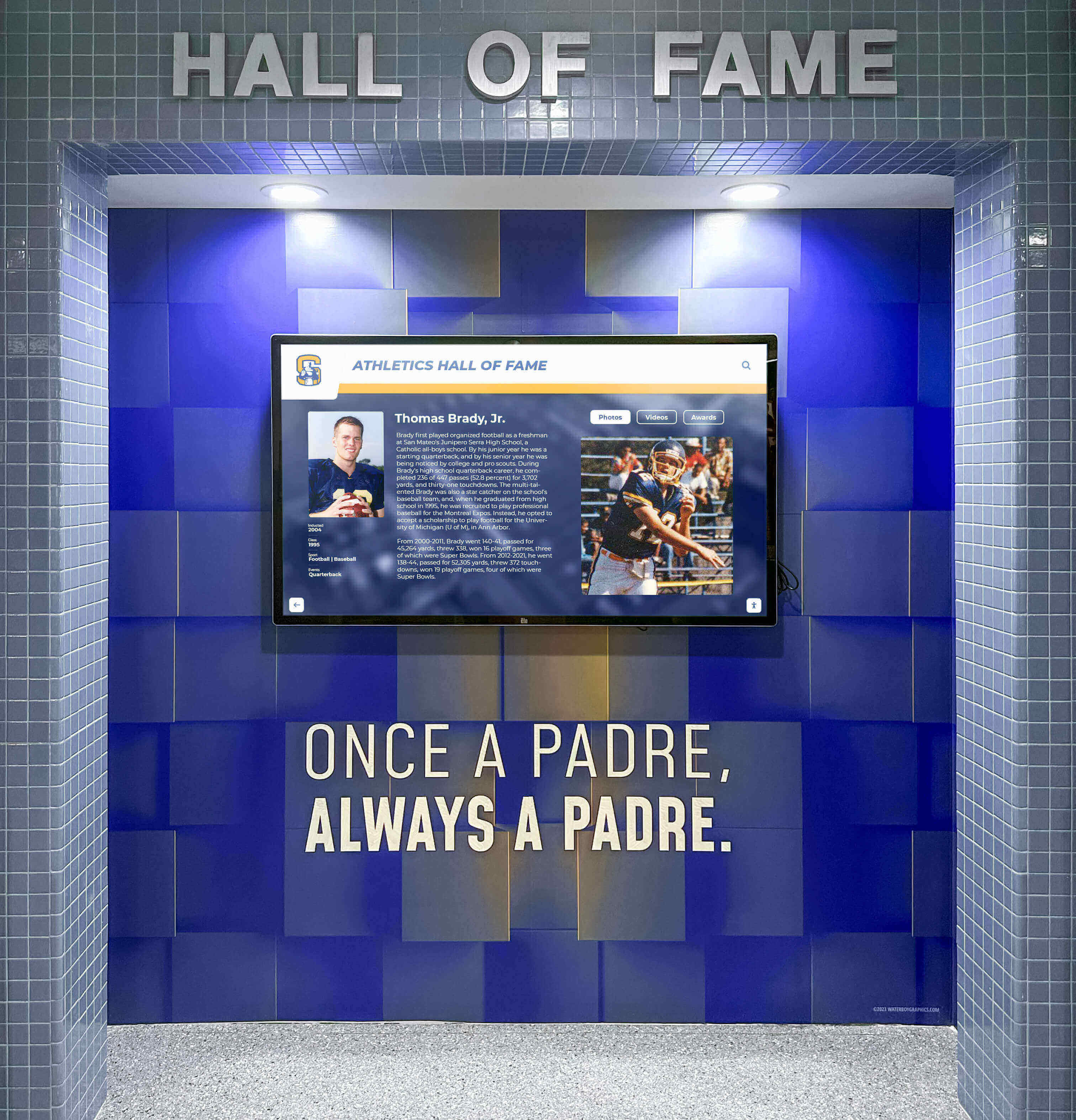
Modern recognition solutions help booster clubs showcase program history while honoring supporters
5. Seasonal Product Sales
Coordinate sales of seasonal items like poinsettias during the holidays, summer sausage, cheesecakes, or other products that align with specific times of year.
Advantage: Timing creates natural buying opportunities when families are already making purchases
Event-Based Fundraisers
Event fundraisers create memorable experiences while generating revenue. These approaches strengthen community connections and provide opportunities for families to gather around shared activities.
6. Athletic Tournament Hosting
Host tournaments in your sport and charge entry fees to participating teams. Properly executed tournaments generate revenue from registration fees, concessions, and parking.
Revenue streams:
- Team entry fees
- Spectator admission
- Concession sales
- Tournament merchandise
- Parking fees (if applicable)
7. Auction Events (Live and Silent)
Gather donated items and experiences from local businesses and community members, then host auction events where supporters bid on packages.
High-value auction items:
- Coach experiences (dinner with the coach, practice participation)
- Autographed memorabilia from professional athletes with local connections
- Vacation packages and local experiences
- Restaurant gift certificate bundles
- Professional services (landscaping, home repairs, tutoring)
Modern fundraising increasingly incorporates digital elements. Programs like digital donor recognition displays help booster clubs honor contributors while maintaining year-round visibility for their programs.
8. Sports Camps and Clinics
Organize skills camps led by your high school coaches and players, charging participation fees to younger athletes in the community.
Benefits:
- Generates revenue while building feeder programs
- Provides leadership opportunities for current athletes
- Strengthens connections with youth sports organizations
- Requires minimal equipment investment
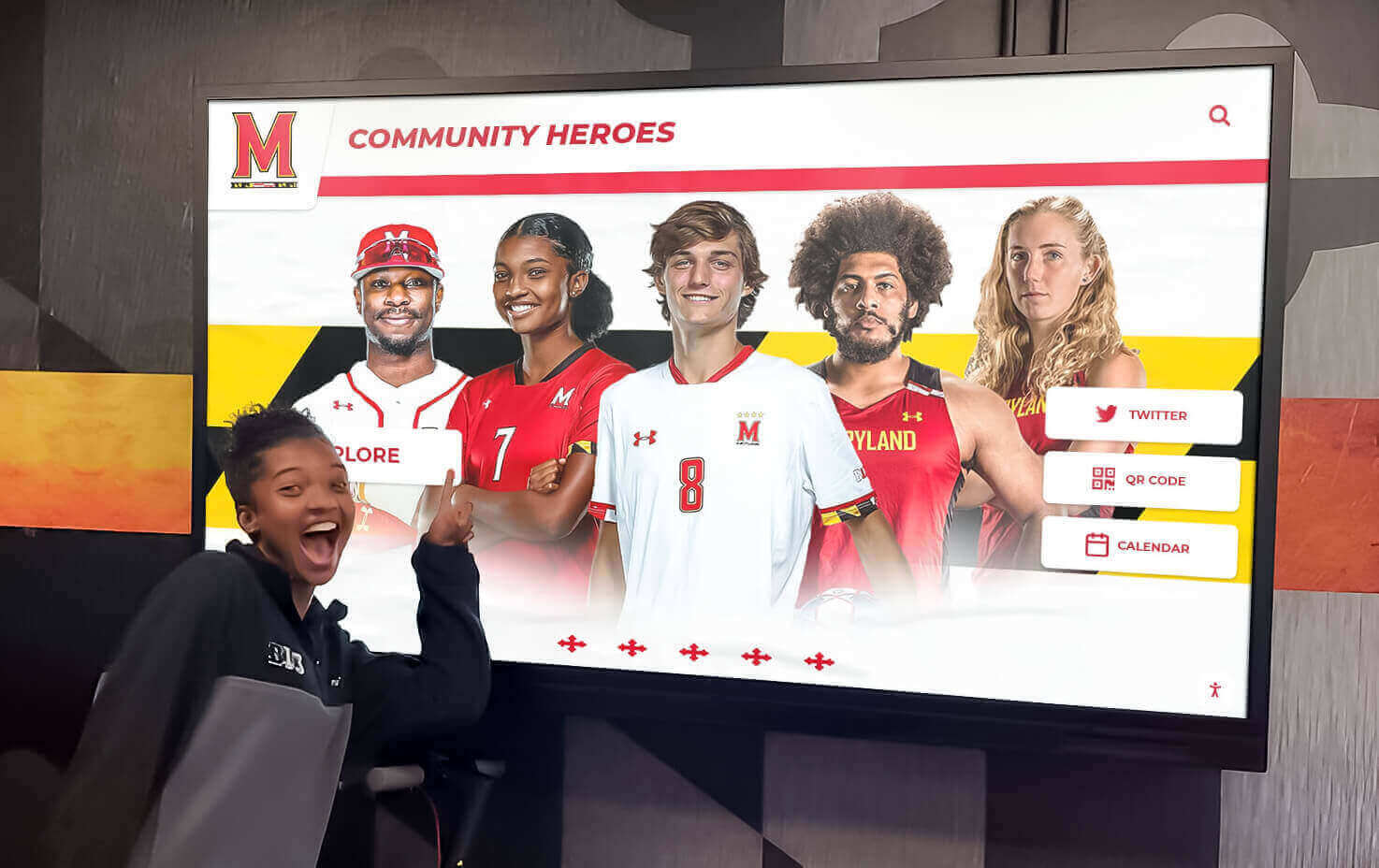
Interactive recognition systems engage students while celebrating athletic achievements and community support
9. Gala or Banquet Events
Host formal or semi-formal gatherings that combine social experiences with fundraising through ticket sales, raffles, and donation appeals.
Event elements:
- Ticket sales covering meal and venue costs
- Silent auction tables
- Recognition of major donors and supporters
- Awards presentation for student-athletes
- Live appeal for specific program needs
10. Fun Run or Walkathon
Organize community 5K runs or walk events where participants collect pledges or pay registration fees. These events engage families across fitness levels while building visibility for your program.
Hosting successful community events requires thoughtful planning and systematic recognition of volunteers and sponsors who make them possible.
11. Golf Tournaments
Partner with local courses to host fundraising golf tournaments with team entry fees, hole sponsorships, and raffle opportunities.
Revenue opportunities:
- Foursome entry fees
- Individual hole sponsorships from businesses
- Raffle ticket sales
- Silent auction during dinner
- Mulligans and other game add-ons
For athletic programs with strong golf traditions, consider permanent recognition through specialized golf team displays that celebrate both current athletes and distinguished alumni.
Recognition and Naming Opportunity Fundraisers
Recognition-based fundraising generates revenue by offering donors permanent or long-term acknowledgment of their support. These approaches work particularly well for larger capital campaigns while building lasting connections with supporters.
12. Brick and Paver Programs
Sell engraved bricks or pavers installed in walkways near athletic facilities, creating permanent recognition for donors, athletes, and families.
Typical pricing: $100-500 per brick depending on size and location
Appeal factors:
- Creates lasting physical presence on campus
- Provides meaningful way for families to honor graduating athletes
- Builds visible testament to community support
- Works well for alumni engagement initiatives
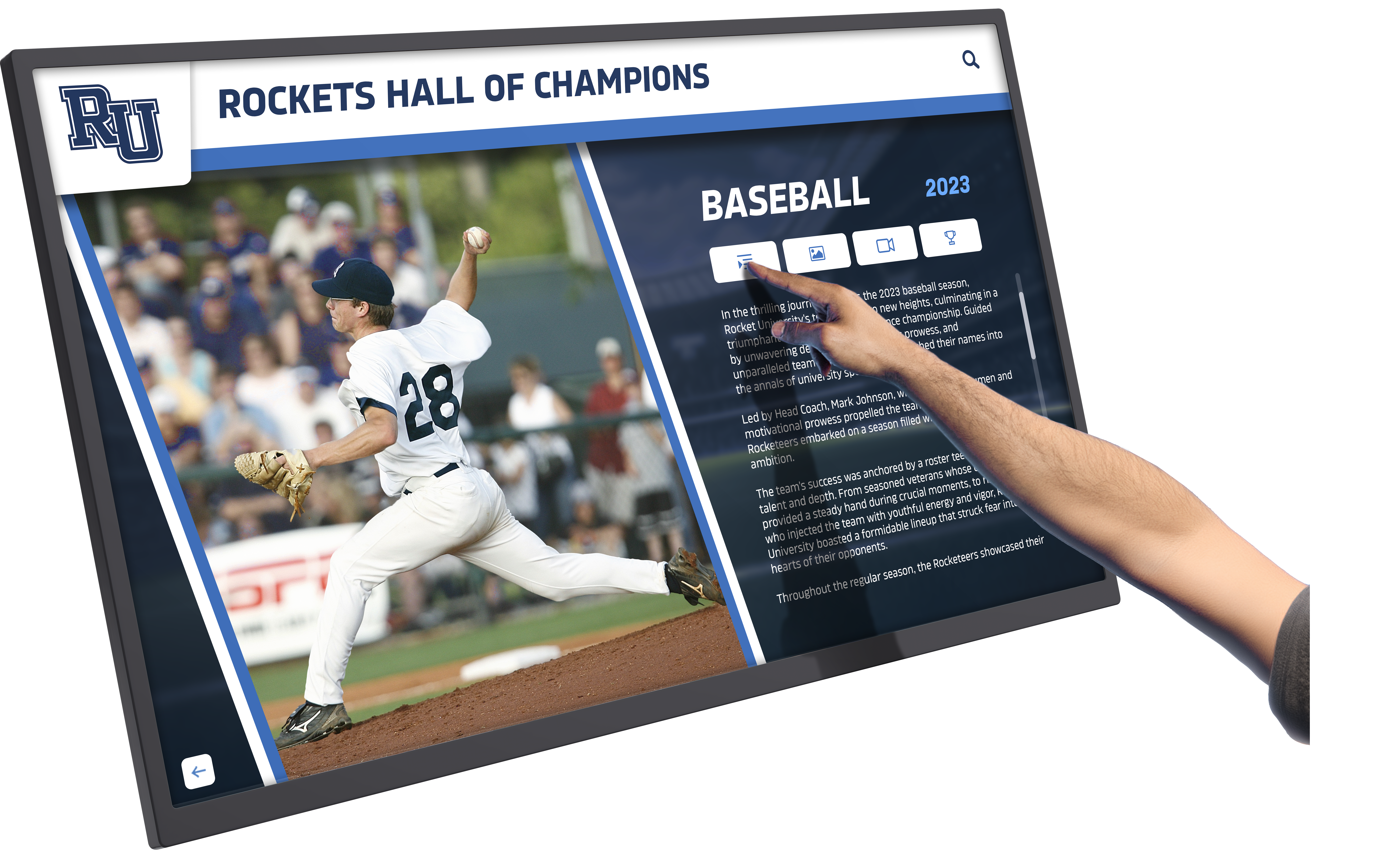
Interactive recognition systems provide unlimited space for honoring athletes, donors, and supporters
13. Digital Recognition Displays
Modern booster clubs increasingly invest in digital recognition systems that can honor unlimited supporters without space constraints. These displays serve dual purposes—acknowledging donors while showcasing program history, achievements, and current rosters.
Recognition opportunities:
- Annual giving society recognition at various levels
- Memorial tributes for community members
- Athletic hall of fame inductees
- Championship teams and record holders
- Corporate sponsors and major donors
Digital recognition eliminates space limitations inherent in traditional plaques while enabling updates that keep displays current and relevant. Schools can combine donor recognition with athletic history in comprehensive systems that serve multiple purposes.
14. Facility Naming Rights
Offer naming rights for specific facilities, rooms, or areas within your athletic complex in exchange for major donations.
Naming opportunities:
- Weight rooms and training facilities
- Locker rooms
- Press boxes
- Meeting rooms
- Specific field areas or court sections
15. Seat and Bleacher Dedications
Allow donors to dedicate individual seats or bleacher sections with engraved plaques, creating affordable recognition opportunities while generating collective revenue.
Pricing strategy: Offer various levels ($250-1,000) based on location and visibility
16. Stadium Banner Sponsorships
Sell banner space on outfield fences, court walls, or other visible locations to businesses and major donors, creating ongoing recognition throughout the season.
Revenue model: Annual sponsorships renewable each year, typically $500-5,000 depending on size and visibility
Ongoing Revenue Programs
The most sustainable booster clubs develop ongoing revenue streams that generate consistent income without requiring constant new campaigns. These approaches create predictable funding while reducing volunteer burden.
17. Membership Dues and Giving Levels
Establish annual membership programs with tiered giving levels, each offering specific benefits and recognition.
Sample membership structure:
- Bronze Level ($100): Name listed in program, membership card
- Silver Level ($250): Previous benefits plus reserved parking for home games
- Gold Level ($500): Previous benefits plus invitation to exclusive events
- Platinum Level ($1,000+): Previous benefits plus permanent recognition on donor wall
Well-structured membership programs provide predictable annual revenue while building committed donor base. Consider showcasing members through digital recognition systems in common areas.
18. Corporate Sponsorship Packages
Develop comprehensive sponsorship packages for local businesses, offering recognition across multiple platforms in exchange for annual support.
Sponsorship benefits:
- Logo placement on team uniforms, equipment, or facilities
- Recognition in game programs and on websites
- Social media mentions
- Banner displays at events
- Announcements at games
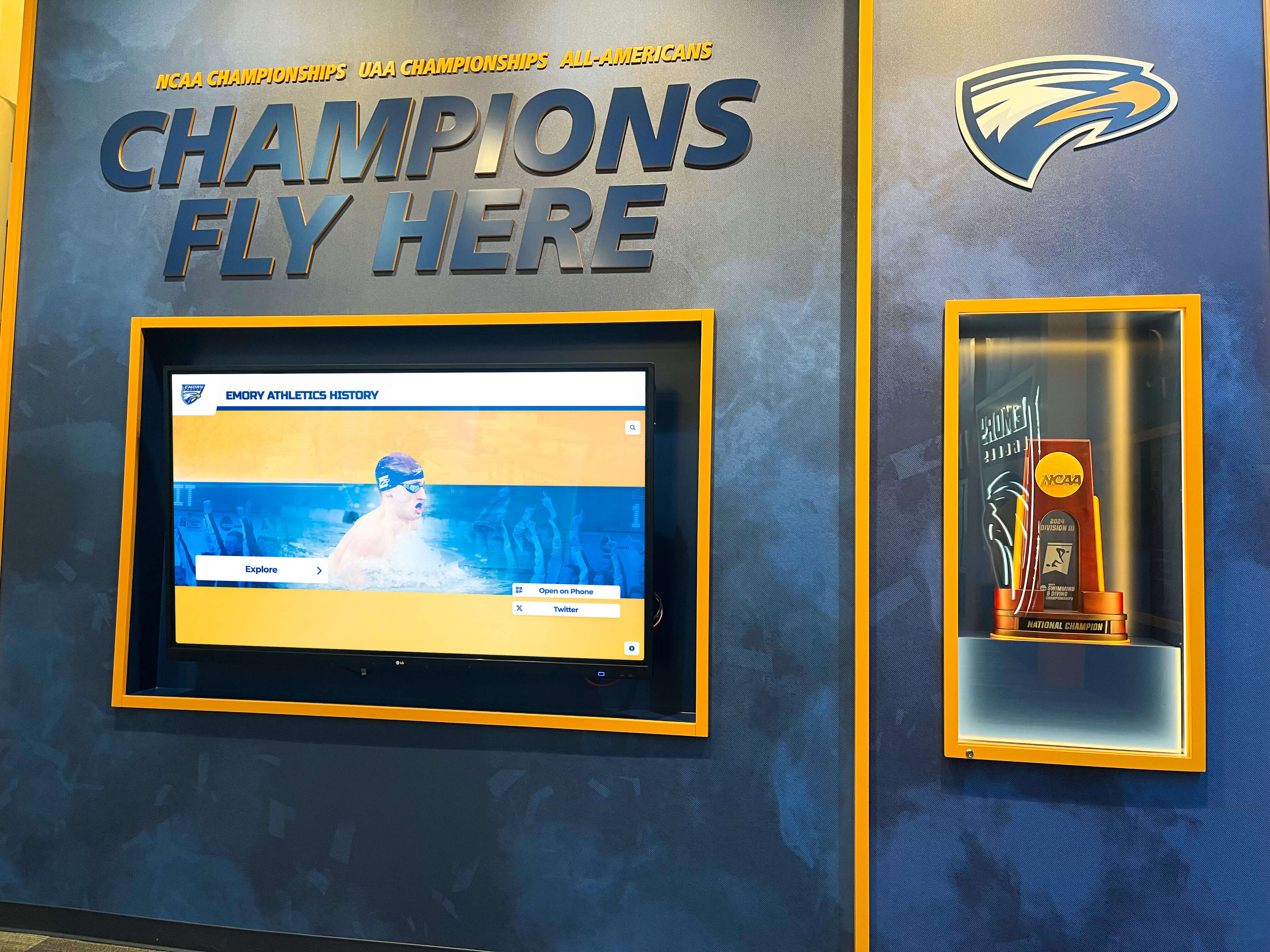
Professional recognition displays celebrate championships while acknowledging the supporters who make success possible
19. Online Fundraising Campaigns
Leverage digital platforms for targeted campaigns, particularly effective for specific equipment needs or travel expenses.
Digital fundraising best practices:
- Create compelling stories about specific needs
- Include photos and videos of athletes
- Provide clear funding goals and timelines
- Update donors on progress and impact
- Thank contributors publicly (with permission)
- Share how funds were used after campaign concludes
20. Percentage-Back Programs
Partner with local restaurants and businesses that donate a percentage of sales on designated days when customers mention the booster club.
Typical arrangement: Business donates 10-20% of sales during specific timeframe
Keys to success:
- Promote dates heavily through all channels
- Make it easy for supporters to participate
- Thank participating businesses publicly
- Rotate partners to avoid fatigue
Creative and Unique Fundraising Ideas
Beyond traditional approaches, creative fundraisers can generate buzz while engaging your community in memorable ways.
21. Coach for a Day Experience
Auction opportunities for donors to participate in practice sessions, team meetings, or pre-game preparations, providing unique access in exchange for significant donations.
22. Alumni Games and Reunions
Host games where alumni return to play against current athletes or other alumni teams, charging admission and selling commemorative items.
These events strengthen connections across generations while generating revenue. Consider enhancing alumni engagement through digital archives that celebrate program history and notable graduates.
23. Sports Equipment Swap
Organize events where families can buy and sell used sports equipment, with the booster club taking a percentage of sales or charging vendor fees.
Benefits:
- Reduces equipment costs for families
- Creates sustainable reuse of quality gear
- Generates revenue through fees or commissions
- Builds community gathering around practical needs
24. Skills Challenges and Competitions
Host sport-specific competitions open to community members (free throw contest, punt-pass-kick, home run derby), charging entry fees and offering prizes.
Maximizing Fundraising Success
Regardless of which specific fundraisers your booster club pursues, certain strategies increase effectiveness across all approaches.
Build Multi-Year Relationships
The most successful booster clubs focus on donor retention rather than constantly seeking new supporters. Recognize contributors consistently, communicate impact clearly, and make giving easy to repeat annually.
Modern donor recognition solutions help booster clubs acknowledge supporters year-round, not just during active campaigns.
Communicate Impact Clearly
Donors give more confidently when they understand exactly how funds will be used and can see the results of their support. Share specific stories about equipment purchased, opportunities created, and barriers removed through booster club funding.
Minimize Volunteer Burden
Sustainable fundraising requires approaches that don’t exhaust your volunteer base. Balance labor-intensive events with passive revenue streams that generate income without demanding constant attention.
Recognize Contributors Meaningfully
Public acknowledgment motivates continued giving while encouraging others to participate. Create systems for recognizing donors across multiple platforms—at events, in communications, through permanent displays, and on digital channels.
For comprehensive recognition solutions, explore options for digital recognition displays that can honor unlimited contributors while celebrating athletic achievements.
Track Results and Adjust
Monitor which fundraisers generate the best return on investment of both money and volunteer time. Double down on successful approaches while retiring initiatives that consistently underperform.
Leverage Cross-Promotion Opportunities
When planning recognition initiatives, consider how they can support multiple organizational goals. Programs that celebrate academic achievement alongside athletic success or incorporate team bonding elements create additional value beyond fundraising alone.
Planning Your Fundraising Calendar
Strategic booster clubs plan fundraising activities throughout the year, avoiding donor fatigue while maintaining steady revenue streams.
Fall Focus
- Spirit wear sales for fall sports
- Golf tournament before cold weather
- Corporate sponsorship renewals for new school year
- Concession operations during football season
Winter Activities
- Holiday product sales
- Alumni game events
- Membership drive campaigns
- Indoor tournament hosting
Spring Initiatives
- Auction and gala events
- Spring sports concessions
- Brick and paver sales
- Community run/walk events
Summer Planning
- Sports camps and clinics
- Planning for upcoming year
- Sponsor recruitment
- Facility improvement projects
Year-round engagement keeps your booster club visible and active without overwhelming volunteers or donors with constant asks.
Building a Recognition Culture
The most successful booster clubs create cultures where recognition and support become ongoing conversations rather than transactional exchanges. This means celebrating not just major donors but also volunteers, athletes, families, and community partners who contribute in various ways.
Consider recognition as investment rather than expense. When supporters see their contributions acknowledged and celebrated, they develop deeper connections to your program and increase their giving over time. Strategic programs for personalized recognition strengthen these relationships while encouraging sustained support.
Starting Small and Scaling Strategically
New booster clubs or organizations rebuilding after inactive periods should resist the temptation to launch too many initiatives simultaneously. Start with two or three proven fundraisers, execute them well, and gradually add new approaches as volunteer capacity grows.
Focus first on:
- One reliable product sale that requires minimal coordination
- One recognition-based giving program (membership or brick campaign)
- One event-based fundraiser that builds community connections
As you establish systems and grow your volunteer base, add complementary fundraisers that diversify revenue without overwhelming your organization.
Conclusion: Building Sustainable Support for Your Athletic Program
Effective booster club fundraising combines diverse revenue streams, strategic planning, meaningful recognition, and sustainable practices that protect volunteer energy while generating consistent support. The fundraising ideas presented here provide starting points—adapt them to your community’s unique characteristics, your program’s specific needs, and your organization’s capacity.
The most successful booster clubs recognize that fundraising is ultimately about building relationships, not just raising money. When you create genuine connections with supporters, communicate impact clearly, and acknowledge contributions meaningfully, fundraising becomes a natural extension of shared commitment to student-athlete success.
Ready to elevate your booster club’s recognition and fundraising efforts? Rocket Alumni Solutions provides digital recognition displays that help booster clubs honor donors, celebrate athletic achievements, and build sustainable support through comprehensive, engaging displays that never run out of space. Our solutions transform how schools recognize contributors while creating year-round visibility for the people and programs that make athletic excellence possible.































