Career day at school represents one of the most powerful opportunities administrators have to connect students with real-world professionals, illuminate diverse career pathways, and demonstrate that their education leads to meaningful work and fulfilling lives. When thoughtfully planned and expertly executed, these events do far more than expose students to job titles—they create authentic connections between alumni and current students, inspire academic motivation by showing education’s practical value, challenge limiting assumptions about accessible careers, strengthen school pride through successful graduate stories, and plant seeds for future mentorship relationships that extend long beyond the single event.
Yet many schools struggle with career day events that feel generic, disconnected, or underwhelming. The same handful of parent volunteers present about traditional careers year after year. Sessions become one-way presentations with minimal student engagement. Younger students encounter career options disconnected from their developmental readiness. Follow-up opportunities evaporate when events end, leaving students inspired but without pathways to pursue newfound interests.
This comprehensive guide explores how school administrators can transform career day from perfunctory annual obligation into powerful cultural touchpoint that genuinely shapes student aspirations, career knowledge, and post-graduation success. From alumni speaker recruitment and session design to technology integration and measuring event impact, discover how to create career exploration experiences that resonate with students while leveraging your most valuable community resource—accomplished alumni eager to give back.
Career day planning has never been more critical. In an era of rapid technological change, emerging careers that didn’t exist five years ago, and students struggling to connect academic work with future success, systematic career exploration becomes essential rather than optional. Career day events, when implemented strategically with diverse speakers and engaging formats, provide structured opportunities for students to encounter possibilities they hadn’t imagined, understand educational pathways to various careers, and begin developing the professional networks that will support their journeys long after graduation.
Why Alumni-Driven Career Day Events Create Maximum Impact
Before diving into planning specifics, understanding why alumni speakers provide unique advantages over generic career presenters ensures your approach maximizes the distinct benefits your school community offers.
The Power of Alumni Connections
Alumni speakers deliver benefits that outside presenters simply cannot match, creating more authentic and impactful experiences for students.
Shared Experience and Credibility
Alumni speakers walked the same hallways, sat in the same classrooms, and faced similar challenges current students navigate daily. This shared experience creates immediate credibility and relatability that generic career speakers struggle to establish. When alumni say “I was exactly where you are,” students believe them because it’s demonstrably true. This authentic connection makes career advice more credible, challenges about educational pathways more believable, and success stories more inspiring because students see themselves reflected in speakers who started from the same place.
Students discount advice from outsiders who never experienced their specific school context. Alumni speakers overcome this skepticism instantly, creating foundation for genuine influence that transforms career day from forgettable presentations into potentially life-changing encounters.
Demonstrating Educational Value
Alumni speakers provide living proof that the education your school provides leads to successful outcomes. When graduates return describing how specific classes, teachers, activities, or experiences shaped their career trajectories, they validate students’ current work in ways administrators and teachers cannot. Students struggling to see connections between algebra homework and future success gain new perspective when alumni engineers explain how mathematical thinking drives their daily problem-solving.
This tangible demonstration of educational return on investment motivates student effort while building school pride and confidence in the institution. Career day becomes showcase for institutional effectiveness rather than generic career education.
Building Long-Term Mentorship Pipeline
Career day creates opportunities for ongoing relationships extending far beyond single events. Students who connect with alumni speakers during career day may reach out for job shadowing, internships, college advice, or professional guidance as they progress through school and into early careers. Alumni who enjoy career day experiences often become repeat participants, guest speakers in specific classes, or formal mentors in structured programs.
These extended relationships compound career day’s impact exponentially. A single inspiring conversation during career day might evolve into multi-year mentorship relationship that shapes college selection, career trajectory, and professional success in ways impossible to achieve through one-time generic presentations.
Strengthening Alumni Engagement
Career day provides meaningful alumni engagement opportunities benefiting both the school and graduates themselves. Alumni eager to give back but uncertain how to contribute find career day participation accessible, time-bounded, and deeply satisfying. These positive experiences often lead to expanded alumni involvement through financial donations, volunteer activities, advisory roles, or advocacy.
Schools that successfully engage alumni in career day programming build broader alumni networks that support institutional goals far beyond career exploration alone. Every alumnus who presents at career day represents potential donor, volunteer, mentor, or advocate whose connection to the school strengthens through meaningful participation.
Strategic Planning Framework for Career Day Success
Successful career day events require systematic planning beginning months before the actual event. The following framework guides administrators through the planning process ensuring comprehensive preparation.
Phase 1: Goal Setting and Design Decisions
Begin with clarity about what you want to achieve and how career day will function within your specific context.
Defining Clear Objectives
Establish specific, measurable goals for your career day event. Strong objectives might include: exposing students to minimum number of different career fields, ensuring students encounter at least one career they hadn’t previously considered, connecting specific academic subjects to real-world career applications, providing students with concrete next-step resources for careers of interest, or creating opportunities for ongoing alumni-student mentorship connections.
Clear objectives guide all subsequent planning decisions while enabling post-event evaluation determining whether career day achieved intended impacts. Vague goals like “expose students to careers” lack specificity needed for effective planning or assessment.
Determining Event Format and Structure
Career day can take multiple formats, each with distinct advantages:
Traditional Rotation Model: Students rotate through multiple presentation sessions, encountering several career speakers during the event. This format maximizes student exposure to diverse careers while requiring more speakers and logistical coordination.
Career Fair Format: Professionals staff tables or booths students visit at their own pace. This format provides student choice and flexibility while enabling more informal conversations but potentially allows students to avoid unfamiliar career areas.
Panel Presentations: Multiple professionals representing different careers present together followed by Q&A. Panels enable comparison across careers and more diverse questioning but limit student exposure to fewer total careers.
Classroom Integration: Alumni speakers visit specific classes relevant to their career fields, connecting directly to academic content. This format strengthens curriculum connections but requires more complex scheduling coordination.
Hybrid Approaches: Many schools combine formats with morning panels followed by afternoon rotation sessions, or career fair combined with featured keynote presentations from distinguished alumni.
Consider student age, available time, facility constraints, and speaker availability when selecting format. Middle school students might benefit from shorter, more interactive sessions while high school students can engage with longer, more detailed presentations.
Scheduling Considerations
Timing dramatically affects participation, logistics, and impact. Key decisions include:
- Full day versus half day events: Full days enable more career exposure but create greater schedule disruption
- During school hours versus evening/weekend: School-day events ensure student attendance but limit working parent participation; evening events include families but require volunteer alumni availability
- Single grade level versus whole school: Focused events enable age-appropriate programming but require multiple iterations; whole-school events create community-wide experience but challenge developmental appropriateness
- Fall versus spring timing: Fall placement provides students extended time to explore interests before course selection and summer opportunities; spring timing allows current seniors who recently navigated college and career decisions to participate
Budget and Resource Allocation
Even well-designed career days require funding for various expenses:
- Refreshments and meals for alumni speakers
- Printed programs, name badges, signage
- Promotional materials and student resources
- Audio-visual equipment rental
- Digital recognition displays showcasing alumni achievements
- Substitutes for teachers managing logistics during instructional time
- Follow-up materials and resources for students
Identify funding sources including general operating budgets, PTO/PTA contributions, local business sponsorships, or grant opportunities supporting career education. Clarify budget parameters early to guide scope and scale decisions.
Phase 2: Alumni Speaker Recruitment
Alumni recruitment represents the most critical planning phase, determining whether you have compelling speakers representing diverse careers.
Building Comprehensive Alumni Database
Effective recruitment requires knowing who your alumni are, where they work, and how to contact them. Digital alumni recognition systems provide centralized databases tracking graduate information, but schools without sophisticated systems can build functional databases through:
- Email campaigns requesting updated contact information and career details
- Social media outreach through school Facebook groups, LinkedIn pages, or Instagram accounts
- Reunion event data collection gathering career information systematically
- Student family connections leveraging current parent networks
- Manual outreach to known alumni through phone calls or direct mail
Capture critical information including graduation year, current employer and job title, career field, contact information, location, and past volunteer participation. Organize data in searchable formats enabling filtering by career field, location, or graduation year.
Strategic Recruitment Communication
Recruitment messaging significantly impacts alumni response rates. Effective invitations should:
- Personalize outreach using names and referencing specific graduation years or shared memories
- Explain career day’s goals and expected impact on students
- Clarify time commitment and logistical expectations clearly
- Emphasize that presentation experience isn’t required and support will be provided
- Highlight how participation provides meaningful way to give back
- Include specific dates and timeframes enabling calendar planning
- Provide simple response mechanism (online form, email reply, phone number)
Send initial recruitment outreach 3-4 months before the event, allowing sufficient time for schedule coordination while maintaining urgency. Follow up with non-respondents 2-3 weeks after initial contact.
Ensuring Career Diversity and Representation
Intentional recruitment ensures students encounter broad career spectrum rather than narrow range dominated by parents’ professions or traditional careers.
Target recruitment efforts to achieve representation across:
Career Sectors: Healthcare, education, business, technology, trades, arts, public service, STEM, hospitality, manufacturing, agriculture, non-profit, entrepreneurship
Education Levels: Careers requiring four-year degrees, associate degrees, technical certifications, graduate education, apprenticeships, or high school completion
Demographic Diversity: Alumni representing various genders, races, ethnicities, first-generation college students, and individuals with disabilities modeling that all students can succeed in diverse fields
Career Stages: Recent graduates, mid-career professionals, and established leaders providing different perspectives on career development
Non-Traditional Paths: Alumni who changed careers, started businesses, served military, pursued creative fields, or took unconventional routes challenging narrow success definitions
Use database filtering to identify gaps and conduct targeted recruitment addressing underrepresented categories. Partner with diversity-focused alumni groups, professional associations, or career counselors who can recommend diverse speakers.
Parent and Community Professional Inclusion
While alumni provide unique advantages, including non-alumni professionals expands career representation and volume:
- Parents and guardians of current students
- Local business leaders and entrepreneurs
- Community organization directors
- Government officials and public servants
- University admissions officers and faculty
Screen non-alumni participants carefully, prioritizing those with genuine student engagement skills and avoiding overly promotional presentations.
Phase 3: Speaker Preparation and Support
Even enthusiastic alumni benefit from preparation ensuring their presentations engage students effectively and achieve learning objectives.
Pre-Event Orientation and Training
Host orientation session (virtual or in-person) 2-4 weeks before career day providing alumni speakers with:
Event Overview: Schedule, format, location, audience demographics, and logistics including parking, sign-in procedures, and technology support
Presentation Guidance: Effective strategies for engaging young audiences including interactive elements, storytelling techniques, avoiding jargon, managing Q&A, and time management
Content Suggestions: Recommended topics including career pathway explanation (education, early jobs, current position), day-in-the-life descriptions, challenges and rewards, required skills and personal qualities, education and preparation requirements, industry trends and outlook, and advice for students interested in the field
What to Avoid: Overly technical content, excessive company promotion, dismissing alternate pathways, inappropriate language or topics, and assuming prior career knowledge
Student Preparation Needs: How students are being prepared and what background knowledge they’ll have
Provide presentation templates or outlines that speakers can customize while ensuring key topics get addressed. Record orientation sessions for alumni who cannot attend live.
Resource Development
Create standardized materials supporting presenter success:
- Presentation slide templates with school branding
- One-page speaker guides with quick tips and reminders
- Student engagement activity suggestions (career myth-busting, day-in-the-life scenarios, problem-solving challenges)
- FAQ documents addressing common student questions
- Contact information for technical and logistical support
- Post-presentation survey links for feedback collection
Professional, well-organized support materials demonstrate respect for alumni time while ensuring quality consistency across presenters with varying experience levels.
Technical and Logistical Support
Ensure alumni speakers have everything needed for smooth presentations:
- Room assignments with capacity, AV equipment, and layout specifications
- Technology testing opportunities before sessions begin
- Staff or student volunteers assigned to each room for setup, time management, and troubleshooting
- Backup technology plans for inevitable equipment failures
- Printed copies of presentations as backup for technical problems
- Clear signage guiding speakers to assigned locations
- Refreshments and hospitality areas for breaks
Technical problems and logistical confusion create unnecessary stress for volunteer speakers while detracting from student experience. Over-preparation prevents easily avoidable problems.
Phase 4: Student Preparation
Career day impact depends heavily on student preparation creating receptive audiences ready to engage meaningfully.
Pre-Event Learning Activities
Prepare students through intentional pre-career day lessons and activities:
Career Research Assignments: Students research specific careers or industries before hearing from professionals, generating informed questions and creating context for presentations
Career Interest Inventories: Students complete interest assessments (paper or digital) helping them identify fields aligned with personal strengths, values, and preferences
Question Development: Students brainstorm and refine thoughtful questions for speakers, moving beyond surface-level queries to meaningful investigation
Professional Interaction Skills: Students learn appropriate behavior for professional settings including active listening, asking follow-up questions, respectful disagreement, and expressing appreciation
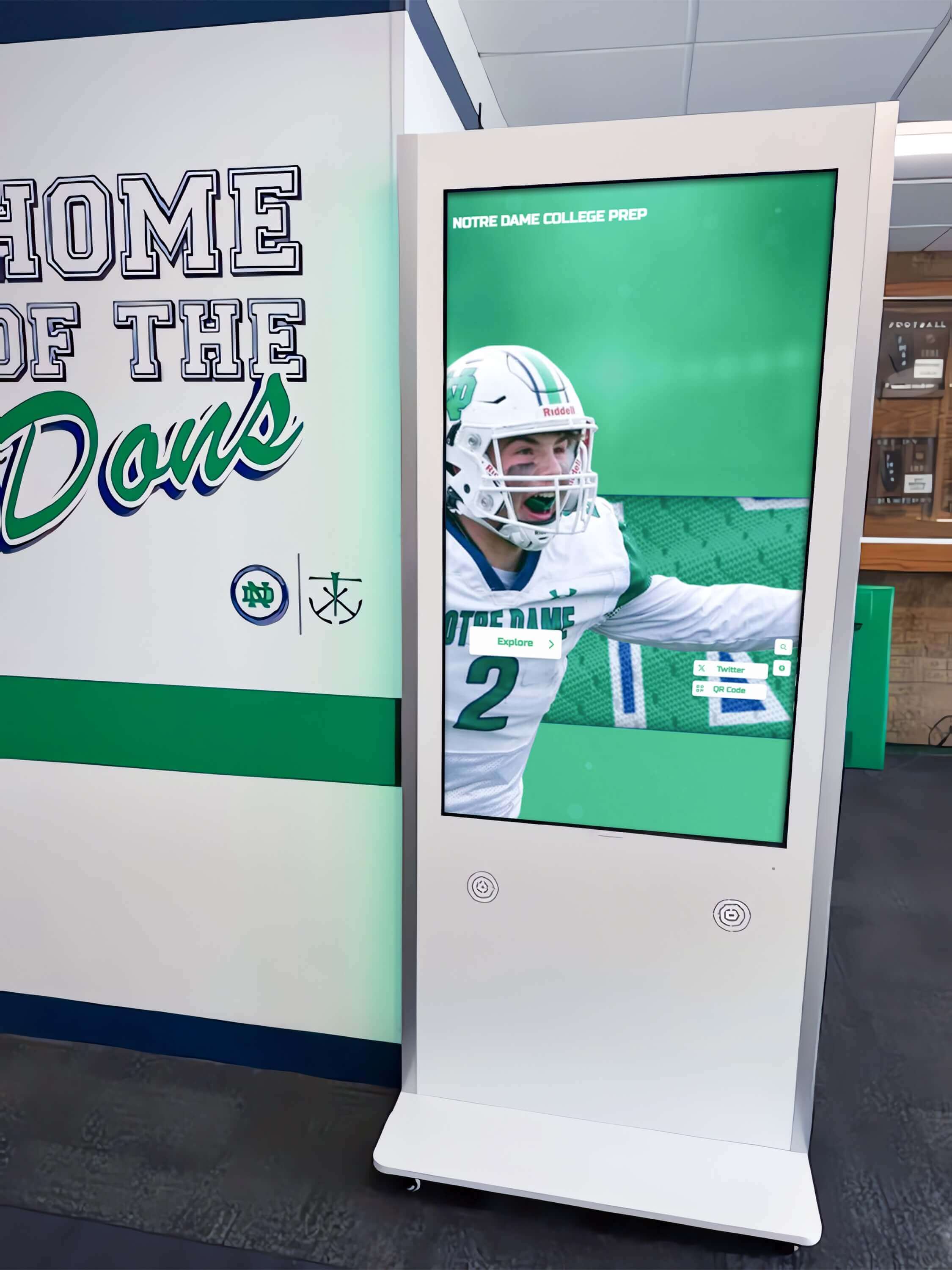
Alumni Success Story Review: Students explore alumni recognition displays learning about distinguished graduates and their diverse career paths
Preparation transforms students from passive audience members into active participants capable of extracting maximum value from career day experiences.
Managing Student Expectations
Set clear expectations for behavior, participation, and learning:
- Career day represents privilege and professional development opportunity requiring mature conduct
- Students should listen respectfully even to careers they believe don’t interest them
- Every speaker deserves gratitude for volunteering valuable time
- Students may discover unexpected interests by engaging with unfamiliar careers
- Asking questions demonstrates engagement rather than challenging speakers
- Professional behavior skills practiced during career day transfer to future workplace success
Address common behavioral concerns proactively through role-playing exercises, video examples, or discussions about professionalism.
Session Selection and Scheduling
For rotation or fair formats where students choose sessions, implement systems ensuring:
- Balanced attendance across all speakers rather than overcrowded popular sessions
- Students must attend sessions representing different career clusters
- Pre-registration prevents overcapacity and enables speaker preparation
- Younger students receive additional guidance selecting developmentally appropriate sessions
- Special accommodations for students with accessibility needs
Consider requiring students to attend at least one session outside their expressed interest areas, exposing them to careers they might not independently choose but could discover unexpected affinity.
Designing Engaging Career Day Sessions
Session design determines whether students experience transformative career exploration or endure boring presentations they’ll quickly forget.
Interactive Presentation Formats
Move beyond lecture-style presentations toward participatory formats that engage students actively:
Storytelling Approach
The most memorable career presentations follow narrative arcs rather than bullet-point lists. Encourage speakers to structure presentations as stories covering:
- Origin story: How they discovered this career field or developed relevant interests
- Challenges faced: Obstacles overcome, failures experienced, and lessons learned
- Turning points: Key decisions, opportunities, or people that shaped their trajectory
- Current reality: What typical days actually look like beyond glamorized perceptions
- Future vision: Where their career might lead and industry evolution
- Student pathway: Concrete steps students can take to explore or pursue this field
Stories create emotional connections making information memorable while humanizing speakers beyond their professional credentials.
Demonstration and Hands-On Activities
Whenever possible, incorporate active learning elements:
- Engineers demonstrating problem-solving with physical materials
- Healthcare professionals teaching basic first aid or diagnostic skills
- Artists leading mini-creation exercises
- Business professionals facilitating mock negotiations or pitches
- Tradespeople showing tools and techniques
- Scientists conducting simple experiments or data analysis
Hands-on activities transform abstract career descriptions into tangible experiences while accommodating diverse learning styles and maintaining student engagement.
Myth-Busting Discussions
Students hold misconceptions about most careers based on media portrayals, limited exposure, or outdated information. Structure sessions addressing common myths:
- “You have to be naturally talented to succeed in this field” versus developing skills through practice
- “This career requires specific college major” versus multiple educational pathways
- “Everyone in this field is [stereotype]” versus actual diversity within profession
- “This career is dying/being automated” versus evolving reality
- “You need to know exactly what you want to do by age 18” versus career exploration continuing indefinitely
Myth-busting creates permission for students to consider careers they had dismissed based on faulty assumptions.
Problem-Solving Scenarios
Present students with realistic workplace challenges speakers regularly encounter:
- Medical dilemmas requiring ethical decision-making
- Engineering failures demanding creative solutions
- Customer service conflicts needing diplomatic resolution
- Budget constraints requiring priority-setting
- Deadline pressures forcing efficiency strategies
Students work individually or in small groups proposing solutions before speakers explain how they approached the actual situations. This format demonstrates problem-solving as universal career skill while revealing how different fields apply critical thinking.
Panel Discussions and Speed Networking
Alternative formats create different engagement opportunities:
Career Panel Conversations
Panels featuring 3-5 professionals from related or contrasting fields enable comparison and expose common themes:
- STEM panel with engineer, scientist, programmer, and data analyst
- Entrepreneurship panel with business owners from different industries
- Healthcare panel including doctor, nurse, therapist, and administrator
- Creative careers panel with writer, designer, musician, and photographer
Skilled moderators (administrators, teachers, or mature students) pose questions revealing similarities, differences, and career landscape complexity. Reserve significant time for student questions creating dialogue rather than monologue.
Speed Networking Sessions
Modeled after speed dating, students rotate through brief 5-8 minute conversations with multiple professionals:
- Small groups (3-5 students) meet each professional for focused time
- Professionals provide career overview and field insights
- Students ask prepared questions before rotation bell signals transition
- Format maximizes professional availability while preventing passive large-group dynamics
Speed networking works best for mature students with prepared questions and self-direction needed for efficient transitions.
Lunch with Professionals
Small group lunches pair students with alumni speakers in informal settings conducive to authentic conversation:
- Select students (by interest, random draw, or teacher recommendation) join alumni for catered lunch
- Relaxed environment encourages candid discussion beyond formal presentations
- Alumni often share more honest career challenges and life balance realities in informal settings
- Personal connections formed during lunch often lead to ongoing mentorship
This format works well as special opportunity for student leaders, those demonstrating strong career interest, or as incentive for exceptional student behavior.
Technology Integration for Enhanced Engagement
Strategic technology use amplifies career day impact and extends learning beyond event day:
Virtual Participation Options
Technology enables alumni unable to attend in person to participate remotely:
- Video conferencing allows alumni in distant locations to present to classes
- Pre-recorded video presentations from alumni submitted in advance
- Live-streamed keynote presentations accessible to multiple locations simultaneously
- Virtual reality career experiences providing immersive field exploration
Virtual options dramatically expand potential speaker pool while modeling remote work realities increasingly common across industries.
Interactive Digital Elements
Enhance presentations through technology:
- Live polling asking students to vote on career preferences or answer questions
- Digital Q&A platforms enabling anonymous question submission
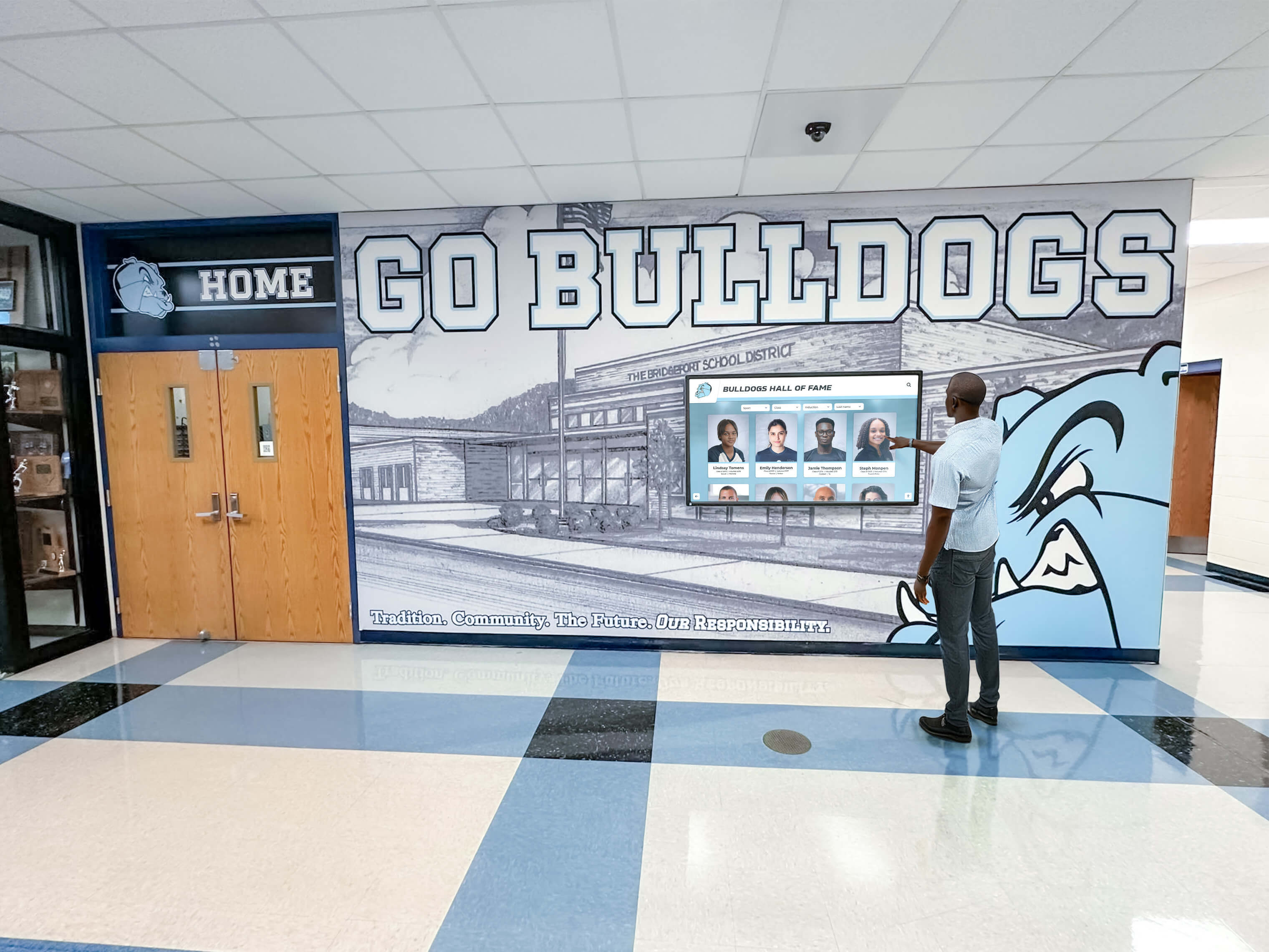
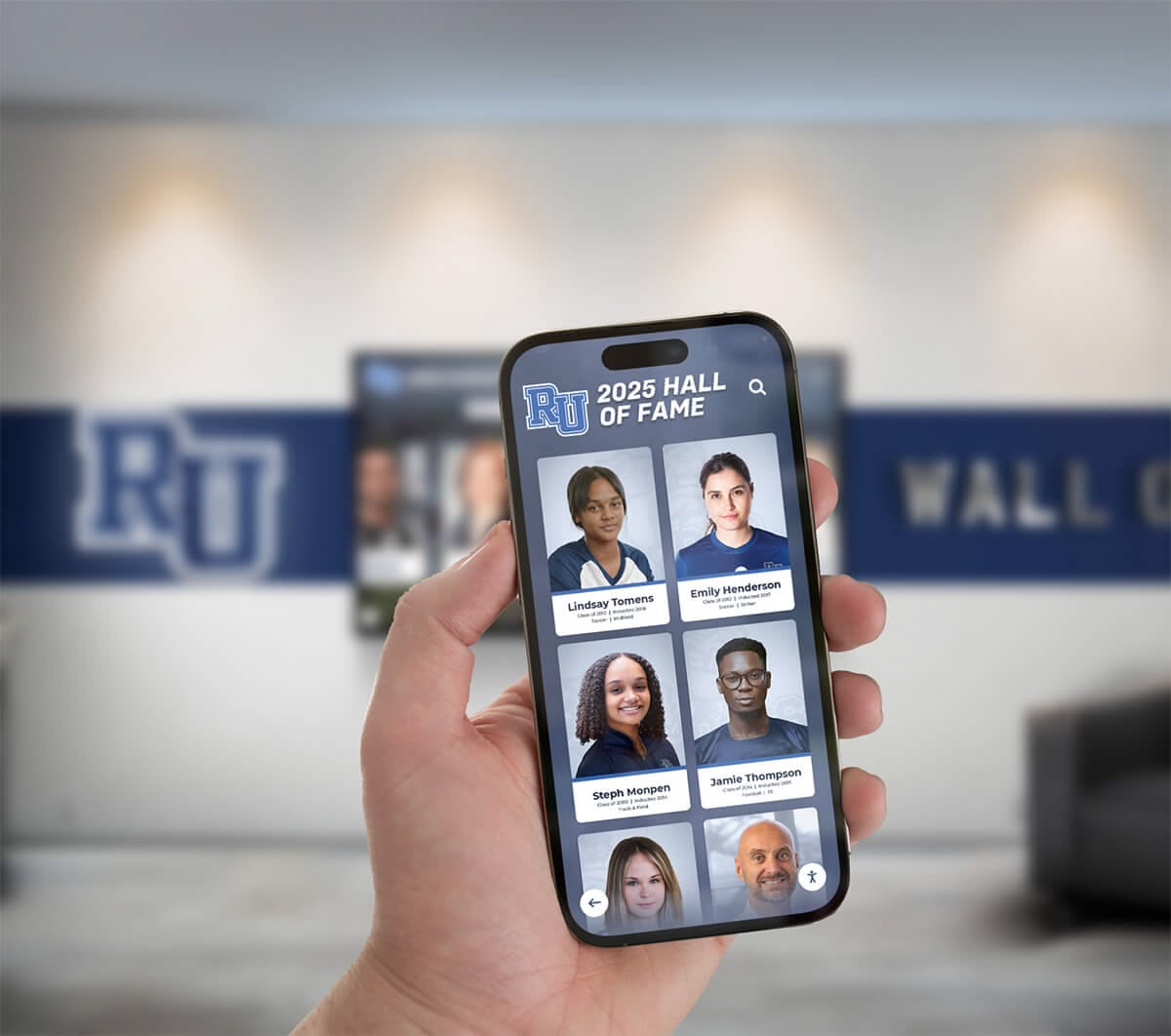
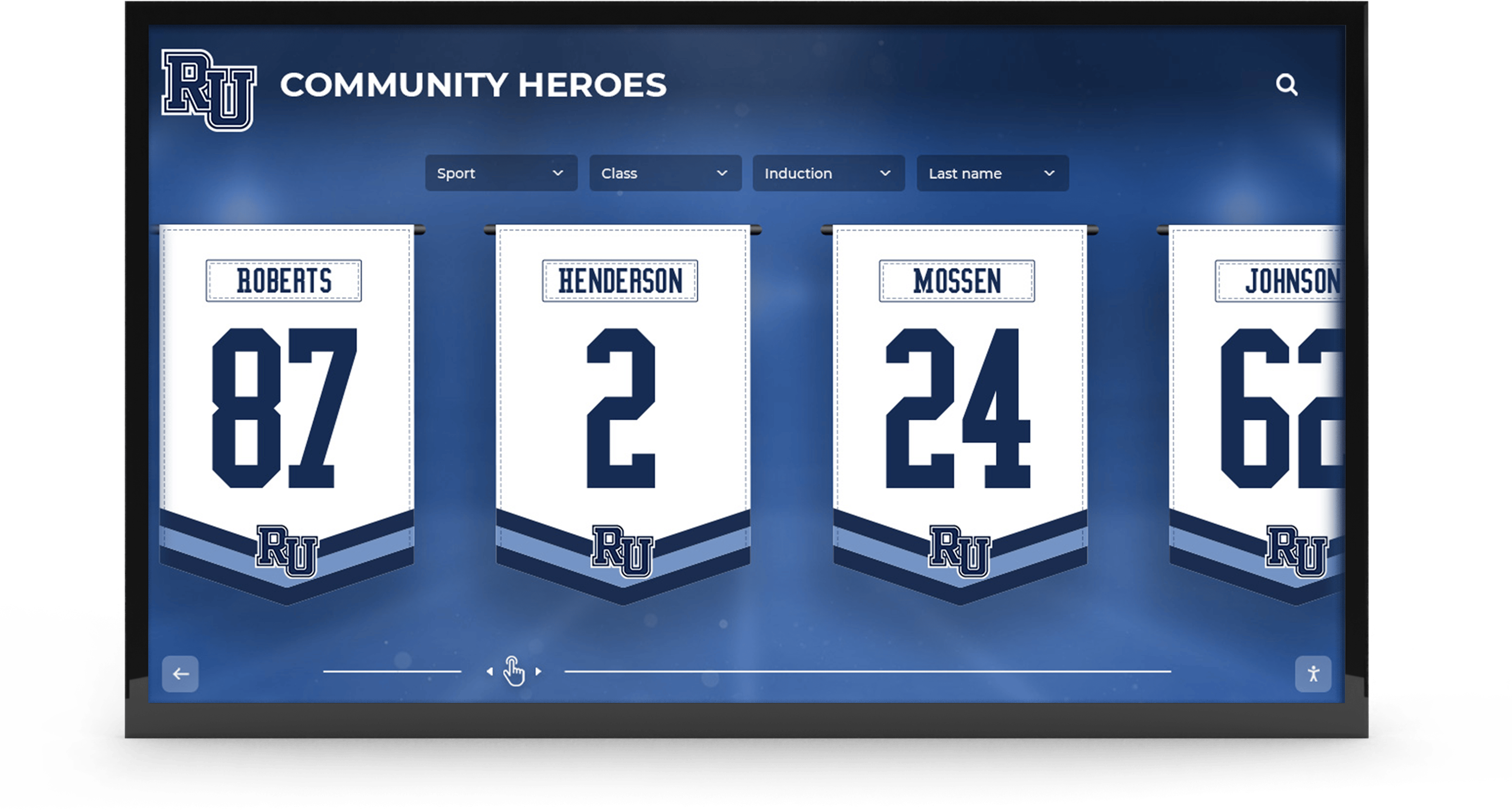
- Interactive touchscreen displays showcasing alumni career pathways
- QR codes linking to career resources, speaker contact info, or follow-up materials
- Social media integration for student reflections and highlights sharing
Technology increases participation from students hesitant to ask public questions while creating multiple engagement channels accommodating different comfort levels.
Digital Alumni Showcases
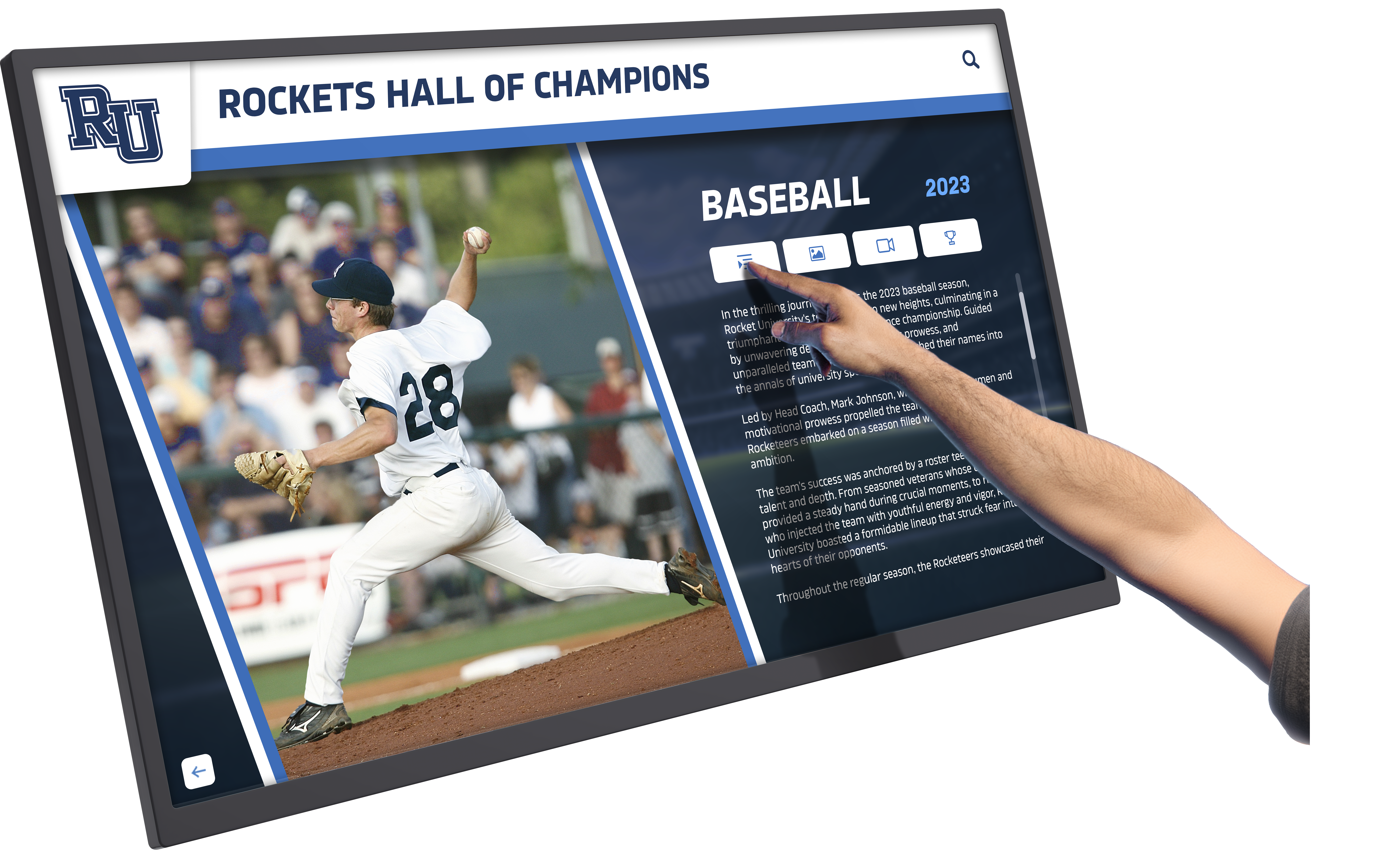
Modern recognition platforms enable comprehensive alumni career displays supporting career day:
Pre-Event Exploration: Students browse digital alumni database researching career pathways before career day, generating informed questions and selecting sessions strategically
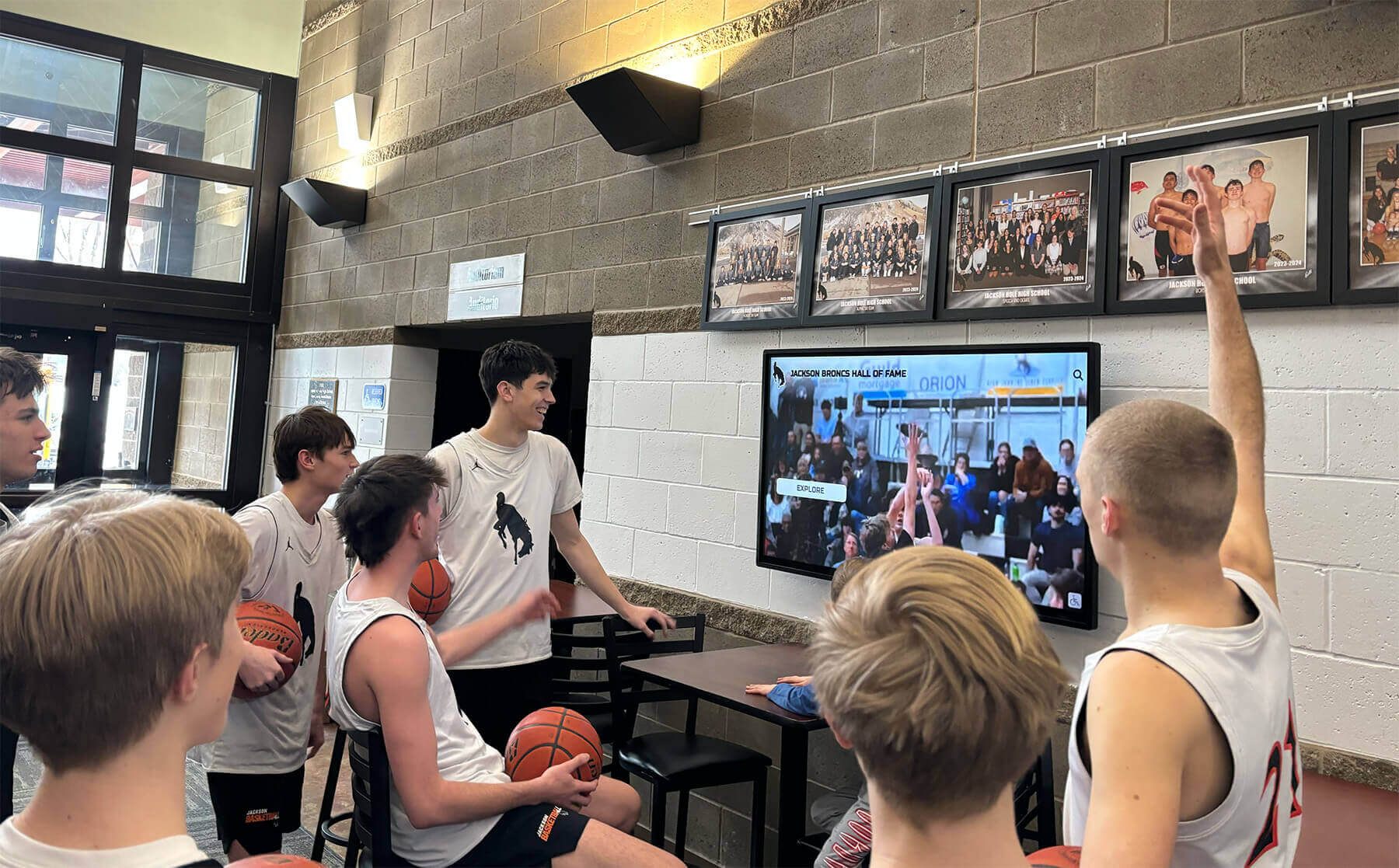
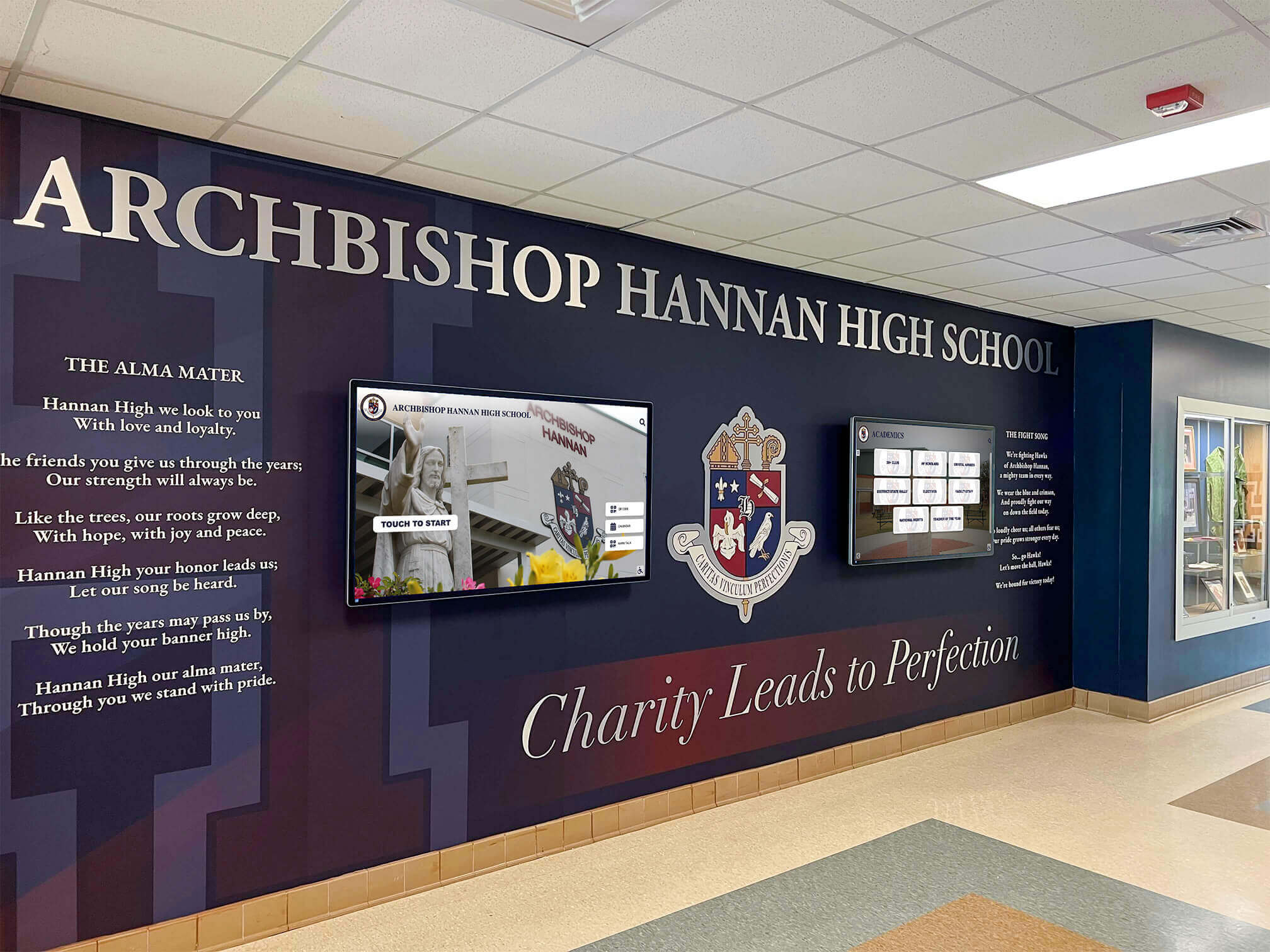
Day-of Resource: Interactive displays in career day spaces allow students to explore additional alumni profiles beyond those presenting in person
Post-Event Follow-Up: Students revisit displays after career day accessing speaker contact information and career resources for extended exploration
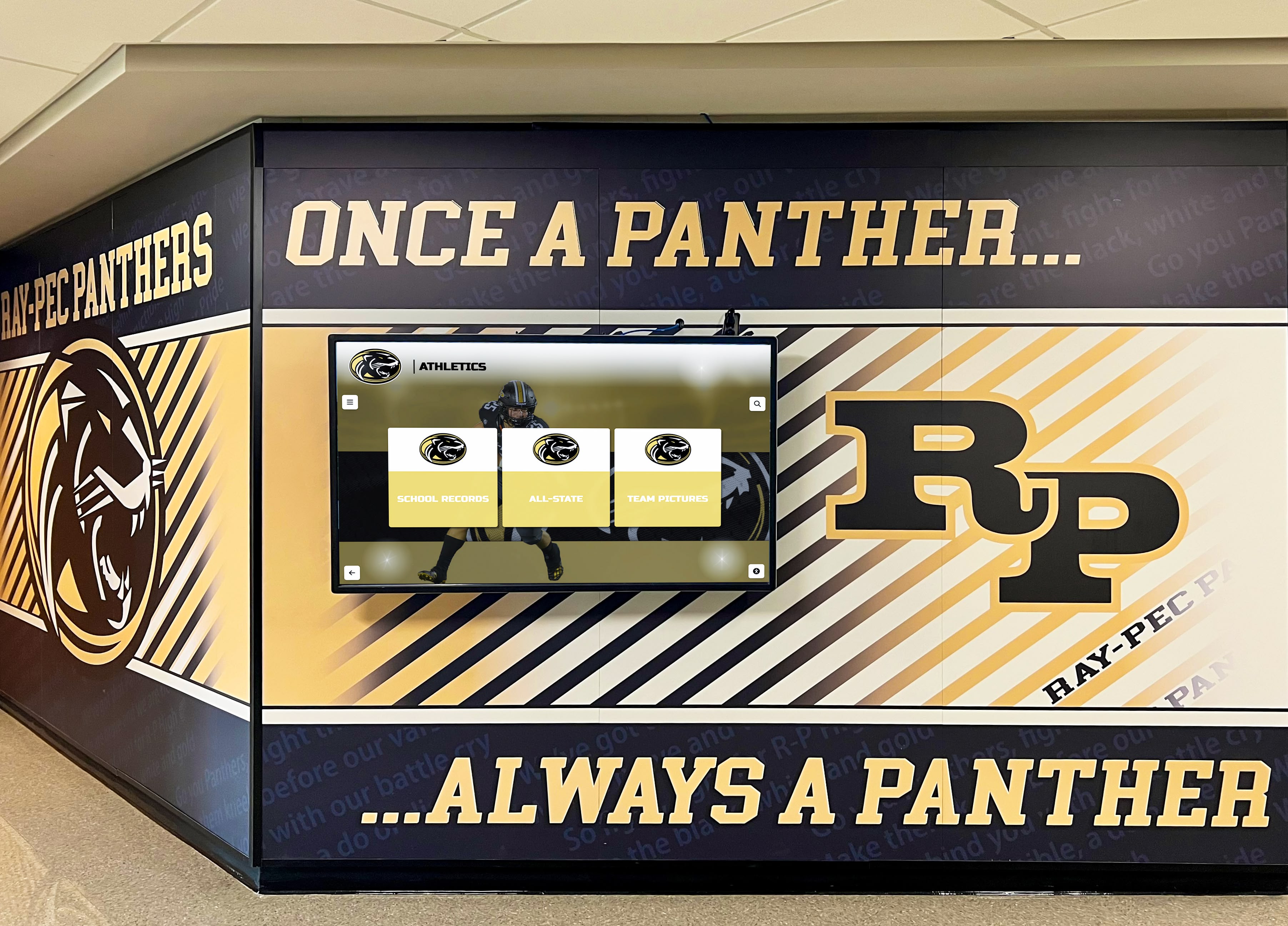
Ongoing Inspiration: Displays remain accessible year-round providing continuous career exploration and demonstrating successful educational outcomes
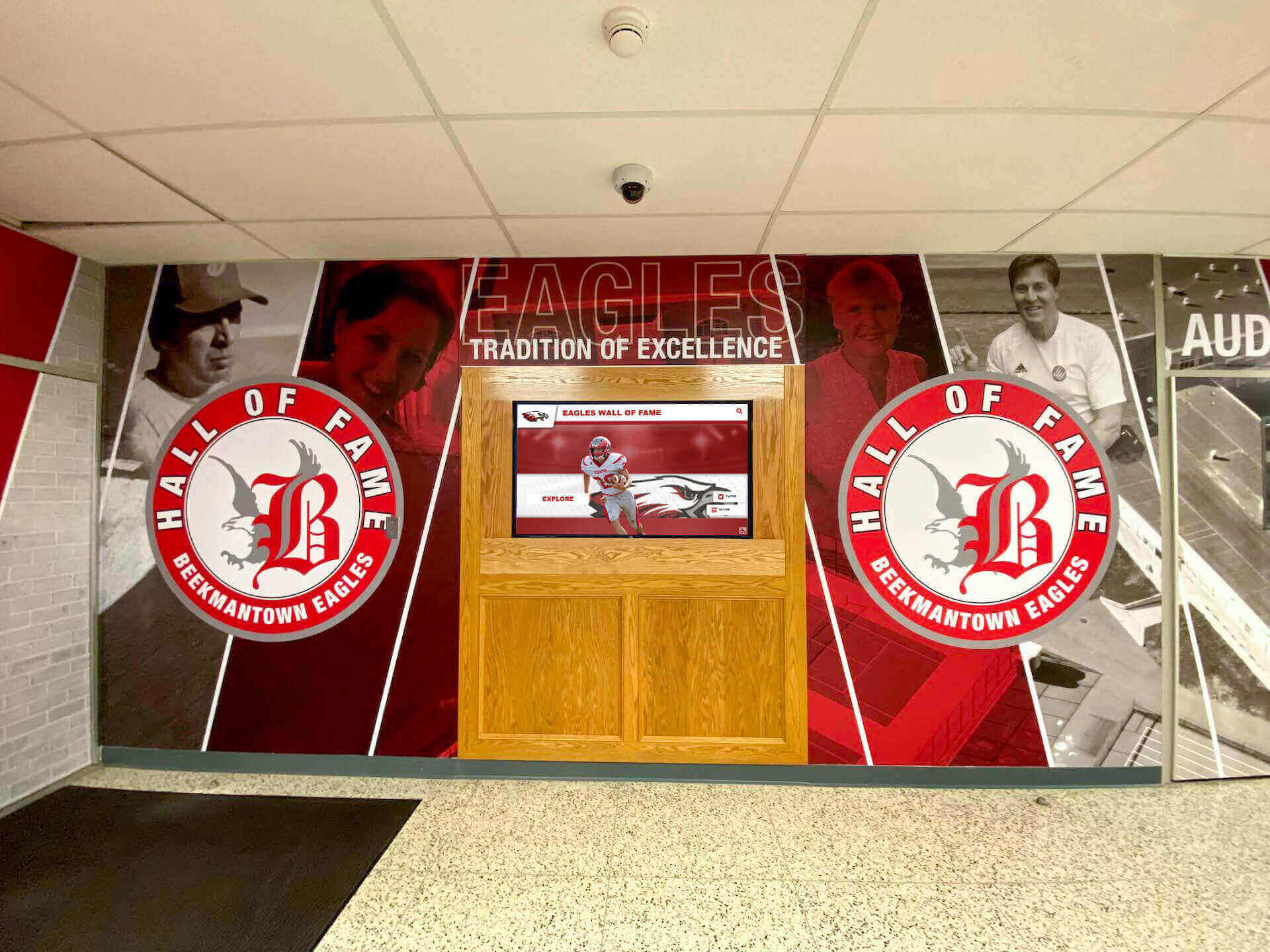
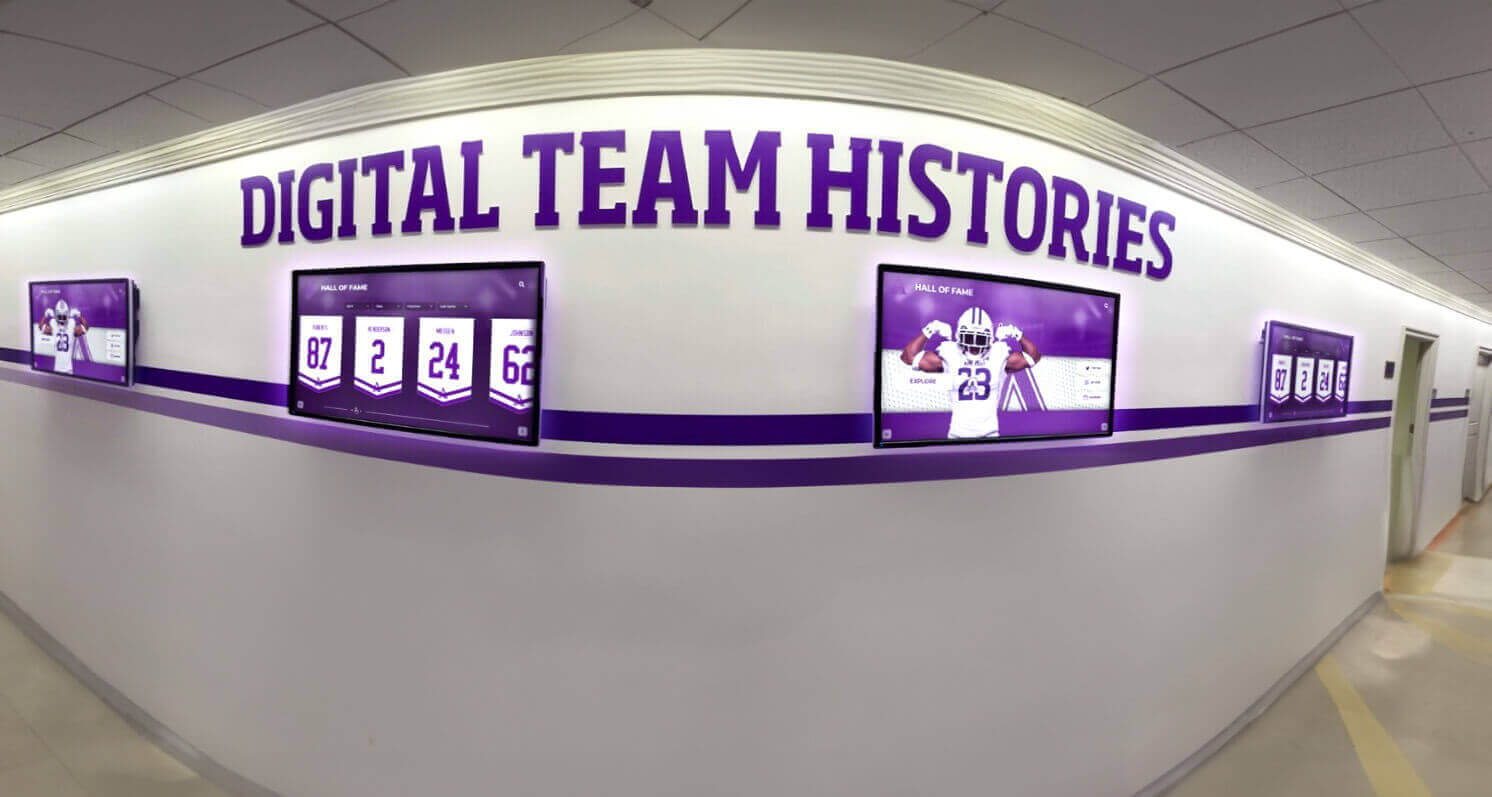
Solutions like Rocket Alumni Solutions provide schools with sophisticated platforms for showcasing unlimited alumni profiles with photos, career descriptions, industry information, and accomplishment details. These systems transform static displays into dynamic career exploration tools while celebrating institutional success through graduate achievements.
Post-Event Follow-Up and Impact Maximization
Career day’s true value emerges through strategic follow-up converting single-day inspiration into sustained career exploration and concrete opportunities.
Immediate Post-Event Activities
Student Reflection and Processing
Dedicate time immediately following career day for structured reflection:
- Written reflections addressing: most surprising discovery, career previously unknown now interesting, questions generated requiring further research, concrete next steps for career exploration
- Small group discussions processing experiences and sharing insights
- Thank you note writing to speakers practicing professional communication while expressing appreciation
- Career interest journaling connecting career day learning to personal goals and plans
Reflection transforms passive experience into active learning while consolidating memories before they fade.
Speaker Appreciation and Feedback
Thank alumni speakers promptly while gathering valuable improvement insights:
- Same-day email thanking participants and acknowledging specific contributions
- Post-event survey gathering feedback about logistics, student engagement, and improvement suggestions
- Selected student thank-you notes forwarded to speakers providing tangible impact evidence
- Public recognition through school communications and social media
- Small tokens of appreciation (certificates, school merchandise, donation recognition)
Thoughtful appreciation increases likelihood alumni will participate again while generating testimonials useful for future recruitment.
Documentation and Assessment
Capture career day outcomes for evaluation and promotion:
- Photography and video documentation (with appropriate permissions)
- Student survey data measuring career knowledge gains, interest changes, and satisfaction
- Attendance and participation data by session
- Speaker roster with career field representation analysis
- Unexpected outcomes or stories worthy of future highlighting
- Budget actuals versus projections for future planning
Systematic documentation enables data-driven improvements while providing content for showcasing career day success to stakeholders.
Extended Learning Opportunities
Classroom Integration
Connect career day to ongoing curriculum through post-event lessons:
- Research assignments investigating careers students found interesting
- Writing assignments exploring personal career interests and required preparation
- Math activities analyzing salary data, education ROI, or career outlook statistics
- Science connections to STEM career applications
- Social studies examination of career availability, economic trends, or workforce demographics
Curriculum integration signals that career day represents serious learning rather than entertaining break from regular instruction.
Resource Distribution
Provide students with concrete resources supporting continued career exploration:
- Compiled list of all career day speakers with contact information and LinkedIn profiles
- Career cluster resources with additional information about featured fields
- Local and online career exploration tools and assessment resources
- Scholarship and program information relevant to various career paths
- Job shadowing, internship, and volunteer opportunity listings
- College program recommendations aligned with different career interests
Digital resource repositories accessed through learning management systems or career counseling pages ensure students can access information when ready rather than immediately following career day.
Ongoing Mentorship Facilitation
Transform career day connections into sustained mentorship relationships:
- Formal mentorship program matching interested students with willing alumni
- Job shadowing day opportunities with alumni at their workplaces
- Virtual mentorship pairings using email or video calls
- Alumni advisory panels for specific programs (robotics club, business organization, arts programs)
- Summer internship opportunities with alumni businesses or organizations
These extended relationships often prove more valuable than career day itself, providing personalized guidance impossible during brief presentations.
Annual Program Evolution
Comprehensive Event Evaluation
Conduct thorough post-event evaluation examining:
Quantitative Measures:
- Student attendance and participation rates
- Number of alumni presenters and career fields represented
- Post-event survey response rates and satisfaction scores
- Career interest shifts measured through pre/post assessment
- Mentor match requests or follow-up resource access rates
Qualitative Feedback:
- Student testimonials about meaningful experiences or new interests
- Alumni speaker feedback about student engagement and program quality
- Teacher observations about student discussions and sustained interest
- Parent feedback about student reactions and conversations
- Administrator assessment of logistics and outcomes
Comparative Analysis:
- Year-over-year trends in participation, satisfaction, and outcomes
- Career representation diversity compared to previous years
- Budget efficiency and resource utilization
- Volunteer retention rates among repeat speakers
Evaluation data guides refinements ensuring career day strengthens annually rather than stagnating in comfortable but suboptimal patterns.
Continuous Improvement Implementation
Apply evaluation insights systematically:
- Address consistently mentioned logistics problems
- Expand career sectors receiving positive student feedback
- Modify session lengths or formats based on engagement patterns
- Enhance speaker training addressing identified presentation weaknesses
- Increase promotion for underattended but valuable sessions
- Strengthen weak areas (diversity representation, follow-up resources, technology integration)
Maintain documentation of changes and their rationale, creating institutional knowledge that survives staff transitions.
Special Considerations for Different School Levels
Career day implementation should adapt to developmental stages and institutional contexts.
Elementary Career Day
Young students benefit from age-appropriate career exposure building foundation for future exploration:
Developmentally Appropriate Approach:
- Focus on career awareness rather than career decision-making
- Present careers students can understand with relatable daily activities
- Emphasize skill and interest connections rather than education requirements
- Include interactive, hands-on elements maintaining short attention spans
- Choose careers with visible, concrete activities children grasp easily
Format Adaptations:
- Shorter presentation periods (15-20 minutes maximum)
- More show-and-tell with tools, uniforms, equipment
- Classroom-based sessions rather than student rotation
- Parent and community volunteers supplement alumni speakers
- Career dress-up days or career-themed activities beyond presentations
Content Focus:
- “What do you do all day?” rather than career pathway complexity
- Helper and community service framing emphasizing contribution
- School subject connections showing why they’re learning current content
- Multiple career options with similar interests demonstrating pathway diversity
- Inclusion of diverse careers challenging gender and cultural stereotypes
Elementary career day plants seeds for future exploration while making careers visible beyond children’s immediate family experiences.
Middle School Career Day
Adolescent development creates unique opportunities for meaningful career exploration:
Identity-Connected Programming:
- Connect careers to emerging interests, hobbies, and strengths
- Present education as investment in future selves resonating with identity formation
- Include recent graduates close to student age increasing relatability
- Address social concerns through careers focused on helping, advocacy, or impact
- Incorporate peer discussion and processing matching social developmental stage
Career Cluster Exploration:
- Organize around career clusters rather than specific jobs
- Demonstrate multiple careers within fields students find interesting
- Expose students to technical and vocational careers alongside traditional college pathways
- Include entrepreneurs and non-traditional paths
- Connect to elective and course selection for high school
Real-World Connection:
- Emphasize current coursework’s connection to career preparation
- Introduce job shadowing and volunteer opportunities available at middle school level
- Discuss summer programs and camps building career-relevant skills
- Address questions about high school planning and course selection
- Incorporate academic and career goal-setting activities
Middle school career day should expand horizons while maintaining engagement through developmentally appropriate formats and content.
High School Career Day
Secondary career day should provide sophisticated career exploration preparing students for imminent post-graduation decisions:
College and Career Readiness Focus:
- Detailed education pathway information for various careers
- Financial considerations including salaries, education costs, and ROI
- Application processes for colleges, technical programs, apprenticeships
- Gap year, military, and alternative pathway options
- Networking skills and professional relationship development
Advanced Engagement Formats:
- Longer, more detailed presentation periods
- Small group discussions enabling substantive conversation
- Industry-specific tracks allowing deep exploration of particular fields
- Resume review and interview practice with professionals
- College major exploration connected to career outcomes
Immediate Application Opportunities:
- Job shadow day signup with alumni hosts
- Internship and summer employment postings
- Scholarship information for specific career fields
- College program recommendations from alumni in various fields
- LinkedIn connection facilitation and professional network development
High school career day should provide concrete resources and connections students can immediately leverage for post-graduation planning.
Leveraging Alumni Recognition Systems for Career Day Success
Modern digital recognition platforms create year-round career exploration resources while supporting career day planning and alumni engagement.
Pre-Event Planning Benefits
Comprehensive alumni databases streamline career day preparation:
Speaker Identification and Recruitment: Searchable alumni profiles filtered by career field, location, and graduation year enable targeted recruitment addressing representation gaps and finding alumni in priority careers.
Student Pre-Event Research: Digital displays allow students to research potential speakers before career day, generating informed questions and strategically selecting sessions aligned with interests.
Parent and Community Awareness: Public-facing alumni showcases demonstrate institutional success through graduate achievements, building community pride while implicitly marketing career day opportunities.
Day-of-Event Integration
Interactive displays enhance career day experiences:
Registration and Check-In: Alumni speakers see themselves featured in recognition displays upon arrival, creating welcoming atmosphere that honors their contributions while building pride in participation.
Supplemental Career Exploration: Students access displays during breaks exploring alumni careers beyond those presenting in person, expanding exposure beyond schedule constraints.
Visual Documentation: Photography and profiles from previous career day events displayed throughout venue demonstrate program tradition and impact.
Post-Event Follow-Up Resources
Digital systems facilitate ongoing career exploration:
Speaker Contact Access: Students return to alumni displays accessing contact information for presenters they’d like to connect with for mentorship, job shadowing, or additional questions.
Expanded Career Research: Alumni database becomes ongoing resource as students continue career exploration long after career day concludes.
Alumni Network Building: Students beginning to build professional networks can connect with alumni through systems that showcase careers and maintain current contact information.
Future Event Promotion: Career day highlights featured in alumni recognition displays promote upcoming events while demonstrating program value to prospective speakers.
Enhance Your Career Day Program
Discover how interactive alumni recognition displays can support career day planning, create year-round career exploration resources, and strengthen connections between current students and successful graduates inspiring their future pathways.
Explore Recognition SolutionsMeasuring Career Day Impact and ROI
Demonstrating career day value builds stakeholder support while guiding program improvements.
Student Outcome Metrics
Career Knowledge Gains:
- Pre/post surveys measuring career awareness and understanding
- Career cluster knowledge assessments
- Misconception correction rates
- New career discovery numbers
Interest and Motivation Changes:
- Career interest inventory shifts
- Course selection changes following career day
- Career research activity increases
- College major consideration evolution
Behavioral Indicators:
- Mentor request submissions
- Job shadow participation rates
- Career-focused extracurricular involvement
- College visit and application patterns
Long-Term Tracking:
- Post-graduation survey data on career day influence
- College major selections aligned with career day exposure
- Alumni retrospective feedback on career day impact
Alumni Engagement Metrics
Participation Trends:
- Year-over-year volunteer rates
- Repeat participation rates
- Response rates to recruitment outreach
- Referral patterns (alumni recruiting peers)
Satisfaction Measures:
- Post-event survey ratings
- Likelihood-to-return-next-year responses
- Testimonial sentiment analysis
- Expanded involvement in other programs
Network Growth:
- Alumni database expansion from career day recruitment
- Contact information updates and accuracy improvements
- Alumni association membership increases following participation
Institutional Benefits
Community Relations:
- Media coverage and community awareness
- Parent satisfaction with college and career preparation
- Prospective family interest during recruitment
- Community partner engagement and support
Student Recruitment and Retention:
- Career day program highlighting in school marketing
- Student satisfaction with career preparation offerings
- Competitive advantage in school choice markets
Development Opportunities:
- Alumni donor conversion rates among career day participants
- Volunteer pipeline development
- Capital campaign prospect identification
- Corporate partnership establishment
Addressing Common Career Day Challenges
Even well-planned events encounter predictable obstacles. Proactive strategies prevent challenges from undermining program success.
Speaker Recruitment Difficulties
Challenge: Insufficient alumni volunteers or limited career diversity
Solutions:
- Start recruitment early (4-6 months advance)
- Leverage social media and digital alumni networks systematically
- Implement ambassador approach where recruited alumni recruit peers
- Expand beyond alumni to include parents, community partners, university representatives
- Offer virtual presentation options reducing time commitment barriers
- Create tiered involvement allowing alumni to contribute in various ways
- Recognize and celebrate participants publicly, building social motivation
- Maintain multi-year speaker database reducing annual recruitment burden
Student Engagement Issues
Challenge: Passive students showing minimal interest or asking superficial questions
Solutions:
- Require pre-event research and question preparation assignments
- Implement accountability mechanisms (reflection papers, participation grades)
- Train speakers in engagement techniques (storytelling, interaction, questions)
- Use interactive formats (speed networking, hands-on activities, small groups)
- Connect career day to grades or academic requirements
- Leverage peer influence by highlighting student enthusiasm and participation
- Provide engaging formats matched to developmental stages
- Limit session lengths maintaining attention spans
Logistical Complications
Challenge: Scheduling conflicts, technology failures, space constraints, or coordination difficulties
Solutions:
- Over-plan logistics with backup options for predictable problems
- Assign staff or volunteer coordinators to each space troubleshooting issues
- Test all technology advance and have backup plans ready
- Create detailed schedules with buffer time for transitions
- Use student volunteers as room monitors and guides
- Develop clear signage and communications preventing confusion
- Conduct walk-throughs before event identifying potential problems
- Maintain detailed planning documents and checklists preventing oversights
Limited Follow-Up and Sustained Impact
Challenge: Initial enthusiasm fades quickly without concrete next steps
Solutions:
- Pre-plan follow-up activities integrating career day into curriculum
- Distribute resource compilations immediately after event
- Establish formal mentorship matching for interested students
- Schedule follow-up career exploration sessions building on career day
- Use digital recognition platforms maintaining ongoing access to alumni career information
- Create job shadow day opportunities scheduled within weeks of career day
- Incorporate career day reflections into advisory or counseling discussions
- Track and celebrate student follow-through on career day inspiration
Building Sustainable Career Day Traditions
Long-term program success requires systems preventing dependence on individual champions.
Institutional Integration
Administrative Support:
- Designate specific staff members with career day responsibilities in job descriptions
- Allocate dedicated budget line items for annual career day expenses
- Incorporate career day planning into annual calendar and strategic plans
- Provide professional development on career education best practices
- Celebrate career day as institutional priority through communications and recognition
Curriculum Connections:
- Integrate career day preparation and follow-up into course curricula
- Align career day with career and technical education programs
- Connect to school counseling comprehensive programs
- Incorporate into advisory or homeroom activities
- Link to graduation requirements or service learning credits
Technology Infrastructure:
- Invest in sustainable recognition platforms supporting ongoing alumni engagement
- Maintain current alumni databases with career information
- Use learning management systems for resource distribution
- Leverage social media for promotion and documentation
- Implement registration and feedback systems streamlining logistics
Documentation and Knowledge Transfer
Program Documentation:
- Maintain detailed planning timelines and checklists
- Document successful strategies and lessons learned
- Preserve vendor relationships and resource contacts
- Archive effective promotional materials and templates
- Create comprehensive career day planning manual
Staff Transition Planning:
- Cross-train multiple staff members on career day coordination
- Document processes reducing dependence on individual knowledge
- Establish advisory committees providing continuity across staff changes
- Partner with external organizations (alumni associations, PTO) sharing responsibility
- Create student leadership opportunities developing future parent volunteers
Continuous Innovation
Prevent career day from stagnating through strategic evolution:
- Regularly survey stakeholders about format preferences and improvement ideas
- Attend conferences learning about emerging career education practices
- Benchmark against peer schools identifying innovation opportunities
- Experiment with new formats on small scale before full implementation
- Incorporate emerging careers and evolving industries proactively
- Leverage new technologies enhancing engagement and access
- Refresh promotional strategies maintaining community excitement
Conclusion: Career Day as Transformative Educational Experience
Career day at school represents far more than annual obligation or perfunctory career exposure—it embodies schools’ commitment to preparing students for successful futures while leveraging the most powerful resource any institution possesses: accomplished alumni eager to guide the next generation. When thoughtfully planned with diverse speakers, engaging formats, and strategic follow-up, career day events create experiences that genuinely shape student aspirations, challenge limiting assumptions about accessible careers, demonstrate education’s practical value, and establish mentorship relationships supporting students long beyond the single event.
The most effective career day programs prioritize alumni speakers who share authentic experiences, implement interactive formats moving beyond passive presentations, prepare students and speakers for meaningful engagement, integrate systematically with academic curriculum and counseling programs, and facilitate sustained connections through mentorship and ongoing resources. These principles apply across all school levels, from elementary career awareness building to secondary college and career readiness preparation.
Modern digital recognition technology transforms career day from single-day event into year-round career exploration resource. Interactive alumni displays enable pre-event research, supplement day-of programming, facilitate post-event follow-up, and maintain ongoing inspiration through visible celebration of diverse alumni career achievements. Solutions like Rocket Alumni Solutions provide comprehensive platforms that strengthen career day while building alumni engagement infrastructure benefiting schools in countless ways beyond career programming alone.
Successful implementation requires starting with clear objectives and strategic planning, recruiting diverse alumni representing broad career spectrum and educational pathways, preparing both speakers and students for meaningful interaction, designing engaging sessions emphasizing interaction over lecture, leveraging technology to enhance engagement and extend reach, implementing systematic follow-up converting inspiration into concrete opportunities, and continuously improving through evaluation and stakeholder feedback. Whether launching new career day programs or revitalizing existing traditions, these fundamental principles guide administrators toward maximum impact.
Your students possess tremendous potential waiting to be unlocked through exposure to possibilities they never imagined and connections with professionals who believe in their success. Your alumni community contains passionate advocates eager to give back through meaningful service that leverages their hard-won expertise and authentic credibility. Career day creates the intersection where student potential meets alumni passion, generating outcomes that ripple through individual lives and your entire school community. The investment of time, resources, and strategic attention that excellent career day programming requires returns dividends in student motivation, institutional pride, alumni engagement, and genuine career preparation that changes life trajectories.
Ready to strengthen your career day program and alumni engagement? Explore how comprehensive recognition solutions can support your career exploration programming while celebrating the alumni achievements that inspire current students.































