Learning cheer stunts for beginners requires a methodical, safety-first approach that builds fundamental skills before attempting advanced maneuvers. Whether you’re launching a new cheerleading program at your school or coaching athletes new to stunting, establishing proper progressions and safety protocols from day one creates the foundation for long-term success while minimizing injury risk.
Too many beginning cheer programs rush into complex stunts before athletes develop the strength, technique, and trust necessary for safe execution. Coaches pressure teams to perform visually impressive stunts for competitions or performances without ensuring athletes master prerequisite skills. The result? Increased injuries, shaken confidence, and programs that struggle to retain participants or build sustainable success.
This comprehensive guide provides coaches and athletic directors with a structured approach to teaching cheer stunts for beginners. From essential safety protocols and fundamental skill progressions to building team chemistry and recognizing cheerleading achievements, discover how to create a beginner-friendly stunting program that prioritizes athlete safety while developing skills that enable future advancement.
Cheerleading has evolved significantly from its sideline roots into a highly athletic activity demanding strength, coordination, flexibility, and trust. Stunting—the athletic skill of building human pyramids and tosses—represents cheerleading’s most visually striking and technically demanding element. For beginners, proper foundational training determines whether athletes develop into confident, capable cheerleaders or experience frustration and injury that drives them from the sport.
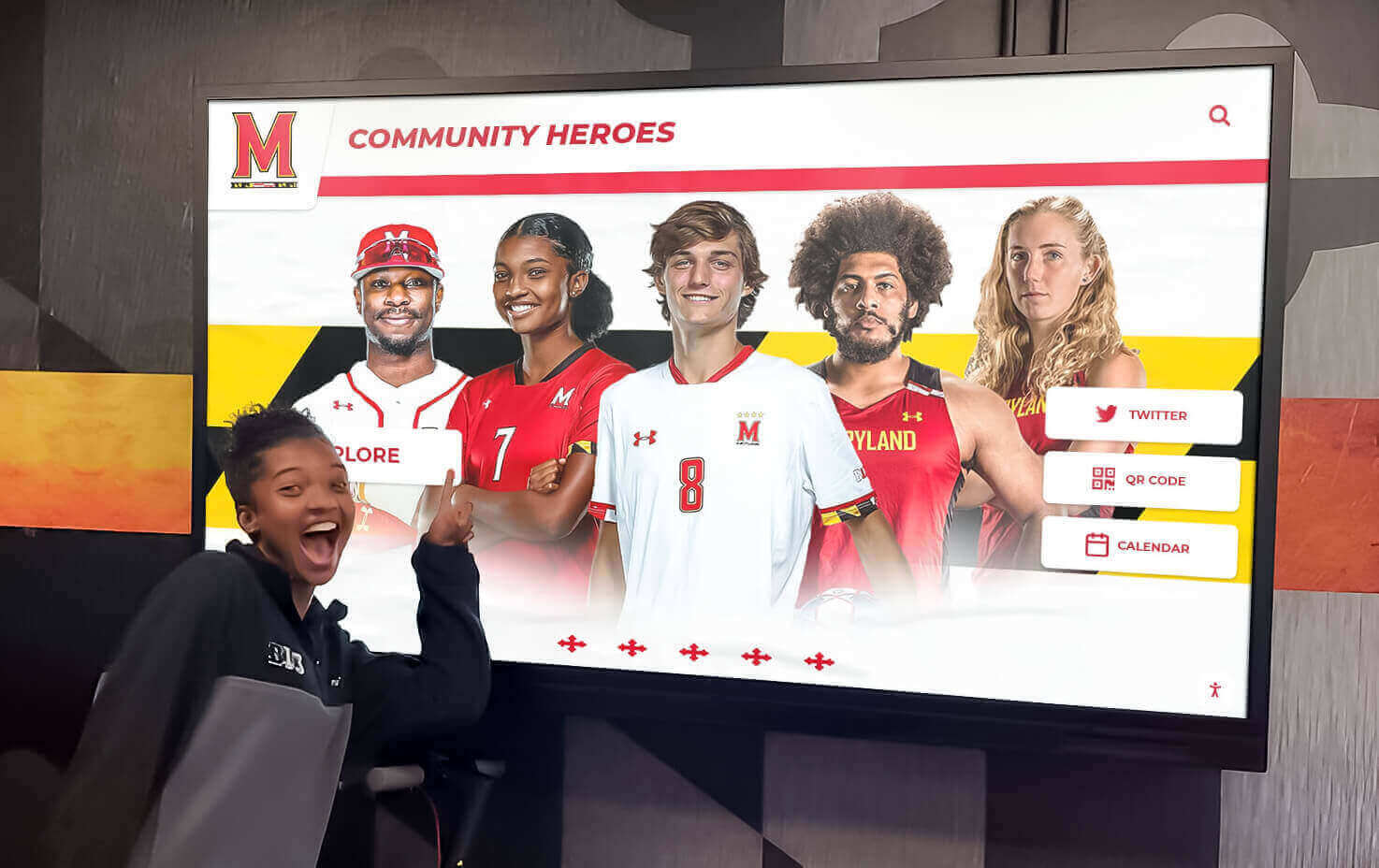
Celebrating cheerleading achievements alongside other athletic programs builds school spirit and program pride
Understanding Stunt Fundamentals: Essential Knowledge Before Beginning
Before teaching any physical stunts, coaches and athletes must understand core concepts that govern safe, effective stunting. This foundational knowledge creates shared language and understanding that facilitates learning and reduces miscommunication during practice.
The Four Primary Stunt Positions
Every stunt involves specific roles with distinct responsibilities. Beginners must understand these positions before attempting any elevation:
Bases: The athletes providing primary support and lift for the stunt. Bases require leg strength, proper technique, and ability to maintain stability while supporting weight overhead. In partner stunts, there are typically one or two bases depending on stunt type.
Flyers (Top Persons): The athletes elevated into the air during stunts. Flyers need core strength, balance, body awareness, and trust in their bases and spotters. Contrary to popular misconception, successful flyers require significant athletic ability—not just small size.
Spotters: Safety positions responsible for protecting flyers during stunt execution and dismounts. Spotters must maintain constant focus, proper positioning, and readiness to prevent or minimize falls. Every stunt should have designated spotters regardless of difficulty level.
Back Spot: In multi-base stunts, the back spot provides additional support, assists with lifting, and serves as primary safety for the flyer’s head and neck area during potential falls.
Understanding these roles helps athletes appreciate that successful stunting requires every position to execute properly—not just the visually prominent flyer. This team-oriented mindset proves essential for building the trust necessary for safe stunting.
Weight Distribution and Physics Principles
Stunts succeed or fail based on proper weight distribution and body positioning. Beginners must learn:
- Center of gravity: Keeping the flyer’s weight centered over the bases prevents tipping and instability
- Locked body positions: Flyers maintaining tight, controlled body positions create stable platforms easier to support
- Equal weight distribution: In multi-base stunts, weight should distribute evenly across all bases
- Momentum management: Smooth, controlled movements prevent sudden weight shifts that compromise stability
- Vertical alignment: Stacking body parts directly over support points maximizes stability and minimizes strain
Teaching these concepts before physical practice helps athletes understand not just what to do, but why specific techniques work, accelerating skill development and improving decision-making during stunts.
Essential Safety Protocols: Non-Negotiable Requirements
Safety must be the absolute first priority for any cheerleading program, especially when working with beginners who lack experience recognizing and responding to dangerous situations.
Physical Training Requirements
Athletes should never attempt stunts without proper physical preparation:
Strength Development: Bases need leg and core strength to safely support weight. Flyers require core strength to maintain body control. Implement conditioning programs developing pushing strength (shoulder press, push-ups), squatting strength (squats, lunges), core stability (planks, hollow holds), and grip strength (dead hangs, carries).
Flexibility Training: Adequate flexibility prevents injuries during unexpected movements and allows proper positioning. Focus on shoulder flexibility for bases supporting overhead, hip flexibility for flyers performing body positions, and ankle mobility for stable landing positions.
Body Awareness: Athletes must develop proprioception—understanding where their body is in space. Progressive drills building this awareness include balance exercises on stable and unstable surfaces, controlled falling and rolling techniques, and position holds with eyes closed.

Creating dedicated spaces celebrating athletic achievements reinforces the value of all school sports programs
Environmental Safety Standards
The training environment significantly impacts injury risk:
Proper Surfaces: Begin all stunt training on appropriate matting. Never teach new stunts on hard gym floors, grass, or other inadequate surfaces. Invest in quality landing mats, tumbling mats, or resilient foam surfaces designed for cheerleading.
Space Requirements: Ensure adequate space around stunting groups. Minimum safe spacing includes 6 feet between groups during practice, clear overhead space free from obstructions like basketball hoops or light fixtures, and designated areas separated from other activities to prevent collisions.
Equipment Inspection: Regularly inspect mats for deterioration, tears, or compression that reduces protective value. Remove damaged equipment immediately from use.
Spotting and Supervision Requirements
Appropriate supervision prevents most serious injuries:
Qualified Coaching: Coaches teaching stunts must have proper training themselves. Seek certification through organizations like USA Cheer, AACCA (American Association of Cheerleading Coaches and Administrators), or equivalent programs providing evidence-based safety education.
Spotter Requirements: Every stunt should have designated spotters in proper positions before execution. For beginners, this means one spotter for every partner stunt and two spotters (minimum) for multi-base stunts. Never reduce spotters even as athletes gain experience—spotters prevent serious injuries when unexpected problems occur.
Progression Supervision: Don’t allow athletes to attempt skills beyond their current level without coach approval. Implement clear systems where athletes must demonstrate competency at prerequisite levels before advancing. Schools might integrate these achievement milestones into their broader student awards programs to recognize progressive skill development.
Foundation Skill Progressions: Building Blocks for Safe Stunting
Successful stunt programs follow systematic progressions that build skills incrementally. Rushing through these progressions compromises safety and actually slows long-term development as athletes struggle with skills they’re unprepared to execute.
Level 1: Ground-Level Skills (Weeks 1-3)
Begin with exercises that teach stunt mechanics and positions without elevation risk:
Flatbacks and Prone Positions: Have flyers practice holding tight body positions while lying on mats. Focus on maintaining locked knees, pointed toes, tight core, and neutral spine. Bases practice proper hand placement, grip, and support positions on grounded flyers.
Load-In Practice: The load-in refers to how flyers step onto bases’ hands to initiate stunts. Practice this transition repeatedly at ground level with spotters. Flyers learn to step with proper foot placement, weight transfer, and timing. Bases develop feel for receiving and stabilizing weight.
Chair Sits and Thigh Stands: These ground-level positions teach basic weight-bearing without significant elevation. In chair sits, the flyer sits on bases’ linked hands at waist height. Thigh stands involve the flyer standing on bases’ thighs while bases support in a lunge position. Both teach bases how to support weight while giving flyers experience balancing on unstable platforms.
Dismount Practice: Spend extensive time on safe dismounting before ever elevating stunts. Practice pop-downs (controlled return to standing), straight drops to cradles, and step-downs. Proper dismounts prevent the majority of stunt injuries.
Level 2: Low-Elevation Stunts (Weeks 4-6)
Once athletes demonstrate consistent competency with ground-level skills, progress to minimal elevation:
Prep-Level (Waist-Level) Stunts: The basic prep involves bases holding the flyer at shoulder/waist level with straight arms. This achieves limited height while teaching proper technique. Practice with two bases and a back spot initially, ensuring multiple support points.
Walking Preps: Once static preps are stable, practice coordinated walking while maintaining the prep-level stunt. This develops bases’ ability to move together while supporting weight and teaches flyers to adjust to movement beneath them.
Body Positions at Prep Level: Introduce basic flyer body positions at this safe height: liberty (one-leg stand), scale (leaning forward with leg extended), and arabesque. These positions develop flyer balance and strength while allowing easy recovery from mistakes.
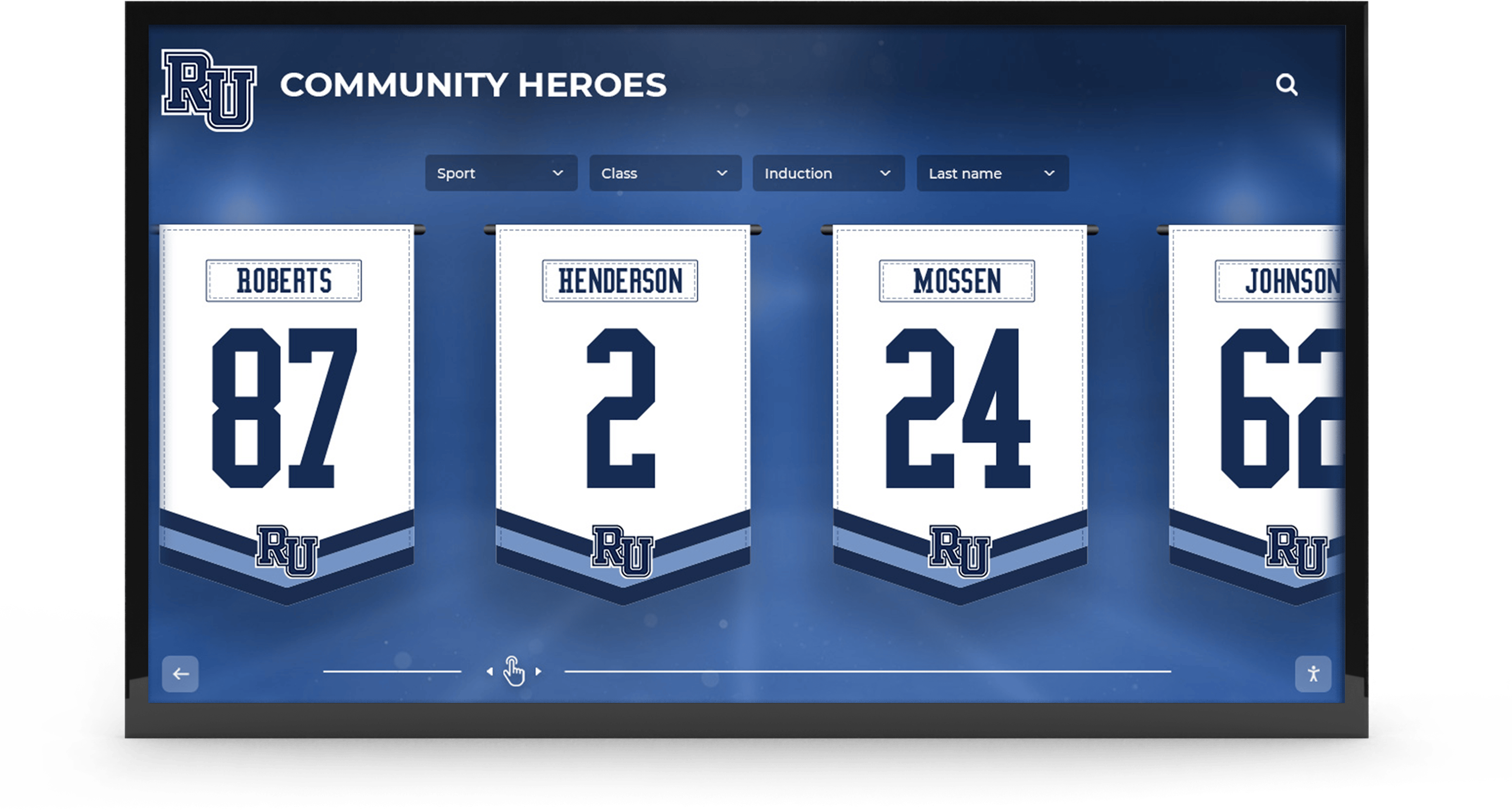
Recognizing cheerleaders alongside other school athletes validates their contributions to school spirit and community
Level 3: Extension Progressions (Weeks 7-10)
Extensions—where bases elevate the flyer overhead with straight arms—require significant strength and technique. Approach these carefully:
Progressive Height Increases: Don’t jump directly from prep level to full extension. Use intermediate progressions like elevator extensions (bases gradually pressing from prep to extension height), half extensions, and controlled extensions with spotter assistance.
Extension Drills: Practice extension-specific skills: bases performing overhead press exercises with appropriate weight, flyers practicing overhead body position holds on stable surfaces, and complete groups performing extension pop-ups (quick press to extension and immediate return) to build explosive strength.
Single-Base Extensions: Partner stunts with one base present different challenges than multi-base stunts. Only progress to single-base extensions after athletes demonstrate excellent technique in multi-base versions. Always use front and back spotters for all single-base elevated stunts.
Level 4: Intermediate Progressions (Weeks 11+)
Advanced beginner skills should only be attempted after consistent success at previous levels:
Basic Transitions: Movements between different stunt positions teach coordination and control. Begin with simple transitions like prep-to-extension-to-prep, position changes at prep level (liberty to scale), and basic twisting dismounts.
Simple Pyramids: Connecting multiple stunts into coordinated pyramids requires additional spatial awareness and timing. Start with three-person pyramids (two stunts with connected flyer positions) before progressing to larger structures.
Tosses and Releases: Skills where flyers leave contact with bases entirely represent advanced techniques requiring perfect timing and technique. Begin with low basket tosses focusing on proper throwing and catching technique rather than height.
Building Team Trust and Communication
Technical skills alone don’t create successful stunt groups. The psychological and interpersonal dimensions of stunting prove equally important for safety and performance.
Establishing Team Bonds
Stunting requires placing your safety in teammates’ hands—literally. Building this trust takes intentional effort:
Team Building Activities: Regular non-cheerleading activities help athletes develop relationships. Consider trust exercises, team meals, group problem-solving challenges, and social activities that build connection outside the gym.
Consistent Groups: Whenever possible, keep stunt groups together rather than constantly changing partners. Consistent groups develop familiarity with each other’s timing, strengths, and tendencies, improving both safety and performance. Like other successful athletic programs, creating recognition programs that celebrate small groups’ achievements reinforces these bonds.
Partner Feedback Sessions: Create structured opportunities for stunt group members to share constructive feedback. Teach athletes how to give specific, actionable, respectful feedback rather than vague criticism or unhelpful comments.
Communication Protocols
Clear communication during stunts prevents misunderstandings that lead to injuries:
Standardized Calling: Establish consistent verbal cues for stunt initiation, transitions, and dismounts. For example, “1-2-down” might signal a pop-down dismount. Every athlete should know these calls and use them consistently.
Check-In Systems: Before attempting any stunt, implement required check-ins where every person confirms readiness. A simple “ready?” “ready!” exchange ensures everyone is prepared and paying attention.
Stop Signals: Establish clear signals allowing anyone to immediately stop a stunt if they feel unsafe. Empower athletes to use these signals without judgment—better to stop early than continue when something feels wrong.
Post-Stunt Debriefs: After new stunts or when problems occur, briefly discuss what worked and what needs adjustment. This continuous improvement mindset prevents repeated mistakes and builds athletes’ analytical skills.
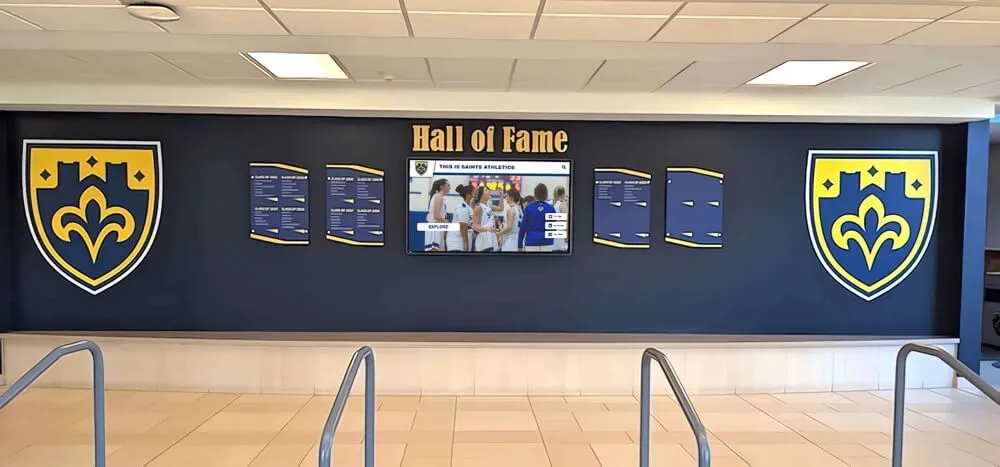
Schools that celebrate diverse athletic achievements including cheerleading create inclusive cultures recognizing all contributions
Creating Progressive Training Programs
Sustainable cheerleading programs require thoughtful structure that develops athletes’ skills systematically while maintaining engagement and motivation.
Season Planning and Periodization
Structure your season with clear phases rather than teaching randomly selected skills:
Pre-Season (4-6 weeks): Focus on conditioning, flexibility, and foundational skills. This preparatory phase builds physical capacity necessary for safe stunting while teaching basic positions and techniques. Establish team culture, communication systems, and safety protocols during this crucial period.
Early Season (4-6 weeks): Introduce basic stunts following the progressions outlined earlier. Focus on technical mastery rather than difficulty. Build consistency executing fundamental skills properly every time rather than occasionally hitting advanced skills poorly.
Mid-Season (6-8 weeks): Develop routine complexity by combining mastered skills into sequences. Introduce new skills following proper progressions while maintaining previously learned techniques. Begin integrating stunts with tumbling, jumps, and dance elements for complete routines.
Late Season (4-6 weeks): Refine routine performance with emphasis on consistency, synchronization, and performance quality. Continue skill development but prioritize perfecting existing elements for competition or performance.
Post-Season (2-4 weeks): Conduct skill testing, introduce new athletes to basic progressions, begin advanced skill development for returning athletes, and recognize achievements throughout the season.
Handling Individual Progression Differences
Athletes develop at different rates based on prior experience, physical attributes, and learning styles:
Differentiated Instruction: Provide multiple progression pathways allowing faster learners to advance while ensuring struggling athletes receive necessary foundational work. This might mean having some athletes work on extensions while others perfect preps.
Skill-Based Grouping: Organize practice time partially around skill level rather than exclusively by routine groups. This allows targeted instruction appropriate to each athlete’s current capabilities while preventing advanced athletes from regressing through excessive basic practice.
Position Specialization: Some athletes excel as flyers while struggling as bases, or vice versa. Allow athletes to explore different positions but also respect individual strengths and preferences, developing depth at each position.
Integrating Stunting with Complete Cheerleading Skills
Cheerleading programs encompass far more than stunting alone. Balanced programs develop athletes across all cheerleading elements:
Tumbling and Gymnastics: Incorporate appropriate tumbling progressions alongside stunt development. Strong tumbling skills develop body awareness, strength, and confidence that translate to better stunting.
Jumps and Dance: Regular jump training develops leg power and body control. Dance elements create complete routines and provide breaks from the physical demands of constant stunting.
Cheer Techniques: Voice projection, crowd leading, and traditional cheer skills remain important for sideline performance and connecting with audiences. Don’t neglect these foundational cheerleading elements in pursuit of advanced stunting.
Performance Skills: Facial expressions, energy projection, and performance quality distinguish good routines from great ones. Practice these softer skills alongside technical elements.
Injury Prevention and Response
Despite best efforts, injuries occasionally occur in athletic activities. Preparation minimizes both injury occurrence and severity when injuries do happen.
Common Beginner Injuries and Prevention
Understanding typical injuries helps coaches implement preventive measures:
Ankle Sprains: Among the most common cheerleading injuries, ankle sprains typically occur during dismounts, tumbling, or when flyers step down awkwardly. Prevention strategies include ankle strengthening exercises, proper landing technique emphasis, quality ankle bracing for vulnerable athletes, and adequate matting for all landings.
Wrist and Hand Injuries: Bases commonly experience wrist strains from improper catching or hand placement. Prevention includes wrist strengthening exercises, proper hand positioning technique, gradual weight progression, and wrist support for athletes with previous injuries.
Knee Injuries: Bases supporting weight experience knee stress, particularly during squatting and loading movements. Prevention strategies include leg strengthening programs emphasizing proper squat technique, proper stunt entry/exit mechanics, avoiding twisting under load, and managing training volume to prevent overuse.
Head and Neck Injuries: Though less common, head and neck injuries represent the most serious cheerleading injury risk. Prevention requires proper spotter positioning and readiness, appropriate progression preventing premature skill attempts, excellent dismount technique, and quality matting for all elevated stunts.
Emergency Response Protocols
Every cheerleading program needs clear emergency procedures:
First Aid Readiness: Maintain stocked first aid kits at all practices and events. Ensure at least one coach holds current first aid and CPR certification. Know location of AEDs and emergency equipment.
Injury Assessment: Develop protocols for initial injury evaluation. For potentially serious injuries (head, neck, back), immobilize the athlete and call emergency services rather than moving them. For minor injuries, provide appropriate first aid and determine whether medical evaluation is needed.
Communication Systems: Establish clear procedures for notifying parents about injuries, documenting incidents for school records, and reporting as required by school policy or athletic association rules.
Return-to-Play Protocols: Athletes recovering from injuries should follow appropriate return progressions rather than immediately resuming full activity. This might include physician clearance requirements, gradual return to activity progressions, and temporary position or skill restrictions during recovery.
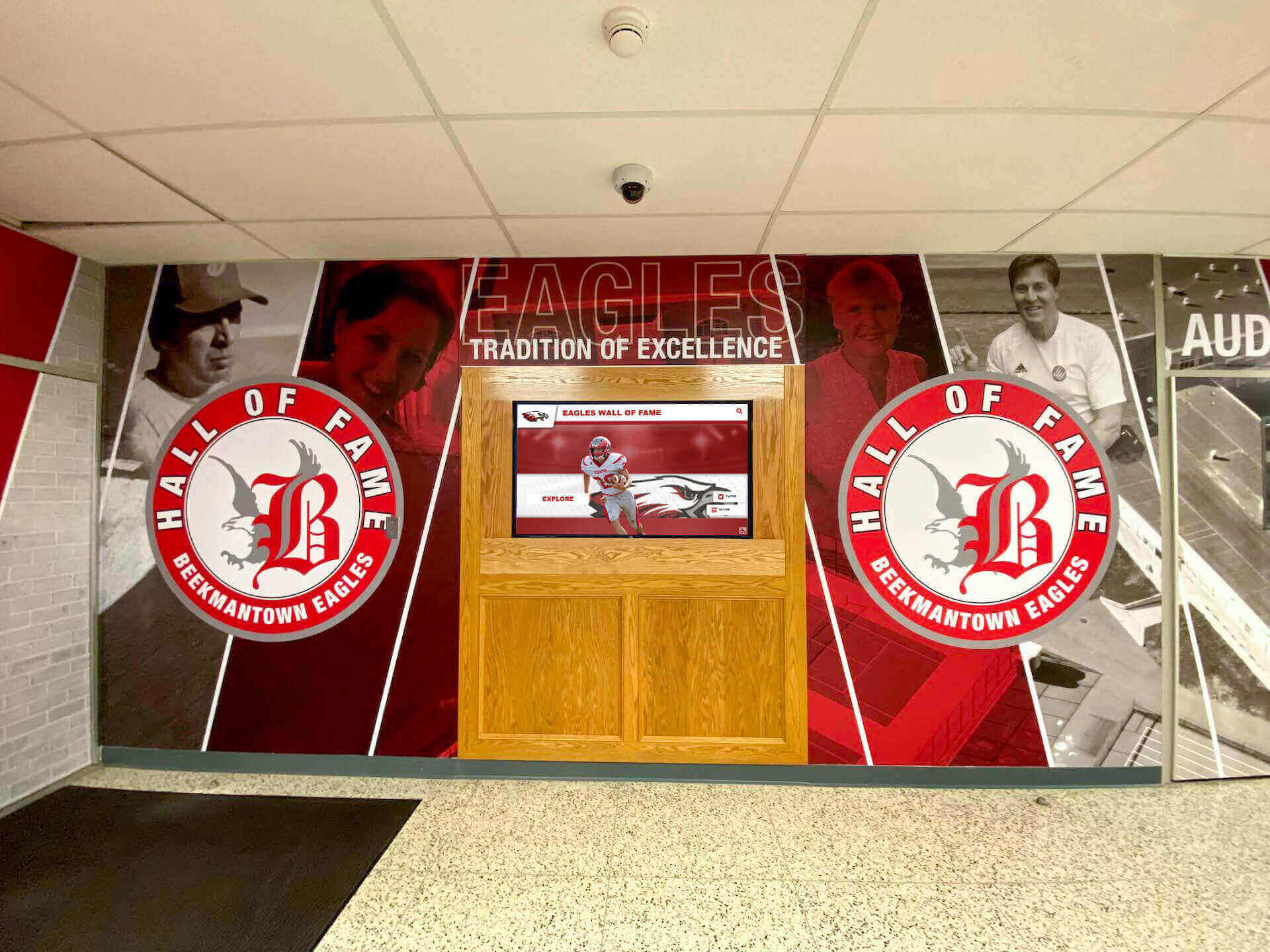
Prominent athletic recognition in school entrances demonstrates institutional commitment to all sports programs
Recognizing Cheerleading Achievements
Recognition programs celebrating cheerleading accomplishments build program culture while validating athletes’ hard work and progress. Many schools struggle to recognize cheerleaders appropriately, treating cheer as less worthy of celebration than traditional sports despite equal commitment and athleticism required.
Skill-Based Recognition Systems
Create recognition frameworks acknowledging progressive skill achievement:
Level Advancement: As athletes master skill progressions, provide formal recognition of advancement. This might include level certificates, addition to team skill rosters, uniform modifications indicating skill achievement, or public recognition during practices or events.
Specialty Skills: Recognize athletes who master specific skills or positions. Outstanding flyers, reliable bases, safety-conscious spotters, and athletes demonstrating excellent technique all deserve acknowledgment. Programs might implement specialized awards recognizing these specific contributions.
Most Improved: Athletes making significant progress from their baseline deserve recognition regardless of absolute skill level reached. Most improved awards validate effort and growth rather than only natural talent.
Competition and Performance Recognition
Competitive teams benefit from recognition systems celebrating both team and individual performance achievements:
Competition Results: When teams compete, recognize placements, award wins, and qualification achievements for championship events. Display competition banners, trophies, and awards in school athletic facilities alongside other sports’ achievements.
Performance Milestones: Acknowledge successful performances at games, assemblies, community events, and competitions. Recognition might include performance counts (50th performance), challenging venue performances, or special events.
Division and National Recognition: Athletes earning spots on all-star teams, making showcase teams, or receiving individual competition honors deserve celebration at school level. These achievements demonstrate excellence deserving recognition alongside other athletes’ accomplishments.
Creating Visible Recognition
Modern schools increasingly implement digital recognition systems allowing unlimited recognition without physical space constraints. Digital displays can showcase current team rosters with photos and skill achievements, historical program highlights and championship teams, individual athlete profiles celebrating progression and accomplishments, photo and video galleries from performances and competitions, and recognition of supporting contributors including coaches, booster clubs, and parent volunteers.
Interactive touchscreen systems in school athletic facilities enable exploration of cheerleading history and achievements alongside other athletic programs. This integrated approach validates cheerleading as the demanding sport it is while creating comprehensive athletic recognition celebrating all contributors to school spirit and athletic excellence.
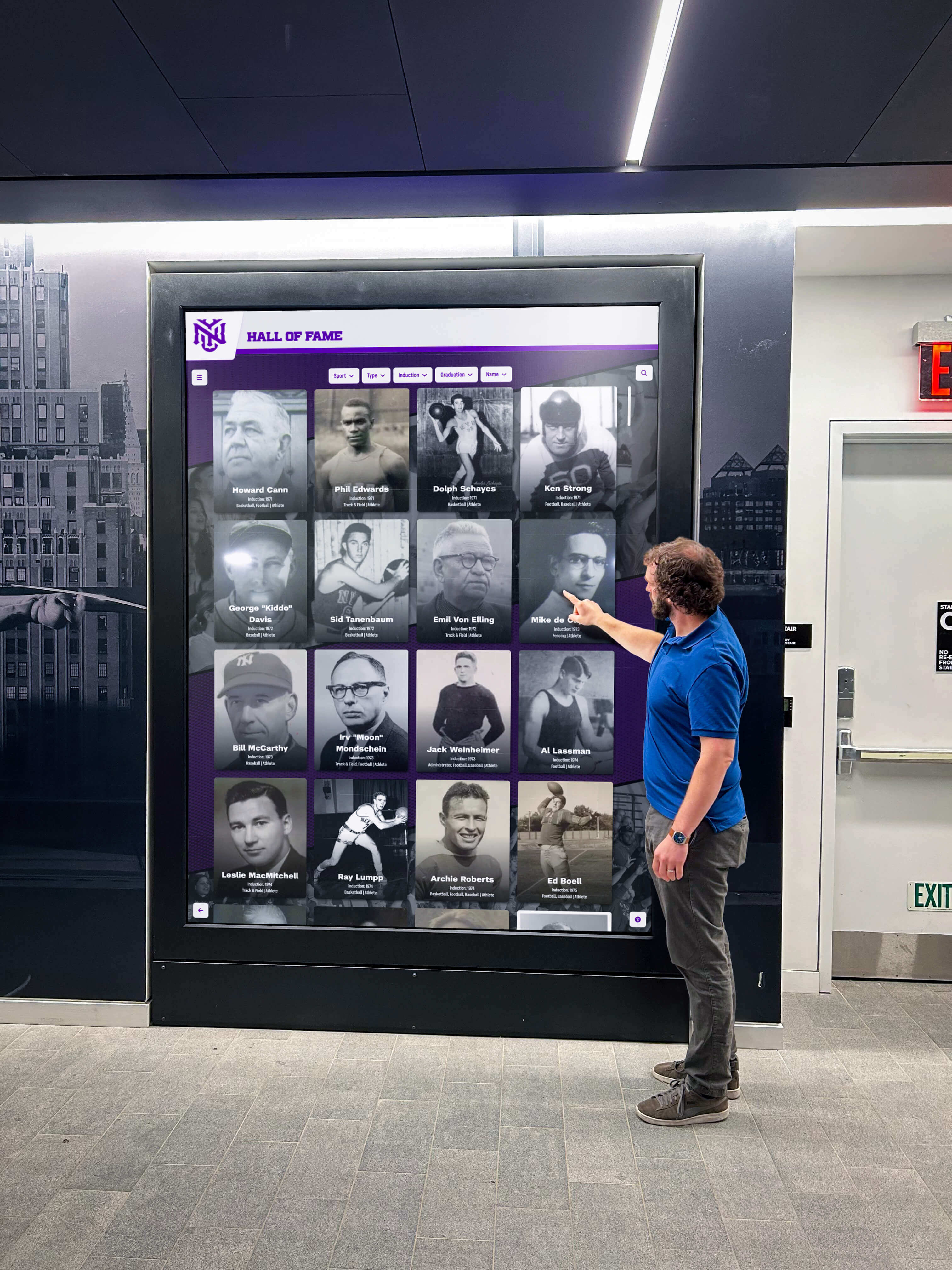
Interactive recognition displays engage students, families, and visitors while celebrating comprehensive athletic achievements
Building Program History and Tradition
Documenting and celebrating program history creates culture that transcends individual seasons:
Annual Highlight Documentation: Photograph and document each season’s achievements, team rosters, and memorable moments. This historical record builds continuity and tradition while providing content for future recognition displays.
Alumni Recognition: As programs mature, recognize former cheerleaders who contributed to program development. Alumni spotlights, reunion events, and historical recognition connect current athletes to program legacy. Consider implementing digital archives preserving team photos, routines, and achievements from throughout program history.
Tradition Development: Create program-specific traditions that build identity: signature cheers, pre-performance rituals, senior recognition ceremonies, or annual team awards. These traditions create belonging and program pride that motivate continued excellence.
Program Administration and Support
Successful cheerleading programs require infrastructure beyond athletic skills and coaching:
Budget and Fundraising
Adequate funding ensures programs can operate safely and effectively:
Essential Budget Items: Core program expenses include safety equipment (mats, spotting equipment), uniforms and performance attire, competition fees and travel costs, coaching education and certification, insurance and liability coverage, and facility rental if dedicated practice space isn’t available.
Fundraising Strategies: Many programs supplement school funding through targeted fundraising. Effective approaches include community cheer clinics, car washes and traditional fundraisers, spirit wear sales, sponsor solicitation from local businesses, camp and clinic hosting, and crowdfunding campaigns for specific equipment or competition needs.
Parent and Community Engagement
Building strong relationships with families and community members creates support networks essential for program success:
Communication Systems: Regular communication keeps families informed and engaged. Implement team communication apps, monthly newsletters, social media updates highlighting achievements and upcoming events, and transparent calendars showing practice schedules, competitions, and commitments.
Volunteer Opportunities: Invite family involvement through appropriate volunteer roles: transportation assistance for competitions and events, fundraising support, team meal coordination, uniform and equipment management, and event photography/videography.
Booster Organizations: Formal booster clubs provide structured support through fundraising, volunteer coordination, coach appreciation, and advocacy for program needs. Schools might recognize these supporting organizations through donor recognition programs that validate their essential contributions.
Coaching Development
Investing in coaching education improves program quality and safety:
Certification Programs: Pursue credentials from recognized organizations including USA Cheer coaching certifications, AACCA safety certification, and sport-specific training through state athletic associations. Many states now require cheer coach certification similar to other sports.
Continuing Education: Attend coaching clinics, workshops, and conferences to stay current with evolving techniques, safety standards, and best practices. Connect with experienced coaches for mentorship and advice.
Assistant Coach Development: Programs benefit from multiple coaches bringing diverse expertise. Develop assistant coaches through education support, gradual responsibility increases, and recognition of their contributions to program success.
Celebrate Your Cheerleading Program's Success
Discover how modern digital recognition displays can showcase your cheerleading program's achievements alongside other athletic accomplishments, building school pride while validating the dedication and athleticism of your cheerleaders.
Explore Recognition SolutionsConclusion: Building Sustainable Excellence Through Safe Foundations
Teaching cheer stunts for beginners requires patience, discipline, and unwavering commitment to safety over showmanship. The most successful programs resist pressure to advance faster than athletes are prepared, understanding that solid foundational skills create platforms for future excellence while preventing injuries that derail athletic careers and damage program reputations.
By implementing the progressive skill sequences, safety protocols, and program structures outlined in this guide, coaches create beginner-friendly cheerleading programs that develop confident, capable athletes prepared for advanced skills when appropriate. The systematic approach to skill development—beginning with ground-level fundamentals and advancing only after demonstrated mastery—creates safer athletes with better technique than programs rushing through progressions.
Beyond technical skills, successful programs attend to the psychological and interpersonal dimensions of stunting through trust building, clear communication protocols, and team development. These softer elements prove equally essential for safe, successful stunting as physical capabilities.
Finally, thoughtful recognition of cheerleading achievements validates athletes’ commitment and hard work while building program culture that transcends individual seasons. Schools that celebrate cheerleaders alongside other athletes through comprehensive recognition systems demonstrate authentic commitment to all contributors to school spirit and athletic excellence.
Whether launching a new program or revitalizing an existing one, remember that sustainable success comes from consistent implementation of best practices rather than shortcuts or compromises on safety. Start with solid foundations, progress systematically, celebrate achievements along the way, and create programs where every athlete can develop their potential while remaining safe. The investment in doing it right from the beginning pays dividends throughout your program’s history.































