Cheerleading demands the perfect blend of athleticism, artistry, and teamwork. Squad members spend countless hours perfecting stunts, synchronizing routines, and building the spirit that energizes entire schools and communities. Yet cheerleading recognition often receives less systematic attention than other athletic programs, leaving squad members without the acknowledgment their dedication and skill deserve.
Effective cheerleading awards programs celebrate the unique dimensions of this demanding sport—from technical execution and tumbling excellence to spirit leadership and performance artistry. When programs recognize diverse contributions across all these areas, they build stronger teams, motivate continued improvement, and validate the athletic rigor cheerleading requires.
This comprehensive guide explores creative recognition strategies specifically designed for cheerleading programs, covering everything from traditional season-end awards to innovative year-round recognition systems that keep squads motivated and celebrated.
Cheerleading combines elements from multiple disciplines—gymnastics, dance, performance art, and leadership—creating unique recognition needs that standard athletic award templates don’t fully address. Programs that understand these distinctive characteristics create more meaningful, motivating recognition systems.
Essential Cheerleading Award Categories
Comprehensive recognition systems acknowledge the full spectrum of skills and contributions cheerleaders bring to their squads.
Performance Excellence Awards
Performance quality represents the most visible aspect of cheerleading, deserving systematic recognition across multiple dimensions.
Outstanding Performer Award
This recognition honors the squad member who consistently delivers exceptional performances with energy, precision, and stage presence. Consider athletes who maintain sharp motions, hit every count with perfect timing, demonstrate strong facials that engage crowds, and perform with infectious enthusiasm that elevates the entire squad.
Best Showmanship
Some cheerleaders possess that indefinable quality that captures audience attention. This award celebrates the performer who brings personality, charisma, and entertainment value to every routine. These athletes transform technical execution into captivating performances that audiences remember.
Routine Excellence Award
For squads competing in multiple divisions or performance styles, recognize standout execution in specific routine categories—Fight Song Excellence, Band Chant Mastery, Sideline Performance Champion, or Competition Routine MVP. This acknowledges that different routines require distinct skills and energy.
Most Improved Performer
Technical improvement deserves celebration regardless of starting skill level. This award motivates athletes working to refine their craft, acknowledging measurable progress in motion sharpness, timing precision, voice projection, or overall performance quality.
Technical Skill Recognition
Cheerleading demands mastery of specialized technical skills that deserve individual acknowledgment.
Stunting Excellence Award
Stunting requires strength, body control, trust, and perfect timing. Recognize athletes who demonstrate exceptional stunting abilities—whether as bases providing solid, reliable foundations; backspots maintaining safety and control; or flyers executing positions with precision, balance, and confidence.
Create position-specific stunting awards when appropriate: Elite Base Award for athletes providing unwavering strength and stability, Outstanding Flyer for those executing aerial positions with grace and control, or Backspot Excellence for squad members ensuring safety while perfecting technique.
Tumbling Achievement Awards
Tumbling separates more advanced cheerleading programs from recreational squads. Establish recognition levels acknowledging progressive skill development:
- Tumbling Progress Award: Achieving new skills during the season
- Advanced Tumbling Excellence: Standing back handsprings, round-off back handspring sequences, or layouts
- Elite Tumbling Award: Standing fulls, tumbling sequences with multiple elements, or exceptionally difficult passes
Jump Technique Award
Powerful, synchronized jumps with proper technique, height, and control create visual impact in routines. Recognize the athlete who consistently demonstrates textbook form across all jump styles—toe touches with perfect splits, herkies with proper positioning, pikes with straight legs, and front hurdlers with extension and height.
Building Block Award
This creative recognition celebrates the athlete who serves as the foundation—literally and figuratively—for complex stunts and pyramids. These reliable bases enable the spectacular moments audiences remember, deserving acknowledgment for their essential contributions.
Similar to comprehensive approaches for athletic banquet planning, recognition should span technical and intangible contributions.
Leadership and Spirit Awards
Cheerleaders are spirit leaders by definition. Recognize those who embody and amplify this essential role.
Spirit Captain Award
Some squad members bring infectious enthusiasm that elevates team energy and crowd engagement. This award honors the cheerleader whose positive attitude, vocal leadership, and genuine passion for school spirit inspires teammates and audiences alike.
Crowd Engagement Champion
Effective crowd leadership requires reading audiences, adjusting energy appropriately, and genuinely connecting with fans. Recognize the cheerleader who excels at getting crowds on their feet, leading responsive cheers, and creating electric atmospheres at games and events.
Squad Unity Award
Every successful squad includes members who strengthen team bonds, resolve conflicts constructively, and create inclusive environments where everyone feels valued. This recognition celebrates emotional intelligence and relationship-building that holds teams together through challenging seasons.
Rookie Leadership
First-year squad members who demonstrate exceptional leadership potential despite limited experience deserve recognition. This award acknowledges natural leadership qualities while encouraging continued development in upcoming seasons.
Captain’s Excellence Award
Squad captains carry significant responsibility for team culture, performance standards, and daily operations. Recognize captains who effectively balance authority with approachability, maintain high expectations while supporting struggling teammates, and lead by example in technique, work ethic, and attitude.
These leadership recognition approaches mirror strategies used for scholar athlete recognition, balancing performance with character.
Work Ethic and Commitment Awards
Behind every polished performance lies countless hours of practice, conditioning, and preparation deserving recognition.
Perfect Attendance Award
Consistent attendance enables squad synchronization and routine mastery. Recognize cheerleaders who attend every practice, game, and event throughout the season, demonstrating reliability that teammates depend on.
Extra Mile Award
Some athletes consistently exceed minimum expectations—arriving early to practice additional skills, staying late to help teammates master techniques, attending optional conditioning sessions, or volunteering for community appearances. This recognition celebrates extraordinary commitment.
Conditioning Excellence
The physical demands of cheerleading require serious athletic conditioning. Honor the squad member who demonstrates exceptional fitness, maintains strength throughout long seasons, and exemplifies the athletic commitment cheerleading requires.
Practice Player Award
Not every athlete performs equally well in practices versus game day. Recognize cheerleaders who bring maximum effort and focus to every practice, maintaining intensity even when the spotlight isn’t shining, and helping the entire squad improve through their practice dedication.
Iron Cheerleader
For squads performing at numerous events—football games, basketball games, competitions, community appearances—recognize the athlete who participates in the highest percentage of events, demonstrating unmatched availability and commitment.
Position-Specific Excellence
Different positions within cheerleading require specialized skills worthy of individual recognition.
Top Flyer
Elite flyers combine flexibility, body control, balance, and fearlessness. Recognize the athlete who consistently executes difficult stunts, maintains tight body positions in the air, and demonstrates the trust essential for advanced stunting.
Outstanding Base
Strong, reliable bases make everything possible. This award honors athletes who provide unwavering support, demonstrate exceptional strength, master proper technique that keeps flyers safe, and maintain focus throughout complex sequences.
Backspot MVP
Backspots carry critical safety responsibility while executing technical skills. Recognize the athlete who combines strength with awareness, consistently ensures flyer safety, communicates effectively during stunts, and demonstrates the reliability this position demands.
Dance Specialist
For squads incorporating significant dance elements, recognize exceptional dance technique, choreography execution, and movement quality that elevates performance artistry.
Cheer Voice Award
Some athletes possess naturally powerful, clear voices that project across stadiums and gyms. Combined with proper technique and consistent volume, these vocal leaders deserve recognition for keeping crowds engaged and responsive.
Competition-Focused Recognition
For competitive cheerleading squads, competition results and preparation deserve specific acknowledgment.
Competition Achievement Awards
Championship Performance
Recognize the squad collectively and outstanding individual contributors when teams achieve competition success—divisional championships, regional titles, state qualifications, or national competition participation.
Competition MVP
Within competitive seasons, identify the athlete who delivers most consistently across multiple competitions, handles pressure exceptionally well, and elevates performance when stakes are highest.
Technical Score Excellence
If competition scoresheets identify technical execution scores separately, recognize the athlete or stunt group consistently earning highest technical marks for precision and difficulty.
Routine Consistency Award
Competitive success requires hitting routines repeatedly without major deductions. Honor the athlete who maintains the most consistent execution across all competition performances, demonstrating reliability under pressure.
Zero Deduction Performer
Some competitions provide individual deduction tracking. If available, celebrate athletes who perform entire seasons without causing deductions—no bobbles, no drops, no timing errors—demonstrating elite execution consistency.
Competition Preparation Recognition
Practice Champion
Competition preparation requires focused, intensive practice. Recognize the athlete who demonstrates exceptional practice focus, consistently executes clean run-throughs, and maintains intensity throughout demanding preparation cycles.
Routine Mastery
For squads learning complex competition routines, acknowledge the first athlete to master all elements with perfect execution, inspiring teammates and setting the standard.
Mental Toughness Award
Competition pressure affects athletes differently. Recognize the cheerleader who demonstrates exceptional composure, bounces back quickly from mistakes, maintains focus despite setbacks, and performs best when pressure peaks.
Much like approaches for end of year awards, competition recognition should celebrate journey and outcomes.
Creative and Fun Award Categories
Not all recognition needs to be serious. Fun awards build team culture and celebrate personality.
Personality and Culture Awards
Best Game Day Face
Cheerleading demands constant smiling and energetic facials. Recognize the squad member with the most infectious smile, best game face, or most entertaining expressions that engage crowds.
Loudest Voice
Pure volume counts in cheerleading. Celebrate the athlete whose vocal power carries across venues, drowns out crowds, and ensures cheers are heard by everyone.
Most Spirited
Some cheerleaders bring enthusiasm that seems boundless. This award honors the athlete whose passion and energy never flags, inspiring teammates and audiences throughout the longest seasons.
Best Hair Bow Collection
Cheerleading includes distinctive style elements. Have fun recognizing the squad member with the most extensive bow collection, most creative bow choices, or best game day hair.
Uniform Pride Award
Recognize the athlete whose uniform always looks impeccable—perfectly pressed, properly accessorized, and worn with obvious pride in representing the squad.
Stunt Face Award
Flyers make incredible facial expressions during difficult stunts. Create a fun highlight video and recognize the athlete with the most memorable stunt faces—whether focused determination or surprised reactions to unexpected movements.
Best Celebration
When routines finish clean or the team scores, some cheerleaders have signature celebration moves or reactions. Recognize these personality moments that teammates love.
Social Media Star
If your squad maintains social media presence, recognize the athlete who creates best content, generates most engagement, or captures team personality most effectively through posts and stories.
Superlative Awards
Most Likely to Become a Cheerleading Coach
Identify the athlete who loves teaching skills to teammates, demonstrates patience with struggling learners, and shows genuine passion for developing others.
Most Improved Spirit
Some athletes join squads without fully understanding cheerleading culture. Recognize cheerleaders who embrace spirit leadership roles throughout the season, demonstrating the most significant enthusiasm growth.
Class Clown
Every team needs humor. Celebrate the athlete who keeps practices fun, lightens stressful moments, and helps teams maintain perspective during challenging stretches.
Most Likely to Be Late (lighthearted if delivered appropriately)
If your team culture supports good-natured teasing, some traditional superlatives can work—though always ensure these feel celebratory rather than critical.
Academic Excellence for Cheerleaders
Academic achievement deserves equal prominence alongside athletic recognition.
Academic Achievement Awards
Scholar Cheerleader
Establish clear GPA thresholds (commonly 3.5+ or 3.8+) recognizing cheerleaders who excel academically while meeting demanding practice and competition schedules.
Most Improved GPA
Some athletes struggle academically before learning to balance school and cheerleading effectively. Recognize significant academic improvement demonstrating successful time management and commitment.
Academic All-Conference
If your conference offers academic recognition programs for cheerleaders, celebrate these achievements prominently alongside athletic honors. Learn more about academic recognition programs that balance athletics and scholarship.
Perfect Attendance: School and Practice
For athletes who maintain perfect attendance in both school and cheerleading activities, provide special recognition acknowledging this exceptional commitment and time management.
Honor Roll Cheerleader
Make visible connections between academic and athletic achievement by celebrating honor roll recognition within your cheerleading program, reinforcing that academic success matters equally.
Senior Recognition and Legacy Awards
Senior athletes deserve special acknowledgment for career contributions and lasting impact.
Senior-Specific Awards
Senior Legacy Award
Honor the graduating senior who leaves the most significant positive impact on program culture, tradition, and standards. This recognizes four-year contributions rather than single-season performance.
Career Achievement Award
For seniors who participated throughout their high school careers, recognize cumulative accomplishments—total performances, competitions attended, skills mastered, and leadership roles held.
Future Success Award
Identify the senior most likely to achieve exceptional success beyond high school—whether in college cheerleading, coaching, or other endeavors—based on character, drive, and demonstrated capabilities.
Program Builder
Some seniors contribute to program growth through recruiting, community promotion, or establishing new traditions. Recognize graduating athletes who leave programs stronger than they found them.
Senior Mentorship Award
Acknowledge the senior who most effectively guided younger squad members, teaching skills, providing encouragement, and modeling the program values you want perpetuated.
Career Milestone Recognition
Four-Year Varsity Award
For athletes competing at varsity level throughout their high school careers, provide special recognition acknowledging sustained excellence and commitment.
Career Statistics Recognition
If your program tracks cumulative statistics—competitions performed, events attended, skills mastered—recognize seniors achieving notable career milestones.
Captaincy Recognition
Seniors who served as captains deserve special acknowledgment for leadership responsibilities undertaken during their final seasons.
Perfect Career Attendance
For the extraordinary athlete who attends every practice, game, and event across four years, create special recognition celebrating this remarkable consistency.
Similar senior recognition approaches align with programs like senior night celebrations honoring graduating athletes.
Implementing Effective Cheerleading Recognition Programs
Creating awards represents only the beginning. Effective implementation determines actual impact on team culture and individual motivation.
Establishing Clear Award Criteria
Recognition credibility depends on transparent, consistent standards. For each award category, document specific criteria—whether objective metrics like attendance percentages or performance scores, or subjective evaluations based on defined qualities and behaviors.
Communicate criteria at season’s beginning so athletes understand recognition standards. This transforms awards from surprises into motivational goals athletes can work toward deliberately.
Creating Inclusive Recognition Systems
Ensure recognition opportunities exist for athletes across all skill levels, experience levels, and squad positions. While some awards necessarily recognize elite performance, balanced programs include improvement awards, effort recognition, and character acknowledgments accessible to every squad member.
Research consistently demonstrates that students receiving regular recognition for authentic achievements show higher sustained motivation compared to programs recognizing only top performers.
Selection Process Design
Coach-Determined Awards: Some recognitions appropriately reflect coaching staff judgment based on comprehensive season observation.
Squad Voting: Peer-selected awards like “Best Teammate” or “Most Spirited” carry special meaning when teammates themselves identify recipients.
Objective Criteria: Awards based on clear metrics (attendance, GPA, competition scores) require minimal subjective judgment.
Combined Approach: Major awards might use initial coaching nominations followed by squad input, combining observation expertise with peer perspective.
Regardless of selection method, maintain consistency and fairness. Document selection processes and apply them systematically to preserve recognition credibility.
Recognition Presentation and Ceremony
How awards are presented significantly affects their perceived value and motivational impact.
End-of-Season Banquet: Traditional formal recognition event with families invited creates memorable celebration while providing opportunity for reflective remarks about each recipient’s contributions.
Team Meeting Recognition: For more frequent or informal awards, incorporate recognition into regular team meetings, maintaining recognition rhythm throughout seasons.
Public Recognition: Announce awards at school assemblies, via social media, and through school communication channels, extending recognition impact beyond the squad itself.
Physical Awards: Provide tangible recognition items—trophies, plaques, certificates, customized awards, or special apparel—creating lasting reminders athletes can display.
Many programs now complement traditional recognition with team photo displays capturing squad achievements visually.
Digital Recognition for Cheerleading Programs
Modern technology enables recognition approaches that extend far beyond single ceremonies and static displays.
Interactive Recognition Displays
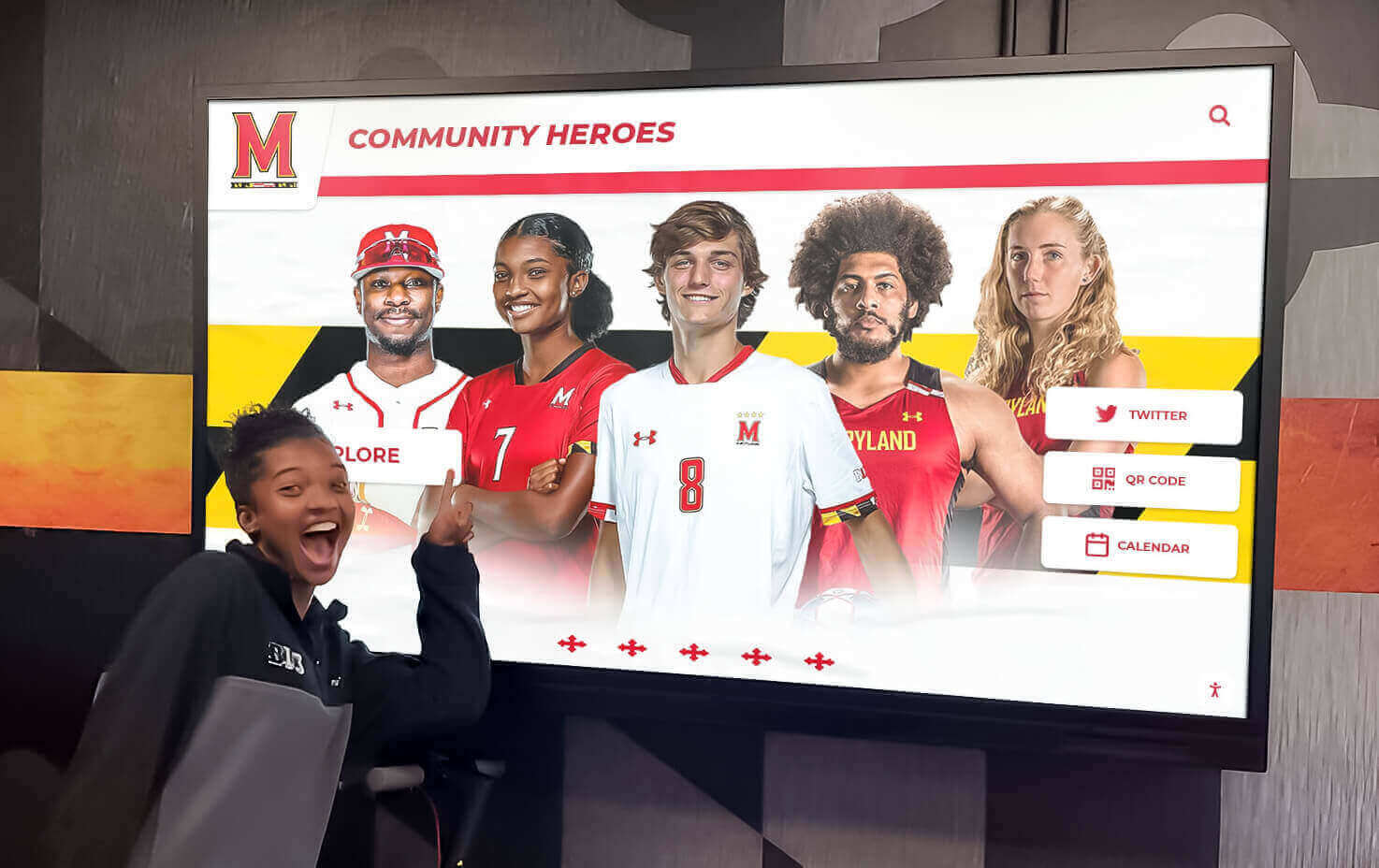
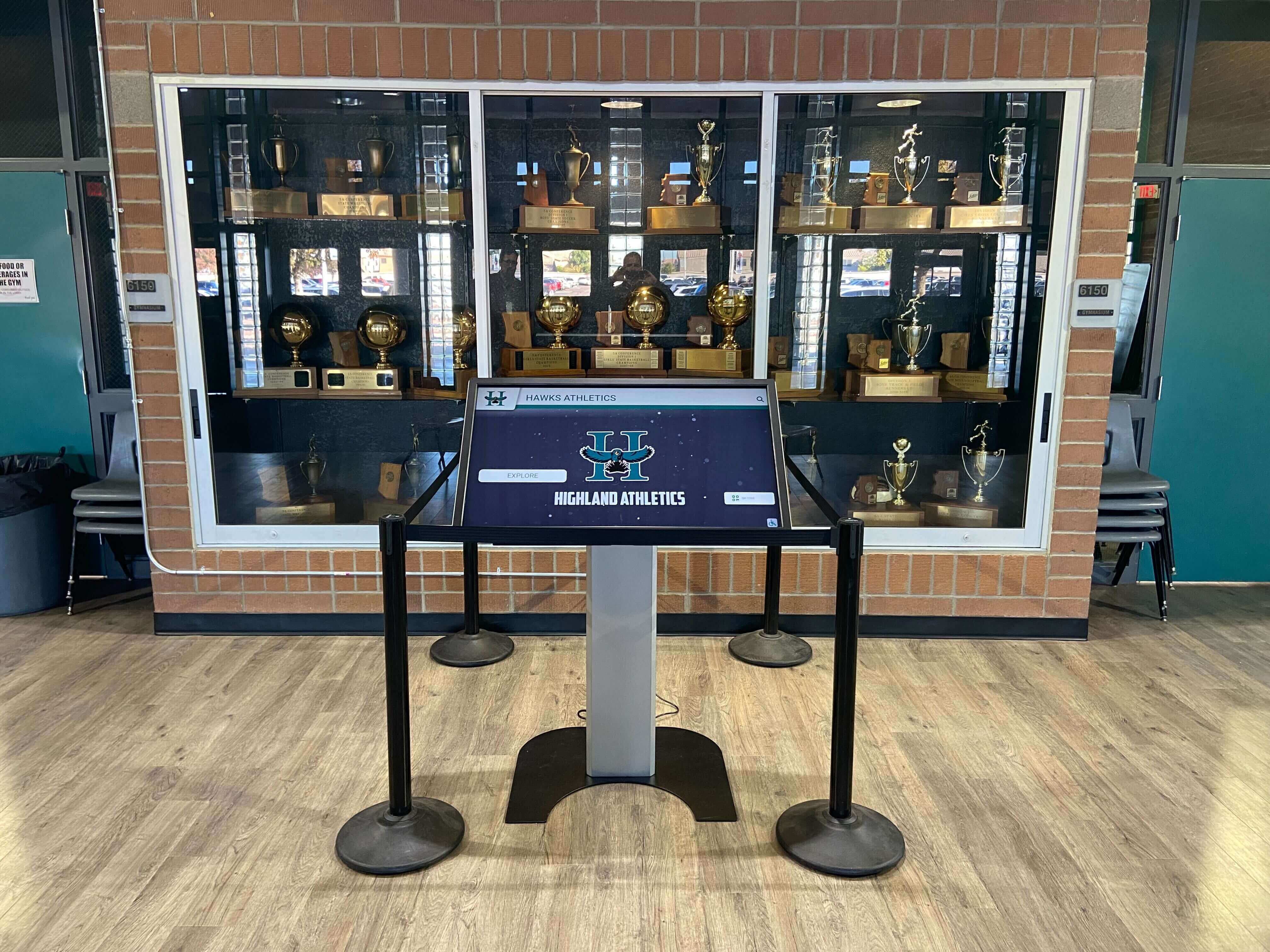
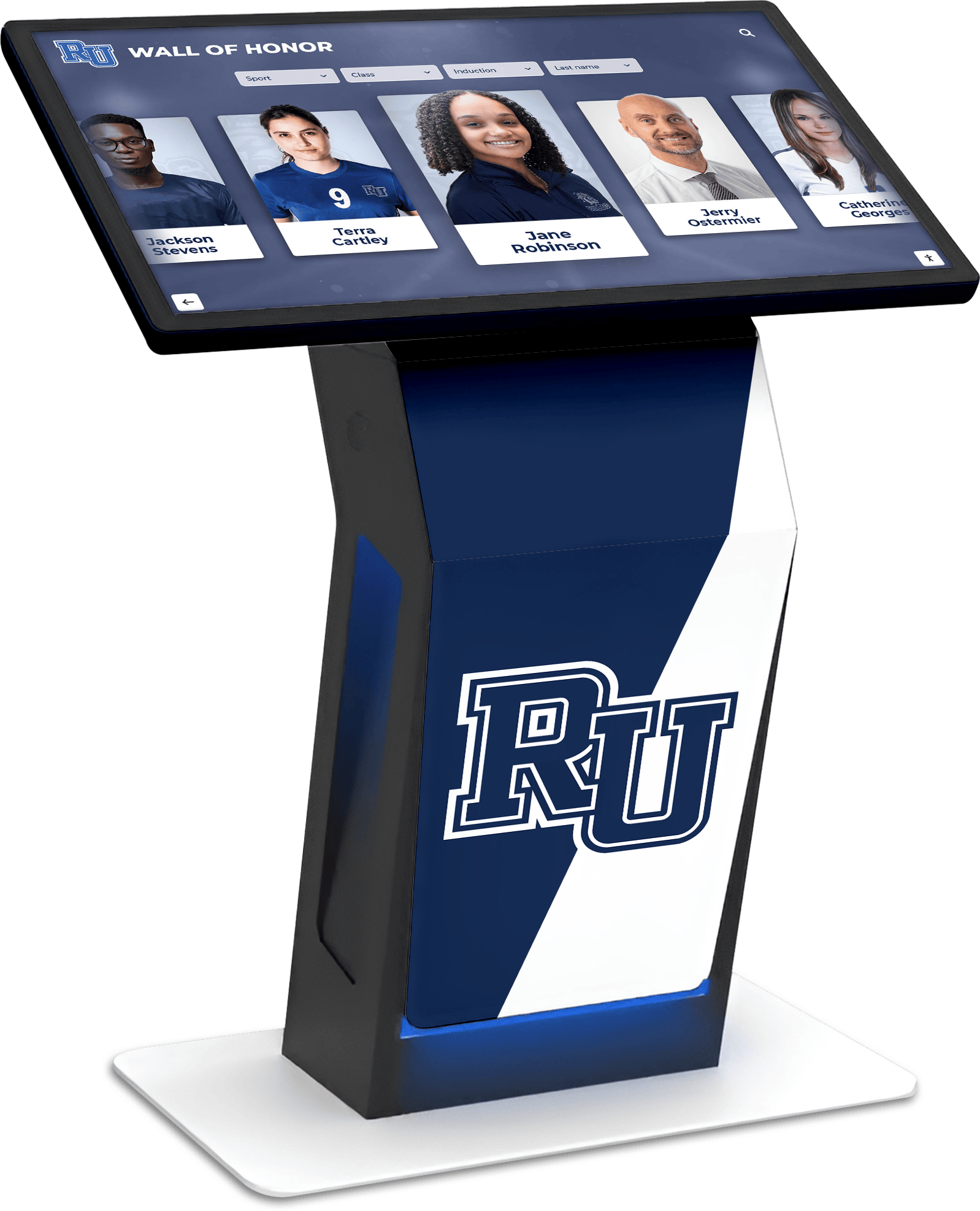
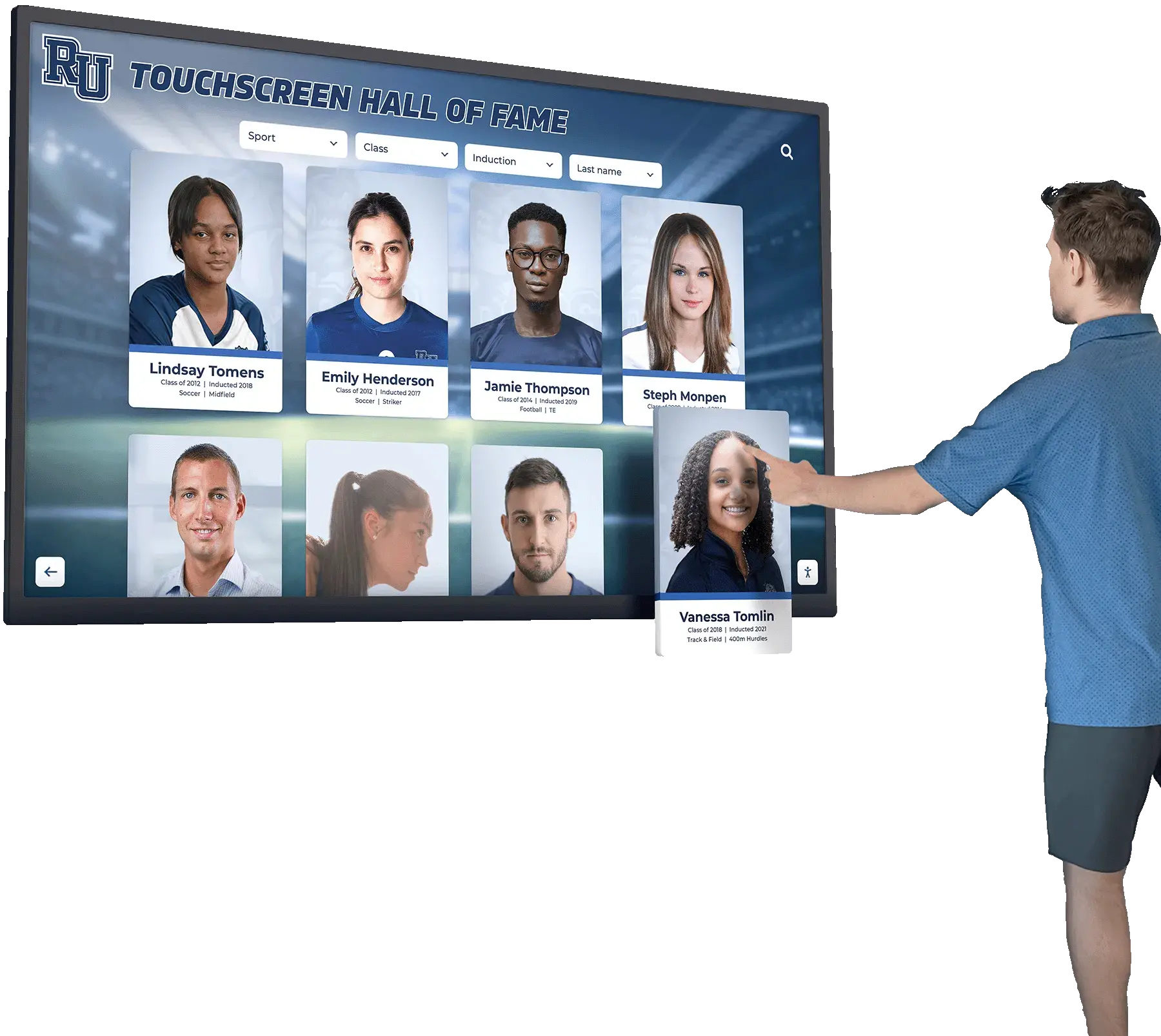
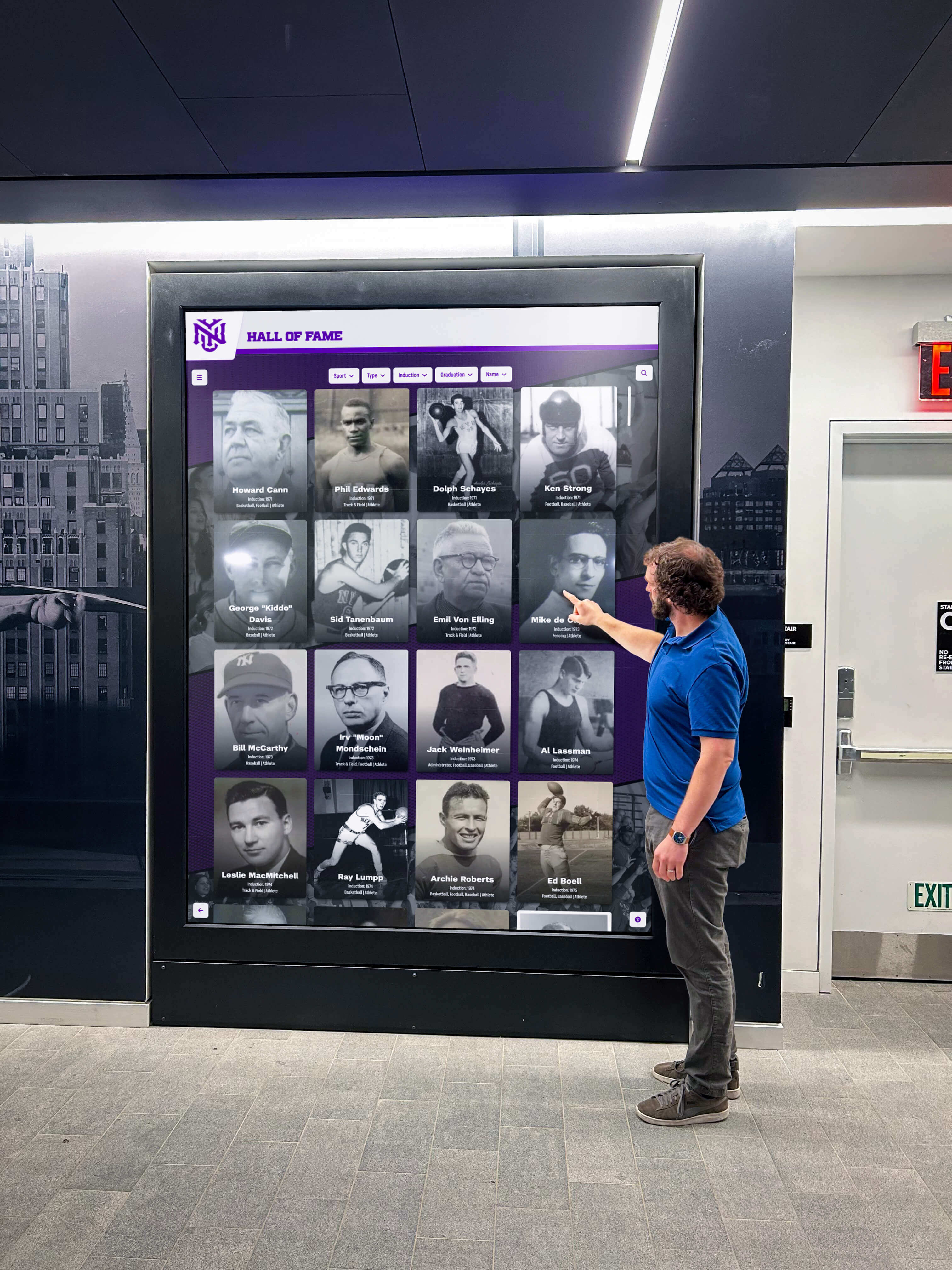
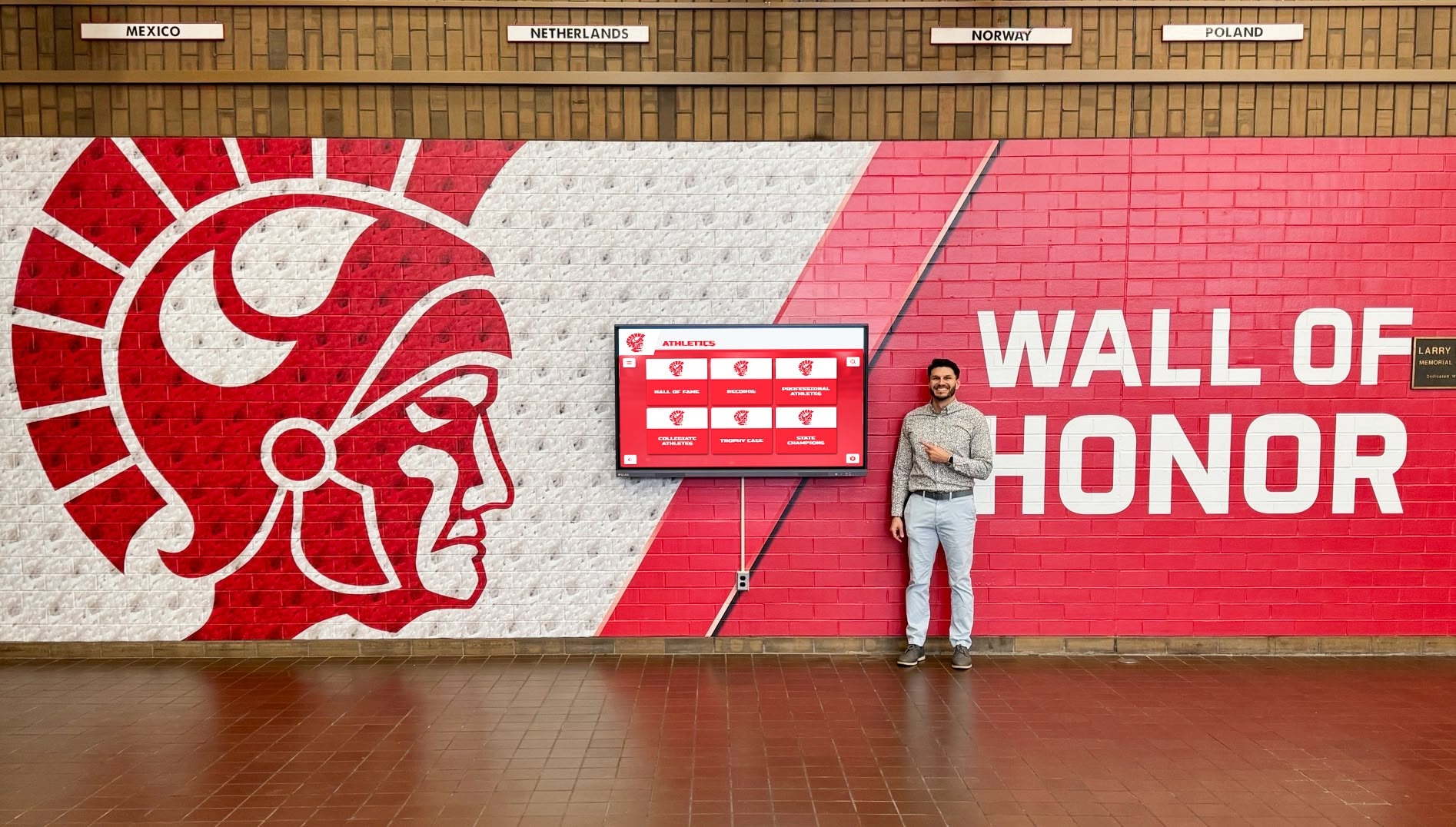
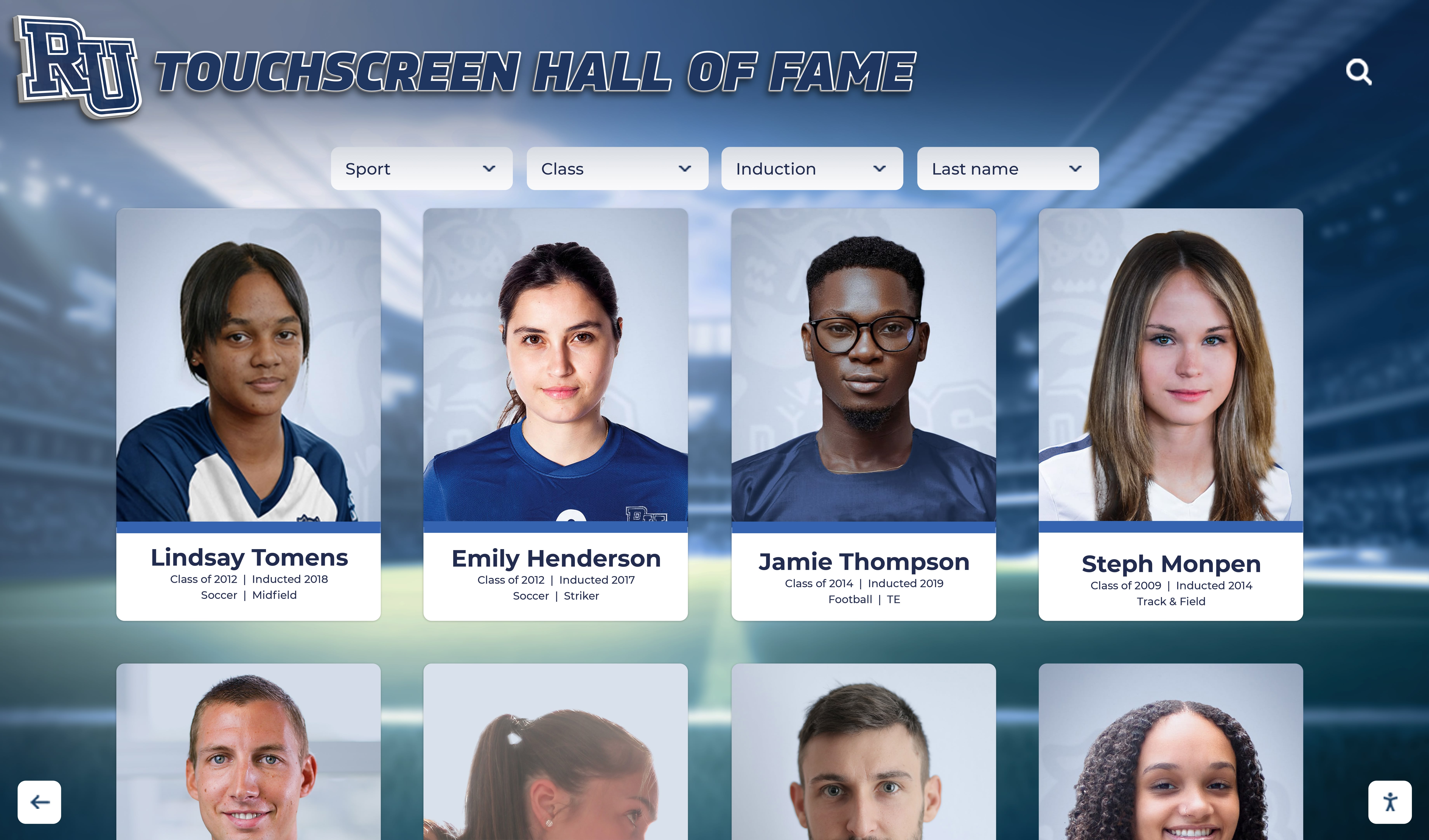
Digital recognition systems transform how cheerleading programs showcase achievements. Solutions like Rocket Alumni Solutions provide interactive touchscreen displays that can showcase unlimited squad members across all achievement categories without physical space constraints.
These systems enable programs to include rich media content—performance photos, competition videos, detailed achievement descriptions, and individual athlete profiles—creating engaging recognition that audiences can explore interactively.
For cheerleading specifically, digital displays accommodate the unique challenge of recognizing both individual achievements and collective team success, showcasing solo award recipients alongside squad championship recognition and group performance documentation.
Year-Round Recognition Visibility
Unlike traditional trophy cases updated infrequently, cloud-based digital recognition platforms allow immediate updates. Add new achievements as they occur—weekly spirit awards, monthly recognition, mid-season achievements, and competition results—maintaining recognition visibility throughout entire seasons rather than waiting for end-of-year ceremonies.
This year-round approach sustains motivation more effectively than annual recognition events alone. Athletes see current achievements celebrated prominently, reinforcing positive behaviors and accomplishments when they occur.
Multi-Location Display Access
Digital recognition extends beyond single physical locations. The same content displayed on lobby touchscreens can be accessed via school websites, mobile apps, and social media platforms, enabling families, community members, and alumni to explore cheerleading achievements from anywhere.
This expanded visibility elevates cheerleading program profile within school communities, providing recognition equal to traditional sports while celebrating the unique dimensions that make cheerleading distinctive.
Programs implementing comprehensive recognition approaches see benefits similar to those using digital showcase platforms for student achievements.
Simple Content Management
Modern digital recognition platforms provide intuitive interfaces requiring no technical expertise. Coaches and program administrators can update content remotely using any internet-connected device—adding new award recipients, uploading performance photos, or updating squad rosters.
Template-based systems ensure consistent formatting while bulk import capabilities enable efficient data entry when adding multiple awards or squad members simultaneously. Schedule publishing features allow preparing recognition content in advance with automatic display at appropriate times.
Budget-Conscious Recognition Strategies
Effective recognition doesn’t require substantial budgets. Creative approaches deliver meaningful impact within financial constraints.
Low-Cost Recognition Options
Printed Certificates: High-quality, customized certificates provide formal recognition at minimal cost when printed on proper certificate paper with professional design.
Handwritten Notes: Personal letters from coaches acknowledging specific contributions and expressing appreciation carry emotional weight beyond expensive trophies.
Team-Created Awards: Have squad members design and create awards for teammates using craft supplies, team inside jokes, and personal touches that build team bonds while recognizing achievement.
Social Media Recognition: Digital platforms enable unlimited recognition without physical costs while extending visibility across broader audiences.
Photo Recognition Boards: Printed photos with achievement descriptions create visual recognition at modest expense when displayed in team areas or common spaces.
Special Privileges: Non-monetary recognition like music selection rights, practice drill leadership, or other desirable roles can motivate effectively without budget impact.
Phased Implementation
Start with core awards addressing most important recognition needs, then expand over time as budget allows. Initial seasons might include only major awards with physical trophies while broader recognition uses certificates. Future seasons can add awards as resources permit.
Digital recognition platforms suit phased approaches since content capacity remains unlimited regardless of initial investment. Start displaying core achievements then systematically add categories and detail as time permits.
Fundraising for Recognition
Recognition programs often attract donor support since results remain visible and meaningful. Booster clubs, parent organizations, and local businesses may sponsor awards or contribute to recognition systems.
Consider offering naming opportunities where community supporters sponsor specific annual awards in perpetuity, creating ongoing recognition revenue while engaging community partners.
Measuring Recognition Program Impact
Evaluate recognition effectiveness to ensure programs achieve intended outcomes.
Quantitative Indicators
Track athlete retention rates comparing year-to-year participation, attendance patterns at practices and events, tryout participation numbers year over year, and academic performance for squad members.
Monitor squad morale indicators, leadership emergence within teams, and skill development progression rates. Programs with effective recognition typically see improved metrics across these dimensions compared to programs with minimal or inconsistent recognition.
Qualitative Assessment
Solicit athlete feedback about recognition awareness, perceived fairness, and motivational impact through surveys or focus groups. Gather parent perspectives about program communication and celebration of achievements. Monitor coach observations about team culture, motivation levels, and response to recognition.
Pay attention to external stakeholder perception—administrators, faculty, students, community members—regarding cheerleading program culture and athlete accomplishment visibility.
Continuous Improvement
Use assessment data to refine recognition approaches over time. If certain awards generate minimal interest or recognition patterns show bias, adjust categories or criteria. When recognition programs energize teams and elevate motivation, expand successful approaches while maintaining core effective elements.
Effective programs remain dynamic rather than unchanged, adapting as squads evolve while maintaining recognition standards that preserve credibility and meaning.
Conclusion: Building Recognition Culture in Cheerleading
Cheerleading programs deserve recognition systems as sophisticated and comprehensive as those supporting traditional sports. When programs systematically celebrate the unique dimensions of cheerleading excellence—technical skill mastery, performance artistry, spirit leadership, work ethic, and team contribution—they create environments where athletes feel genuinely valued for diverse talents they bring to squads.
The award categories and implementation strategies explored here provide frameworks for building recognition approaching cheerleading’s distinctive character. Whether implementing traditional end-of-season banquets with physical trophies, modern digital recognition platforms providing year-round visibility, or hybrid approaches combining both, the commitment to celebrating diverse squad member achievements creates positive culture that attracts athletes, motivates excellence, and sustains successful programs.
Start by auditing current recognition approaches, identifying gaps and opportunities. Engage squad members and families in understanding what recognition means most to them. Establish clear criteria ensuring fairness and transparency. Then systematically implement recognition that honors every dimension of cheerleading achievement.
Your squad members invest countless hours perfecting difficult skills, maintaining peak fitness, and leading school spirit. Recognition programs that acknowledge this multifaceted commitment validate their efforts while inspiring continued excellence—both within your current squad and among younger athletes aspiring to join your program.
Transform Your Cheerleading Recognition Program
Discover how digital recognition displays can help you celebrate all squad achievements, build program culture, and create year-round visibility that inspires current and future cheerleaders.
Explore Recognition Solutions






























