Chess clubs represent unique intellectual communities within high schools—spaces where strategic thinking, competitive spirit, and cognitive development converge in an after-school setting that shapes student lives. The presidents and executive team members who lead these clubs deserve recognition that honors their leadership, celebrates the community they’ve built, and inspires future generations of chess enthusiasts.
Yet chess club leadership often goes underappreciated compared to athletic team captains or student government officers. Presidents who organize tournaments, coordinate meetings, mentor newer players, and build club culture work tirelessly behind the scenes with little visible acknowledgment. Executive team members managing logistics, communications, and member engagement contribute essential organizational skills that extend far beyond the chessboard.
This comprehensive guide explores effective strategies for recognizing chess club presidents and executive teams—creating lasting tributes that celebrate intellectual leadership while demonstrating your school’s commitment to academic and strategic excellence.
High school chess clubs provide distinctive developmental opportunities: critical thinking enhancement, strategic planning skills, graceful competition experience, and intellectual community building. The leaders who create and sustain these environments deserve recognition systems that honor both their chess accomplishments and leadership contributions.
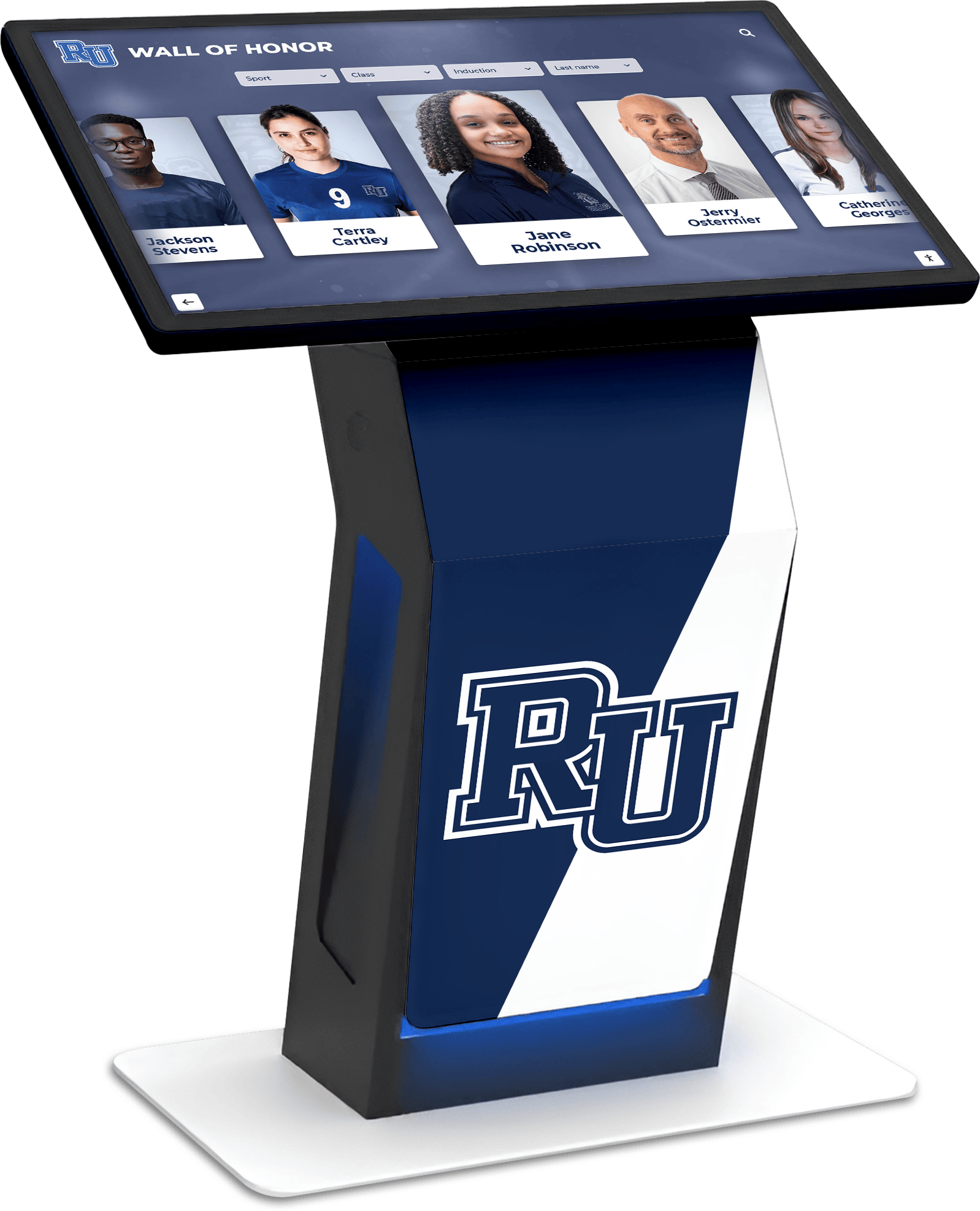
Modern recognition systems celebrate chess club leadership alongside athletic and academic achievements
Understanding Chess Club Leadership Roles and Contributions
Effective recognition begins with understanding the multifaceted responsibilities chess club leaders shoulder throughout their tenure.
Presidential Responsibilities and Recognition-Worthy Achievements
Chess club presidents fill complex leadership roles requiring diverse skills:
Organizational Leadership
- Planning and facilitating weekly club meetings and practice sessions
- Establishing club goals, activities calendar, and member engagement strategies
- Coordinating with faculty advisors on scheduling, resources, and school policies
- Managing club communications through announcements, emails, and social media
- Building inclusive club culture welcoming players of all skill levels
Tournament Coordination
- Organizing internal club tournaments with brackets, pairings, and time controls
- Arranging inter-school competition participation and logistics
- Coordinating regional and state tournament attendance
- Managing tournament registration, transportation, and equipment needs
- Tracking tournament results and maintaining club achievement records
Member Development
- Creating mentorship systems pairing experienced players with beginners
- Organizing skill-building sessions and guest speaker opportunities
- Facilitating chess instruction and strategy discussions
- Encouraging participation across all skill levels
- Recognizing member achievements and celebrating progress
Community Building
- Recruiting new members and promoting club activities
- Planning social events and end-of-year celebrations
- Fostering sportsmanship and competitive excellence
- Creating welcoming environment for diverse participants
- Building connections between chess club and broader school community
These multidimensional contributions deserve recognition systems acknowledging both chess-specific achievements and broader leadership development.
Executive Team Roles Deserving Recognition
Beyond presidents, executive teams include essential positions meriting acknowledgment:
Vice President Contributions
- Supporting presidential initiatives and providing leadership continuity
- Assuming presidential duties during absences
- Managing specific projects or subcommittees
- Facilitating member communications and feedback
- Planning leadership succession and onboarding
Secretary Responsibilities
- Maintaining meeting minutes and club documentation
- Managing member roster and attendance tracking
- Coordinating club communications and announcements
- Preserving club history and achievement records
- Supporting administrative functions and organization
Treasurer Functions
- Managing club finances and budget oversight
- Coordinating fundraising initiatives for tournaments and equipment
- Processing tournament entry fees and travel expenses
- Maintaining financial records and reporting
- Planning sustainable financial operations
Tournament Director Roles
- Organizing club tournament logistics and pairings
- Managing chess clocks, boards, and equipment
- Enforcing rules and resolving disputes
- Recording game results and maintaining standings
- Creating positive competitive experiences
Public Relations and Outreach Officers
- Promoting club activities throughout school community
- Managing social media presence and communications
- Recruiting new members and promoting participation
- Coordinating with school publications and announcements
- Building connections with local chess community
Comprehensive recognition systems acknowledge the full executive team’s collaborative contributions to club success.

Individual recognition profiles celebrate specific leadership contributions and achievements
Recognition Formats for Chess Club Leadership
Multiple recognition approaches ensure appropriate acknowledgment matching your school’s resources and club traditions.
Physical Recognition Displays
Traditional recognition methods create tangible, visible tributes to chess club leadership:
Trophy Case Recognition
- Dedicated section for chess club achievements and leadership
- Individual plaques recognizing presidents by year
- Executive team member acknowledgment displays
- Tournament achievement trophies and awards
- Historical club milestone documentation
Wall of Honor Displays
- Mounted plaques listing chess club presidents chronologically
- Executive team recognition by year and position
- Photo displays featuring club leaders and teams
- Achievement documentation including tournament success
- Club history timeline showing leadership legacy
Recognition Boards in Meeting Spaces
- Current officer displays in chess club meeting room
- Historical president listing showing leadership succession
- Achievement highlights and notable accomplishments
- Member milestone recognition including rating improvements
- Inspirational quotes from former club leaders
While these traditional approaches provide tangible recognition, they face inherent limitations: physical space constraints forcing difficult decisions about whose accomplishments to display, static information that cannot easily update, and limited capacity to tell complete leadership stories beyond names and dates.
Digital Recognition Solutions
Solutions like Rocket Alumni Solutions transform chess club recognition through interactive displays that eliminate traditional limitations:
Unlimited Recognition Capacity Digital recognition displays overcome space constraints that restrict traditional recognition:
- Single display showcases unlimited presidents, executive teams, and members
- No need to remove historical recognition to accommodate current leaders
- Comprehensive archives preserve complete club history
- All leadership positions receive equal display capacity
- Room for tournament achievements, member highlights, and club milestones
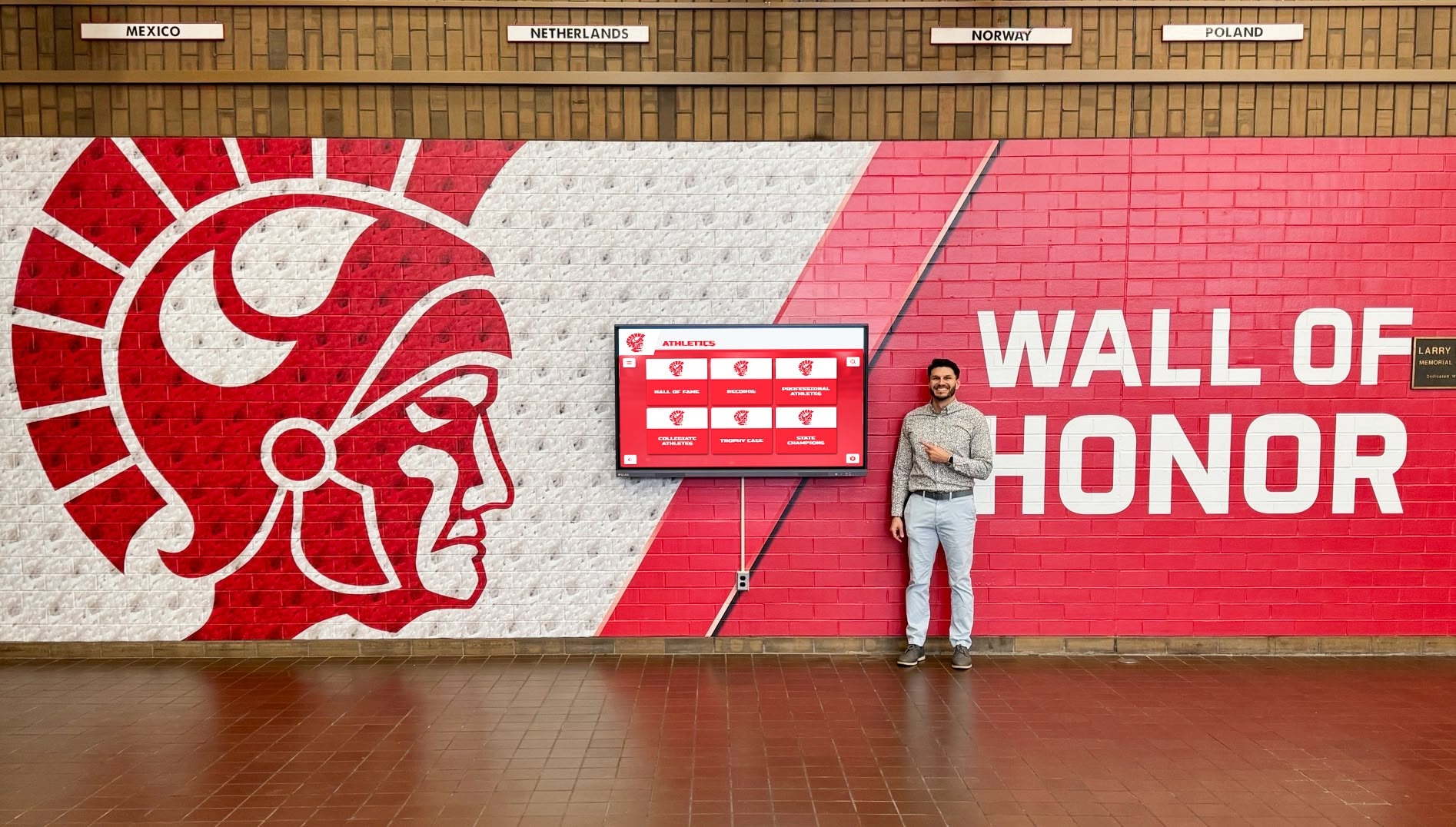
Touchscreen displays make exploring club history engaging and accessible
Rich Leadership Profiles Digital systems tell complete leadership stories:
- Detailed profiles for each president and executive team member
- Photo galleries documenting club activities and events
- Leadership accomplishments and contributions descriptions
- Tournament results and competitive achievements
- Personal statements or reflections from club leaders
- Video content featuring interviews or club highlights
- Connection mapping showing mentorship relationships
Interactive Exploration Features Modern touchscreen systems create engagement impossible with static displays:
- Search functionality enabling students to find specific leaders or years
- Filtering by position, year, achievements, or other criteria
- Timeline views showing club evolution across decades
- Tournament result databases with searchable records
- Rating progression tracking for competitive members
- Game archive preservation for notable matches
Learn more about comprehensive approaches in showcasing student accomplishments.
Simple Content Management Cloud-based management systems eliminate administrative burden:
- Remote updates from any internet-connected device
- Intuitive interfaces requiring no technical expertise
- Scheduled publishing for automatic end-of-year updates
- Bulk import tools for historical leadership data
- Role-based permissions enabling appropriate staff access
- Template systems ensuring consistent formatting
Schools report 80-90% reduction in time spent maintaining recognition displays after implementing digital systems.
Extended Reach Through Web Access Web-accessible recognition amplifies impact beyond physical campus:
- Alumni worldwide can explore chess club history
- Current members share leadership achievements on social media
- Prospective students discover club culture during research
- Family members celebrate student leadership remotely
- College applications benefit from documented leadership evidence
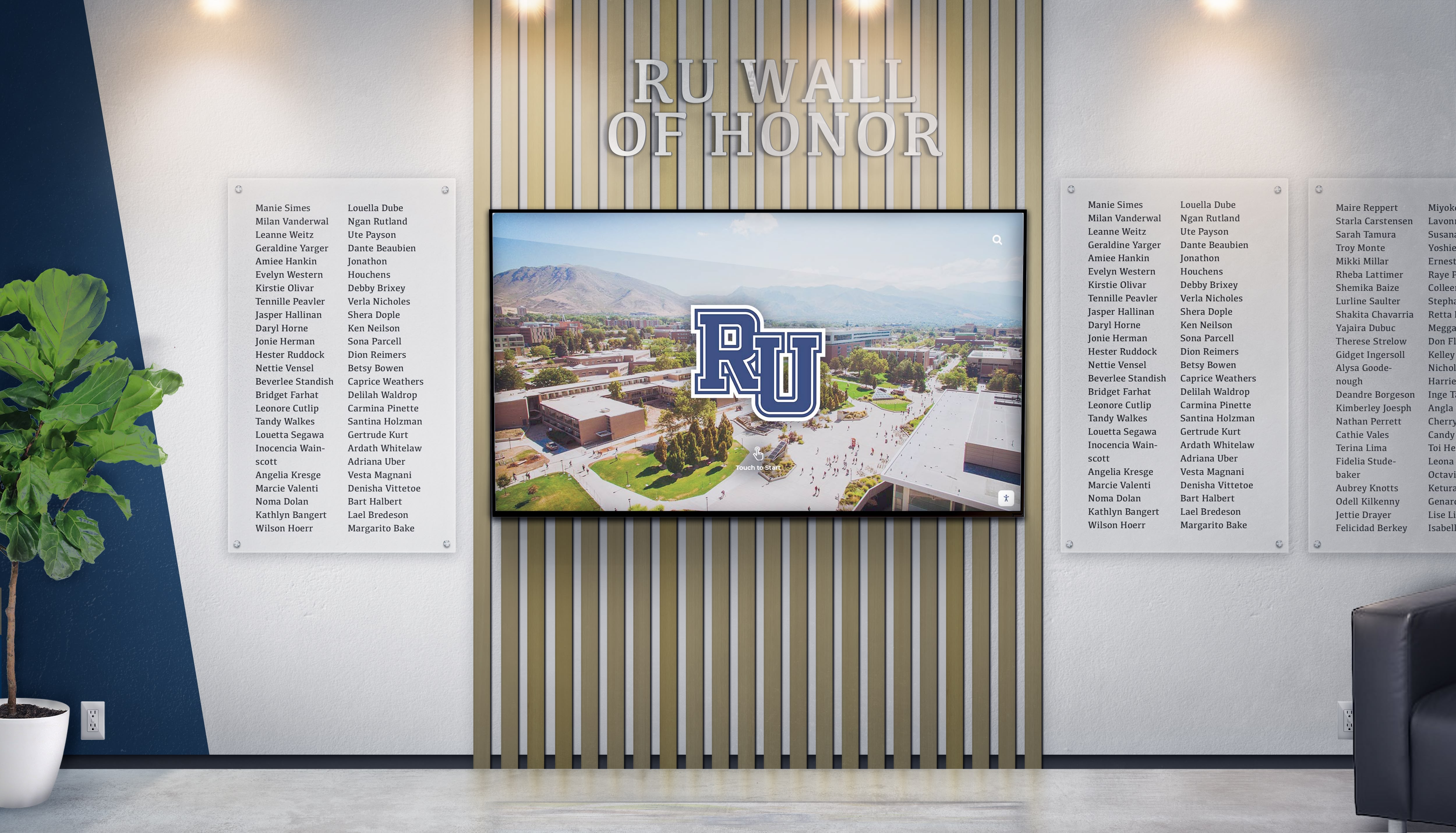
Integrated systems combine digital displays with traditional elements for comprehensive recognition
Creating Comprehensive Chess Club Recognition Programs
Effective programs extend beyond individual leader acknowledgment to celebrate complete club culture and achievements.
Multi-Dimensional Recognition Categories
Comprehensive systems acknowledge diverse accomplishments:
Leadership Recognition
- Chess club presidents with years of service
- Executive team members by position and contributions
- Faculty advisors and mentors
- Alumni leaders who built foundation for current success
- Graduating senior leadership legacy acknowledgment
Competitive Achievement Recognition
- Individual tournament champions and top finishers
- Team competition results and victories
- State and regional championship qualifiers
- Rating milestone achievements and improvements
- Undefeated season recognition and winning streaks
Skill Development Recognition
- Rating improvement awards for significant progress
- Tactical puzzle competition winners
- Endgame technique excellence
- Opening repertoire mastery demonstrations
- Simultaneous exhibition achievements
Community Contribution Recognition
- Mentorship awards for teaching newer players
- Sportsmanship recognition for exemplary conduct
- Recruitment acknowledgment for building membership
- Event organization contributions
- Community outreach and chess promotion
Participation and Engagement Recognition
- Perfect attendance awards for dedicated members
- Long-term membership milestones
- Consistent tournament participation
- Club event attendance and engagement
- Service contributions beyond competitive play
This multi-dimensional approach ensures recognition opportunities exist for members across different roles, skill levels, and contributions to club community.
Explore comprehensive student recognition in academic recognition programs that can extend to club activities.
Historical Documentation and Legacy Preservation
Chess clubs benefit from systematic history preservation:
Leadership Succession Documentation
- Complete presidential roster from club founding to present
- Executive team composition by year
- Leadership transition timelines and continuity
- Notable presidential initiatives and achievements
- Club growth and development under different leaders
Tournament History Archives
- Complete tournament participation records
- Individual and team achievement documentation
- Notable games and memorable matches
- Historical rating progressions
- Competition photography and memorabilia
Club Milestone Recognition
- Club founding date and original members
- Significant achievements and firsts
- Growth milestones and membership records
- Championship seasons and breakthrough victories
- Community impact moments and recognition
This historical preservation creates institutional memory connecting current members with club legacy while inspiring future leaders.
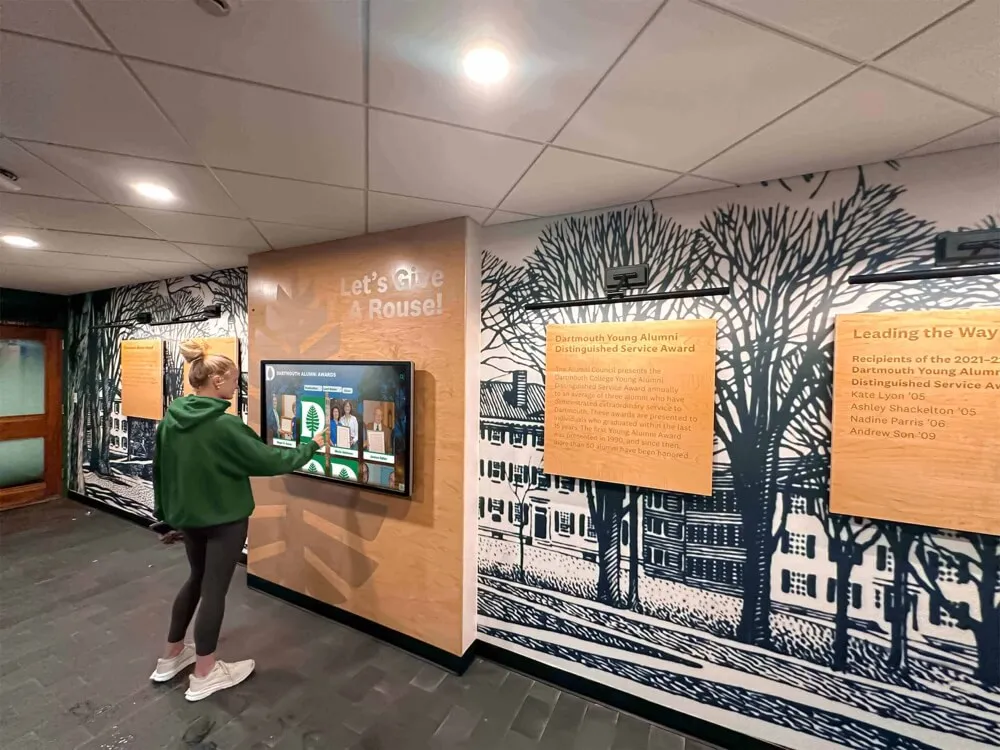
Strategic placement of recognition displays in hallways maximizes visibility and engagement
Annual Recognition Events and Ceremonies
Formal recognition occasions create memorable experiences celebrating chess club excellence.
End-of-Year Chess Club Banquet
Dedicated recognition events provide appropriate celebration platforms:
Award Presentation Ceremony
- Formal acknowledgment of outgoing presidents and executive teams
- Individual position recognition with certificates or plaques
- Leadership contribution highlights and accomplishments review
- Special recognition for exceptional service or achievements
- Passing of leadership symbols to incoming officers
Tournament Achievement Recognition
- Individual tournament champion acknowledgment
- Top finisher recognition across competitive categories
- Team competition success celebration
- Most improved player awards
- Special tournament moment highlights and game reviews
Community Award Presentations
- Mentorship and teaching excellence recognition
- Sportsmanship and character awards
- Recruitment and promotion achievements
- Service contribution acknowledgment
- Spirit and enthusiasm recognition
Club Legacy Acknowledgment
- Graduating senior tributes and farewell speeches
- Historical milestone recognition
- Alumni leader invitations and networking
- Club accomplishment year-in-review presentations
- Vision sharing for club’s future direction
Learn about comprehensive recognition events in student awards recognition programs.
School-Wide Recognition Integration
Chess club leadership deserves visibility beyond internal club events:
Academic Recognition Integration Include chess club leadership in broader student achievement showcases:
- All-school award ceremonies and recognition nights
- Honor society induction programs acknowledging club leadership
- Student leadership recognition programs and assemblies
- Graduation acknowledgment for club president service
- School publication features and announcements
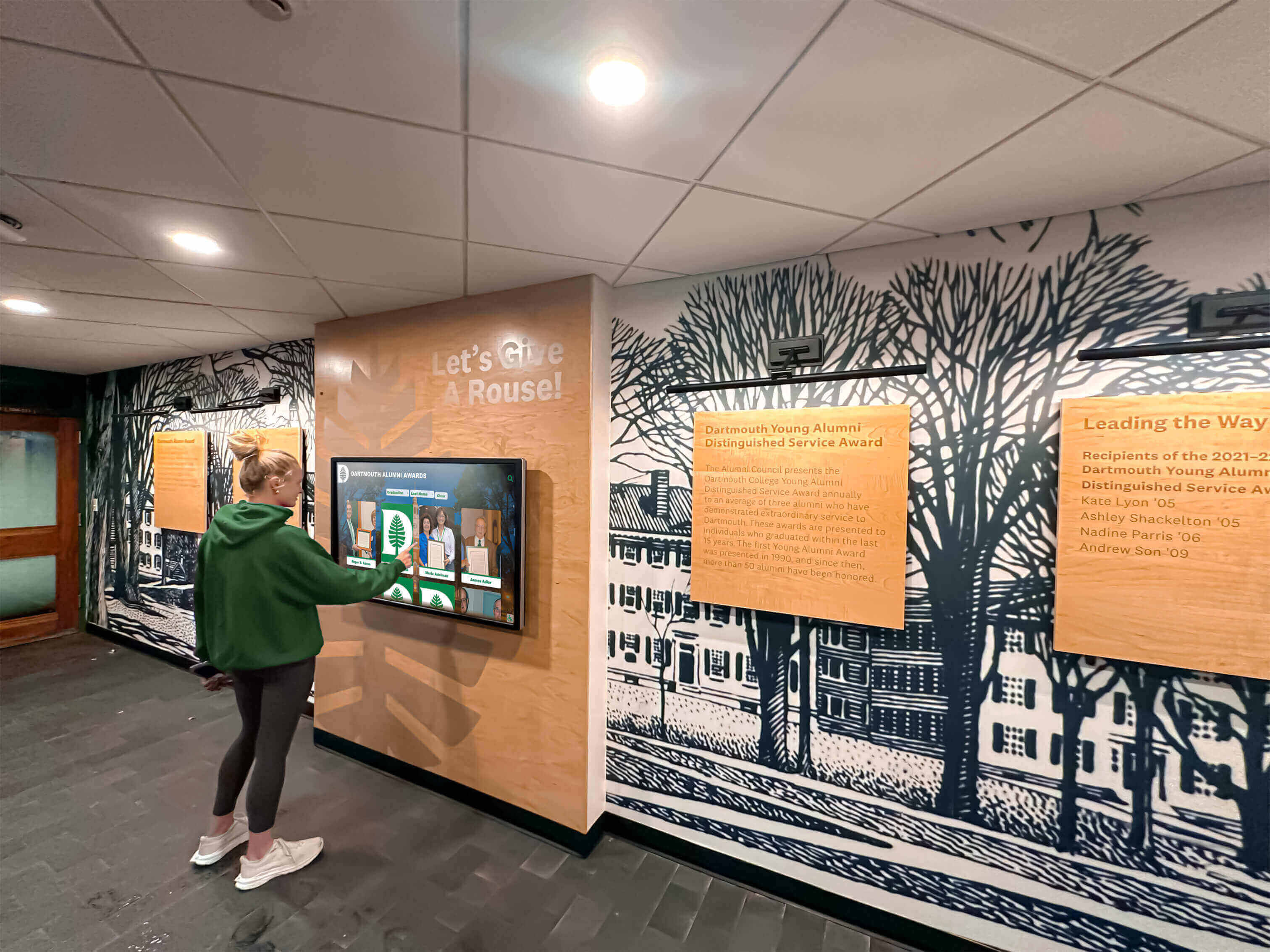
Accessible recognition displays enable students to explore achievements independently
Morning Announcement Recognition
- Weekly highlights of chess club achievements and upcoming events
- Tournament result announcements and congratulations
- Member achievement recognition and rating milestones
- Leadership transition announcements for new officers
- Recruitment promotions and meeting reminders
School Publication Features
- Student newspaper profiles of chess club leaders
- Yearbook sections dedicated to chess club officers and achievements
- School website features highlighting club activities
- Social media posts celebrating achievements and leadership
- Community newsletter inclusions extending recognition beyond school
This integrated approach elevates chess club leadership to equal status with other recognized school activities while building awareness and support for intellectual pursuits.
Developing Inclusive Chess Club Recognition
Effective recognition systems ensure opportunities exist for members across all skill levels and participation types.
Recognizing Diverse Contributions and Achievements
Chess clubs thrive when recognition extends beyond competitive success:
Beginning Player Recognition
- First tournament participation acknowledgment
- Initial rating achievement milestones
- Early skill development progress
- Consistent practice attendance and dedication
- Learning attitude and improvement mindset
Non-Competitive Member Recognition
- Casual play participation and enjoyment
- Social contribution and community building
- Event attendance and club support
- Peer encouragement and positive attitude
- Club culture contribution regardless of rating
Support Role Recognition
- Equipment maintenance and organization
- Setup and cleanup contributions
- Social media content creation and promotion
- Event planning assistance and coordination
- Welcoming committee participation for new members
This inclusive approach ensures all members find recognition pathways while maintaining meaning and prestige for competitive achievements.
Creating Accessible Recognition Systems
Recognition must be accessible to entire school community:
Physical Accessibility For displays and recognition spaces:
- ADA-compliant mounting heights and approach spaces
- Wheelchair-accessible display locations
- Clear sightlines without obstructions
- Appropriate lighting for visibility
- Inclusive event venue selections
Digital Accessibility For interactive recognition systems:
- Screen reader compatibility for visual accessibility
- High-contrast viewing modes and text magnification
- Simple navigation interfaces for diverse users
- Mobile access for students without regular campus access
- Multilingual content options when appropriate
Cultural Inclusivity Recognition acknowledging diverse backgrounds:
- Celebrating international chess traditions and styles
- Recognizing diverse playing styles and approaches
- Honoring various chess cultures and perspectives
- Creating welcoming environment for all participants
- Connecting chess’s global nature to club diversity
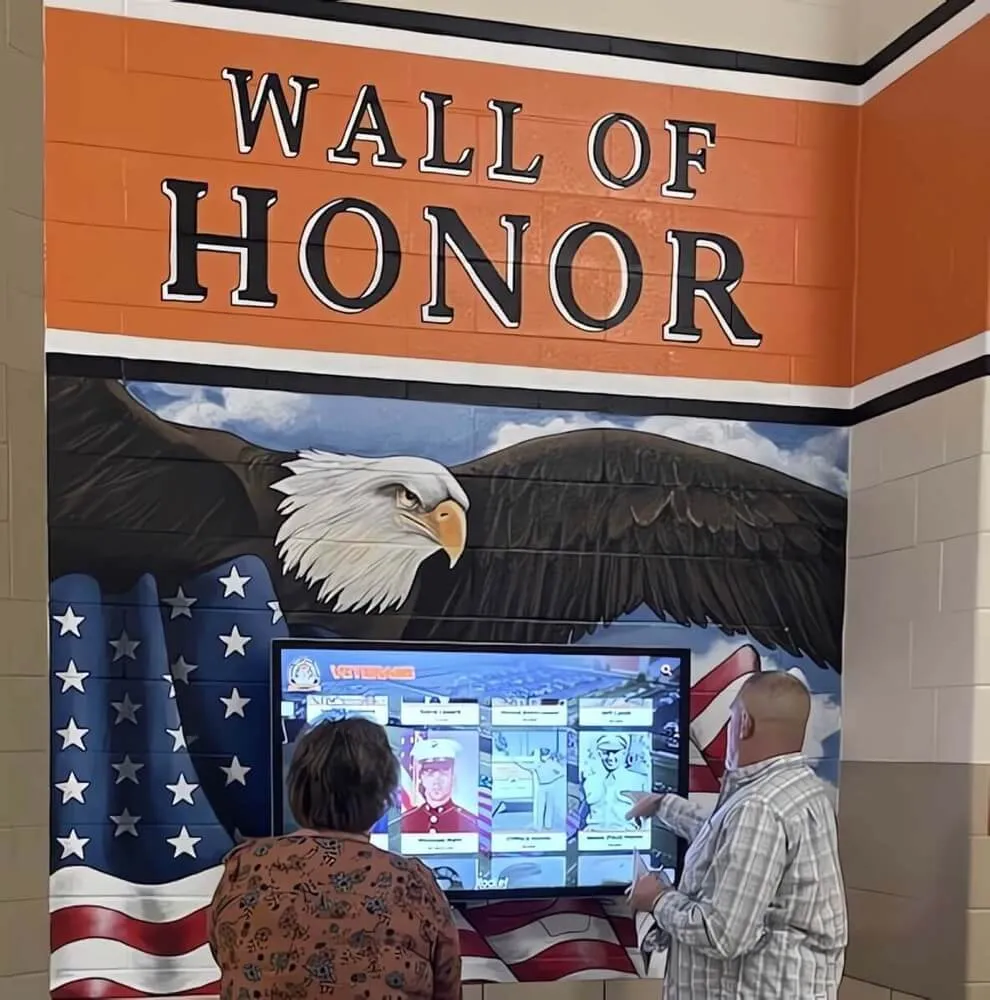
Prominent recognition placement demonstrates institutional commitment to intellectual excellence
Implementing Chess Club Recognition Systems
Systematic planning ensures sustainable, effective recognition programs.
Planning Phase Steps
Assessment and Goal Setting
- Evaluate current chess club recognition practices and gaps
- Survey club members about recognition priorities and preferences
- Review available budget and resource considerations
- Identify appropriate physical spaces for recognition displays
- Establish recognition program goals and success metrics
Recognition Category Definition
- Determine which leadership positions receive formal recognition
- Establish criteria for competitive achievement acknowledgment
- Define community contribution recognition standards
- Create historical documentation preservation plans
- Develop timeline for recognition updates and maintenance
Technology and Format Selection
- Decide between traditional, digital, or hybrid recognition approaches
- Evaluate display placement options and visibility
- Consider solutions like Rocket Alumni Solutions for comprehensive digital systems
- Plan for content management responsibilities and training
- Budget for initial implementation and ongoing maintenance
Content Development and Launch
Historical Data Collection
- Compile complete list of chess club presidents from founding forward
- Document executive team members by year and position
- Gather tournament results and achievement records
- Collect photographs and memorabilia for digital inclusion
- Interview long-time advisors and alumni for historical context
Profile Development
- Create detailed profiles for each president and executive team member
- Write achievement descriptions and contribution highlights
- Gather quality photographs for recognition displays
- Collect personal statements or reflections when possible
- Develop consistent formatting and presentation standards
Launch Event Planning
- Create unveiling ceremony for new recognition display
- Invite alumni leaders and club founders for celebration
- Generate publicity through school communications channels
- Document launch event for club history
- Collect feedback from initial user experiences
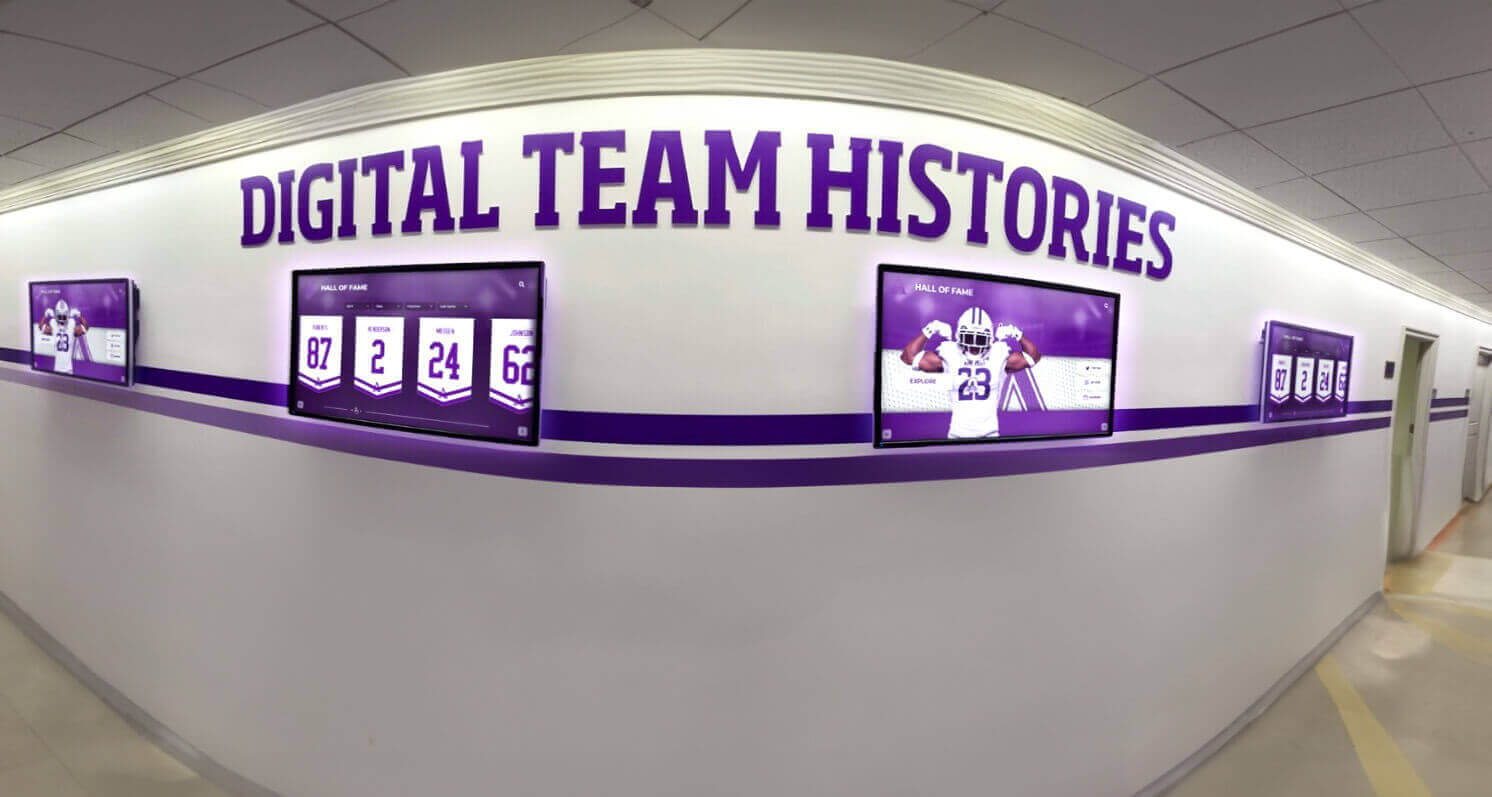
Historical displays connect current members with decades of club tradition and achievement
Maintaining Recognition Programs Long-Term
Sustainable recognition requires ongoing management and continuous improvement.
Annual Update Protocols
End-of-Year Recognition Updates
- Document outgoing presidents and executive team members
- Add tournament achievements and notable accomplishments
- Update member recognition for annual awards
- Capture end-of-year photographs and events
- Archive year’s activities and highlights
Summer Preparation Activities
- Review and refresh recognition displays for new school year
- Plan recognition for incoming leadership team
- Update historical documentation and corrections
- Prepare welcome materials featuring recognition program
- Train new administrators on content management systems
Multi-Year Sustainability Strategies
Responsibility Assignment
- Designate faculty advisor oversight for recognition program
- Establish student roles supporting recognition maintenance
- Create documentation for transition between administrators
- Develop backup systems ensuring continuity
- Budget annually for recognition program needs
Assessment and Improvement
- Gather regular feedback from club members about recognition
- Track engagement with digital recognition displays
- Monitor recognition distribution ensuring inclusivity
- Evaluate recognition program impact on recruitment and morale
- Adjust approaches based on assessment findings
Alumni Engagement Through Recognition Recognition systems create ongoing alumni connection opportunities:
- Alumni profile updates documenting post-graduation achievements
- Reunion events featuring historical recognition displays
- Alumni mentorship programs connecting past and present leaders
- Fundraising initiatives supporting club operations and equipment
- Career networking through chess club alumni database
Explore best ways to connect with alumni for ongoing engagement strategies.
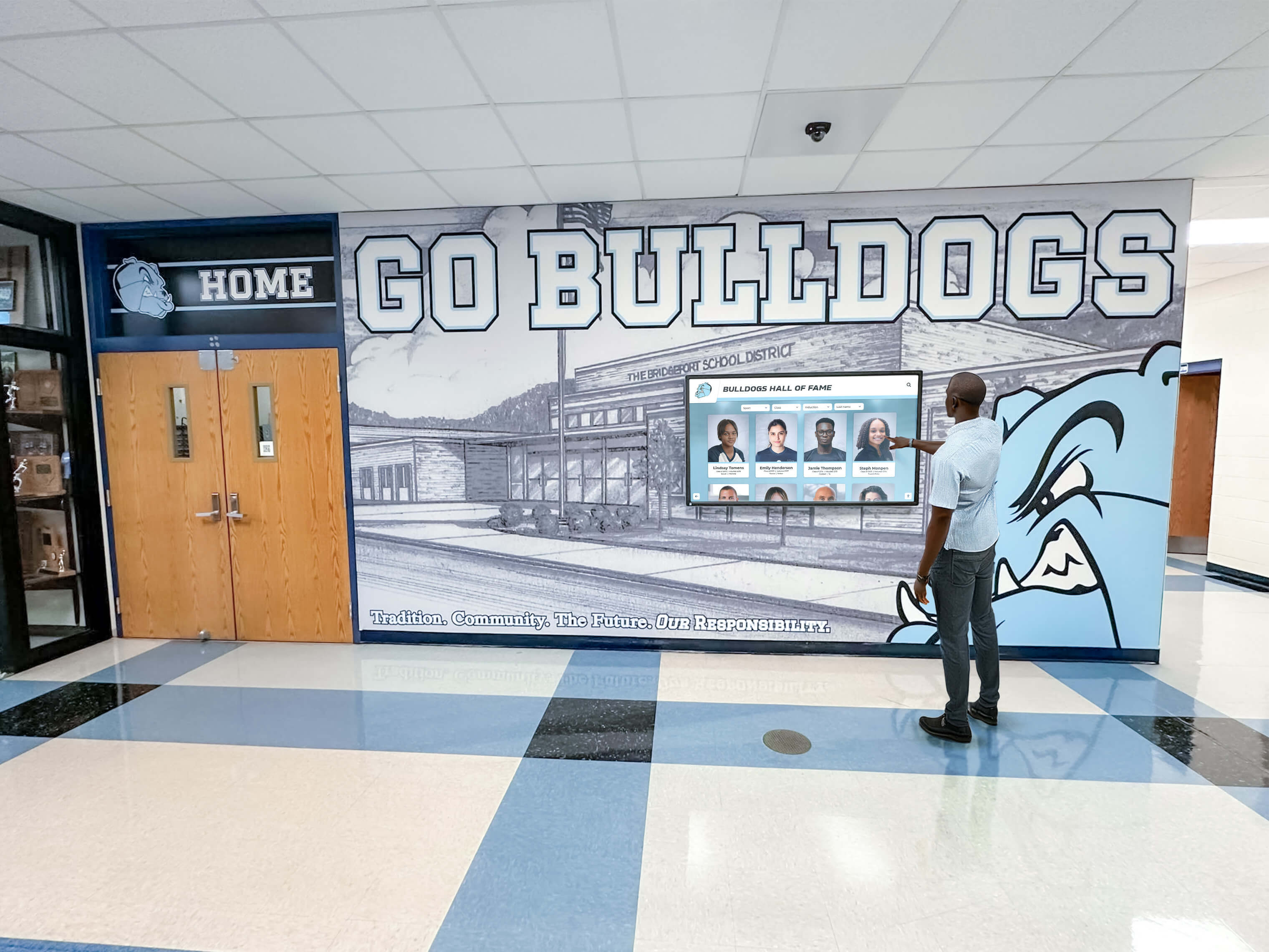
User-friendly interfaces encourage exploration and engagement with club history
Connecting Chess Club Recognition to Broader Educational Goals
Effective recognition supports institutional missions beyond club acknowledgment.
Leadership Development Recognition
Chess club presidential service develops transferable leadership competencies:
Organizational Leadership Skills
- Meeting facilitation and agenda management
- Strategic planning and goal setting
- Resource management and budgeting
- Delegation and team coordination
- Communication across diverse stakeholders
Interpersonal Leadership Capabilities
- Conflict resolution and problem solving
- Mentorship and teaching abilities
- Team building and culture creation
- Public speaking and presentation skills
- Motivation and member engagement
Strategic Thinking Development
- Long-term planning and vision development
- Analytical decision making under constraints
- Pattern recognition and strategic adaptation
- Risk assessment and mitigation
- Creative problem solving approaches
Recognition systems should explicitly acknowledge these broader leadership competencies, helping students and colleges understand the developmental value of chess club leadership beyond the game itself.
College Application Support
Chess club president recognition provides valuable college application content:
Documentation for Applications
- Verified leadership position titles and years served
- Specific achievement documentation with evidence
- Faculty advisor verification and recommendation support
- Detailed contribution descriptions for application essays
- Quantifiable metrics demonstrating impact
Competitive Distinction Chess club leadership offers unique positioning:
- Demonstration of intellectual engagement beyond academics
- Evidence of strategic thinking and competitive drive
- Proof of teaching ability through member mentorship
- Documentation of organizational competencies
- Distinctive activities list differentiation from common involvements
Digital recognition systems provide easily accessible documentation supporting these application materials while creating shareable content for student portfolios.
Learn about student recognition that increases future success for broader impact perspectives.
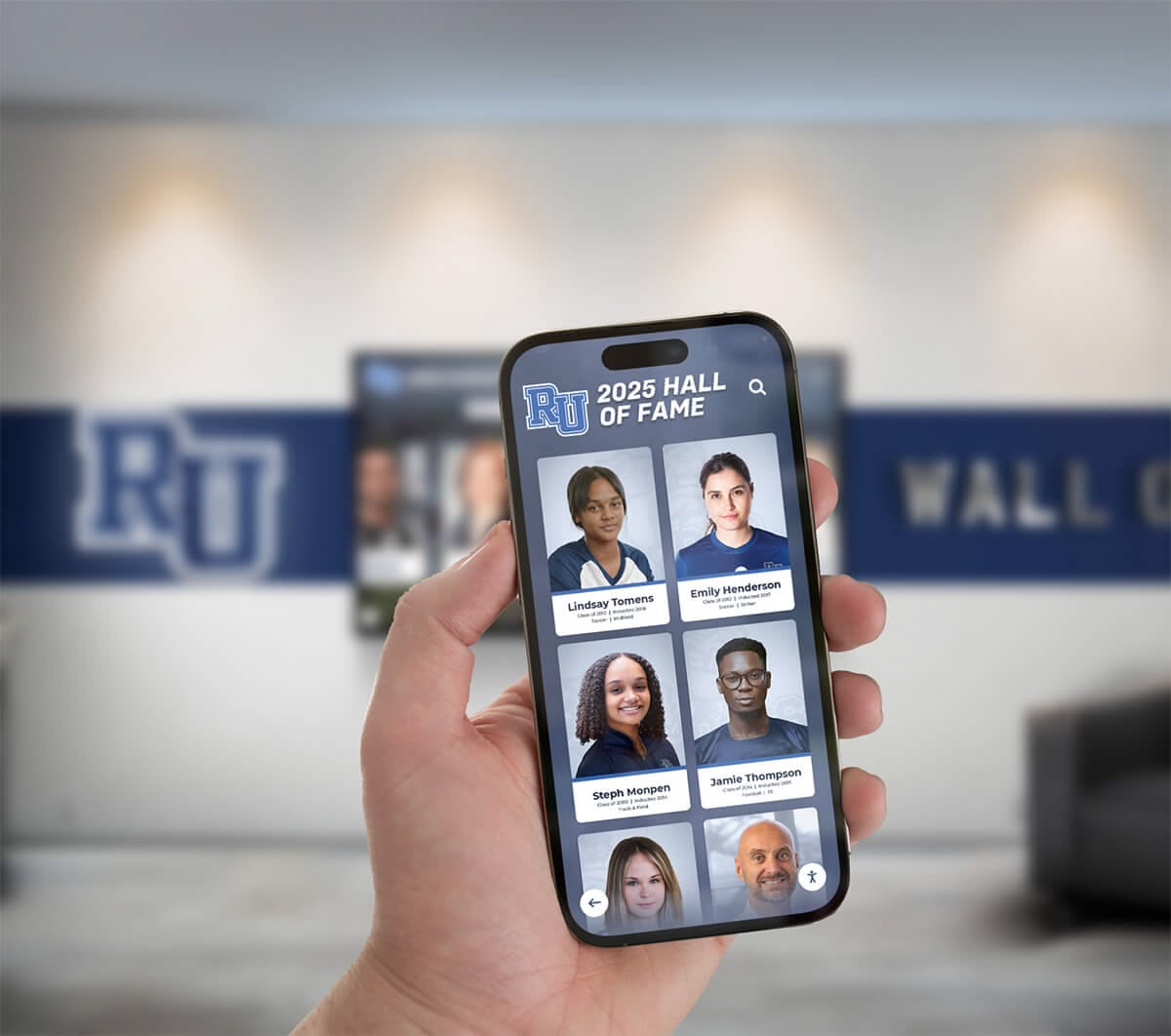
Mobile-optimized recognition systems enable students to access achievement documentation anytime
Special Considerations for Chess Club Recognition
Chess-specific factors require particular attention in recognition design.
Rating and Competitive Achievement Recognition
Chess provides unusual objective measurement opportunities:
USCF Rating Milestones
- Initial rating achievement recognition
- Significant rating improvement awards
- Round number milestone celebrations
- Class promotion acknowledgment
- Peak rating documentation
Tournament Performance Recognition
- Scholastic tournament section victories
- Perfect score achievements
- Performance rating accomplishments exceeding standard rating
- Notable upset victories
- Prize-winning performances
Chess Title Recognition When applicable, recognize official chess titles:
- USCF Expert rating achievement
- National Master title attainment
- FIDE rating and title accomplishments
- State championship qualifications
- Age-group championship achievements
Balancing Competitive and Social Recognition
Healthy chess clubs balance competitive excellence with inclusive community:
Competitive Excellence Recognition
- Tournament champions and top performers
- Rating achievement and improvement
- Inter-school competition representatives
- State and regional qualifiers
- Serious competitive dedication
Community Building Recognition
- Welcoming attitude and mentorship
- Casual game participation and enjoyment
- Social event attendance and contributions
- Positive attitude and sportsmanship
- Inclusive community creation
Recognition systems should celebrate both dimensions, ensuring competitive achievements receive appropriate acknowledgment while non-competitive community contributions also earn recognition.

Engaging recognition experiences create positive associations with intellectual achievement
Conclusion: Honoring Chess Club Leadership Legacy
Chess club presidents and executive teams provide essential leadership creating intellectual communities where strategic thinking, competitive excellence, and cognitive development flourish. These student leaders organize tournaments, mentor newer players, build inclusive club culture, and develop organizational competencies extending far beyond the sixty-four squares of the chessboard.
Effective recognition systems honor these multifaceted contributions through approaches that celebrate leadership, preserve club history, inspire future members, and demonstrate institutional commitment to intellectual excellence. From traditional plaques documenting presidential succession to modern digital displays providing unlimited recognition capacity and interactive exploration, multiple options exist matching different resources and priorities.
Transform Your Chess Club Recognition Program
Discover how modern digital recognition solutions can help you celebrate every chess club president, executive team member, and achievement while building lasting club legacy.
Explore Recognition SolutionsThe strategies explored in this guide provide frameworks for building recognition systems that honor chess club leadership while remaining sustainable, inclusive, and aligned with broader educational goals. Whether implementing traditional physical displays or comprehensive digital platforms like Rocket Alumni Solutions, the key lies in systematic approaches ensuring consistent recognition reaching all deserving leaders and contributors.
Your chess club presidents and executive teams dedicate countless hours building intellectual communities that enrich your school culture and develop essential student competencies. They deserve recognition equal to any other student leadership while serving as inspiration for future generations discovering the strategic depth, competitive excitement, and community connections chess provides.
Start where you are with recognition you can implement immediately, then systematically expand to create comprehensive approaches your chess club leaders deserve. Every president whose leadership receives meaningful acknowledgment understands their contributions mattered, their legacy continues, and their example inspires others to step forward and lead.
Ready to begin? Explore club recognition approaches or learn more about preserving school history through comprehensive recognition systems that celebrate all dimensions of student excellence—including the strategic brilliance and leadership excellence flourishing in your school’s chess club.































