Chess programs represent some of the most valuable extracurricular activities schools offer—developing critical thinking, strategic planning, patience, and intellectual discipline while providing competitive opportunities for students of all athletic abilities. Yet despite chess clubs producing state champions, national qualifiers, and dedicated student leaders, these accomplishments often receive minimal recognition compared to traditional sports achievements.
Many schools struggle to give chess programs the visibility they deserve. Tournament results get buried in announcements, club presidents receive generic leadership awards that don’t reflect their specific contributions, and championship trophies collect dust in storage rather than inspiring the next generation of players. Meanwhile, students who dedicate hours to studying openings, analyzing positions, and representing their schools at competitions go largely unrecognized beyond their immediate chess community.
This comprehensive guide explores evidence-based strategies for creating meaningful recognition programs that celebrate chess club leadership, honor tournament achievements, and elevate the visibility of scholastic chess excellence throughout your educational community.
Effective chess recognition extends beyond placing trophies in display cases—it creates systematic approaches that acknowledge diverse contributions while ensuring chess achievements receive visibility comparable to other competitive activities. Schools that excel at chess recognition build cultures where intellectual competition receives the same celebration and prestige as athletic success.
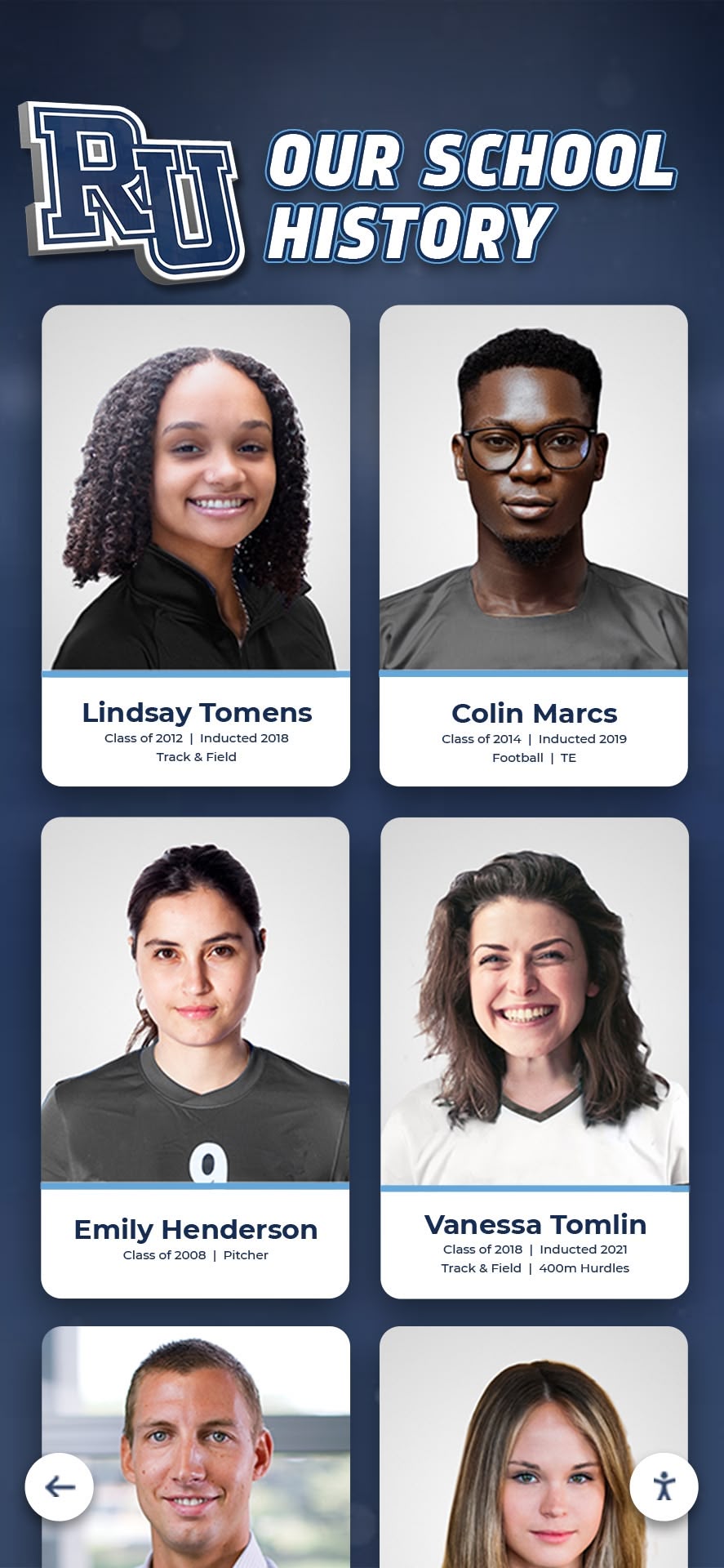
Modern recognition displays give chess club accomplishments the visibility and celebration they deserve
Why Chess Recognition Matters: The Impact of Celebrating Intellectual Competition
Understanding the broader benefits of chess recognition helps schools justify investment in comprehensive programs that extend beyond participation acknowledgment.
Academic and Cognitive Benefits of Chess Programs
Research consistently demonstrates significant advantages for students involved in scholastic chess:
Cognitive Development Outcomes
- Chess players show measurably improved problem-solving abilities across multiple domains
- Regular chess practice enhances concentration and sustained attention capacity
- Strategic game analysis develops planning skills and consequence evaluation
- Pattern recognition abilities transfer to mathematics and science learning
- Memory retention improves through position memorization and game review
Academic Performance Correlations
- Students participating in organized chess programs demonstrate higher grade point averages
- Chess participants show improved standardized test scores, particularly in mathematics
- Critical thinking skills developed through chess enhance performance across disciplines
- Chess involvement correlates with increased enrollment in advanced coursework
- Tournament participation builds time management and preparation skills applicable to academics
According to research published in educational journals, students engaged in regular chess activity show significant improvements in spatial reasoning, mathematical ability, and verbal reasoning compared to non-chess-playing peers.
Character Development Through Chess
Beyond cognitive benefits, chess programs build essential life skills:
Leadership and Responsibility
- Club officers develop organizational and planning capabilities
- Team captains learn to motivate and support teammates
- Teaching opportunities build communication skills
- Tournament organization provides event management experience
- Mentoring newer players develops coaching abilities
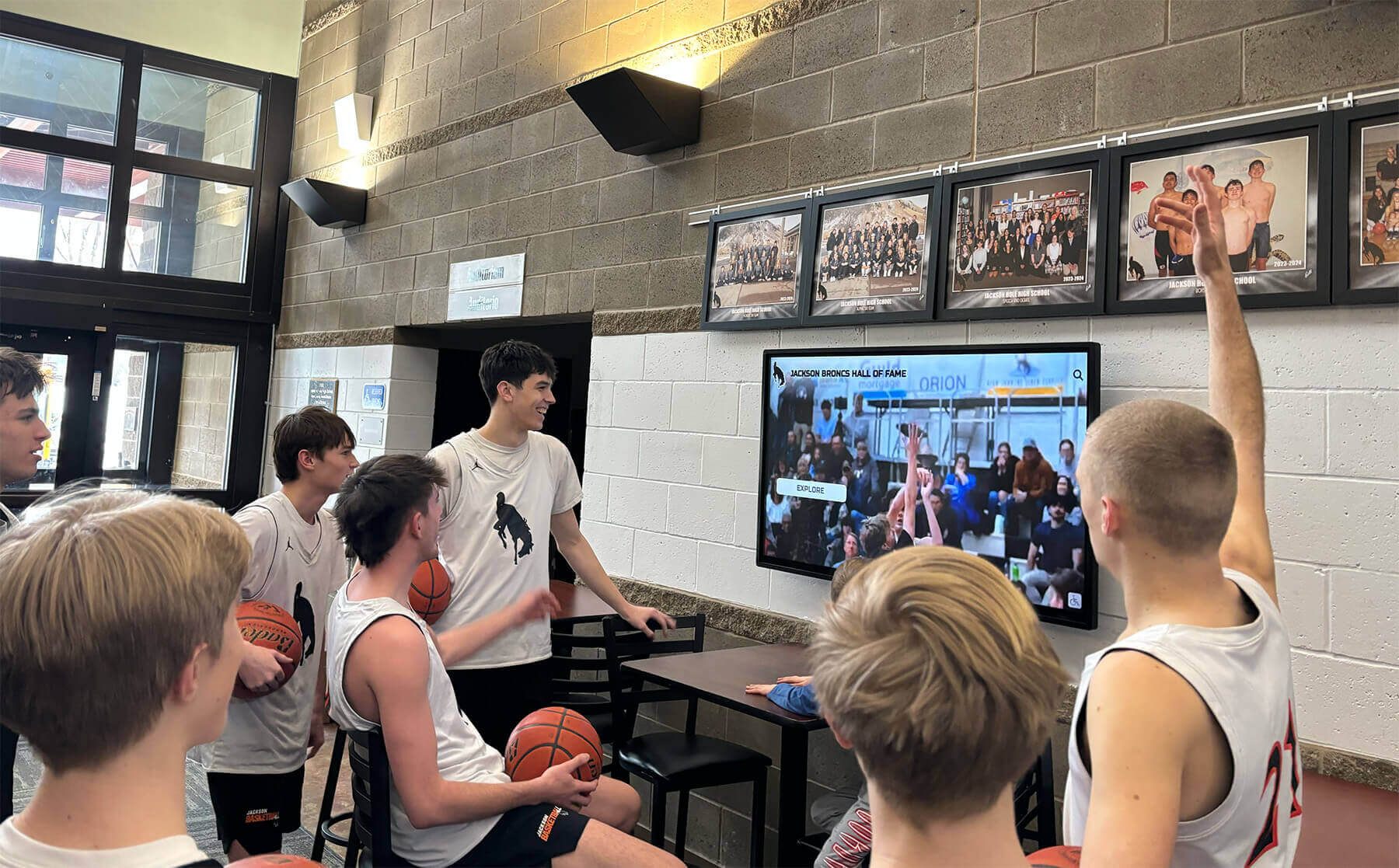
Interactive displays create opportunities for students to explore achievements and connect with school culture
Resilience and Sportsmanship
- Learning from losses builds emotional regulation and growth mindset
- Competitive pressure develops stress management capabilities
- Facing stronger opponents teaches humility and respect
- Tournament experience builds resilience through repeated challenge
- Recording games and analyzing mistakes normalizes continuous improvement
When schools systematically recognize chess achievements, they amplify these benefits by signaling that intellectual competition and strategic thinking receive institutional value equal to physical athletics.
Recognizing Chess Club Presidents: Celebrating Student Leadership
Chess club presidents fulfill essential leadership functions that deserve specific, meaningful recognition beyond generic student government acknowledgments.
Essential Responsibilities of Chess Club Presidents
Effective chess club leadership involves substantial responsibilities:
Organizational Management
- Planning and facilitating regular club meetings and practice sessions
- Coordinating tournament registration and logistics
- Managing club budgets and fundraising initiatives
- Communicating with faculty advisors and school administration
- Maintaining membership records and participation tracking
Instructional Leadership
- Organizing instruction for players at different skill levels
- Creating practice materials and training resources
- Arranging simultaneous exhibitions and teaching events
- Coordinating peer mentoring programs
- Developing curriculum for beginning players
Community Building
- Creating inclusive environments welcoming all skill levels
- Organizing social events and team-building activities
- Managing club communications through various channels
- Representing the club at school events and activities
- Building traditions that strengthen club culture
Learn more about comprehensive student leadership recognition in student of the month program implementation approaches.

Individual recognition profiles celebrate specific leadership contributions and achievements
Creating Meaningful Presidential Recognition Programs
Recognition for chess club presidents should reflect their unique contributions:
During-Term Recognition
- Monthly acknowledgment at school board meetings or assemblies
- Feature articles in school newspapers and communications
- Social media highlights showcasing leadership activities
- Inclusion in student leadership recognition events
- Administrative meetings acknowledging club leadership
End-of-Year Presidential Honors
- Special awards ceremony recognizing outgoing presidents
- Permanent recognition on digital displays or physical plaques
- Letters of recommendation highlighting specific leadership accomplishments
- Presidential legacy documentation for future reference
- Transition ceremonies passing leadership to successors
Legacy Documentation Creating lasting records of presidential tenure ensures continuity:
- Presidential profiles documenting accomplishments during their term
- Photos from key events and tournaments organized
- Club growth metrics and achievements during leadership
- Testimonials from club members and faculty advisors
- Strategic initiatives implemented under their leadership
Solutions like Rocket Alumni Solutions enable schools to create comprehensive leadership profiles that document presidential contributions while making this information accessible through interactive displays and web platforms.
Tournament Achievement Recognition: Celebrating Competitive Success
Chess tournaments provide measurable competitive outcomes deserving systematic recognition comparable to athletic competitions.
Understanding Scholastic Chess Tournament Structure
Effective recognition requires understanding different tournament types and their significance:
Local and Regional Competitions
- School-hosted tournaments and invitationals
- District and county championship events
- City-wide scholastic competitions
- Regional qualifying tournaments
- League competition results
State-Level Championships
- State scholastic championship tournaments
- Grade-level state competitions
- Team state championship events
- Individual state title competitions
- State rating tournaments
National Competitions
- National Scholastic Chess Championships (K-12 sections)
- National Junior High Championship
- National High School Championship
- National Chess Congress events
- All-America Chess Team selection tournaments
International Opportunities
- World Youth Chess Championships
- Pan-American Youth Championships
- International scholastic invitational events
- FIDE-rated youth tournaments
- International chess olympiad qualifiers
Each level deserves appropriate recognition reflecting the achievement magnitude and competition field.
Tiered Recognition for Tournament Achievements
Creating recognition levels ensures appropriate acknowledgment at different achievement scales:
Participation Recognition
- Acknowledgment for all students representing the school at tournaments
- Certificates or digital recognition for tournament participation
- Team photos from competition events
- Inclusion in tournament participation records
- School-wide announcements recognizing competitors
Achievement Milestones
- First tournament participation recognition
- Rating threshold achievements (reaching 1000, 1200, 1500, etc.)
- Improvement benchmarks from previous tournaments
- Best game awards for memorable performances
- Sportsmanship recognition for exemplary conduct
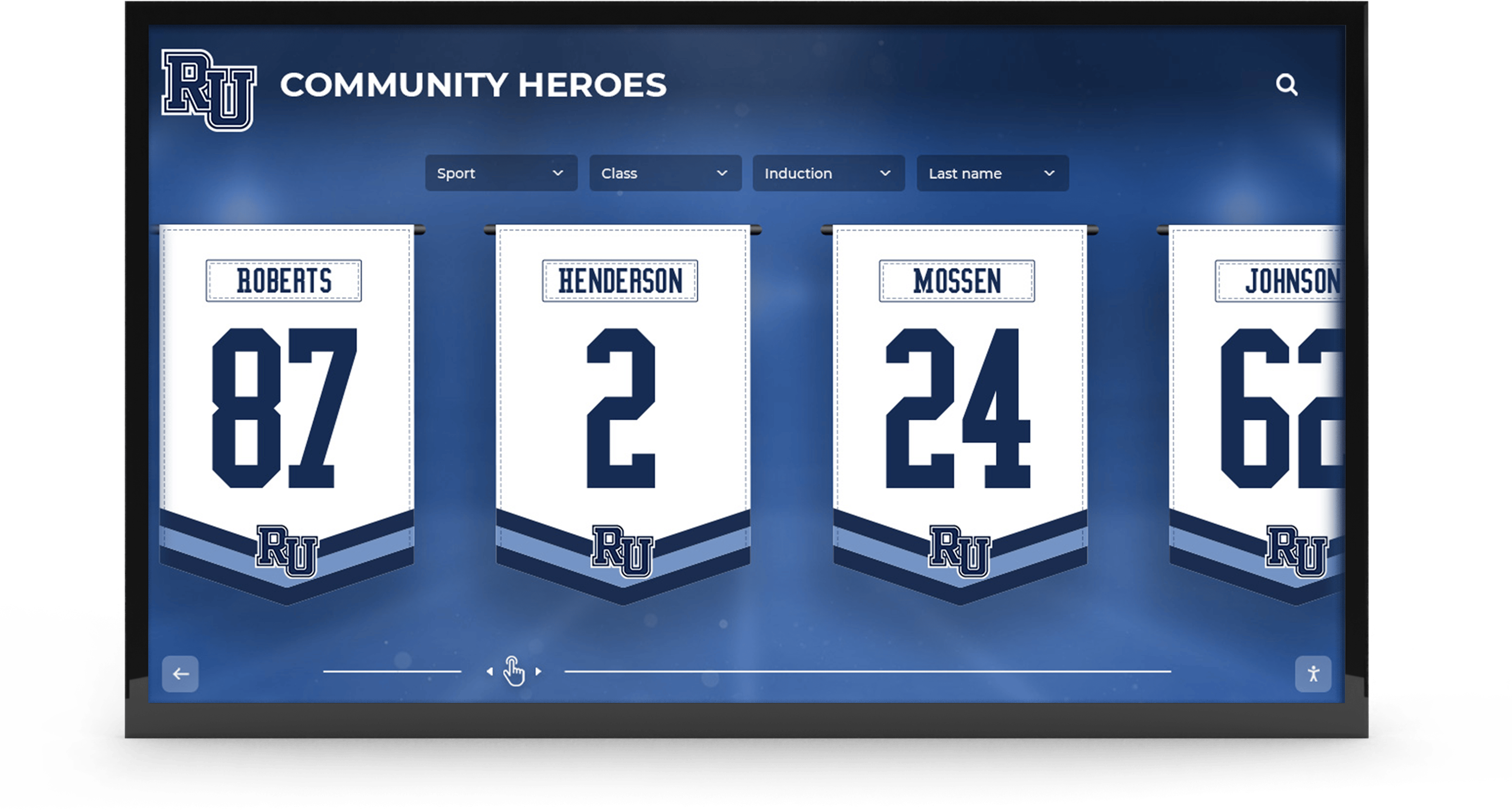
Digital banners can showcase tournament champions alongside other school achievements
Medal and Trophy Recognition
- Top finishers in individual sections (1st through 5th place typically)
- Team placement recognition for squad achievements
- Grade-level championship recognition
- Section winner acknowledgment
- Special category awards (best upset, most improved, etc.)
Championship and Elite Recognition
- State championship individual and team titles
- National tournament top finishers
- All-State team selection recognition
- Rating achievements placing students in top percentiles nationally
- Qualification for prestigious invitational events
Explore comprehensive approaches to competitive achievement celebration in showcasing championship teams.
Creating Tournament Recognition Displays
Tournament achievements deserve prominent visibility throughout schools:
Traditional Display Options
- Trophy cases showcasing team and individual awards
- Hallway plaques listing championship winners by year
- Framed certificates and photos from major competitions
- Banner displays for state and national championships
- Display boards documenting tournament results
Digital Recognition Solutions Digital displays overcome limitations of traditional recognition methods:
- Unlimited Capacity: Showcase unlimited tournament results without space constraints
- Detailed Information: Include complete tournament details, games, and achievements
- Easy Updates: Add new results immediately after each competition
- Search Functionality: Enable students to find their specific achievements
- Multimedia Integration: Include photos, game diagrams, and video clips
Solutions like Rocket Alumni Solutions provide schools with comprehensive platforms for documenting chess achievements through interactive touchscreen displays and web-accessible databases.
Tournament Result Documentation
Comprehensive recognition includes:
- Complete tournament name and date
- Section or division competed in
- Final placement and scoring record
- Notable victories and performance highlights
- Team results and contributions
- Rating performance and changes
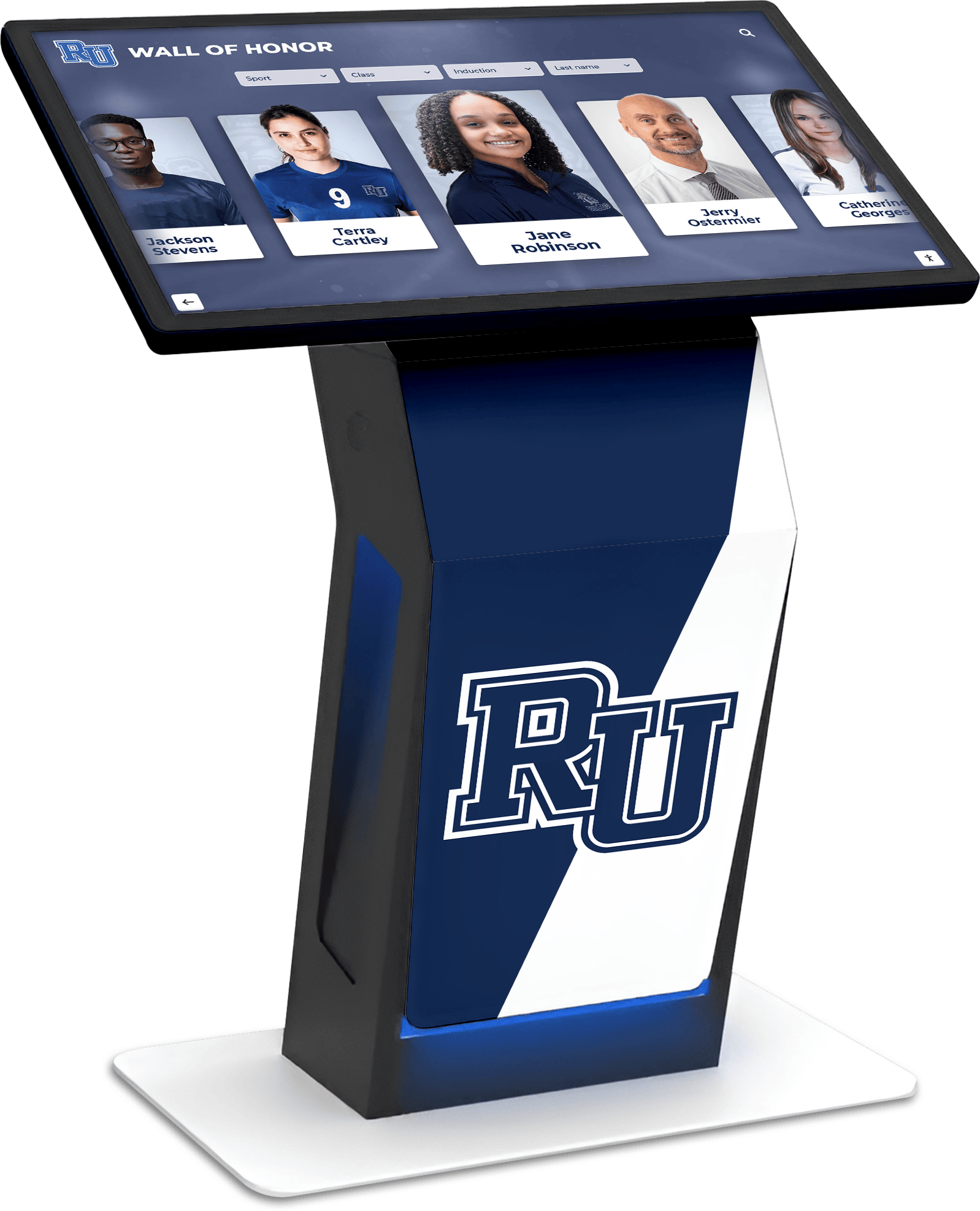
Modern recognition systems integrate touchscreen displays with comprehensive achievement databases
Implementing Chess-Specific Recognition Categories
Beyond presidents and tournament winners, comprehensive chess recognition celebrates diverse contributions and achievements.
Rating Achievement Recognition
Chess rating systems provide objective achievement measures deserving recognition:
United States Chess Federation (USCF) Rating Milestones
- Reaching 1000 rating (Class E)
- Achieving 1200 rating (Class D)
- Attaining 1400 rating (Class C)
- Reaching 1600 rating (Class B)
- Achieving 1800+ rating (Class A)
- Expert rating of 2000+
- Master rating of 2200+
Rating-Based Achievement Programs Schools can create systematic recognition:
- First rating achievement for new tournament players
- Largest rating gain in a single tournament
- Highest rating achieved during school year
- Most consistent rating performance
- Rating improvement year-over-year
Age-Appropriate Rating Recognition Adjust recognition criteria based on grade levels:
- Elementary school milestones (600, 800, 1000)
- Middle school benchmarks (1000, 1200, 1400)
- High school achievements (1400, 1600, 1800+)
- Percentile-based recognition relative to age groups
Special Achievement Categories
Diverse recognition categories ensure all contributions receive acknowledgment:
Instructional Contributions
- Peer teaching and mentoring recognition
- Creation of training materials or resources
- Leading instructional sessions for beginners
- Organizing simultaneous exhibitions
- Tournament directing and organizing
Club Growth and Promotion
- Recruitment efforts bringing new members
- Social media promotion and content creation
- Fundraising achievement recognition
- Community outreach initiatives
- School-wide promotional activities
Learn about comprehensive recognition approaches in academic recognition programs that can be adapted for chess.
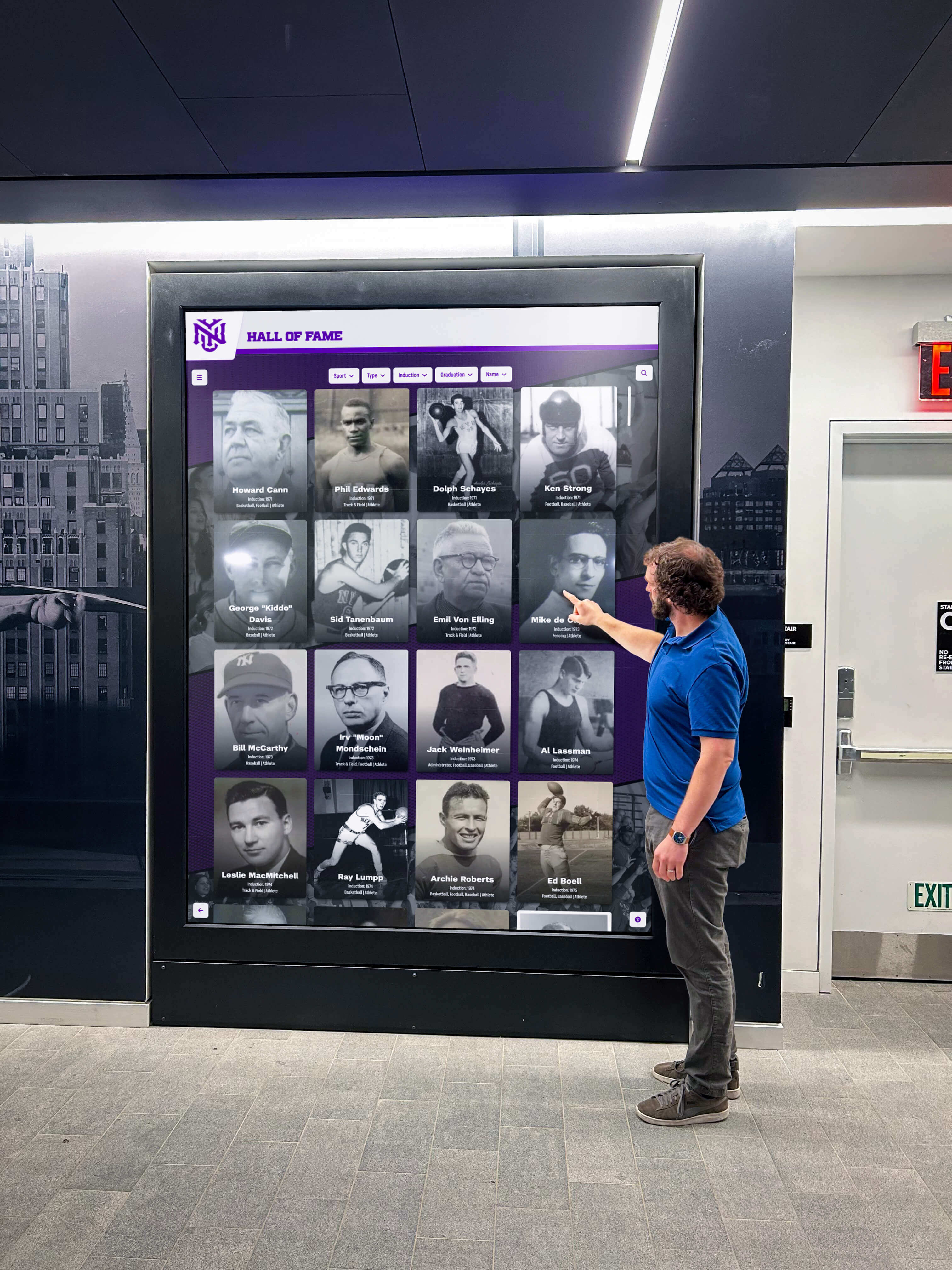
Interactive displays enable families and community members to explore chess club excellence
Dedication and Commitment
- Perfect attendance at club meetings
- Participation in every team tournament
- Volunteering at scholastic chess events
- Supporting teammates during competitions
- Maintaining club facilities and equipment
Special Accomplishments
- Solving tactical puzzles competitions
- Blitz and rapid chess tournament success
- Bughouse or team chess achievements
- Blindfold chess demonstrations
- Chess variant competition recognition
Creating Comprehensive Chess Recognition Programs
Systematic approaches ensure consistent, meaningful recognition throughout the school year.
Planning Phase Requirements
Needs Assessment
- Evaluate current chess recognition practices and gaps
- Survey chess club members about recognition preferences
- Review tournament schedules and achievement opportunities
- Assess available resources and budget considerations
- Identify physical and digital display opportunities
Program Design
- Define recognition categories and criteria
- Establish tiered recognition levels
- Develop nomination and selection processes
- Create communication strategies
- Plan implementation timeline
Recognition Event Planning
Regular Recognition Touchpoints Creating consistent recognition throughout the year maintains engagement:
Weekly Recognition
- Club meeting acknowledgment of recent achievements
- Morning announcement highlights
- Social media posts celebrating accomplishments
- Newsletter mentions of tournament results
- Classroom teacher notifications for student recognition
Monthly Recognition Events
- Featured chess club highlights in school communications
- Monthly achievement awards at club meetings
- Updated digital displays with recent accomplishments
- Parent communications about student achievements
- Social media features highlighting members
Explore teacher and staff recognition approaches in teacher-staff recognition programs that apply to faculty advisors.
Quarterly Recognition Ceremonies
- Formal recognition events for major achievements
- Tournament season recap presentations
- Leadership position announcements
- Awards for rating milestones achieved
- Team celebration events
Annual Chess Recognition Programs Major year-end recognition creates memorable celebration:
- Formal awards ceremony for top achievements
- Presidential transition and legacy recognition
- Season highlight presentations with photos and games
- Special recognition for graduating seniors
- Looking ahead to upcoming year goals
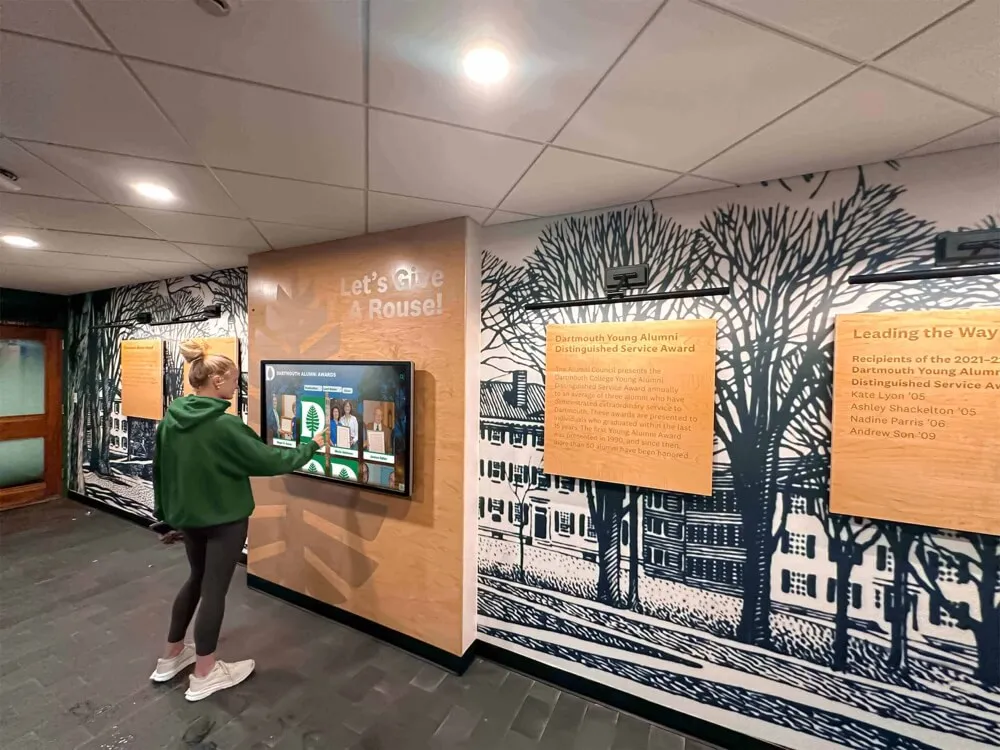
Strategic placement of recognition displays in high-traffic areas maximizes visibility
Digital Recognition Platform Implementation
Modern recognition systems provide comprehensive solutions for chess programs:
Platform Selection Criteria When choosing digital recognition solutions, evaluate:
- Ease of content management for non-technical staff
- Capacity for detailed achievement documentation
- Search and filtering capabilities for finding specific achievements
- Integration with school websites and communication platforms
- Mobile accessibility for remote viewing
- Multimedia support for photos and video content
- Cost-effectiveness and ongoing maintenance requirements
Implementation Process Successful digital recognition implementation involves:
- Content Planning: Define what information to display for each recognition category
- Historical Digitization: Gather and document past chess achievements
- System Setup: Configure displays and content management platforms
- Staff Training: Prepare club advisors and administrators to manage content
- Launch Strategy: Create excitement around new recognition system
- Ongoing Management: Establish regular update schedules and responsibilities
Learn about creating comprehensive recognition spaces in creating an alumni hall of fame that applies to club achievements.
Making Chess Recognition Visible School-Wide
Visibility determines recognition impact—chess achievements must receive prominence throughout school environments.
Physical Display Locations
Strategic placement maximizes recognition visibility:
High-Traffic Areas
- Main entrance lobbies and reception areas
- Cafeteria and commons gathering spaces
- Main hallways connecting building sections
- Library and study areas
- Athletic facility entrances
Chess-Specific Spaces
- Club meeting room displays
- Practice area recognition walls
- Tournament storage and preparation areas
- Classroom displays for math or academic wings
Administrative Areas
- Display cases near administrative offices
- Board room recognition for governance visibility
- College counseling office highlighting achievements
- Main office waiting areas
Multi-Channel Recognition Communication
Comprehensive communication ensures achievements receive appropriate attention:
Internal School Channels
- Morning announcements and daily bulletins
- School website news and highlights sections
- Digital signage throughout campus
- School newspaper and yearbook features
- Classroom teacher updates
- Parent-teacher conference talking points
External Community Communication
- Local newspaper achievement submissions
- Community social media platforms
- School district communications
- Local chess organization recognition
- Community partner acknowledgment
Family-Specific Communications
- Direct emails to families of recognized students
- Monthly newsletters highlighting achievements
- Recognition certificates sent home
- Social media tags enabling family sharing
- Invitation to recognition events
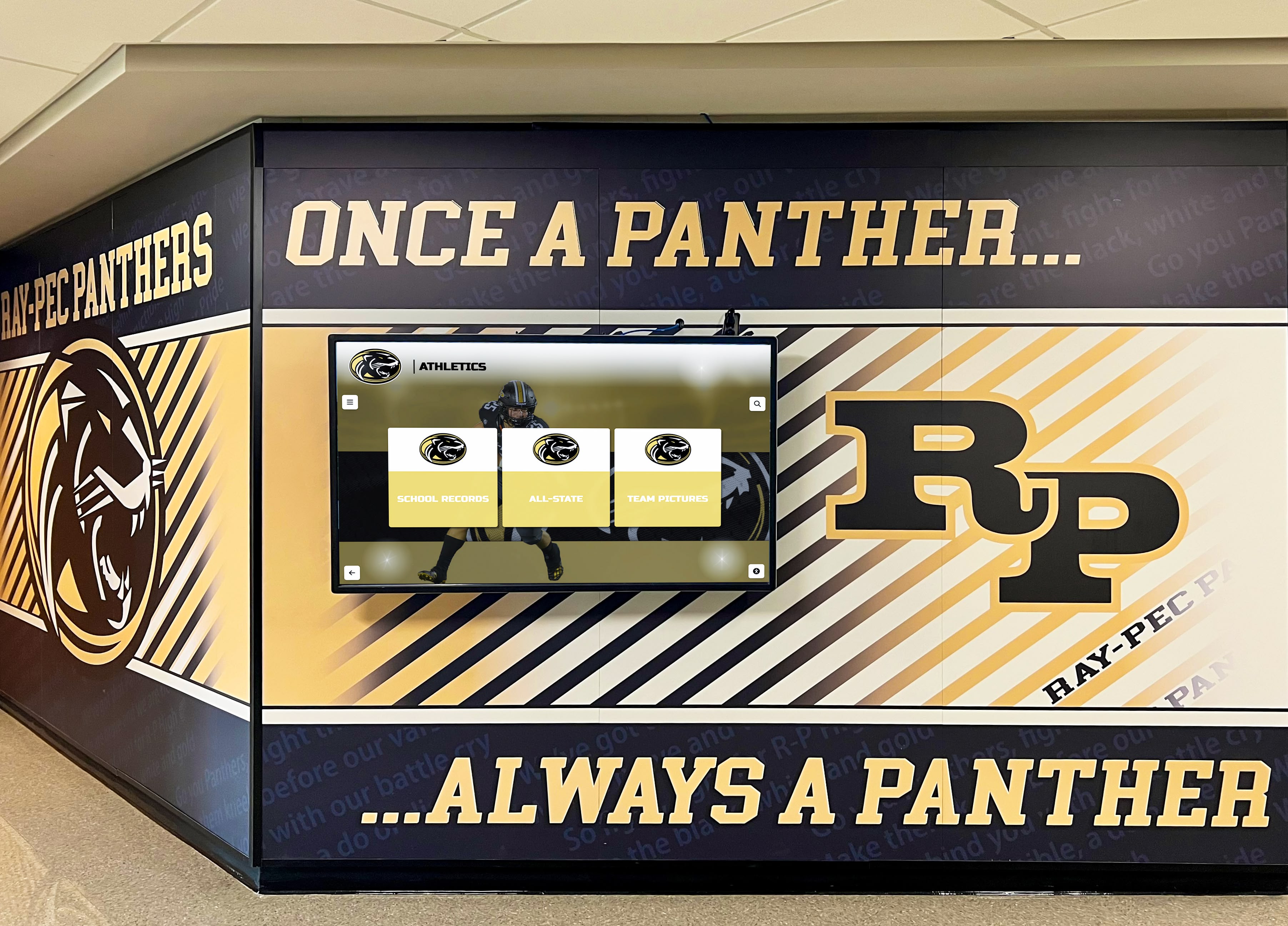
Integrated recognition displays make chess achievements visible alongside other school accomplishments
Equity and Inclusion in Chess Recognition
Effective recognition programs ensure opportunities exist for all participants regardless of skill level or background.
Creating Multiple Recognition Pathways
Not all students will achieve tournament victories, but all can earn recognition:
Skill-Level Appropriate Recognition
- Beginners section tournament success
- Most improved player from starting rating
- Best performance relative to rating
- First tournament game victory
- First competitive rating achievement
Effort-Based Recognition
- Preparation and study dedication
- Practice game participation
- Puzzle-solving completion
- Opening repertoire development
- Game analysis and review completion
Contribution Recognition
- Volunteer work supporting tournaments
- Mentoring newer players
- Equipment maintenance and setup
- Social media and promotional efforts
- Fundraising participation
Learn about inclusive recognition in club highlights digital recognition approaches.
Accessibility Considerations
Recognition systems should accommodate all students:
Physical Accessibility
- Display mounting at appropriate heights for all students
- Clear pathways to recognition displays
- Accessible event spaces for recognition ceremonies
- Accommodation for mobility needs at tournaments
Digital Accessibility
- Screen reader compatibility for vision-impaired users
- High-contrast viewing modes
- Text magnification options
- Alternative text for images and graphics
Financial Accessibility
- Recognition opportunities requiring no financial investment
- Tournament fee assistance for economic barriers
- Equipment loans for students without resources
- No premium recognition levels requiring payment
Avoiding Common Recognition Pitfalls
Recognition Inflation Prevention
- Maintain clear distinctions between recognition levels
- Ensure achievement criteria remain meaningful
- Balance accessibility with significance preservation
- Regularly evaluate criteria appropriateness
Balanced Recognition Distribution
- Track recognition across skill levels and demographics
- Ensure opportunities exist beyond top performers
- Rotate featured achievements highlighting diverse accomplishments
- Create specialized categories ensuring broad participation
Integrating Chess Recognition With Broader School Programs
Chess achievements should connect with comprehensive recognition systems:
Academic Recognition Integration
- Include chess accomplishments in honor roll announcements
- Connect chess achievements with academic excellence awards
- Feature chess in student of the month programs
- Integrate chess with STEM recognition initiatives
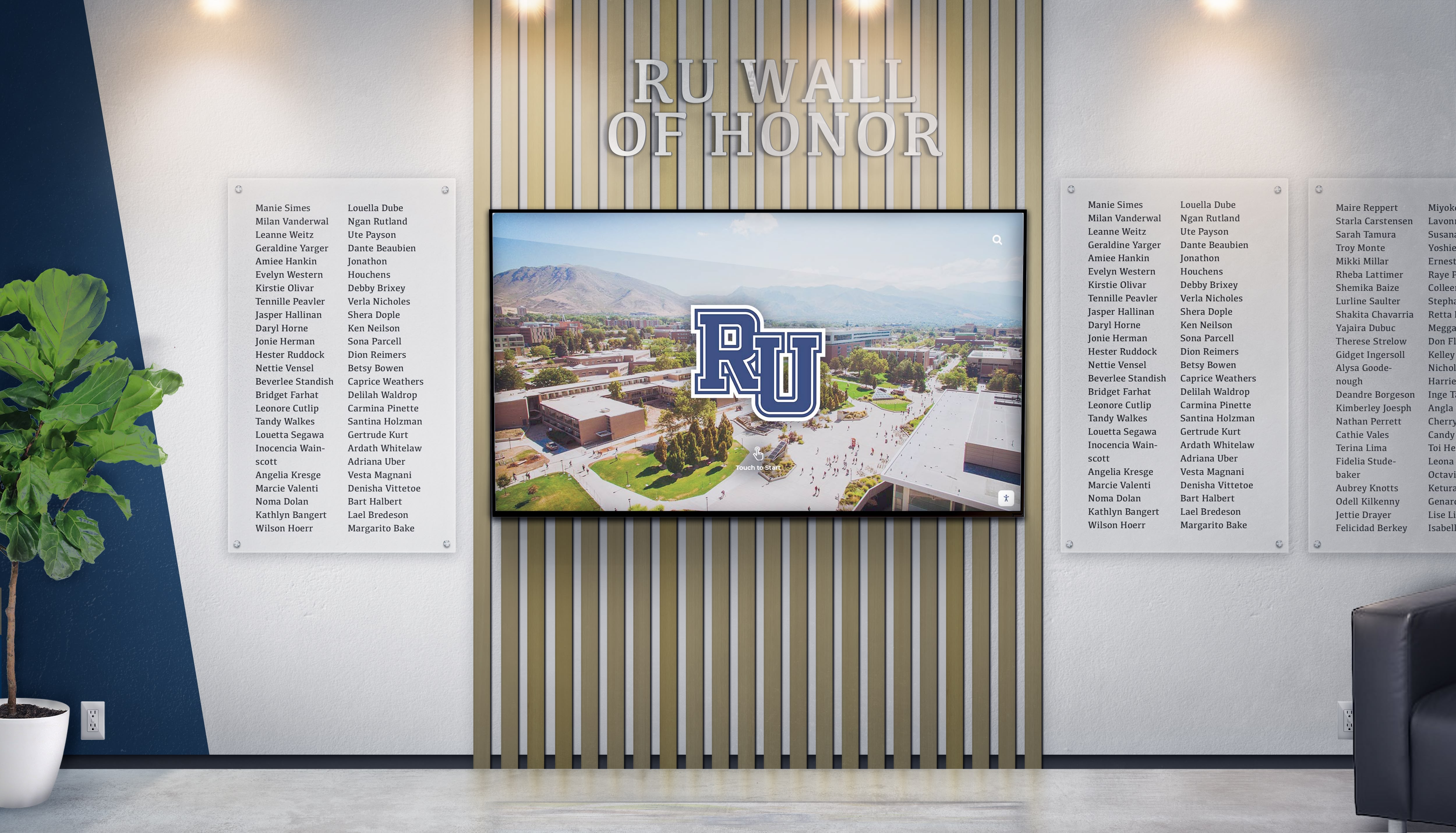
Integrated recognition systems combine digital displays with traditional elements
Athletic Department Alignment
- Display chess achievements alongside sports recognition
- Include chess in athletic awards ceremonies
- Feature chess in sports program communications
- Coordinate recognition timing with athletic seasons
College Admissions Support
- Document achievements for college applications
- Provide detailed letters describing accomplishments
- Connect students with college chess programs
- Highlight recognition in counselor recommendations
Measuring Recognition Program Success
Regular assessment ensures programs achieve intended goals:
Quantitative Metrics
Participation Indicators
- Club membership growth year-over-year
- Tournament participation rates
- Number of students achieving recognition
- Distribution of recognition across categories
- Event attendance at recognition ceremonies
Achievement Outcomes
- Average rating improvements across members
- Tournament performance trends
- State and national qualification rates
- College chess program matriculation
- Long-term participation rates
Engagement Measures
- Digital display interaction rates
- Web platform usage statistics
- Social media engagement with chess content
- Family attendance at recognition events
- Community awareness of chess program
Qualitative Assessment
Stakeholder Feedback
- Student surveys about recognition program impact
- Parent perception of chess program value
- Faculty advisor assessment of program effectiveness
- Community feedback on chess visibility
- Alumni reflection on recognition received
Cultural Indicators
- Changes in school-wide chess participation interest
- Peer attitudes toward chess involvement
- Administrative support and resource allocation
- Integration of chess with school identity
- Long-term program sustainability
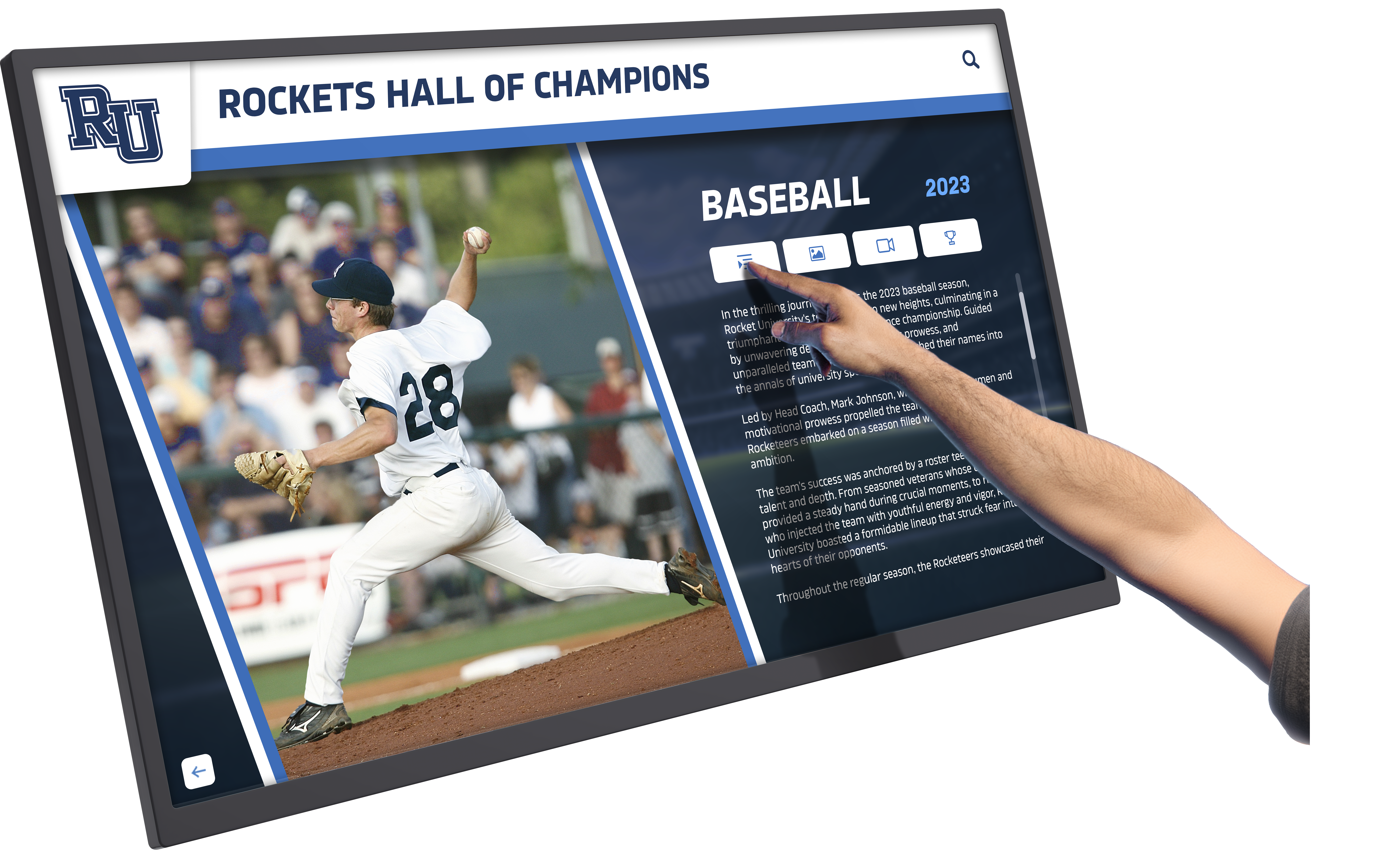
Touchscreen interfaces make exploring chess achievements engaging and intuitive
Special Considerations for Different School Levels
Recognition approaches should adapt to developmental levels and contexts.
Elementary School Chess Recognition
Early chess programs build foundations deserving age-appropriate recognition:
Age-Appropriate Approaches
- Frequent, immediate acknowledgment of effort and improvement
- Visual recognition systems young children understand
- Celebration of learning behaviors and good sportsmanship
- Fun, engaging recognition formats
- Parent partnership in recognition process
Elementary Recognition Categories
- First game completion recognition
- Basic checkmate pattern achievements
- Good sportsmanship awards
- Puzzle-solving accomplishments
- Attendance and participation recognition
Middle School Chess Recognition
Transitional years require recognition balancing achievement with encouragement:
Adolescent-Appropriate Recognition
- Balance between visibility and avoiding singling out achievers
- Team-based recognition alongside individual accomplishment
- Growth emphasis during developmental changes
- Connection between recognition and future opportunity
- Student voice in recognition criteria
Middle School Categories
- Tournament section victories
- Rating improvement benchmarks
- Leadership position recognition
- Instructional contribution acknowledgment
- Competitive team participation
High School Chess Recognition
Secondary recognition prepares students for post-graduation opportunities:
College Application Enhancement
- Detailed documentation of achievements
- Connections with college chess programs
- Letters highlighting specific accomplishments
- Portfolio development of notable games
- National recognition program participation
High School Recognition Categories
- Cumulative four-year achievement tracking
- Captain and officer position recognition
- State and national tournament success
- Rating milestone achievements
- Instructional leadership contributions
- Senior legacy recognition
Technology Solutions for Chess Recognition
Modern platforms provide comprehensive tools for chess program recognition.
Digital Display Systems
Interactive touchscreen displays transform recognition:
Key Features for Chess Programs
- Tournament result databases with complete information
- Individual player profiles with achievement histories
- Rating progression tracking and visualization
- Notable game diagrams and analysis
- Photo galleries from tournaments and club events
- Search and filter capabilities
- Web accessibility extending reach beyond campus
Implementation Benefits
- Unlimited recognition capacity without space constraints
- Simple content updates requiring minimal time
- Professional presentation enhancing program perception
- Integration with school communication platforms
- Analytics tracking engagement and usage
Solutions like Rocket Alumni Solutions provide schools with comprehensive digital recognition platforms specifically designed for displaying diverse achievements including chess programs.

Interactive selection enables detailed exploration of individual achievements
Chess-Specific Software Integration
Connecting recognition with chess platforms enhances functionality:
Rating and Tournament Data
- Integration with USCF database for automatic rating updates
- Tournament result imports from chess platforms
- Game database connections for notable game inclusion
- Statistical analysis and trend visualization
- Automated achievement milestone notifications
Online Presence
- School chess website integration
- Chess.com or Lichess team page coordination
- Social media content automation
- Email notification systems
- Mobile app accessibility
Budget Considerations for Chess Recognition Programs
Creating effective recognition programs requires strategic resource allocation:
Cost Categories
Physical Recognition Materials
- Trophy and medal budgets for tournaments and awards
- Display cases or wall space improvements
- Signage and banner production
- Certificate and recognition document printing
- Photography and videography expenses
Digital Recognition Investment
- One-time hardware costs for displays and equipment
- Software platform subscriptions or licenses
- Installation and setup expenses
- Staff training and professional development
- Ongoing technical support and maintenance
Event and Program Costs
- Recognition ceremony venue and refreshments
- Guest speaker or special presentation fees
- Promotional materials and communications
- Website development and maintenance
- Social media promotion tools
Funding Strategies
School Budget Allocation
- Activity fund designations for chess program
- Athletic department budget inclusion
- Academic department support
- Technology budget integration
- Capital improvement fund utilization
External Funding Sources
- Parent organization fundraising
- Community business sponsorships
- Alumni network contributions
- Grant applications for chess education
- Tournament fundraising events
Cost-Effective Approaches
- Phased implementation starting with essential elements
- Leveraging existing technology and displays
- Student-created recognition materials and designs
- Digital-first recognition reducing printing costs
- Volunteer support for event planning and execution
Conclusion: Elevating Chess to Its Rightful Place in School Culture
Effective chess recognition programs represent strategic investments in intellectual culture, student leadership development, and competitive excellence beyond traditional athletics. When schools systematically celebrate chess club presidents, tournament winners, and diverse achievements—from rating milestones to instructional contributions—they create environments where strategic thinking, intellectual competition, and mental discipline receive the visibility and celebration they deserve.
The strategies explored in this guide provide comprehensive frameworks for building recognition systems that honor chess accomplishments while remaining sustainable, equitable, and aligned with educational goals. From digital recognition displays that eliminate space constraints to multi-tiered programs ensuring recognition opportunities at all skill levels, these approaches transform chess acknowledgment from occasional announcements to systematic celebration woven throughout school culture.
Transform Your Chess Program Recognition
Discover how modern digital recognition solutions can help you celebrate every chess achievement and build a thriving culture of intellectual excellence.
Explore Recognition SolutionsBuilding effective chess recognition requires moving beyond limiting assumptions that only major tournament victories deserve acknowledgment. Digital platforms make comprehensive recognition achievable across unlimited students and achievement categories, while systematic approaches ensure consistent implementation reaching all deserving participants.
Start where you are with recognition programs you can implement immediately—perhaps featuring tournament results more prominently or creating a presidential legacy documentation system—then systematically expand to create comprehensive approaches your chess program deserves. Every student who receives meaningful recognition for their chess accomplishments develops stronger connection to the program and greater motivation to continue growing as a player and leader.
Your chess club members’ achievements deserve celebration equal to any other competitive activity. With thoughtful planning, appropriate technology, and consistent implementation, you can create recognition systems that honor every accomplishment while building the positive, motivating culture where intellectual competition thrives and receives the prestige it merits.
Ready to begin? Explore additional resources on student leadership recognition and comprehensive club achievement celebration to develop recognition programs that transform your chess club culture.































