Churches and religious organizations face unique challenges in recognizing the faithful stewards who support their ministries through financial contributions. Traditional donor recognition methods—engraved brass plaques, static donor trees, printed honor rolls—increasingly fall short of honoring supporters meaningfully while inspiring continued generosity. Church interactive donor boards represent a transformative approach to donor recognition that combines the permanence and dignity appropriate for sacred spaces with modern capabilities that engage congregations and celebrate philanthropic commitment.
Every thriving ministry depends on the generosity of members who contribute beyond their tithes to fund building campaigns, mission work, community outreach programs, and ministry expansions. Yet too many churches struggle to recognize these critical supporters in ways that truly honor their contributions while inspiring others to give. Digital recognition solutions overcome the limitations of traditional approaches while creating engagement opportunities that strengthen donor relationships and build cultures of giving that sustain ministries across generations.
Religious giving represents the largest share of American philanthropy, with individuals contributing over $135 billion to religious organizations in 2023 according to Giving USA. This generosity funds everything from worship facility construction to community food banks, youth programs to global mission work. Effective donor recognition plays a vital role in sustaining this support—properly acknowledged donors give more frequently, in larger amounts, and with higher retention rates than those who receive minimal appreciation.
This comprehensive guide explores how church interactive donor boards can transform your recognition program. You’ll discover strategic approaches to planning, designing, and implementing recognition systems that honor supporters authentically while creating the engagement and inspiration that drives continued philanthropic growth. From capital campaign recognition to annual stewardship, from building fund acknowledgment to memorial giving, modern interactive boards provide churches with capabilities that multiply ministry capacity without proportional budget increases.
Understanding Church Interactive Donor Boards
Church interactive donor boards serve as dedicated digital recognition systems celebrating members, families, foundations, and organizations that have contributed financially to support church missions. These displays honor philanthropic commitment across all giving levels, creating tangible demonstrations of how the faith community invests in ministry advancement and kingdom work.
The Spiritual and Practical Value of Donor Recognition
Effective donor recognition in church contexts delivers benefits extending far beyond simple acknowledgment, serving both spiritual formation and practical stewardship purposes:
Honoring Biblical Stewardship: Scripture consistently teaches principles of generosity, gratitude, and acknowledgment. While avoiding the pride Jesus warned against in Matthew 6, thoughtful recognition honors the biblical call to thanksgiving (1 Thessalonians 5:18) and encourages others toward good works (Hebrews 10:24). Recognition becomes a form of corporate gratitude that glorifies God rather than individuals alone.
Strengthening Donor Relationships: Recognition demonstrates that churches value supporters as partners in ministry, not merely funding sources. This authentic appreciation strengthens emotional and spiritual connections that translate to sustained engagement and continued giving across years and decades.
Improving Critical Retention Rates: Research consistently shows that recognized donors demonstrate significantly higher retention rates. While national nonprofit donor retention averages hover around 45%, religious organizations with comprehensive recognition programs often achieve 65-75% retention among acknowledged supporters. Given that retaining existing donors costs far less than acquiring new ones, this retention improvement dramatically impacts long-term financial sustainability.
Creating Inspiration Through Testimony: Visible recognition generates powerful testimony encouraging others to give. When congregation members see fellow believers supporting their church sacrificially, they’re inspired to participate themselves. This peer influence proves particularly powerful during capital campaigns and special ministry initiatives requiring broad participation.
Building Community Identity: Recognition displays celebrating congregational generosity create focal points for church identity and pride. These displays communicate that members care deeply about their church’s future, validating ministry vision while strengthening community bonds among current members and welcoming visitors.
Establishing Legacy Opportunities: For many donors, public recognition represents opportunities to establish lasting spiritual legacies remembered long after their lifetimes. This legacy motivation particularly influences major gift decisions, planned giving commitments, and estate gifts that sustain churches across generations.
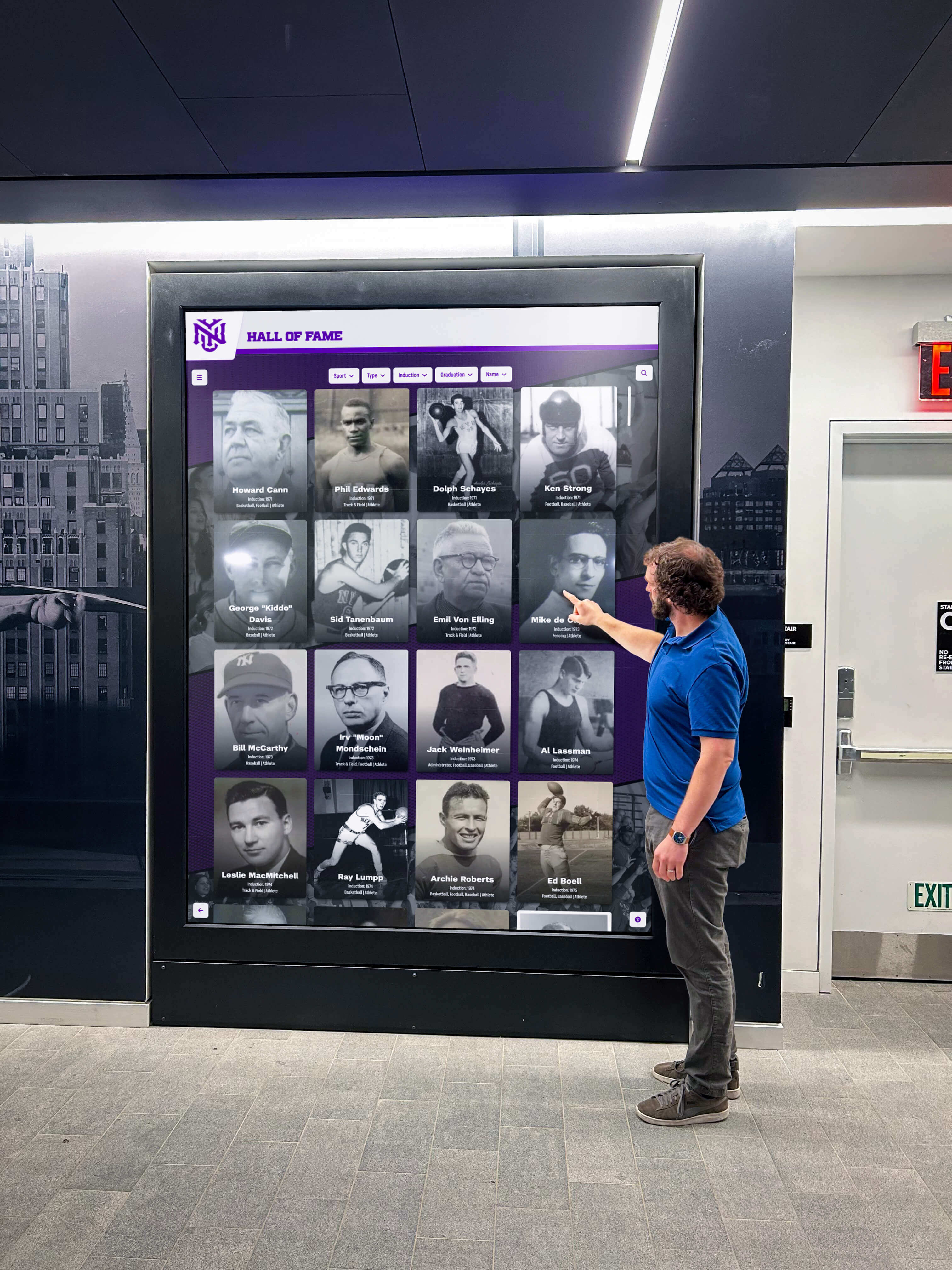
Evolution from Traditional to Interactive Recognition
For decades, churches recognized donors through traditional methods—engraved plaques on sanctuary walls, donor trees in fellowship halls, printed names in bulletins. While these approaches established important precedents for honoring supporters, they carry inherent limitations that modern congregations increasingly find problematic.
Traditional Recognition Constraints:
- Capacity Limitations: Physical walls accommodate only limited donor numbers before requiring expensive expansions or complete replacement
- Update Complexity: Adding new donors requires weeks for plaque fabrication and professional installation, creating delays between gifts and recognition
- Ongoing Expenses: Each new donor generates $100-$400 in plaque costs plus installation labor—expenses that accumulate significantly over multi-year campaigns
- Static Presentation: No storytelling capability, multimedia integration, or engagement beyond reading names and amounts
- Geographic Restrictions: Recognition visible only to those who physically visit church facilities, excluding members who relocated or participate remotely
- Inflexibility: Impossible to reorganize, restructure, or refresh presentation without complete replacement
- Maintenance Challenges: Plaques tarnish, fade, or become damaged over time, requiring ongoing cleaning and eventual replacement
Interactive Digital Recognition Advantages:
Modern church interactive donor boards overcome these limitations while adding capabilities that fundamentally transform recognition effectiveness:
- Unlimited Capacity: Recognize donors at all giving levels without space constraints, from major capital campaign contributors to faithful annual stewards
- Instant Updates: Add new donors immediately through cloud-based content management requiring no physical modifications
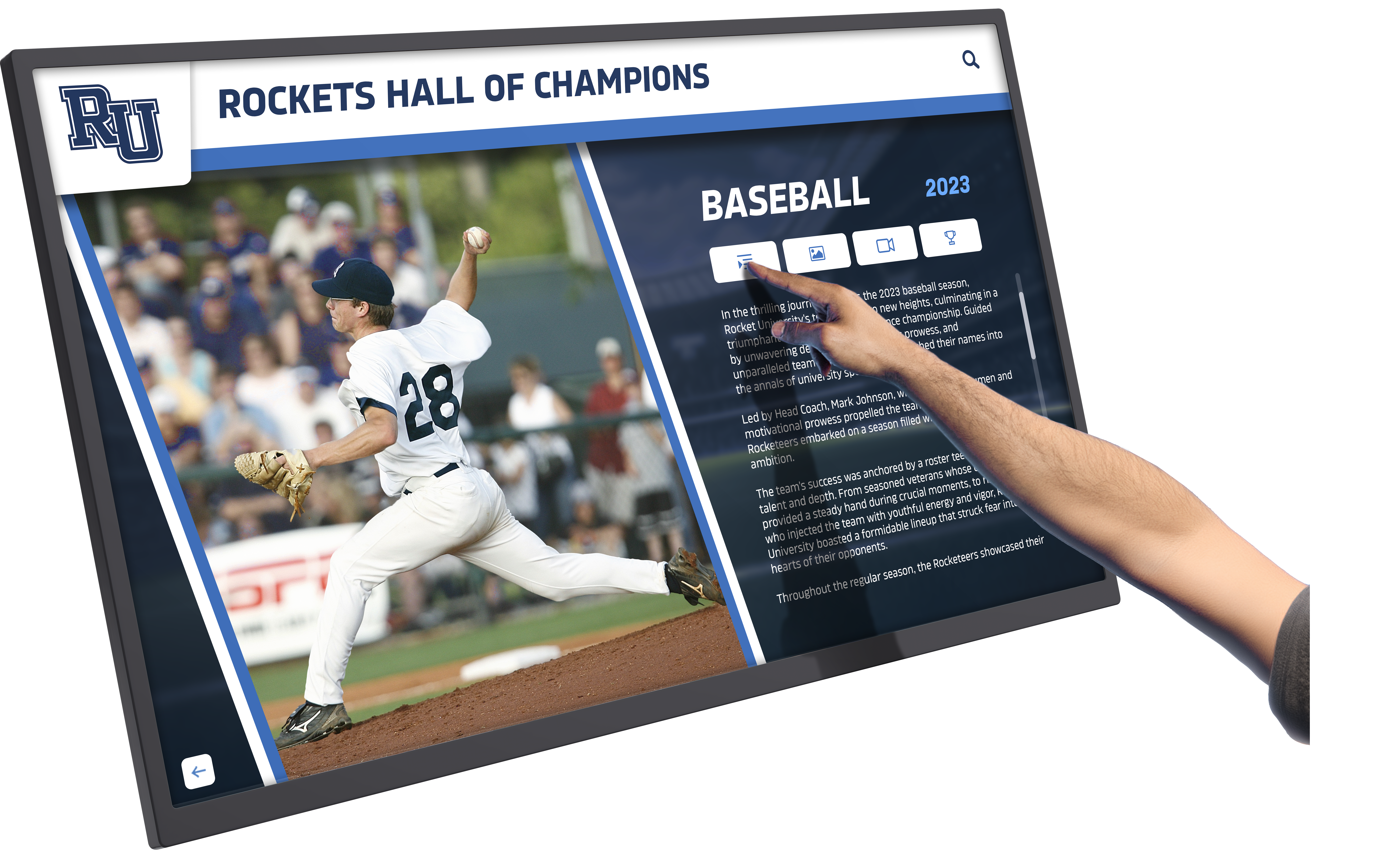
- Rich Storytelling: Incorporate photos, videos, personal testimonies, and ministry impact narratives that create emotional connections
- Interactive Exploration: Enable search, filtering by campaign or giving level, detailed profile viewing, and discovery features
- Remote Accessibility: Extend recognition through web platforms accessible anywhere globally, serving relocated members and distant supporters
- Flexible Organization: Easily reorganize by donation type, giving society, campaign, ministry area, or chronological timeline
- Engagement Analytics: Track interaction patterns and recognition effectiveness, informing stewardship strategies
- Cost Efficiency: Eliminate ongoing plaque expenses after initial technology investment
- Easy Maintenance: Digital systems require minimal upkeep compared to physical materials needing regular cleaning and preservation
- Dynamic Content: Rotate featured donors, showcase current campaigns, and integrate ministry updates maintaining freshness
Churches implementing interactive donor boards typically report significant improvements in donor satisfaction, increases in giving participation, enhanced visitor engagement during tours and events, and substantial operational efficiencies in recognition program management.
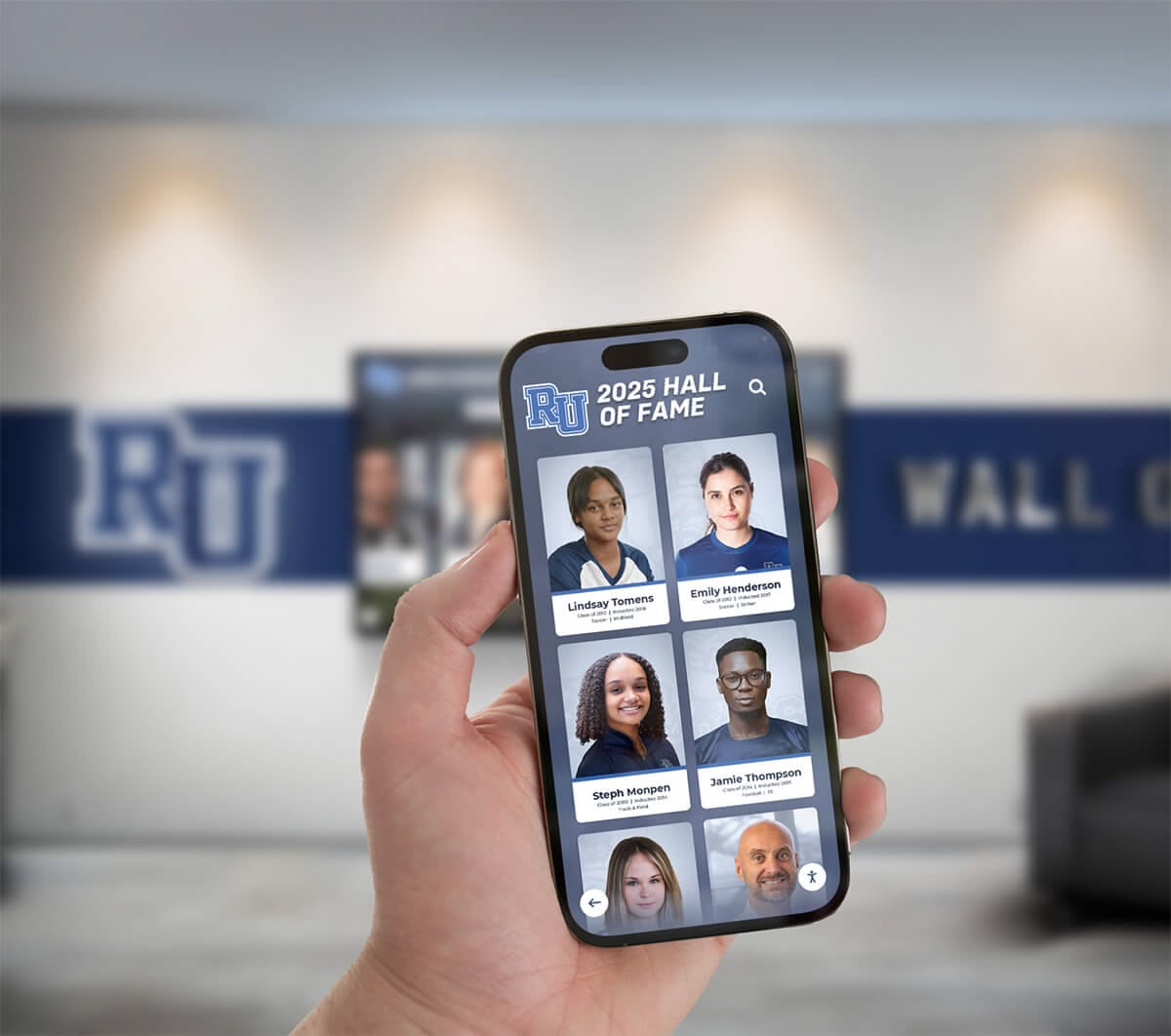
Hybrid Recognition Strategies
Many churches implement hybrid approaches combining traditional and digital elements. Premium donors might receive featured physical plaques in prominent sanctuary locations while comprehensive digital displays recognize supporters at all levels. This approach honors tradition while embracing innovation, appealing to diverse congregation preferences across generational lines and technological comfort levels.
Strategic Planning for Church Donor Boards
Successful recognition programs require thoughtful planning addressing congregation preferences, theological considerations, technical requirements, and long-term sustainability within ministry budgets.
Defining Recognition Criteria and Giving Levels
Clear criteria ensure recognition programs maintain credibility while honoring diverse contributions appropriately. Consider these strategic decisions through the lens of your church’s specific context:
Cumulative vs. Campaign-Specific Recognition:
Cumulative lifetime giving recognition honors total support over members’ lifetimes, acknowledging those demonstrating sustained commitment through decades. Campaign-specific recognition celebrates supporters contributing to particular initiatives—building funds, renovation campaigns, mission projects—regardless of other giving history. Many churches use both approaches: lifetime giving for overarching donor societies and campaign-specific recognition for targeted initiatives.
Recognition Tier Structure for Churches:
Thoughtful giving level structures create pathways encouraging donors to increase support over time while remaining appropriate for church contexts:
- Legacy Circle: $100,000+ (transformational gifts enabling major ministry initiatives)
- Cornerstone Society: $50,000-$99,999 (principal donors establishing ministry foundations)
- Builder’s Guild: $25,000-$49,999 (significant capital campaign support)
- Ministry Partners: $10,000-$24,999 (substantial program funding)
- Faithful Stewards: $5,000-$9,999 (committed ongoing support)
- Heritage Society: Planned giving commitments regardless of amount
- Memorial Recognition: Gifts given in memory of loved ones
Specific thresholds should reflect your congregation’s donor base realities, campaign goals, and community context. Smaller congregations or churches in economically challenged areas might establish more accessible entry levels, while larger churches with established donor populations may set higher minimums. The key is creating aspirational yet achievable progression that celebrates support at all capacity levels.
Alternative Recognition Categories:
Beyond dollar thresholds, consider recognizing:
- Consecutive Years of Giving: Honor loyalty through sustained support (10, 25, 50+ years of membership giving)
- Young Family Leaders: Celebrate younger families establishing giving patterns early in their church journey
- Legacy Society Members: Feature planned giving commitments prominently through estate gifts, life insurance designations, or charitable trusts
- Memorial and Honor Gifts: Acknowledge gifts given in memory of deceased loved ones or honor of living individuals
- In-Kind Contributions: Recognize significant non-cash donations of property, vehicles, or valuable assets
- Volunteer Leadership: Acknowledge non-monetary contributions of time, expertise, and service in ministry leadership
- Multi-Generational Giving: Highlight families with multiple generations supporting the church across decades
Multiple recognition pathways ensure diverse types of support receive appropriate acknowledgment, broadening participation and deepening engagement across congregation demographics.
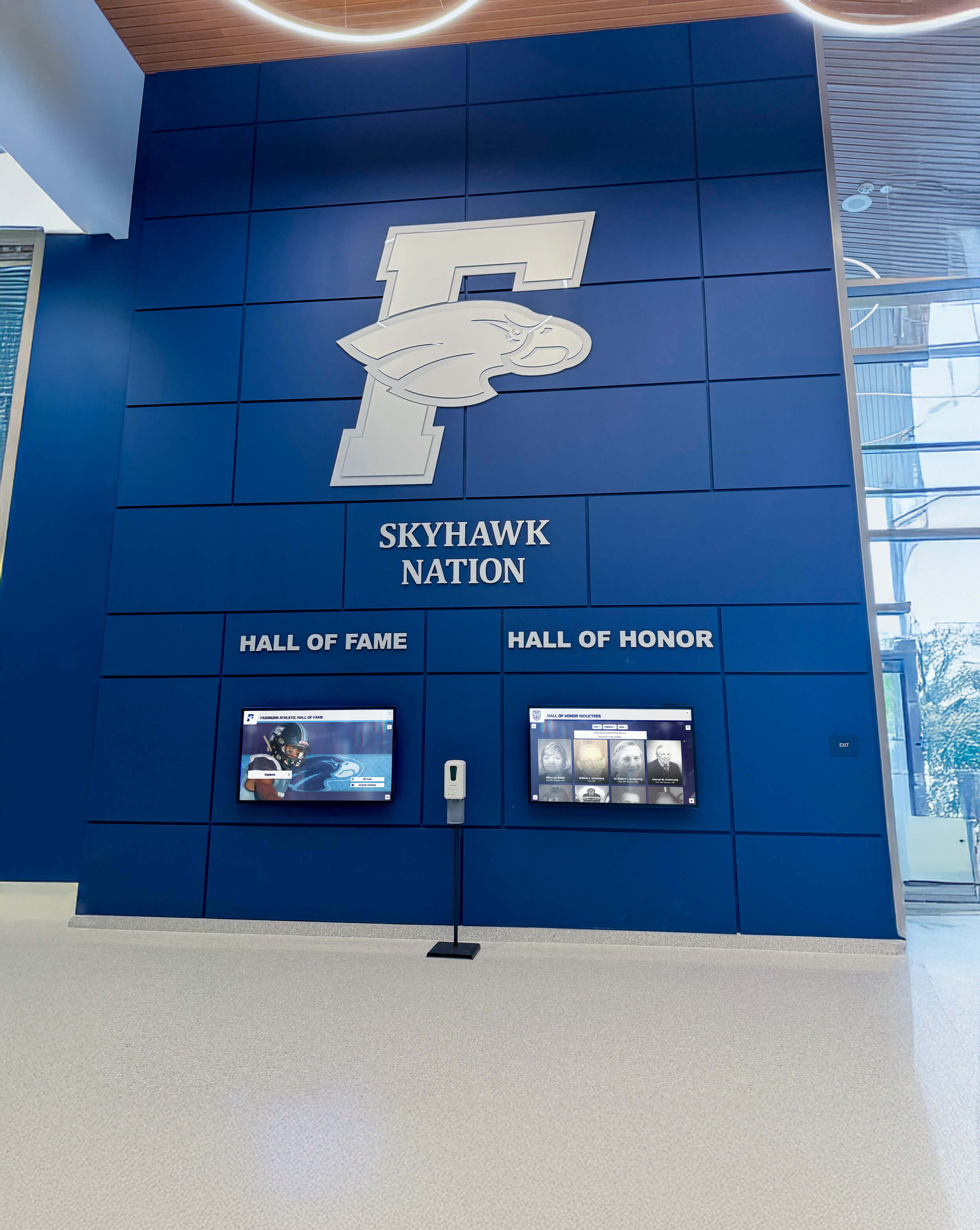
Determining Physical and Digital Presence
Modern recognition strategies increasingly combine physical church installations with digital platforms accessible remotely, creating comprehensive stewardship experiences serving both in-person and distant members.
Physical Display Considerations:
Location profoundly influences engagement and visibility. High-traffic areas ensure maximum donor exposure while maintaining appropriate reverence for worship spaces:
- Church Lobbies and Narthex: Main entrance areas where members gather before and after services
- Fellowship Hall Entrances: Community gathering spaces hosting events, meals, and meetings
- Administration Building Lobbies: Office areas where members conduct church business
- Ministry Center Locations: Educational wings housing Sunday school classes, youth programs, and small groups
- Café or Bookstore Areas: Casual gathering spaces encouraging exploration during informal visits
- Historic Sanctuary Foyers: Entrances to worship spaces honoring tradition while embracing technology
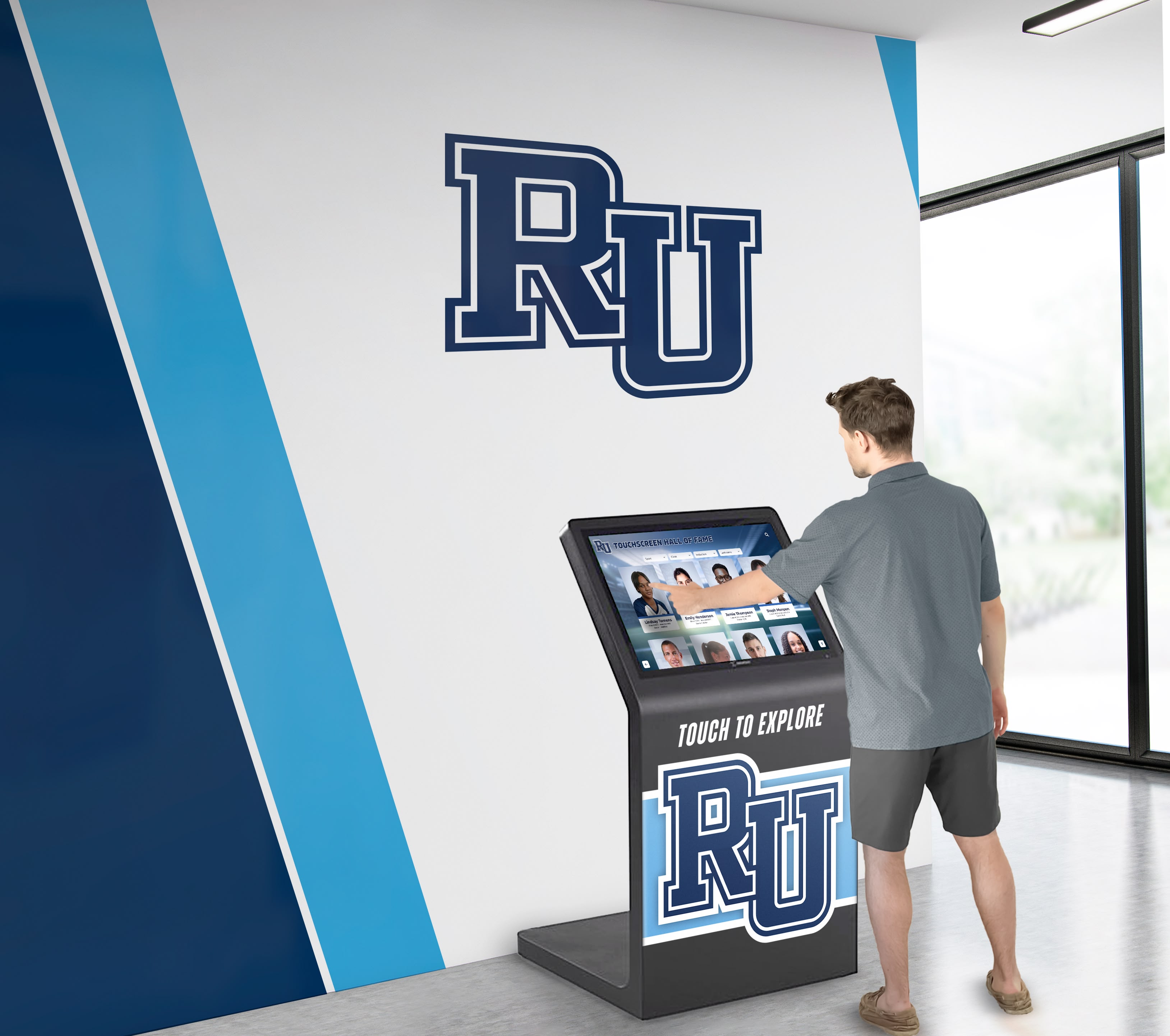
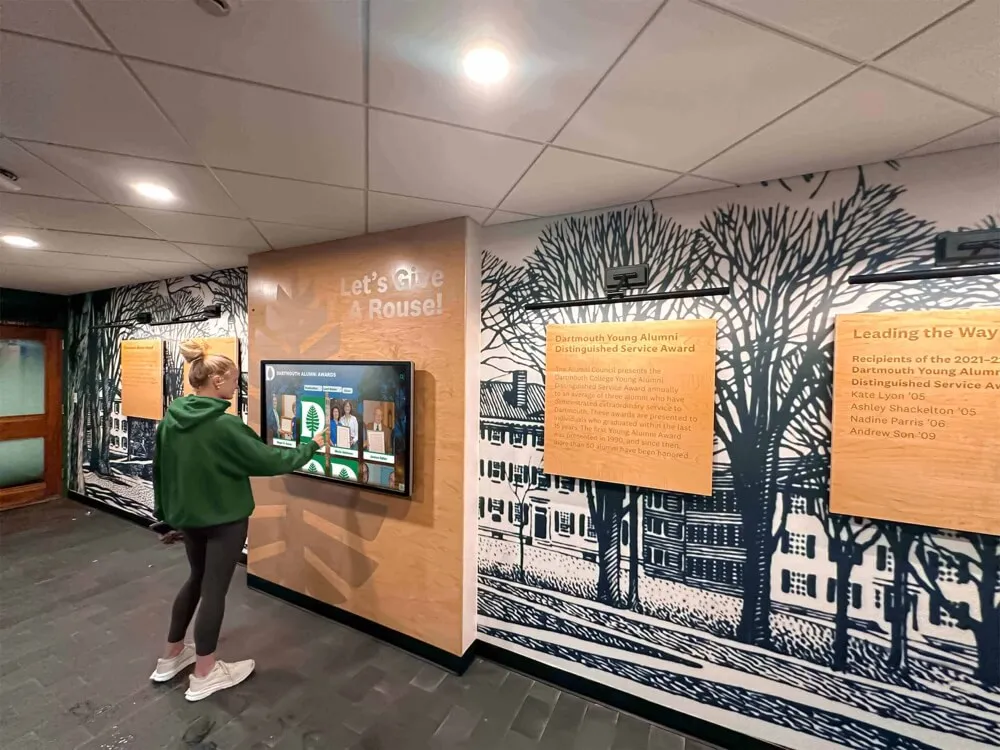
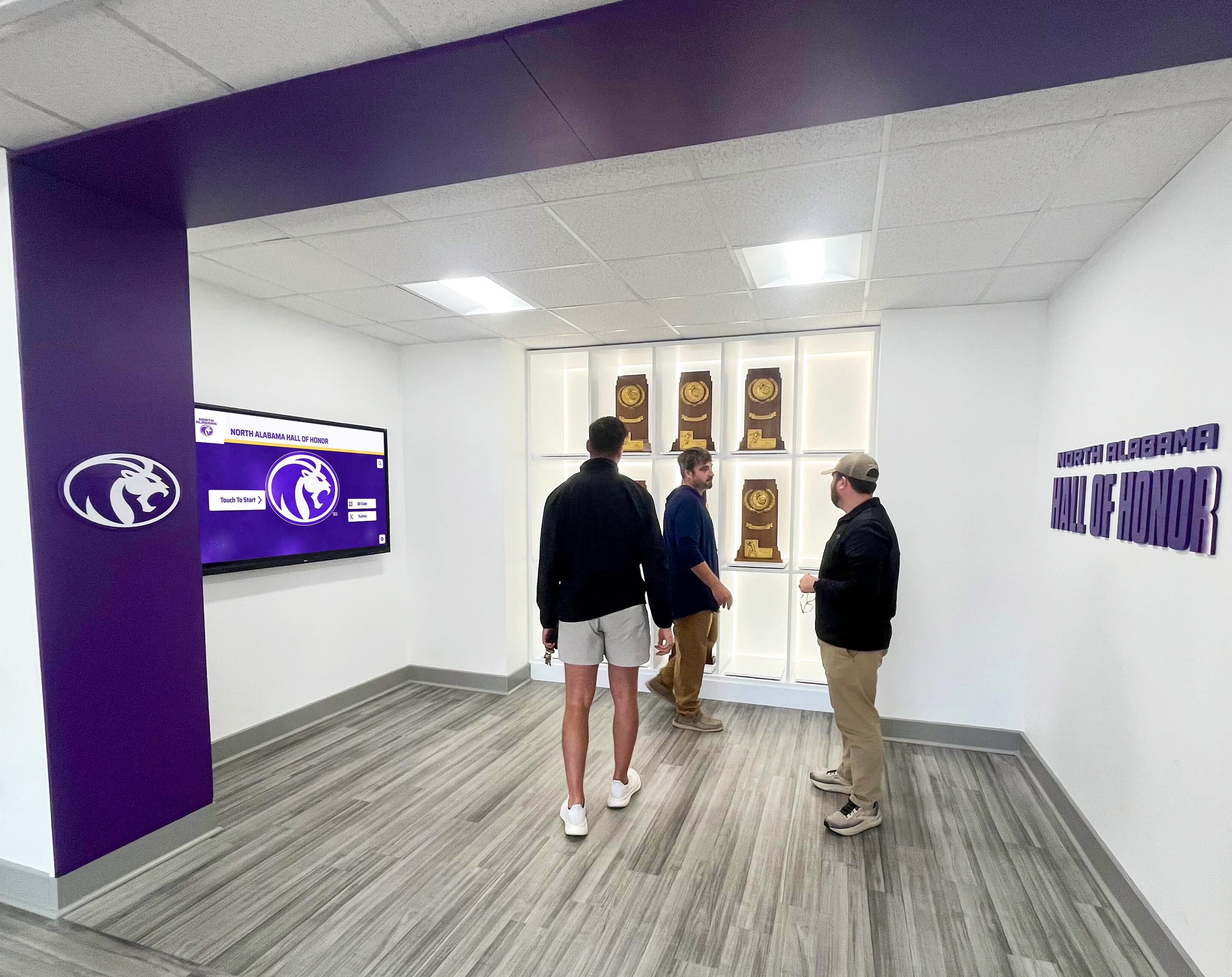
Display size and configuration depend on available space, viewing distances, budget constraints, and intended experiences. Larger touchscreens (65-86 inches) suit spaces where multiple users may interact simultaneously or viewing distances exceed six feet. Solutions like digital recognition displays from Rocket Alumni Solutions provide comprehensive guidance on installation specifications appropriate for church contexts, optimal configurations, and space planning that respects sacred architecture.
Online Recognition Platforms:
Web-based extensions dramatically expand recognition reach to members living anywhere globally, relocated families, college students, missionaries, and potential donors researching church community. Online platforms should provide full functionality including advanced search, multi-criteria filtering, detailed profile viewing, ministry impact storytelling, social sharing capabilities, and responsive mobile experiences.
Consider integration with:
- Church website donor recognition sections and giving pages
- Campaign microsites showcasing specific initiatives and progress
- Member portals providing directory access and community resources
- Mobile applications for church calendars, sermon archives, and connection
- Social media channels and digital communications amplifying reach
- Email campaigns and newsletters highlighting featured donors
This omnichannel approach maximizes recognition investment by serving both on-campus visitors and geographically distant stakeholders through appropriate channels while maintaining consistent messaging and brand identity reflecting church values.
Budgeting for Implementation and Operations
Comprehensive budgeting addresses both initial investment and ongoing operational expenses while demonstrating return on investment to church leadership, finance committees, and congregation.
Initial Investment Components:
- Hardware: Commercial-grade touchscreen displays, professional mounting systems, network infrastructure, protective enclosures ($12,000-$60,000 depending on size, quantity, and features)
- Software: Content management platforms, user interface design, database integration, web hosting ($6,000-$25,000 for robust solutions)
- Professional Services: Installation, network configuration, content migration, system integration ($4,000-$15,000)
- Content Development: Research, writing, photo acquisition, video production, profile creation ($8,000-$30,000 depending on donor numbers)
- Training and Support: Administrator instruction, documentation, initial technical support ($1,500-$4,000)
Ongoing Operational Costs:
- Software Subscriptions: Annual fees for cloud hosting, CMS platforms, technical support, feature updates ($2,500-$8,000 annually)
- Content Updates: Staff time for adding donors, updating profiles, refreshing content ($3,000-$12,000 annually in allocated time or contract services)
- Technical Maintenance: Hardware servicing, software updates, troubleshooting, network monitoring ($1,500-$5,000 annually)
- Content Enhancement: Periodic professional photography, video production, design refreshes ($2,000-$8,000 annually)
Importantly, digital systems’ operational costs remain relatively constant regardless of donor numbers, unlike traditional plaques incurring per-inductee manufacturing and installation expenses. Most churches achieve cost parity with traditional recognition within 2-4 years when accounting for eliminated plaque costs, enhanced fundraising results from improved donor engagement, and stewardship time savings enabling staff to focus on relationship building.
Many churches fund recognition systems through designated campaign expenses, memorial fund allocations, or specific donors interested in supporting church technology infrastructure. Framing interactive boards as ministry tools rather than mere displays helps justify investment through their stewardship effectiveness and multi-purpose functionality.
Selecting Technology Partners and Solutions
Technology selection significantly impacts long-term satisfaction, user experience, total cost of ownership, and stewardship effectiveness. Evaluate providers across multiple dimensions relevant to church contexts:
Purpose-Built vs. Generic Solutions:
Recognition-specific platforms offer purpose-designed features that generic digital signage systems lack:
- Profile templates optimized for donor recognition and storytelling appropriate for religious contexts
- Search and filtering tailored to church stewardship needs and congregation behaviors
- Integration capabilities addressing common church management software connections
- Content management workflows designed for non-technical church administrators and volunteers
- Analytics measuring recognition effectiveness and engagement patterns informing stewardship
- Privacy controls respecting donor preferences and religious organizational requirements
Vendor Evaluation Criteria:
- Religious organization expertise and reference customers at similar churches
- Product roadmap indicating continued development and long-term viability
- Training quality, documentation completeness, and ongoing support responsiveness
- Financial stability suggesting lasting partnership potential through multi-year relationships
- Data security, privacy compliance, and church data protection standards adherence
- Integration capabilities with existing church management systems and giving platforms
- Customization flexibility supporting denominational identity and unique requirements
- Theological appropriateness ensuring technology serves ministry rather than detracting from mission
Solutions like Rocket Alumni Solutions’ interactive recognition platforms benefit from specialization in recognition displays, with implementations at hundreds of institutions informing feature development and support practices refined through diverse organizational experiences.
Creating Compelling Content That Honors and Inspires
Technology enables recognition boards, but compelling content drives engagement and stewardship effectiveness. Profiles telling authentic stories create emotional connections inspiring visitors while honoring donors appropriately within theological frameworks emphasizing gratitude over pride.
Developing Rich Donor Profiles
Comprehensive profiles balance factual information with personal narratives revealing the hearts behind contributions and their motivations for supporting church ministry.
Essential Profile Components:
- Basic Information: Names, membership tenure, family connections, hometown if relevant
- Giving History: Recognition level, campaign participation, years of consecutive giving, multiple gift types
- Personal Connection: Brief narrative about relationship with church and motivation for giving
- Faith Journey: How the church influenced spiritual growth, discipleship, or ministry calling
- Ministry Passion: Specific programs, outreach initiatives, or mission areas supported
- Family Legacy: Multi-generational church connections, family ministry traditions
- Testimonial Elements: Brief quotes explaining why giving matters, impact witnessed, or encouragement to others
- Multimedia Elements: Photos, video testimonials, family pictures, ministry impact images
Storytelling Best Practices for Churches:
Focus on transformation narratives showing how church ministry influenced life trajectories. Donor profiles explaining how specific programs, pastoral care, worship experiences, or small group relationships deepened faith resonate powerfully with congregation members evaluating their own giving decisions.
Highlight service motivation rather than wealth. Stories emphasizing sacrificial giving, faithful stewardship across decades despite limited means, or delayed gratification to support ministry create relatability and inspiration that purely financial narratives cannot. The widow’s mite principle (Mark 12:41-44) reminds us that gift significance transcends dollar amounts.
Include specific ministry impact connections. Instead of “supported missions,” describe the wells drilled in Africa, orphans fed in Guatemala, Bibles distributed in restricted nations, or missionaries sustained on field. Specificity makes ministry outcomes tangible and demonstrates how individual generosity directly advances kingdom work.
Connect giving to biblical principles and faith convictions. Donors typically give because God transformed their lives through church ministry, they want to ensure others experience similar grace, they believe in the church’s mission, or they’re responding to biblical stewardship teaching. These spiritual motivations create resonance generic appreciation statements cannot achieve.
Maintain appropriate theological balance. Recognition should glorify God’s provision through generous hearts rather than elevating individuals. Frame stories emphasizing gratitude, stewardship, and kingdom advancement rather than personal achievement or wealth accumulation. This distinction preserves both biblical appropriateness and donor comfort.
Privacy and Donor Preferences
Not all donors seek public recognition, and some prefer anonymous giving based on Matthew 6:1-4 principles. Provide clear options for anonymous giving, name-only recognition without biographical details, or comprehensive profiles with storytelling elements. Respect preferences consistently across all recognition channels. Enable donor self-service for updating information and managing privacy settings throughout relationships.
Balancing Recognition Across Giving Levels
Effective recognition honors all donors appropriately without creating perceptions of insufficient appreciation at lower tiers or excessive attention that makes higher-level donors uncomfortable. This balance proves particularly important in church contexts emphasizing equal value of all members regardless of financial capacity.
Tiered Recognition Approaches:
- Transformational Recognition ($100,000+): Featured profiles with professional photos, video testimonials, detailed narratives, ministry impact statements, prominent homepage placement
- Major Gift Recognition ($25,000-$99,999): Enhanced profiles with photos, biographical information, giving motivations, faith journey elements, and ministry passion
- Leadership Recognition ($10,000-$24,999): Standard profiles with photos, membership information, giving history, brief testimonials
- Faithful Steward Recognition ($5,000-$9,999): Essential profiles with names, membership tenure, recognition level, consecutive giving years
- Annual Supporter Recognition ($1,000-$4,999): Honor roll listing with names, families, and giving society membership
- Consistent Giver Recognition (any regular amount): Searchable database inclusion honoring faithful support regardless of capacity
This differentiation ensures major donors receive distinction befitting significant commitments while guaranteeing all supporters experience genuine appreciation regardless of capacity. The comprehensive approach recognizes that today’s young family giving modestly may become tomorrow’s major donor when stewarded faithfully, and that the greatest gift is often the sacrificial offering given despite limited means.
Showcasing Ministry Impact
Connect donor recognition directly to ministry impact, demonstrating tangible differences contributions make in advancing the gospel, serving communities, and changing lives.
Impact Storytelling Elements:
- Changed Lives: Feature individuals whose lives transformed through ministries funded by donor generosity—addiction recovery participants, discipleship program graduates, youth who found Christ, families restored through counseling
- Mission Outcomes: Showcase mission work results made possible by philanthropic support—churches planted, communities served, humanitarian needs met, gospel advancement in unreached areas
- Facility Transformations: Display before-and-after comparisons of donor-funded improvements with ministry expansion enabled by enhanced spaces
- Program Growth: Highlight ministry program development, participant numbers, spiritual fruit, and kingdom outcomes enabled by financial support
- Community Service: Demonstrate broader community impact of donor-supported programs through food distribution statistics, tutoring participants, recovery program completions, benevolence fund assistance
- Youth and Children: Connect donor support to next-generation ministry through camp scholarships, youth program participation, children’s ministry engagement, and students coming to faith
- Discipleship Metrics: Present data on small group participation, spiritual formation programs, leadership development, and disciple multiplication resulting from supported initiatives
This impact-focused approach demonstrates that recognition isn’t merely donor acknowledgment—it celebrates life change their generosity creates while providing accountability and transparency faithful stewards expect. The strategies detailed in capital campaign donor recognition provide comprehensive frameworks for connecting recognition to measurable ministry impact.
Implementation Best Practices for Churches
Organizations achieving exceptional results with church interactive donor boards follow proven practices refined through implementation experience across diverse religious contexts.
Content Collection Strategies
Gathering comprehensive information for potentially hundreds or thousands of donors requires systematic approaches balancing thoroughness with efficiency and respect for member privacy.
Direct Donor Engagement:
Request that recognized donors provide biographical information, photographs, personal reflections, and faith testimonies. Most honorees willingly contribute content, appreciating opportunities to influence how their stories and motivations are presented. Provide templates or questionnaires ensuring consistency while making submissions straightforward for busy families. Frame requests emphasizing testimony opportunity rather than obligation, allowing donors to decline participation without discomfort.
Church Database Mining:
Extract foundational information from church management systems including names, membership dates, family information, giving history, contact details, and involvement records already collected through years of relationship. This establishes baseline profiles enhanced over time through additional research and donor input while respecting existing data privacy protocols.
Ministry Records Research:
Mine church archives for historical photos, event documentation, ministry involvement records, and service contributions. Many churches possess rich materials remaining inaccessible until digitization projects surface them for recognition purposes. Engage historical committees or long-time members who can provide institutional memory and identify individuals in archival photos.
Digital Archives and Social Media:
Search church social media, newsletters, annual reports, and digital archives for recent photos, event coverage, and donor stories already published. With appropriate permissions, leverage existing content rather than creating everything from scratch. Ensure photo releases and usage permissions respect privacy and consent.
Collaborative Development:
Engage volunteers, ministry interns, or communications staff in content development. Research, interviewing, writing, and photo editing provide meaningful service opportunities while accelerating profile creation. Involving congregation members creates ownership and authentic storytelling reflecting diverse community voices.
Launch and Promotion Strategies
Strategic launches maximize visibility, engagement, and fundraising momentum while celebrating donors appropriately within church culture and worship calendar.
Pre-Launch Foundation Building:
Generate anticipation before official unveilings. Communicate coming recognition programs through email newsletters, worship announcements, social media campaigns, and bulletin inserts—building awareness and excitement. Invite community input on recognition approaches, creating ownership and interest before launches. Connect launches to ongoing campaigns or ministry initiatives demonstrating immediate relevance.
Strategic Unveiling Events:
Coordinate launches with high-visibility occasions—campaign celebration services, ministry anniversary observances, facility dedication ceremonies, special worship services, or annual meetings—maximizing attendance and participation. Feature recognized donors at launch events when appropriate, adding personal significance while providing testimony opportunities and peer-to-peer cultivation. Consider dedicating the recognition system with prayer, acknowledging God’s provision through generous hearts.
Sustained Visibility Practices:
Establish ongoing promotion preventing recognition boards from becoming invisible through familiarity:
- Monthly “Featured Donor” spotlights in church communications and social media
- Content calendars ensuring consistent recognition-related posts and ministry impact stories
- Event integration featuring displays during church tours, new member orientations, and visitor welcoming
- Worship service mentions periodically highlighting recognition and celebrating recent donors
- Email signature links from staff to online recognition platforms
- Digital signage integration displaying recognition content throughout campus on secondary screens
- Ministry fair incorporation encouraging exploration during annual stewardship campaigns

Integration with Stewardship Programs
Church interactive donor boards achieve maximum impact when integrated thoughtfully with comprehensive stewardship strategies rather than existing as isolated recognition initiatives disconnected from broader ministry.
Campaign Coordination:
Incorporate recognition into cultivation and stewardship practices throughout donor lifecycles. Pastors and development staff can reference recognition displays when discussing church appreciation, showing prospects how significant contributions receive acknowledgment. Feature active campaigns prominently with real-time progress tracking, demonstrating momentum and inspiring participation through social proof. Use recognition to celebrate campaign milestones, creating celebration opportunities throughout multi-year initiatives.
Event Programming and Stewardship:
Recognition displays become natural event focal points creating engagement opportunities:
- Position prominently at stewardship dinners, donor appreciation events, and ministry celebrations
- Create interactive experiences encouraging attendees to explore fellow members’ profiles and giving motivations
- Host dedication ceremonies honoring new recognition additions as signature stewardship events with worship elements
- Integrate recognition into facility tours for prospective members and visiting groups
- Feature donor profiles at ministry gatherings connecting funders with program beneficiaries and ministry leaders
- Showcase impact stories at leadership meetings demonstrating stewardship effectiveness and campaign progress
Multi-Channel Recognition Strategy:
Coordinate digital displays with comprehensive programs incorporating print recognition (annual reports, campaign publications), worship acknowledgment (pastoral appreciation, public thank-you), personal communications (thank-you letters, pastoral calls), special events (appreciation dinners, ministry tours), and online features (website recognition, social media spotlights). Ensure consistency across channels while leveraging each medium’s unique strengths for appropriate contexts.
The comprehensive approaches detailed in donor recognition ideas provide frameworks for integrating recognition with broader stewardship communication and engagement strategies that drive ministry results.
Advanced Features Enhancing Church Stewardship
Leading church interactive donor boards incorporate sophisticated functionality extending recognition impact and supporting broader ministry objectives.
Campaign-Specific Recognition and Momentum Building
Leverage digital flexibility for targeted fundraising initiatives creating urgency and inspiring participation:
- Real-Time Progress Tracking: Display current campaign status toward goals with visual progress indicators, thermometers, and milestone celebrations creating transparency and accountability
- Dynamic Leaderboards: Show giving momentum by ministry area, life stage group, or campaign phase creating friendly encouragement and community participation
- Matching Gift Features: Highlight donor matching opportunities with countdown timers and impact multipliers creating urgency and demonstrating giving leverage
- Milestone Celebrations: Automatically celebrate achieving participation thresholds, dollar goals, or donor counts with congratulatory messaging and gratitude expressions
- Temporary Featured Recognition: Spotlight current campaign participants prominently with “Recent Supporters” or “New Members of Our Legacy Circle” sections maintaining freshness
This dynamic approach maintains excitement throughout multi-year fundraising initiatives while demonstrating transparent progress that inspires participation among members witnessing community-wide involvement.
Ministry Impact Integration
Connect recognition directly to the ministry work donations enable:
Video Testimonials: Feature beneficiaries sharing how ministries funded by donor generosity changed their lives—recovery program graduates, mission trip participants, scholarship recipients, community service beneficiaries. These authentic testimonies powerfully demonstrate giving impact while honoring donors through ministry fruit visibility.
Photo Galleries: Display images from funded ministries showing tangible results—mission trip service projects, facility improvements, outreach events, program activities. Visual documentation connects contributions to observable outcomes inspiring continued support.
Ministry Metrics: Present data about programs donor support enables—meals served, individuals counseled, mission fields reached, youth participating, families assisted. Quantitative outcomes satisfy donors’ accountability desires while demonstrating effective resource stewardship.
Missionary Connections: For churches supporting missionaries, integrate missionary updates, photos, and prayer requests into recognition displays. This connection reminds donors that their support sustains real families serving in specific locations with measurable kingdom impact.
Social Media Integration and Digital Amplification
Extend recognition reach far beyond physical church locations through strategic social integration:
Social Sharing Capabilities:
Enable donors to share their recognition directly from displays to Facebook, Instagram, or other platforms appropriate to church culture. This organic amplification introduces churches to donors’ networks—hundreds or thousands of potential new members and supporters who trust personal recommendations more than institutional marketing. Ensure sharing options respect privacy while encouraging testimony.
Social Media Aggregation:
Incorporate feeds showing donor posts, ministry testimonials, beneficiary gratitude, and campaign updates expressed through social channels. This user-generated content authenticates ministry impact while creating continuously updating recognition requiring minimal administrative effort.
Remote Access for Distant Members:
Provide web-based access enabling relocated families, college students, missionaries, military families, and snowbirds to maintain connection with church community and view recognition honoring their continued support despite distance. This inclusion strengthens relationships across geographic separation.
Analytics and Stewardship Intelligence
Sophisticated analytics transform recognition displays from static acknowledgment into strategic intelligence informing stewardship decisions.
Engagement Metrics:
- Total interactions and unique visitors over daily, weekly, monthly, annual time periods
- Average session duration indicating content quality and visitor interest levels
- Most-viewed profiles revealing compelling stories and community influencers
- Search query patterns showing visitor interests and information-seeking behaviors
- Return visitor rates demonstrating sustained engagement and repeat usage
- Geographic distribution of online recognition access identifying distant member engagement
- Device types and platforms informing mobile optimization priorities
Stewardship Intelligence:
- Correlation between recognition visibility and subsequent giving behavior patterns
- Donor retention comparisons among recognized versus non-recognized supporters
- Gift upgrade patterns following enhanced recognition or profile feature additions
- Peer influence analysis showing network effects of social sharing and testimony
- Content effectiveness metrics identifying story types generating strongest engagement
- Campaign momentum indicators showing giving patterns throughout initiative timelines
Strategic Optimization:
Use data-driven insights to continuously improve recognition effectiveness through content gap identification, optimal timing for featuring specific content, navigation improvements reducing friction, recognition approaches generating strongest engagement, and resource allocation toward highest-impact stewardship activities.
Measuring Success and Demonstrating Ministry Value
Effective recognition programs demonstrate impact through quantifiable metrics and qualitative feedback justifying investments to church leadership and finance committees.
Key Performance Indicators for Churches
Stewardship Impact Metrics:
- Donor Retention Rates: Compare retention among recognized versus non-recognized donors across giving levels and membership tenure
- Average Gift Size: Analyze giving increases following recognition implementation by donor segment
- Campaign Success: Compare campaign results before and after recognition enhancement, measuring both participation rates and total dollars raised
- New Donor Acquisition: Monitor first-time giving rates during recognition launch and promotion periods
- Planned Giving Inquiries: Measure legacy society interest following recognition implementation
- Giving Growth: Track year-over-year giving trends comparing periods before and after recognition deployment
- Cost Per Dollar Raised: Calculate stewardship efficiency improvements through recognition automation and reduced administrative burden
Engagement Analytics:
- Interaction Volume: Total sessions and unique users with recognition displays both physical and online
- Content Depth: Average profiles viewed per session indicating exploration thoroughness and interest
- Social Amplification: Recognition content shares extending church reach beyond congregation into members’ networks
- Web Traffic: Online recognition platform visits from members and guests with geographic distribution
- Event Participation: Attendance at recognition-related ceremonies and dedications
- Mobile Engagement: Smartphone-based recognition access demonstrating convenience value
Operational Efficiency:
- Administrative Time: Staff hours required for recognition program management compared to previous plaque-based approaches
- Cost Per Donor: Total program costs divided by recognized donors compared to traditional plaque expenses
- Update Frequency: How regularly new inductees are added maintaining currency and relevance
- System Reliability: Uptime and performance metrics ensuring consistent availability for worship gatherings
- Staff Satisfaction: Church staff feedback on recognition management ease and effectiveness

Donor Satisfaction Assessment
Quantitative metrics reveal behavior patterns but qualitative feedback explains experiences and guides improvements.
Satisfaction Surveys:
Regularly survey donors about recognition experiences through brief questionnaires distributed via email or available at church. Ask about acknowledgment timeliness, recognition accuracy, information completeness, meaningfulness of presentation, and overall appreciation quality. Include questions about preferred recognition methods, content suggestions, and improvement ideas. Keep surveys brief and focused, respecting members’ time.
Focus Groups and Listening Sessions:
Conduct periodic discussions with donors representing different giving levels, generational cohorts, membership tenures, and ministry involvement. Explore recognition preferences, emotional responses to seeing profiles, enhancement suggestions, and integration with broader church experience. These conversations often reveal insights surveys cannot capture about donor motivations and church relationships.
Anecdotal Feedback Collection:
Systematically document unsolicited donor comments, leadership team observations, staff perspectives, and visitor feedback on recognition effectiveness. This qualitative evidence complements quantitative data in demonstrating value to church leadership and identifying opportunities for enhancement.
Common Challenges and Practical Solutions
Churches implementing interactive donor boards encounter predictable obstacles. Understanding issues and proven solutions ensures successful outcomes.
Challenge: Limited Technology Budget
Many churches operate with constrained budgets prioritizing direct ministry over infrastructure, making significant technology investments challenging to justify or fund.
Solutions:
- Phased Implementation: Start with core functionality and single display, expanding to additional locations or features as budgets allow and demonstrated value justifies investment
- Donor-Funded Technology: Frame recognition system as campaign expense or secure specific donors interested in funding church technology infrastructure
- Long-Term Cost Comparison: Calculate total cost over 10-year period comparing digital system to ongoing plaque expenses, demonstrating eventual cost savings
- Memorial Fund Allocation: Use memorial gifts to fund lasting recognition infrastructure honoring deceased while serving living congregation
- Multi-Purpose Justification: Emphasize that displays serve multiple functions beyond donor recognition—announcements, ministry promotion, event information, worship enhancements
- Volunteer Installation Support: Reduce installation costs by engaging skilled congregation members for appropriate tasks under professional guidance
Challenge: Theological Concerns About Public Recognition
Some church leaders express concern that public donor recognition conflicts with Jesus’ teaching about giving in secret (Matthew 6:1-4) or promotes pride rather than humility.
Solutions:
- Scriptural Balance: Emphasize biblical precedents for public thanksgiving (1 Chronicles 29, recognition of tabernacle contributors), corporate gratitude expressions, and testimony encouraging others toward generosity
- Framing as Testimony: Position recognition as donors sharing faith testimonies about God’s provision and stewardship convictions rather than personal achievement celebration
- Anonymous Options: Provide robust anonymous giving options for those preferring privacy, respecting conscience while enabling recognition for those comfortable with public acknowledgment
- God-Focused Language: Craft recognition content emphasizing gratitude to God working through generous hearts rather than elevating individuals for wealth or capacity
- Ministry Impact Emphasis: Feature ministry outcomes and changed lives prominently, with donor recognition supporting rather than overshadowing kingdom work celebration
- Leadership Modeling: Ensure pastors and church leaders model balanced stewardship teaching and participate appropriately in recognition themselves
Challenge: Managing Privacy and Sensitivity
Churches must balance recognition desires with privacy concerns, deceased donor considerations, and sensitivity regarding financial information.
Solutions:
- Granular Privacy Controls: Provide detailed preference options enabling donors to specify exactly what information appears publicly—name only, family inclusion, giving amounts, photos, testimonies
- Deceased Donor Protocols: Establish clear policies for recognizing deceased donors, securing family approval for profiles and content, handling memorial language appropriately
- Financial Information Display: Consider displaying only recognition level rather than specific amounts, reducing discomfort while maintaining tier differentiation
- Donor Self-Service: Enable donors to update their own profiles, manage privacy settings, and control information presentation through secure portals
- Respectful Default Settings: Set system defaults to minimal information display, requiring donors to opt-in for enhanced profiles rather than opt-out from excessive detail
- Regular Permission Verification: Periodically confirm donor preferences especially for long-term members, ensuring current comfort levels as personal circumstances change
Challenge: Staff Training and System Management
Church administrators and volunteers may lack technical expertise, struggle with content management, or feel overwhelmed by digital platform complexity.
Solutions:
- User-Friendly Platform Selection: Prioritize systems with intuitive interfaces requiring minimal technical knowledge, following familiar web conventions
- Comprehensive Initial Training: Provide hands-on training sessions with actual system use, practice scenarios, and confidence-building exercises
- Documentation Resources: Create quick-reference guides, video tutorials, and knowledge bases that staff access when needed without waiting for help
- Ongoing Support Access: Ensure vendor provides responsive technical support, regular office hours, and proactive assistance throughout relationship
- Volunteer Technology Coordinator: Assign tech-comfortable congregation member as volunteer system coordinator providing peer support to staff
- Graduated Implementation: Introduce features gradually rather than overwhelming staff with complete functionality immediately, building competence incrementally
The guidance provided in building sustained alumni engagement addresses these organizational challenges comprehensively with practical implementation strategies applicable across diverse institutional contexts, including religious organizations.
Future Trends in Church Donor Recognition
Understanding emerging technologies and evolving donor expectations helps churches plan recognition programs remaining relevant for years while supporting future enhancements without requiring complete replacement.
Mobile-First Experiences
As smartphone usage continues dominating digital interaction, recognition systems must prioritize mobile experiences. Future church interactive boards will seamlessly integrate with mobile apps enabling members to explore recognition, share testimonies, make gifts, and engage with ministry impact through devices they carry constantly. QR codes linking physical displays to mobile-optimized content will bridge environments, allowing members to begin exploration at church and continue at home.
Enhanced Personalization
Technology will enable increasingly personalized recognition experiences. Systems may suggest relevant donor profiles based on visitor ministry interests, automatically connect families to relatives’ giving histories, or showcase campaign opportunities matching demonstrated passions. This personalization makes large donor databases feel intimate and relevant to individual members exploring recognition.
Virtual and Augmented Reality
Immersive technologies will create novel recognition experiences. Virtual church tours may enable distant members to explore recognition displays remotely through 360-degree environments. Augmented reality might overlay digital content onto physical spaces through smartphone cameras, revealing enhanced donor stories, ministry impact media, or historical context. These hybrid approaches honor tradition while adding interactive enhancement.
Integration with Online Worship
As churches maintain hybrid worship models serving both in-person and online participants, recognition systems will integrate more seamlessly with digital worship platforms. Online viewers might explore recognition during pre-service periods, with featured donors highlighted during stewardship moments or offering times. This integration extends recognition impact to the growing online worship community.
Advanced Impact Visualization
Future recognition will incorporate sophisticated impact visualization connecting individual gifts to specific measurable outcomes. Interactive dashboards might show real-time metrics about donor-funded programs—current mission field activities, community members served this month, ongoing ministry programs, or facility usage statistics. This unprecedented transparency satisfies donor accountability desires while demonstrating tangible differences contributions make in advancing kingdom work.

Conclusion: Recognition That Transforms Church Stewardship
Church interactive donor boards represent far more than acknowledgment systems—they embody congregational gratitude, inspire faithful stewardship, strengthen member connections, and build communities united by shared commitment to ministry excellence and kingdom advancement. While traditional plaques served recognition purposes for generations, modern donor expectations, technological capabilities, and stewardship best practices demand more comprehensive, engaging, and sustainable approaches.
Digital recognition solutions overcome traditional limitations while adding capabilities fundamentally transforming stewardship effectiveness. Unlimited capacity ensures every donor receives appropriate acknowledgment regardless of giving level. Instant updates provide timely recognition reinforcing positive behavior and demonstrating church responsiveness. Multimedia storytelling creates emotional connections inspiring continued support and peer encouragement. Remote accessibility serves distributed members equitably regardless of geographic location. Comprehensive analytics reveal patterns informing strategic optimization and resource allocation.
Successful implementation requires viewing recognition as strategic ministry infrastructure rather than one-time projects. Thoughtful planning addressing theological considerations, content approaches, technology selection, stakeholder engagement, and sustainability ensures programs deliver lasting value supporting stewardship goals across pastoral transitions and campaign cycles. Ongoing commitment to quality, promotion, measurement, and optimization separates beloved church assets from underutilized displays.
For churches ready to transform donor recognition, comprehensive solutions like those from Rocket Alumni Solutions provide proven platforms combining sophisticated technology with intuitive management, dedicated support, and deep understanding of religious organizational needs. From initial strategic planning through years of sustained engagement growth, the right partner makes the difference between displays and transformative recognition experiences celebrating your church’s generous community while building stronger support for ministry advancement.
When supporters receive recognition genuinely honoring their generosity while demonstrating tangible ministry impact and life transformation, they become ambassadors inspiring others to join communities making eternal differences. This transformation from donors to advocates represents the ultimate success of effective church recognition programs—creating self-perpetuating cultures of giving that advance kingdom work and ministry missions for generations to come.
The most effective church interactive donor boards achieve what traditional recognition never could: they honor faithful stewards appropriately, inspire continued generosity through testimony and impact demonstration, engage multiple generations through accessible technology, and demonstrate the collective power of God’s people united in supporting ministry vision. When implemented thoughtfully with both technological excellence and theological integrity, these recognition systems become more than donor acknowledgment—they become ongoing testimonies to God’s provision through generous hearts committed to advancing His kingdom.































