Class presidents serve as the voice of their peers, bridging the gap between students and administration while leading initiatives that shape daily school life. These student leaders—whether representing individual grade levels, coordinating school-wide student councils, or serving as executive board members—dedicate countless hours to advocacy, event planning, school improvement, and community building. Yet their leadership contributions often receive minimal lasting recognition beyond yearbook mentions and brief assembly acknowledgments.
When high schools systematically recognize class presidents through comprehensive displays that honor their service, document their achievements, and preserve their leadership legacy, they create powerful messages about democratic participation, student voice, and civic engagement. Recognition systems demonstrating that student leadership matters inspire future generations to step forward, run for office, and invest themselves in school governance.
This comprehensive guide explores effective strategies for implementing class president digital displays—recognition solutions that celebrate student government leaders, preserve institutional history, and build cultures where student leadership receives acknowledgment equal to athletic and academic achievement.
Class president recognition extends beyond honoring individuals—it validates the democratic processes through which students practice self-governance, celebrates the student voice within institutional decision-making, and creates visible evidence that leadership service matters. Digital recognition displays transform this acknowledgment from temporary bulletin boards into permanent, engaging tributes that inspire ongoing participation in student government.
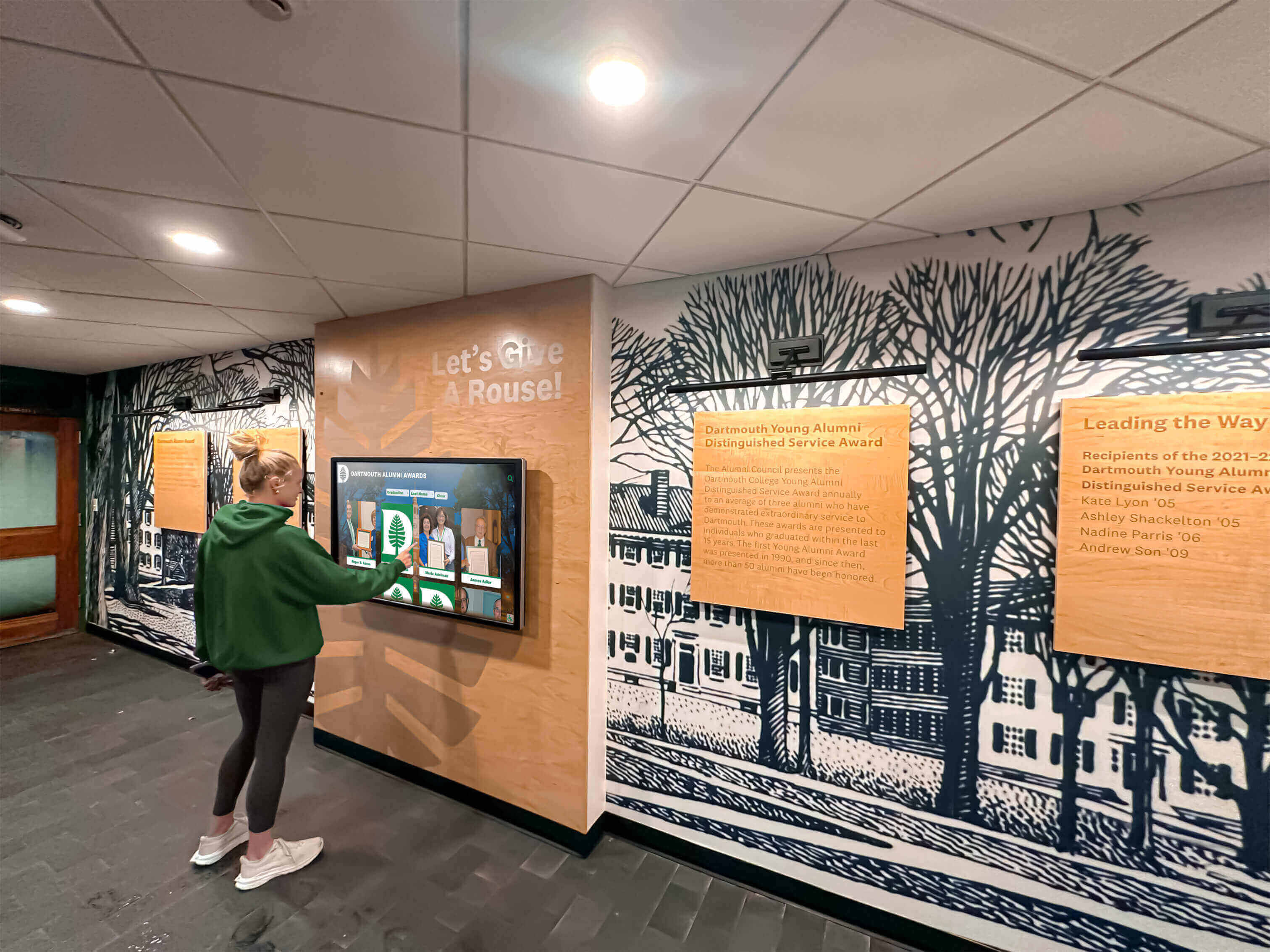
Interactive recognition systems enable students to explore leadership history and connect with democratic traditions
Understanding Class President Roles and Recognition-Worthy Contributions
Effective recognition begins with appreciating the multifaceted responsibilities class presidents shoulder throughout their terms.
Presidential Leadership Responsibilities
Class presidents fill complex roles requiring diverse capabilities beyond popularity contests:
Student Advocacy and Representation
- Representing grade-level or school-wide student perspectives to administration
- Attending leadership meetings and communicating decisions to peers
- Advocating for student needs regarding policies, facilities, and programs
- Gathering student feedback through surveys, forums, and conversations
- Serving as liaison between student body and faculty leadership
Event Planning and Coordination
- Organizing school-wide events including dances, spirit weeks, and celebrations
- Coordinating fundraising initiatives for class activities and causes
- Planning grade-specific events strengthening class identity and community
- Managing logistics for homecoming, prom, and graduation activities
- Overseeing volunteer recruitment and committee coordination
Meeting Facilitation and Governance
- Leading student council meetings with proper parliamentary procedure
- Creating meeting agendas balancing efficiency with inclusive participation
- Facilitating discussion ensuring all voices receive consideration
- Making decisions through appropriate democratic processes
- Maintaining meeting records documenting decisions and actions
School Culture Development
- Promoting school spirit through initiatives, campaigns, and traditions
- Building inclusive community across diverse student populations
- Addressing conflicts and fostering positive peer relationships
- Creating traditions strengthening class identity and school connection
- Modeling leadership behaviors influencing broader school culture
Administrative Collaboration
- Partnering with faculty advisors on policy and program development
- Collaborating with administration on school improvement initiatives
- Participating in committees addressing campus issues
- Representing student perspective in institutional planning
- Building productive relationships with adult leadership
These multidimensional contributions deserve recognition systems acknowledging both specific accomplishments and broader leadership development.
Different Class President Structures and Recognition Needs
High schools organize student government through various models requiring tailored recognition approaches:
Grade-Level Class Presidents Schools with presidents for each grade (freshman, sophomore, junior, senior):
- Individual recognition for each grade-level president annually
- Year-by-year documentation showing complete leadership succession
- Grade-specific achievement highlights and initiatives
- Senior class president special recognition given culminating responsibilities
- Multi-year service acknowledgment for students elected repeatedly
School-Wide Student Body Presidents Schools with single president representing entire student body:
- Prominent recognition reflecting school-wide leadership responsibility
- Executive board member acknowledgment (vice presidents, secretaries, treasurers)
- Cabinet or committee leader recognition extending beyond executive roles
- Documentation of major initiatives and accomplishments during term
- Historical timeline showing presidential succession across decades
Combined Grade and School Governance Schools maintaining both grade-level presidents and school-wide executive boards:
- Hierarchical recognition distinguishing different leadership levels
- Clear identification of grade presidents versus student body officers
- Executive council acknowledgment for coordinating leadership
- Recognition of specialized roles (spirit chair, fundraising coordinator, etc.)
- Comprehensive documentation of complete governance structure
Learn about comprehensive student leadership approaches in student council recognition programs.
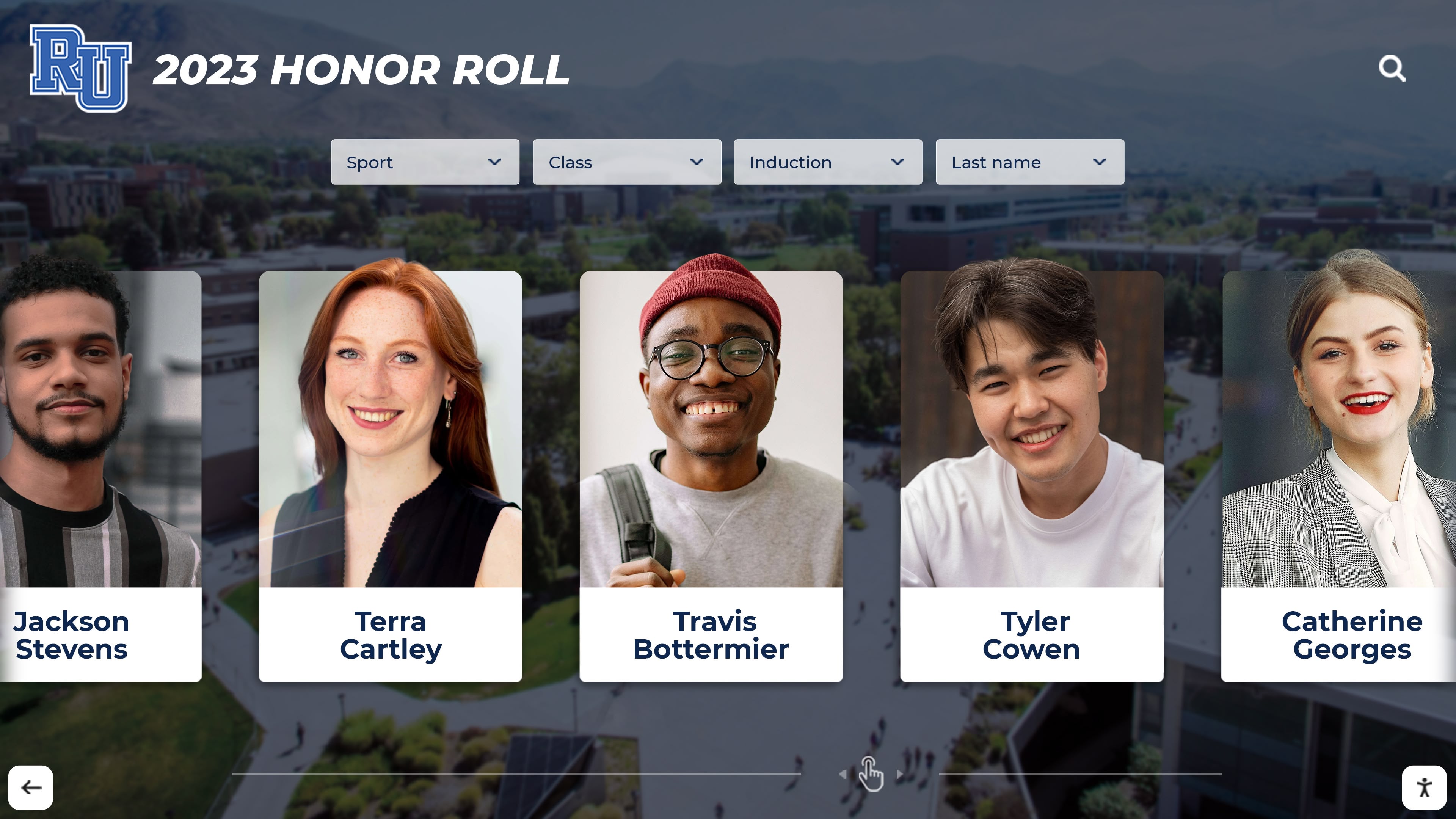
Detailed profiles celebrate specific leadership contributions and achievements of class presidents
Beyond Presidents: Recognizing Complete Student Government
Comprehensive recognition extends to entire governance structures:
Executive Board Officers
- Vice presidents managing specific portfolios or serving as presidential successors
- Secretaries maintaining records and managing communications
- Treasurers overseeing budgets and financial management
- Parliamentarians ensuring proper procedural conduct
- Specialized officers (public relations, technology, community service)
Class Representatives and Senators
- Homeroom or advisory representatives serving as communication liaisons
- Class senators participating in legislative discussions
- Committee members leading specific initiatives
- Grade-level representatives ensuring diverse student voice
- At-large members contributing specialized skills or perspectives
Appointed Leadership Positions
- Committee chairs leading specific initiative areas
- Event coordinators managing major school functions
- Club liaisons connecting student government with other organizations
- Volunteer coordinators mobilizing student participation
- Communications directors managing publicity and outreach
Faculty Advisors and Staff Support
- Teacher advisors providing guidance and institutional knowledge
- Administrative liaisons facilitating school partnerships
- Parent volunteers supporting major events and activities
- Alumni mentors offering perspective and continuity
- Community partners enabling service projects and initiatives
Recognition systems acknowledging complete governance structures demonstrate that student leadership involves collaborative teams rather than individual figureheads, while honoring diverse contribution types that make student government effective.
Traditional Class President Recognition Approaches
Physical recognition methods create tangible tributes to student leadership.
Trophy Case and Display Board Recognition
Traditional approaches provide visible acknowledgment in school common areas:
Presidential Name Boards Mounted displays listing class presidents chronologically:
- Individual plaques for each president organized by year
- Grade-level sections when recognizing class-specific presidents
- Name, year, and grade information providing basic documentation
- Perpetual plaques allowing ongoing additions
- Gold or silver engraving creating formal, prestigious appearance
Student Government Display Cases Dedicated trophy case sections featuring leadership recognition:
- Presidential gavels or ceremonial items passed between leaders
- Executive board photos showing complete leadership teams
- Achievement documentation including event programs and materials
- Historical artifacts from significant initiatives or celebrations
- Awards or recognition student government received institutionally
Bulletin Board Recognition Current leadership displays in main hallways or student government spaces:
- Photos and bios of current class presidents and officers
- Information about meeting times, contact methods, and engagement opportunities
- Upcoming events and initiatives student government coordinates
- Achievement highlights from current academic year
- Ways for students to get involved or provide feedback
While traditional approaches provide important visibility, they face inherent limitations: space constraints forcing difficult decisions about whose accomplishments merit display, static information that cannot easily update or expand, limited capacity to tell complete leadership stories, and temporary nature as new classes replace previous recognition.
Yearbook and Publication Recognition
Printed documentation preserves annual leadership records:
Yearbook Coverage Standard recognition in school yearbooks:
- Student government section featuring presidents and officers
- Photos from major events and initiatives
- Quotes or reflections from outgoing leadership
- Lists of representatives and committee members
- Achievement highlights from the school year
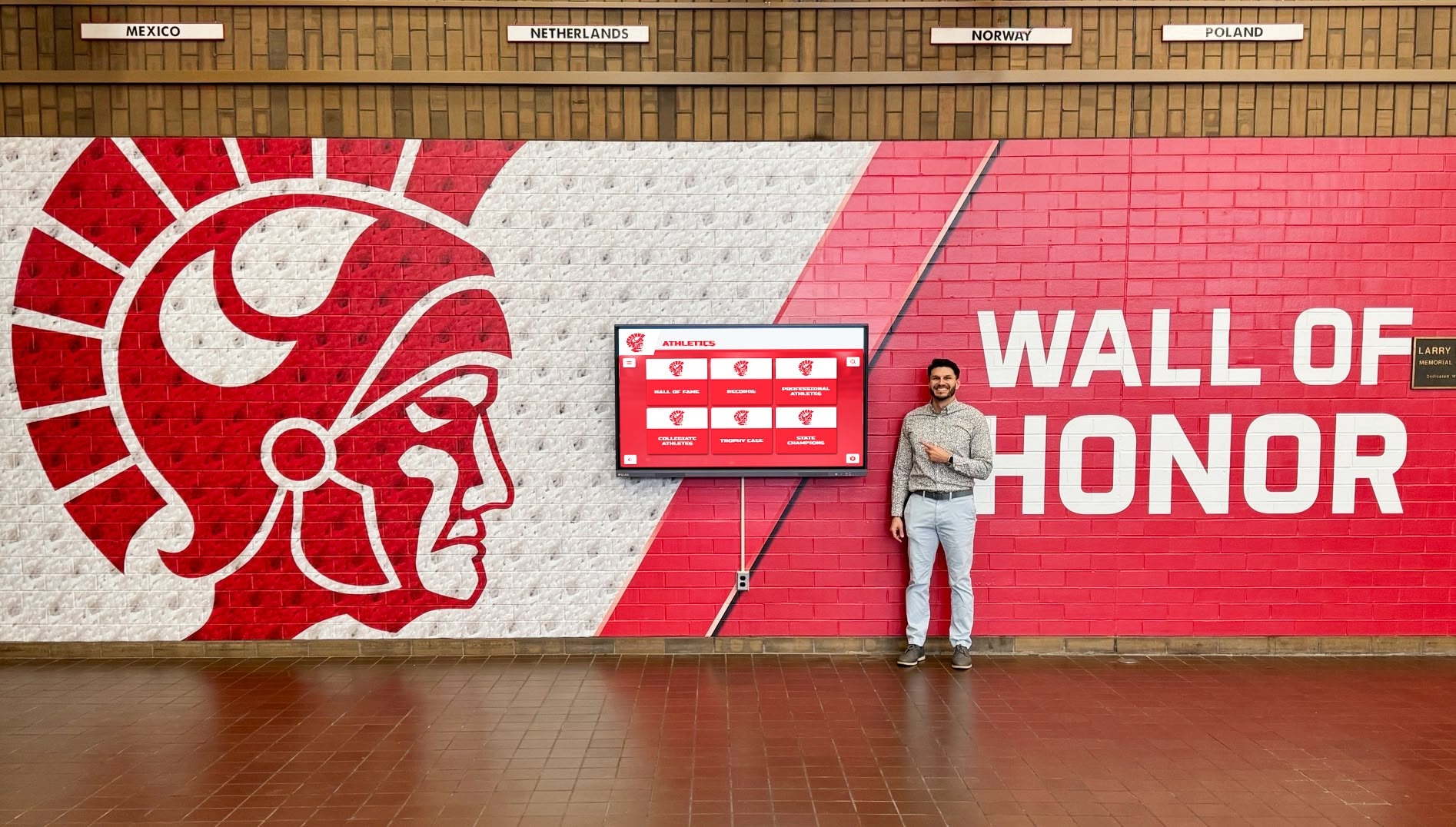
Touchscreen displays make exploring leadership history engaging and accessible
School Newspaper Features Periodic coverage of student leadership:
- Election coverage introducing new presidents and platforms
- President’s corner columns sharing updates and perspectives
- Feature stories on major initiatives or achievements
- End-of-year interviews with outgoing leadership
- Analysis of student government effectiveness and impact
Digital School Publications Online platforms extending recognition reach:
- School website student government pages with officer information
- Email newsletters highlighting leadership activities
- Social media coverage of events and initiatives
- Video interviews or messages from student leaders
- Blog posts explaining governance processes and student involvement
These publication-based approaches provide important documentation but typically remain in archives rather than creating visible, ongoing recognition that shapes school culture and inspires future participation.
Digital Display Solutions for Class President Recognition
Solutions like Rocket Alumni Solutions transform class president recognition through interactive displays overcoming traditional limitations.
Unlimited Recognition Capacity
Digital systems eliminate the space constraints restricting traditional displays:
Complete Historical Archives Digital recognition displays showcase unlimited presidents and officers:
- Every class president from school founding to present receives equal recognition
- No need to remove historical leaders to accommodate current ones
- Complete student government rosters by year maintained permanently
- Executive board members and officers documented comprehensively
- Special initiatives and achievements preserved alongside leadership records
Multi-Dimensional Organization Digital platforms enable diverse navigation approaches:
- Chronological browsing showing leadership evolution across decades
- Search by name helping alumni and families find specific leaders
- Filtering by position type, grade level, or initiative
- Related content connecting presidents to achievements and events
- Tagging enabling discovery through themes or categories
This unlimited capacity fundamentally changes recognition dynamics—schools honor every president equally rather than facing difficult choices about whose service merits limited display space.
Rich Multimedia Leadership Profiles
Digital displays transform recognition from simple name listings into engaging stories:
Comprehensive President Profiles Detailed information honoring leadership comprehensively:
- Professional-quality photos of presidents individually and with teams
- Detailed biographies explaining backgrounds, platforms, and qualifications
- Leadership accomplishments and initiatives led during terms
- Quotes or reflections on leadership experiences and lessons learned
- Contact information enabling alumni connections and mentorship
- Post-graduation paths showing leadership impact on future trajectories
Initiative and Achievement Documentation Context showing what presidents accomplished:
- Photo galleries from major events and celebrations
- Video clips of speeches, presentations, or initiative launches
- Achievement metrics demonstrating impact (funds raised, participation rates)
- Testimonials from faculty advisors, administrators, or peers
- Recognition received by student government during tenure
- Historical context about challenges faced and overcome
Interactive Timeline Features Chronological views showing leadership evolution:
- School history timelines with presidential terms highlighted
- Major initiatives mapped to leadership teams that implemented them
- Cultural shifts or traditions attributed to specific presidents
- Connections between presidents and broader school milestones
- Visual representations of governance structure evolution
Learn about comprehensive approaches in student achievement showcases.
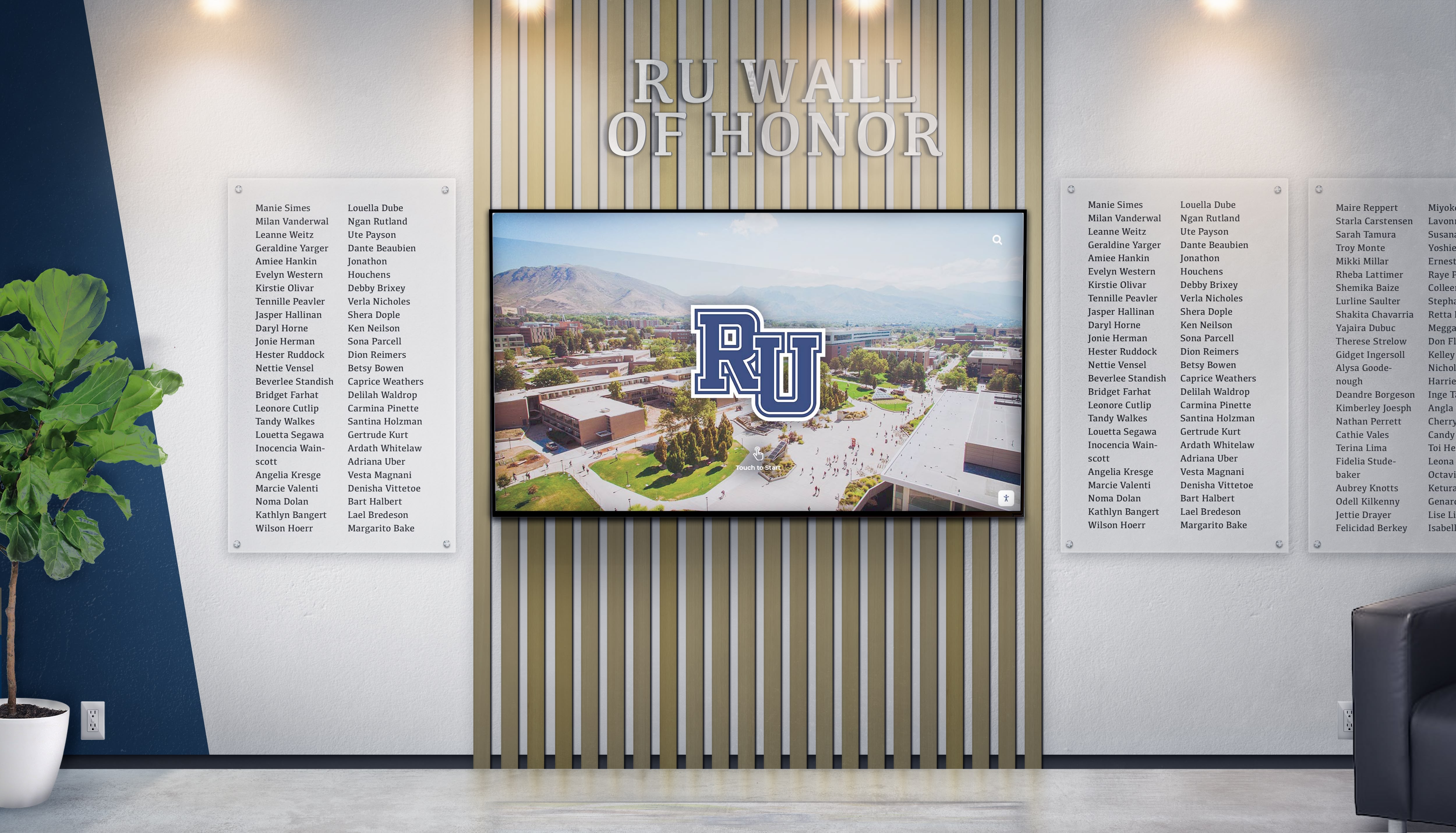
Integrated systems combine digital displays with traditional elements for comprehensive recognition
Simple Cloud-Based Content Management
Modern systems eliminate administrative burden that makes recognition maintenance challenging:
Intuitive Management Interfaces Purpose-built platforms designed for educational institutions:
- No technical expertise required for content updates and additions
- Template systems ensuring consistent formatting across all profiles
- Bulk upload capabilities for adding multiple leaders simultaneously
- Scheduled publishing for automatic end-of-year updates
- Role-based permissions enabling appropriate staff access
- Media libraries storing photos and videos for easy reuse
Automated Integration Capabilities Connections with existing school systems:
- Student information system integration for automatic data import
- Yearbook photo integration eliminating duplicate photography
- Social media connections for extended recognition reach
- Mobile apps enabling smartphone and tablet access
- Web portals making recognition accessible beyond physical campus
- Analytics tracking engagement and popular content
Schools report 80-90% reduction in time spent maintaining recognition displays after implementing digital platforms, with leadership acknowledgment happening consistently even during staff transitions or busy periods.
Extended Recognition Through Web Access
Digital platforms amplify impact beyond physical displays:
Online Recognition Portals Web-accessible content reaching global audiences:
- Alumni worldwide can explore student government history remotely
- Prospective students research school leadership culture during admissions
- Current students share leadership achievements on college applications
- Family members celebrate student leadership from distance
- Community members understand student voice in school governance
Social Media Integration Extending recognition through digital channels:
- Automated social media posts celebrating new leadership
- Shareable profiles enabling digital distribution
- Hashtag campaigns building leadership visibility
- Virtual celebrations during remote learning periods
- Alumni networks maintaining connections through digital platforms
Mobile Accessibility Recognition available anywhere, anytime:
- Smartphone-optimized interfaces for on-the-go access
- QR codes connecting physical campus locations to digital content
- Mobile apps dedicated to school history and recognition
- Push notifications celebrating leadership milestones
- Offline access for viewing without internet connectivity
Discover additional recognition strategies in exciting hallway displays.
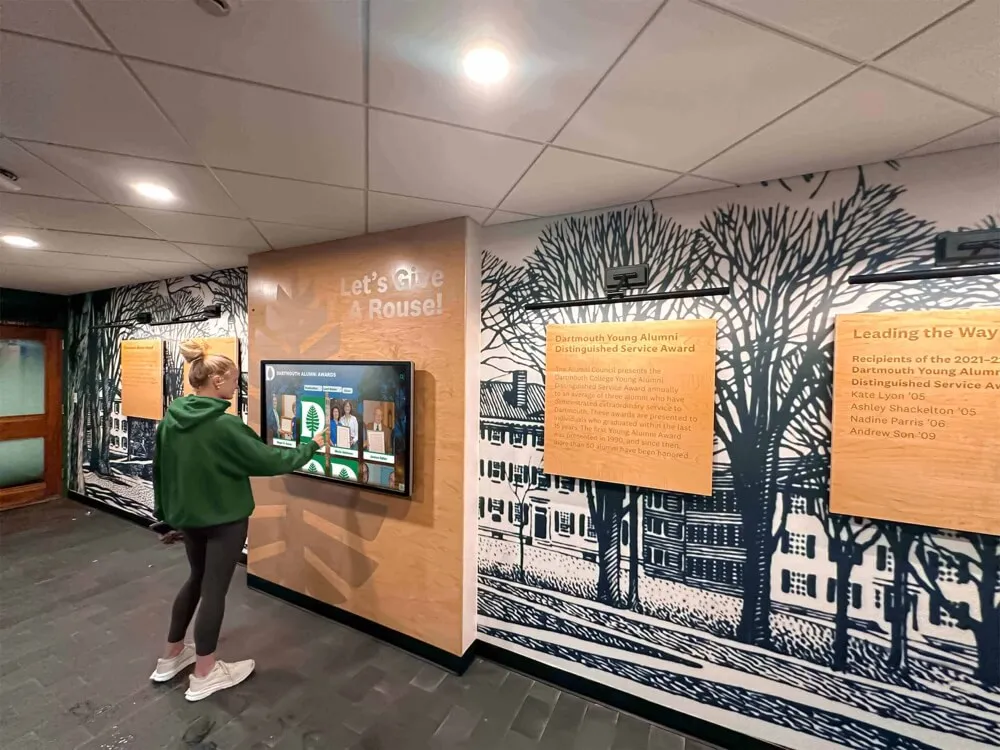
Strategic placement of recognition displays in hallways maximizes visibility and engagement
Creating Comprehensive Class President Recognition Programs
Effective programs extend beyond individual leader acknowledgment to celebrate democratic participation and governance culture.
Multi-Dimensional Recognition Categories
Comprehensive systems acknowledge diverse leadership dimensions:
Electoral Recognition Celebrating democratic participation:
- All candidates who ran for office, not just winners
- Campaign highlights documenting platforms and promises
- Voter participation rates and engagement metrics
- Competitive race acknowledgment celebrating robust participation
- Write-in candidates and grassroots movements
- Special recognition for contested races with high student interest
Term Achievement Recognition Documenting leadership accomplishments:
- Major initiatives launched and completed
- Fundraising totals and resource mobilization
- Event attendance and participation achievements
- Policy changes influenced or implemented
- Crisis response and challenge navigation
- Innovation in governance or student engagement
Skill Development Recognition Leadership growth and capability building:
- Public speaking and presentation skill development
- Conflict resolution and mediation experiences
- Budget management and financial responsibility
- Project management and coordination capabilities
- Collaboration and team building accomplishments
- Personal growth through leadership challenges
Community Impact Recognition Broader influence beyond school boundaries:
- Service projects and community partnerships
- Advocacy on local or regional issues
- Inter-school leadership collaboration
- Mentorship of younger or incoming leaders
- Alumni engagement and networking initiatives
- Legacy projects with lasting institutional impact
Special Circumstance Recognition Acknowledging unique leadership contexts:
- Leadership during crises (pandemic, emergencies)
- Bridge leadership during administrative transitions
- Reform leadership implementing governance changes
- Diversity trailblazers as first representatives from groups
- Multi-year service across different positions
- Outstanding mentorship or advisor relationships
This multi-dimensional approach ensures recognition celebrates leadership depth beyond election wins, honoring the full spectrum of presidential contributions and impacts.
Explore comprehensive student recognition in academic recognition programs.
Historical Documentation and Legacy Preservation
Class president recognition benefits from systematic history preservation:
Complete Presidential Archives Comprehensive leadership documentation:
- Every president from school founding to present
- Governance structure evolution across decades
- Major eras or transitions in student government
- Constitutional or procedural changes implemented
- Relationship evolution between students and administration
- Crisis moments or significant challenges navigated
Initiative and Achievement Archives Institutional memory of student-led accomplishments:
- Major events and traditions launched by student government
- Fundraising campaigns and causes supported
- Policy changes advocated for and won
- Facility improvements or additions influenced by students
- School culture shifts attributed to leadership initiatives
- Lasting traditions or programs remaining active today
Democratic Process Documentation Preserving governance learning opportunities:
- Election procedures and voting system evolution
- Campaign materials and political engagement approaches
- Constitutional amendments and governance reforms
- Conflict resolution and controversial decision processes
- Student voice mechanisms and feedback systems
- Lessons learned and institutional knowledge transfer
This historical preservation creates institutional memory connecting current leaders with decades of student governance tradition while documenting the evolution of democratic participation in school culture.
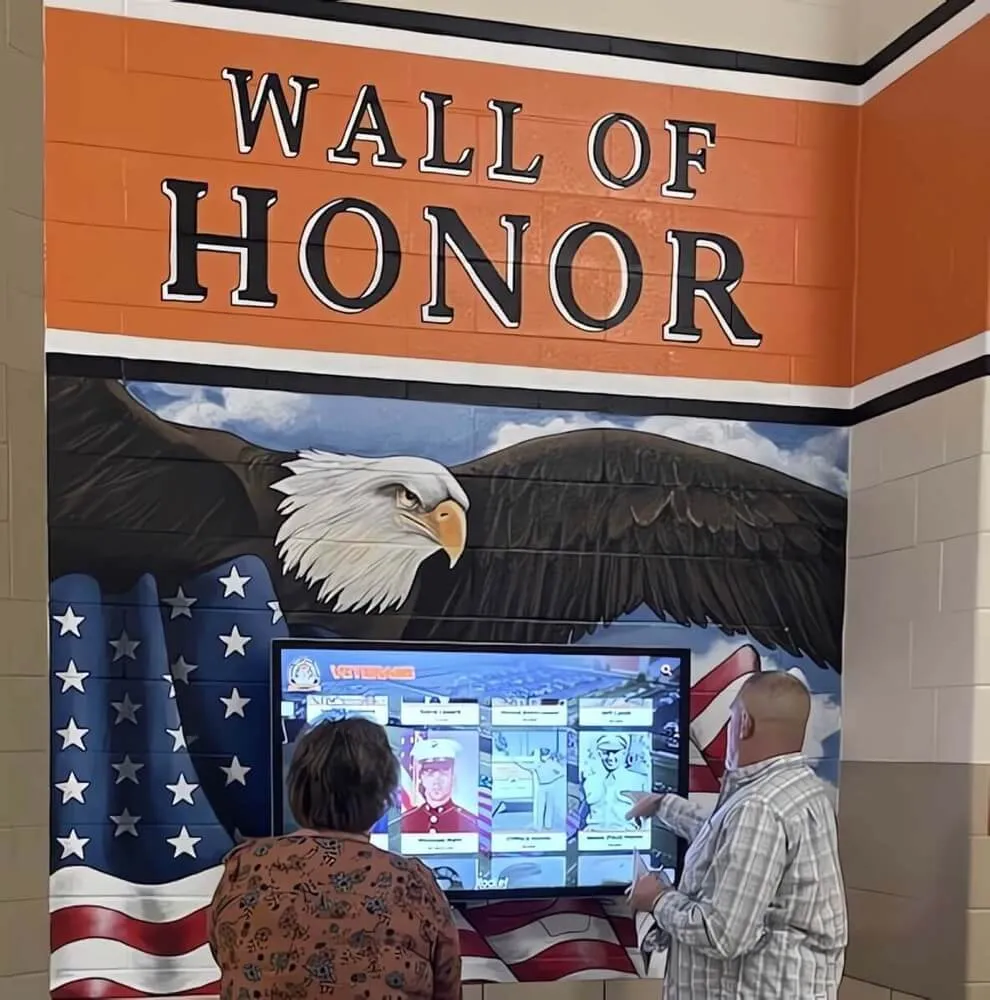
Prominent recognition placement demonstrates institutional commitment to student leadership
Annual Recognition Events and Ceremonies
Formal recognition occasions create memorable experiences celebrating class president service.
End-of-Year Leadership Recognition
Dedicated events provide appropriate celebration platforms:
Student Government Awards Banquet Formal acknowledgment of outgoing leaders:
- Presidential service recognition with certificates or plaques
- Executive board member acknowledgment by position
- Representative and committee member appreciation
- Special awards for outstanding contributions or achievements
- Passing of leadership symbols to incoming officers
- Faculty advisor recognition and appreciation
- Alumni leader appearances and networking opportunities
Leadership Legacy Presentations Reflection on presidential accomplishments:
- Outgoing president speeches summarizing achievements
- Video montages of year’s events and initiatives
- Initiative outcome reports showing impact and results
- Surprise recognition from peers or administrators
- Historical context connecting current leaders to traditions
- Advice sharing with incoming leadership teams
- Emotional farewells and graduation transitions
Installation Ceremonies for New Leadership Formal transitions marking governance continuity:
- Oath-taking or pledge ceremonies for new presidents
- Symbolic transitions (passing gavel, key, or other items)
- Platform presentations from incoming leadership
- Goal-setting and vision-sharing for upcoming year
- Community building among new leadership team
- Faculty advisor and administration charge to new leaders
- Celebration integrating entire student body
Learn about comprehensive recognition events in semester highlights recognition.
School-Wide Recognition Integration
Class president leadership deserves visibility beyond student government circles:
Academic Recognition Integration Include student government leadership in broader student achievement showcases:
- All-school award ceremonies acknowledging leadership service
- Honor society consideration for governance participation
- Graduation recognition for presidential service
- Academic transcript notation of elected positions
- Leadership awards incorporating student government service
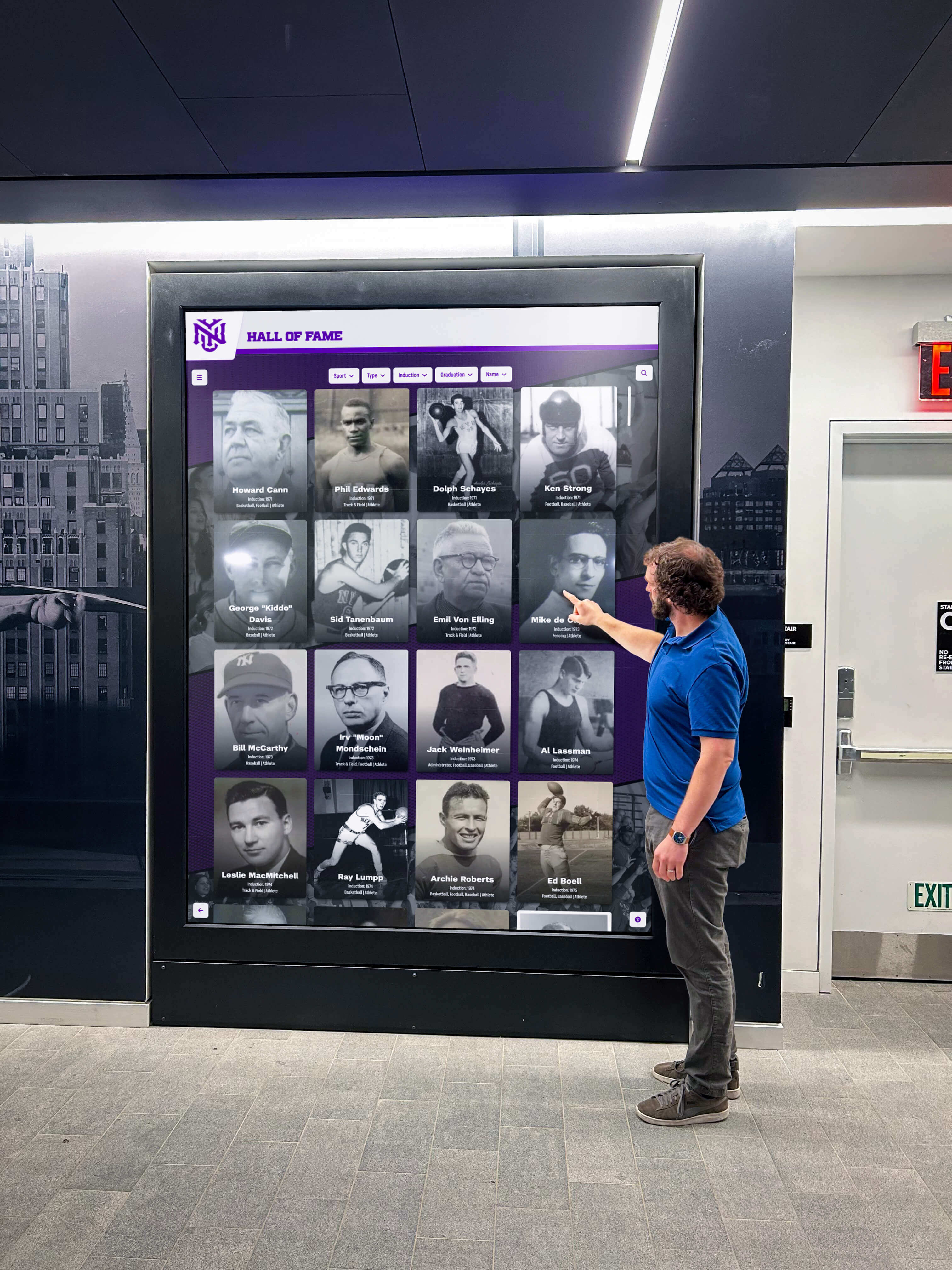
Accessible recognition displays enable students to explore achievements independently
Daily School Integration Regular recognition maintaining leadership visibility:
- Morning announcements highlighting student government activities
- Newsletter features profiling presidents and initiatives
- Social media posts celebrating leadership and events
- Bulletin boards documenting current governance activities
- Cafeteria or commons displays showing upcoming meetings or opportunities
- Leadership spotlight series in school publications
College Application Support Documentation supporting post-secondary ambitions:
- Official verification letters for college applications
- Detailed achievement descriptions for application essays
- Faculty recommendation support emphasizing leadership
- Portfolio content documenting initiatives and impact
- Skills documentation for resume and CV development
This integrated approach elevates student government leadership to equal status with athletic and academic recognition while building awareness about democratic participation opportunities.
Implementing Class President Recognition Systems
Systematic planning ensures sustainable, effective recognition programs.
Planning Phase Steps
Assessment and Goal Setting Begin with clear understanding of needs:
- Evaluate current class president recognition practices and gaps
- Survey students, families, and staff about recognition priorities
- Review available budget and resource considerations
- Identify appropriate physical spaces for recognition displays
- Establish recognition program goals and success metrics
- Ensure alignment with civic education and leadership development goals
Historical Data Collection Compile complete leadership information:
- Research class presidents from school founding forward
- Document executive board members and officers by year
- Gather achievement records, event programs, and materials
- Collect photographs and memorabilia from archives
- Interview long-time advisors, administrators, and alumni
- Verify accuracy of historical records through multiple sources
Recognition Format Selection Choose approaches matching institutional needs:
- Decide between traditional, digital, or hybrid recognition approaches
- Evaluate display placement options and visibility
- Consider solutions like Rocket Alumni Solutions for comprehensive digital systems
- Plan for content management responsibilities and training
- Budget for initial implementation and ongoing maintenance
- Ensure accessibility for all community members
Content Development and Launch
Profile Development Create detailed recognition content:
- Write compelling biographies for each president
- Gather quality photographs for recognition displays
- Document specific achievements and initiatives
- Collect quotes or reflections when possible
- Develop consistent formatting and presentation standards
- Create templates for ongoing additions
Launch Event Planning Generate excitement around recognition:
- Create unveiling ceremony for new recognition display
- Invite alumni presidents and student government founders
- Generate publicity through school communications channels
- Document launch event for institutional history
- Collect feedback from initial user experiences
- Celebrate staff and students who made recognition possible
Integration with Civic Education Connect recognition to learning goals:
- Link recognition to government and civics curriculum
- Use historical examples in leadership education
- Create research assignments exploring governance evolution
- Develop student projects documenting current leadership
- Build democratic participation into school culture
- Model civic engagement through recognition practices
Explore additional implementation strategies in student mentorship programs.
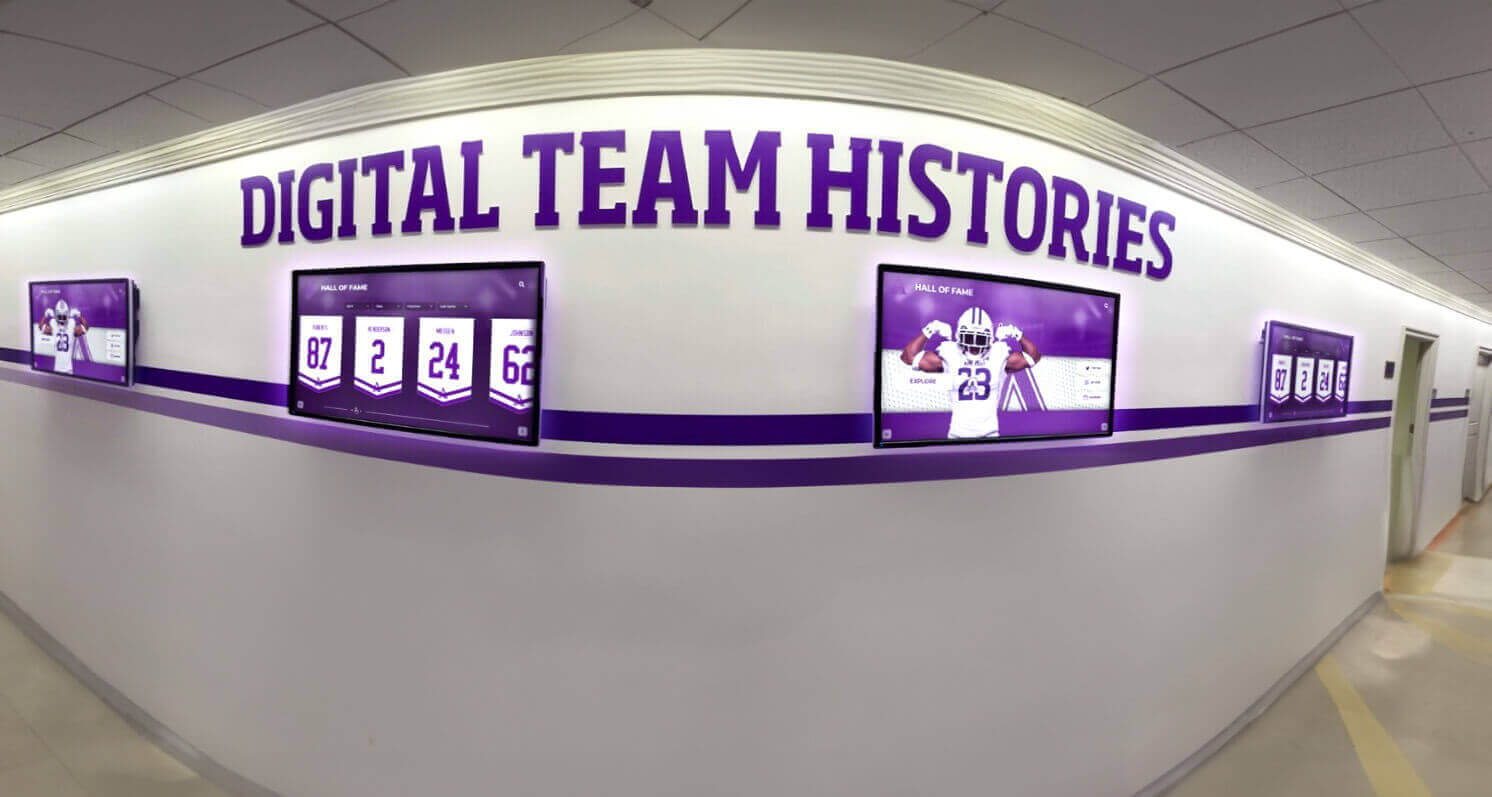
Historical displays connect current leaders with decades of student government tradition
Maintaining Recognition Programs Long-Term
Sustainable recognition requires ongoing management and continuous improvement.
Annual Update Protocols
End-of-Year Recognition Updates Systematic documentation processes:
- Document outgoing presidents and executive board members
- Add achievement records and initiative documentation
- Capture end-of-year event photographs
- Collect reflections or quotes from departing leaders
- Archive year’s activities and governance highlights
- Update governance structure if changes occurred
Summer Preparation Activities Ready recognition for new school year:
- Review and refresh displays before students return
- Plan recognition for incoming leadership team
- Update historical documentation with corrections if needed
- Prepare welcome materials featuring recognition program
- Train new administrators or advisors on content management
- Budget for year’s recognition program needs
Multi-Year Sustainability Strategies
Responsibility Assignment Clear accountability ensures continuity:
- Designate faculty advisor oversight for recognition program
- Establish student government roles supporting recognition
- Create documentation for transition between advisors
- Develop backup systems ensuring continuity during absences
- Budget annually for recognition program maintenance
- Build recognition into position descriptions and expectations
Assessment and Improvement Regular evaluation drives enhancement:
- Gather feedback from students about recognition effectiveness
- Track engagement with digital recognition displays
- Monitor recognition distribution ensuring comprehensiveness
- Evaluate recognition program impact on leadership interest
- Adjust approaches based on assessment findings
- Celebrate successes and address challenges proactively
Alumni Engagement Through Recognition Recognition systems create ongoing connection opportunities:
- Alumni profile updates documenting post-graduation paths
- Reunion events featuring historical recognition displays
- Alumni mentorship programs connecting past and present leaders
- Fundraising initiatives supporting student government operations
- Career networking through president alumni database
- Guest speaker opportunities for alumni leaders
Explore alumni engagement strategies for ongoing connection approaches.
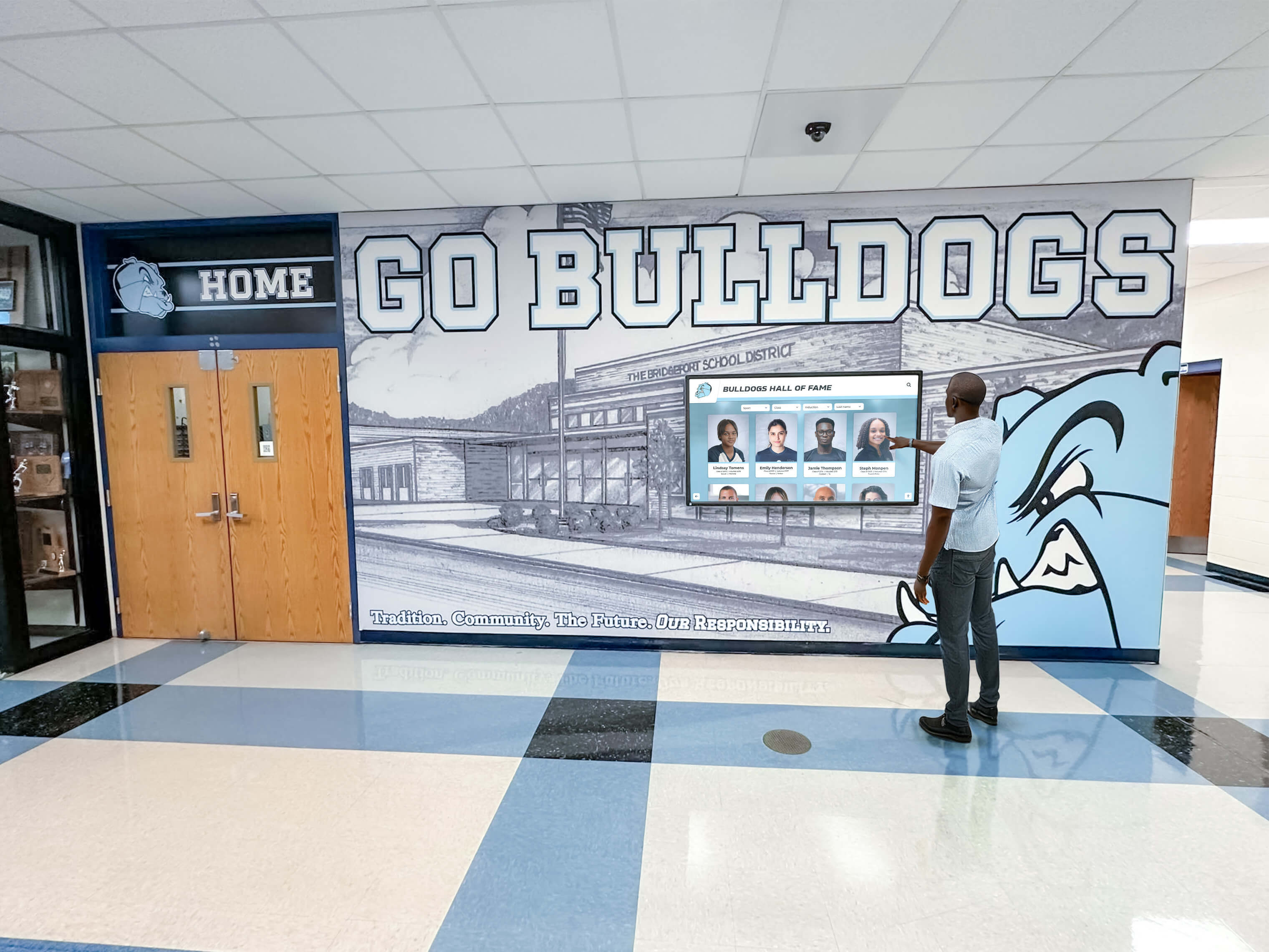
User-friendly interfaces encourage exploration and engagement with leadership history
Connecting Class President Recognition to Educational Goals
Effective recognition supports institutional missions beyond individual acknowledgment.
Civic Education and Democratic Participation
Class president recognition reinforces essential civic competencies:
Understanding Democratic Processes Recognition documents governance in action:
- Electoral processes and campaign procedures
- Representative democracy and constituent service
- Debate, deliberation, and consensus building
- Parliamentary procedure and formal governance
- Constitutional frameworks and rule of law
- Rights, responsibilities, and civic participation
Modeling Civic Engagement Presidents demonstrate active citizenship:
- Advocacy and community organizing
- Public speaking and persuasion
- Coalition building and collaboration
- Policy development and implementation
- Ethical leadership and integrity
- Service orientation and community contribution
Building Political Efficacy Recognition demonstrates that student voice matters:
- Visible evidence that students influence school decisions
- Documentation of student-led improvements and changes
- Celebration of young leaders making real impact
- Inspiration for future civic participation
- Validation that leadership effort produces results
- Foundation for lifelong democratic engagement
Recognition systems should explicitly connect class president service to broader civic education goals, helping students understand governance participation as preparation for citizenship beyond school.
Leadership Development and College Readiness
Class president recognition provides valuable college application content:
Documentation for Applications Verified leadership credentials:
- Elected position titles and terms served
- Specific achievement documentation with evidence
- Faculty advisor verification and recommendation support
- Detailed contribution descriptions for essays
- Quantifiable metrics demonstrating impact
- Official recognition certificates or letters
Competitive Distinction Student government leadership offers unique positioning:
- Demonstration of peer respect through election
- Evidence of democratic participation and civic engagement
- Proof of organizational and communication skills
- Documentation of event management and coordination
- Distinctive activities list differentiation
- Leadership narrative for personal statements
Transferable Skills Development Presidential service builds essential competencies:
- Public speaking and presentation abilities
- Meeting facilitation and parliamentary procedure
- Budget management and financial oversight
- Project coordination and deadline management
- Conflict resolution and consensus building
- Team leadership and delegation capabilities
Digital recognition systems provide easily accessible documentation supporting college applications while creating shareable content for student portfolios and personal branding.
Learn about recognition supporting future success in student achievement displays.
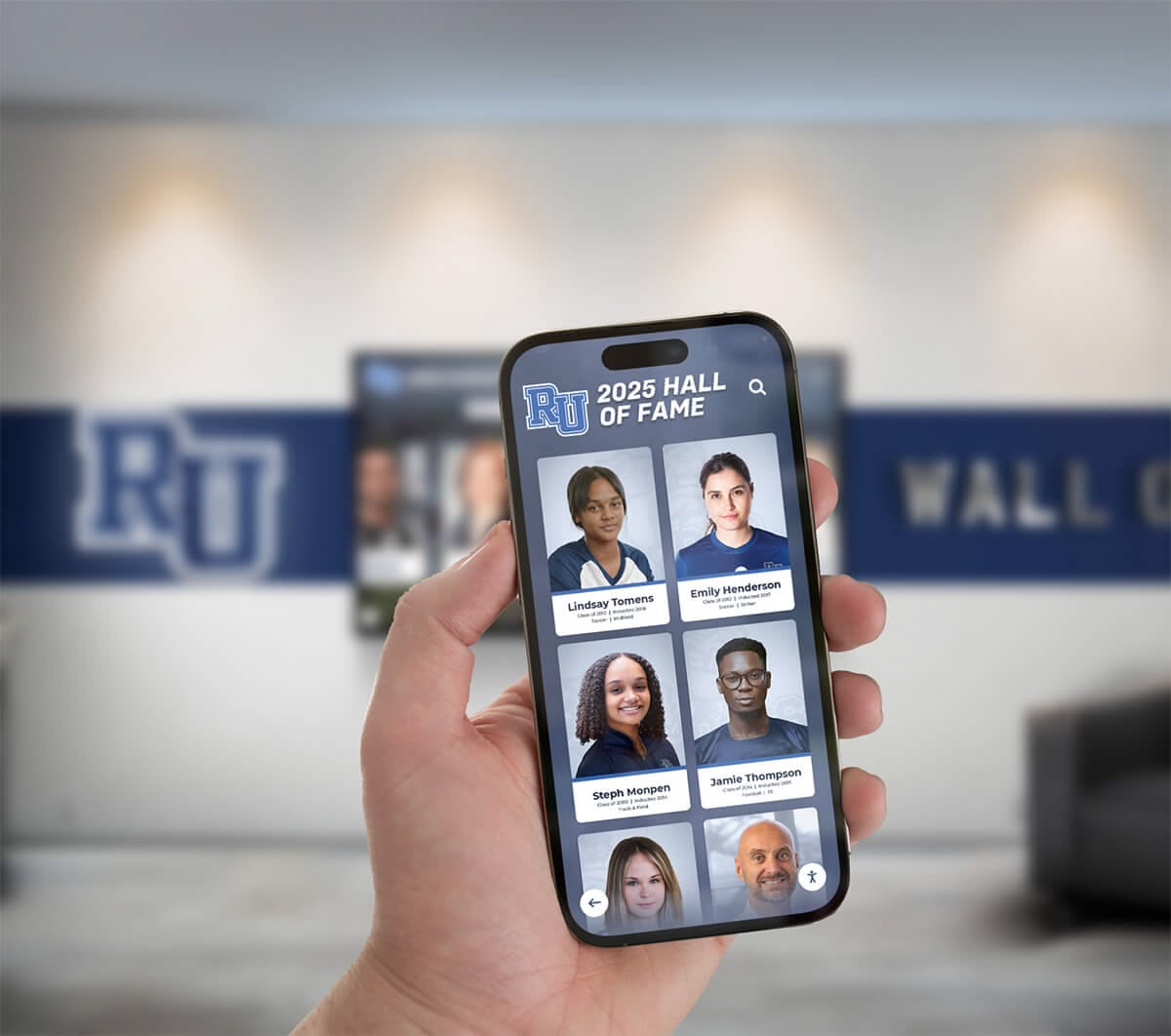
Mobile-optimized recognition systems enable students to access leadership documentation anytime
Special Considerations for Class President Recognition
Student government-specific factors require particular attention in recognition design.
Election and Campaign Recognition
Beyond celebrating winners, honor democratic participation:
All Candidate Recognition Acknowledging everyone who ran for office:
- Profiles for all candidates, not just winners
- Campaign platform highlights and key issues raised
- Debate participation and public forum engagement
- Creative campaign approaches and innovations
- Close race recognition celebrating competitive elections
- Growth and learning from campaign experiences
Campaign Trail Documentation Preserving electoral process:
- Campaign materials including posters and handouts
- Speech transcripts or recordings from forums
- Debate videos or transcripts
- Voting data and participation statistics
- Student engagement metrics during campaigns
- Post-election analysis and reflection
Democratic Process Education Using recognition to teach civics:
- Electoral procedure documentation
- Campaign ethics and fair practice guidelines
- Voter education and engagement strategies
- Debate format and substantive policy discussion
- Peaceful transitions of power
- Lessons learned from electoral experiences
Balancing Individual and Team Recognition
Effective programs honor both presidents and supporting teams:
Presidential Prominence with Team Context Appropriate balance ensures fairness:
- Presidents receive primary recognition reflecting position
- Executive boards and officers receive secondary-level acknowledgment
- Representatives and committee members receive group recognition
- Advisor and staff support receives appropriate appreciation
- Collaborative achievements credited to teams rather than individuals
- Individual contributions contextualized within group efforts
Avoiding Excessive Individualization Presidents lead collaboratively:
- Emphasize “we” rather than “I” in achievement descriptions
- Credit teams for major initiatives and successes
- Acknowledge diverse contributions to accomplishments
- Recognize that leadership requires strong supporting cast
- Model collaborative values through recognition approaches
- Celebrate democratic teamwork over individual heroism
Executive Board Comprehensive Recognition Full leadership team acknowledgment:
- Vice presidents and their specific responsibilities
- Secretaries and their documentation contributions
- Treasurers and their financial management
- Specialized officers and their portfolio achievements
- Committee chairs and their initiative leadership
- Representatives and their constituent service
Learn about comprehensive team recognition in chess club leadership displays.
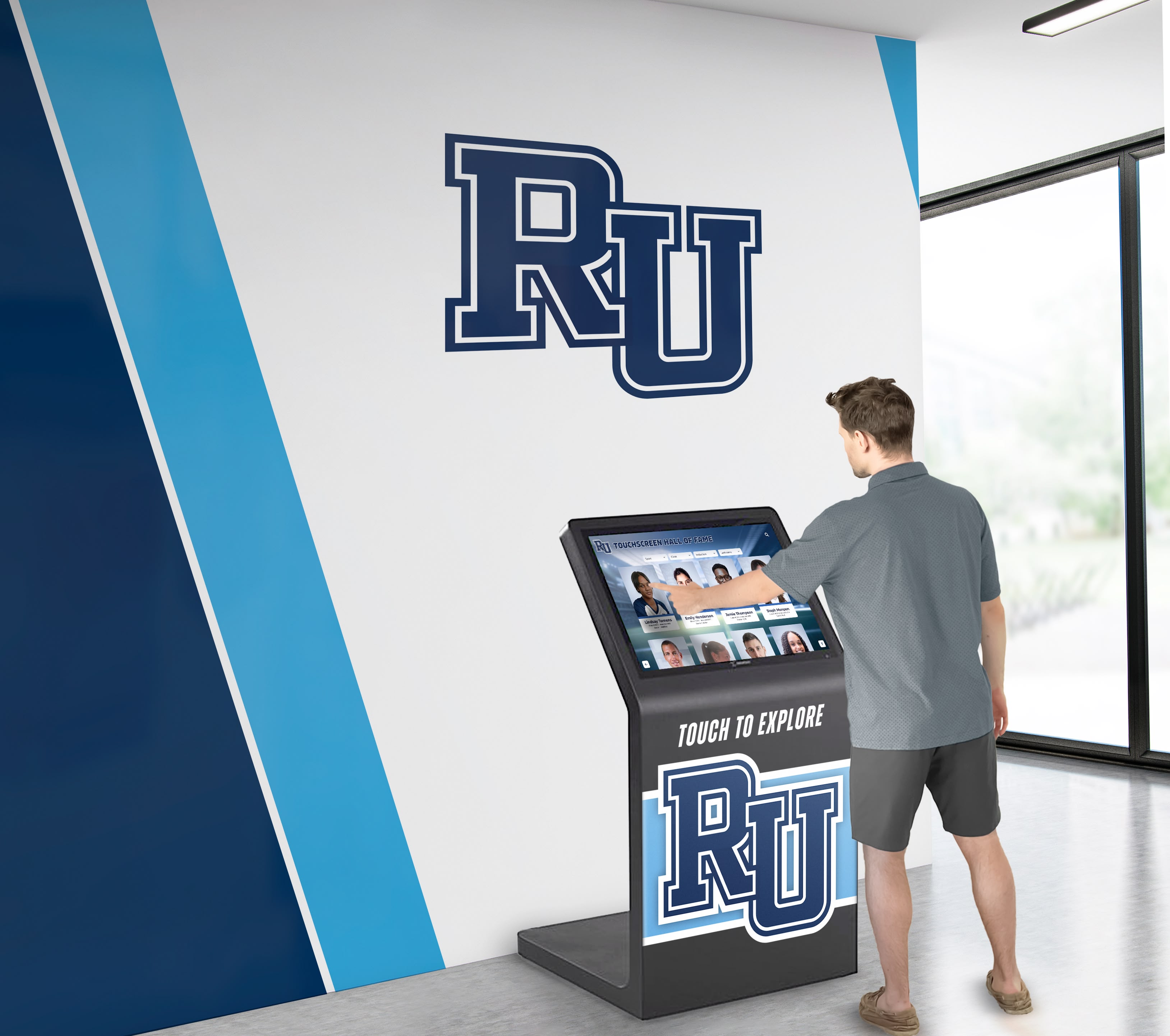
Engaging recognition experiences create positive associations with democratic participation
Conclusion: Honoring Student Leadership Legacy
Class presidents provide essential leadership creating democratic communities where student voice matters, peer advocacy thrives, and young people practice self-governance. These elected leaders organize events, represent constituent interests, build inclusive school culture, and develop civic competencies extending far beyond high school graduation.
Effective recognition systems honor these multifaceted contributions through approaches that celebrate leadership, preserve governance history, inspire future participation, and demonstrate institutional commitment to democratic values. From traditional plaques documenting presidential succession to modern digital displays providing unlimited recognition capacity and interactive exploration, multiple options exist matching different resources and priorities.
Transform Your Class President Recognition Program
Discover how modern digital recognition solutions can help you celebrate every class president, executive officer, and student government achievement while building lasting democratic legacy.
Explore Recognition SolutionsThe strategies explored in this guide provide frameworks for building recognition systems that honor class president leadership while remaining sustainable, inclusive, and aligned with civic education goals. Whether implementing traditional physical displays or comprehensive digital platforms like Rocket Alumni Solutions, the key lies in systematic approaches ensuring consistent recognition reaching all deserving leaders and contributors.
Your class presidents and student government members dedicate countless hours building democratic communities that enrich your school culture and develop essential civic competencies. They deserve recognition equal to any other student leadership while serving as inspiration for future generations discovering the power of student voice, democratic participation, and community organizing.
Start where you are with recognition you can implement immediately, then systematically expand to create comprehensive approaches your student leaders deserve. Every president whose leadership receives meaningful acknowledgment understands their contributions mattered, their legacy continues, and their example inspires others to step forward and lead.
Ready to begin? Explore comprehensive recognition approaches or learn more about creating cultures of democratic participation through systematic programs celebrating all dimensions of student leadership—including the essential civic engagement flourishing in your school’s student government.































