Planning a class reunion that actually gets people to show up requires more than sending out invitations and booking a venue. The challenge isn’t just logistics—it’s creating an experience compelling enough that busy alumni will block off a weekend, potentially travel hundreds of miles, and invest time reconnecting with classmates they haven’t seen in years or even decades.
The difference between reunions that fizzle with disappointing attendance and those that generate genuine excitement lies in thoughtful planning that addresses what alumni truly want: meaningful reconnection opportunities, authentic celebration of shared history, and experiences that justify their time and travel investment. When reunion committees understand these priorities and design events accordingly, attendance rates soar and participants leave already looking forward to the next gathering.
This comprehensive guide explores proven class reunion ideas that transform standard hotel ballroom gatherings into memorable experiences worthy of your classmates’ limited time. Whether you’re planning your first 10-year reunion or organizing a 50th anniversary celebration, you’ll discover actionable strategies for creating events that balance nostalgia with current relevance while making every attendee feel the trip was worthwhile.
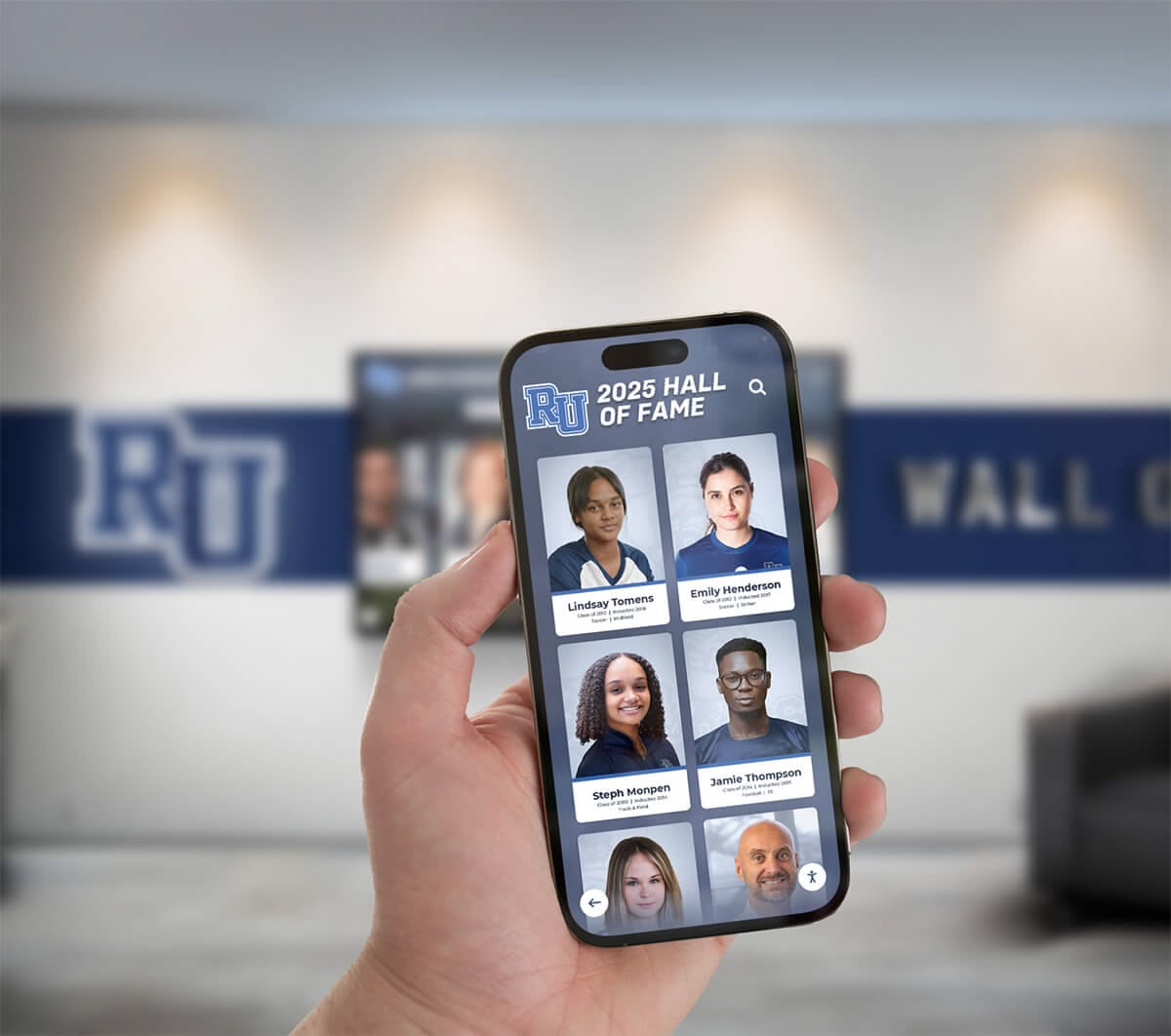
Modern technology enables alumni to reconnect with classmates and explore shared memories through engaging interactive platforms
Understanding What Alumni Really Want From Class Reunions
Before diving into specific class reunion ideas, understanding fundamental motivations helps guide decisions toward approaches that resonate with your unique graduating class.
The Real Reasons People Skip Reunions
Attendance barriers reveal what successful reunions must overcome. Alumni cite several common reasons for declining reunion invitations, and addressing these concerns directly impacts participation rates.
Insufficient perceived value represents the primary barrier. Many graduates question why they should invest time and money to stand in a hotel ballroom making awkward small talk with people they barely knew or haven’t thought about in years. When the value proposition feels weak, reunions lose out to countless competing demands on alumni time and resources.
Social anxiety and comparison concerns create legitimate hesitation. Alumni worry about appearance, career success comparisons, financial achievement gaps, or simply feeling awkward around people they once knew well but now feel disconnected from. These concerns intensify when graduates perceive they haven’t achieved expected success levels or have followed less prestigious career paths than high-achieving classmates.
Weak institutional or class connection diminishes reunion appeal. Graduates who disengaged immediately after graduation lack the emotional bonds that motivate reunion attendance. Without ongoing connection to classmates or positive memories from their educational experience, reunions feel like obligations rather than opportunities.
Practical constraints including demanding work schedules, family responsibilities, limited vacation time, and geographic distance create real barriers. Reunions compete against family vacations, important work commitments, and simple need for rest—requiring compelling reasons to win priority in crowded schedules.
Previous disappointment colors future decisions. Alumni who attended poorly organized reunions with thin attendance, minimal programming, or experiences that didn’t justify the investment naturally decline future invitations. One bad reunion experience can create lasting hesitancy.
Successful reunion planning directly addresses these barriers through programming that provides genuine value, reduces social anxiety through structured activities, rebuilds class connections through compelling communications, accommodates diverse schedules through flexible options, and delivers experiences so memorable that attendees eagerly anticipate future gatherings.
What Makes Classmates Actually Attend
Research and experience reveal that alumni prioritize several specific elements when deciding whether to attend class reunions.
Specific people they want to reconnect with often drive attendance decisions. Alumni are far more likely to attend when they know particular friends, former roommates, teammates, or close classmates will be there. Generic invitations generate tepid response; personal outreach from peers they remember fondly produces far higher commitment rates.
Campus nostalgia and curiosity about changes satisfy powerful human desires to revisit formative places and see how institutions have evolved. Alumni want to walk familiar paths, see new buildings, understand how programs have developed, and reconnect with the physical environment where they spent transformative years.
Structured activities reducing awkward small talk appeal strongly. Many alumni dread reunions precisely because they fear hours of forced conversation with minimal structure. Well-designed programming that creates natural interaction opportunities, provides conversation starters, and enables both social connection and independent exploration receives enthusiastic response.
Recognition of life accomplishments matters more than many organizers realize. After years of career building, family raising, and life navigation, alumni appreciate acknowledgment of their achievements and contributions. Recognition programs celebrating diverse success paths—not just highest earners or most prestigious careers—create inclusive environments where everyone feels valued.
Family-friendly options enable participation without childcare complications. Alumni with young children appreciate programming that welcomes families, provides activities for kids, and allows parents to participate without arranging external care or choosing between family time and reunion attendance.
The most successful reunions incorporate programming directly addressing these desires rather than defaulting to convenient but uninspiring formats that organizers find easy but attendees experience as disappointing.
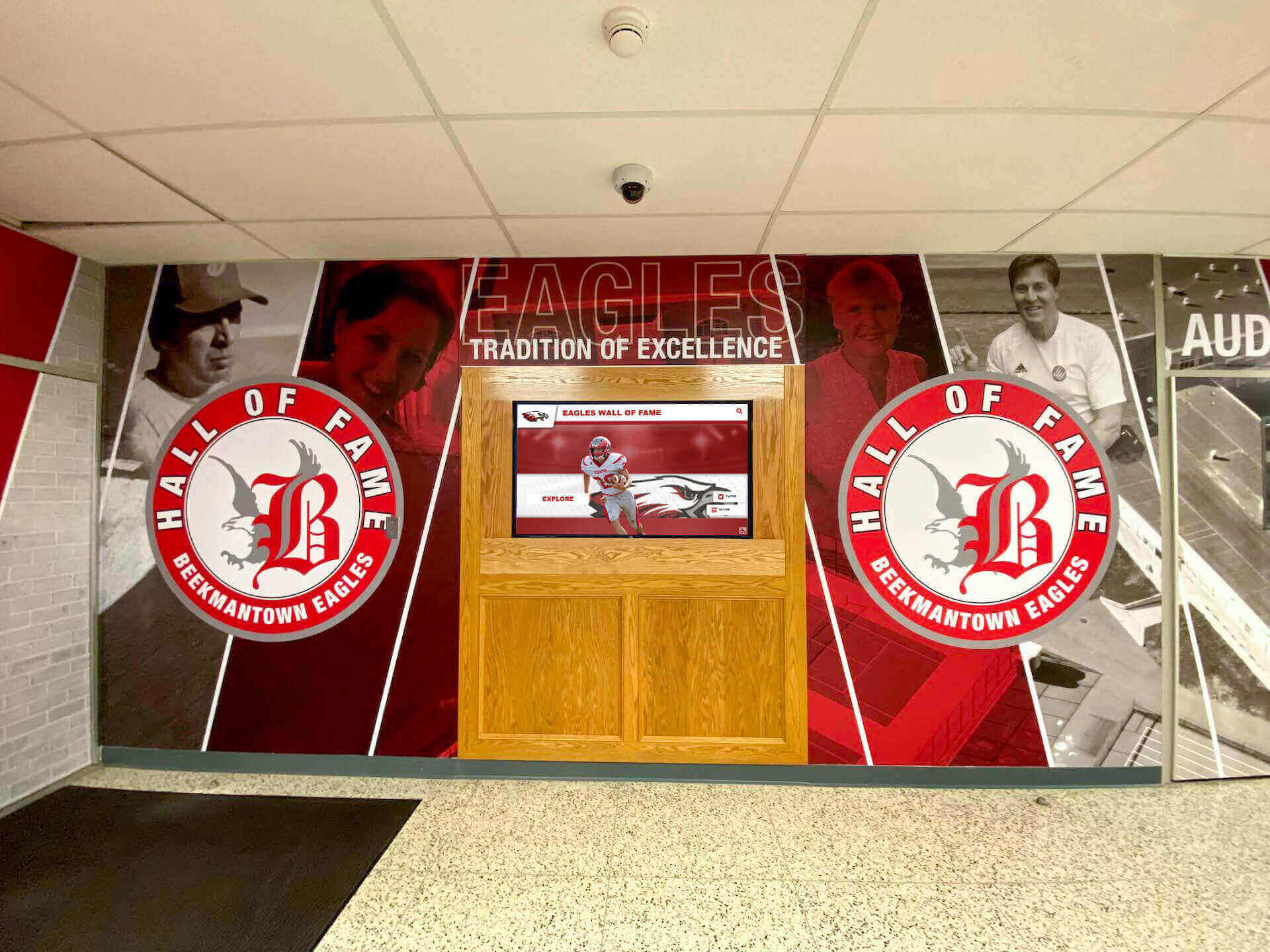
Prominent recognition displays create natural gathering points where alumni share stories and explore institutional history
Essential Class Reunion Ideas: Building Your Event Framework
Effective reunions combine multiple complementary elements creating comprehensive experiences that appeal to diverse alumni preferences and participation styles.
Choosing the Right Venue for Your Class Reunion
Venue selection significantly impacts reunion success, influencing everything from attendance decisions to participant satisfaction and overall atmosphere.
Campus-based reunions leverage powerful nostalgia while showcasing institutional evolution. Bringing alumni back to campus enables them to revisit meaningful locations, see facility improvements, meet current students, and reconnect with the physical environment central to their formative experiences. Campus venues often provide cost advantages through institutional support while offering authentic settings impossible to replicate elsewhere. However, campus locations may pose accessibility challenges for alumni living far away and might not work well if substantial renovations have eliminated familiar landmarks.
Hometown or regional gatherings accommodate geographic distribution when significant portions of your class settled in specific areas. Rather than expecting everyone to travel to campus, bringing reunions to major population centers increases accessibility while maintaining class cohesion. Regional reunions work particularly well for preliminary gatherings building momentum toward major milestone campus events, or when your institution’s location makes travel logistics challenging for many classmates.
Hybrid venue approaches combine campus experiences with off-site events providing variety and accommodating different preferences. Many successful reunions schedule campus tours and facility visits during daytime hours, then move to restaurants, hotels, or event spaces for evening social programming. This combination delivers campus nostalgia while offering comfortable social environments purpose-built for gatherings and celebrations.
Informal gathering spaces including local restaurants, breweries, or parks provide comfortable, low-pressure environments particularly suited to smaller classes or casual interim reunions between major milestones. These accessible venues reduce costs while creating relaxed atmospheres that facilitate genuine conversation and reconnection.
When evaluating specific venues, consider accessibility for alumni with mobility limitations, parking availability and convenience, capacity matching expected attendance, technological infrastructure supporting presentations or audio-visual elements, catering options or flexibility regarding outside food and beverage, and overall atmosphere alignment with your reunion vision and class personality.
Timing Strategies That Maximize Attendance
When you schedule your class reunion significantly impacts who can attend and how many classmates commit to participating.
Homecoming weekend integration provides built-in programming, campus energy, and institutional investment that individual reunion committees couldn’t replicate alone. Alumni attending homecoming naturally extend visits to include reunion activities, while institutional homecoming promotion provides free advertising reaching broader audiences. Football games or other athletic contests provide entertaining shared experiences, while campus is already prepared for large visitor volumes. The primary disadvantage involves competing with numerous other activities for alumni attention, and homecoming dates may not work for all interested classmates.
Summer timing advantages offer flexibility when families can travel more easily without school-year constraints, pleasant weather for outdoor activities, and relaxed schedules before fall commitments intensify. Many alumni appreciate summer reunions allowing extended visits combining reunion attendance with family vacations. However, summer also brings competing vacation plans, higher travel costs during peak season, and potential conflicts with camps, sports seasons, or other family commitments.
Spring or fall scheduling avoids extreme weather while missing peak vacation seasons. These shoulder periods may offer better venue pricing and availability while accommodating alumni who reserve summer for family travel. The tradeoff involves potential conflicts with end-of-school-year or back-to-school schedules for alumni with children.
Weekend versus weekday considerations reflect your class demographics and preferences. Weekend reunions accommodate most working alumni and allow unhurried participation without vacation day requirements. However, weekends mean higher venue costs and family obligation conflicts. Some classes have experimented with extended Thursday-through-Sunday formats enabling alumni to choose which portions to attend based on their schedules.
Advance notice requirements prove critical regardless of specific dates chosen. Major milestone reunions (25th, 50th anniversaries) warrant 12-18 months advance notice enabling alumni to block calendars before competing commitments fill schedules. Even interim reunions benefit from 6-9 months lead time providing adequate promotion and planning periods.
Survey your class about date preferences rather than assuming what works best. Even informal polls through social media or email can reveal strong preferences or absolute conflicts that should guide final scheduling decisions.
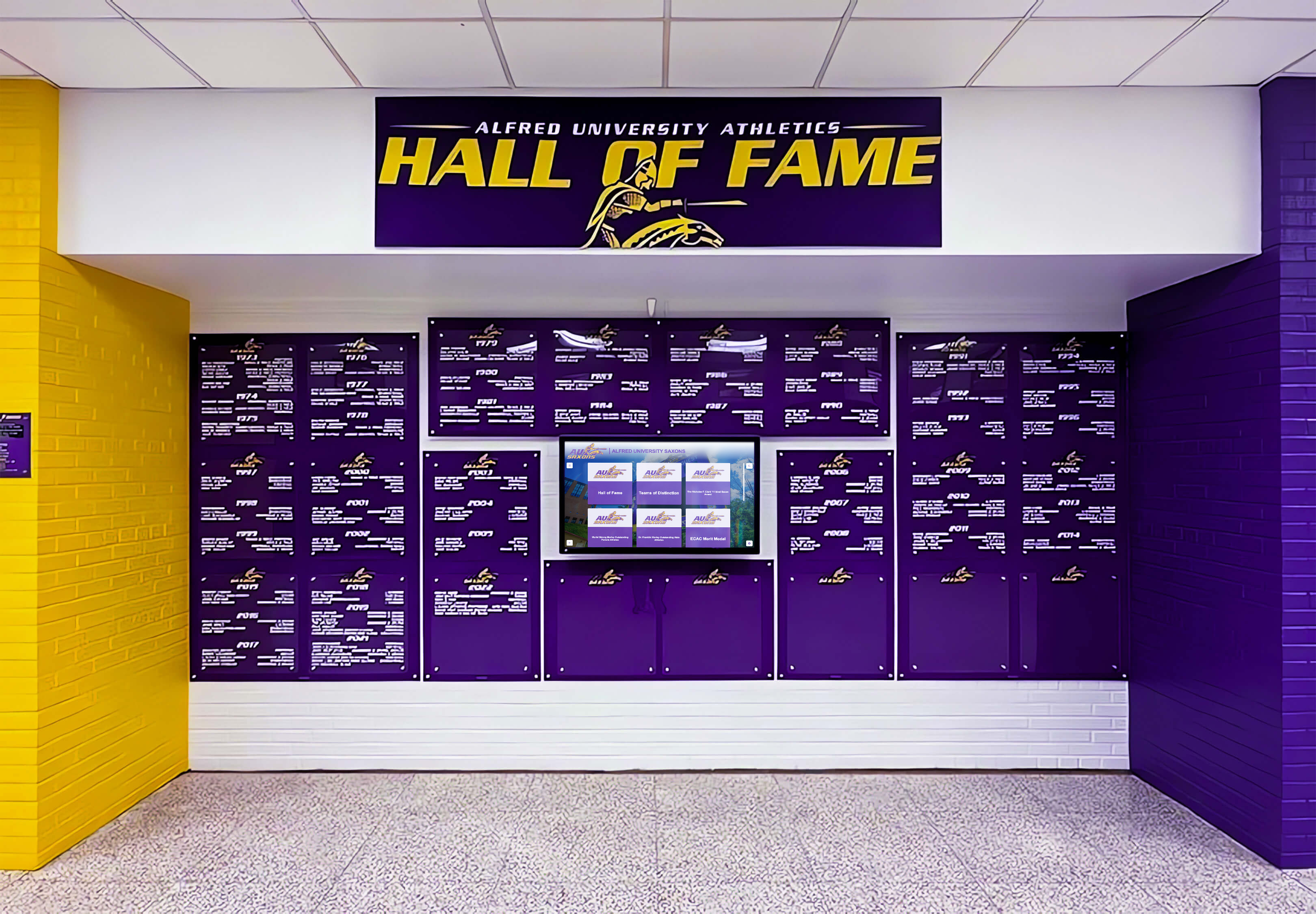
Comprehensive displays showcasing class history and achievements provide engaging exploration opportunities throughout reunion events
Creative Programming Ideas That Drive Engagement
Beyond venue and timing, specific activities determine whether reunions feel meaningful or forgettable. The most effective programming creates participation opportunities rather than passive observation.
Interactive Activities That Break the Ice
Well-designed activities reduce social anxiety while facilitating genuine reconnection through structured participation.
Memory sharing stations provide physical or digital spaces where attendees contribute favorite memories, funny stories, meaningful moments, or gratitude expressions. These crowdsourced collections create collective narratives while giving quieter alumni participation methods beyond forced conversation. Consider both traditional poster boards with markers for analog contributions and digital recognition platforms enabling multimedia memory sharing accessible to remote alumni who couldn’t attend physically.
Then-and-now photo exhibitions pair graduation photos with current pictures documenting how classmates have changed over the years. These visual comparisons spark conversations about transformations, aging, and life journeys while helping alumni recognize classmates whose appearances have evolved substantially. Create both printed displays and digital slideshows cycling through comparisons, and encourage alumni to share reaction photos on social media extending visibility beyond attendees.
Class superlatives revisited recreate senior yearbook categories with updated versions reflecting alumni accomplishments: “traveled farthest to attend,” “most grandchildren,” “most career changes,” “still using same hairstyle from graduation,” or “most likely to still have perfect attendance at reunions.” Humorous recognition breaks ice while celebrating diverse life paths without emphasizing traditional success metrics that might make some alumni uncomfortable.
Time capsule ceremonies open capsules sealed at earlier milestone reunions generating intrigue about what classmates predicted or preserved, while simultaneously creating new capsules for future anniversaries. Ask attendees to contribute predictions about where they’ll be at the next milestone, advice to their future selves, or items representing current life stages. These activities create tangible connection between past and future while generating anticipation for upcoming reunions.
Interactive scavenger hunts around campus challenge teams to locate meaningful sites, photograph themselves at specific locations, or answer trivia questions about class history and institutional changes. This active programming gets alumni moving, working together, and revisiting campus areas central to their experiences while creating friendly competition and shared adventure.
Career speed networking sessions organize brief structured conversations where alumni share professional expertise, offer advice, discuss industry trends, or explore collaboration opportunities. These purposeful interactions provide genuine value beyond nostalgia while reducing awkwardness through clear conversation frameworks. Consider organizing sessions by industry, geographic region, or life stage so alumni connect with classmates facing similar professional or personal circumstances.
Leveraging Technology for Enhanced Reunion Experiences
Digital tools dramatically expand reunion capabilities while accommodating modern communication preferences and geographic dispersion.
Social media integration before, during, and after reunions builds momentum and extends engagement beyond physical events. Create private Facebook groups or LinkedIn communities where classmates reconnect before reunions, sharing anticipation and coordinating travel. During events, encourage real-time posting using dedicated hashtags that aggregate content and create visible enthusiasm. After reunions, maintain groups as ongoing spaces for continued conversation rather than abandoning them until the next milestone event.
Virtual participation options include geographically distant alumni who cannot attend physically. Livestream key programming moments including opening ceremonies, awards presentations, or campus tours enabling remote alumni to participate despite distance. Some innovative reunions create hybrid formats where virtual participants join via video conferencing for specific sessions, share memories through digital platforms displayed at physical venues, or attend separate regional satellite gatherings synchronized with the main campus event.
Digital photo sharing platforms enable professional photographers and attendees to upload and share reunion pictures through password-protected galleries. These collections become treasured keepsakes while providing content that sustains conversations for months following events. Make downloading and sharing easy, and consider creating short video compilations set to music from your class era that alumni can share on personal social media.
Interactive alumni recognition displays transform how classmates explore shared history and reconnect with each other. Solutions like Rocket Alumni Solutions provide touchscreen displays and web platforms enabling alumni to search for former classmates, explore career achievements, view historical photos from their era, and discover how institutions have evolved. These installations become natural gathering points during reunions where alumni share stories and reconnect through visual memory triggers impossible with static displays alone. The beauty lies in comprehensive databases accommodating entire class populations without space constraints limiting who receives recognition, ensuring every attendee can find themselves and their closest friends represented.
Mobile reunion apps provide centralized information sources including schedules, venue maps, attendee lists with contact information, real-time updates or changes, photo sharing capabilities, and messaging features enabling classmates to coordinate informal gatherings. While dedicated apps require development investment, even simple shared documents or group messaging platforms provide organizational benefits that enhance reunion experiences.
Virtual reality campus tours enable alumni living far away to revisit campus through immersive VR experiences if institutions have invested in 360-degree photography or virtual tour technology. Even alumni attending physically might enjoy VR experiences showing how campus looked during their era, creating powerful before-and-after comparisons impossible through standard tours alone.
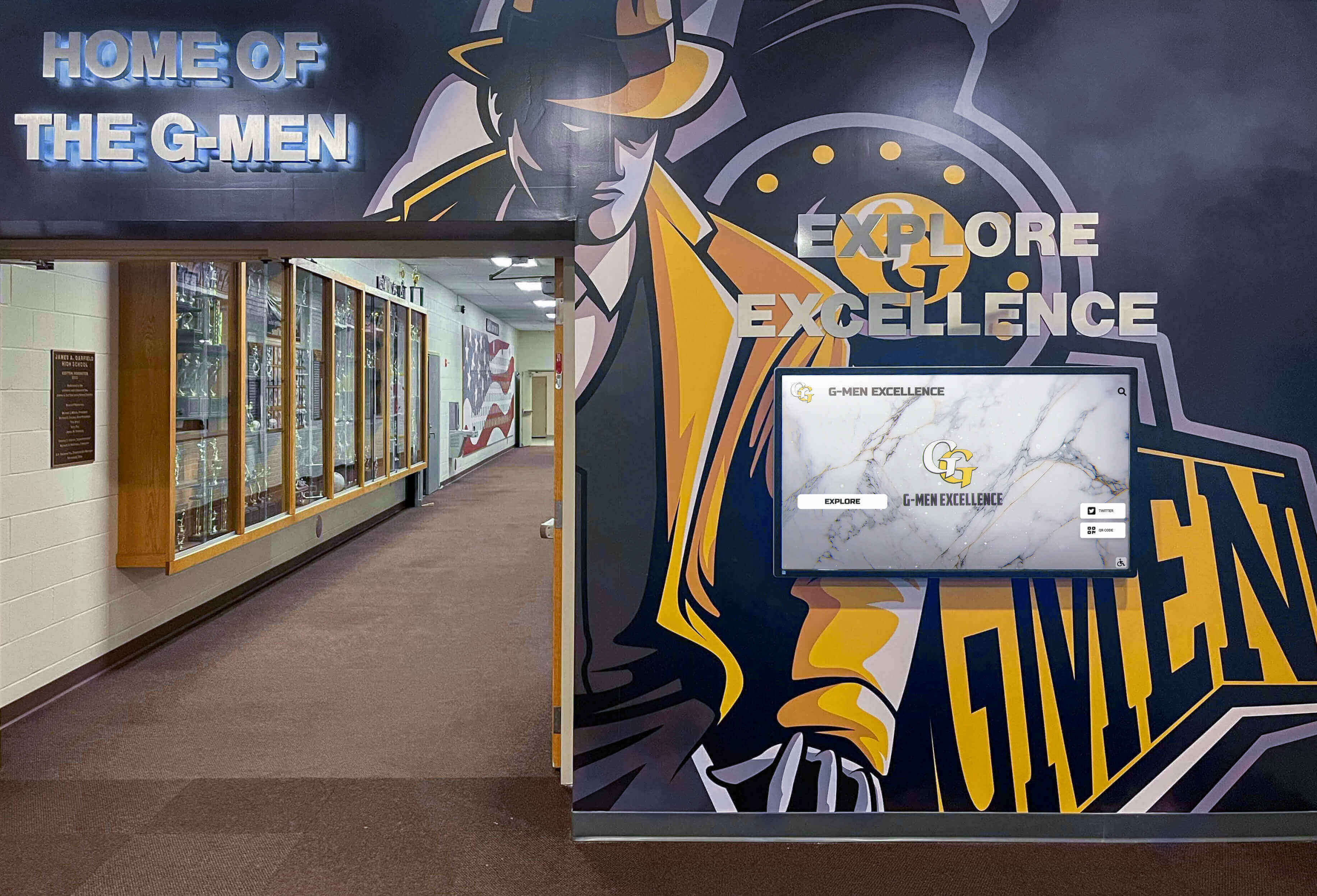
Strategic recognition installations throughout campus provide reunion attendees with engaging exploration opportunities and conversation starters
Milestone-Specific Class Reunion Ideas
Different reunion anniversaries call for programming recognizing unique characteristics of life stages and time elapsed since graduation.
10-Year Reunions: Young Professionals Reconnecting
Ten-year marks typically coincide with career establishment, early family formation, and heightened curiosity about how classmates’ lives have developed since graduation.
Career-focused programming provides tangible value for young professionals establishing themselves. Organize industry networking sessions, panel discussions about career transitions or entrepreneurship, or informal advice exchanges where classmates share lessons learned navigating early career challenges. Many ten-year alumni particularly appreciate mentorship connections with more established professionals from older graduating classes.
Affordable pricing structures acknowledge limited discretionary income. Keep costs minimal through strategic venue selection, simplified catering, volunteer-driven operations, and sponsor support. Consider tiered pricing offering premium packages for those who can afford enhanced experiences while maintaining accessible base admission ensuring finances don’t prevent participation.
Social media emphasis meets young alumni where they already spend time. Create Instagram-worthy photo opportunities, encourage sharing through contests or incentives, livestream portions of programming, and maintain active online communities before, during, and after events. This demographic expects seamless digital integration rather than viewing technology as optional add-on.
Casual atmosphere balance between celebration and connection works well. Ten-year reunions can embrace relaxed formats—brewery gatherings, outdoor festivals, casual campus picnics—without elaborate formality that might feel premature or uncomfortable for relatively recent graduates.
25-Year Reunions: Peak Engagement Opportunities
Quarter-century reunions often achieve highest attendance rates as alumni reach peak earning capacity while maintaining strong institutional connections and appreciating relationship value established decades earlier.
Substantive programming matches the sophistication and life experience this audience brings. Feature distinguished speaker series, meaningful panel discussions, intellectual symposia, cultural experiences, or in-depth campus evolution tours. Twenty-five-year alumni appreciate content worthy of their time and attention rather than purely social programming.
Major gift integration recognizes this audience’s philanthropic capacity and emotional connection. Coordinate reunions with significant recognition announcements, building dedications, scholarship unveilings, or hall of fame inductions. Many institutions successfully launch class gift campaigns timed to 25-year reunions, leveraging collective pride and milestone significance.
Multi-generational inclusion acknowledges that many 25-year alumni have children approaching college age or even attending their alma maters. Programming showcasing current academic programs, admission processes, campus life, and student perspectives serves dual purposes of reconnecting alumni while introducing next-generation prospects.
Distinguished achievement recognition celebrates classmate success appropriately for this milestone. Create awards honoring career accomplishments, community contributions, or institutional support. Recognition programs inspire attendees through peer achievement examples while providing meaningful validation that deepens emotional institutional connections.
50-Year Reunions: Honoring Legacy and Tradition
Golden anniversary reunions warrant special recognition honoring alumni who witnessed vastly different institutional eras while establishing remarkable life legacies deserving celebration.
Accessibility prioritization accommodates physical mobility limitations, hearing challenges, and stamina considerations. Provide shuttle services between venues, ensure wheelchair accessibility, offer printed materials in large fonts, maintain comfortable pacing allowing rest periods, and communicate clearly about physical requirements for various activities so alumni can make informed participation decisions.
Historical emphasis resonates powerfully with this audience. Showcase institutional evolution over fifty years through archival materials, multimedia presentations, historical photo collections, or oral history projects capturing alumni memories. Consider partnering with institutional archives to create exhibits specifically highlighting your class era, providing cultural and historical context about how education and campus life differed from contemporary experiences.
Legacy program integration encourages planned giving discussions, bequest conversations, endowment establishment, or scholarship creation as appropriate expressions of gratitude enabling lasting impact. Frame these conversations sensitively around legacy and values rather than transactional solicitation, respecting that many alumni find purpose in ensuring institutions continue thriving for future generations.
Multi-generational celebration often involves children, grandchildren, or even great-grandchildren attending the same institutions. Create opportunities showcasing these family traditions through multi-generational photo opportunities, family tradition recognition programs, or special campus tours connecting family members across eras.
Tribute elements honor classmates who have passed away through memorial services, tribute videos, memory books, or scholarship funds established in their honor. These commemorative moments provide meaningful closure while celebrating life and legacy of entire class including those who cannot attend.
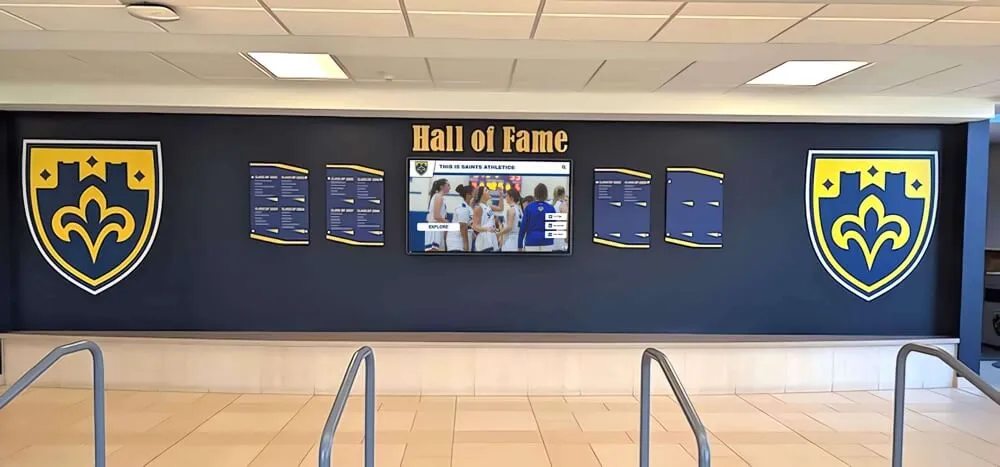
Permanent recognition installations serve ongoing engagement while becoming focal points during special reunion celebrations
Communication Strategies That Drive Attendance
Even exceptional programming fails without effective promotion reaching alumni, generating enthusiasm, and converting interest into confirmed attendance.
Multi-Touch Communication Campaigns
Diverse alumni demographics require varied communication tactics acknowledging different platform preferences and information consumption patterns.
Email sequences remain essential despite crowded inboxes. Develop multi-touch campaigns beginning 9-12 months before major reunions with save-the-date announcements, progressing through detailed information and registration launches, featuring attendee spotlights and countdown reminders, providing logistical details as events approach, and sending final reminders in the days before reunions. Segment messaging addressing different alumni circumstances—local versus distant, engaged versus dormant, previous attendees versus first-timers—increases relevance and response.
Social media promotion reaches alumni through platforms they already frequent. Create reunion-specific pages or groups, share throwback photos generating nostalgia and engagement, post countdown graphics building anticipation, feature registered attendee spotlights, and encourage sharing through contests or incentives. Paid social advertising can extend reach beyond organic followers targeting specific demographics or geographic areas where your classmates concentrate.
Direct mail for milestone events demonstrates importance while ensuring delivery even when email addresses are outdated. High-quality printed invitations convey prestige appropriate to major anniversaries while physically arriving in homes where they remain visible rather than disappearing into digital clutter. Include compelling photography, clear event details, convenient response mechanisms, and personalized elements showing recipients this isn’t generic mass mailing.
Peer-to-peer outreach proves most effective. Reunion committee members personally contacting former friends, roommates, teammates, or study group partners achieve response rates far exceeding generic institutional appeals. Empower committee members with talking points, frequently asked questions, and easy ways to direct interested classmates toward registration while giving them freedom to make personal, authentic invitations.
Text message reminders for registered attendees provide immediate visibility without email inbox competition. Use sparingly for truly important updates—registration deadlines, final logistics, day-of details, or weather-related changes—rather than overwhelming alumni with constant notifications.
Content That Converts Interest Into Commitment
Generic reunion announcements generate minimal enthusiasm. Compelling content provides specific reasons to attend while reducing perceived barriers.
Specific programming details help alumni envision valuable experiences justifying attendance investment. Rather than “networking opportunities,” describe “career panels featuring classmates working in technology, healthcare, education, and entrepreneurship sharing insights about industry trends and professional pivots.” Specific descriptions enable alumni to identify personal value propositions compelling enough to prioritize reunion attendance.
Attendee momentum visibility creates social proof and FOMO (fear of missing out). Regularly update registration lists, share comments from excited attendees, feature alumni planning travel from distant locations, and create visible evidence that meaningful community is gathering. When undecided classmates see that valued friends are definitely attending, commitment decisions become easier.
Proactive concern addressing acknowledges and resolves attendance barriers before they become excuses. Directly address cost concerns by explaining what registration includes and sharing budget-friendly travel options. Respond to social anxiety by describing structured activities reducing awkwardness. Accommodate family obligations by highlighting family-friendly programming. Normalize appearance concerns by emphasizing that everyone has changed and authentic connection matters more than superficial judgments.
Visual memory triggers through historical photos from your graduation era spark powerful nostalgia. Share candid shots from campus life, athletic events, social gatherings, or classroom scenes that transport alumni back to formative experiences. These emotional connections motivate attendance beyond rational cost-benefit calculations.
Early commitment incentives encourage advance registration through meaningful discounts, preferred seating, exclusive programming access, or special recognition. Early commitments create momentum while helping committees secure resources and confirm programming viability well before event dates.
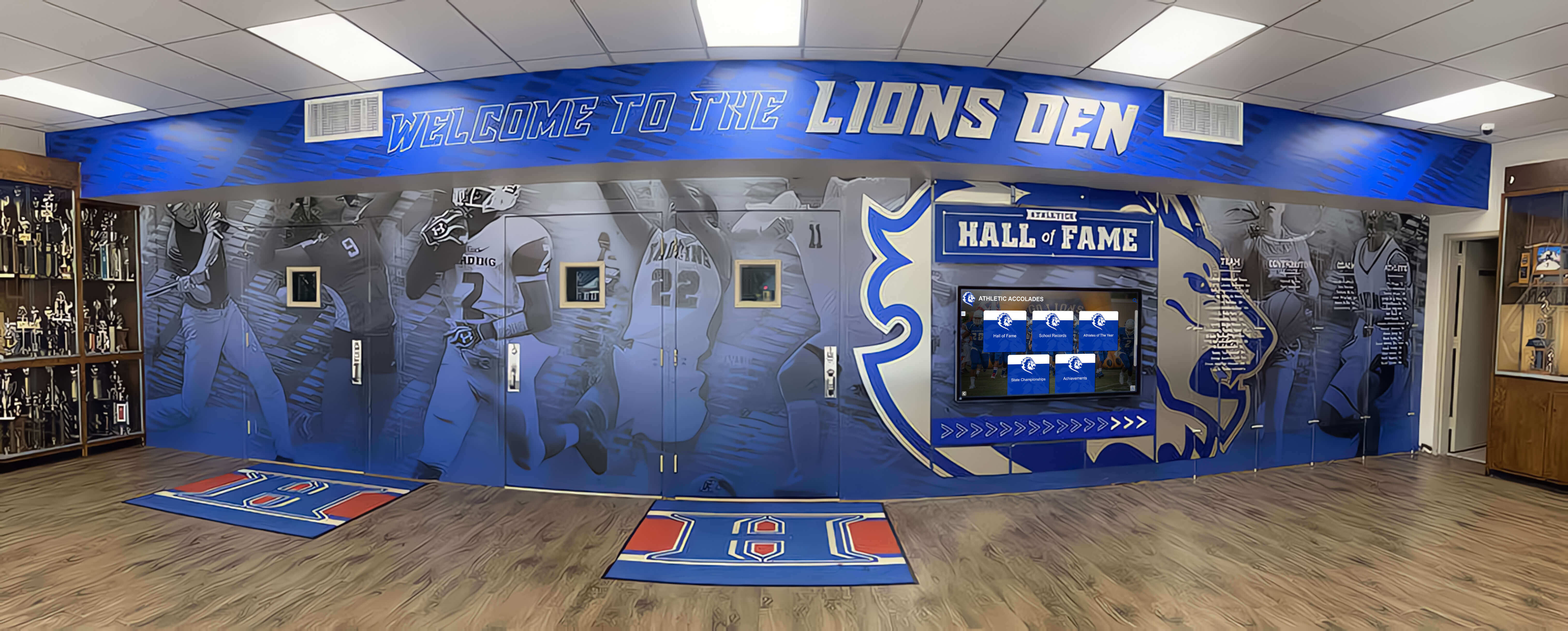
Comprehensive recognition displays preserve institutional history while inspiring reunion attendees through celebration of shared heritage
Budget-Friendly Class Reunion Ideas
Limited budgets needn’t prevent memorable reunions. Strategic resource allocation and creative alternatives stretch dollars while maintaining quality experiences.
Cost-Effective Venue Strategies
Campus facility leverage eliminates rental expenses through institutional space access. Alumni centers, student unions, outdoor quads, or athletic facilities often become available at reduced or no cost for alumni events. Campus settings provide authentic nostalgia while reducing budgets substantially compared to commercial venues.
Public spaces including parks, beaches, pavilions, or community centers offer low-cost alternatives particularly suited to casual gatherings, picnics, or family-friendly reunions where formal ballrooms feel unnecessarily elaborate. These accessible venues work especially well for interim reunions between major milestones when expectations are appropriately scaled.
Alumni-owned business venues tap classmates with restaurants, event spaces, wineries, or private properties who may welcome opportunities to showcase facilities while supporting class gatherings. Personal connections often yield discounted rates or donated spaces impossible to secure through commercial negotiations alone.
Timing advantages through scheduling reunions during existing institutional events leverages homecoming programming, campus activity, and institutional investment reducing duplication while maximizing atmosphere. Coordinate rather than compete with institutional calendars.
Low-Cost Programming That Delivers Value
Potluck meal approaches work particularly well for smaller, intimate reunions. Rather than expensive catering, organize collaborative meals where attendees contribute favorite dishes. This cost reduction creates participation and conversation while celebrating diverse culinary traditions classmates have developed.
Alumni talent utilization leverages classmate expertise rather than hiring external vendors. Alumni photographers, musicians, designers, planners, bartenders, or caterers often donate or substantially discount services supporting class events. These contributions reduce costs while showcasing professional capabilities and strengthening community bonds.
Volunteer committee operations enable ambitious programming without paid staff. Robust volunteer committees with distributed responsibilities create capacity rivaling professional event planners at minimal cost. The key lies in clear role definitions, adequate lead time, and appreciative recognition for contributed effort.
Free campus resources including guided tours, student performances, athletic facility access, museum visits, or library special collections provide valuable programming at zero cost. Institutional personnel often welcome opportunities to showcase facilities and programs to appreciative alumni audiences.
Digital communication exclusively eliminates printing and postage costs through email, social media, and online platforms. Reserve expensive printed materials only for milestone anniversaries truly justifying investment or alumni demographics where digital access proves problematic.
Measuring Reunion Success and Continuous Improvement
Effective reunion planning improves systematically through measurement, assessment, and data-driven refinement ensuring each gathering builds on previous successes.
Key Performance Indicators
Attendance metrics including registration rates relative to class size, actual attendance versus registrations, geographic distribution of participants, and demographic representation across various class segments provide fundamental success indicators. Track trends across multiple reunion cycles identifying whether participation grows, plateaus, or declines over time.
Engagement quality matters more than raw attendance numbers. Survey participants about satisfaction levels, meaningful reconnections achieved, programming value perceived, likelihood of attending future reunions, and willingness to recommend attendance to classmates who missed the event. These qualitative measures reveal whether reunions deliver experiences justifying investment.
Financial performance tracking revenue against expenses, registration fee collection rates, sponsorship success, and overall cost per participant guides pricing decisions and budget planning for future events. Understanding true costs prevents underpricing that creates financial stress or overpricing that limits accessibility.
Post-reunion engagement including continued communication participation, database information updates, volunteer recruitment success, and connections to broader alumni engagement initiatives demonstrates whether reunions catalyze sustained relationship building rather than functioning as isolated events.
Collecting and Implementing Feedback
Immediate post-event surveys distributed during reunion conclusions or via follow-up emails within days capture fresh impressions. Brief instruments balance quick completion with meaningful insight through questions about favorite activities, improvement suggestions, logistical feedback, and emotional satisfaction. High response rates provide representative feedback informing future planning.
Committee debrief sessions within weeks of events enable honest assessment among organizers. Discuss what succeeded and merits continuation, what challenges arose and how they were addressed, what should change for subsequent events, and what resources would improve future execution. Document these discussions creating institutional knowledge that persists despite inevitable volunteer transitions.
Non-attendee outreach reveals why alumni skip reunions—information crucial for improvement. Brief surveys or informal conversations with non-participants explore barriers encountered, programming preferences, communication effectiveness, and conditions enabling future attendance. Understanding why people don’t attend proves as valuable as knowing why others do.
Continuous enhancement ensures each reunion improves incrementally through lessons learned, technology adoption, programming innovation, and barrier reduction based on systematic feedback. Evolution beats revolution in reunion planning—small consistent improvements accumulate into substantial enhancement over multiple cycles.
The Role of Digital Recognition in Modern Class Reunions
Contemporary reunion experiences increasingly leverage digital recognition technology transforming how alumni explore shared history, discover classmate accomplishments, and reconnect through visual storytelling.
Interactive Displays as Reunion Centerpieces
Modern digital recognition platforms fundamentally enhance reunion experiences through capabilities impossible with traditional static approaches.
Unlimited recognition capacity enables single touchscreen installations to accommodate thousands of alumni profiles without space constraints limiting who receives acknowledgment. Every reunion attendee can find themselves alongside classmates, exploring comprehensive class histories through intuitive search and browsing capabilities. This universality ensures all participants feel recognized rather than only those who achieved traditional success markers or maintained high-profile institutional involvement.
Rich multimedia storytelling extends beyond names and graduation photos to integrate current pictures showing how classmates have changed, career summaries documenting professional journeys, video messages sharing reflections or advice, achievement timelines celebrating life accomplishments, and personal updates about families, interests, or life philosophies. This depth creates emotional engagement impossible through static plaques or printed directories.
Social sharing integration extends reunion visibility beyond physical attendees. Alumni exploring digital displays can share recognition content featuring themselves or classmates directly to personal social media with single clicks. When graduates share these profiles, institutional visibility reaches broader networks generating organic promotion and encouraging future attendance from those experiencing FOMO when they see engaging content they missed.
Flexible updating for special occasions enables reunion committees to customize displays specifically for gathering weekends. Cloud-based content management allows adding reunion-specific slideshows, featuring attending alumni prominently, highlighting historical moments from graduation years, or creating special recognition categories celebrating milestone anniversaries. After events conclude, content returns to standard configurations while special reunion materials remain archived for future reference.
Accessible simultaneous exploration accommodates multiple users investigating different content concurrently. Groups naturally gather around interactive displays sharing memories, discovering former classmates’ current pursuits, and experiencing collective nostalgia impossible when recognition requires waiting turns viewing static materials. These installations become reunion focal points where alumni spend substantial time exploring, laughing, and reconnecting through visual memory triggers.
Permanent Installations Supporting Ongoing Engagement
Institutions making long-term investments in comprehensive digital recognition infrastructure gain advantages extending far beyond single reunion events.
Year-round alumni connection through permanently installed displays and accompanying web platforms provides ongoing engagement infrastructure. Graduates explore recognition during campus visits unrelated to reunions, share profile updates celebrating career milestones or life transitions, and maintain connections to institutions and classmates between formal events. This continuous engagement strengthens bonds that make reunion attendance more compelling when milestone anniversaries arrive.
Reunion planning resources emerge from comprehensive alumni databases supporting recognition systems. Reunion committees access current contact information, career details enabling targeted outreach to accomplished classmates who might attract peer attendance, engagement history informing communication strategies, and searchable data facilitating classmate location when organizing regional gatherings or building attendance momentum.
Student inspiration results from recognition displays regularly encountered throughout campus. Current students seeing accessible examples of alumni success gain concrete visions for their own potential futures. These authentic graduate outcomes demonstrate educational value while inspiring student achievement and institutional loyalty that influences their own eventual reunion participation decades hence.
Solutions like Rocket Alumni Solutions provide integrated ecosystems combining physical touchscreen installations with responsive web platforms, intuitive content management enabling non-technical reunion committees to create compelling experiences, unlimited alumni profiles eliminating per-person recognition costs, and dedicated support ensuring reliable operation during critical reunion events when technology must function flawlessly.

Strategically placed recognition displays create visible celebration of alumni achievement that inspires ongoing connection and reunion participation
Conclusion: Creating Class Reunions That Alumni Actually Want to Attend
Class reunion success ultimately depends on whether programming provides sufficient value justifying attendance investment despite competing demands on graduates’ limited time, financial resources, and emotional energy. Generic hotel ballroom gatherings featuring cash bars and awkward small talk no longer suffice in an era where alumni maintain superficial connections through social media without requiring travel or dedicated weekend commitments.
The most memorable class reunions combine essential elements including meaningful reconnection opportunities structured to facilitate genuine conversation beyond surface updates, authentic celebration of shared history through multimedia storytelling and interactive exploration, current value delivery through networking, career programming, or intellectual content, nostalgic campus experiences satisfying curiosity about institutional evolution, and accessible participation options accommodating geographic, financial, and family constraints that otherwise prevent involvement.
Modern technology transforms reunion capabilities through interactive digital recognition displays enabling rich exploration of alumni achievements and institutional history, social media integration extending visibility and engagement beyond physical attendees, virtual participation options including geographically dispersed classmates unable to travel, and sophisticated data management supporting personalized communications and targeted outreach that increase conversion from interest to attendance commitment.
Yet technology alone doesn’t guarantee success. Effective reunions require strategic thinking about alumni motivations and barriers, creative programming addressing diverse preferences and participation styles, authentic community building prioritizing genuine connection over transactional advancement objectives, and sustained communication building enthusiasm while proactively addressing concerns that prevent commitment decisions.
Whether planning intimate 10-year gatherings for early-career professionals or elaborate golden anniversary celebrations honoring fifty-year legacies, success comes from understanding your unique graduating class, delivering programming matching their current life stages and preferences, removing participation barriers through thoughtful logistics and inclusive design, and creating experiences meaningful enough that alumni prioritize attendance despite demanding schedules filled with countless competing obligations.
Build reunions on this foundation with authentic commitment to community strengthening rather than purely institutional advancement objectives, and your class gatherings will achieve the attendance, engagement, and lasting impact that validates planning investment while creating traditions alumni eagerly anticipate for decades to come.
Transform Your Class Reunions With Interactive Recognition
Discover how digital recognition displays can become the centerpiece of memorable reunion experiences, enabling alumni to explore classmate achievements, share memories, and reconnect through engaging interactive technology. Rocket Alumni Solutions provides comprehensive platforms combining physical touchscreens, responsive web access, and intuitive management designed specifically for schools and universities creating exceptional reunion experiences.
Explore Digital Recognition SolutionsClass reunions represent precious opportunities to strengthen alumni bonds, celebrate shared heritage, inspire current students through graduate success examples, and build community transcending individual graduation years. When reunion committees invest genuine thought, creativity, and care into crafting experiences truly worthy of alumni time and travel, reunions become anticipated highlights that generate enthusiasm persisting far beyond weekend festivities—sustaining engagement, strengthening institutional loyalty, and building relationships supporting educational missions across generations.































