From Single-Day Celebrations to Year-Round Inspiration
Every spring, high schools across America celebrate College Commitment Day—a powerful tradition where seniors publicly announce their post-secondary education plans. The energy is electric: students don college gear, hallways fill with college pennants, celebration assemblies honor achievements, and social media buzzes with photos. Yet by the following week, the decorations come down, the excitement fades, and these significant milestones become memories with little lasting visibility. College Commitment Day digital boards transform this pattern, converting temporary celebrations into permanent recognition that inspires students, strengthens school pride, and celebrates educational achievement every day of the year.
College Commitment Day—celebrated nationally on the first Friday in May—has grown from a regional tradition to a nationwide movement. According to the DC College Access Program, thousands of schools now participate in organized College Commitment Day celebrations that bring entire communities together to honor seniors’ educational decisions. These events celebrate students attending four-year universities, community colleges, technical schools, military service, and direct workforce entry—recognizing that all post-secondary paths deserve acknowledgment.
While traditional College Commitment Day celebrations create memorable moments, they face inherent limitations. Physical decorations are temporary, photo opportunities last only hours, and recognition visibility disappears when celebrations conclude. Digital boards designed specifically for college commitment recognition solve these challenges while adding powerful capabilities impossible with traditional approaches.
Understanding College Commitment Day: Origins, Purpose, and Modern Evolution
Before exploring digital recognition solutions, understanding College Commitment Day’s history and purpose provides context for why lasting recognition matters so significantly.
The History and Growth of College Commitment Day
College Commitment Day originated in Washington, D.C., through the DC College Access Program’s efforts to celebrate first-generation college students and increase college-going culture in schools. The first official celebration brought together thousands of students at a downtown arena, creating a festival atmosphere around educational achievement.
The concept quickly spread beyond D.C. as educators recognized its power to normalize college attendance, celebrate diverse educational pathways, create peer influence toward post-secondary education, honor family sacrifices supporting educational dreams, and build community connections around student success.
Today, College Commitment Day has evolved into a national movement with schools across all 50 states participating. Some regions celebrate on different dates—typically aligning with National College Decision Day on May 1st—but the core purpose remains consistent: publicly celebrating students’ educational commitments while inspiring younger students to pursue post-secondary opportunities.
What Happens on College Commitment Day?
Schools approach College Commitment Day celebrations through various formats, but most include several common elements that create festive recognition environments.
Morning Announcements and Recognition
Many schools begin College Commitment Day with special announcements recognizing seniors and their college choices. Students often wear college apparel representing their chosen institutions, creating visible celebration throughout buildings as seniors display pride in their decisions.
Decorated Hallways and College Walls
Schools transform spaces with temporary decorations including college pennants and banners representing student destinations, poster boards featuring student names with intended colleges, printed acceptance letters displayed on bulletin boards, balloons and streamers in school colors, and photo opportunity areas with college-themed backdrops.
These visual elements create exciting atmospheres, though their temporary nature means recognition disappears shortly after celebrations conclude.
Assembly Programs and Public Celebrations
Many schools host special assemblies where seniors announce college choices to peers and faculty. These programs typically feature students walking across stages to announce their colleges, brief testimonials about college selection processes, acknowledgment of scholarships and financial aid achievements, recognition of families and support systems, and sometimes performances or videos celebrating the graduating class.
Large-scale celebrations like those organized by DC College Access Program bring together thousands of students from multiple schools, creating arena-style events that treat educational decisions with the same excitement and significance as major athletic championships.
Social Media Campaigns
Schools amplify College Commitment Day through social media, posting student photos with college gear, creating hashtag campaigns celebrating commitments, sharing student testimonials about college choices, highlighting unique or inspiring stories, and encouraging community engagement through likes, shares, and congratulations.
According to recent statistics from Access College Foundation, their 2025 College Commitment Day celebration recognized nearly 2,000 high school seniors from Southside and Northampton County, demonstrating the scale these events can achieve and the significant community impact they create.
The Limitations of Traditional College Commitment Day Recognition
While traditional College Commitment Day celebrations create memorable experiences, they face several significant limitations that digital solutions address effectively.
Temporary Visibility and Fleeting Impact
The most significant challenge with traditional College Commitment Day celebrations is their temporary nature. Decorations that took hours to create come down within days, recognition visibility disappears after celebration events conclude, inspiration for younger students lasts only briefly, and community awareness fades quickly as attention shifts to end-of-year activities.
This temporary visibility means the considerable effort invested in College Commitment Day recognition produces limited lasting value beyond the immediate celebration period. Students who worked years to earn college opportunities receive recognition that largely disappears within weeks.
Limited Information Depth
Physical decorations and assembly programs provide basic information—names and college destinations—but rarely tell complete stories about students’ journeys, decisions, and achievements. Visitors see where students are attending college but not what programs they’re pursuing, what factors influenced their college choices, what scholarships or honors they earned, what they hope to accomplish in college, or advice they might offer younger students considering similar paths.
This information limitation prevents recognition from serving its full inspirational potential. Younger students see that seniors are attending college but gain minimal insight into pathways, processes, or decision-making that might guide their own educational planning.
Accessibility Restricted to Physical Presence
Traditional College Commitment Day celebrations require physical attendance. Families unable to attend celebration events miss recognition entirely, alumni and community members rarely learn about commitments, college counselors at feeder middle schools have difficulty referencing successes, and students at home sick or otherwise absent experience no recognition at all.
This accessibility limitation reduces community engagement and prevents recognition from reaching many stakeholders who would celebrate and benefit from awareness of student achievements.
Difficult Updates and Corrections
Information about college plans sometimes changes after initial College Commitment Day celebrations. Students may shift between institutions before enrollment, decide to attend different colleges through waitlist acceptances, change their intended majors or programs, or receive additional scholarships after initial announcements.
With physical decorations and printed materials, making these updates is impractical. Once banners are hung and posters printed, corrections require reproducing materials and reinstalling displays—efforts that rarely happen, resulting in outdated recognition that may no longer accurately reflect students’ actual plans.
No Historical Continuity
Perhaps most significantly, traditional College Commitment Day celebrations create no lasting historical record. Each year’s celebration replaces the previous year’s recognition, current students have no easy way to discover where previous classes attended college, families cannot easily locate or share recognition from their students’ College Commitment Days, and schools build no cumulative record demonstrating college-going culture development over time.
This absence of historical continuity means schools restart recognition efforts annually rather than building upon previous years’ celebrations to create comprehensive archives showcasing sustained college-going traditions.
Solutions like digital recognition displays address these limitations while maintaining the celebratory spirit that makes College Commitment Day special.
How Digital Boards Transform College Commitment Day Recognition
Modern digital board solutions revolutionize College Commitment Day recognition by addressing traditional limitations while adding powerful capabilities impossible with physical decorations and temporary celebrations.
Year-Round Visibility and Sustained Inspiration
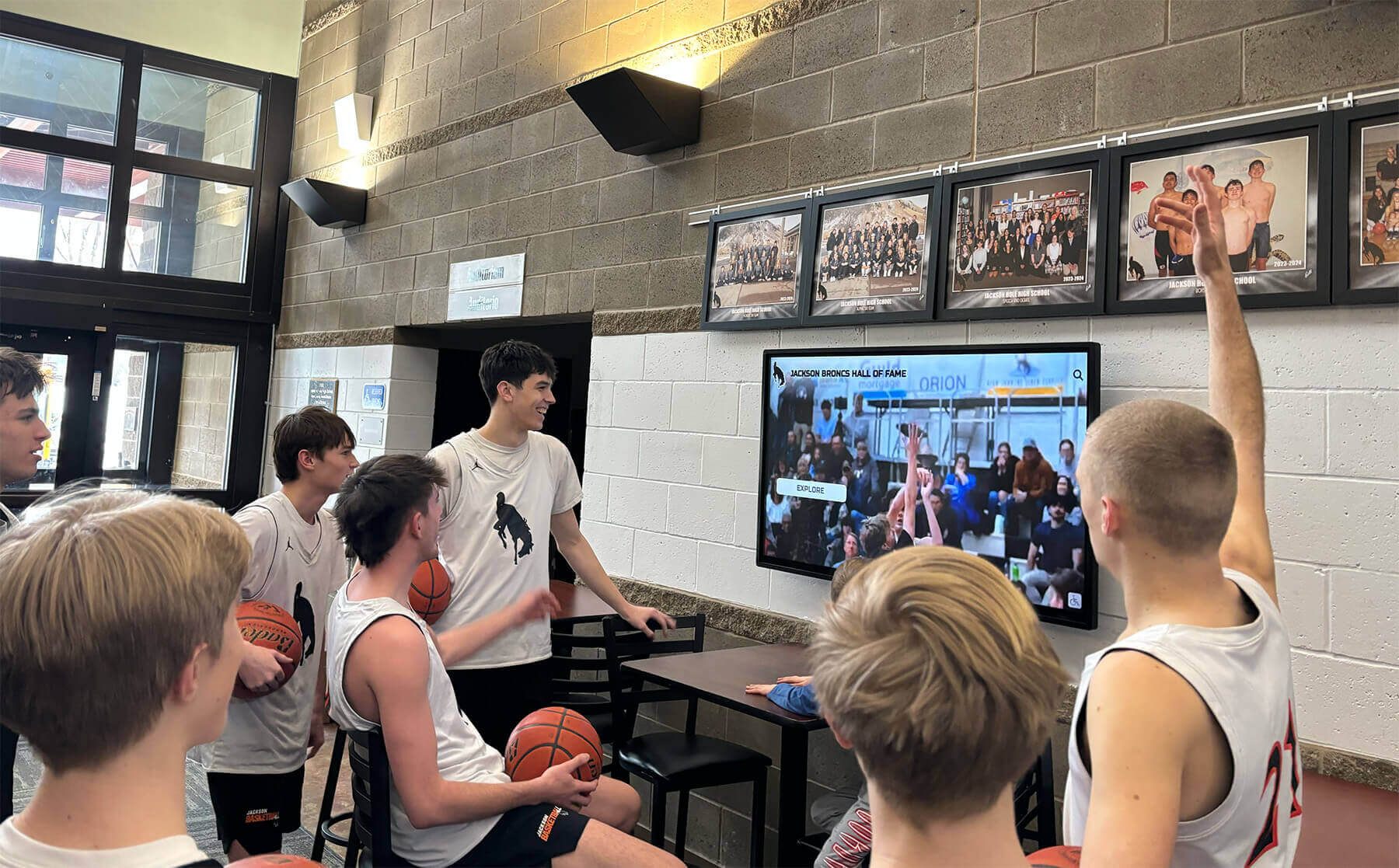
Digital college commitment boards maintain recognition visibility 365 days per year rather than limiting celebration to brief College Commitment Day periods. Students pass displays daily throughout school years, younger students continuously see examples of educational pathways, families can view recognition whenever visiting campus, and prospective families touring schools immediately observe college-going culture.
This sustained visibility transforms College Commitment Day from a single event into an ongoing celebration that continuously reinforces college-going culture and inspires educational goal-setting among students in all grades.
Rich Multimedia Storytelling Capabilities
Digital platforms enable comprehensive recognition impossible with physical displays. Rather than listing names and college logos, digital boards integrate professional photographs showing students in academic or extracurricular contexts, video messages where students discuss their college choices and offer advice, detailed biographical information about students’ high school experiences, scholarship and honor information celebrating both academic and college achievements, intended majors and career goals providing context for educational decisions, and personal reflections explaining what factors influenced college selection.
This rich multimedia content tells complete stories rather than simply documenting facts. Younger students don’t just learn where seniors are attending college—they understand how those students prepared academically, what extracurricular activities strengthened their applications, what factors they considered during college selection, and what advice they’d offer to students beginning their own college planning journeys.
Interactive Exploration and Discovery
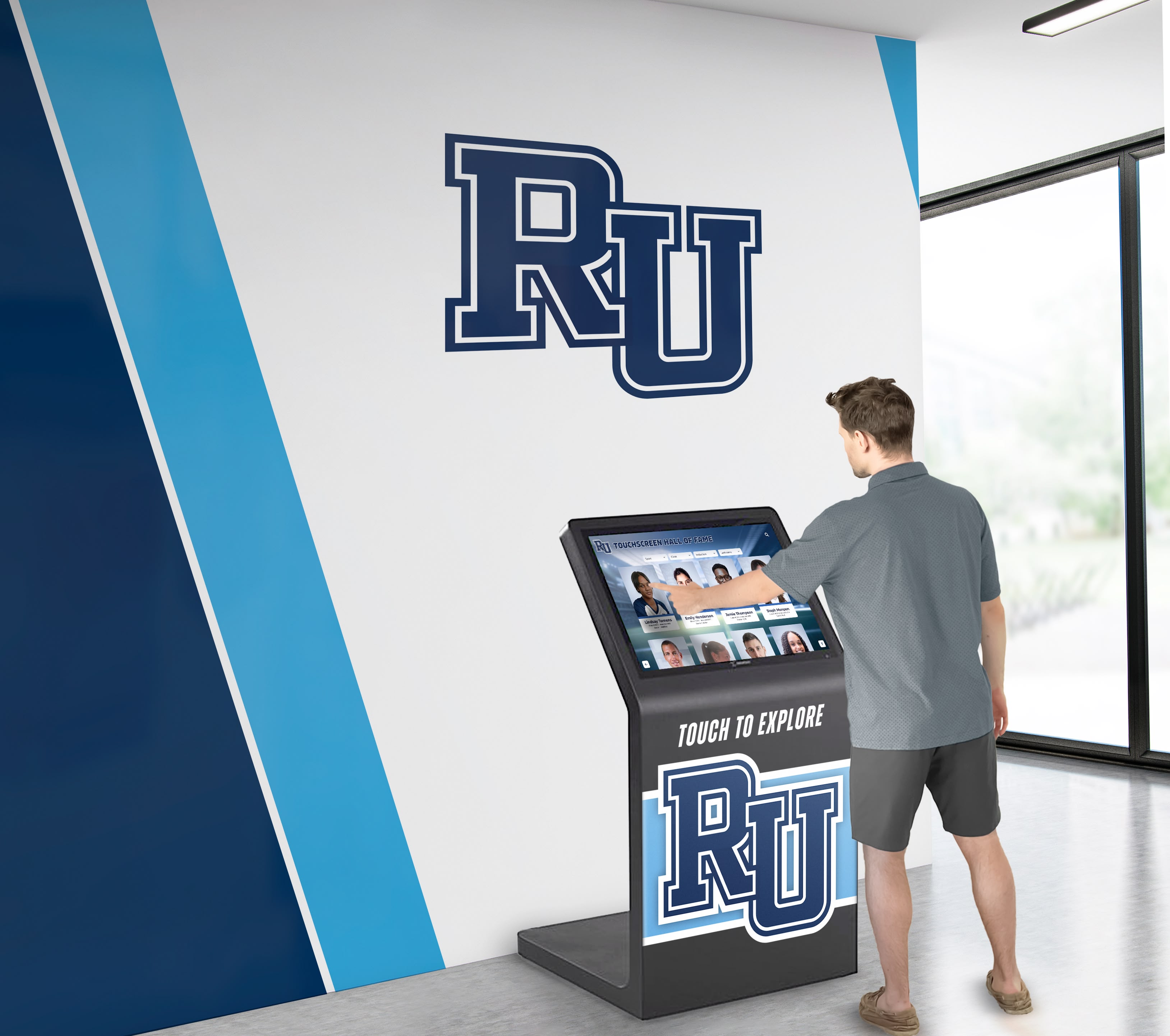
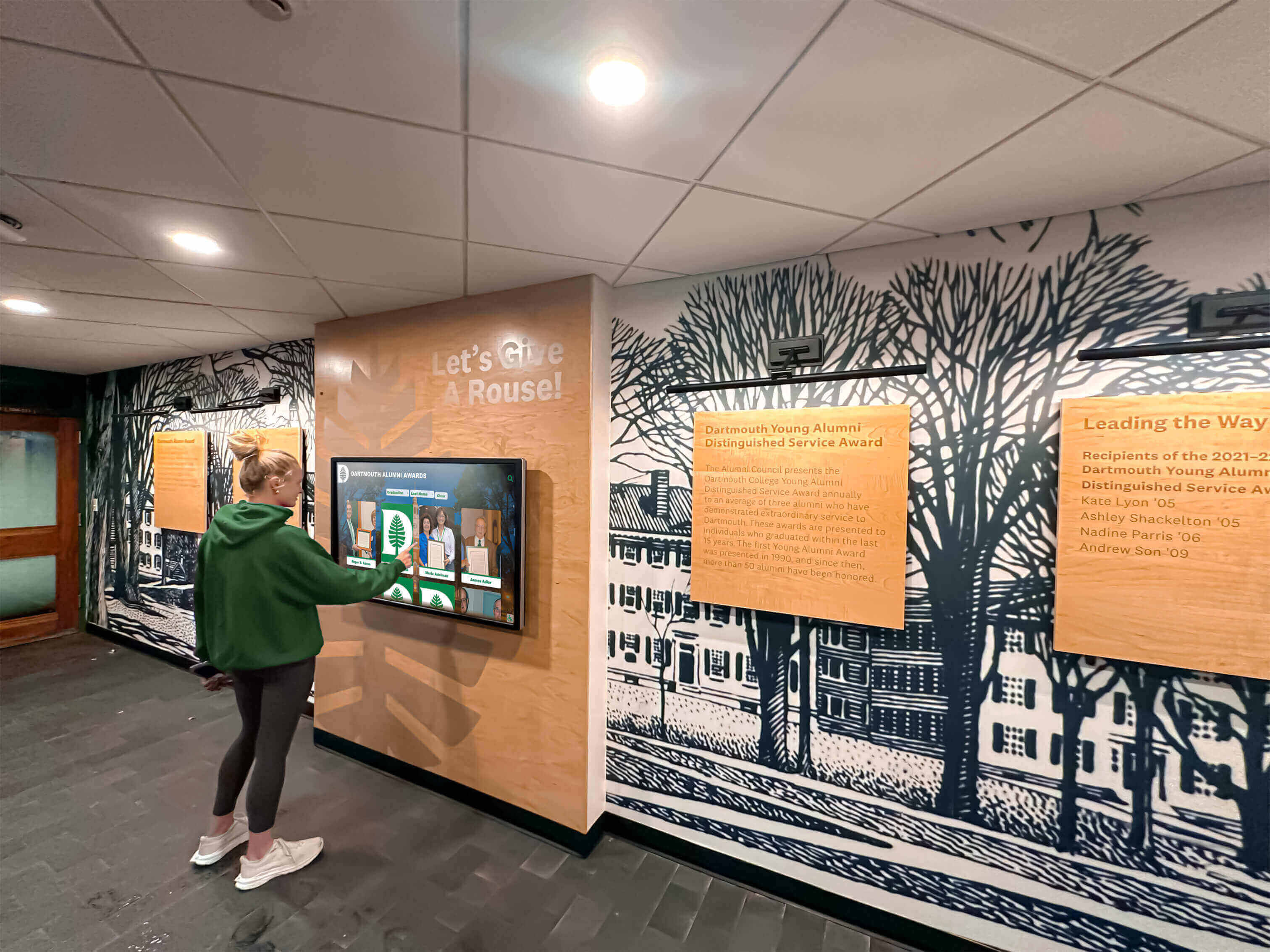
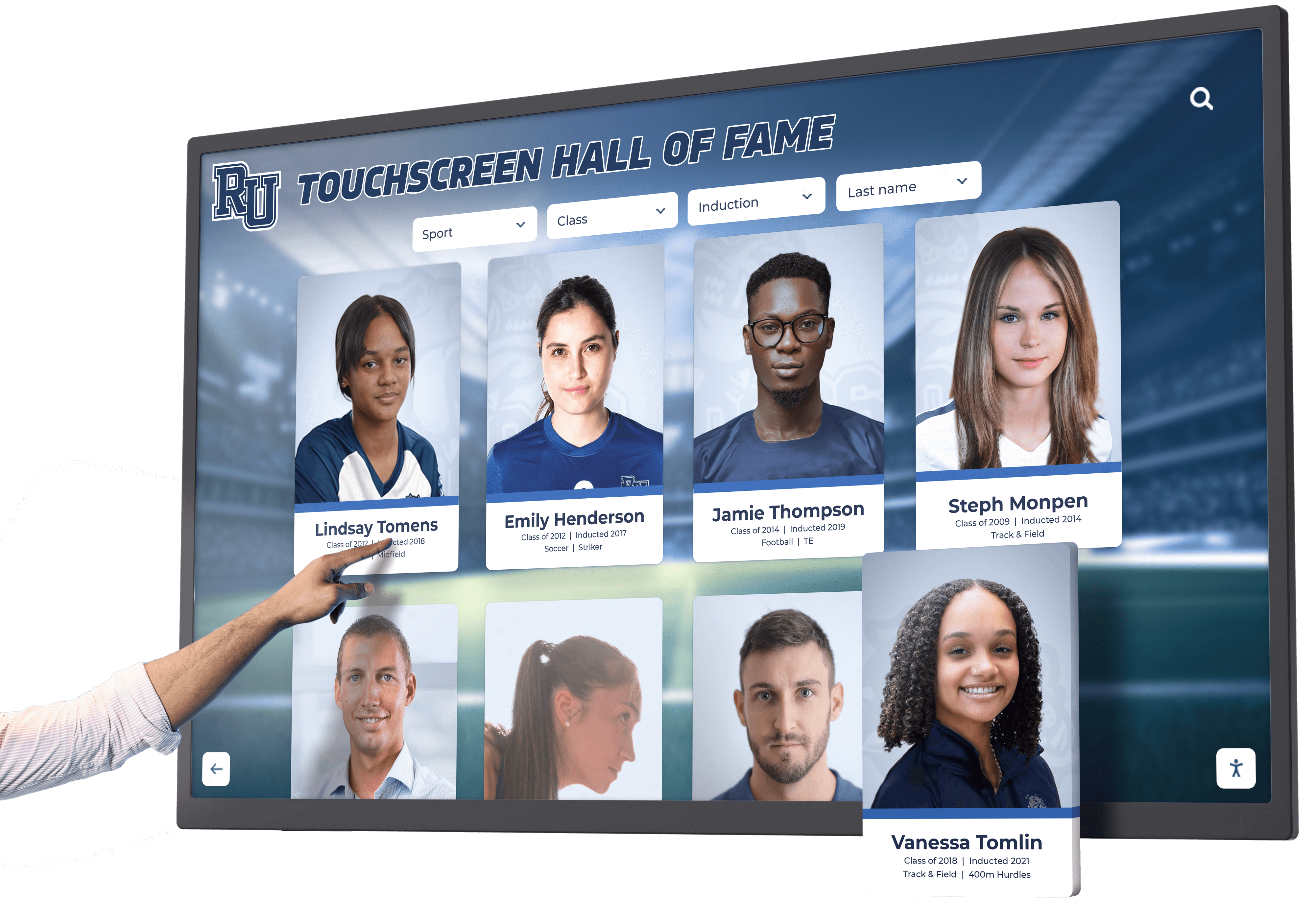
Modern digital boards feature intuitive touchscreen interfaces that invite active exploration rather than passive viewing. Visitors can search for specific students by name, filter commitments by intended college or major, browse by high school graduation year, discover students attending specific universities, and explore detailed profiles with just a few taps.
This interactivity creates engagement that static displays cannot match. Students spend significantly more time exploring interactive digital recognition than they do viewing traditional bulletin boards, creating deeper connections with content and greater inspirational impact.
Unlimited Recognition Capacity
Physical space constraints force schools to make difficult decisions about which information to include in College Commitment Day displays. Digital boards eliminate these limitations entirely. Schools can recognize every student continuing education after graduation—not just those attending prestigious universities—showcase commitments across multiple years building historical records, include comprehensive information for each student without space limitations, add content continuously as plans develop or change, and maintain complete archives accessible indefinitely into the future.
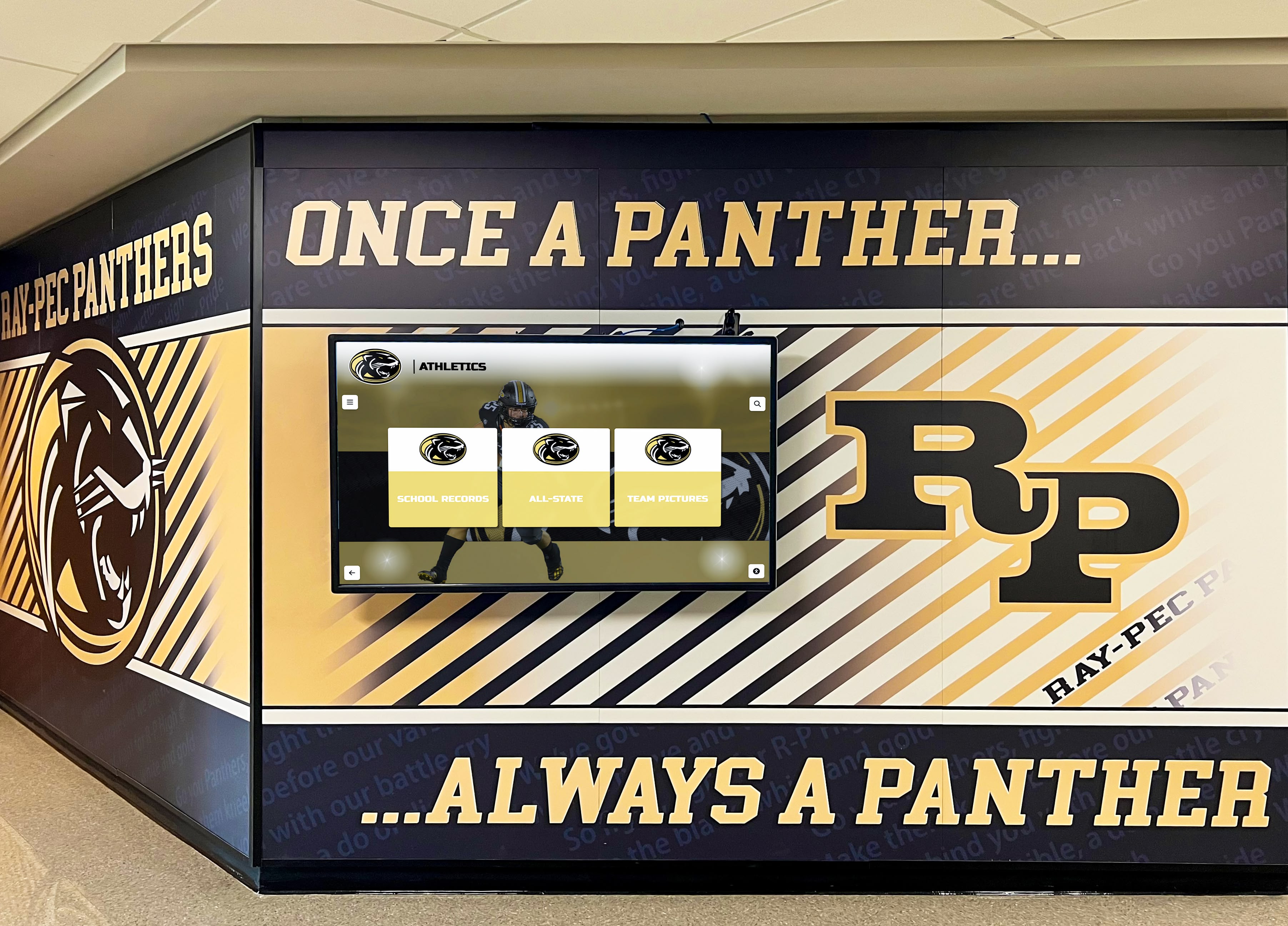
This unlimited capacity ensures genuinely inclusive recognition that celebrates all post-secondary pathways rather than highlighting only certain types of colleges or specific student achievements. Schools implementing exciting hallway displays find that digital recognition creates engaging environments that students interact with daily.
Easy Updates and Real-Time Accuracy
College plans frequently evolve during the months between initial commitments and fall enrollment. Digital platforms make updates simple and immediate through cloud-based content management systems allowing authorized staff to correct information instantly, add late commitments or changed plans seamlessly, update intended majors or programs as decisions develop, include scholarship updates as financial aid is finalized, and enhance profiles with additional content throughout the summer.
This flexibility ensures recognition remains accurate and current rather than becoming frozen representations that may no longer reflect students’ actual plans by the time enrollment occurs.
Extended Access Through Web Integration
High-quality digital recognition systems integrate with web platforms, extending College Commitment Day recognition far beyond those who can physically visit schools. Alumni can explore commitments from anywhere in the world, families can share recognition with distant relatives, college counselors at feeder middle schools can show current students pathways from your school, and community members unable to attend events can celebrate student achievements remotely.
This extended access dramatically increases the audience for College Commitment Day recognition while creating permanent, shareable content that celebrates achievements beyond brief in-person events.
According to research on academic recognition programs, digital platforms consistently generate significantly higher engagement than traditional recognition methods, with visitors spending 5-10 times longer exploring interactive content than viewing static displays.
Essential Features for Effective College Commitment Day Digital Boards
Creating impactful digital recognition requires specific features and capabilities that distinguish purpose-built solutions from generic digital signage.
Intuitive Content Management Systems
Effective College Commitment Day digital boards require user-friendly management platforms allowing non-technical staff to easily add and update student commitments. Essential content management capabilities include simple web-based interfaces accessible from any device, template systems ensuring consistent professional presentation across all profiles, drag-and-drop photo and video upload functionality, bulk import options for efficiently adding multiple students, scheduling features publishing content automatically on specified dates, and permission systems allowing appropriate staff access for updates.
Schools without dedicated technology staff benefit significantly from purpose-built recognition platforms designed specifically for educational environments rather than requiring technical expertise to adapt generic digital signage systems.
Comprehensive Student Profile Templates
Digital commitment recognition should capture complete stories rather than just basic facts. Effective profile templates include sections for student names, photos, and graduation information, intended colleges with proper branding and logos, academic programs, majors, or areas of study, scholarship and financial aid achievements when publicly shared, high school accomplishments in academics and activities, personal statements about college selection processes, advice to younger students pursuing college pathways, and video message integration for authentic student voices.
These comprehensive profiles transform simple announcements into inspiring narratives that provide younger students with genuine insight into college planning and selection processes. Similar to how schools recognize outstanding students, college commitment recognition celebrates academic achievement and future potential.
Powerful Search and Discovery Features
As digital boards accumulate commitments across multiple years, search functionality becomes critical for helping visitors find specific information quickly. Essential discovery features include text search enabling name, college, or major queries, filtering by graduation year, college name, or intended field of study, sorting options organizing content by various criteria, suggested or related content helping visitors discover similar profiles, and featured or highlighted sections showcasing particularly inspiring stories.
These capabilities ensure visitors can efficiently access information most relevant to their interests rather than being overwhelmed by comprehensive databases spanning many years and hundreds of students.
Mobile and Cross-Platform Compatibility
College Commitment Day recognition should be accessible across all device types. Quality digital board solutions provide responsive web interfaces working seamlessly on smartphones and tablets, mobile apps offering optimized experiences on personal devices, QR code integration connecting physical displays to detailed online content, and social sharing functionality enabling easy distribution through personal networks.
This cross-platform accessibility ensures recognition reaches the widest possible audience regardless of how people prefer to access content. Many schools integrate college commitment displays with broader digital trophy displays that celebrate multiple forms of student achievement.
Analytics and Engagement Measurement
Understanding how communities engage with College Commitment Day recognition helps schools assess program impact and optimize content strategies. Valuable analytics include visitor traffic and interaction counts, most-viewed profiles and popular content, search query patterns revealing what information visitors seek, engagement duration measuring how long visitors explore content, and sharing activity tracking social media distribution.
These metrics provide objective evidence of recognition program value while identifying opportunities to enhance content and increase inspirational impact.
Platforms like Rocket Alumni Solutions provide these purpose-built features specifically designed for educational recognition rather than requiring schools to adapt generic systems to their unique needs.
Implementing College Commitment Day Digital Boards: Step-by-Step Guide
Successfully implementing digital recognition requires thoughtful planning, systematic content development, and strategic community engagement.
Step 1: Planning Your Recognition Strategy
Begin by defining recognition scope and goals for your College Commitment Day digital board implementation.
Determine Recognition Scope
Decide which commitments your digital board will celebrate. Most schools recognize students attending four-year colleges and universities, community college enrollments, technical and trade school programs, military service commitments, and sometimes gap year programs or direct workforce entry with continuing education plans.
Inclusive recognition celebrates diverse pathways rather than implying that only certain post-secondary choices deserve celebration. This inclusive approach strengthens college-going culture by demonstrating that what matters is continuing education and pursuing goals—not attending specific types of institutions. Many schools find that developing college history timelines helps current students understand their school’s tradition of college success.
Establish Content Standards
Define what information you’ll collect for each student commitment ensuring consistency and completeness. Standard content typically includes student demographic and contact information, high school graduation year and class details, intended college or post-secondary institution, academic programs, majors, or fields of study, scholarship information when publicly shared, high school achievements and honors, and personal reflections or advice when students are willing to share.
Creating standardized submission forms or questionnaires ensures you gather consistent information across all students, preventing gaps that might leave some profiles incomplete compared to others.
Define Success Metrics
Establish how you’ll measure digital board effectiveness. Relevant success indicators include the percentage of seniors participating with complete profiles, engagement metrics like views and interaction duration, younger student awareness of college pathways from your school, family satisfaction with recognition quality and visibility, and community feedback through surveys or testimonials.
Clear success metrics allow you to assess program value objectively and demonstrate recognition impact to stakeholders who provide support and resources.
Step 2: Selecting Your Digital Display Platform
Choose technology solutions appropriate for your needs, budget, and technical capabilities.
Evaluate Platform Options
Several approaches support College Commitment Day digital boards, each with different advantages and considerations.
Purpose-Built Recognition Platforms: Solutions like Rocket Alumni Solutions provide comprehensive systems designed specifically for school recognition with templates optimized for college commitments, intuitive content management for non-technical users, integrated physical displays and web accessibility, responsive support understanding educational contexts, and proven implementation processes refined across hundreds of schools.
Purpose-built platforms deliver professional results with minimal technical burden, making advanced recognition accessible even for schools with limited technology resources.
Generic Digital Signage Systems: Some schools attempt adapting generic digital signage platforms for recognition purposes. While technically possible, this approach requires significant customization to create recognition-appropriate functionality, typically lacks templates optimized for educational content, demands greater technical expertise for setup and maintenance, and may not provide web accessibility extending recognition beyond physical displays.
Generic signage works adequately for simple rotating announcements but cannot support the interactive exploration and comprehensive profiles that make digital recognition truly inspirational.
Custom Development: Schools with substantial technology resources sometimes commission custom recognition platforms. This approach provides maximum customization but requires significant investment ($25,000-$100,000+ depending on features), ongoing maintenance from technical staff, and exclusive responsibility for all troubleshooting and updates.
Custom development makes sense primarily for large districts or institutions with unique requirements not addressed by commercial platforms and dedicated technical teams capable of long-term platform maintenance.
Hardware Considerations
If implementing physical digital displays in school facilities, consider several hardware factors.
Most schools use commercial-grade touchscreen displays in 55"-75" sizes for lobby or hallway installations, selecting displays rated for continuous operation rather than consumer televisions, ensuring adequate screen brightness for visibility in varied lighting conditions, choosing reliable mounting hardware appropriate for installation locations, and providing network connectivity through ethernet or wifi for content updates.
Quality hardware investments ensure reliable long-term operation and professional appearance appropriate for prominent school locations. Schools evaluating hardware options benefit from understanding touchscreen software options to ensure compatibility between displays and content management systems.
Step 3: Creating Comprehensive Student Content
Content quality determines recognition impact. Systematic approaches to content development ensure professional, engaging profiles.
Develop Student Submission Process
Create simple, clear processes for students to provide recognition content. Effective approaches include online submission forms collecting standardized information, clear photo and video upload instructions with format specifications, submission deadlines allowing adequate time for processing, optional content like personal statements or advice, and confirmation communications acknowledging received submissions.
Make participation easy and voluntary. While most students enthusiastically participate in recognition, respect preferences of those who prefer privacy by offering opt-out options.
Capture Quality Visual Content
Visual elements significantly impact recognition engagement. Establish standards for photos including minimum resolution requirements (ideally 1920x1080 or higher), either professional portraits or high-quality smartphone photos with good lighting, neutral backgrounds or school-branded settings for consistency, and students in academic attire, college gear, or appropriate casual clothing.
For video content, brief 30-60 second clips work well for digital recognition, authentic student voices rather than overly scripted statements, good audio quality ensuring statements are clearly understandable, and horizontal orientation appropriate for display screens.
Consider organizing photo sessions during College Commitment Day celebrations to capture quality imagery when students are wearing college gear and celebration energy is high.
Write Engaging Profile Content
Transform the information students provide into engaging narratives that inspire younger students. Effective profile content tells stories rather than listing facts, highlights unique aspects of each student’s journey, acknowledges challenges overcome and lessons learned, explains factors that influenced college selection, and provides practical advice younger students can apply to their own college planning.
Compare generic versus engaging recognition:
Generic: “Sarah Johnson will attend State University to study biology.”
Engaging: “When Sarah Johnson begins studying marine biology at State University this fall, she’ll continue pursuing a passion sparked by family beach vacations and developed through three years in her school’s environmental science program. State’s coastal research facilities and hands-on learning approach aligned perfectly with Sarah’s learning style and career aspirations in marine conservation. ‘Don’t just look at rankings,’ Sarah advises younger students. ‘Visit campuses, talk to current students, and find programs that fit your learning style and goals. The “best” college is the one that’s best for you specifically.’”
The engaging version provides context, explains decision-making, and offers practical advice—creating content that educates and inspires rather than simply documenting a fact.
Step 4: Strategic Display Placement and Launch
Maximize recognition visibility through thoughtful placement and strategic launch events.
Select Optimal Display Locations
For physical touchscreen installations, location dramatically affects engagement. Prime locations include main entrance lobbies where all students pass daily, guidance counselor areas where students discuss college planning, cafeterias or commons areas with high student traffic, and near administrative offices where families frequently visit.
Consider visibility from natural traffic patterns, adequate space for multiple simultaneous viewers, appropriate lighting conditions without glare, and accessibility for all visitors including wheelchair users.
Plan Launch Events
Generate awareness and excitement through strategic launch celebrations coinciding with College Commitment Day events themselves. Unveil digital boards during College Commitment Day assemblies, incorporate board demonstrations into celebration programs, encourage students to explore their profiles publicly, capture photos and videos of students engaging with displays, and promote web accessibility for remote family members.
Launch events create immediate awareness while generating content and testimonials useful for ongoing promotion.
Promote Ongoing Engagement
Sustain engagement beyond initial launch through regular announcements referencing board content, systematic promotion through newsletters and social media, integration into college planning activities and counseling sessions, featured profiles highlighting particularly inspiring stories, and updates celebrating when alumni share college experiences or achievements.
Regular promotion ensures digital boards remain visible cultural elements rather than becoming forgotten displays that students pass without engaging.
Effective implementation of digital recognition programs creates sustainable systems that continue providing value year after year with relatively minimal ongoing maintenance once established.
Maximizing Impact: Beyond Basic College Commitment Recognition
Advanced strategies extend College Commitment Day digital boards beyond simple commitment listings to create comprehensive college-going resources.
Integrating College Planning Resources
Transform digital boards from recognition-only displays into comprehensive college planning resources by incorporating guidance counselor contact information and office hours, college application timeline information and deadline reminders, scholarship and financial aid resources relevant to your students, test preparation recommendations and local resources, college fair information and campus visit opportunities, and links to college and career planning tools and websites.
This integration positions digital boards as ongoing student resources rather than passive recognition displays, increasing daily utility and engagement throughout the school year. Similar approaches work well for student mentorship programs that connect current students with alumni.
Connecting Current Students with Alumni
Create mentorship opportunities by connecting current students with alumni attending colleges they’re considering. Digital boards can facilitate these connections through alumni contact permissions and communication preferences, filtering to identify alumni at specific colleges of interest, messaging capabilities enabling current students to ask questions, and structured mentorship programs connecting current juniors and seniors with recent graduates.
These alumni connections provide authentic perspectives on college experiences, campus culture, and transition challenges—information particularly valuable for first-generation college students or those attending colleges without strong representation from their high schools.
Celebrating Post-Enrollment Updates
Extend recognition beyond high school by celebrating alumni college achievements. Many alumni appreciate opportunities to share updates about Dean’s List recognition, leadership positions in campus organizations, research opportunities or internships, athletic or competitive achievements in college, and graduation milestones and graduate school acceptances.
These updates demonstrate that your school maintains interest in graduates beyond their high school years while providing current students with evidence that students from your school successfully transition to college and thrive in post-secondary environments.
Creating Data-Driven College Guidance
Aggregate anonymous commitment data to provide valuable college guidance insights including which colleges students from your school commonly attend, what majors or programs your students typically pursue, scholarship and financial aid patterns, and college retention and graduation rate trends for your alumni.
This data helps younger students identify colleges where students from your school historically succeed and thrive, potentially improving college match quality and reducing inappropriate college selections.
Highlighting Diverse Pathways to Success
Ensure digital boards celebrate diverse post-secondary pathways rather than privileging specific institution types. Feature students attending community colleges alongside those at universities, celebrate technical school programs and skilled trades education, recognize military service commitments and service academies, honor gap year programs focused on service or work experience, and acknowledge direct workforce entry with continuing education plans.
This inclusive approach reinforces that success takes many forms and all intentional post-secondary pathways deserve celebration, creating college-going culture that supports all students rather than suggesting only certain choices merit recognition. Comprehensive approaches to class president recognition and other student leadership roles complement college commitment displays by celebrating diverse forms of achievement.
Reference to effective academic recognition programs demonstrates how comprehensive approaches celebrating diverse achievements create more inclusive school cultures than recognition focused narrowly on traditional metrics.
Measuring Success: Assessing College Commitment Board Impact
Evaluate digital board effectiveness through multiple quantitative and qualitative measures.
Engagement Analytics and Usage Metrics
Track measurable engagement with digital recognition including daily interaction counts and unique visitor numbers, average session duration measuring how long visitors explore content, most-viewed profiles identifying particularly engaging stories, search query patterns revealing what information visitors seek, social sharing rates indicating content that resonates, and traffic patterns identifying peak usage times and seasonal trends.
These metrics demonstrate actual usage patterns and reveal which content creates greatest engagement, informing ongoing content development priorities.
Student and Family Feedback
Gather stakeholder perspectives through systematic feedback collection.
Senior Participant Feedback: Survey students featured in recognition about satisfaction with profile quality and presentation, whether recognition felt meaningful and appropriate, suggestions for improving future content, and willingness to participate in mentorship with younger students.
Younger Student Perspectives: Assess inspirational impact through surveys of freshmen and sophomores about awareness of college pathways from your school, whether board content influenced their college planning or goals, specific insights gained from exploring profiles, and overall perception of college as an achievable goal.
Family Input: Collect parent and family feedback about satisfaction with recognition quality, ease of accessing and sharing content with extended family, impact on family perception of school culture and values, and suggestions for recognition enhancement.
This stakeholder feedback reveals whether recognition successfully achieves intended purposes of honoring achievements, inspiring younger students, and strengthening college-going culture.
College-Going Culture Indicators
Beyond direct engagement metrics, observe broader indicators suggesting recognition affects school culture including college application rates and average applications per student, college enrollment rates in graduating classes, scholarship and financial aid success trends, and student participation in college planning activities throughout high school.
While many factors influence these outcomes, sustained improvement correlating with recognition implementation suggests digital boards contribute meaningfully to strengthening college-going culture.

Return on Investment Assessment
Evaluate recognition program value relative to costs by comparing digital board investment against benefits including reduced need for temporary College Commitment Day decorations purchased annually, staff time savings from streamlined content management versus manual display creation, enhanced student recruitment through demonstrated college-going culture, increased community support and engagement, and alumni relationship strengthening through ongoing recognition.
Most schools find that digital recognition platforms provide compelling ROI within 2-3 years when considering both direct cost savings and broader program benefits.
Common Challenges and Practical Solutions
Schools implementing College Commitment Day digital boards typically encounter several predictable challenges that strategic planning addresses effectively.
Challenge: Incomplete Student Participation
Situation: Not all seniors provide content for recognition profiles, creating inconsistent representation across the graduating class.
Solutions: Begin outreach early in senior year before students become overwhelmed with graduation activities. Make submission extremely simple through online forms requiring minimal time. Clearly communicate recognition benefits and purpose. Follow up personally with non-responding students. Offer assistance completing profiles for students uncomfortable with technology. Respect privacy preferences while encouraging participation.
Challenge: Content Quality Inconsistencies
Situation: Student-provided content varies dramatically in quality, with some profiles featuring professional photos and detailed information while others contain minimal content or poor-quality images.
Solutions: Establish clear content standards and communicate quality expectations. Provide photo capture opportunities during school events for students lacking quality images. Offer content development assistance for students struggling with written portions. Implement review processes ensuring minimum quality standards before publication. Consider creating standardized formats that look professional even with basic content.
Challenge: Sustaining Engagement Beyond Initial Launch
Situation: Digital boards generate excitement initially but become ignored over time as novelty fades and students habituate to their presence.
Solutions: Refresh featured content regularly highlighting different profiles. Create seasonal campaigns like “College Commitment Throwback” featuring alumni from milestone reunion years. Integrate board exploration into college counseling activities and classroom assignments. Promote specific inspiring stories through social media and announcements. Update content with alumni college achievements maintaining fresh material. Position displays in varied high-traffic locations if using mobile or rotating installations.
Challenge: Technical Management Concerns
Situation: Staff worry they lack technical expertise for maintaining digital recognition systems effectively.
Solutions: Select purpose-built platforms designed explicitly for non-technical users. Ensure comprehensive vendor training during implementation. Create simple documentation with screenshots for common tasks. Establish direct vendor support channels for technical questions. Start with basic features before adopting advanced capabilities. Designate specific individuals responsible for management, building expertise through experience.
Challenge: Limited Budget Resources
Situation: Digital recognition investments compete with numerous priorities for constrained school budgets.
Solutions: Implement phased approaches starting with software and web recognition before adding physical displays. Seek booster club or parent organization funding specifically for recognition projects. Apply for education technology grants supporting innovative student programs. Partner with local businesses for sponsorship with modest recognition in return. Emphasize long-term ROI and cost savings compared to annual temporary decoration expenses. Consider leasing or financing options spreading costs across budget cycles.
Thoughtful planning addressing these common challenges prevents predictable obstacles from derailing otherwise valuable recognition programs.
The Future of College Commitment Recognition
Technology continues evolving, creating new possibilities for enhancing College Commitment Day recognition in coming years.
Artificial Intelligence Applications
Emerging AI capabilities may soon enable automated profile creation from basic student information, intelligent photo enhancement and background standardization, natural language search supporting conversational queries, personalized content recommendations based on viewer interests, and automated translation for multilingual accessibility.
These capabilities will make comprehensive recognition more accessible for schools with limited staff time while enhancing visitor experience through more intuitive, personalized content delivery.
Enhanced Interactivity and Engagement
Advanced platforms may incorporate virtual college campus tours integrated within profiles, augmented reality experiences overlaying additional content on physical displays, interactive comparison tools helping students evaluate college options, real-time chat connecting current students with alumni, and gamification elements encouraging exploration of diverse profiles.
These interactive features will transform digital boards from information resources into engaging experiences that sustain attention and increase inspirational impact.
Comprehensive Integration with School Systems
Future recognition platforms may connect directly with student information systems for automatic data population, integrate with college application platforms tracking student progress, synchronize with alumni databases maintaining current information, coordinate with counseling software supporting college planning, and connect with communication systems enabling targeted messaging.
This integration will reduce manual data entry while creating seamless experiences spanning high school, college application, enrollment, and alumni phases.
Schools investing in modern digital recognition platforms now position themselves to adopt these emerging capabilities as they become available without requiring complete system replacements.
Conclusion: Celebrating Today’s Achievements, Inspiring Tomorrow’s Success
College Commitment Day represents a significant milestone in students’ educational journeys—the culmination of years of academic work, the reward for family sacrifice and support, and the beginning of new opportunities and challenges. These achievements deserve recognition extending far beyond temporary celebrations that quickly fade from memory.
Digital boards designed specifically for College Commitment Day transform fleeting acknowledgment into permanent inspiration. They honor individual achievements comprehensively through rich multimedia profiles and detailed storytelling. They inspire younger students by making college pathways visible, accessible, and clearly achievable. They strengthen school culture by demonstrating sustained college-going traditions. They support families by providing shareable recognition celebrating significant milestones. And they create lasting institutional value through comprehensive archives documenting educational achievement across generations.
Whether your school celebrates dozens of commitments or just a few, implementing College Commitment Day digital recognition demonstrates that you value student achievement, believe in post-secondary education’s transformative power, and commit to inspiring excellence in students across all grade levels.
Transform Your College Commitment Day Celebration
Discover how Rocket Alumni Solutions can help you create engaging digital boards that celebrate student achievements year-round, inspire younger students, and build lasting traditions around educational excellence.
Schedule Your Free ConsultationModern digital recognition platforms provide turnkey solutions that make advanced College Commitment Day recognition accessible even for schools with limited technical resources or modest budgets. These systems combine intuitive content management, professional display options, comprehensive web accessibility, and ongoing support—delivering professional results without requiring technical expertise or extensive staff time.
Ready to ensure your students’ achievements receive the lasting recognition they deserve? College Commitment Day digital boards transform temporary celebrations into permanent inspiration that honors today’s graduates while motivating tomorrow’s college-bound students. Your students work years to earn their college opportunities—give their achievements visibility and celebration worthy of their dedication.
The tradition of celebrating educational achievement is timeless. The tools for celebrating comprehensively, inclusively, and inspirationally continue evolving. By embracing modern digital recognition, your school honors tradition while leveraging technology’s power to inspire excellence, strengthen culture, and demonstrate your enduring commitment to every student’s educational success—from College Commitment Day through graduation and beyond.































